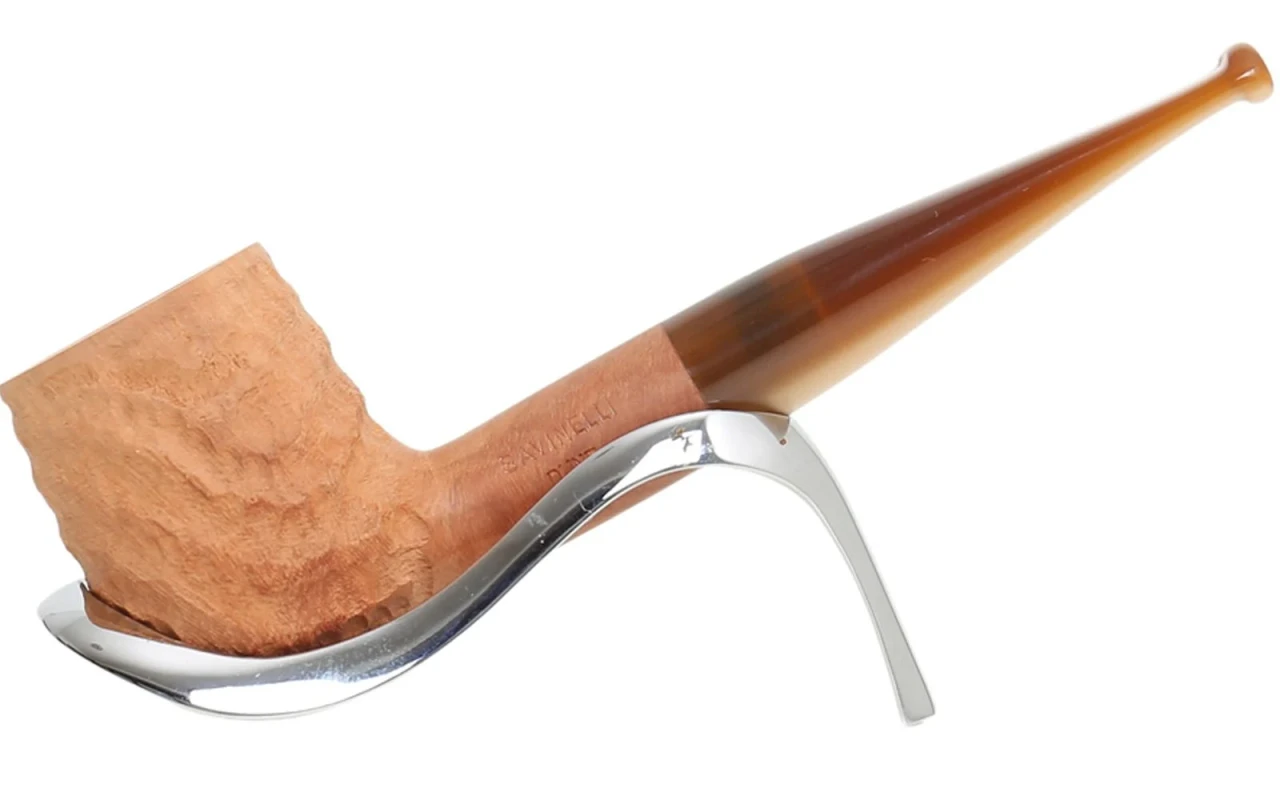
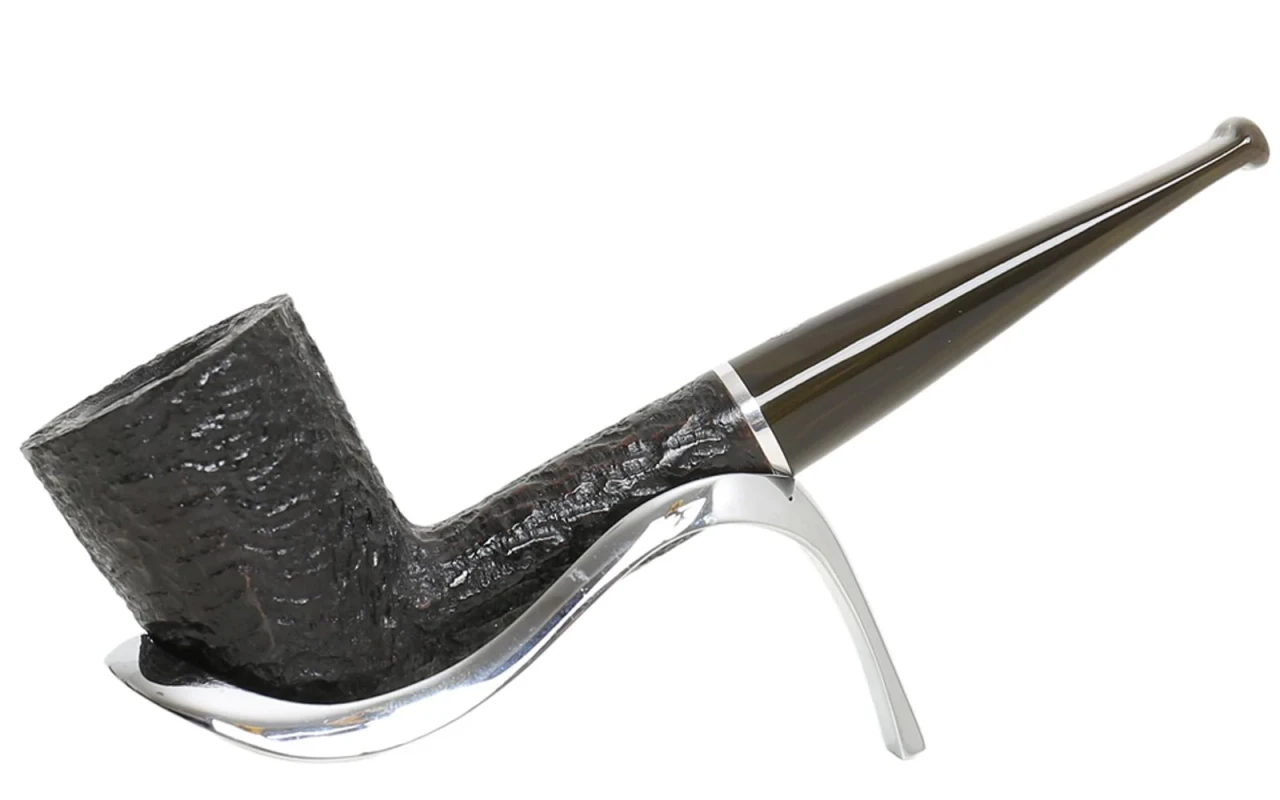
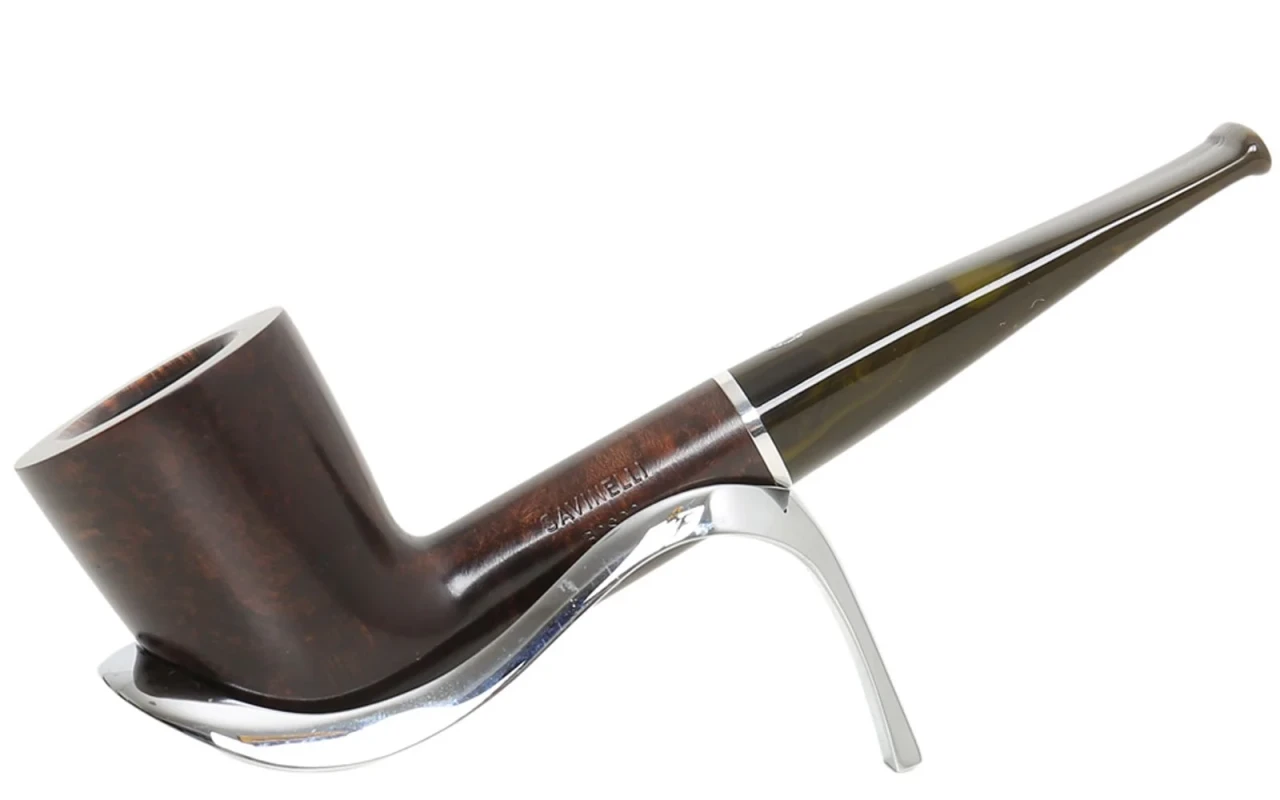
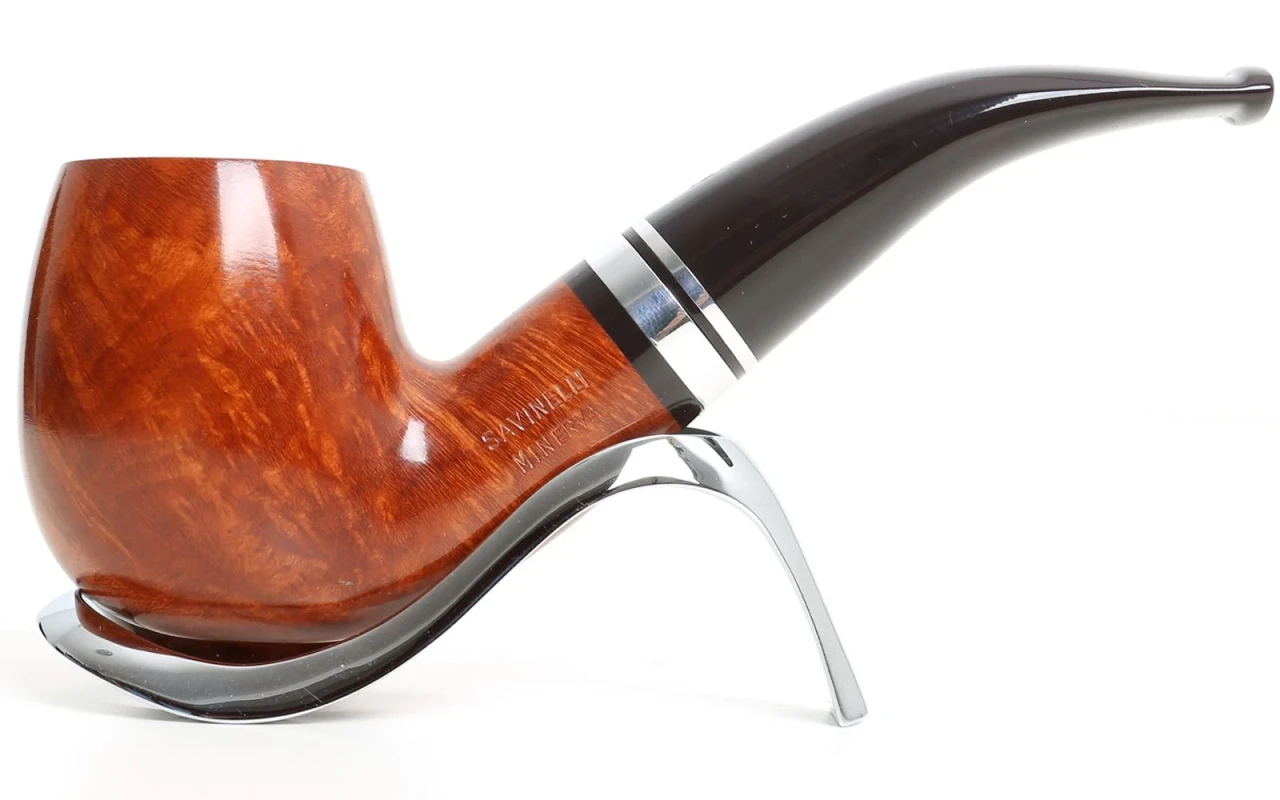
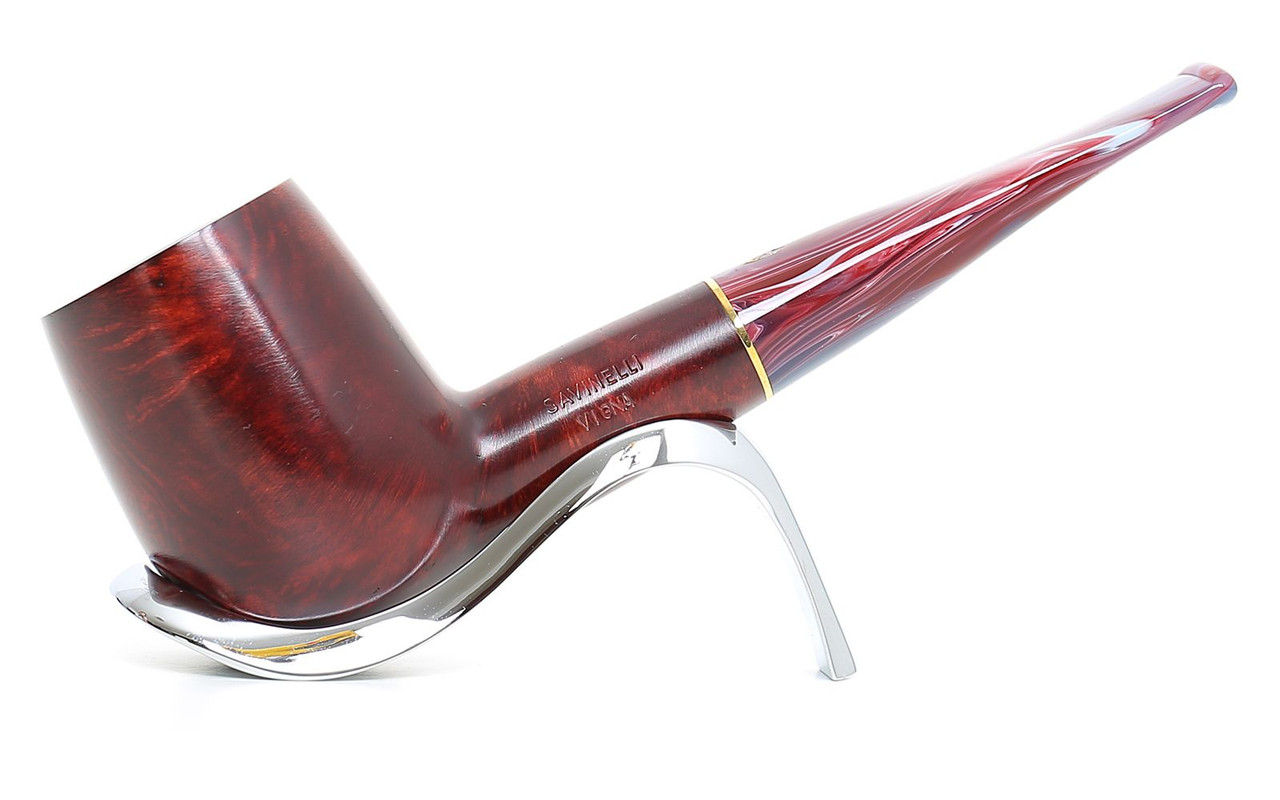
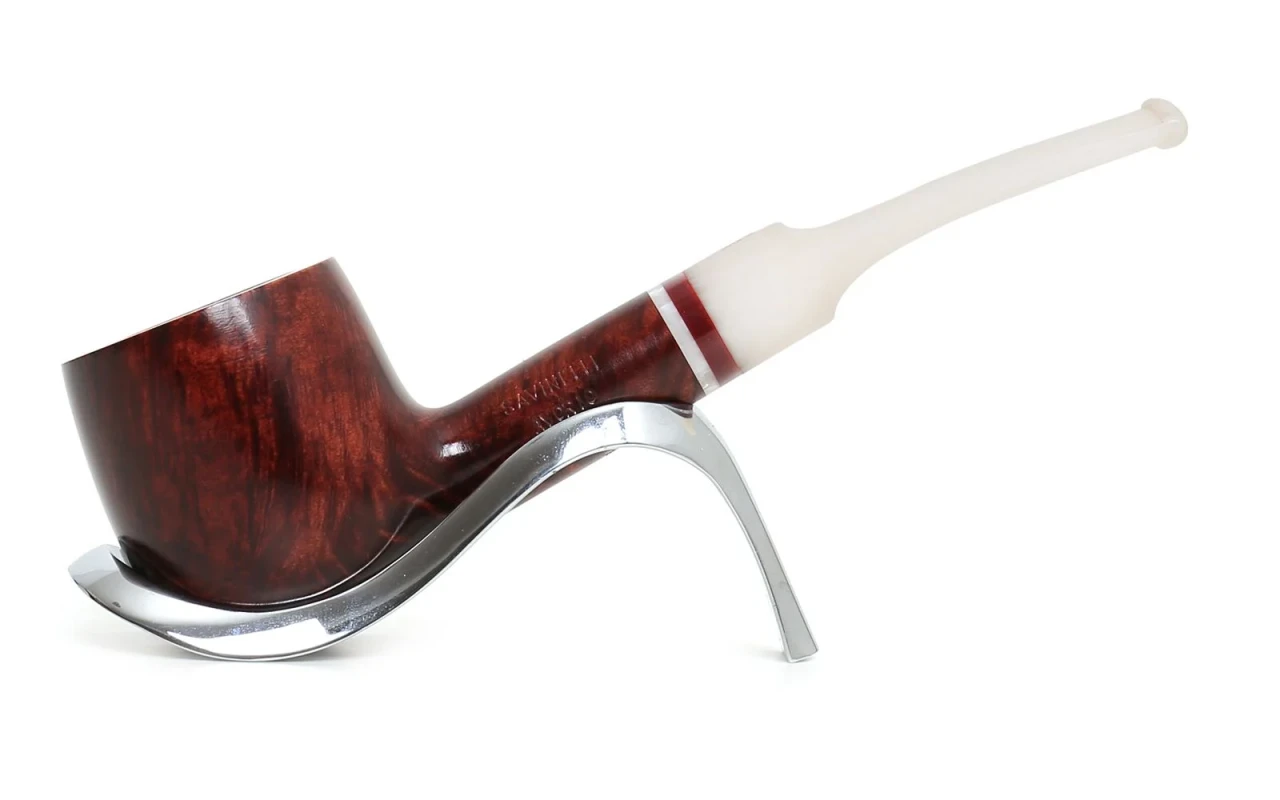
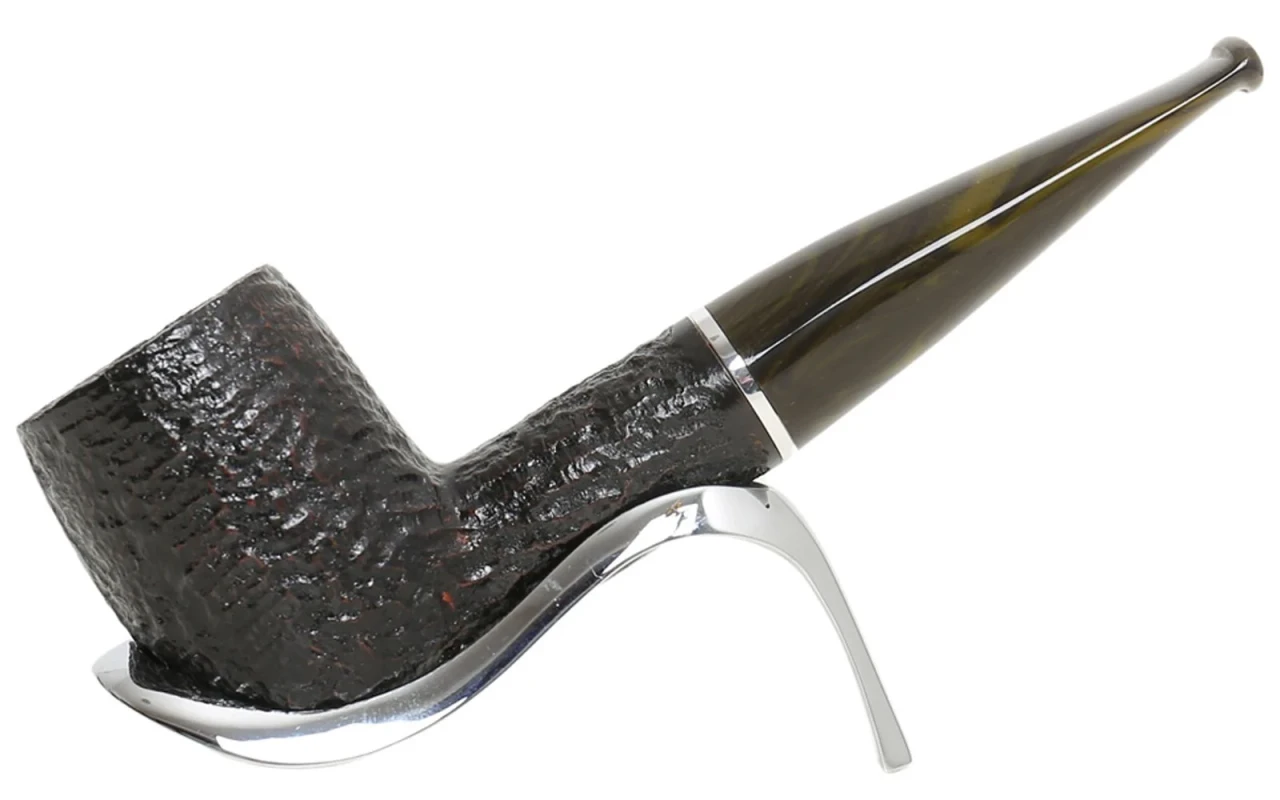
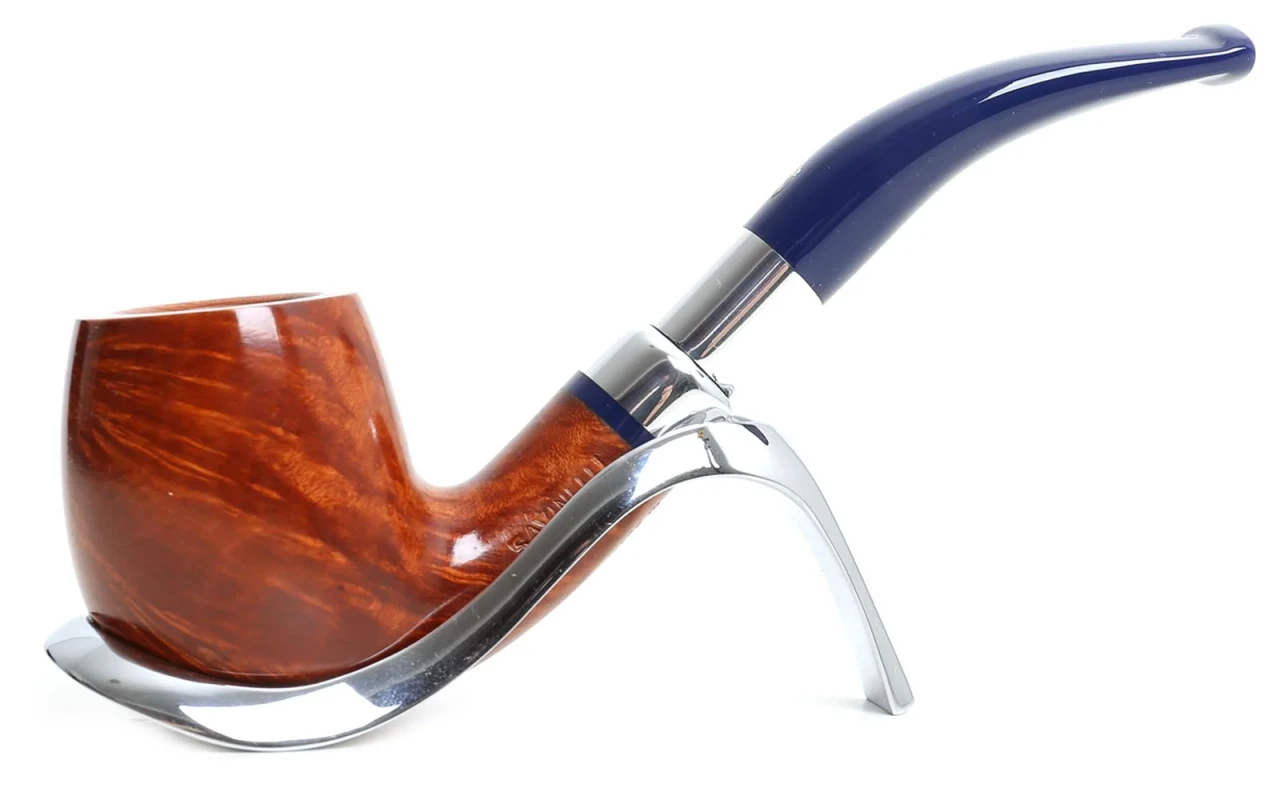
The pipe stimulates taste and smell thanks to the slow combustion of tobacco, which releases complex aromas and olfactory nuances. The smoke passes through the stem and chamber, allowing one to perceive rich flavors and intense fragrances, making the sensory experience deeper compared to other smoking methods.
Why does the pipe stimulate taste and smell? Deep dive
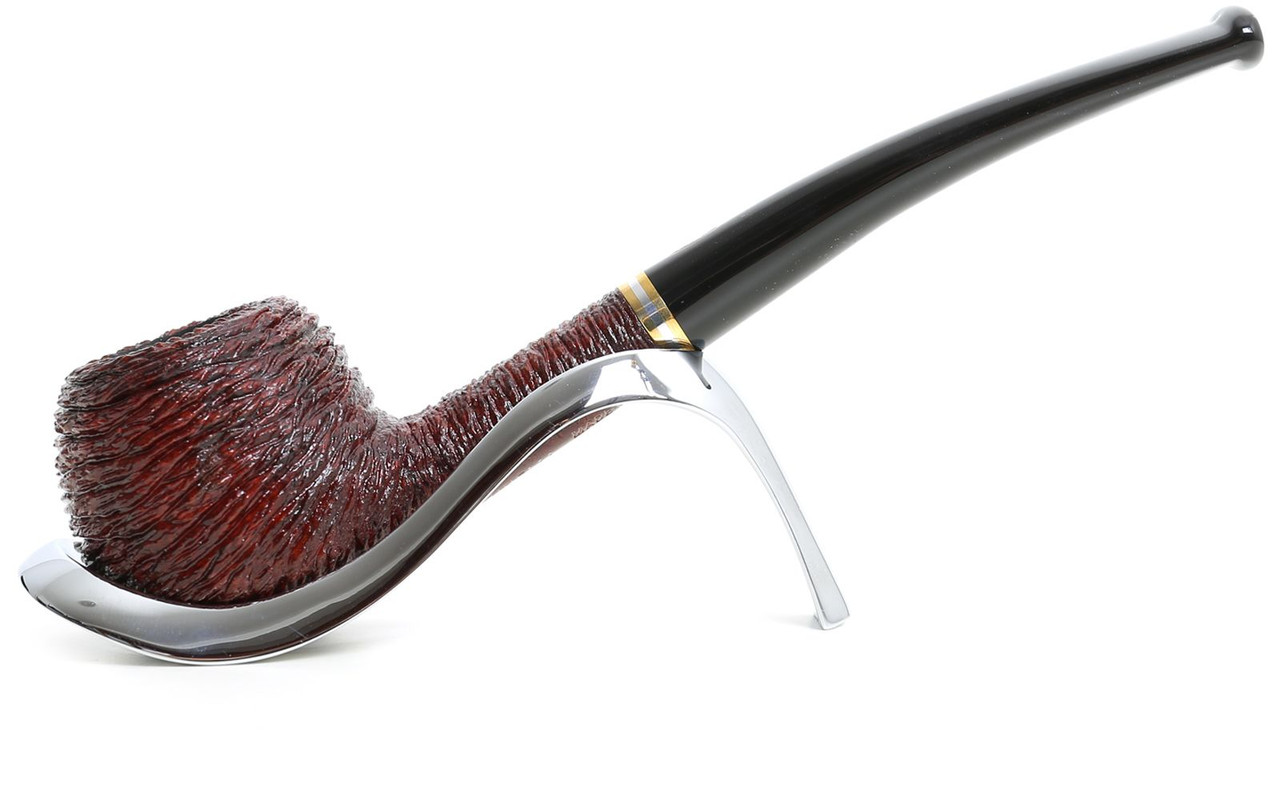
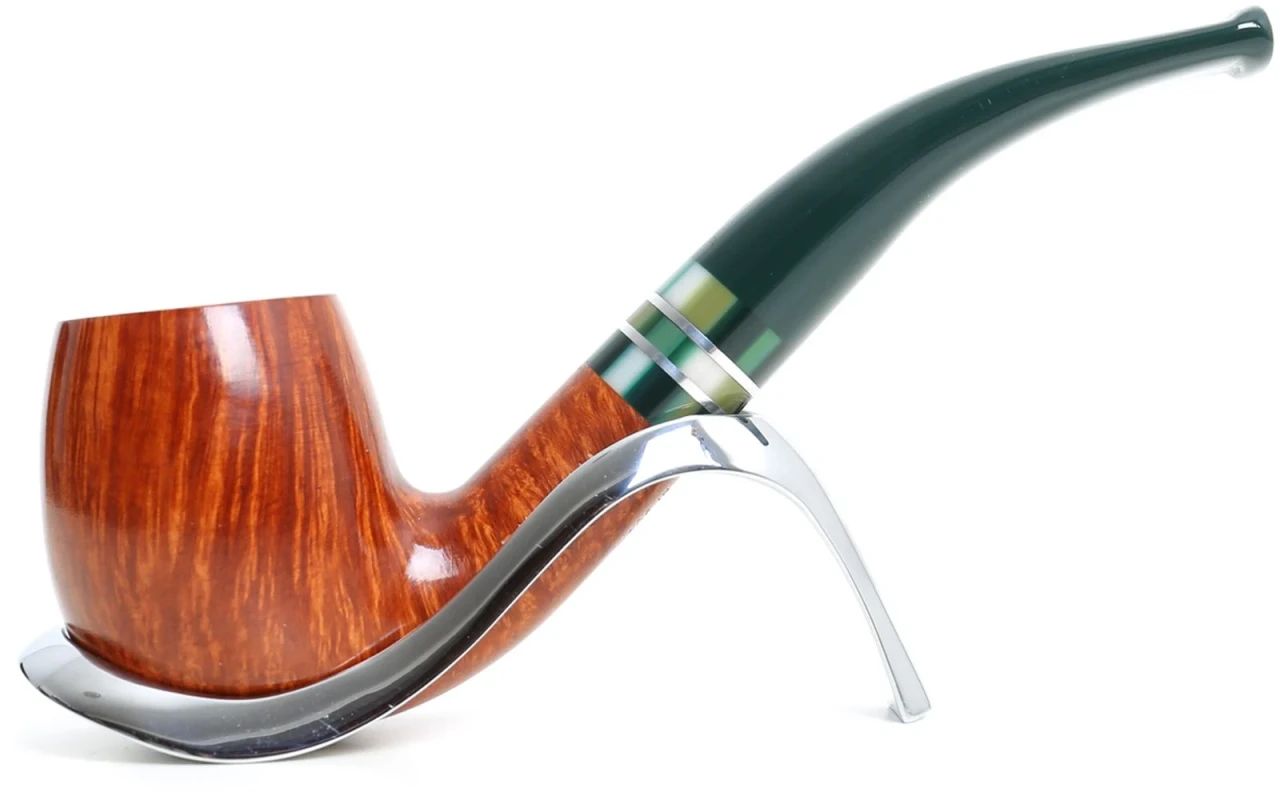
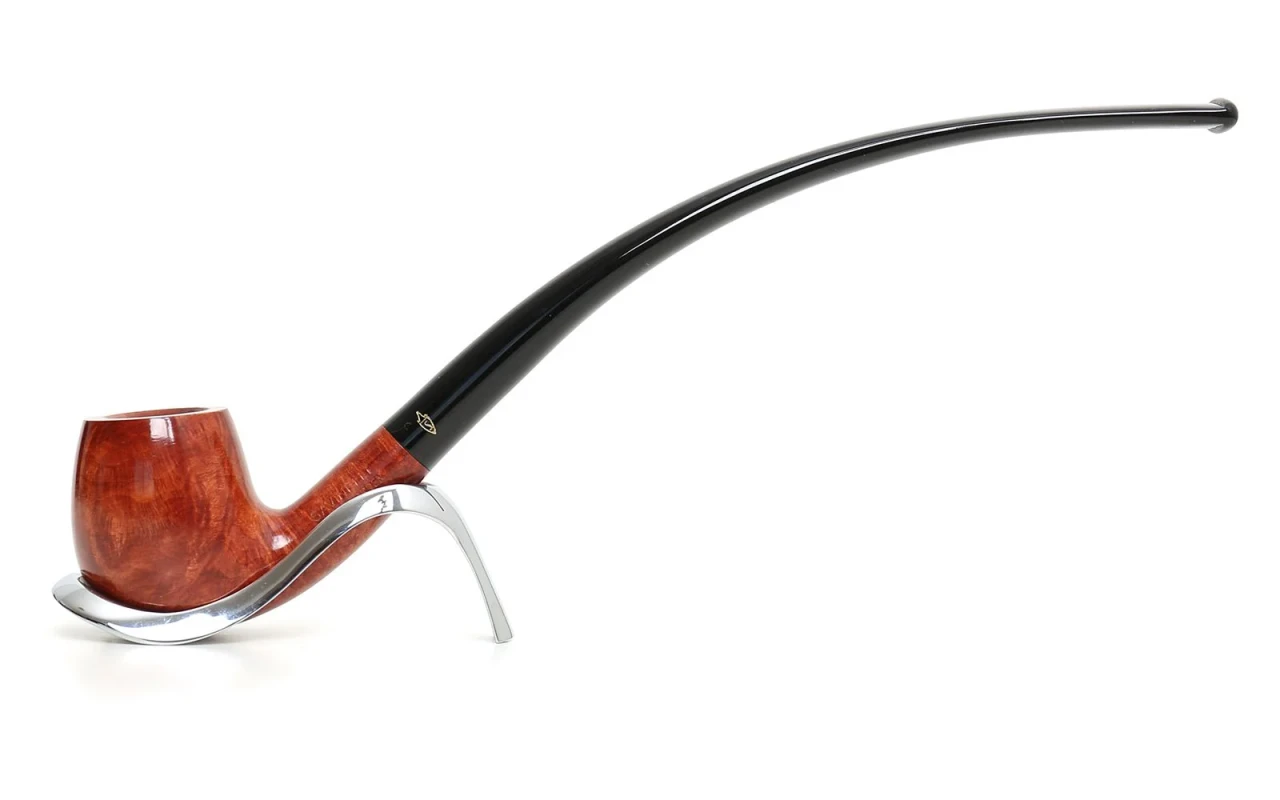
The pipe primarily stimulates taste and smell due to the mode of tobacco combustion, which occurs slowly and at lower temperatures compared to cigarettes or cigars. This process allows the tobacco to release a wide range of aromas and flavors, often complex and delicate, perceived by both the palate and the nose. The smoke, passing through the pipe’s chamber and stem, cools slightly, promoting better aroma perception without excessively burning the tobacco. Additionally, the choice of materials, shapes, and finishes of the pipe can influence the smoke’s quality and thus the sensory experience. The very act of pipe smoking, which requires calmness and attention, enables a fuller appreciation of gustatory and olfactory nuances, making the smoke a moment of sensory and cultural pleasure linked to the tradition of slow smoking.