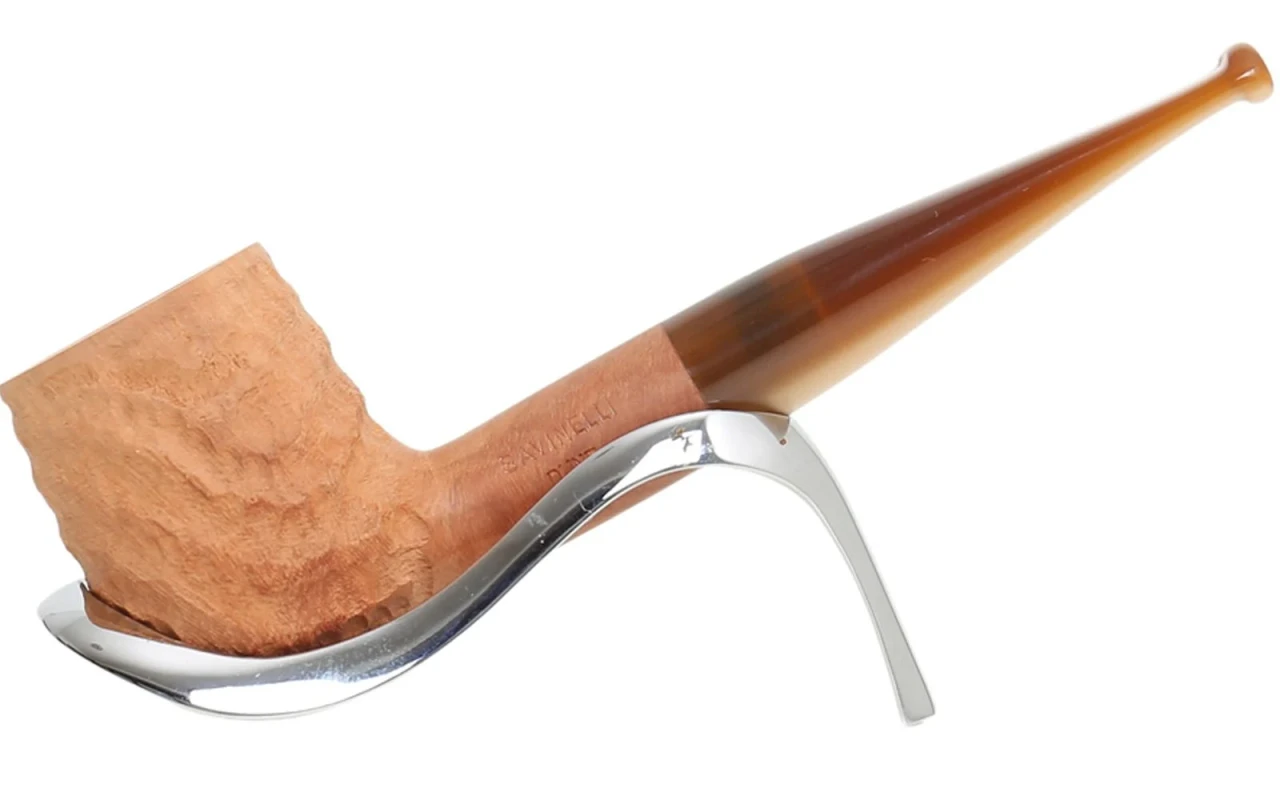
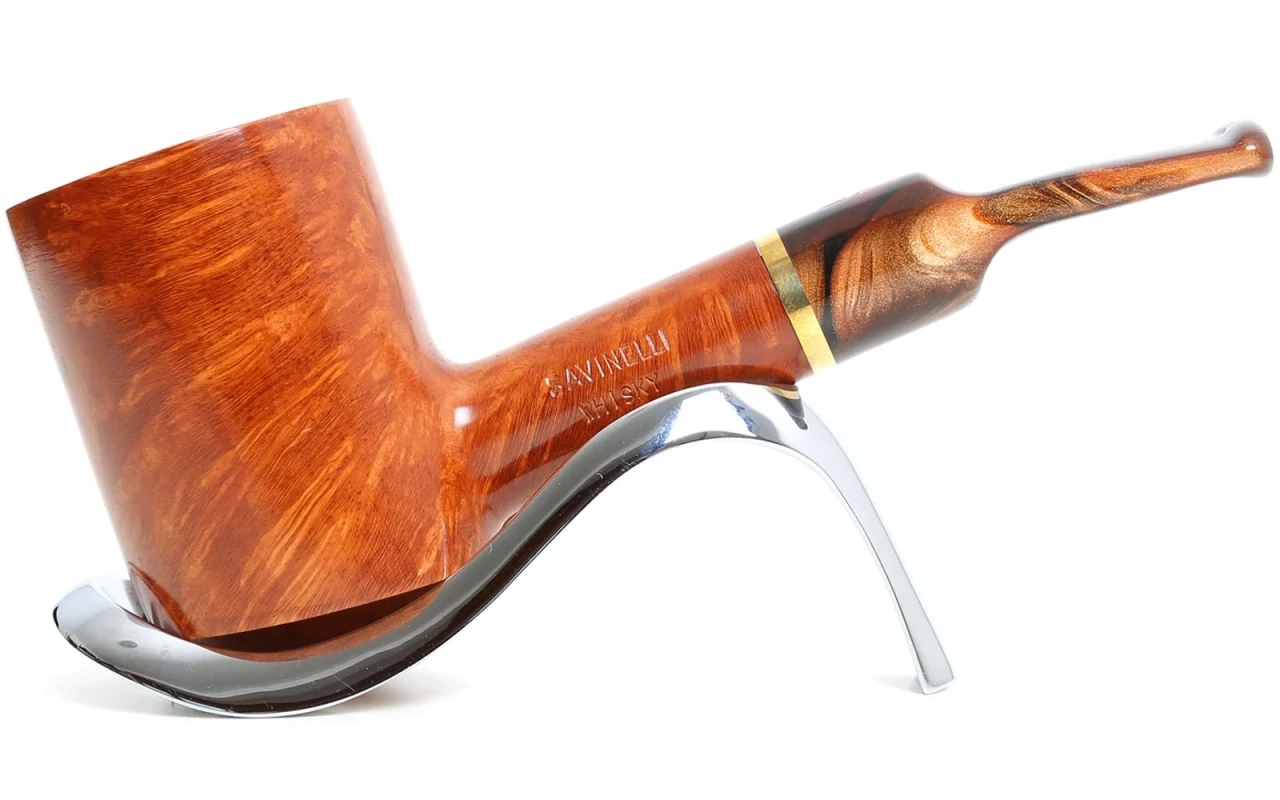
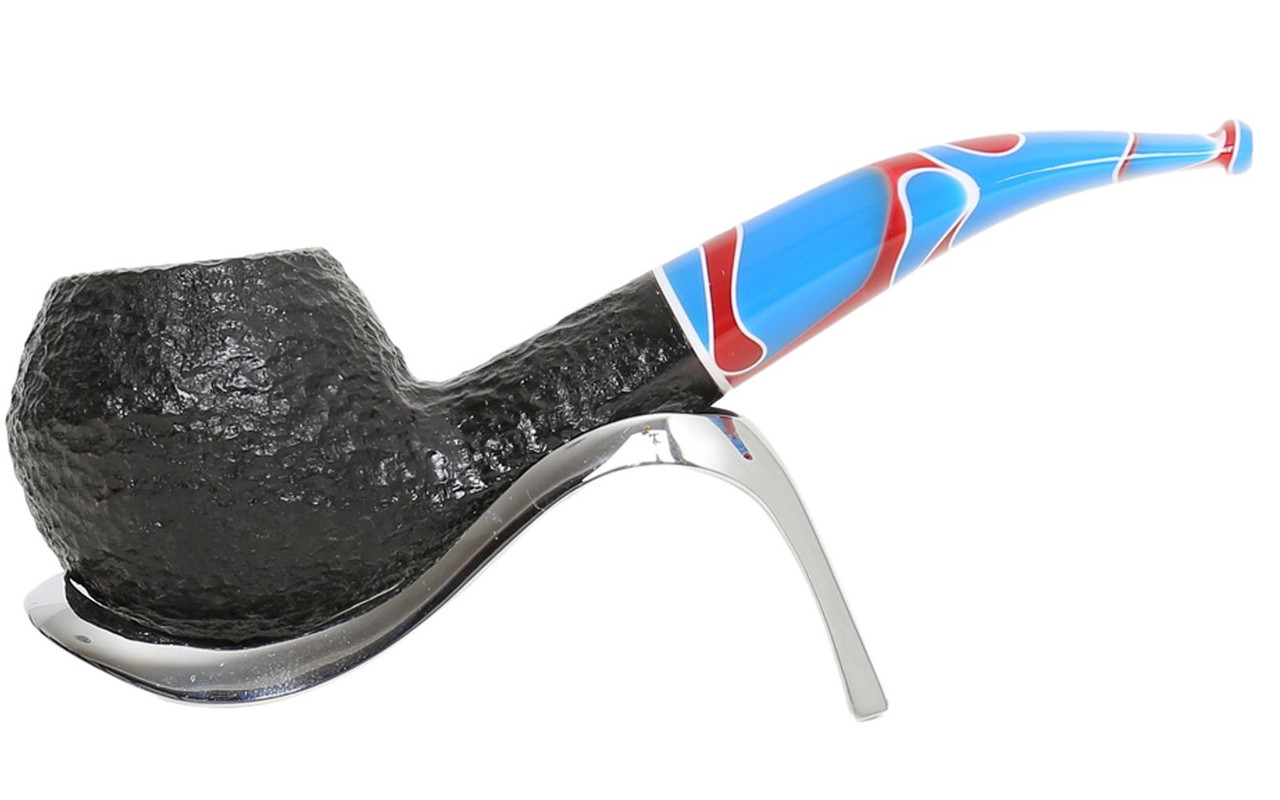
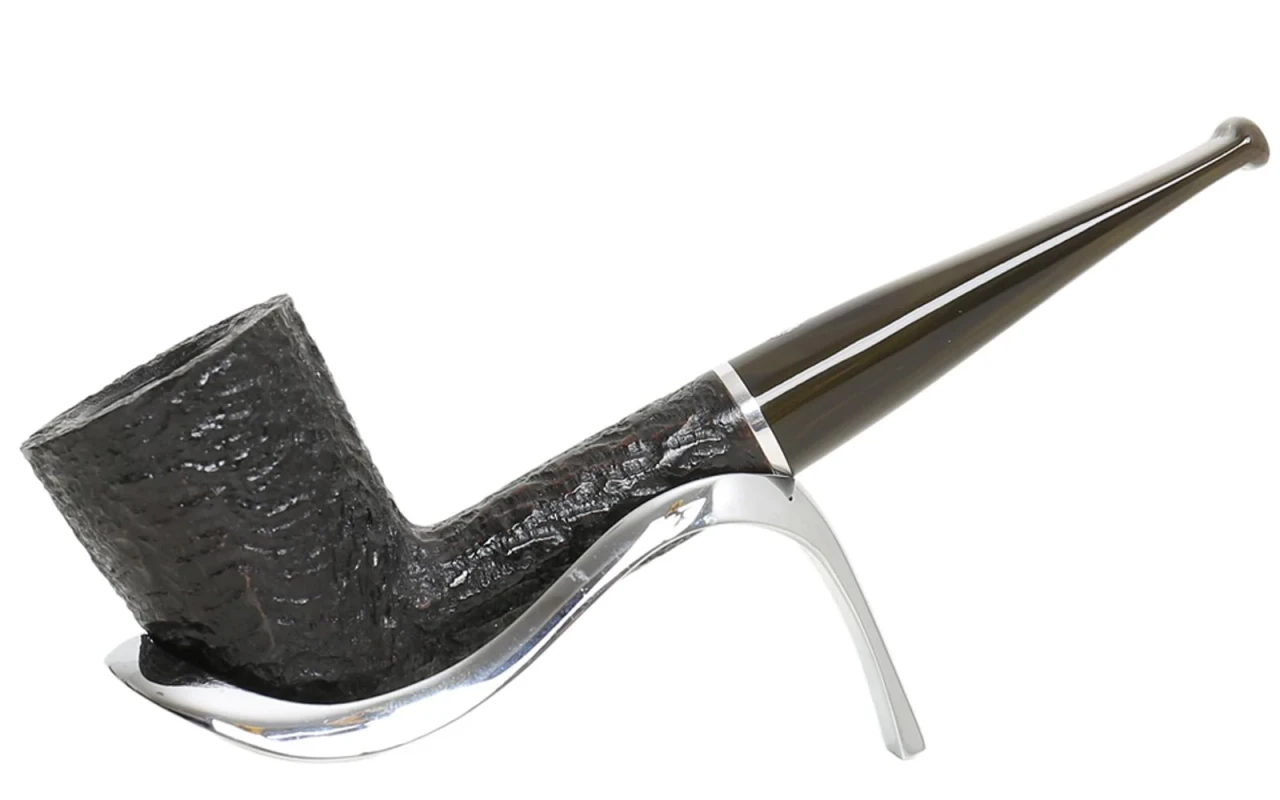
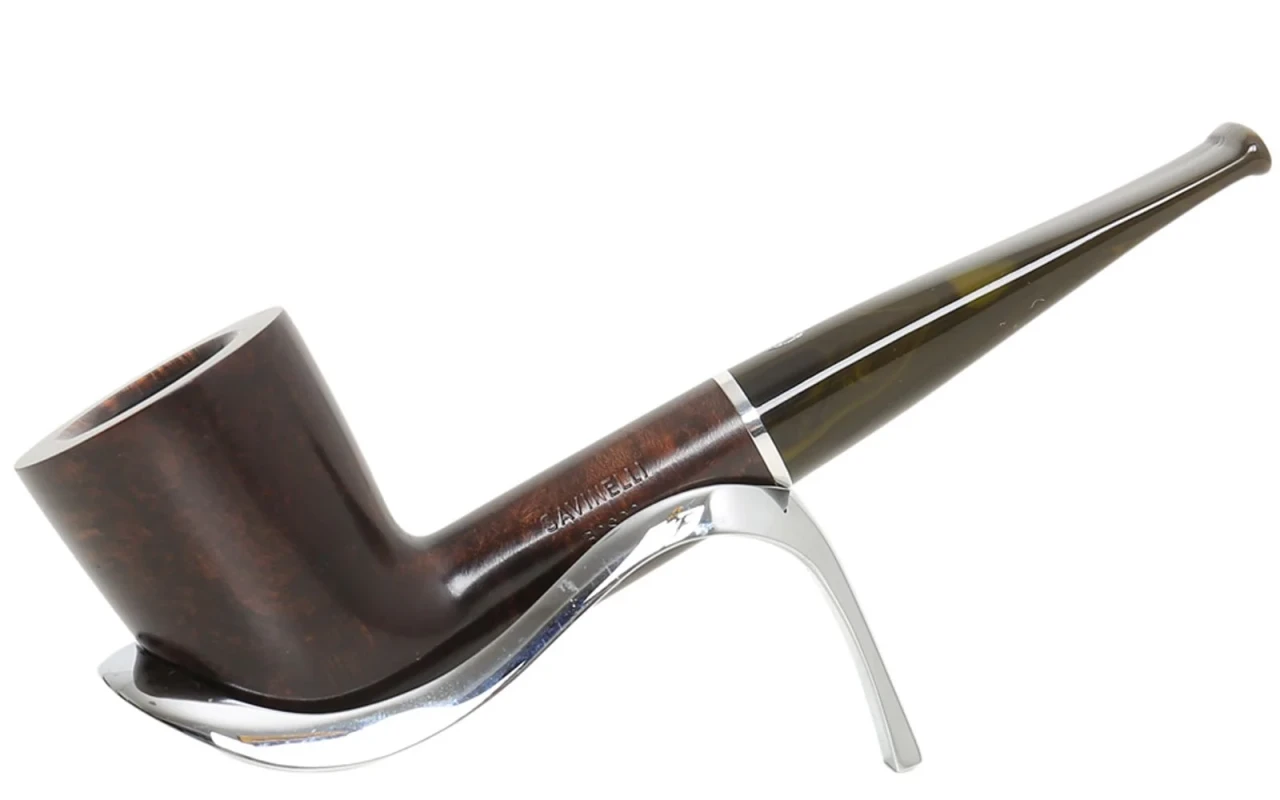
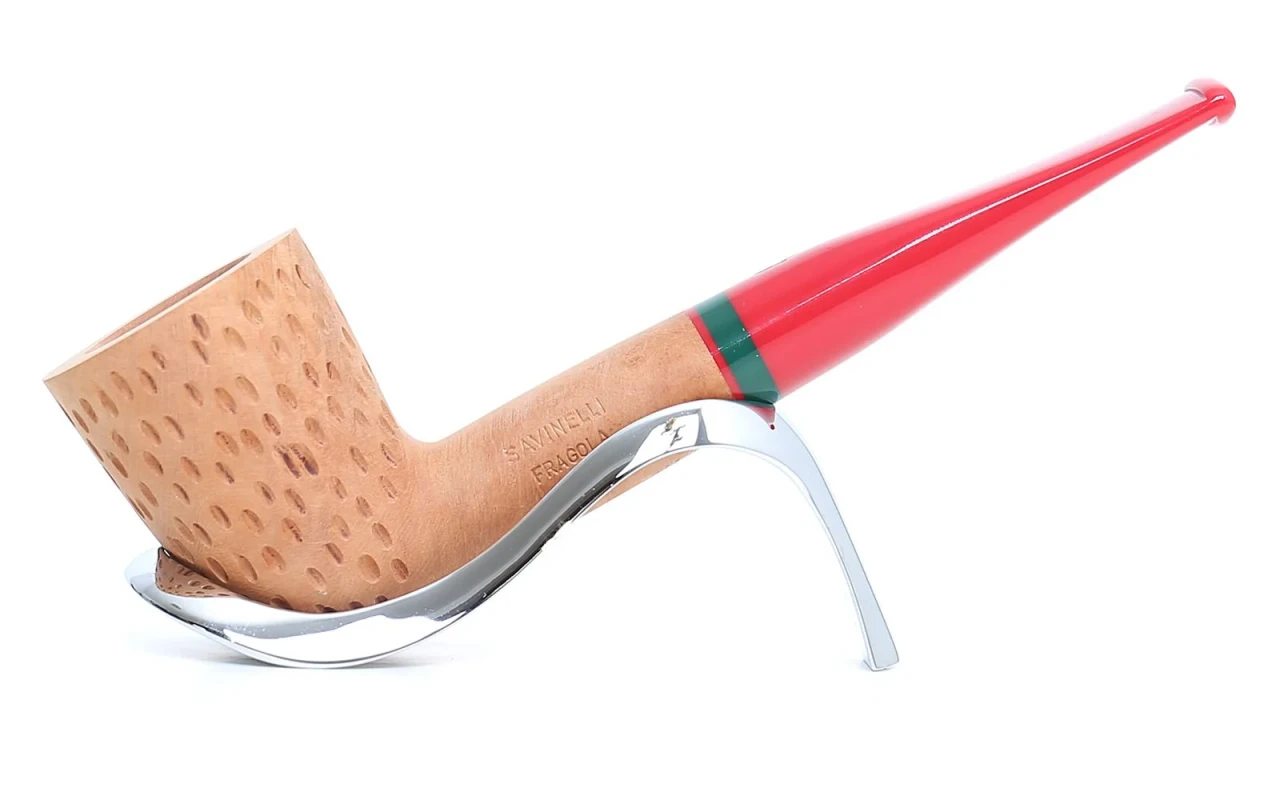
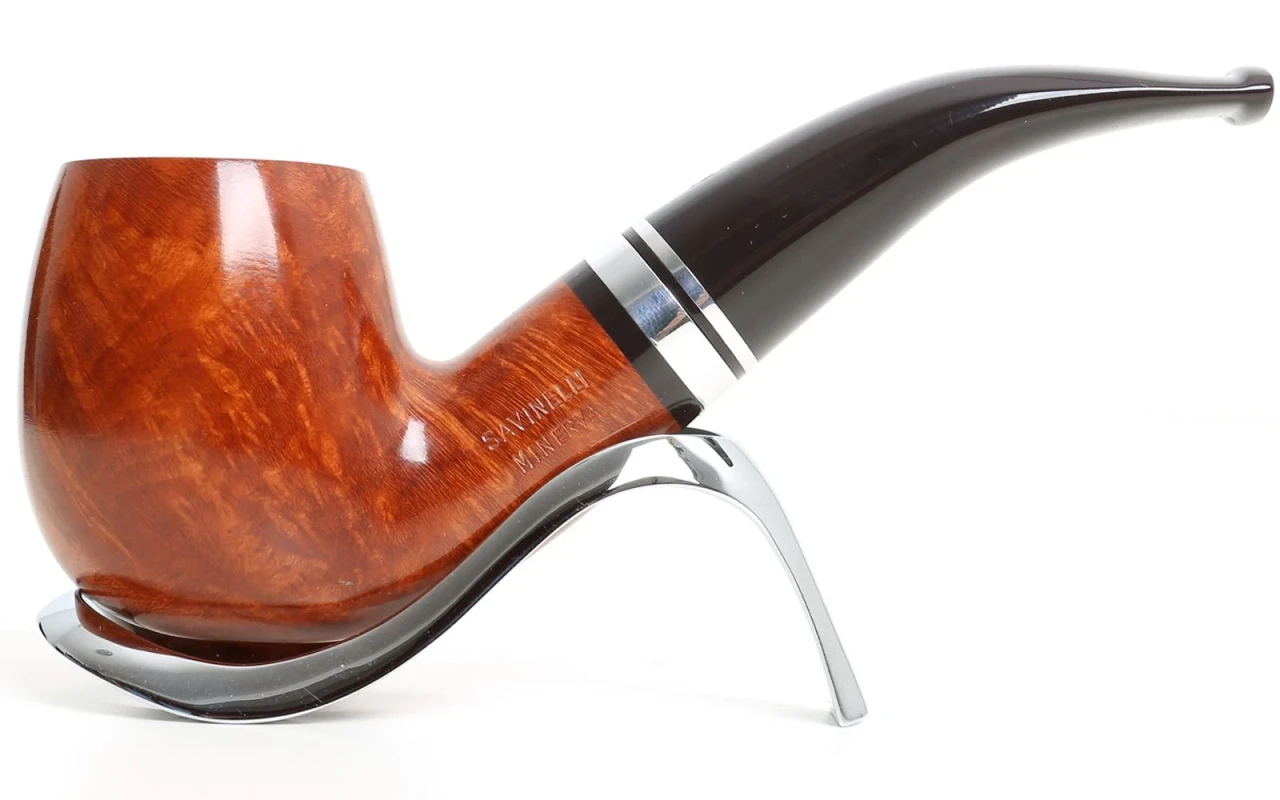
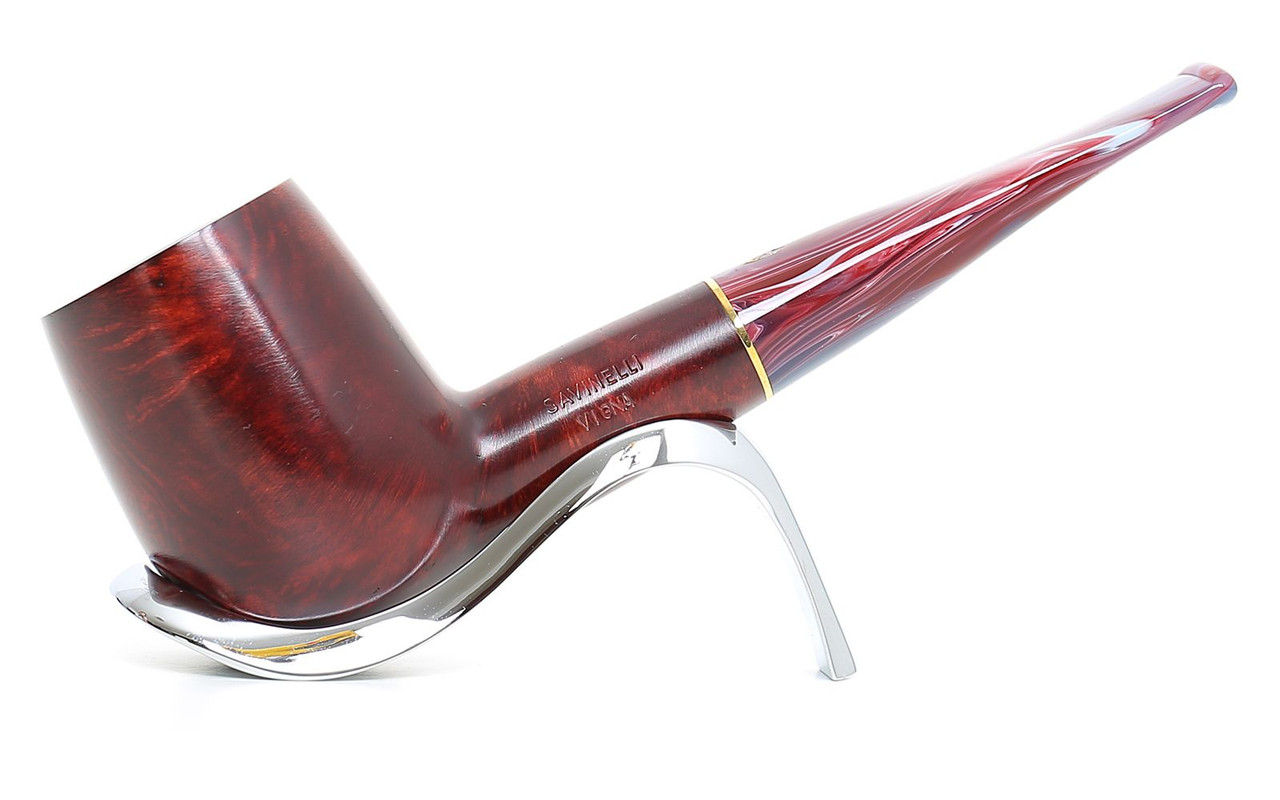
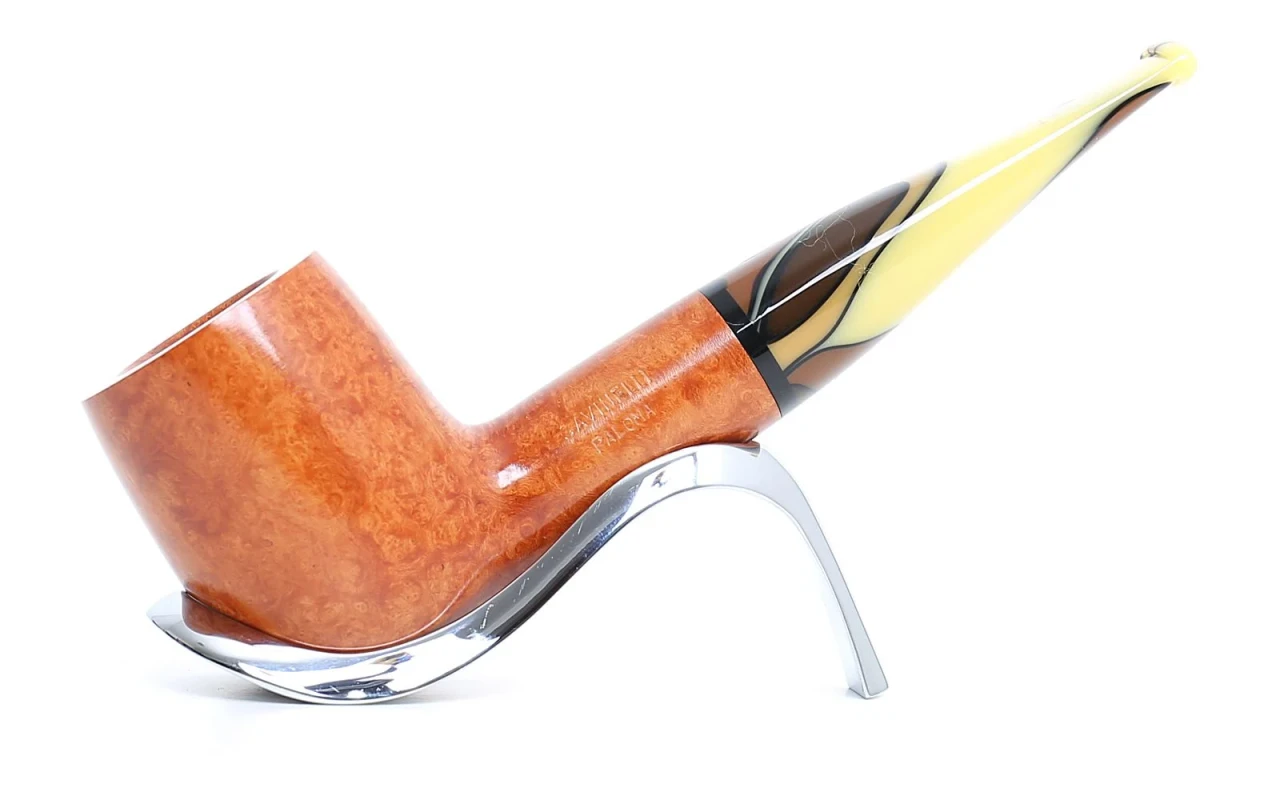
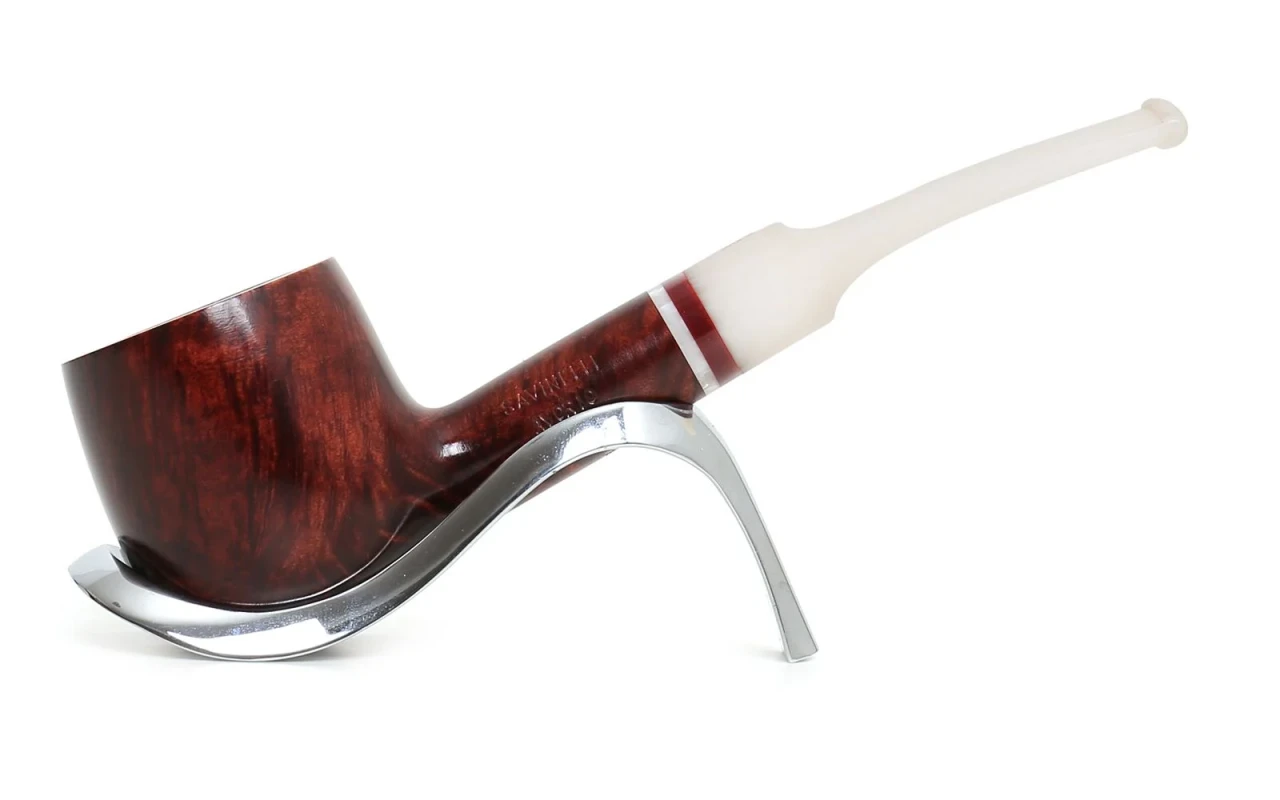
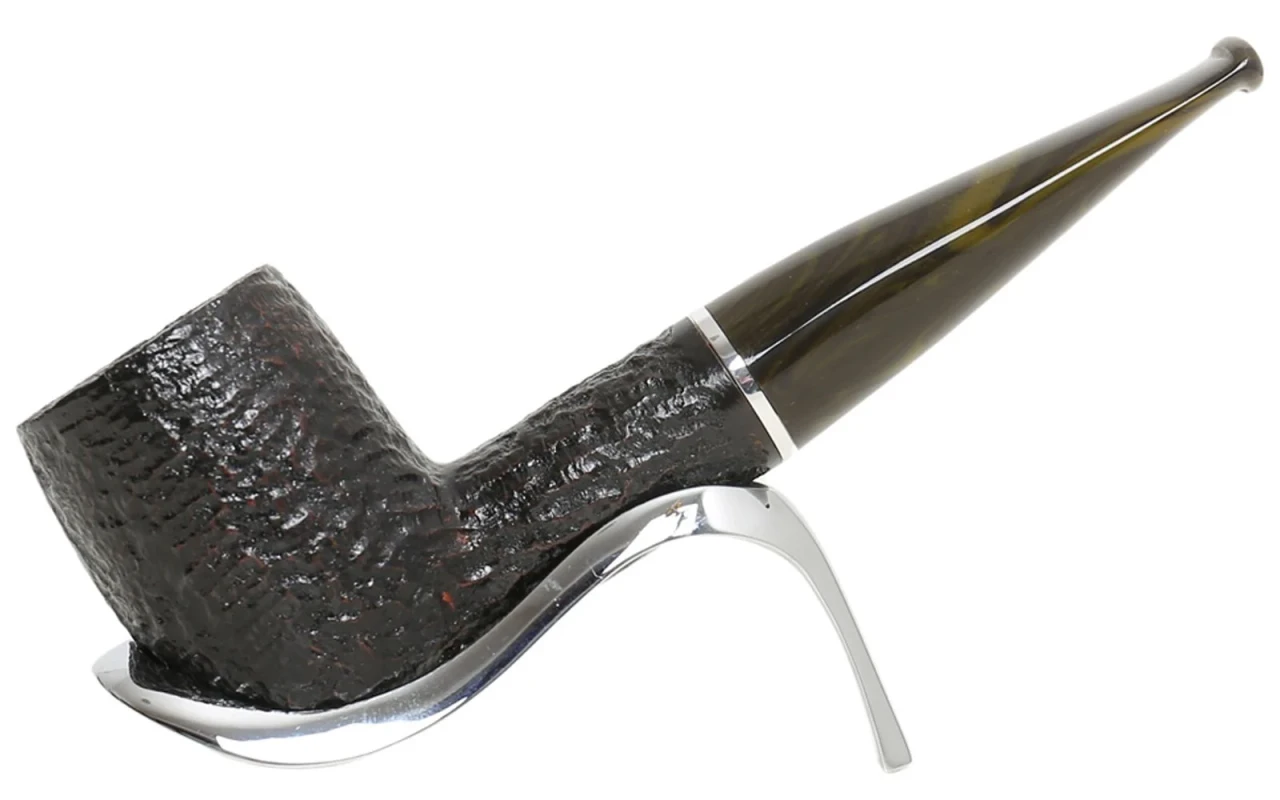
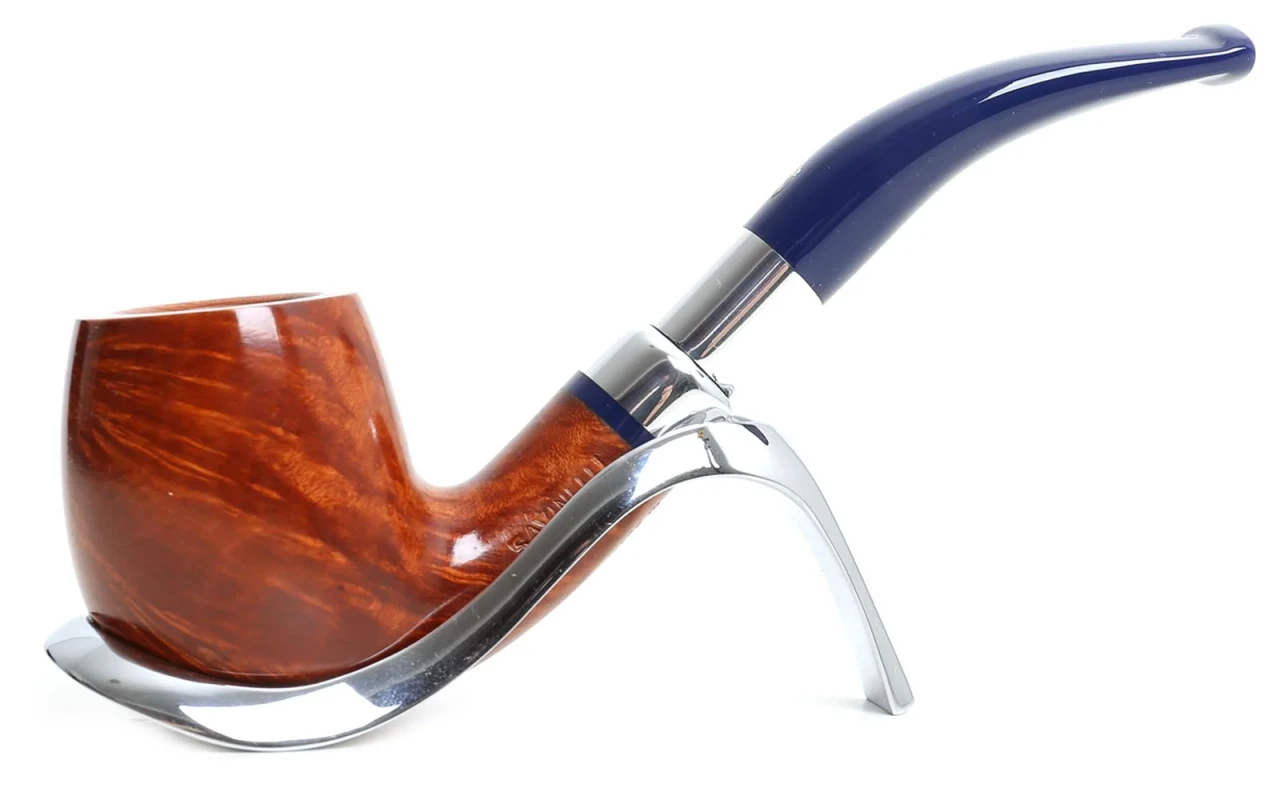
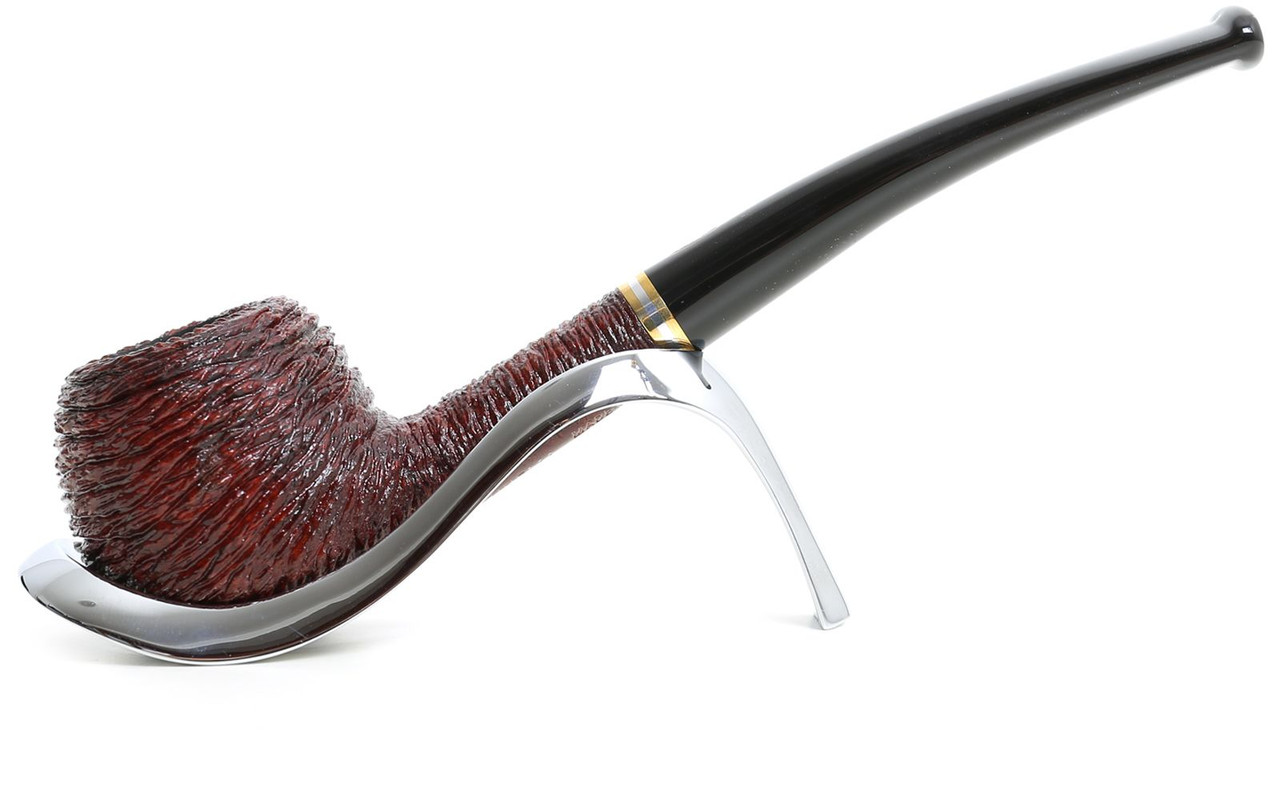
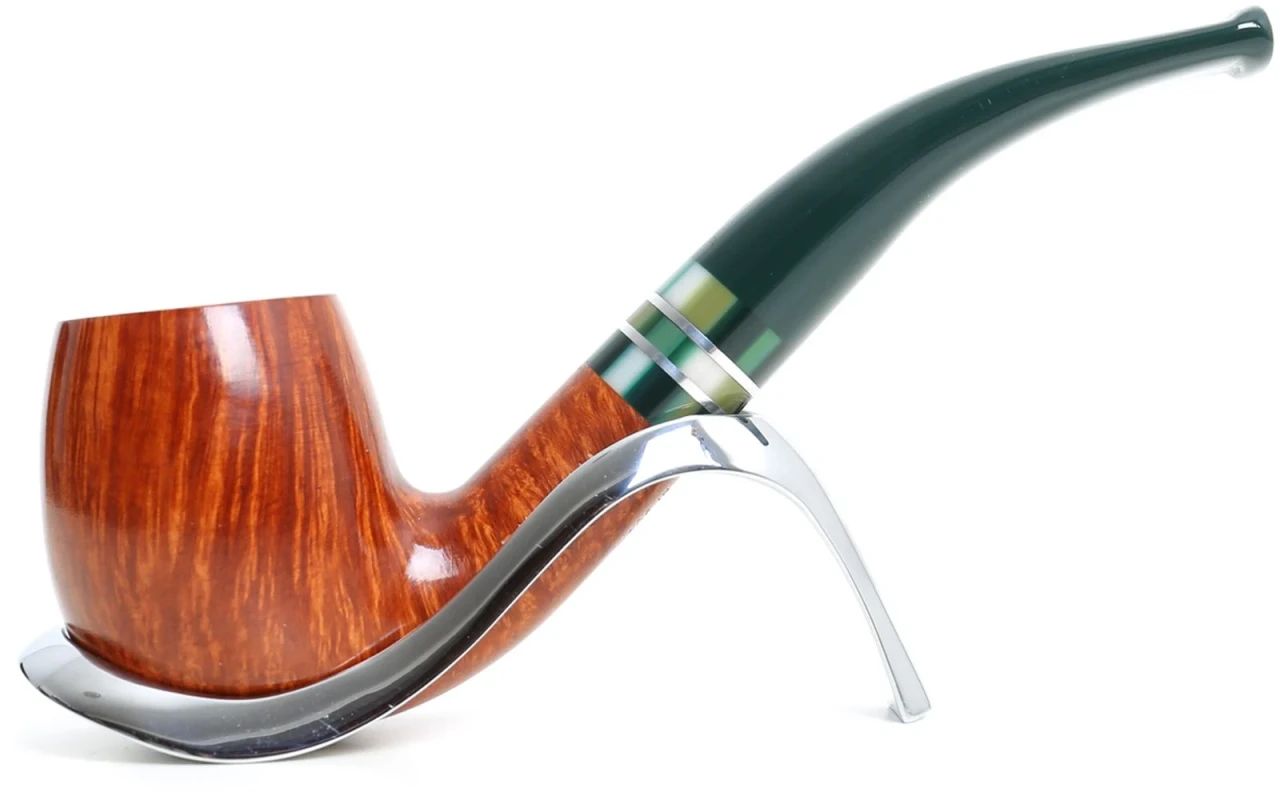
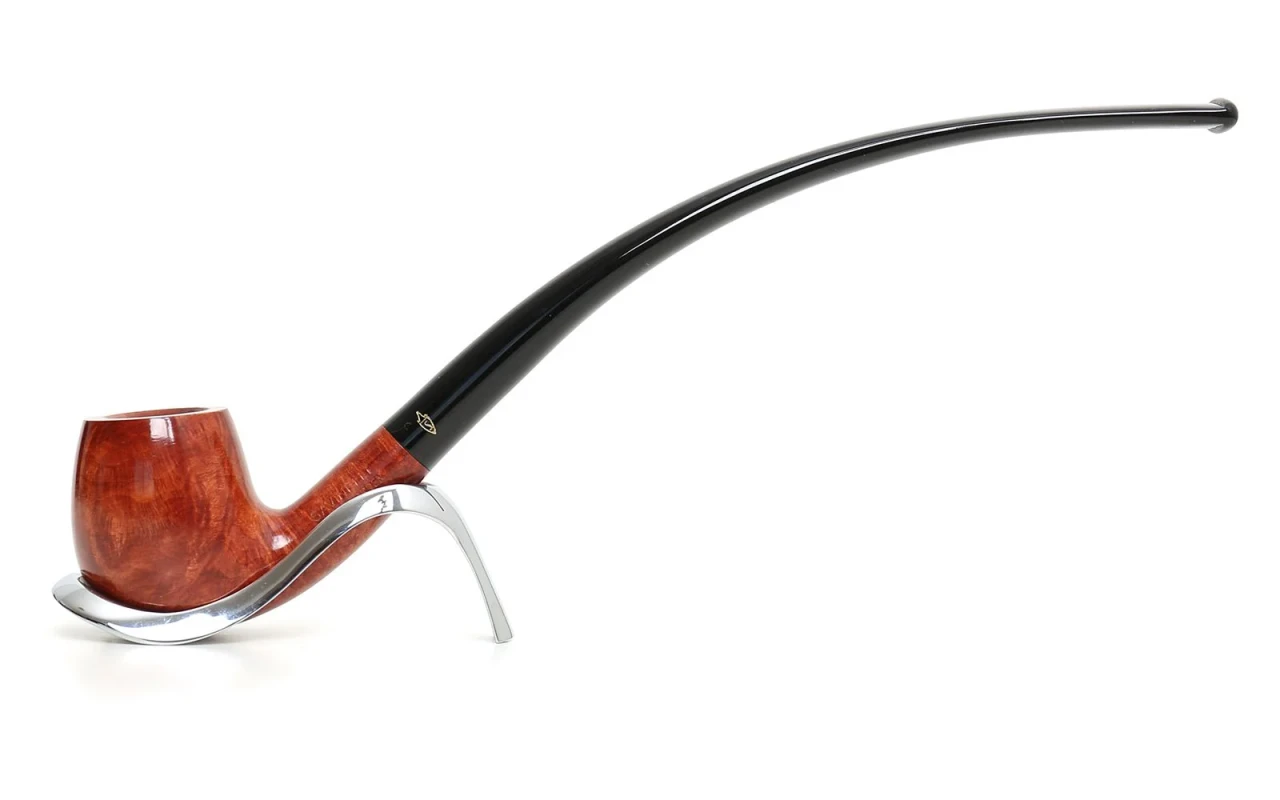
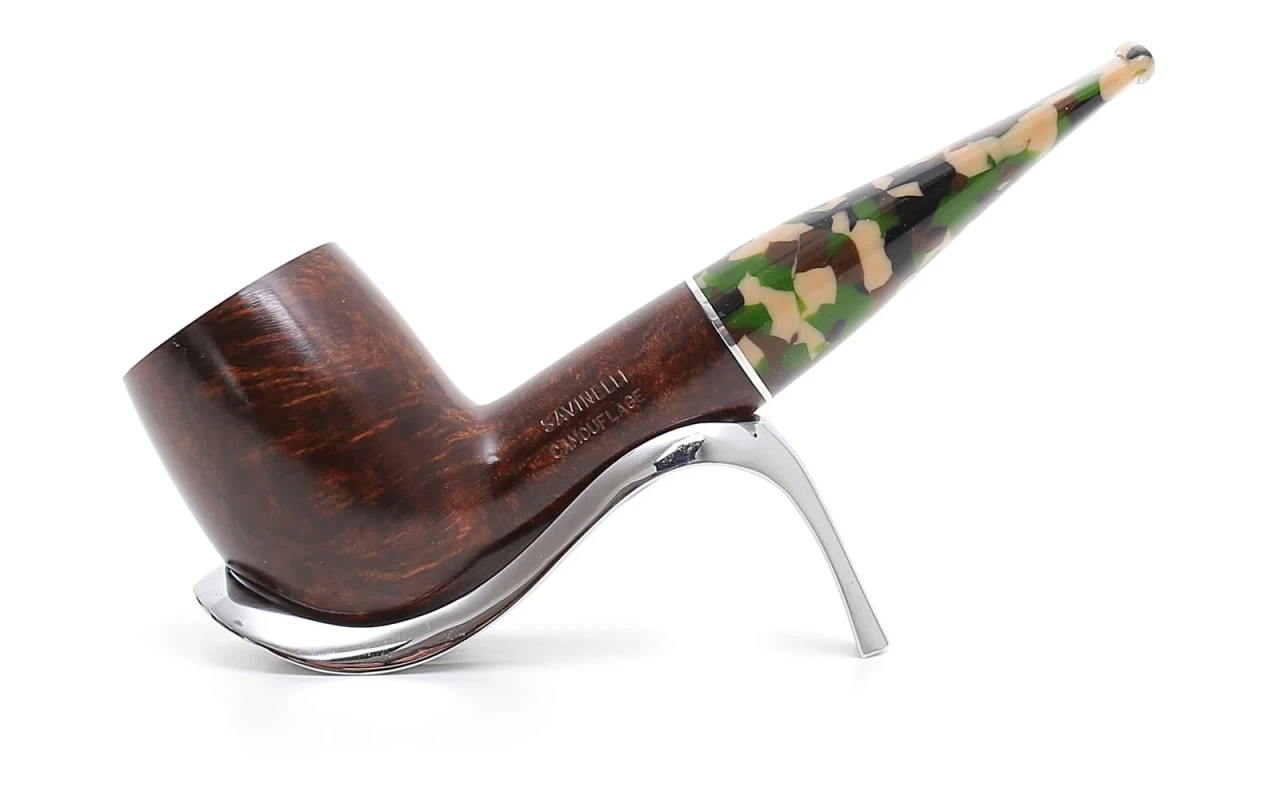
Briar wood, derived from the root burl of the heath tree, resists heat due to its dense and compact structure, which limits heat and moisture absorption. This makes it ideal for pipe making, ensuring durability and controlled combustion during slow smoking.
Why does briar wood resist the heat of the pipe? Deep dive
Briar wood is highly valued in pipe making for its exceptional heat resistance. It comes from the root burl of the heath tree, a slow-growing plant that develops a very dense and compact grain structure. This density restricts the wood’s ability to absorb heat and moisture, critical features that help maintain the pipe’s integrity during use. Furthermore, briar has low thermal conductivity, meaning the heat generated by burning tobacco dissipates slowly, preventing the pipe from overheating excessively. This property allows for more even and controlled combustion, enhancing the smoker’s experience. The heat resistance of briar also comes with good mechanical stability, preventing cracks or deformations over time. For these reasons, briar is considered the ideal material for crafting high-quality pipes, combining functionality and durability with refined aesthetics thanks to its natural grain and potential finishes.