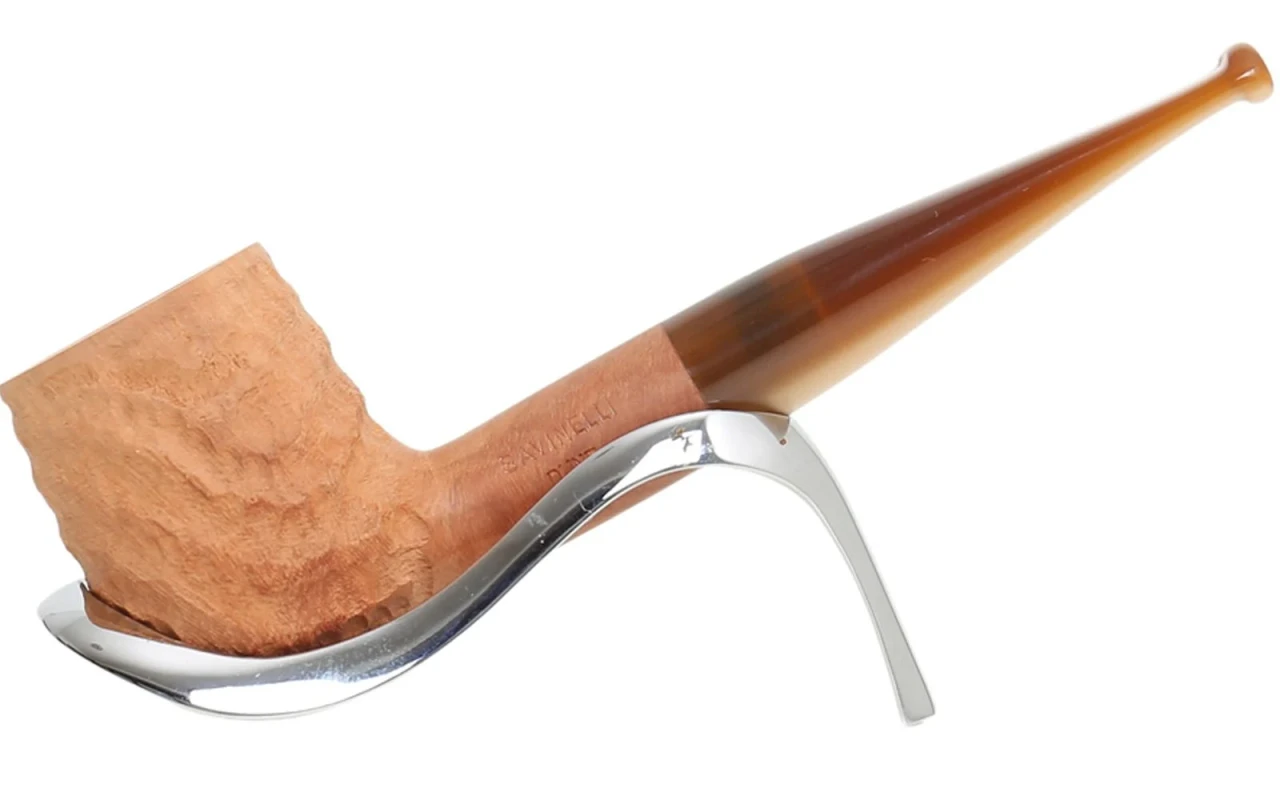
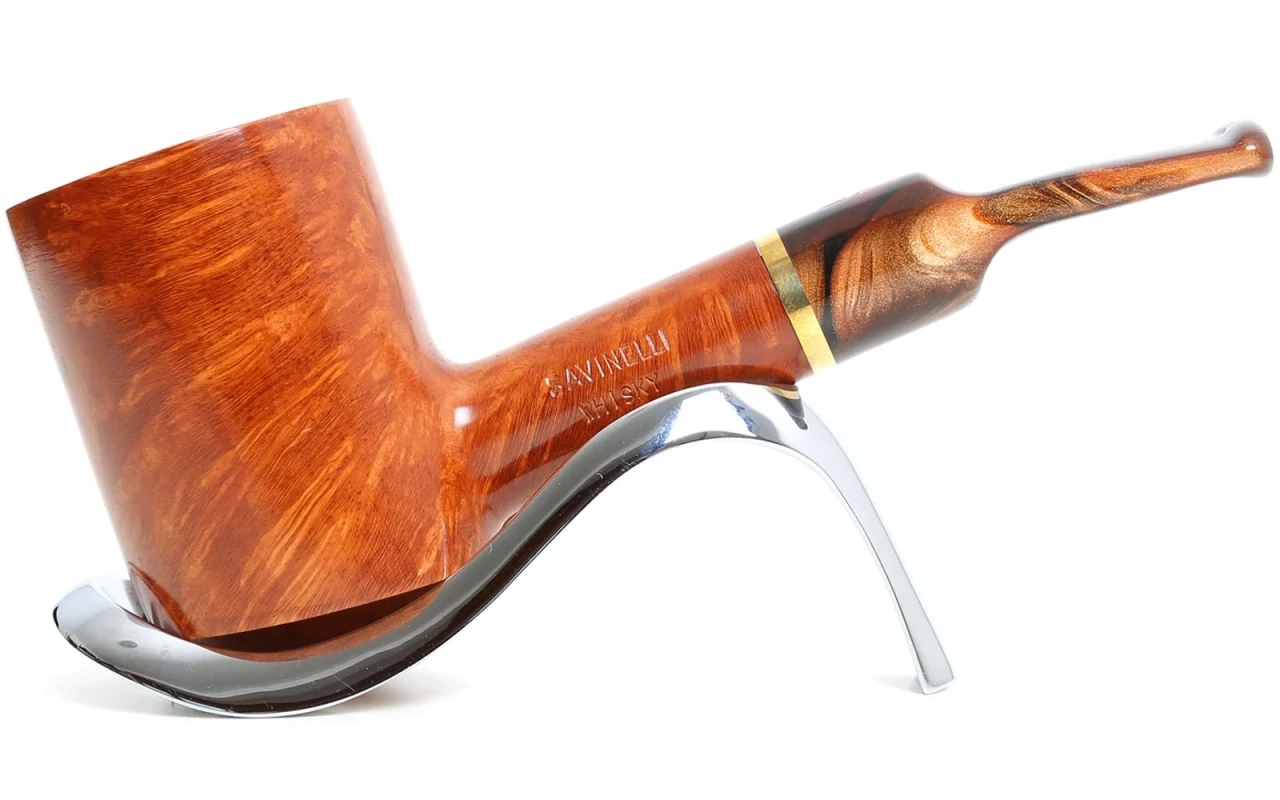
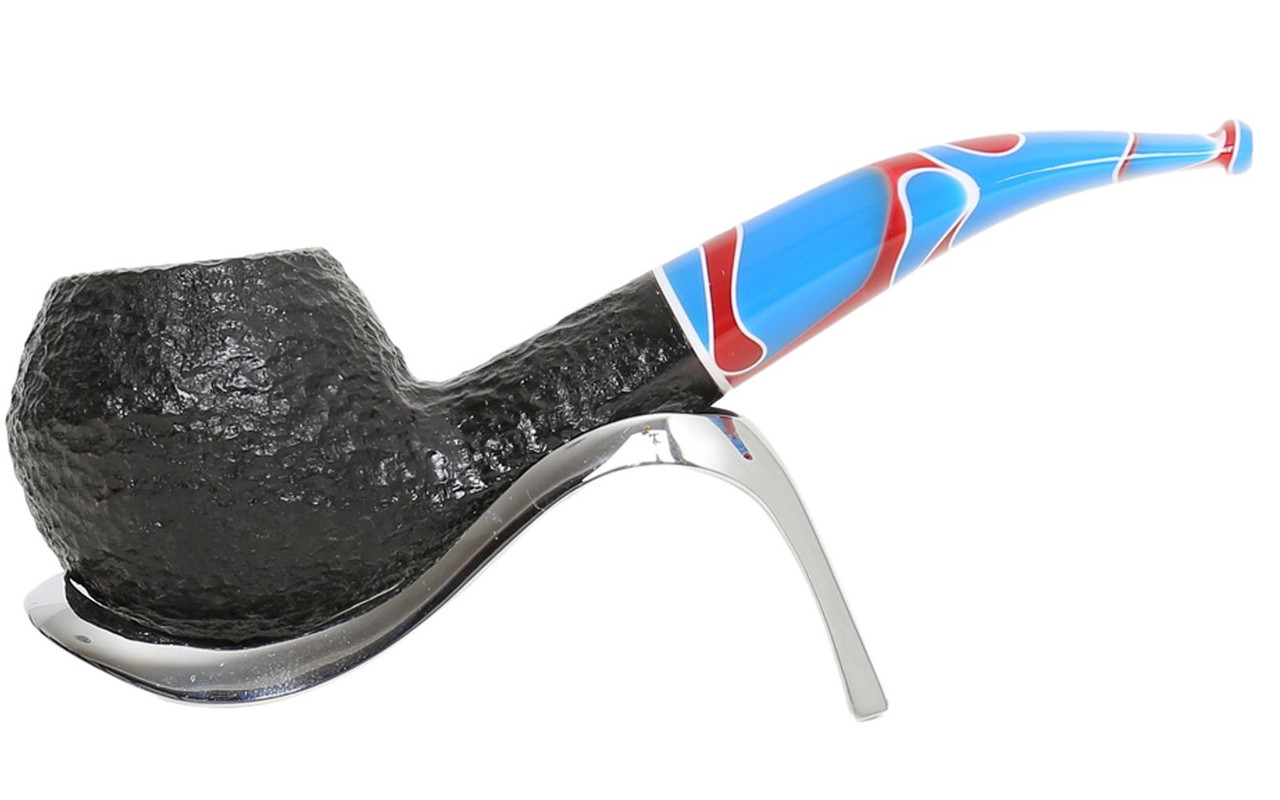
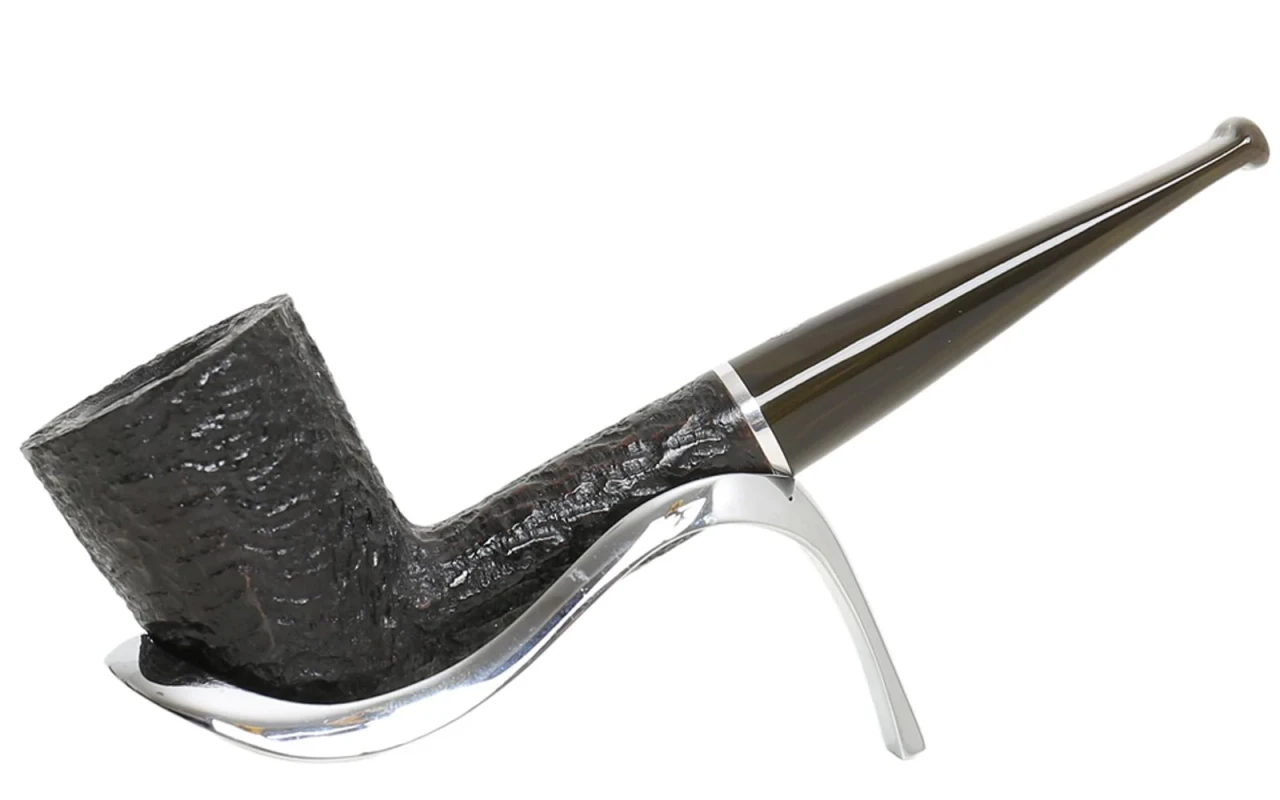
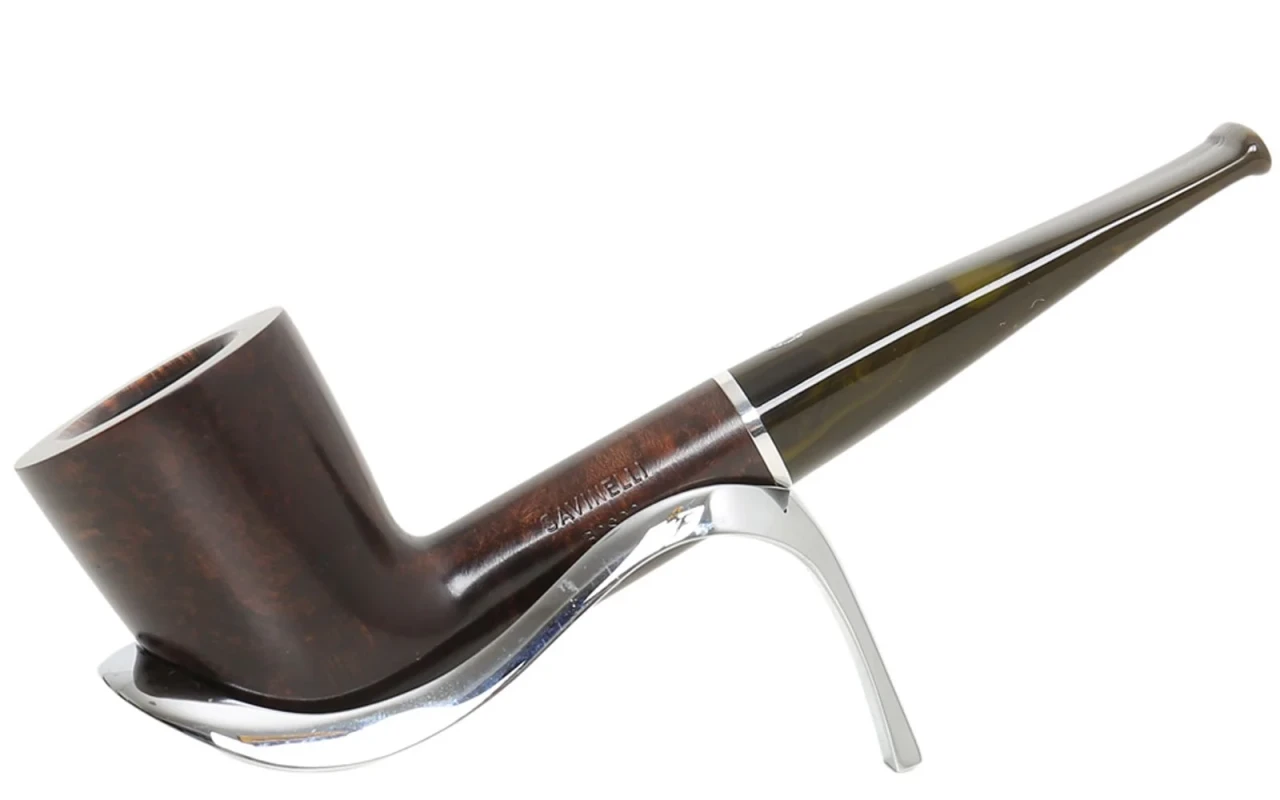
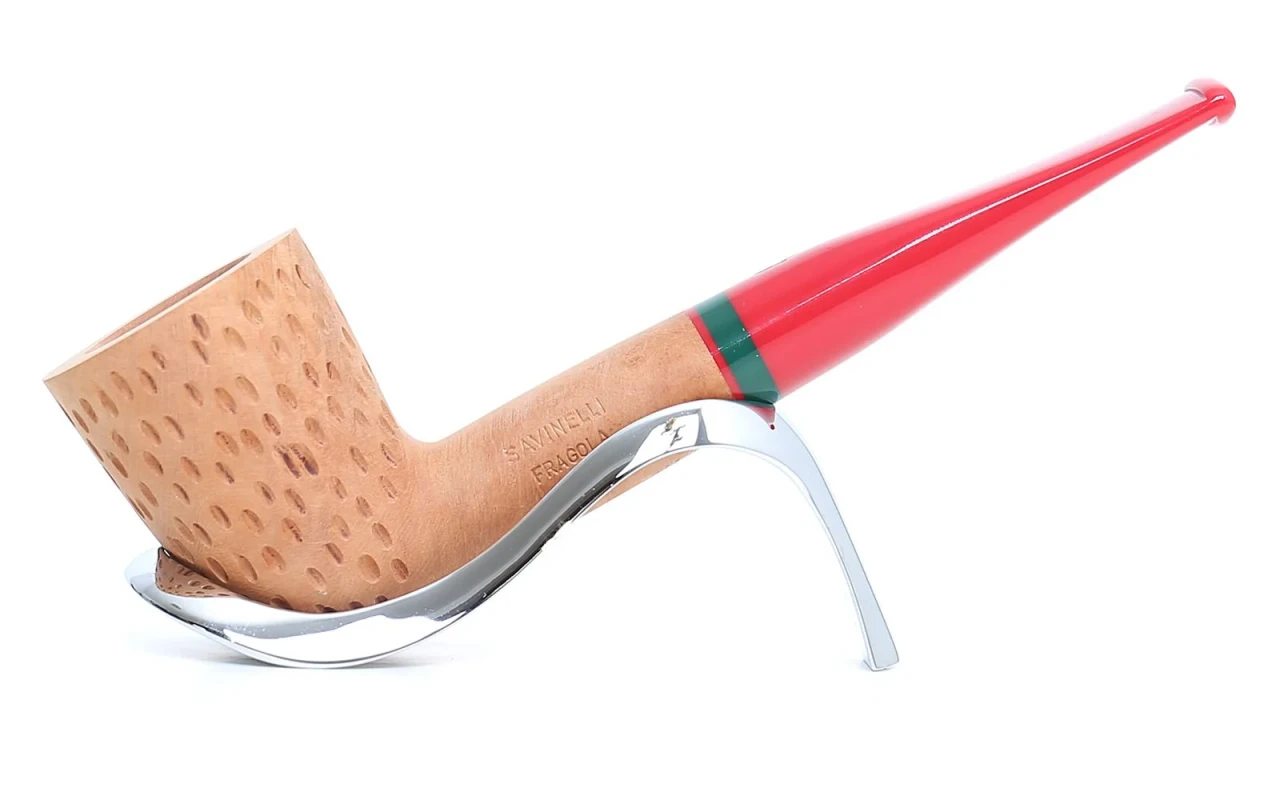
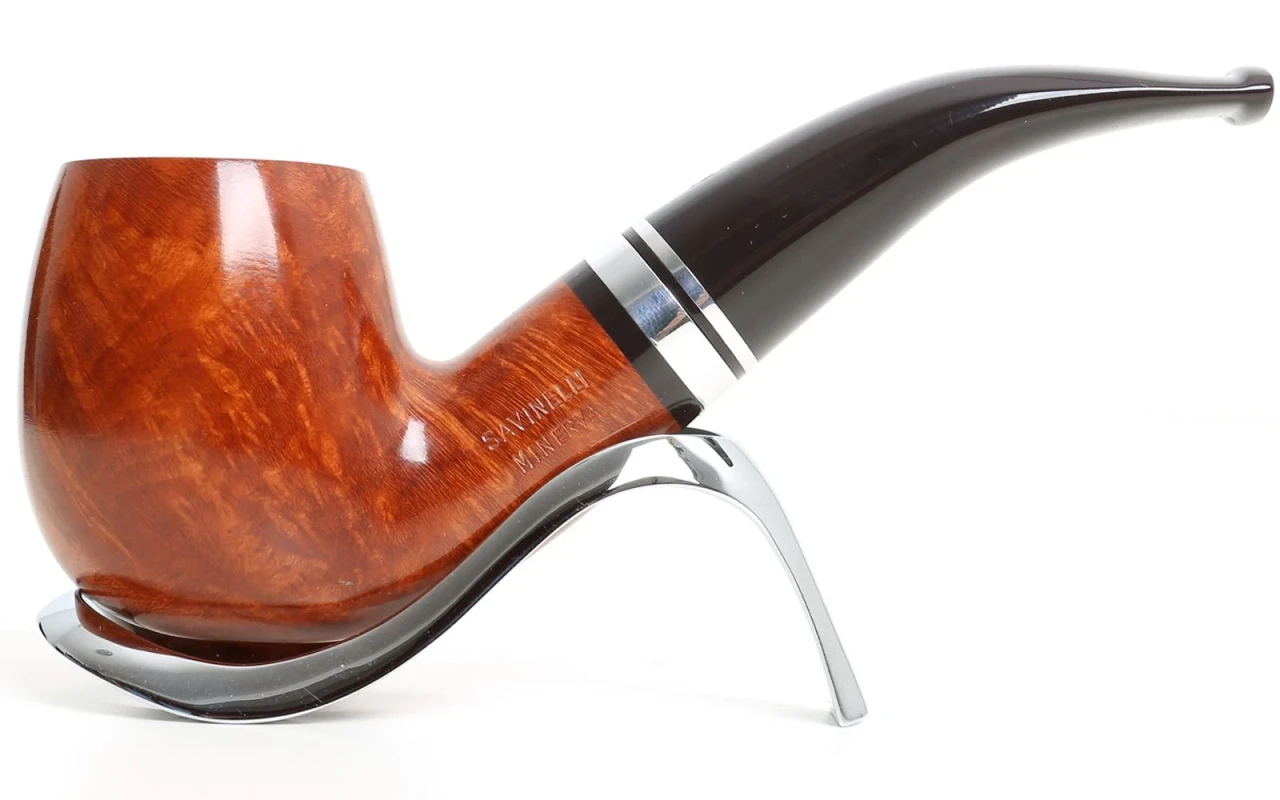
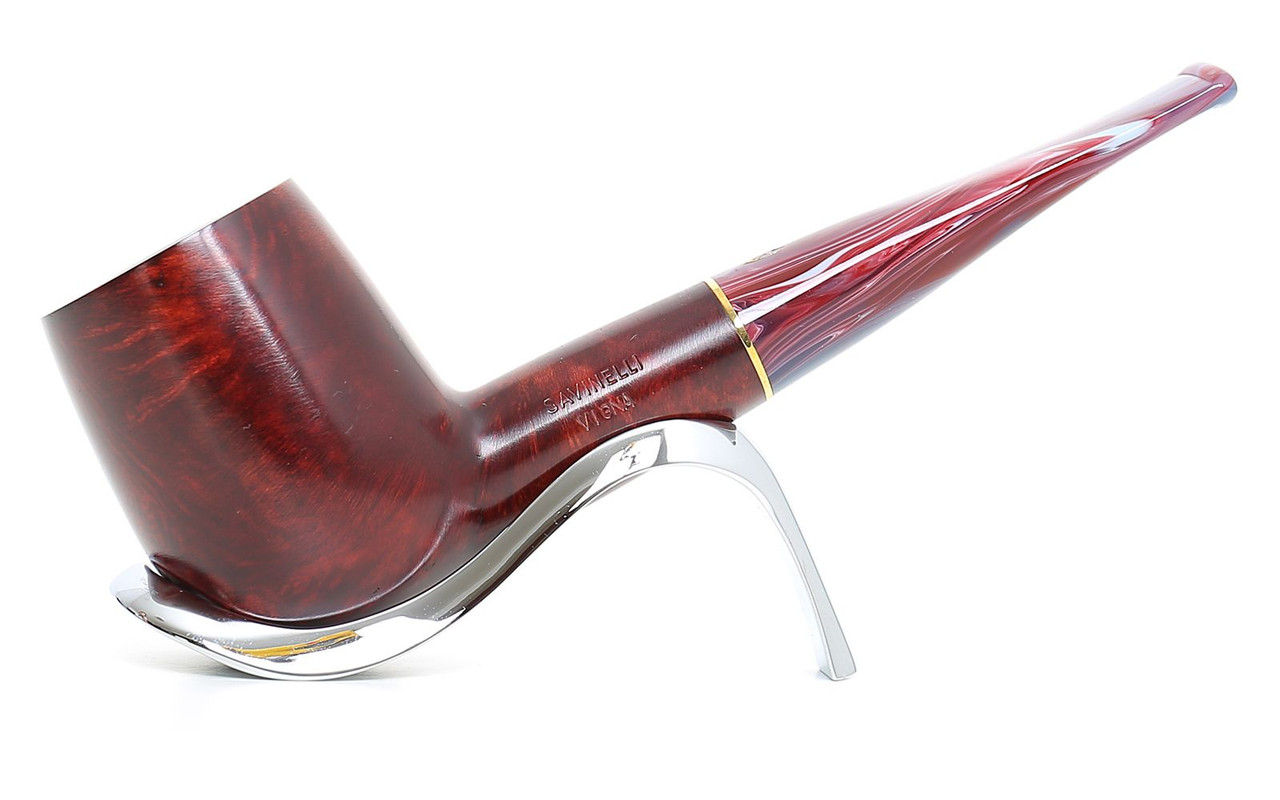
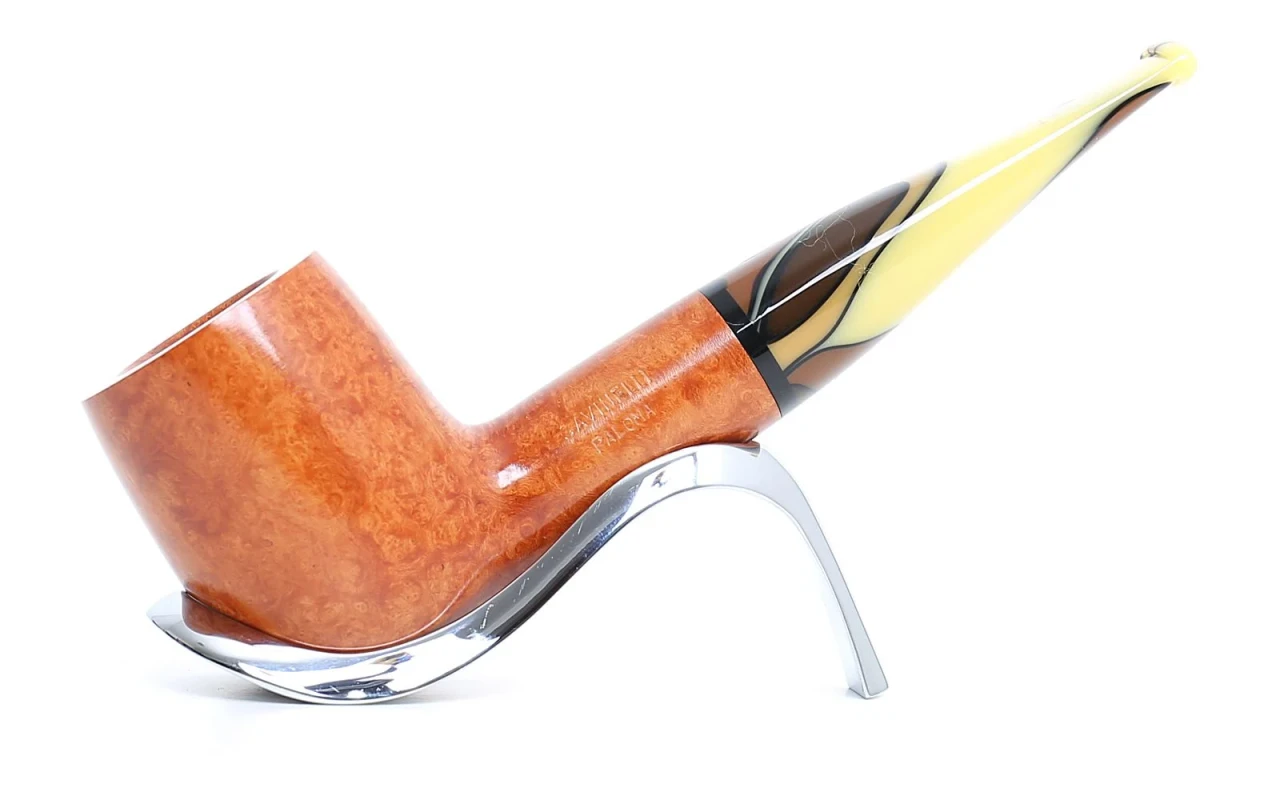
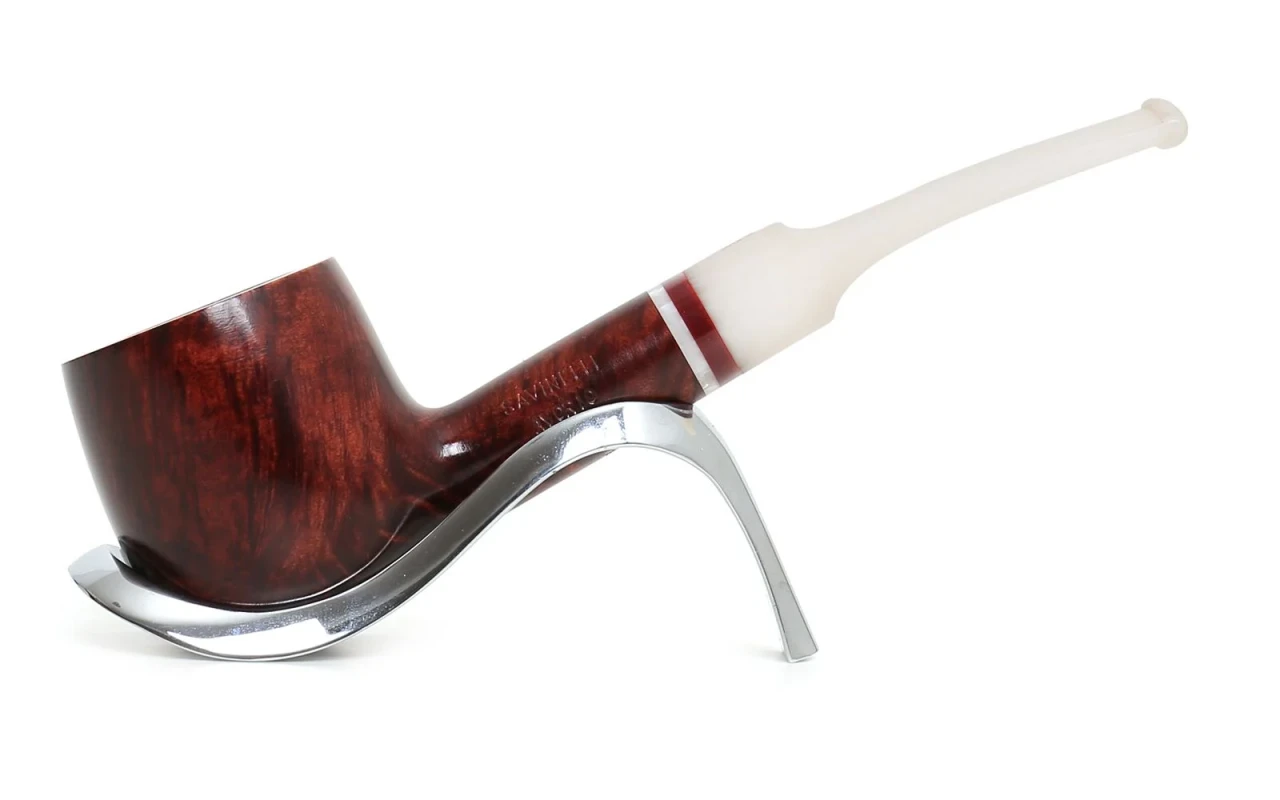
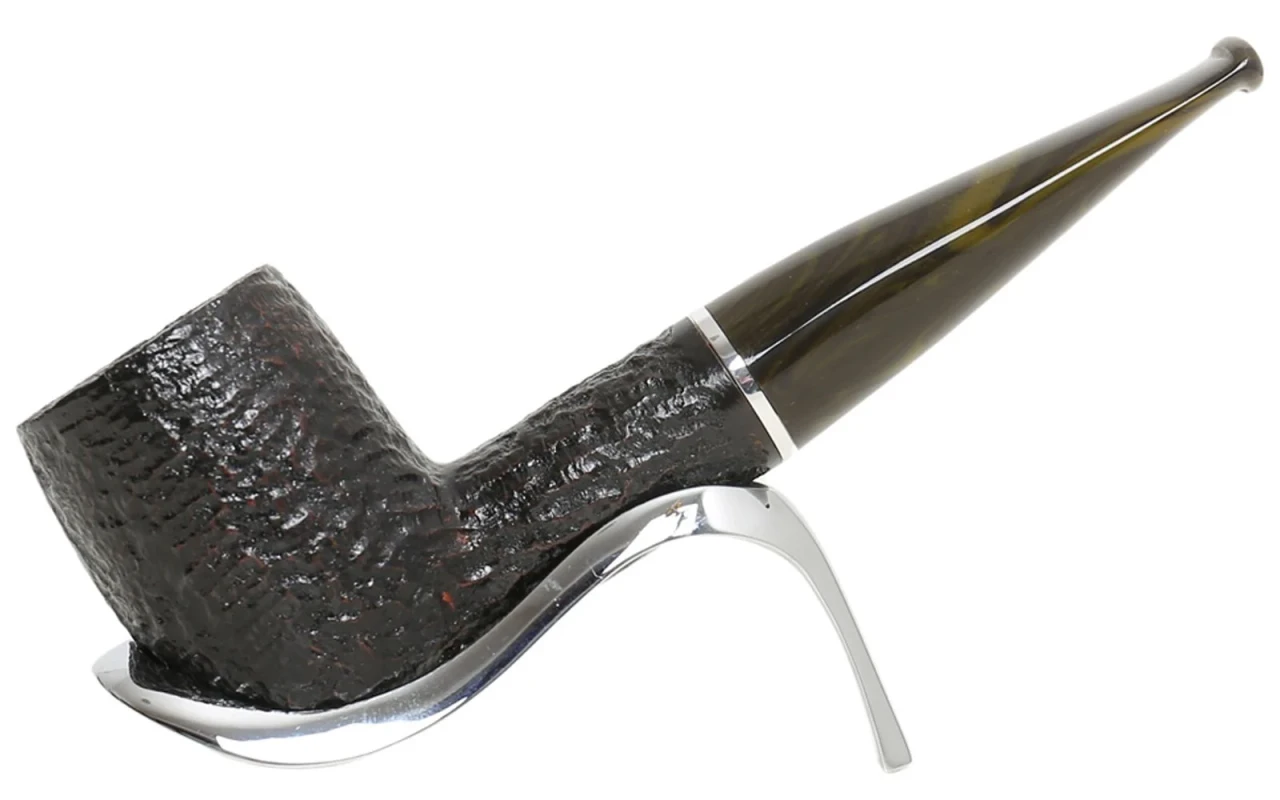
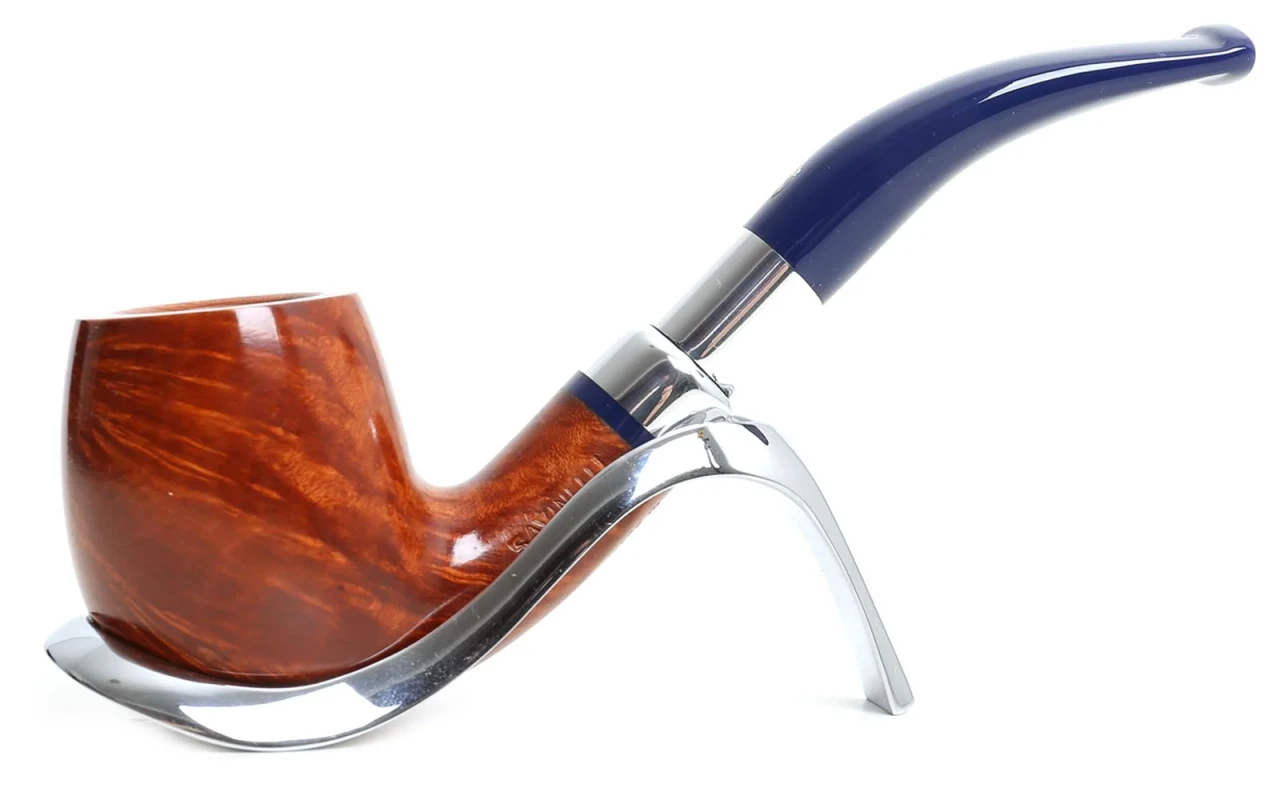
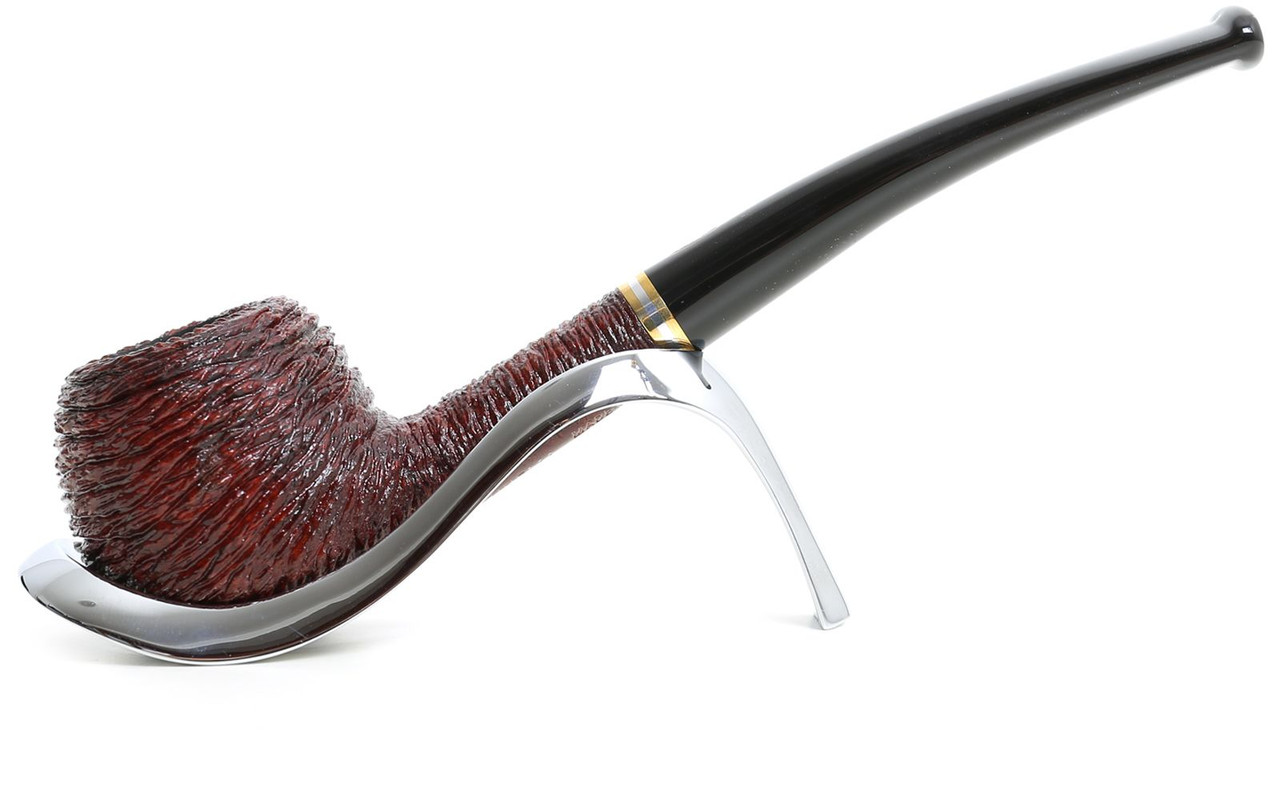
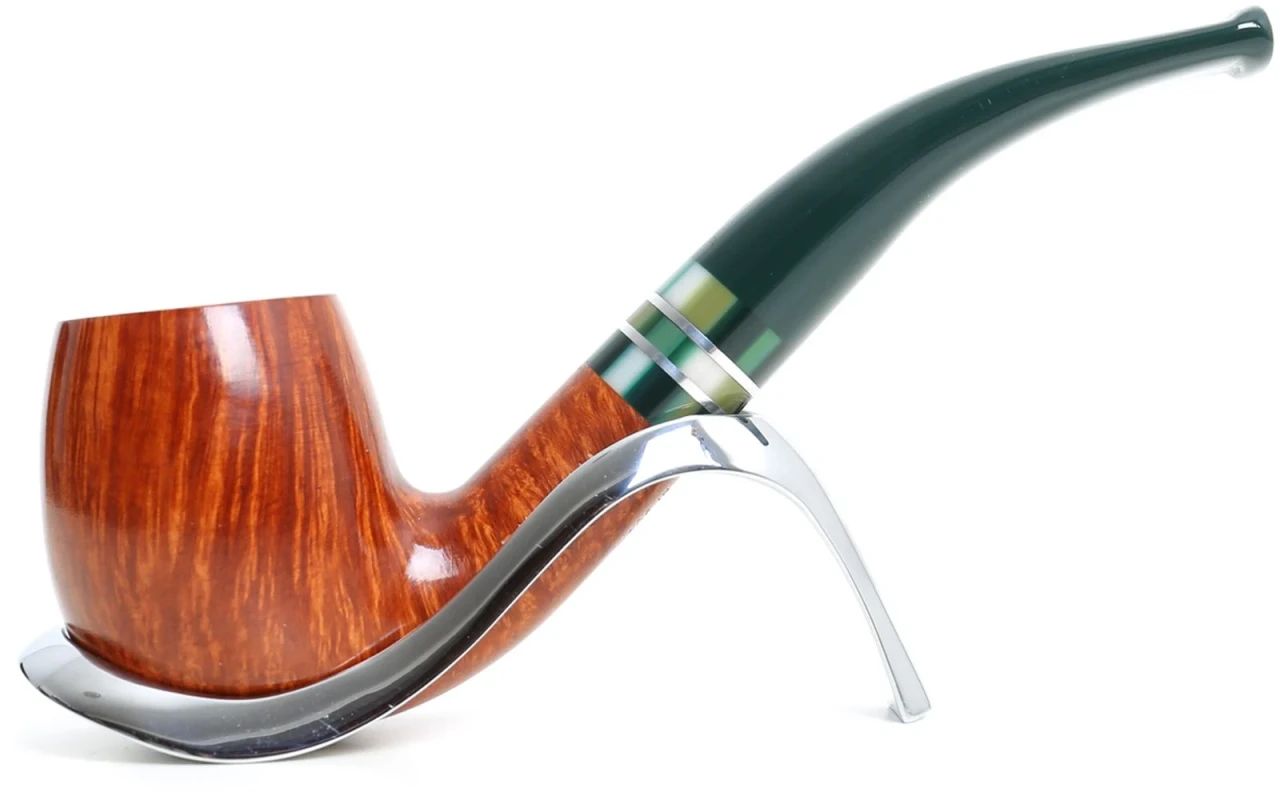
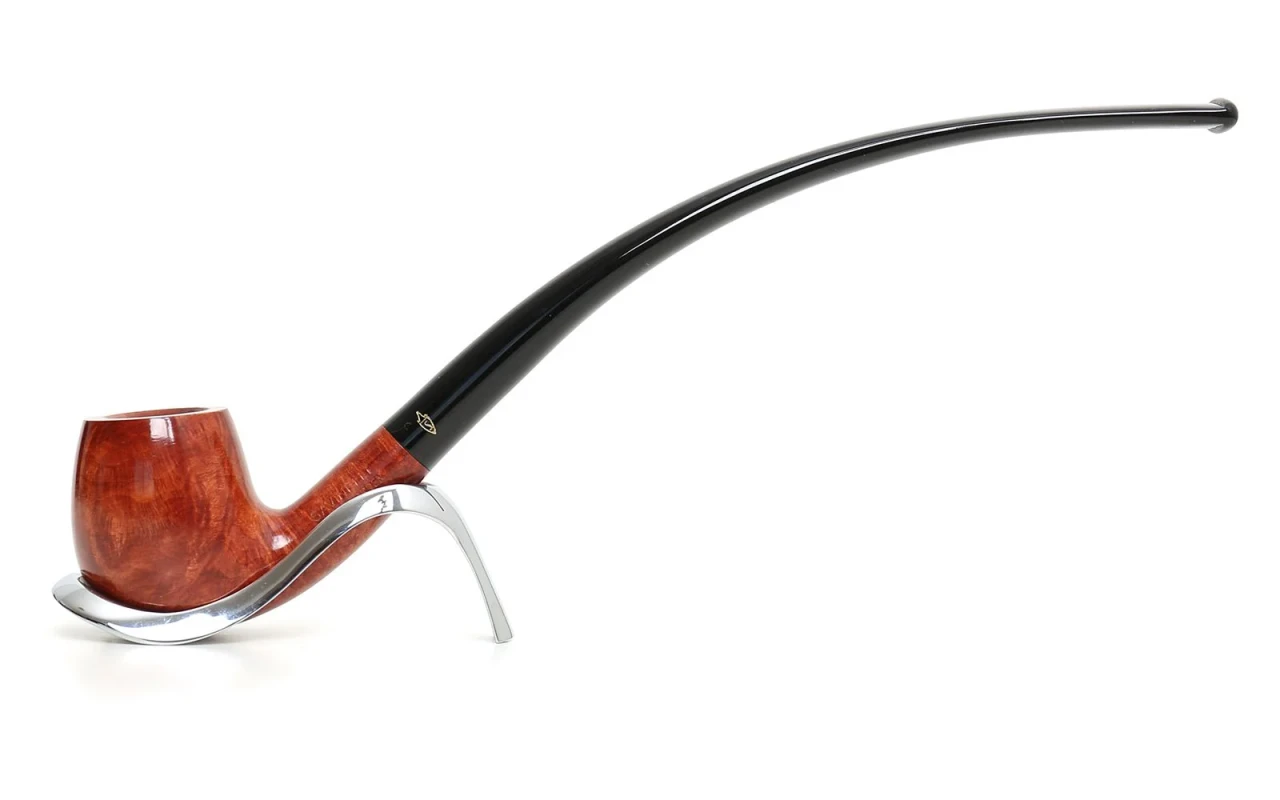
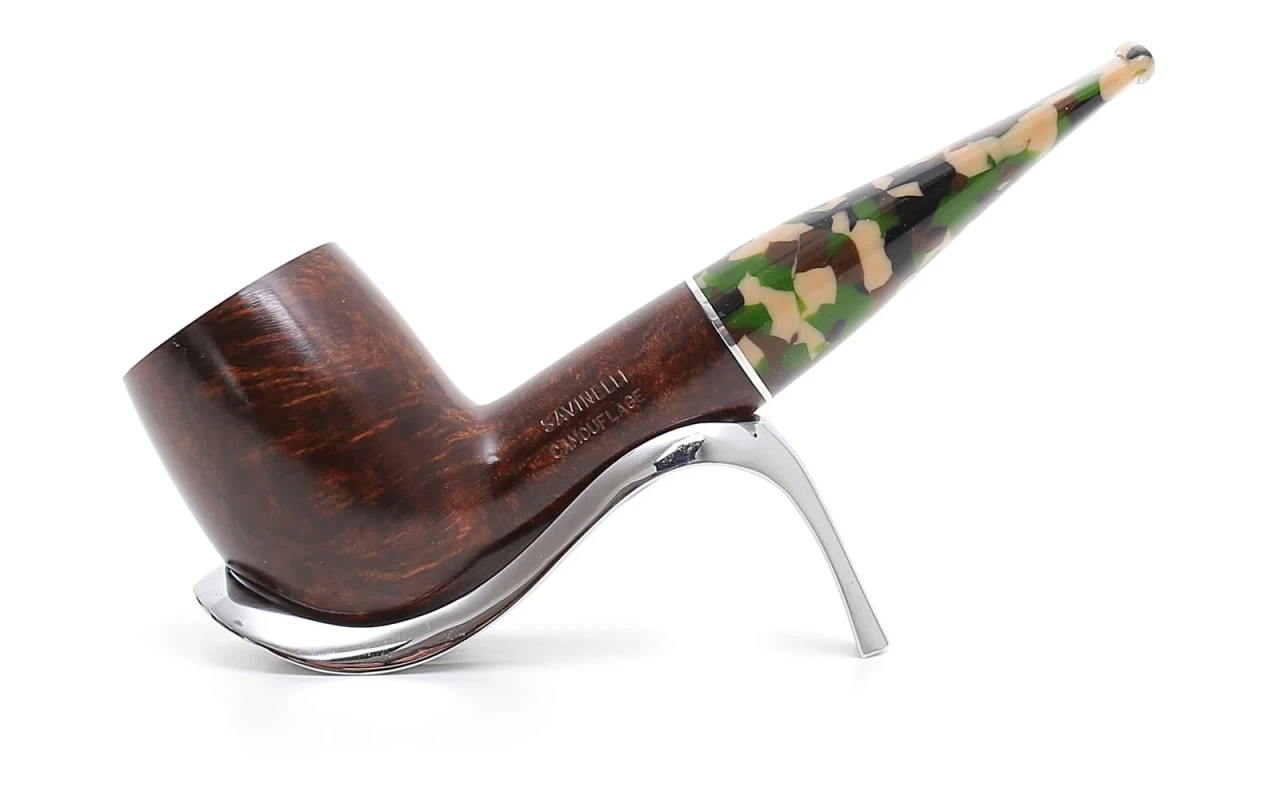
The pipe became a status symbol starting from the Renaissance, when its use spread among European nobles and intellectuals. Over time, the pipe came to represent elegance, reflection, and social distinction, establishing itself as a prestigious accessory in the culture of slow smoking.
When did the pipe become a status symbol? Deep dive
The pipe assumed the role of a social status symbol mainly from the Renaissance period, when its use spread among noble classes and European intellectuals. At that time, pipe smoking was not merely an act of tobacco enjoyment but also a sign of cultural and social distinction. The pipe was often associated with prominent figures such as philosophers, writers, and aristocrats, who appreciated its ability to accompany moments of reflection and conversation. Over the centuries, the pipe evolved into a refined accessory, made with precious materials and meticulous finishes, highlighting the elegance and personality of its owner. This status symbolism has persisted into the modern era, where the pipe still represents a mark of taste and belonging to a culture of slow and mindful smoking, distinct from other forms of tobacco consumption.