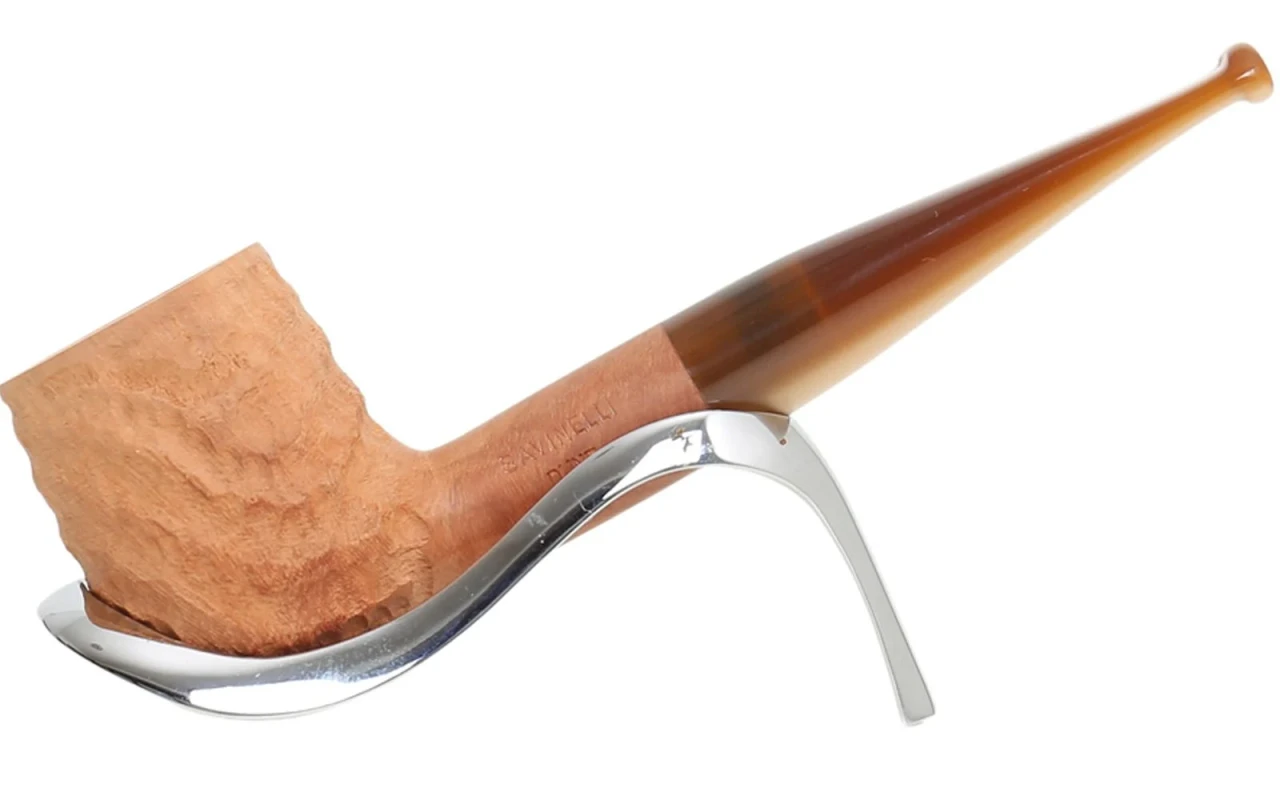
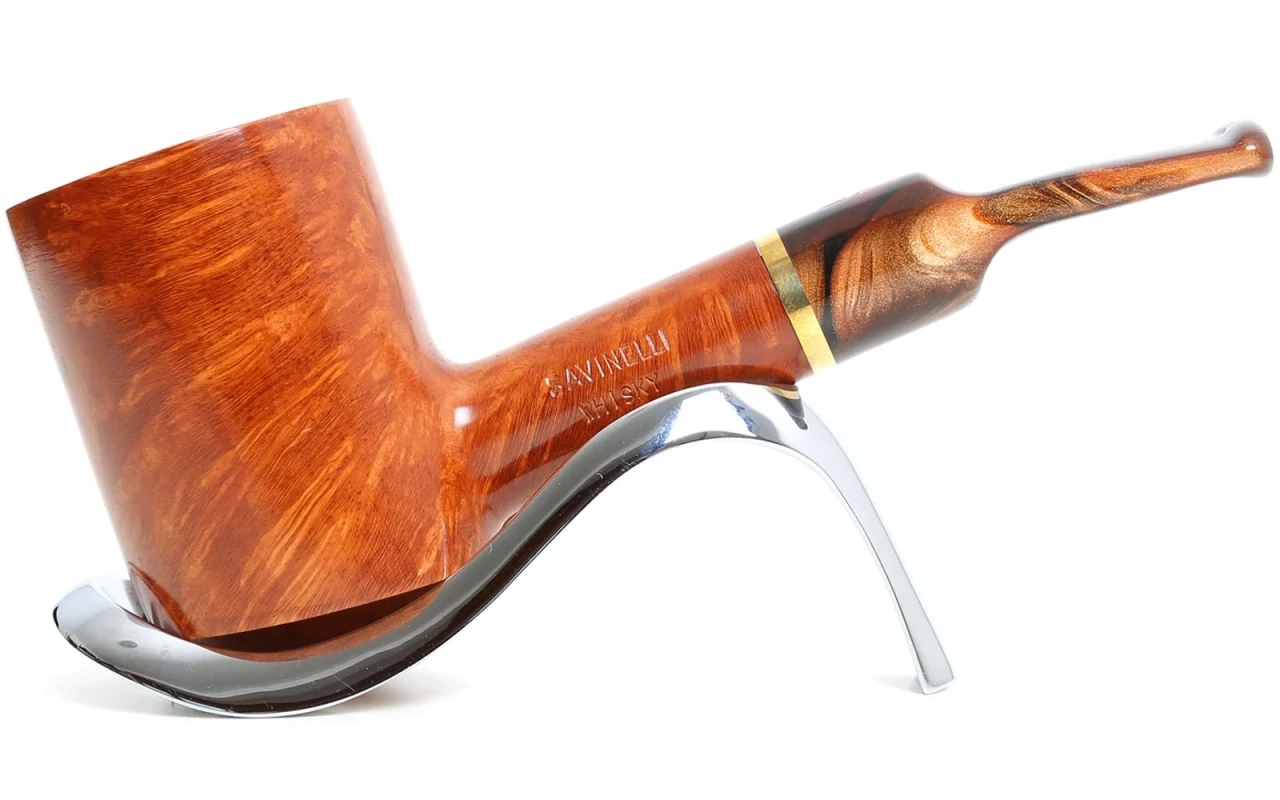
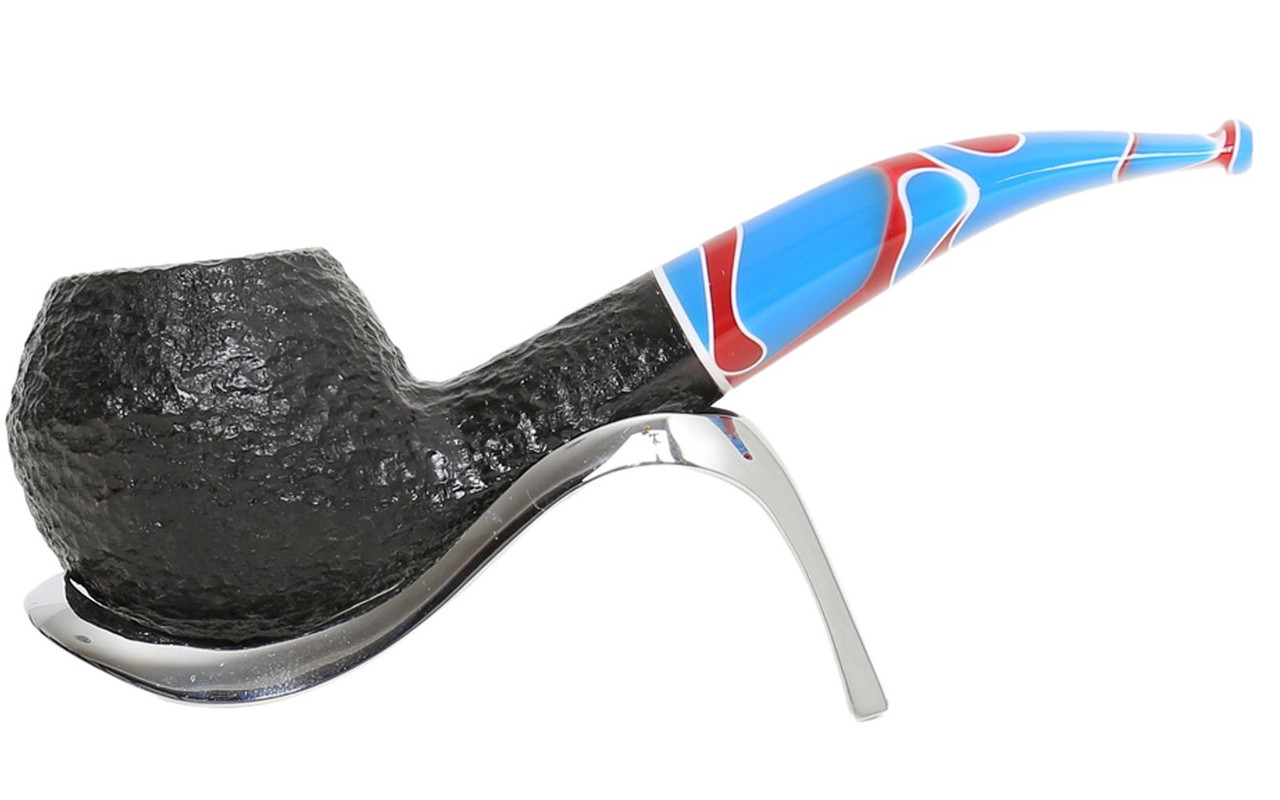
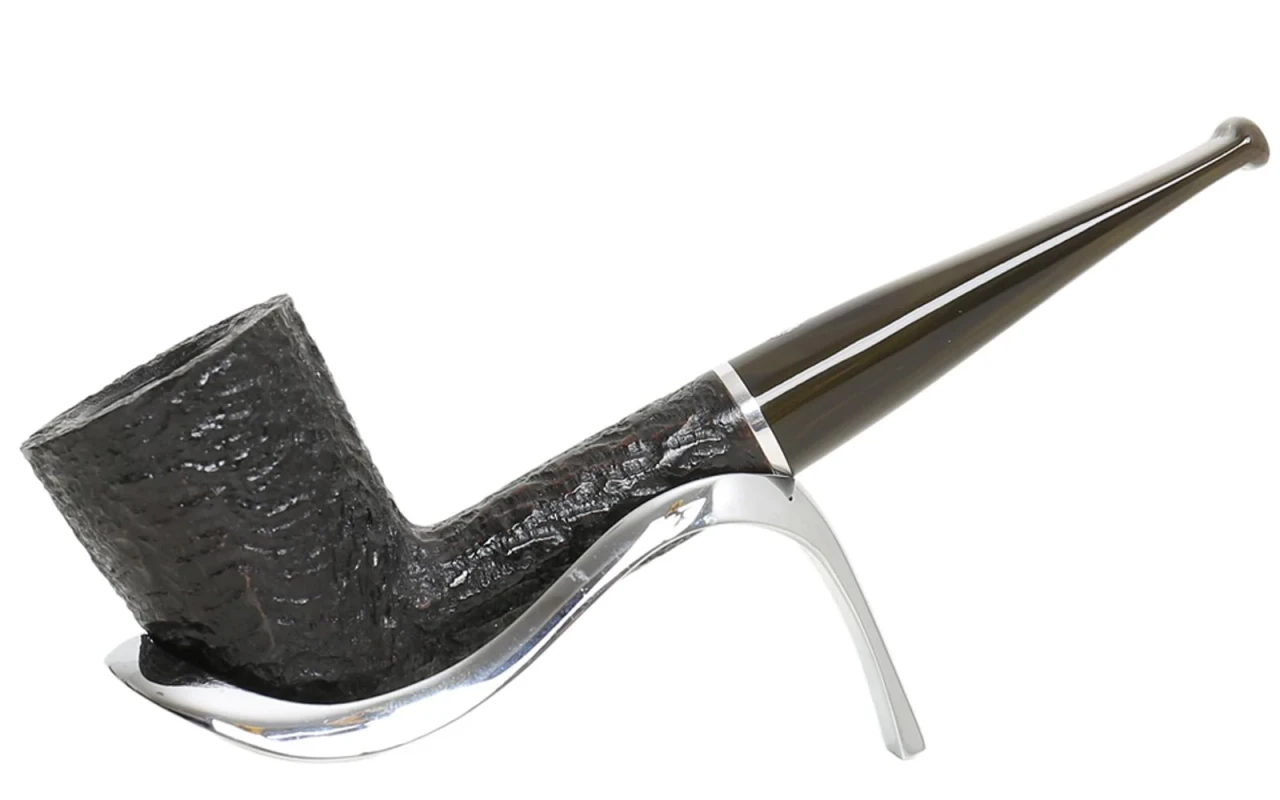
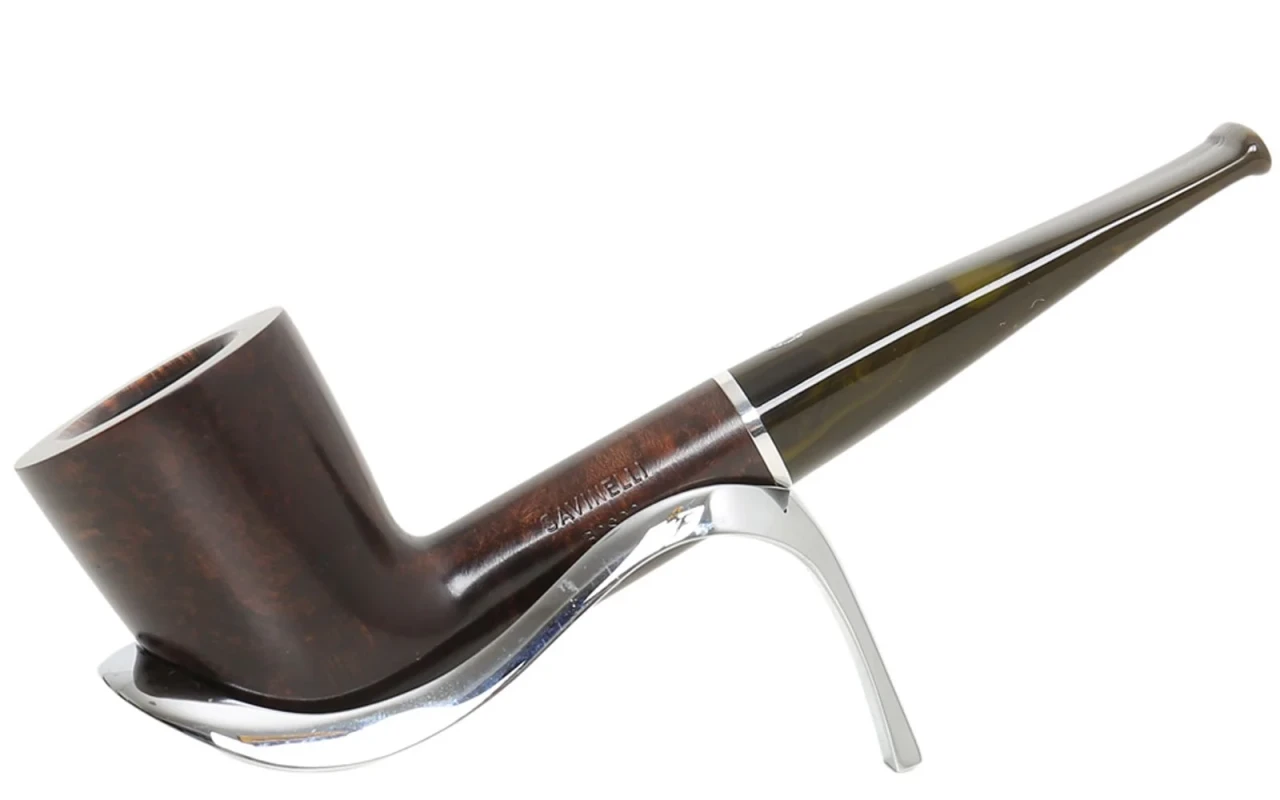
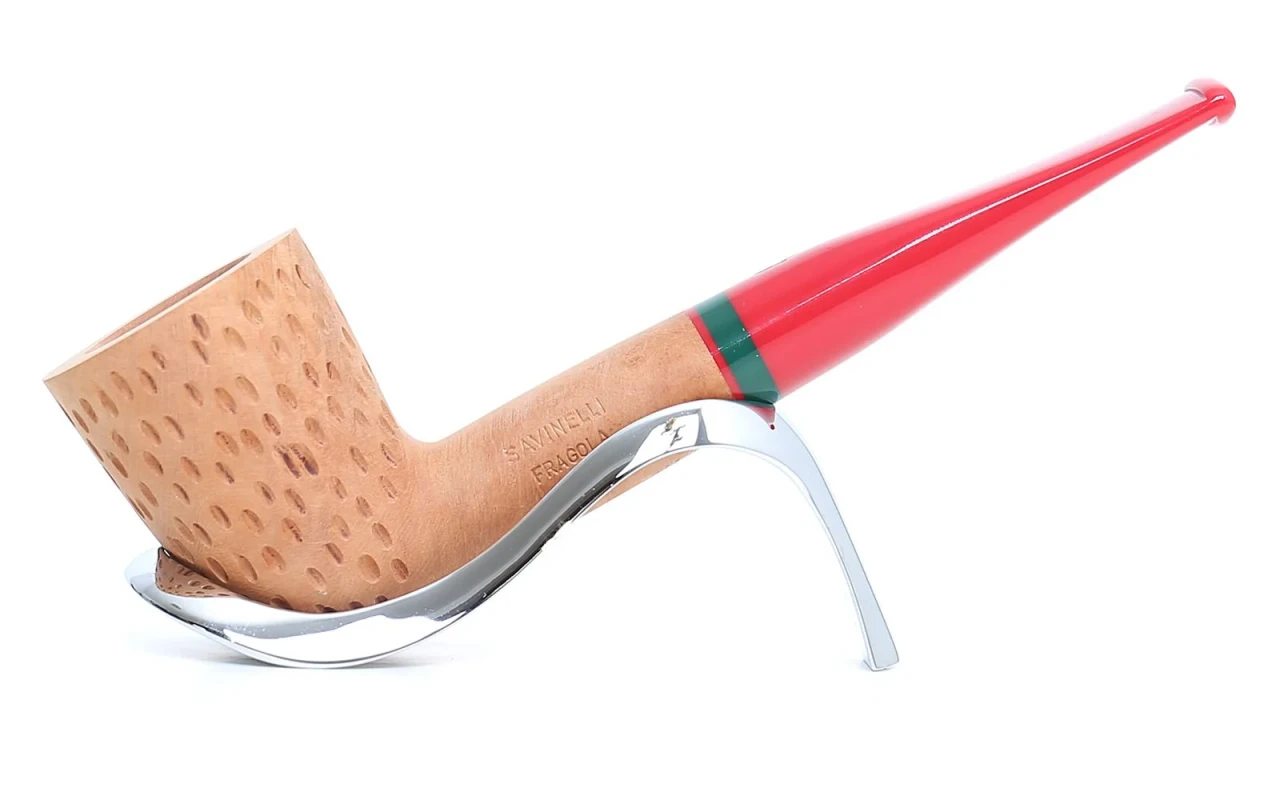
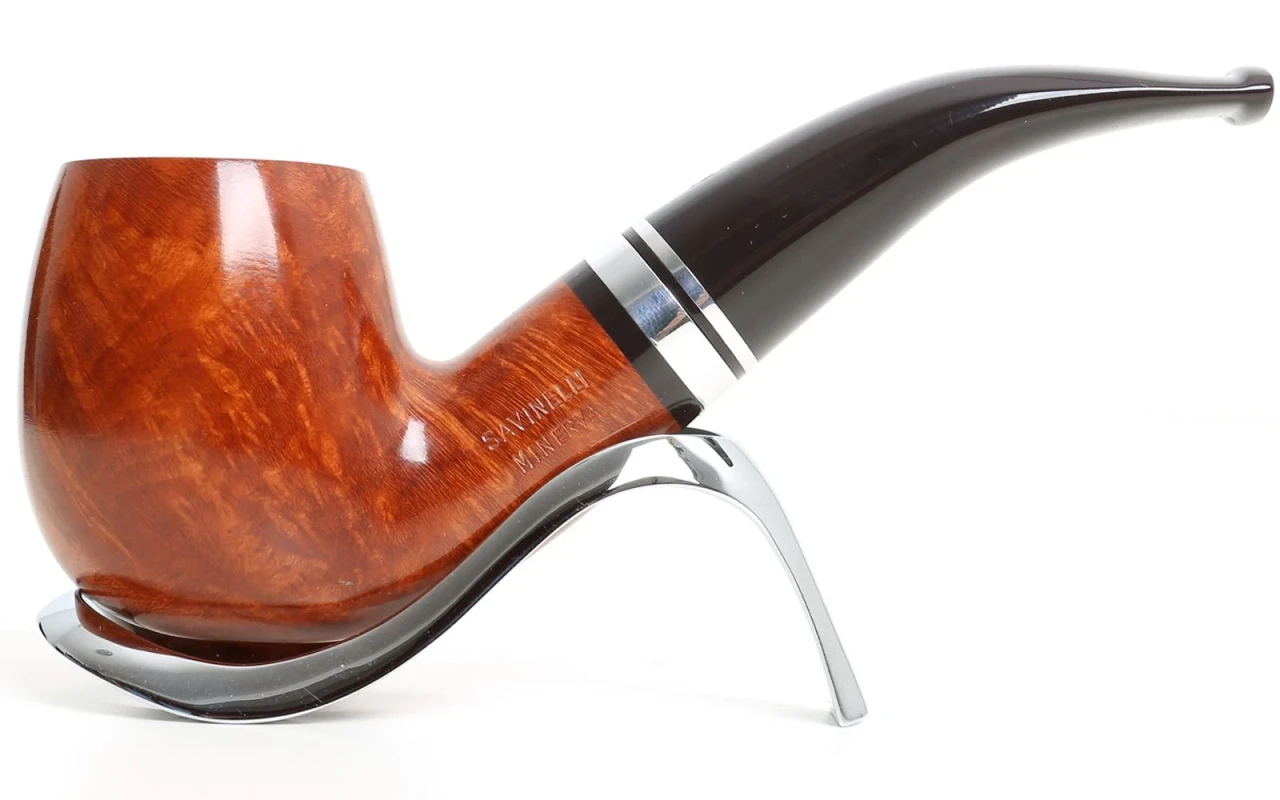
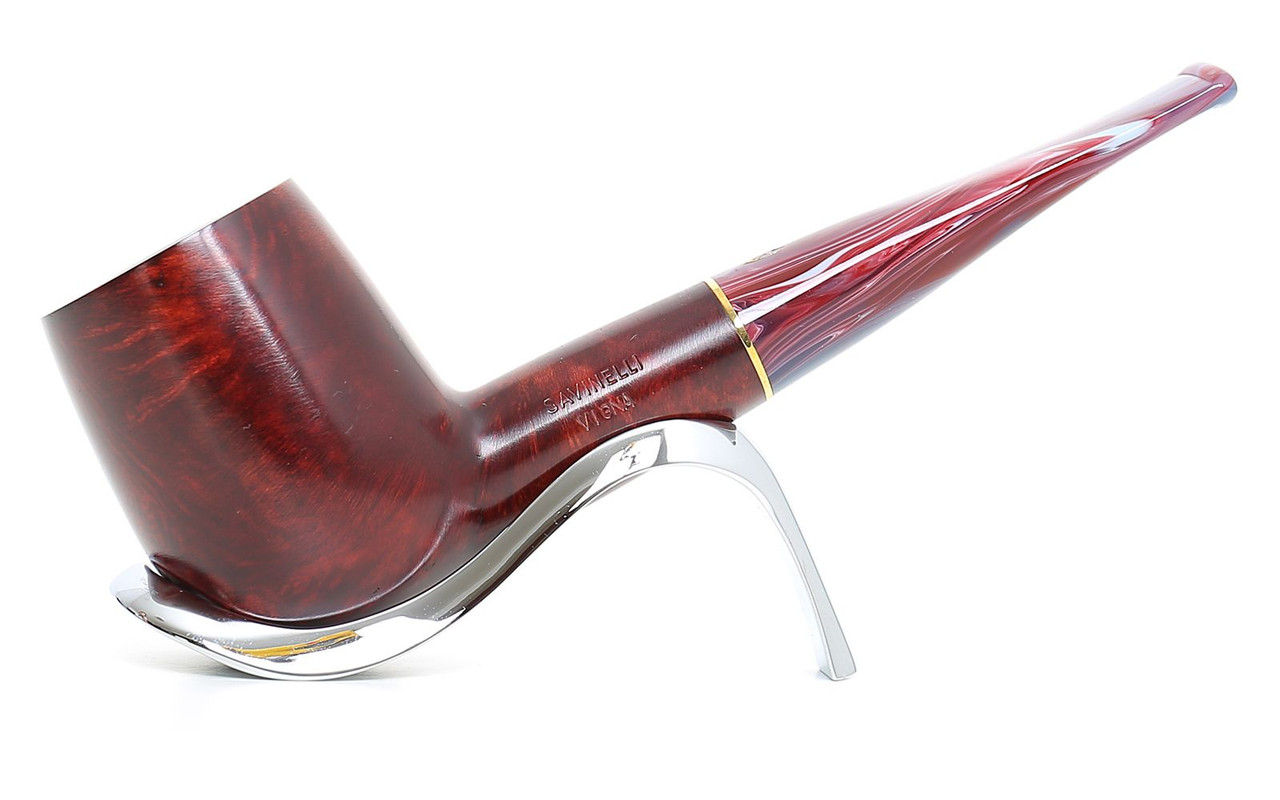
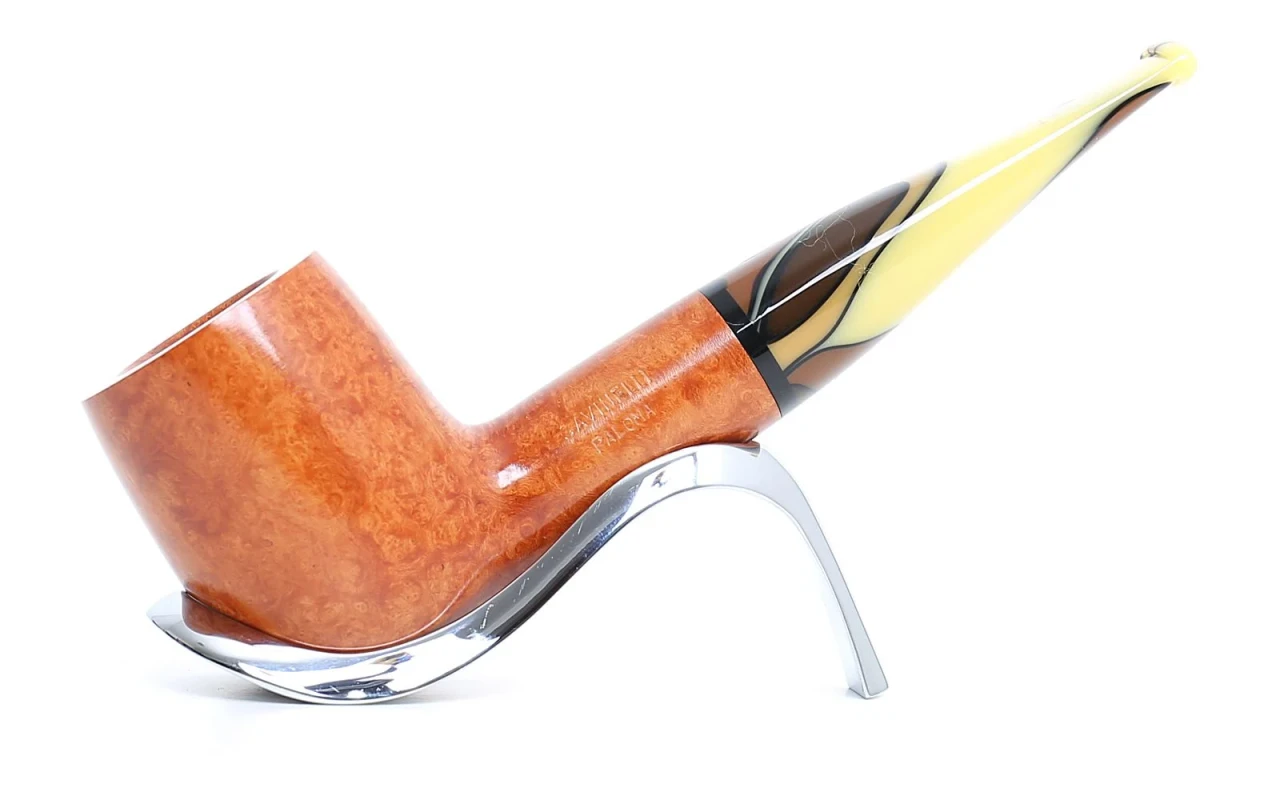
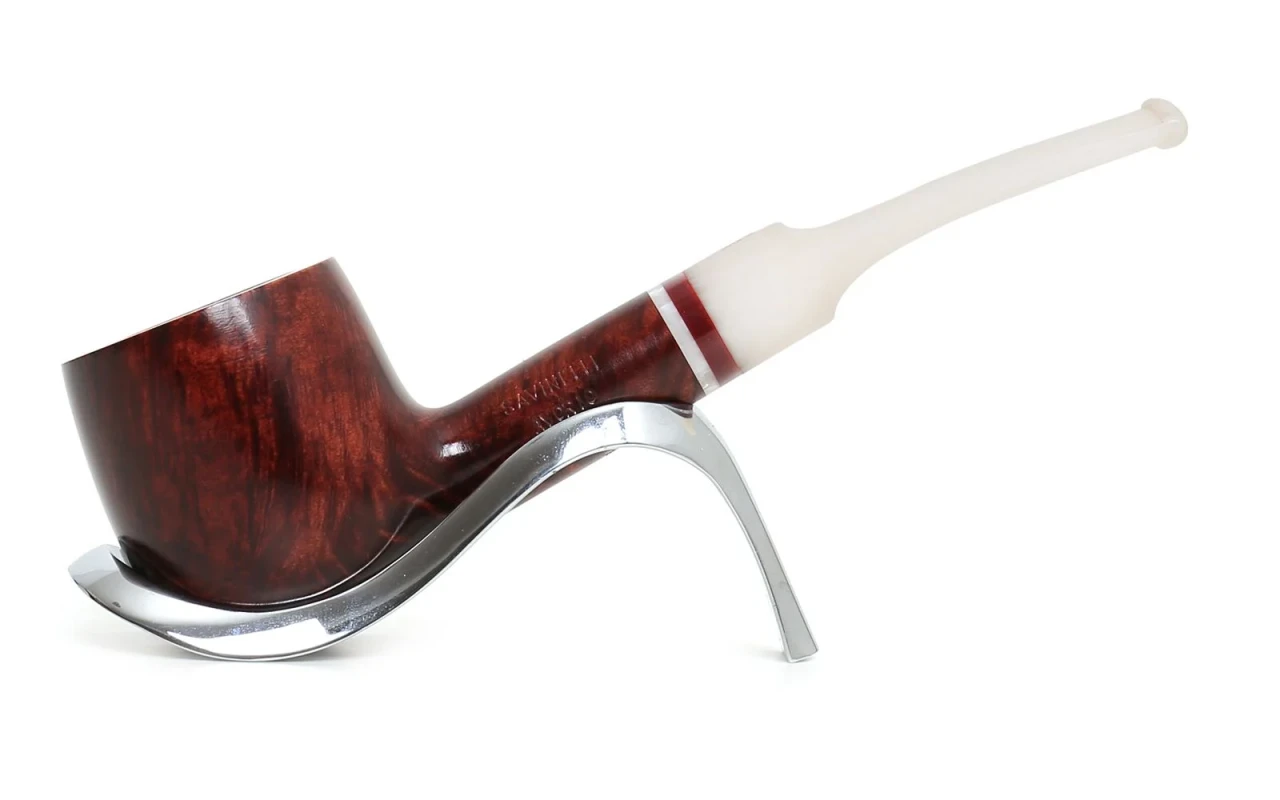
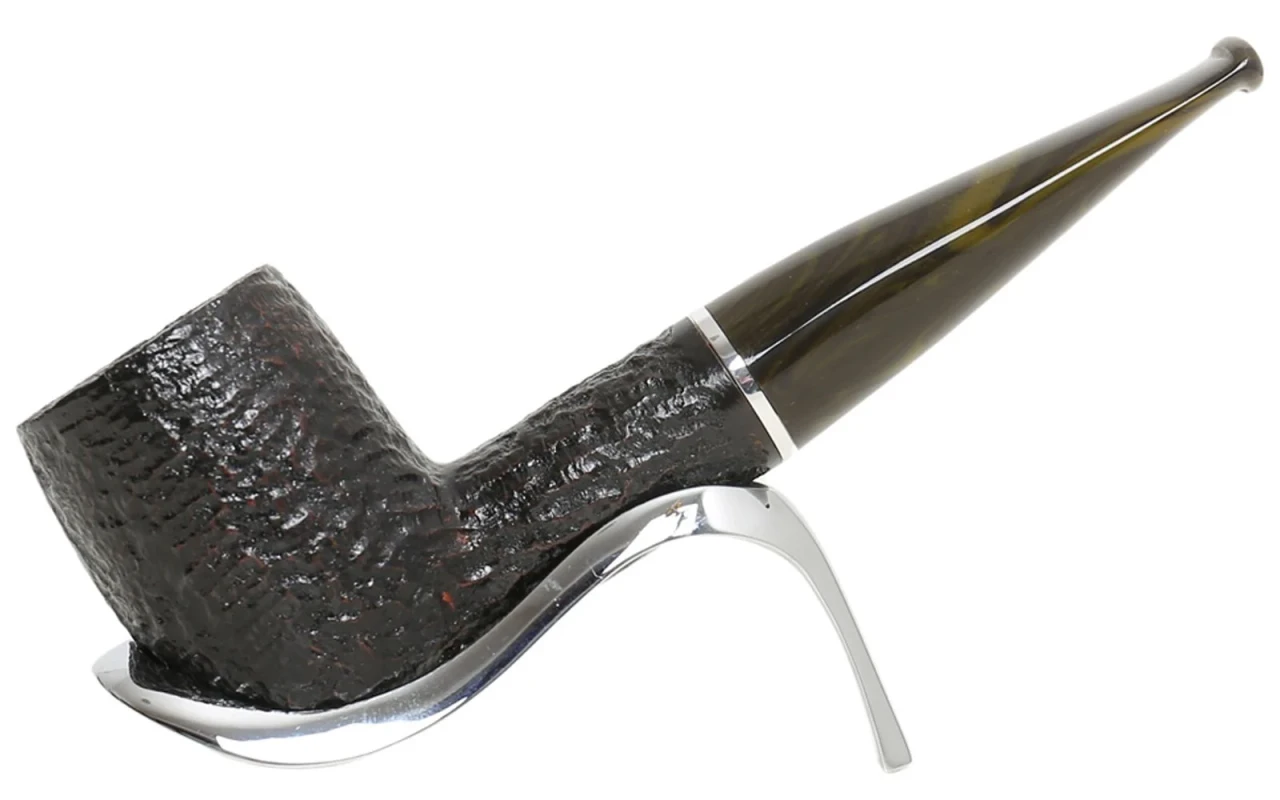
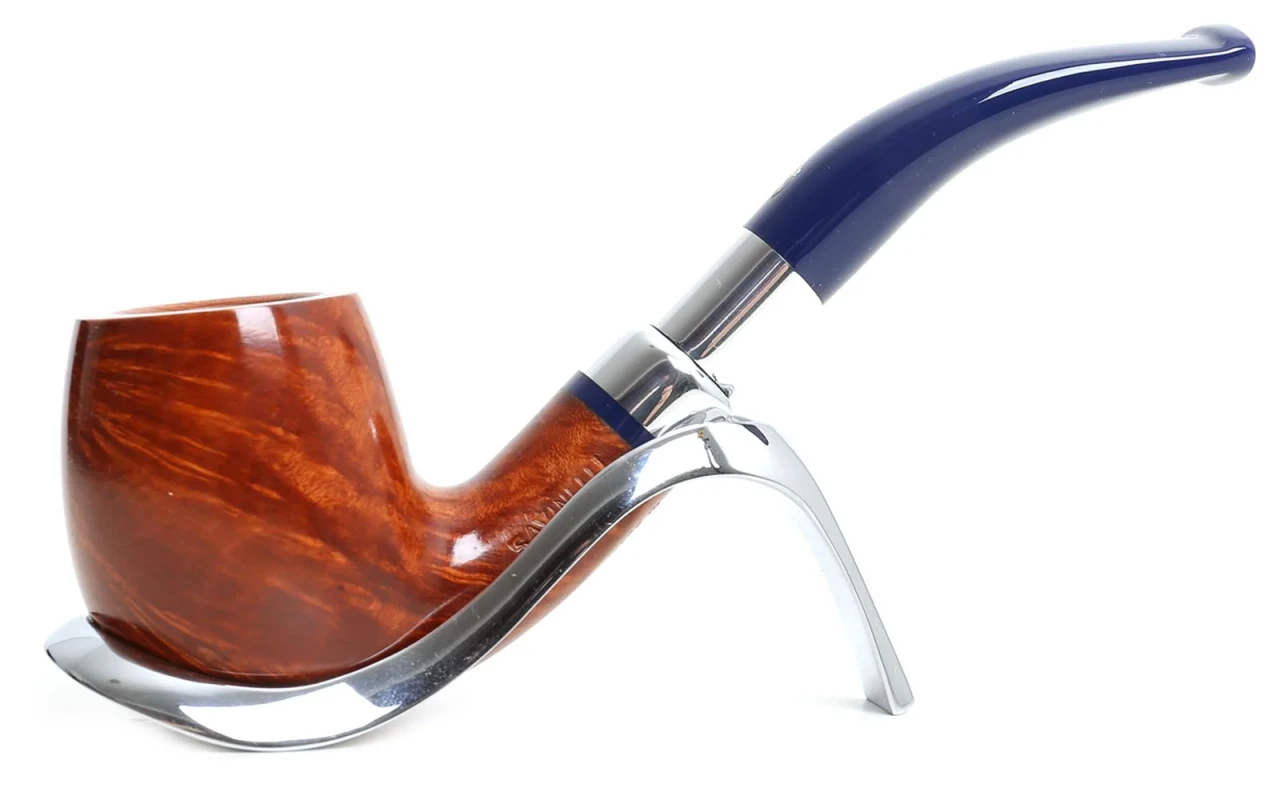
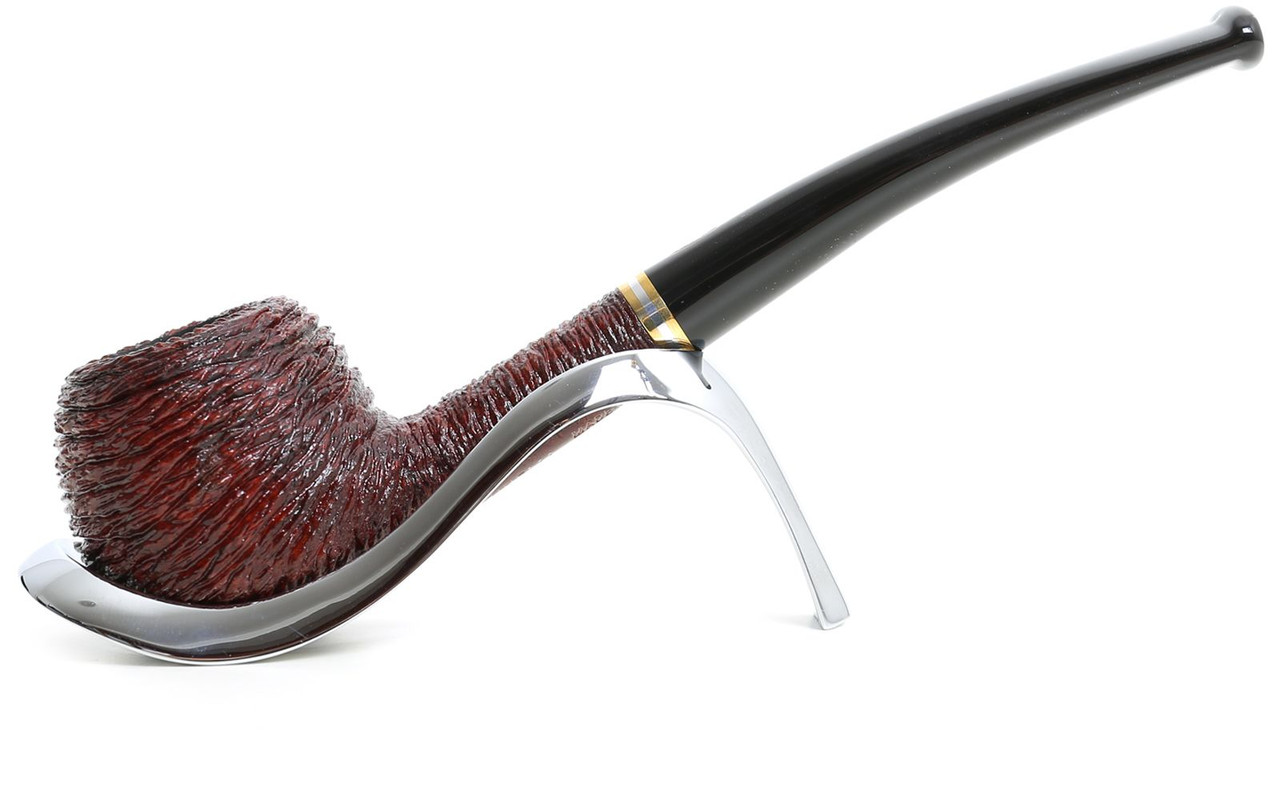
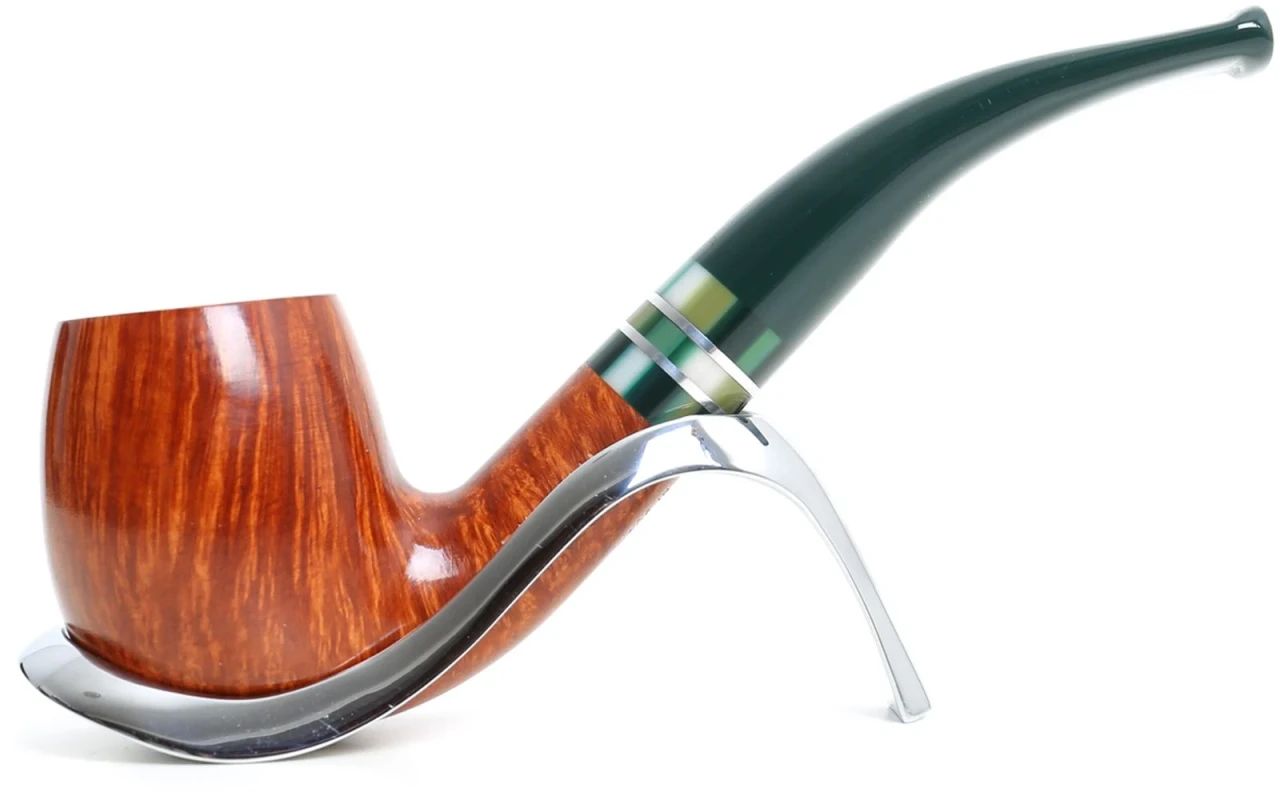
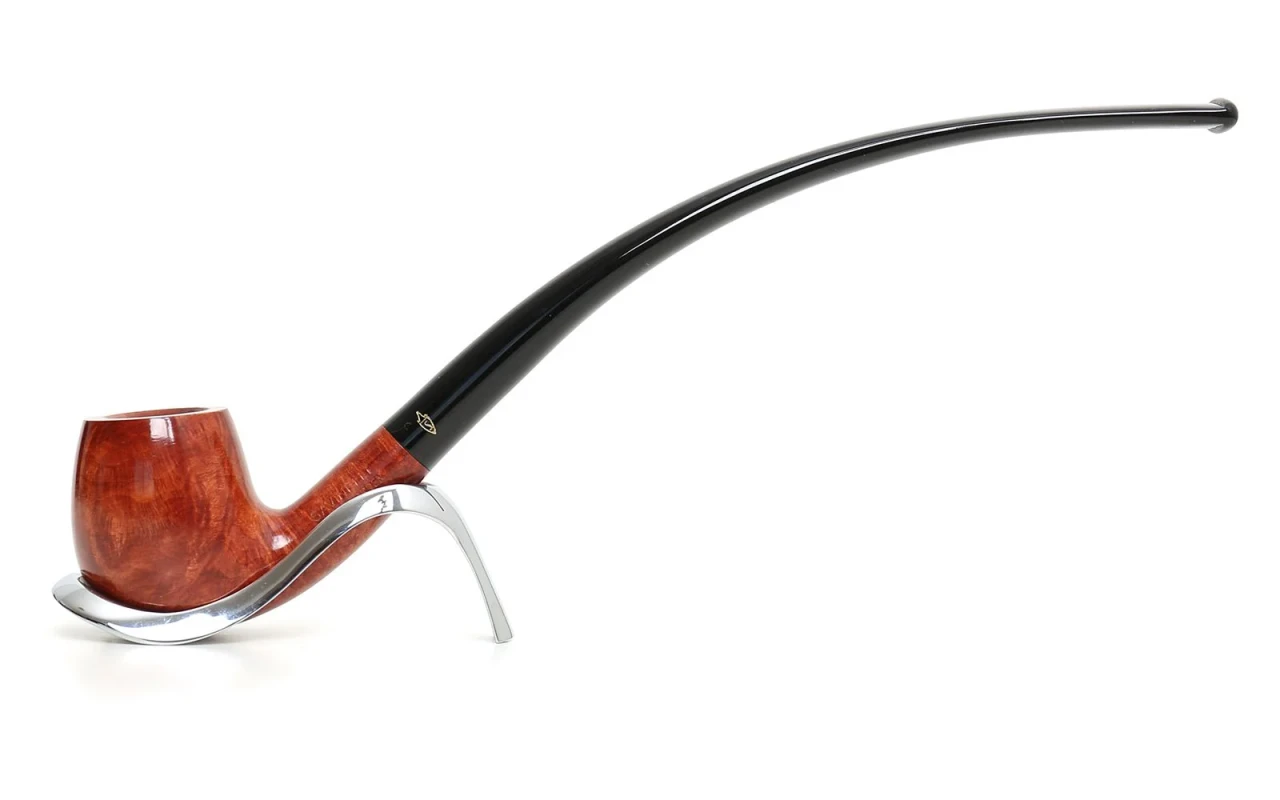
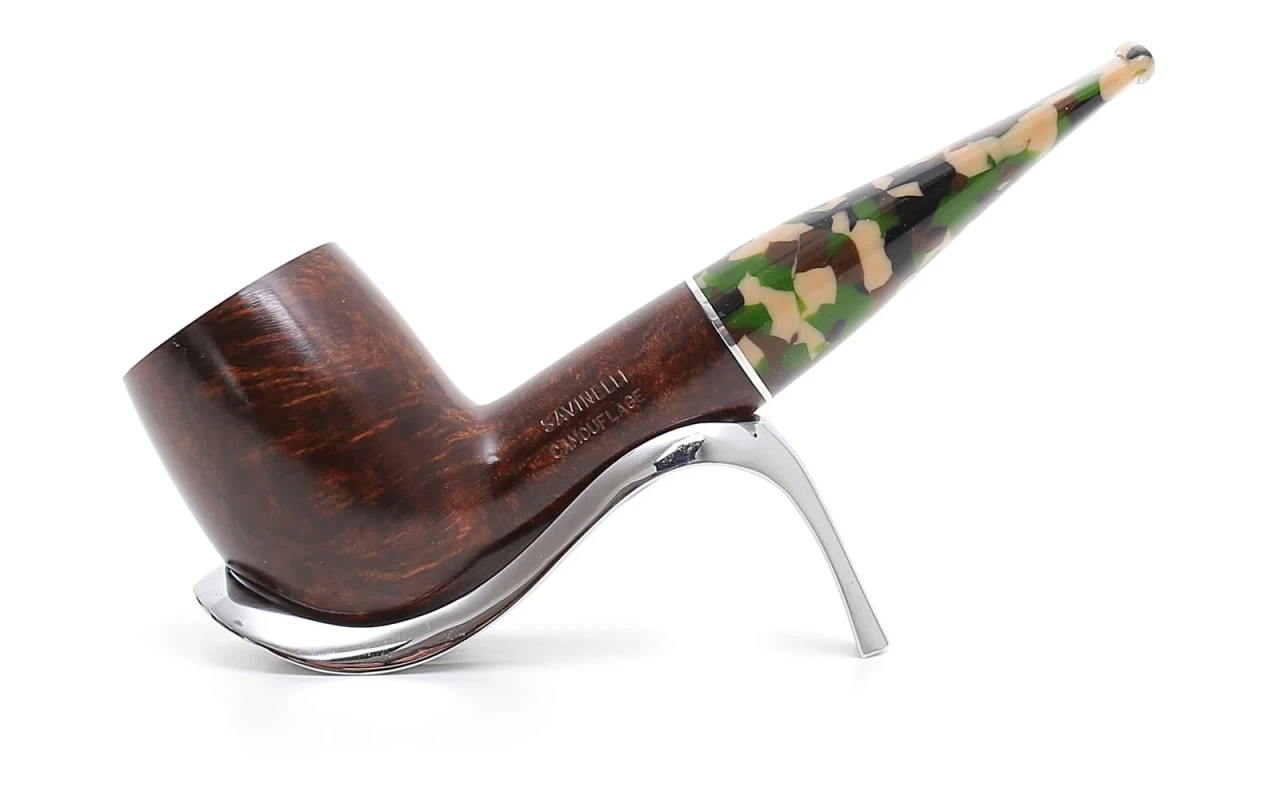
The arrival of tobacco in Europe in the 16th century sparked a significant transformation of the pipe, which evolved into a tool specifically designed for slow smoking. European pipes developed into more refined and functional shapes, using materials like briar wood, alongside new crafting techniques and designs suited to the imported tobacco's requirements.
How did the pipe change after the arrival of tobacco in Europe? Deep dive
Following the introduction of tobacco to Europe after the discovery of the Americas, the pipe underwent a major evolution to accommodate this new smoking substance. Prior to this, pipes were used in various cultures, but tobacco’s arrival led to standardization and refinement of pipe shapes and materials. In Europe, the pipe became a dedicated instrument for slow smoking, featuring a more efficient combustion chamber and a mouthpiece designed to enhance the smoking experience. Briar wood emerged as the preferred material due to its heat resistance and aesthetic qualities, replacing more primitive materials. Furthermore, finishing and decorative techniques were developed, making the pipe not only functional but also a crafted object and a symbol of social status. These changes reflect the cultural and social importance pipe smoking acquired in Europe, also impacting the production and trade of related accessories. The pipe thus became a symbol of refinement and leisure, contrasting with other tobacco consumption methods like cigarettes or cigars that became widespread later.