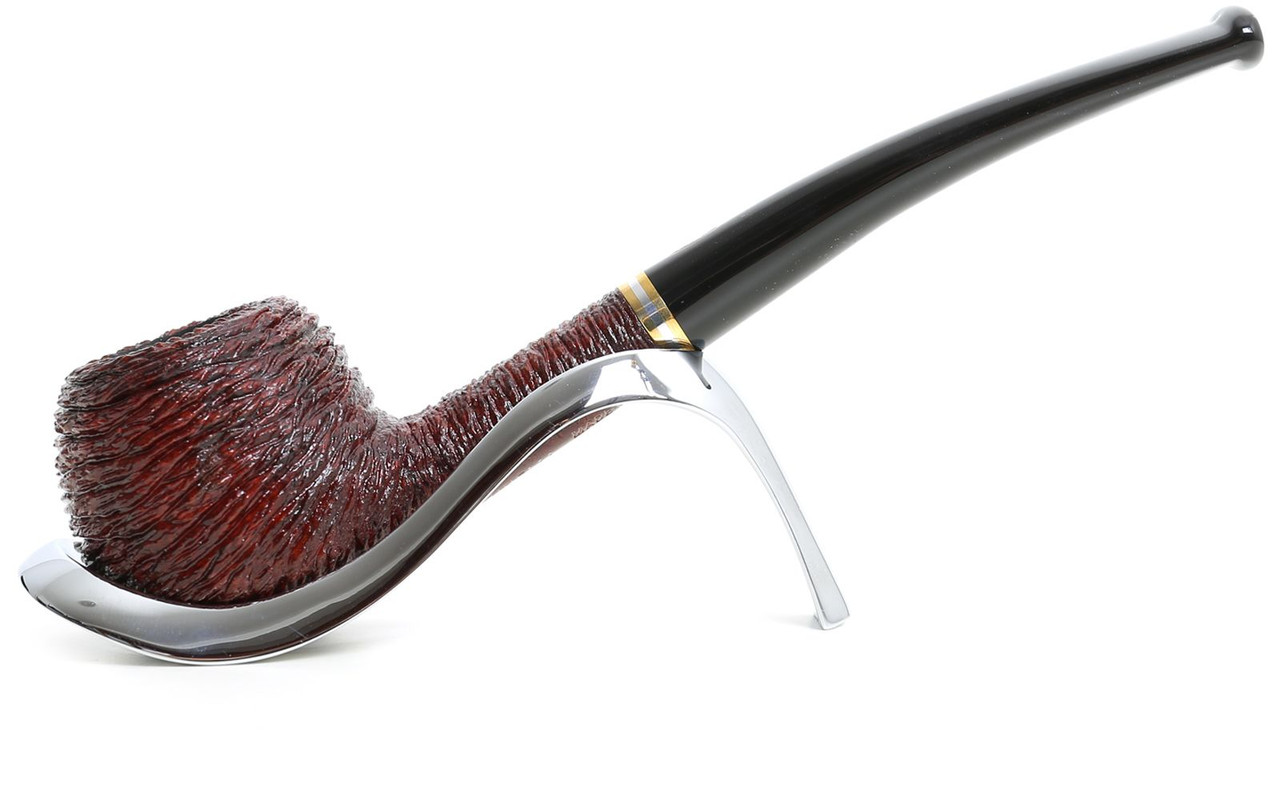
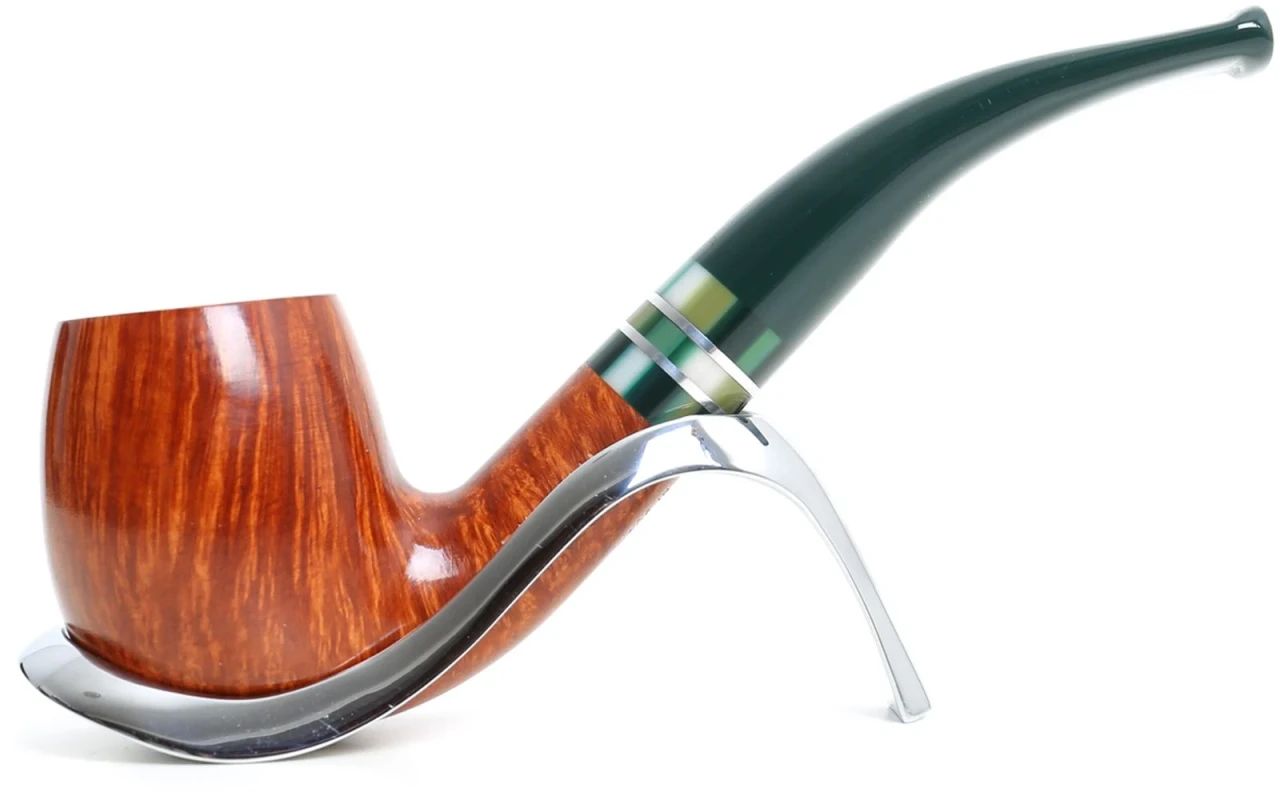
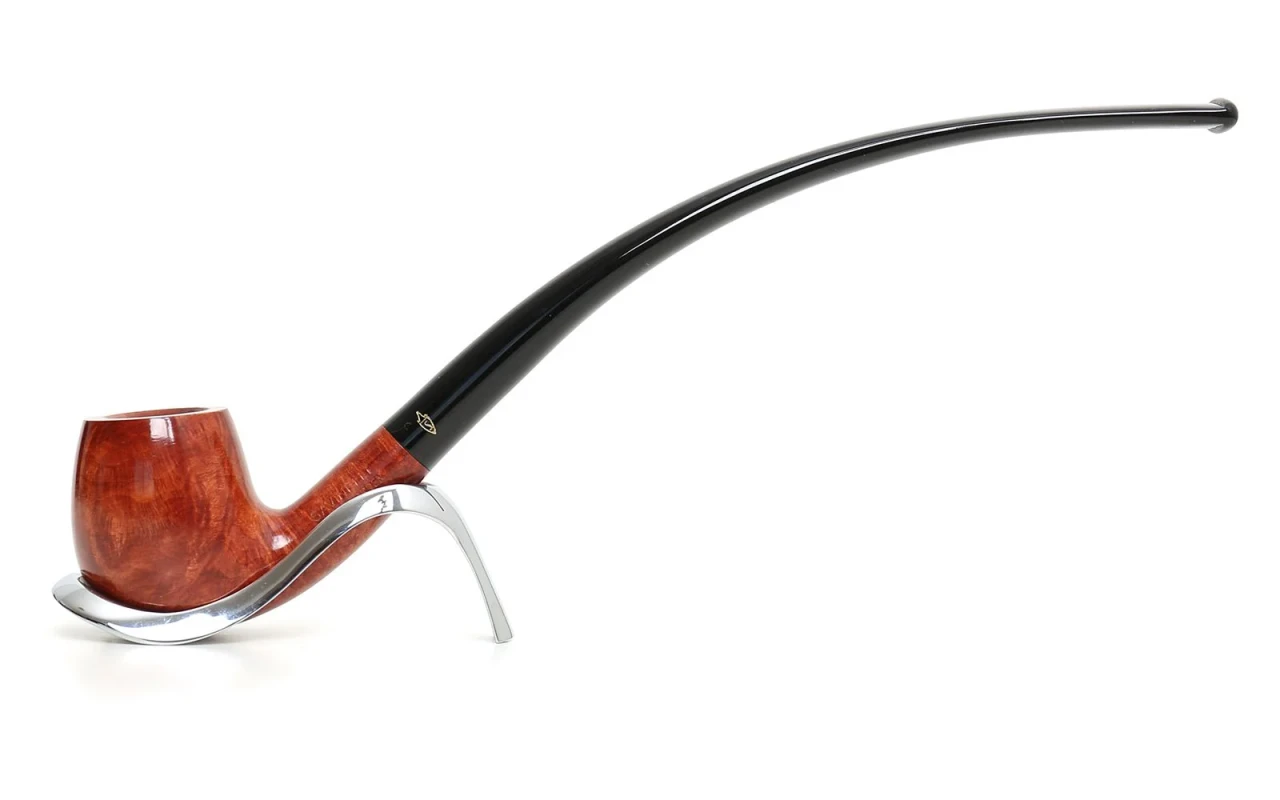
The use of the pipe dates back to very ancient times, evidenced by archaeological finds such as clay, stone, and bone pipes discovered across various cultures. These often decorated objects indicate that slow smoking was practiced already in prehistoric and ancient eras, spreading across different regions of the world.
Which artifacts demonstrate the use of pipes in ancient times? Deep dive
Numerous artifacts demonstrate the use of pipes in ancient times, originating from diverse geographical areas. Among the oldest are clay, stone, and bone pipes, often finely crafted and decorated, found in archaeological sites of pre-Columbian, African, and Asian cultures. These objects attest that slow smoking, conducted with pipes, was an established custom thousands of years ago. Ancient pipes were made from locally available natural materials, frequently reflecting ritual or social uses related to tobacco or other aromatic herbs. Their shapes and designs vary significantly depending on the culture and historical period, but all indicate a long tradition of pipe usage as a tool for slow smoking. These artifacts are essential to understanding the spread and evolution of smoking culture in the ancient world, highlighting how the pipe was an important accessory not only for personal pleasure but also for rituals and social ceremonies.