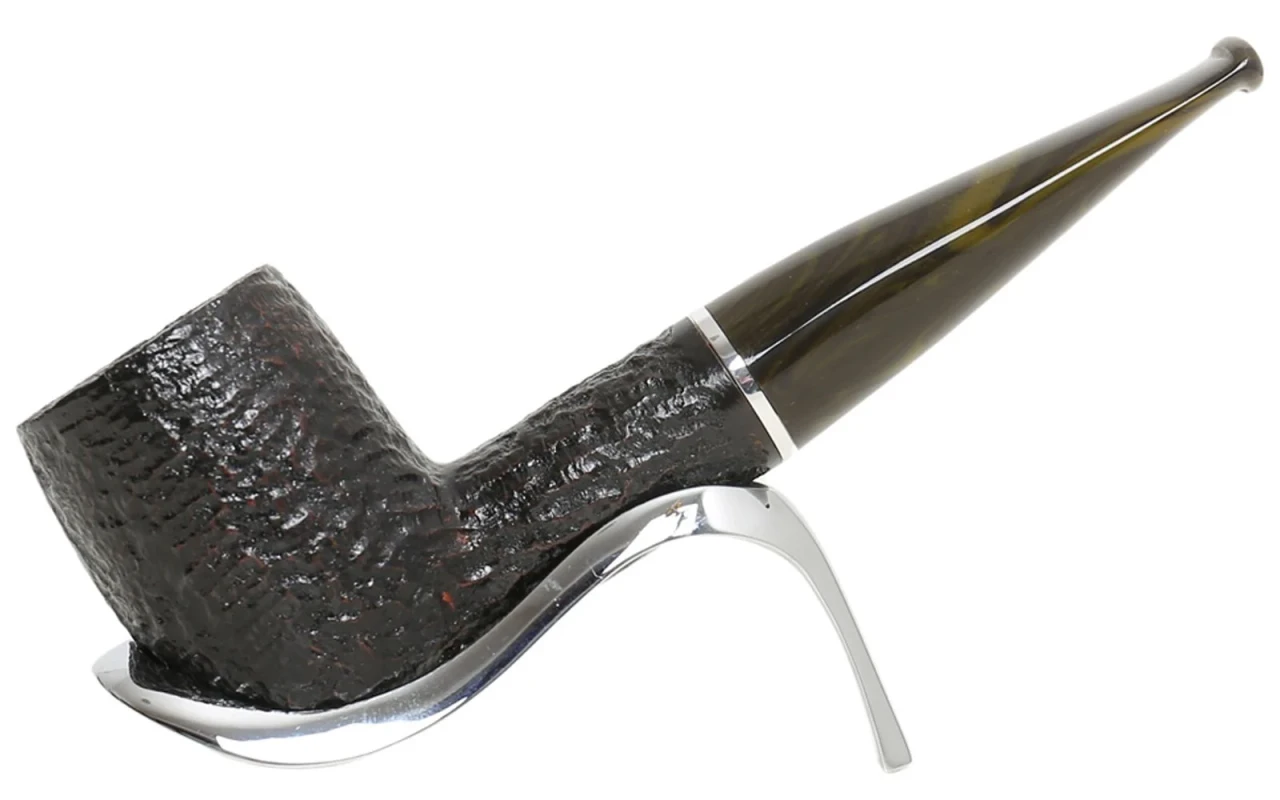
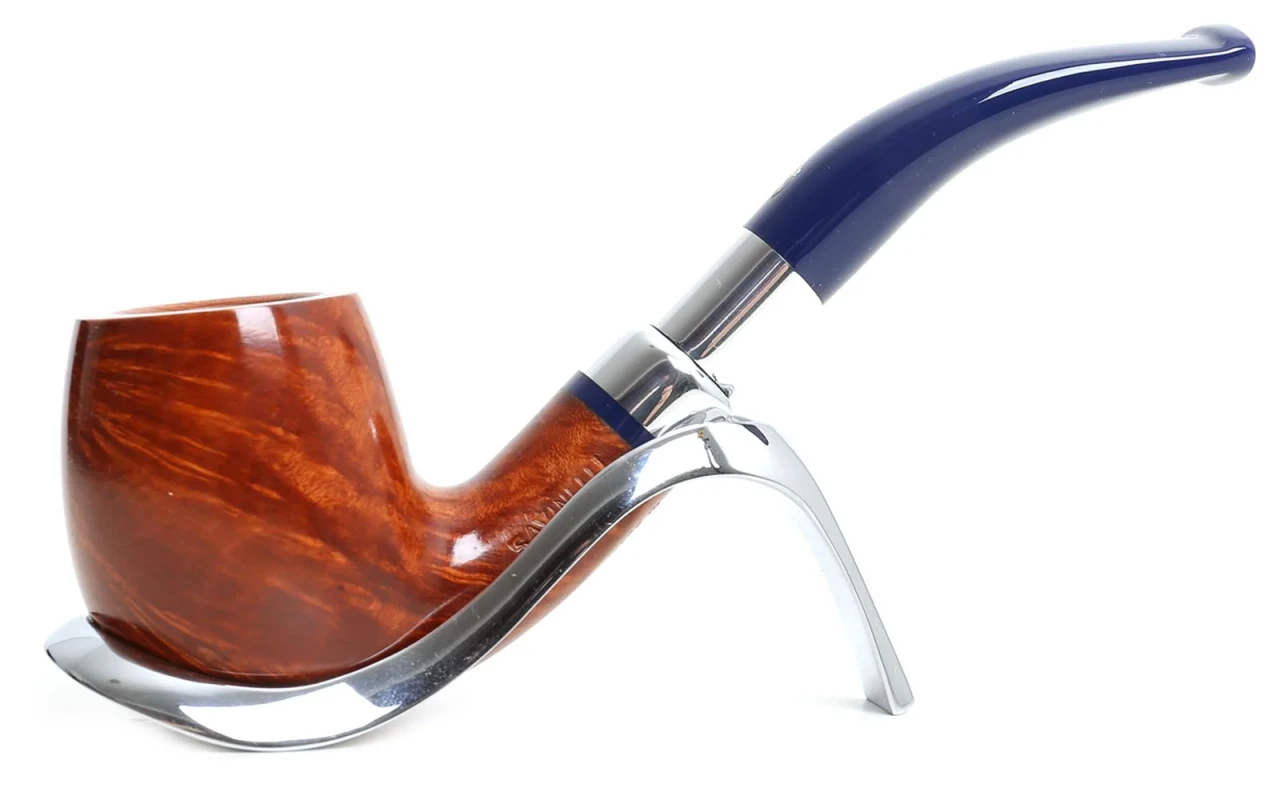
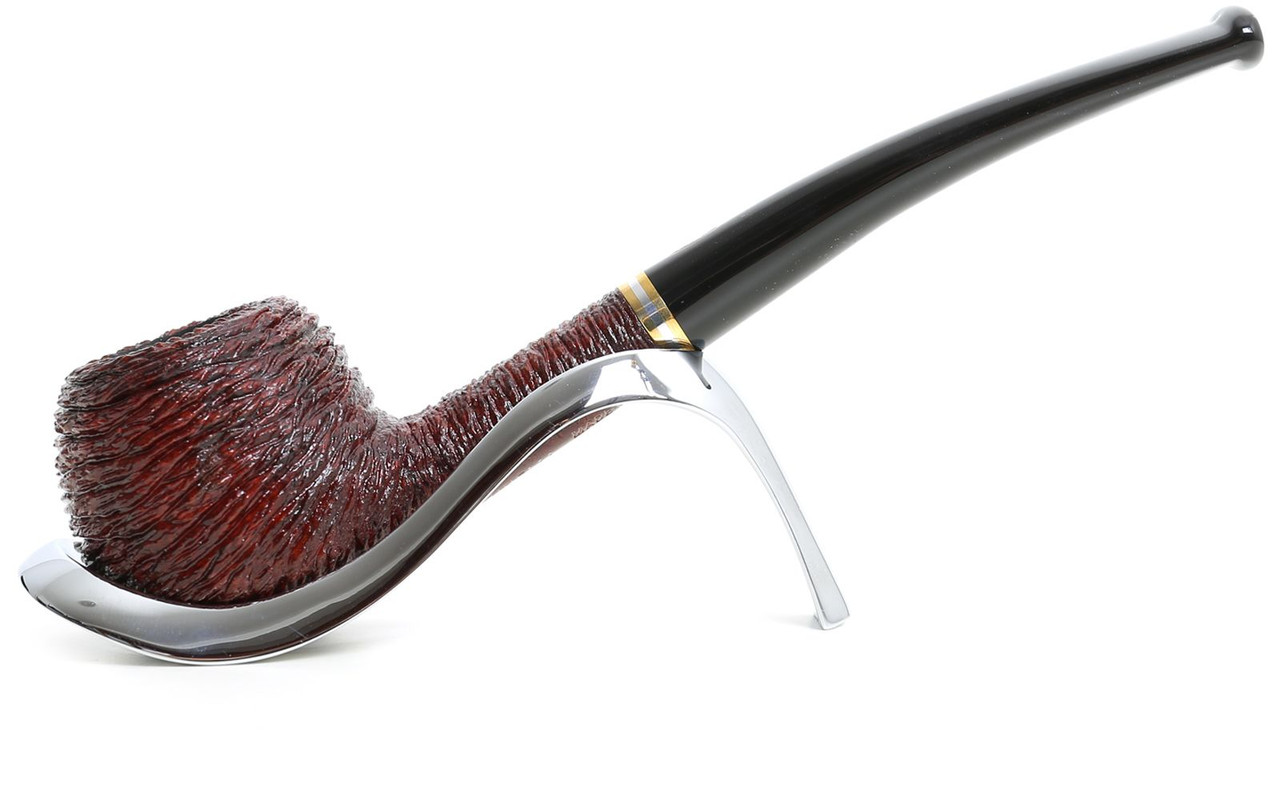
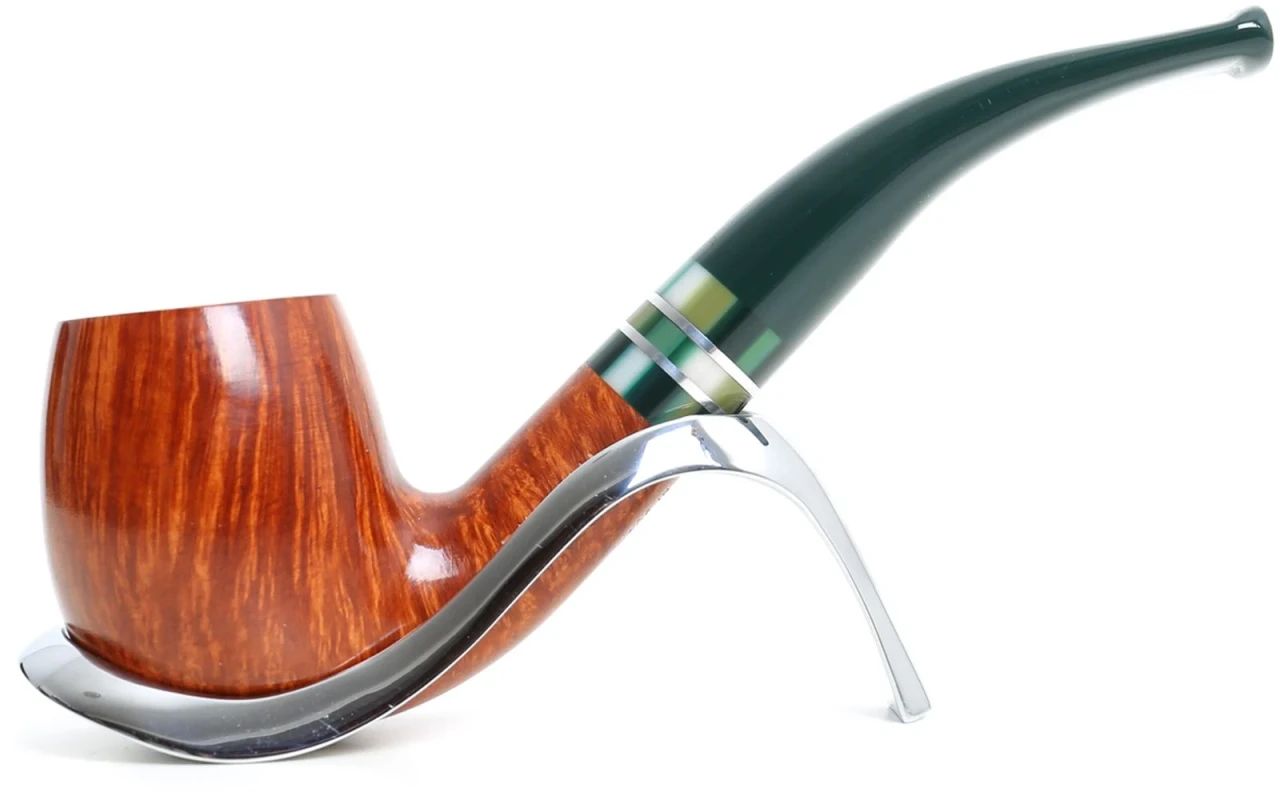
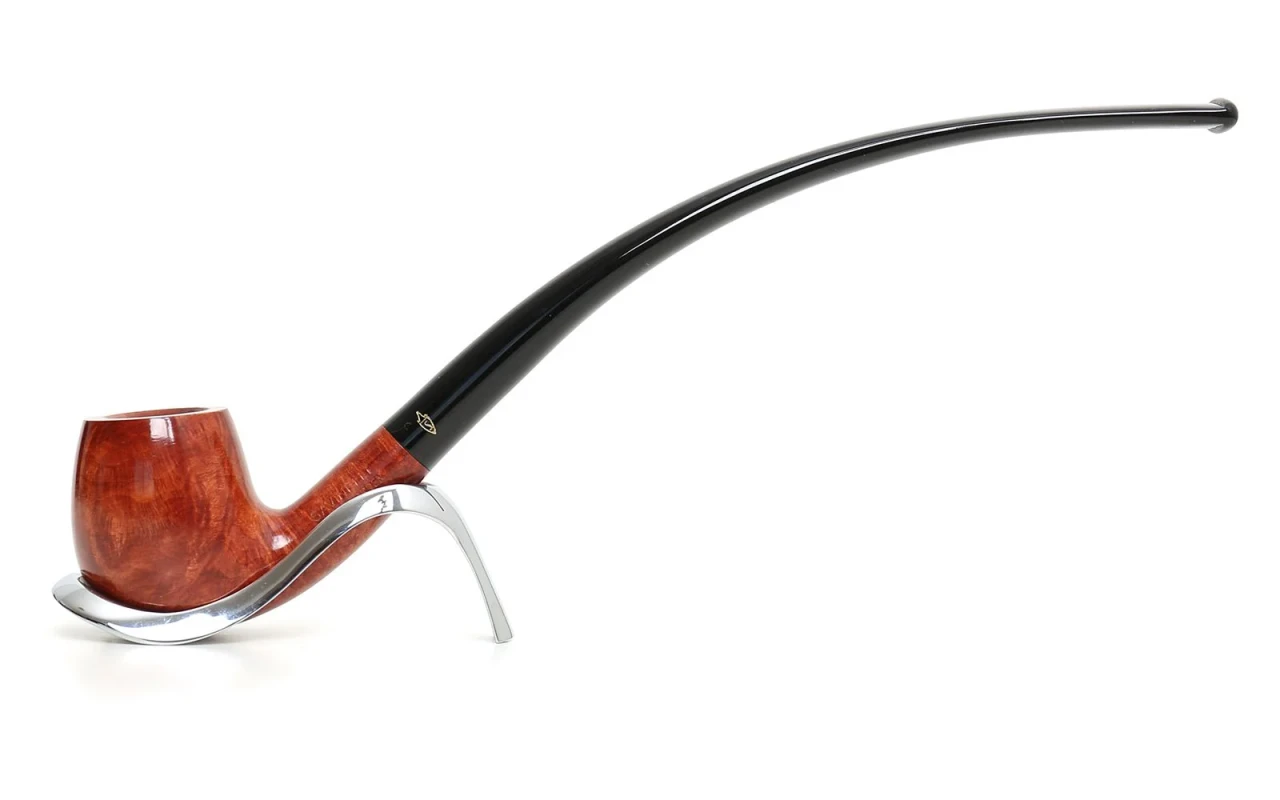
The tobacco pipe has ancient origins dating back thousands of years. The earliest evidence of pipes comes from Native American civilizations, who used clay or stone tubes to smoke tobacco and other herbs. Its spread in Europe occurred after the discovery of the New World in the 15th century.
When was the tobacco pipe invented? Deep dive
The tobacco pipe is an instrument with a long history rooted in the indigenous cultures of the American continent. The earliest pipes were crafted from natural materials such as clay, stone, or wood and were used to smoke tobacco and other sacred herbs in rituals and ceremonies. With the arrival of European explorers in the 15th century and the discovery of the New World, tobacco and pipes quickly spread throughout Europe. Since then, the pipe has undergone numerous evolutions in terms of materials, shapes, and finishes, becoming a cherished accessory for slow, contemplative smoking. Its invention cannot be attributed to a specific date, but rather is the result of a long cultural and artisanal process that has spanned centuries and continents.