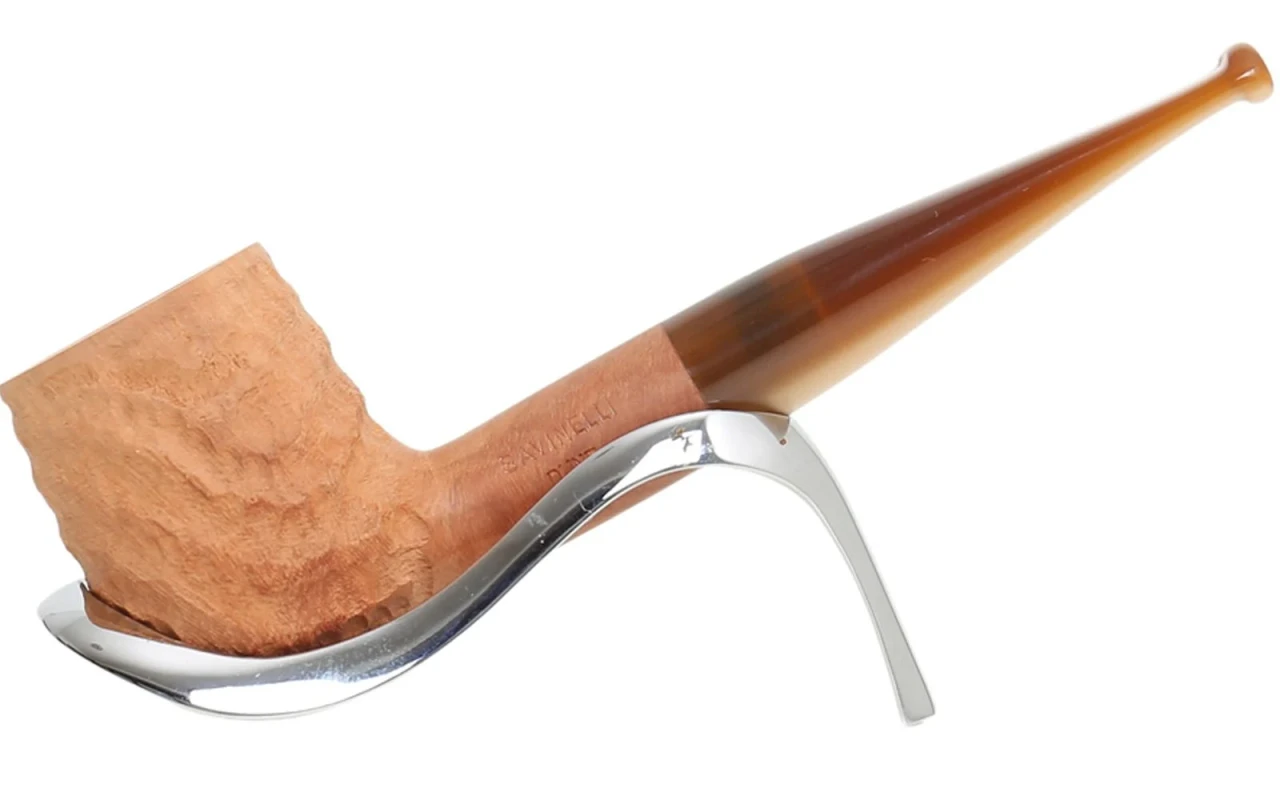
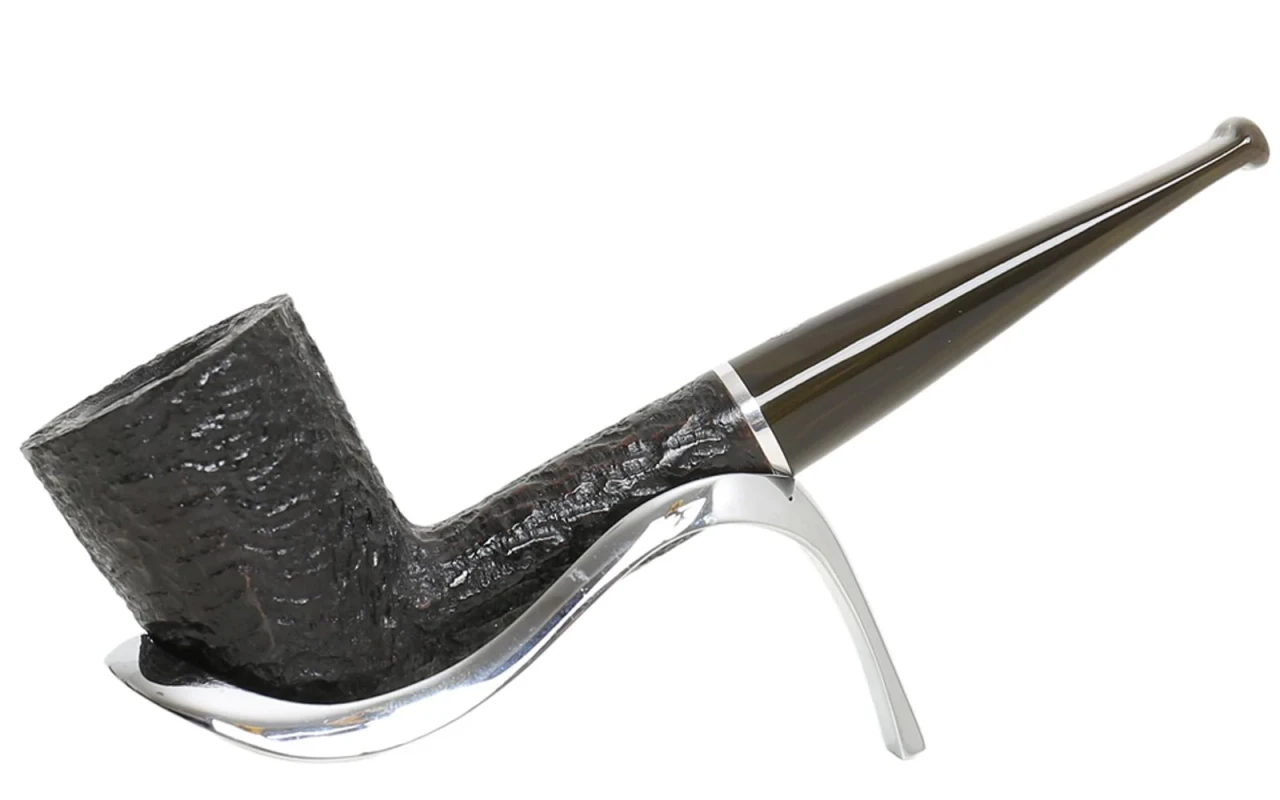
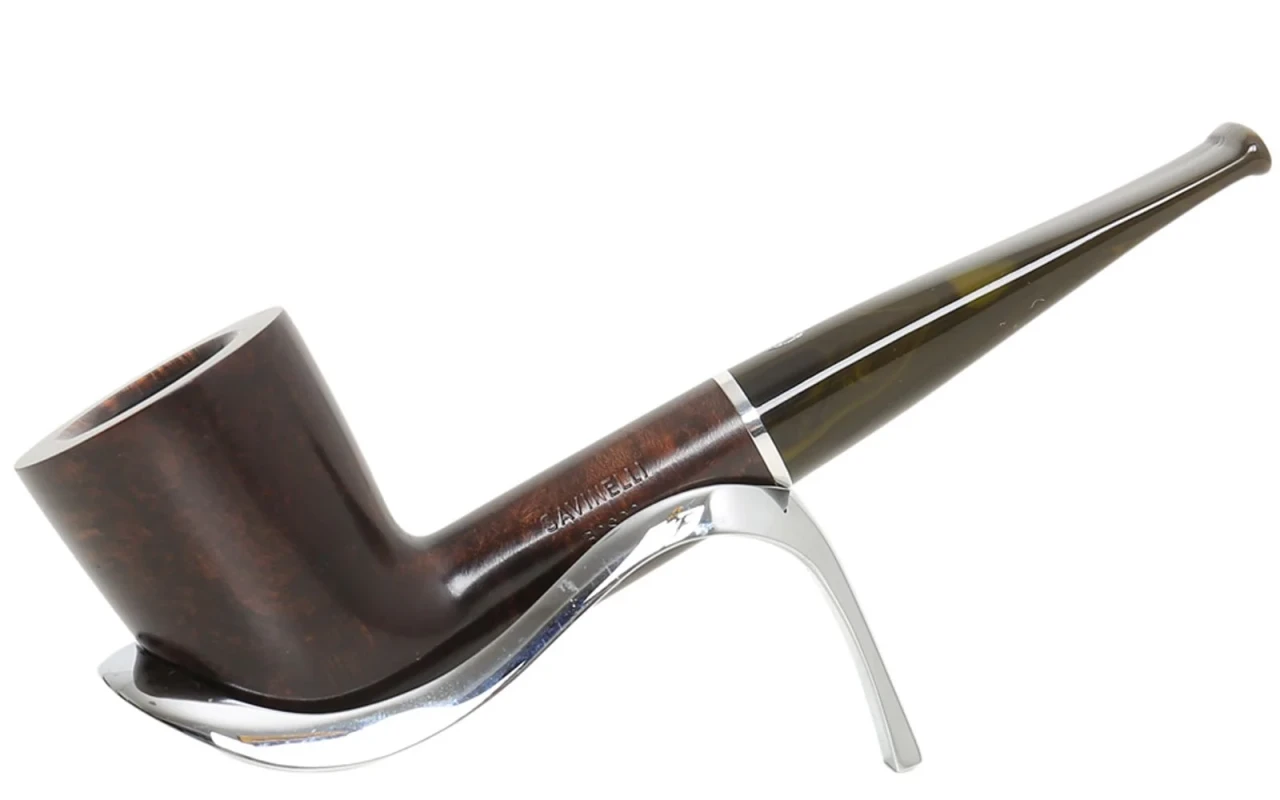
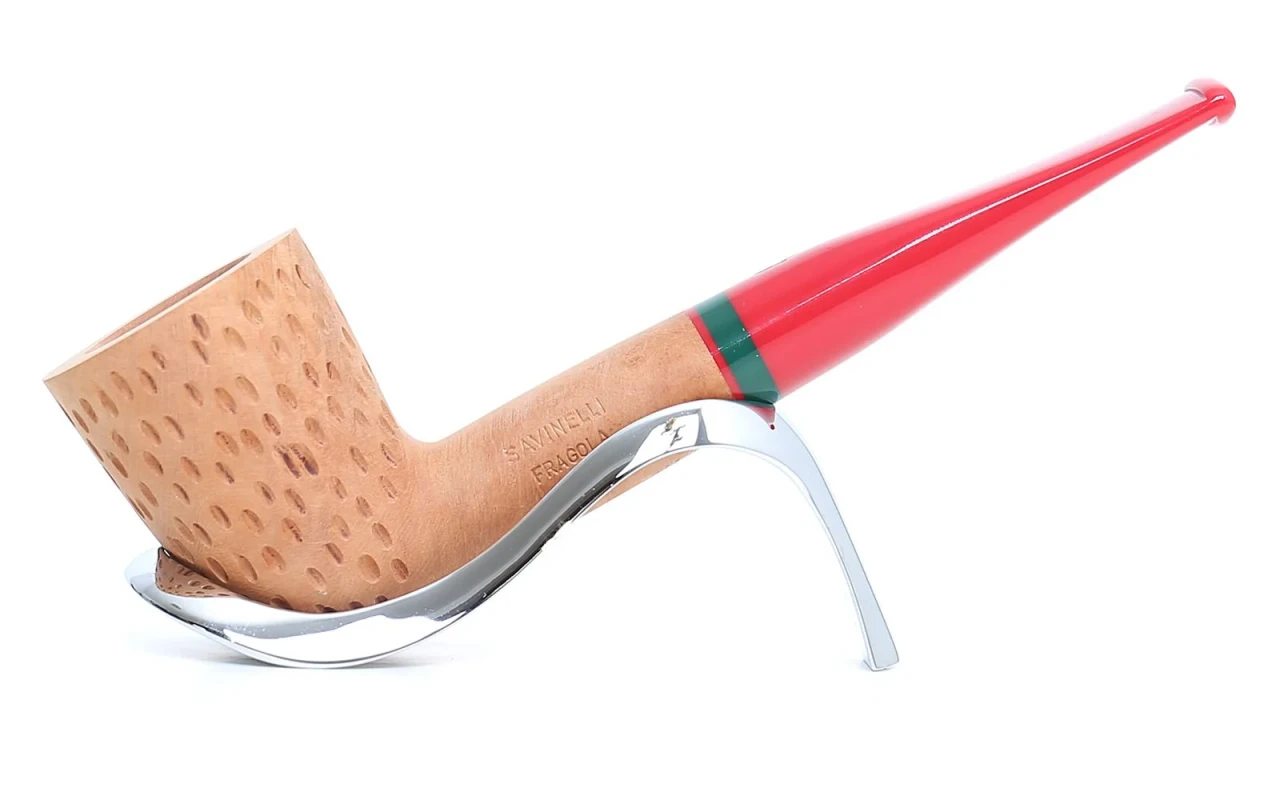
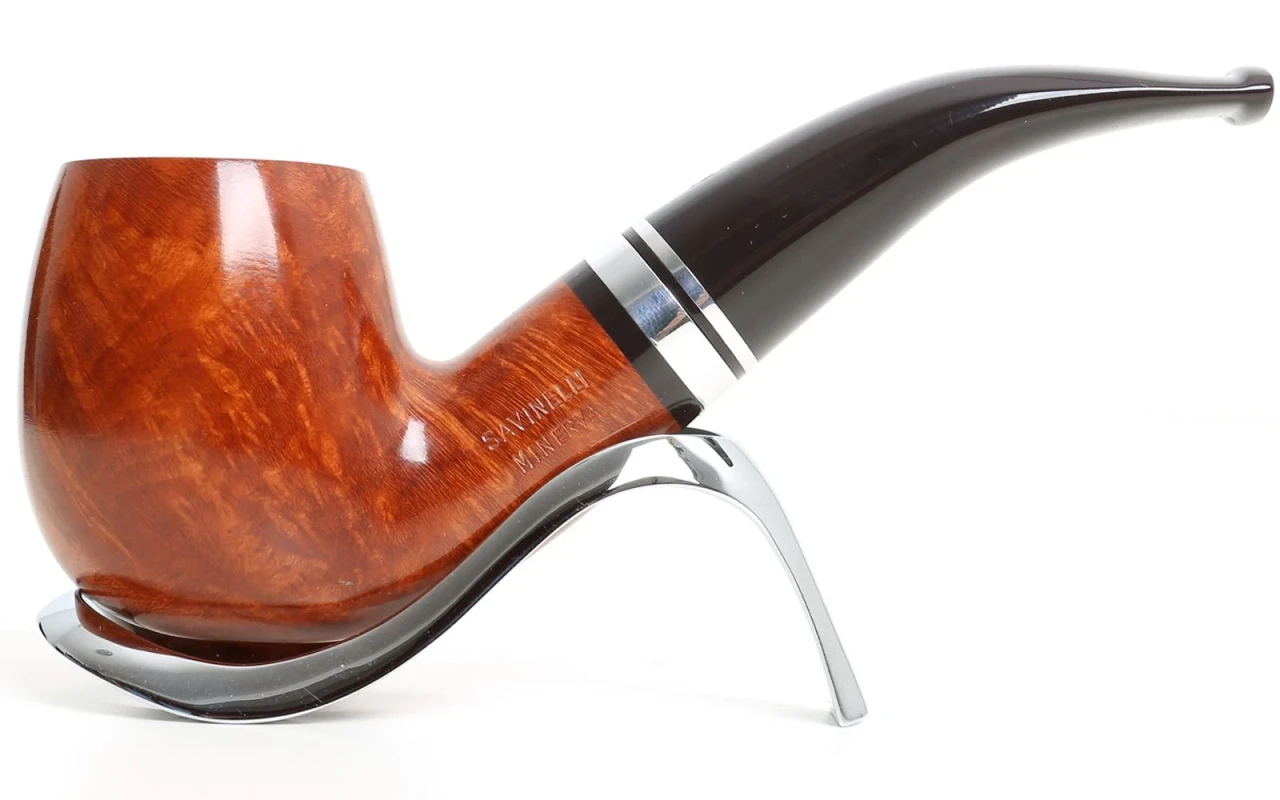
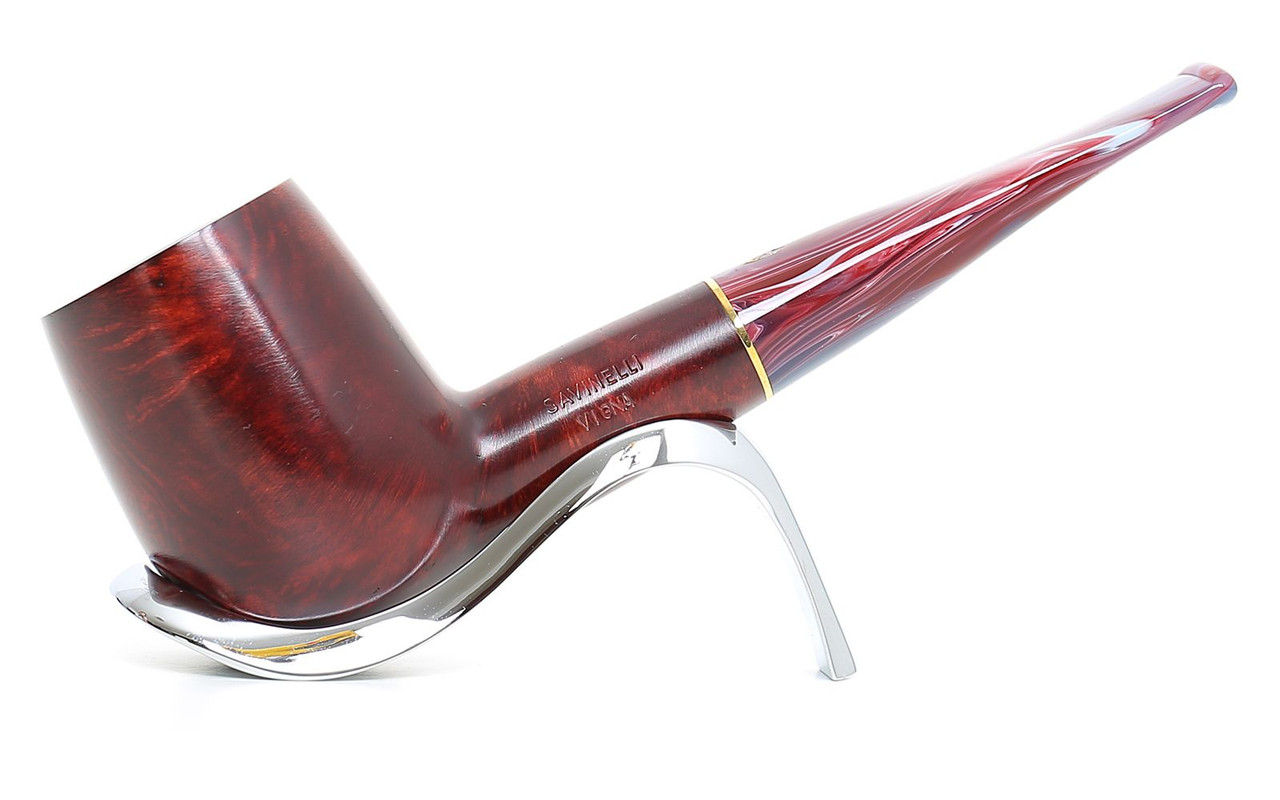
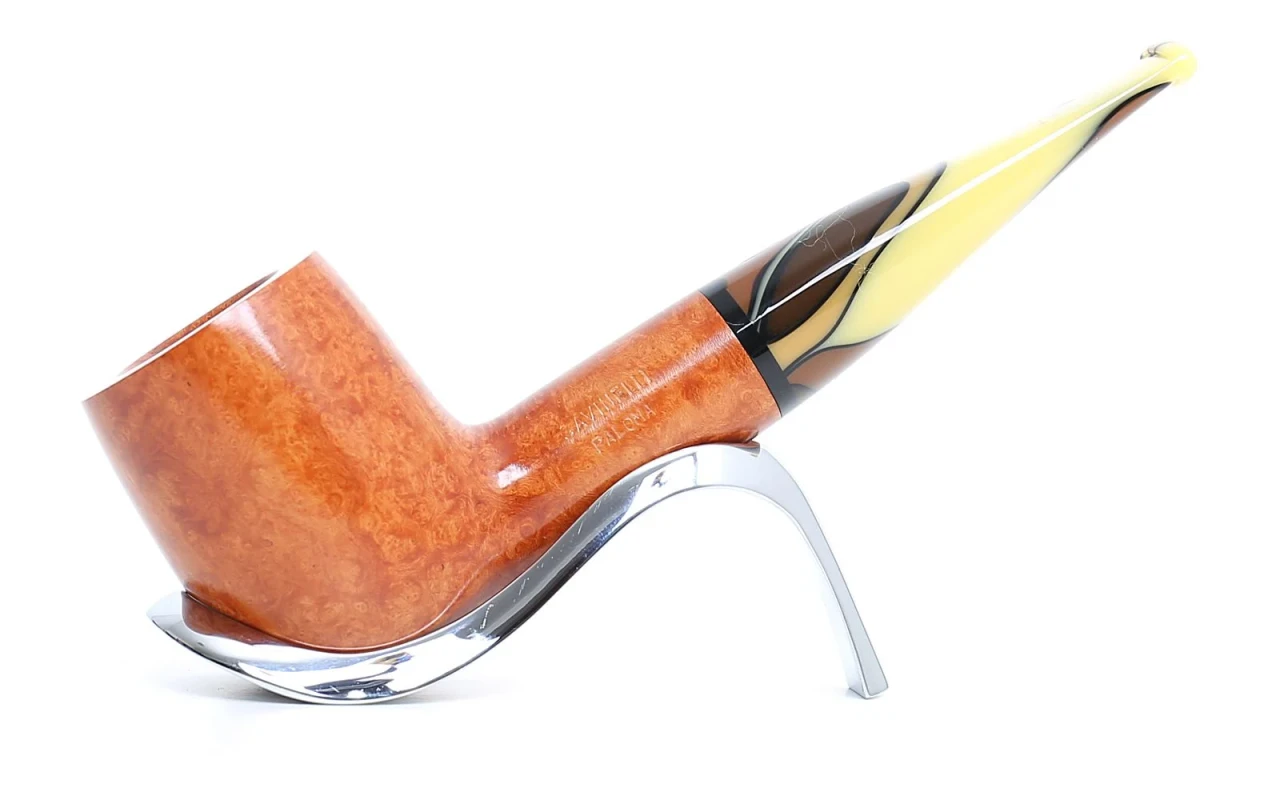
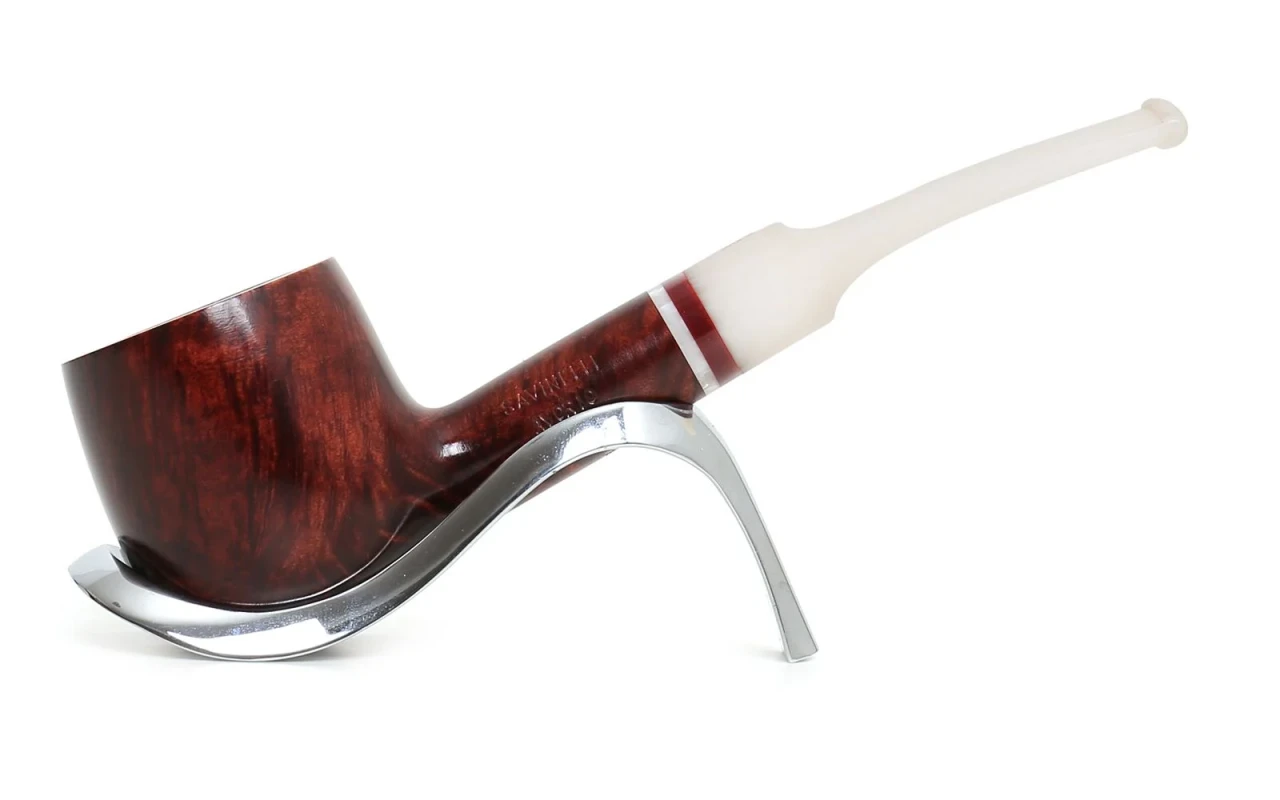
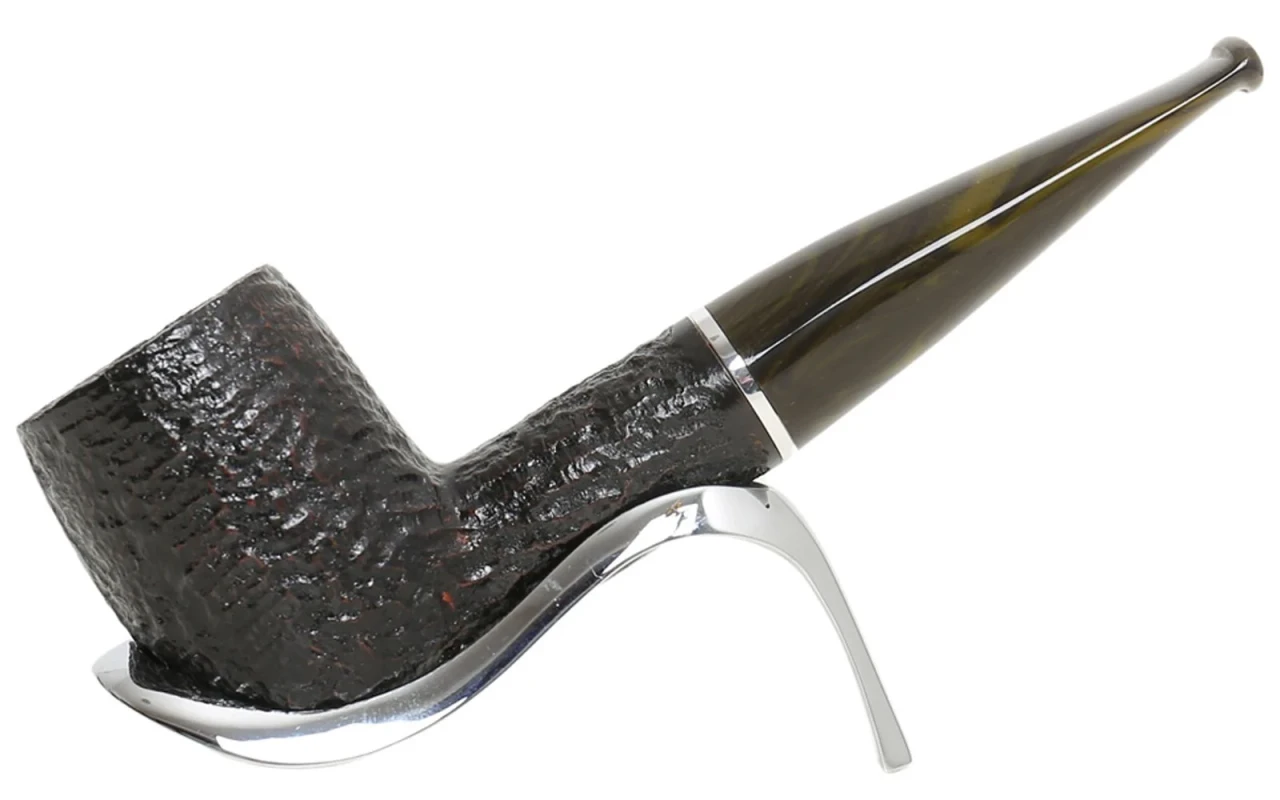
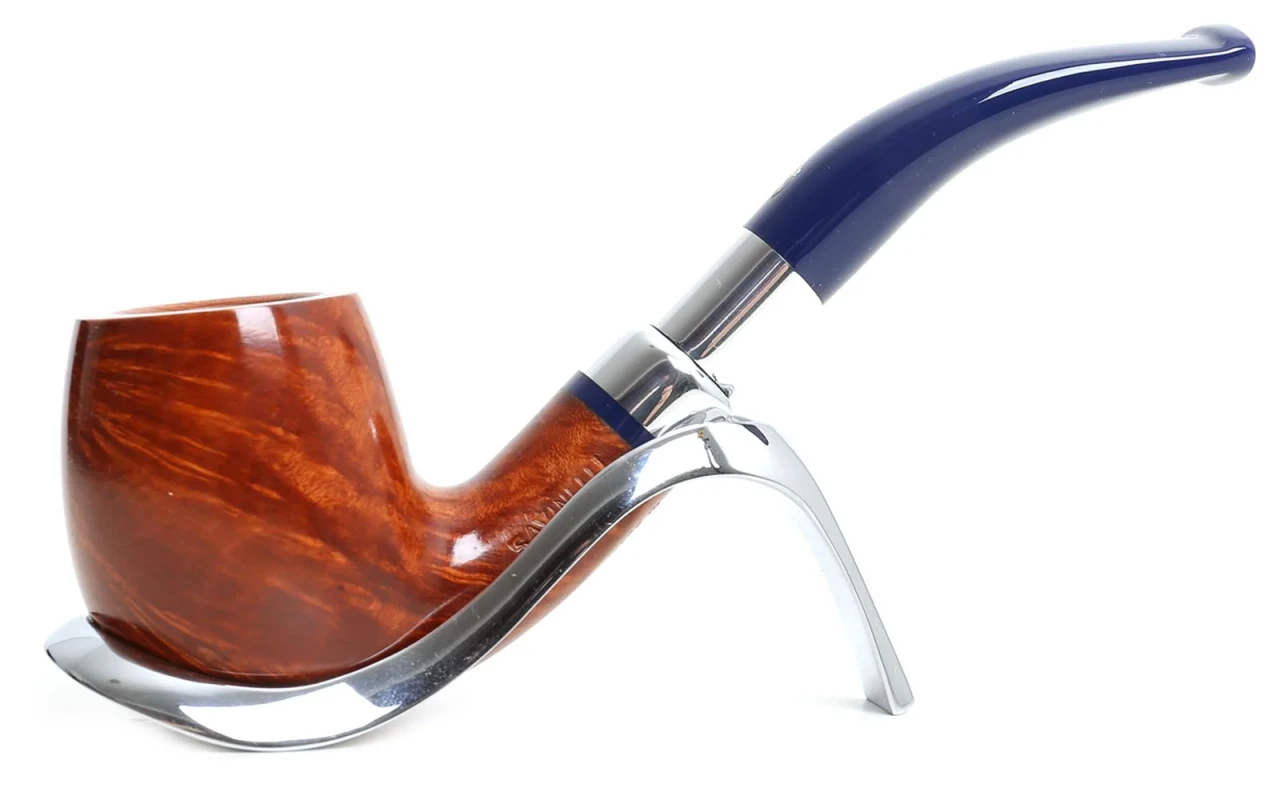
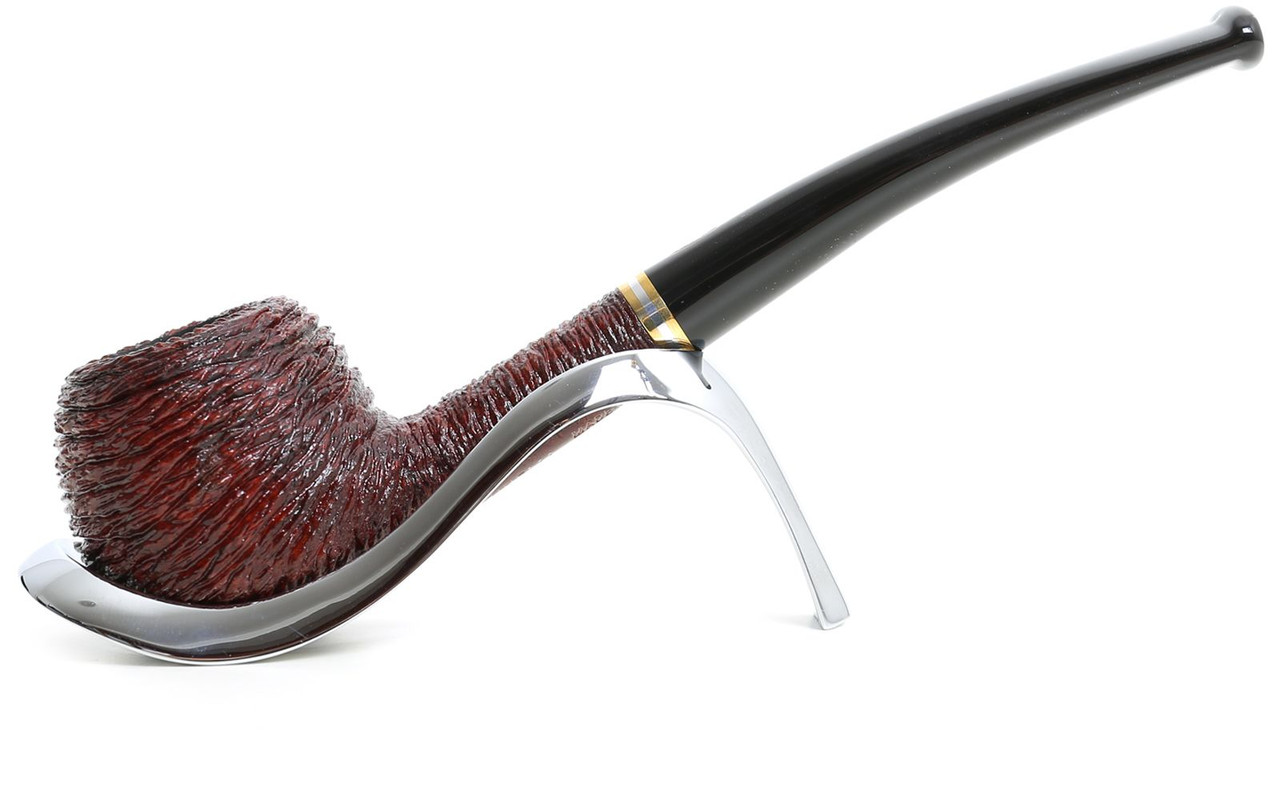
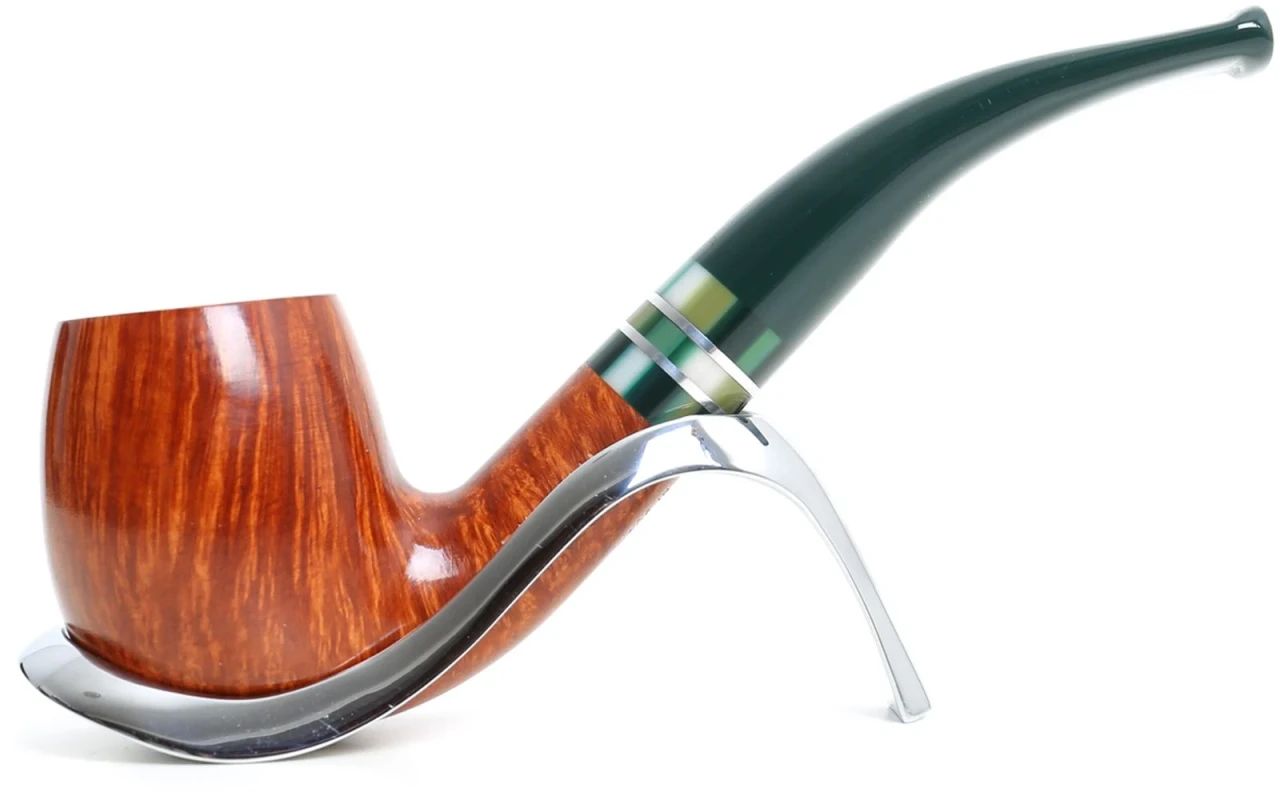
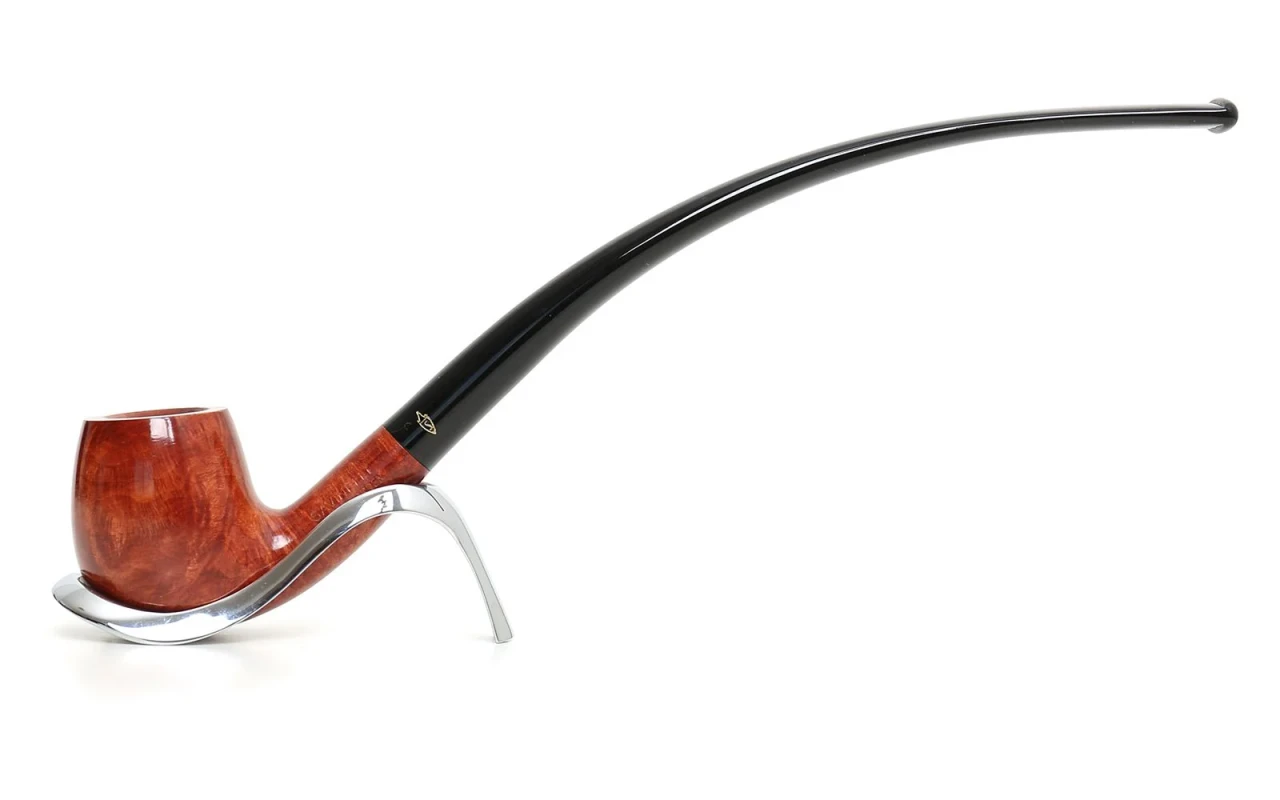
In the 19th century, pipe production was mainly handcrafted, with artisans carving briar wood or other precious materials. The work was detailed and required manual skills, with careful finishes to ensure both functionality and aesthetics, reflecting the tradition and culture of slow smoking of the era.
How were pipes produced in the 19th century? Deep dive
During the 19th century, pipe production was an artisanal process requiring great expertise and attention to detail. Artisans primarily used briar, a prized wood obtained from the root burl of the Erica arborea plant, valued for its heat resistance and aesthetic qualities. The process began with cutting and shaping the briar block, followed by extensive sanding and boring to create the tobacco chamber and the draft hole. Each pipe was hand-finished, often featuring engravings or inlays, and treated with oils or waxes to enhance its natural beauty. This manual production ensured unique pieces, with shapes and finishes that reflected the tradition and culture of slow smoking characteristic of the period. The care in selecting materials and workmanship made 19th-century pipes not only functional but also objects of aesthetic and cultural value.