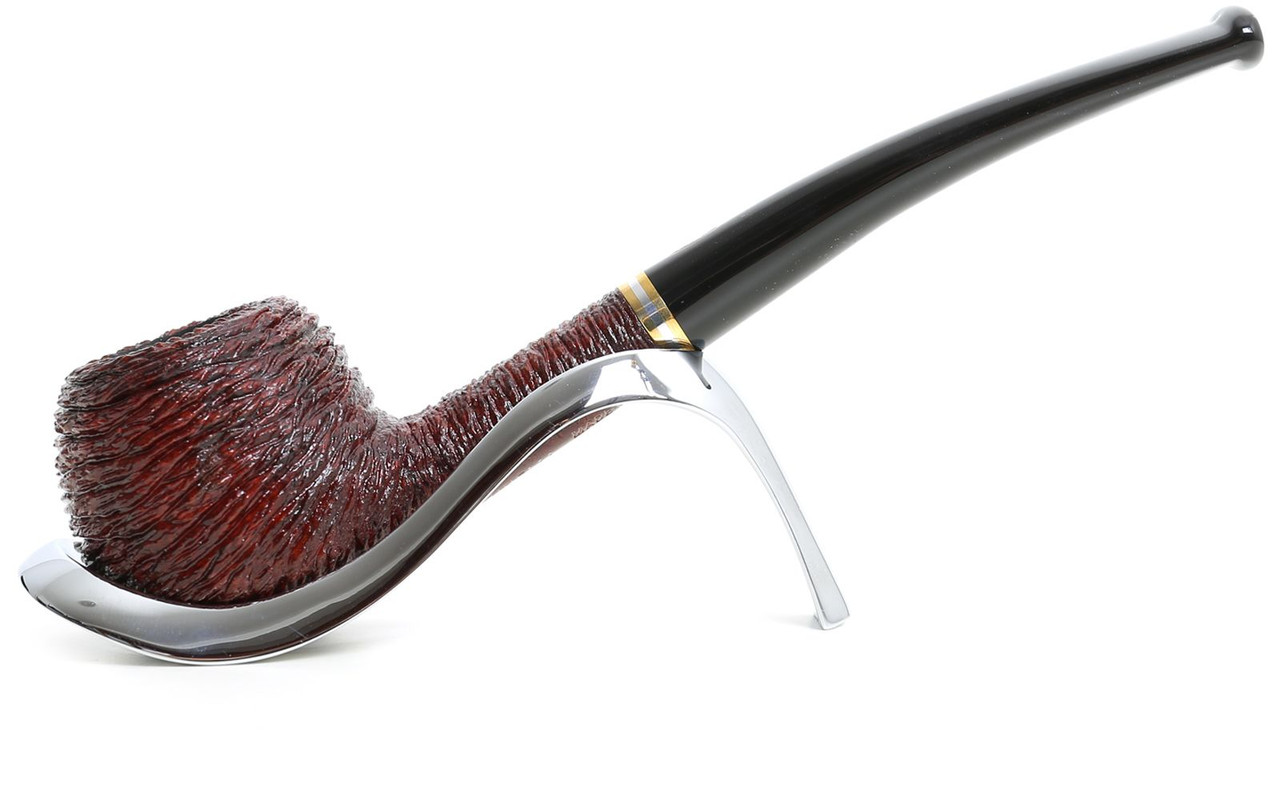
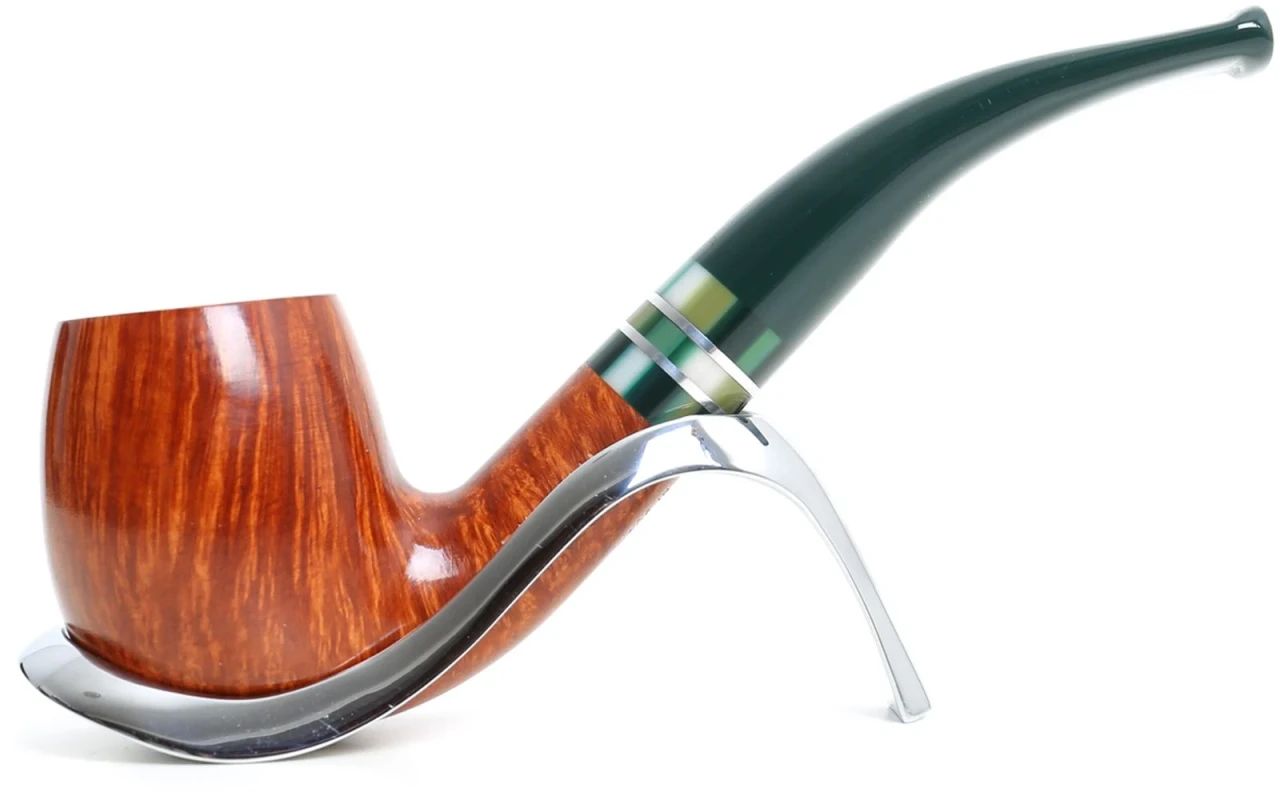
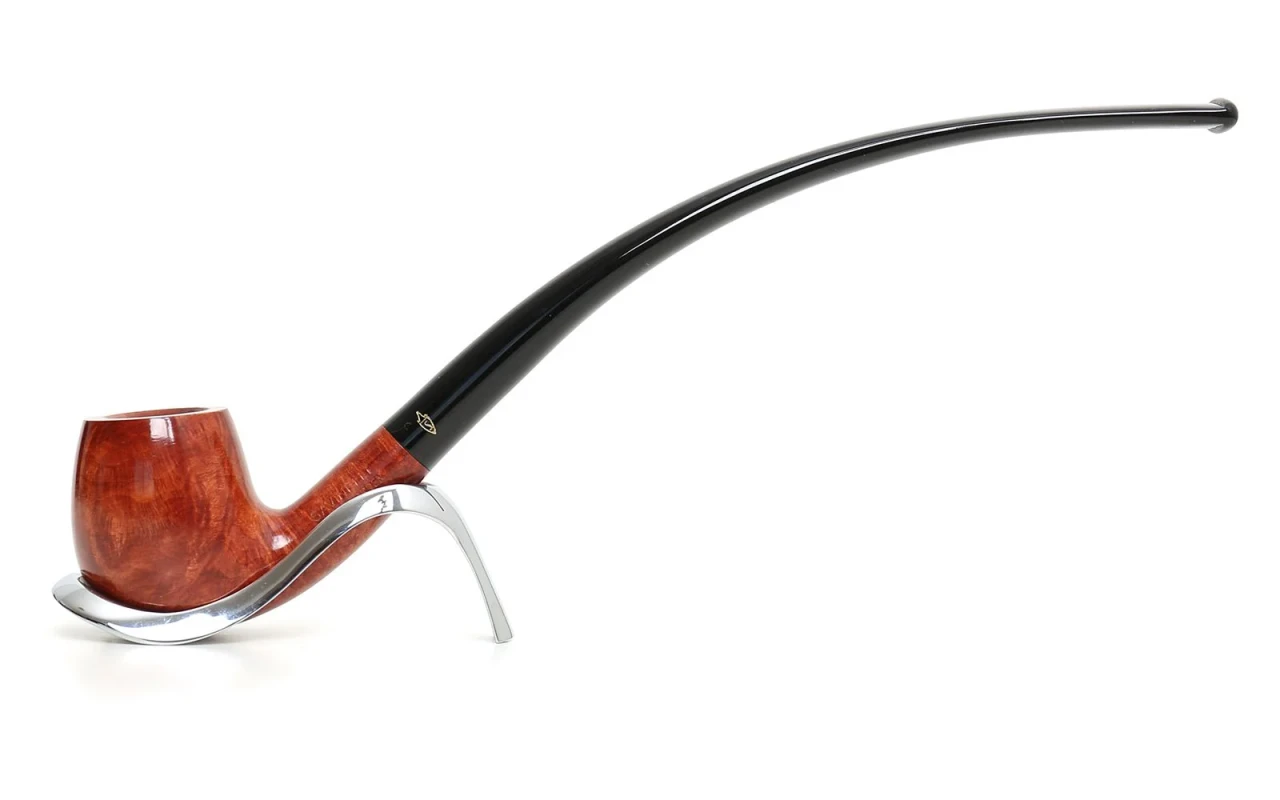
In ancient times, pipes were primarily handcrafted using natural materials such as clay, wood, or stone. Artisans carved and shaped the pipe using simple tools, carefully attending to every detail to ensure both functionality and aesthetic appeal. This process required skill and patience, reflecting local culture and traditions.
How were pipes made in ancient times? Deep dive
The construction of pipes in ancient times was a handcrafted process relying on natural materials available locally, such as clay, wood, stone, or occasionally bone. Artisans manually shaped the pipe’s form, often carving or forging the material with rudimentary tools. Clay was modeled and then fired to create a durable structure, while wood was carved and smoothed to produce a sleek and functional surface. Each pipe was unique, embodying the cultural and artistic traditions of its community. The craftsmanship focused not only on aesthetics but also on functionality, ensuring that the smoke channel was properly designed and that the pipe was comfortable to hold. This manual method required time, experience, and keen attention to detail, qualities which imparted value and significance to the object beyond its utility in the slow-smoking ritual.