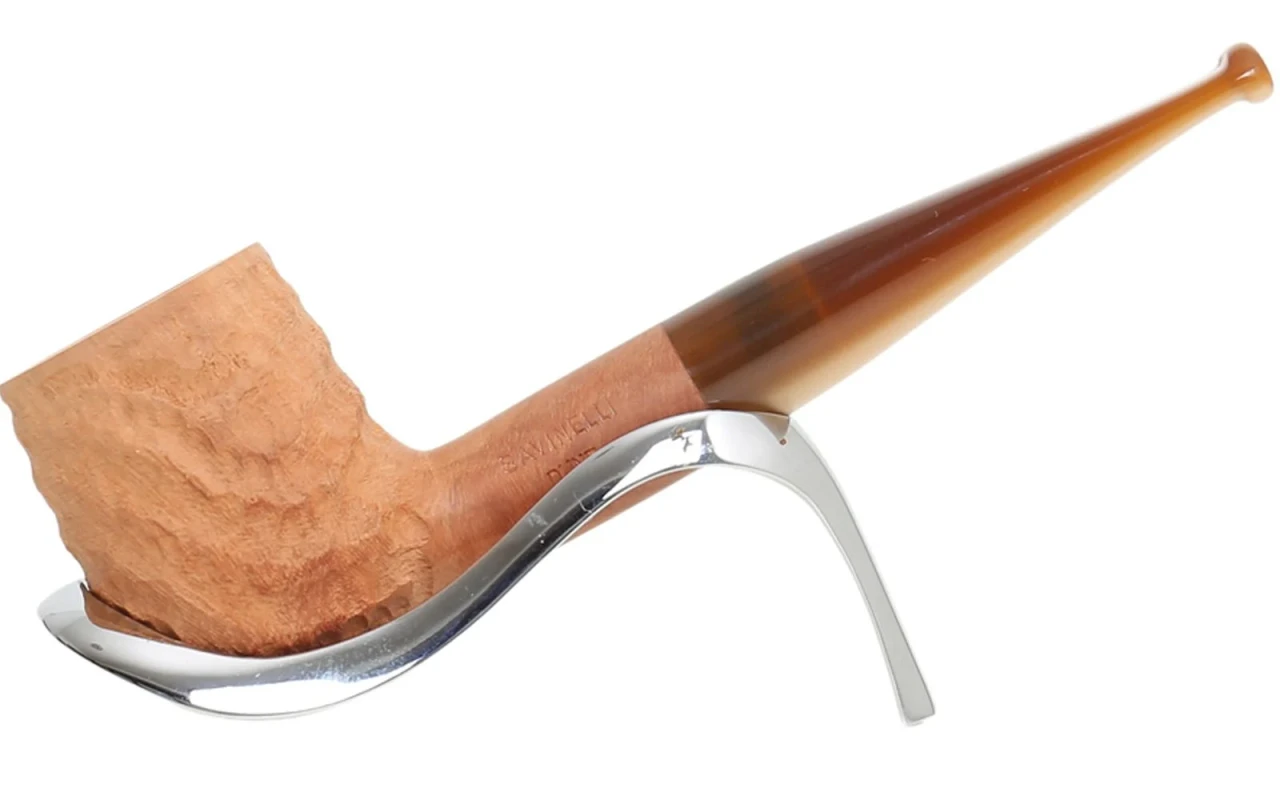
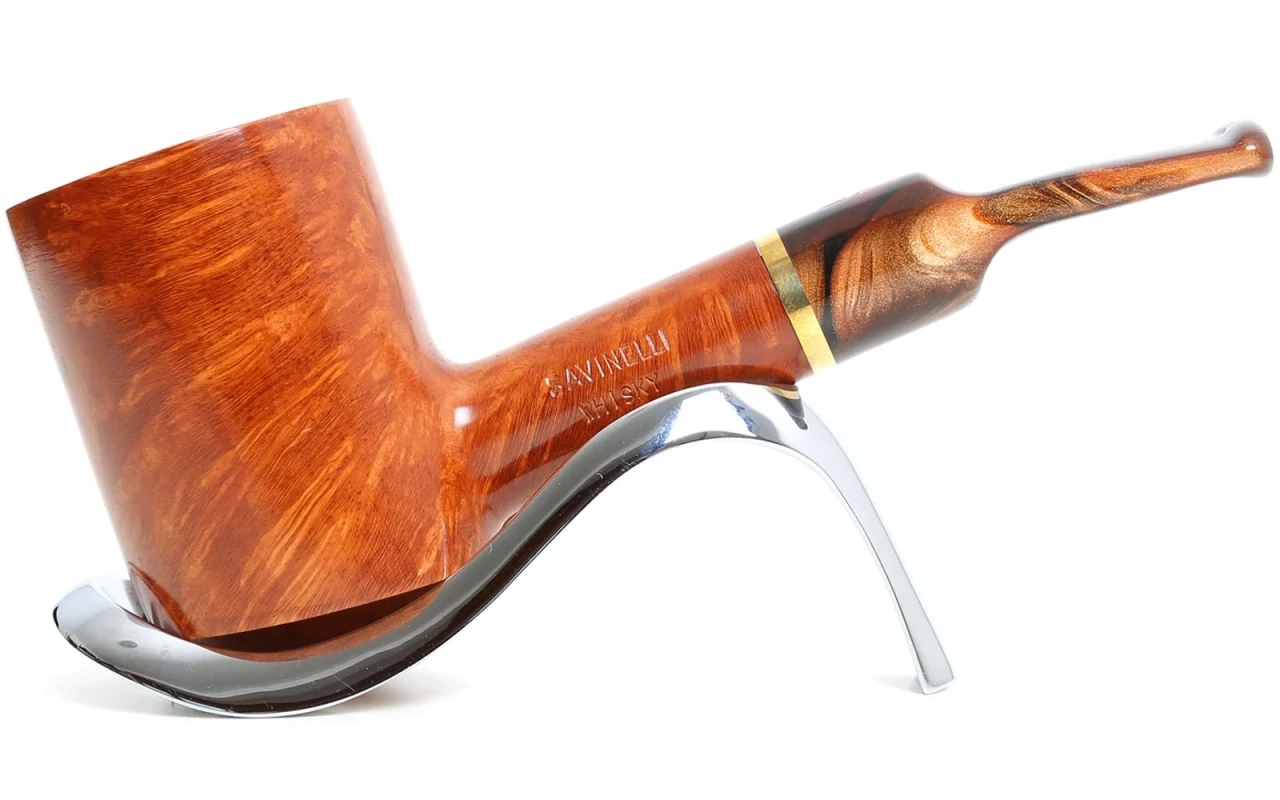
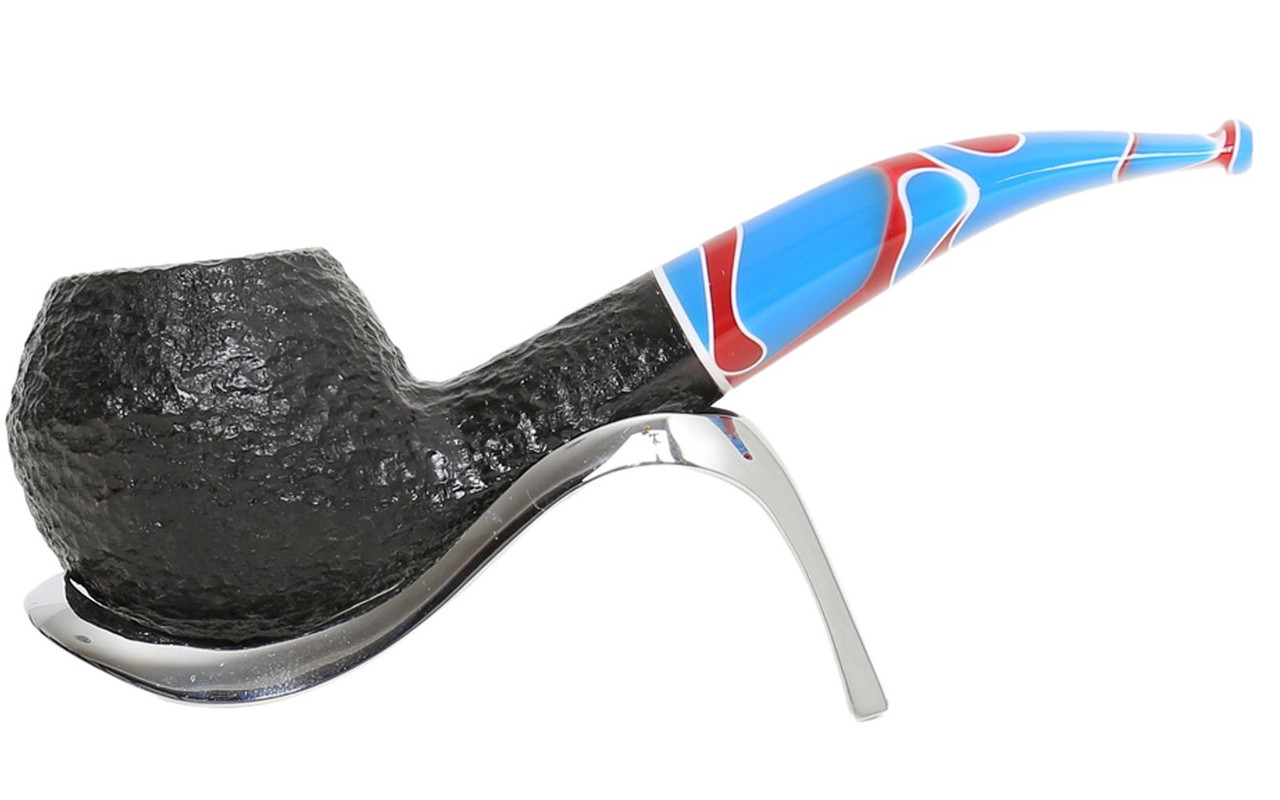
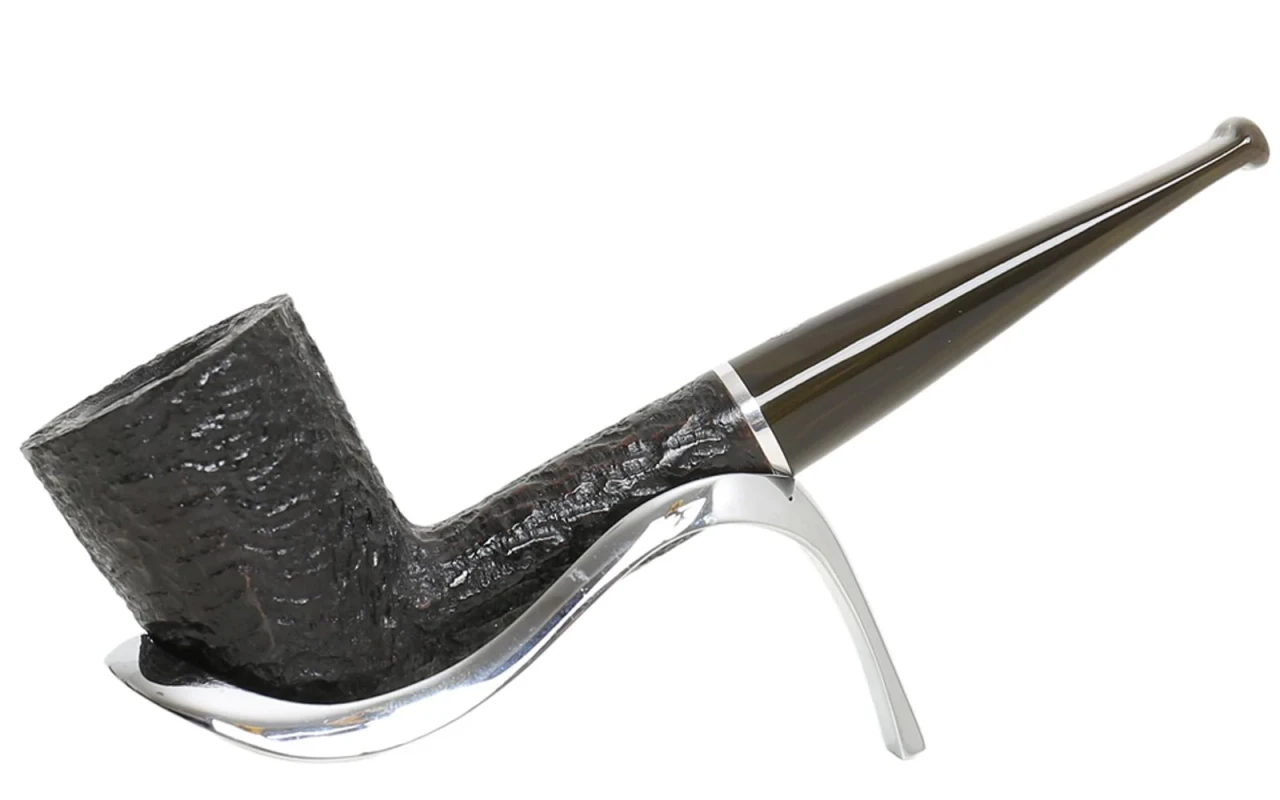
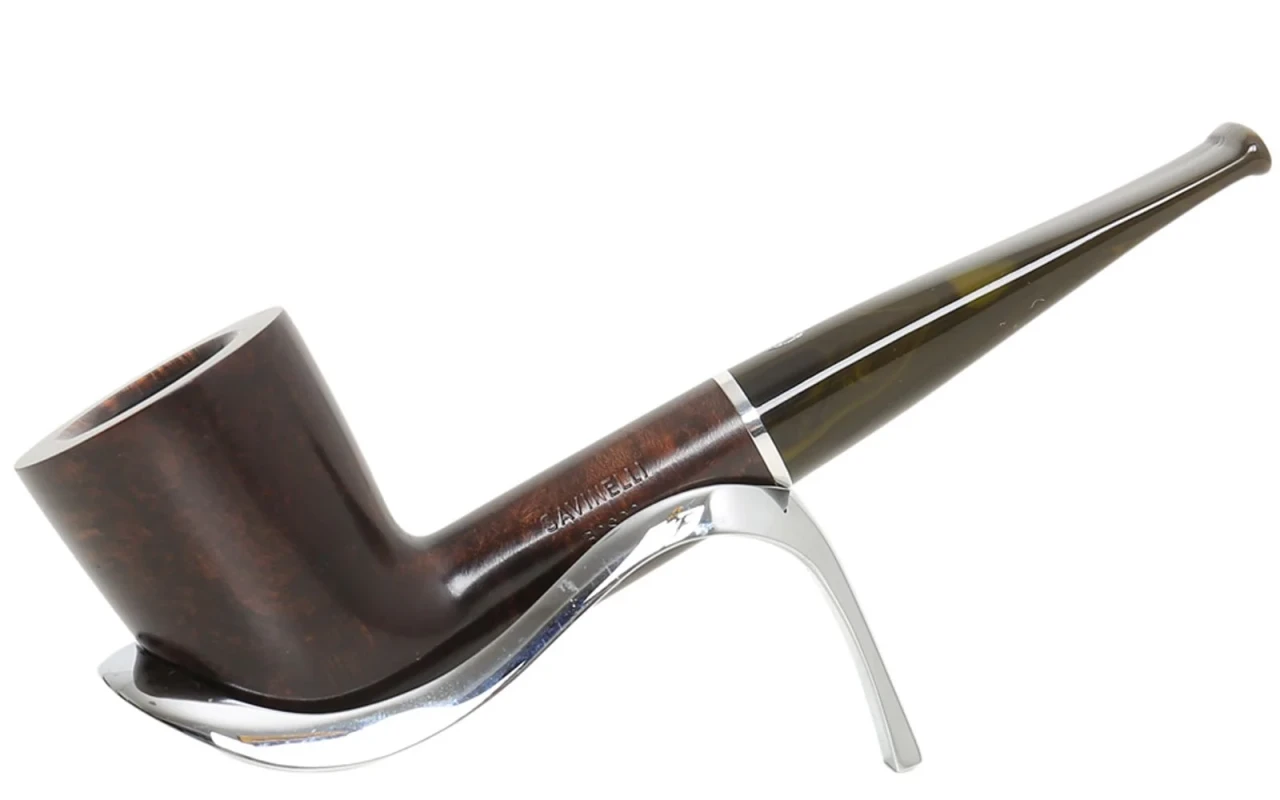
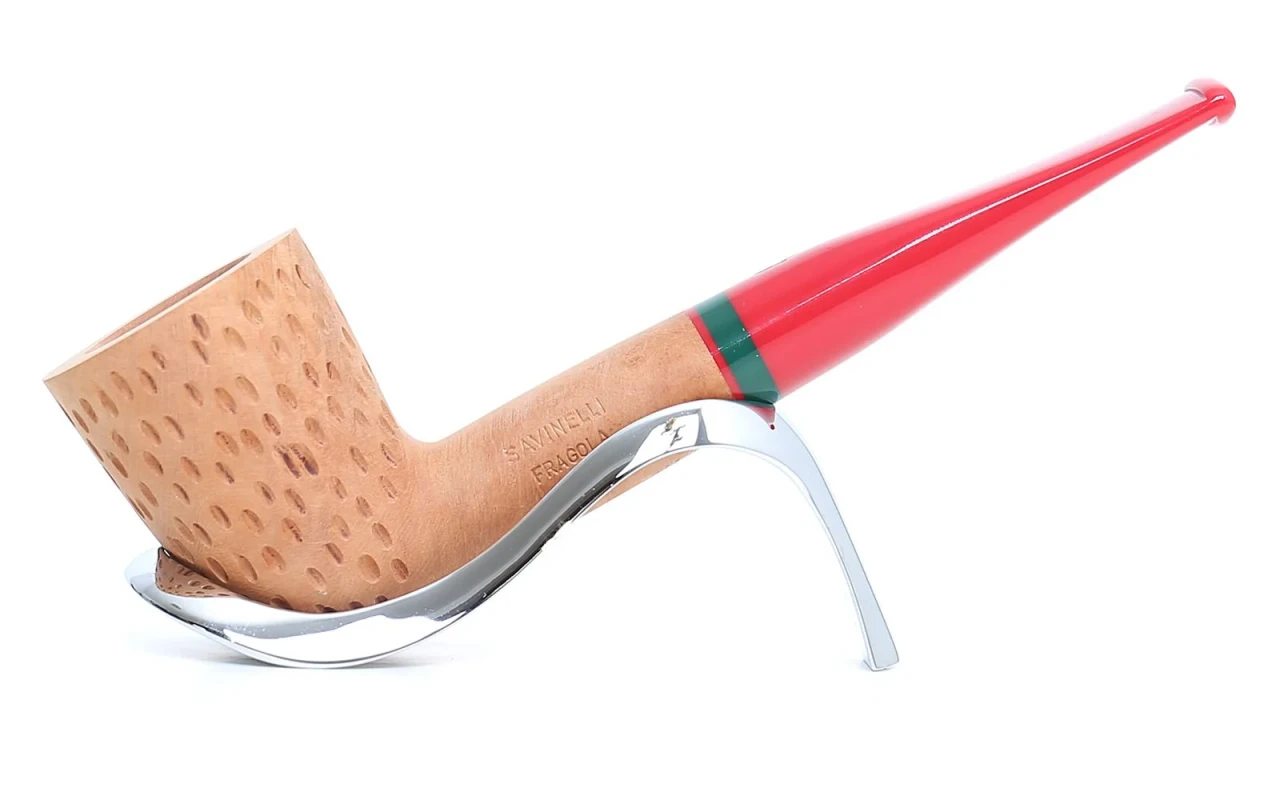
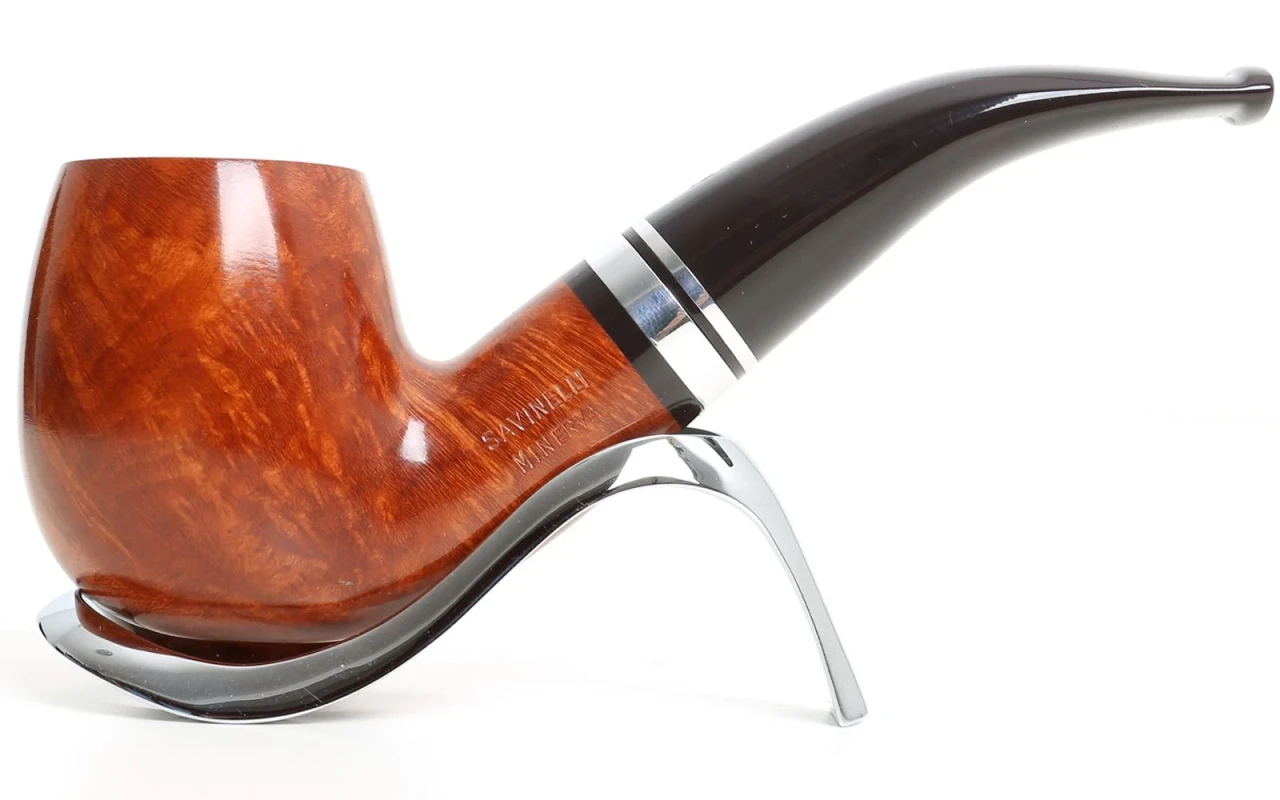
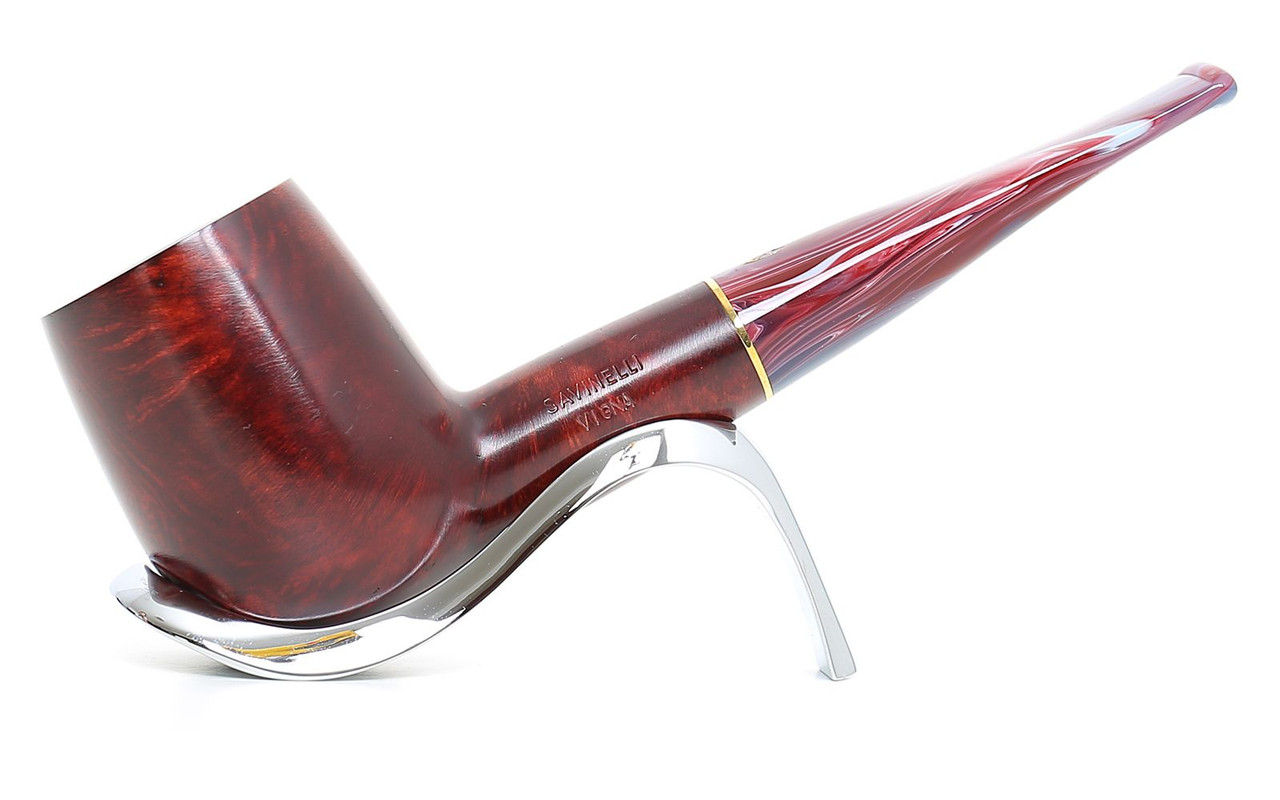
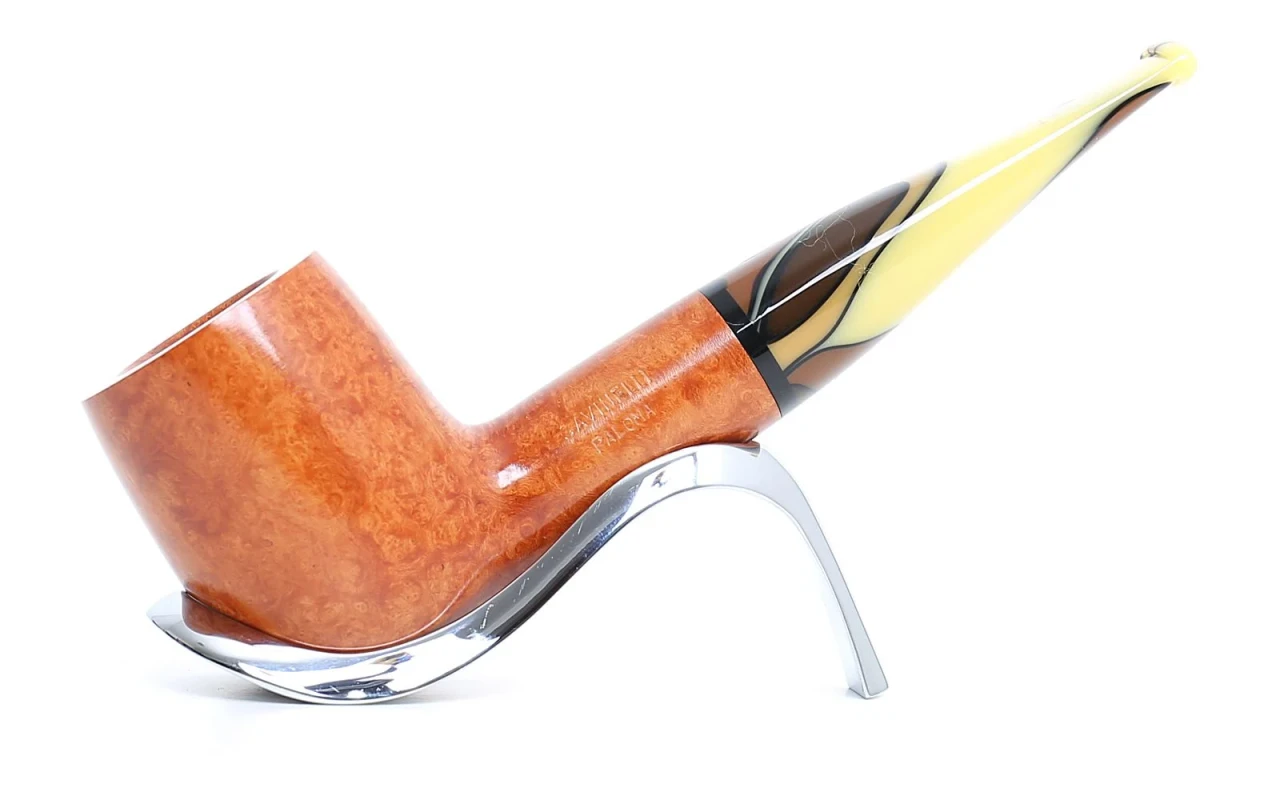
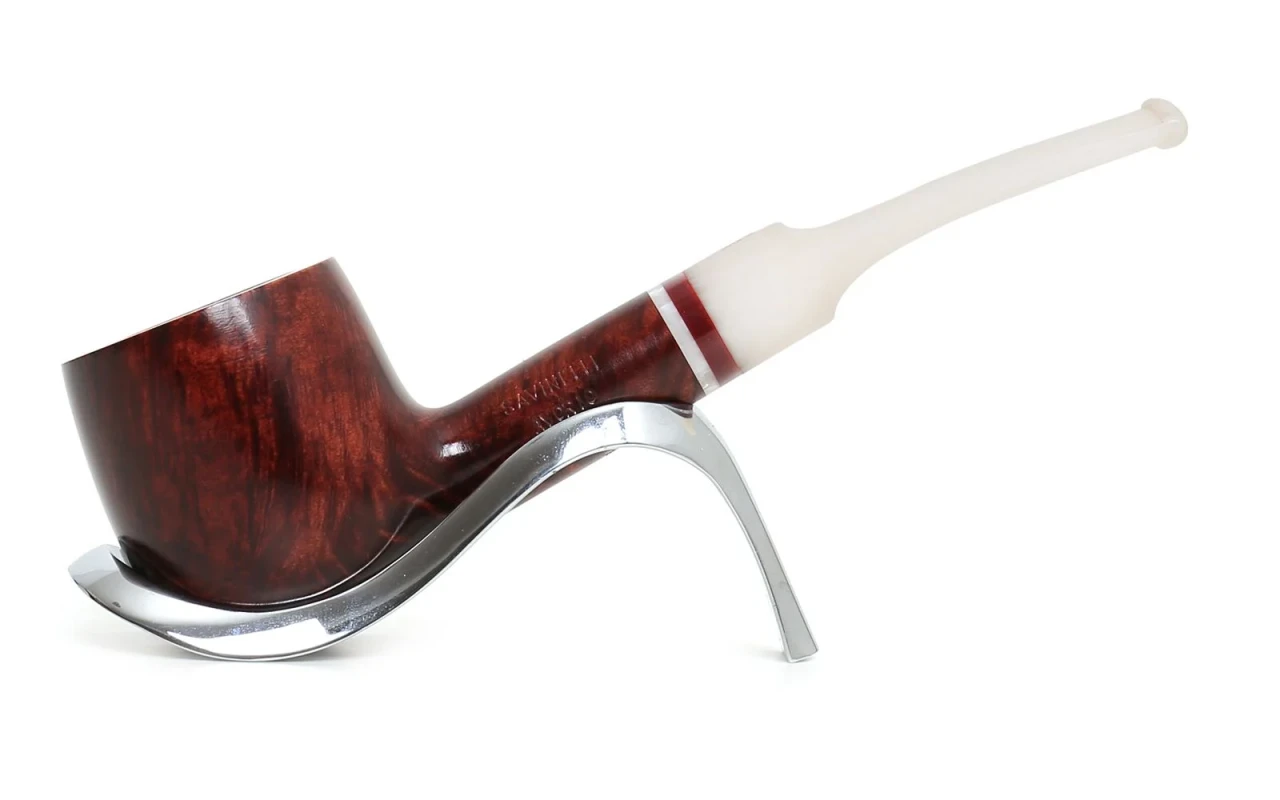
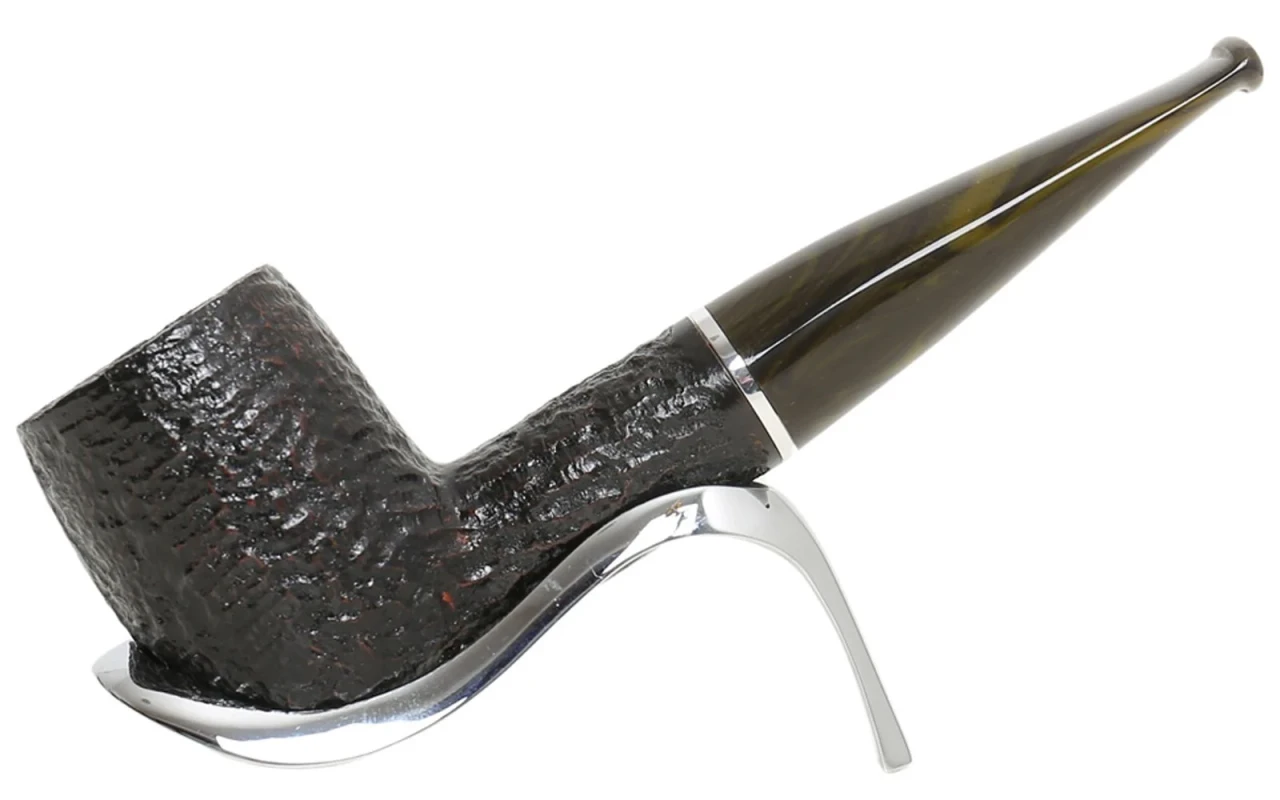
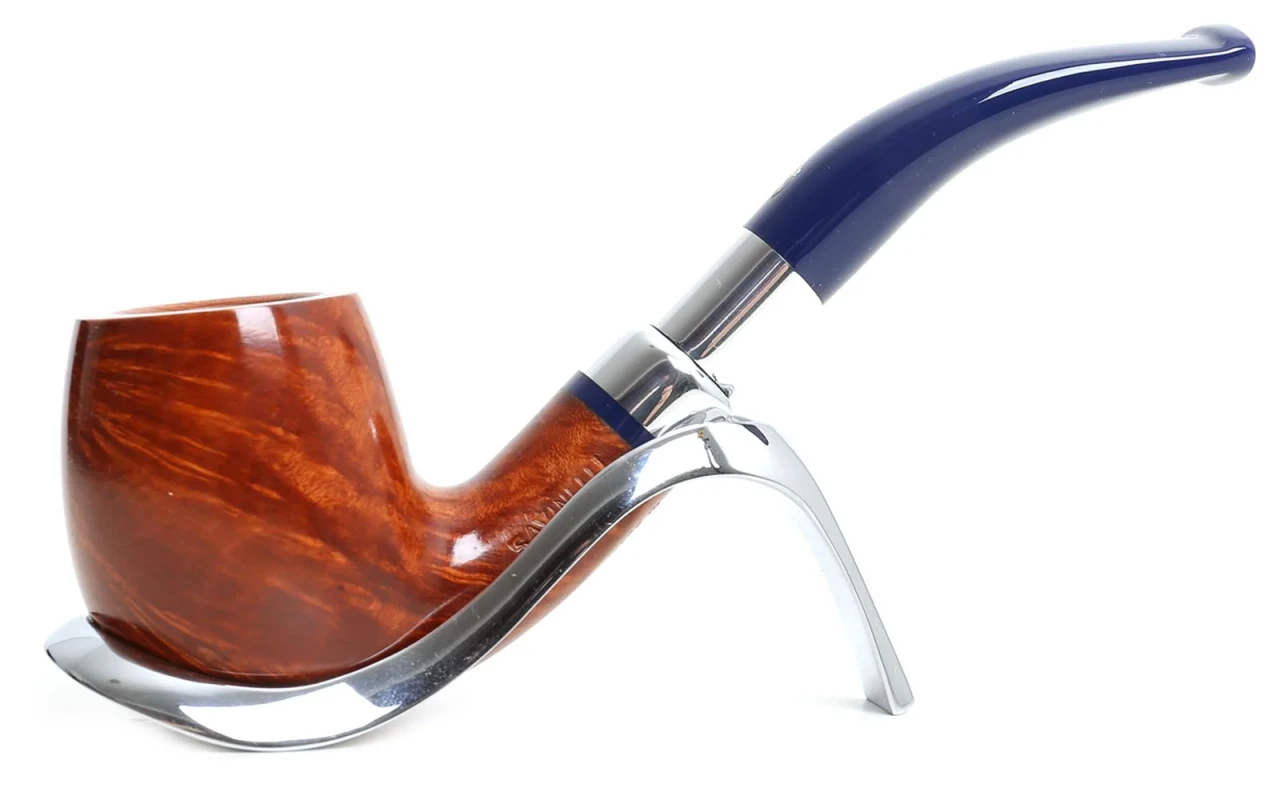
Briar has become the most used material for pipes due to its unique combination of lightness, heat resistance, and moisture absorption capacity. These features make it ideal for ensuring a pleasant and lasting smoke, as well as enabling high-quality craftsmanship and refined aesthetic finishes.
Why has briar become the most used material for pipes? Deep dive
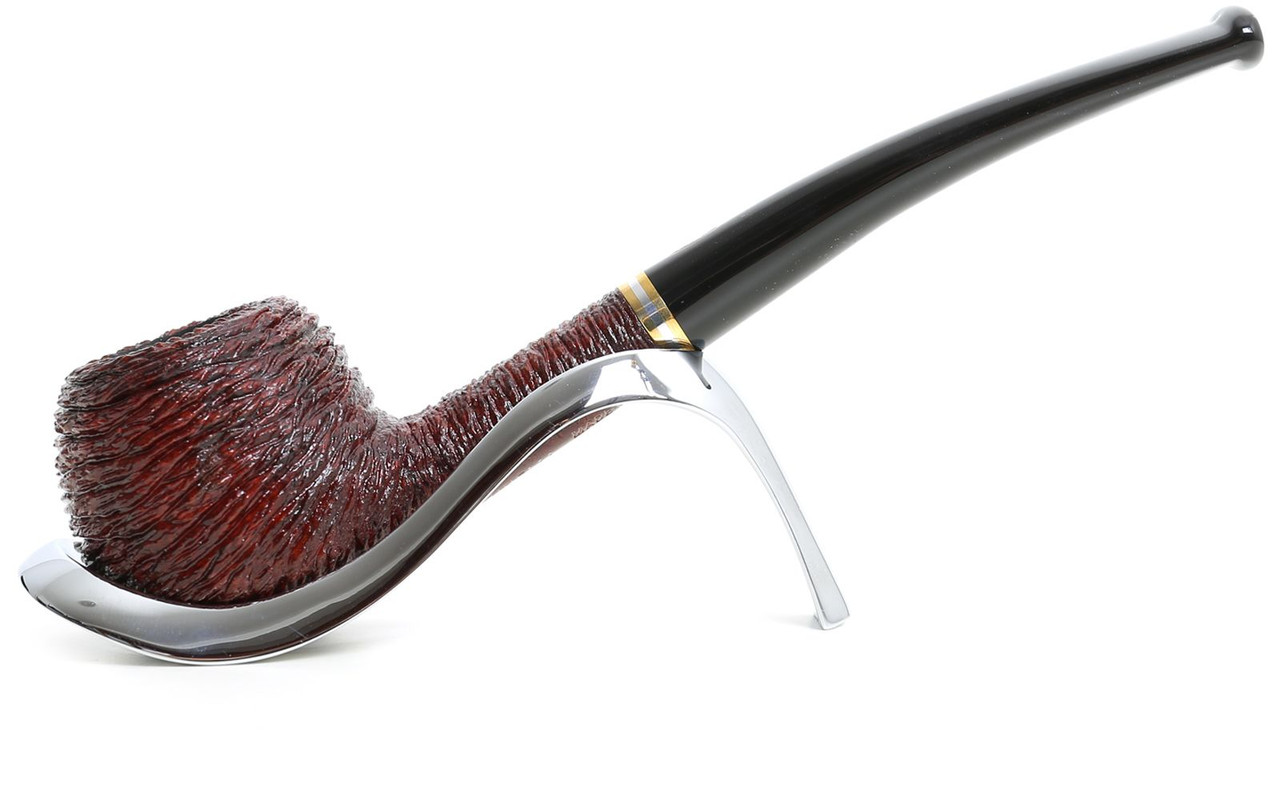
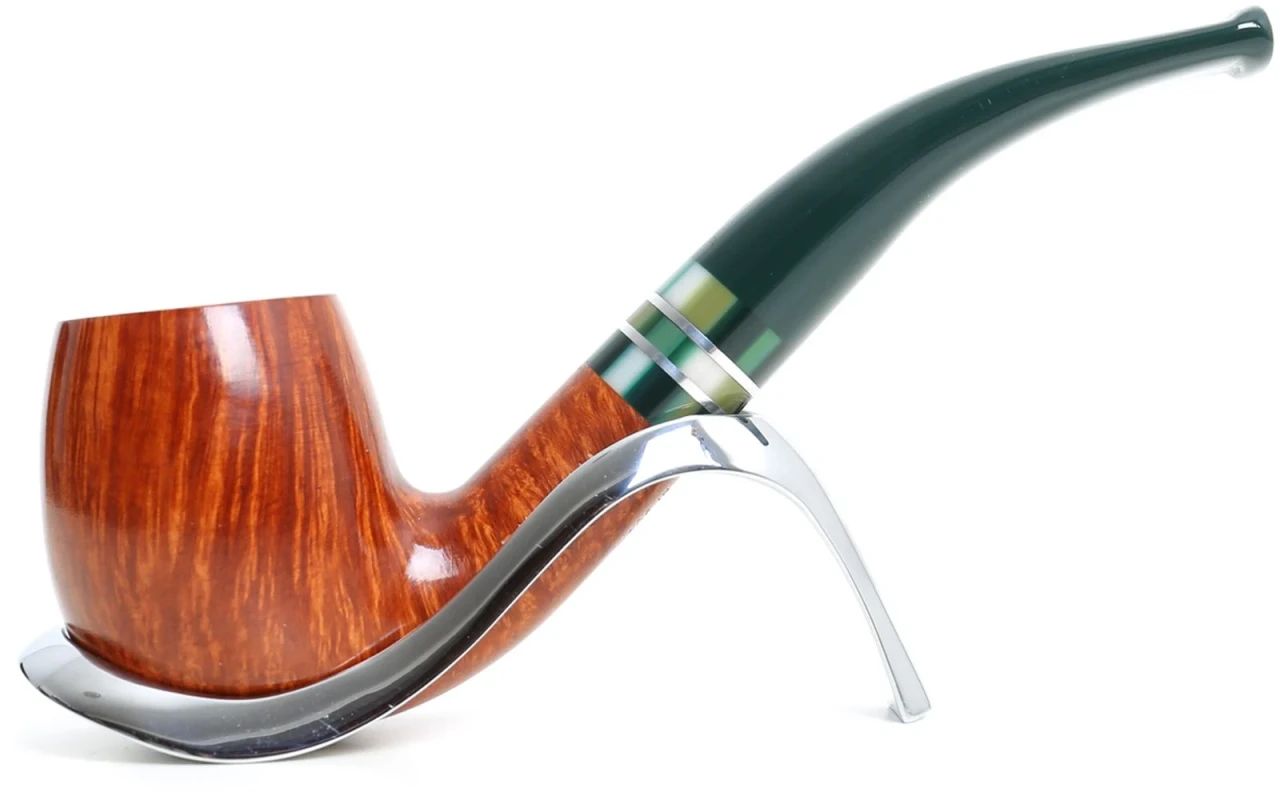
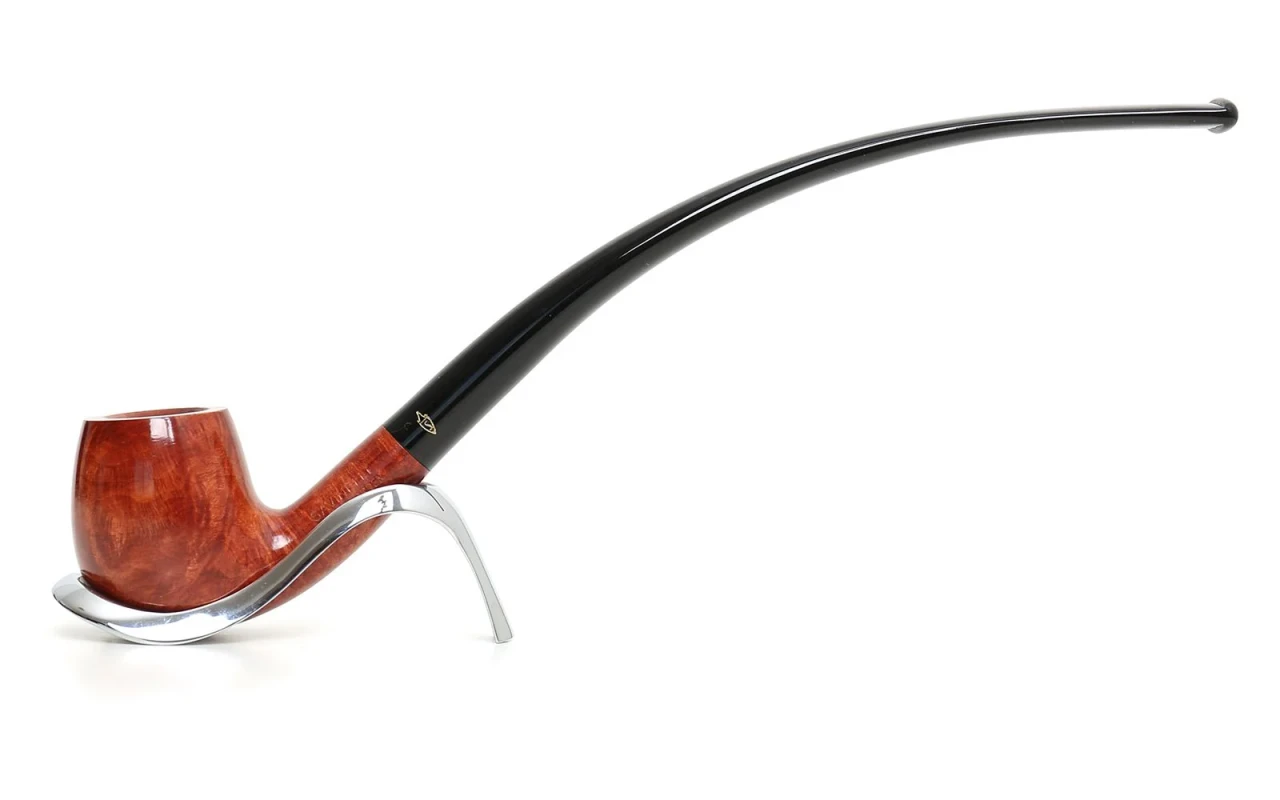
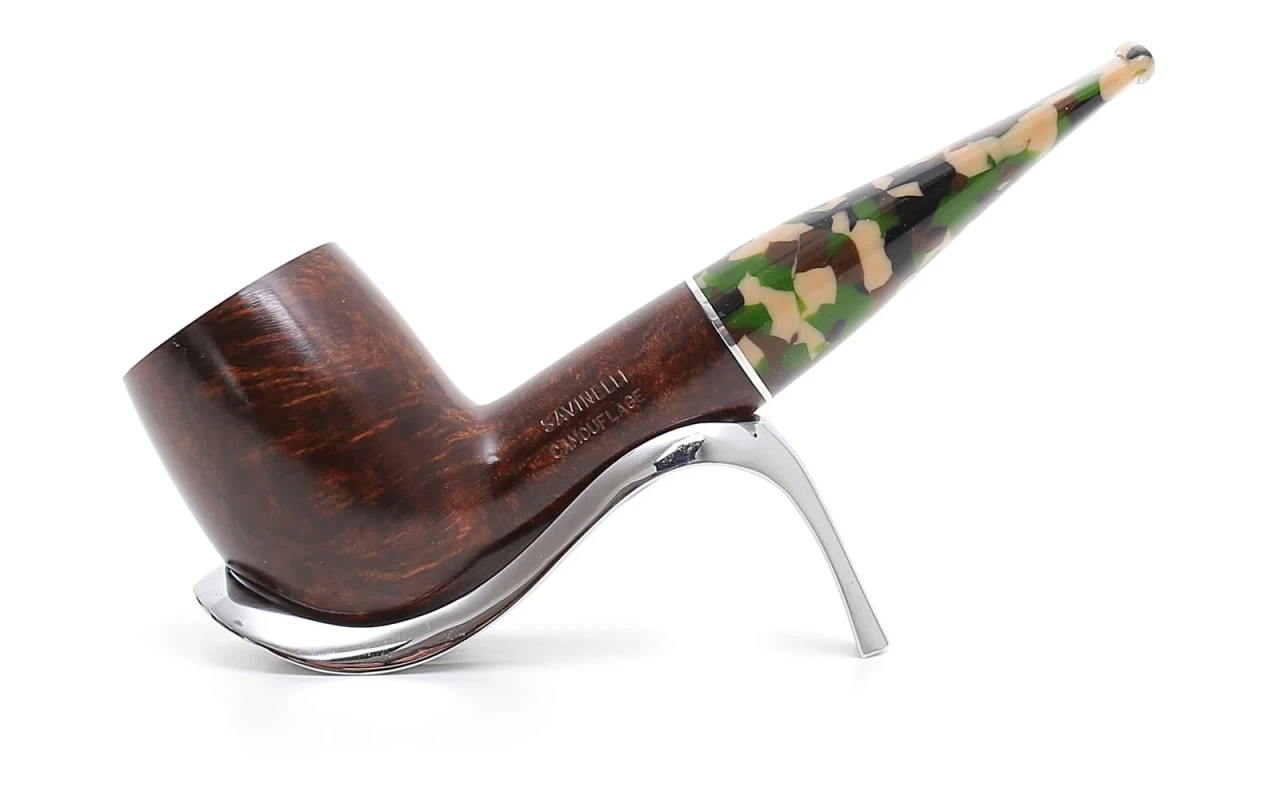
Briar, primarily derived from the root burl of the Erica arborea shrub, has become the most widespread material for pipe making for several reasons. Firstly, its porous structure allows it to absorb moisture produced during tobacco combustion, thereby improving the smoking experience and reducing any bitter taste. Furthermore, briar is a very heat-resistant wood, capable of withstanding the high temperatures generated during use without deforming or damage. Its lightness contributes to making the pipe comfortable to hold or keep in the mouth for long periods, a crucial aspect for slow-smoking enthusiasts. From an aesthetic viewpoint, briar offers a surface superbly suited for artisanal workmanship, allowing for smooth, polished, or satin finishes and enhancing the natural wood grain—qualities highly valued by connoisseurs. These combined factors have established briar as the benchmark material for pipes, surpassing other woods or alternative materials that do not offer the same blend of functionality and beauty. Tradition and the culture of slow smoking have also helped maintain briar as the preferred choice, associating it with an image of timeless quality and craftsmanship.