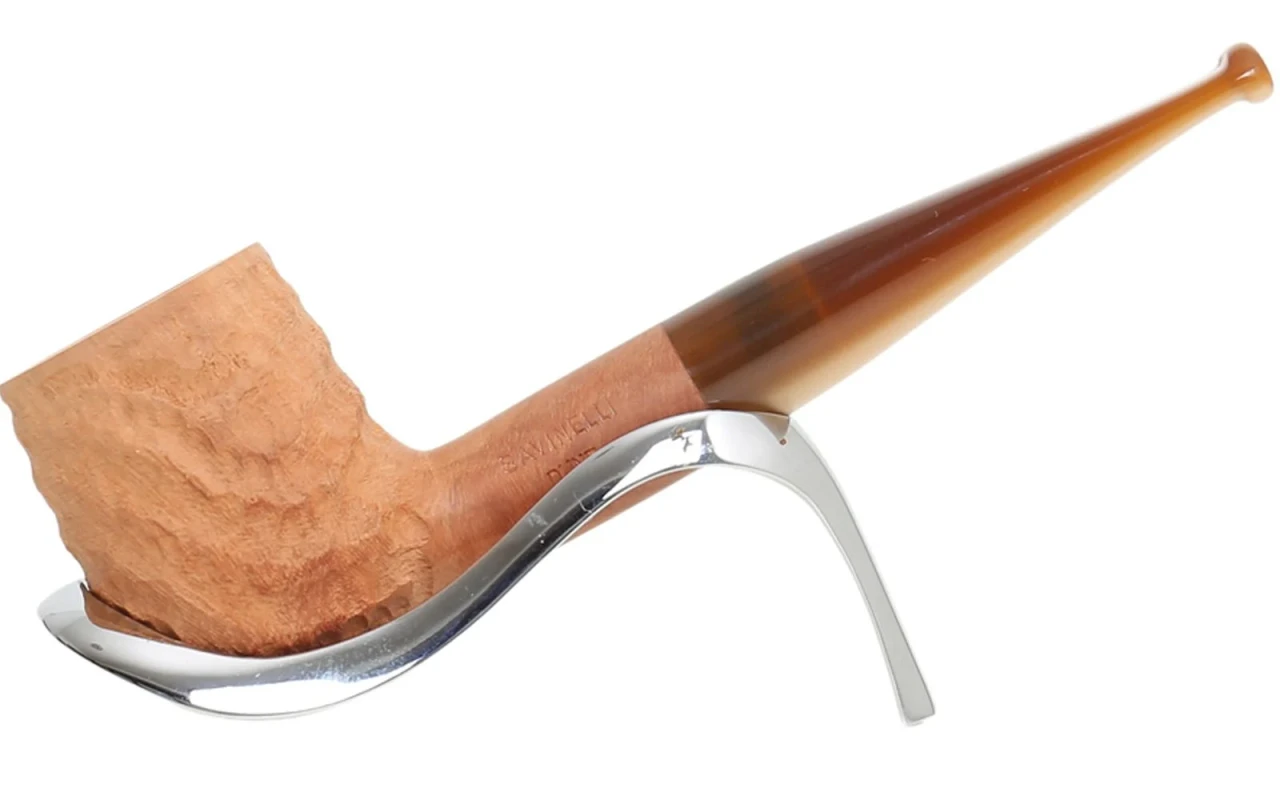
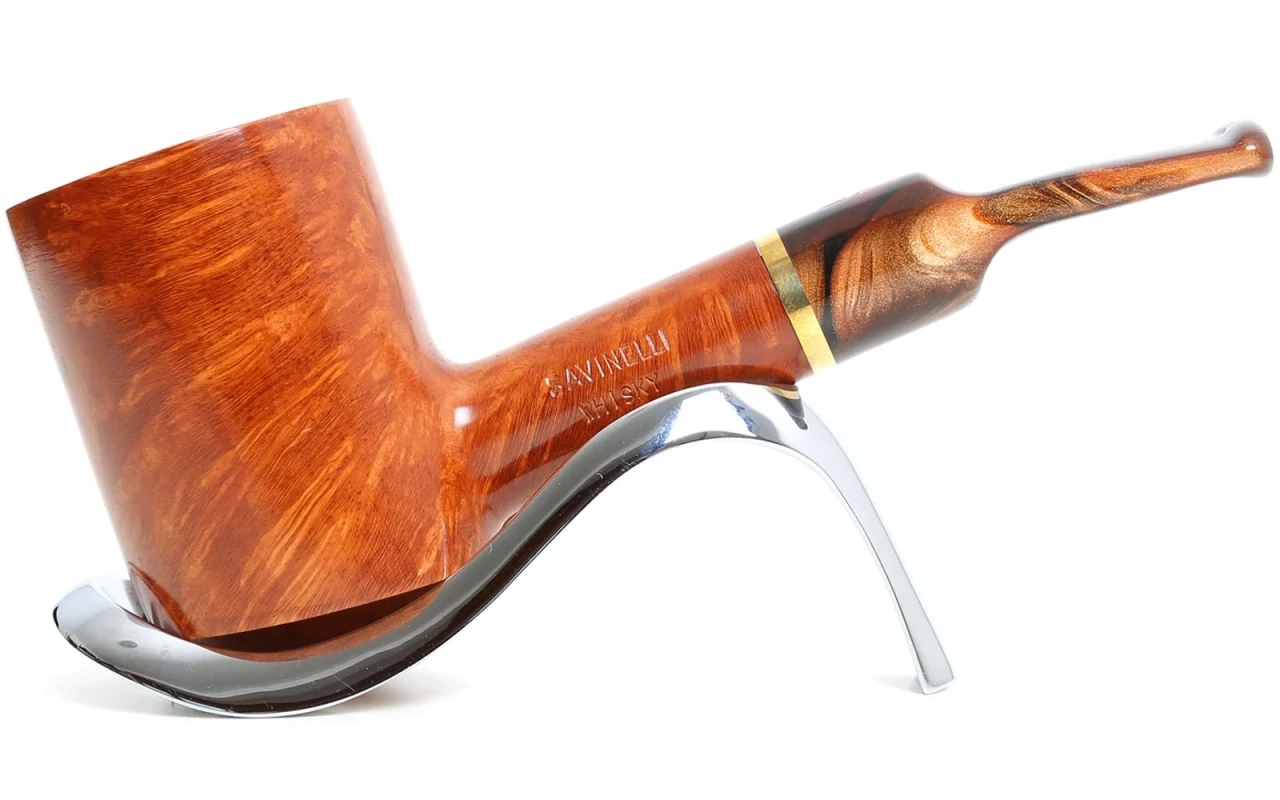
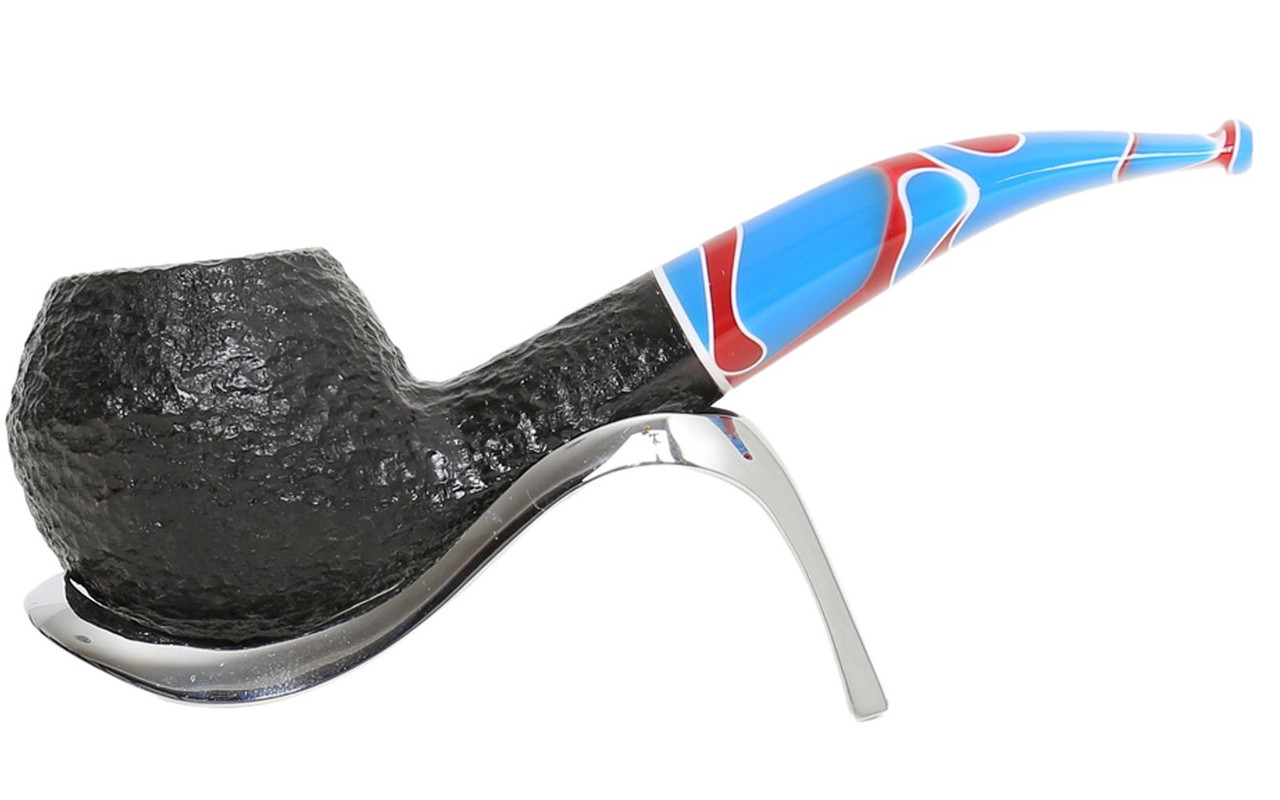
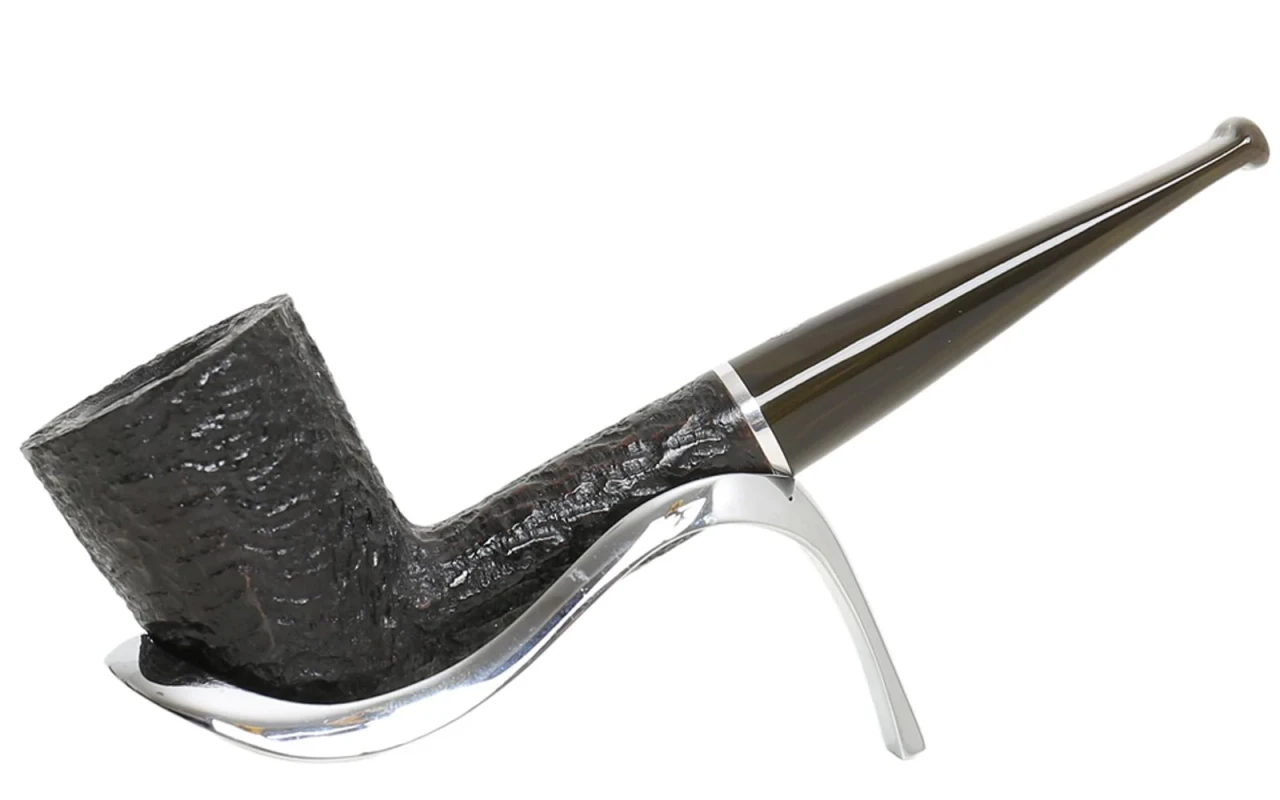
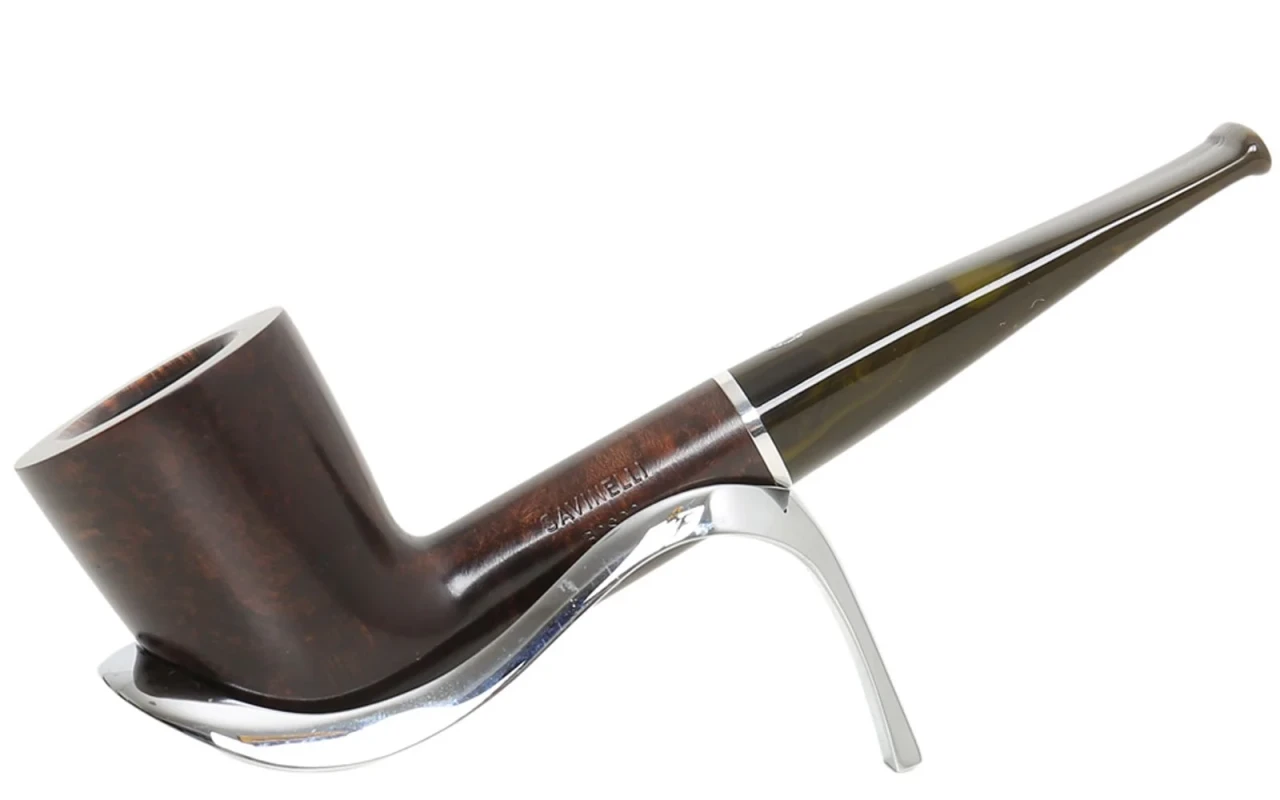
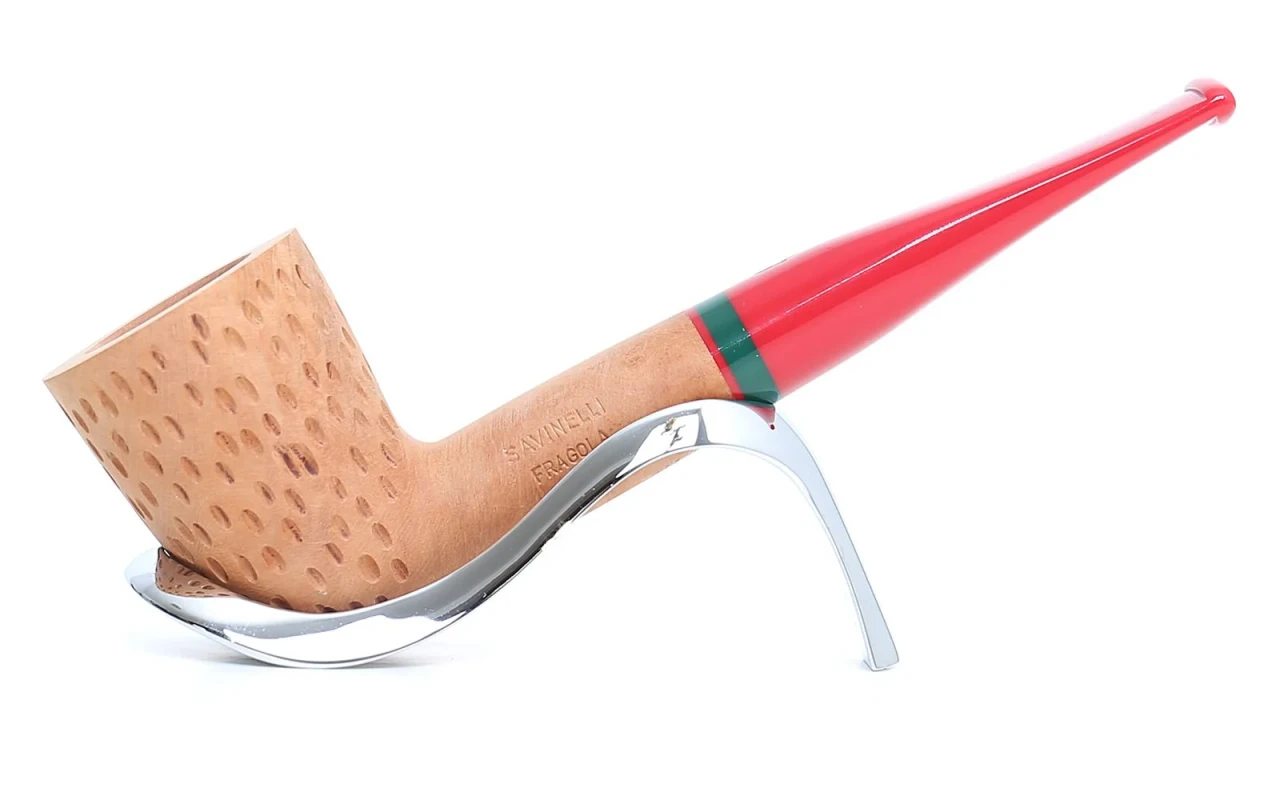
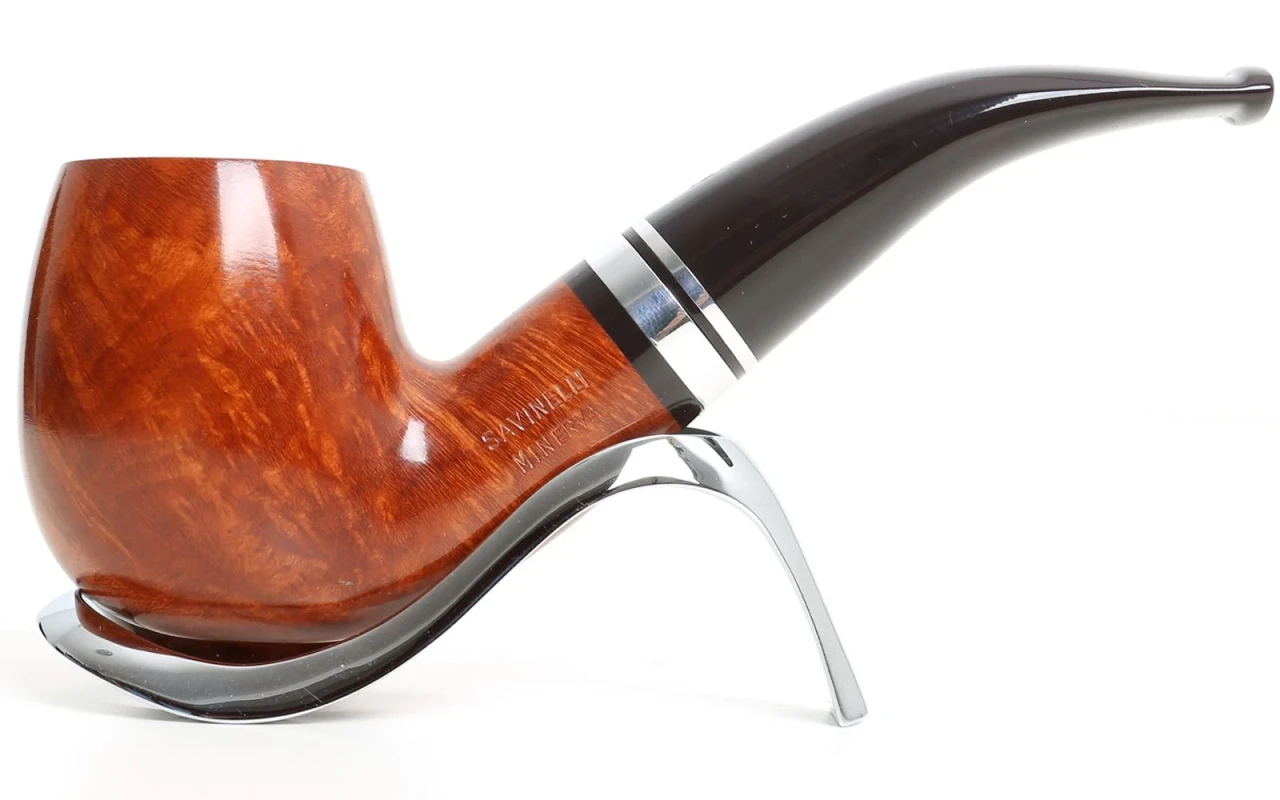
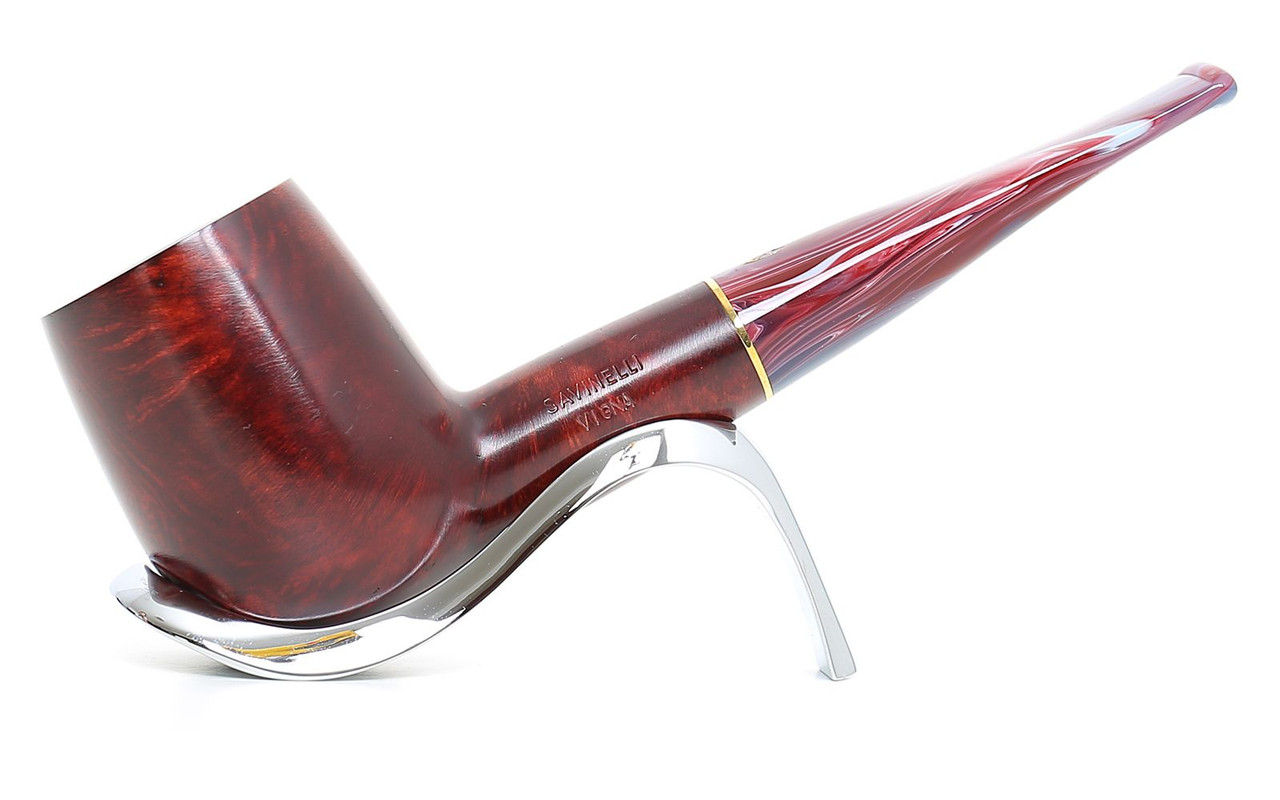
The ancestor of the modern tobacco pipe is the traditional pipe used by Indigenous American populations, particularly the Native North Americans, who smoked tobacco in clay or stone pipes. These instruments influenced the shape and function of subsequent European pipes, evolving over time into modern pipes.
What is the ancestor of the modern tobacco pipe? Deep dive
The modern tobacco pipe has ancient roots tracing back to the Indigenous cultures of North America, where early pipes were crafted from clay, stone, or wood and used to smoke tobacco and other herbs. These traditional pipes, often decorated with symbolic motifs, represent the direct ancestor of contemporary pipes. When tobacco was introduced to Europe in the 16th century, the first European pipes drew inspiration from these models, adapting them with local materials such as briar wood, which became the preferred material for its durability and ability to enhance the tobacco’s aroma. Over the centuries, the shape and design of pipes evolved while maintaining the basic structure: a bowl for tobacco and a stem for inhaling smoke. The tradition and culture of slow smoking contributed to refining crafting techniques and finishes, giving rise to a wide range of shapes and styles that still reflect the legacy of the original Indigenous pipes. This historical continuity makes the tobacco pipe an object rich in cultural and artisanal significance, with a direct link to its ancestral origins.