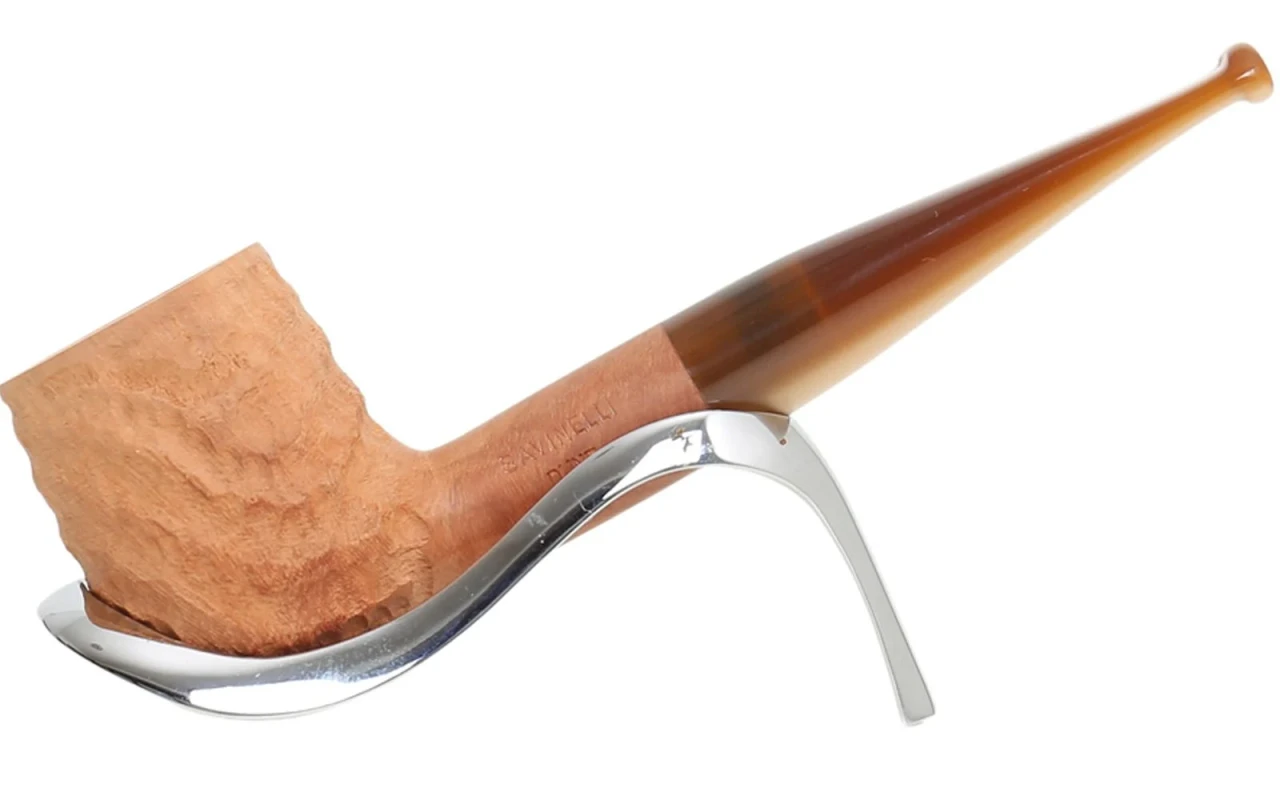
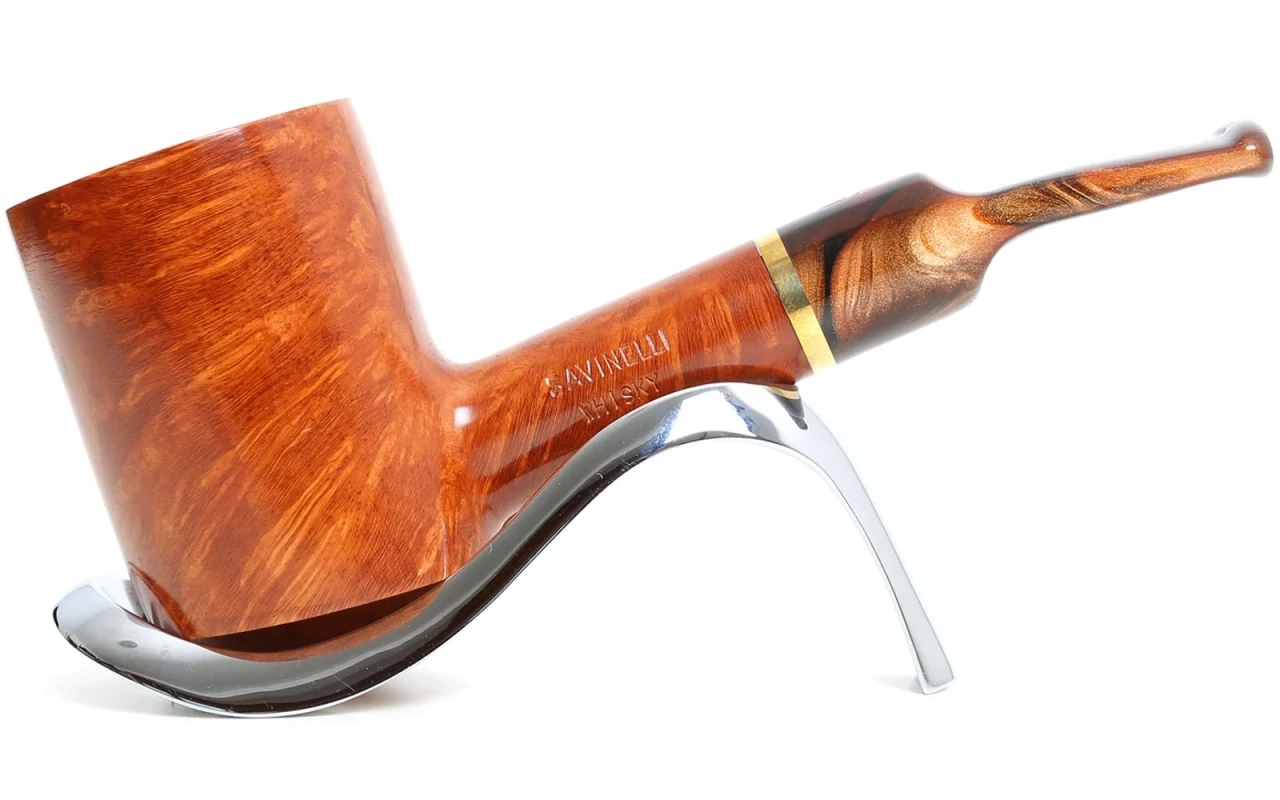
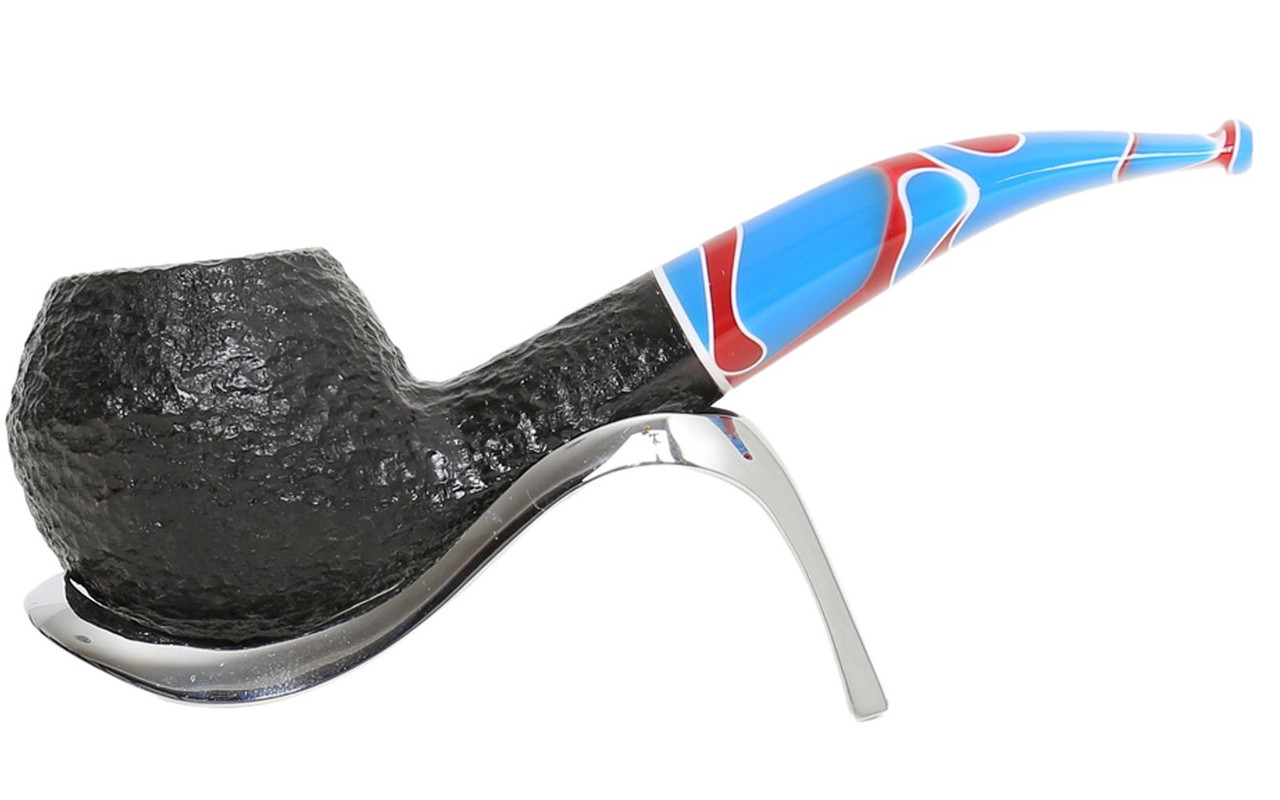
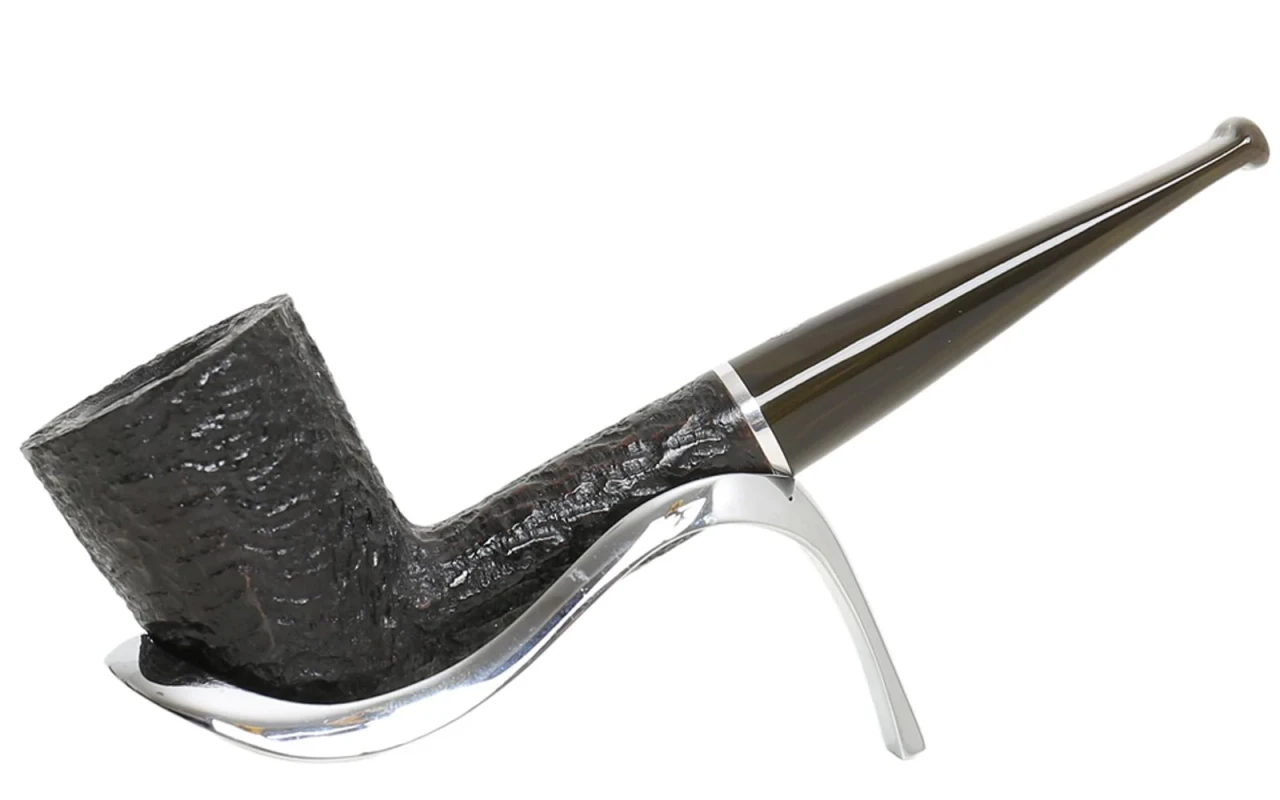
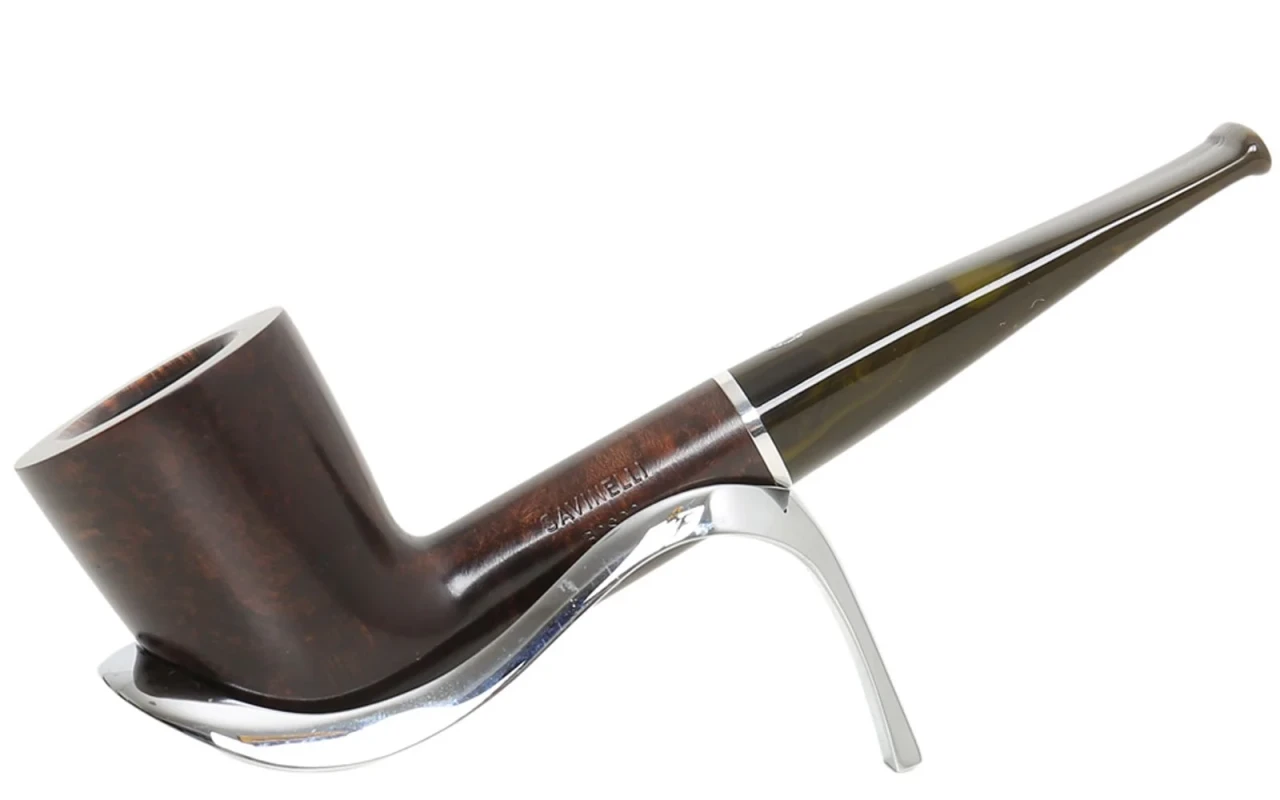
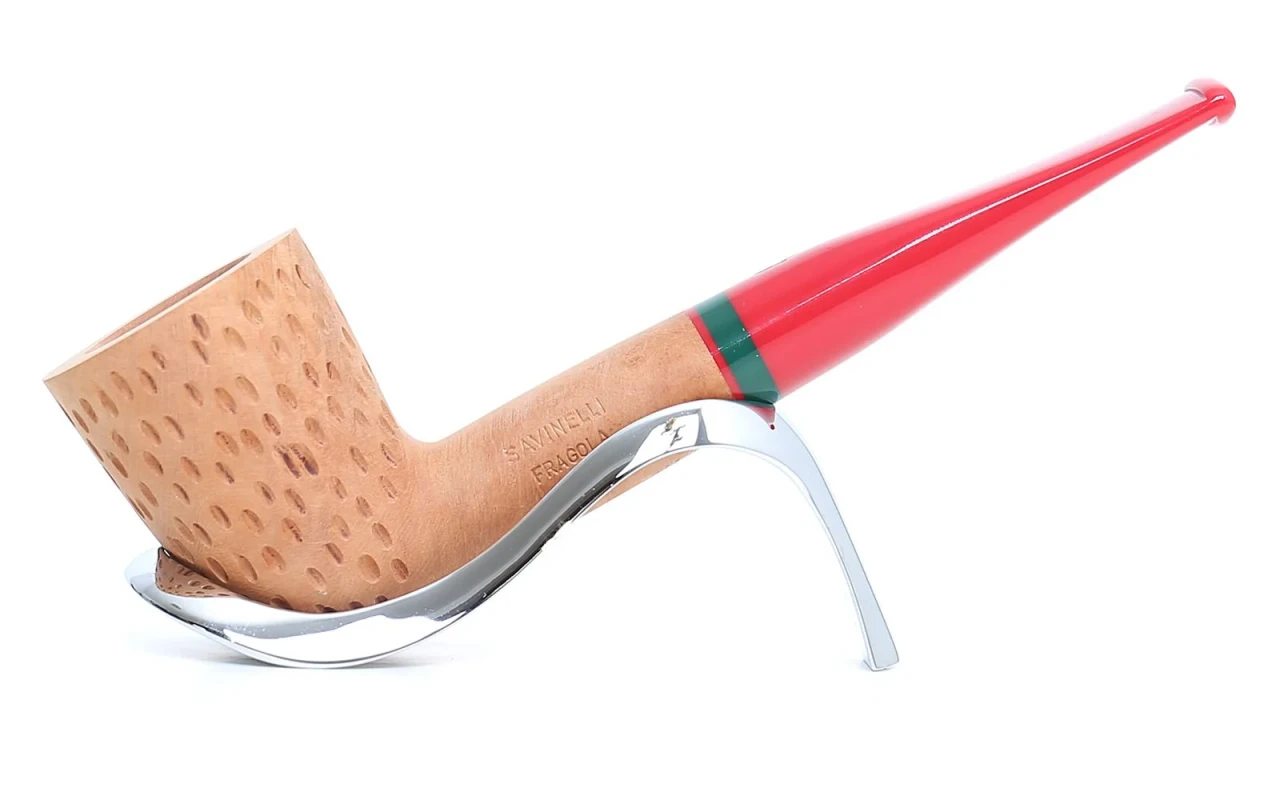
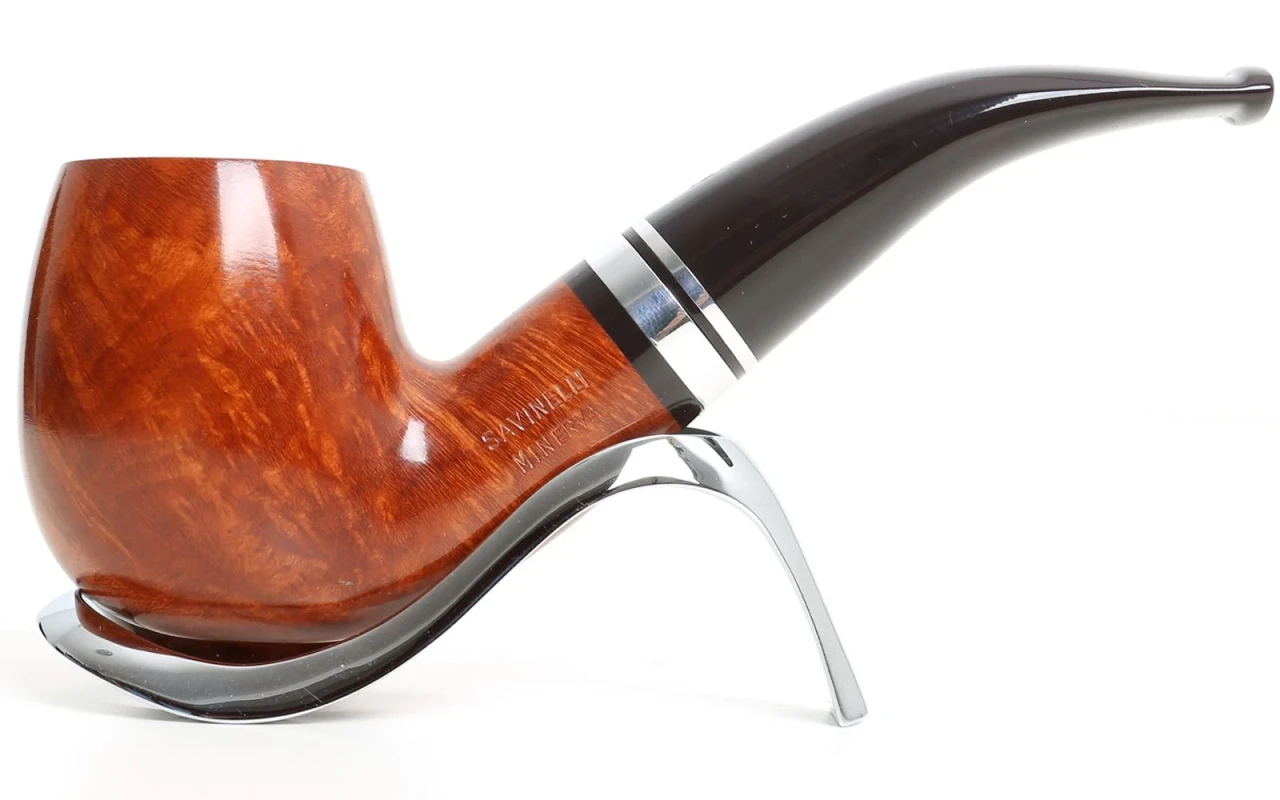
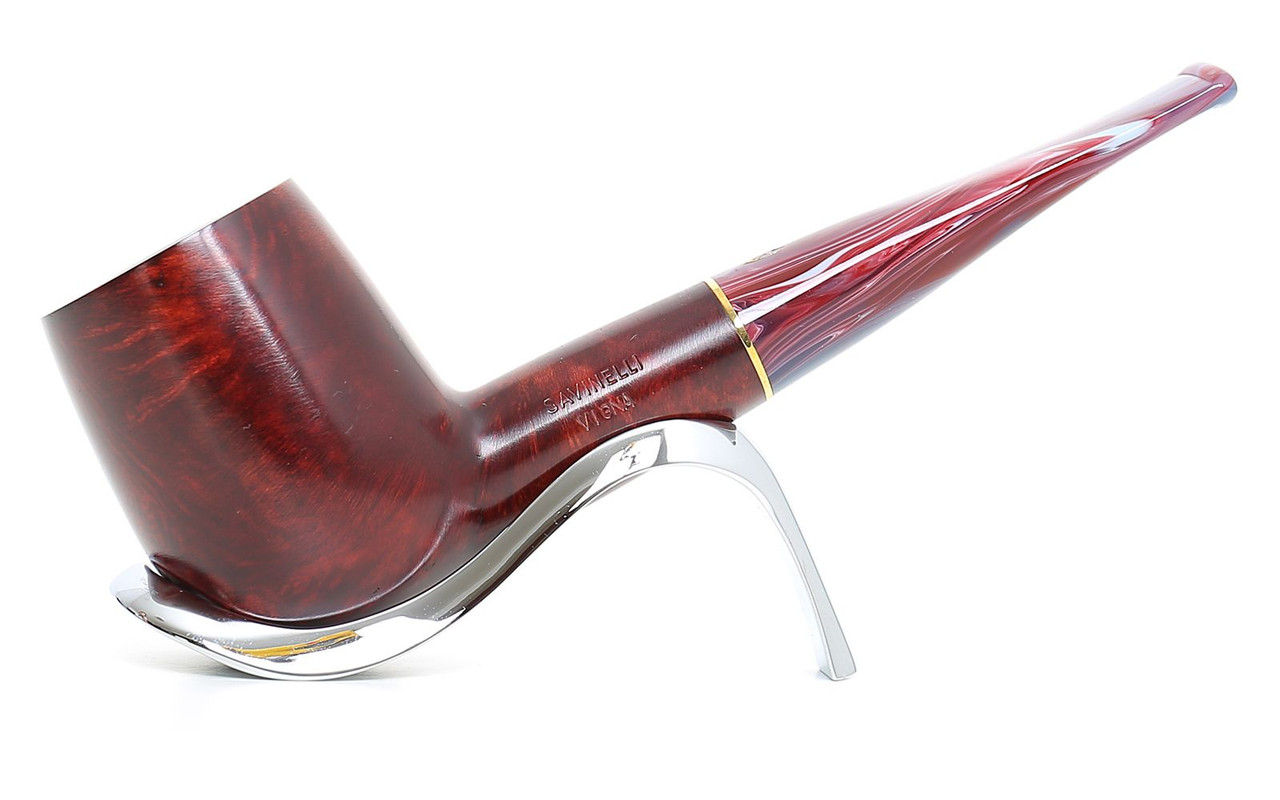
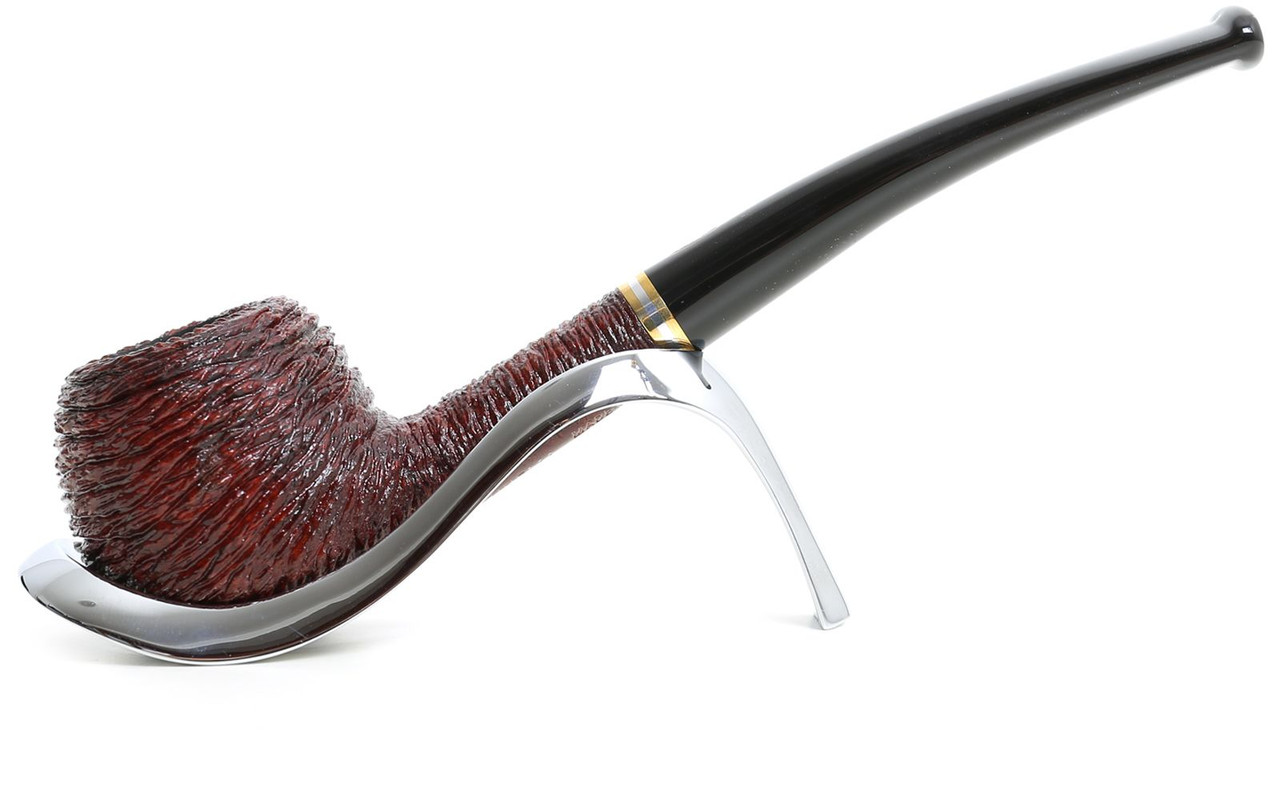
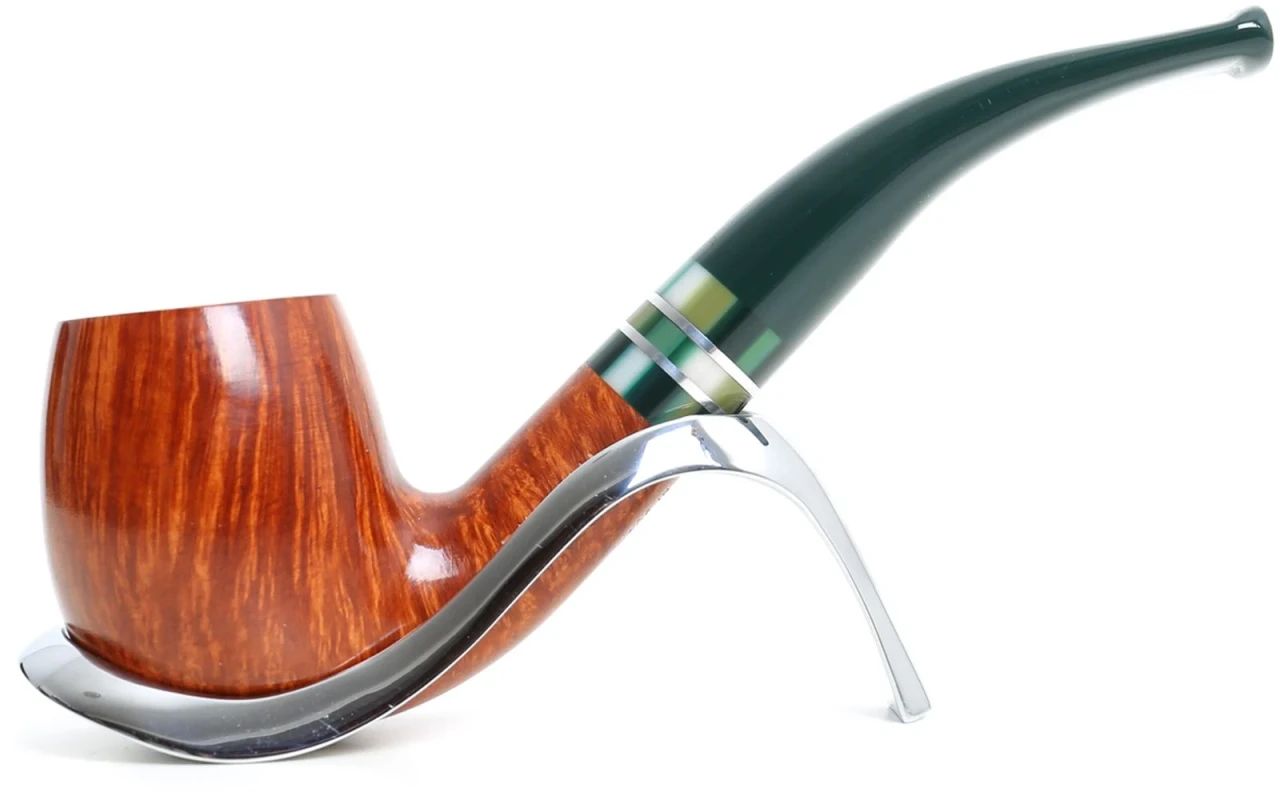
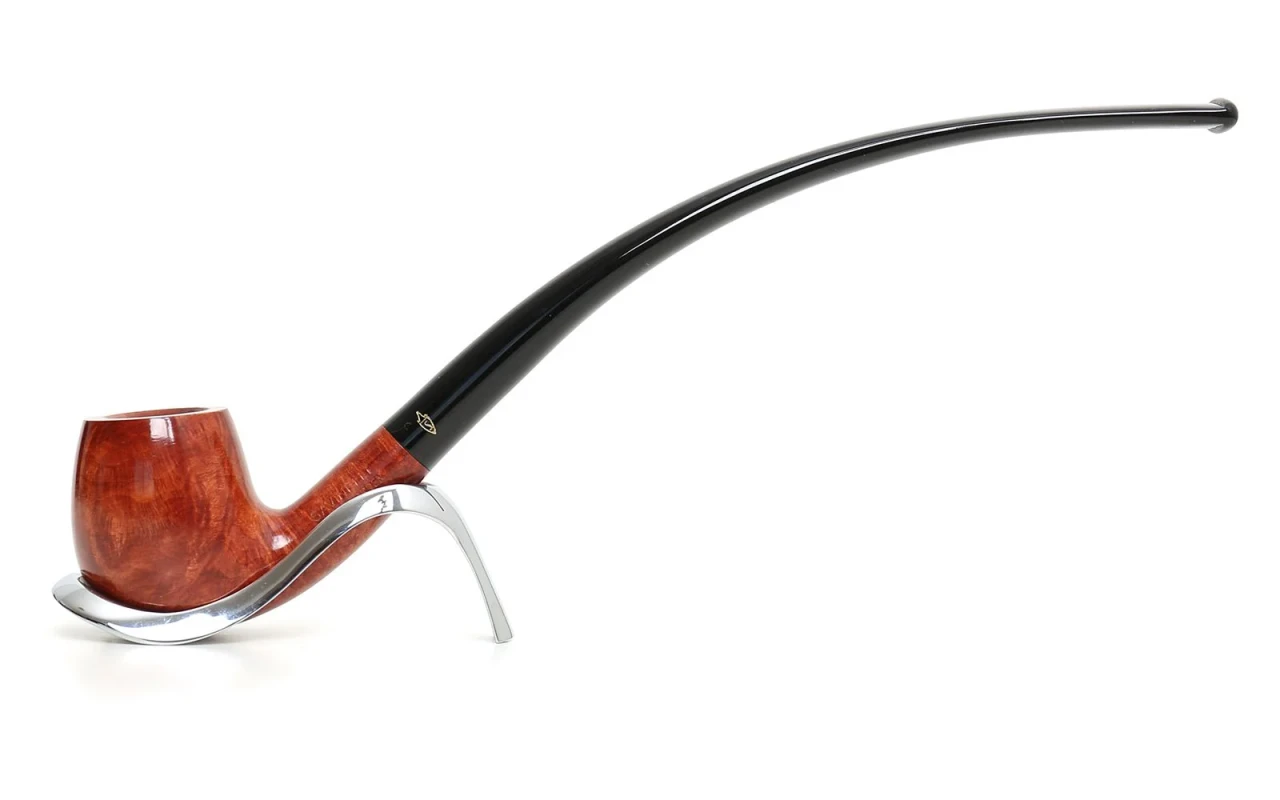
The pipe, as a tool for smoking tobacco, has very ancient origins dating back thousands of years. Archaeological evidence shows that pipes were used around 2000 B.C., with various shapes and materials depending on cultures and eras.
In what year was the pipe invented? Deep dive
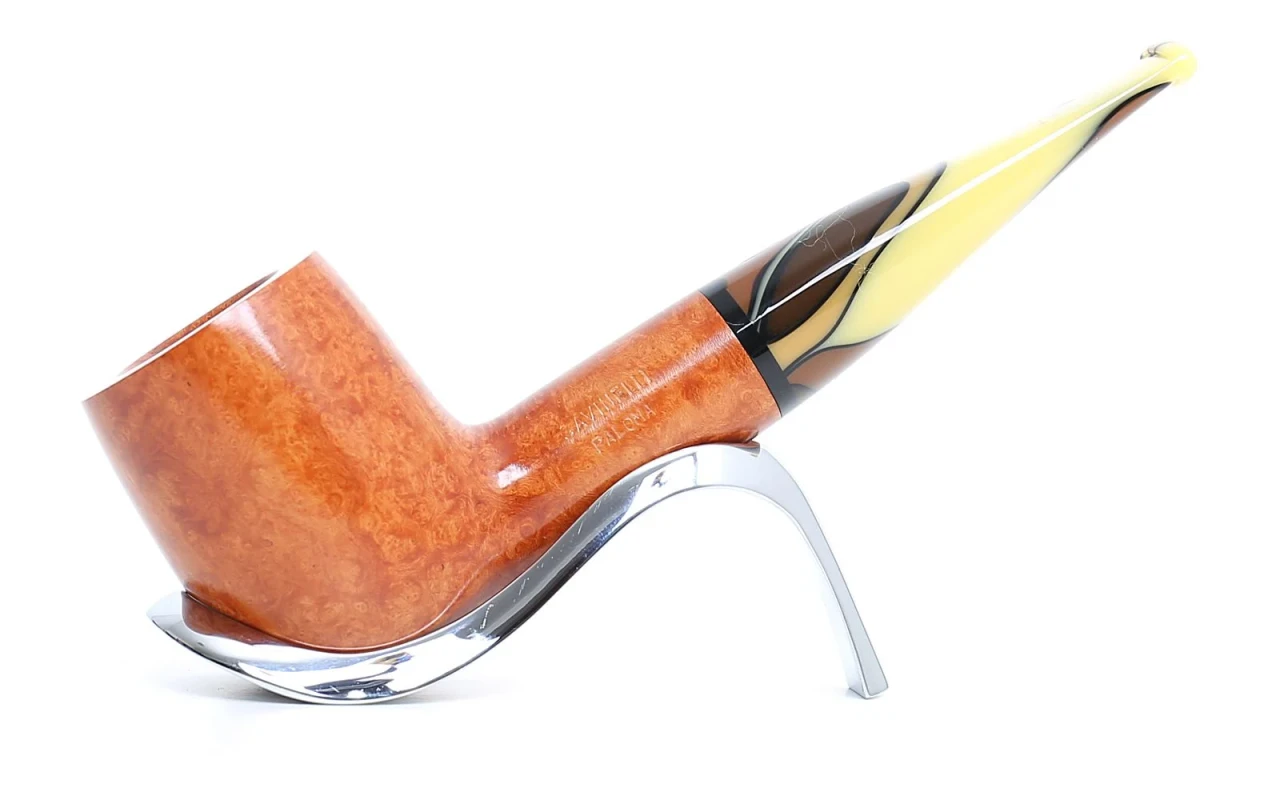
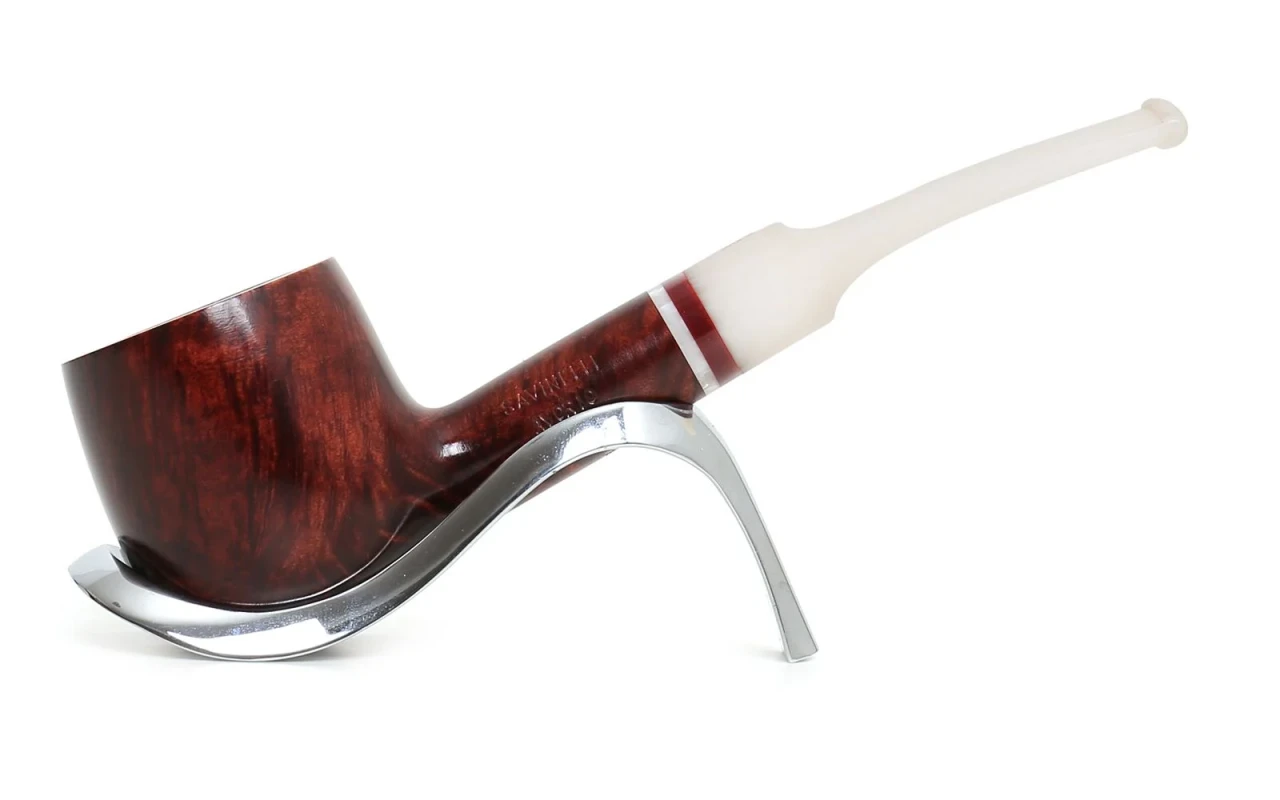
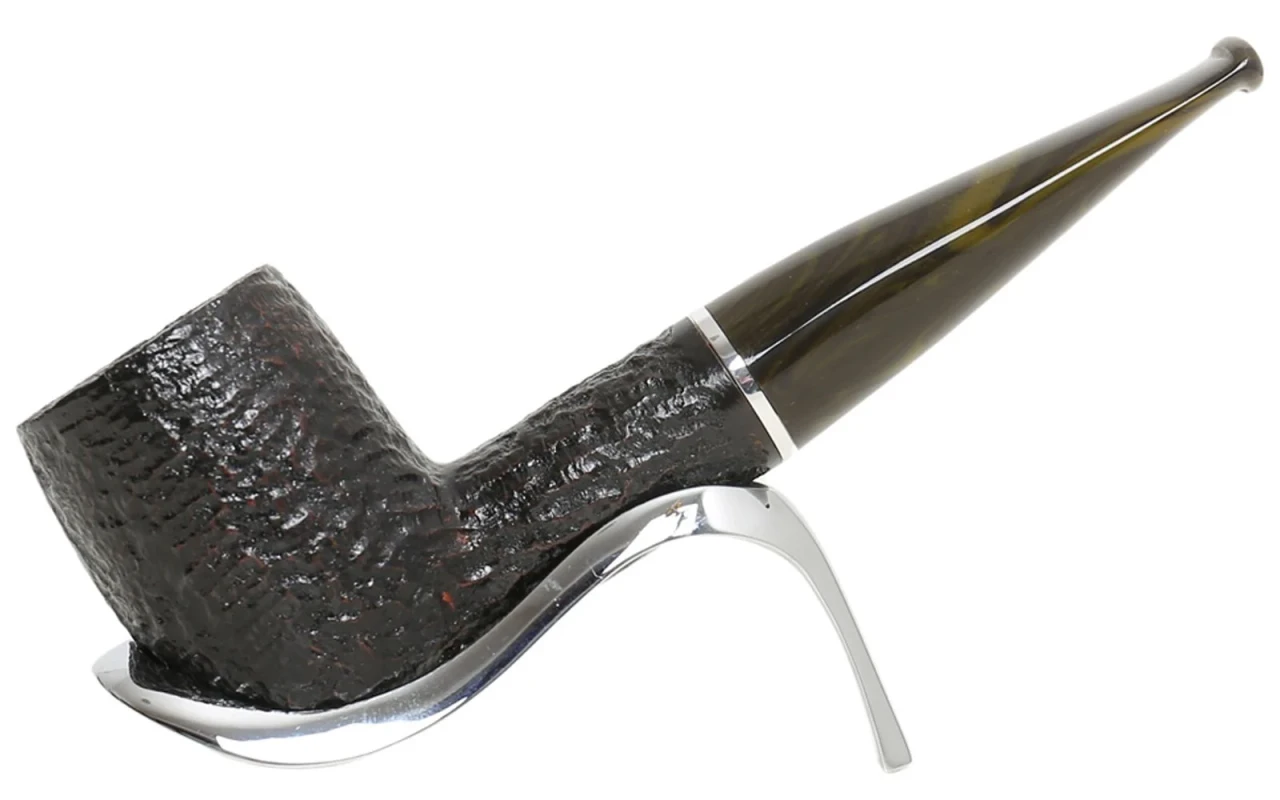
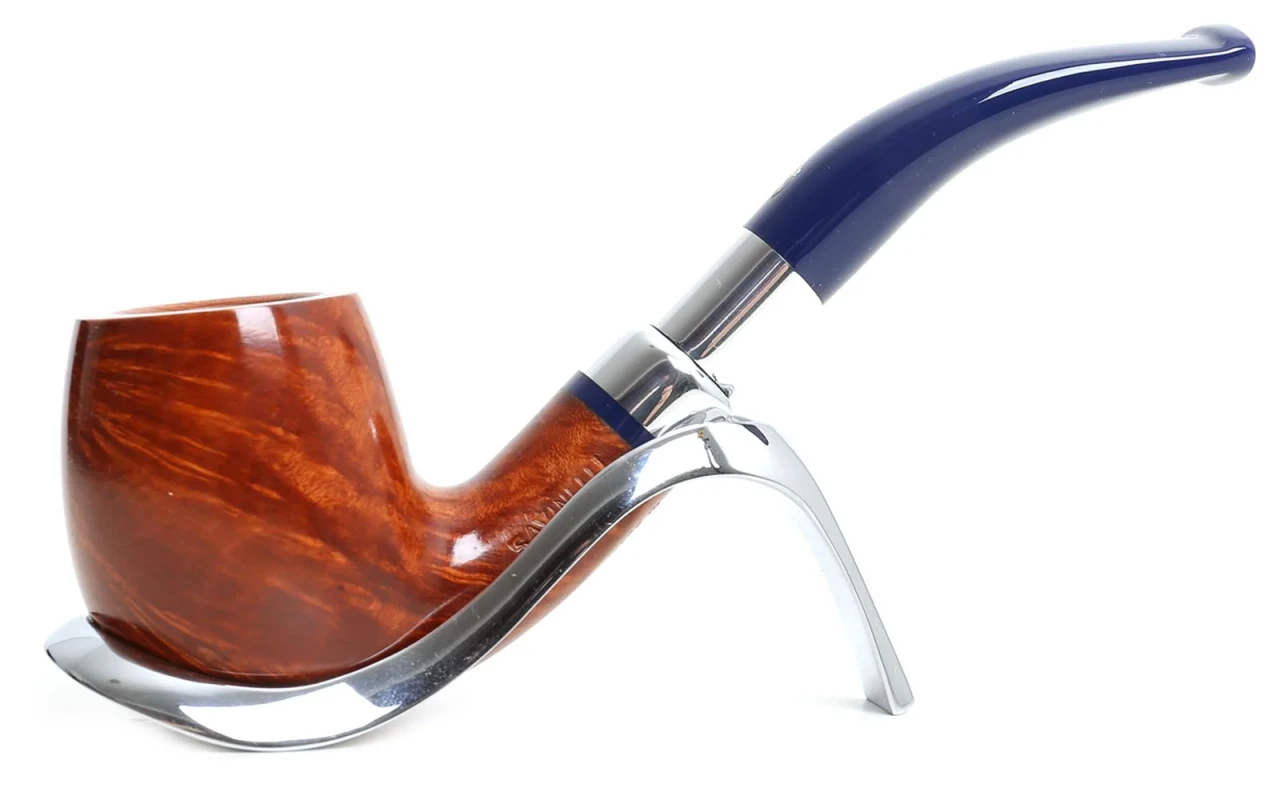
The pipe is one of the oldest implements used for the consumption of tobacco and other aromatic substances. Its origins date back to very remote times, with archaeological finds indicating pipe usage as early as 2000 B.C. These early examples were often made from natural materials such as clay, stone, or wood and varied significantly in shape and size according to different cultures and regions. Over the centuries, the pipe underwent numerous evolutions in both design and materials, evolving from simple tubes to refined artisan objects, often decorated and crafted from precious woods, briar, or metals. The spread of tobacco in Europe starting from the 16th century helped establish the pipe as a tool for slow smoking, associated with moments of relaxation and contemplation. Today, the pipe represents not only a means to smoke but also a symbol of culture and tradition, offering a wide range of shapes, finishes, and accessories dedicated to enthusiasts. Its invention cannot be attributed to a specific year but rather to a long evolutionary process spanning different civilizations and continents.