 ES
ES FR
FR EN
EN IT
IT DE
DE
Comparison between the “Horn” model and the “Cutty” pipe in terms of heat distribution
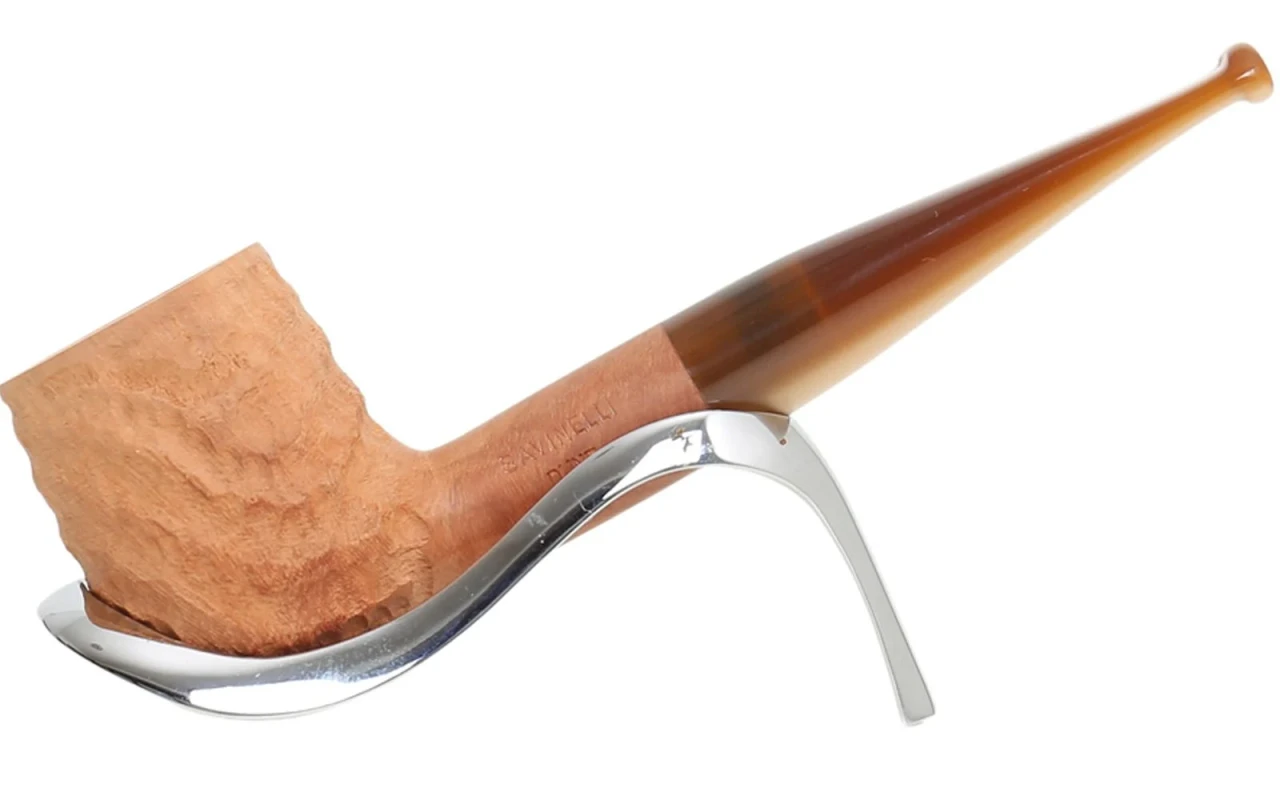
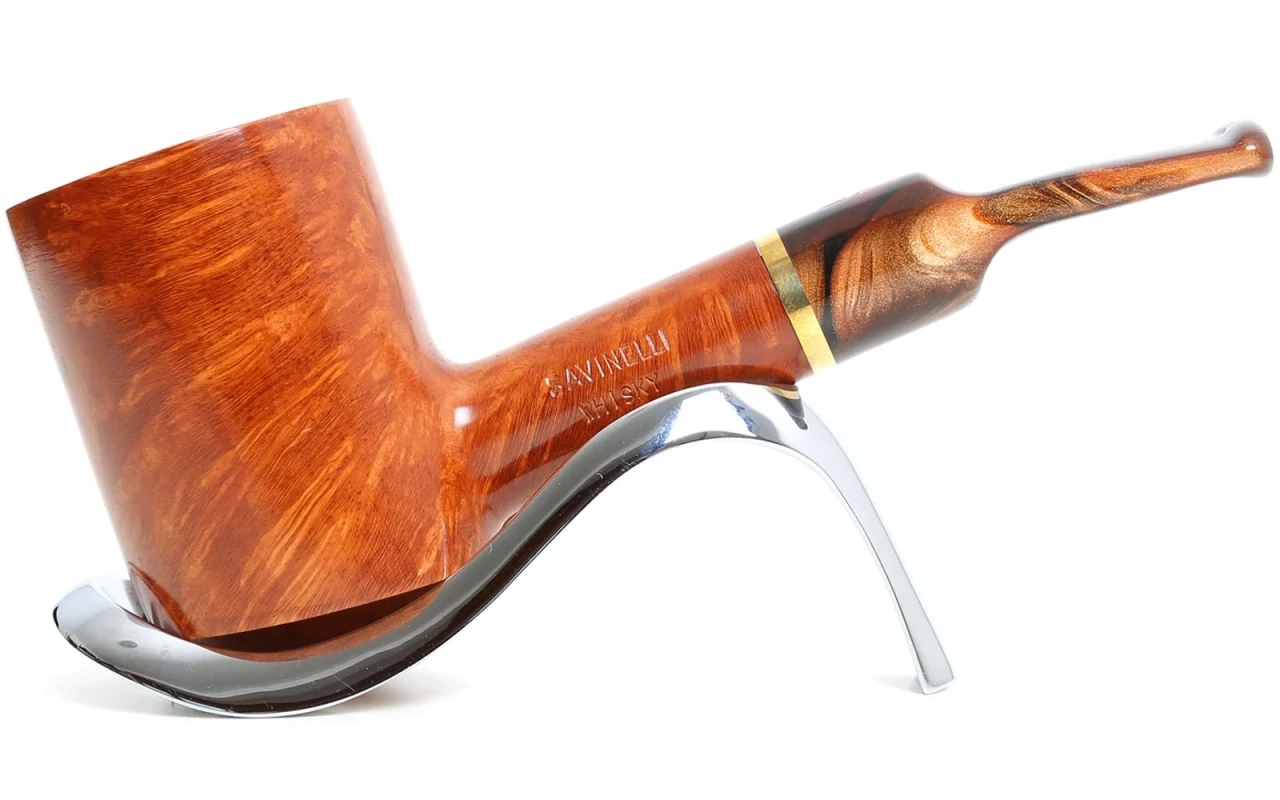
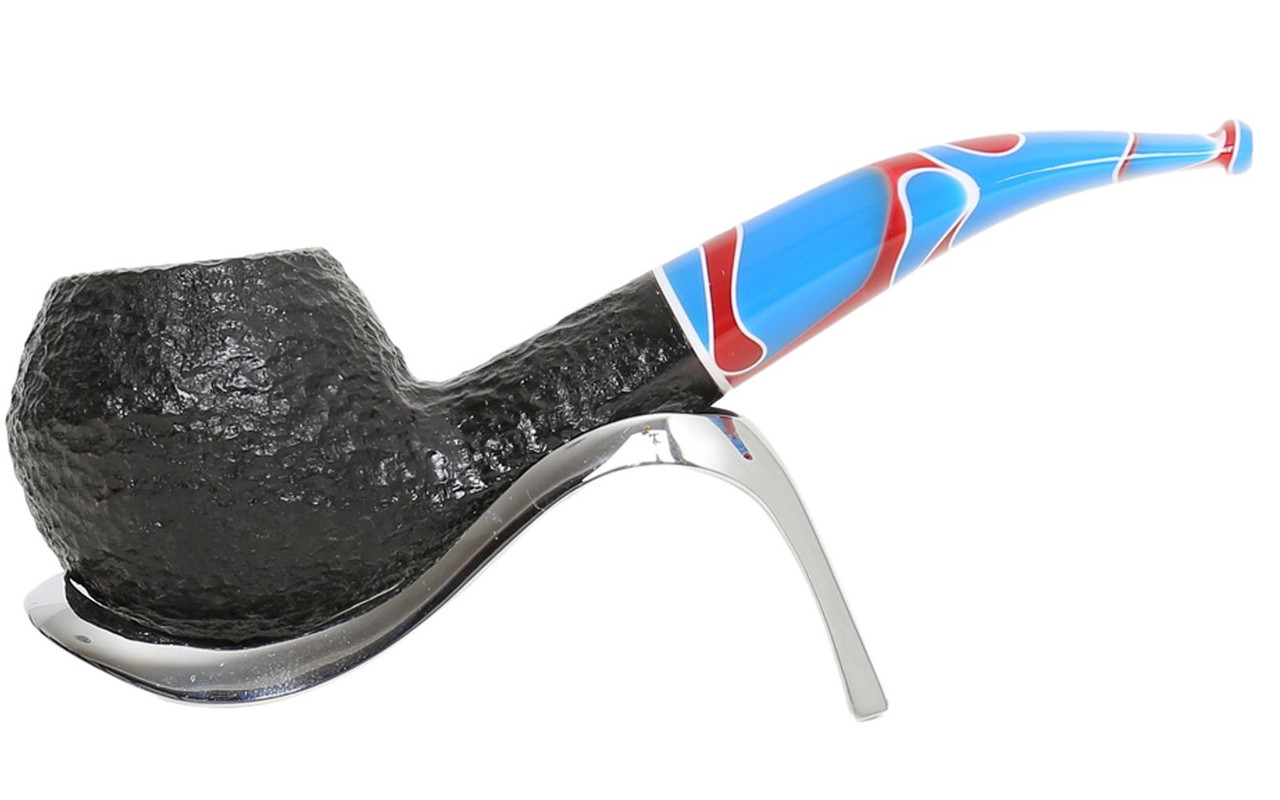
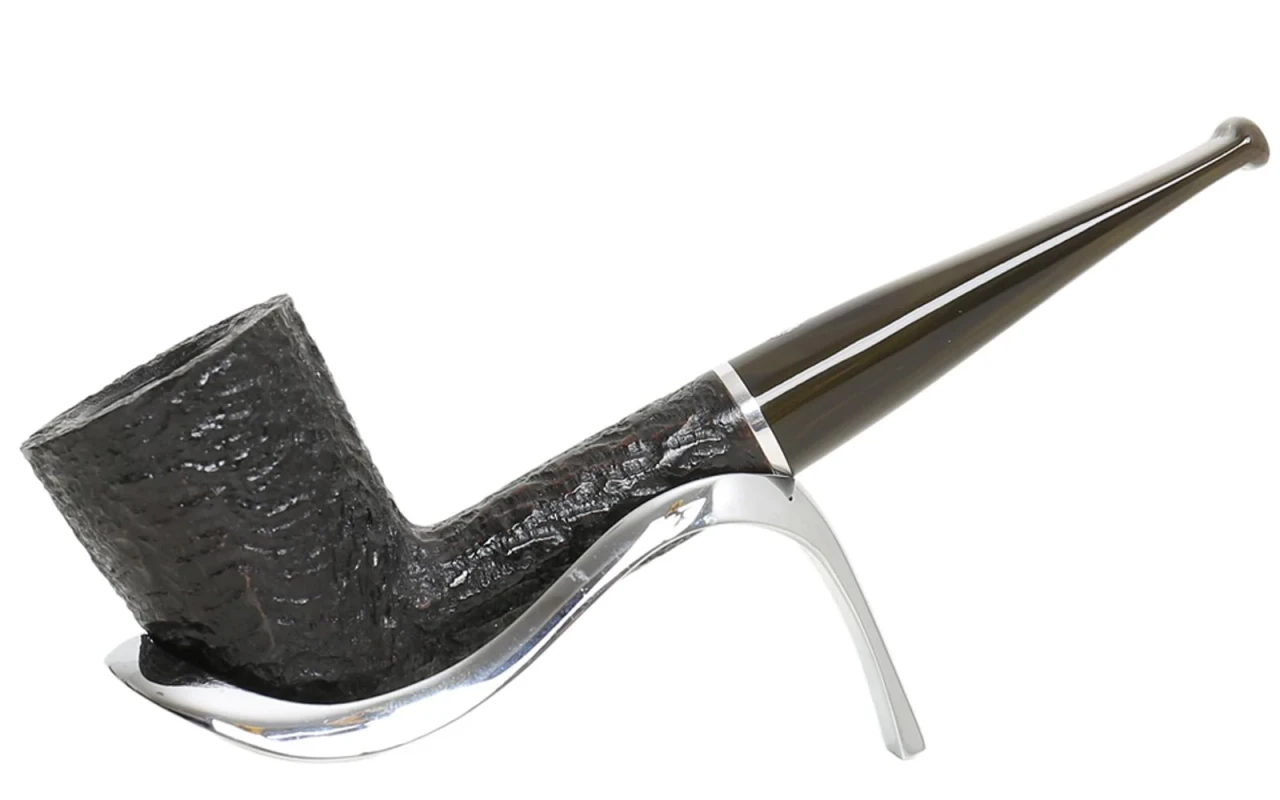
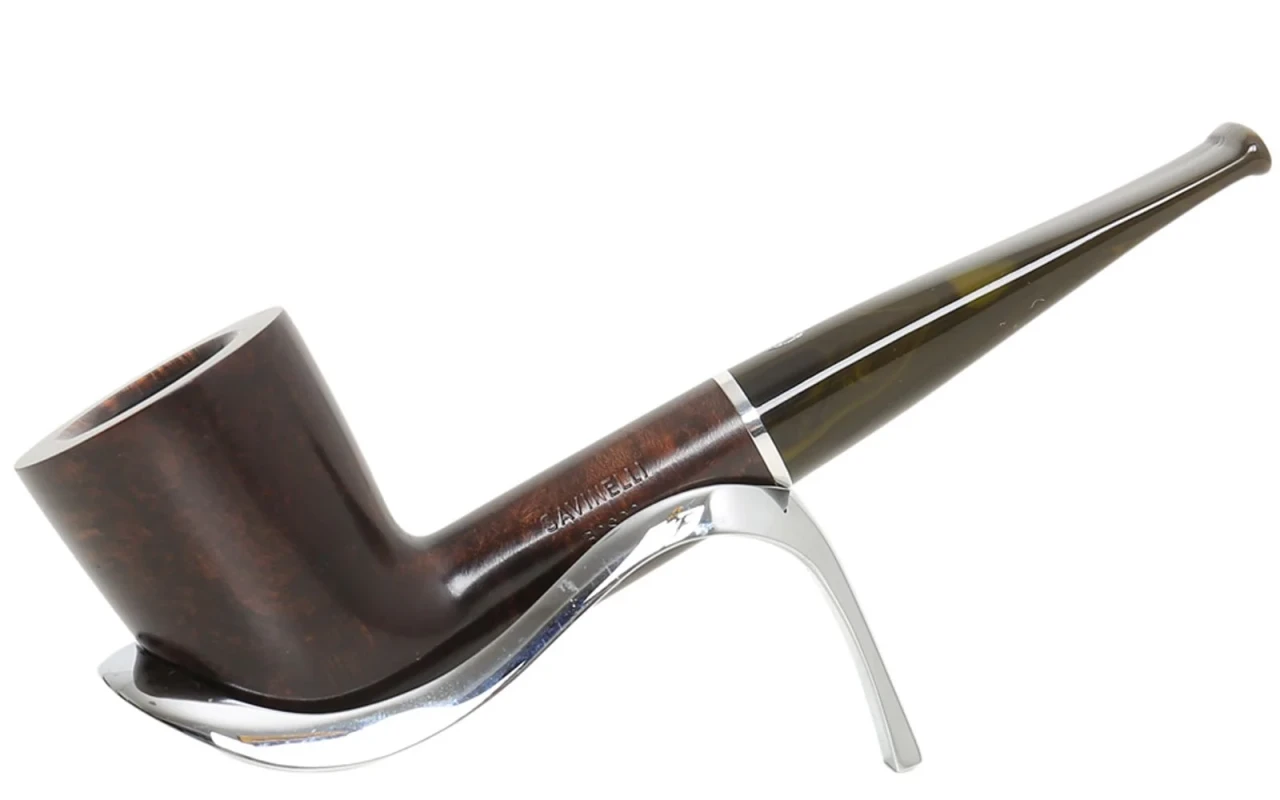
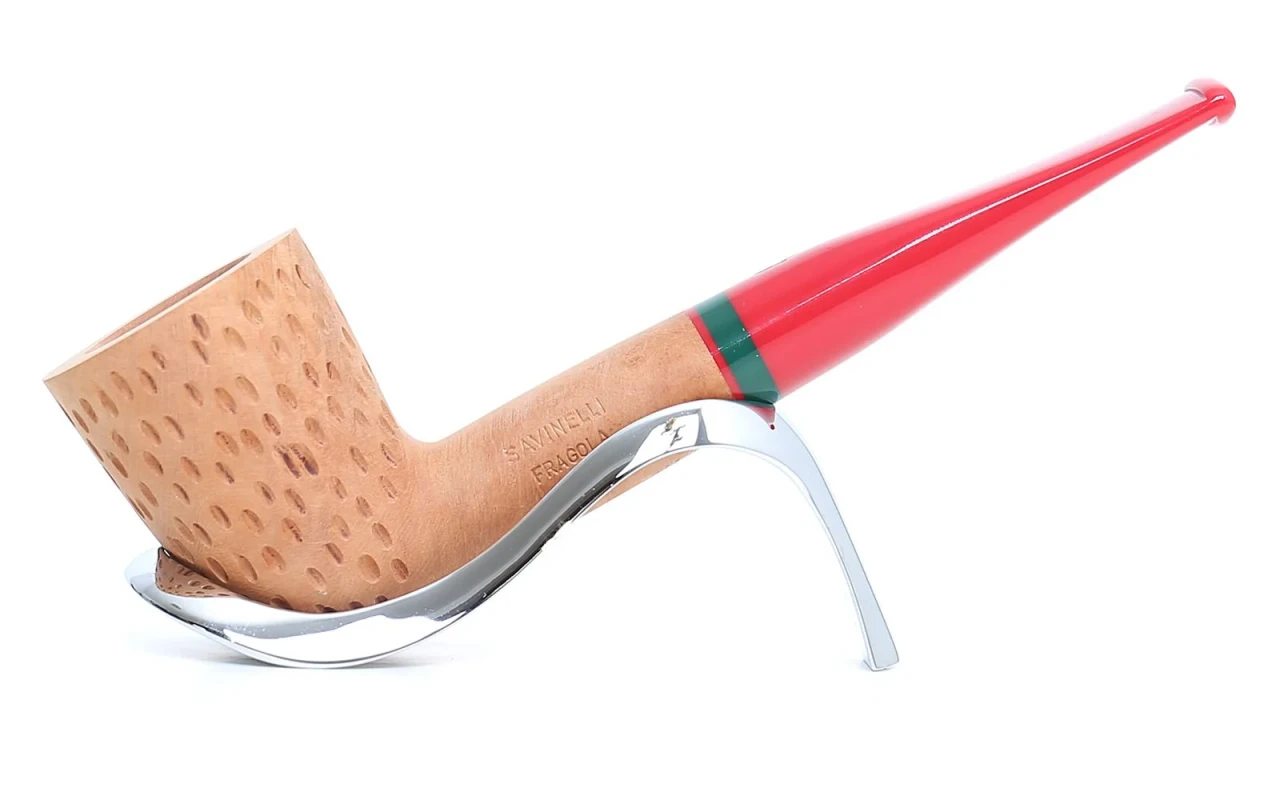
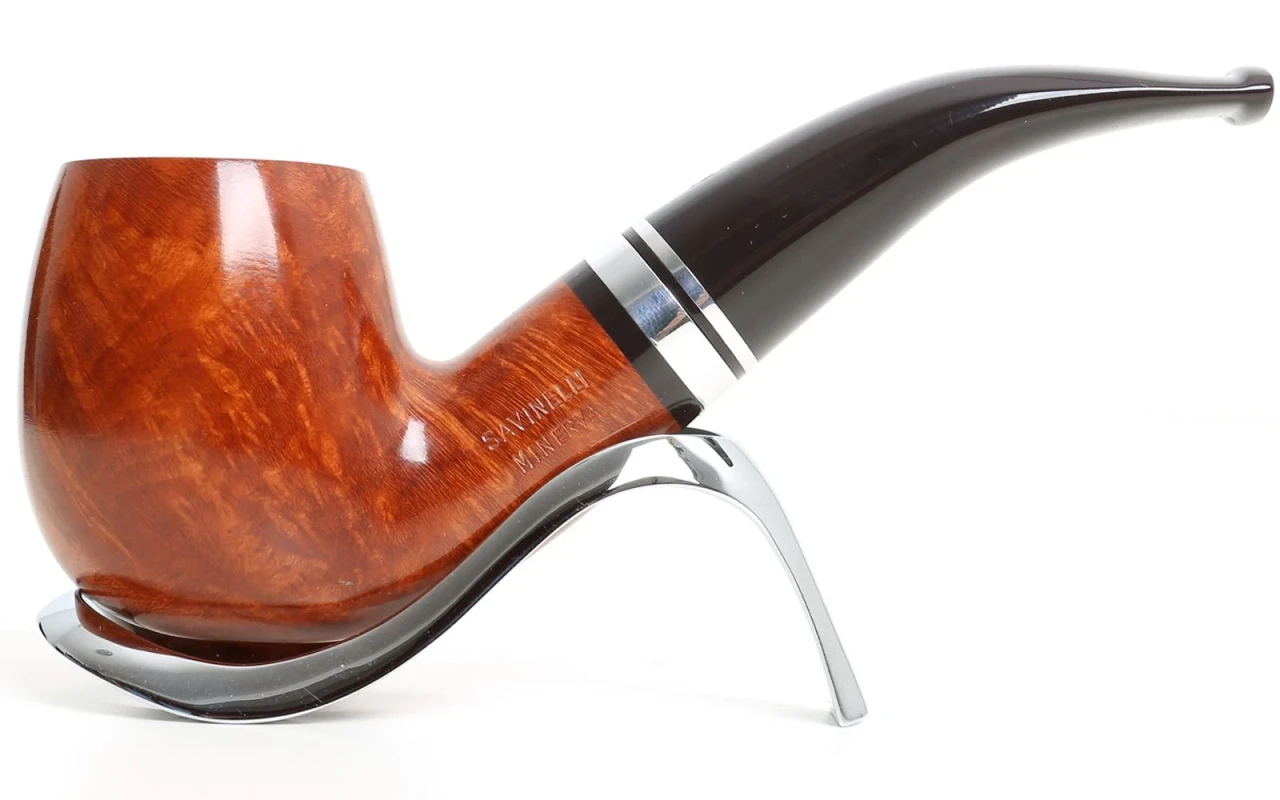
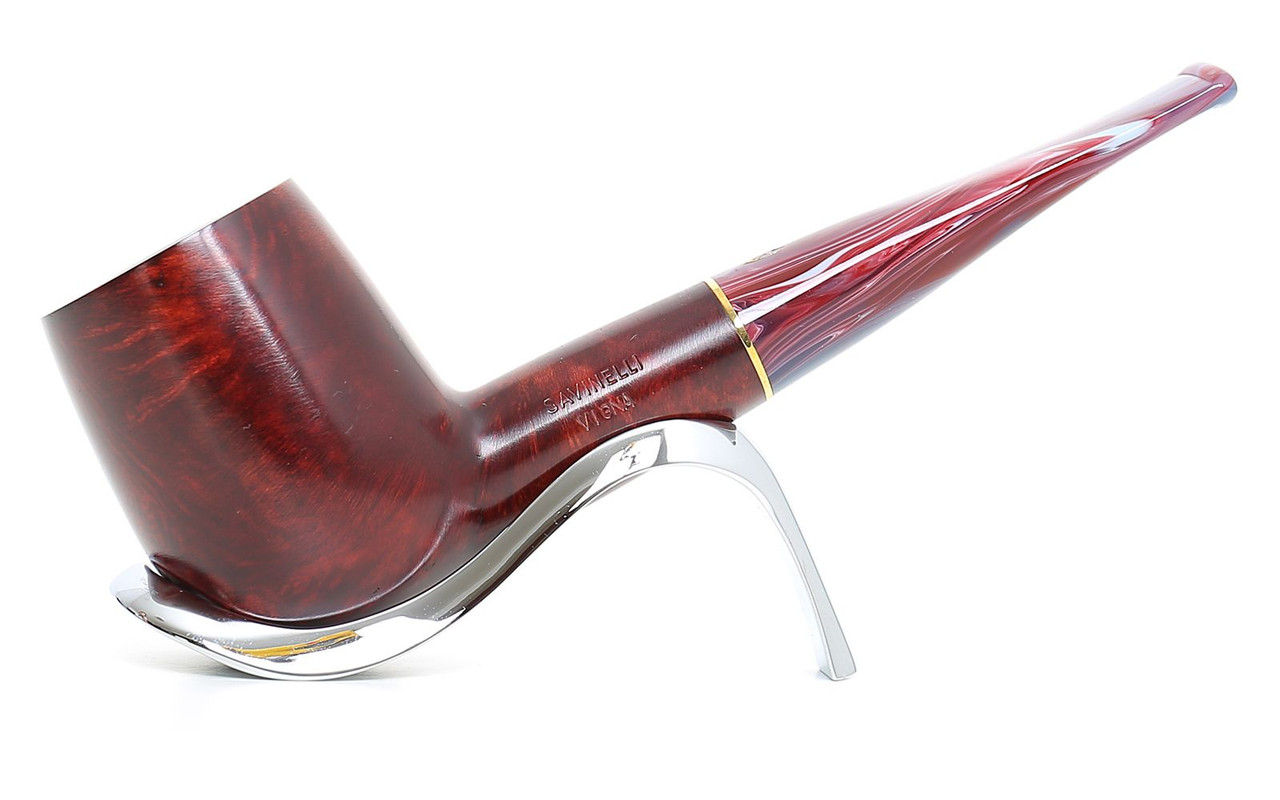
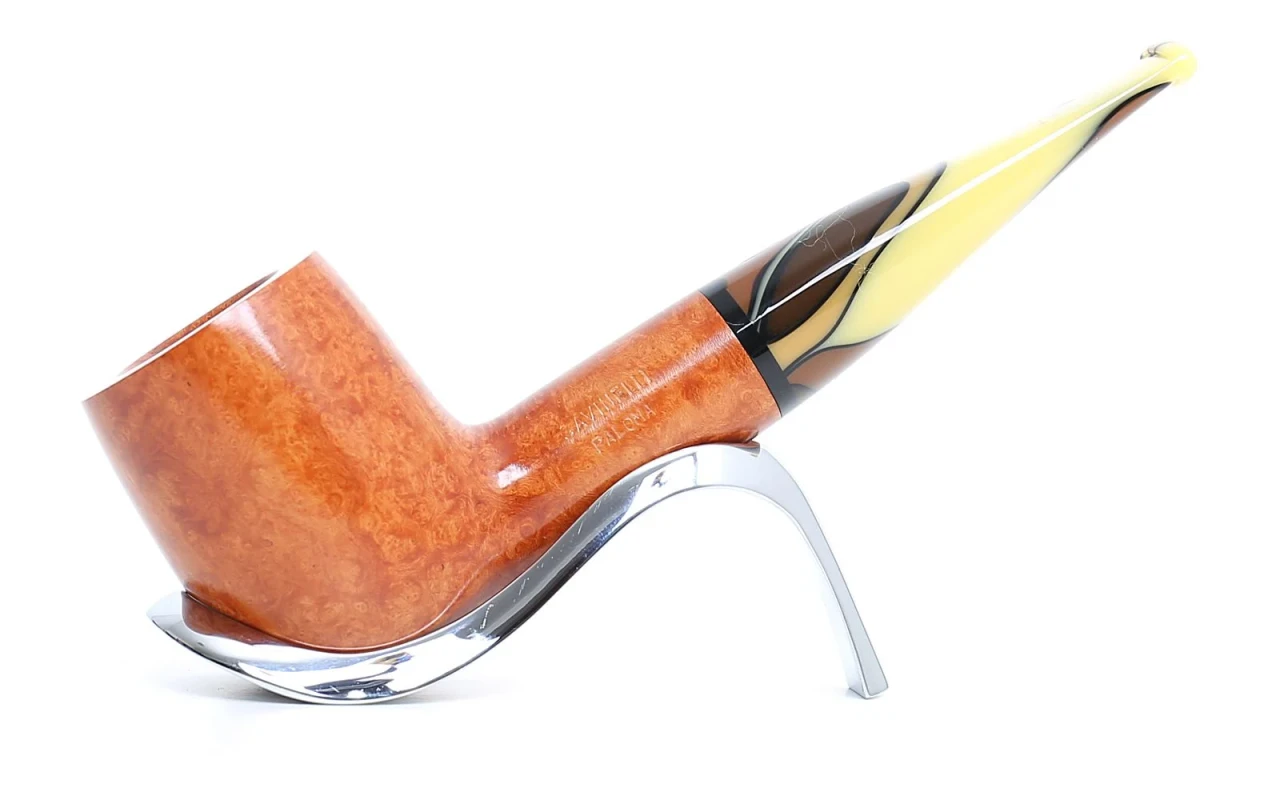
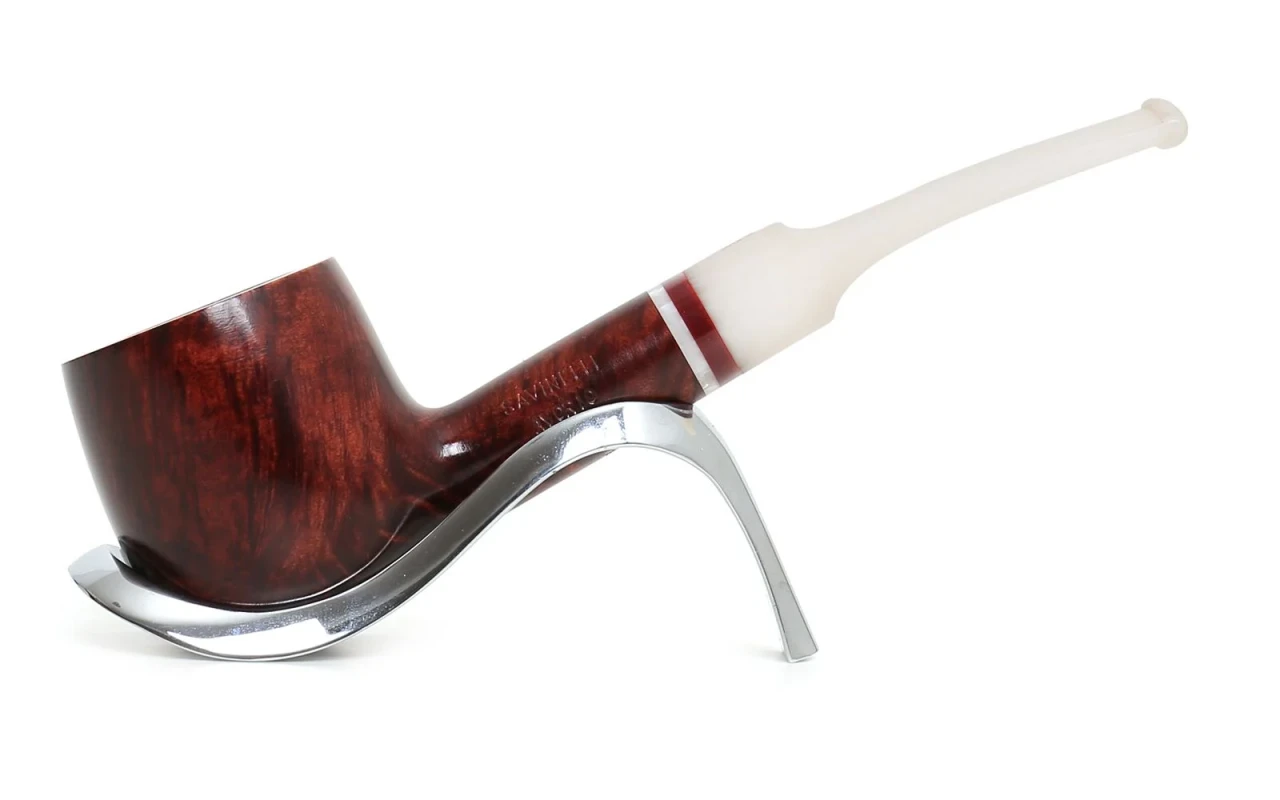
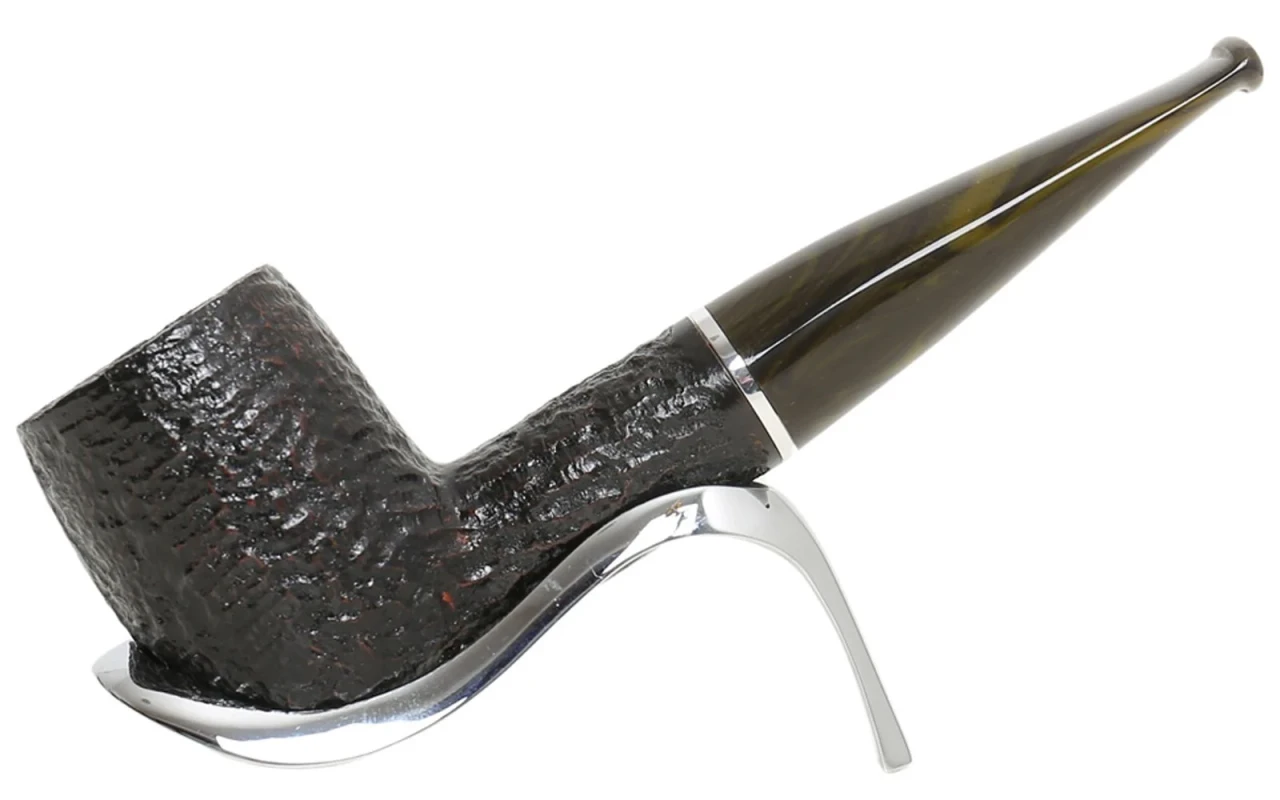
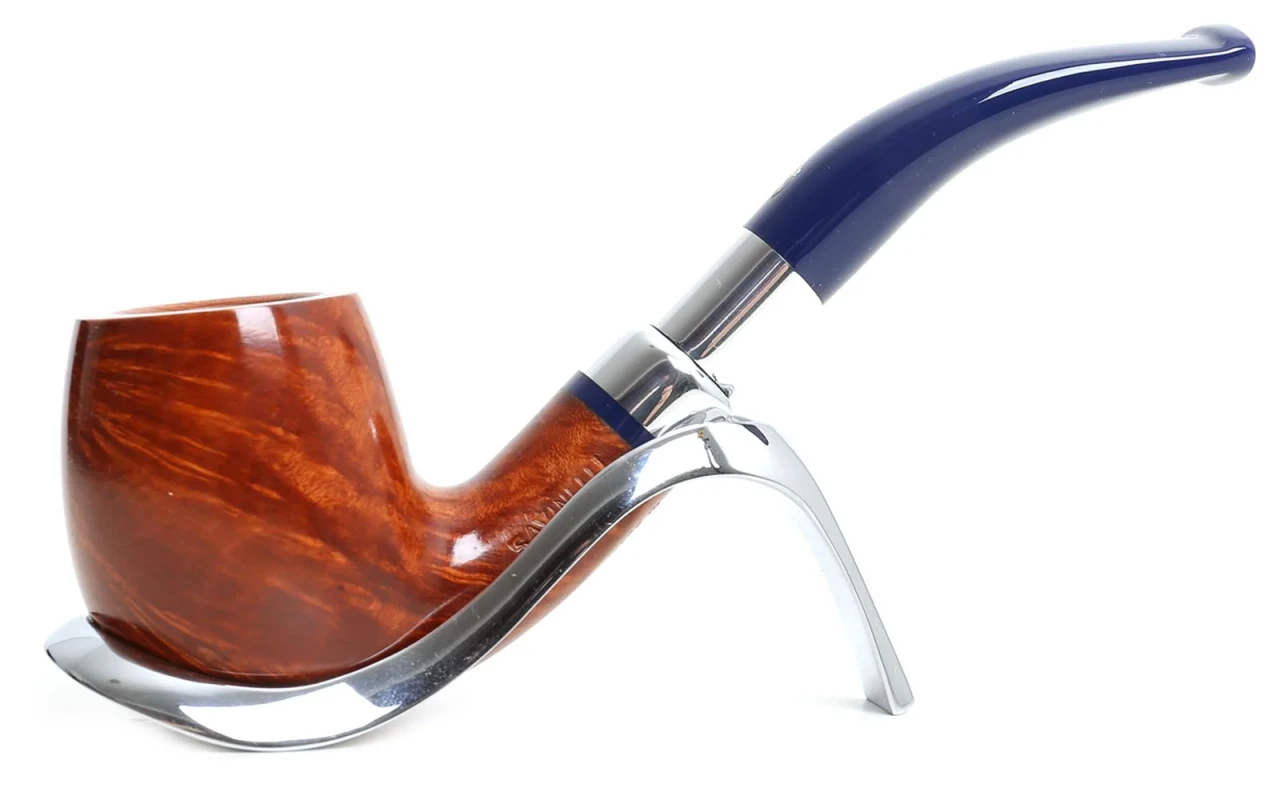
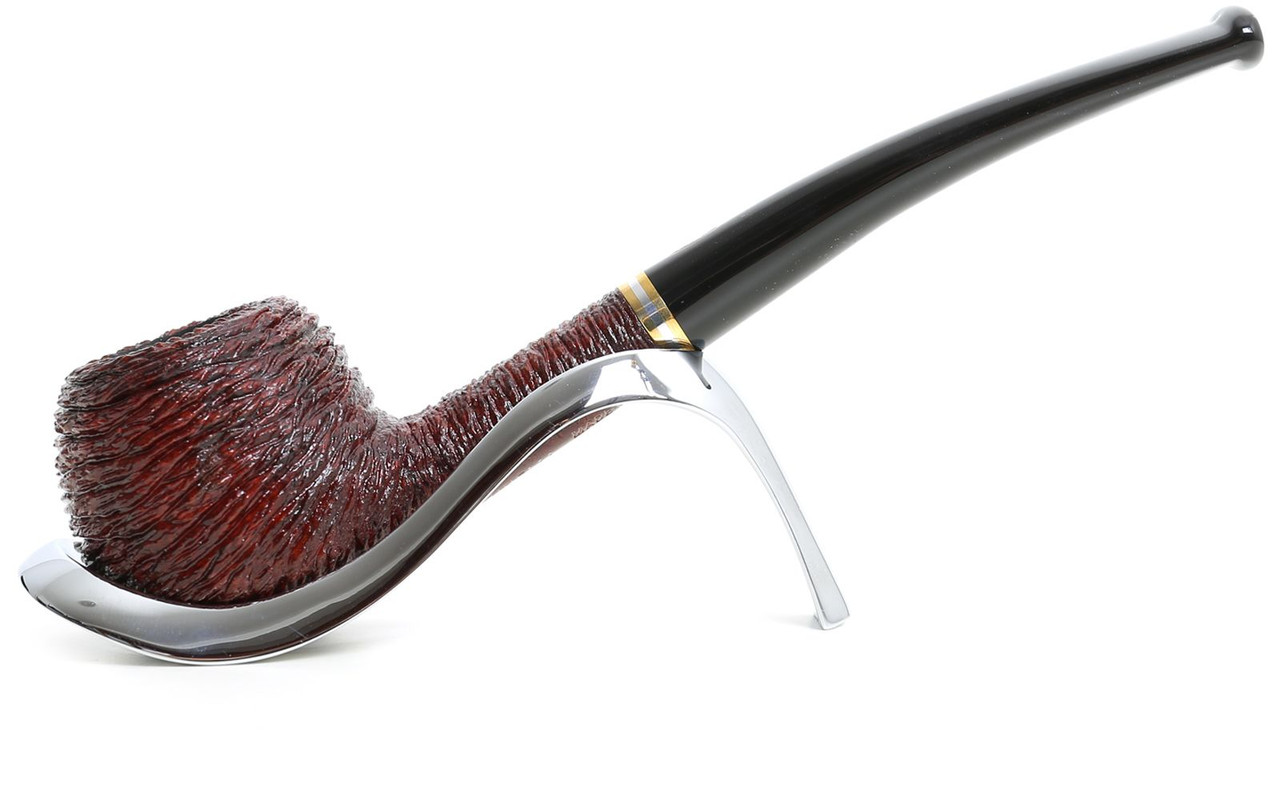
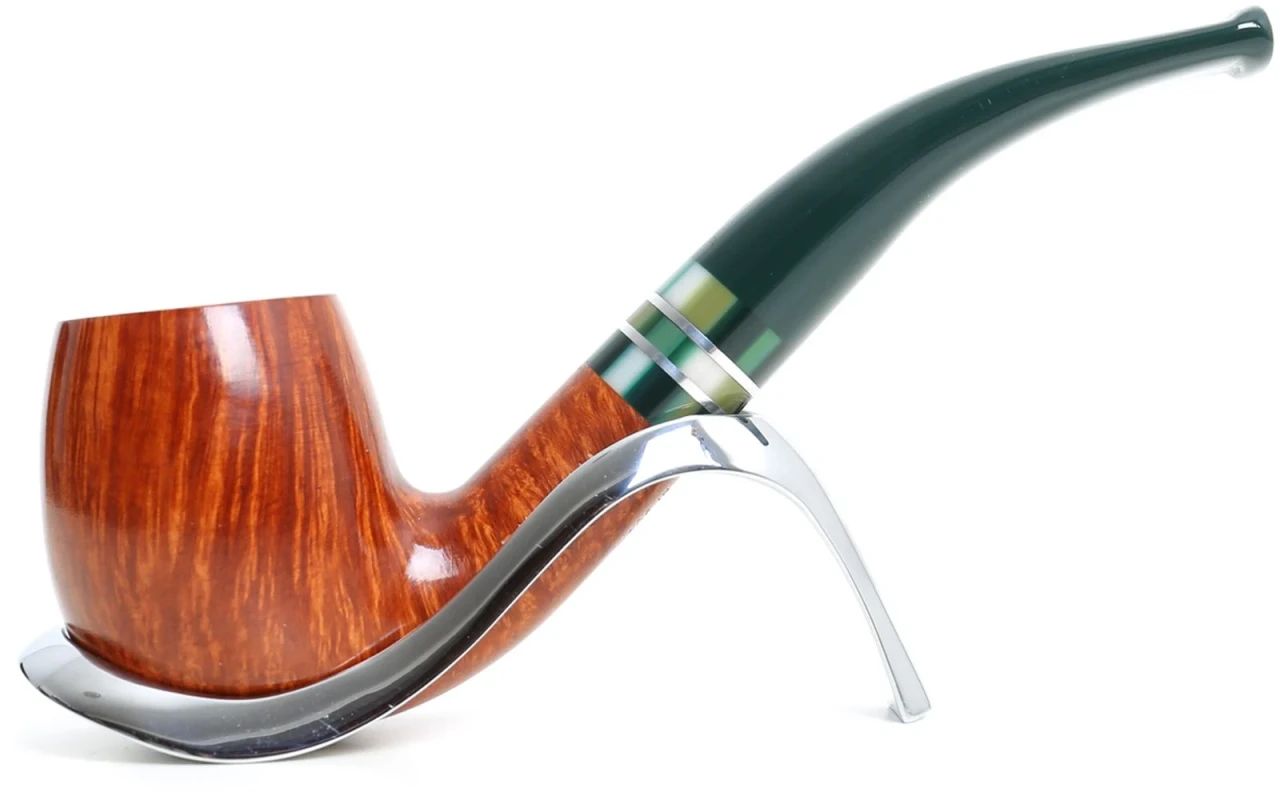
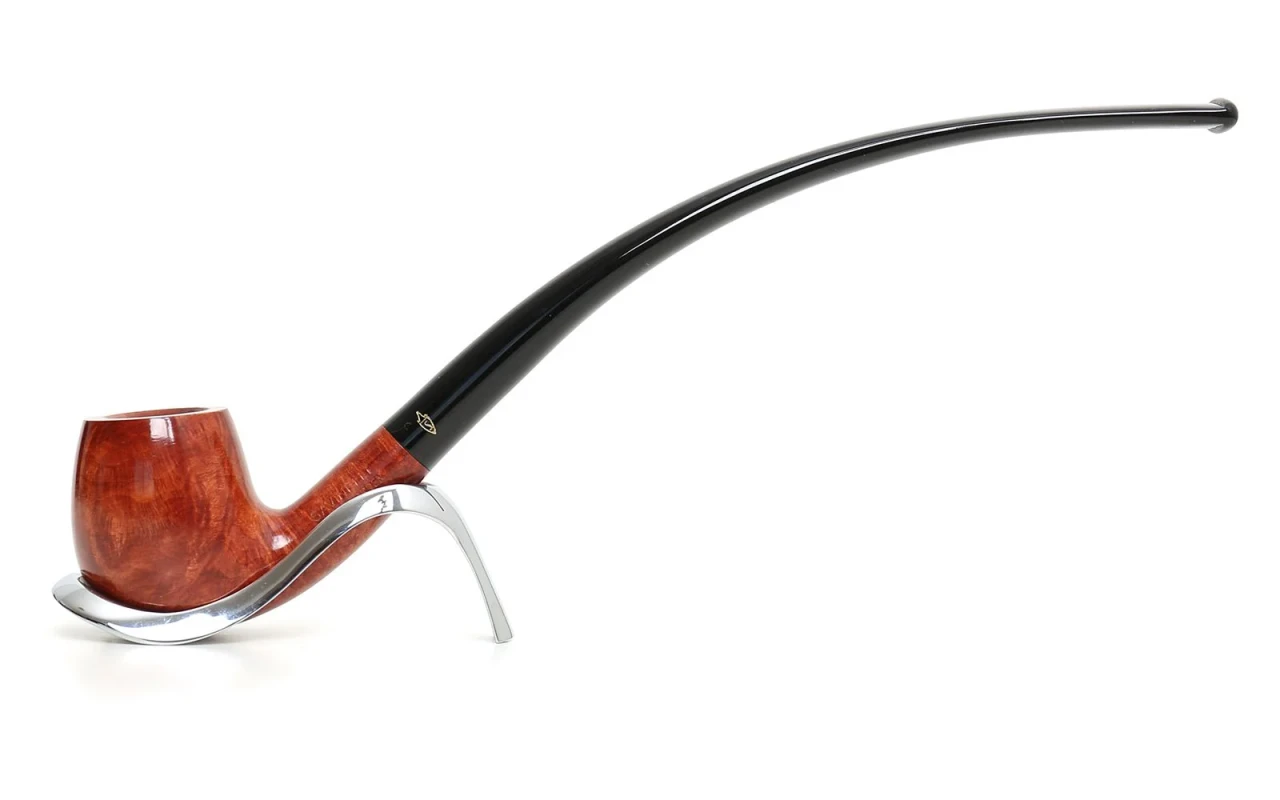
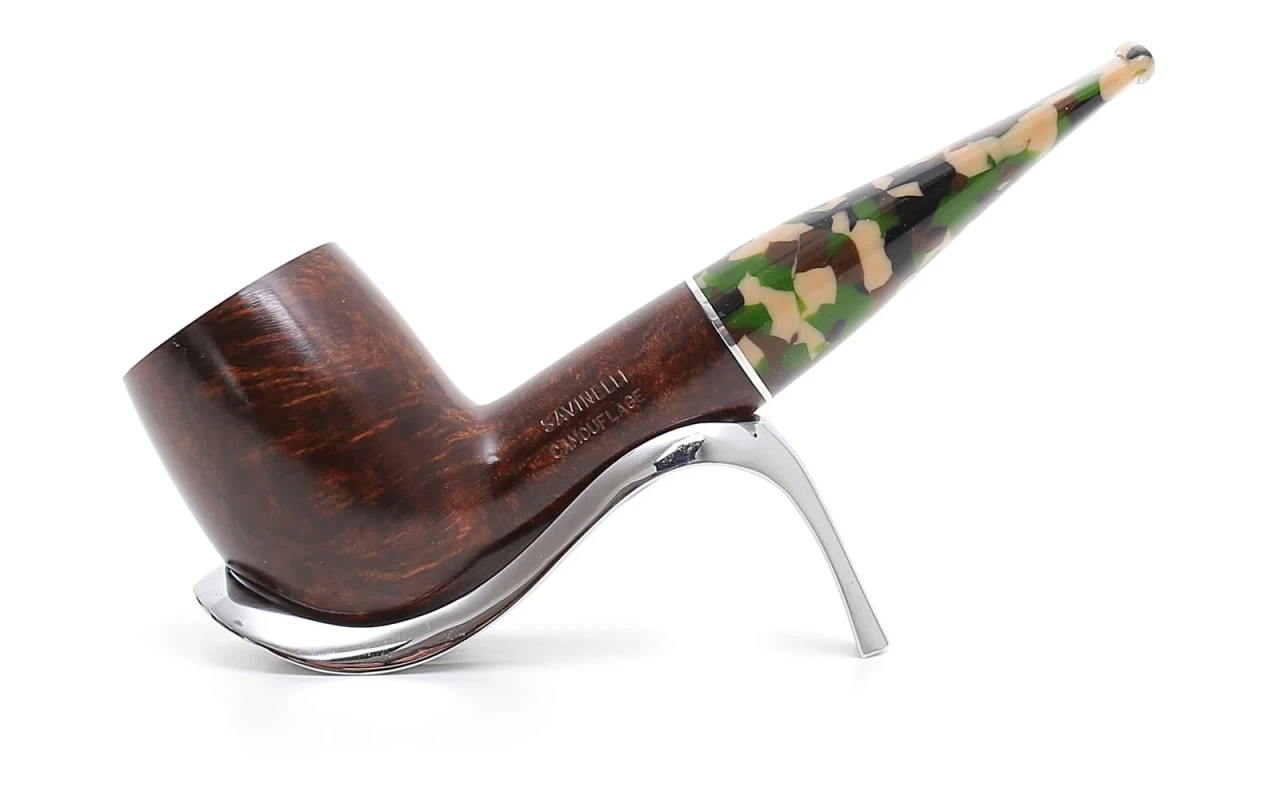
Comparison between the "Horn" model and the "Cutty" pipe in terms of heat distribution
The "Horn" model and the "Cutty" pipe differ in terms of heat distribution during the smoking phase. The horn-shaped design of the "Horn" model allows for a uniform distribution of heat along the surface of the pipe, ensuring an even tobacco combustion. On the other hand, the "Cutty" pipe features a slender shape and a wide outer surface, which promotes greater heat dissipation. This can affect the internal temperature of the combustion chamber and the tobacco aroma. Ultimately, the choice between the two models depends on personal preferences regarding heat distribution and management during smoking.
PIPE PIPE SMOKING
Pipe smoking is the result of the combustion of the tobacco contained inside the pipe itself. This process occurs thanks to the slow combustion of the tobacco, which produces the smoke that is inhaled through the pipe's mouthpiece. Pipe smoke can vary in aroma and intensity depending on the type of tobacco used, the shape and material of the pipe itself, as well as the smoking technique adopted. True pipe enthusiasts appreciate the nuances and unique flavors that pipe smoking can offer, making this practice an art that requires time, patience, and dedication.
Optimal Heat Distribution in Pipes
Achieving optimal heat distribution in pipes is crucial to ensure a uniform and optimal tobacco combustion. To achieve this result, it is advisable to follow some practices:- Use high-quality pipes, preferably made from materials that conduct heat well, such as briar.- Avoid overheating the pipe by regulating the tobacco flame appropriately.- Perform a proper breaking-in phase of the pipe to allow the wood to gradually adapt to the heat.- Always keep the pipe clean by removing accumulated residues and carbon that could affect heat distribution.By following these simple guidelines, it is possible to achieve optimal heat distribution in pipes, ensuring a better smoking experience.
Heat Differences Between Horn and Cutty Pipes
Horn and Cutty pipes are both highly appreciated by pipe smoking enthusiasts, but they show significant differences in heat dissipation during smoking. Horn pipes, characterized by a curved shape resembling an animal horn, tend to heat up more evenly along the entire surface of the pipe, ensuring a uniform distribution of heat. On the other hand, Cutty pipes, with their distinctive long and slender stem, tend to dissipate heat more quickly along the shank, preventing overheating of the top part of the pipe. This difference in heat management can influence the temperature and flavor of the smoke when using these two types of pipes.
Heat in Horn Pipes vs Cutty Pipes
The heat in Horn and Cutty pipes mainly depends on the quality of the wood and the craftsmanship of the pipe itself. Horn pipes are typically made with briar wood, a type of wood known for its heat and flame resistance. This allows the pipe to maintain a more stable temperature during smoking, reducing the risk of overheating. On the other hand, Cutty pipes are usually thinner and therefore can heat up more easily. However, the difference in heat between the two pipes also depends on the smoker's experience and habits.
'%3e%3cg id='Final-Copy-2_2_' transform='translate(1275.000000, 200.000000)'%3e%3cpath class='st0' d='M7.4,12.8h6.8l3.1-11.6H7.4C4.2,1.2,1.6,3.8,1.6,7S4.2,12.8,7.4,12.8z'/%3e%3c/g%3e%3c/g%3e%3c/g%3e%3cg id='final---dec.11-2020'%3e%3cg id='_x30_208-our-toggle' transform='translate(-1275.000000, -200.000000)'%3e%3cg id='Final-Copy-2' transform='translate(1275.000000, 200.000000)'%3e%3cpath class='st1' d='M22.6,0H7.4c-3.9,0-7,3.1-7,7s3.1,7,7,7h15.2c3.9,0,7-3.1,7-7S26.4,0,22.6,0z M1.6,7c0-3.2,2.6-5.8,5.8-5.8 h9.9l-3.1,11.6H7.4C4.2,12.8,1.6,10.2,1.6,7z'/%3e%3cpath id='x' class='st2' d='M24.6,4c0.2,0.2,0.2,0.6,0,0.8l0,0L22.5,7l2.2,2.2c0.2,0.2,0.2,0.6,0,0.8c-0.2,0.2-0.6,0.2-0.8,0 l0,0l-2.2-2.2L19.5,10c-0.2,0.2-0.6,0.2-0.8,0c-0.2-0.2-0.2-0.6,0-0.8l0,0L20.8,7l-2.2-2.2c-0.2-0.2-0.2-0.6,0-0.8 c0.2-0.2,0.6-0.2,0.8,0l0,0l2.2,2.2L23.8,4C24,3.8,24.4,3.8,24.6,4z'/%3e%3cpath id='y' class='st3' d='M12.7,4.1c0.2,0.2,0.3,0.6,0.1,0.8l0,0L8.6,9.8C8.5,9.9,8.4,10,8.3,10c-0.2,0.1-0.5,0.1-0.7-0.1l0,0 L5.4,7.7c-0.2-0.2-0.2-0.6,0-0.8c0.2-0.2,0.6-0.2,0.8,0l0,0L8,8.6l3.8-4.5C12,3.9,12.4,3.9,12.7,4.1z'/%3e%3c/g%3e%3c/g%3e%3c/g%3e%3c/g%3e%3c/svg%3e) Your Privacy Choices
Your Privacy Choices 


