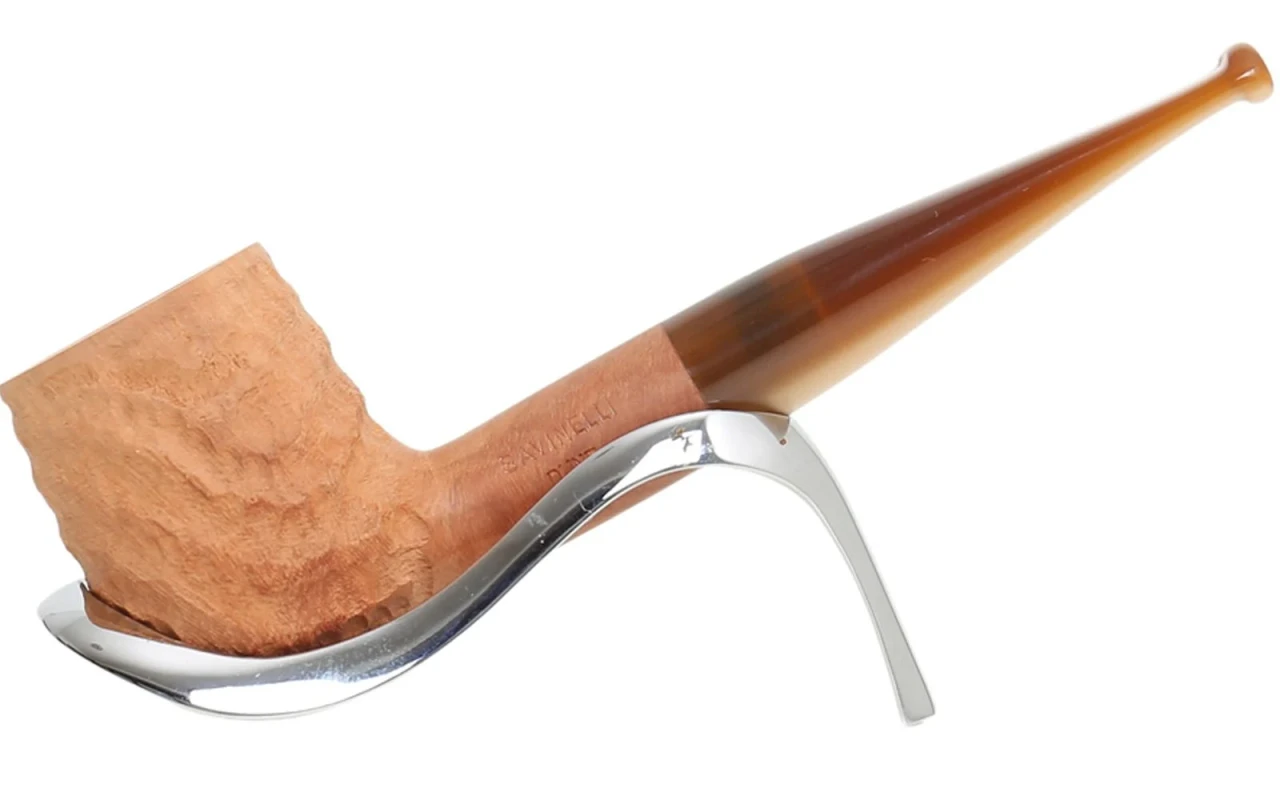
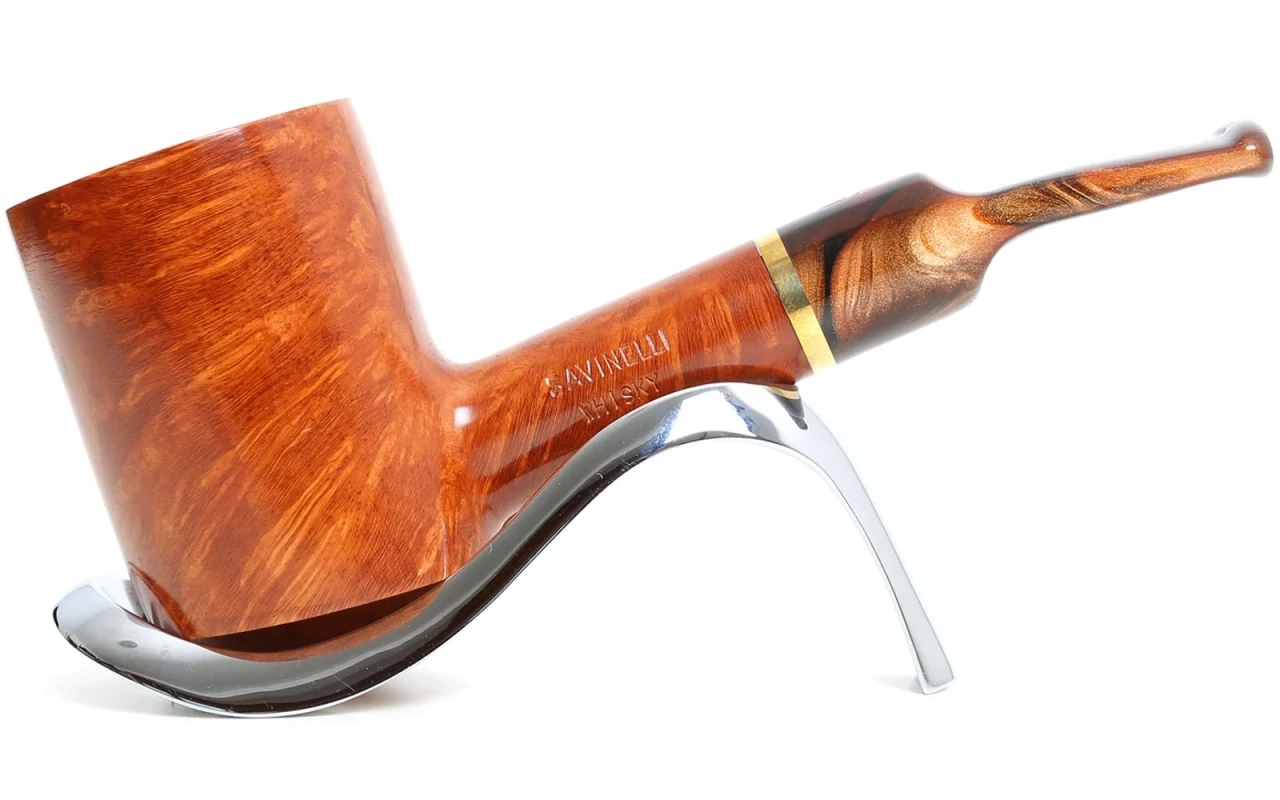
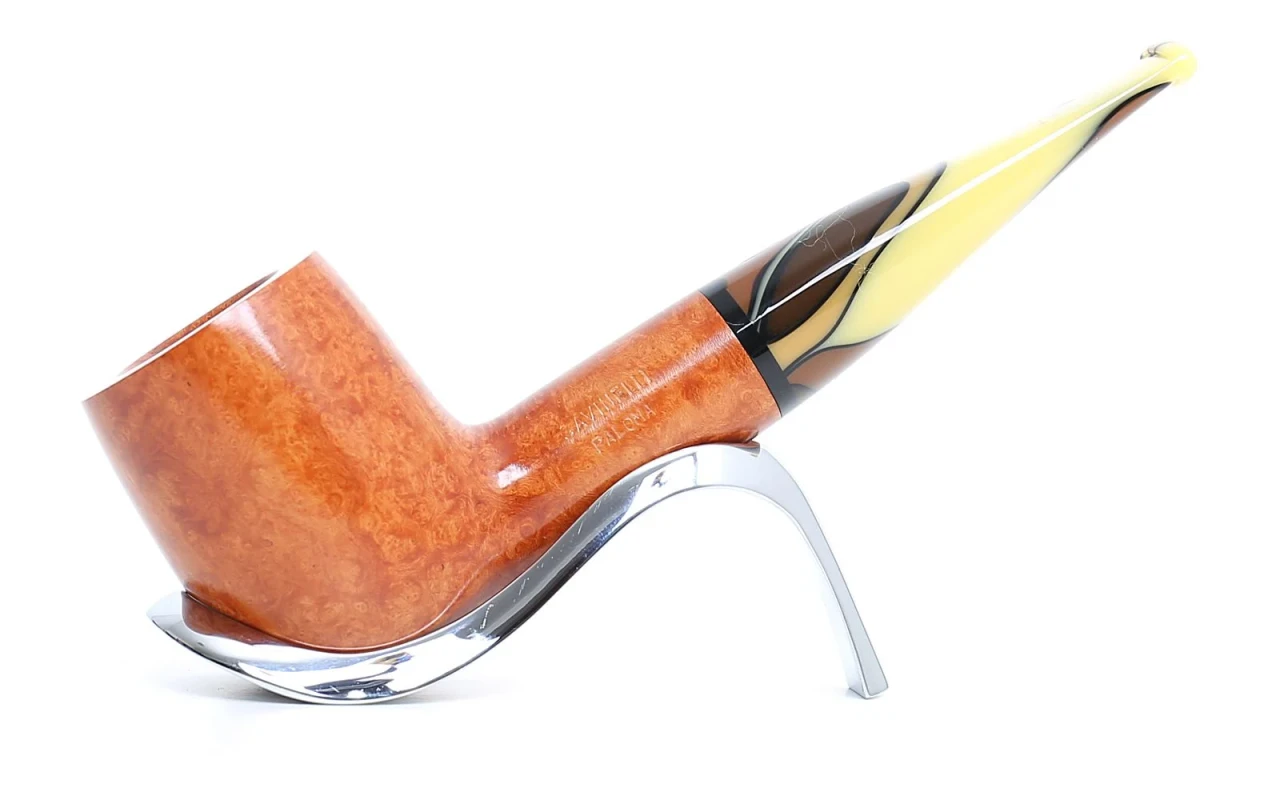
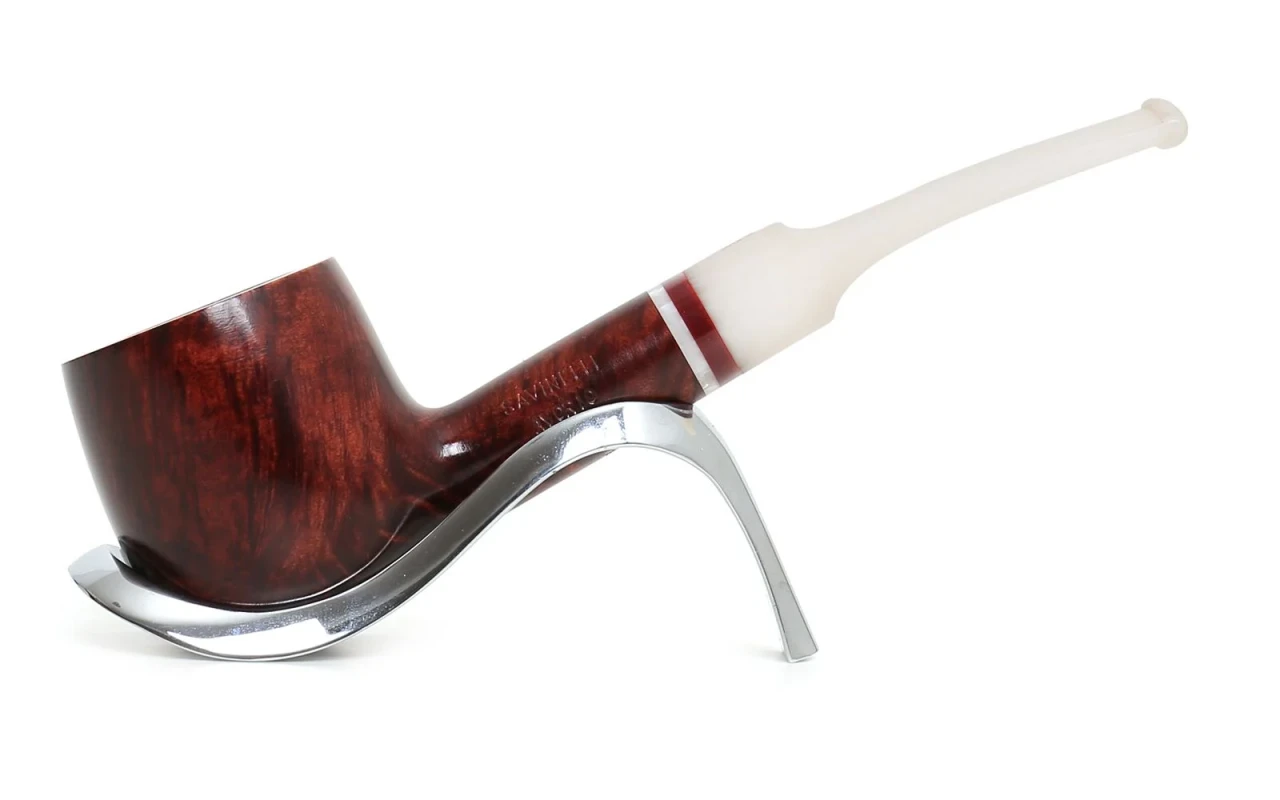
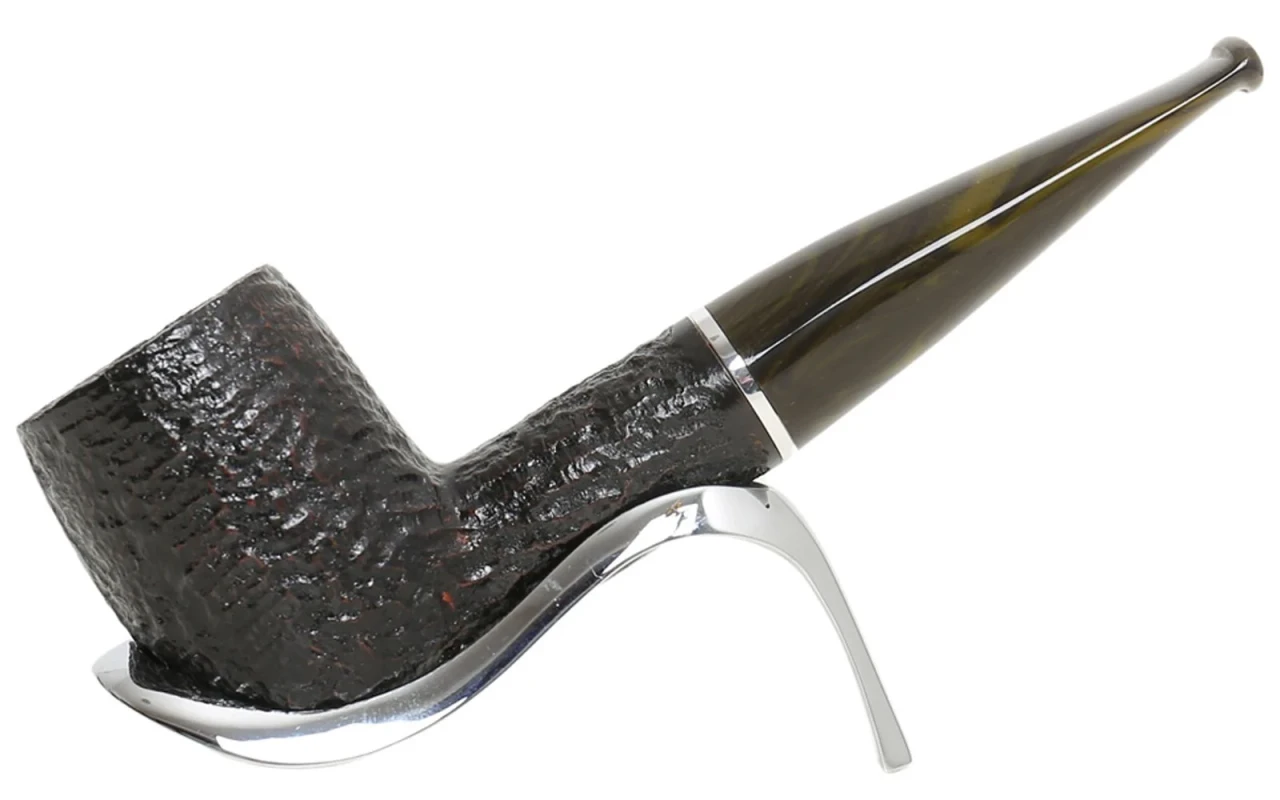
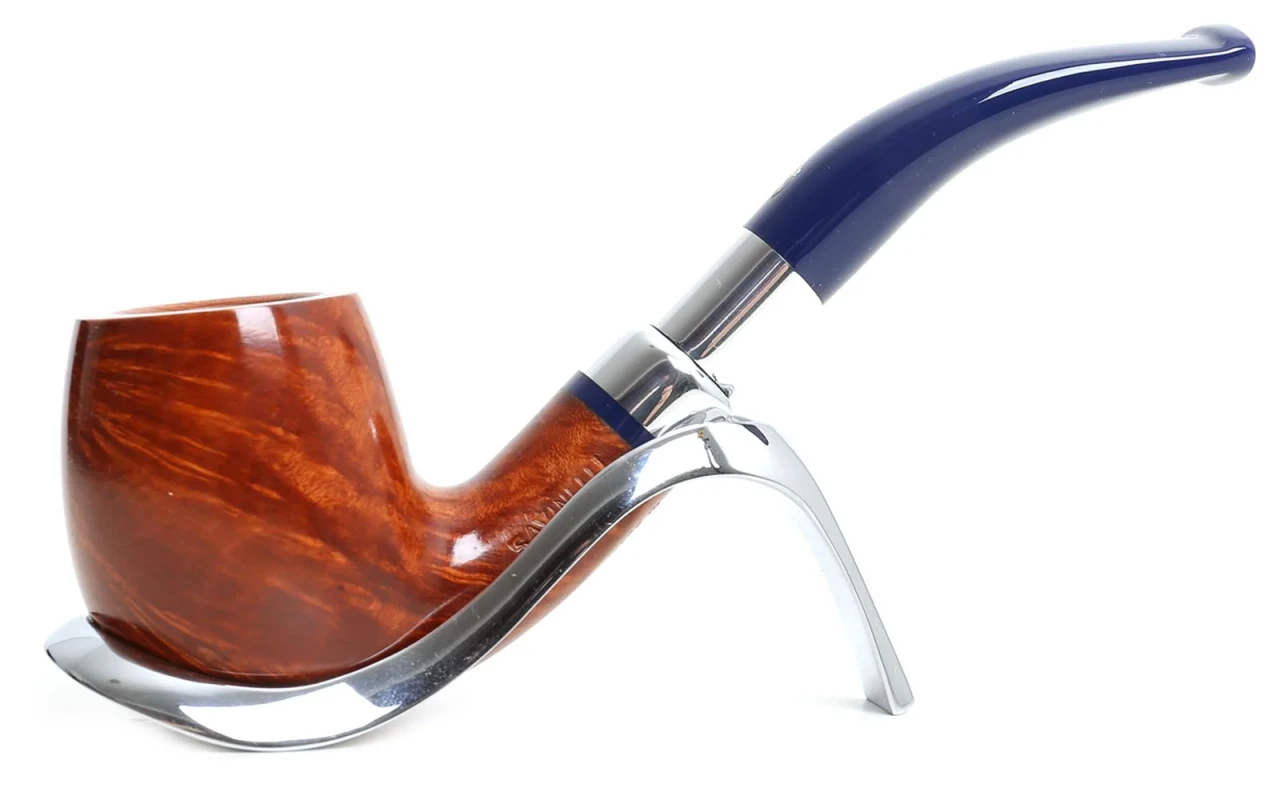
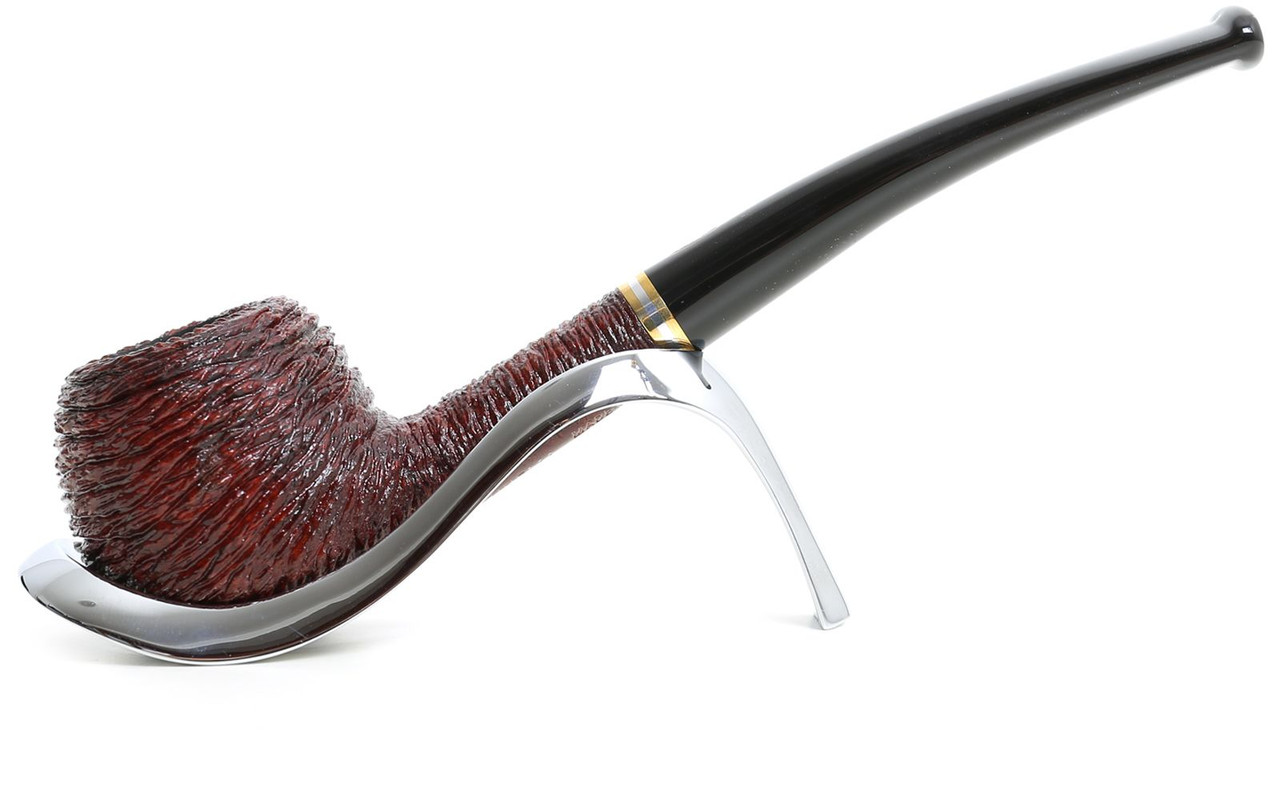
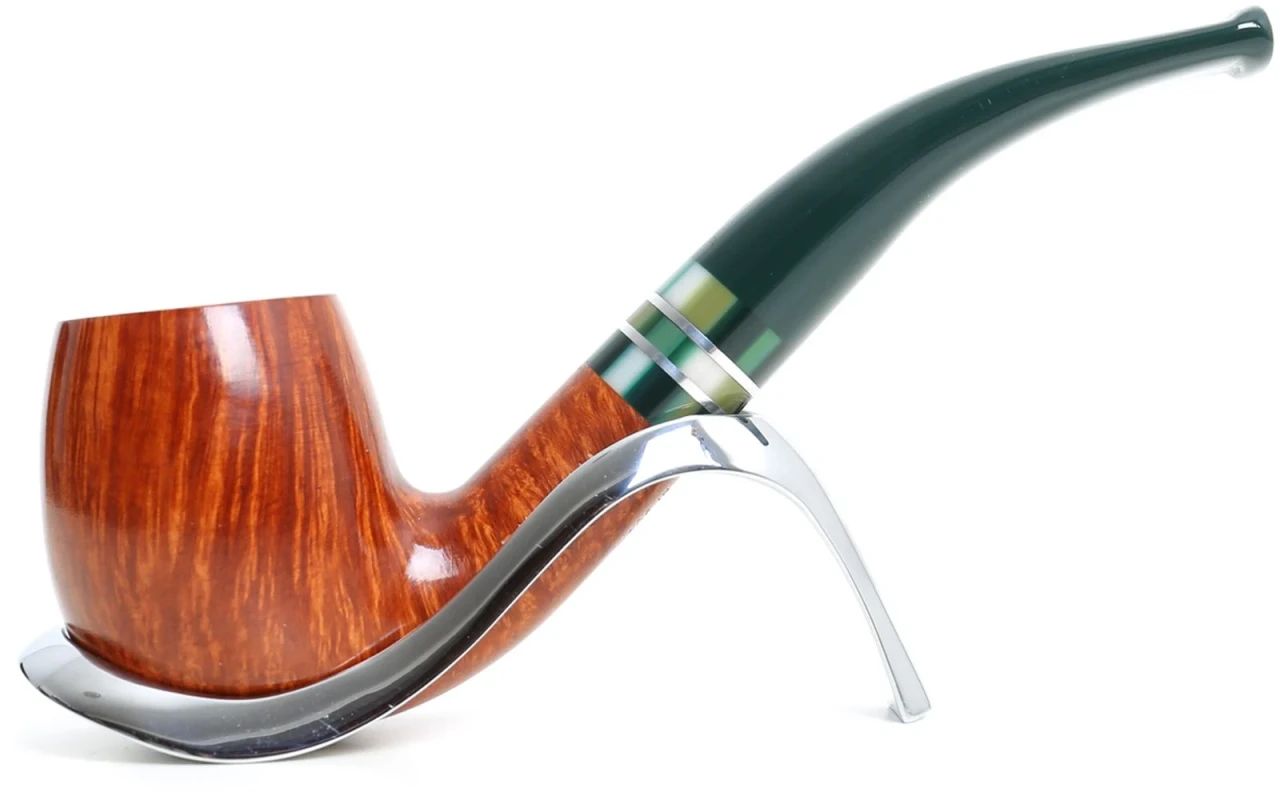
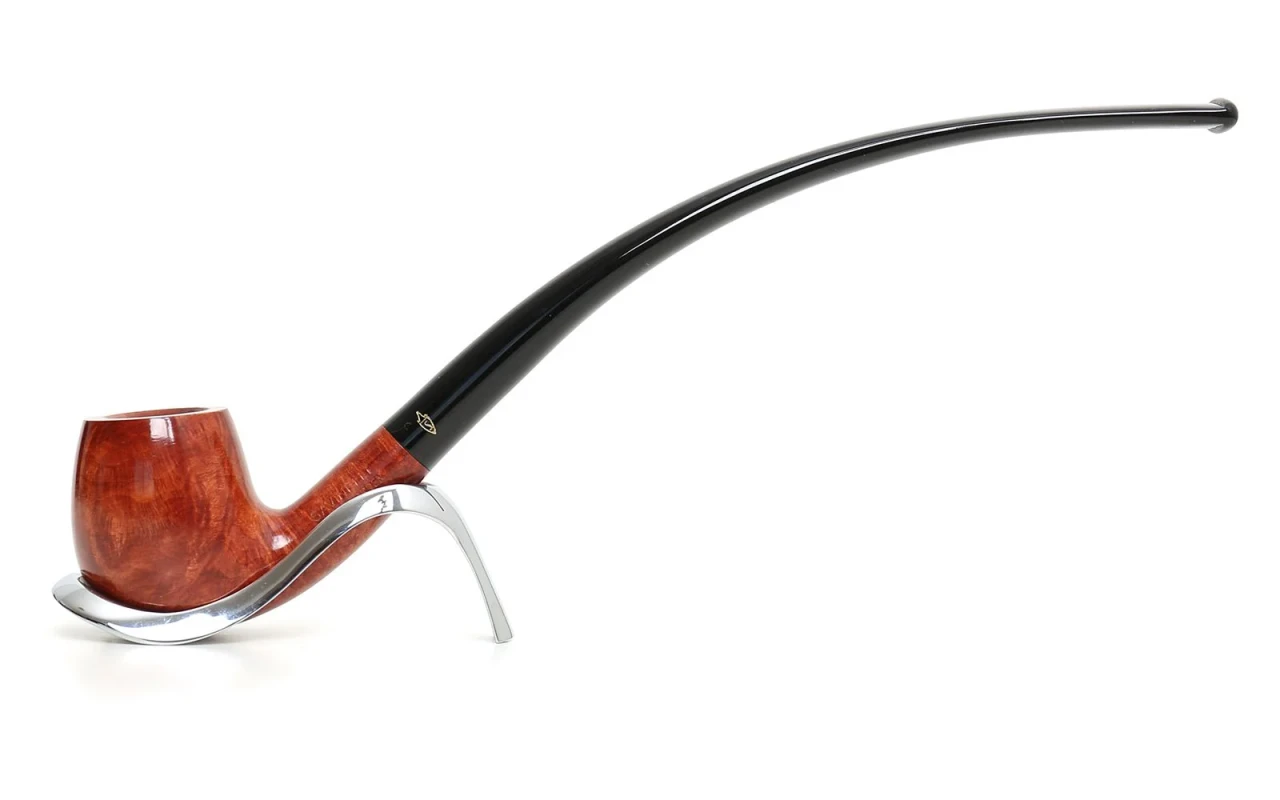
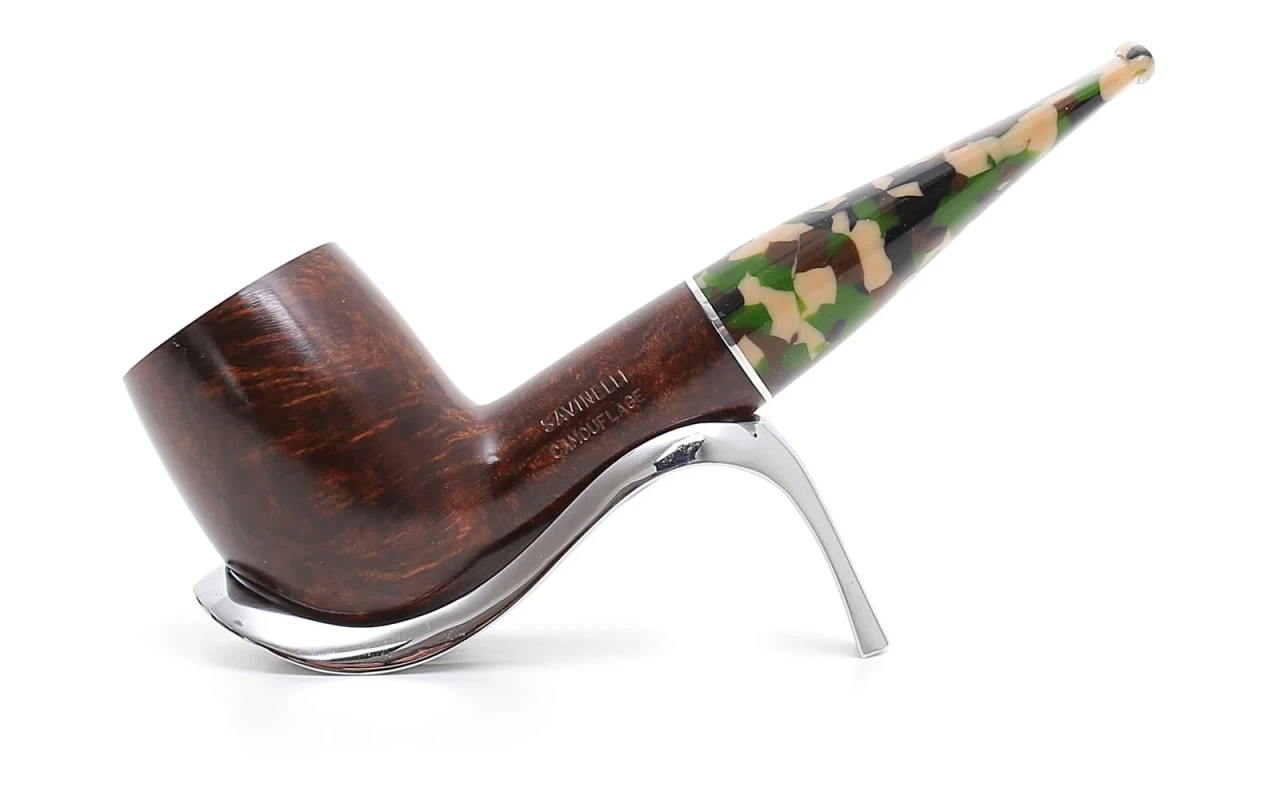
After roughing out a pipe, wood defects are identified by carefully inspecting the surface to reveal knots, cracks, or irregular porosity. Direct lighting helps highlight hidden imperfections, while tactile examination allows detecting any discontinuities or fragile areas in the material.
How are wood defects identified after the roughing out of a pipe? Deep dive
Identifying wood defects after roughing out a pipe is a crucial step to ensure the quality and durability of the finished product. Roughing out removes the outer part of the briar block, revealing the internal structure and any potential imperfections. To recognize defects, it is essential to closely examine the surface under good lighting, preferably natural or direct light, which helps bring out knots, cracks, porosity, and irregular grain patterns. These defects can compromise both the strength and aesthetics of the pipe. Additionally, manual palpation is useful to detect fragile or uneven areas that might not be immediately visible. Some defects, such as micro-cracks or foreign material inclusions, may require more careful observation or the use of magnification tools. Recognizing and assessing these defects enables the decision to proceed with shaping, to correct, or to discard the piece, thereby ensuring a high-quality, long-lasting final product.