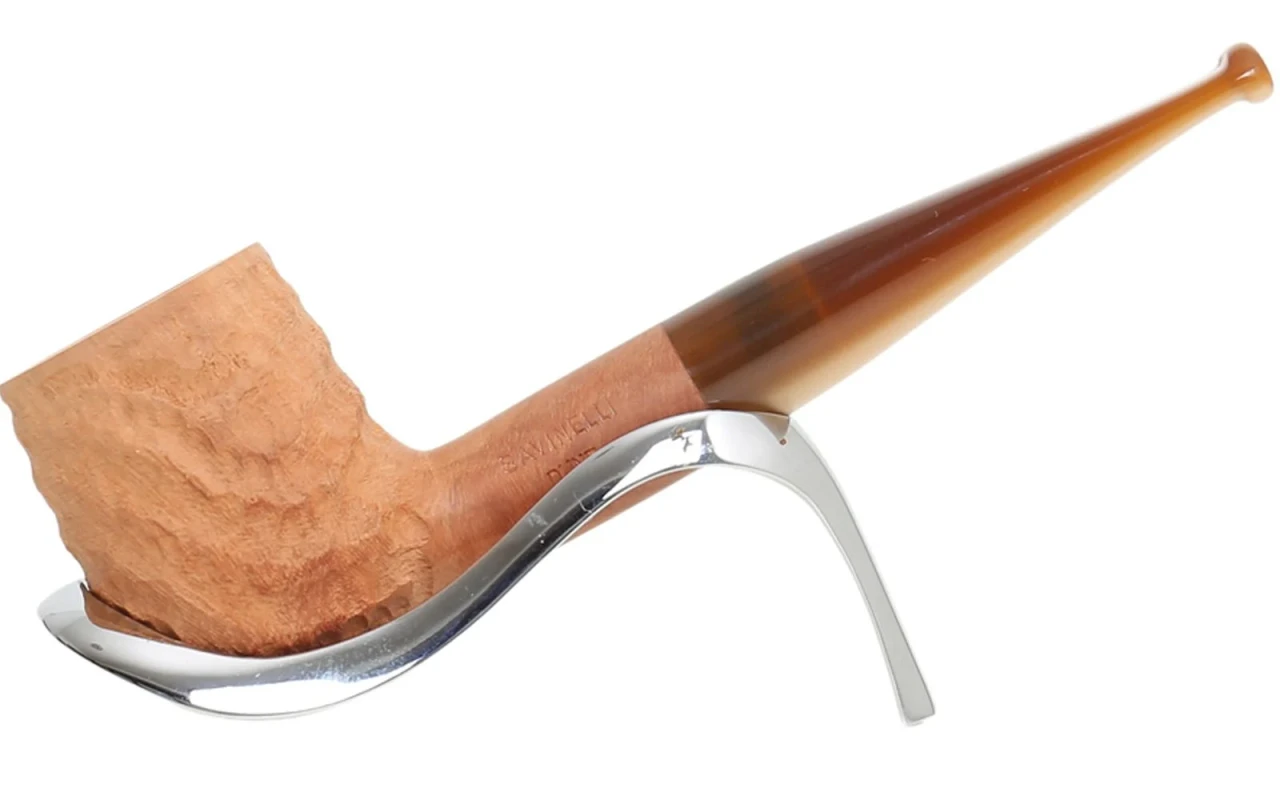
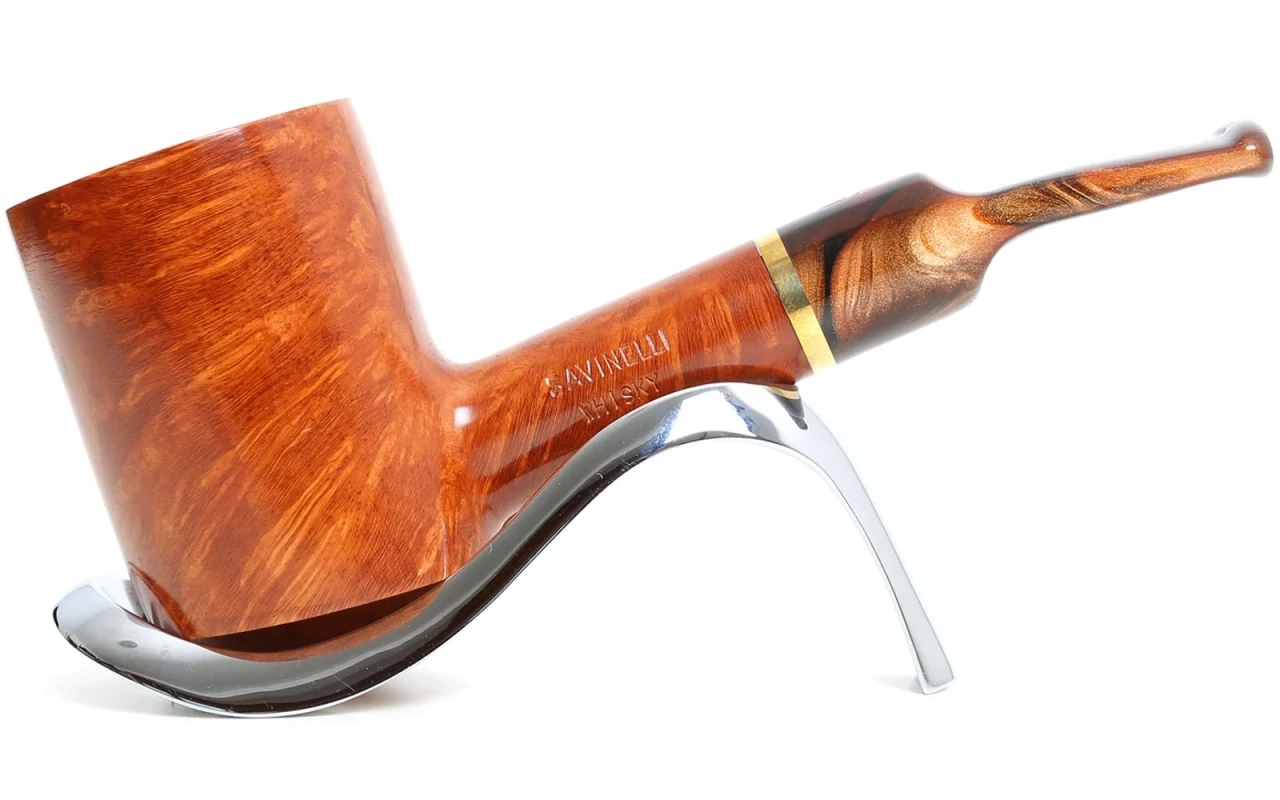
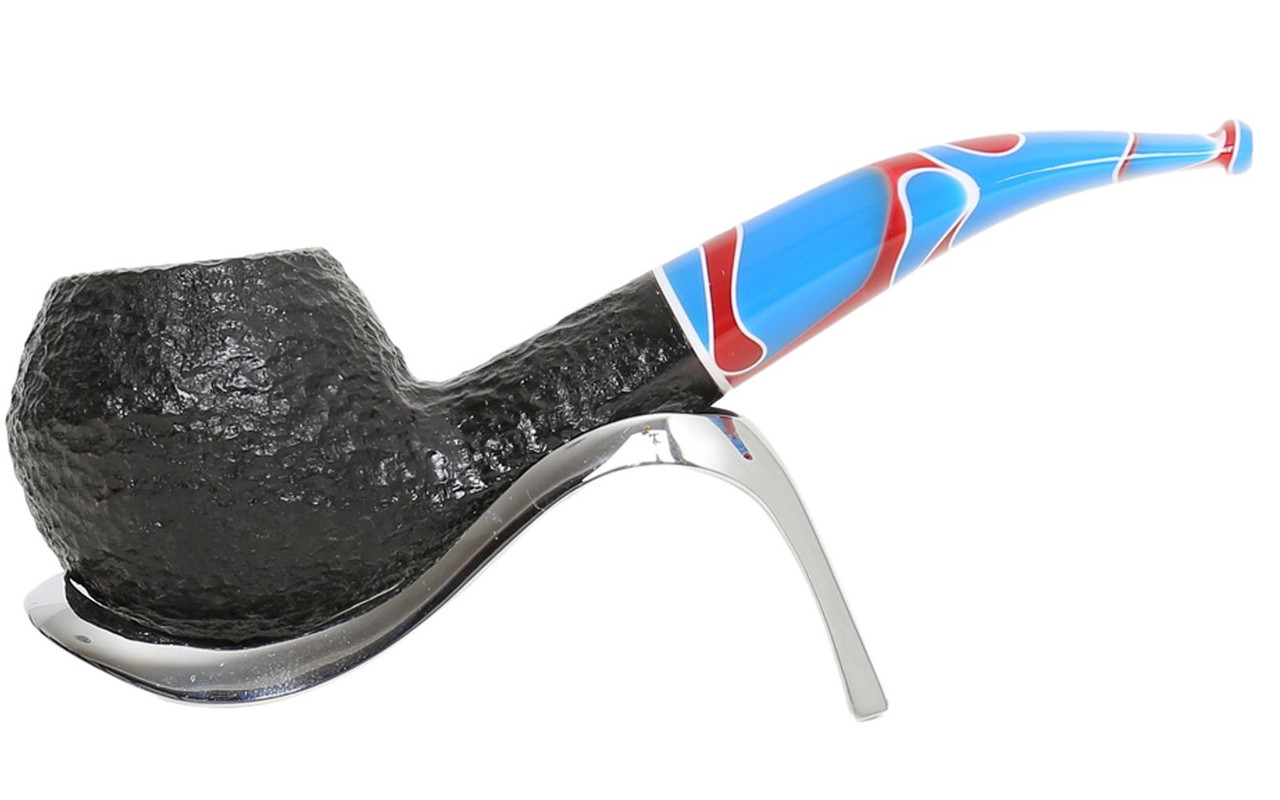
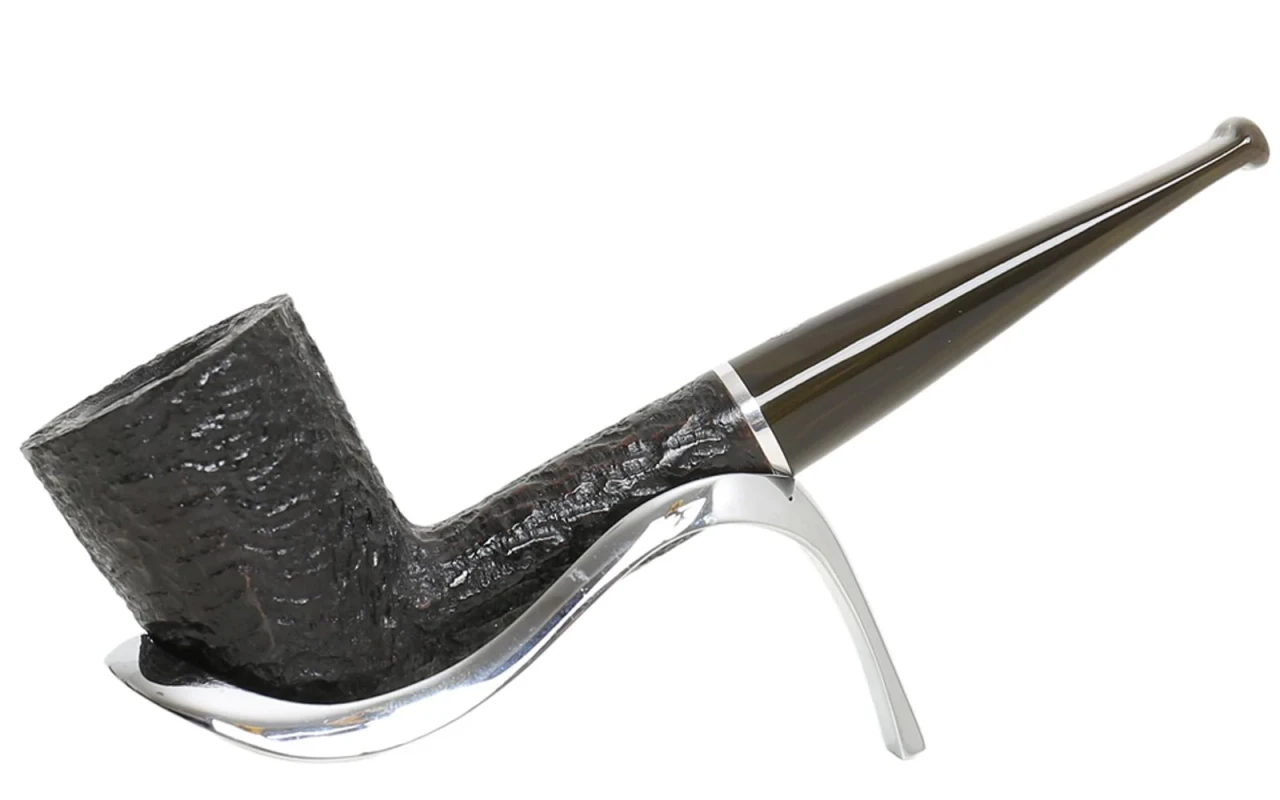
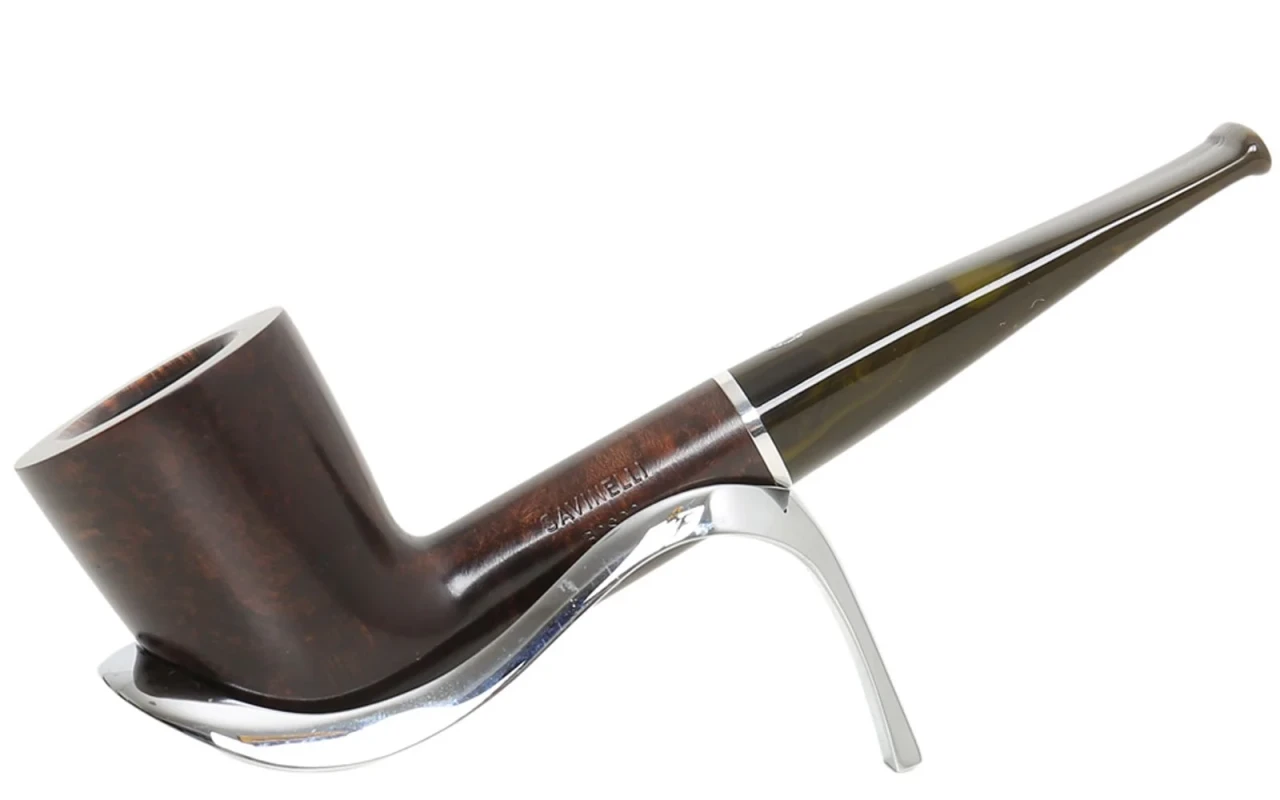
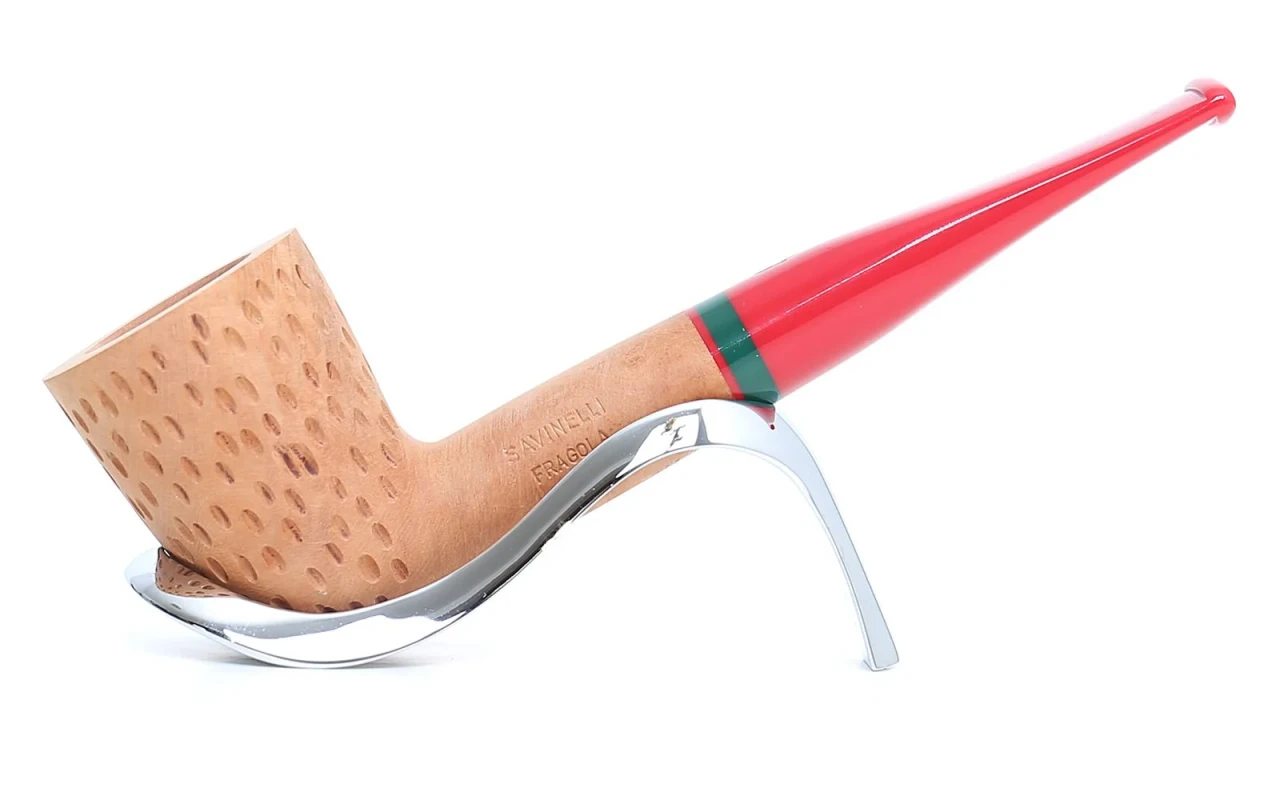
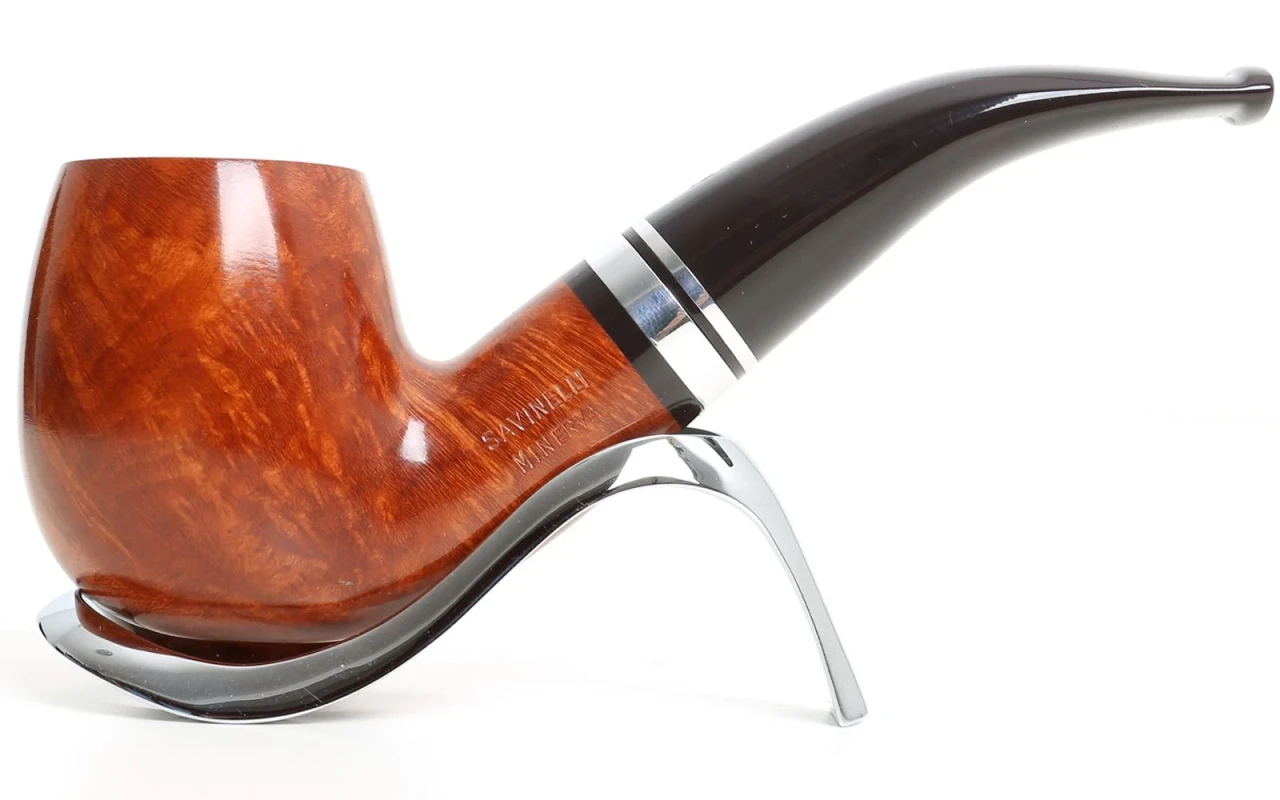
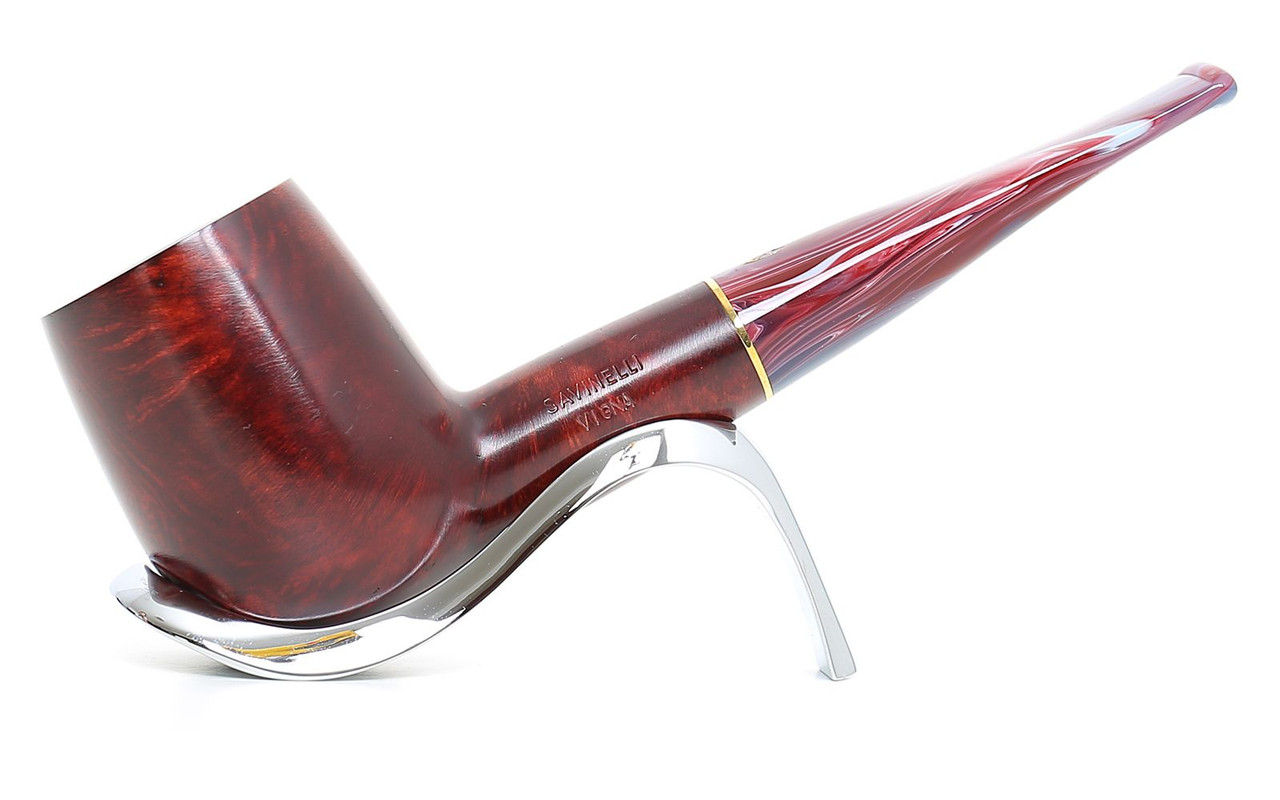
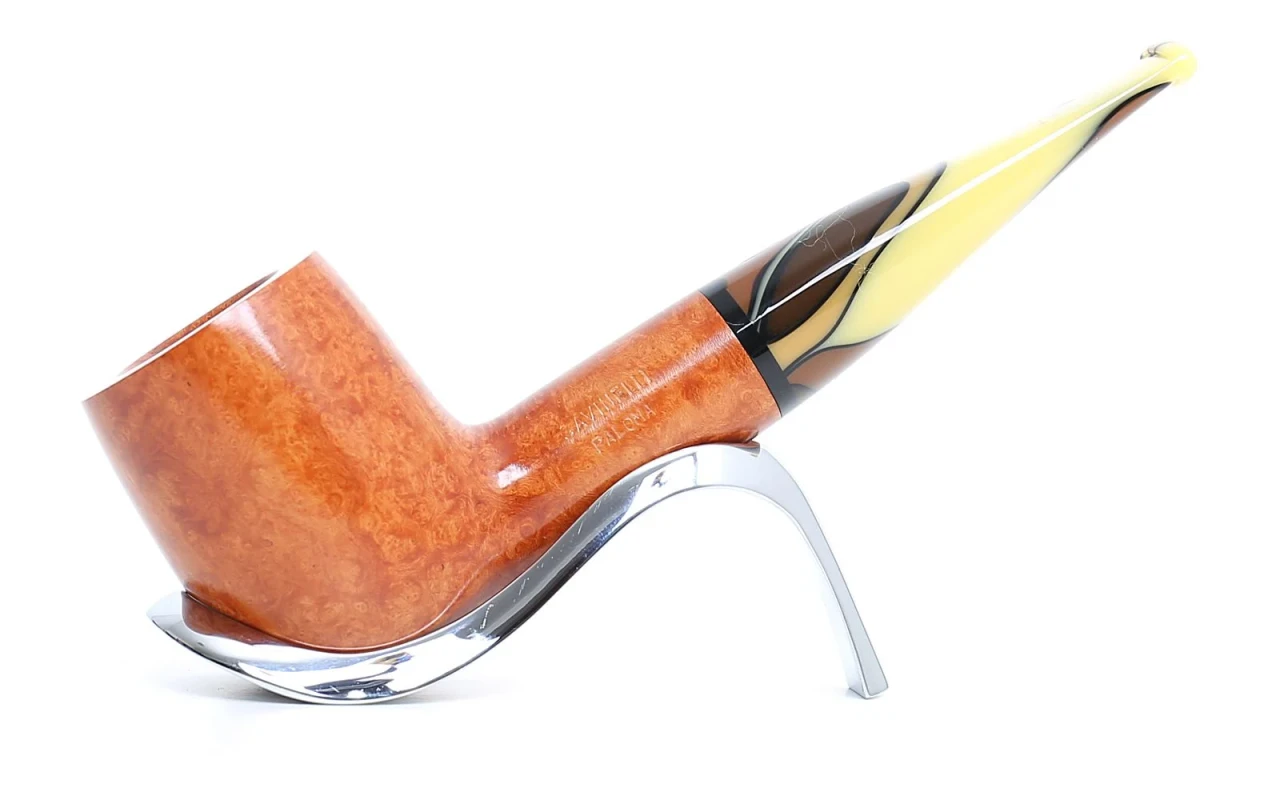
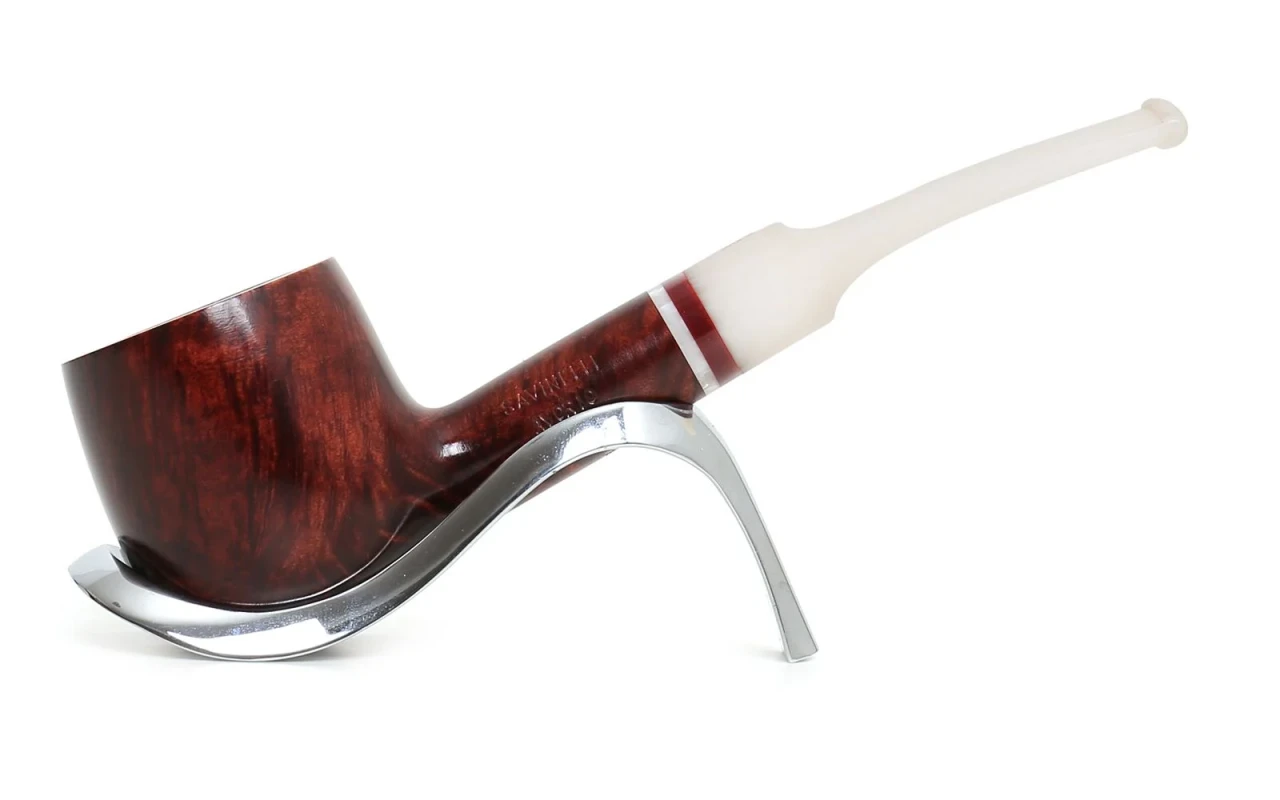
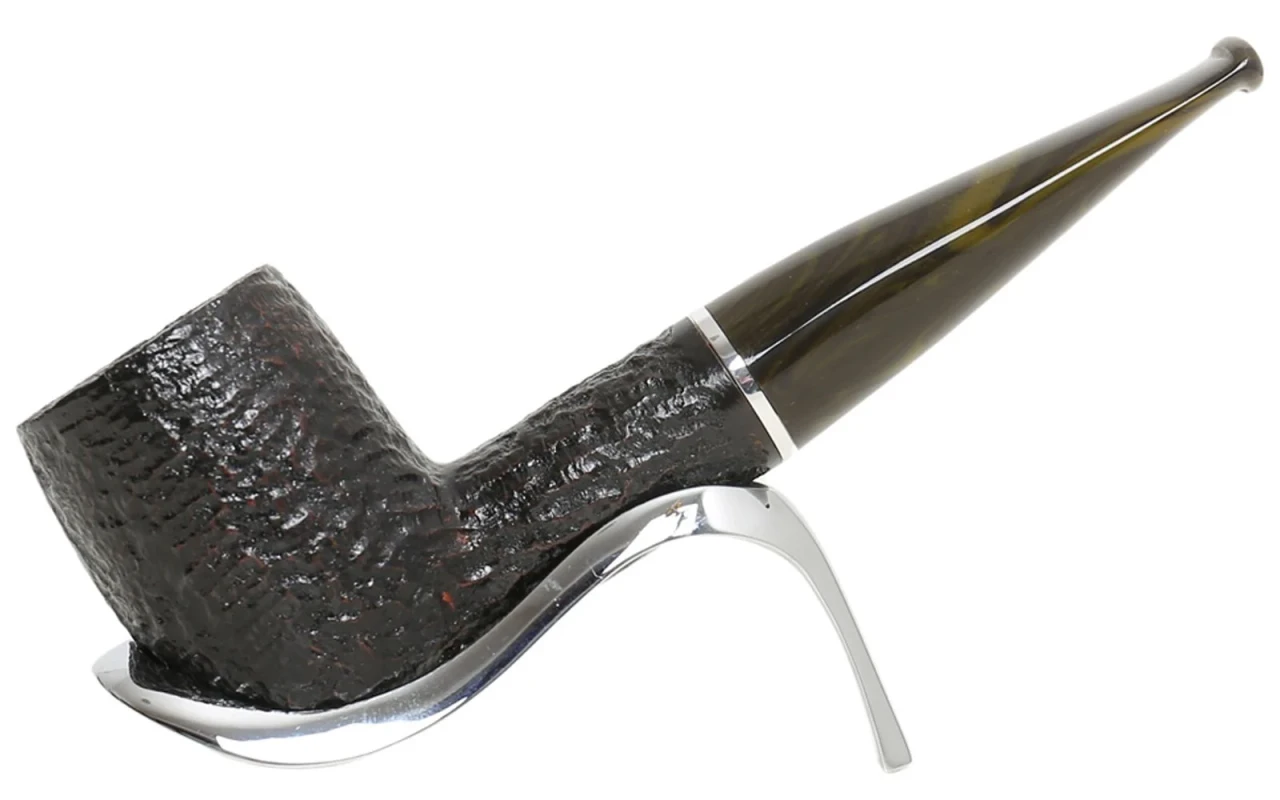
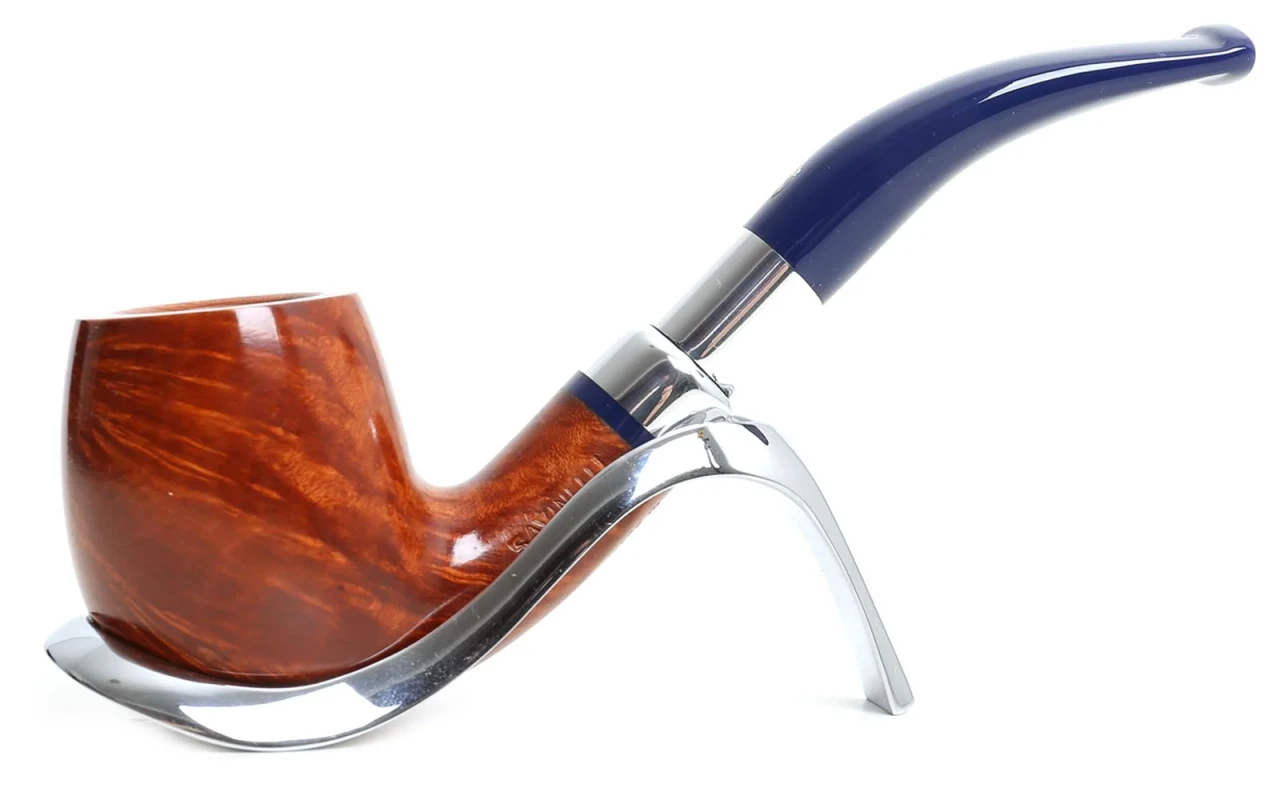
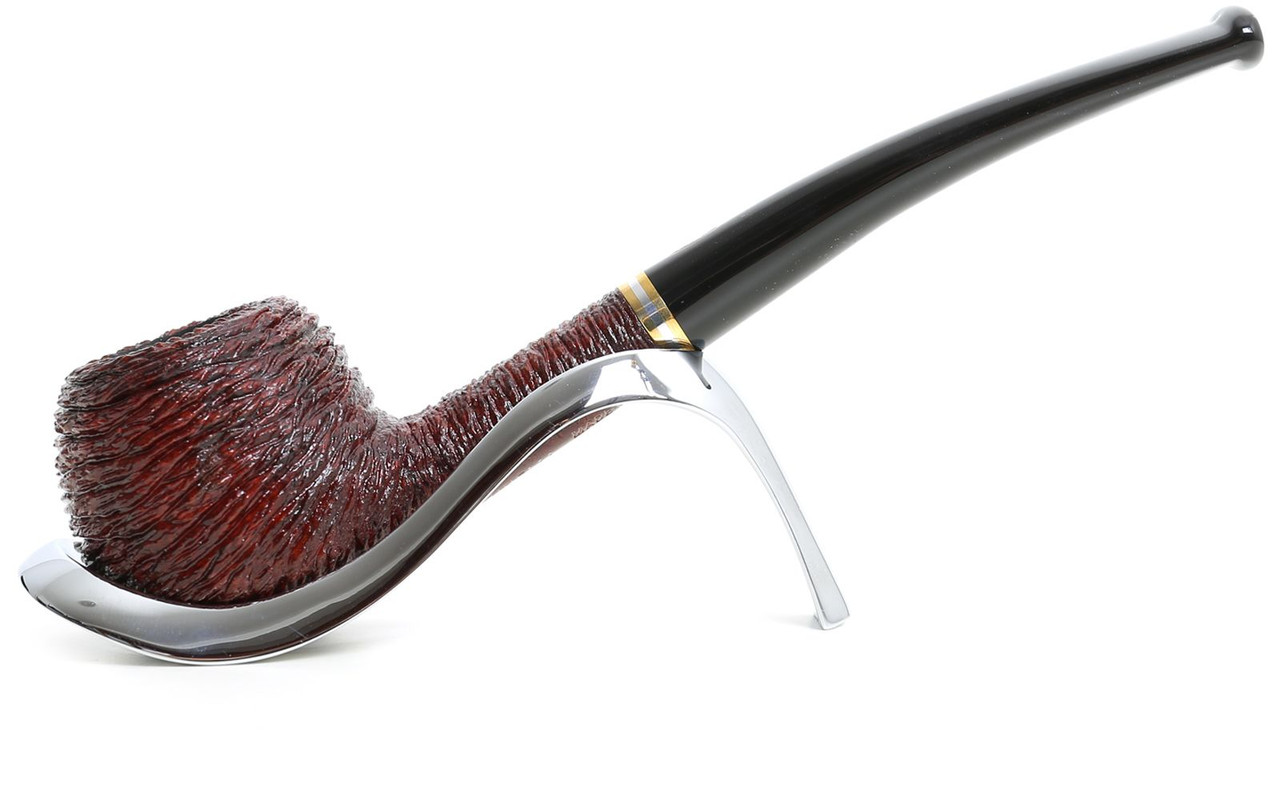
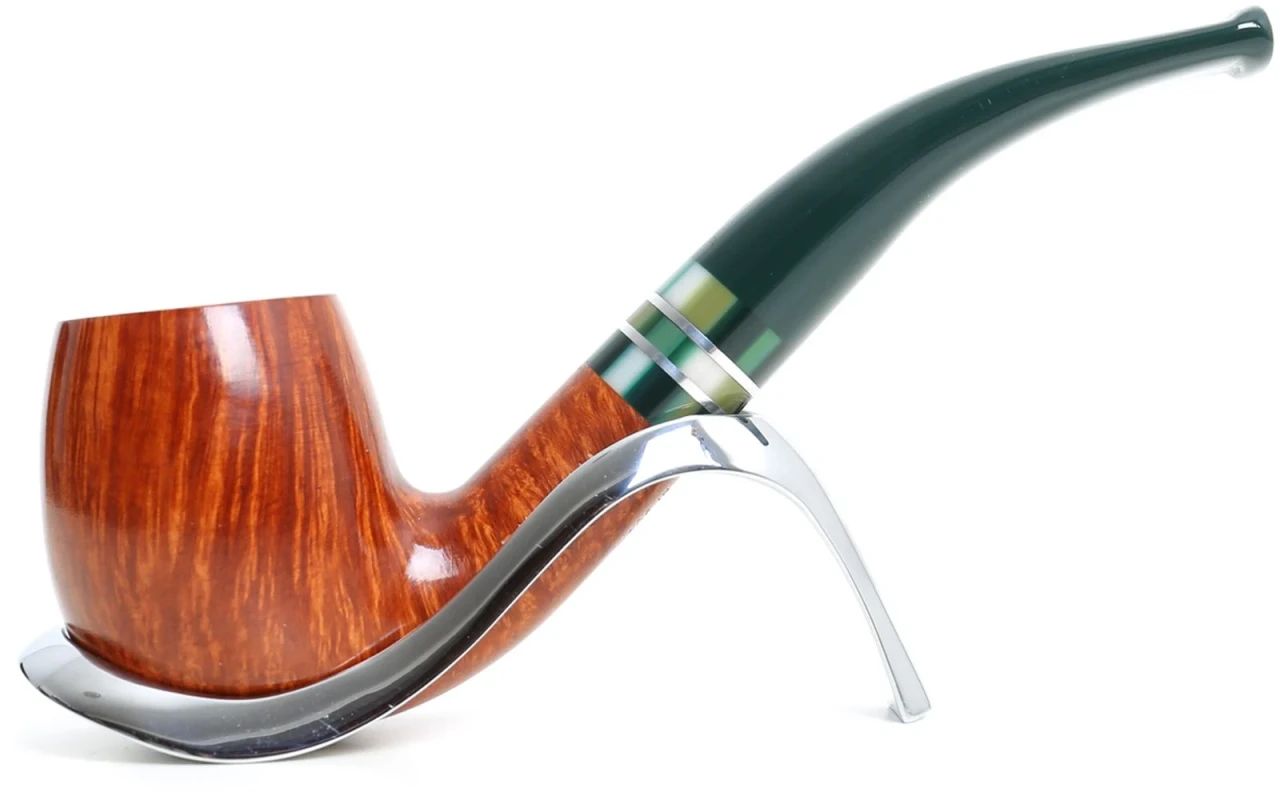
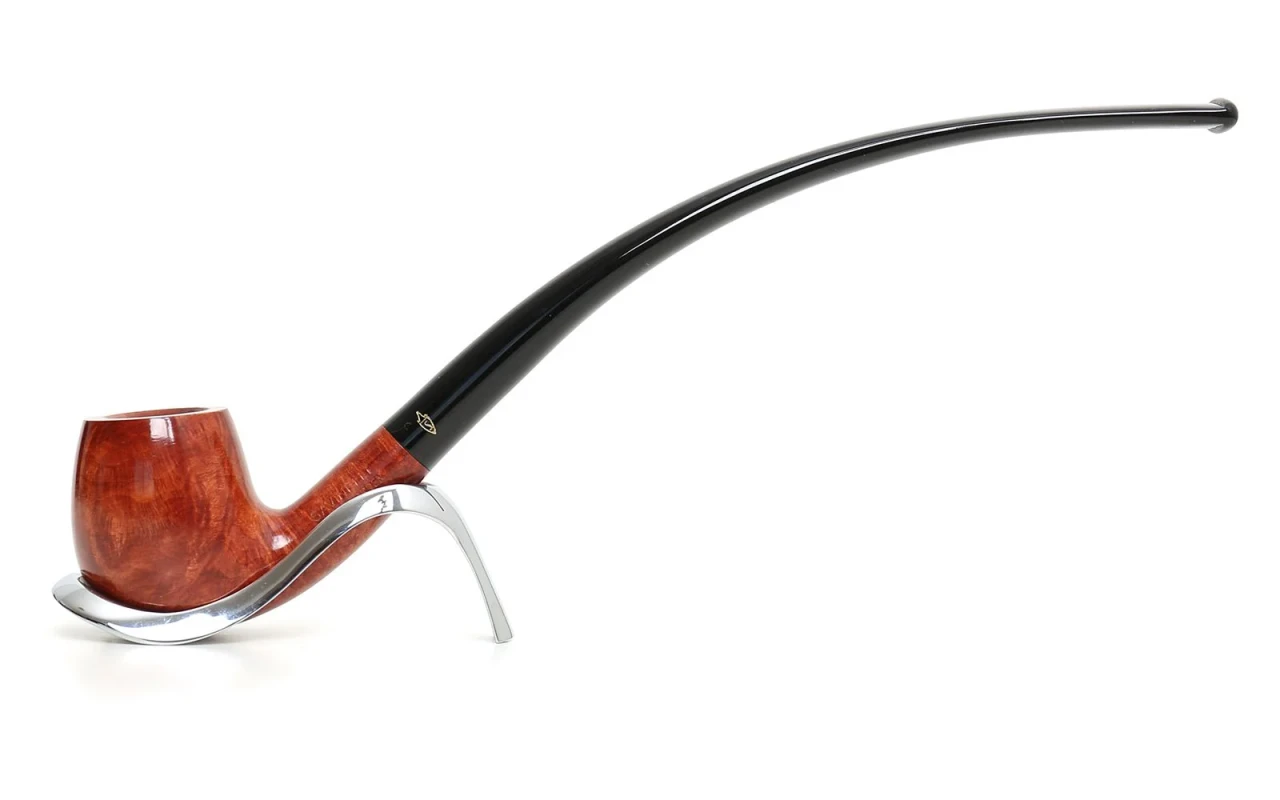
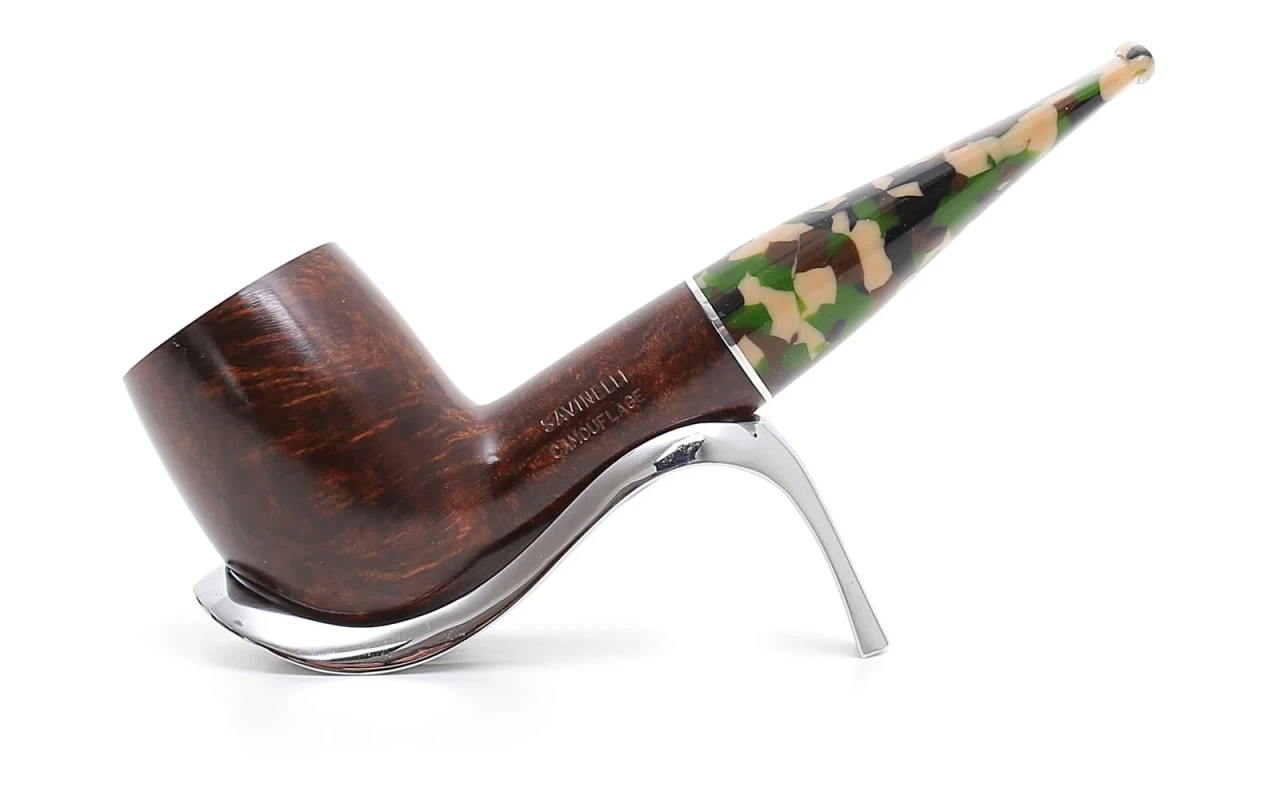
The coloring of a pipe is achieved through the application of specific stains or varnishes that enhance the wood grain, usually briar. This process often involves several stages of sanding and finishing to attain the desired aesthetic effect, highlighting the natural beauty of the material and protecting the surface.
How is a pipe colored? Deep dive
Coloring a pipe is a meticulous artisanal process aimed at emphasizing the natural beauty of the wood, typically briar, chosen for its resilience and aesthetic appeal. After the pipe has been shaped and sanded, specific stains or varnishes are applied that penetrate the wood, highlighting the grain and creating unique shading effects. The coloration can range from natural tones to darker shades, depending on the type of stain and technique used. Subsequently, the pipe undergoes additional sanding and finishing treatments, such as applying protective waxes or oils, which impart shine and protect the surface from moisture and wear. This procedure not only enhances the pipe’s visual appeal but also contributes to its durability, making it a refined and personalized object for the slow and passionate smoker.