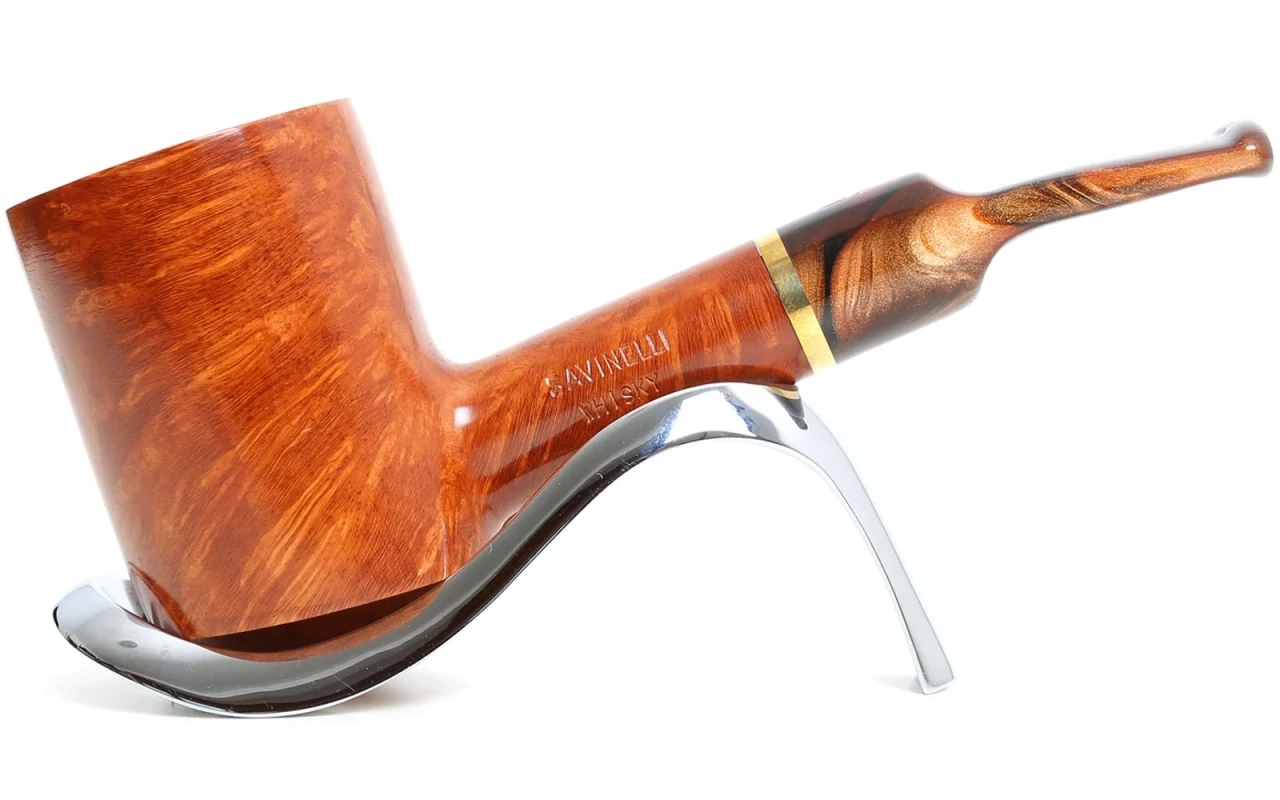
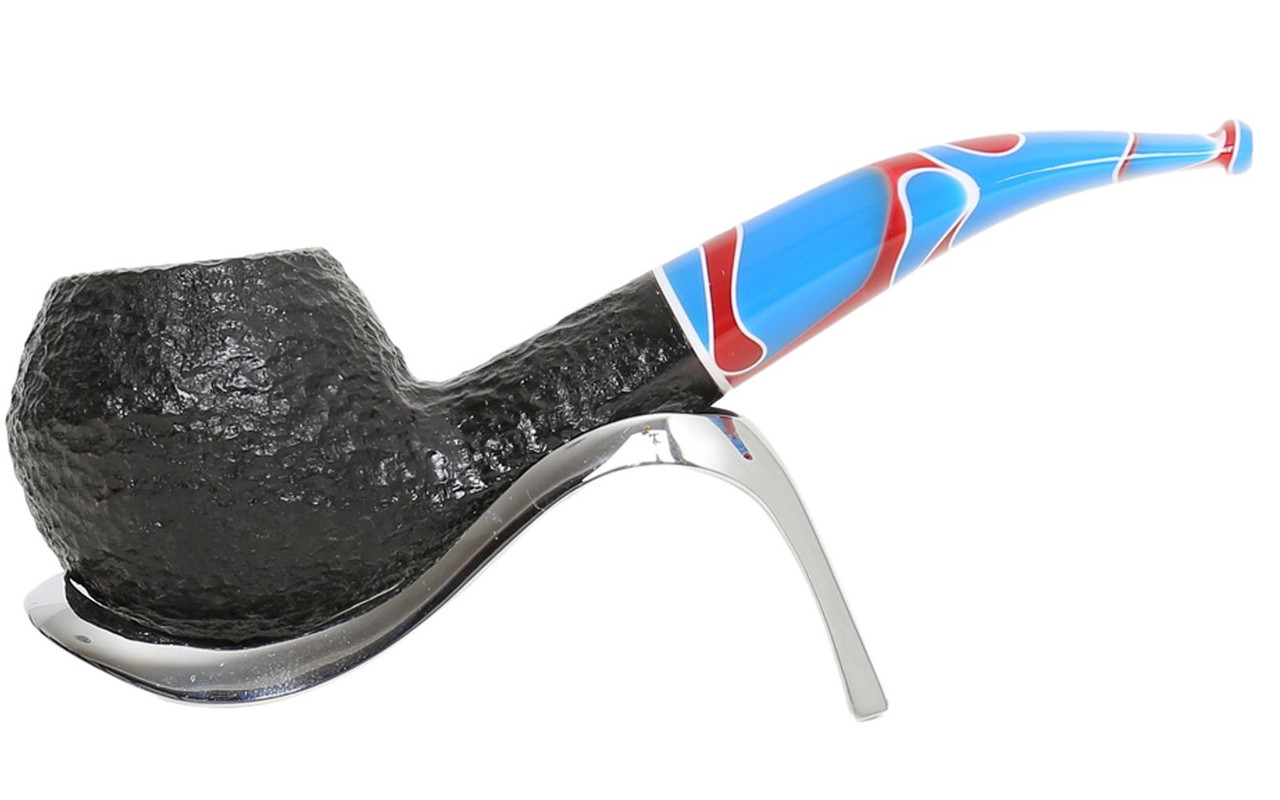
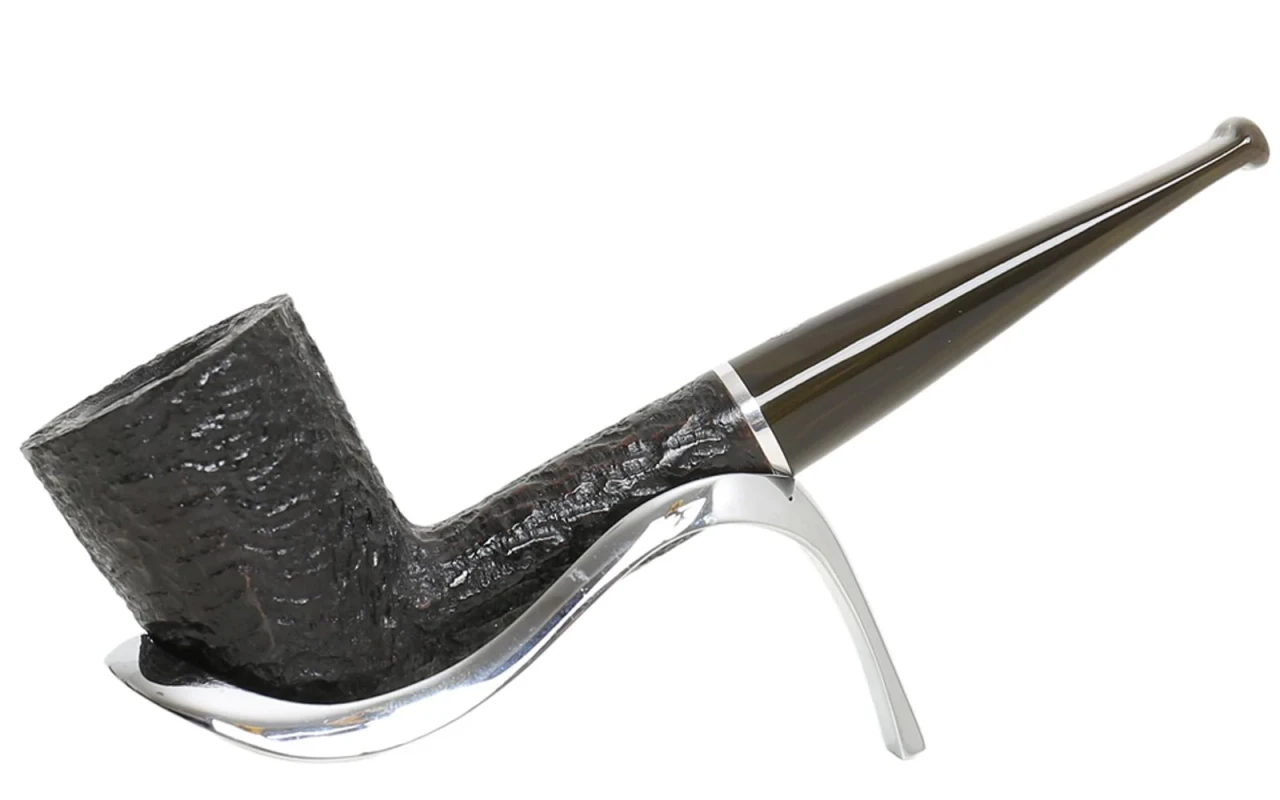
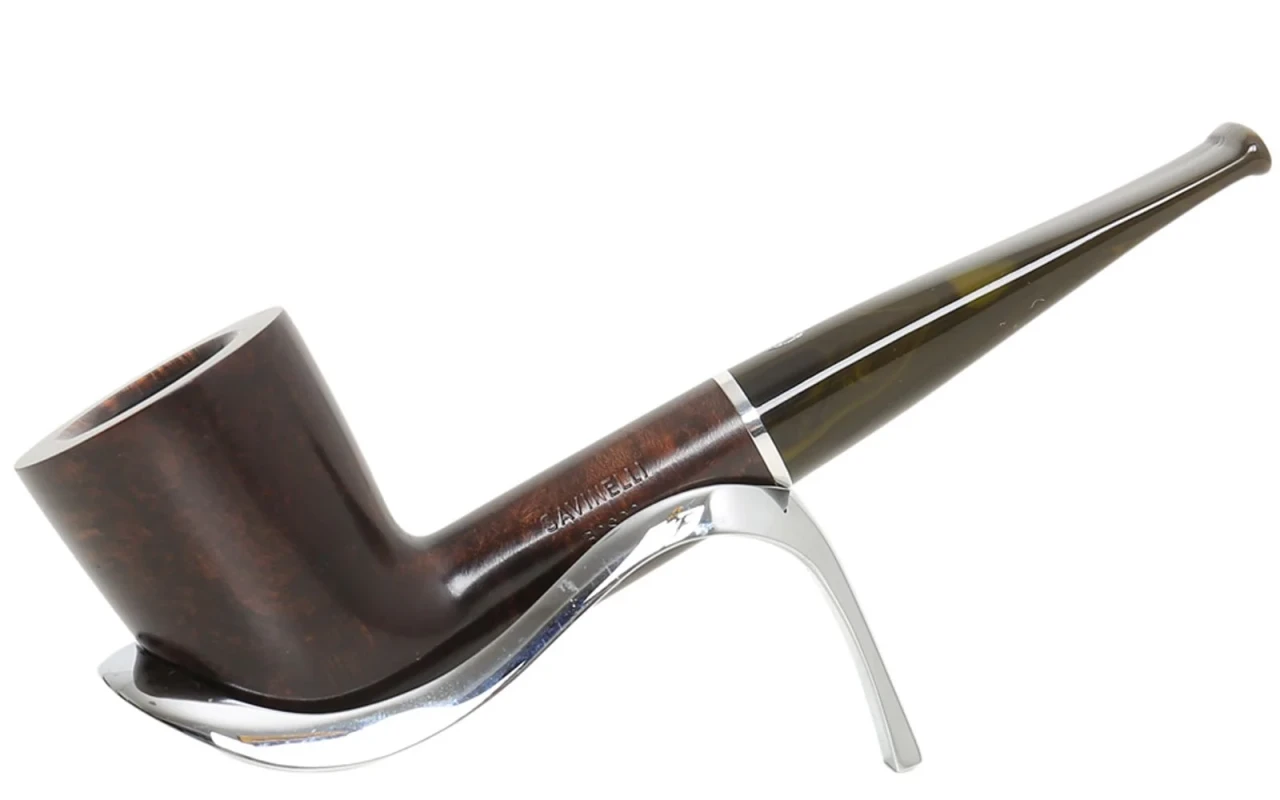
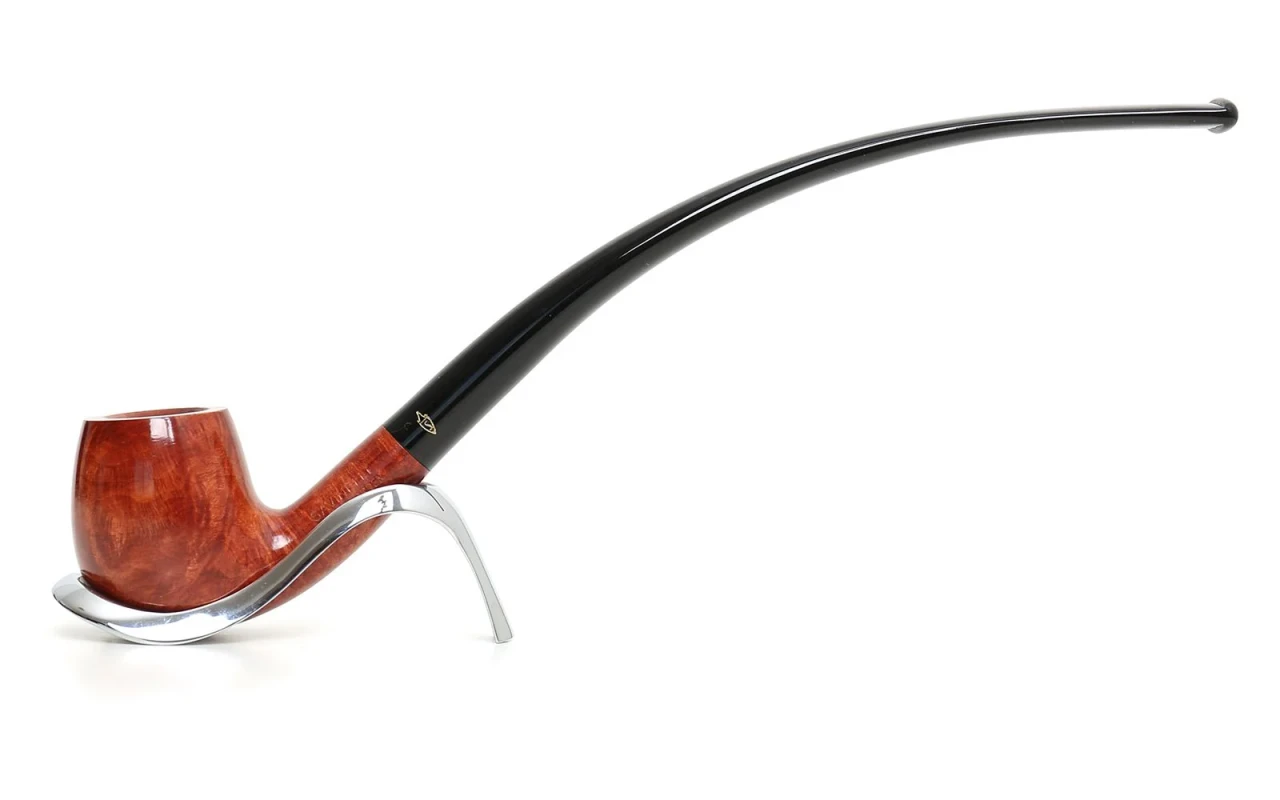
The wall thickness of a pipe is calculated by measuring the difference between the external diameter and the internal diameter of the bowl chamber. This measurement is crucial to ensure optimal combustion and effective heat dissipation while smoking.
How is the wall thickness of a pipe calculated? Deep dive
To calculate the wall thickness of a pipe, accurately measure the external diameter of the bowl and the internal diameter of the chamber where the tobacco is packed. The difference between these two measurements, divided by two, gives the wall thickness. This parameter is important because it influences the pipe’s ability to retain heat and the duration of combustion. Walls that are too thin may overheat quickly, while overly thick walls can make the pipe heavy and affect the tobacco’s aromatic performance. The ideal thickness selection also depends on the type of briar or material used and the overall design of the pipe. During crafting, skilled artisans carefully assess these measurements to balance aesthetics, functionality, and comfort for a slow, enjoyable smoke.