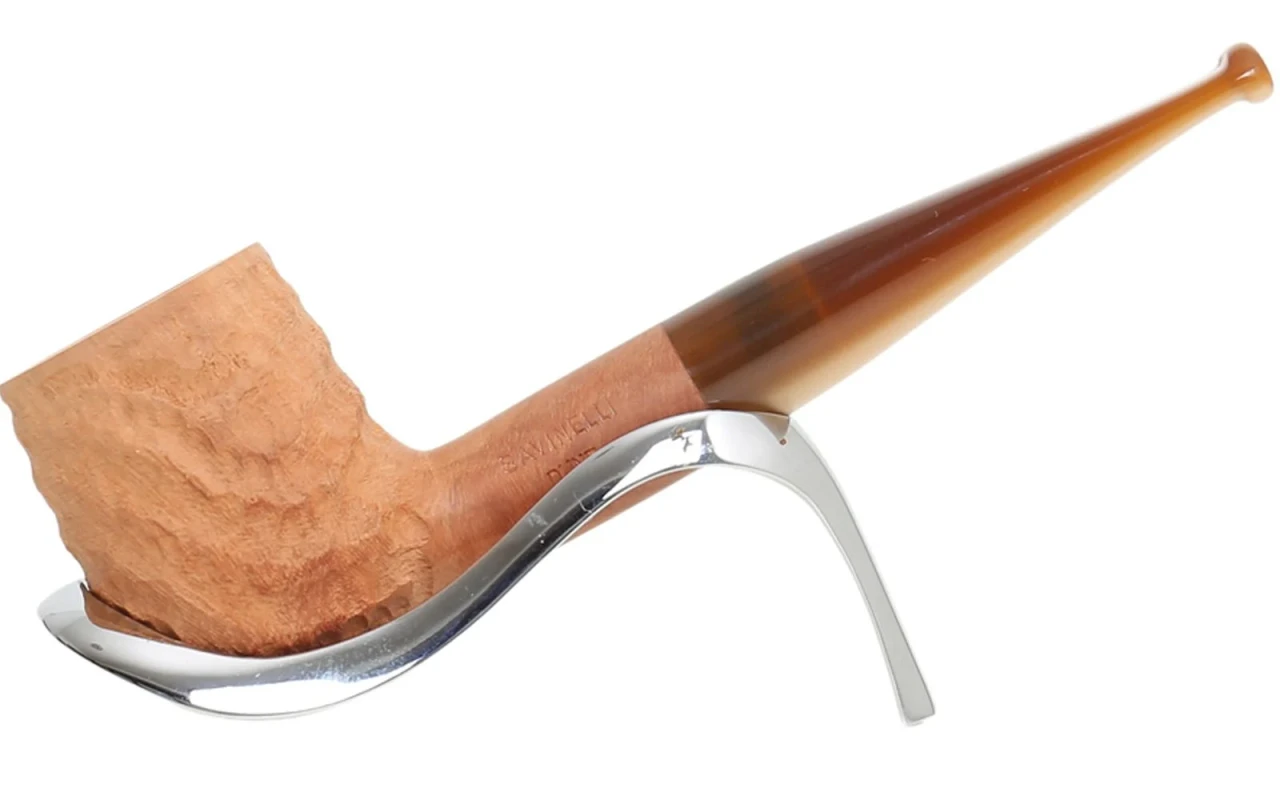
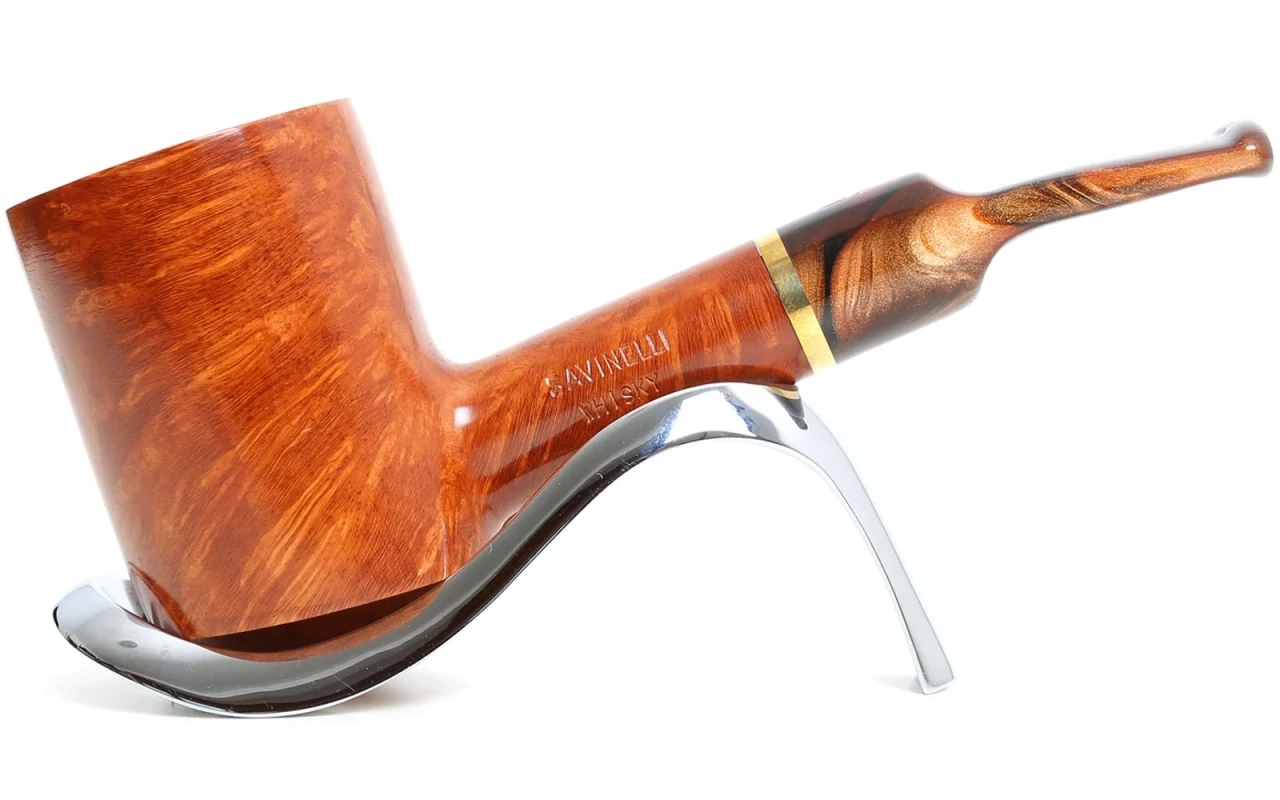
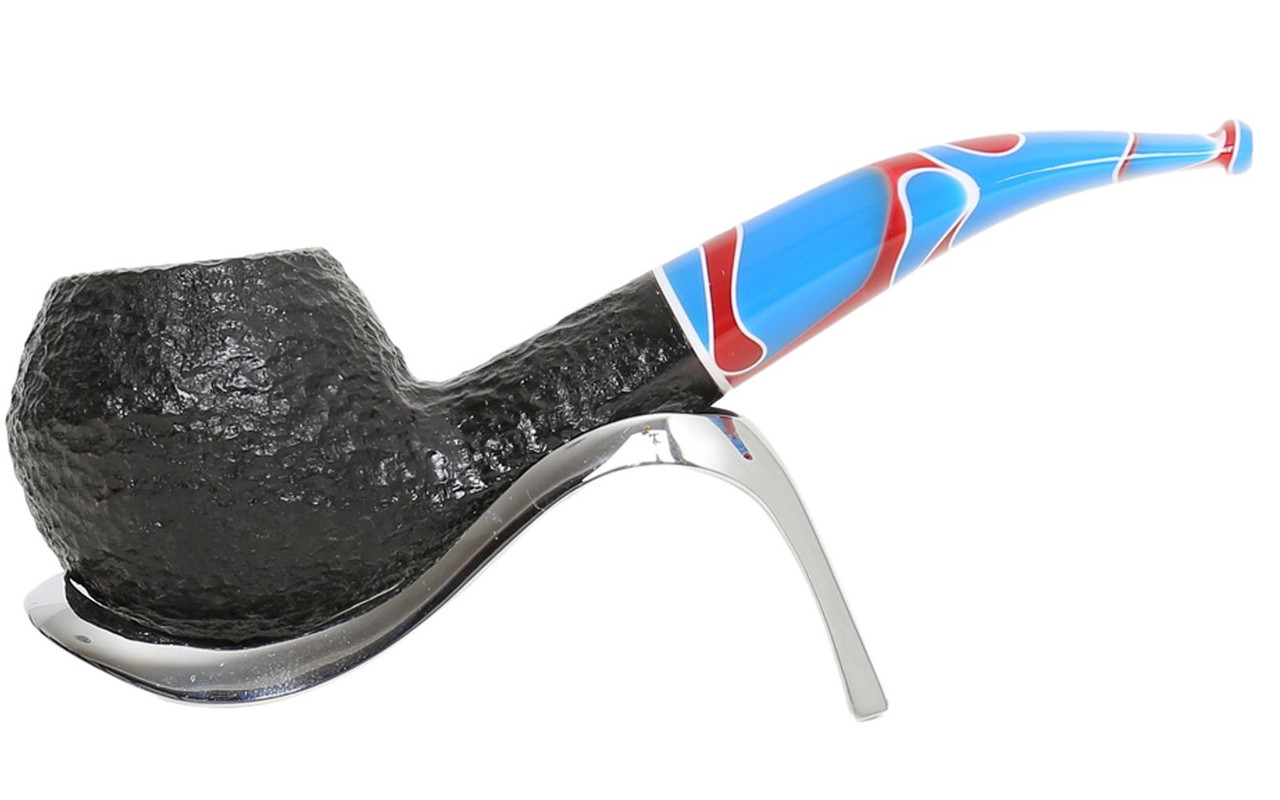
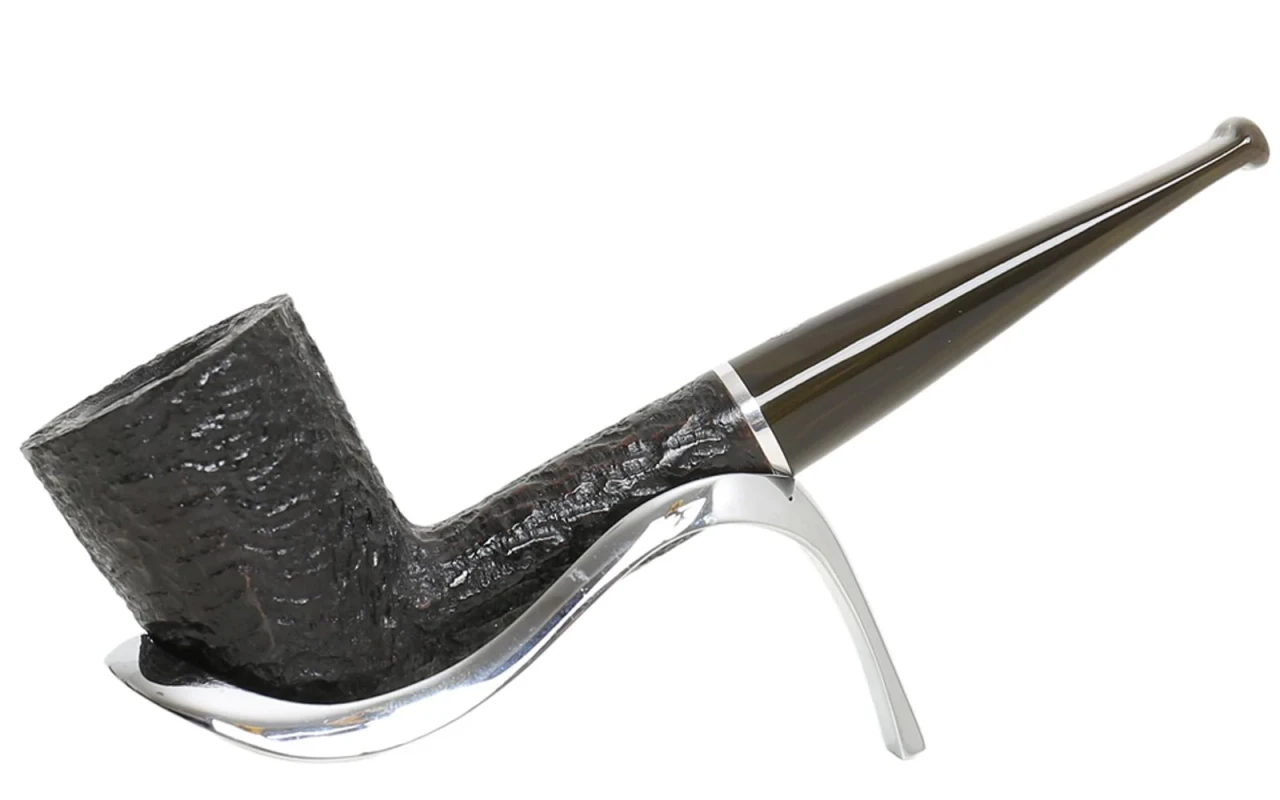
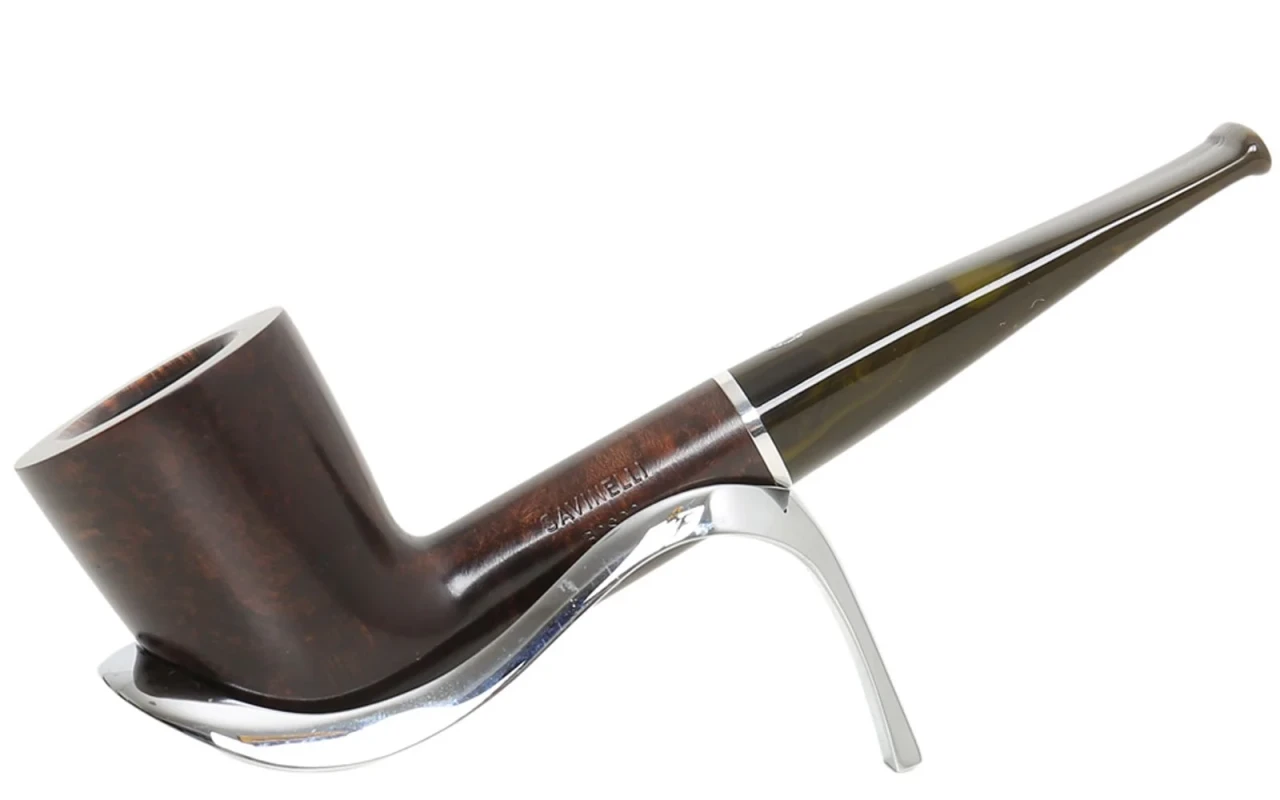
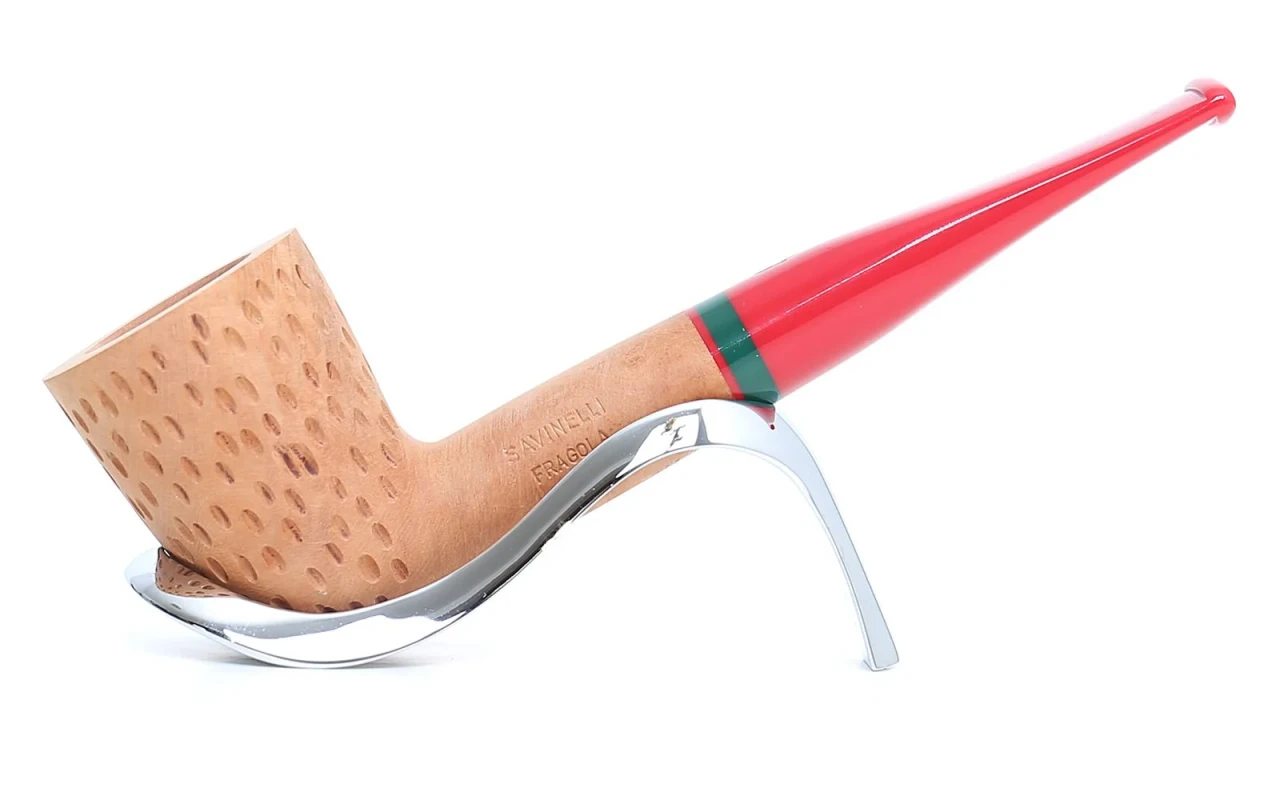
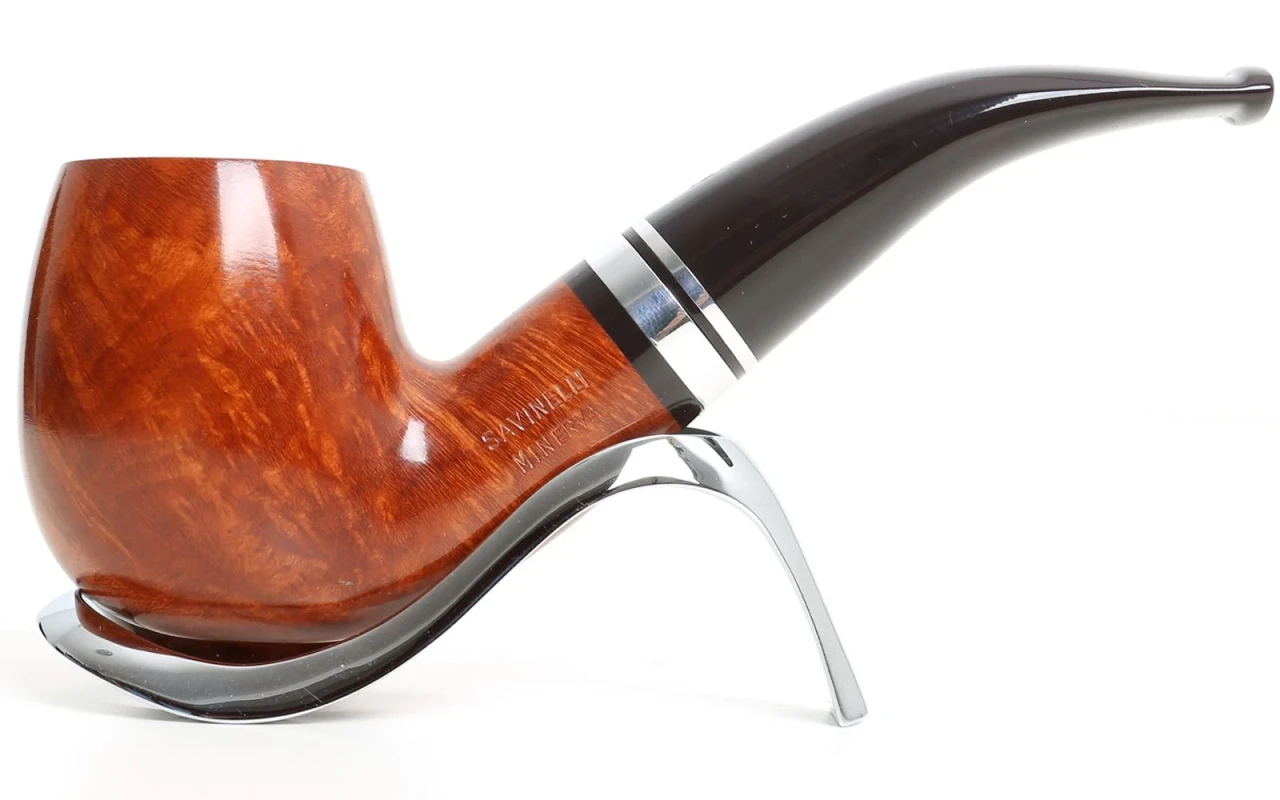
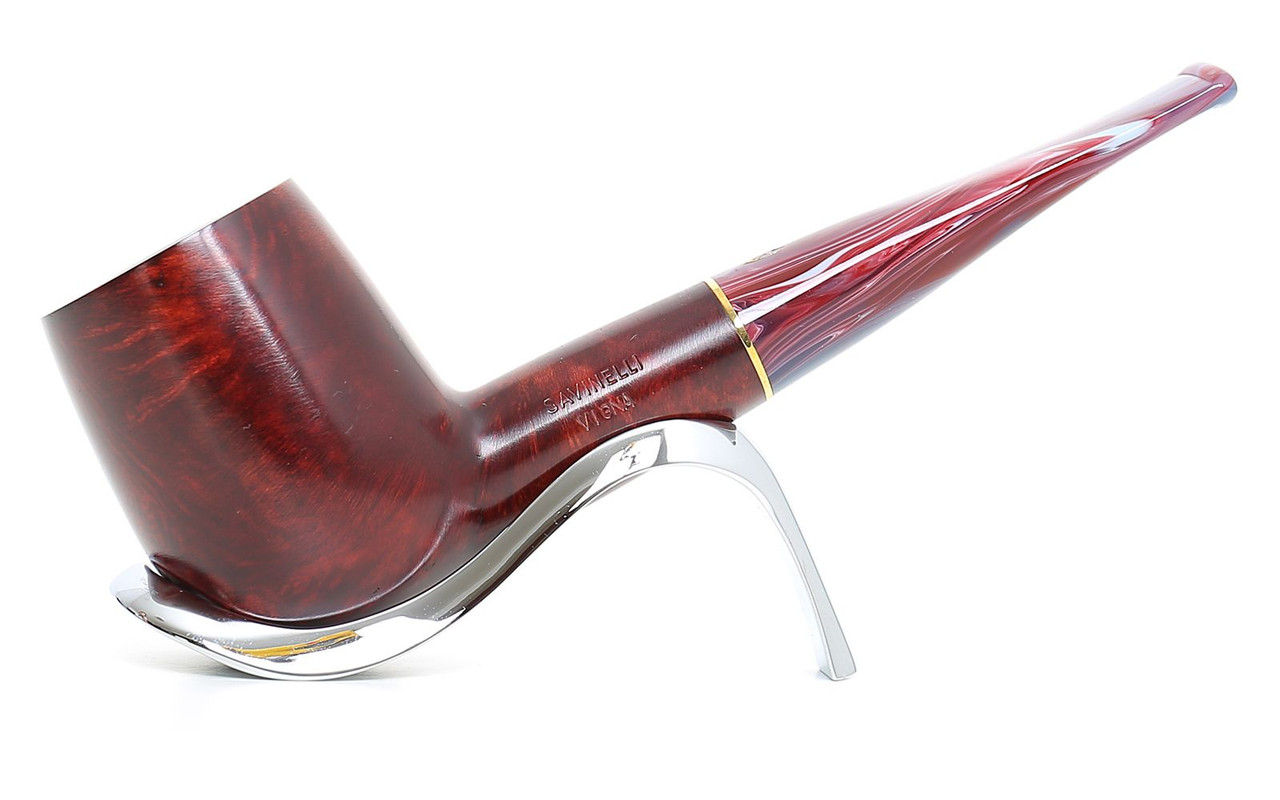
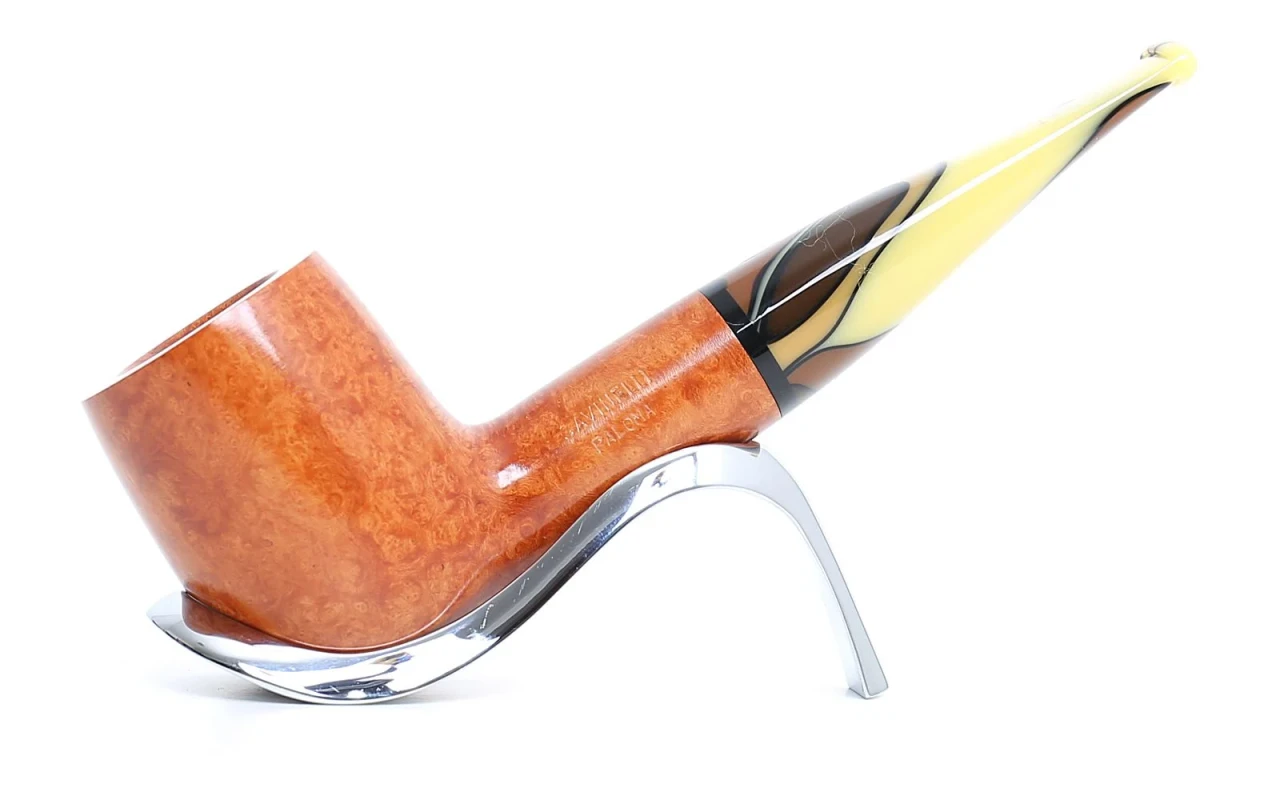
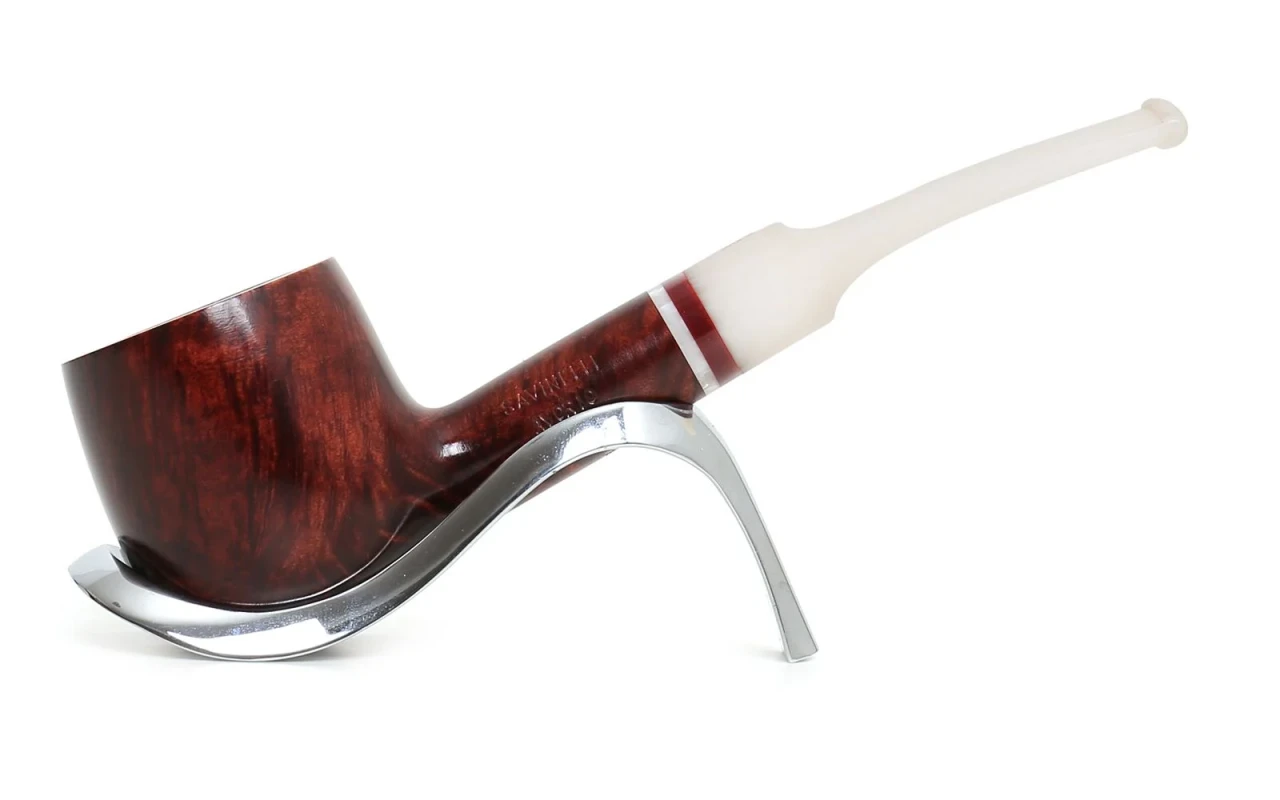
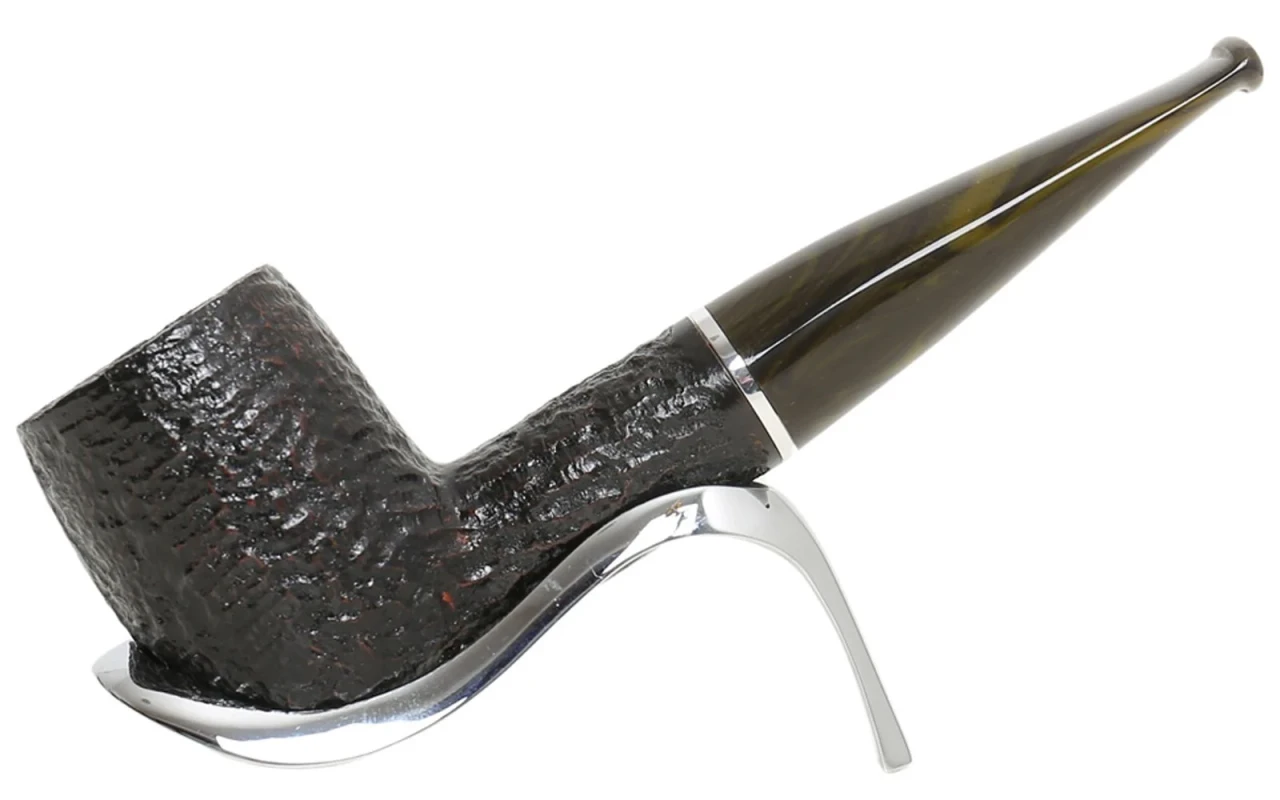
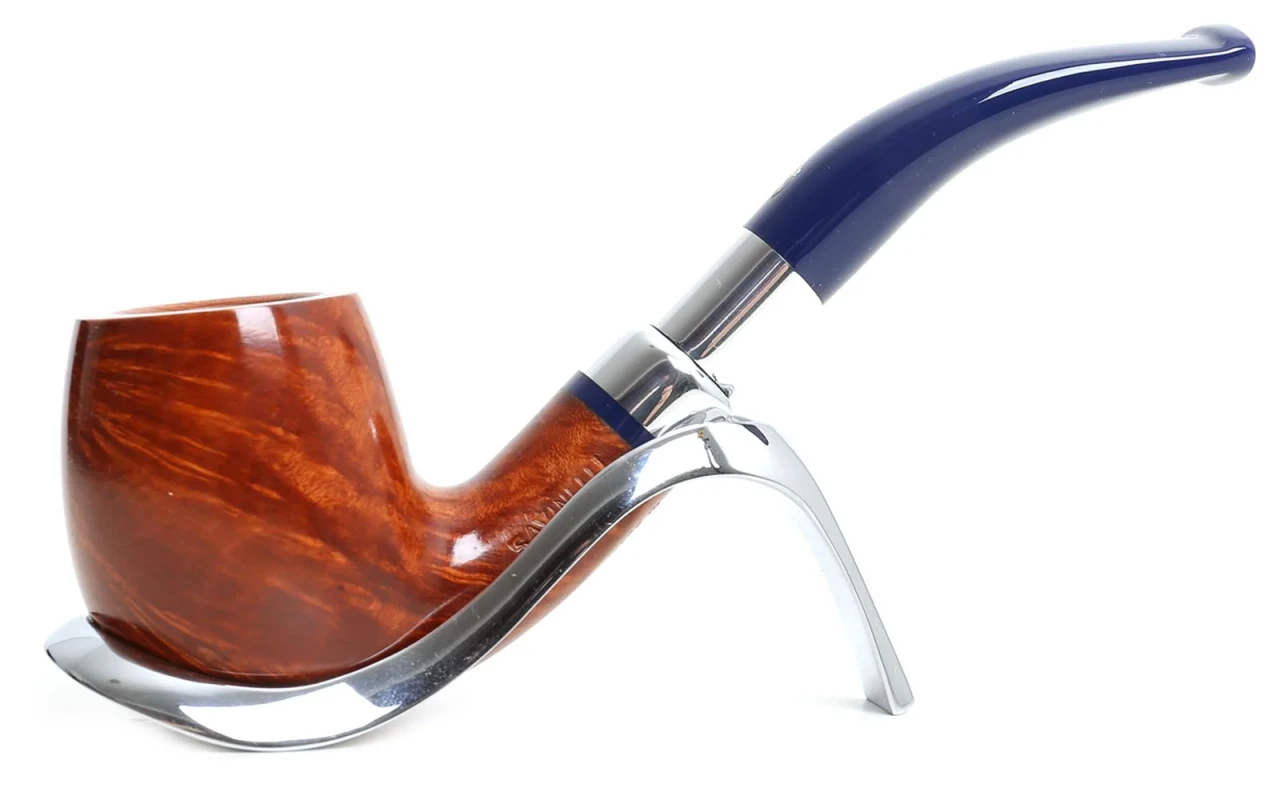
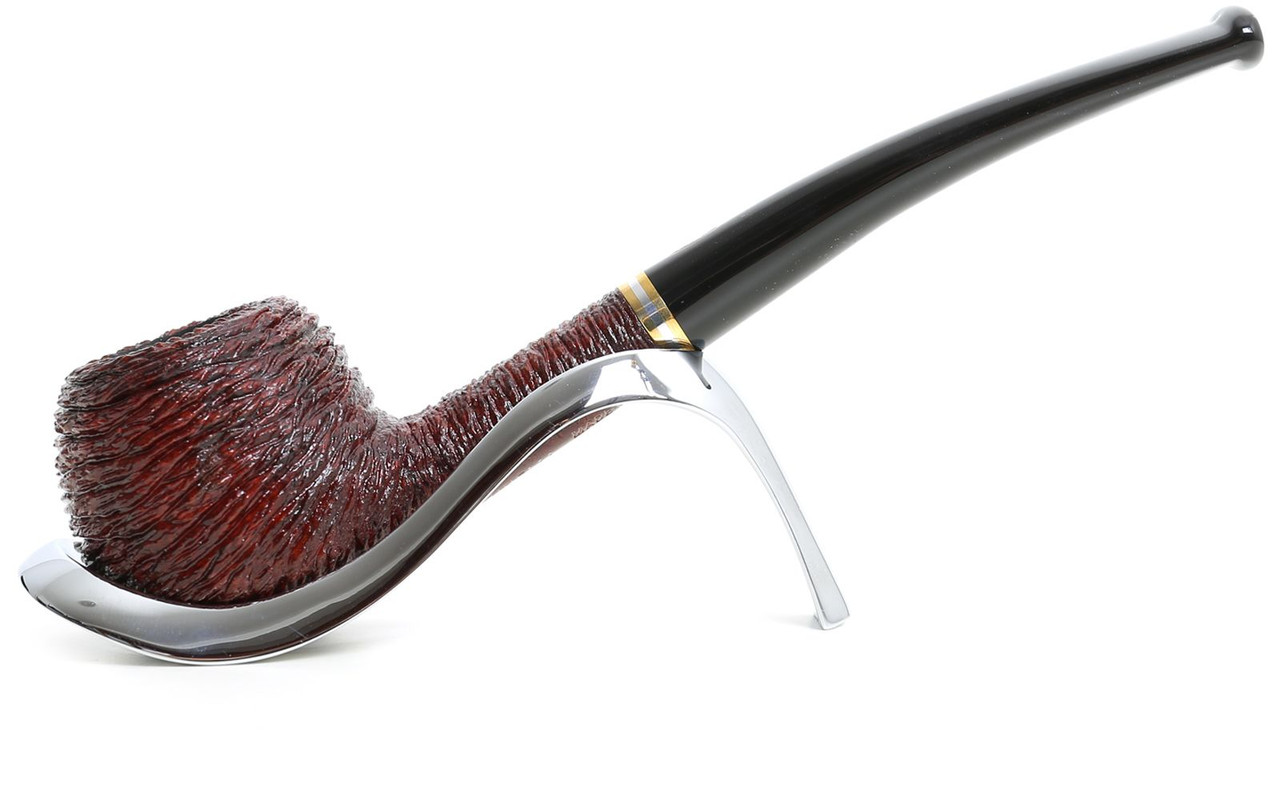
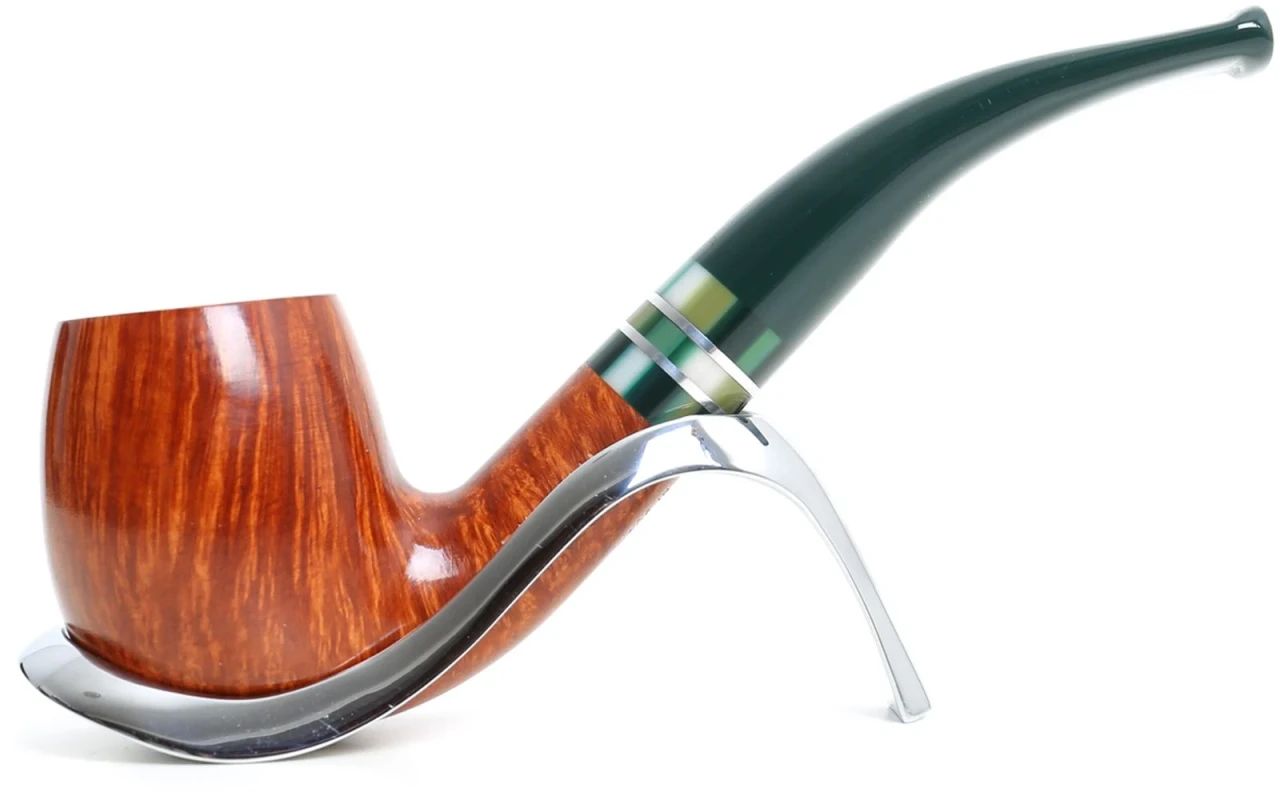
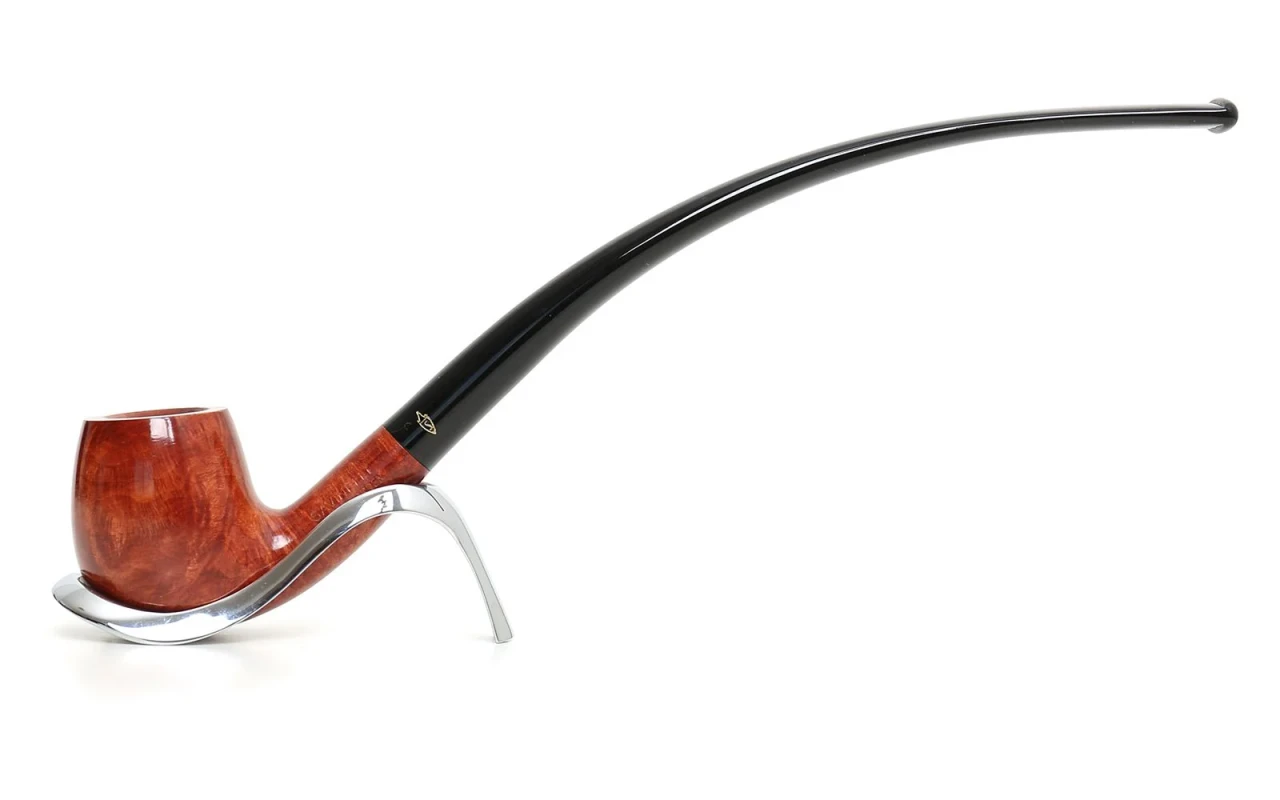
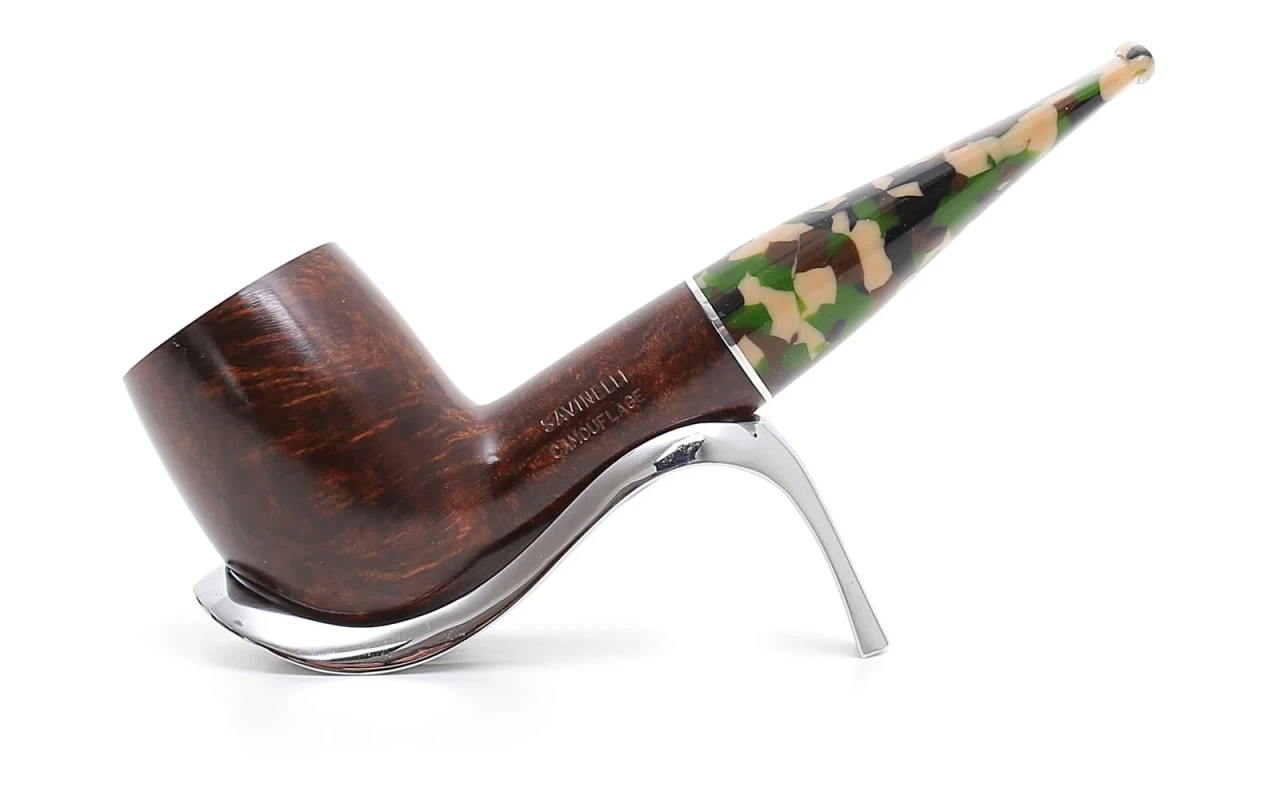
The transition from the roughing-out to the final shape of the pipe is achieved through careful workmanship involving manual or mechanical finishing, sanding, and polishing. These steps define the aesthetic and functional details, enhancing the material and ensuring a high-quality finished product.
How is the transition made from the roughing-out to the final shape of the pipe? Deep dive
The process that transforms the roughing-out into the final shape of the pipe is a crucial phase in artisanal craftsmanship. After obtaining the roughing-out, which is a rough form carved from the block of briar, the finishing stage follows, which can be carried out manually or with mechanical tools. This phase consists of precisely shaping the curves and details of the pipe, removing imperfections and defining the desired silhouette. Subsequently, sanding is performed—a fundamental step to achieve a smooth and uniform surface that facilitates the subsequent application of the finish. Finally, polishing enhances the wood, highlighting the grain and imparting an elegant and refined appearance to the pipe. This process requires skill and attention to ensure a balance between aesthetics and functionality, guaranteeing the pipe is comfortable to hold and suitable for its intended use.