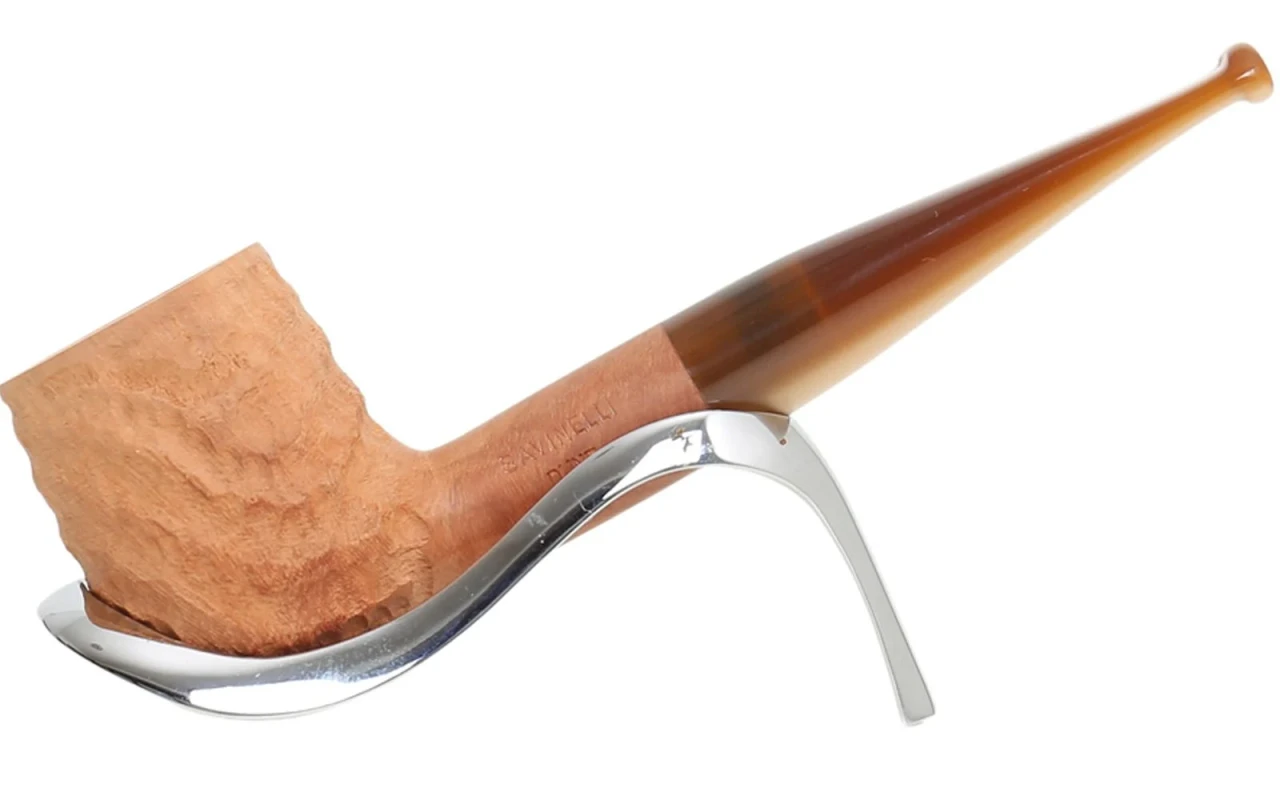
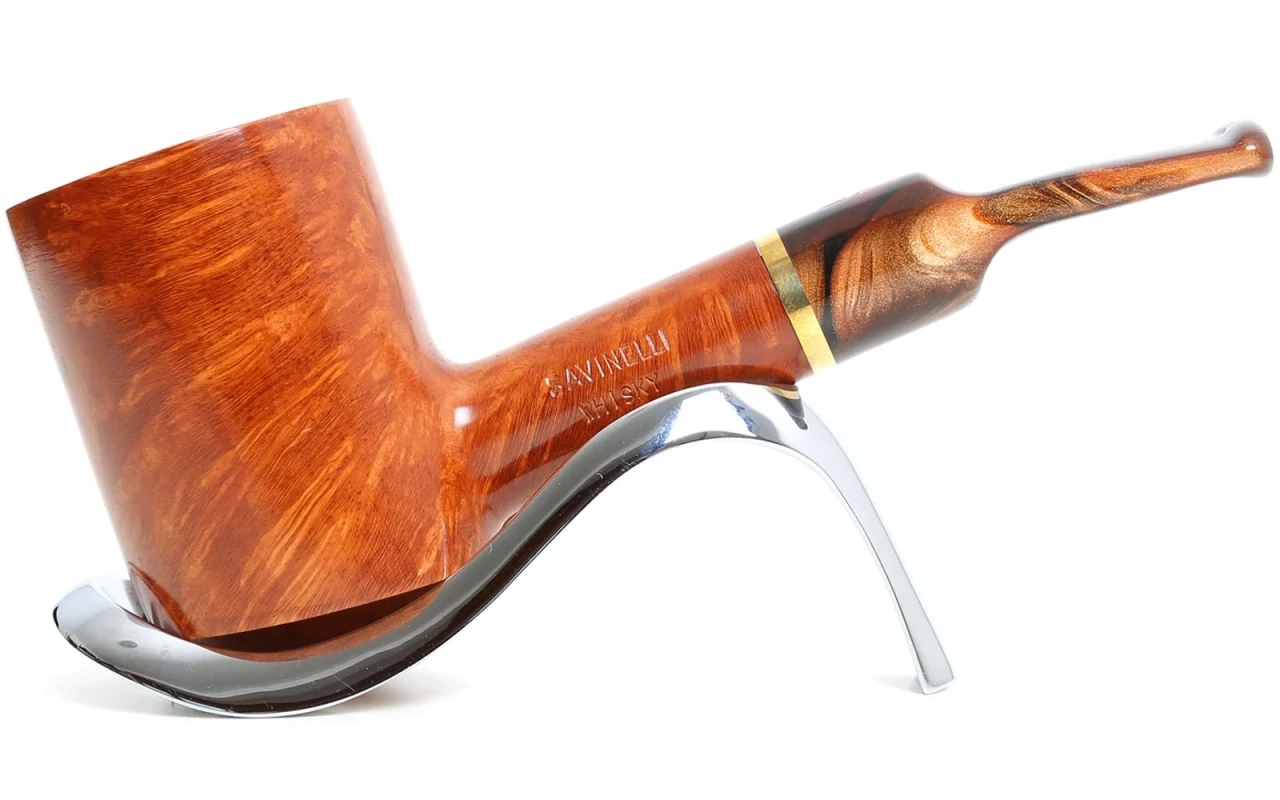
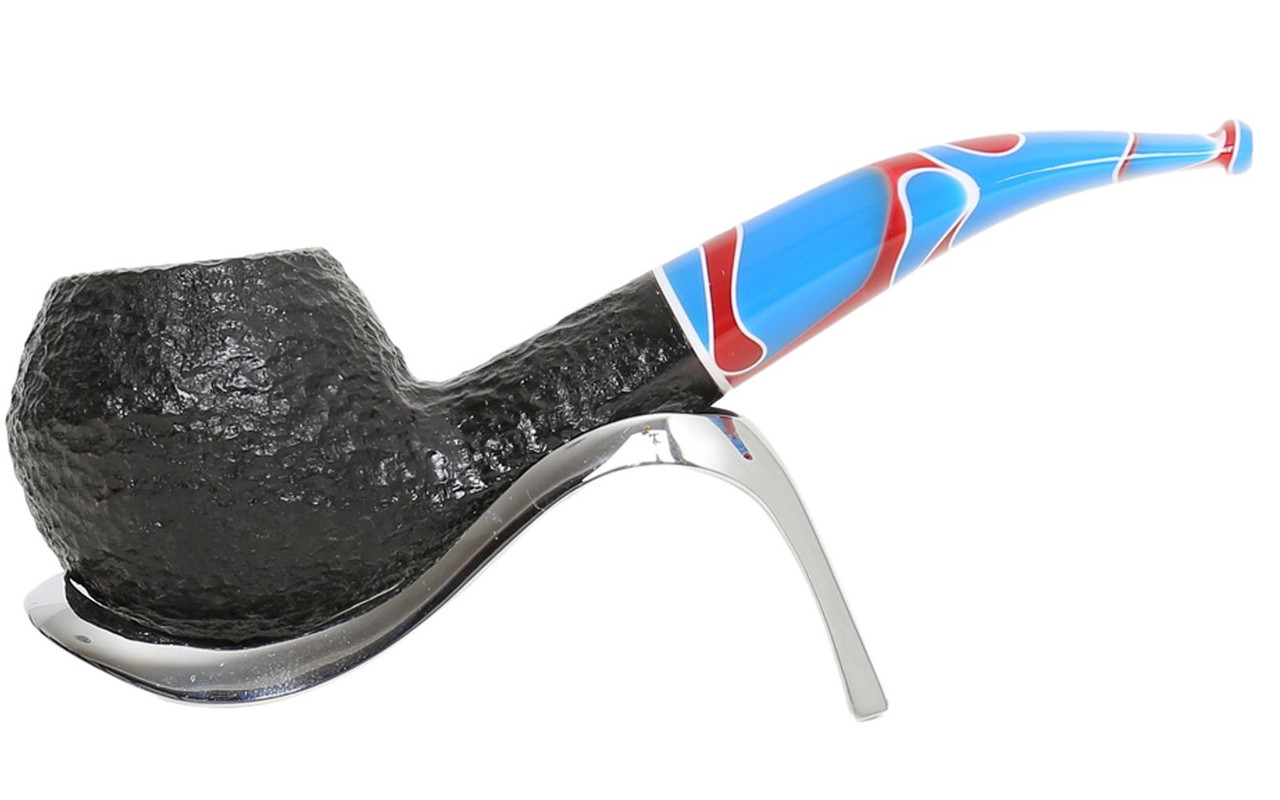
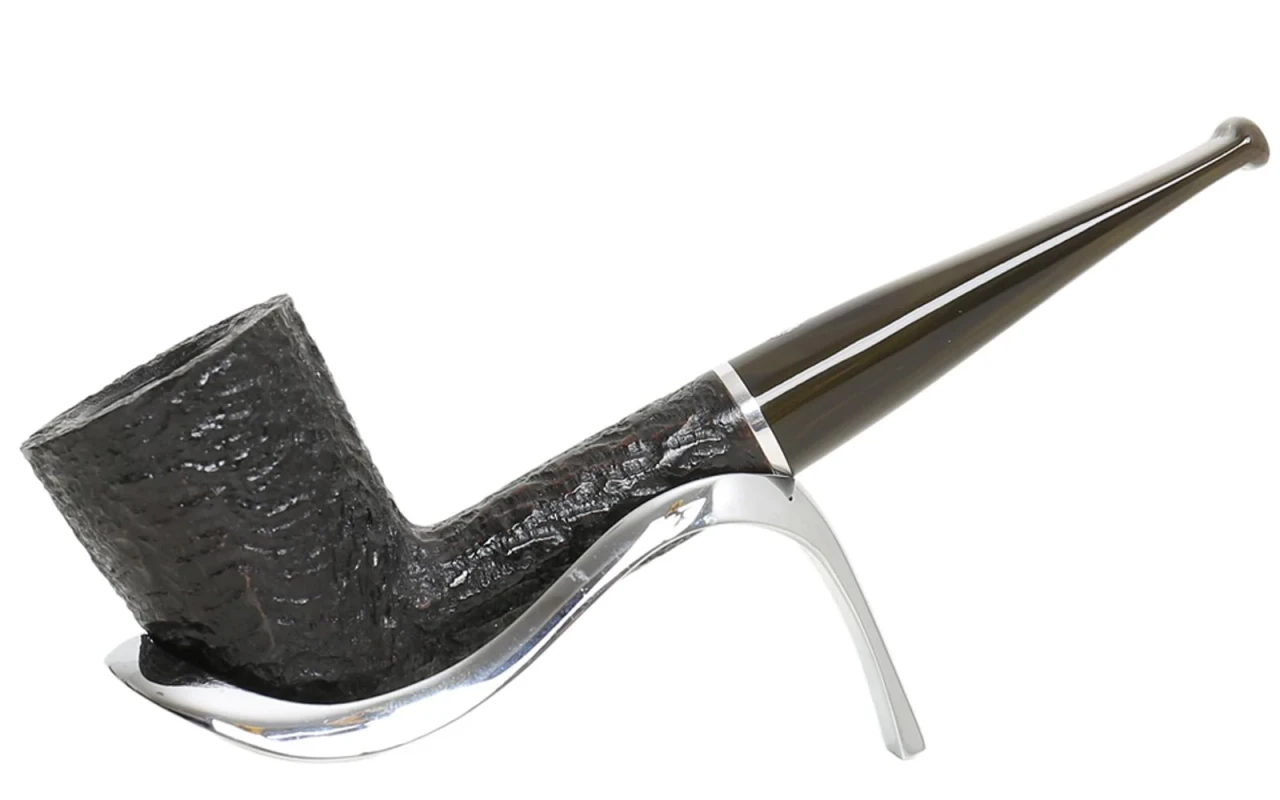
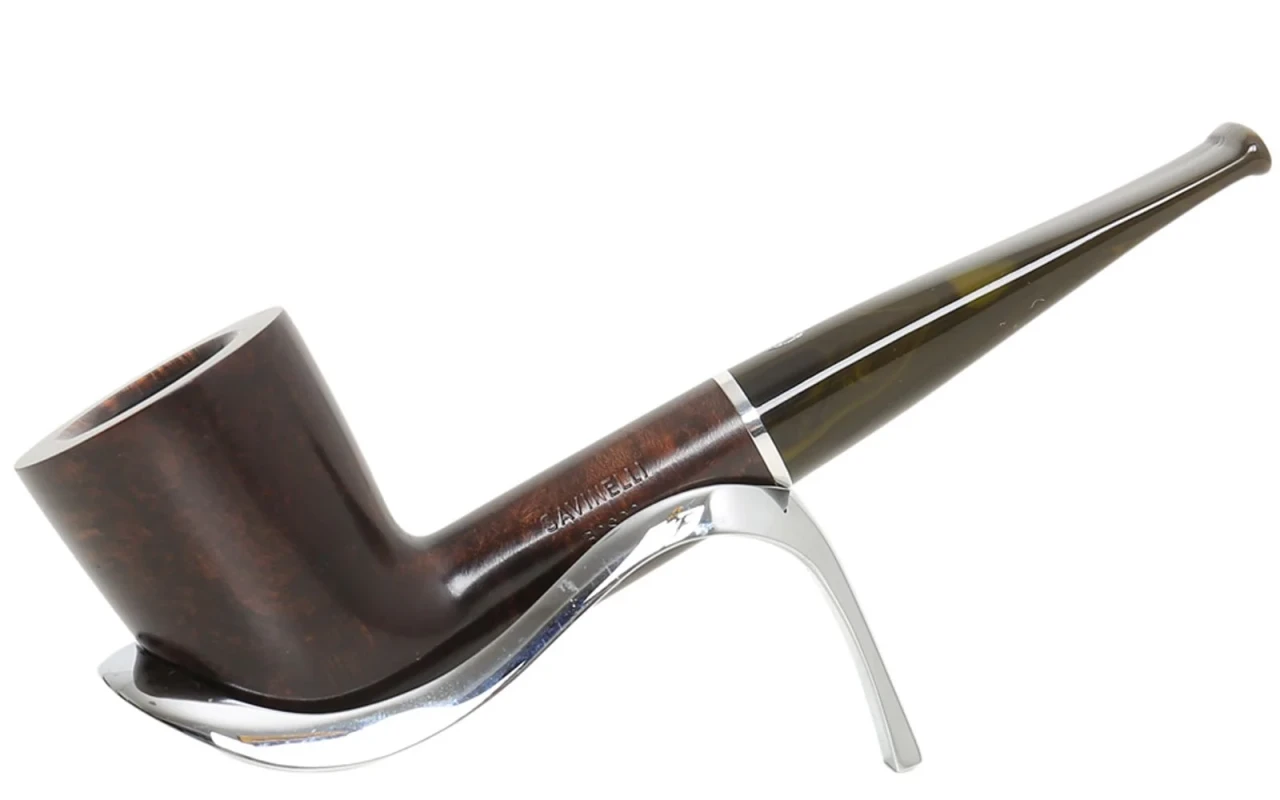
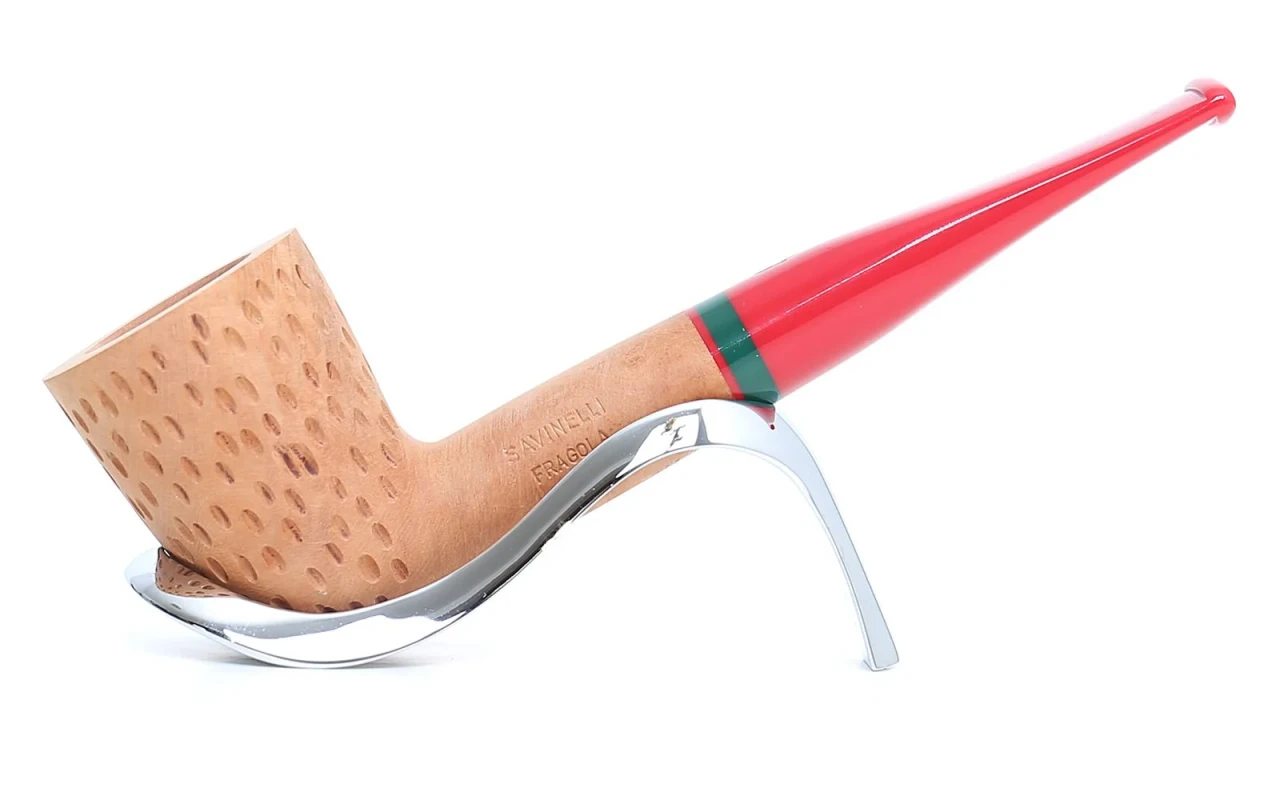
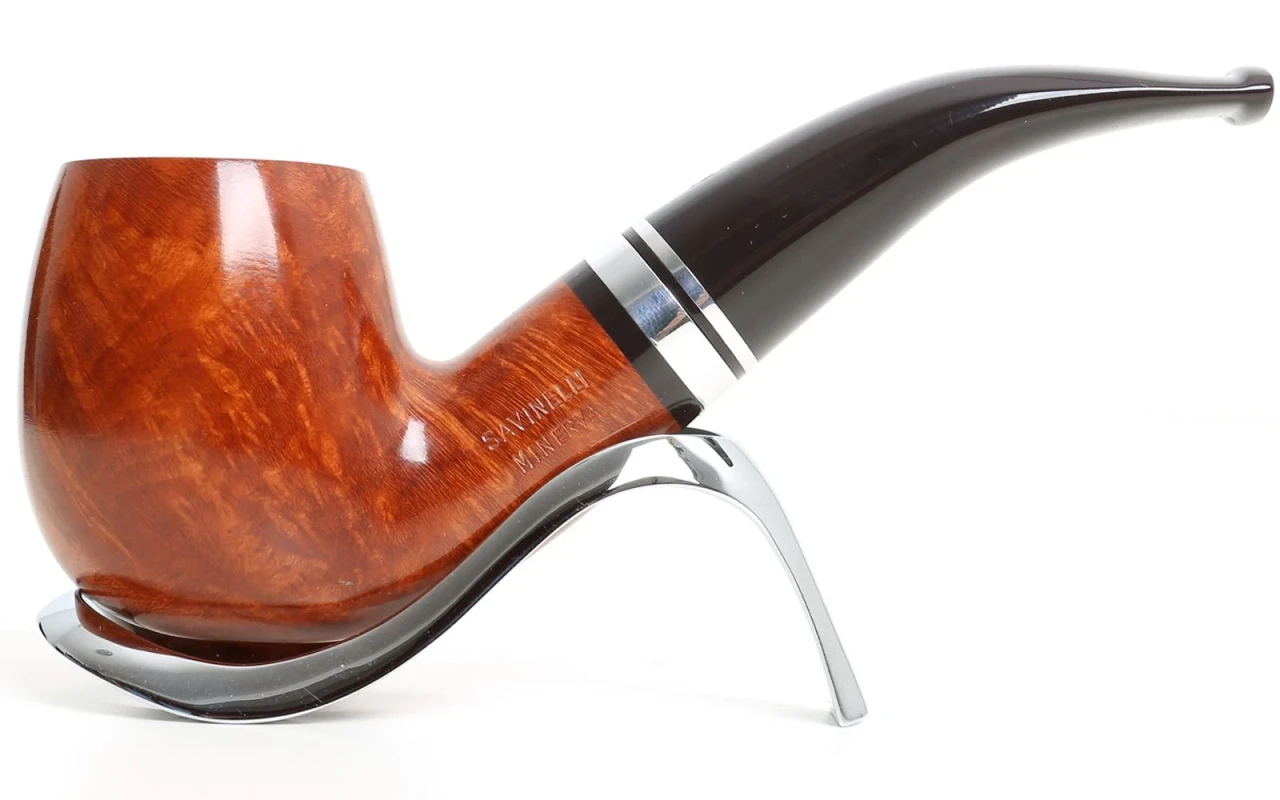
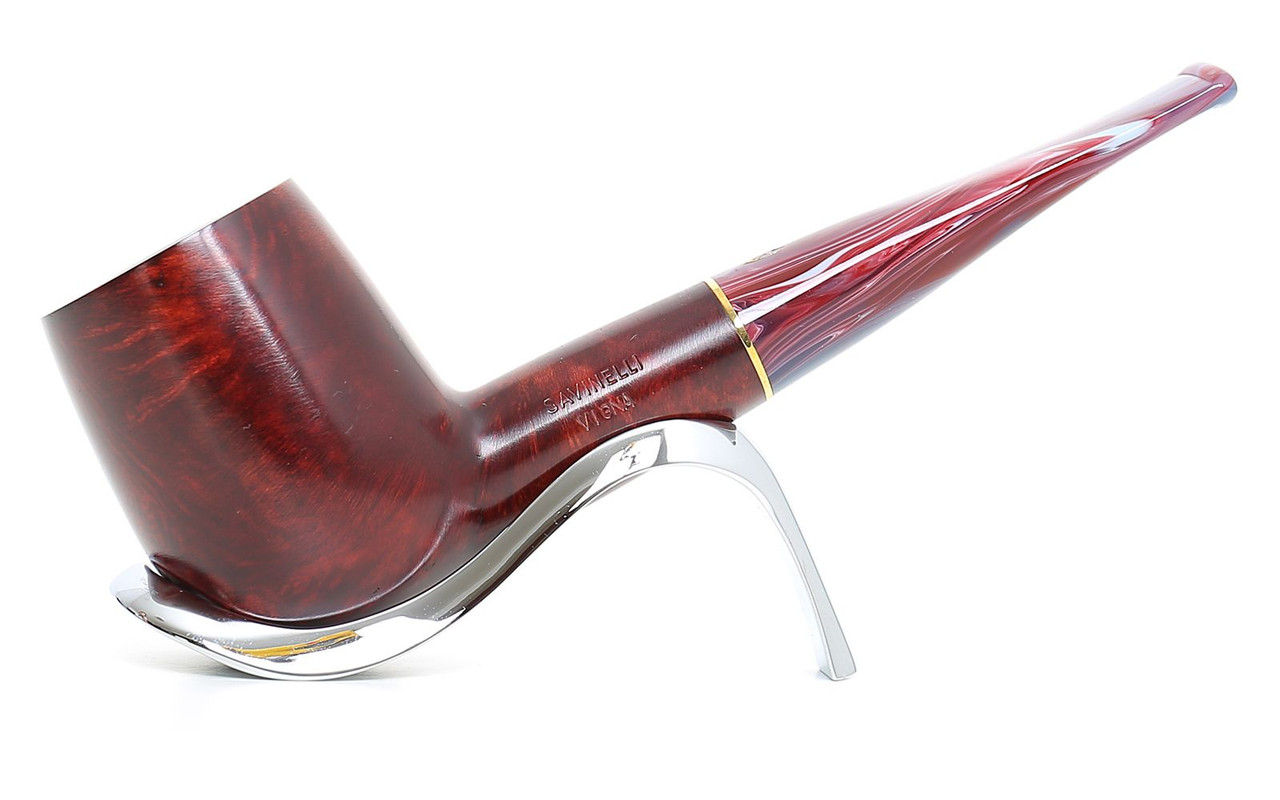
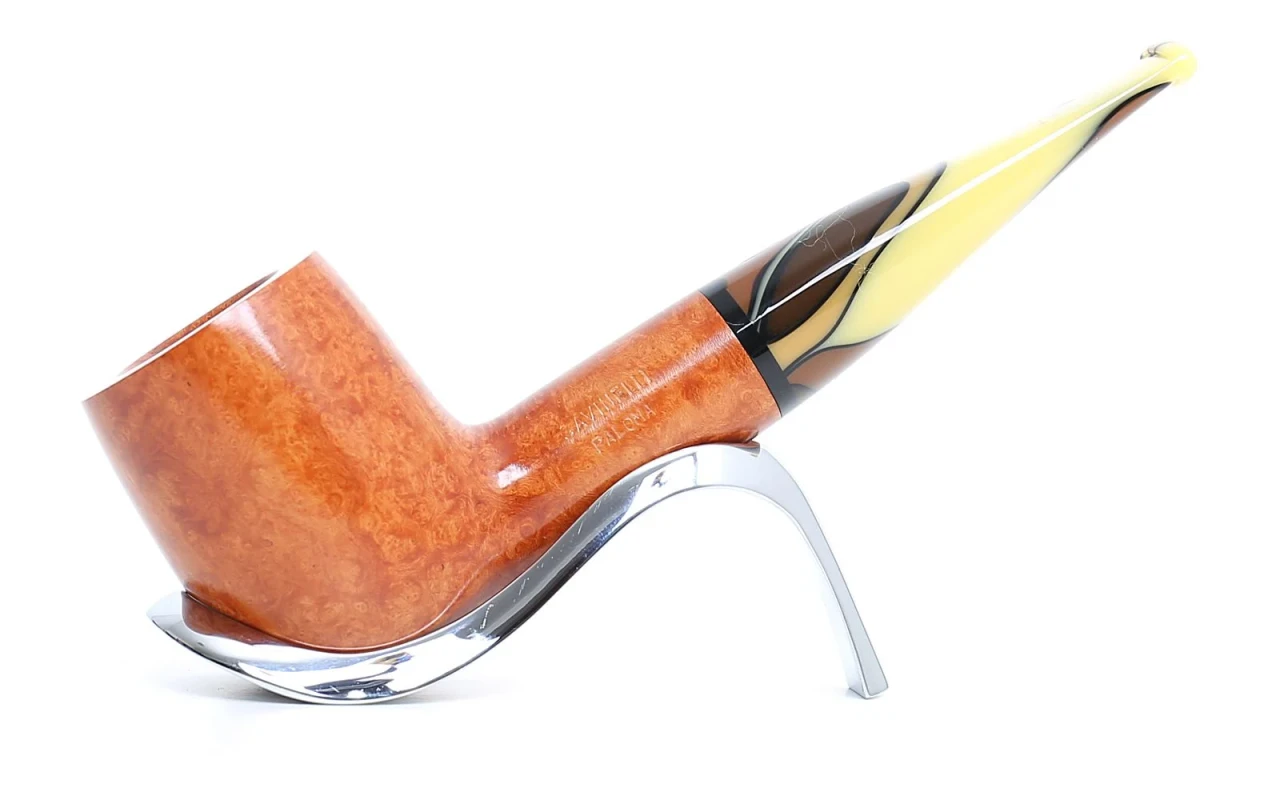
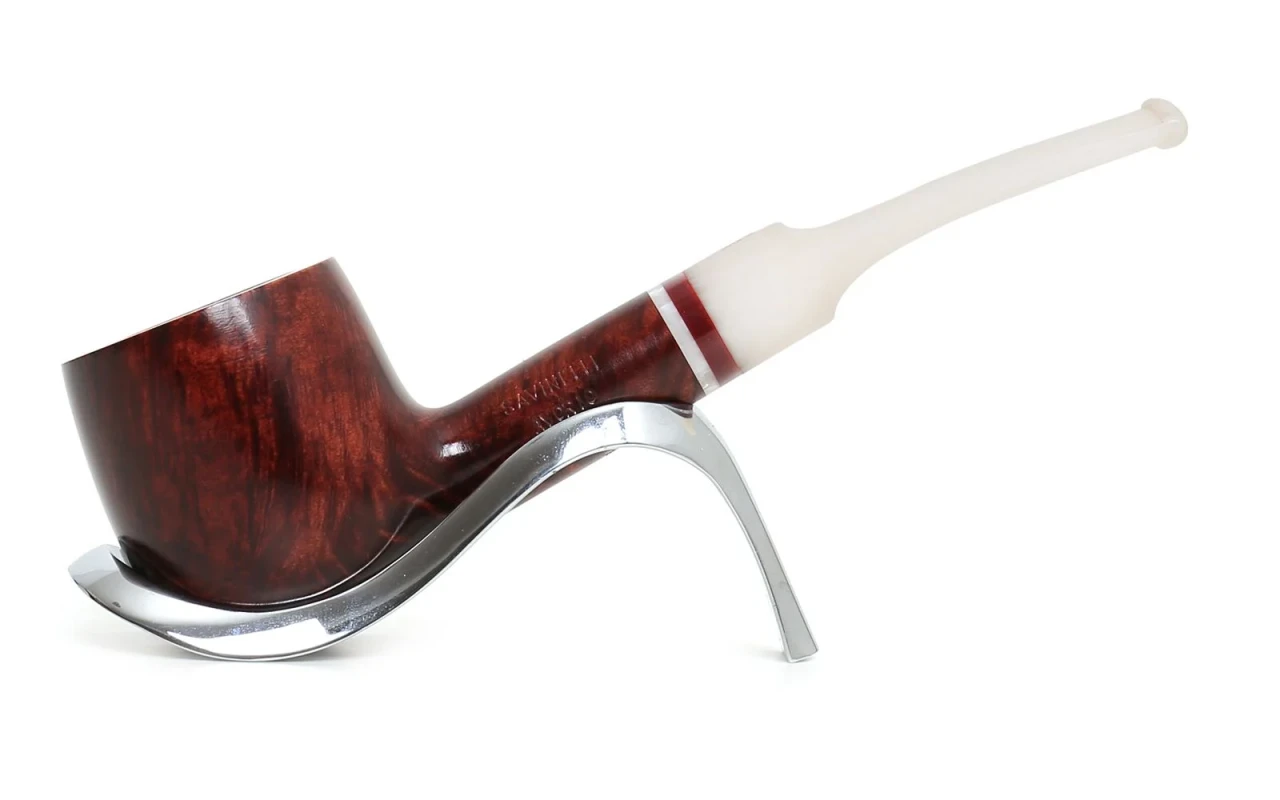
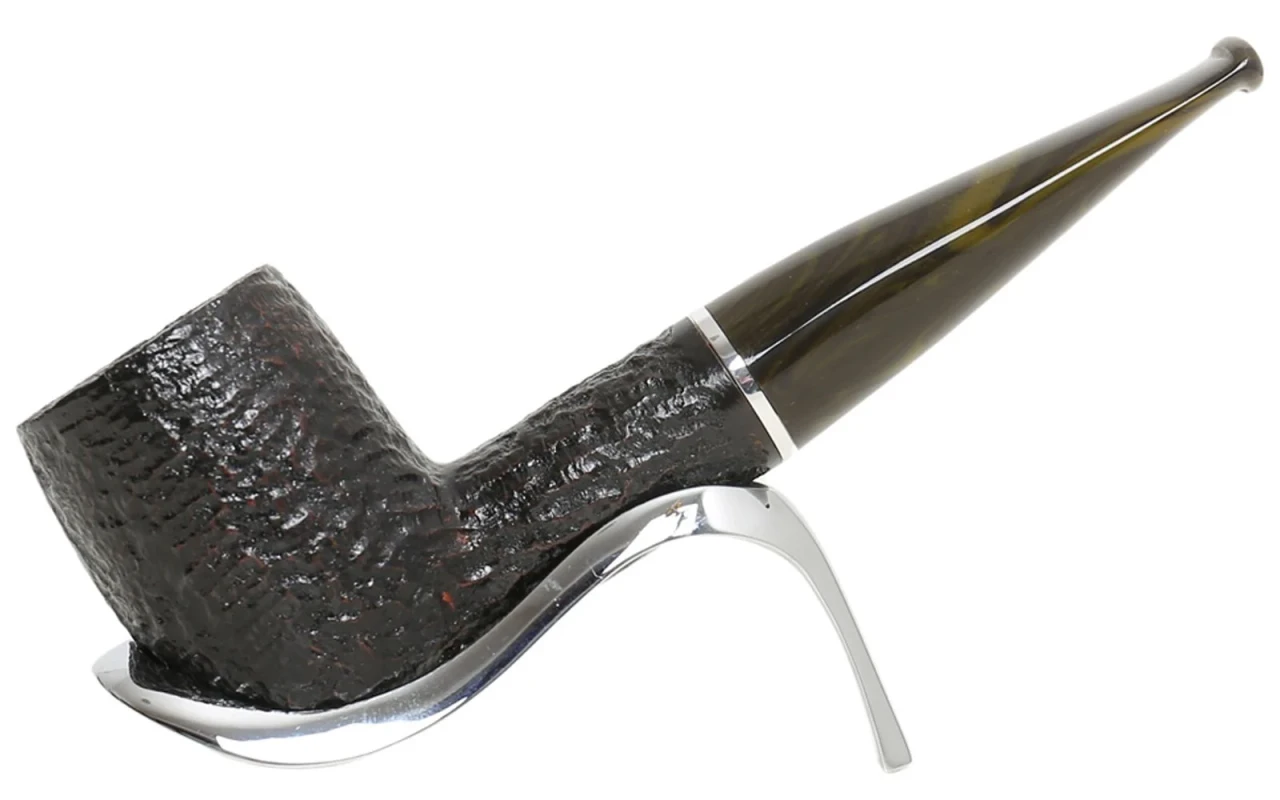
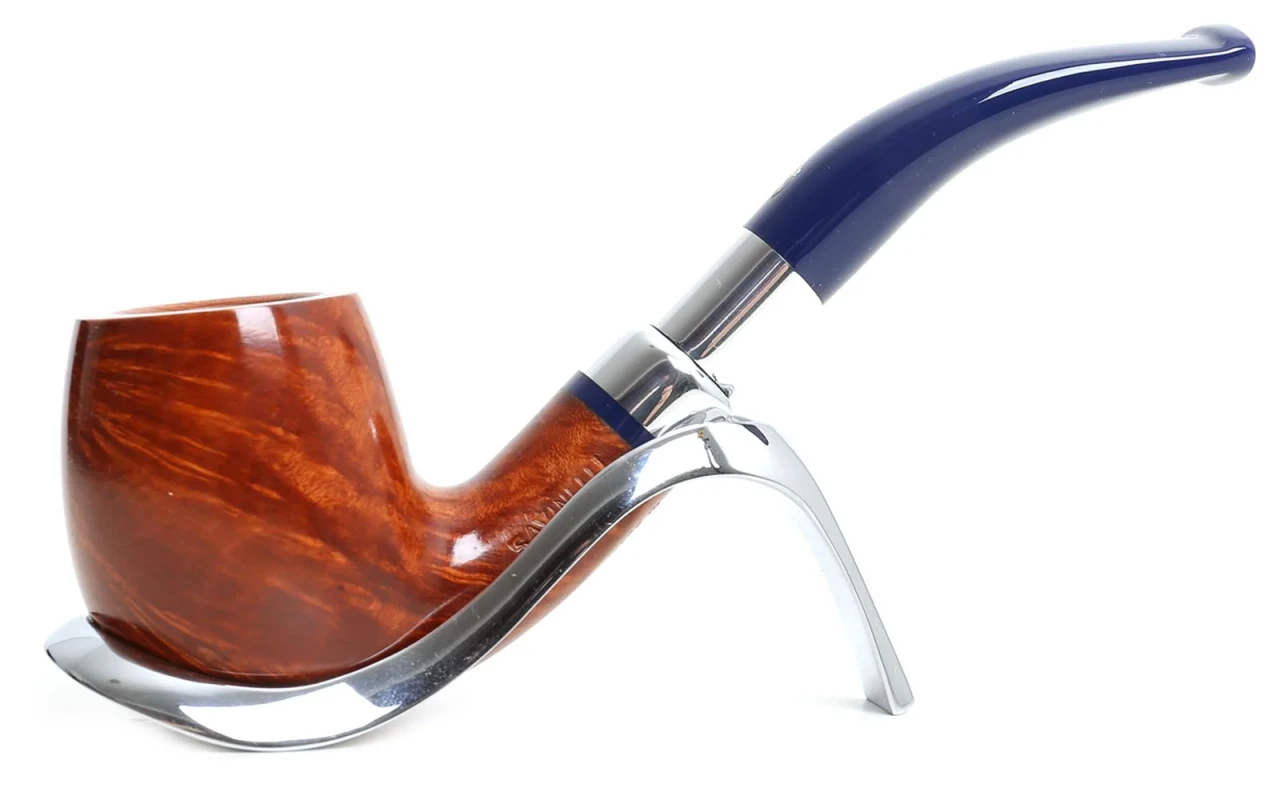
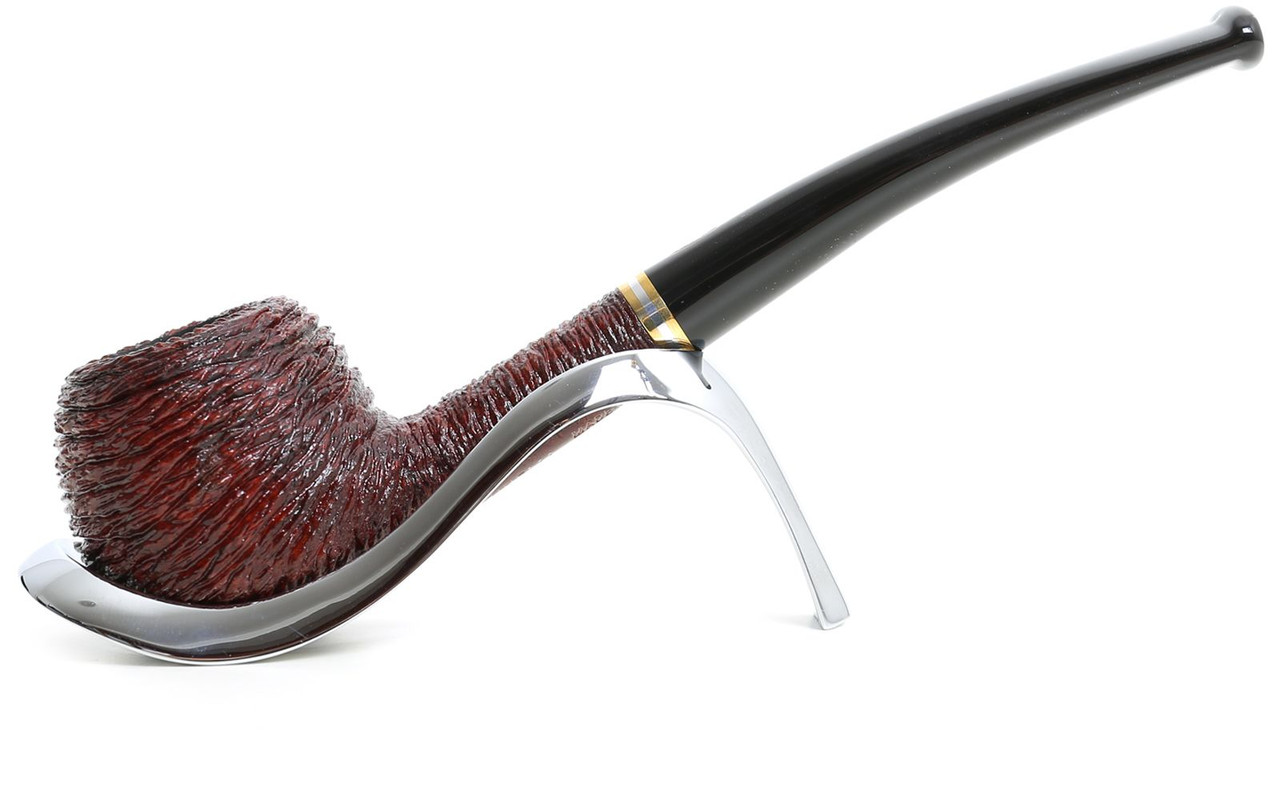
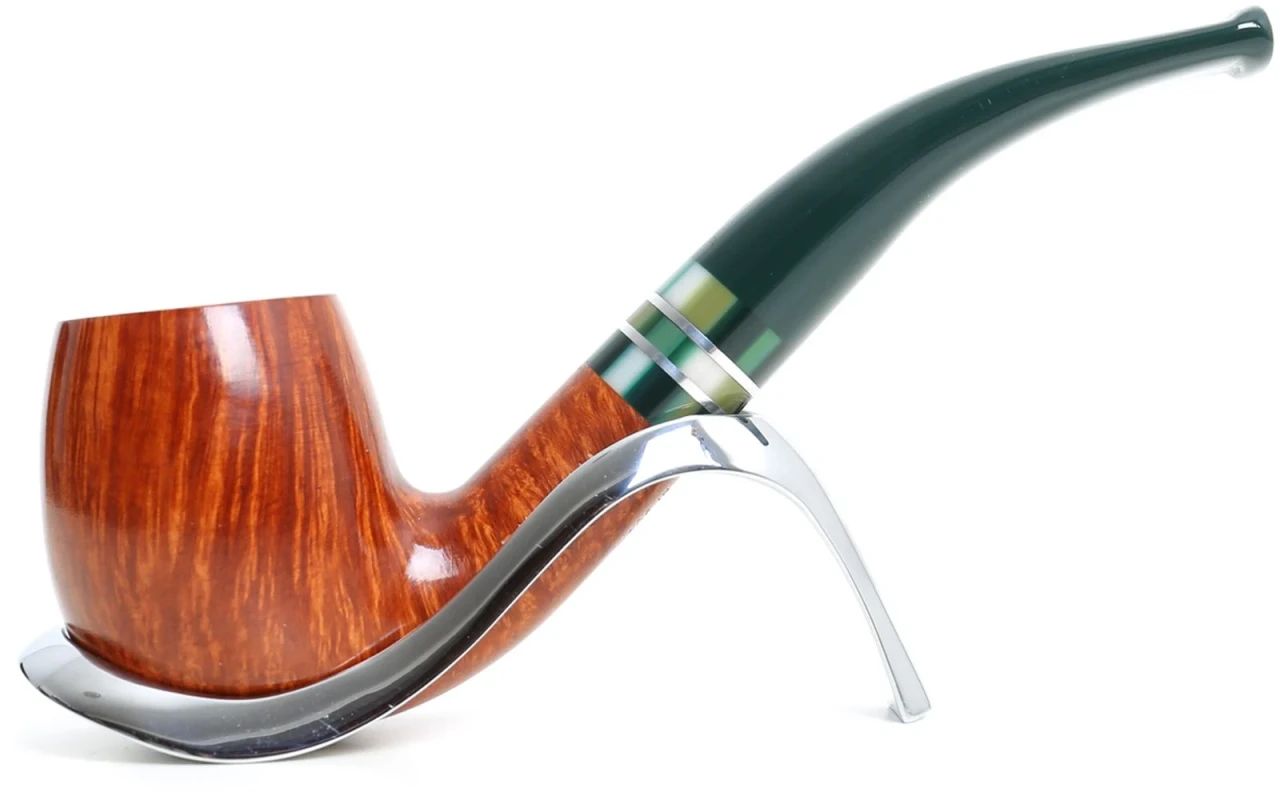
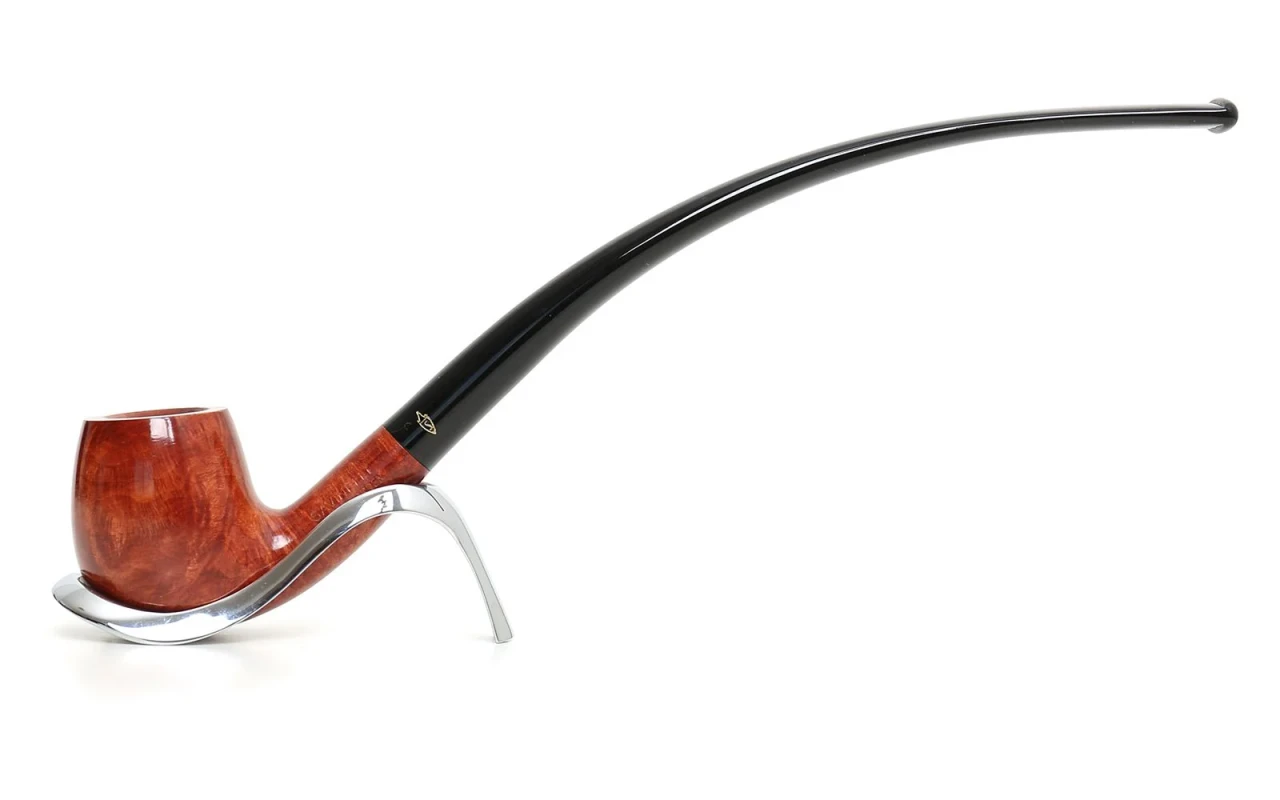
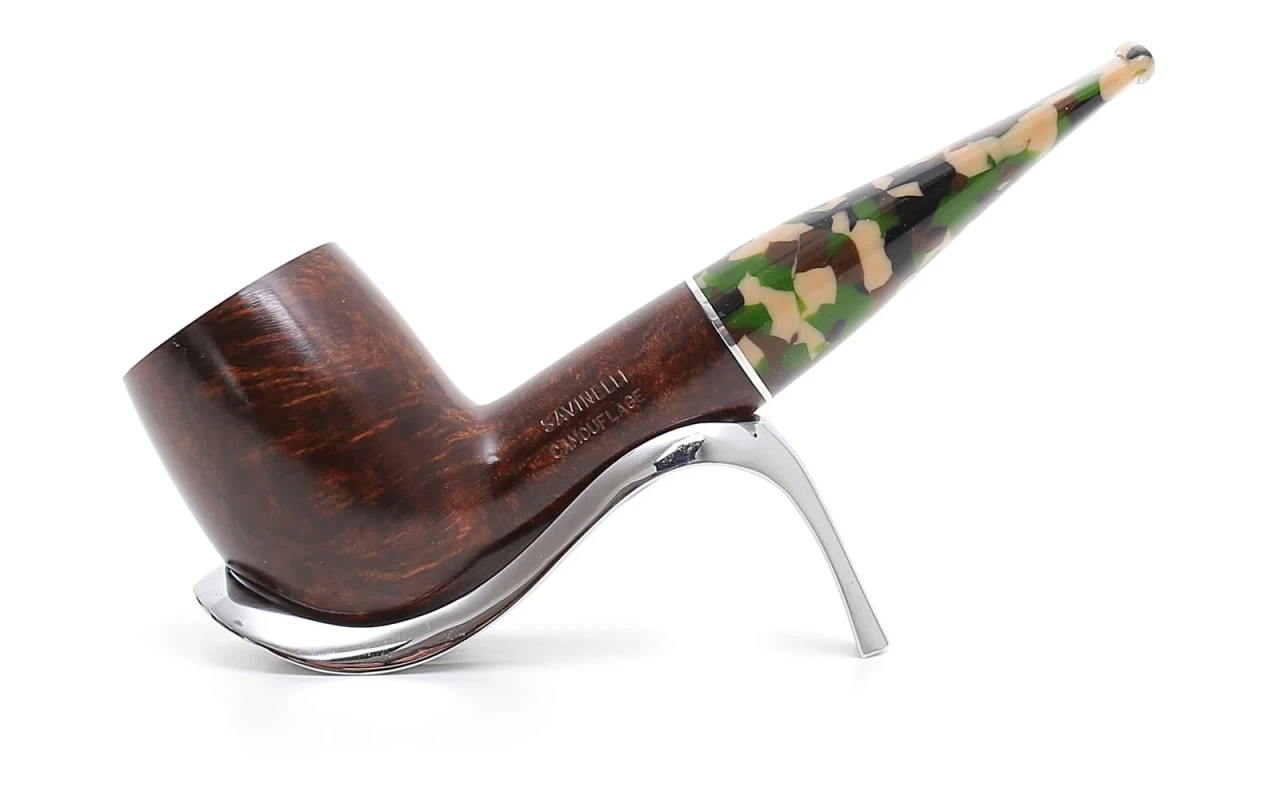
The wax applied to the pipe's surface creates a protective layer that does not completely prevent the wood's breathability. It helps preserve the aesthetics and protect the wood from moisture, while still maintaining a natural breathing capacity of the material.
Does wax allow the pipe wood to breathe? Deep dive
The wax used to finish a wooden pipe, such as one made from briar, primarily serves a protective and aesthetic function. It forms a thin layer on the surface that guards the wood against moisture and potential superficial damage, enhancing its appearance with a glossy or satin finish. However, this wax layer does not completely seal the wood, still allowing for a certain degree of natural breathability. The pipe wood retains its ability to absorb and release moisture, an important aspect for the proper combustion of tobacco and to avoid excessive moisture buildup inside the chamber. Therefore, wax does not prevent the wood from breathing but modulates it, helping to preserve the pipe over time without compromising its functional characteristics. This balance between protection and breathability is essential to ensure a good smoking experience and a long pipe lifespan.