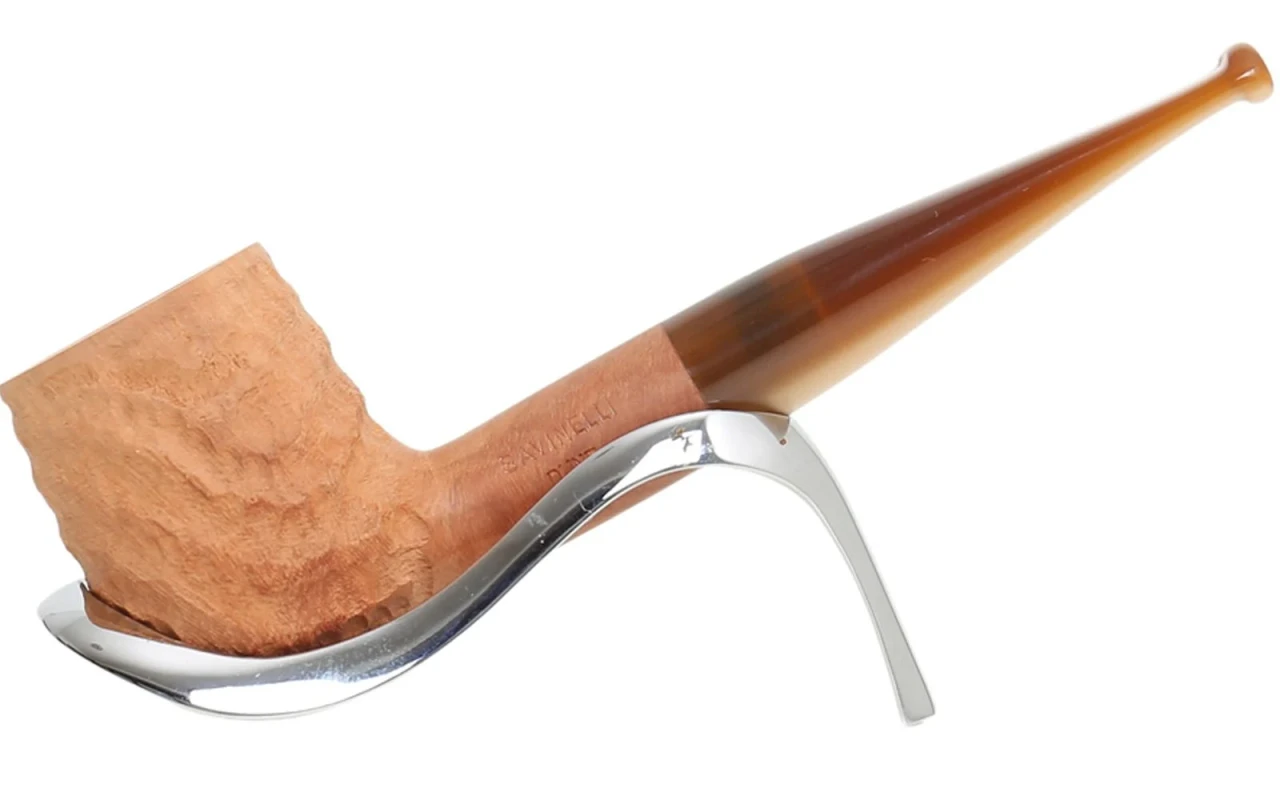
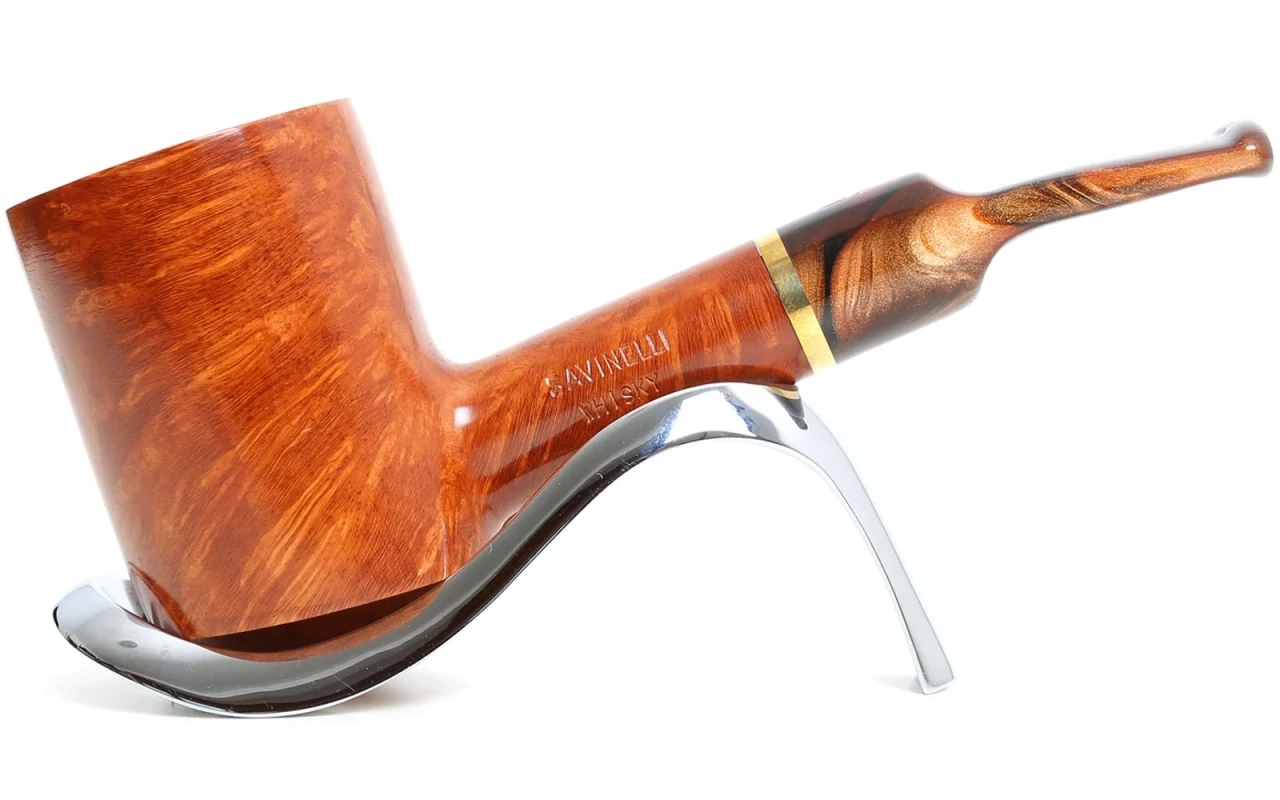
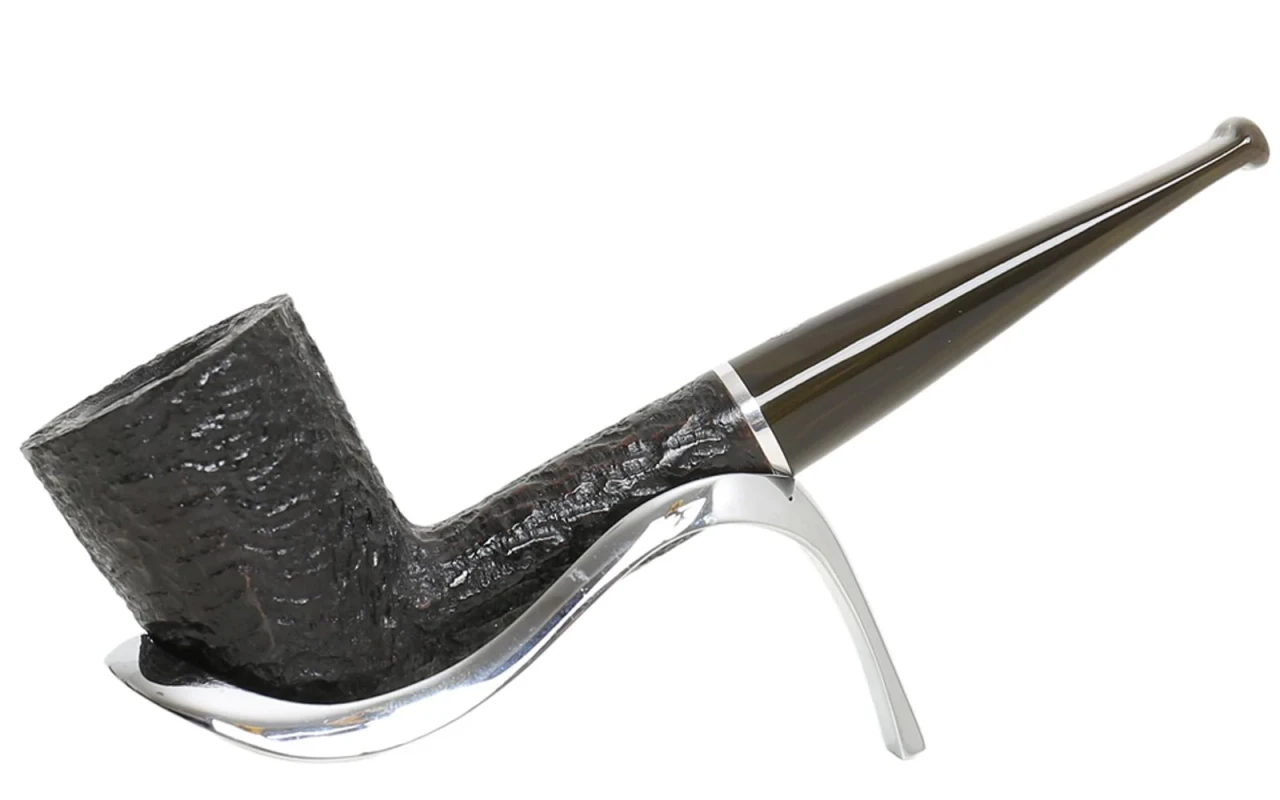
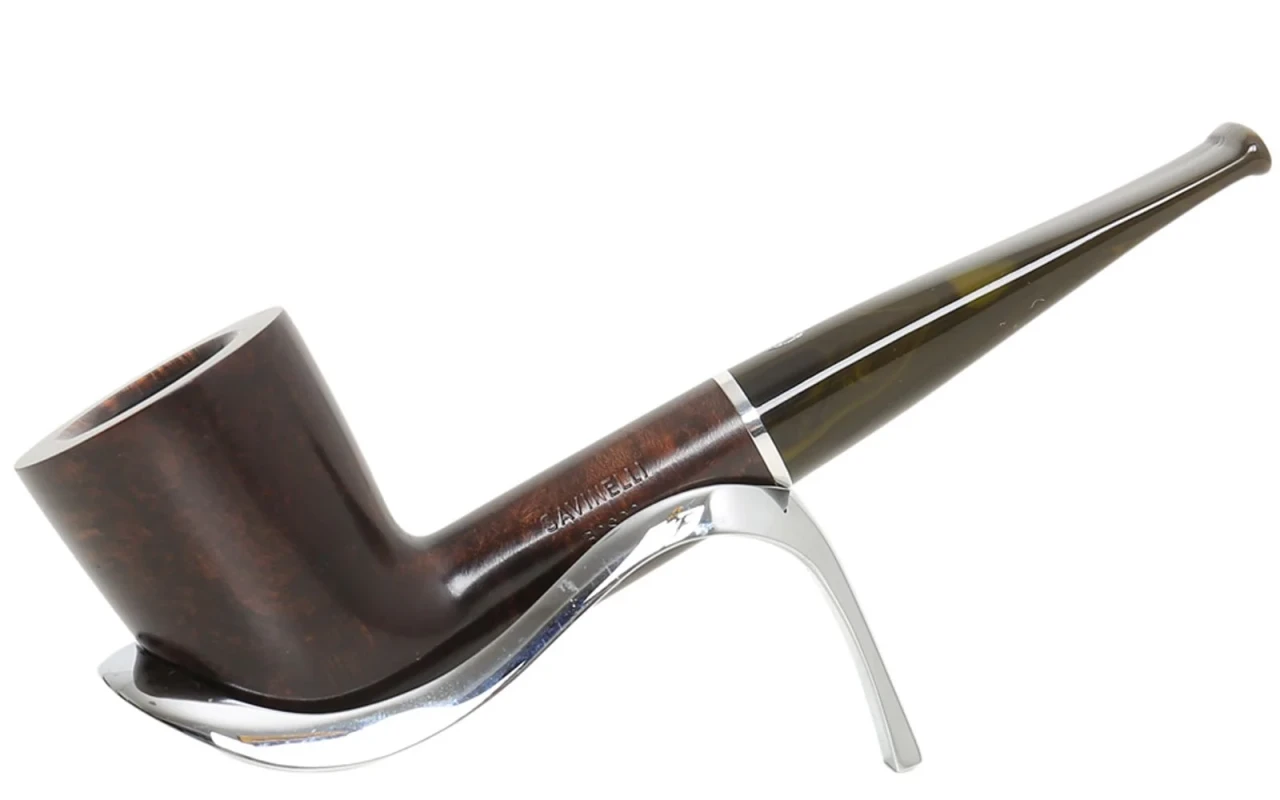
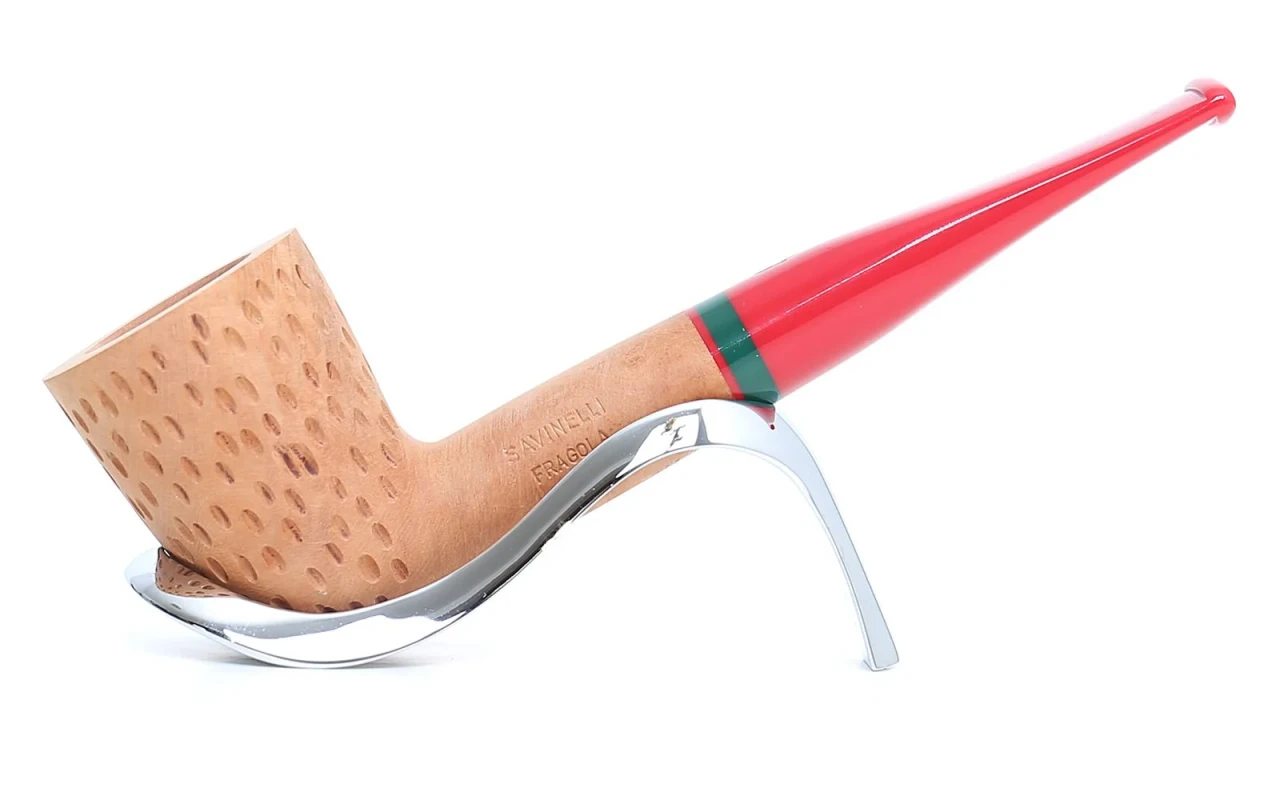
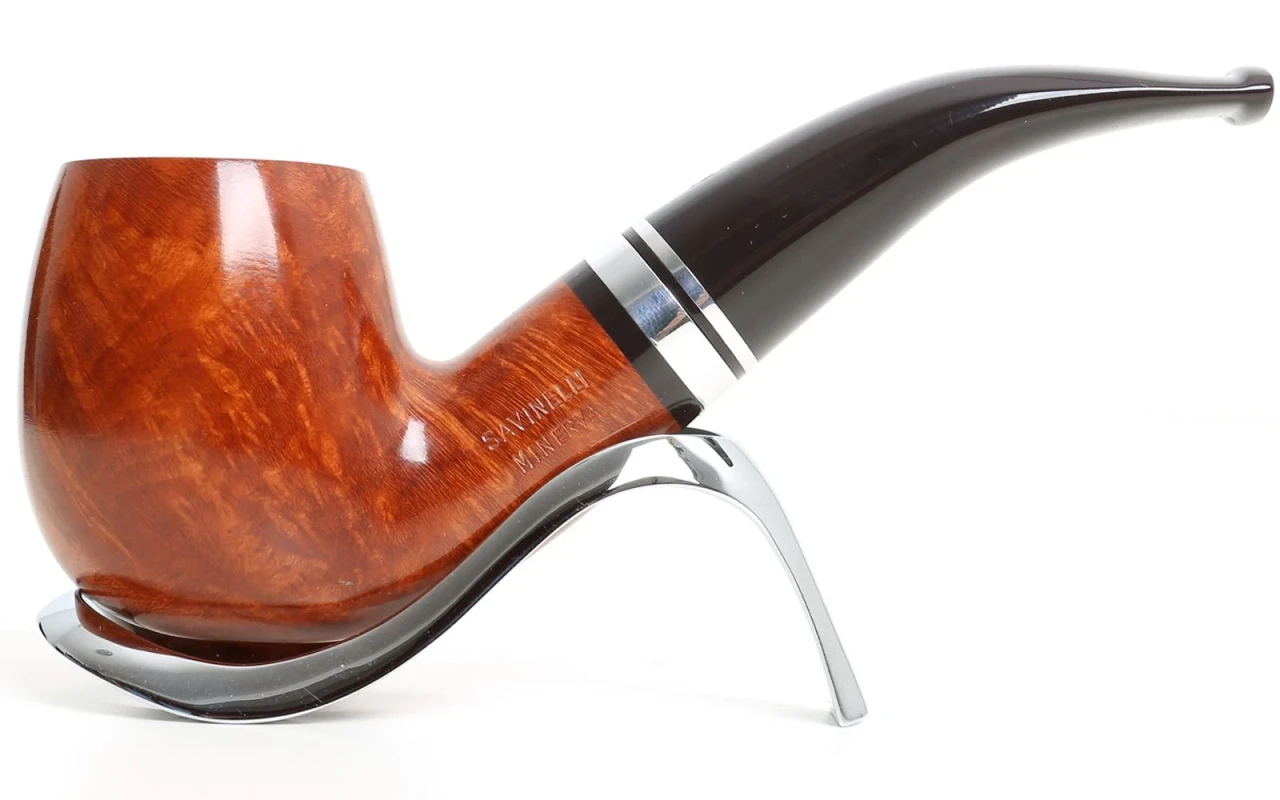
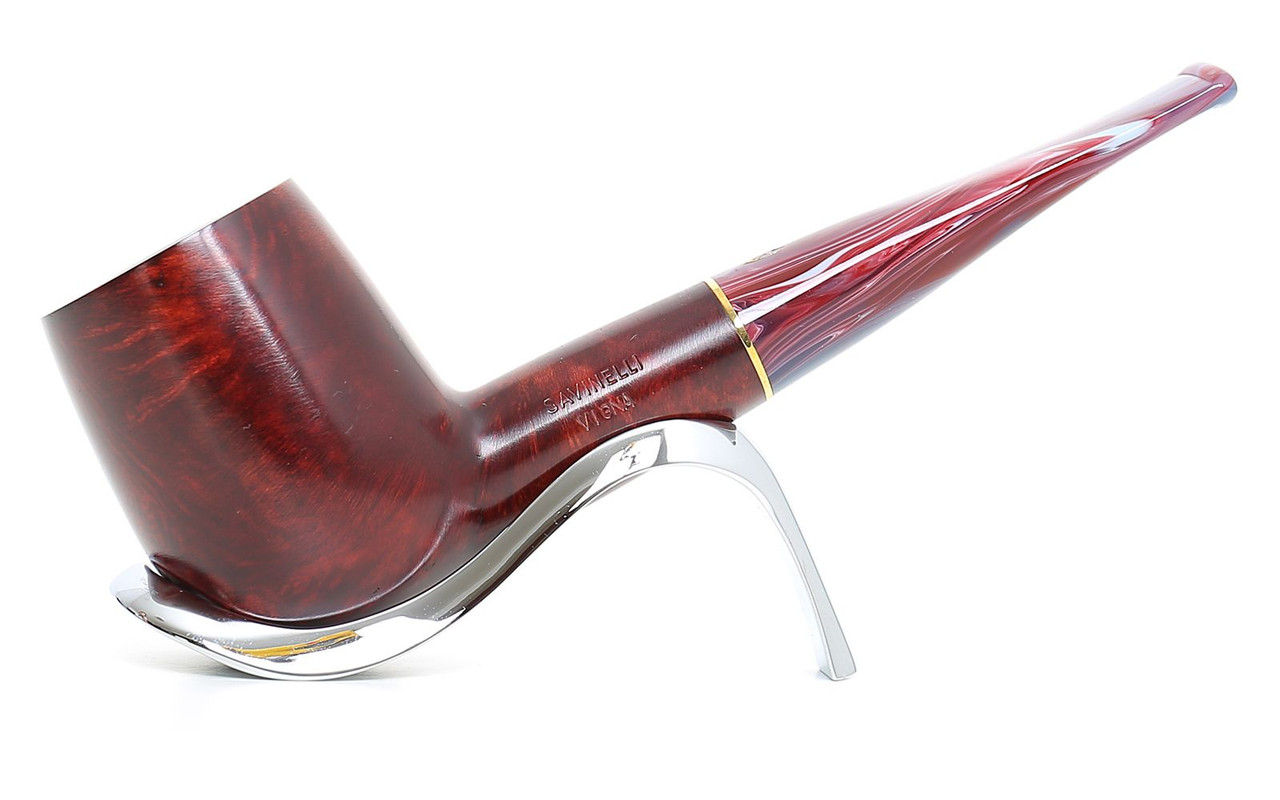
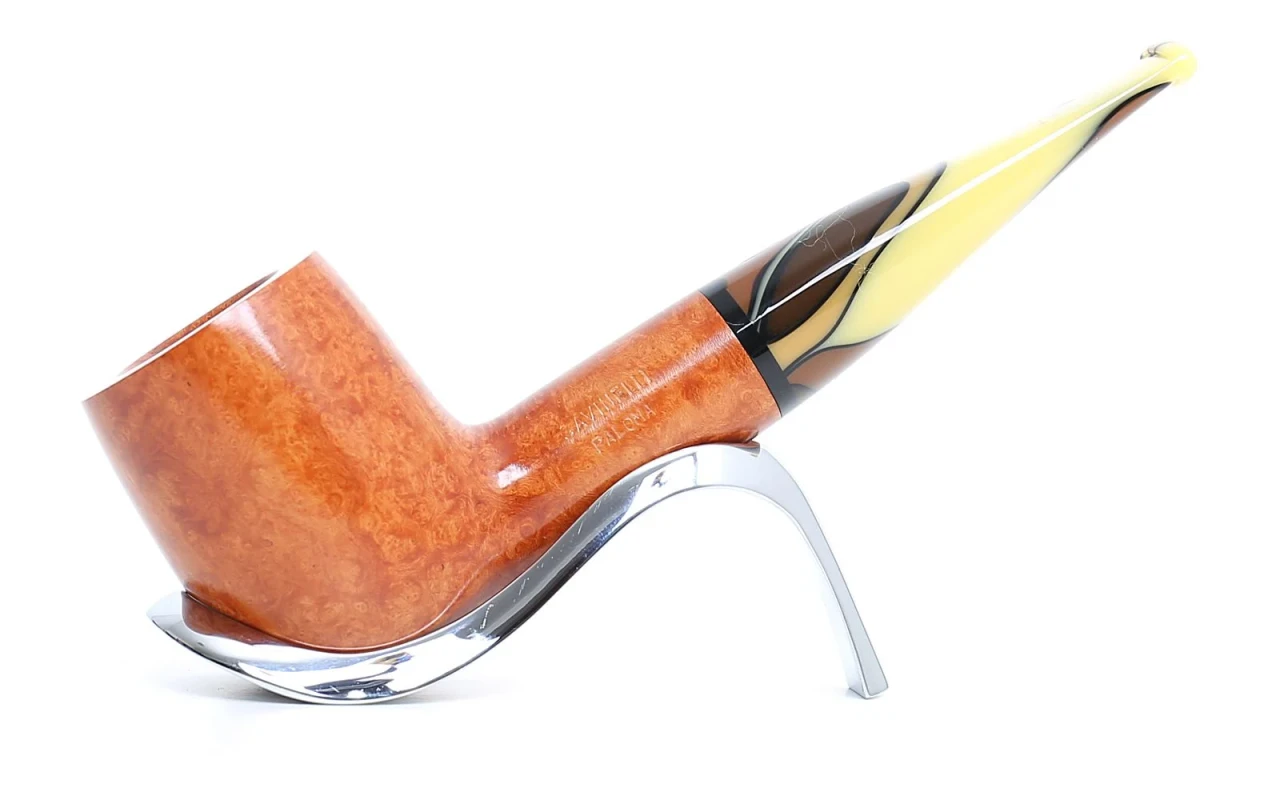
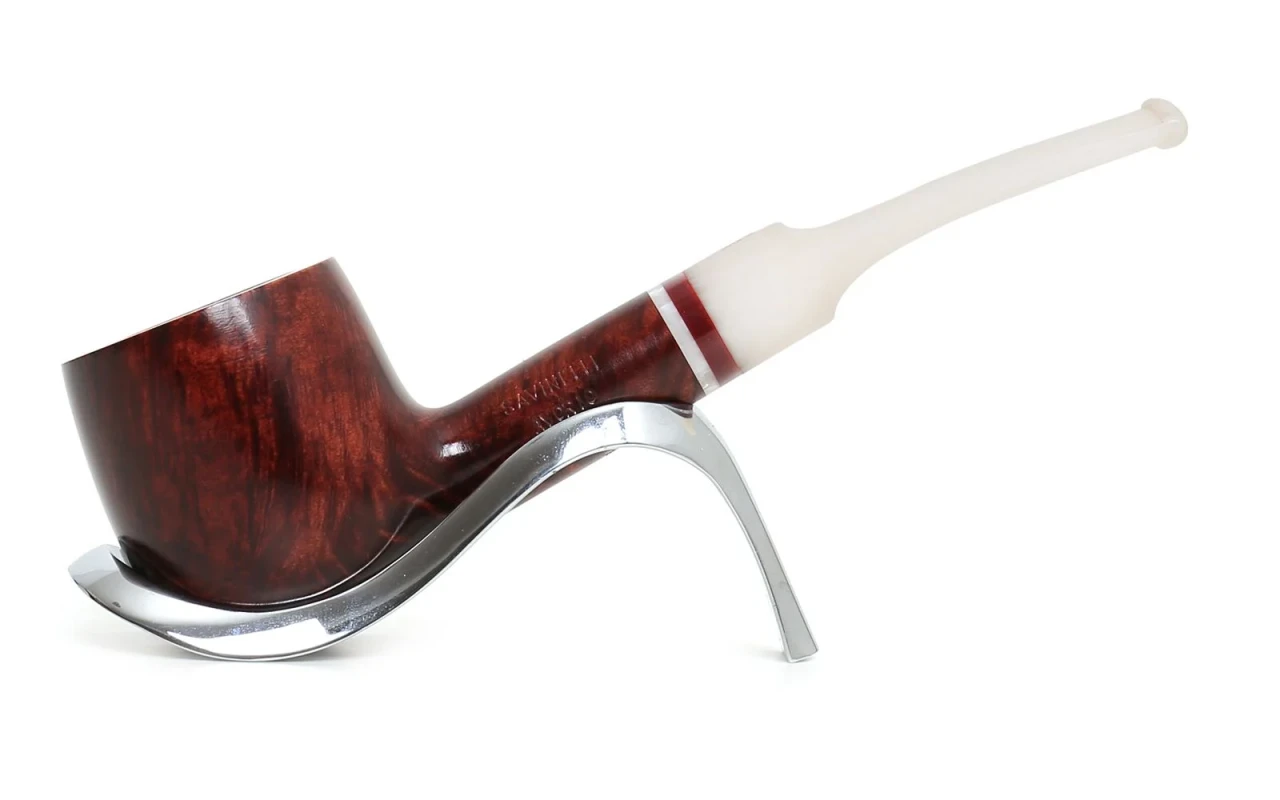
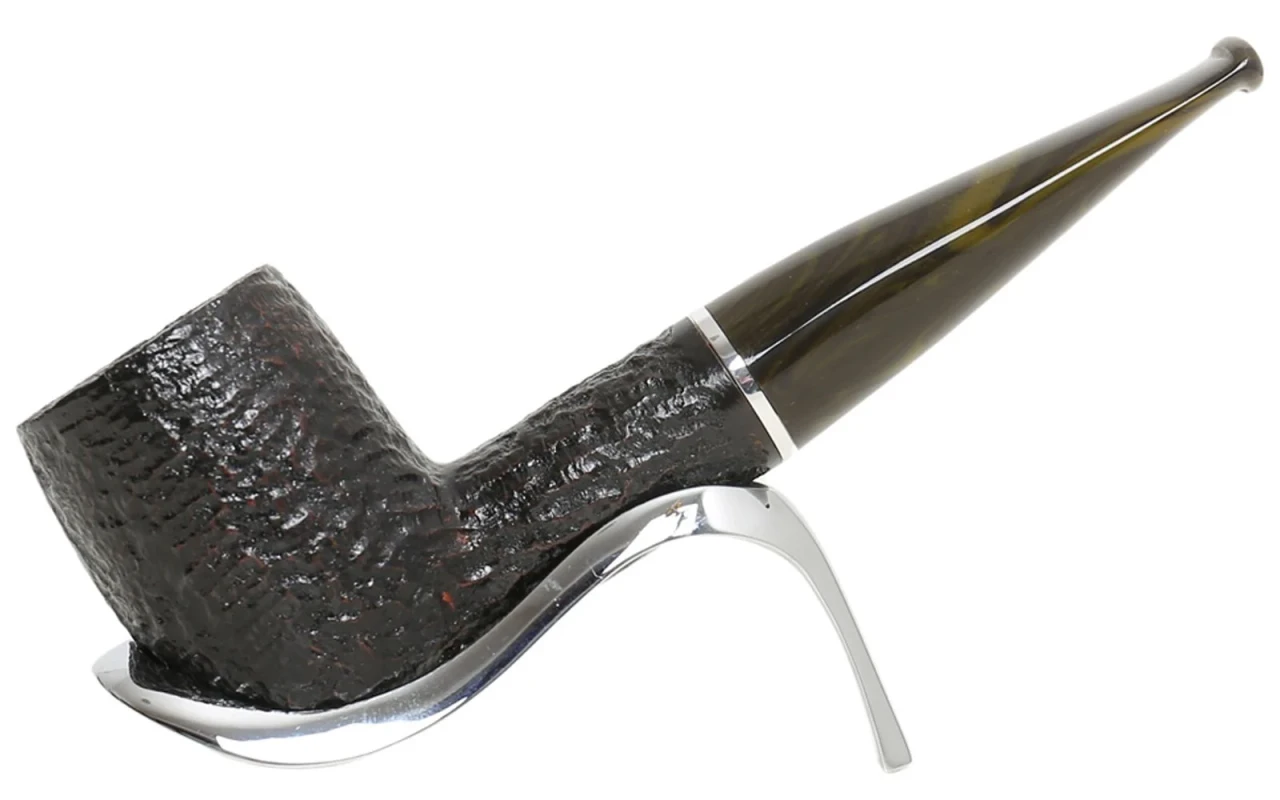
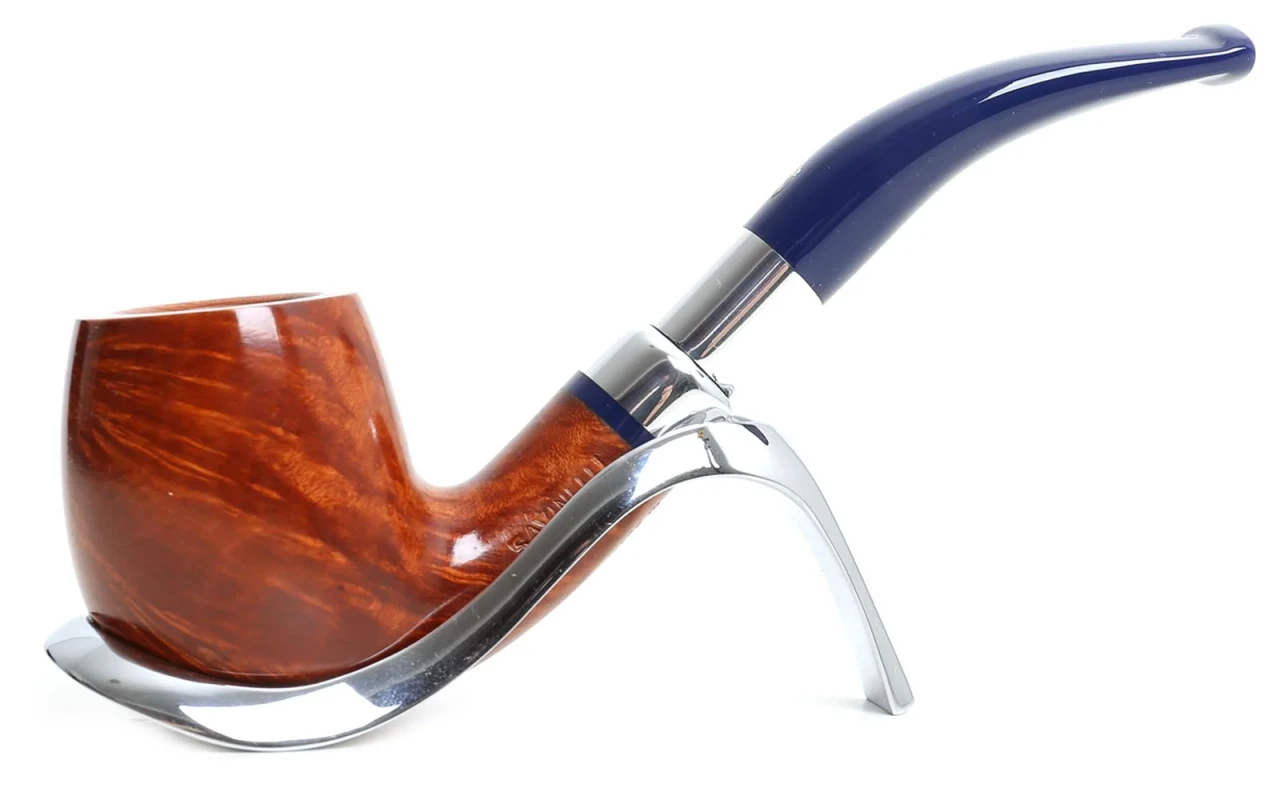
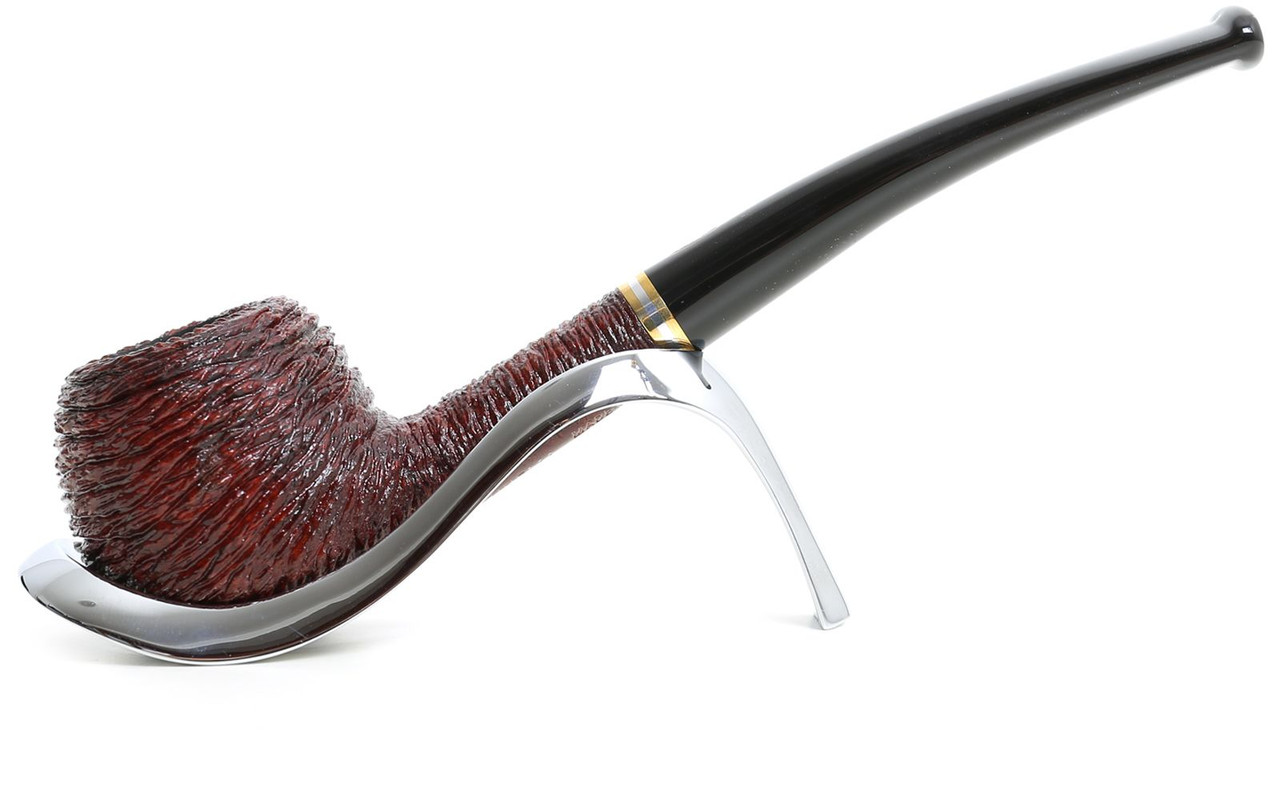
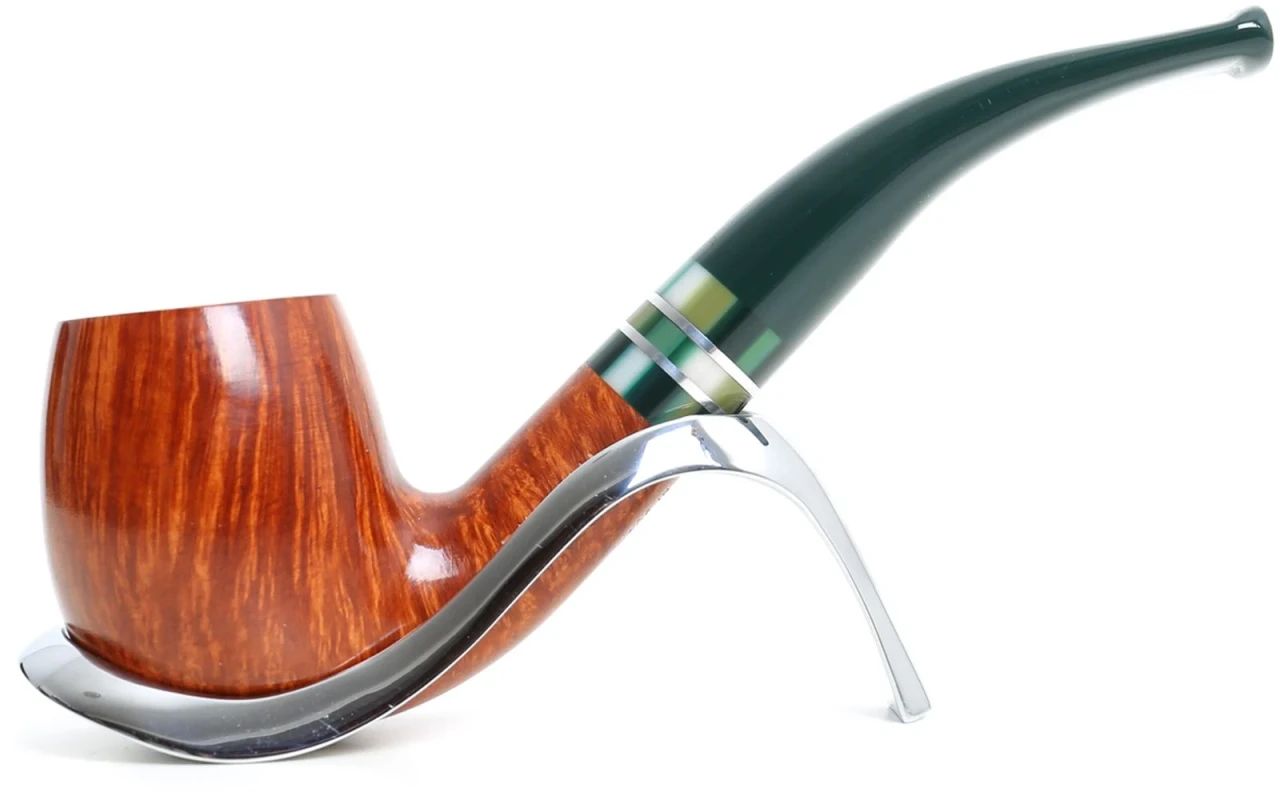
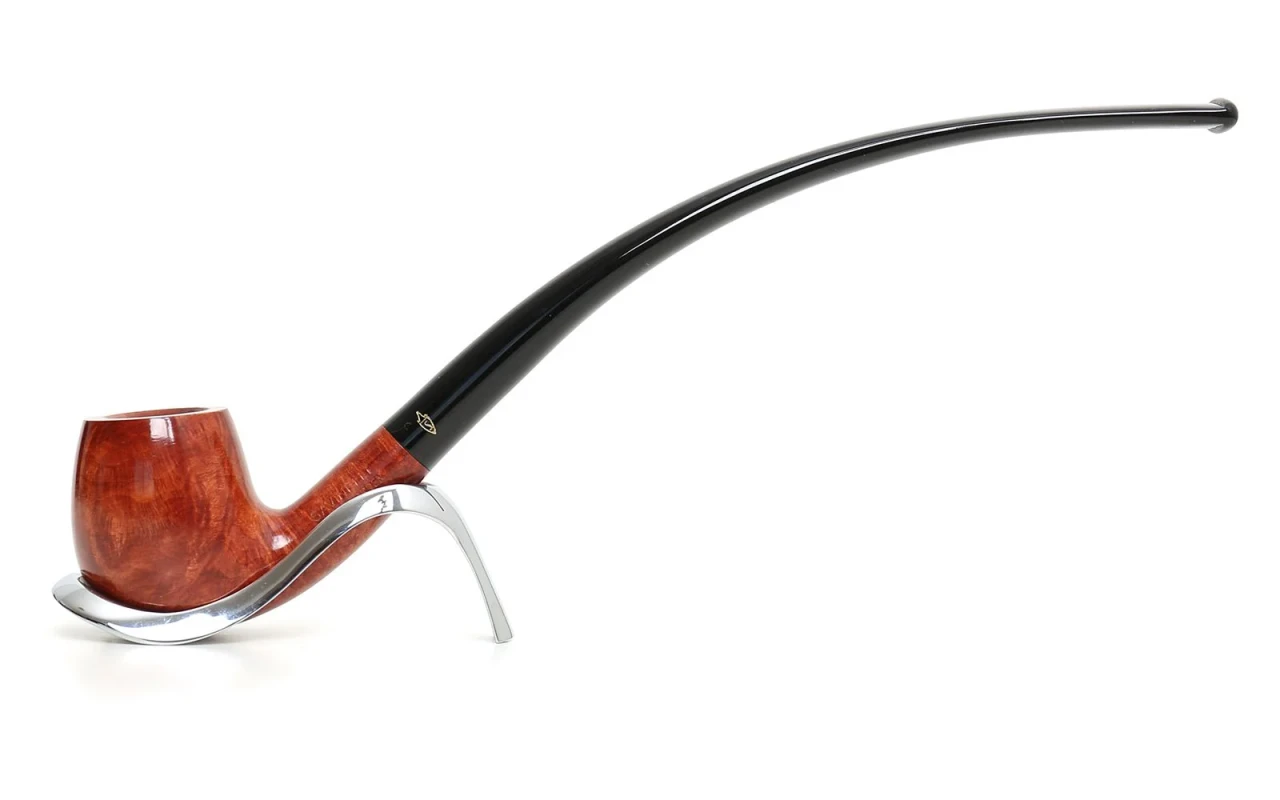
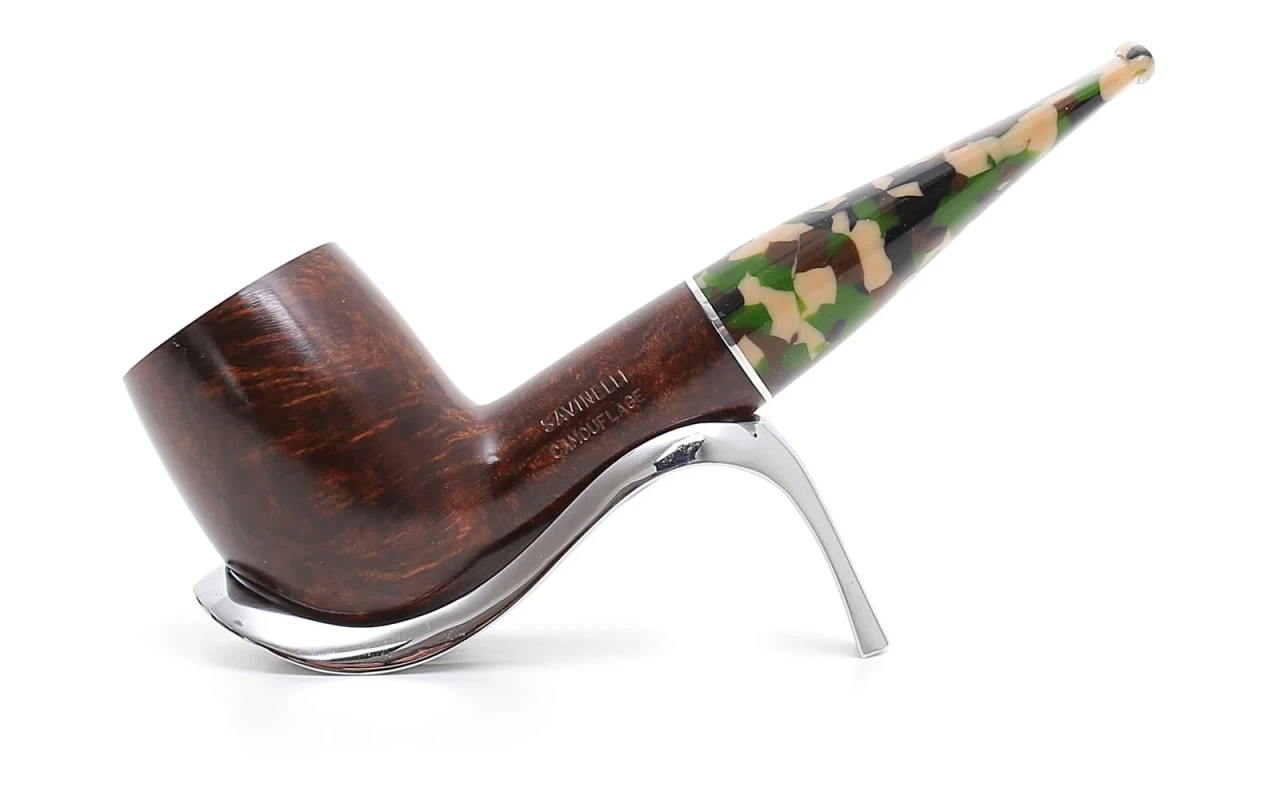
Constructing a straight pipe involves working a block of wood, usually briar, shaped linearly with no curves in the shank and stem. The bowl and airway are drilled, then the surface is smoothed and finished to achieve the simple, functional design typical of straight pipes.
How is a straight pipe constructed? Deep dive
Building a straight pipe requires precision and attention to detail. It begins with a block of briar, a premium wood known for its heat resistance and aesthetic qualities. The straight shape is characterized by a completely linear shank and stem with no bends. The process starts by shaping the block, forming the bowl and shank to the desired proportions. Next, drilling is performed: one hole for the bowl to house the tobacco, and another for the airway connecting the bowl to the mouthpiece. These drillings must be precise to ensure proper combustion and optimal airflow. After drilling, the pipe is carefully sanded to remove imperfections and achieve a smooth surface. Finally, finishes are applied, ranging from natural to glossy, depending on the desired style. The straight pipe is valued for its simplicity and functionality, and its construction reflects a balance of aesthetics and practicality.