 ES
ES FR
FR EN
EN IT
IT DE
DE
Wood suitable for making pipes
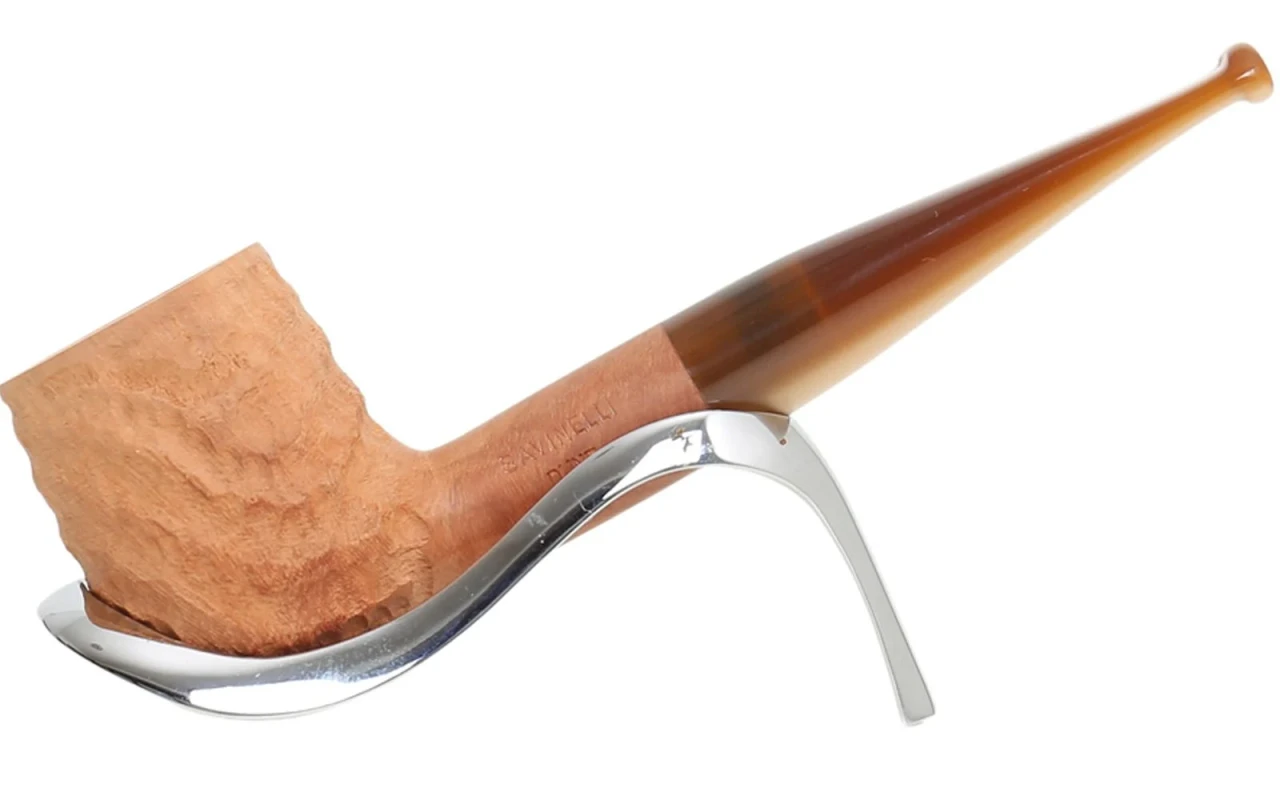
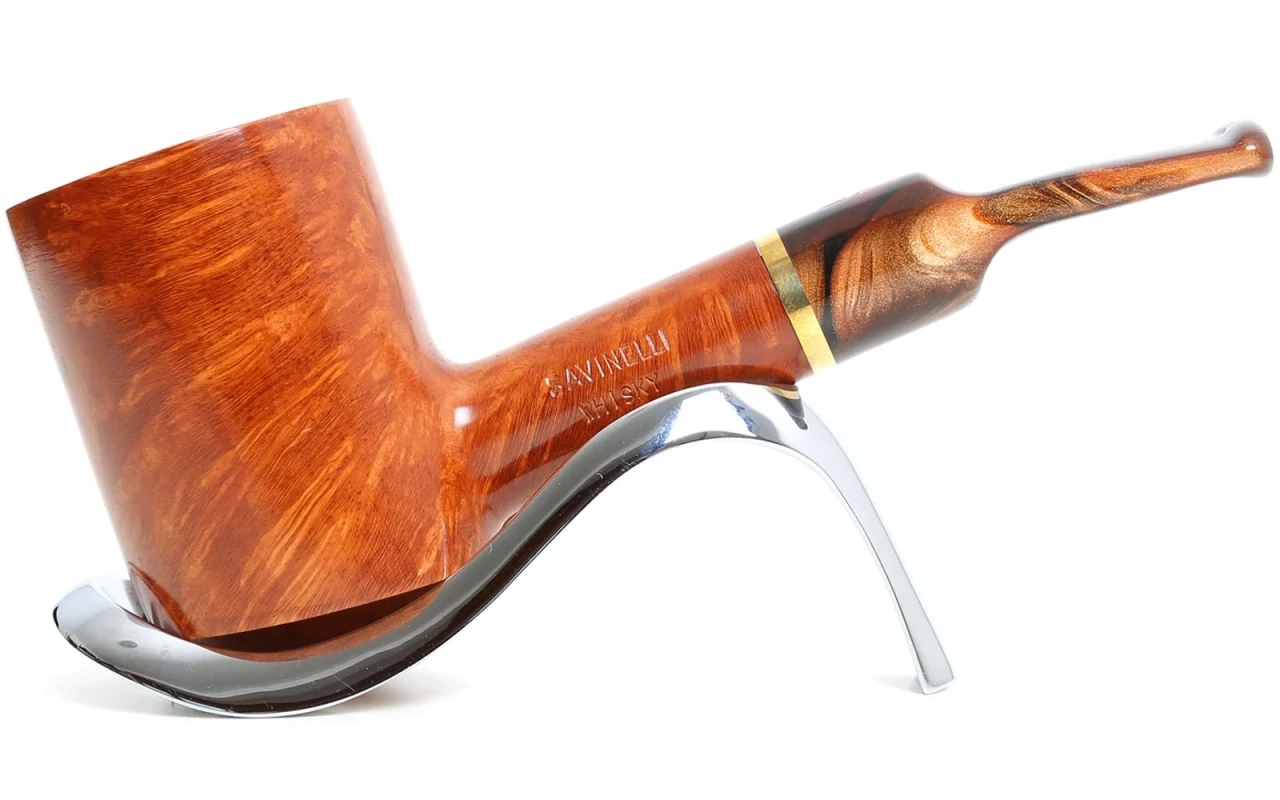
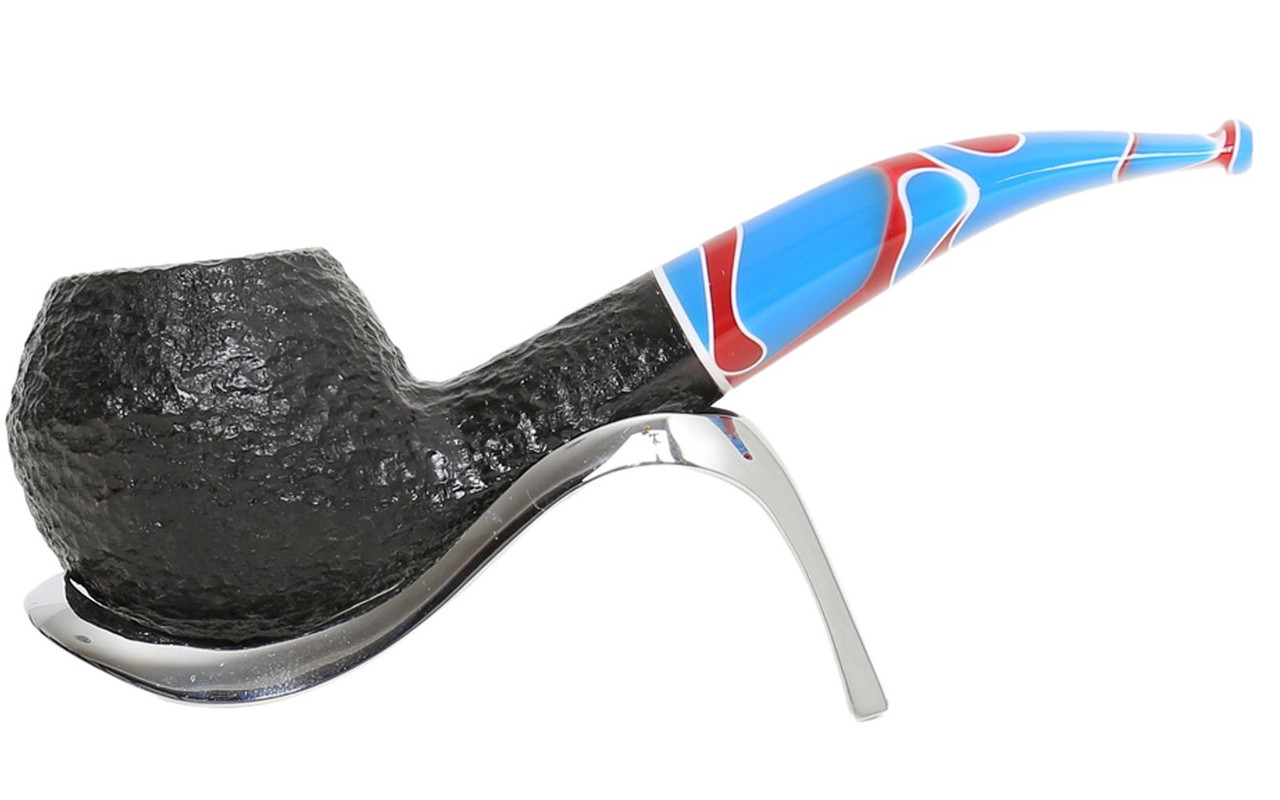
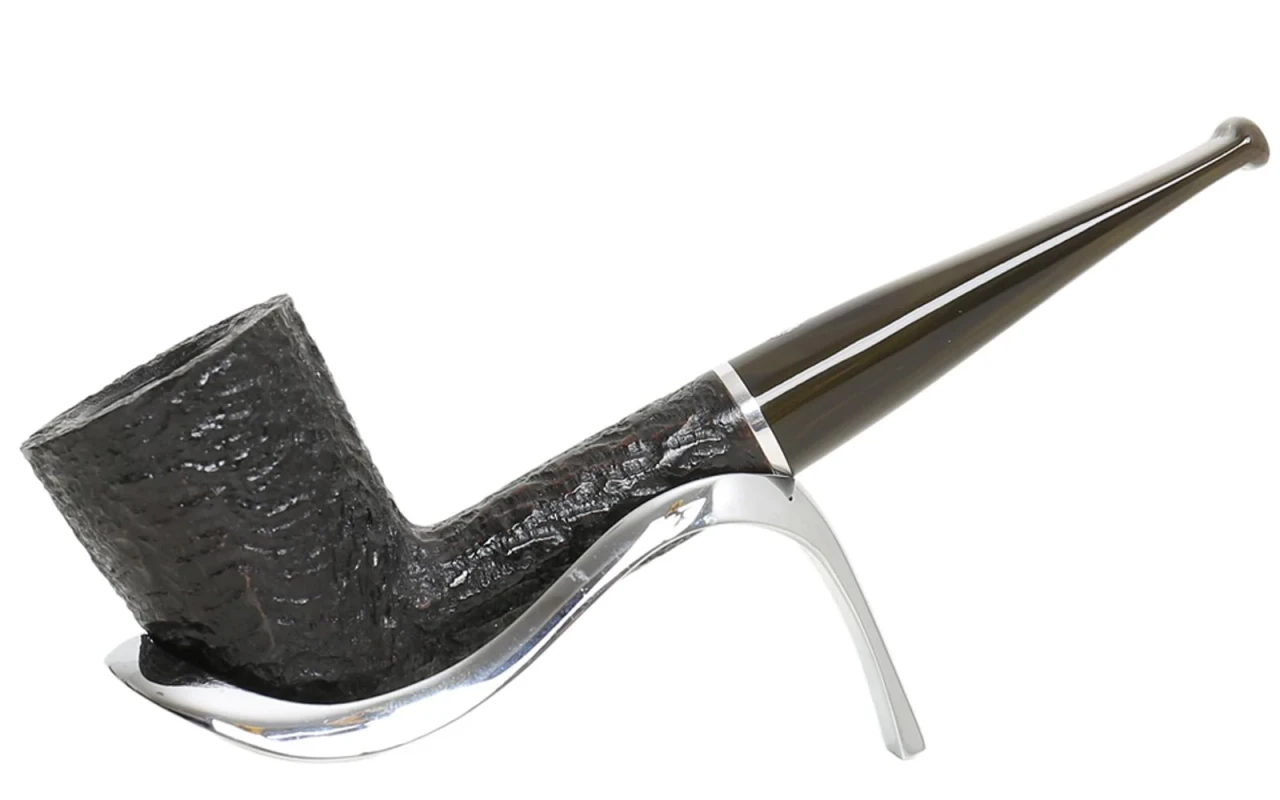
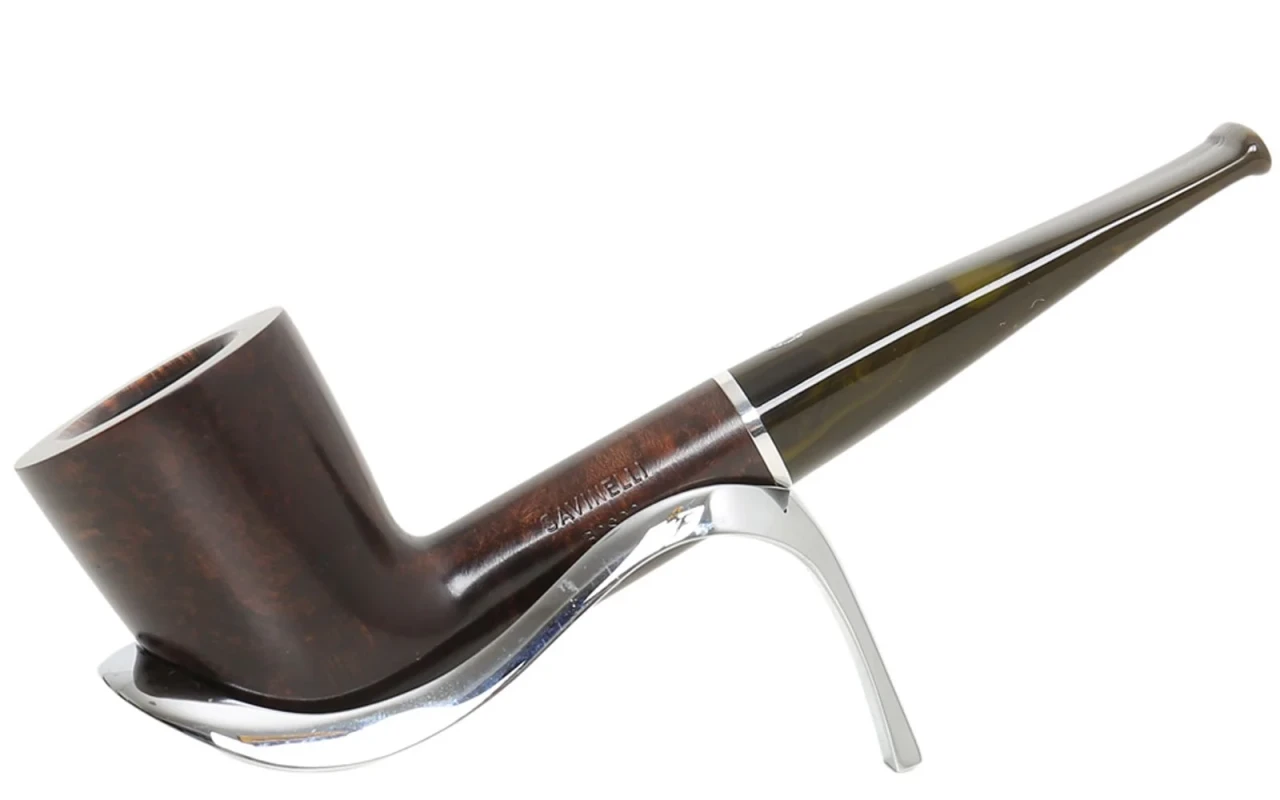
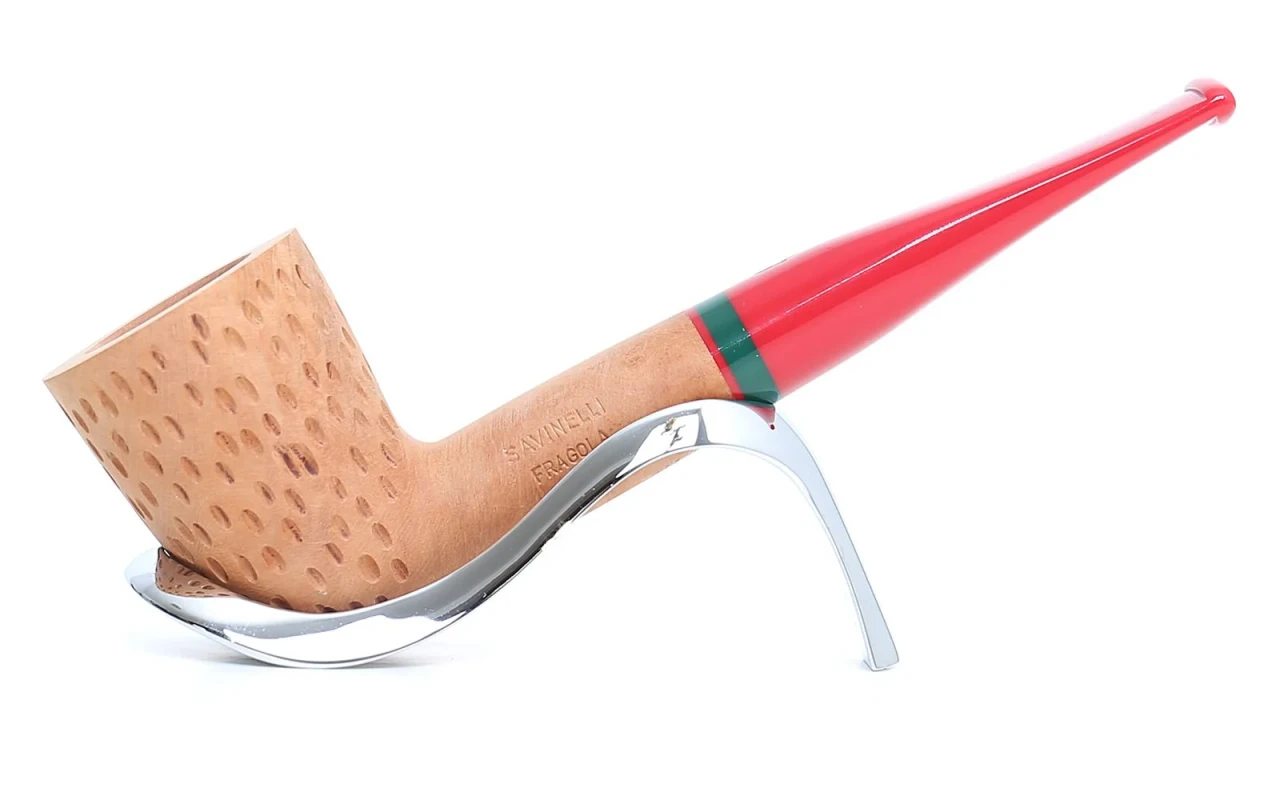
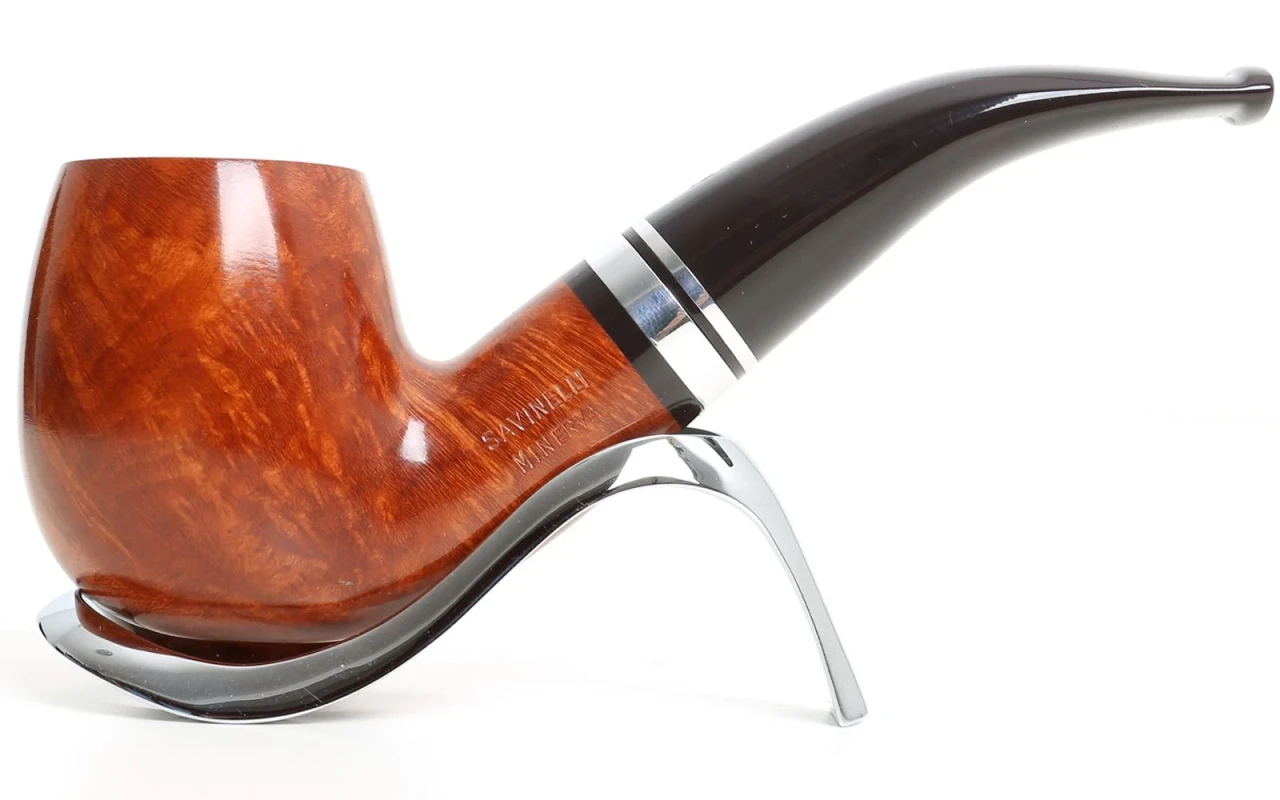
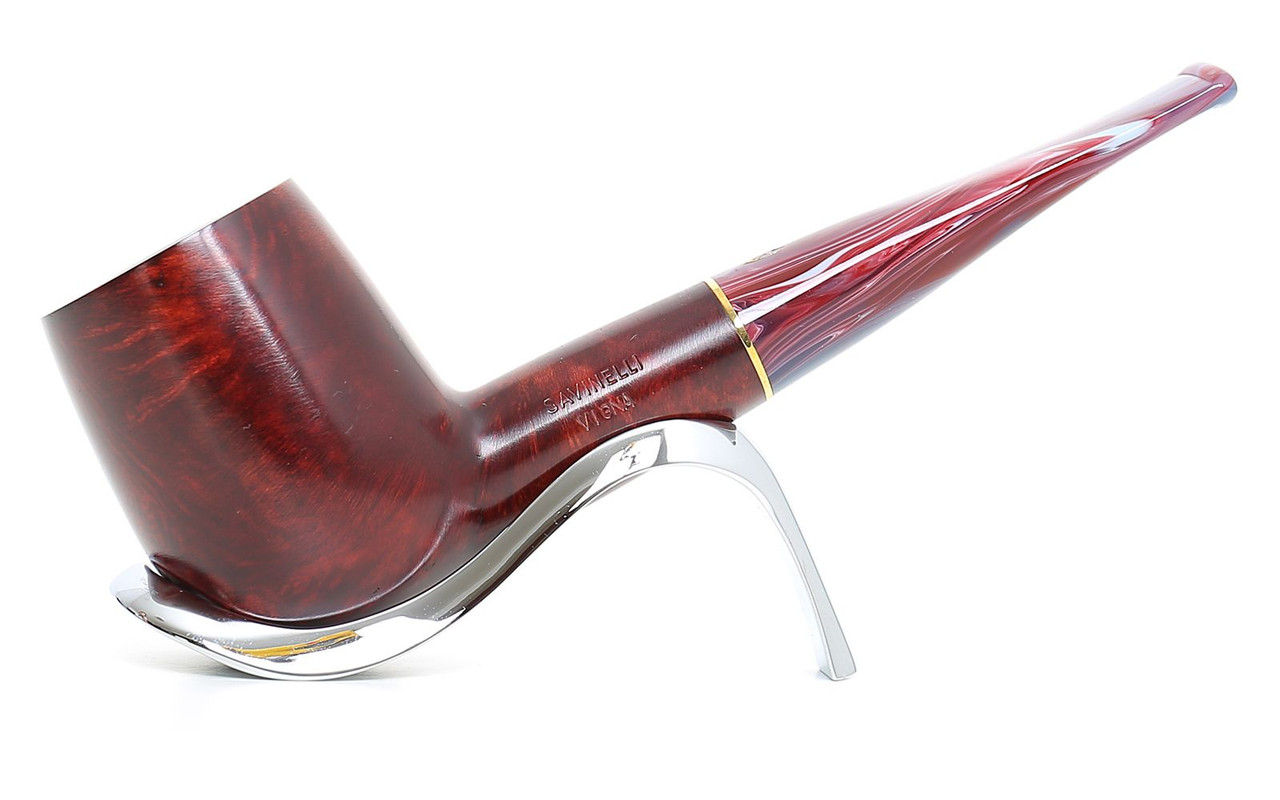
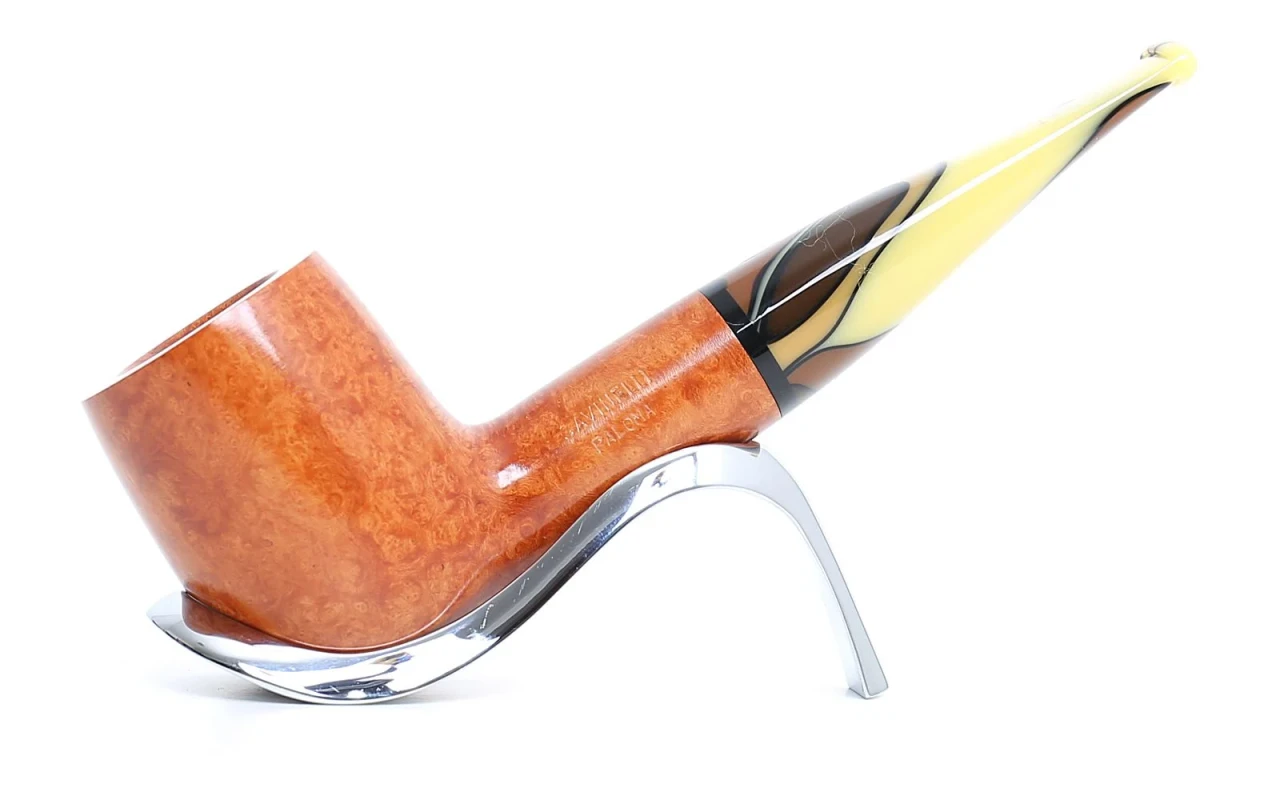
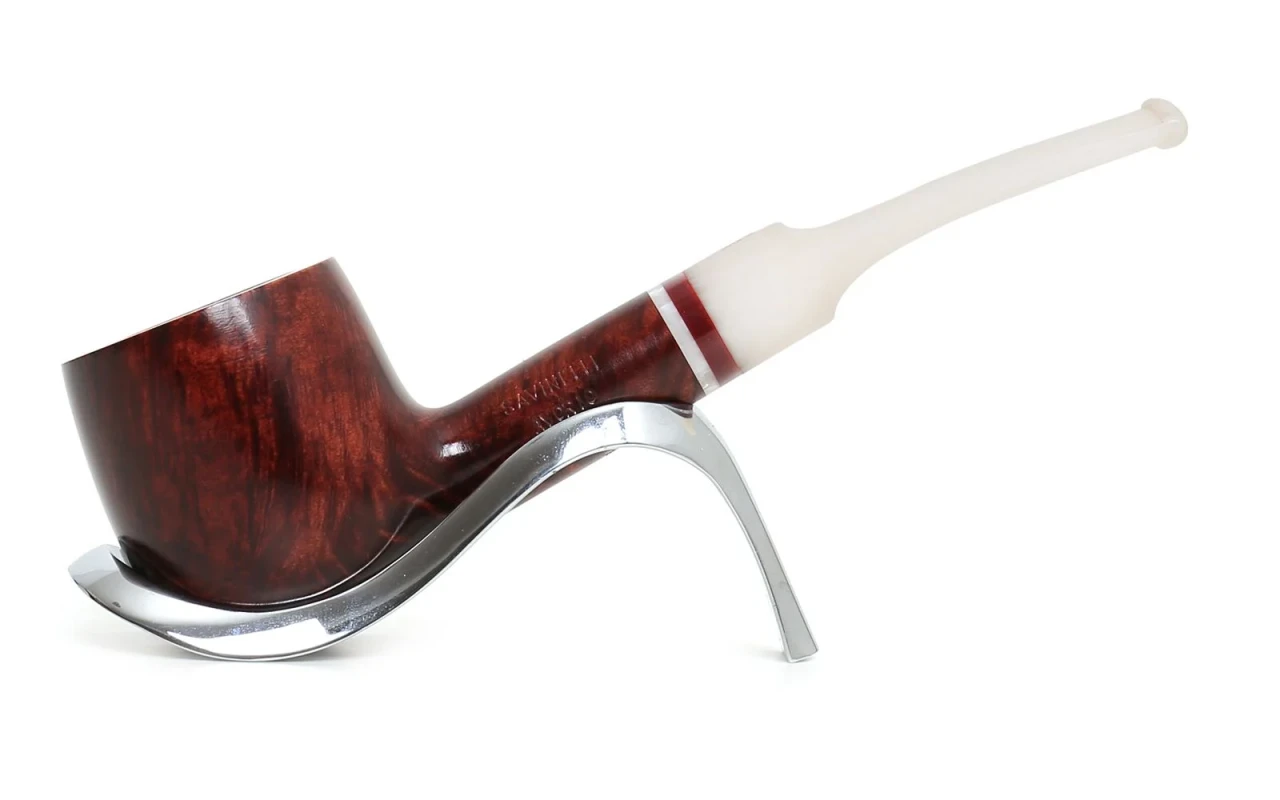
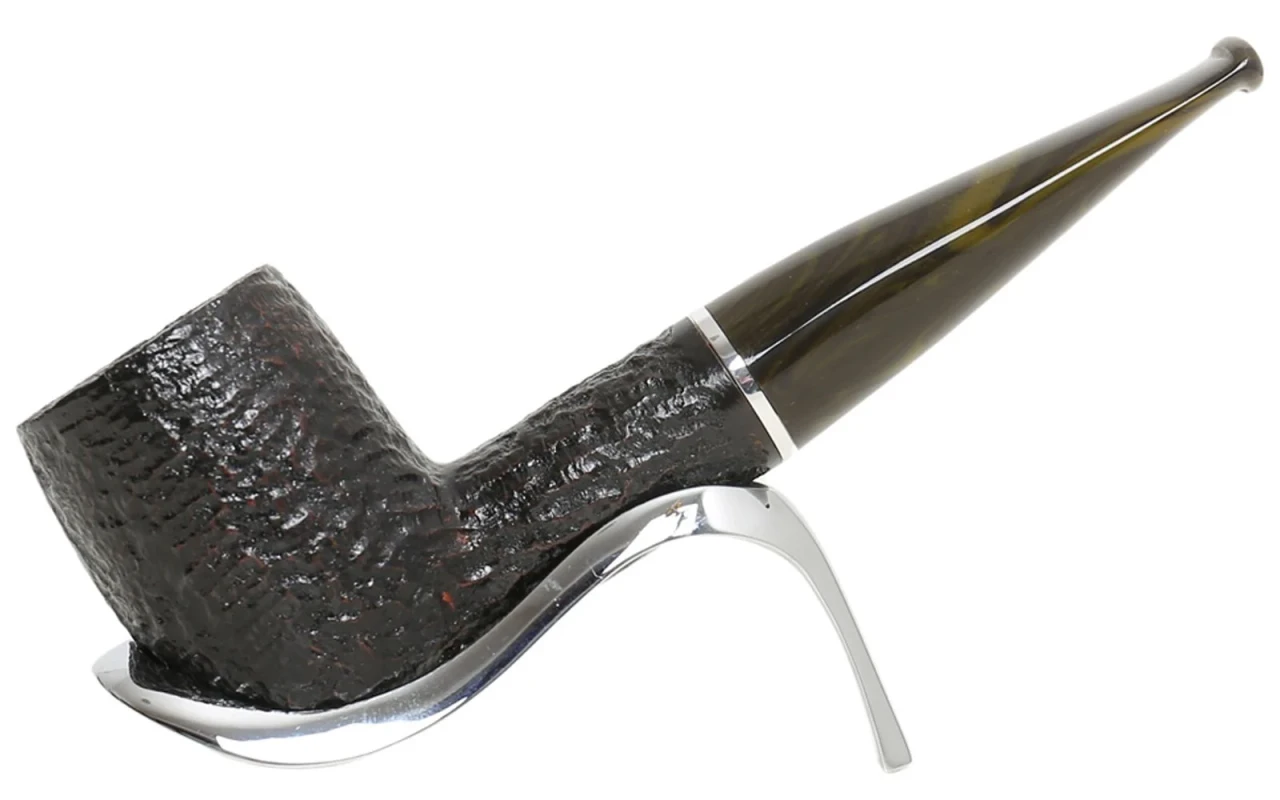
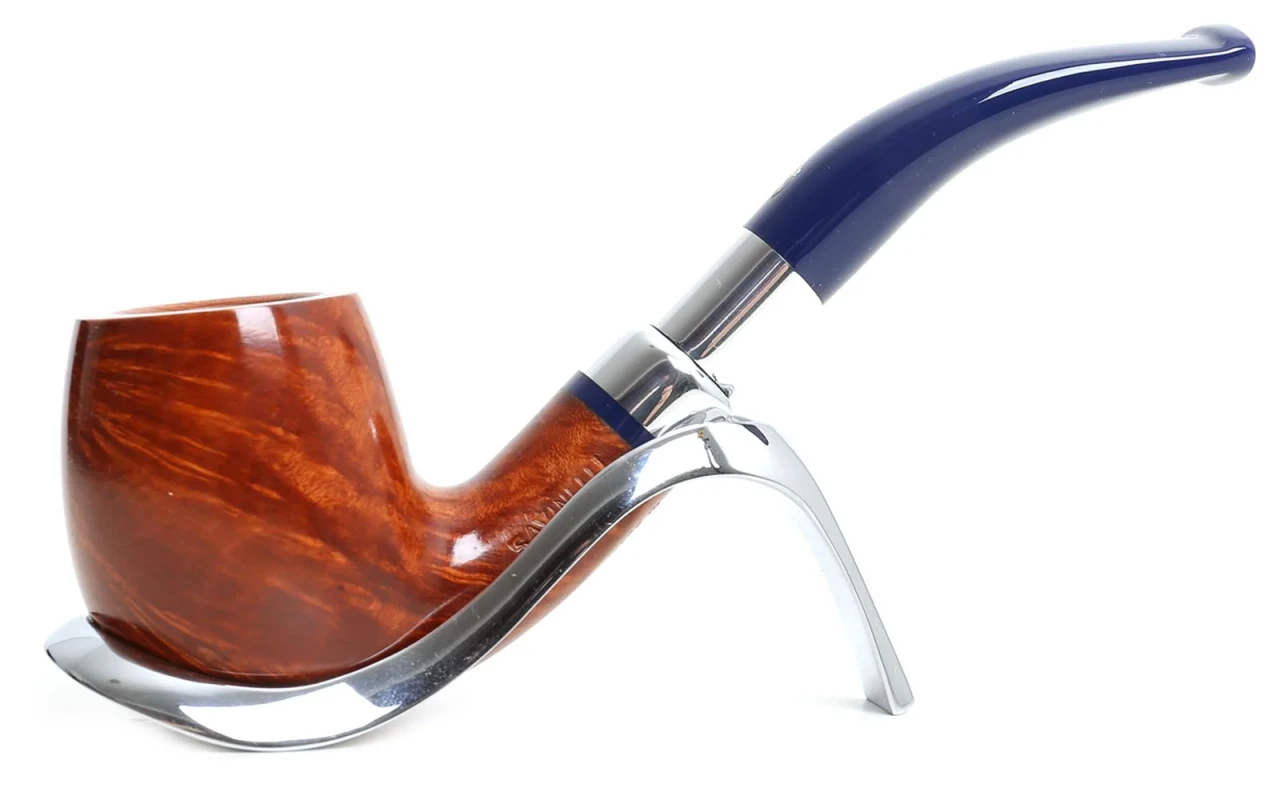
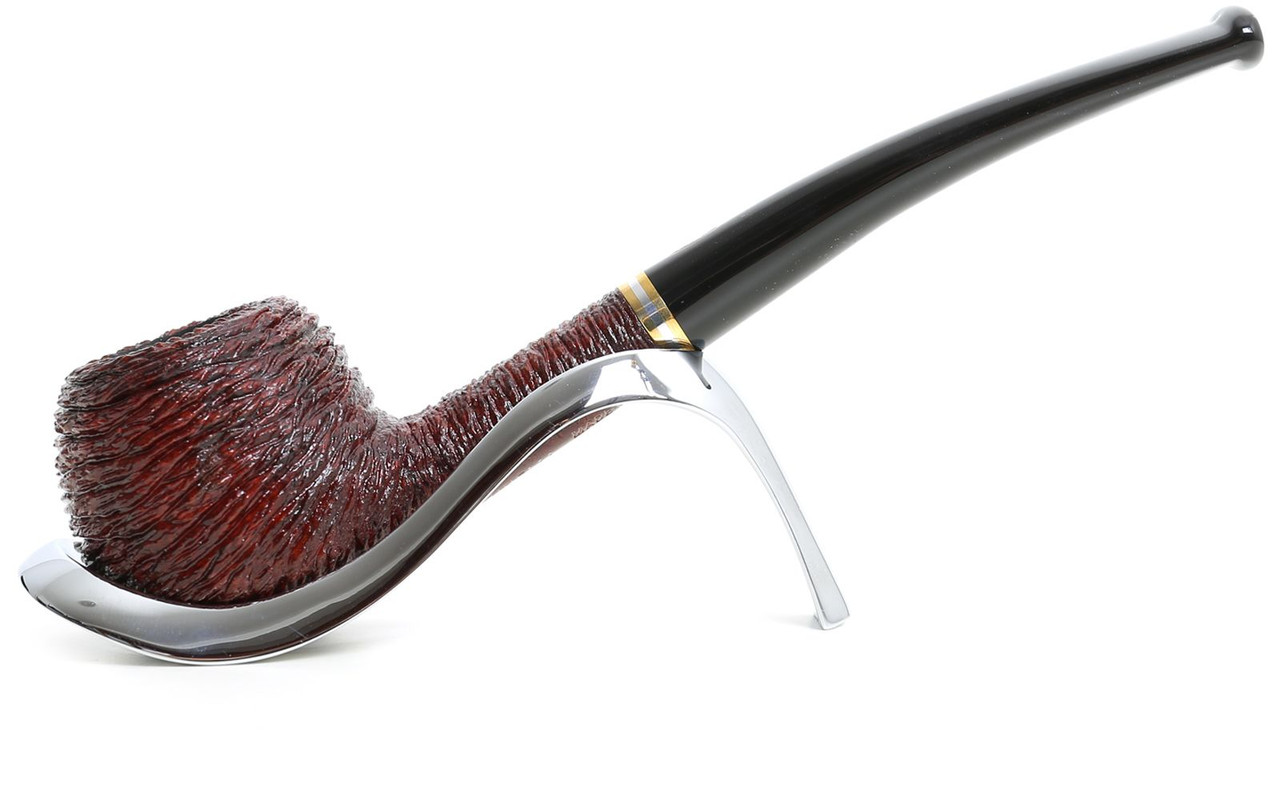
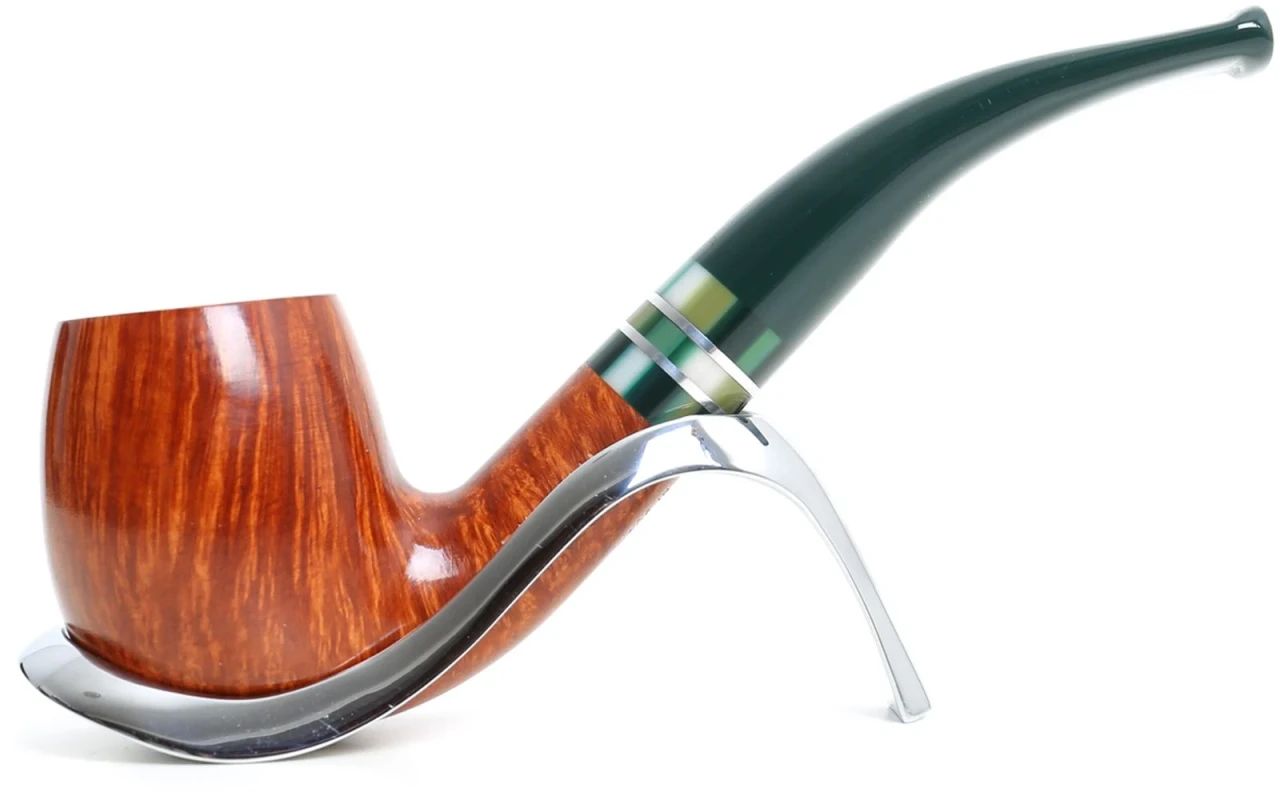
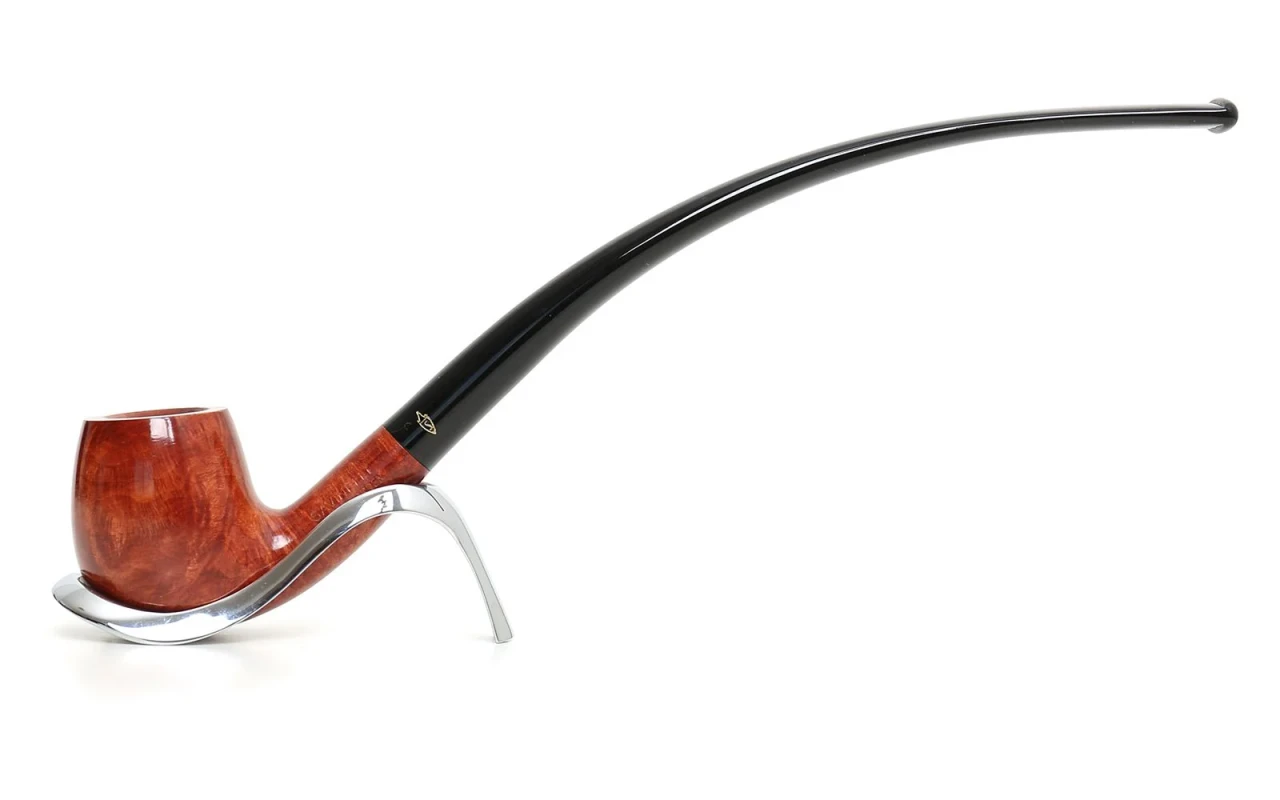
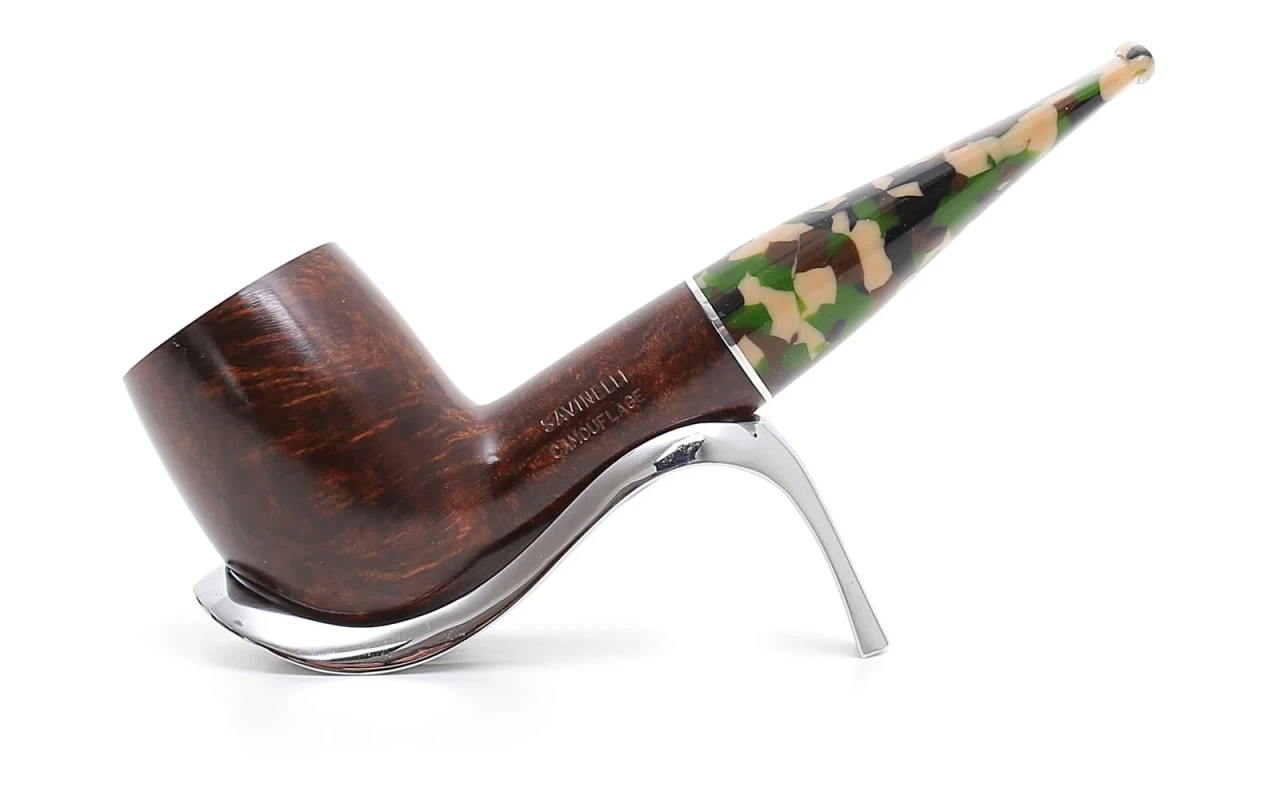
Wood suitable for making pipes
The most suitable wood for making pipes is high-quality and heat-resistant wood, such as Erica arborea briar, olive wood, or oak wood. These types of wood are valued for their heat resistance and ability to absorb moisture without altering the tobacco flavor. It is important to choose wood that does not release harmful substances during combustion and is easy to work with to achieve precise and functional shapes. Selecting the right wood is essential to ensure the quality and durability of the pipe.
Best Wood for Smoking Pipes
The best wood for smoking pipes is Erica arborea root, commonly known as briar. This wood is particularly suitable for pipe construction due to its heat resistance, moisture absorption capacity, and neutral flavor that does not interfere with the tobacco. Other types of wood used include olive wood, cherry wood, walnut, and pear wood. However, briar remains the preferred choice among high-quality pipe manufacturers to ensure optimal smoking experience and long-lasting durability.
Types of Wood for Handcrafted Pipes
There are different types of wood used for the crafting of handcrafted pipes, each with unique characteristics that influence the taste and quality of the smoke. Some common woods include:1. Briarwood
- known for its heat and flame resistance, it is often used for crafting high-quality pipes.2.
- valued for its lightweight and ability to absorb moisture, it helps to keep the smoke cool and dry.3.
- a hard and durable wood, ideal for pipes that require greater strength and longevity.4.
- an elegant and rich-looking wood that imparts a warm and slightly sweet flavor to the tobacco.Each type of wood offers a different smoking experience, so the choice depends on the smoker's personal preferences.
Quality wood for tobacco pipes
The wood used for tobacco pipes plays a fundamental role in the quality and performance of the instrument. The best wood species for pipes are those with the following characteristics:- Moisture absorption: wood with the ability to absorb excess moisture during smoking.- Heat resistance: the ability to withstand high temperatures without compromising the pipe's structure.- Neutrality: the wood should not influence the taste of tobacco, ensuring a pure and authentic smoking experience.- Durability: good resistance to wear and tear and long-lasting performance over time.The most common and appreciated woods for pipes include oak, olive, pear, cherry, and briar root.
'%3e%3cg id='Final-Copy-2_2_' transform='translate(1275.000000, 200.000000)'%3e%3cpath class='st0' d='M7.4,12.8h6.8l3.1-11.6H7.4C4.2,1.2,1.6,3.8,1.6,7S4.2,12.8,7.4,12.8z'/%3e%3c/g%3e%3c/g%3e%3c/g%3e%3cg id='final---dec.11-2020'%3e%3cg id='_x30_208-our-toggle' transform='translate(-1275.000000, -200.000000)'%3e%3cg id='Final-Copy-2' transform='translate(1275.000000, 200.000000)'%3e%3cpath class='st1' d='M22.6,0H7.4c-3.9,0-7,3.1-7,7s3.1,7,7,7h15.2c3.9,0,7-3.1,7-7S26.4,0,22.6,0z M1.6,7c0-3.2,2.6-5.8,5.8-5.8 h9.9l-3.1,11.6H7.4C4.2,12.8,1.6,10.2,1.6,7z'/%3e%3cpath id='x' class='st2' d='M24.6,4c0.2,0.2,0.2,0.6,0,0.8l0,0L22.5,7l2.2,2.2c0.2,0.2,0.2,0.6,0,0.8c-0.2,0.2-0.6,0.2-0.8,0 l0,0l-2.2-2.2L19.5,10c-0.2,0.2-0.6,0.2-0.8,0c-0.2-0.2-0.2-0.6,0-0.8l0,0L20.8,7l-2.2-2.2c-0.2-0.2-0.2-0.6,0-0.8 c0.2-0.2,0.6-0.2,0.8,0l0,0l2.2,2.2L23.8,4C24,3.8,24.4,3.8,24.6,4z'/%3e%3cpath id='y' class='st3' d='M12.7,4.1c0.2,0.2,0.3,0.6,0.1,0.8l0,0L8.6,9.8C8.5,9.9,8.4,10,8.3,10c-0.2,0.1-0.5,0.1-0.7-0.1l0,0 L5.4,7.7c-0.2-0.2-0.2-0.6,0-0.8c0.2-0.2,0.6-0.2,0.8,0l0,0L8,8.6l3.8-4.5C12,3.9,12.4,3.9,12.7,4.1z'/%3e%3c/g%3e%3c/g%3e%3c/g%3e%3c/g%3e%3c/svg%3e) Your Privacy Choices
Your Privacy Choices 


