 ES
ES FR
FR EN
EN IT
IT DE
DE
Traditional production techniques
Traditional production techniques
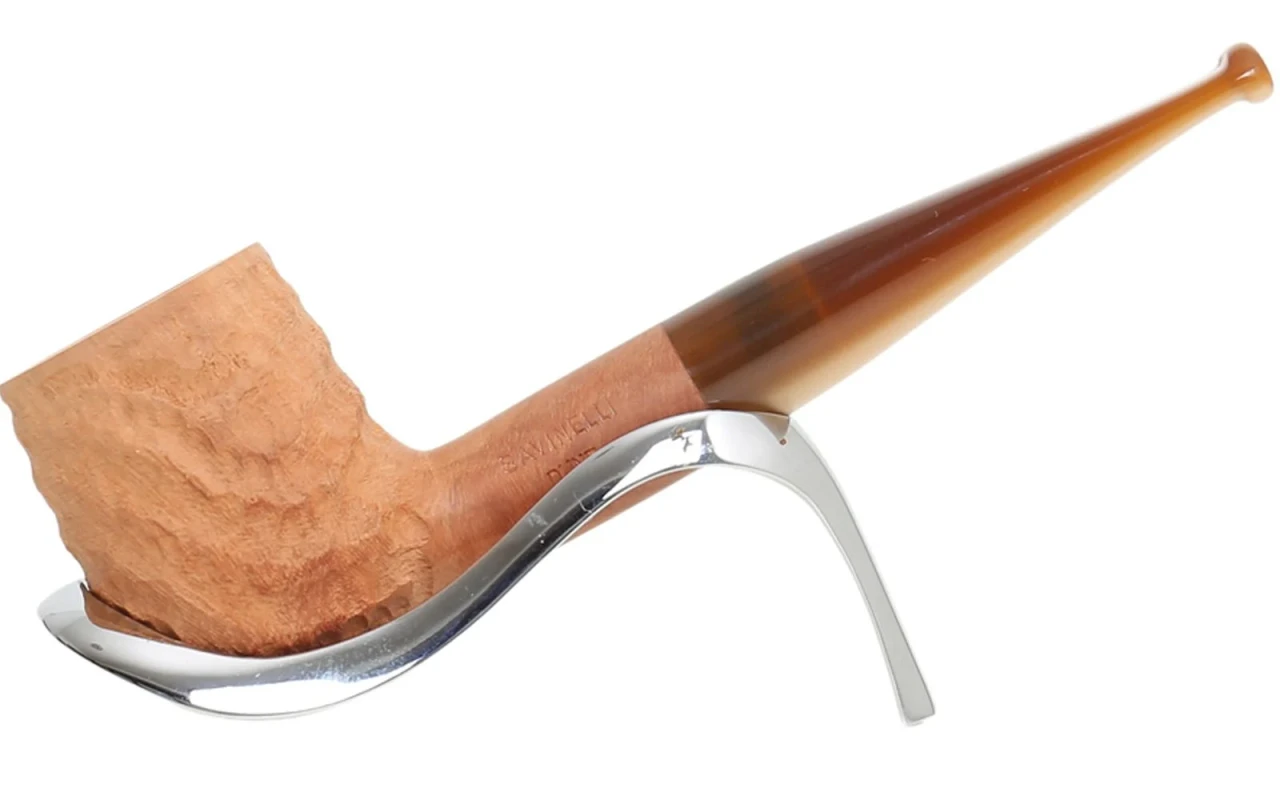
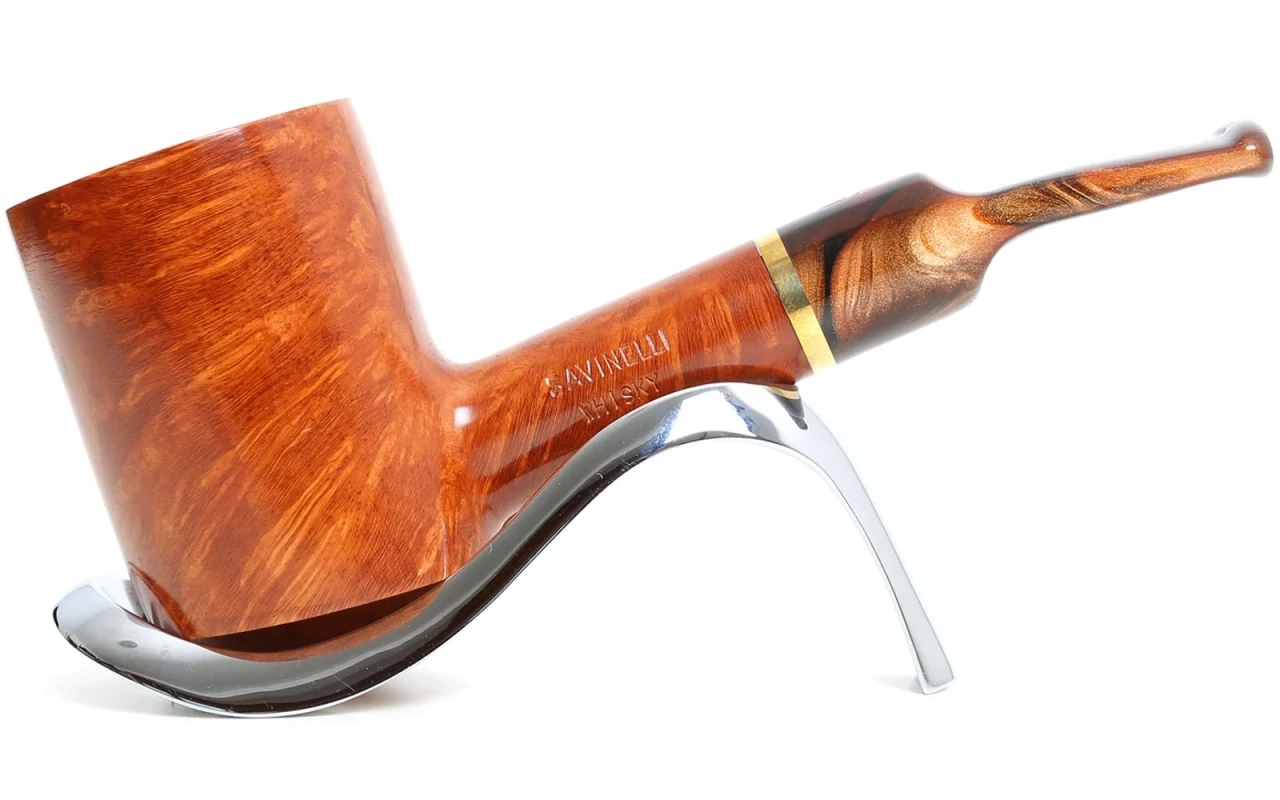
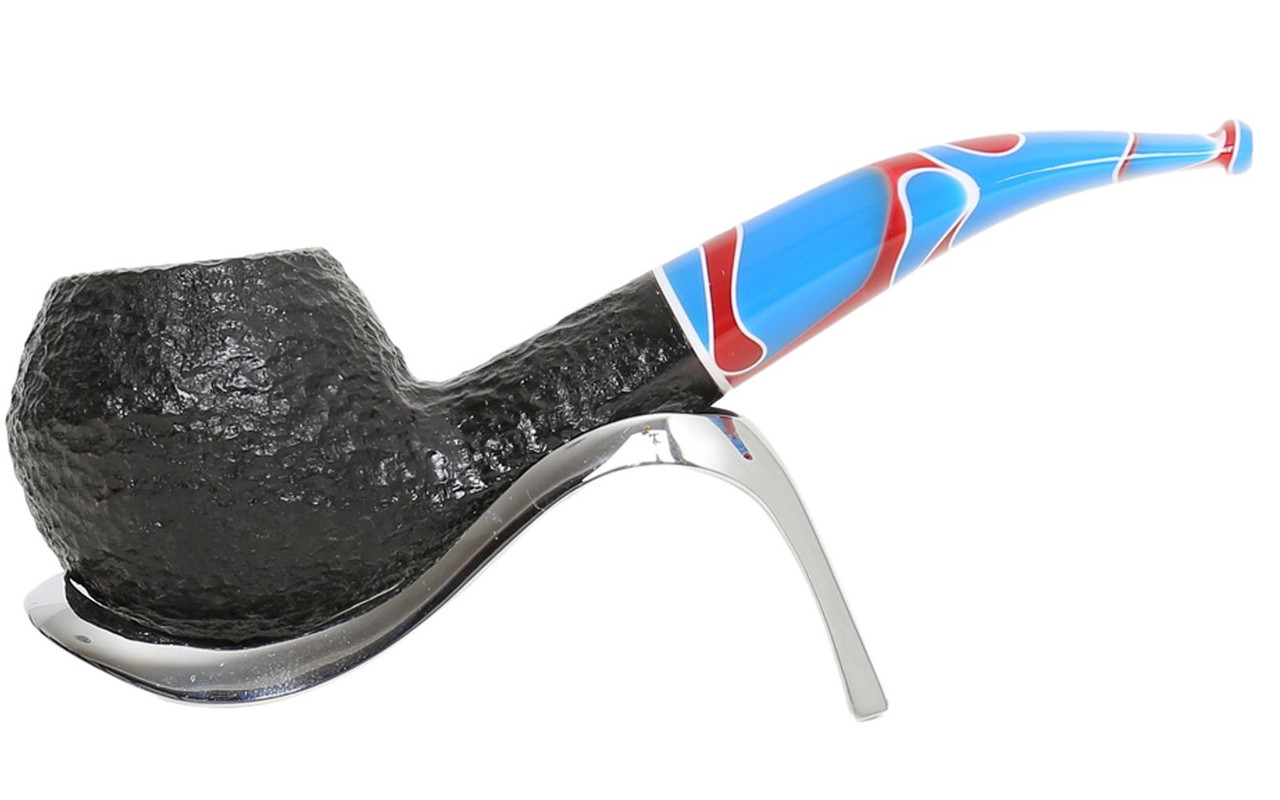
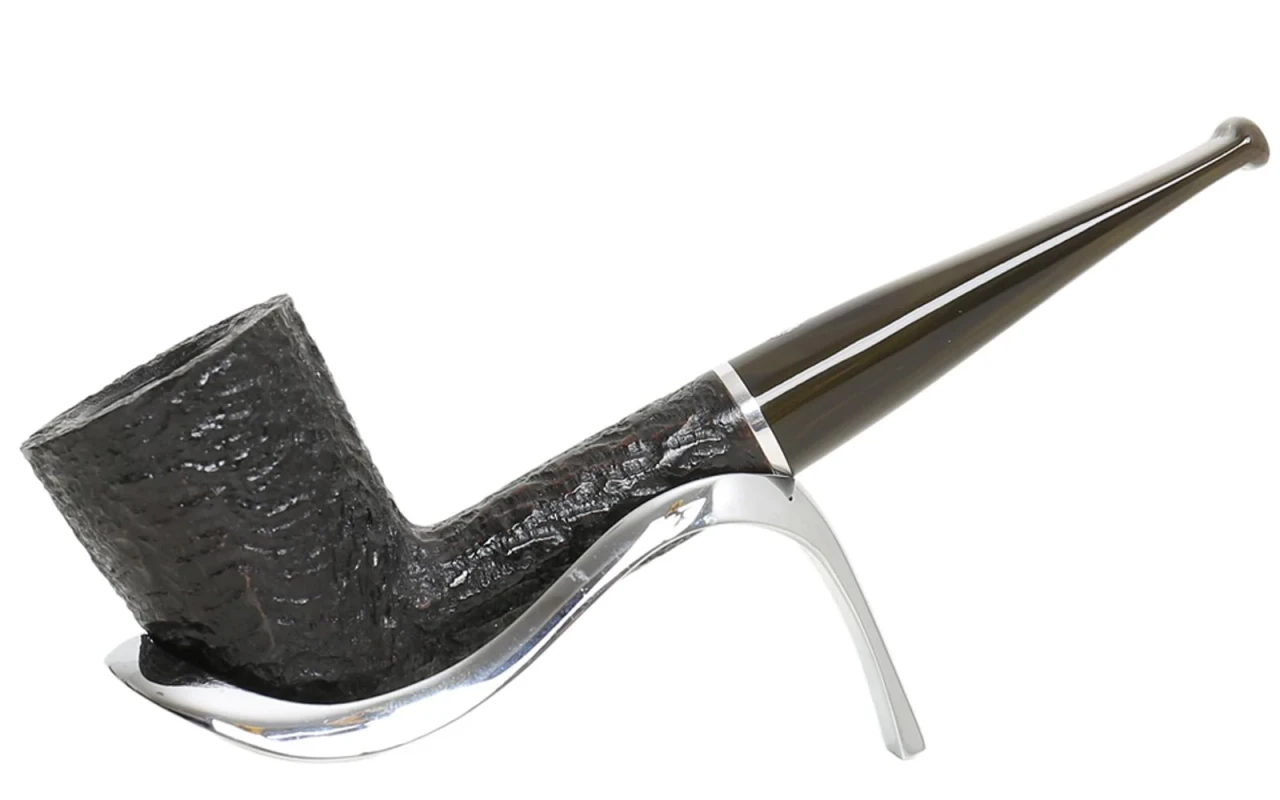
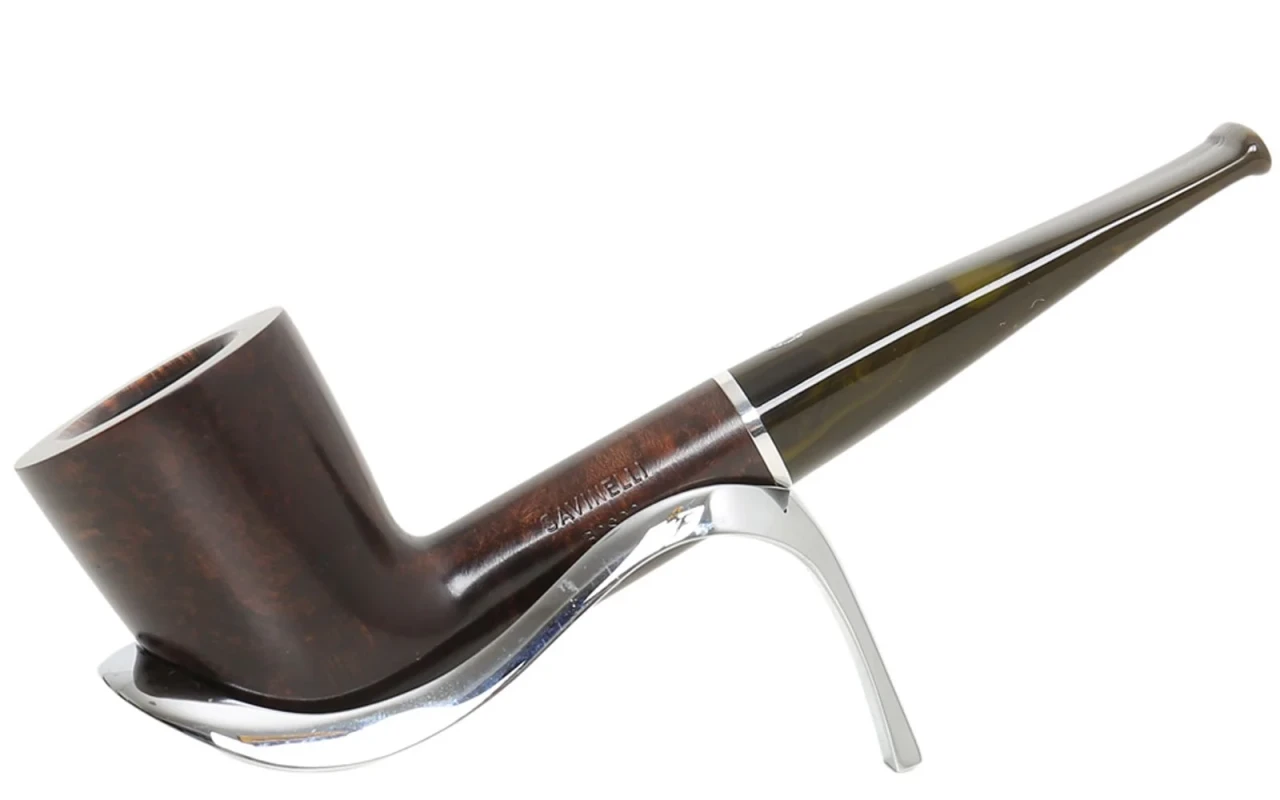
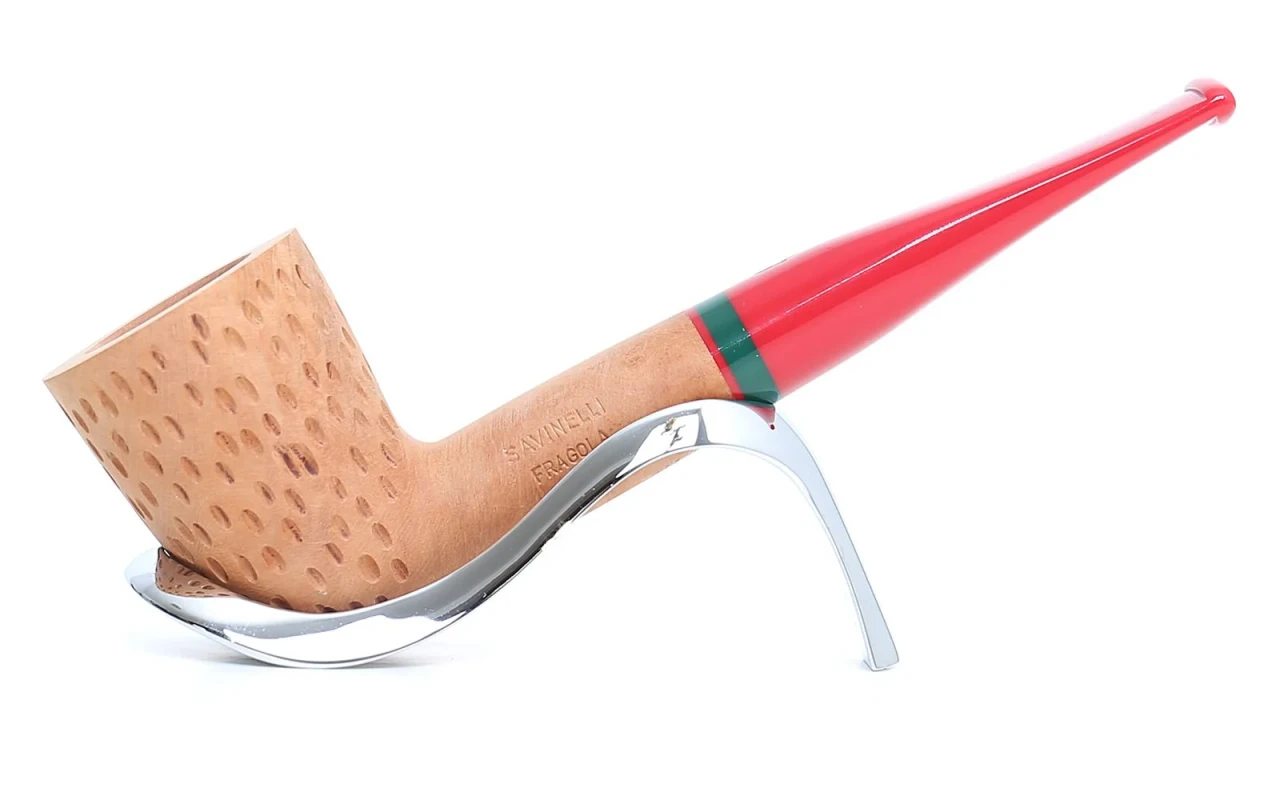
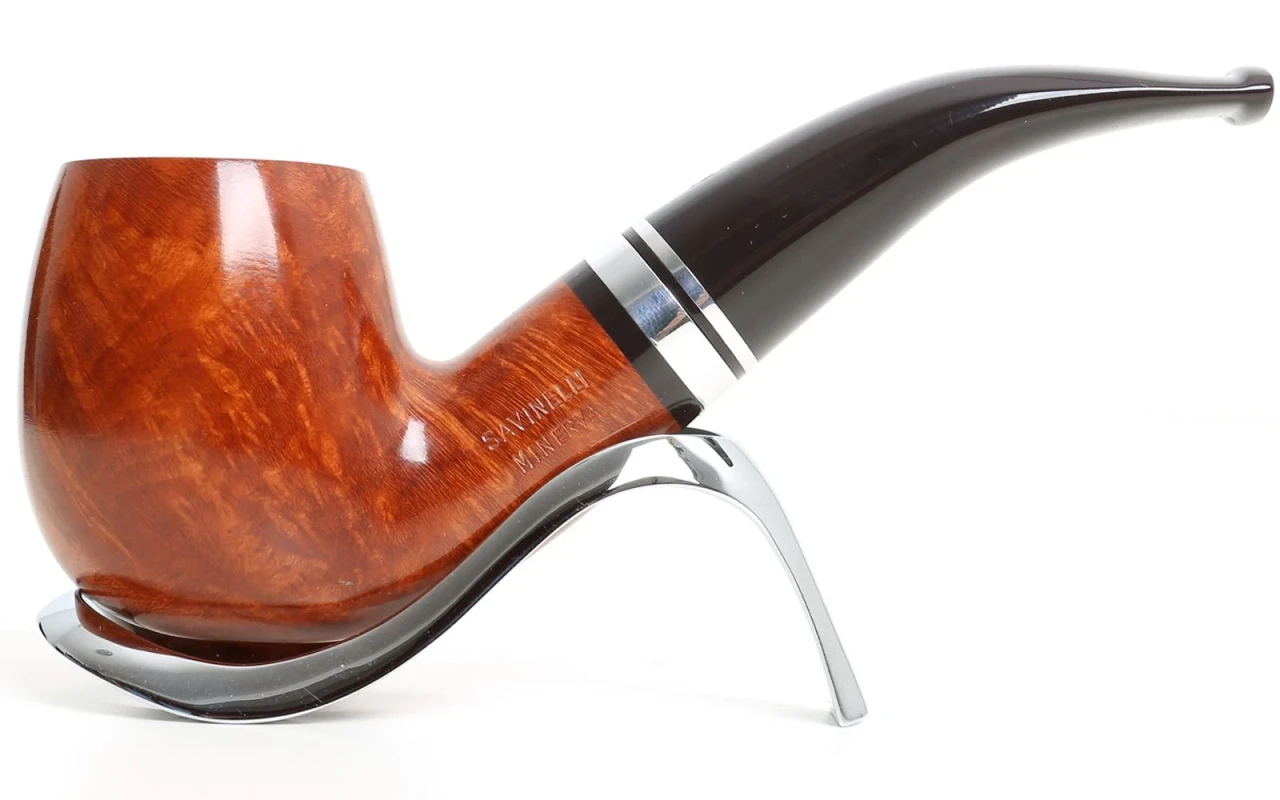
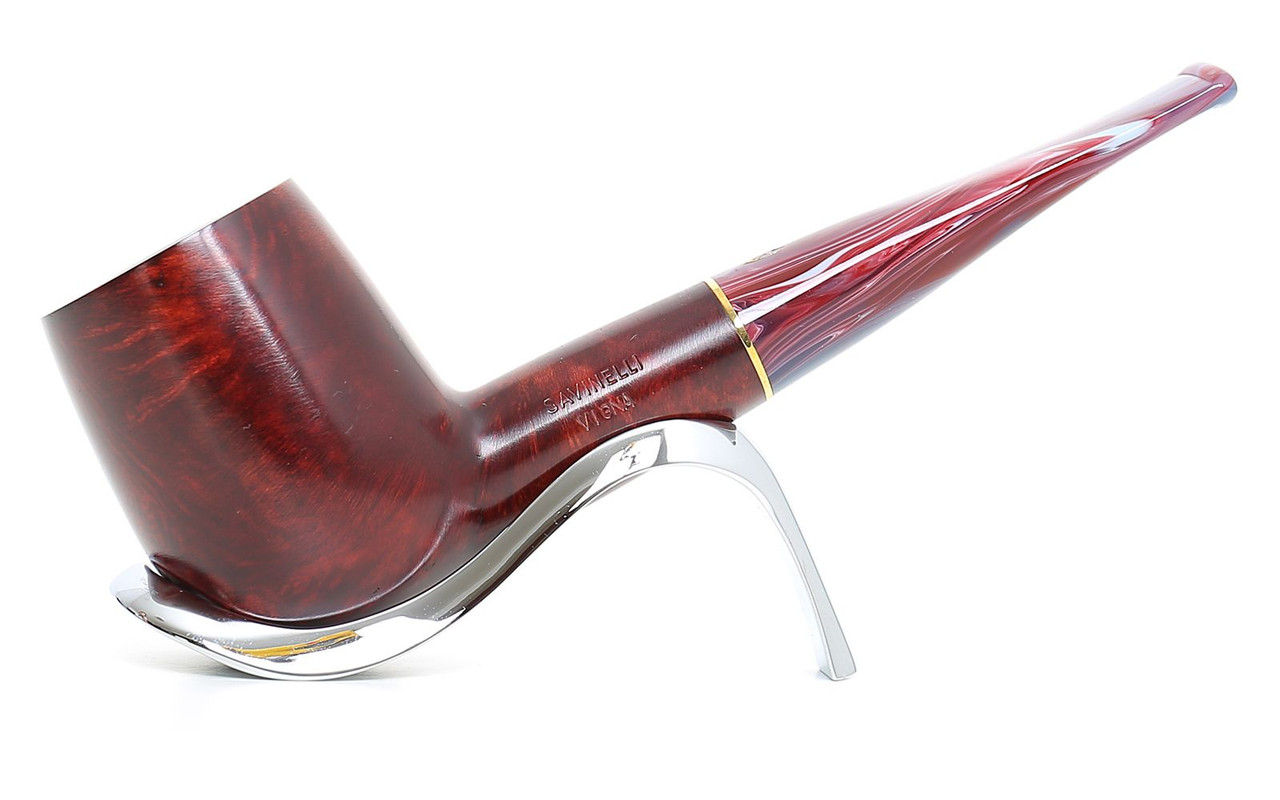
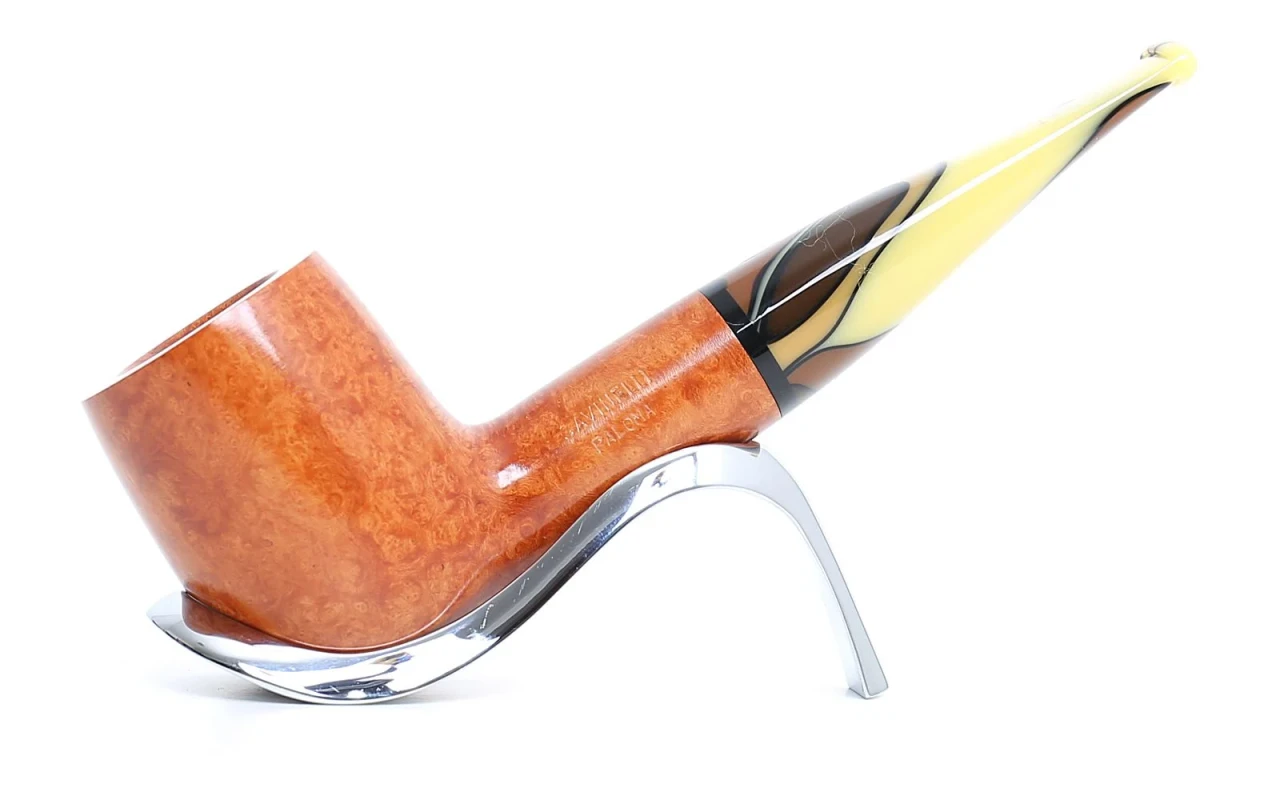
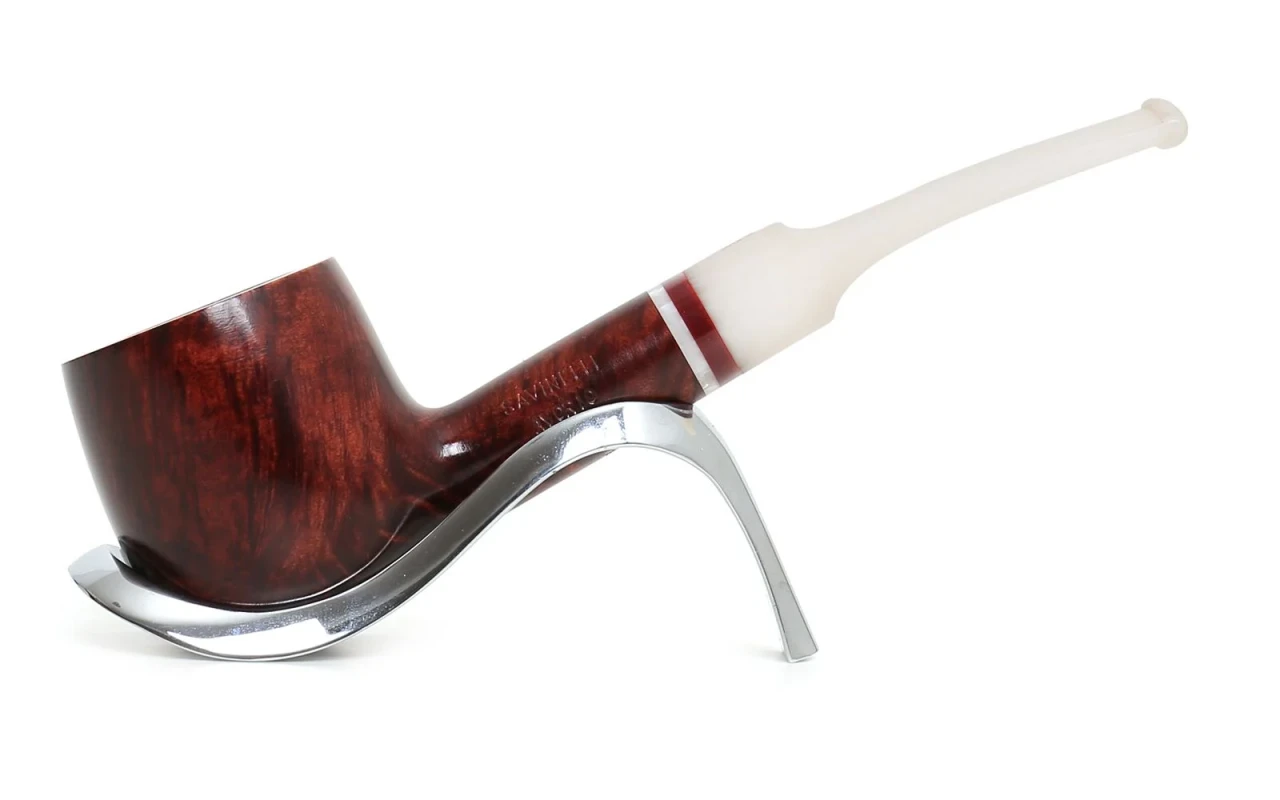
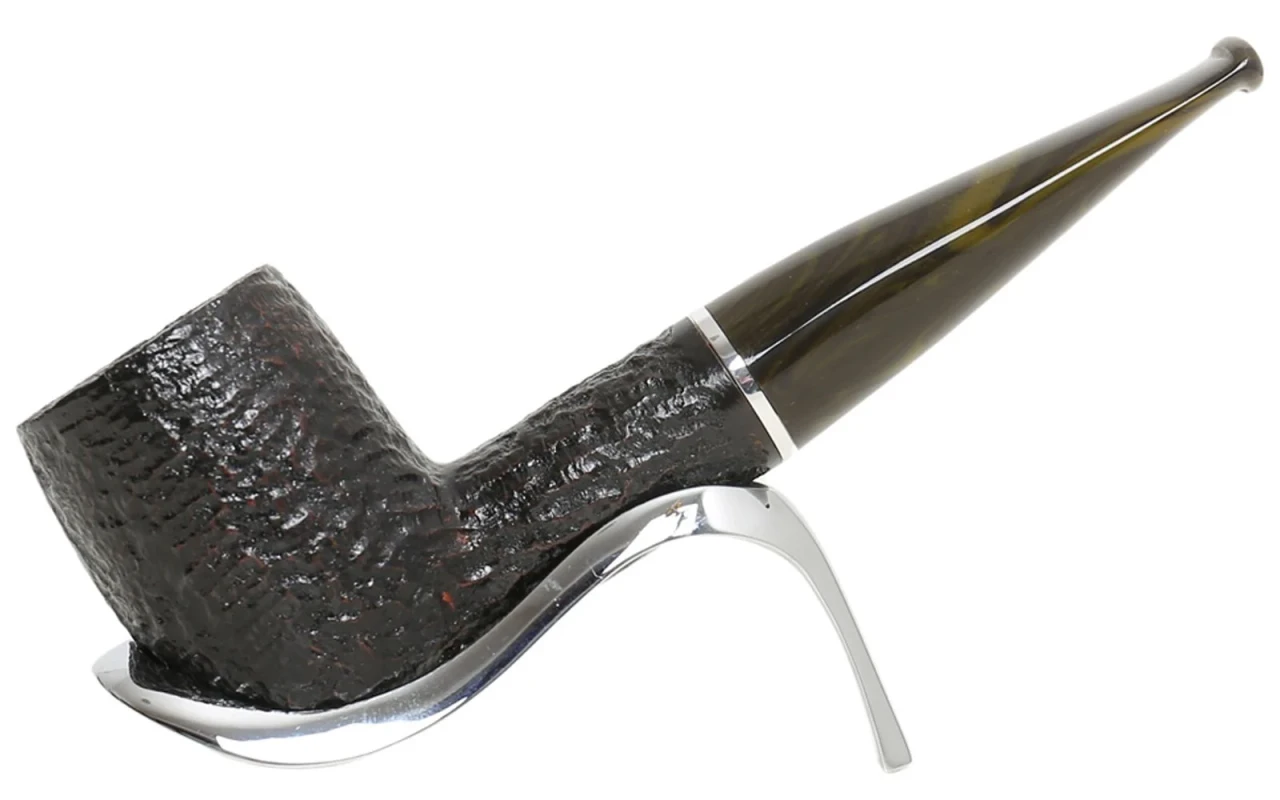
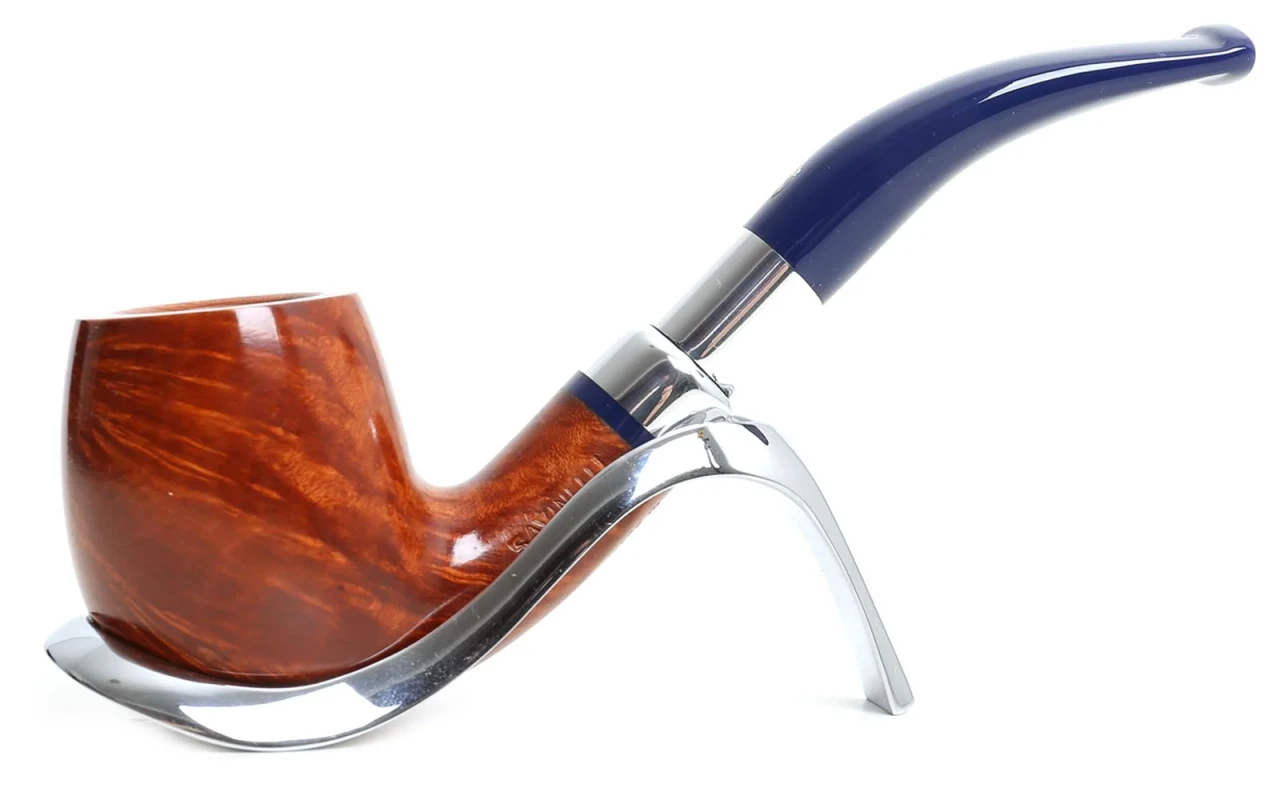
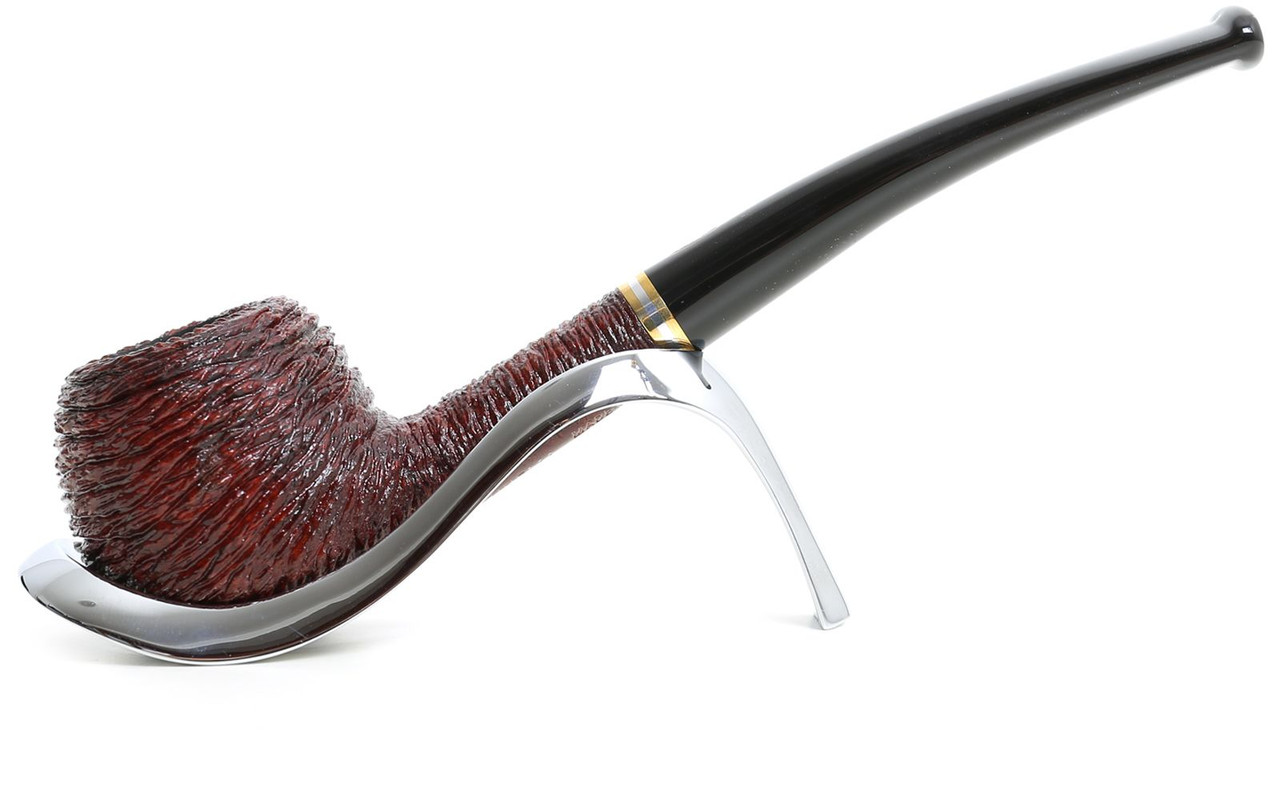
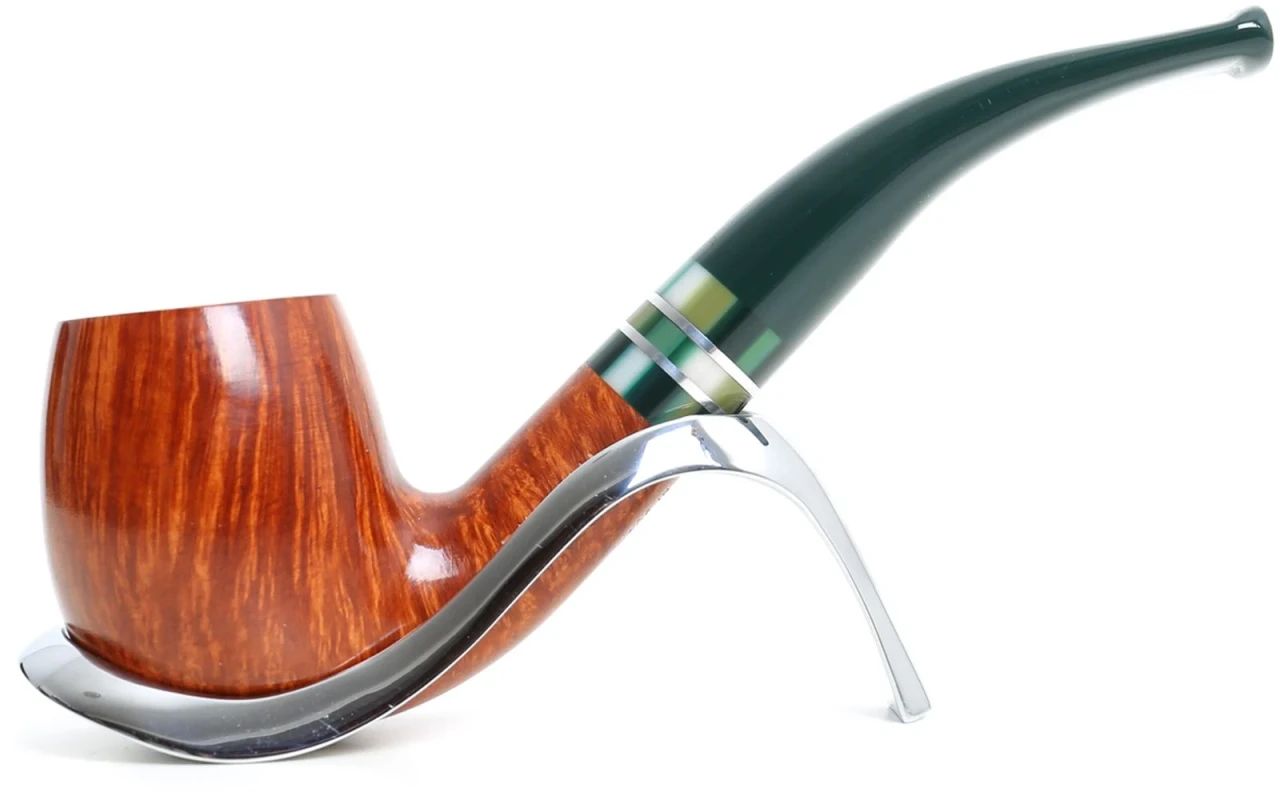
Traditional pipe production techniques are characterized by a craftsmanship process that requires skill and precision. Typically, the manufacturing process begins with the accurate selection of raw material, often high-quality wood such as briar or olive wood. Subsequently, the wood is shaped and hollowed out to create the desired pipe shape. This process may involve the use of specialized tools such as lathes and chisels. Once the shape is completed, the pipe is smoothed and treated with oils or waxes to protect the wood and enhance its appearance. Finally, the pipe is polished to achieve a shiny and long-lasting finish.
Maintenance of Briar Pipes
Maintenance of briar pipes is essential to ensure their durability over time and proper functioning during smoking. Here are some useful tips:- After each use, empty the pipe and carefully clean it using a pipe cleaner and a small piece of cotton to remove tobacco residues and condensation.- Avoid overheating the briar during smoking to prevent damage to the pipe.- Occasionally, it is advisable to wipe a soft cloth on the external surface of the pipe to keep it clean and shiny.- Periodically, check the condition of the filter and replace it if necessary to ensure a fresher and cleaner smoke.By following these simple practices, you can enjoy your briar pipe for a long time.
Collectible Pipe Models
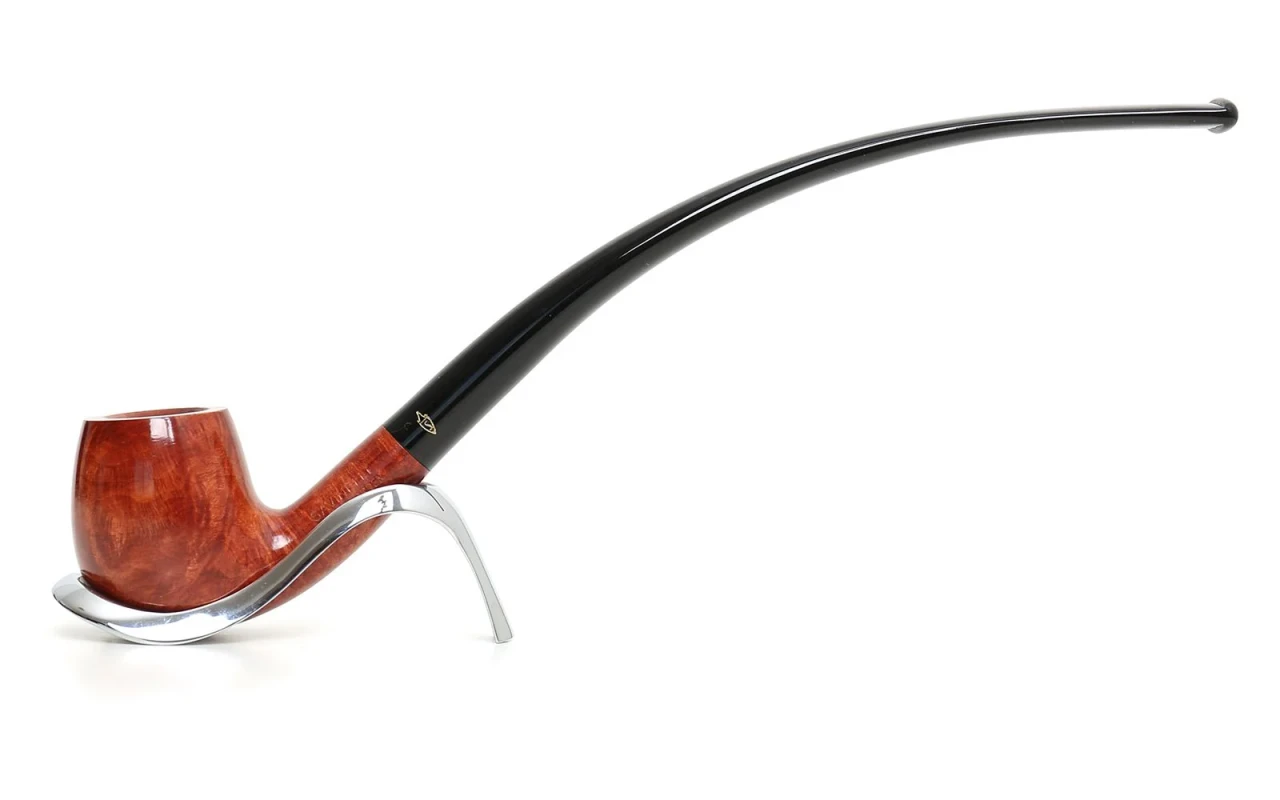
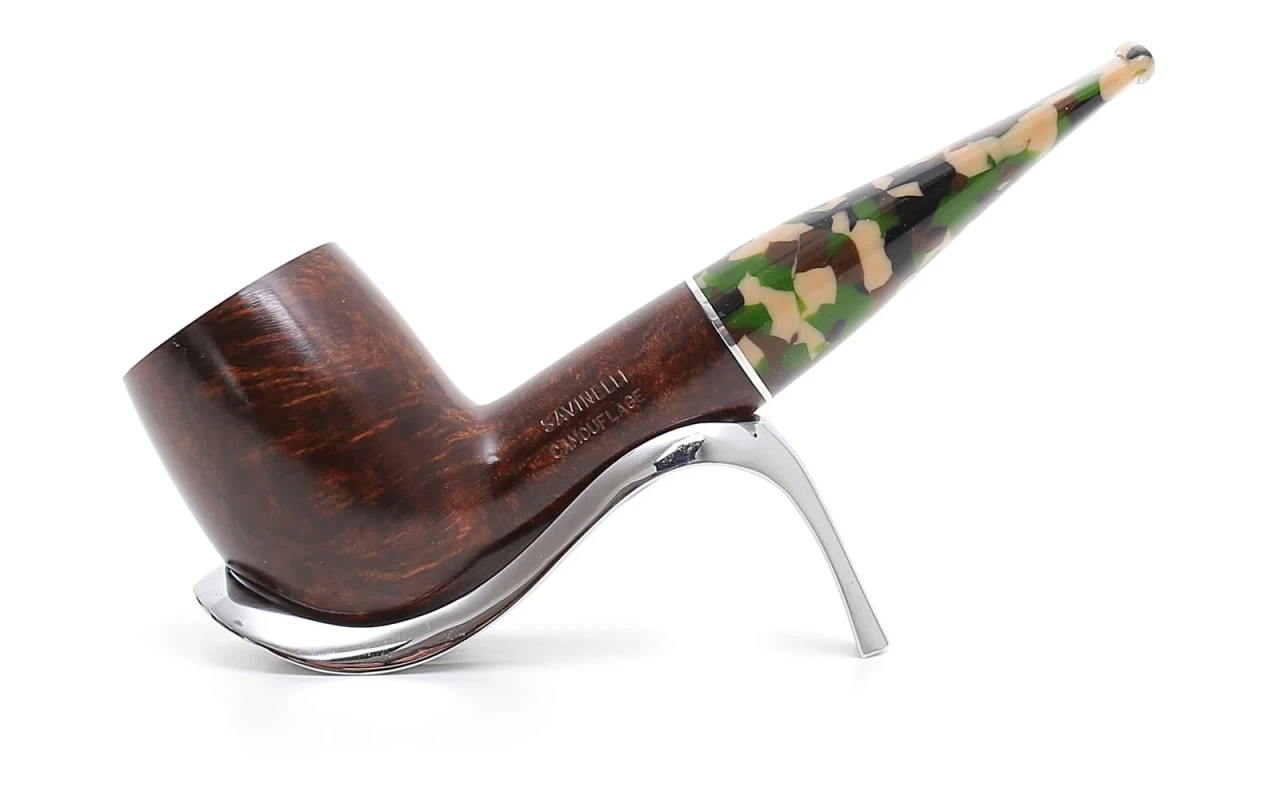
Collectible pipe models are sought-after objects by enthusiasts for their beauty and uniqueness. These pipes are often handcrafted with precious materials such as briar or corn cob. Collectors particularly appreciate the finely crafted details, elaborate engravings, and original shapes that make each piece unique. Collectible pipes can be inspired by classic styles, such as the bent, the dublin, or the bulldog, or they can feature modern and innovative designs. In any case, the passion for collecting collectible pipes is a fascinating hobby that combines aesthetics, craftsmanship, and history.
Smoking pipes for beginners
Smoking pipes for beginners requires patience and practice. To start, choose a quality pipe and tobacco suitable for your taste. Fill the pipe carefully, being careful not to compress the tobacco too much. Light up slowly, rotating the pipe for an even burn. Smoke slowly, avoiding too strong draws that could overheat the pipe. After finishing, clean the pipe with a pipe tool and let it cool completely before storing it. Remember, pipe smoking requires practice to be fully appreciated, so take the time to learn and enjoy the experience.
'%3e%3cg id='Final-Copy-2_2_' transform='translate(1275.000000, 200.000000)'%3e%3cpath class='st0' d='M7.4,12.8h6.8l3.1-11.6H7.4C4.2,1.2,1.6,3.8,1.6,7S4.2,12.8,7.4,12.8z'/%3e%3c/g%3e%3c/g%3e%3c/g%3e%3cg id='final---dec.11-2020'%3e%3cg id='_x30_208-our-toggle' transform='translate(-1275.000000, -200.000000)'%3e%3cg id='Final-Copy-2' transform='translate(1275.000000, 200.000000)'%3e%3cpath class='st1' d='M22.6,0H7.4c-3.9,0-7,3.1-7,7s3.1,7,7,7h15.2c3.9,0,7-3.1,7-7S26.4,0,22.6,0z M1.6,7c0-3.2,2.6-5.8,5.8-5.8 h9.9l-3.1,11.6H7.4C4.2,12.8,1.6,10.2,1.6,7z'/%3e%3cpath id='x' class='st2' d='M24.6,4c0.2,0.2,0.2,0.6,0,0.8l0,0L22.5,7l2.2,2.2c0.2,0.2,0.2,0.6,0,0.8c-0.2,0.2-0.6,0.2-0.8,0 l0,0l-2.2-2.2L19.5,10c-0.2,0.2-0.6,0.2-0.8,0c-0.2-0.2-0.2-0.6,0-0.8l0,0L20.8,7l-2.2-2.2c-0.2-0.2-0.2-0.6,0-0.8 c0.2-0.2,0.6-0.2,0.8,0l0,0l2.2,2.2L23.8,4C24,3.8,24.4,3.8,24.6,4z'/%3e%3cpath id='y' class='st3' d='M12.7,4.1c0.2,0.2,0.3,0.6,0.1,0.8l0,0L8.6,9.8C8.5,9.9,8.4,10,8.3,10c-0.2,0.1-0.5,0.1-0.7-0.1l0,0 L5.4,7.7c-0.2-0.2-0.2-0.6,0-0.8c0.2-0.2,0.6-0.2,0.8,0l0,0L8,8.6l3.8-4.5C12,3.9,12.4,3.9,12.7,4.1z'/%3e%3c/g%3e%3c/g%3e%3c/g%3e%3c/g%3e%3c/svg%3e) Your Privacy Choices
Your Privacy Choices 


