 ES
ES FR
FR EN
EN IT
IT DE
DE
Traditional finishing methods
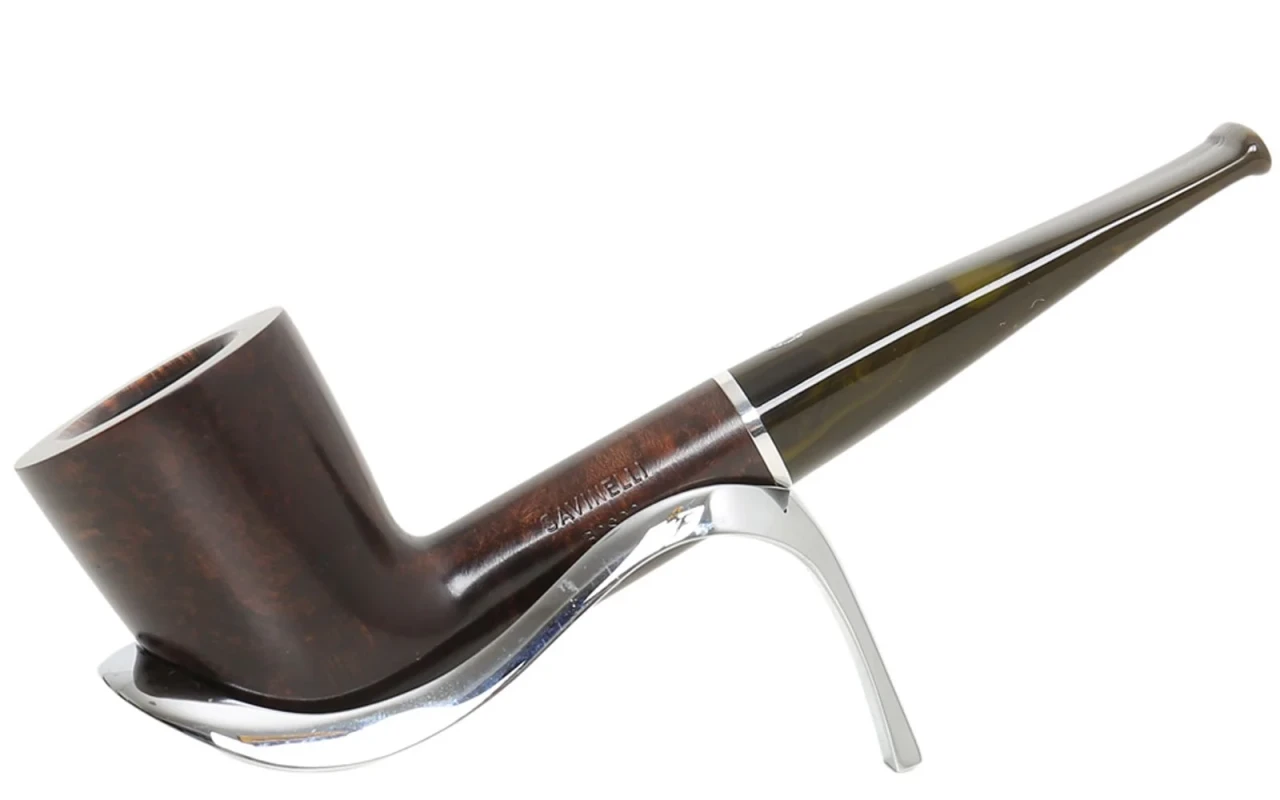
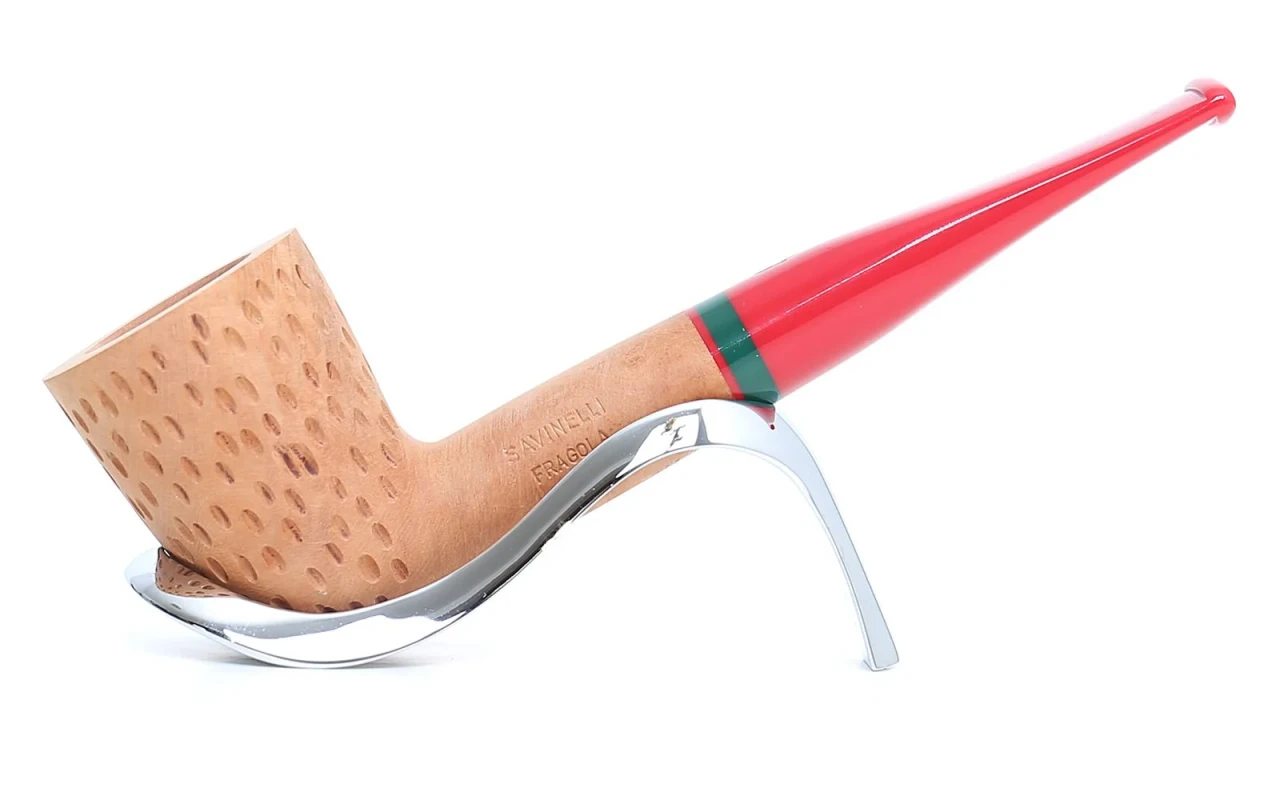
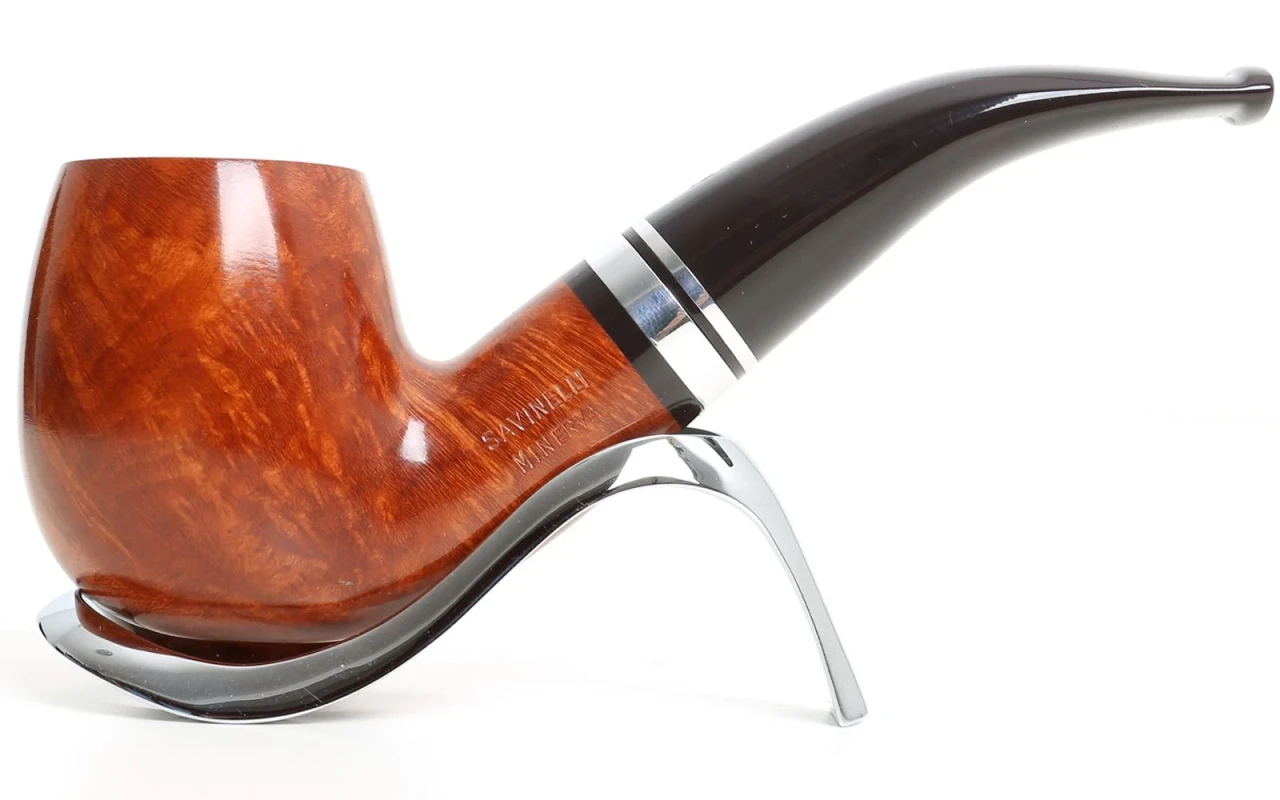
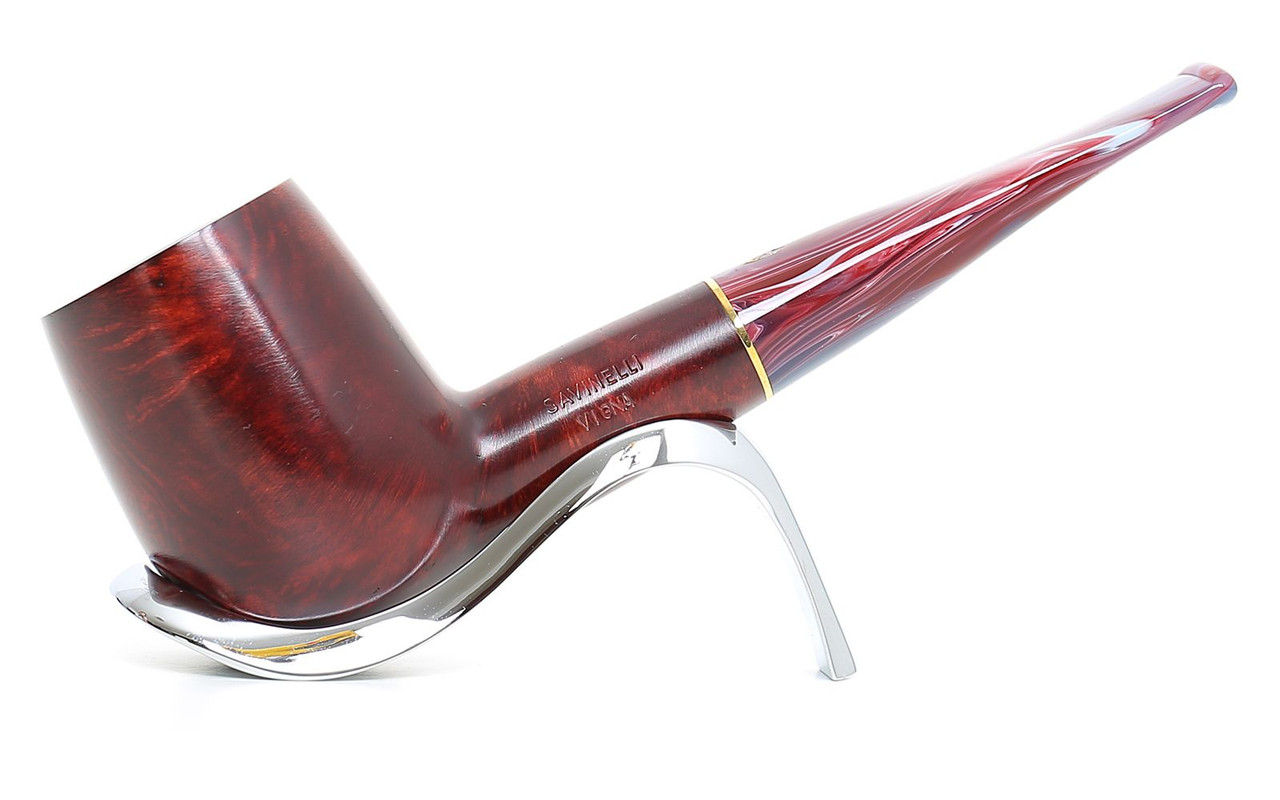

Traditional finishing methods
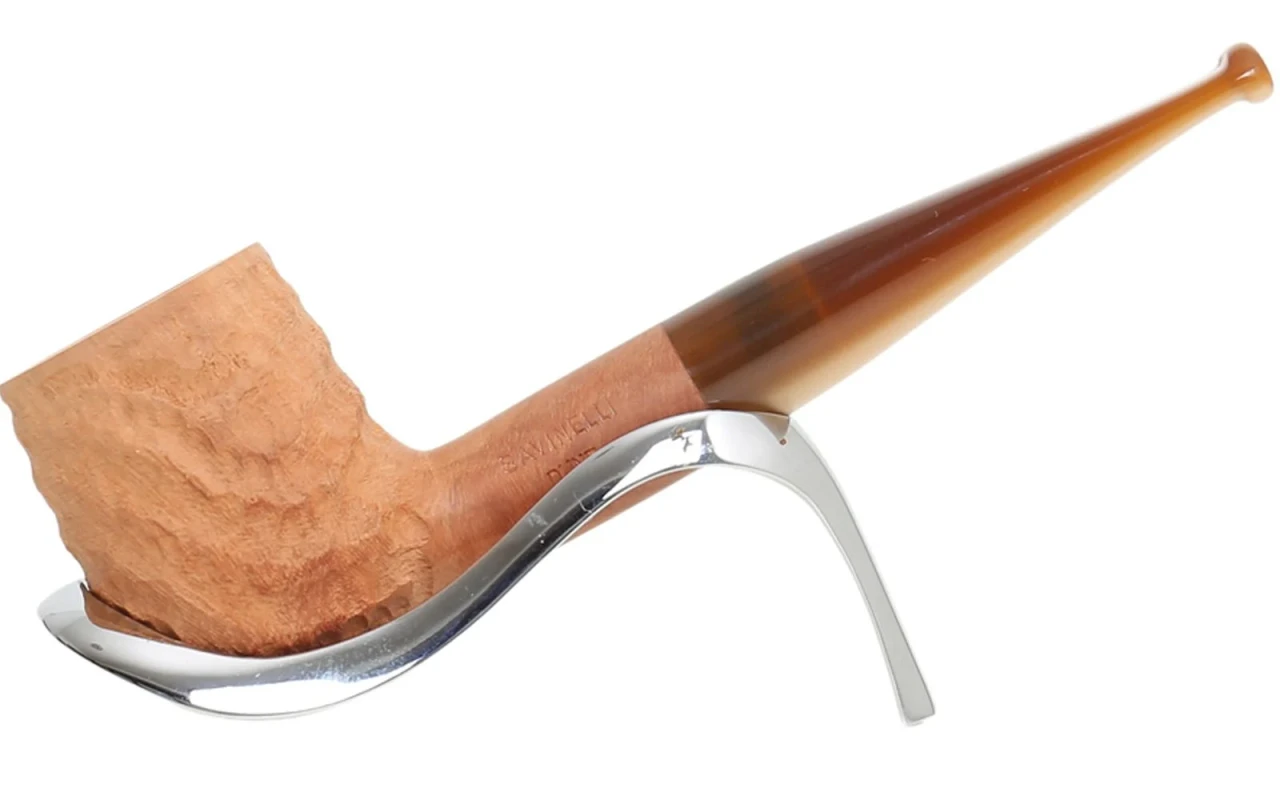
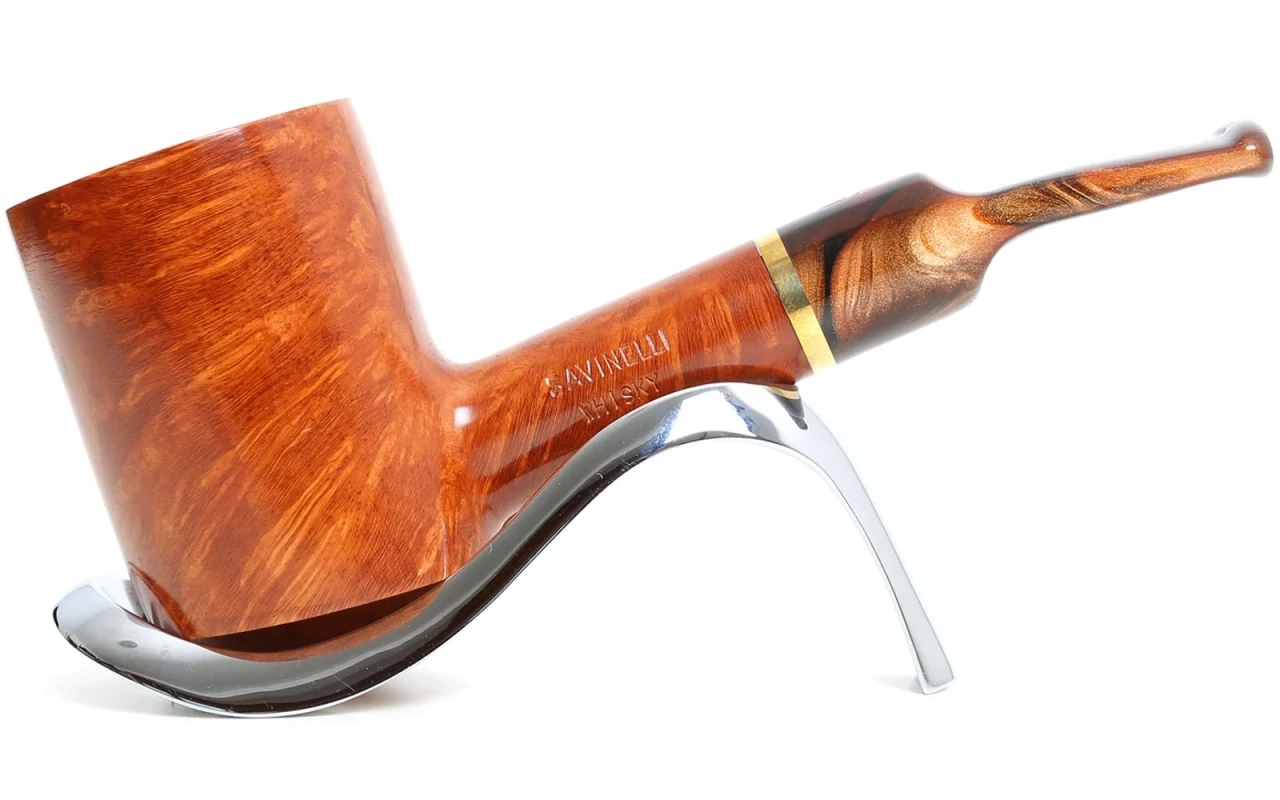
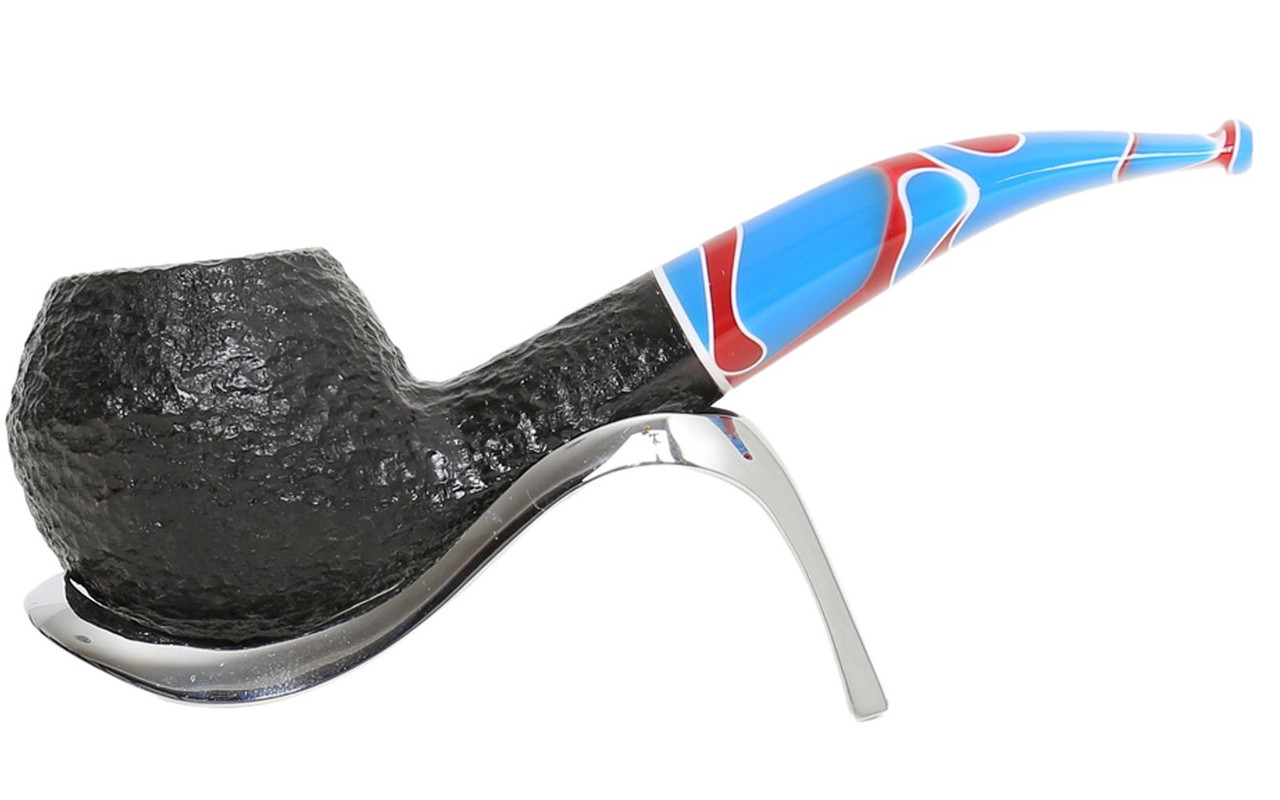
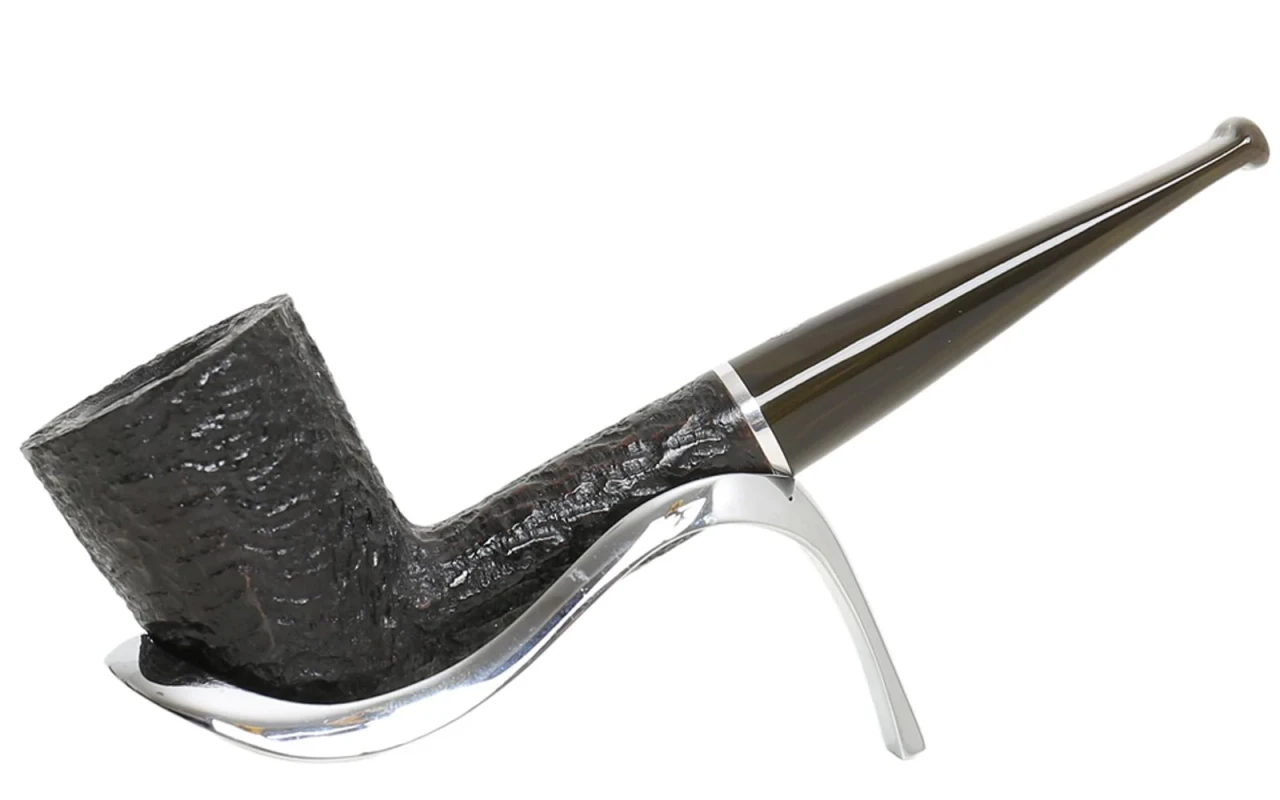
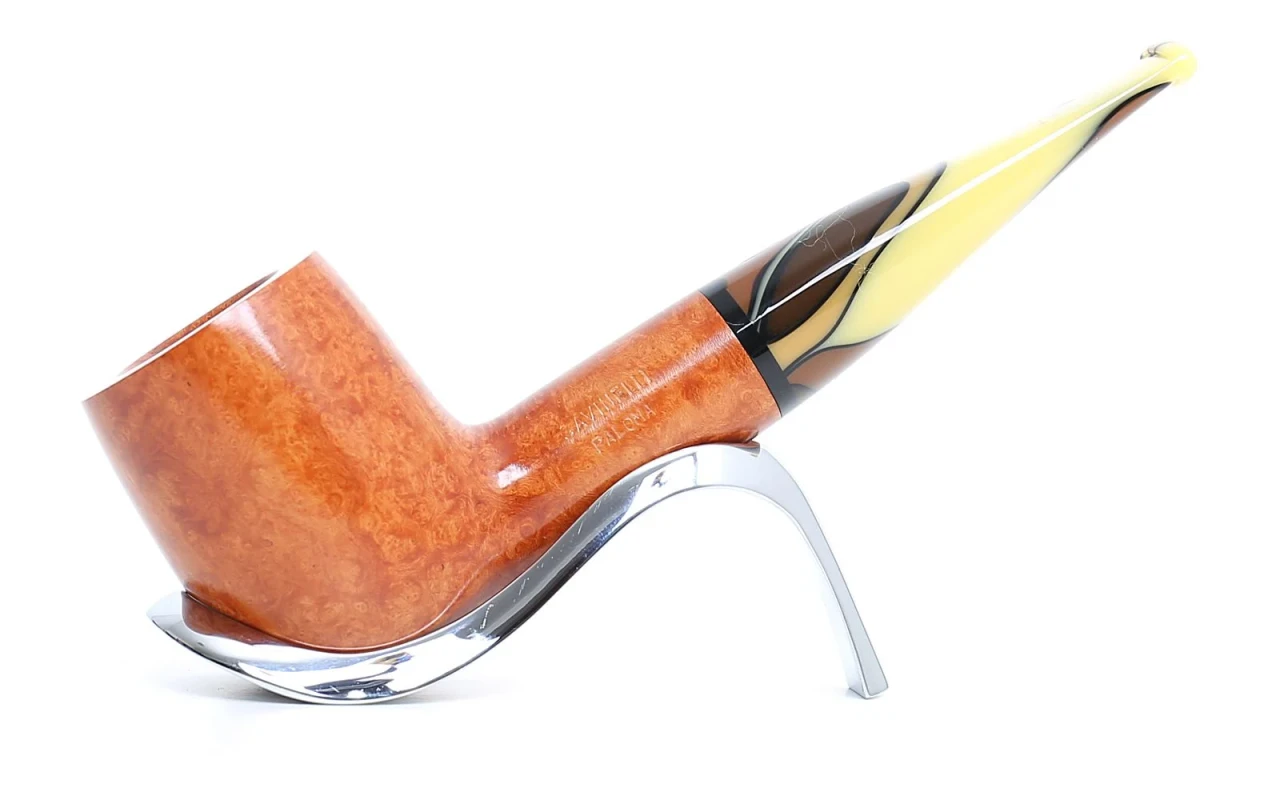
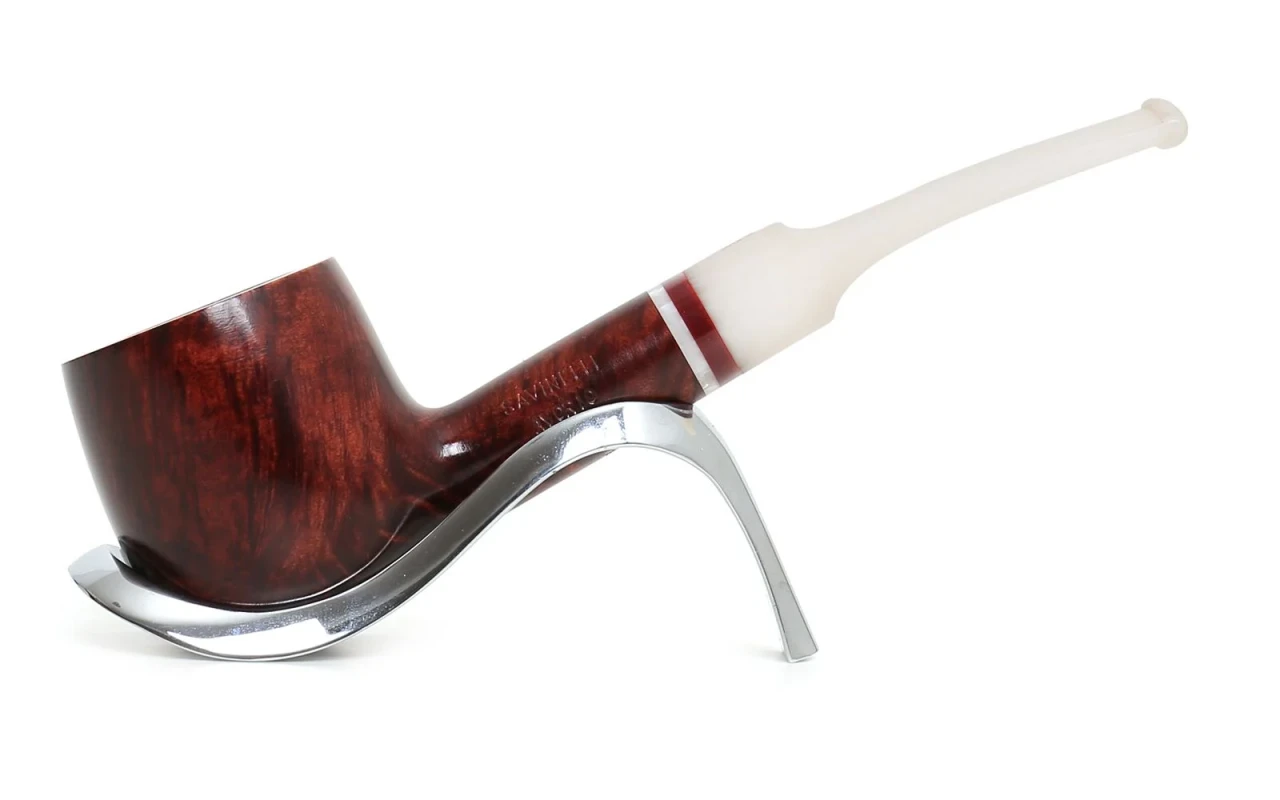
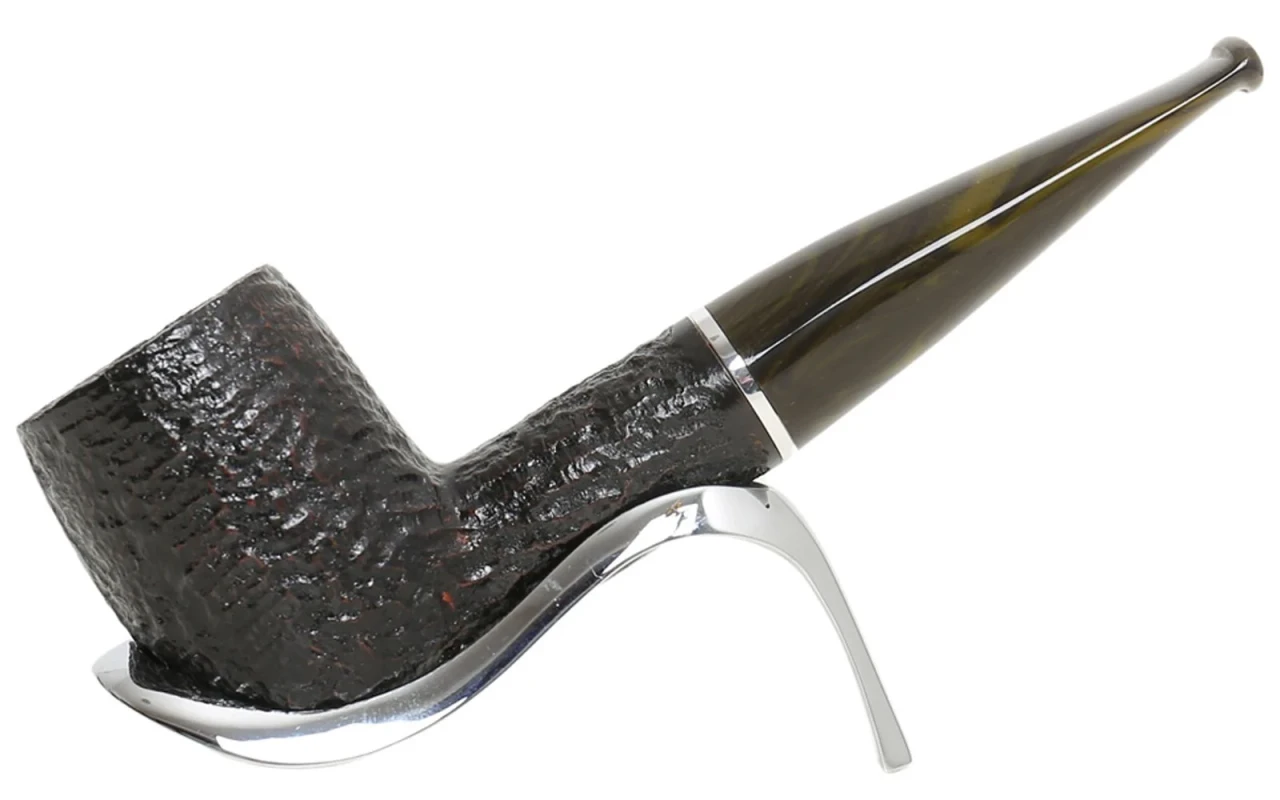
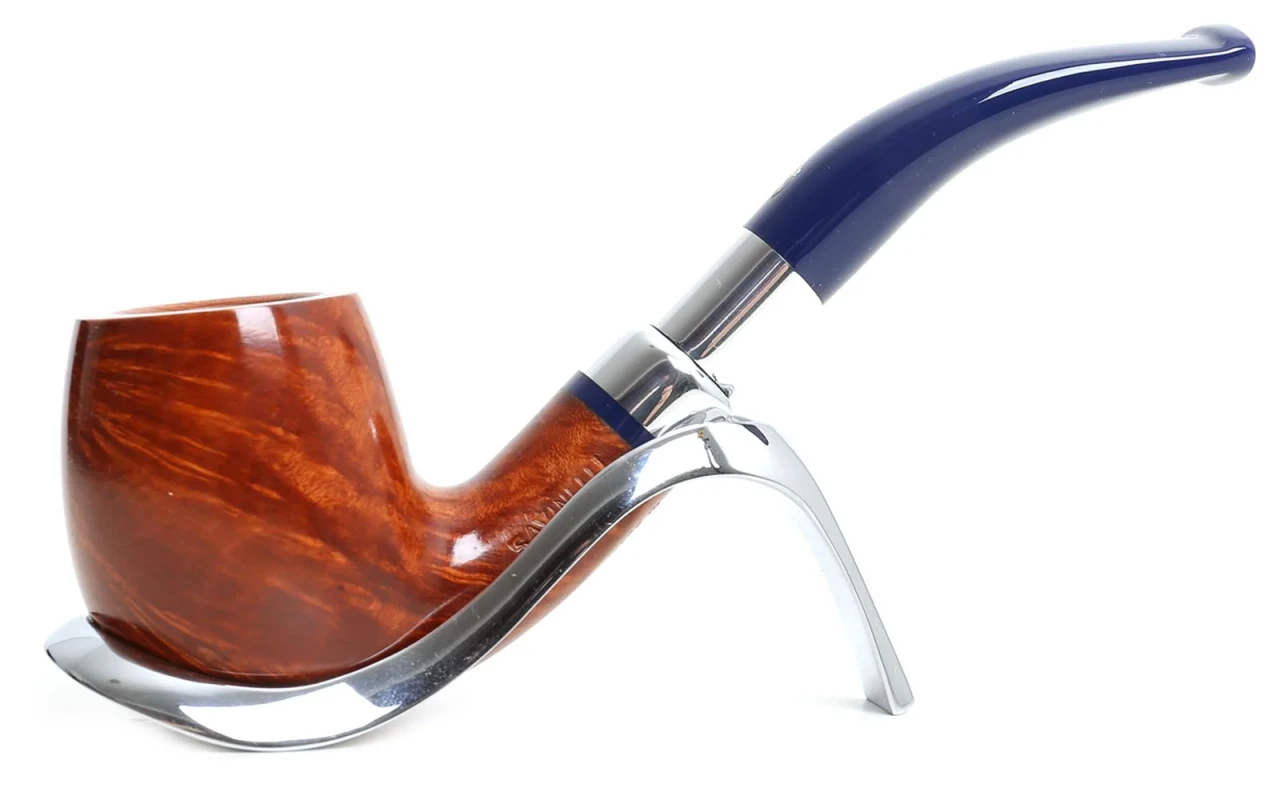
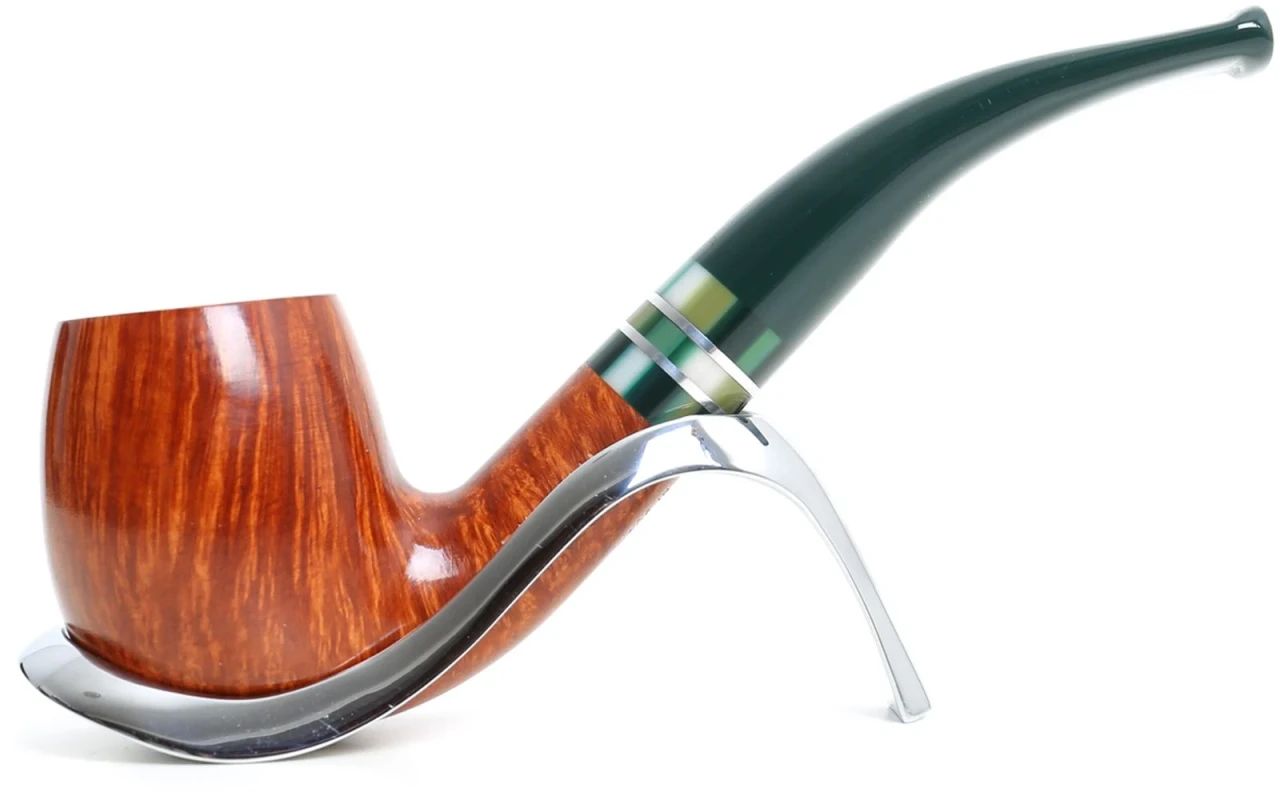
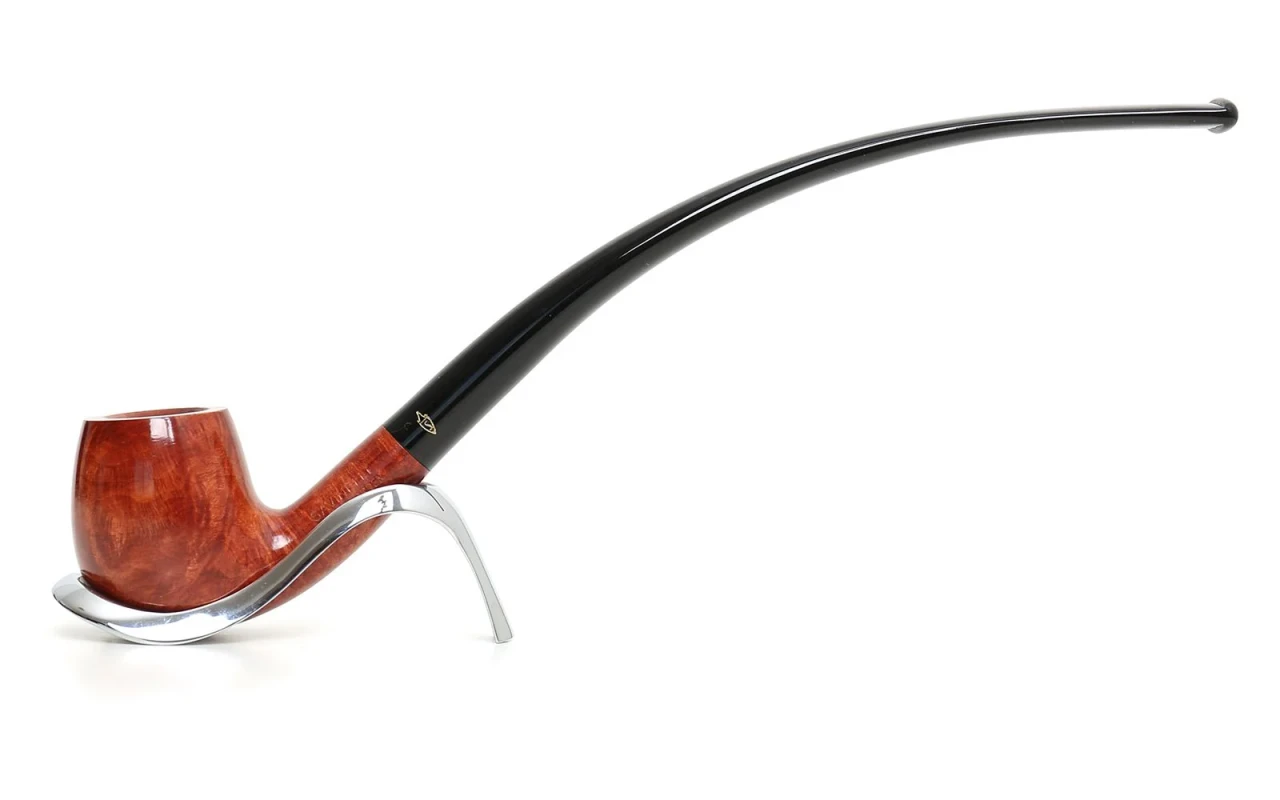
Traditional finishing methods for pipes are essential to ensure a high-quality and long-lasting result over time. Among the most common techniques are:- Wax polishing: through the application of several wax polishing phases using beeswax or carnauba wax, a shiny and protective finish is achieved.- Sandblasting: by using fine sand or other abrasive materials, a rough and tactile surface is created, highlighting the wood grain.- Lacquering: by applying multiple layers of transparent lacquer, the surface is protected and a shiny and durable finish is obtained.These artisanal methods give pipes a unique and refined appearance.
Pipe Smoothing Techniques
Smoothing pipes is a fundamental process to achieve a smooth and glossy surface. Here are some techniques used:- Sandblasting: abrasive grains are used to remove any imperfections and create a uniform surface.- Polishing: the pipe is passed on abrasive materials of different grits to eliminate scratches and imperfections.- Buffing: abrasive pastes and polishes are used to make the surface shiny and reflective.- Wax finishing: a special wax is applied to protect and give shine to the pipe.These techniques are essential to obtain a high-quality pipe with an impeccable appearance.
Artisanal Patination Processes
The patination of pipes is an artisanal process that gives them a unique and distinctive appearance. This technique involves the application of natural substances on the surface of the pipe to create specific color effects and textures. Usually, patination is carried out using pipe tobacco, which, by depositing on the pipe over time, creates shades and veins that enhance its appearance. Other patination methods may involve the use of natural oils or beeswax. This process requires patience and skill on the part of the artisan to achieve aesthetically pleasing and long-lasting results.
Carving Styles in Pipes
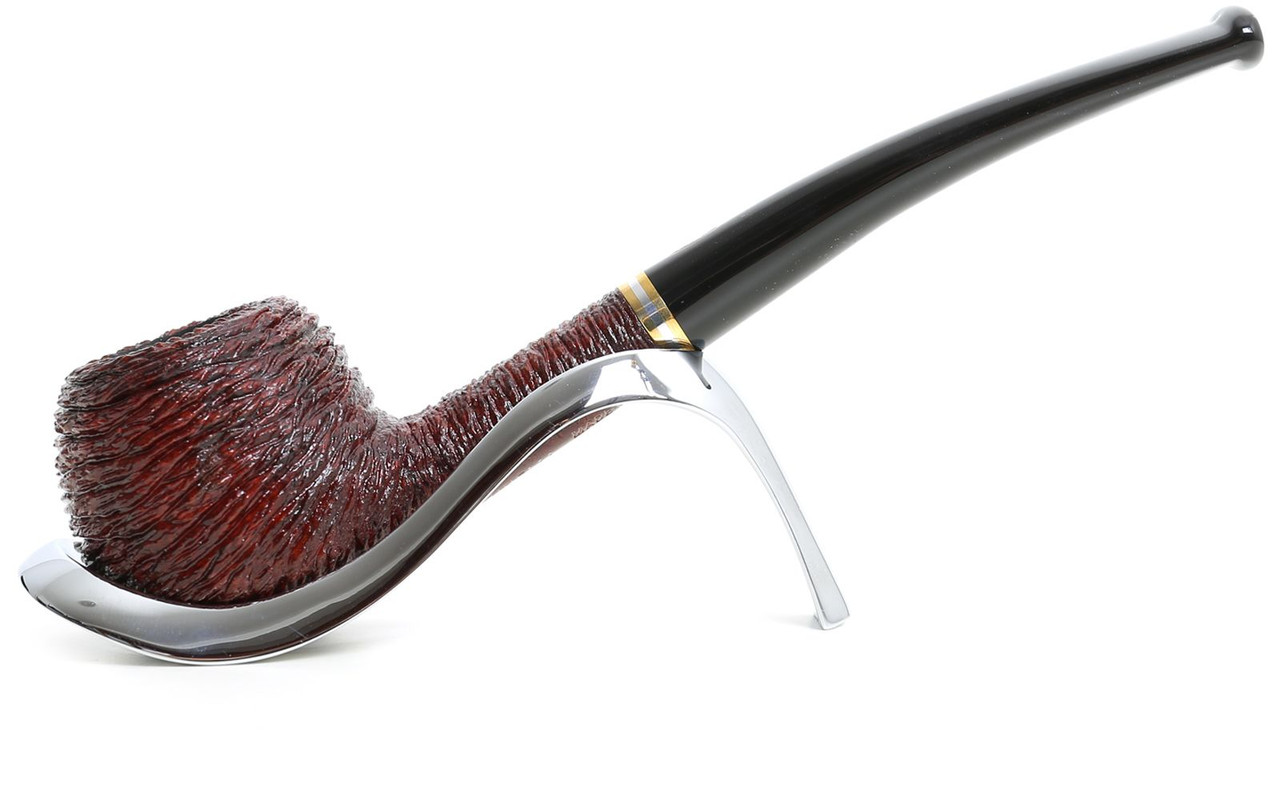
Carvings on pipes are created by skilled artisans using various techniques and styles. Some common models include:- Rustic: characterized by irregular and deep carvings that give a rustic and natural look to the pipe.- Smooth: featuring more delicate carvings and clean lines for an elegant and refined appearance.- Geometric Patterns: showcasing symmetric and repetitive designs such as lines, curves, or geometric shapes.- Floral Patterns: adorned with carvings representing flowers, leaves, or branches for a natural and artistic touch.Each carving style gives the pipe a unique and distinctive character, reflecting the artisan's style and craftsmanship.
'%3e%3cg id='Final-Copy-2_2_' transform='translate(1275.000000, 200.000000)'%3e%3cpath class='st0' d='M7.4,12.8h6.8l3.1-11.6H7.4C4.2,1.2,1.6,3.8,1.6,7S4.2,12.8,7.4,12.8z'/%3e%3c/g%3e%3c/g%3e%3c/g%3e%3cg id='final---dec.11-2020'%3e%3cg id='_x30_208-our-toggle' transform='translate(-1275.000000, -200.000000)'%3e%3cg id='Final-Copy-2' transform='translate(1275.000000, 200.000000)'%3e%3cpath class='st1' d='M22.6,0H7.4c-3.9,0-7,3.1-7,7s3.1,7,7,7h15.2c3.9,0,7-3.1,7-7S26.4,0,22.6,0z M1.6,7c0-3.2,2.6-5.8,5.8-5.8 h9.9l-3.1,11.6H7.4C4.2,12.8,1.6,10.2,1.6,7z'/%3e%3cpath id='x' class='st2' d='M24.6,4c0.2,0.2,0.2,0.6,0,0.8l0,0L22.5,7l2.2,2.2c0.2,0.2,0.2,0.6,0,0.8c-0.2,0.2-0.6,0.2-0.8,0 l0,0l-2.2-2.2L19.5,10c-0.2,0.2-0.6,0.2-0.8,0c-0.2-0.2-0.2-0.6,0-0.8l0,0L20.8,7l-2.2-2.2c-0.2-0.2-0.2-0.6,0-0.8 c0.2-0.2,0.6-0.2,0.8,0l0,0l2.2,2.2L23.8,4C24,3.8,24.4,3.8,24.6,4z'/%3e%3cpath id='y' class='st3' d='M12.7,4.1c0.2,0.2,0.3,0.6,0.1,0.8l0,0L8.6,9.8C8.5,9.9,8.4,10,8.3,10c-0.2,0.1-0.5,0.1-0.7-0.1l0,0 L5.4,7.7c-0.2-0.2-0.2-0.6,0-0.8c0.2-0.2,0.6-0.2,0.8,0l0,0L8,8.6l3.8-4.5C12,3.9,12.4,3.9,12.7,4.1z'/%3e%3c/g%3e%3c/g%3e%3c/g%3e%3c/g%3e%3c/svg%3e) Your Privacy Choices
Your Privacy Choices 


