 ES
ES FR
FR EN
EN IT
IT DE
DE
Tobacco combustion influenced by pipe shape
Tobacco combustion influenced by pipe shape
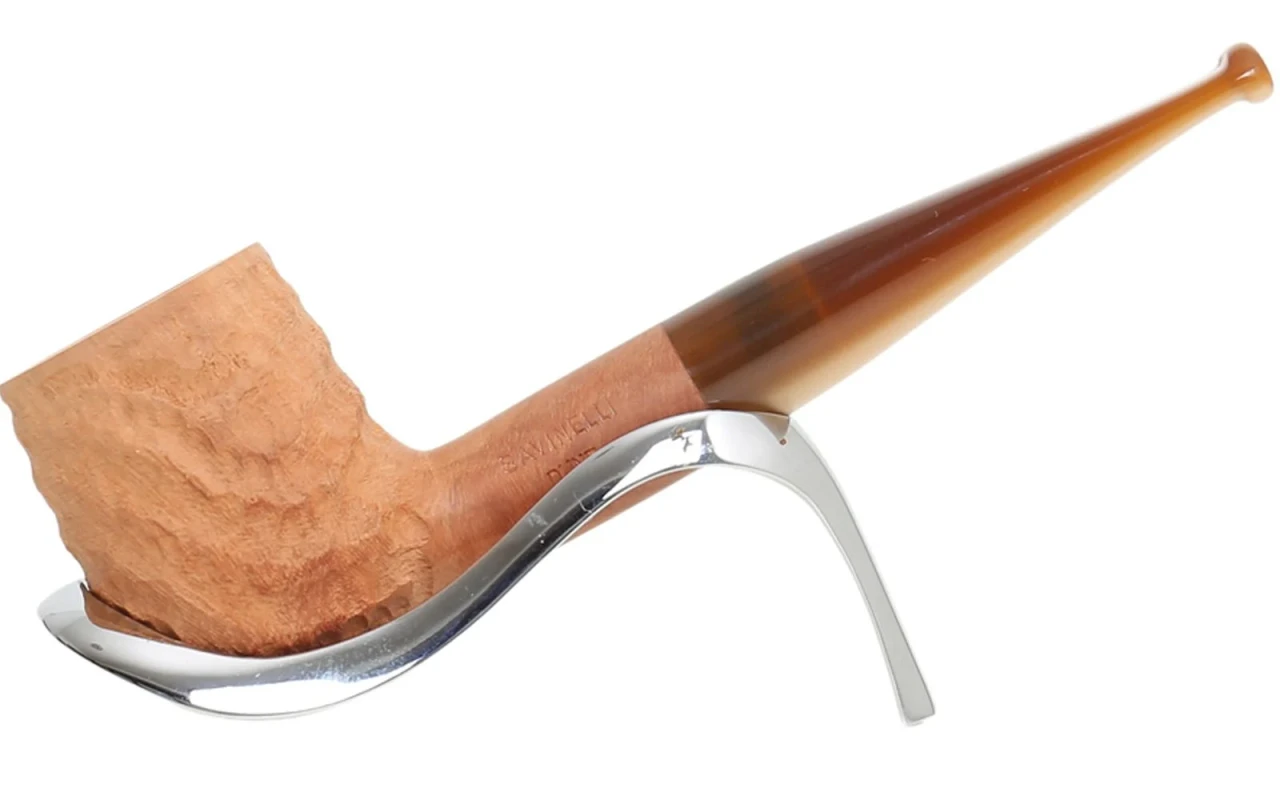
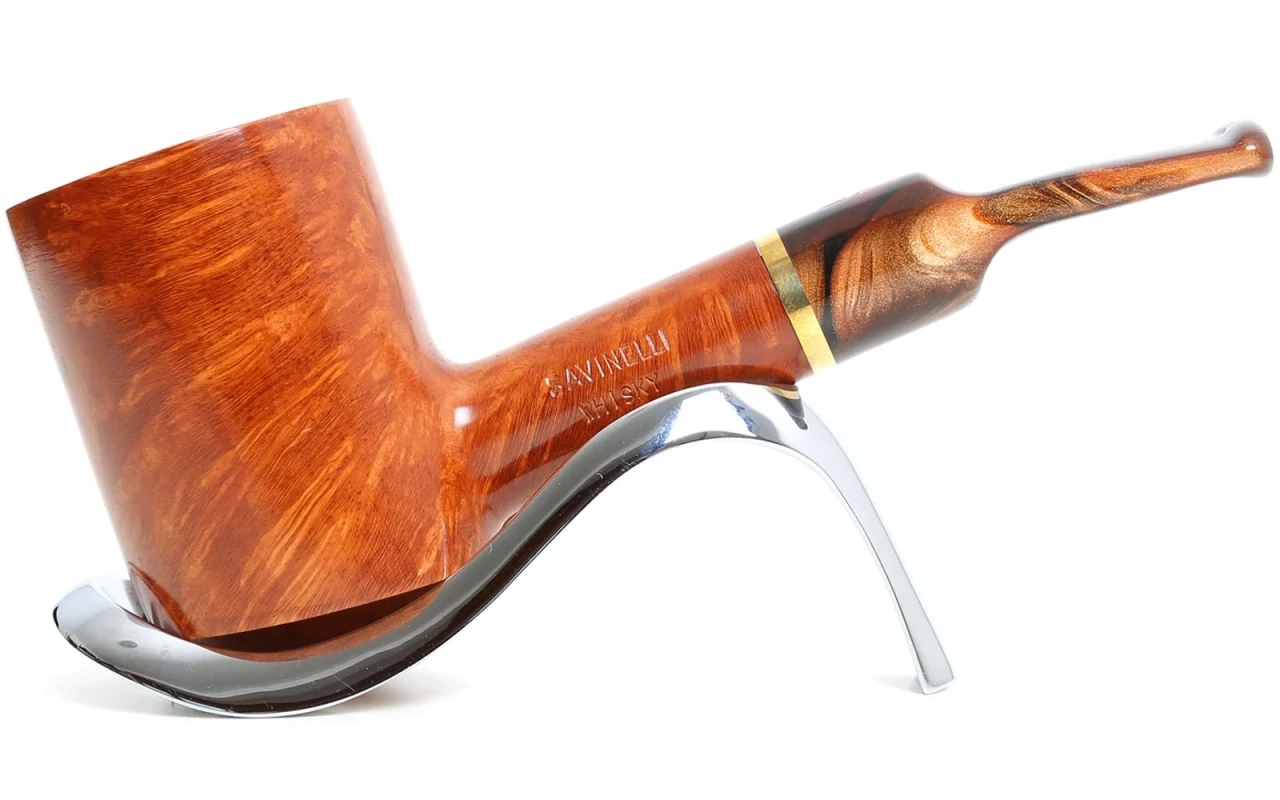
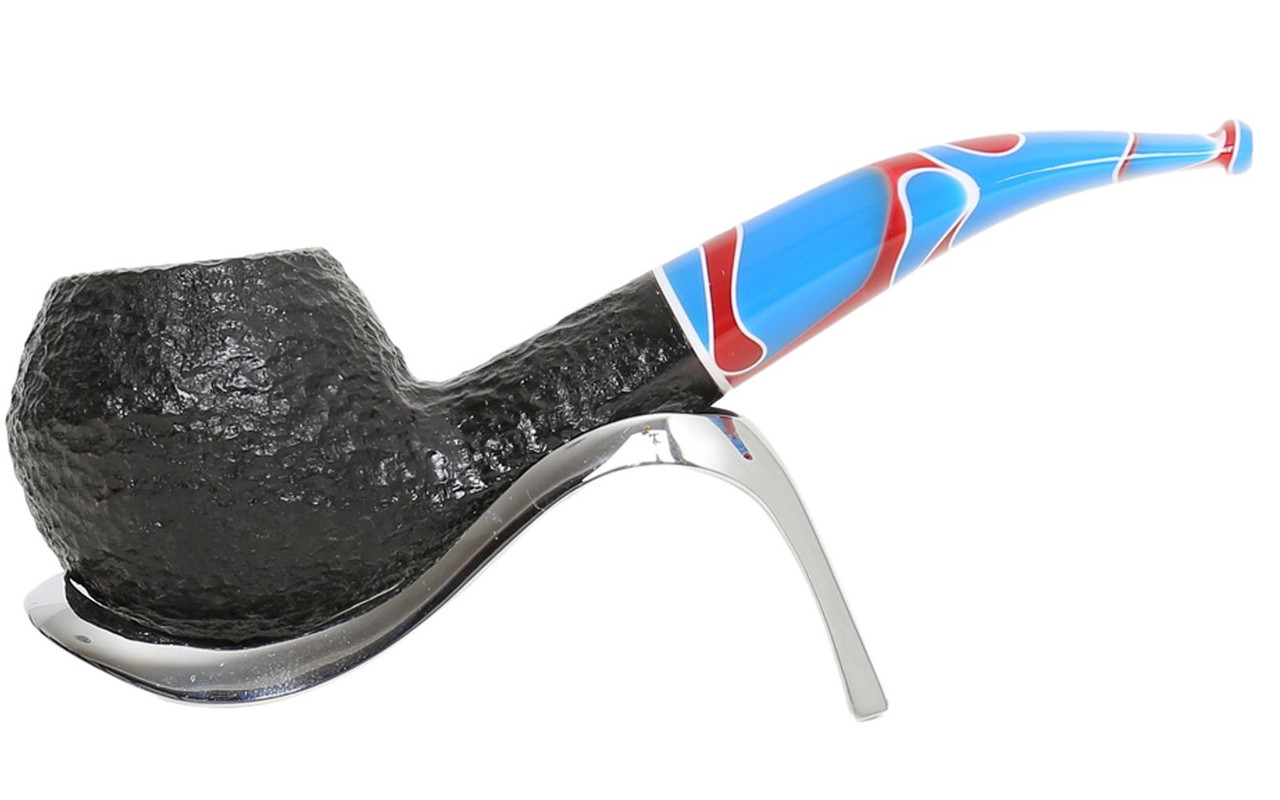
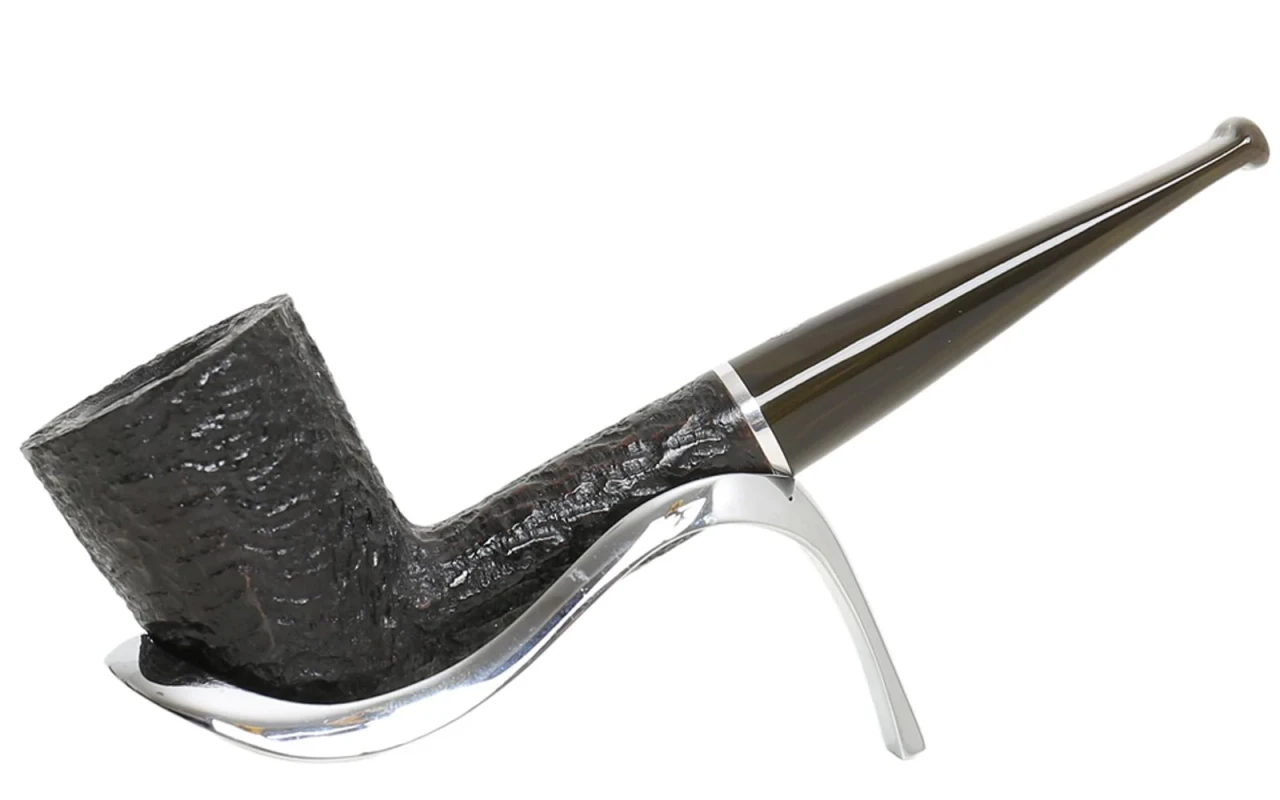
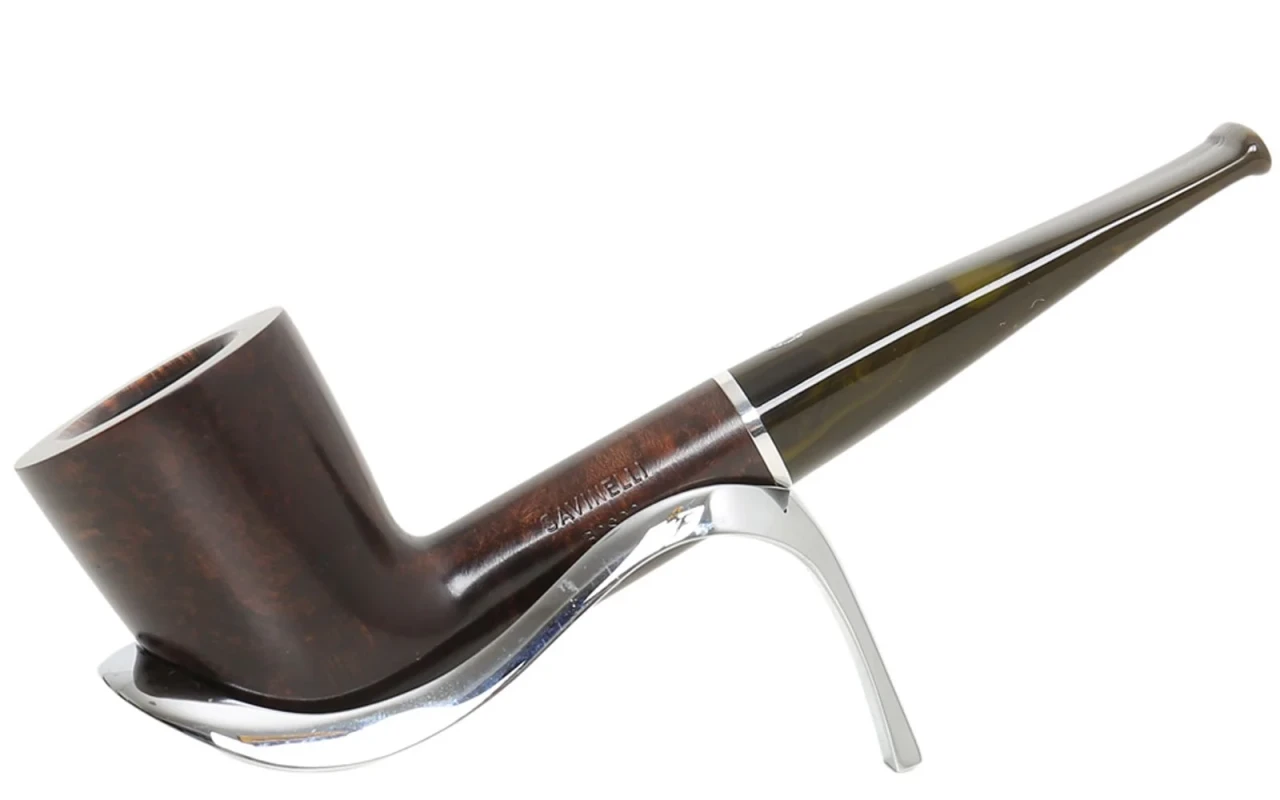
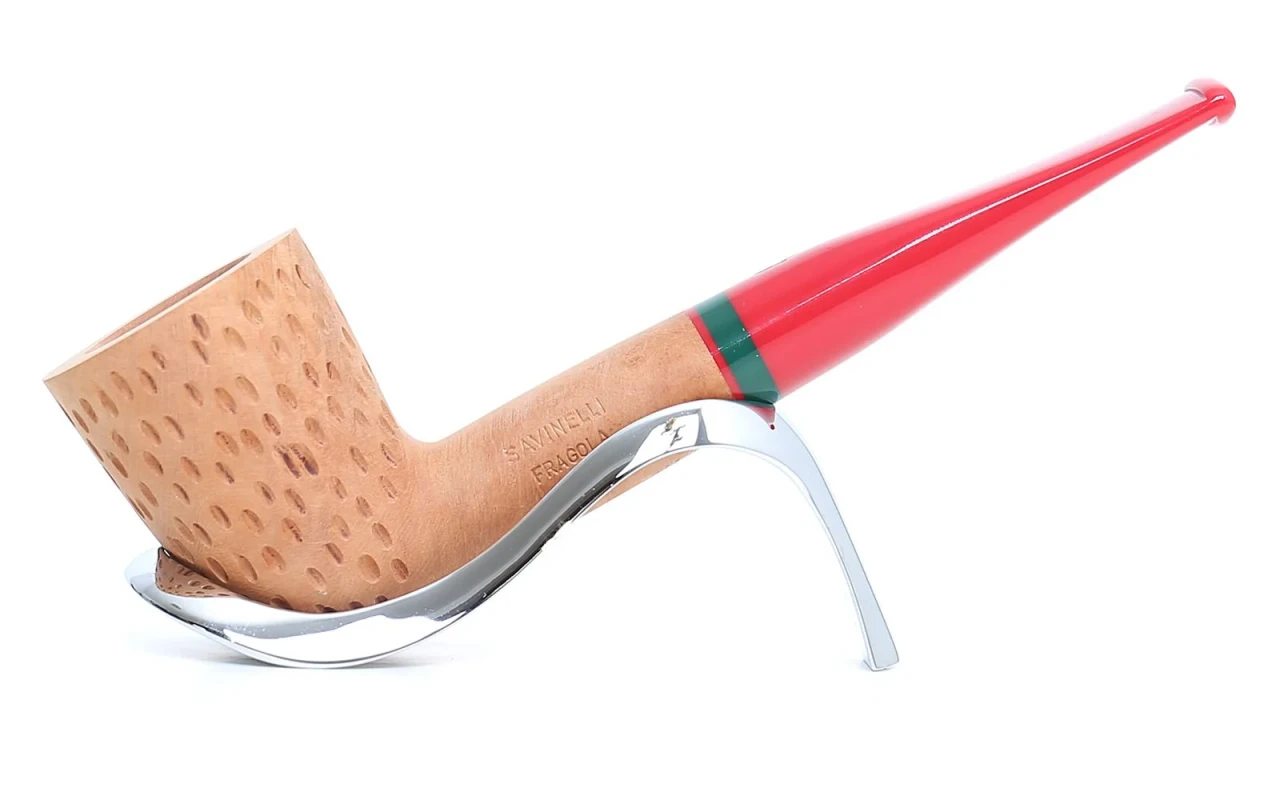
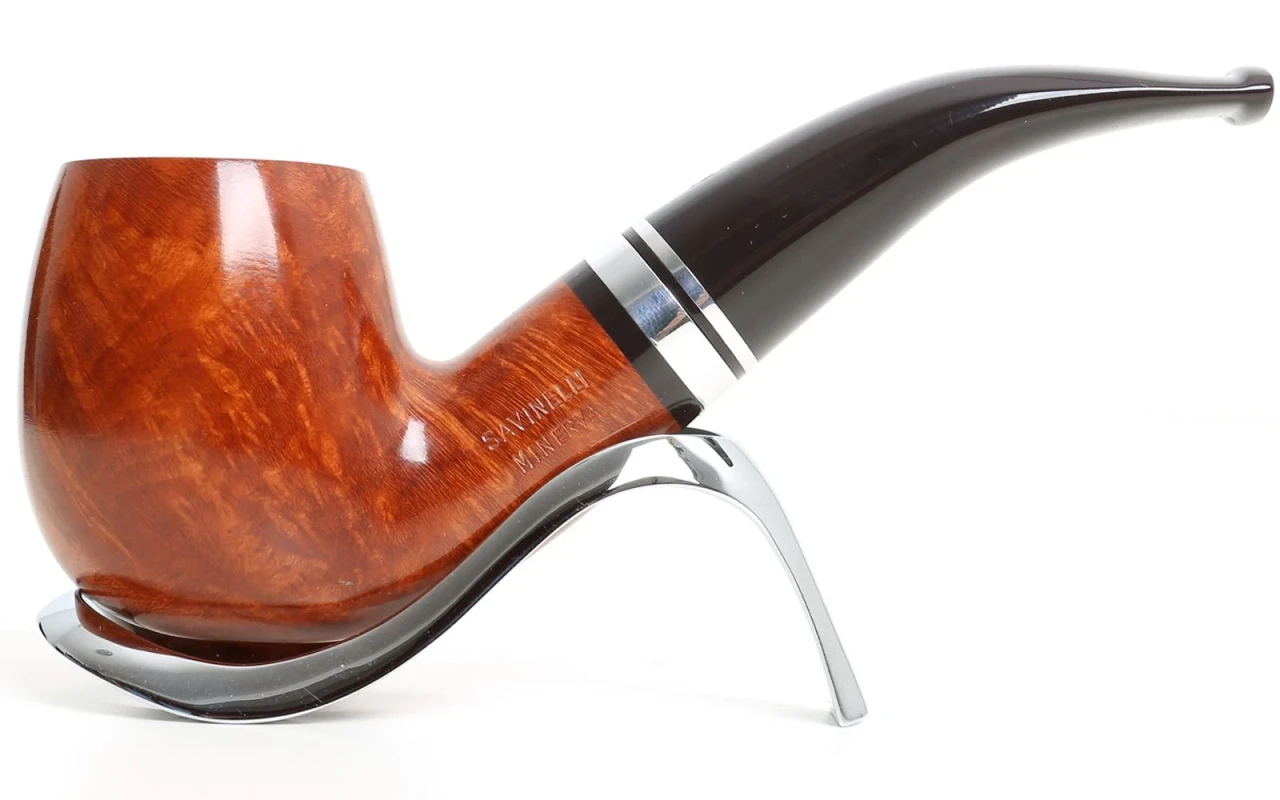
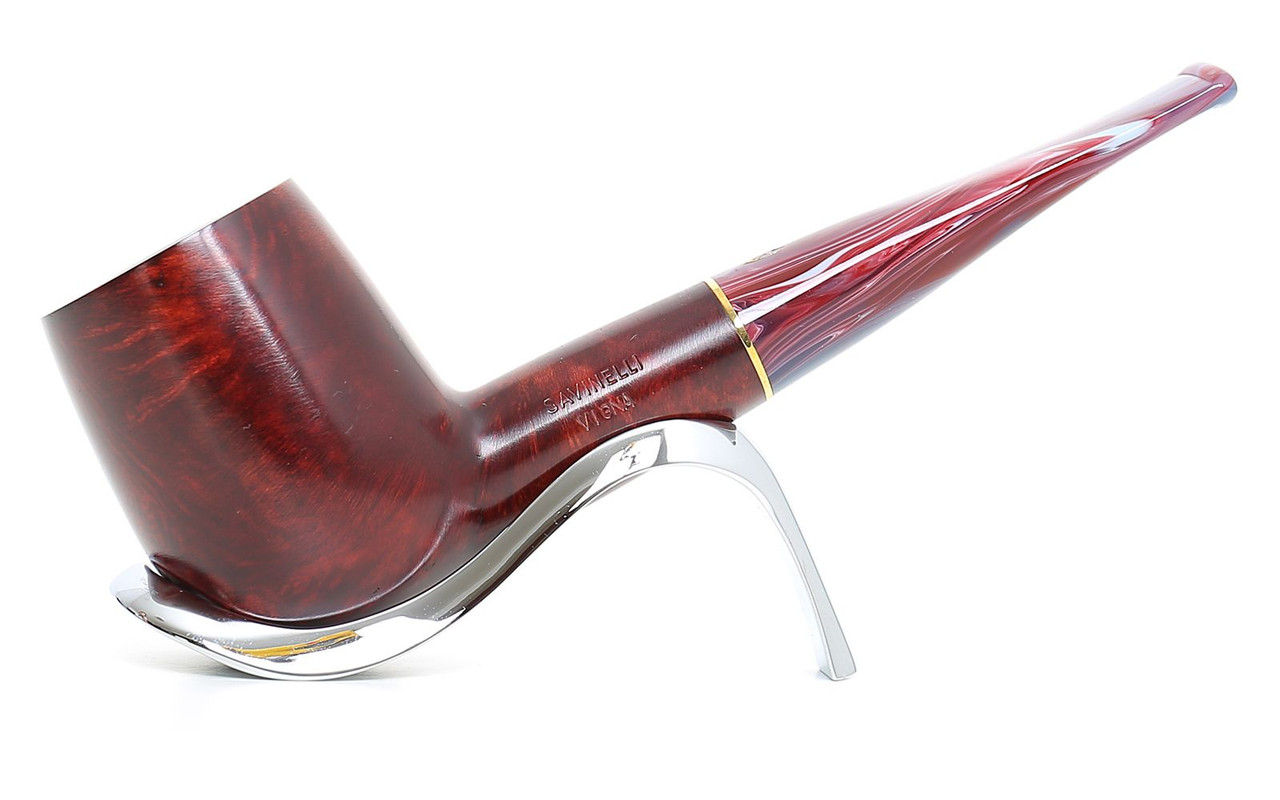
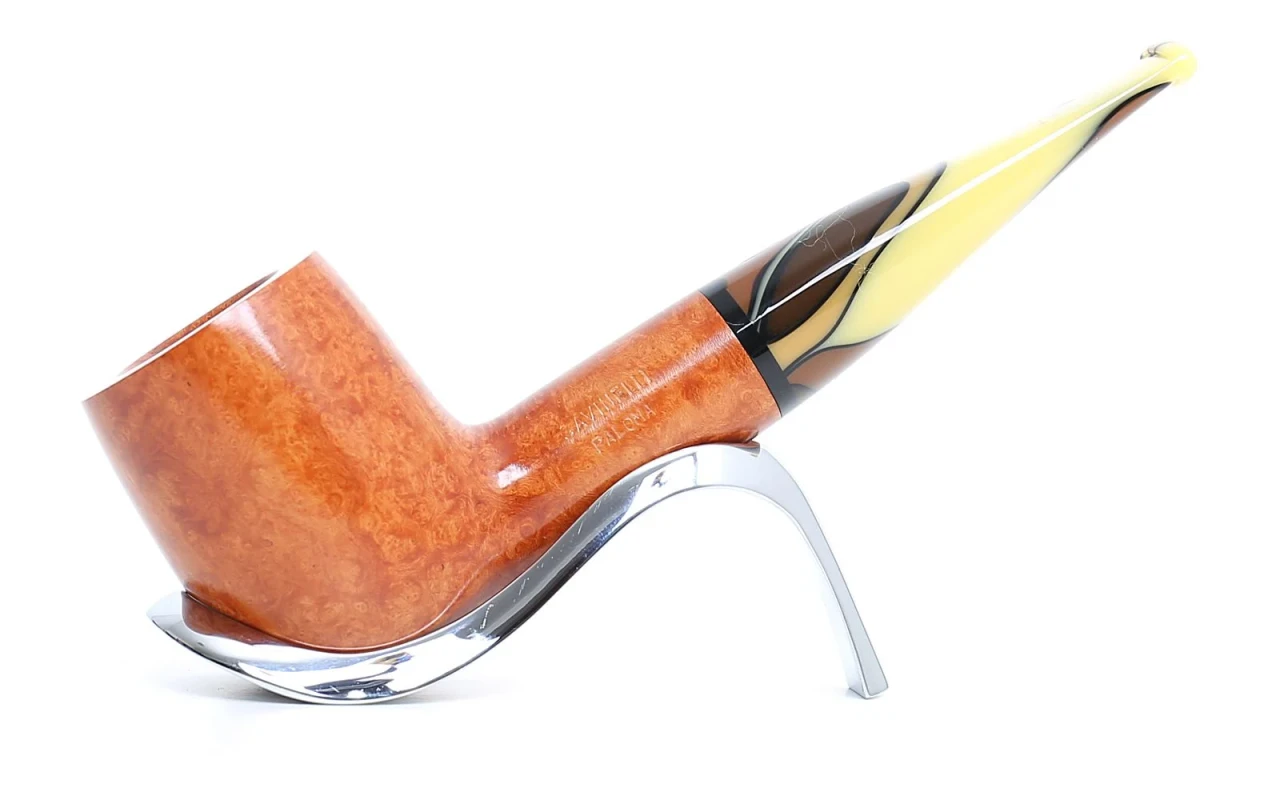
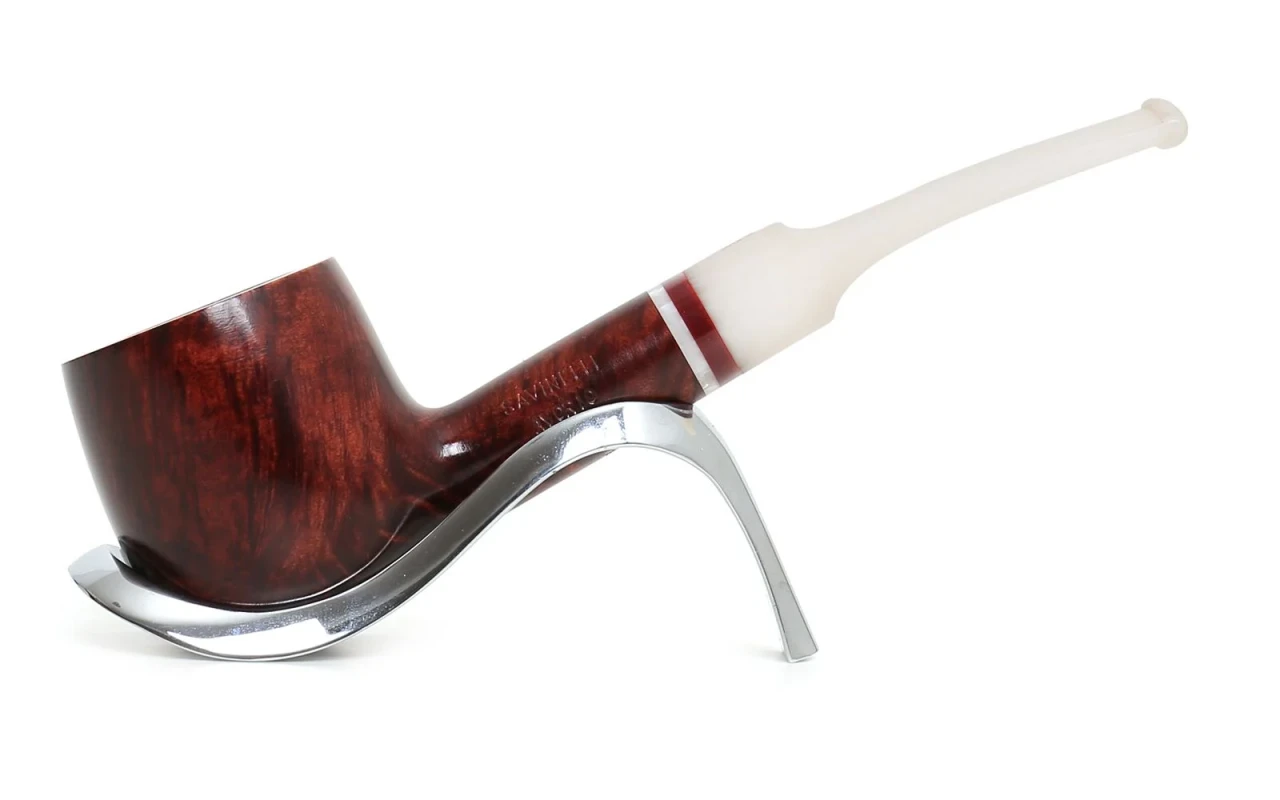
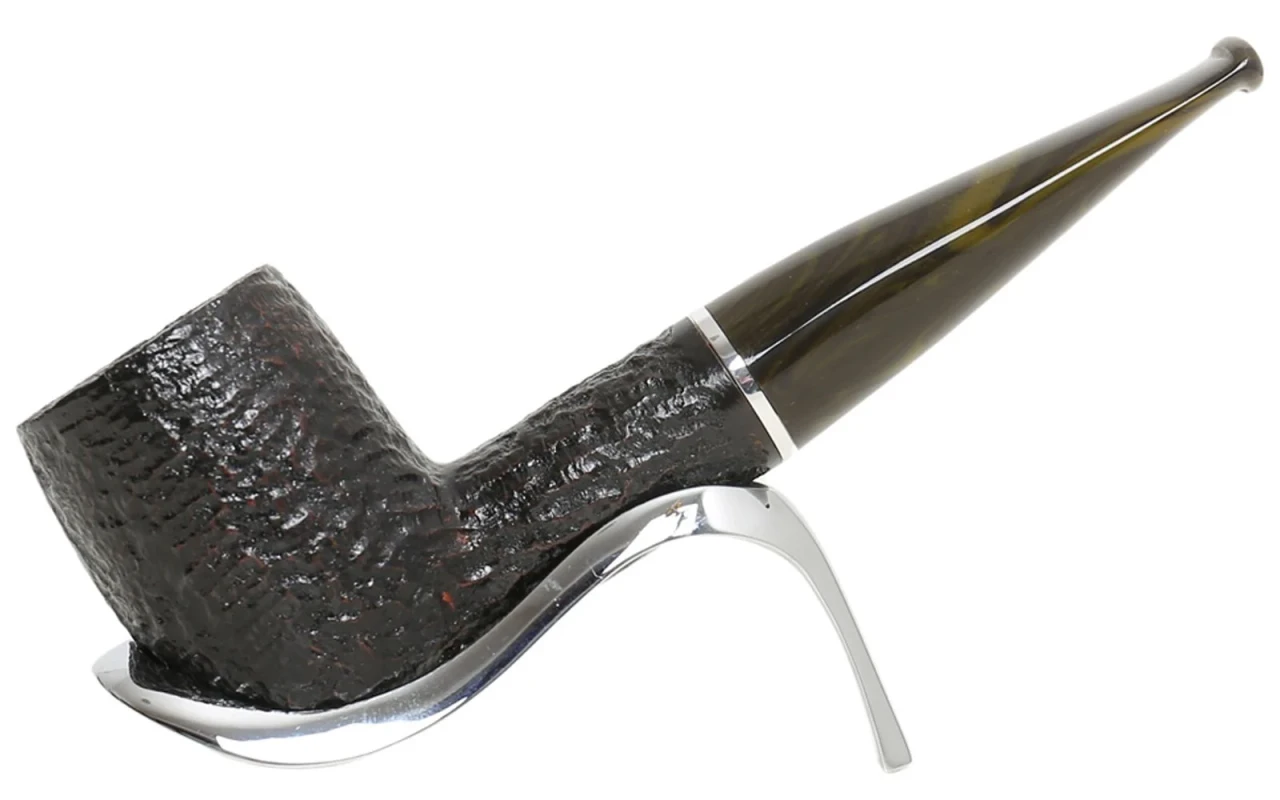
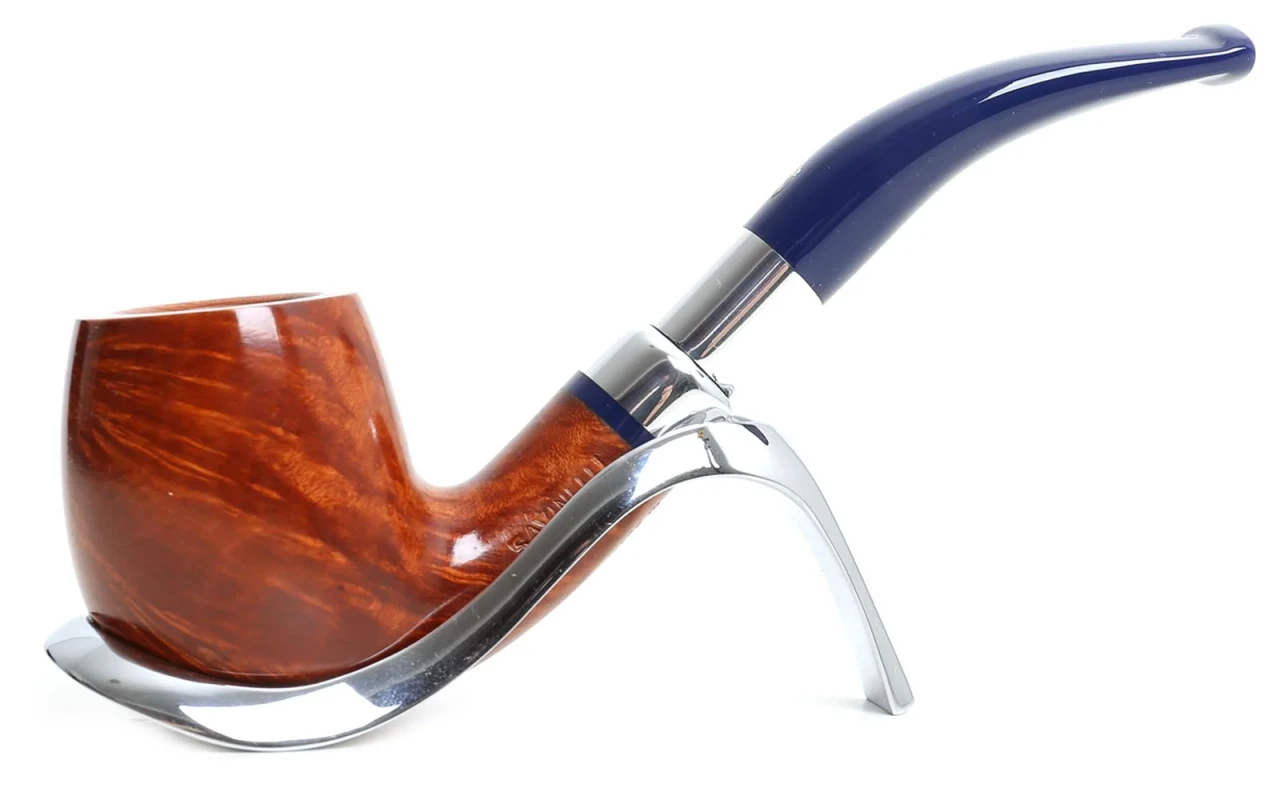
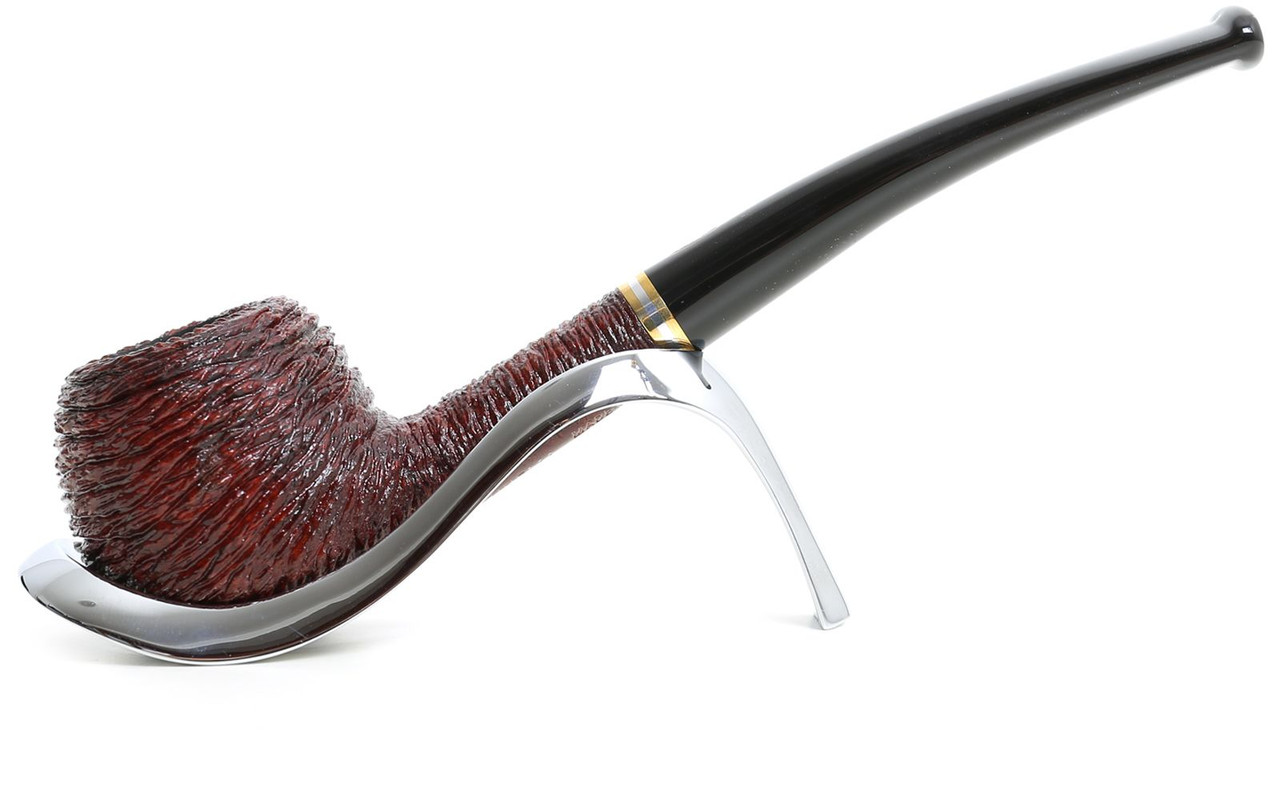
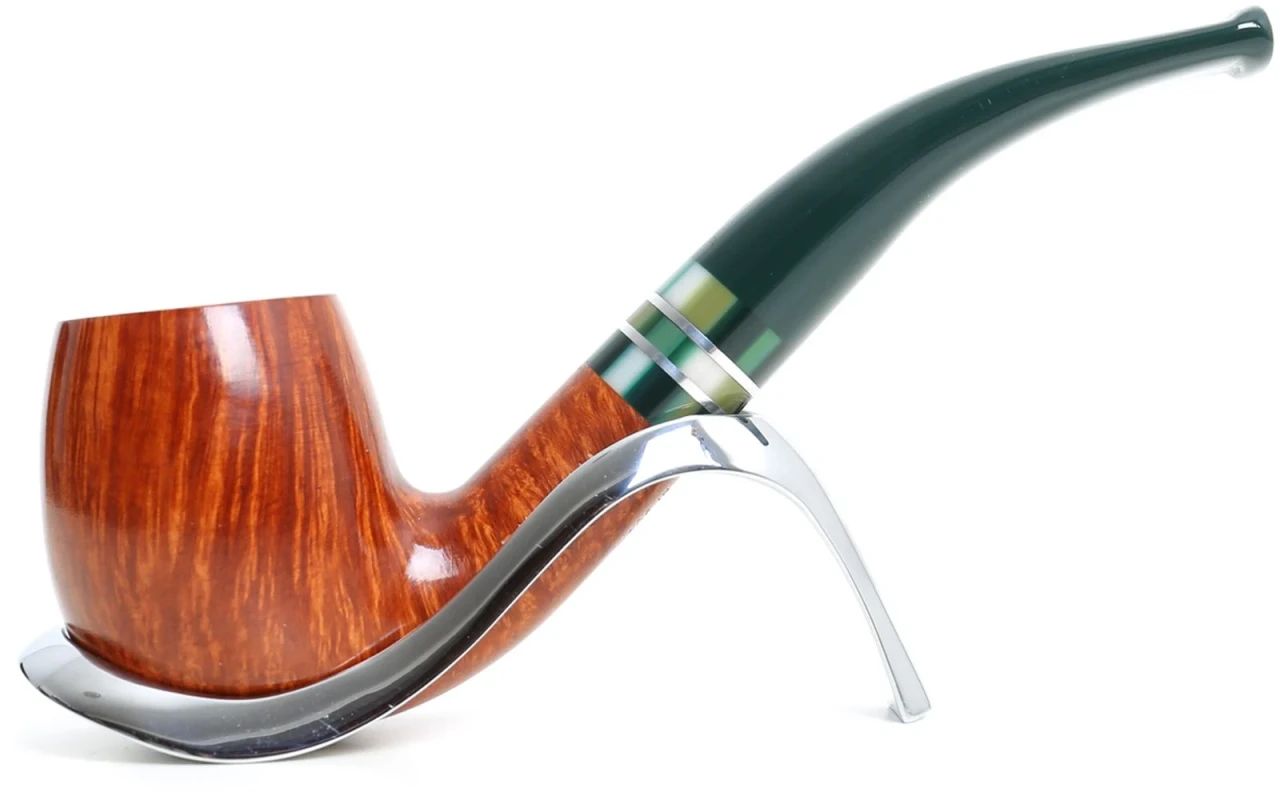
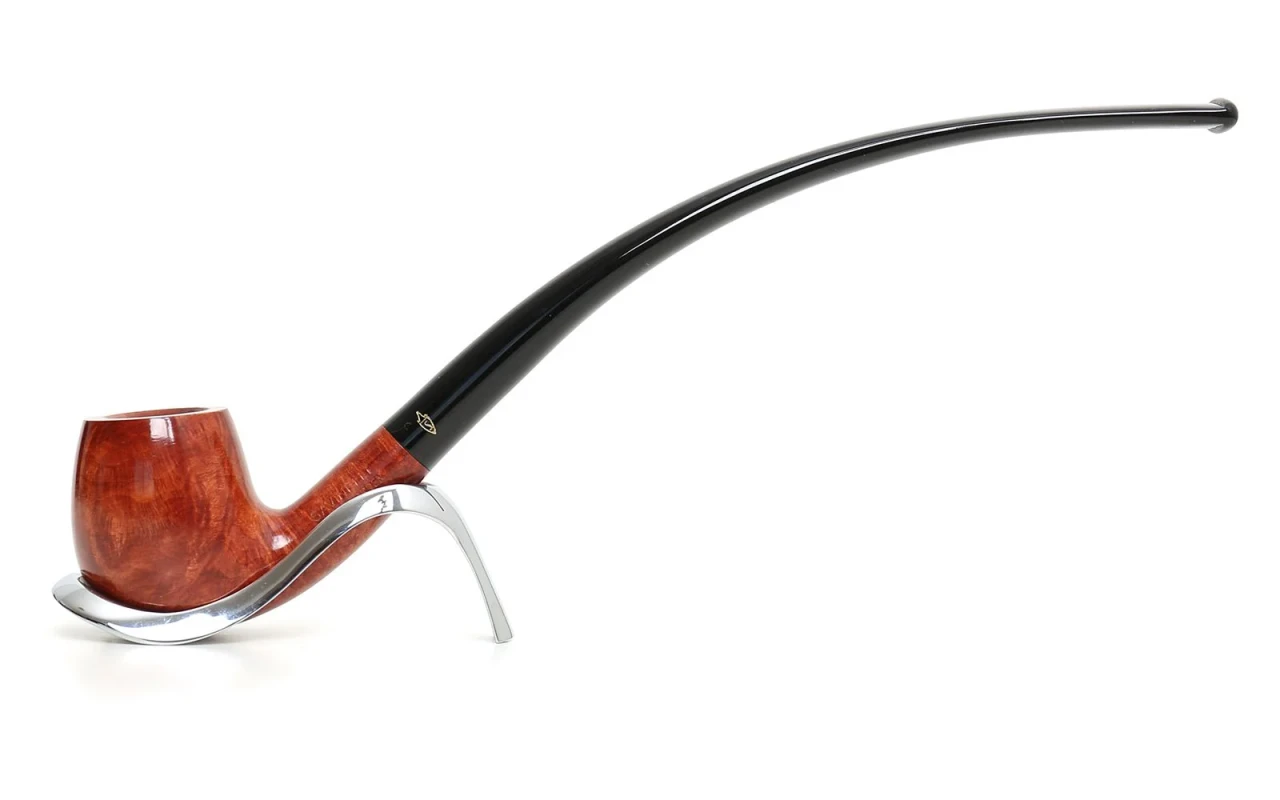
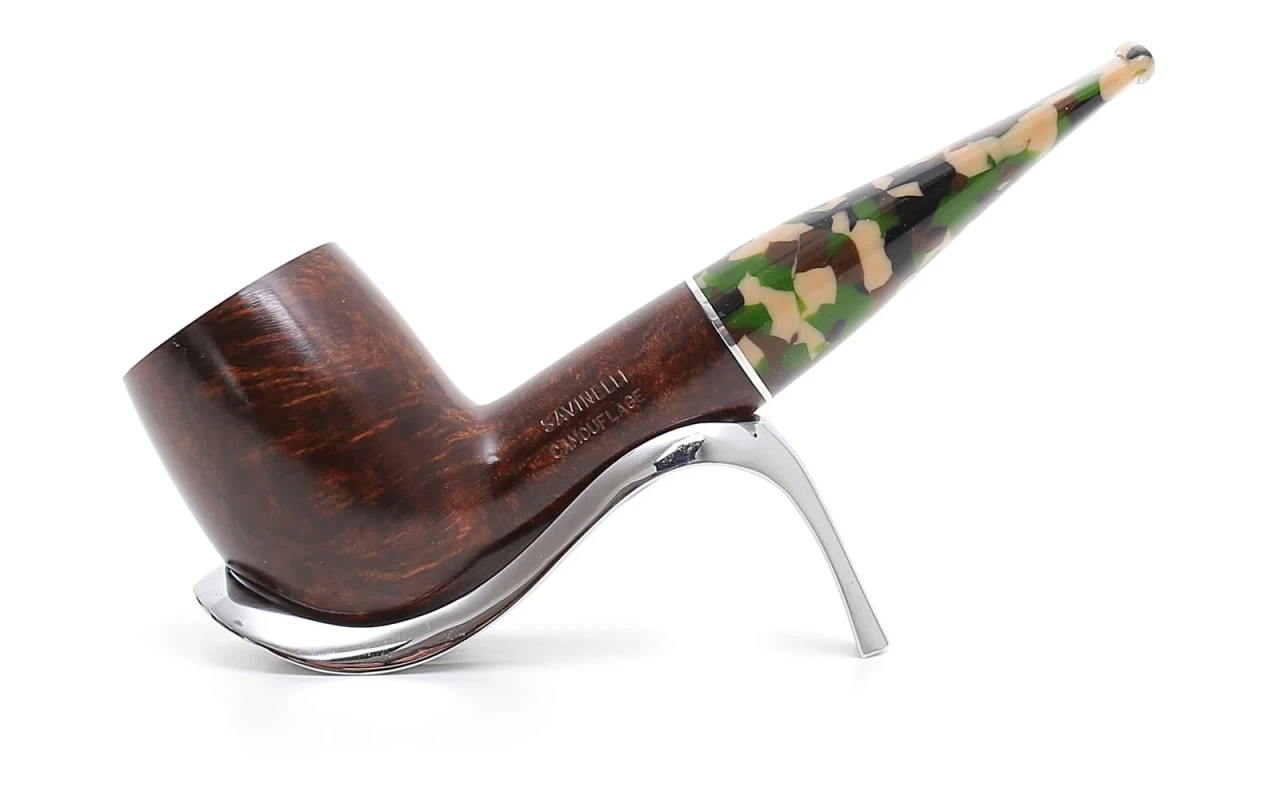
The shape of the pipe directly affects the combustion of tobacco. Pipes with wider bowls promote a slower and cooler combustion, while those with narrower bowls tend to burn tobacco more quickly. Furthermore, the design of the combustion chamber and mouthpiece can influence the temperature at which the tobacco burns and the respective taste of the smoke. It is important to choose a pipe that suits personal preferences regarding temperature, combustion speed, and smoke flavor. The pipe shape is therefore a crucial element to consider for an optimal smoking experience.
Pipe tobacco aromatic smoke
Pipe aromatic smoke is a blend of high-quality tobaccos flavored with essential oils or natural aromas. This particular type of smoke, burning at controlled temperatures inside the pipe, releases pleasant flavors and intense fragrances. The tobaccos used for aromatic smoke are often enriched with hints of fruit, spices, vanilla, chocolate, or other aromas that give the smoke a unique and distinctive taste. Fans of pipe aromatic smoke appreciate the variety of flavors available on the market and the opportunity to experiment with different combinations to find their favorite blend.
Pipe smoking maintenance
Maintaining pipe smoking is essential to ensure optimal performance and a long lifespan over time. Here are some useful tips for properly taking care of a smoking pipe:- After each use, gently clean the pipe with a pipe cleaner to remove tobacco residues and moisture.- Avoid overfilling the pipe to prevent overheating the wood.- Regularly check the condition of the filter and replace it if necessary.- Store the pipe in a dry and well-ventilated environment when not in use.- Periodically, polish the pipe with specific wood oils to maintain its appearance and shine.By following these simple practices, it will be possible to fully enjoy the experience of smoking a quality pipe.
Materials for tobacco pipes
The most common materials used for crafting tobacco pipes are wood, briar root, clay, corn cob, and metal. Wood, such as briar, is the most popular material due to its heat and combustion resistance. Briar root is valued for its moisture absorbing properties, ensuring a cooler and drier smoke. Clay pipes offer excellent aromatic performance, although they are fragile. Corn cob pipes, lightweight and affordable, are suitable for occasional smokers. Lastly, metal pipes are durable but may affect the tobacco flavor.
'%3e%3cg id='Final-Copy-2_2_' transform='translate(1275.000000, 200.000000)'%3e%3cpath class='st0' d='M7.4,12.8h6.8l3.1-11.6H7.4C4.2,1.2,1.6,3.8,1.6,7S4.2,12.8,7.4,12.8z'/%3e%3c/g%3e%3c/g%3e%3c/g%3e%3cg id='final---dec.11-2020'%3e%3cg id='_x30_208-our-toggle' transform='translate(-1275.000000, -200.000000)'%3e%3cg id='Final-Copy-2' transform='translate(1275.000000, 200.000000)'%3e%3cpath class='st1' d='M22.6,0H7.4c-3.9,0-7,3.1-7,7s3.1,7,7,7h15.2c3.9,0,7-3.1,7-7S26.4,0,22.6,0z M1.6,7c0-3.2,2.6-5.8,5.8-5.8 h9.9l-3.1,11.6H7.4C4.2,12.8,1.6,10.2,1.6,7z'/%3e%3cpath id='x' class='st2' d='M24.6,4c0.2,0.2,0.2,0.6,0,0.8l0,0L22.5,7l2.2,2.2c0.2,0.2,0.2,0.6,0,0.8c-0.2,0.2-0.6,0.2-0.8,0 l0,0l-2.2-2.2L19.5,10c-0.2,0.2-0.6,0.2-0.8,0c-0.2-0.2-0.2-0.6,0-0.8l0,0L20.8,7l-2.2-2.2c-0.2-0.2-0.2-0.6,0-0.8 c0.2-0.2,0.6-0.2,0.8,0l0,0l2.2,2.2L23.8,4C24,3.8,24.4,3.8,24.6,4z'/%3e%3cpath id='y' class='st3' d='M12.7,4.1c0.2,0.2,0.3,0.6,0.1,0.8l0,0L8.6,9.8C8.5,9.9,8.4,10,8.3,10c-0.2,0.1-0.5,0.1-0.7-0.1l0,0 L5.4,7.7c-0.2-0.2-0.2-0.6,0-0.8c0.2-0.2,0.6-0.2,0.8,0l0,0L8,8.6l3.8-4.5C12,3.9,12.4,3.9,12.7,4.1z'/%3e%3c/g%3e%3c/g%3e%3c/g%3e%3c/g%3e%3c/svg%3e) Your Privacy Choices
Your Privacy Choices 


