 ES
ES FR
FR EN
EN IT
IT DE
DE
The importance of pipes as stage accessories
The importance of pipes as stage accessories
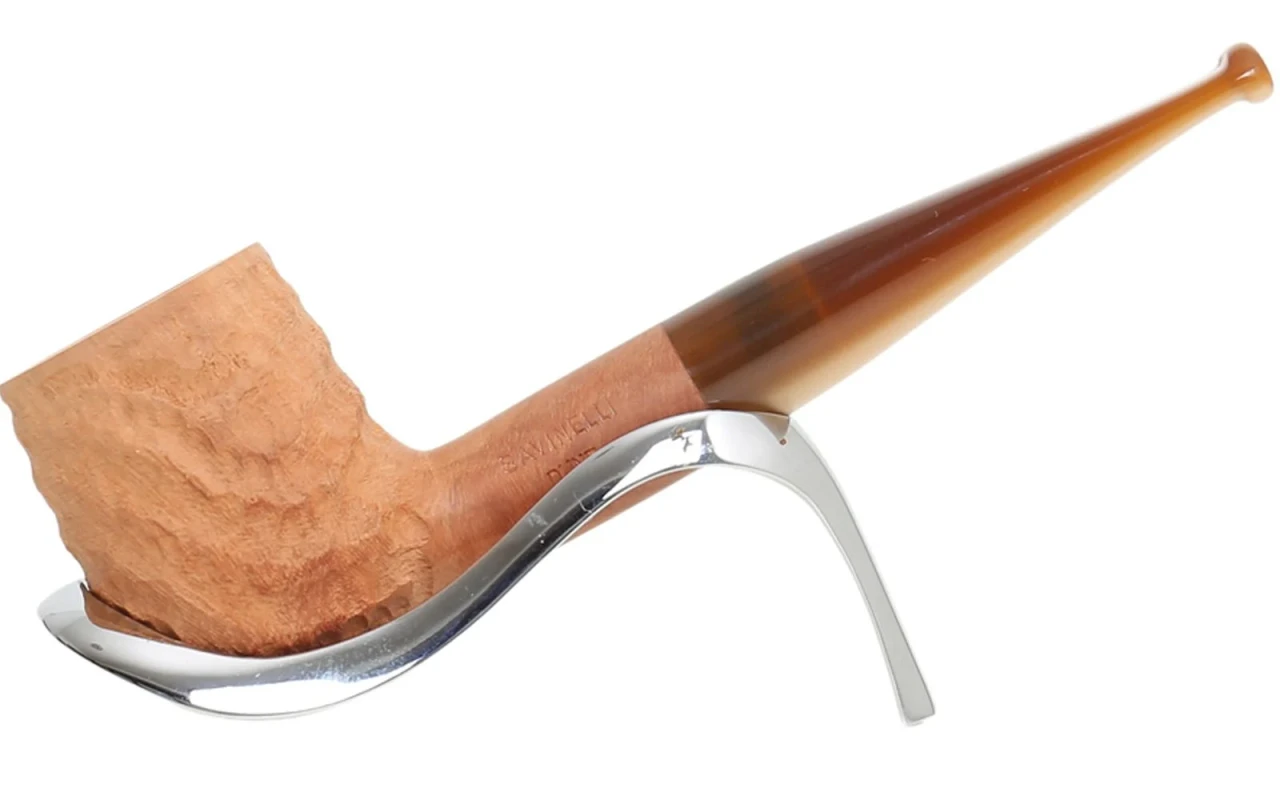
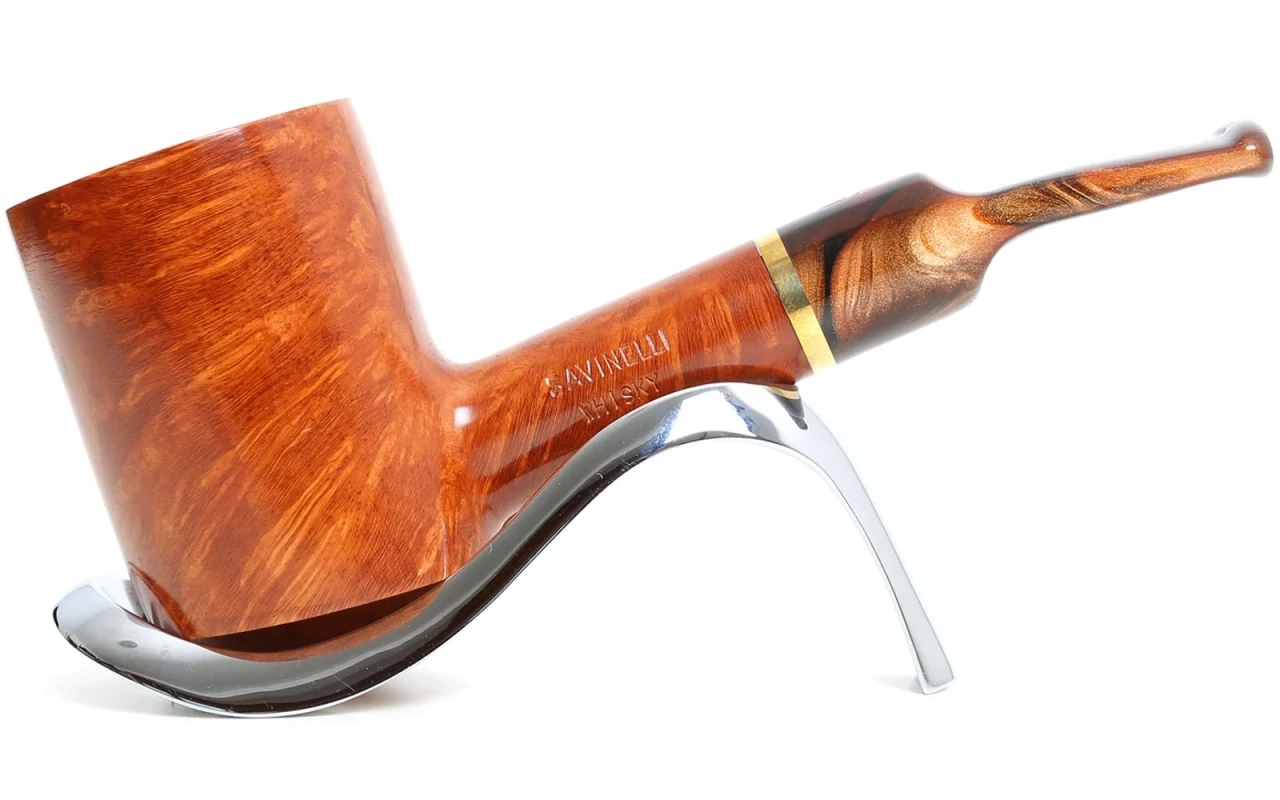
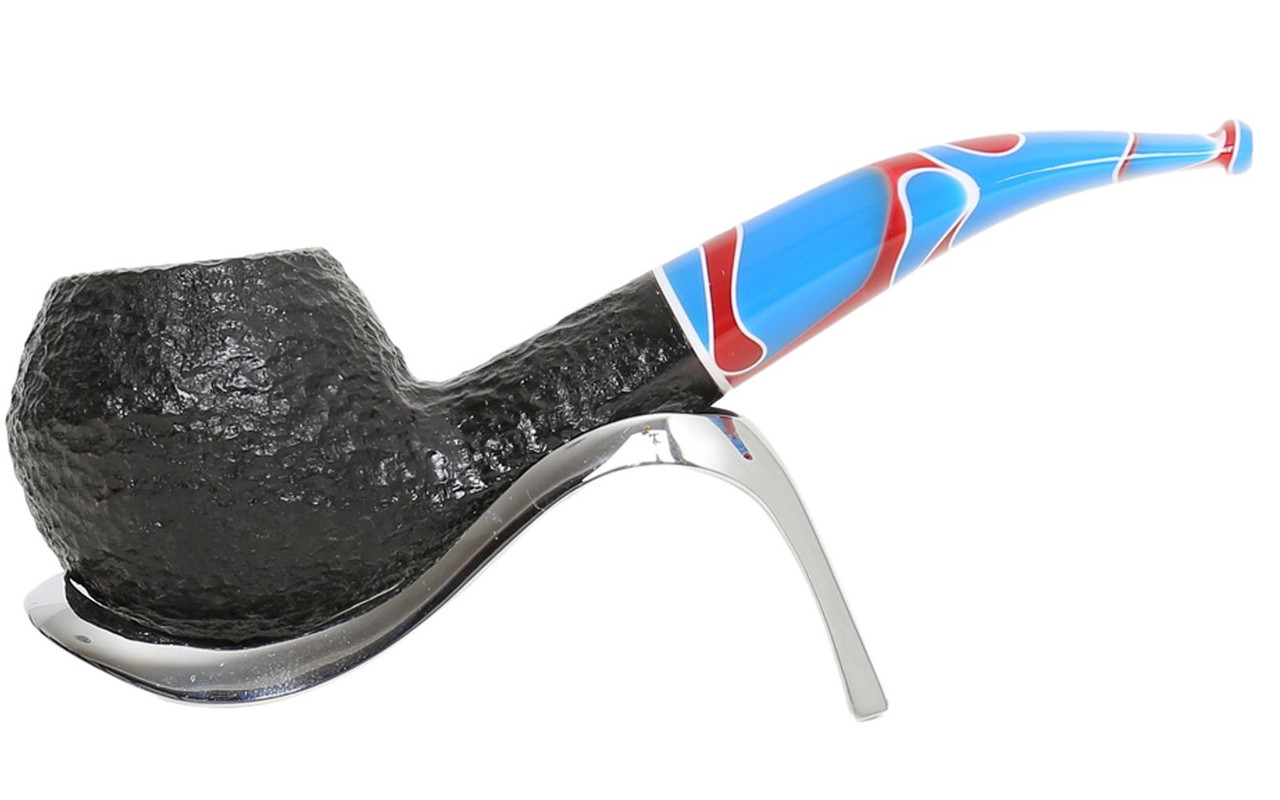
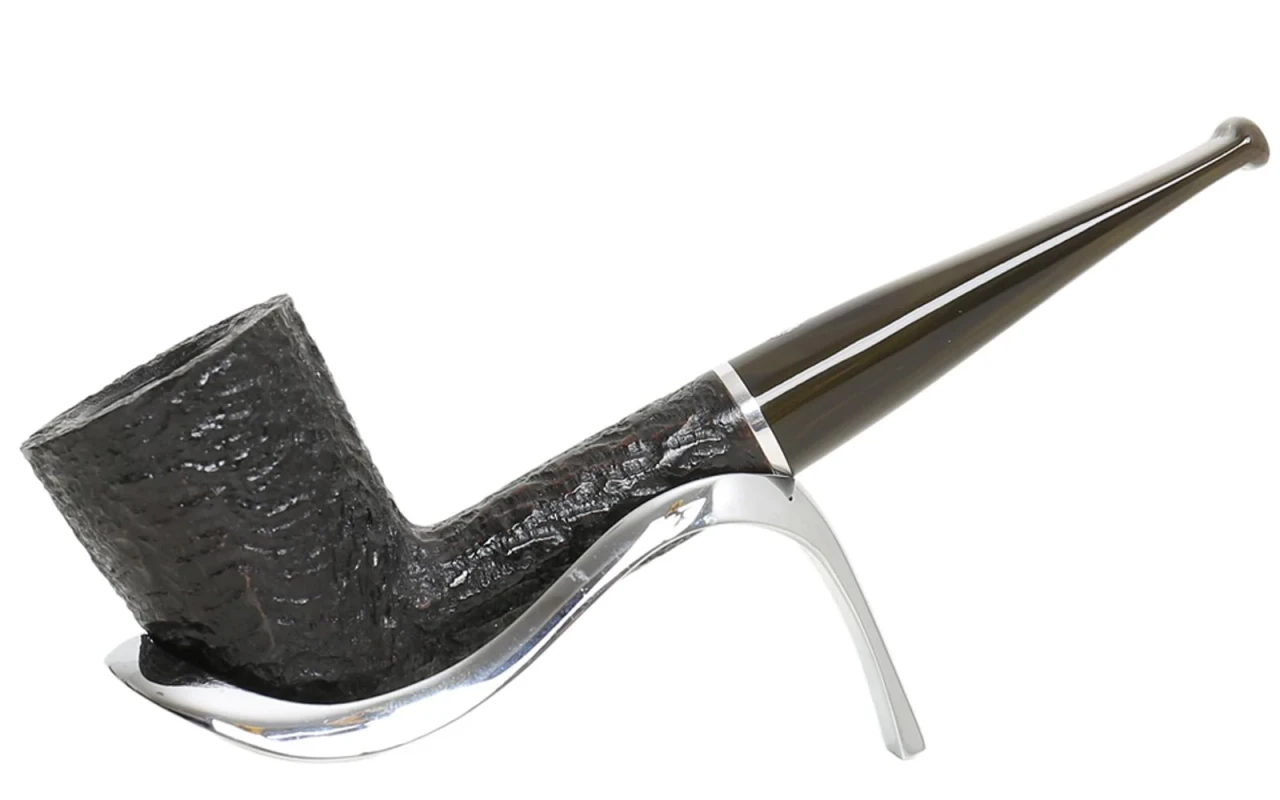
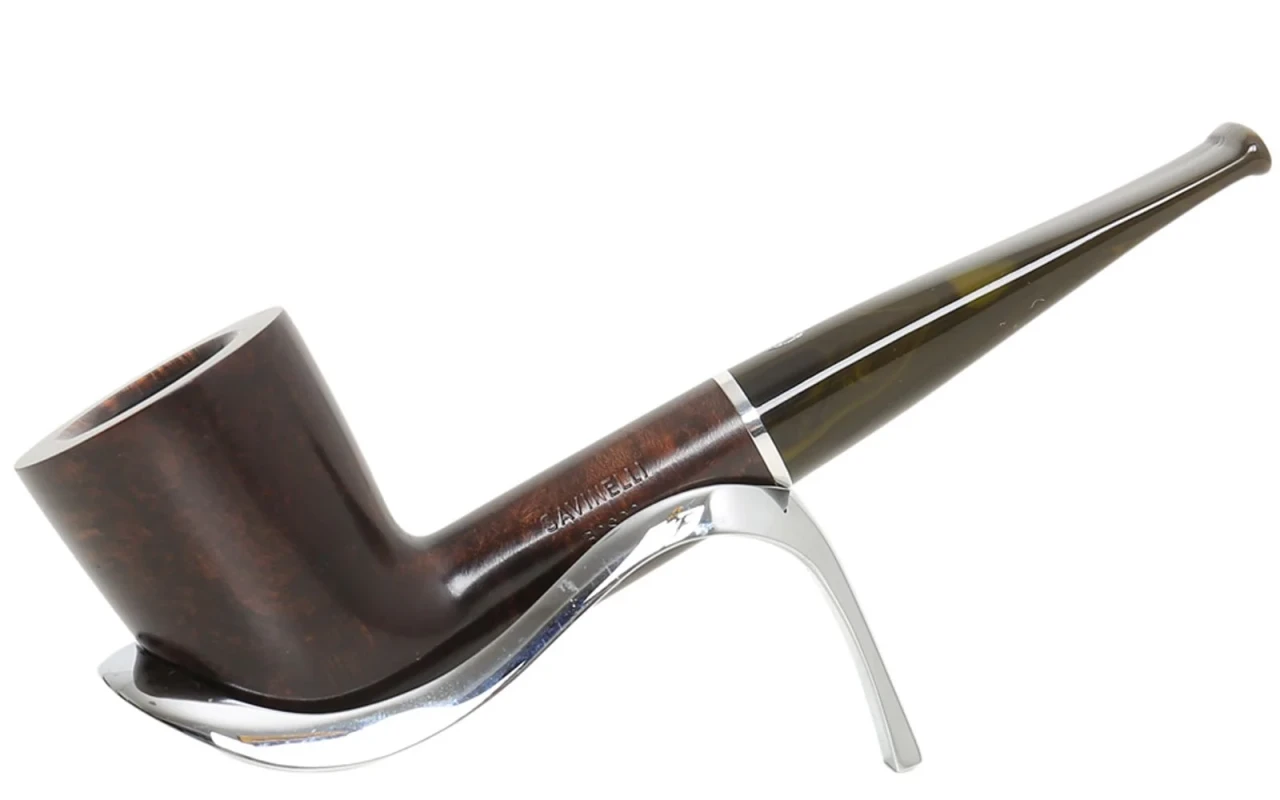
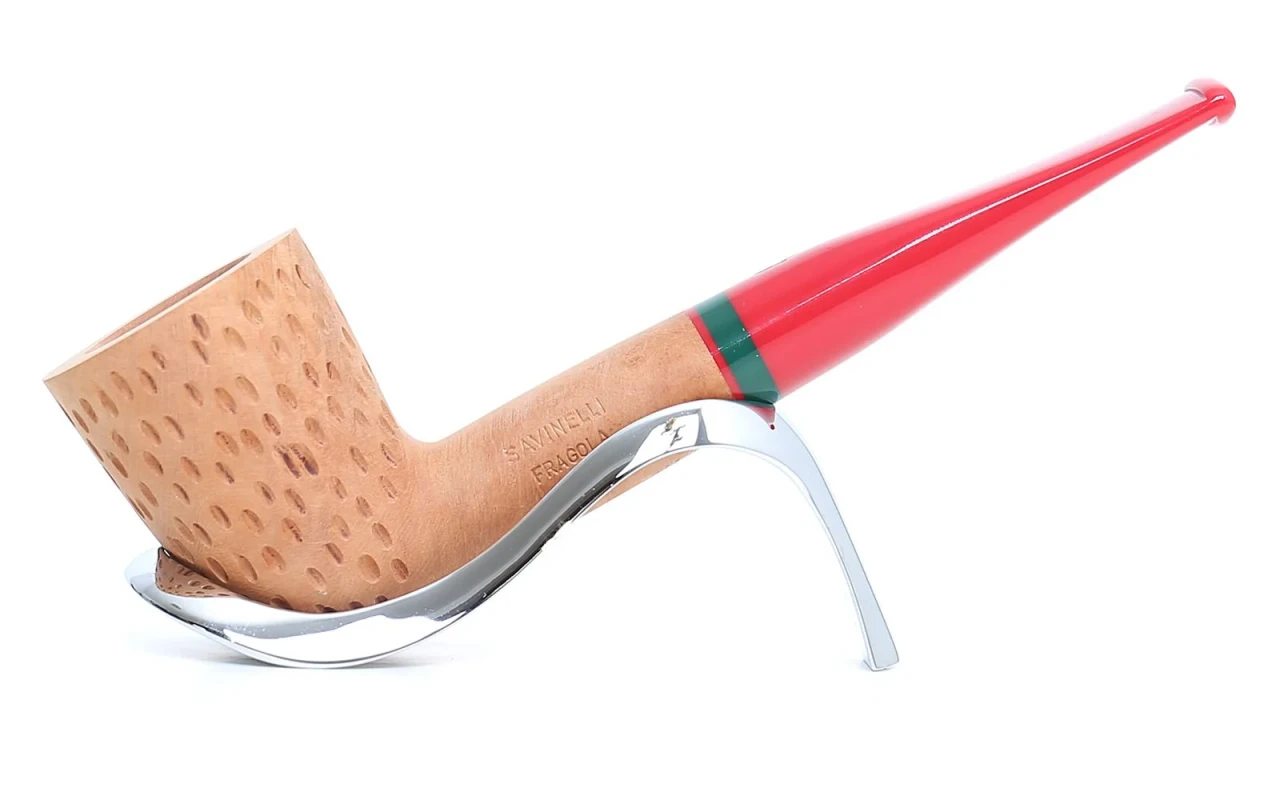
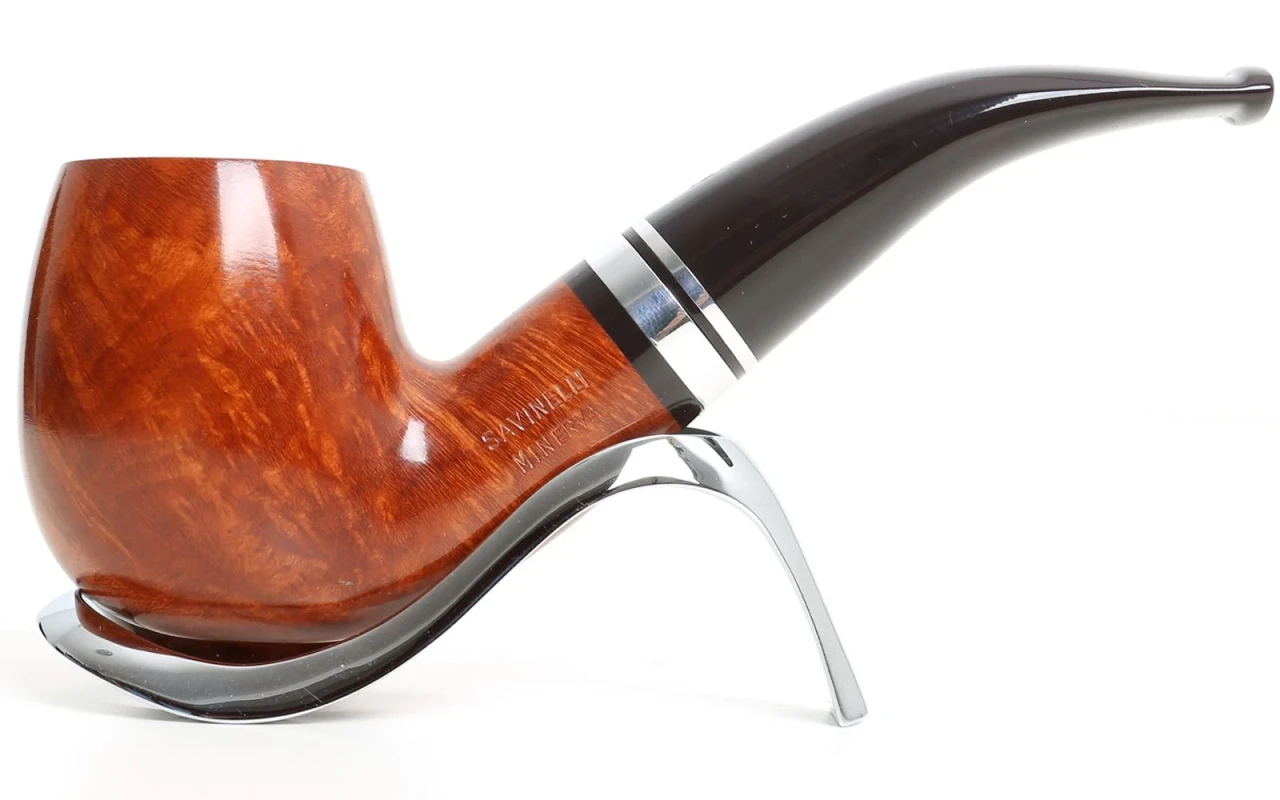
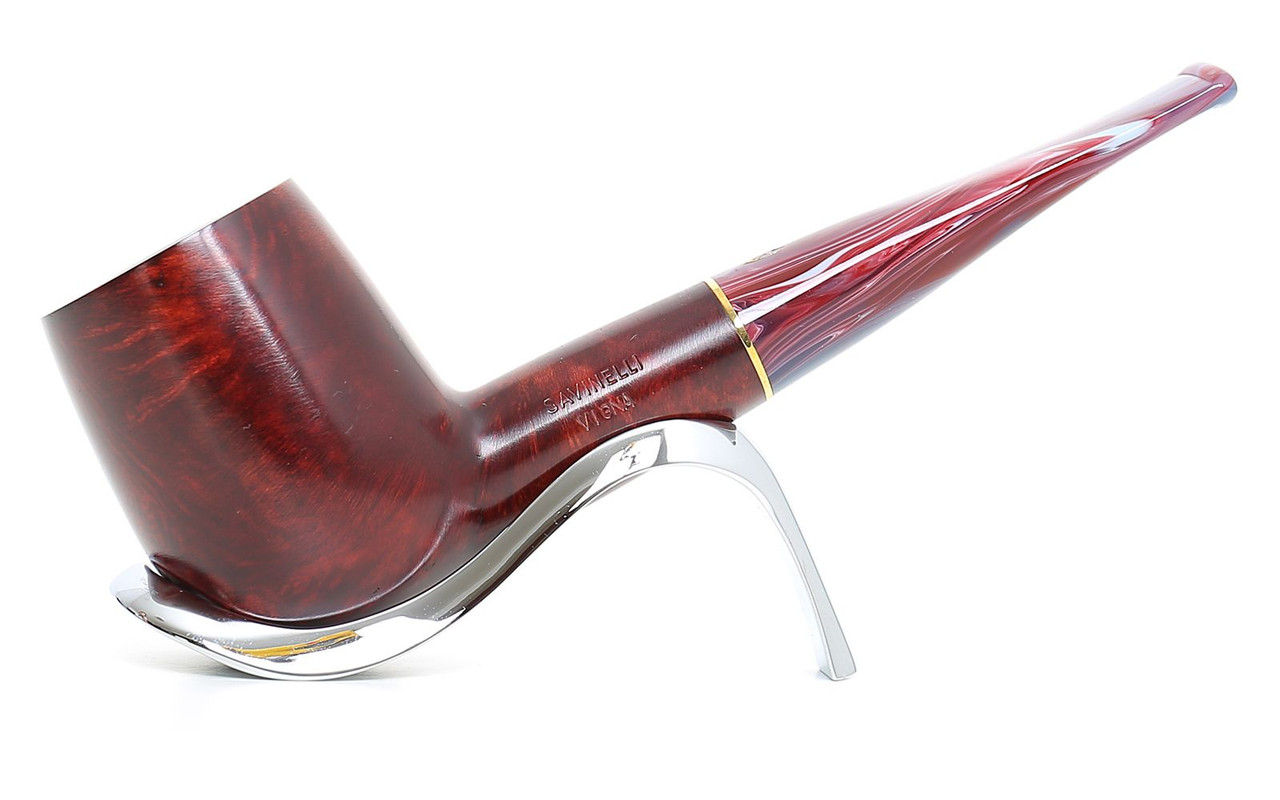
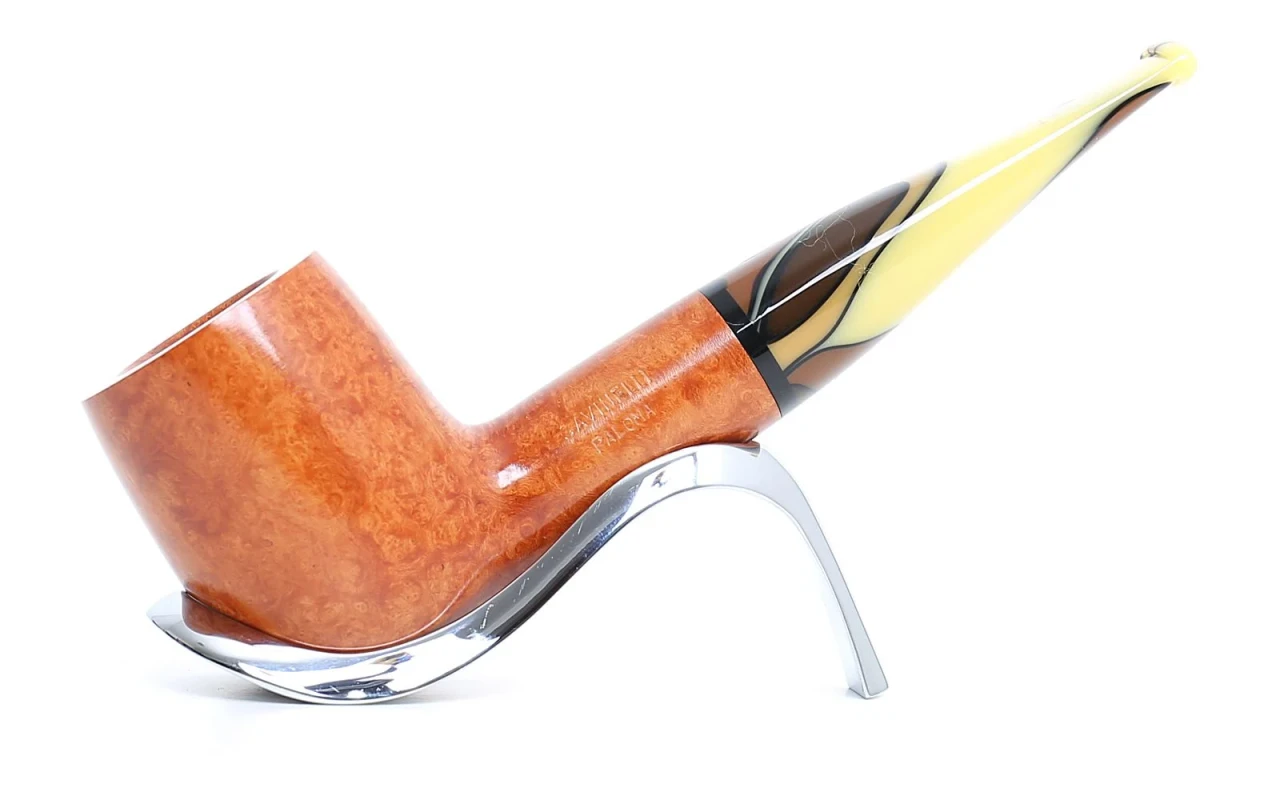
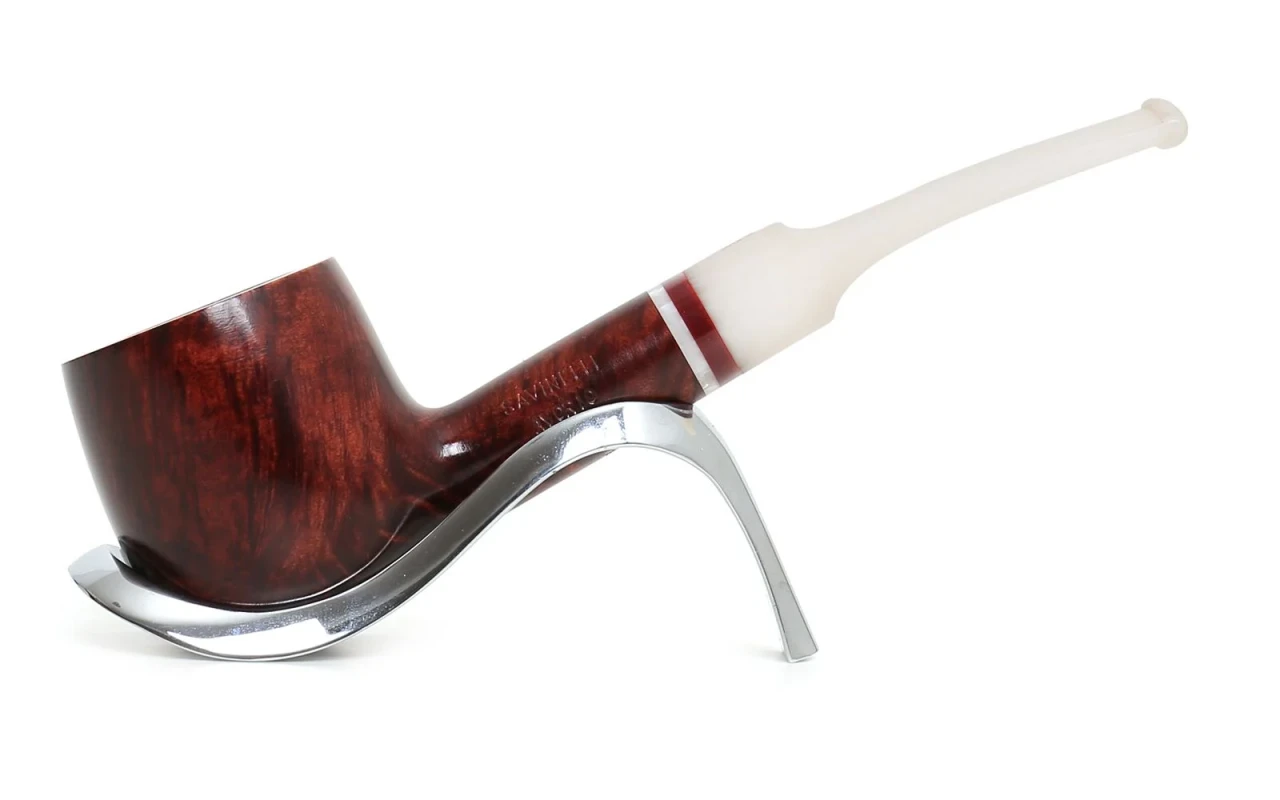
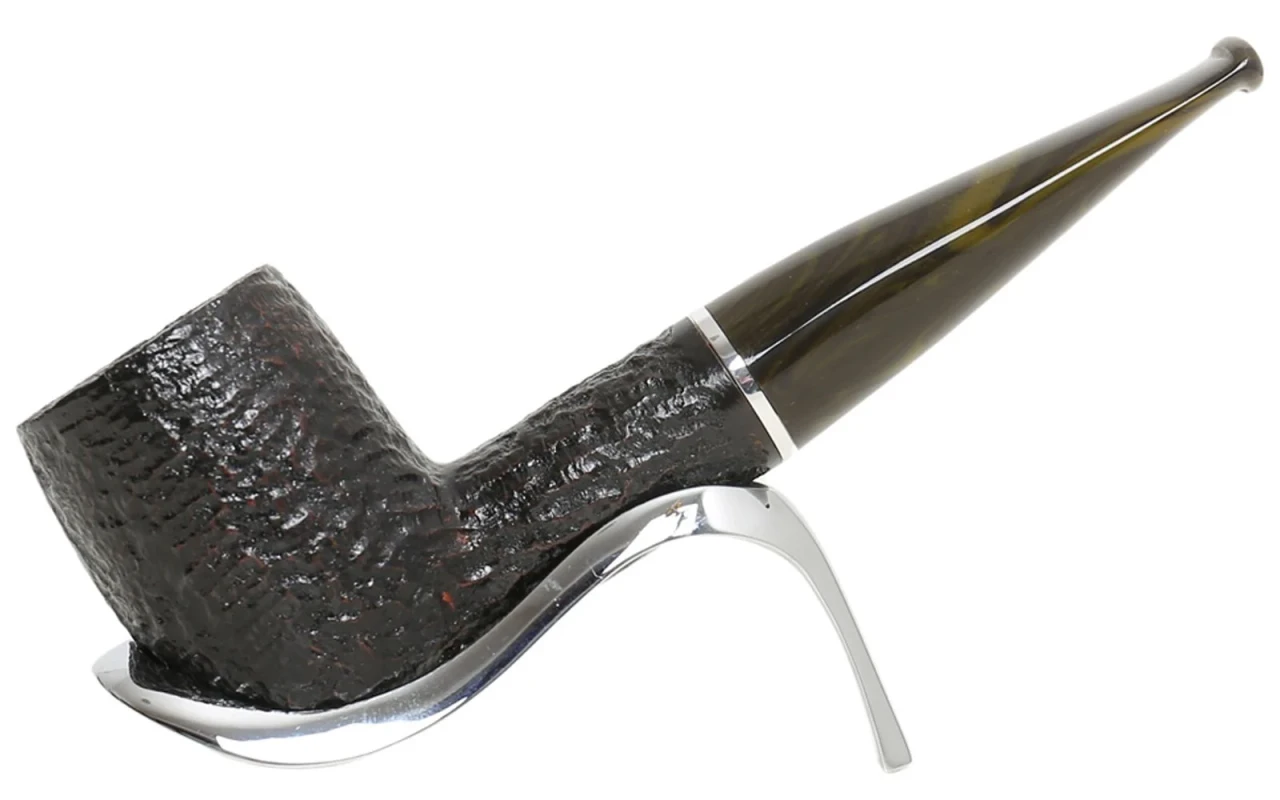
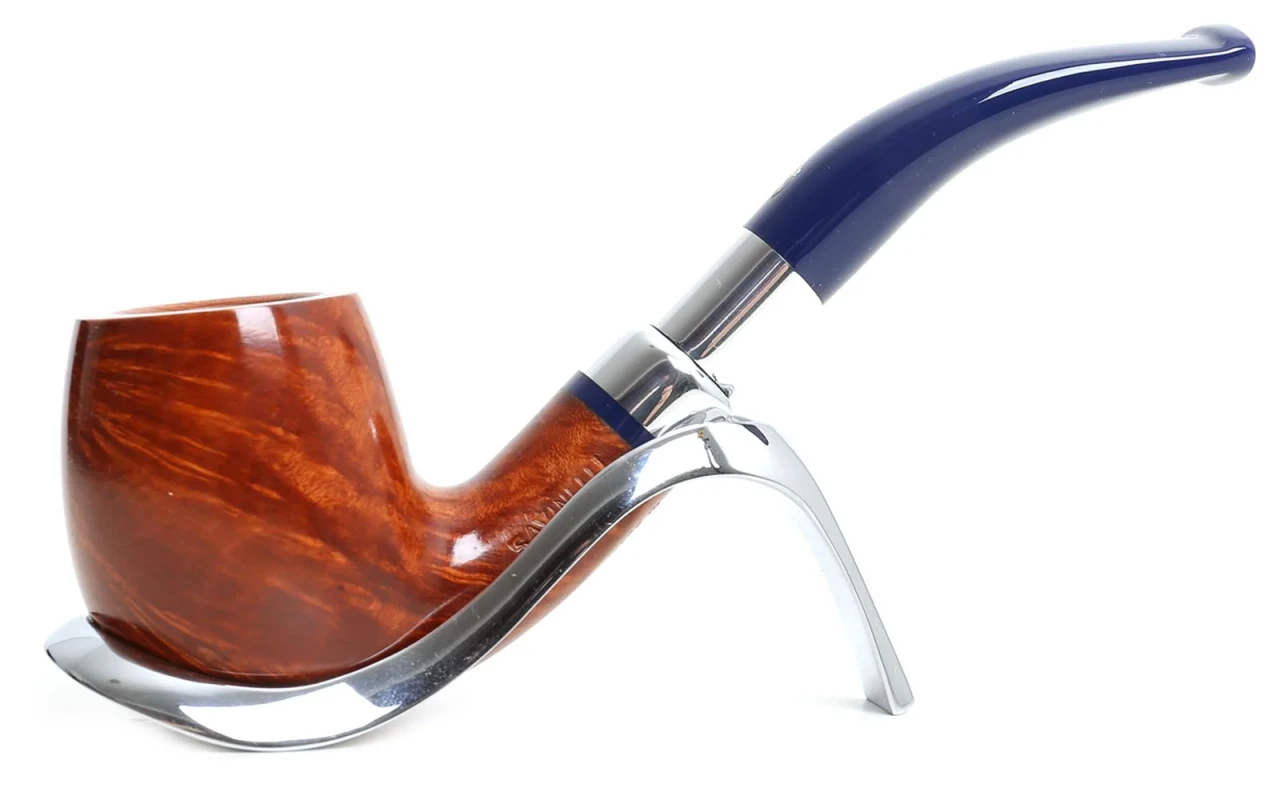
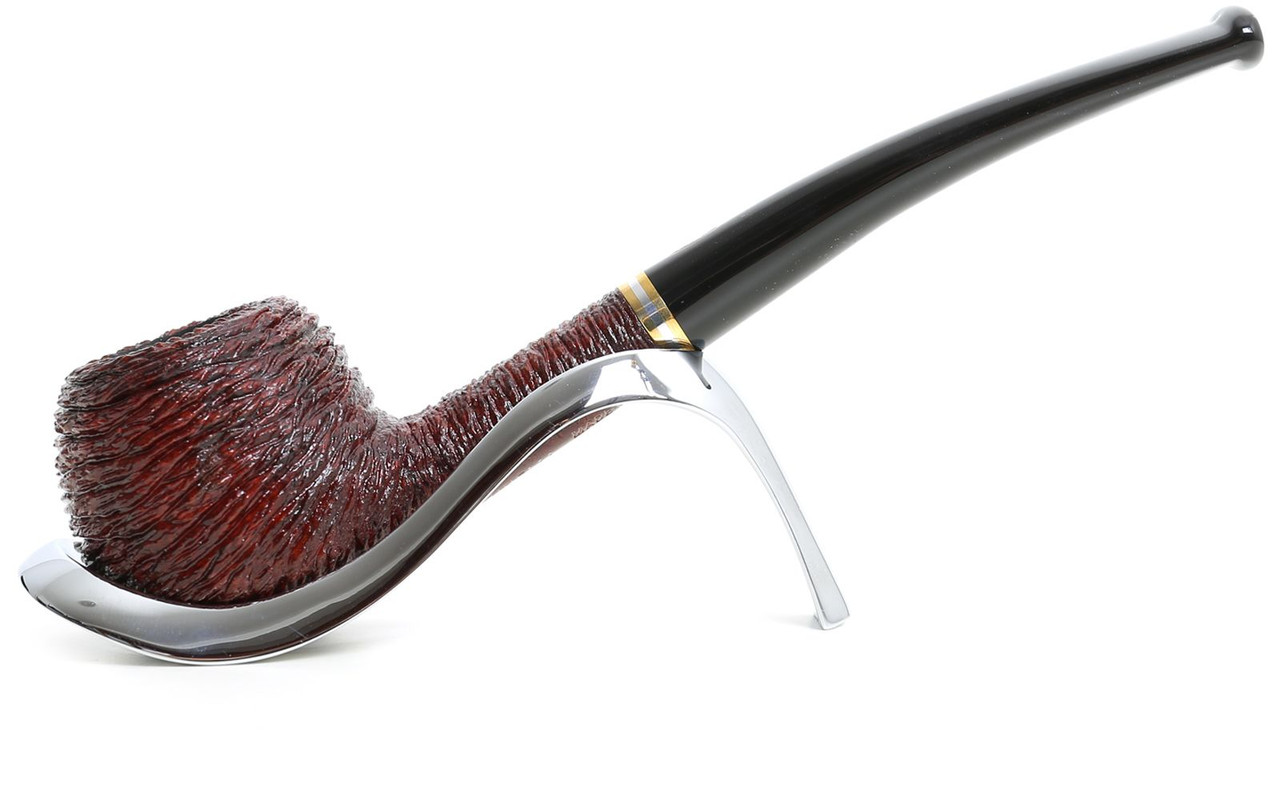
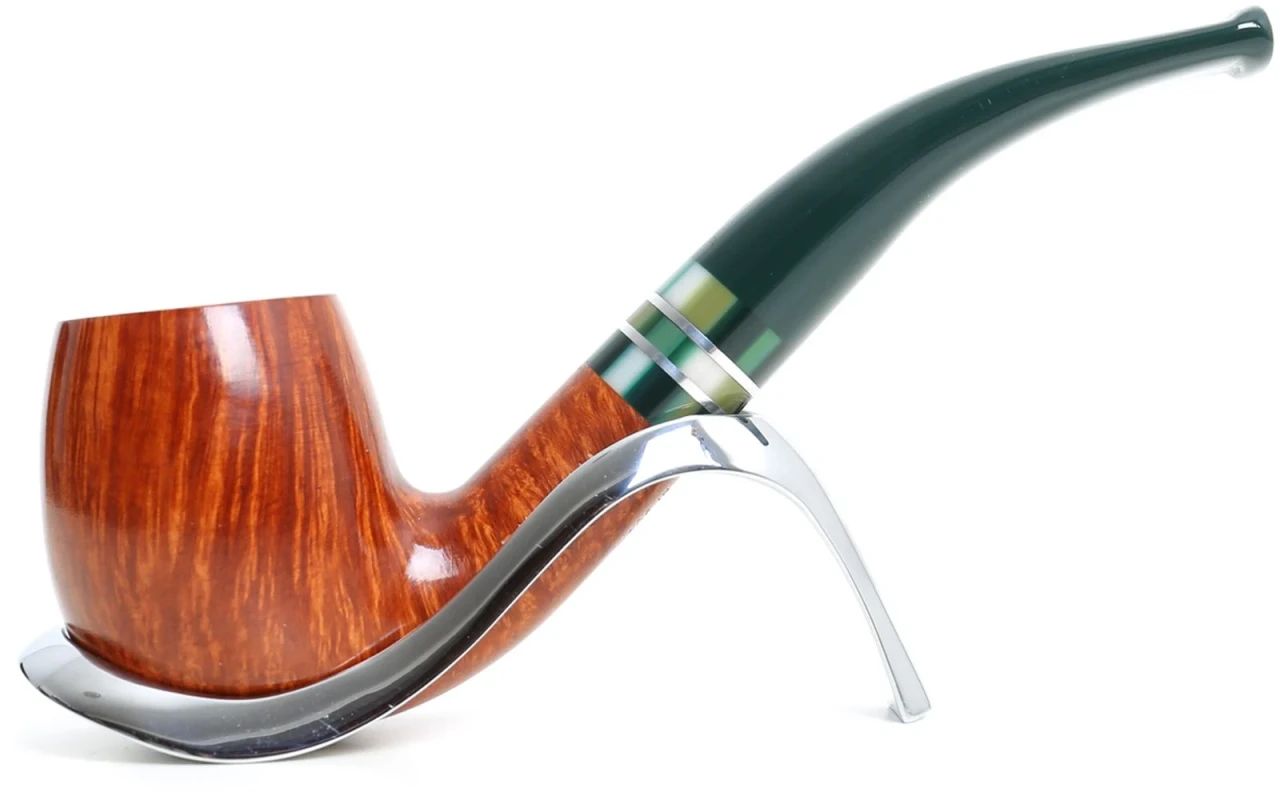
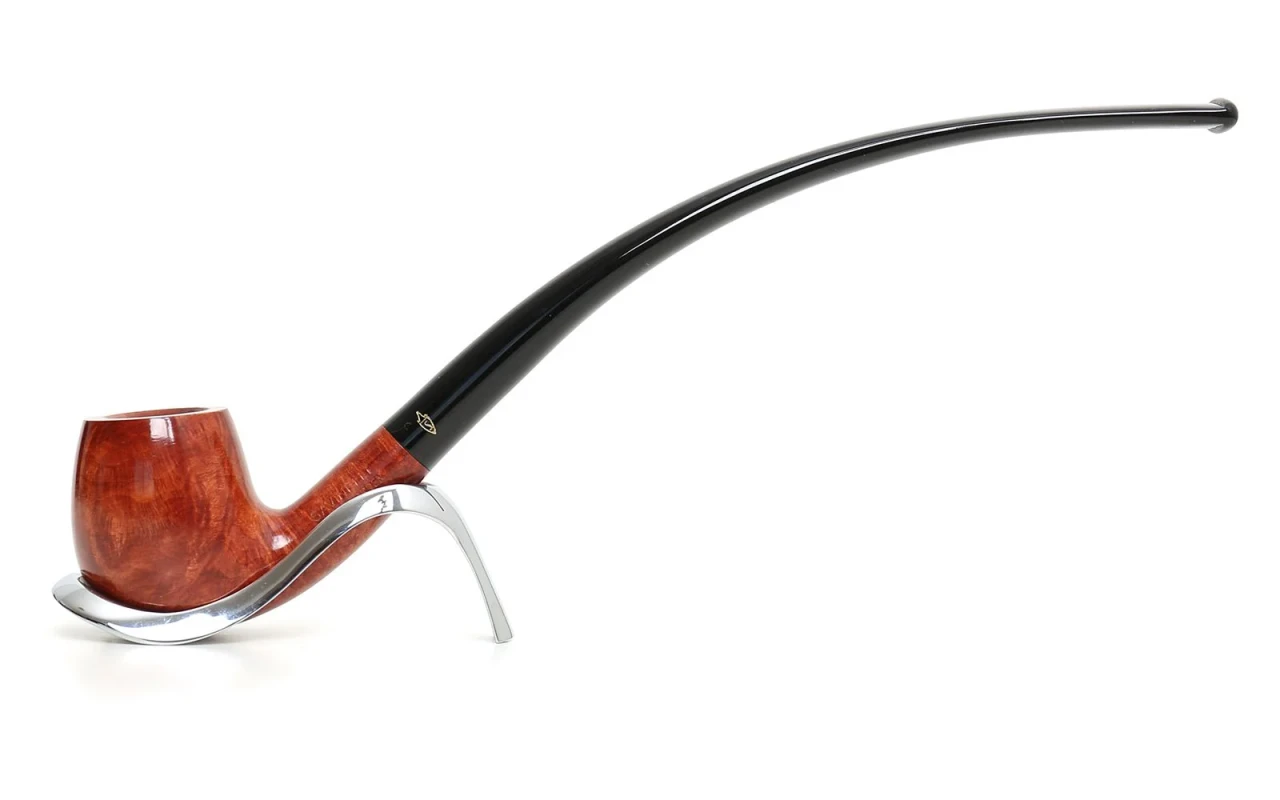
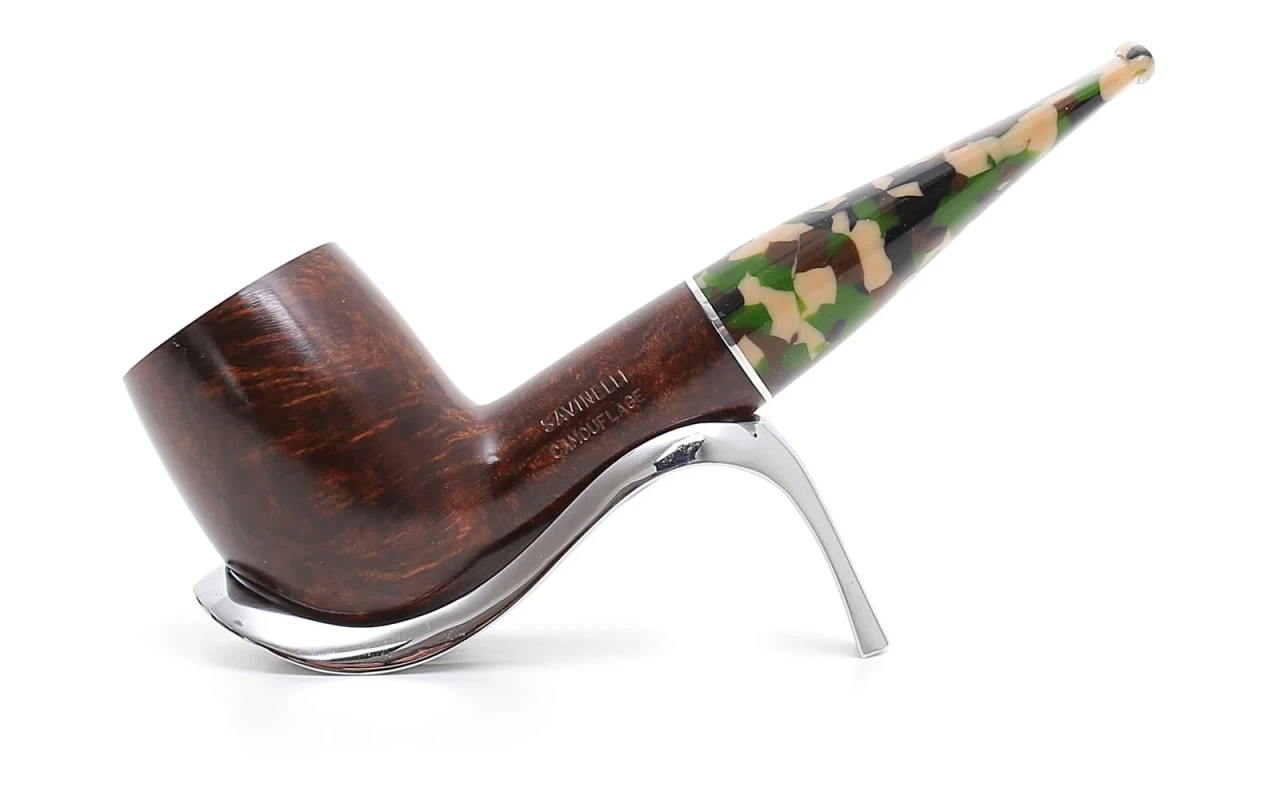
Pipes, in the theatrical context, play a fundamental role as stage accessories. They are used to characterize the characters, underline the historical period in which the work is set, or highlight particular psychological traits. The smoke from pipes, in particular, can create a suggestive and mysterious atmosphere on stage, adding depth to the performance. Thanks to the variety of shapes, materials, and styles available, pipes offer the director and set designer a wide range of options to emphasize the dialogues and actions of the characters, thus contributing to creating a more engaging and memorable theatrical experience.
Smoking Pipe Materials
Materials for smoking pipes can significantly impact the smoking experience and the longevity of the pipe itself. The most common materials include:- Briar wood: high-quality wood that ensures a cool and dry smoke.- Corn cob: inexpensive and lightweight, but requires special care to prevent damage.- Clay: a porous material that absorbs moisture, ideal for sweet and cool smokes.- Meerschaum: a natural stone that colors with use, guaranteeing a unique smoking experience.- Morta: an affordable and durable material, but tends to darken over time.The choice of material depends on personal preferences and the desired smoking experience.
Pipe Maintenance
Pipe maintenance is essential to ensure proper functioning and preserve quality over time. Here are some useful tips:- After each use, clean the pipe by removing any residues of burnt tobacco.- Regularly check the airflow passage and clean any obstructions.- Avoid overloading the pipe with excessive tobacco.- Use specific cleaning materials, such as brushes and filters.- Ensure that the stem is in good condition and replace it if necessary.- Store the pipes in a dry and cool environment to prevent moisture damage.By following these simple practices, you will be able to enjoy your favorite pipes for a long time.
History of smoking pipes
Smoking pipes have a long and fascinating history dating back centuries. It is believed that the first pipes were used by ancient Native American civilizations. Over time, pipes have evolved and taken on different shapes and materials, such as the traditional buffalo horn-shaped pipe or the elegant briar pipes. In the 17th century, pipes became popular in Europe, especially among the nobility. Today, smoking pipes are appreciated both for their artistic design and for the ritualistic aspect associated with their use, representing an icon of elegance and sophistication in the world of smoking.
'%3e%3cg id='Final-Copy-2_2_' transform='translate(1275.000000, 200.000000)'%3e%3cpath class='st0' d='M7.4,12.8h6.8l3.1-11.6H7.4C4.2,1.2,1.6,3.8,1.6,7S4.2,12.8,7.4,12.8z'/%3e%3c/g%3e%3c/g%3e%3c/g%3e%3cg id='final---dec.11-2020'%3e%3cg id='_x30_208-our-toggle' transform='translate(-1275.000000, -200.000000)'%3e%3cg id='Final-Copy-2' transform='translate(1275.000000, 200.000000)'%3e%3cpath class='st1' d='M22.6,0H7.4c-3.9,0-7,3.1-7,7s3.1,7,7,7h15.2c3.9,0,7-3.1,7-7S26.4,0,22.6,0z M1.6,7c0-3.2,2.6-5.8,5.8-5.8 h9.9l-3.1,11.6H7.4C4.2,12.8,1.6,10.2,1.6,7z'/%3e%3cpath id='x' class='st2' d='M24.6,4c0.2,0.2,0.2,0.6,0,0.8l0,0L22.5,7l2.2,2.2c0.2,0.2,0.2,0.6,0,0.8c-0.2,0.2-0.6,0.2-0.8,0 l0,0l-2.2-2.2L19.5,10c-0.2,0.2-0.6,0.2-0.8,0c-0.2-0.2-0.2-0.6,0-0.8l0,0L20.8,7l-2.2-2.2c-0.2-0.2-0.2-0.6,0-0.8 c0.2-0.2,0.6-0.2,0.8,0l0,0l2.2,2.2L23.8,4C24,3.8,24.4,3.8,24.6,4z'/%3e%3cpath id='y' class='st3' d='M12.7,4.1c0.2,0.2,0.3,0.6,0.1,0.8l0,0L8.6,9.8C8.5,9.9,8.4,10,8.3,10c-0.2,0.1-0.5,0.1-0.7-0.1l0,0 L5.4,7.7c-0.2-0.2-0.2-0.6,0-0.8c0.2-0.2,0.6-0.2,0.8,0l0,0L8,8.6l3.8-4.5C12,3.9,12.4,3.9,12.7,4.1z'/%3e%3c/g%3e%3c/g%3e%3c/g%3e%3c/g%3e%3c/svg%3e) Your Privacy Choices
Your Privacy Choices 


