 ES
ES FR
FR EN
EN IT
IT DE
DE
The Importance of Craftsmanship for Pipes
The Importance of Craftsmanship for Pipes
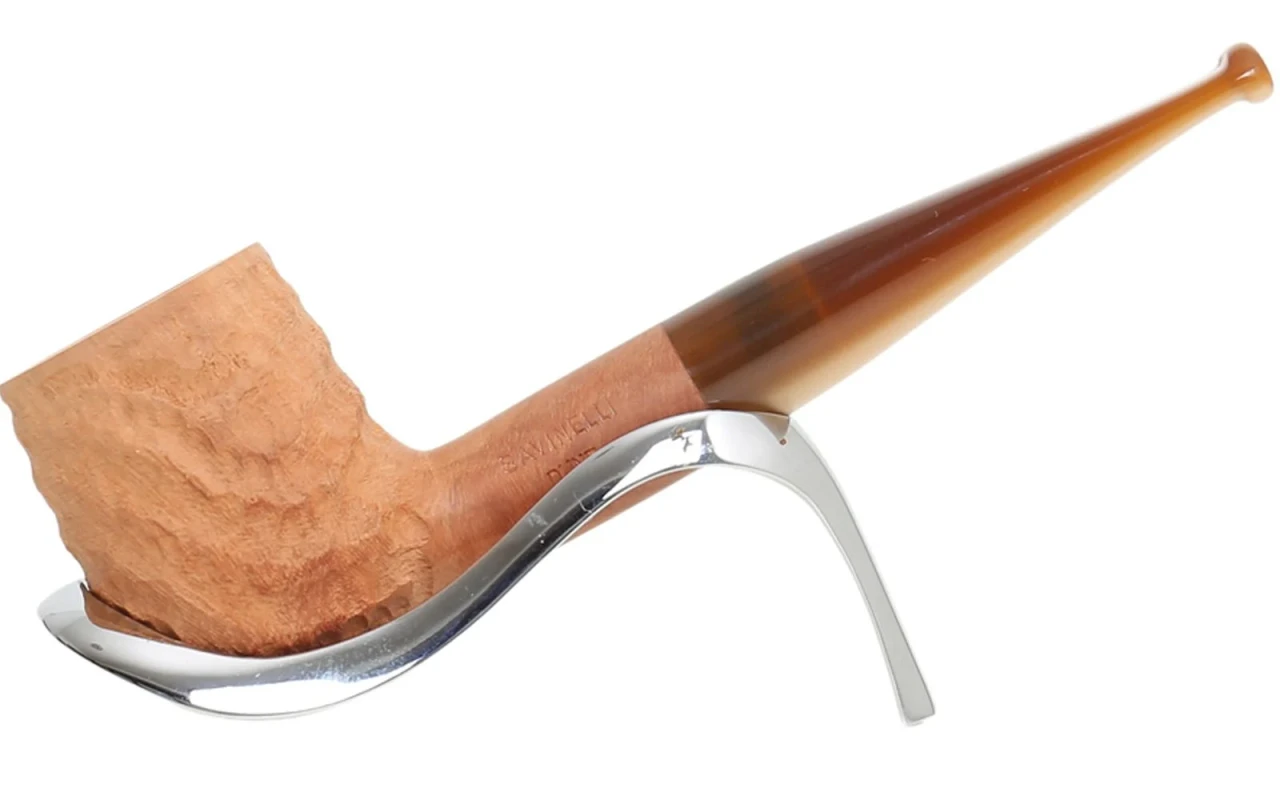
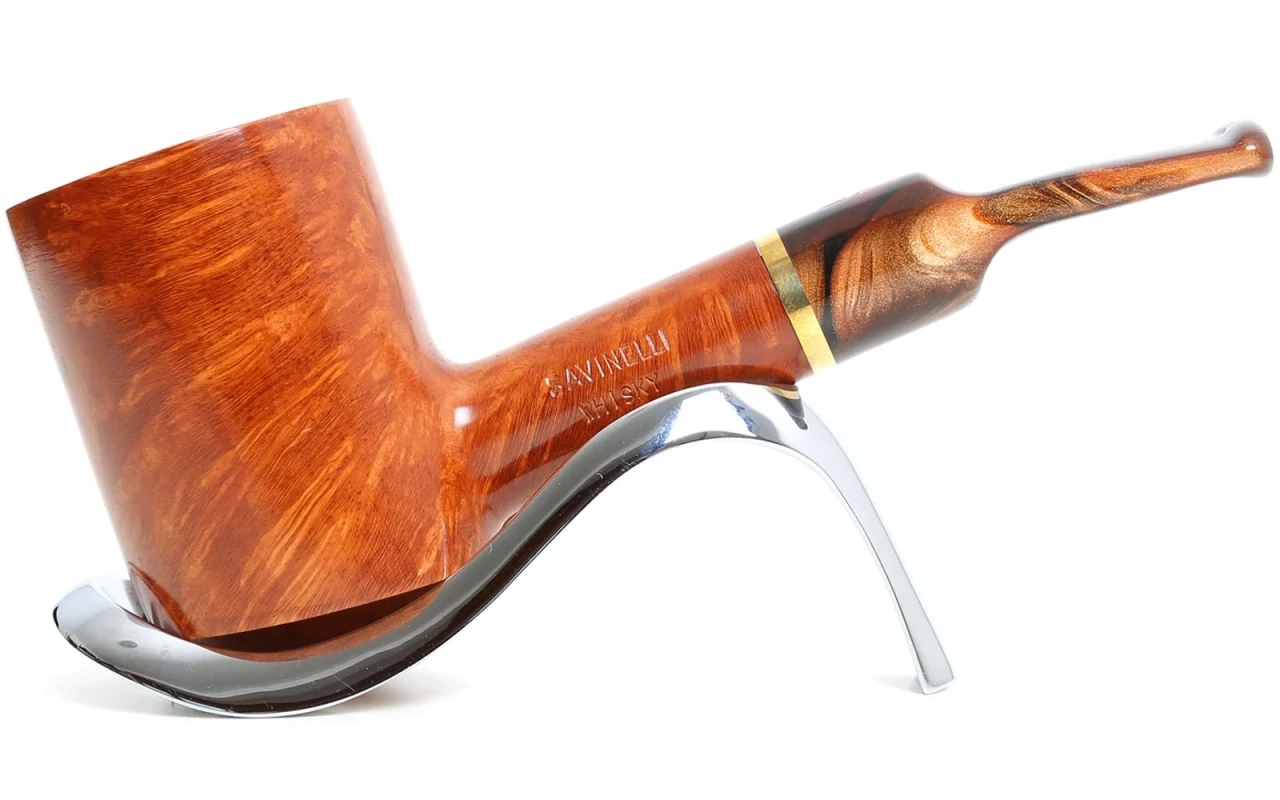
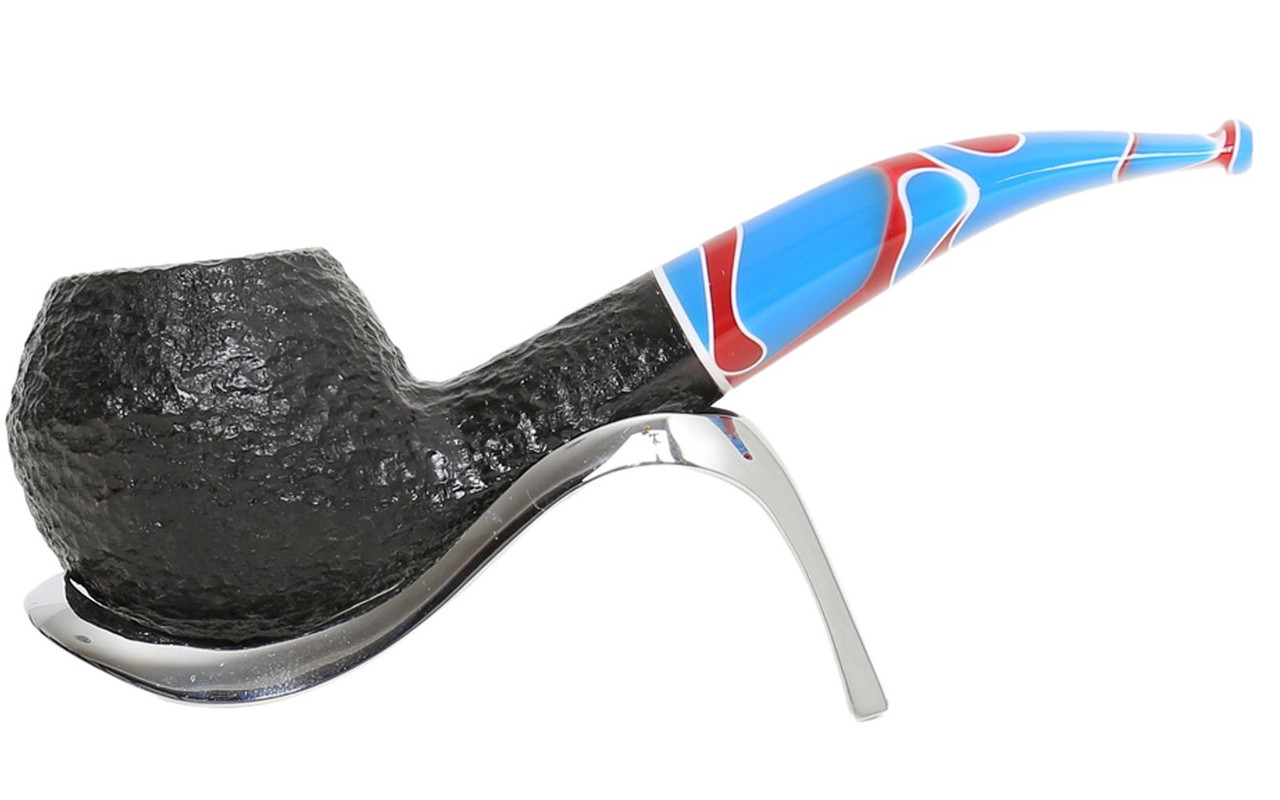
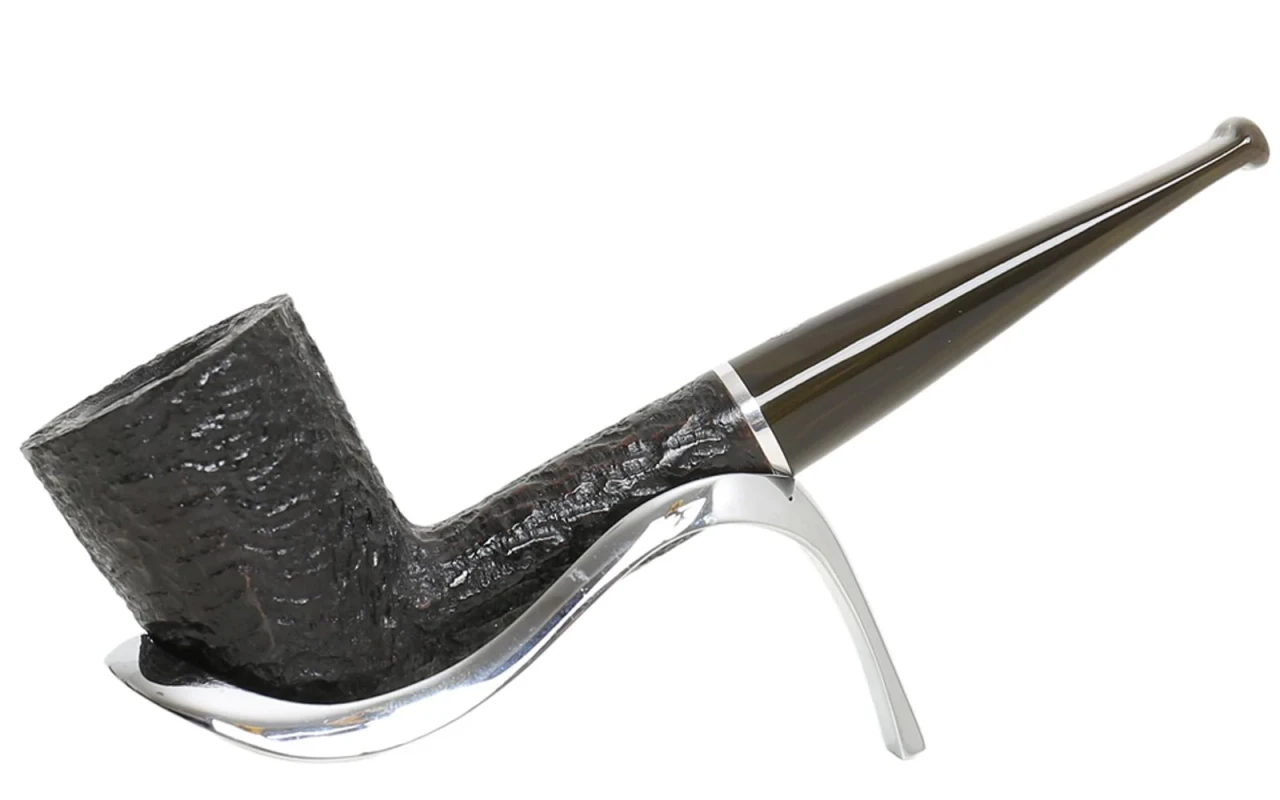
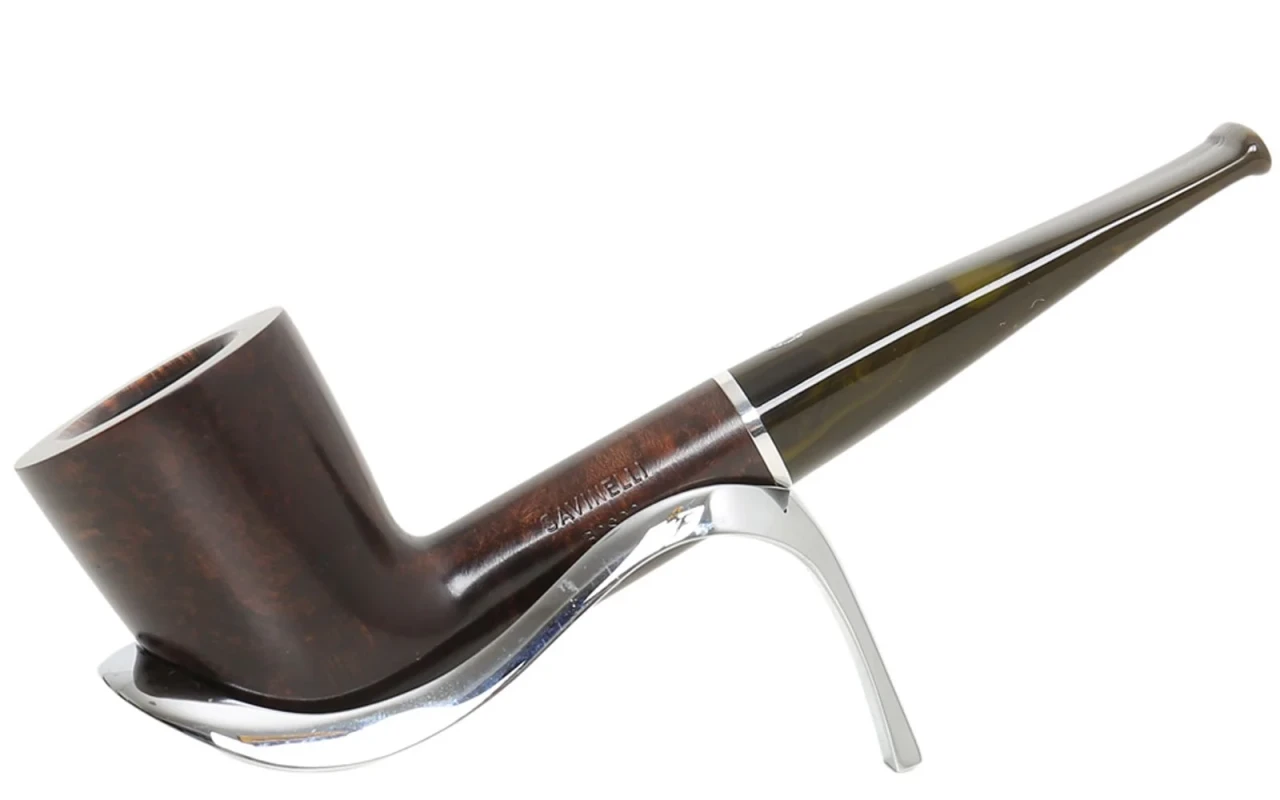
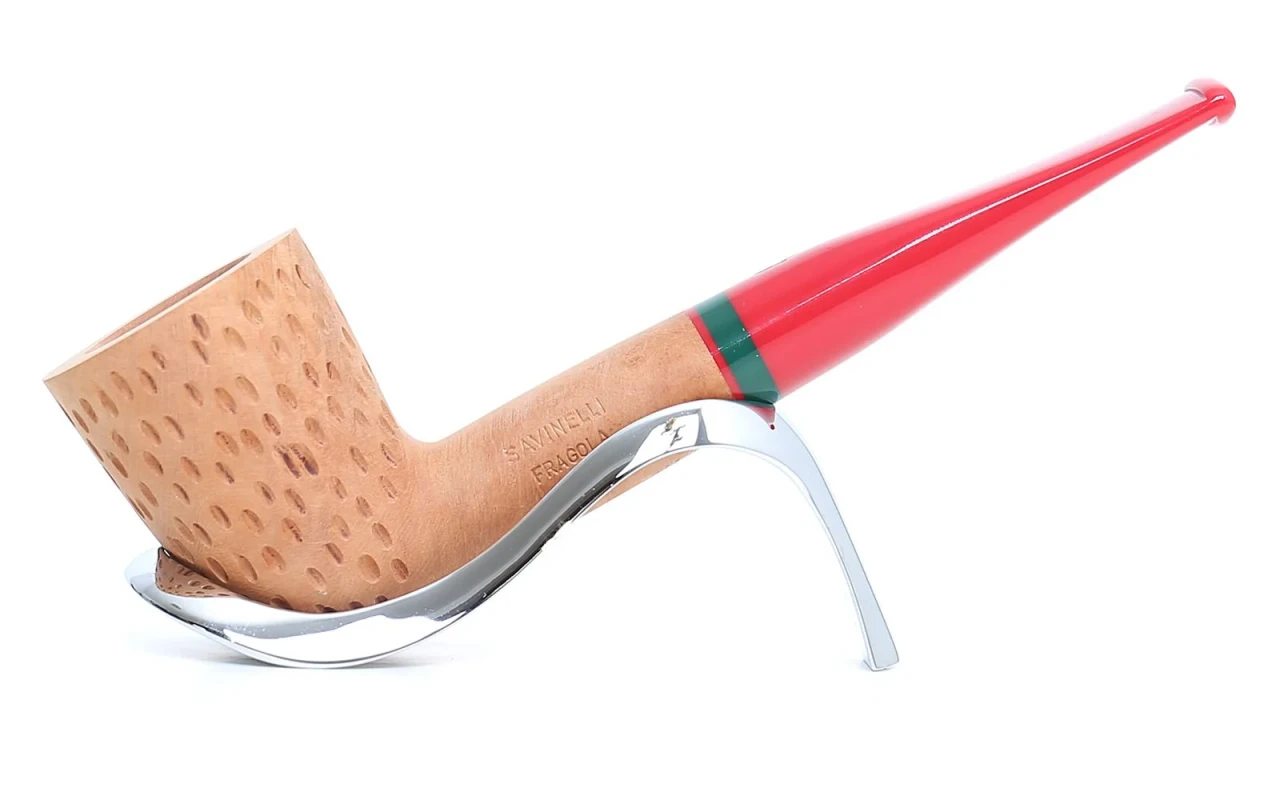
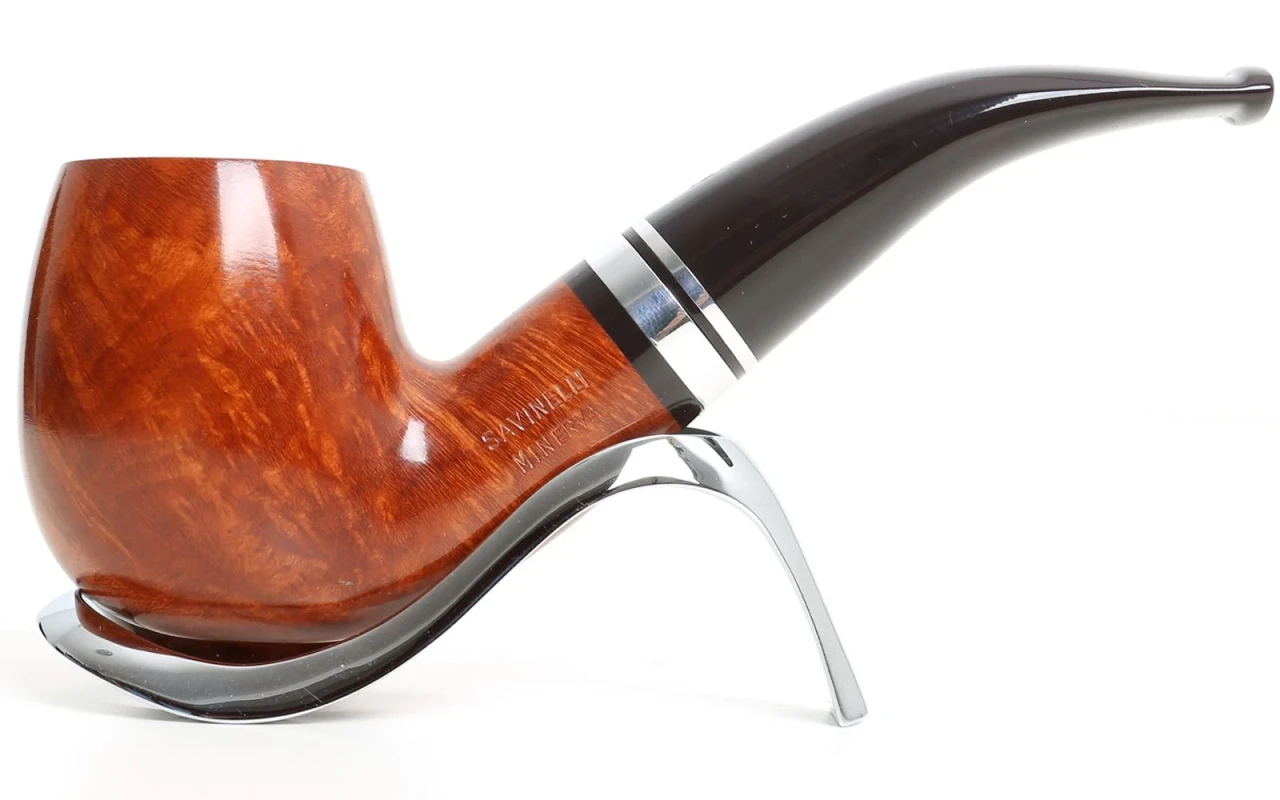
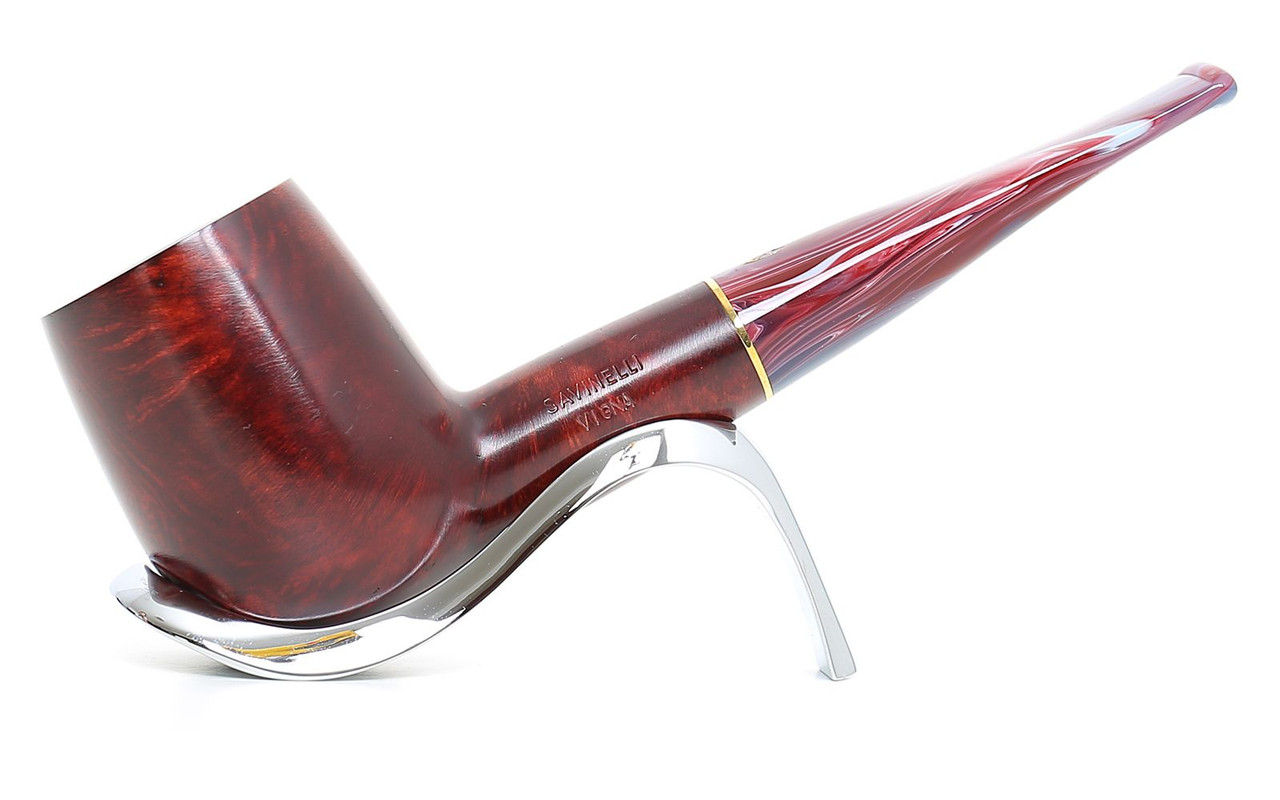
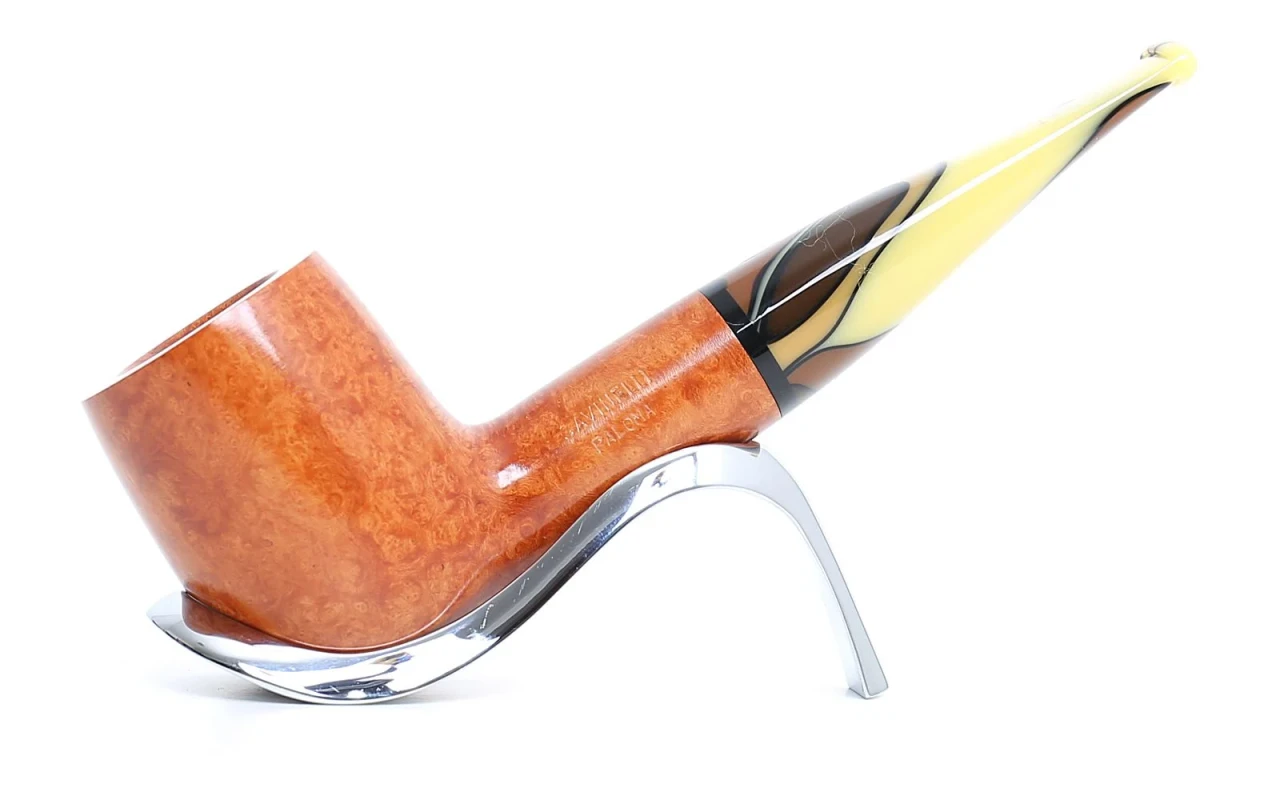
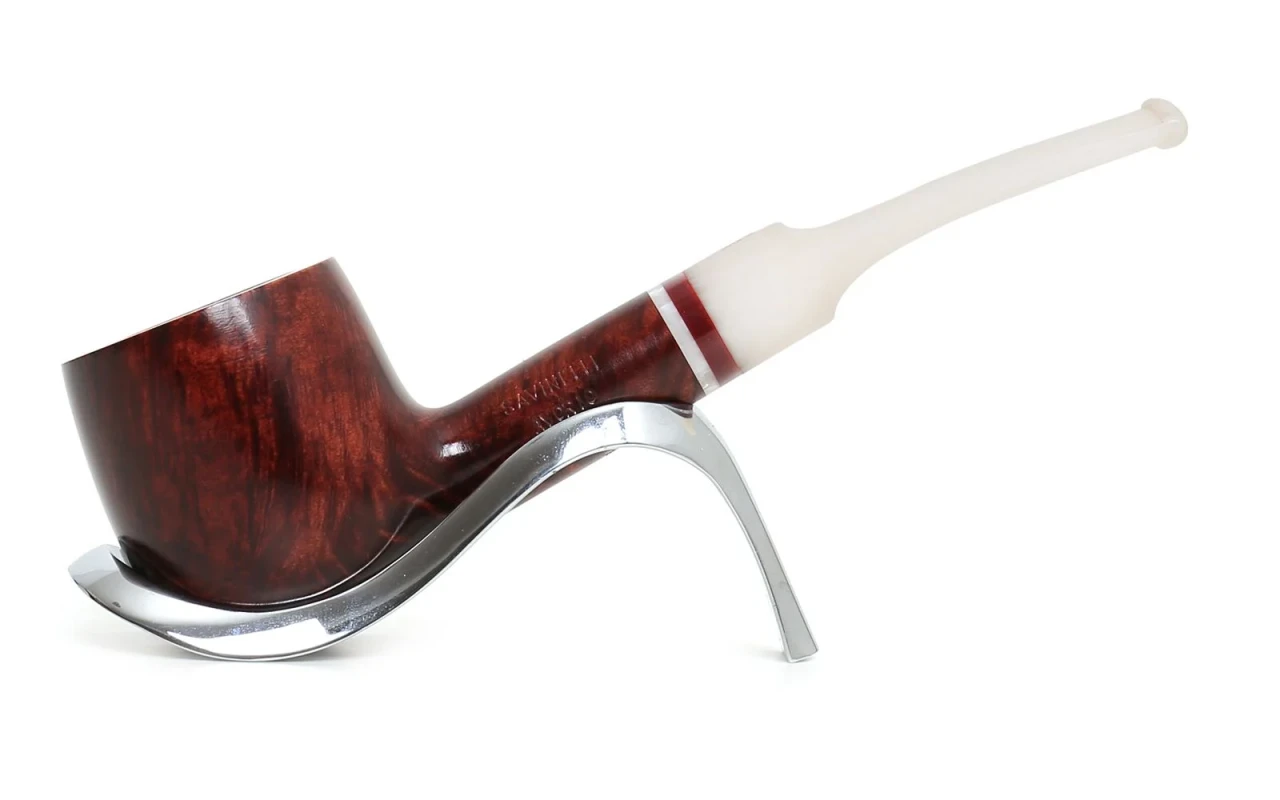
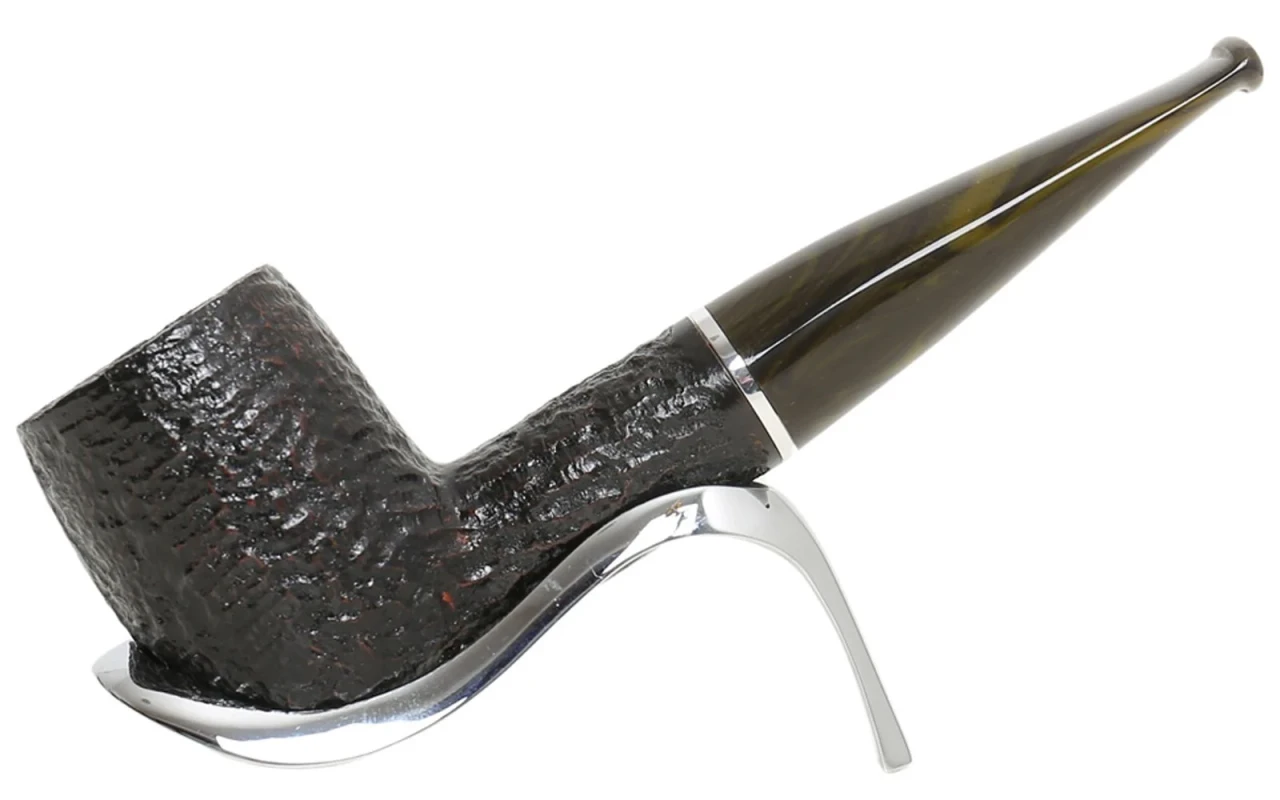
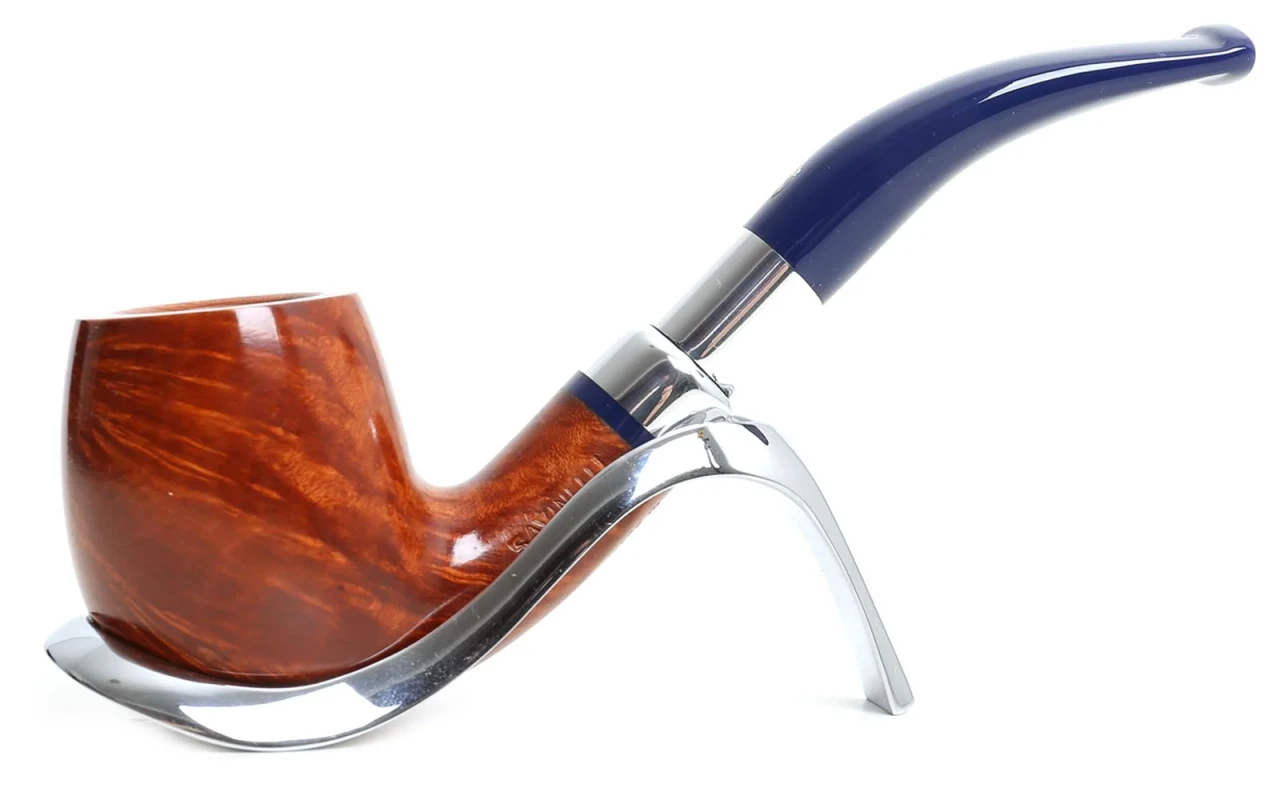
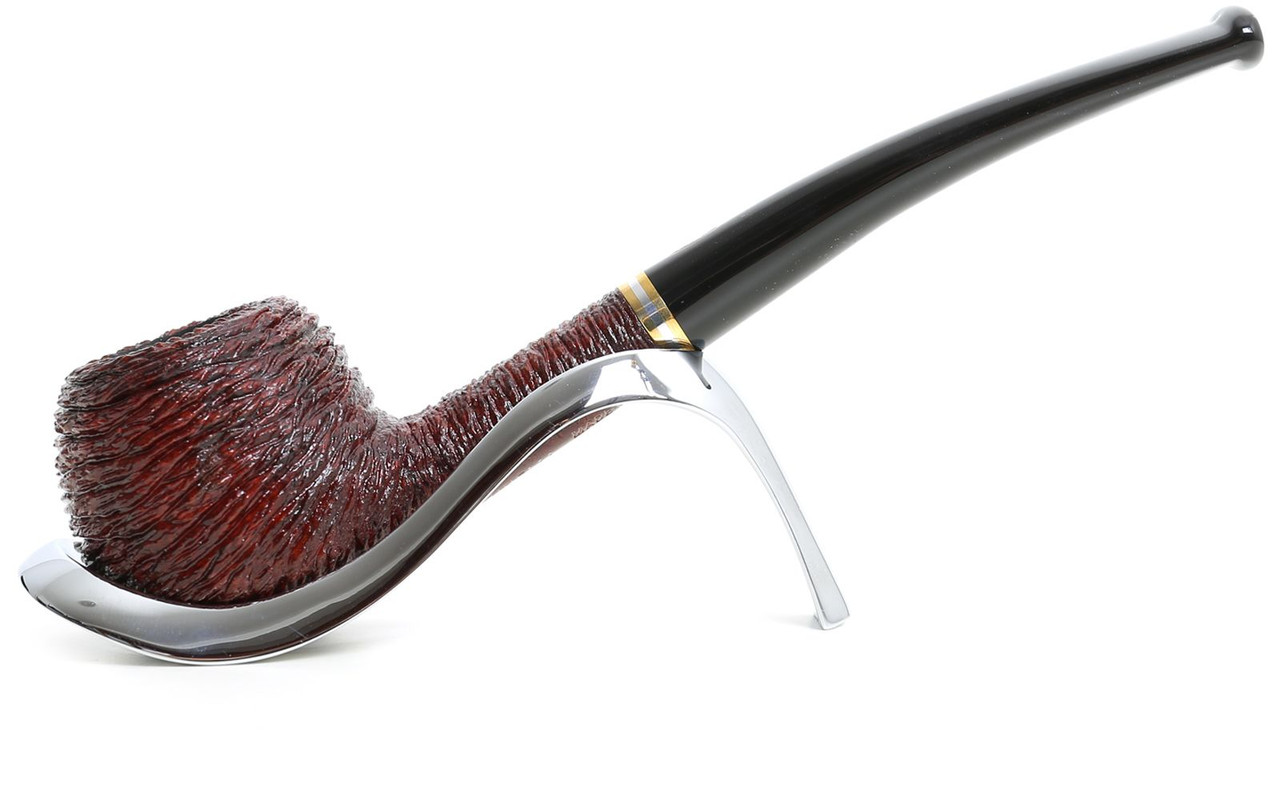
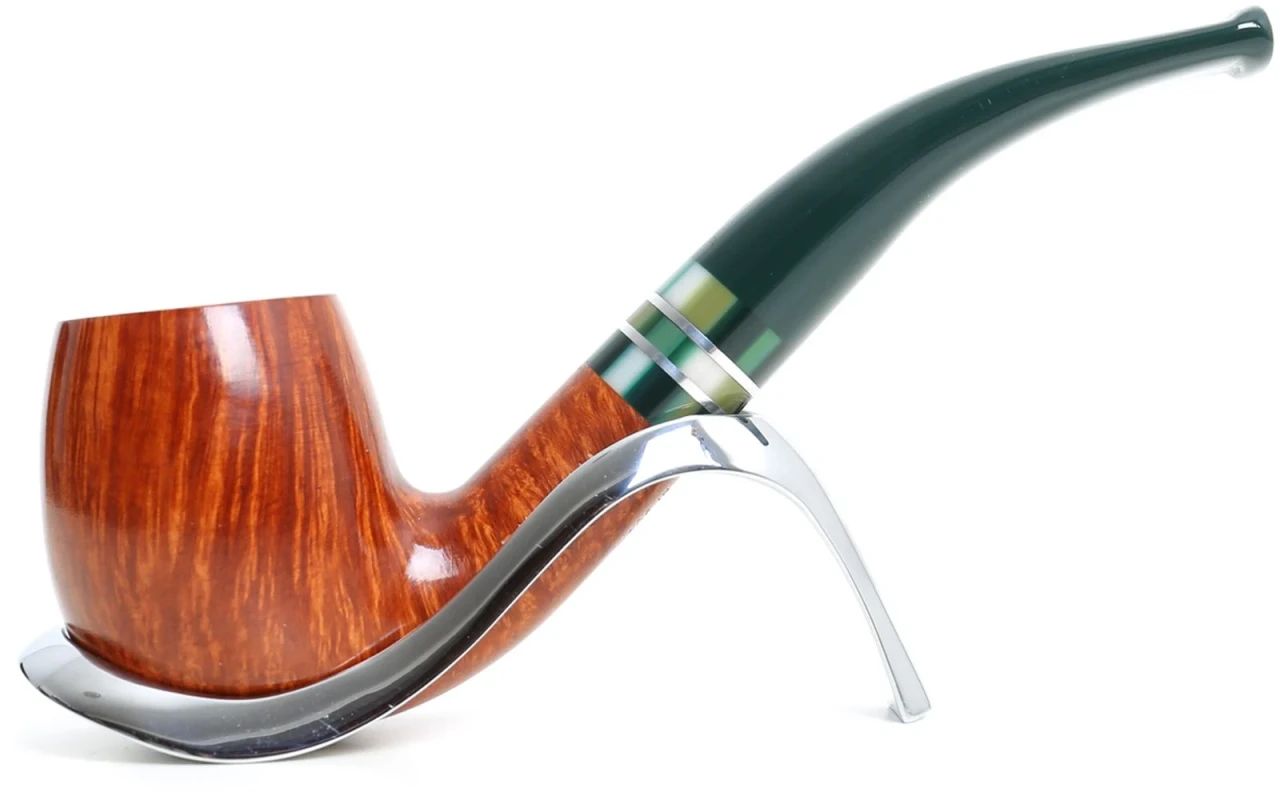
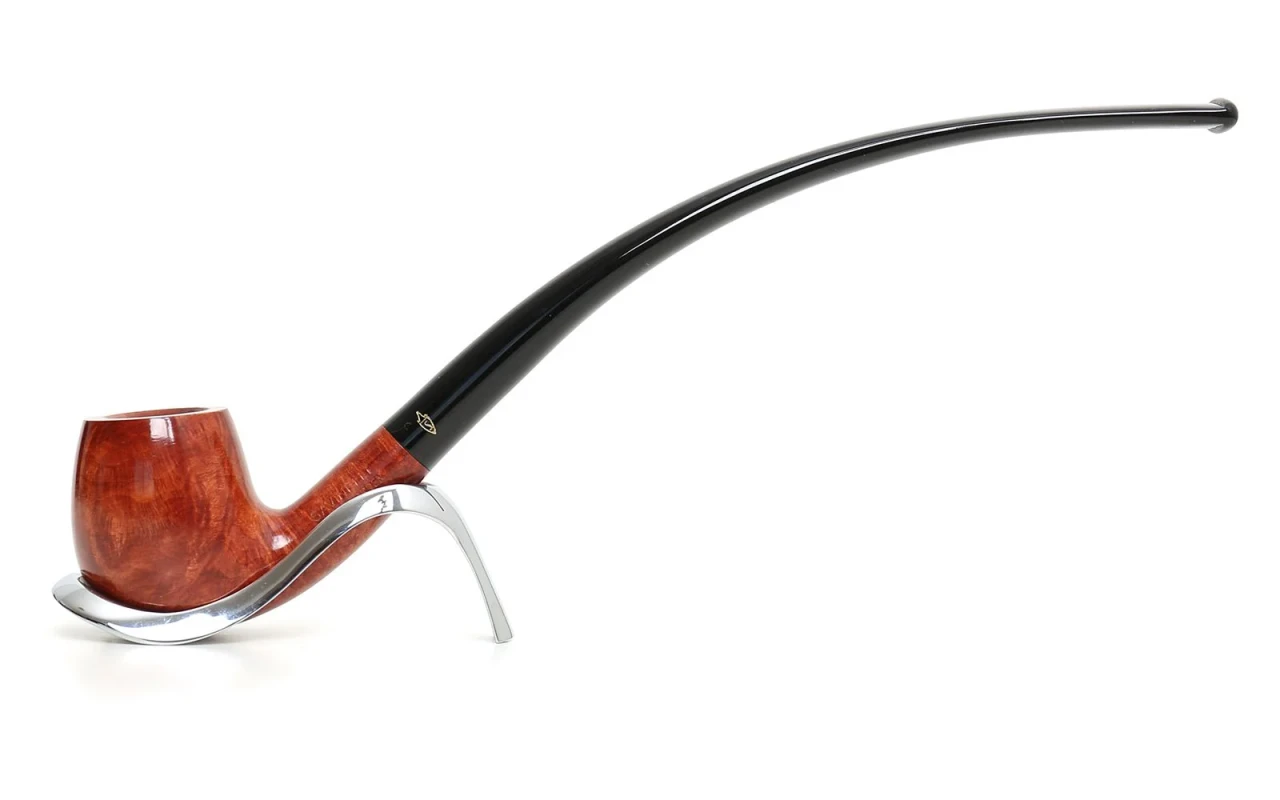
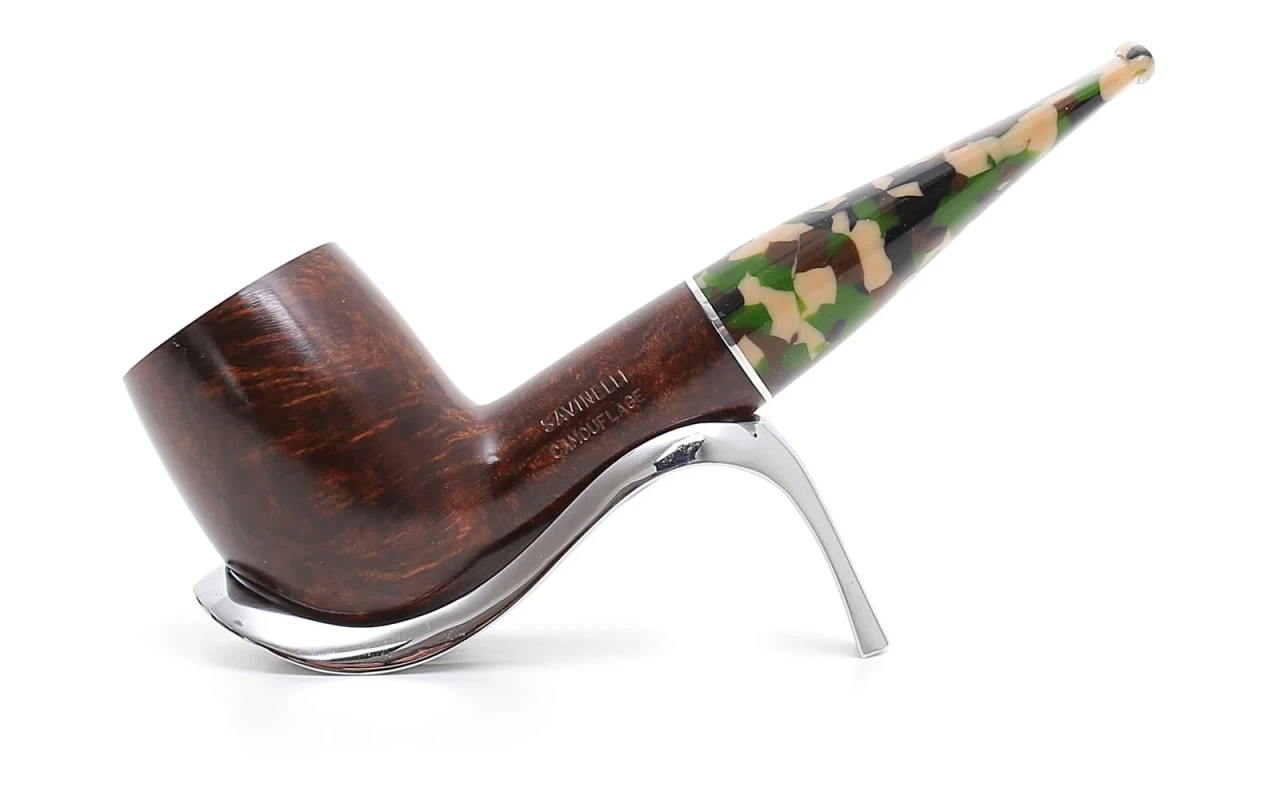
Craftsmanship for pipes is of fundamental importance to ensure the quality and uniqueness of these instruments. Artisans dedicate time and expertise to the creation of personalized pipes, using precious materials such as briar or mortar. Thanks to traditional techniques passed down from generation to generation, artisanal pipes are crafted with care and precision, guaranteeing an excellent smoking experience. Every detail, from the shape to the finish, is meticulously curated to create a high-quality end product with exclusive design. Craftsmanship adds value to pipes, making them true works of art to be appreciated over time.
Craftsmanship techniques for pipes
Craftsmanship techniques for pipes are diverse and require specialized artisan skills. Typically, the process starts with the careful selection of wood, often heather or olive root, to ensure quality and durability. Subsequently, the wood is meticulously shaped and hollowed out to create the desired pipe form. Finishing is a crucial step, involving sanding, staining, and polishing to achieve a high-quality finished product. Some artisans incorporate decorative details or special carvings to further customize their creations.
Materials used for handmade pipes
Handmade pipes are often crafted with high-quality materials to ensure optimal performance and long-lasting durability over time. The most common materials used for the production of handmade pipes include:- Heather root: a hard wood used for its resistance and ability to absorb moisture.- Walnut root: a precious wood that provides elegance and strength to the pipe.- Lava morta: lightweight and resistant volcanic material, often used for the making of rustic pipes.- Briar: wood from the Erica arborea plant, particularly suitable for smoking pipes due to its heat and combustion resistance.- Meerschaum: a porous white mineral used for smoking pipes for its ability to absorb oils and ensure a cooler and drier smoke.
Differences between artisanal and industrial pipes
Artisanal and industrial pipes differ in several aspects:- **Materials**: Artisanal pipes are handcrafted using high-quality materials such as briar or mortar, while industrial pipes can be mass-produced using more common materials.- **Design**: Artisanal pipes often feature unique and customized designs, while industrial pipes tend to have more standardized designs.- **Quality**: Artisanal pipes are generally considered superior in quality due to the craftsmanship and attention to detail, while industrial pipes may vary in quality.- **Price**: Artisanal pipes, given the craftsmanship and premium materials, usually have a higher cost compared to industrial pipes.In conclusion, the choice between an artisanal and industrial pipe depends on personal preferences and the importance placed on quality and product uniqueness.
'%3e%3cg id='Final-Copy-2_2_' transform='translate(1275.000000, 200.000000)'%3e%3cpath class='st0' d='M7.4,12.8h6.8l3.1-11.6H7.4C4.2,1.2,1.6,3.8,1.6,7S4.2,12.8,7.4,12.8z'/%3e%3c/g%3e%3c/g%3e%3c/g%3e%3cg id='final---dec.11-2020'%3e%3cg id='_x30_208-our-toggle' transform='translate(-1275.000000, -200.000000)'%3e%3cg id='Final-Copy-2' transform='translate(1275.000000, 200.000000)'%3e%3cpath class='st1' d='M22.6,0H7.4c-3.9,0-7,3.1-7,7s3.1,7,7,7h15.2c3.9,0,7-3.1,7-7S26.4,0,22.6,0z M1.6,7c0-3.2,2.6-5.8,5.8-5.8 h9.9l-3.1,11.6H7.4C4.2,12.8,1.6,10.2,1.6,7z'/%3e%3cpath id='x' class='st2' d='M24.6,4c0.2,0.2,0.2,0.6,0,0.8l0,0L22.5,7l2.2,2.2c0.2,0.2,0.2,0.6,0,0.8c-0.2,0.2-0.6,0.2-0.8,0 l0,0l-2.2-2.2L19.5,10c-0.2,0.2-0.6,0.2-0.8,0c-0.2-0.2-0.2-0.6,0-0.8l0,0L20.8,7l-2.2-2.2c-0.2-0.2-0.2-0.6,0-0.8 c0.2-0.2,0.6-0.2,0.8,0l0,0l2.2,2.2L23.8,4C24,3.8,24.4,3.8,24.6,4z'/%3e%3cpath id='y' class='st3' d='M12.7,4.1c0.2,0.2,0.3,0.6,0.1,0.8l0,0L8.6,9.8C8.5,9.9,8.4,10,8.3,10c-0.2,0.1-0.5,0.1-0.7-0.1l0,0 L5.4,7.7c-0.2-0.2-0.2-0.6,0-0.8c0.2-0.2,0.6-0.2,0.8,0l0,0L8,8.6l3.8-4.5C12,3.9,12.4,3.9,12.7,4.1z'/%3e%3c/g%3e%3c/g%3e%3c/g%3e%3c/g%3e%3c/svg%3e) Your Privacy Choices
Your Privacy Choices 


