 FR
FR EN
EN IT
IT DE
DE
The History of Collectible Pipes
The History of Collectible Pipes
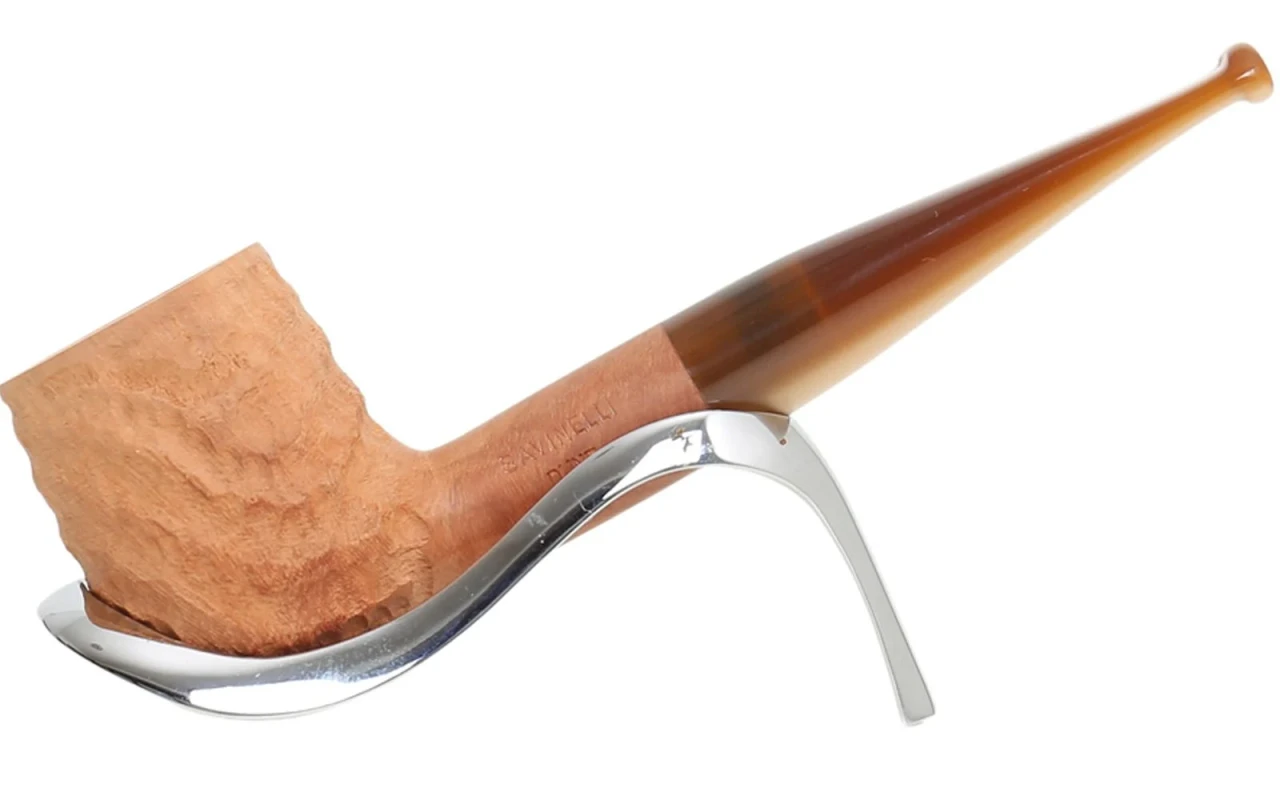
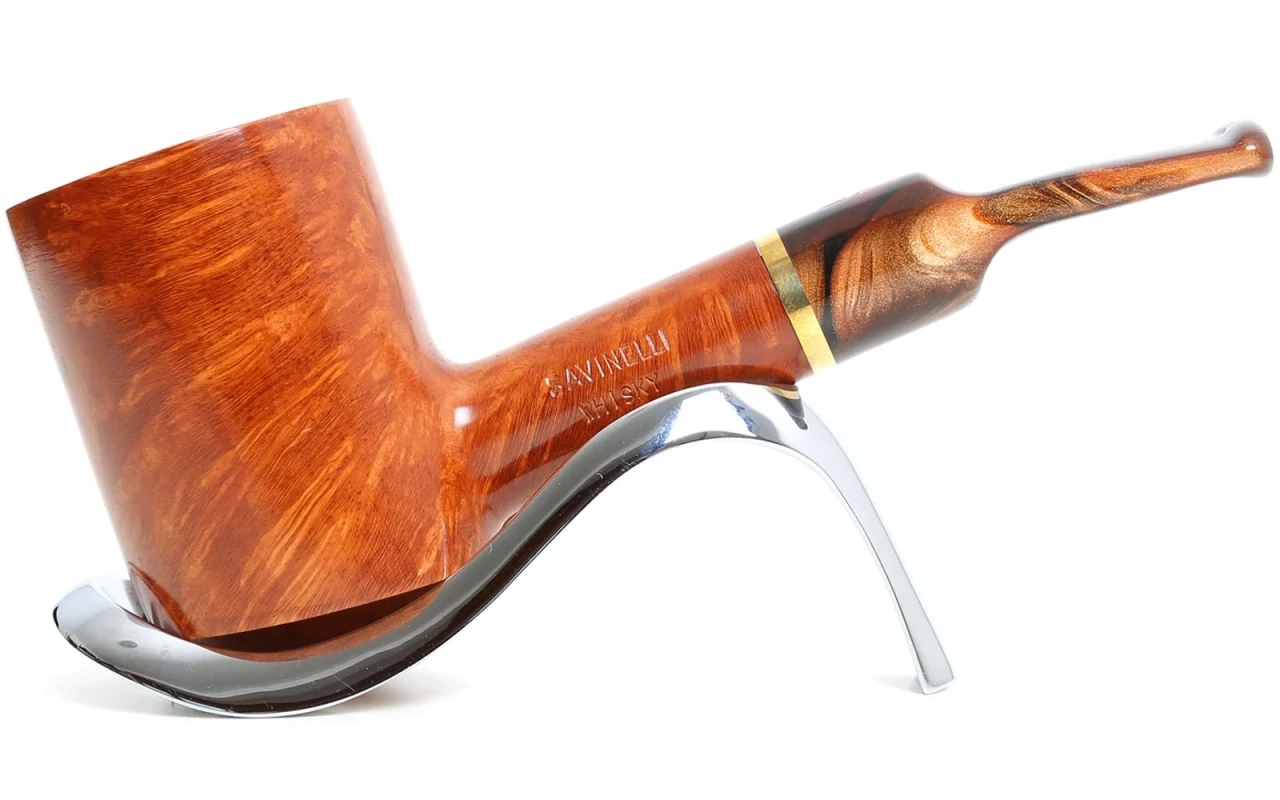
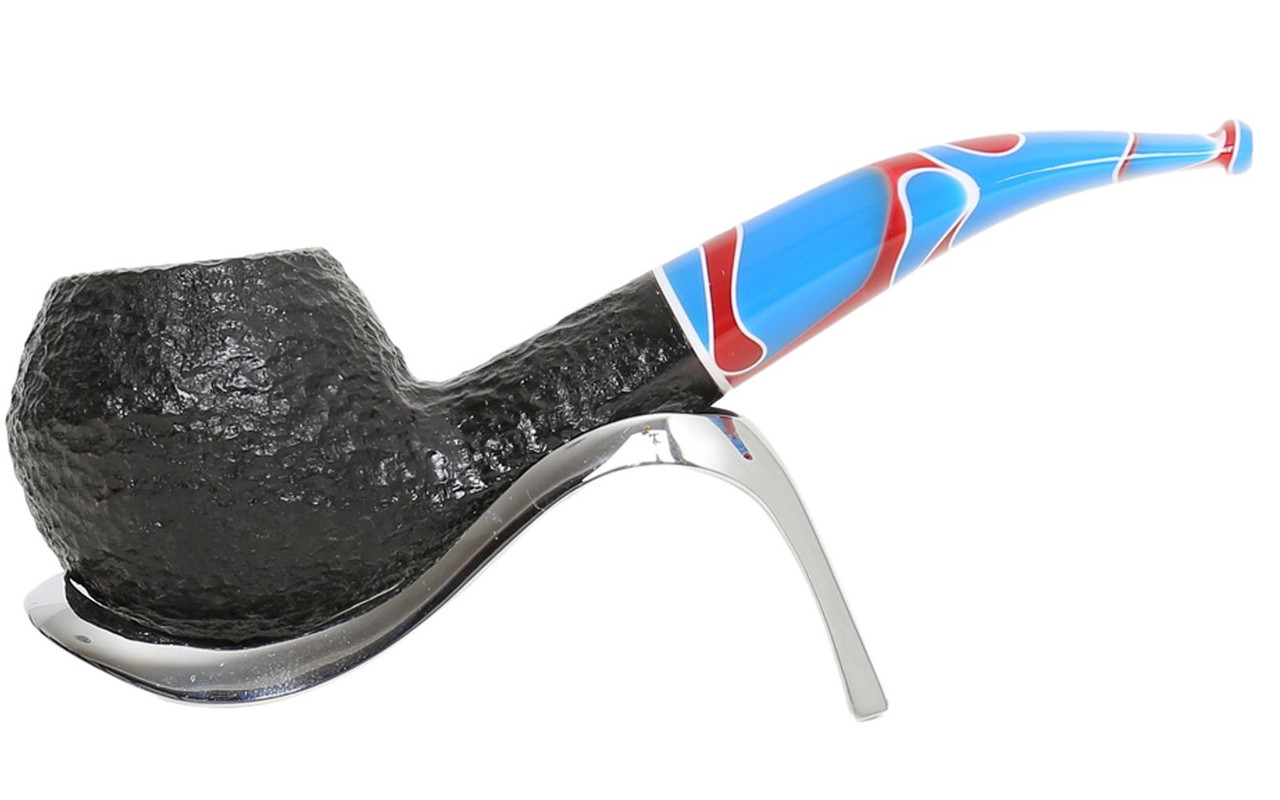
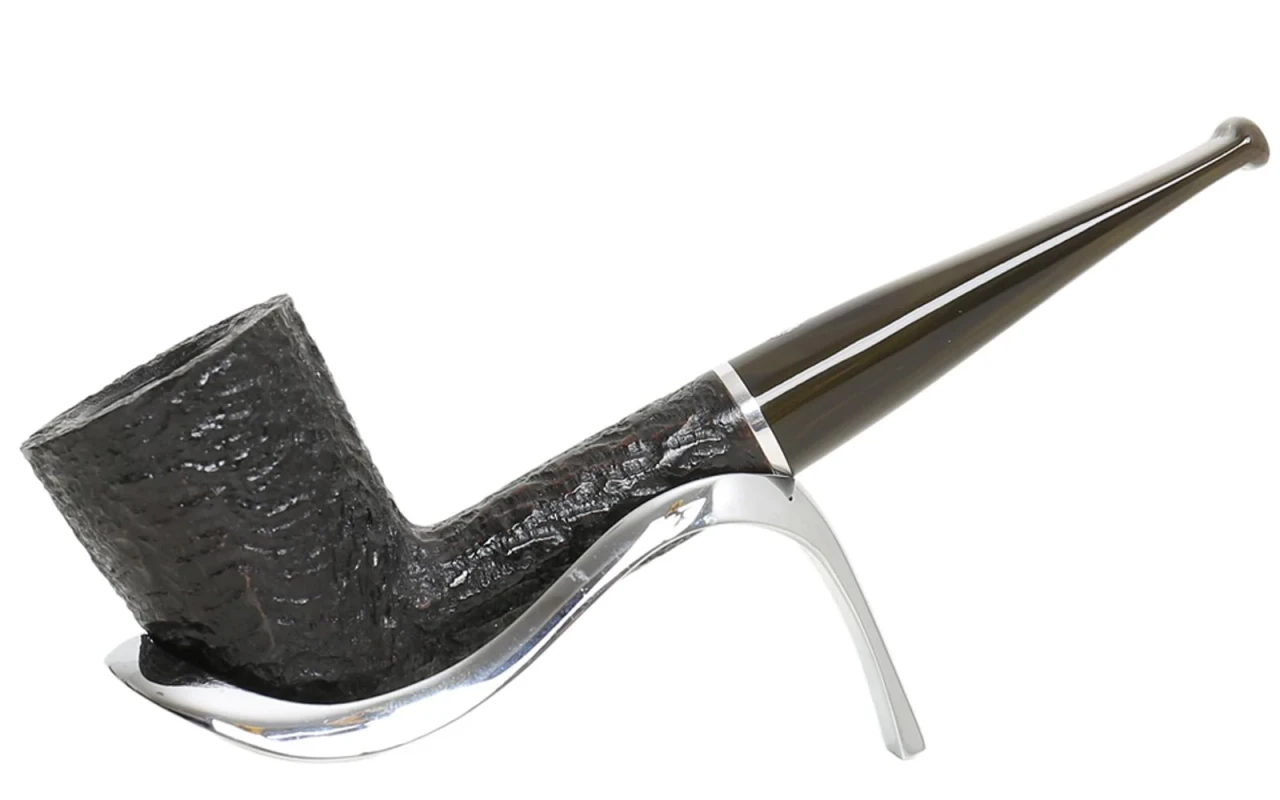
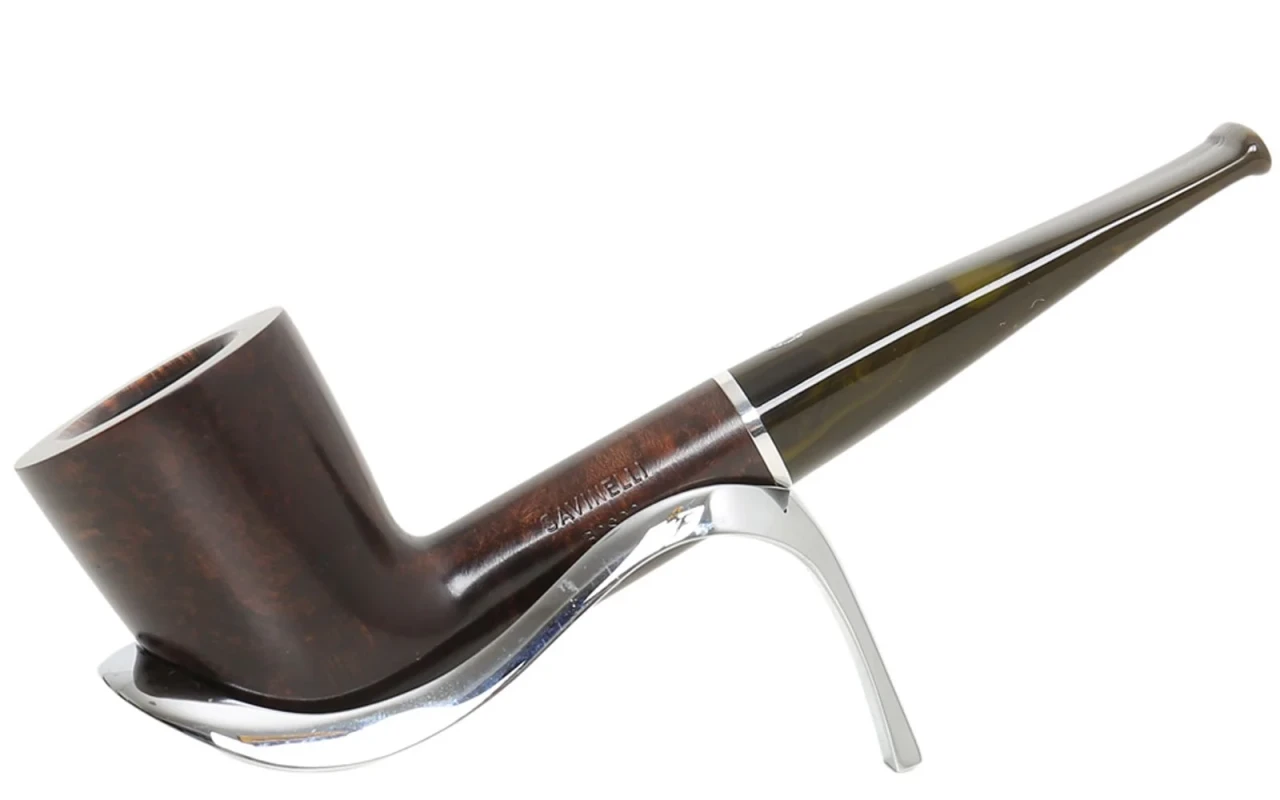
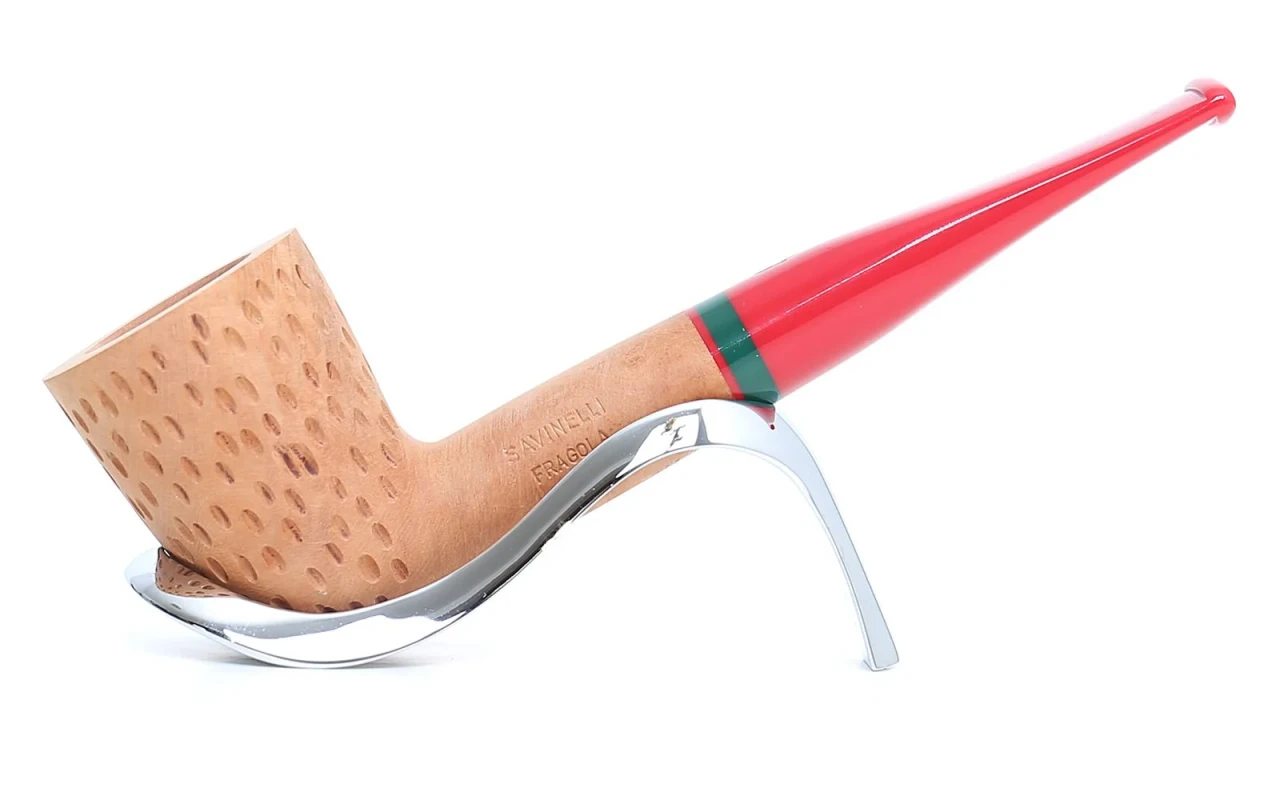
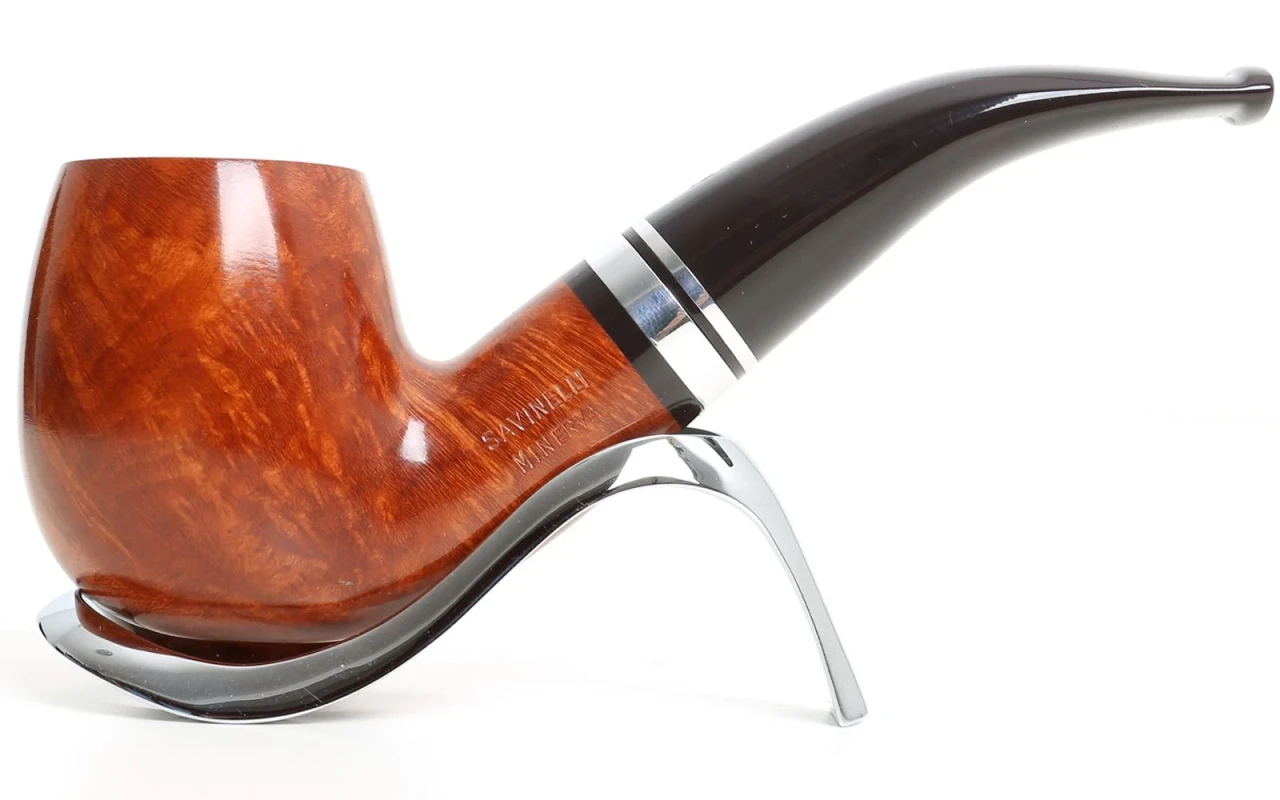
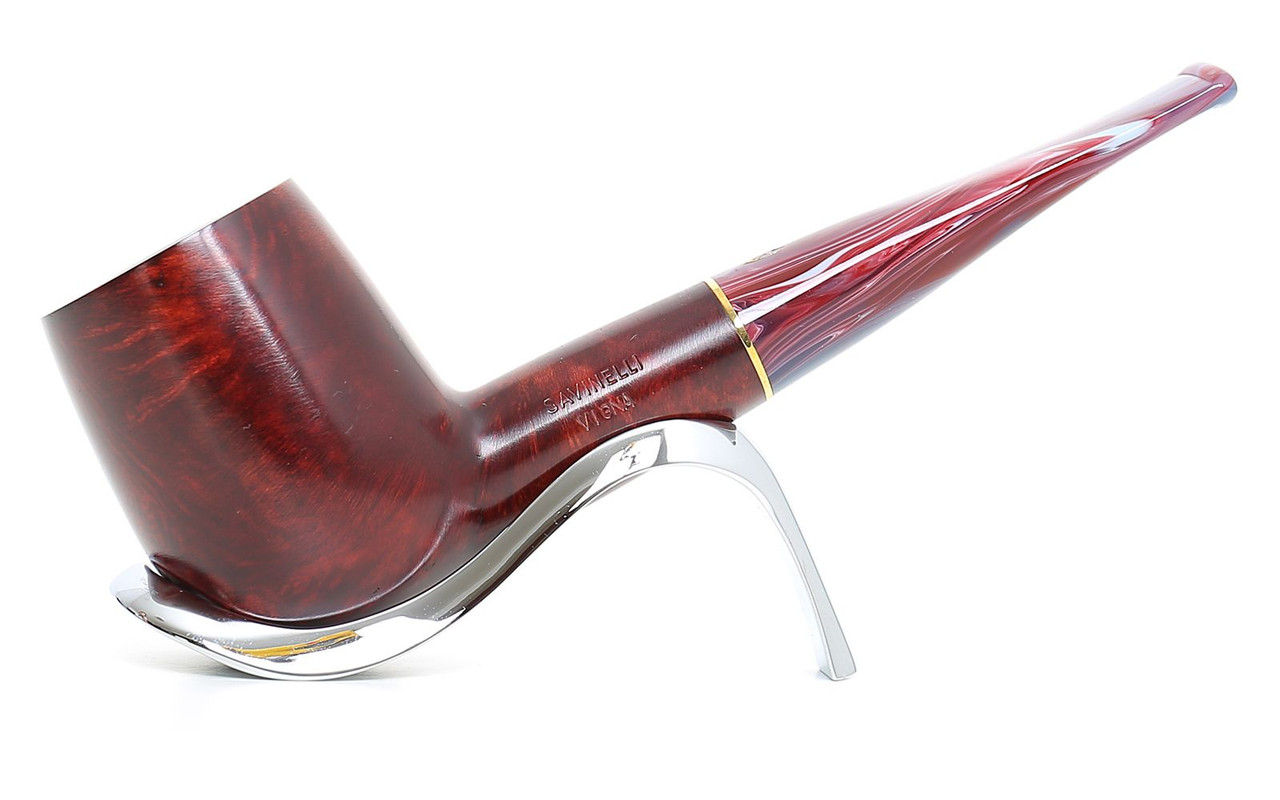
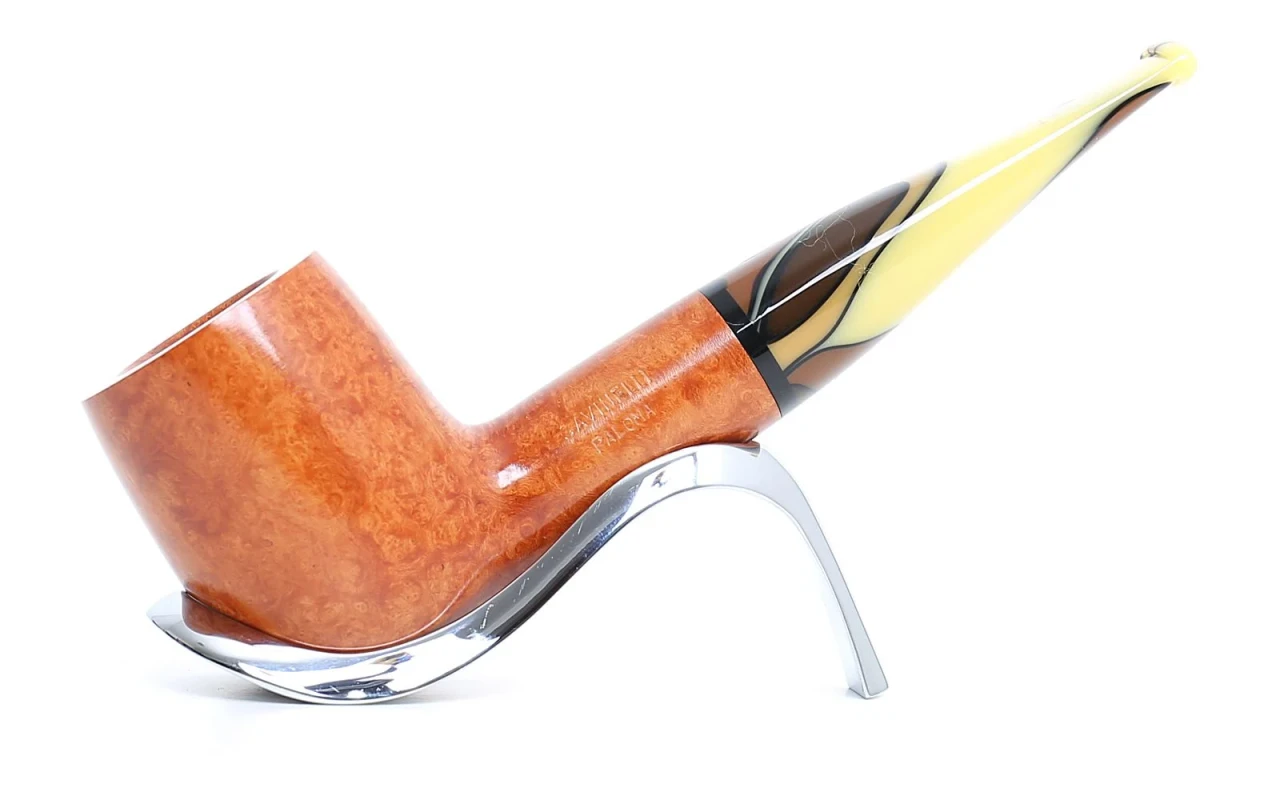
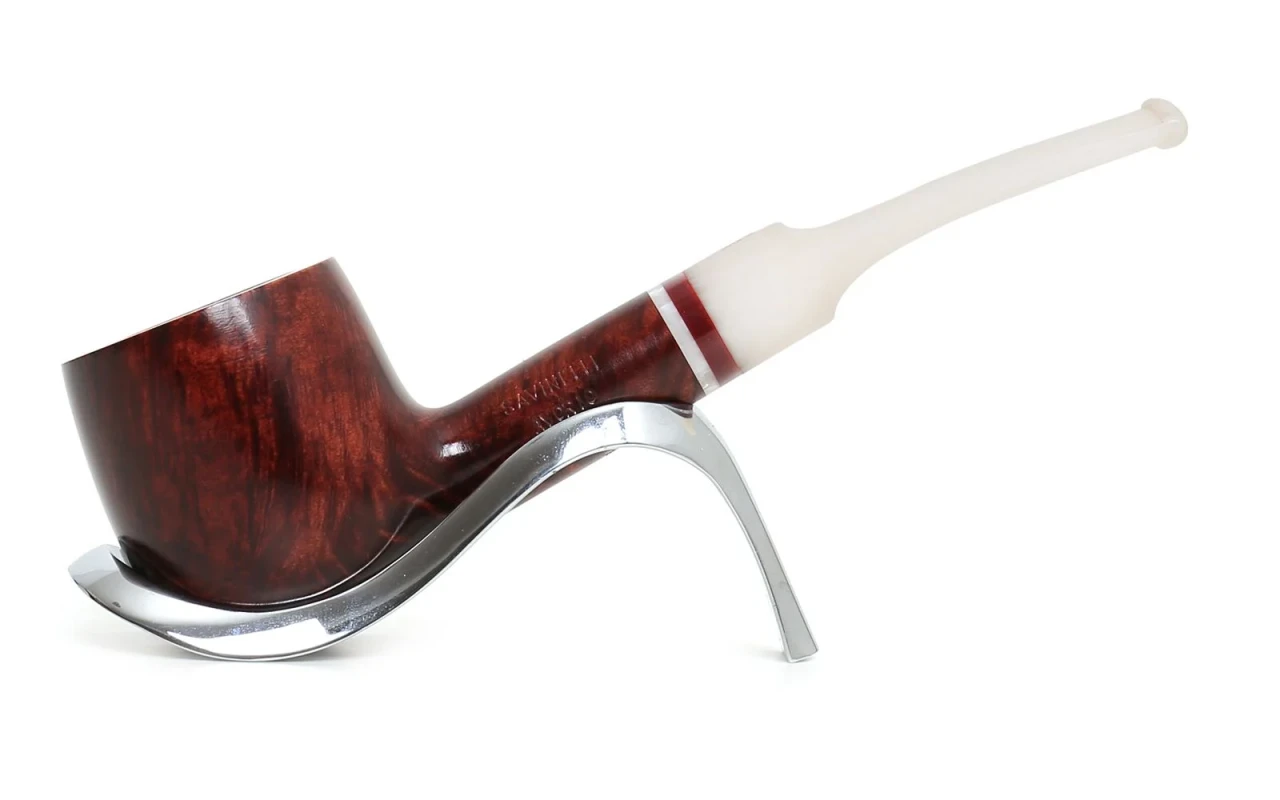
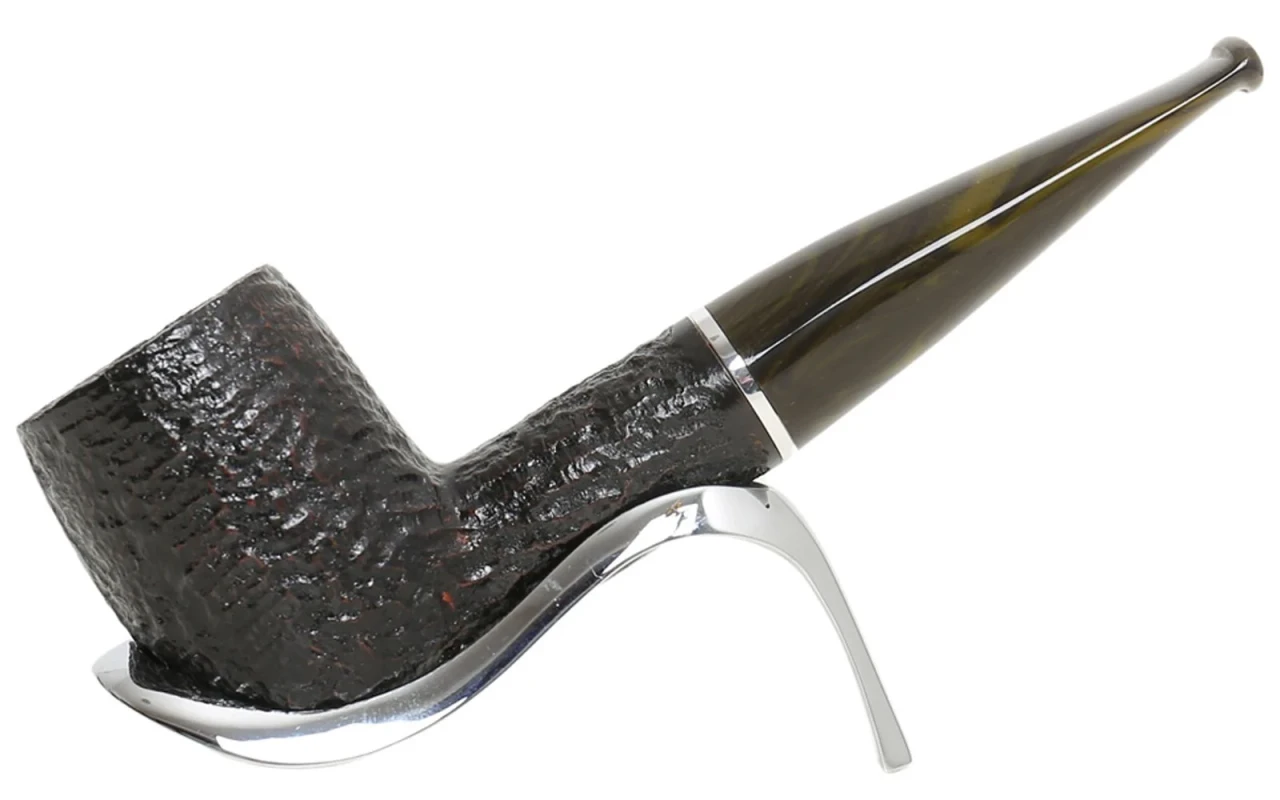
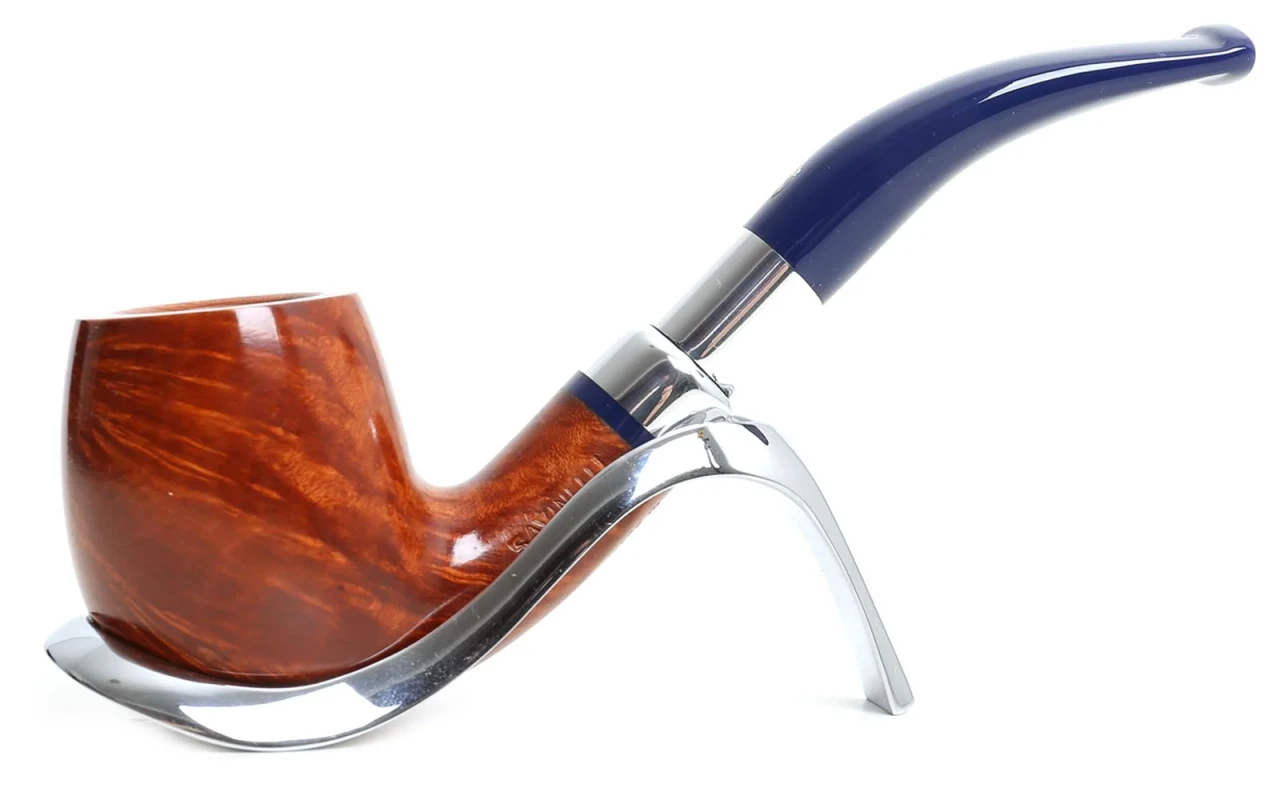
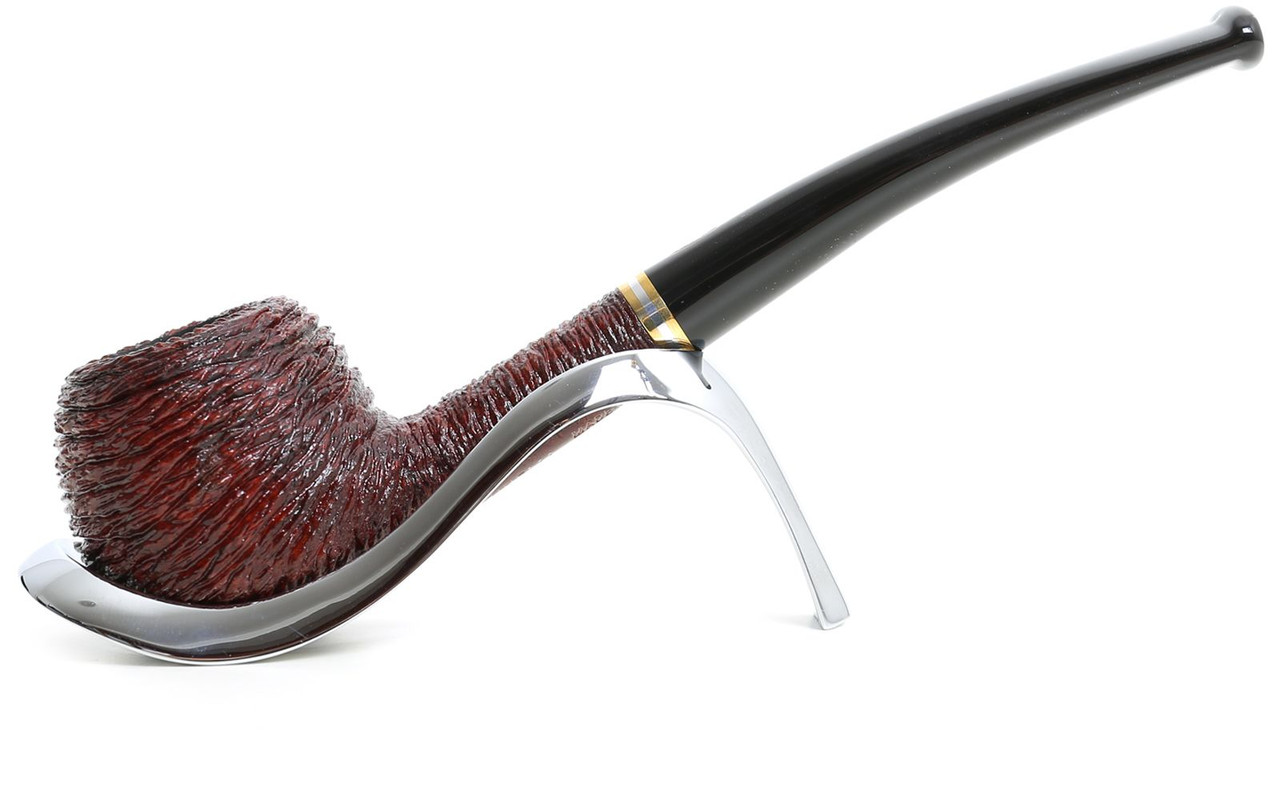
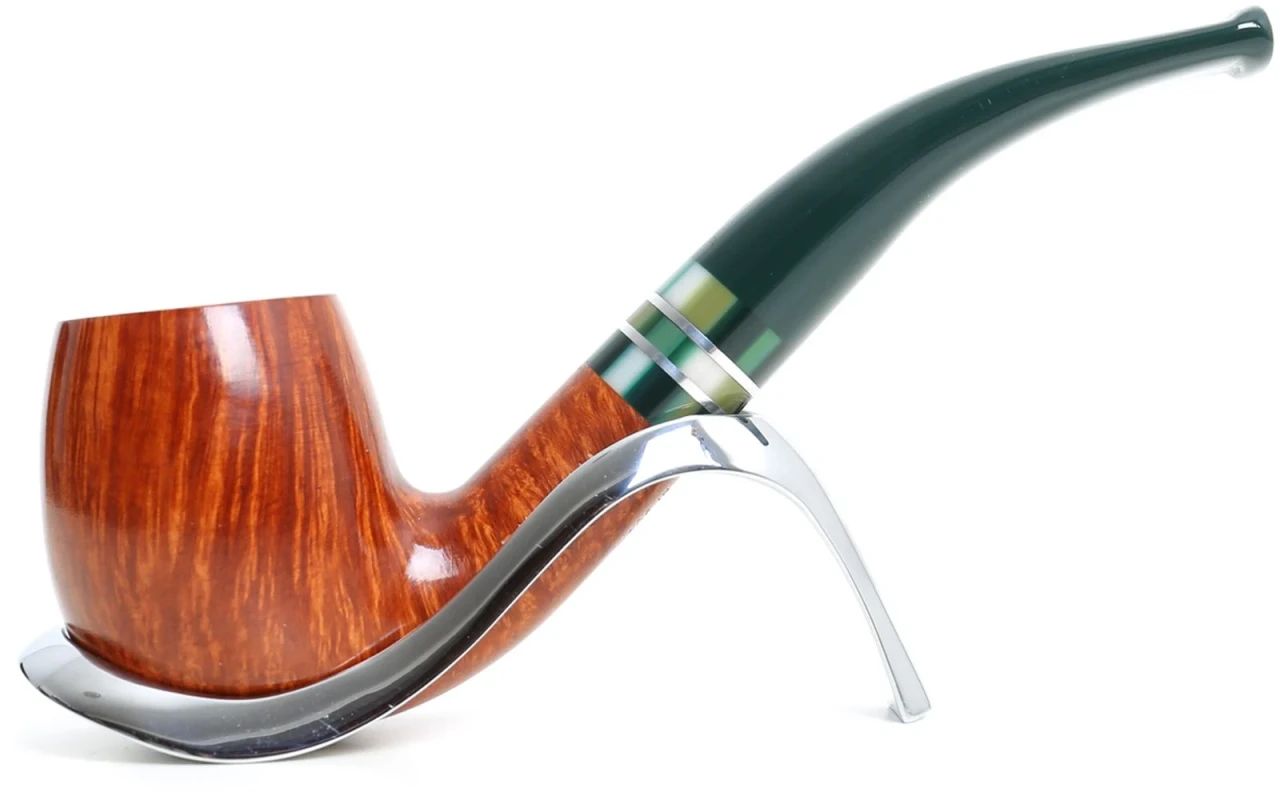
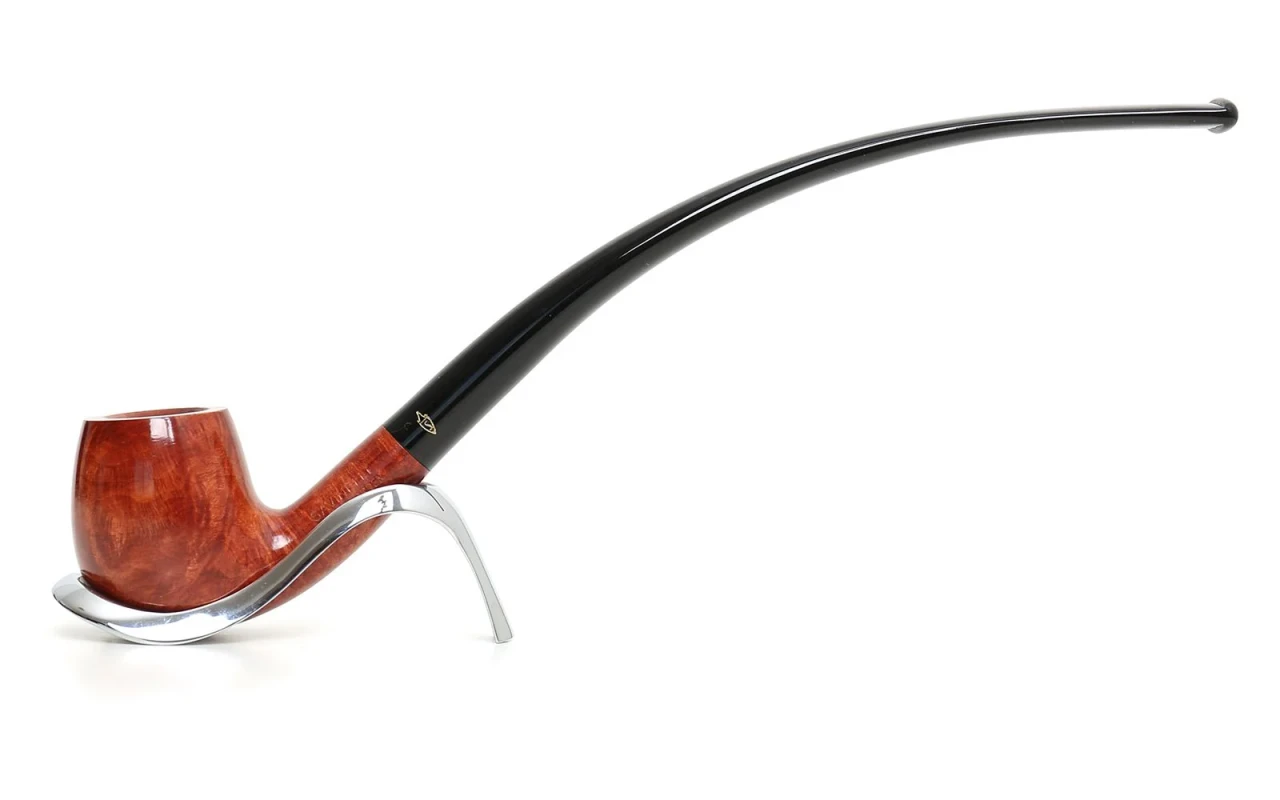
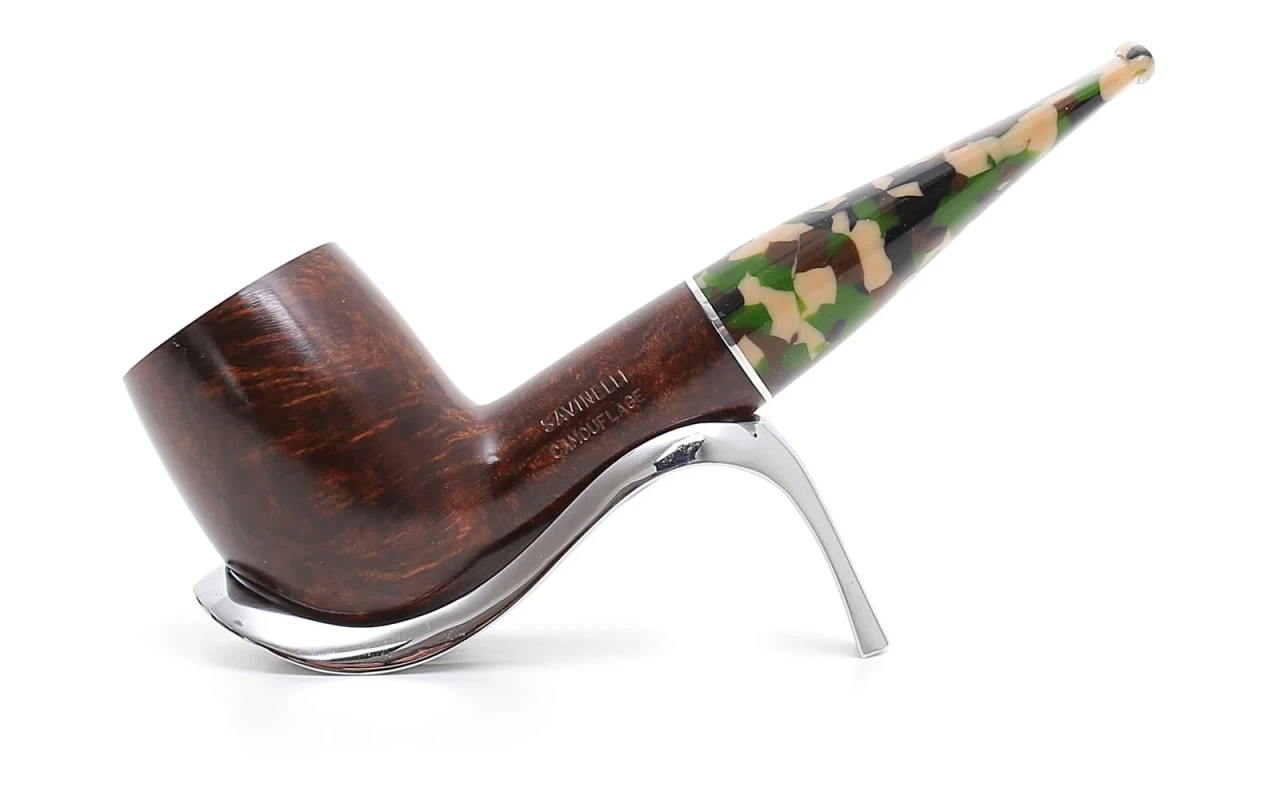
Collectible pipes have a long history dating back to the 17th century. Initially used as tools for smoking tobacco, pipes soon became valuable items for collectors and connoisseurs. The first collectible pipes were made from materials such as clay, wood, and briar, but over the centuries they have evolved into true works of art, featuring precious materials like ivory, amber, and briar root. Collectible pipes are appreciated not only for their aesthetic beauty but also for the craftsmanship precision and the history they embody. Today, collectible pipes represent a fascinating world of tradition and culture.
Materials used for collectible pipes
Collectible pipes can be made from a wide range of materials, each with their own unique characteristics. The most common materials used for collectible pipes include:- Briar wood: lightweight and durable, it offers a unique natural surface.- Oak wood: gives a rustic and traditional look to the pipes.- Meerschaum: a porous stone that absorbs smoke, becoming darker with use.- Silver: often used for ornaments or coatings on collectible pipes.- Porcelain: appreciated for its beauty and the possibility of intricate decorations.- Corn cob: an affordable and lightweight material, often used for decorative collectible pipes.Each material gives collectible pipes a unique look and feel.
Processing techniques for collectible pipes
Collectible pipes are crafted using high-quality artisanal techniques. Master pipemakers primarily use briar or high-quality wood to create unique pieces. The processing stages include:- Carving and shaping the wood to achieve the desired pipe shape.- Crafting the combustion chamber to ensure optimal smoking experience.- Surface finishing with natural oils or waxes to protect and enhance the wood.- Installing the metal insert for the stem and smoke passage.- Final polishing to give the wood a brilliant shine.These artisanal techniques guarantee the creation of high-quality collectible pipes with a unique design.
Evaluation of collectible pipes
Collectible pipes are evaluated based on various criteria to determine their value. Some factors considered include the construction material, such as briar or heather root, the manufacturer's brand, the production year, the model's rarity, and the preservation condition. Pipes crafted by renowned artisans or with special decorations and inlays may have a higher value. Additionally, the overall conditions of the pipe, such as any signs of wear, scratches, or cracks, significantly influence the valuation price. It is advisable to consult industry experts or specialized appraisers to obtain an accurate estimate of the value of a collectible pipe.
'%3e%3cg id='Final-Copy-2_2_' transform='translate(1275.000000, 200.000000)'%3e%3cpath class='st0' d='M7.4,12.8h6.8l3.1-11.6H7.4C4.2,1.2,1.6,3.8,1.6,7S4.2,12.8,7.4,12.8z'/%3e%3c/g%3e%3c/g%3e%3c/g%3e%3cg id='final---dec.11-2020'%3e%3cg id='_x30_208-our-toggle' transform='translate(-1275.000000, -200.000000)'%3e%3cg id='Final-Copy-2' transform='translate(1275.000000, 200.000000)'%3e%3cpath class='st1' d='M22.6,0H7.4c-3.9,0-7,3.1-7,7s3.1,7,7,7h15.2c3.9,0,7-3.1,7-7S26.4,0,22.6,0z M1.6,7c0-3.2,2.6-5.8,5.8-5.8 h9.9l-3.1,11.6H7.4C4.2,12.8,1.6,10.2,1.6,7z'/%3e%3cpath id='x' class='st2' d='M24.6,4c0.2,0.2,0.2,0.6,0,0.8l0,0L22.5,7l2.2,2.2c0.2,0.2,0.2,0.6,0,0.8c-0.2,0.2-0.6,0.2-0.8,0 l0,0l-2.2-2.2L19.5,10c-0.2,0.2-0.6,0.2-0.8,0c-0.2-0.2-0.2-0.6,0-0.8l0,0L20.8,7l-2.2-2.2c-0.2-0.2-0.2-0.6,0-0.8 c0.2-0.2,0.6-0.2,0.8,0l0,0l2.2,2.2L23.8,4C24,3.8,24.4,3.8,24.6,4z'/%3e%3cpath id='y' class='st3' d='M12.7,4.1c0.2,0.2,0.3,0.6,0.1,0.8l0,0L8.6,9.8C8.5,9.9,8.4,10,8.3,10c-0.2,0.1-0.5,0.1-0.7-0.1l0,0 L5.4,7.7c-0.2-0.2-0.2-0.6,0-0.8c0.2-0.2,0.6-0.2,0.8,0l0,0L8,8.6l3.8-4.5C12,3.9,12.4,3.9,12.7,4.1z'/%3e%3c/g%3e%3c/g%3e%3c/g%3e%3c/g%3e%3c/svg%3e) Your Privacy Choices
Your Privacy Choices 


