 ES
ES FR
FR EN
EN IT
IT DE
DE
The evolution of pipe design and models
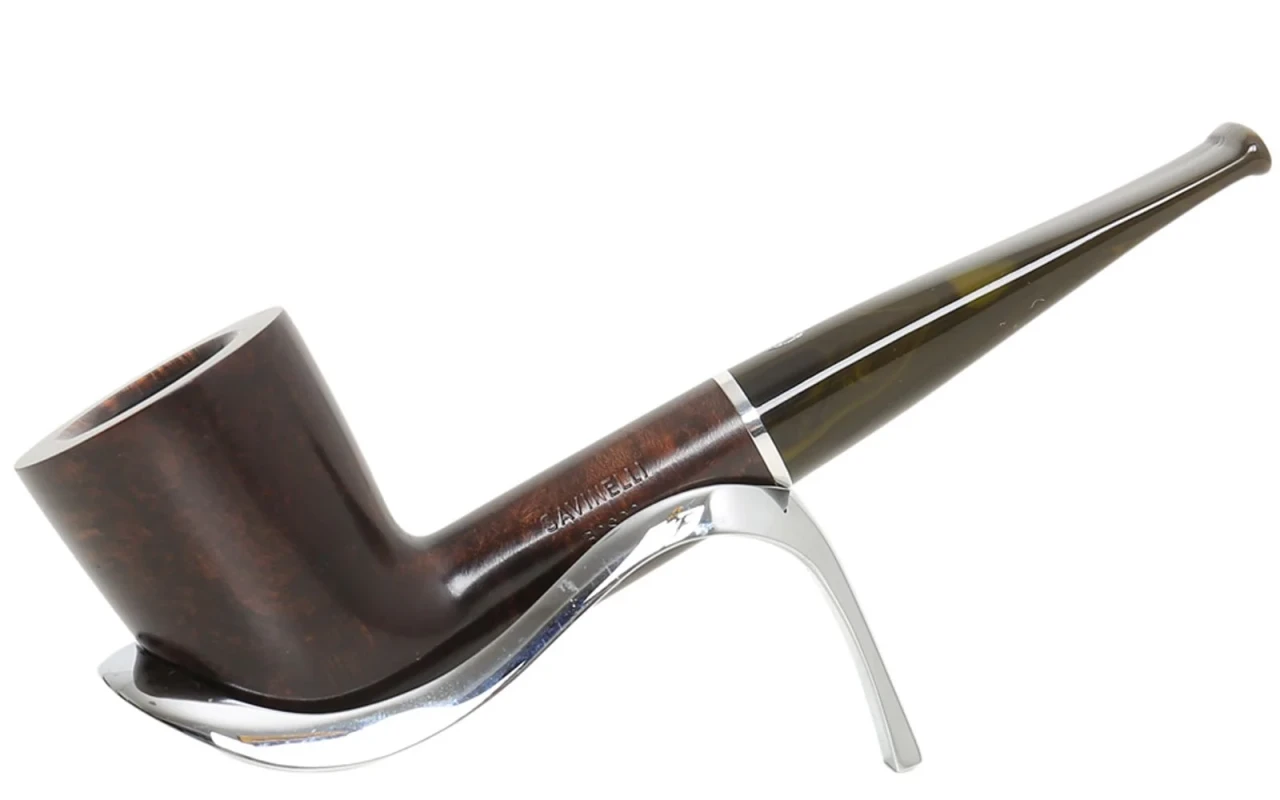
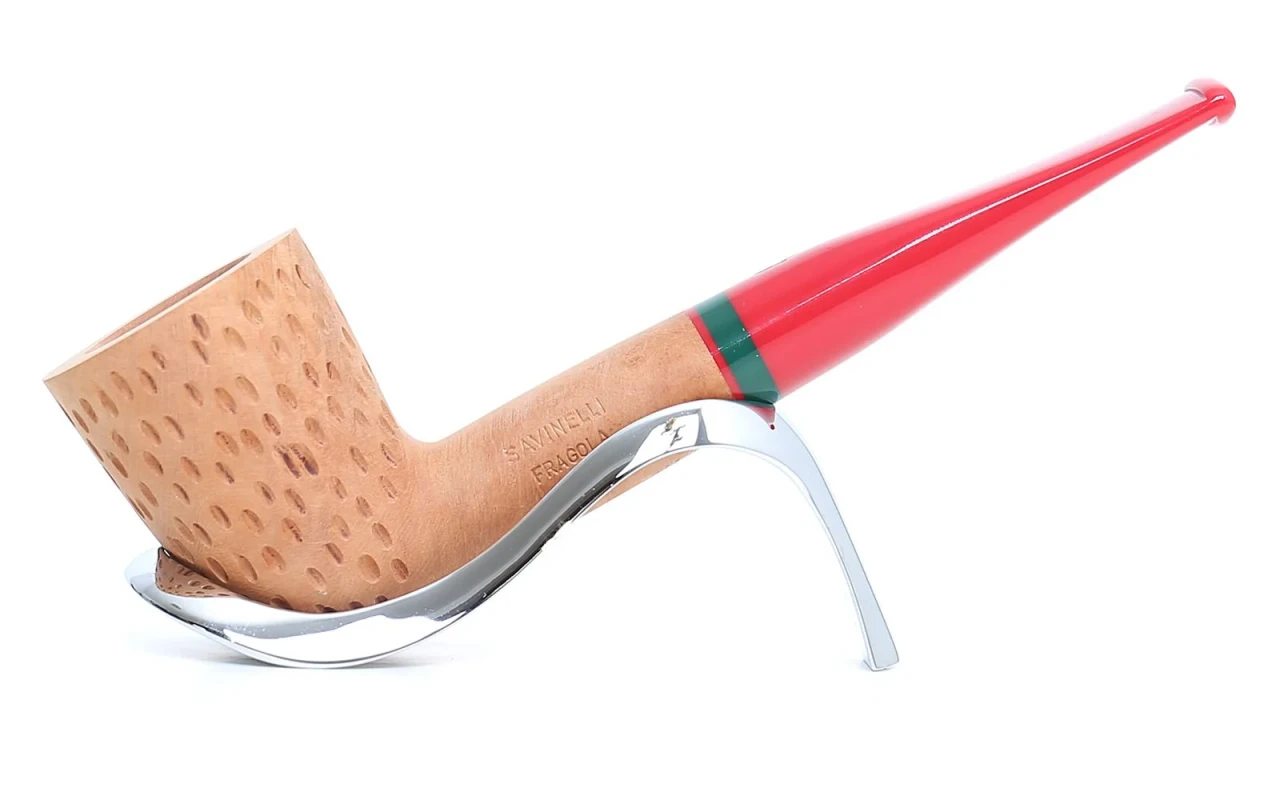
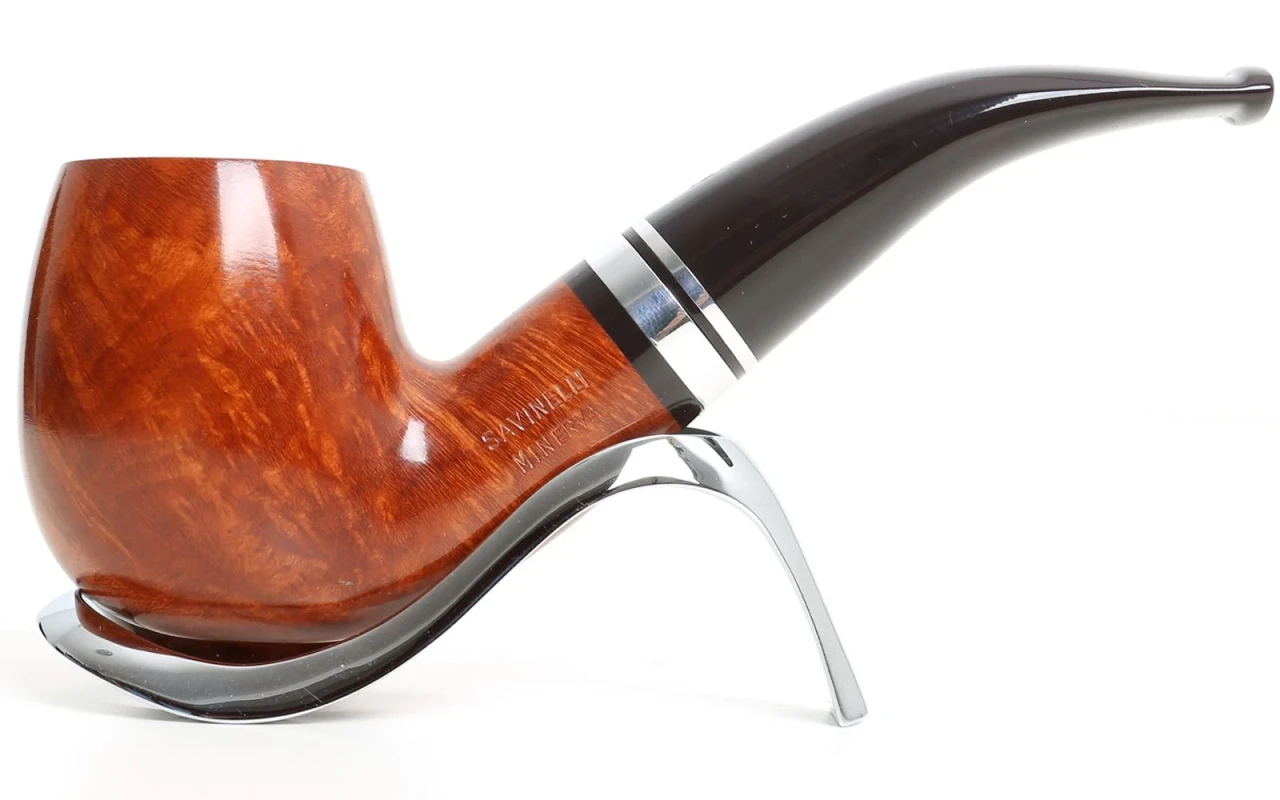
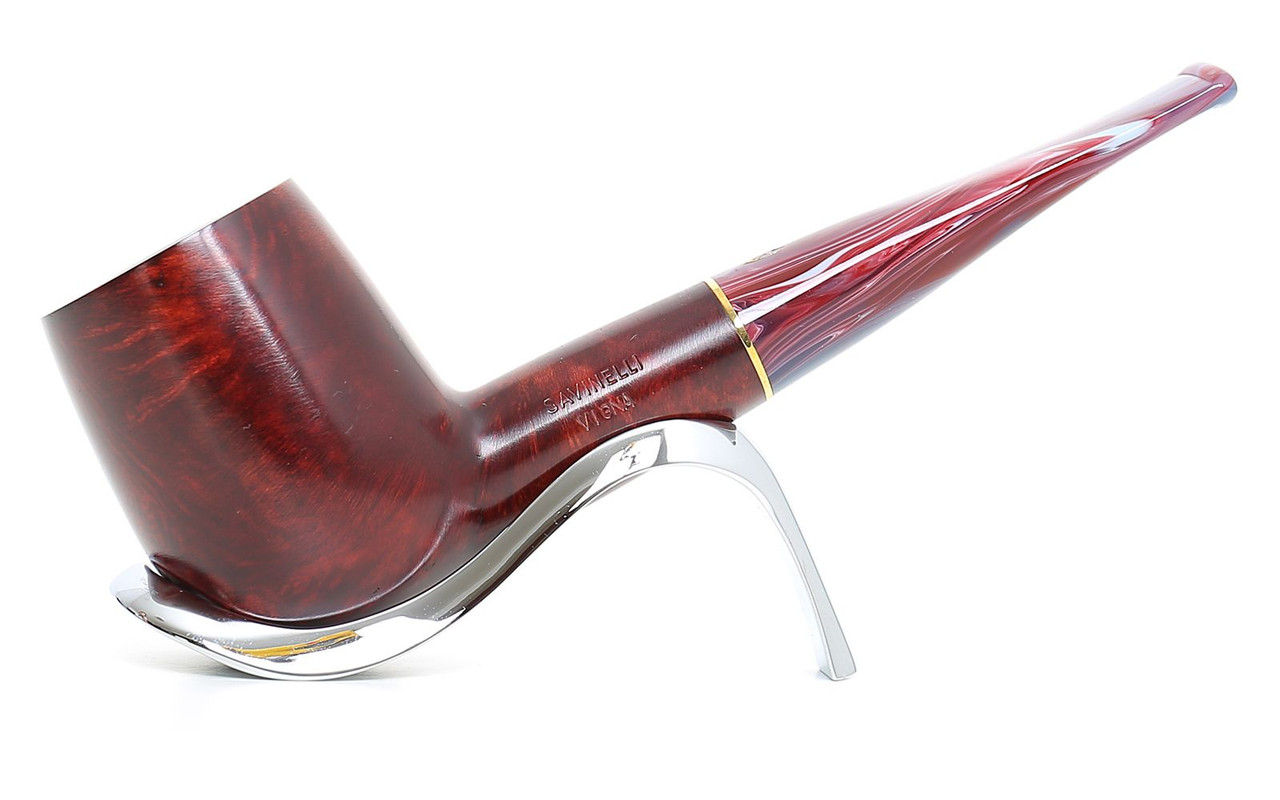

The evolution of pipe design and models
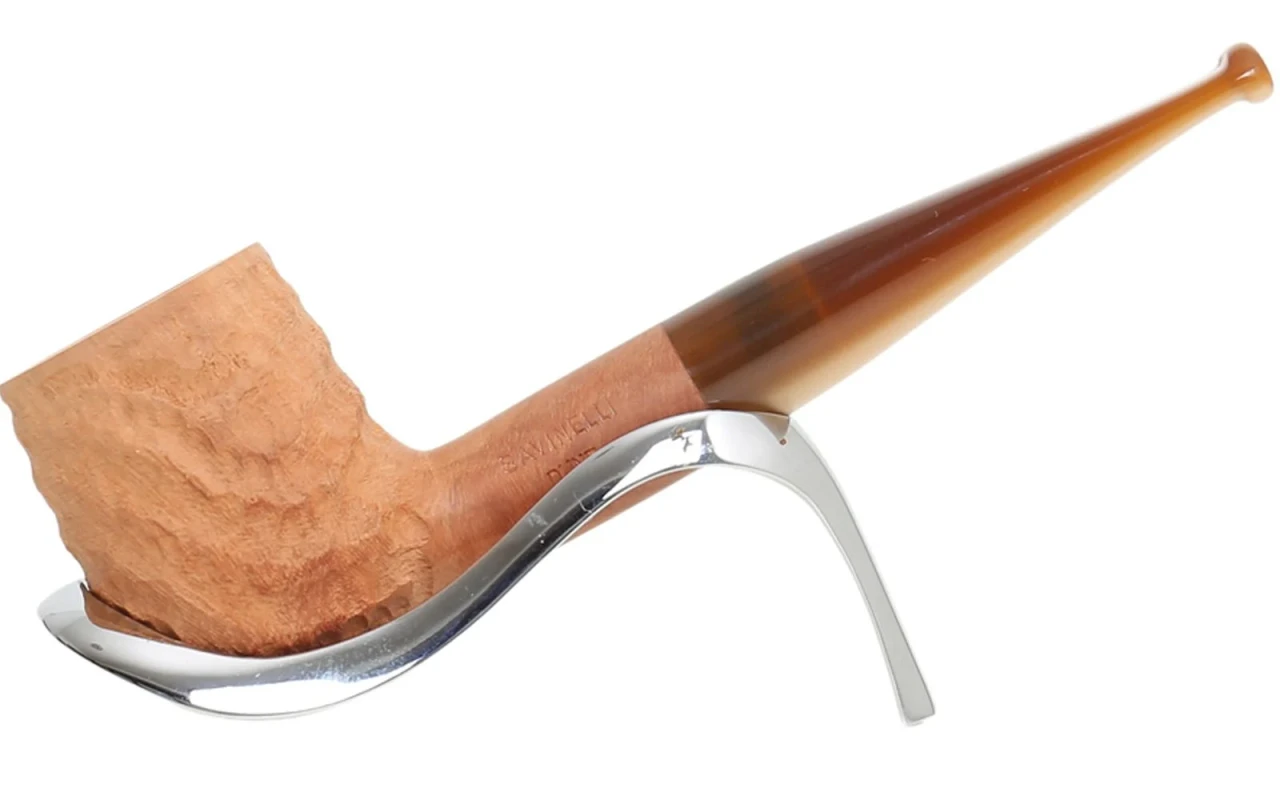
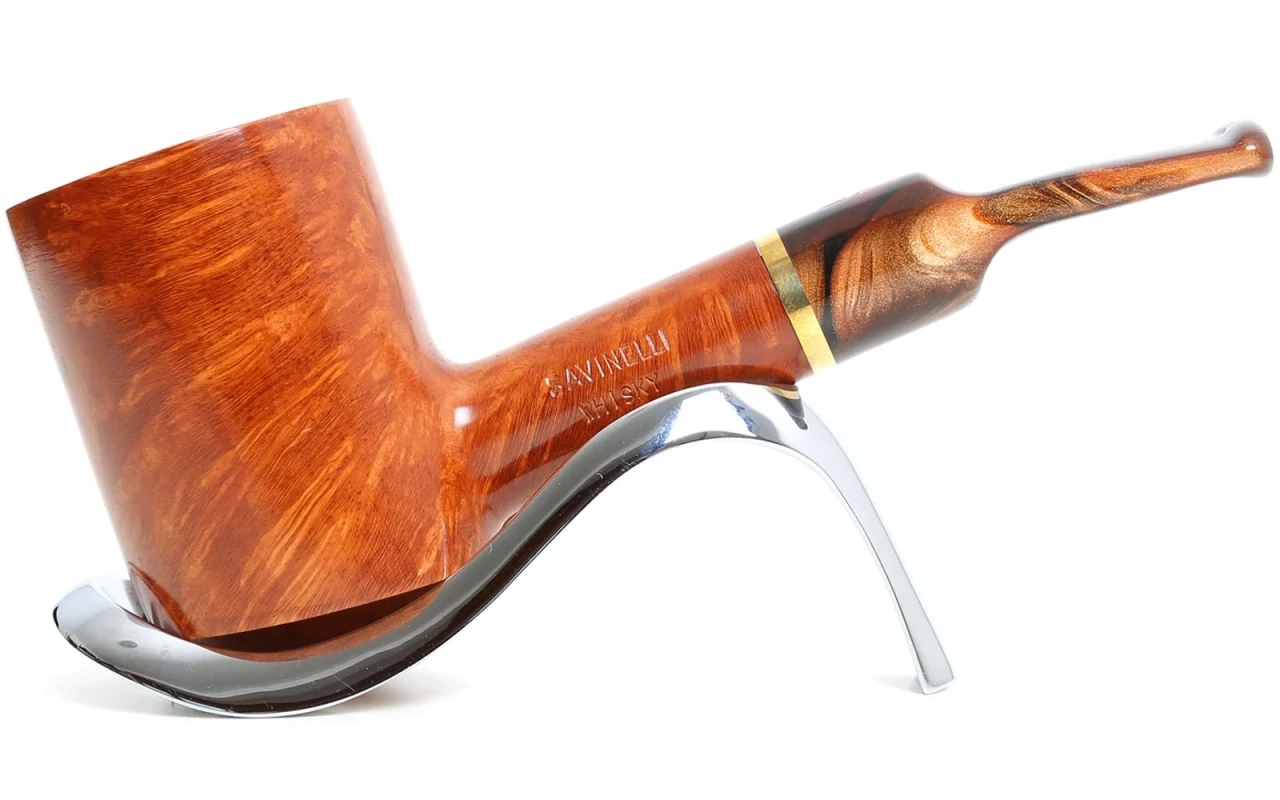
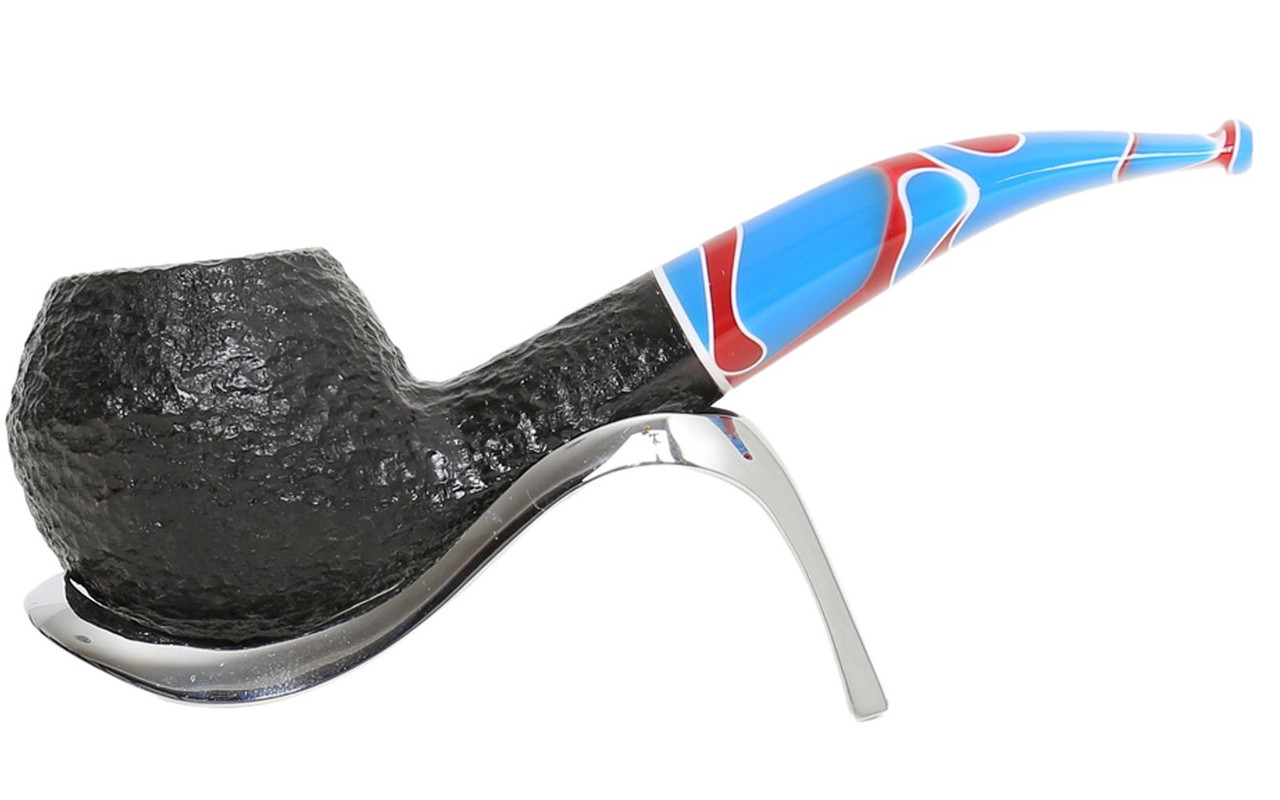
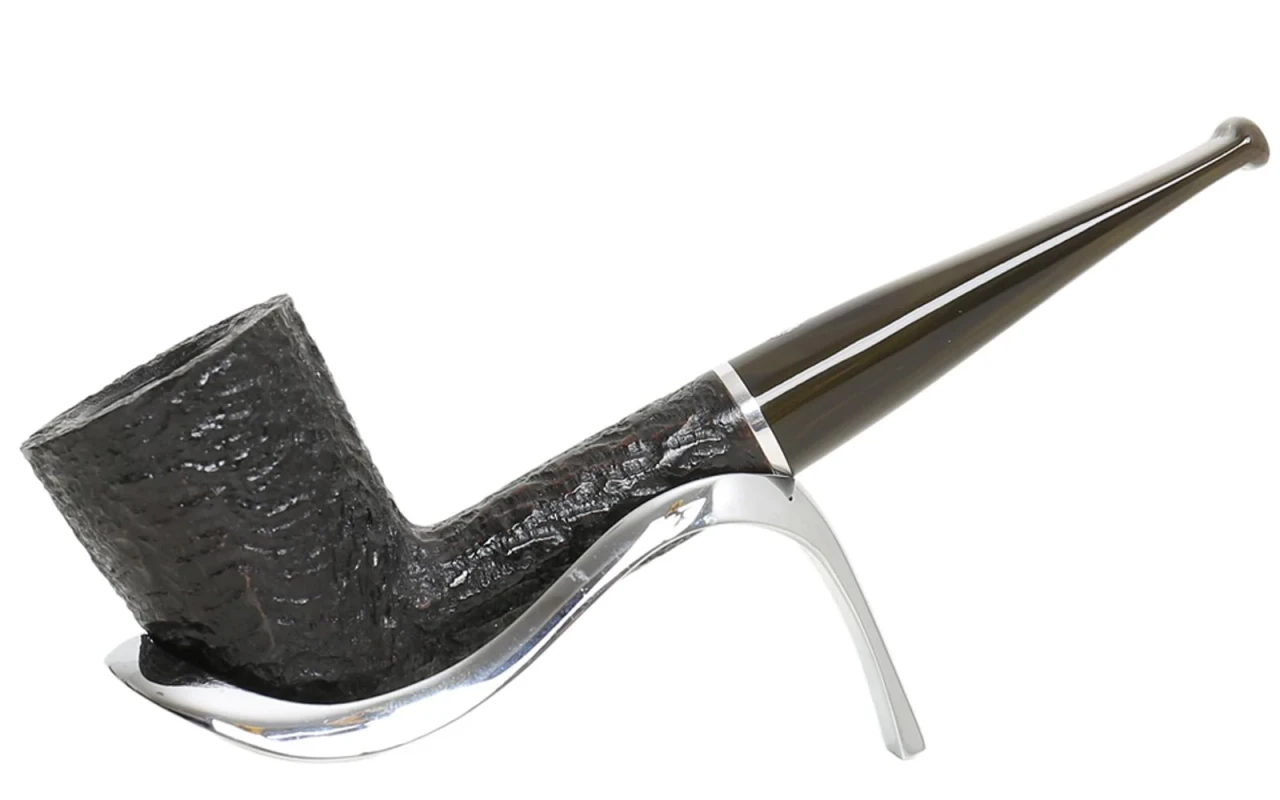
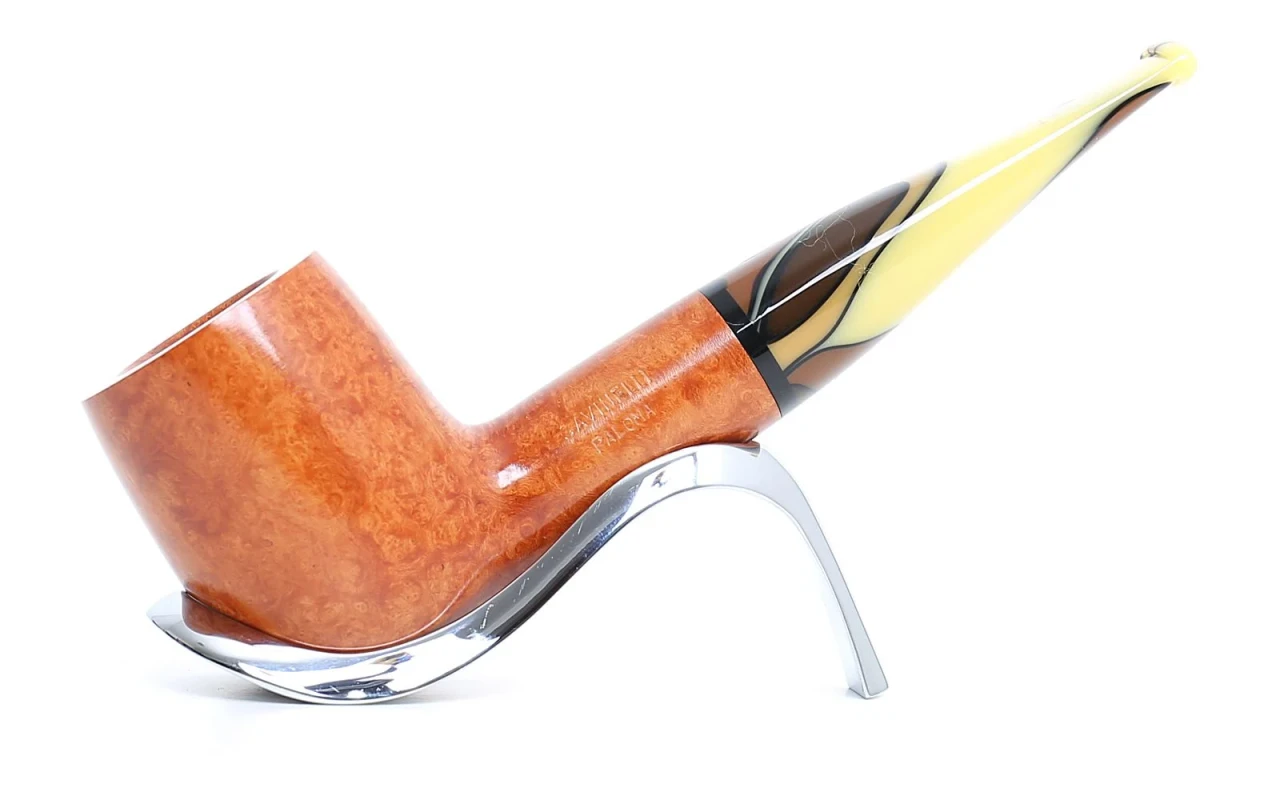
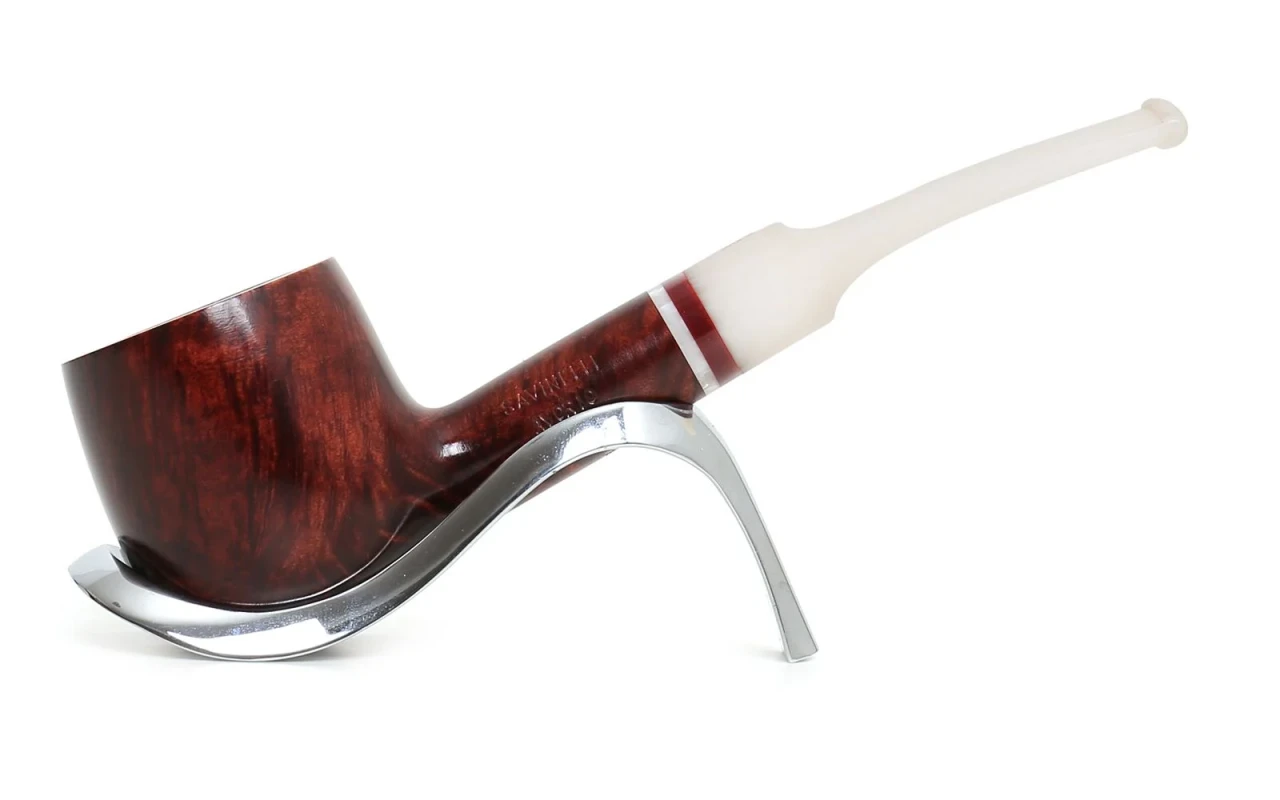
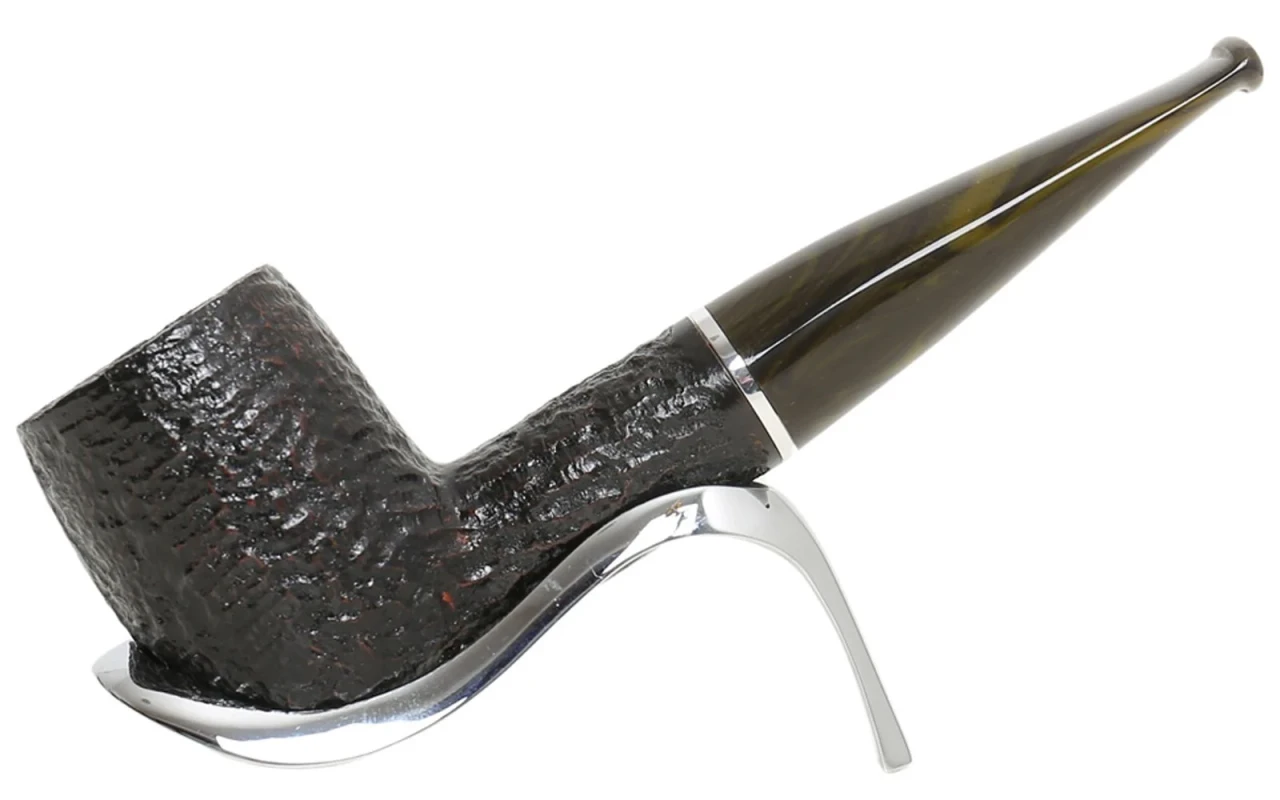
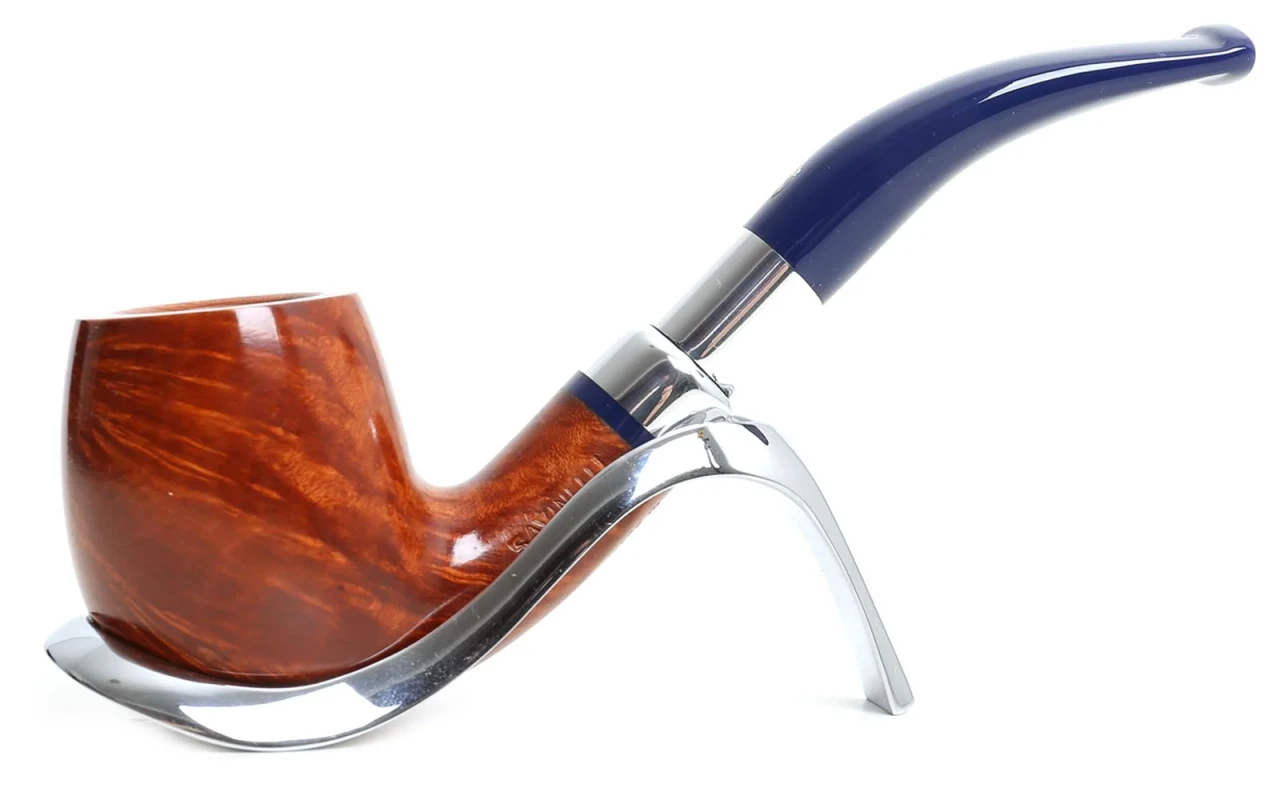
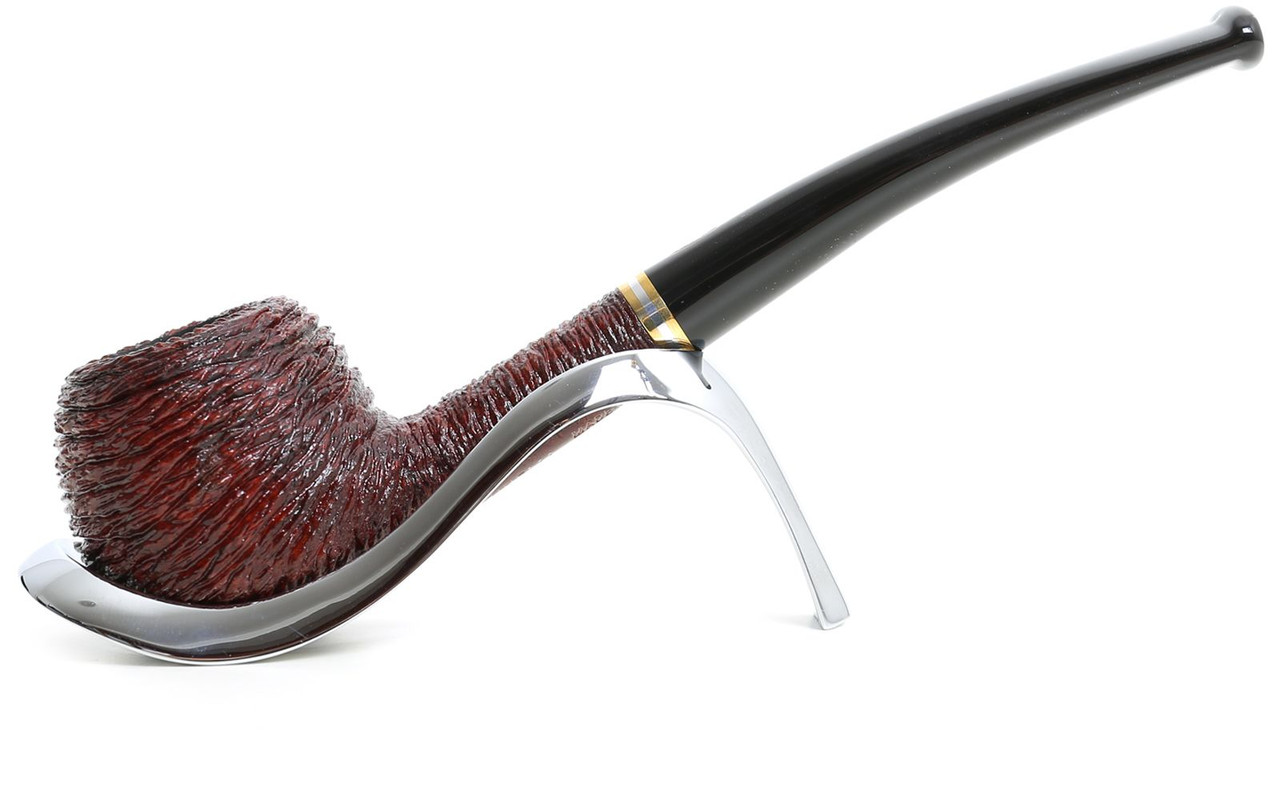
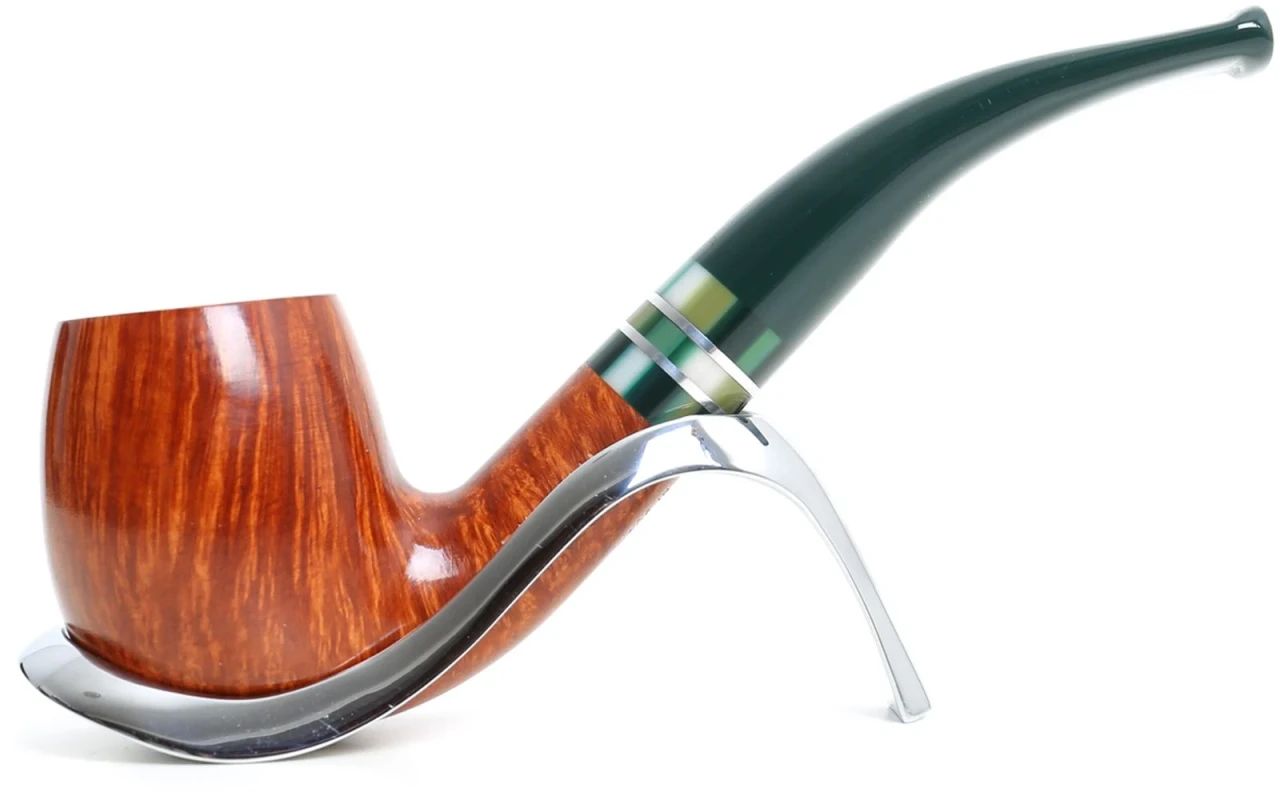
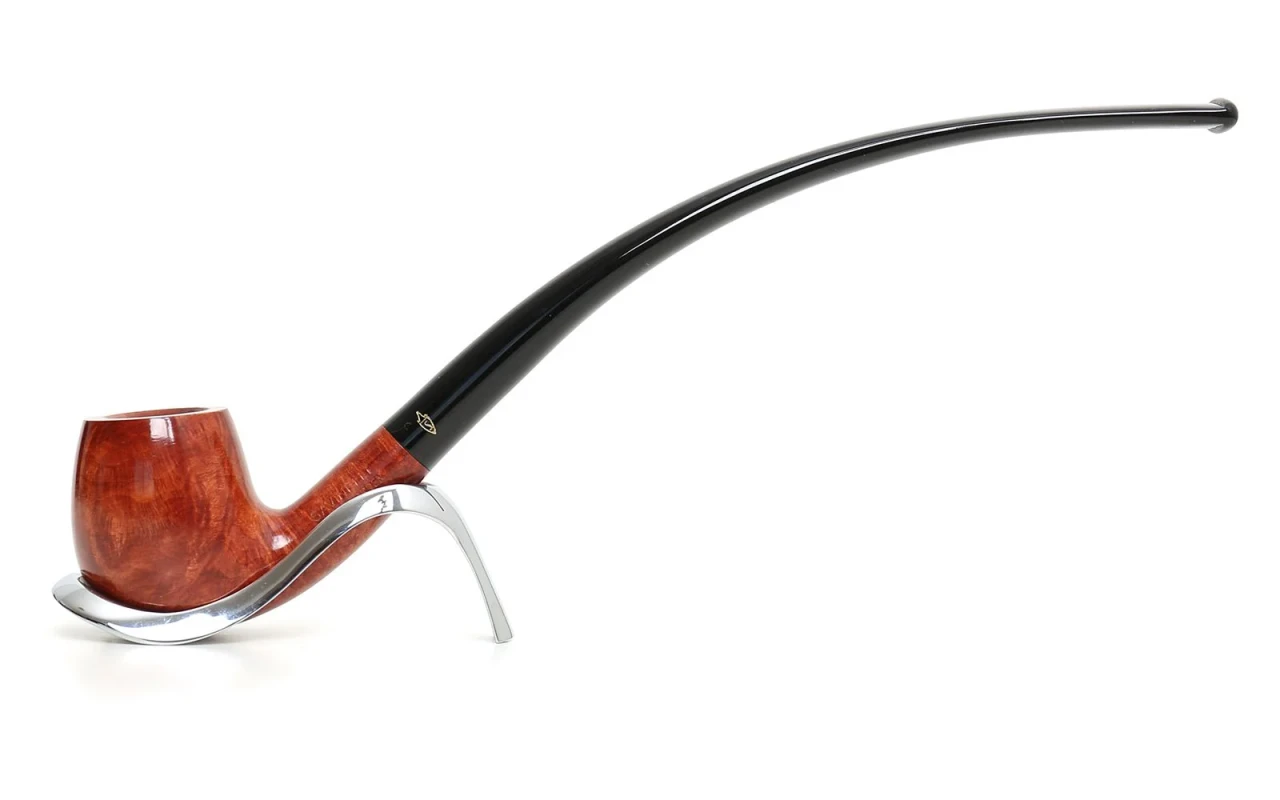
Pipe design and models have undergone significant evolution over the centuries. Initially used as tools for smoking tobacco, pipes have transformed into true works of art, featuring precious materials and intricate shapes. Over time, various types of pipes have emerged, such as the classic tobacco pipe, the horn-shaped pipe, or the meerschaum pipe. Pipe design has also incorporated functional elements like cooling systems or filters. Today, designers continue to experiment with new shapes and materials to create modern and innovative pipes that blend tradition and creativity.
Classic Pipe Shapes
Classic pipe shapes include the straight billiard, the bent billiard, the Dublin, the Bulldog, the Apple, and the Canadian. The straight billiard is characterized by a straight stem with a cylindrical bowl, while the bent billiard has a curved stem for a more comfortable smoke. The Dublin features a conical bowl and an elongated stem, the Bulldog has a square shank and a sturdy stem, while the Apple has a rounded shape and a wide bowl. Finally, the Canadian has a long straight stem with a slightly bent bowl. These shapes are among the most traditional in the world of pipes.
Materials for smoking pipes
The most common materials used for crafting high-quality smoking pipes are:- Heather root: light and durable, ensures a neutral taste.- Oak root: very hard, but with good moisture absorption capacity.- Deer antler: appreciated for its beauty and durability.- Clay: a porous material that absorbs moisture, ensuring a cool smoke.- Meerschaum: a porous stone that guarantees a cool and dry smoke.- Briar: Mediterranean heather wood, highly resistant to heat and flames.The choice of material affects the smoking characteristics and the aesthetics of the pipe.
History of tobacco pipes
Tobacco pipes have a long history dating back centuries. It is believed that the first pipes were used by indigenous populations of North America. Over time, pipes spread worldwide, taking on different shapes and materials depending on the cultures. Traditional pipes can be made from materials such as wood, clay, corn cob, and other natural elements. As time went on, pipes became not only smoking instruments but also true works of art, with elaborate and detailed designs. Today, tobacco pipes are appreciated for both their functionality and aesthetic value.
'%3e%3cg id='Final-Copy-2_2_' transform='translate(1275.000000, 200.000000)'%3e%3cpath class='st0' d='M7.4,12.8h6.8l3.1-11.6H7.4C4.2,1.2,1.6,3.8,1.6,7S4.2,12.8,7.4,12.8z'/%3e%3c/g%3e%3c/g%3e%3c/g%3e%3cg id='final---dec.11-2020'%3e%3cg id='_x30_208-our-toggle' transform='translate(-1275.000000, -200.000000)'%3e%3cg id='Final-Copy-2' transform='translate(1275.000000, 200.000000)'%3e%3cpath class='st1' d='M22.6,0H7.4c-3.9,0-7,3.1-7,7s3.1,7,7,7h15.2c3.9,0,7-3.1,7-7S26.4,0,22.6,0z M1.6,7c0-3.2,2.6-5.8,5.8-5.8 h9.9l-3.1,11.6H7.4C4.2,12.8,1.6,10.2,1.6,7z'/%3e%3cpath id='x' class='st2' d='M24.6,4c0.2,0.2,0.2,0.6,0,0.8l0,0L22.5,7l2.2,2.2c0.2,0.2,0.2,0.6,0,0.8c-0.2,0.2-0.6,0.2-0.8,0 l0,0l-2.2-2.2L19.5,10c-0.2,0.2-0.6,0.2-0.8,0c-0.2-0.2-0.2-0.6,0-0.8l0,0L20.8,7l-2.2-2.2c-0.2-0.2-0.2-0.6,0-0.8 c0.2-0.2,0.6-0.2,0.8,0l0,0l2.2,2.2L23.8,4C24,3.8,24.4,3.8,24.6,4z'/%3e%3cpath id='y' class='st3' d='M12.7,4.1c0.2,0.2,0.3,0.6,0.1,0.8l0,0L8.6,9.8C8.5,9.9,8.4,10,8.3,10c-0.2,0.1-0.5,0.1-0.7-0.1l0,0 L5.4,7.7c-0.2-0.2-0.2-0.6,0-0.8c0.2-0.2,0.6-0.2,0.8,0l0,0L8,8.6l3.8-4.5C12,3.9,12.4,3.9,12.7,4.1z'/%3e%3c/g%3e%3c/g%3e%3c/g%3e%3c/g%3e%3c/svg%3e) Your Privacy Choices
Your Privacy Choices 


