 ES
ES FR
FR EN
EN IT
IT DE
DE
Sustainable Production Processes


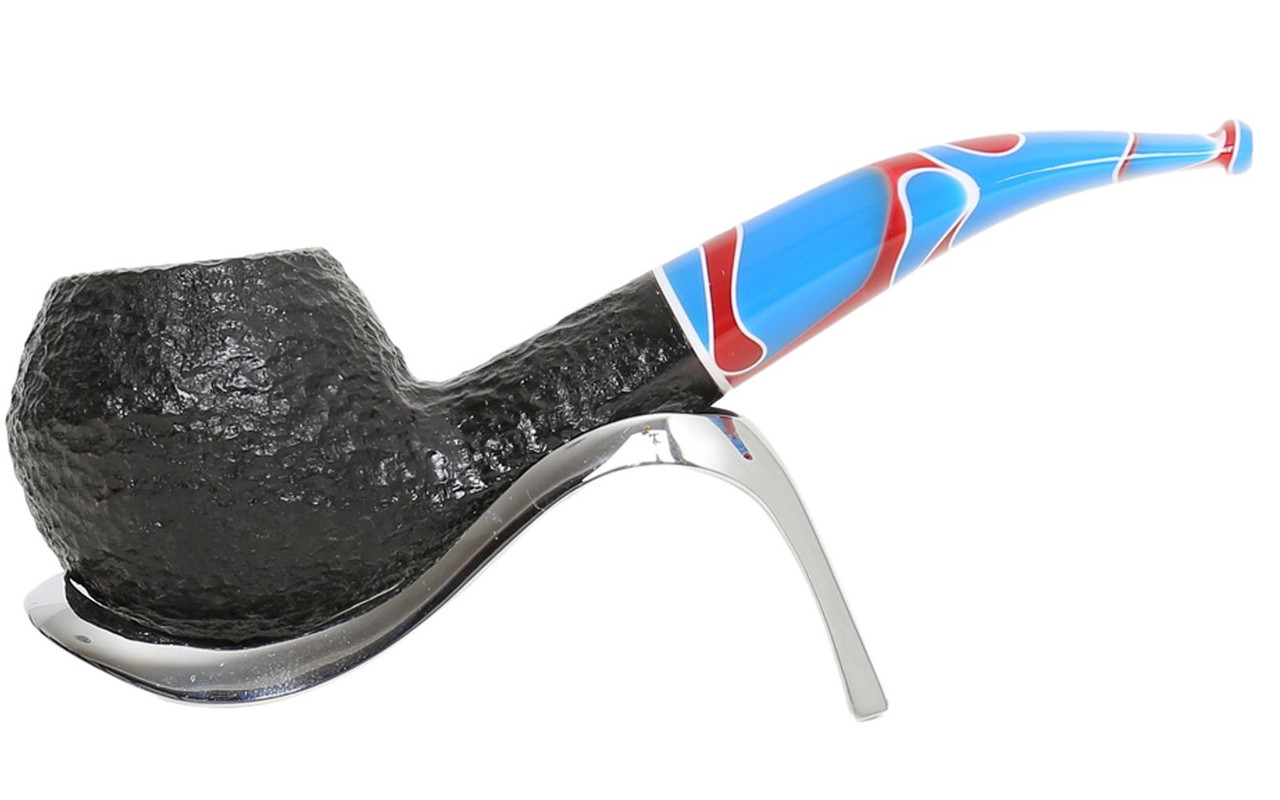
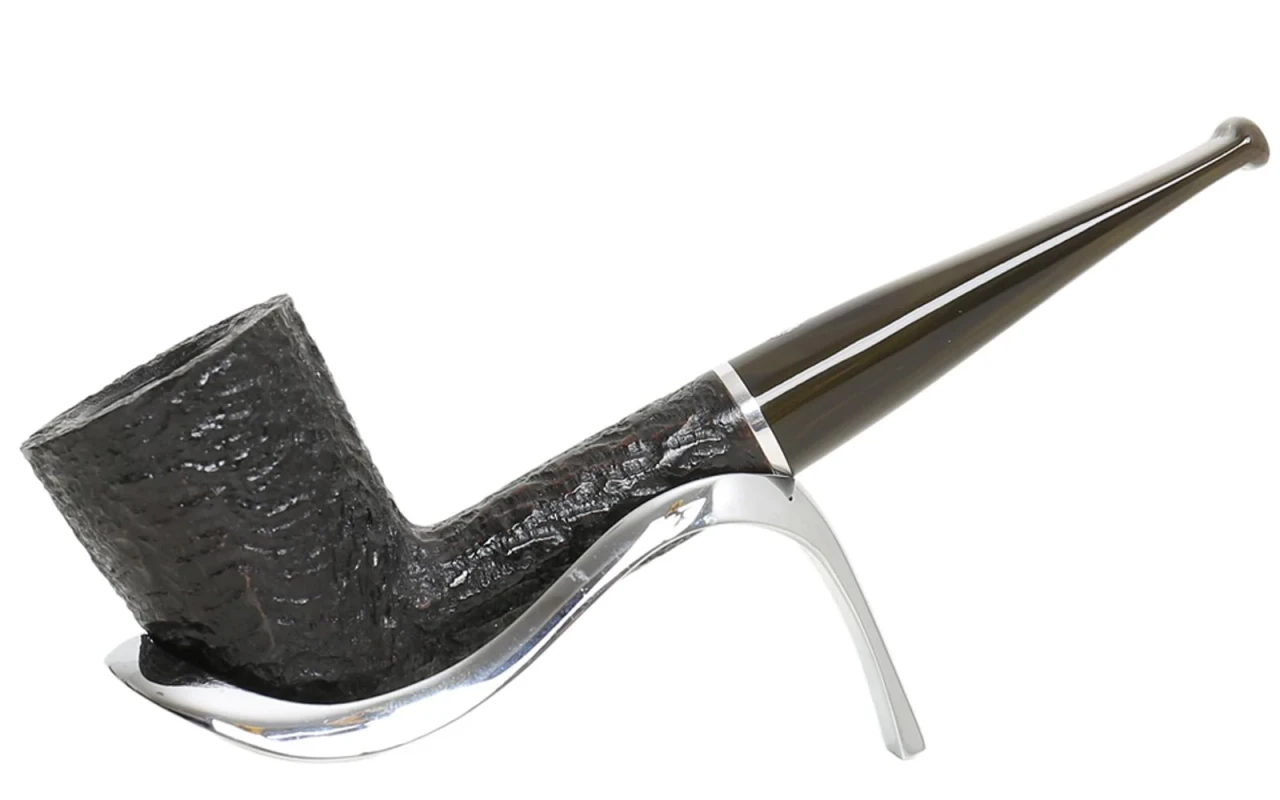
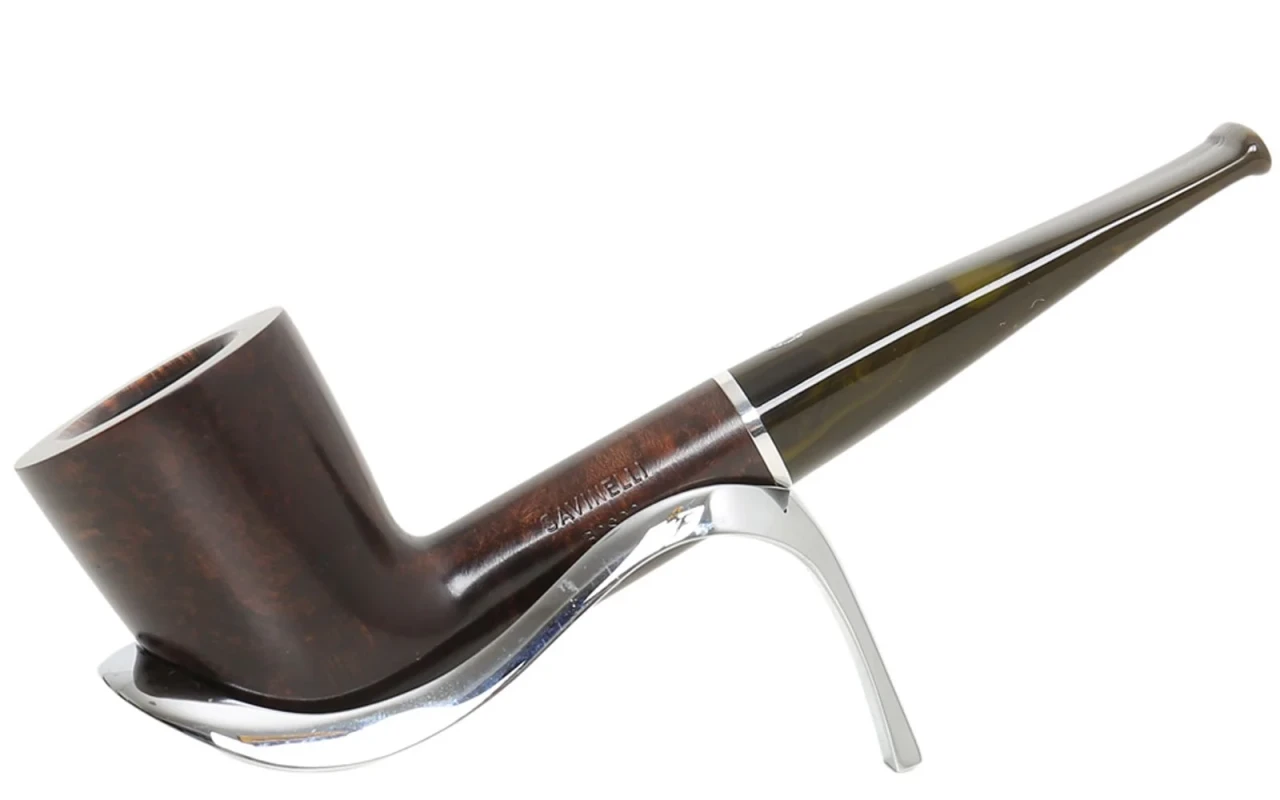


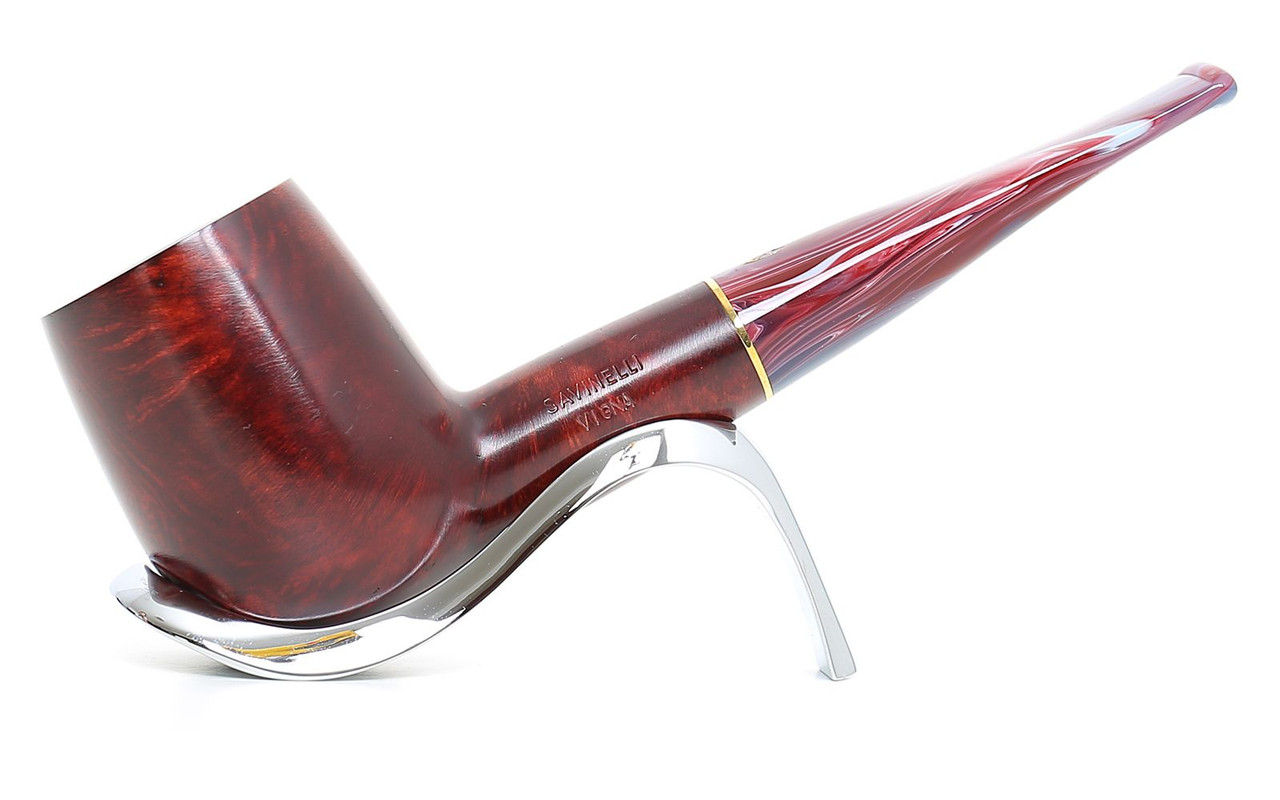



Sustainable Production Processes
Sustainable production processes are methodologies aimed at reducing environmental impact and optimizing resource efficiency during the production of goods or services. These processes promote the adoption of eco-friendly practices, responsible use of natural resources, and reduction of polluting emissions. Among the strategies used are optimizing energy use, integrating recycled materials, reducing waste, and adopting low-impact environmental technologies. The goal is to create quality products while ensuring a positive impact on the environment and society as a whole.
Eco-Friendly Materials for Pipes
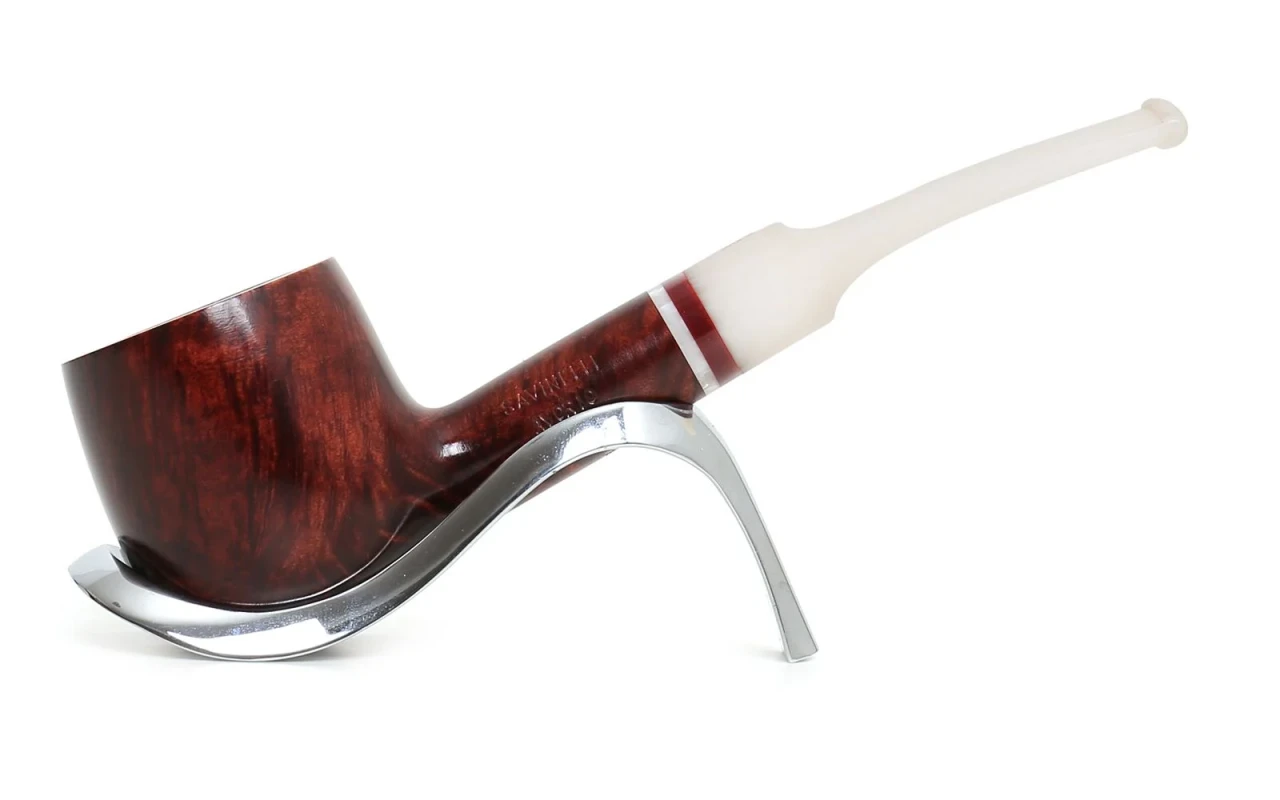
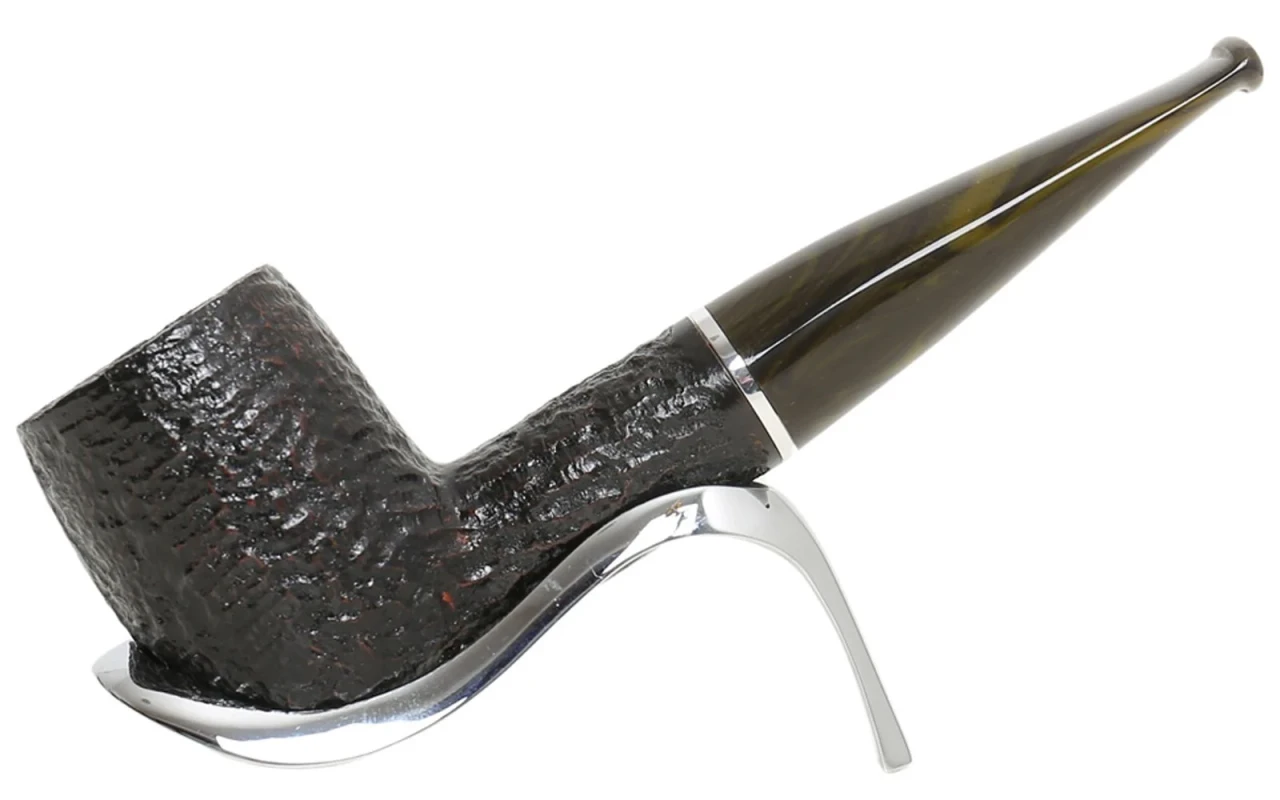
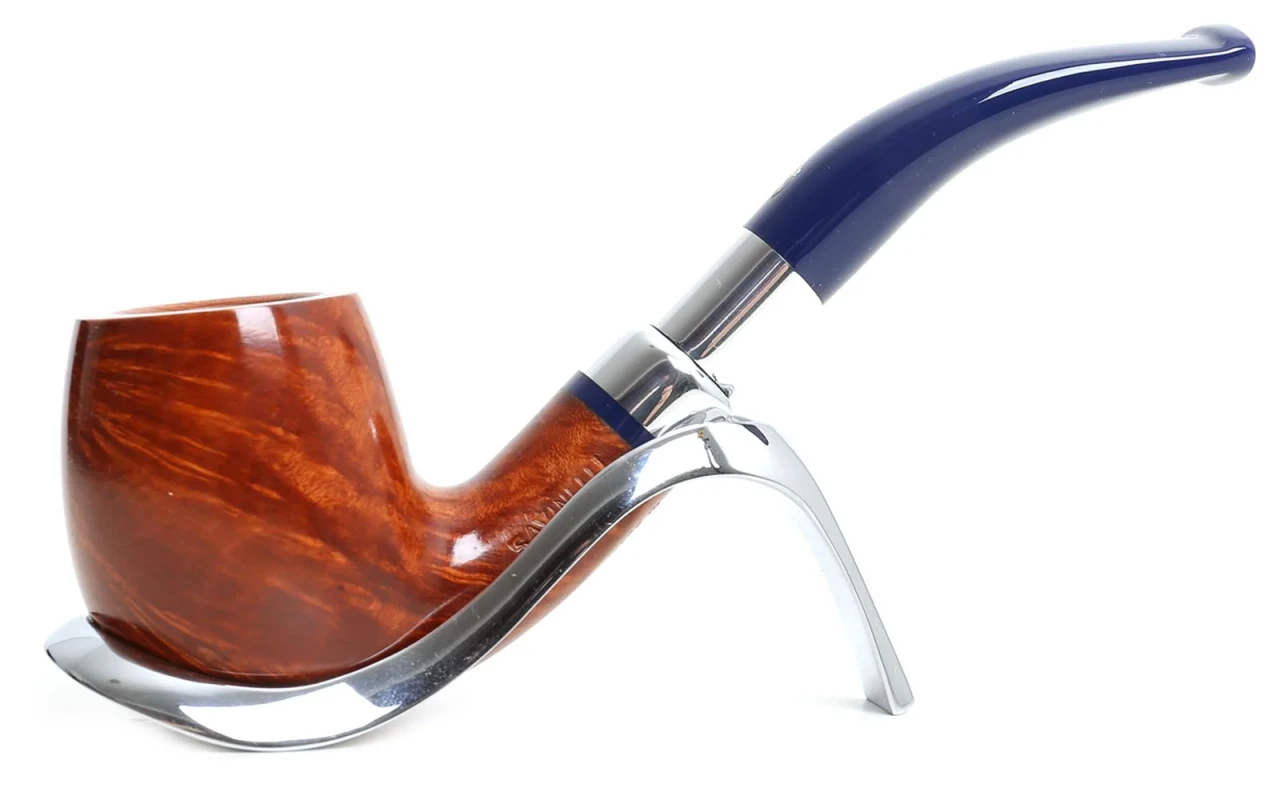
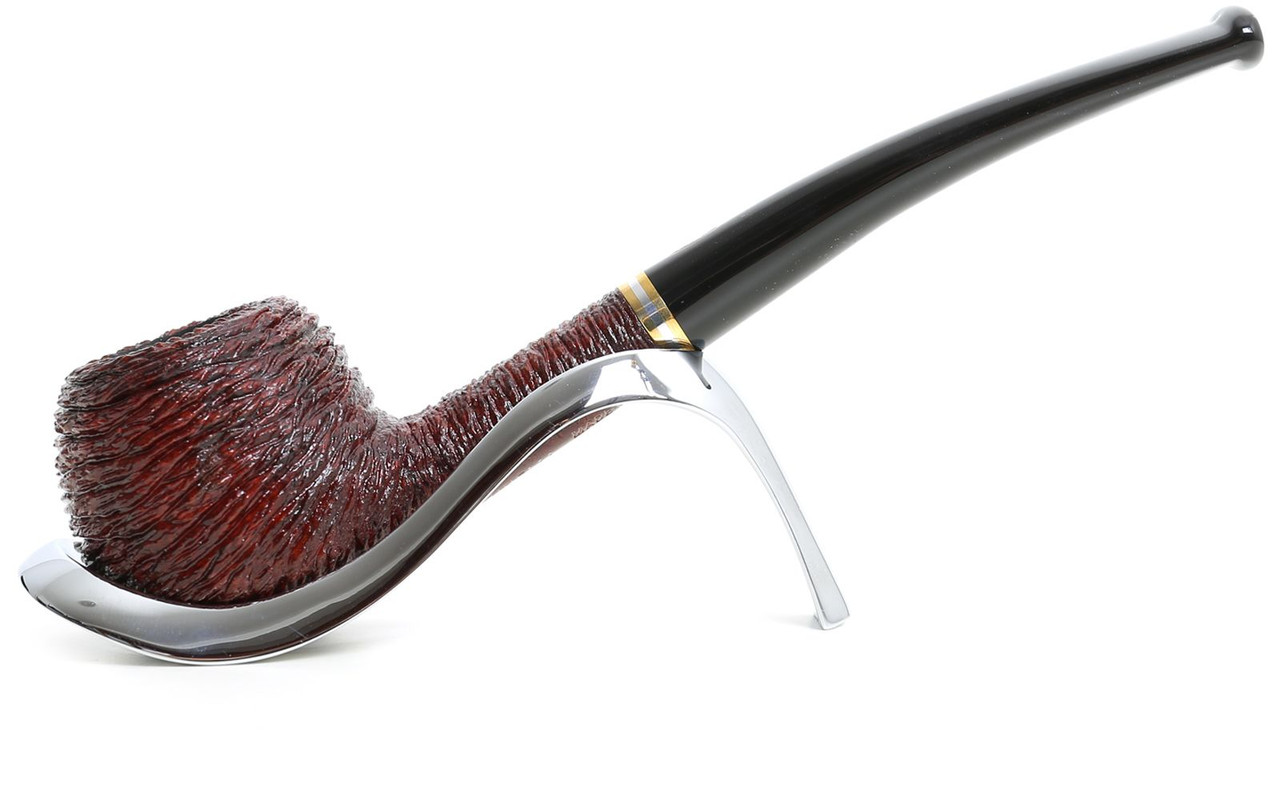
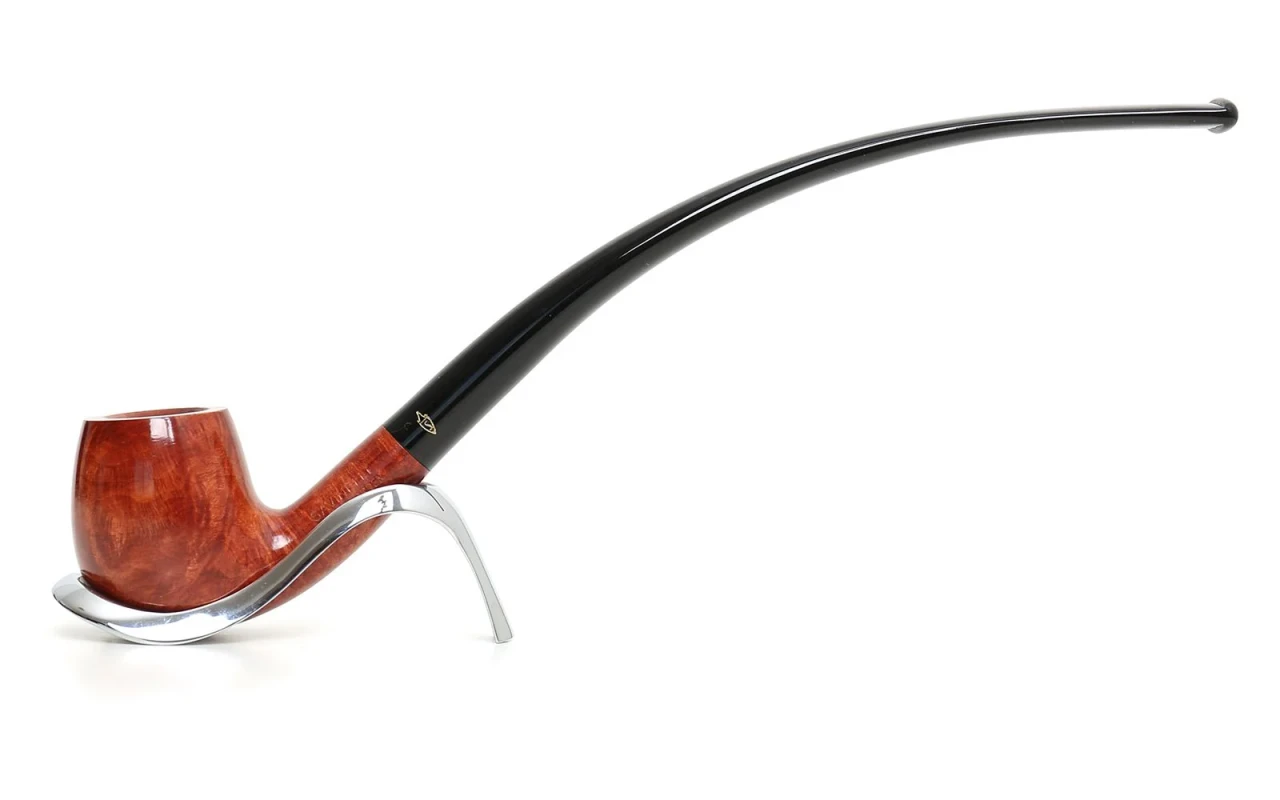
Pipes can be made with eco-friendly materials to reduce environmental impact. Some sustainable options include:- Corn: corn is a biodegradable and lightweight material, ideal for disposable pipes.- Coconut shell: resistant and durable, coconut shell is an eco-friendly alternative for artisanal pipes.- Briar wood: light and heat-resistant, it is often used for high-quality pipes.- Clay: a natural and non-toxic material, ideal for tobacco pipes.- Bamboo: sustainable and sturdy, bamboo is an eco-conscious choice for smoking pipes.Choosing pipes made with eco-friendly materials is a way to contribute to environmental sustainability in the world of pipe smoking.
Green Technologies for Pipes
Green technologies for pipes are sustainable and environmentally friendly solutions used in the pipe industry. These technologies aim to reduce the environmental impact associated with the production, consumption, and disposal of pipes. Some examples include the use of recycled or biodegradable materials for pipe production, the implementation of low-impact production processes, and the adoption of eco-friendly practices throughout the entire production chain. Green technologies for pipes aim to promote sustainability in the industry, helping to reduce pollution and preserve natural resources for future generations.
Eco-friendly Practices for Pipes
Eco-friendly practices for pipes are essential to reduce the environmental impact associated with pipe smoking. Here are some useful tips:- **Use pipes made of natural materials**: opt for pipes made of wood or briar instead of synthetic materials.- **Cleaning with natural products**: avoid chemical detergents and choose natural solutions such as hot water and baking soda.- **Choose organic tobaccos**: prefer tobaccos from organic farming.- **Reduce waste**: avoid throwing pipe butts on the ground and dispose of them properly.By following these practices, it is possible to enjoy pipe smoking in a sustainable and environmentally friendly manner.
'%3e%3cg id='Final-Copy-2_2_' transform='translate(1275.000000, 200.000000)'%3e%3cpath class='st0' d='M7.4,12.8h6.8l3.1-11.6H7.4C4.2,1.2,1.6,3.8,1.6,7S4.2,12.8,7.4,12.8z'/%3e%3c/g%3e%3c/g%3e%3c/g%3e%3cg id='final---dec.11-2020'%3e%3cg id='_x30_208-our-toggle' transform='translate(-1275.000000, -200.000000)'%3e%3cg id='Final-Copy-2' transform='translate(1275.000000, 200.000000)'%3e%3cpath class='st1' d='M22.6,0H7.4c-3.9,0-7,3.1-7,7s3.1,7,7,7h15.2c3.9,0,7-3.1,7-7S26.4,0,22.6,0z M1.6,7c0-3.2,2.6-5.8,5.8-5.8 h9.9l-3.1,11.6H7.4C4.2,12.8,1.6,10.2,1.6,7z'/%3e%3cpath id='x' class='st2' d='M24.6,4c0.2,0.2,0.2,0.6,0,0.8l0,0L22.5,7l2.2,2.2c0.2,0.2,0.2,0.6,0,0.8c-0.2,0.2-0.6,0.2-0.8,0 l0,0l-2.2-2.2L19.5,10c-0.2,0.2-0.6,0.2-0.8,0c-0.2-0.2-0.2-0.6,0-0.8l0,0L20.8,7l-2.2-2.2c-0.2-0.2-0.2-0.6,0-0.8 c0.2-0.2,0.6-0.2,0.8,0l0,0l2.2,2.2L23.8,4C24,3.8,24.4,3.8,24.6,4z'/%3e%3cpath id='y' class='st3' d='M12.7,4.1c0.2,0.2,0.3,0.6,0.1,0.8l0,0L8.6,9.8C8.5,9.9,8.4,10,8.3,10c-0.2,0.1-0.5,0.1-0.7-0.1l0,0 L5.4,7.7c-0.2-0.2-0.2-0.6,0-0.8c0.2-0.2,0.6-0.2,0.8,0l0,0L8,8.6l3.8-4.5C12,3.9,12.4,3.9,12.7,4.1z'/%3e%3c/g%3e%3c/g%3e%3c/g%3e%3c/g%3e%3c/svg%3e) Your Privacy Choices
Your Privacy Choices 


