 ES
ES FR
FR EN
EN IT
IT DE
DE
Smoking Techniques and Environmental Impact
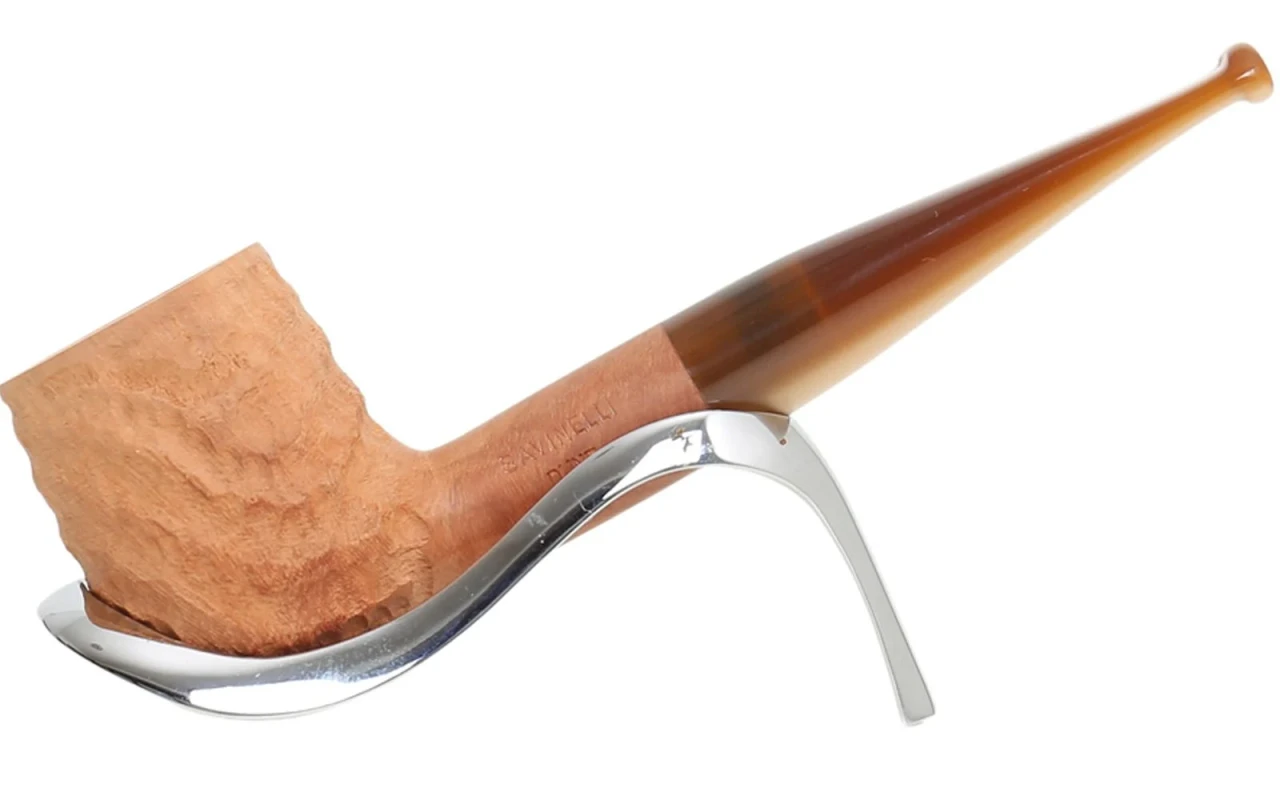
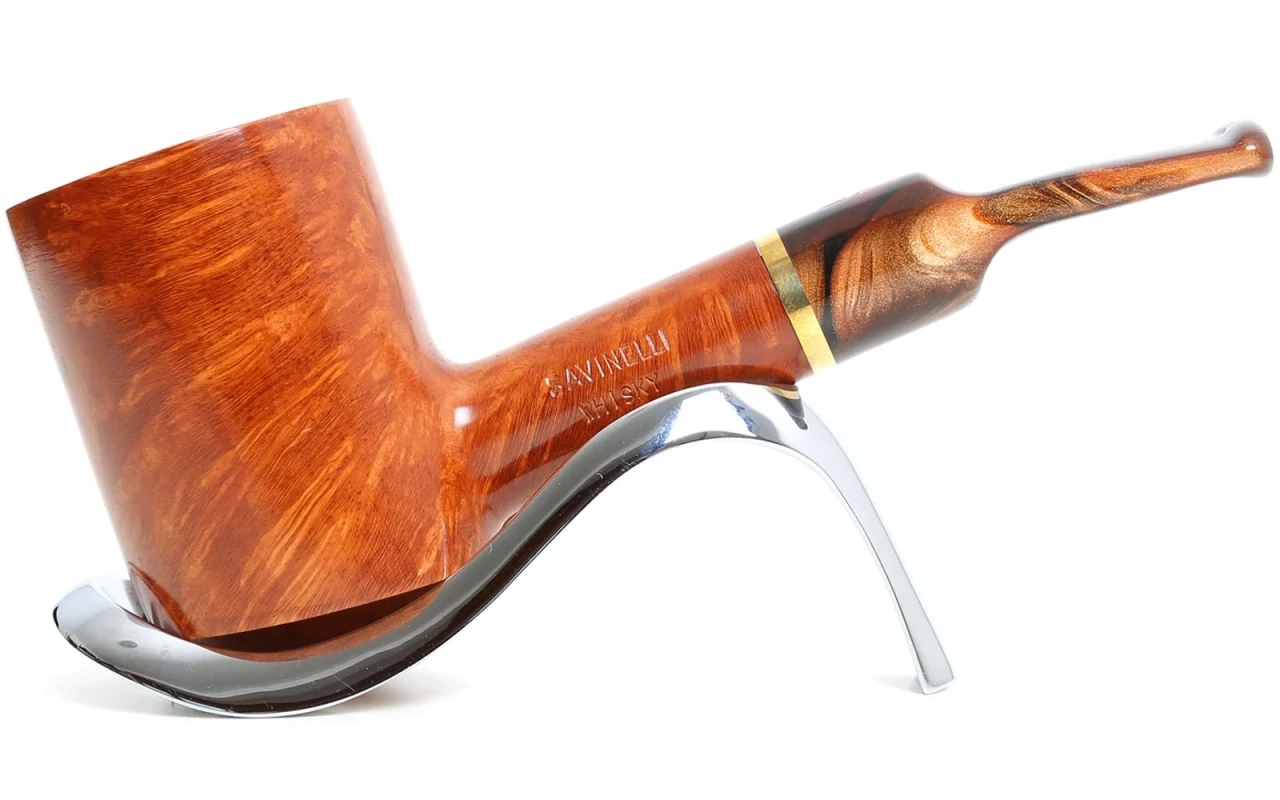
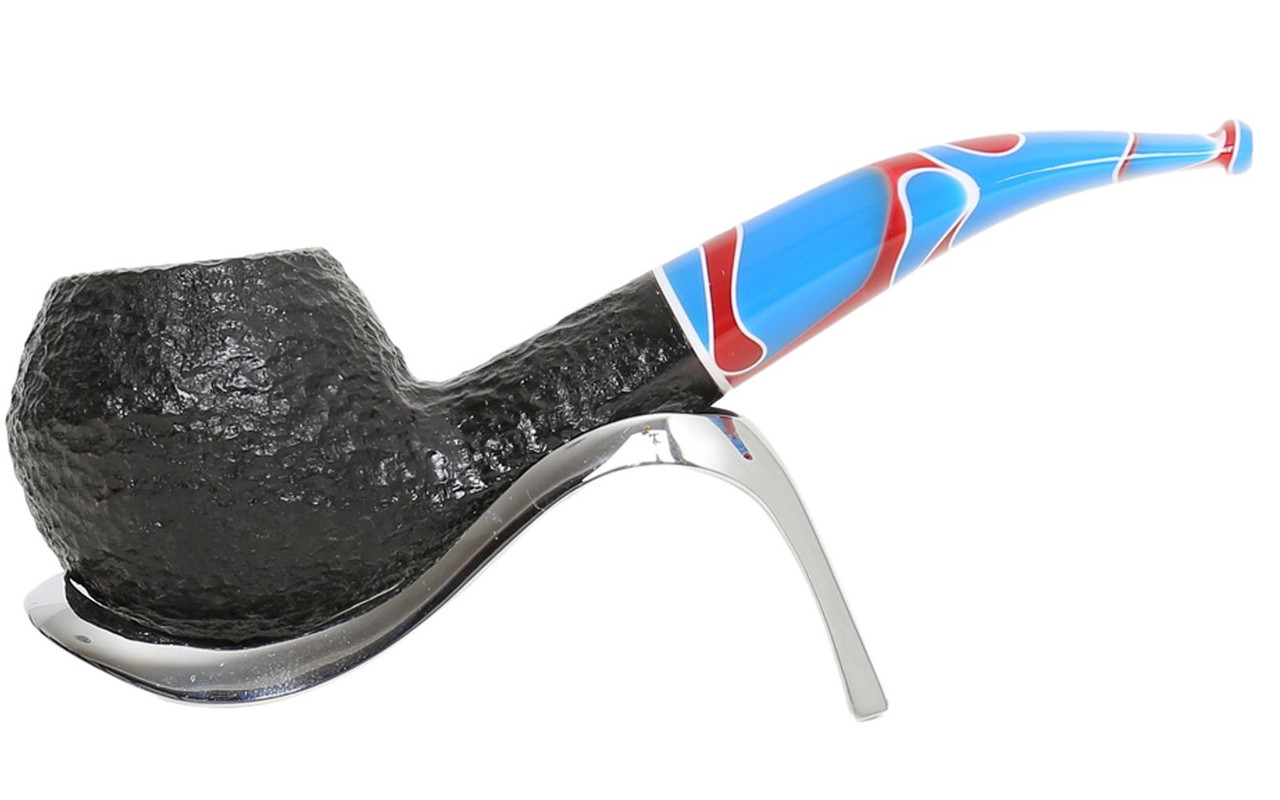
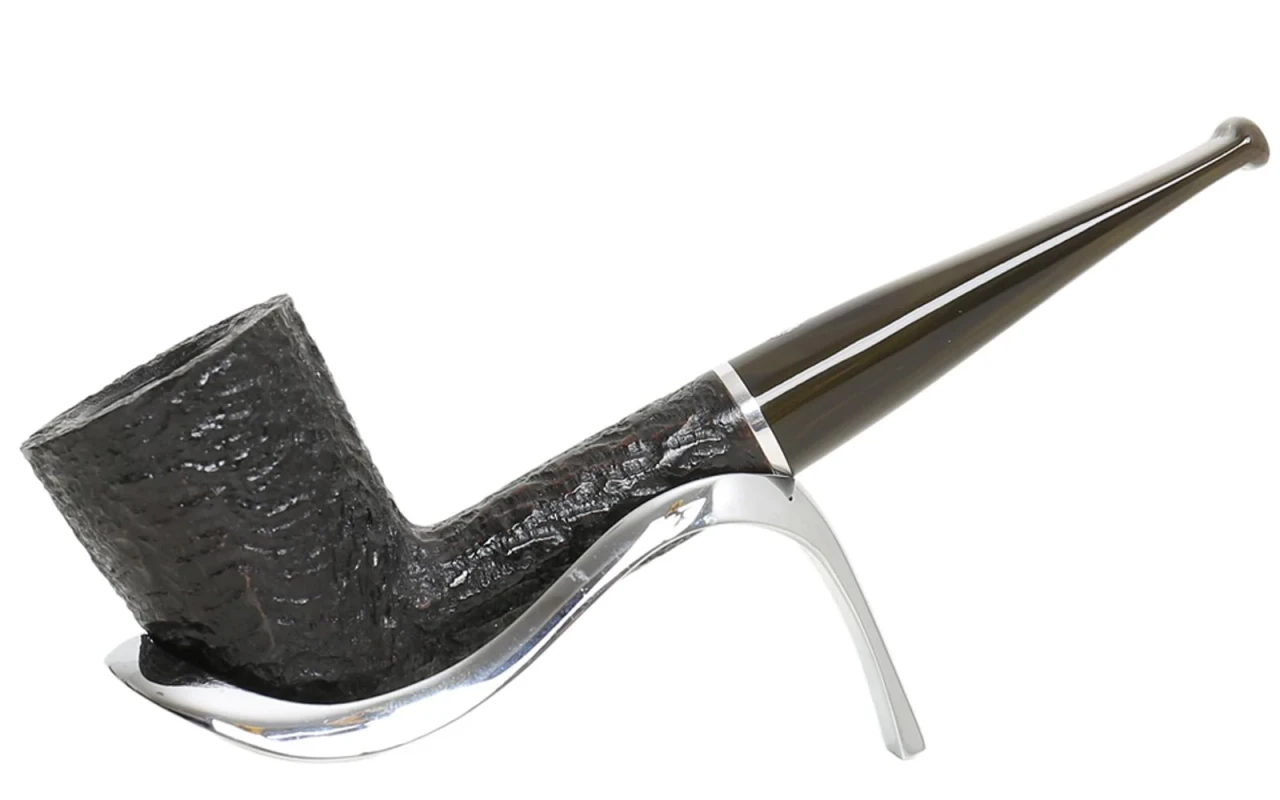
Smoking Techniques and Environmental Impact
Pipe smoking techniques can influence the environmental impact in various ways. Here are some aspects to consider:- Tobacco choice: opting for organic or tobacco from sustainable sources can reduce the environmental impact.- Combustion: burning tobacco at the correct temperatures and with appropriate smoking techniques can limit the emissions of pollutants.- Cleaning and maintenance: proper pipe cleaning helps maintain high combustion efficiency and reduce tobacco waste.- Ash disposal: correctly disposing of residual ashes can prevent environmental contamination.Adopting conscious practices can help reduce the environmental impact associated with pipe smoking techniques.
KEYWORD: PIPE PIPE SMOKING
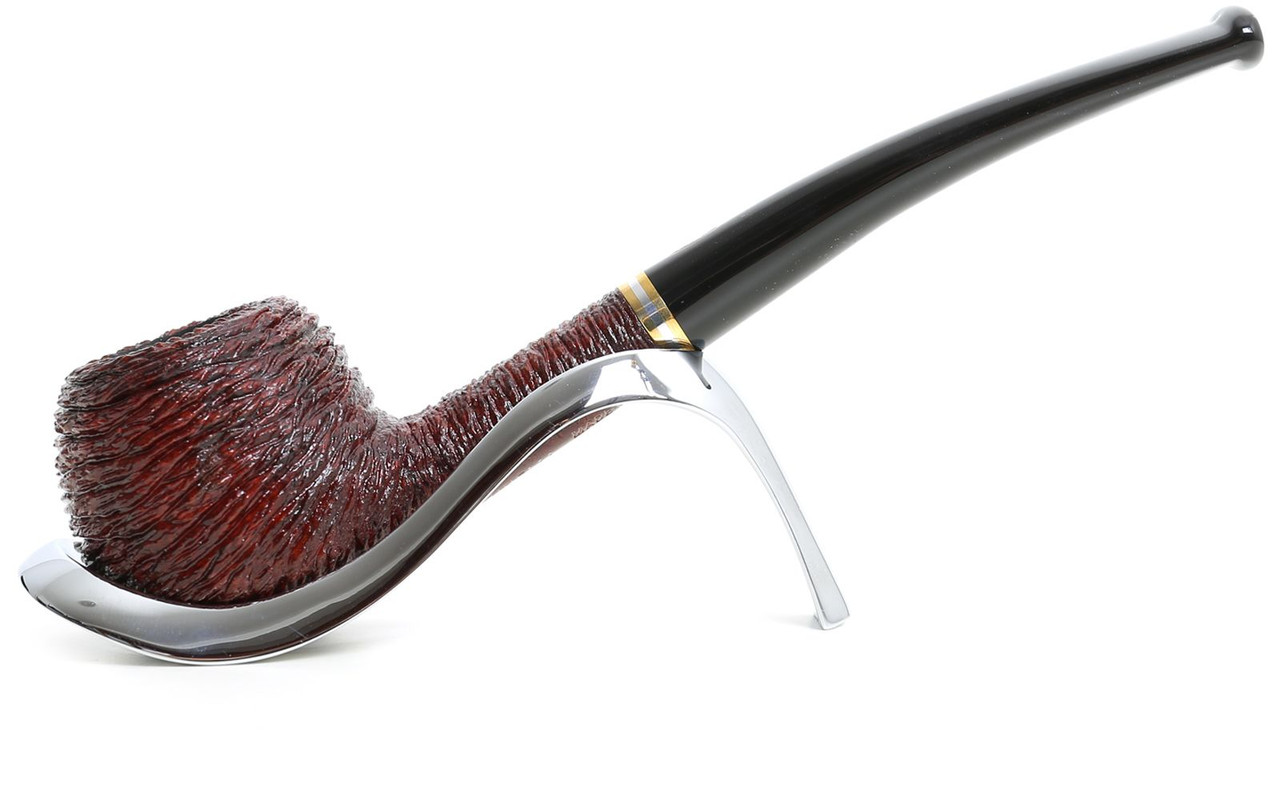
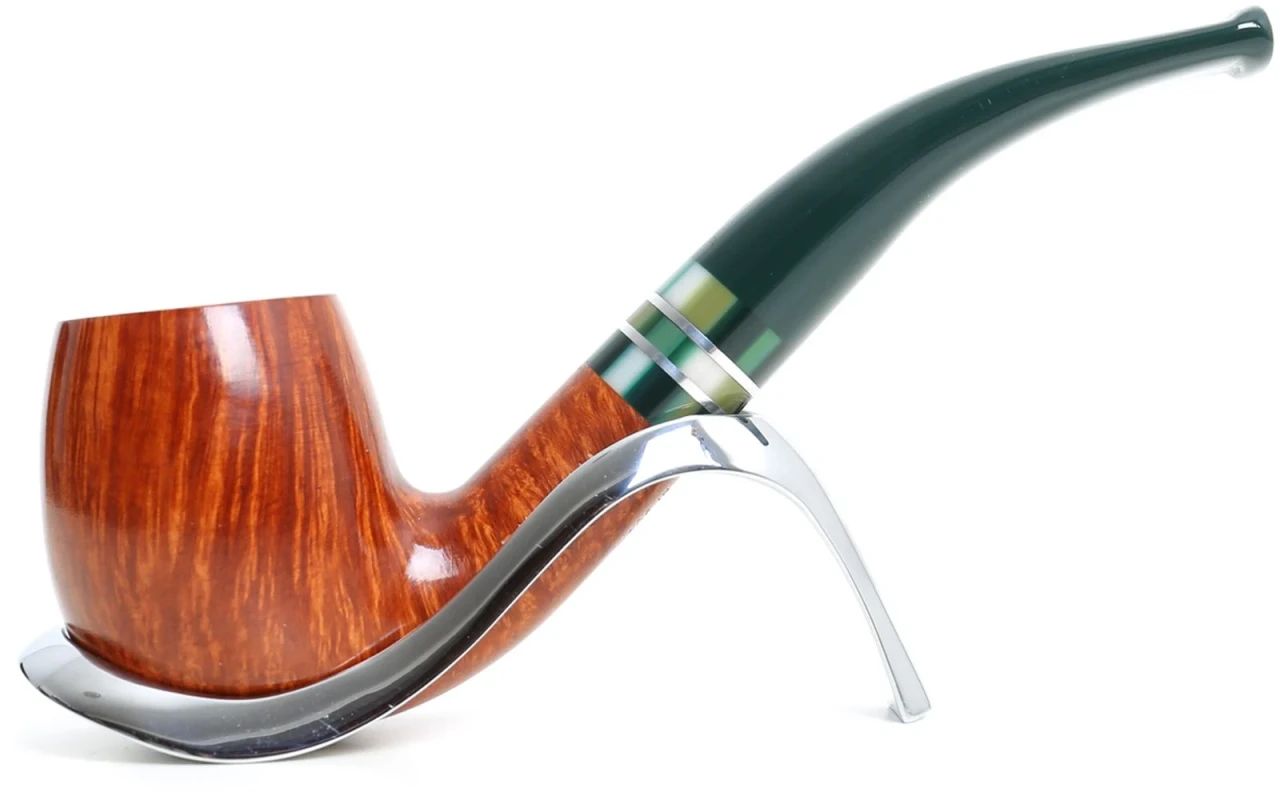
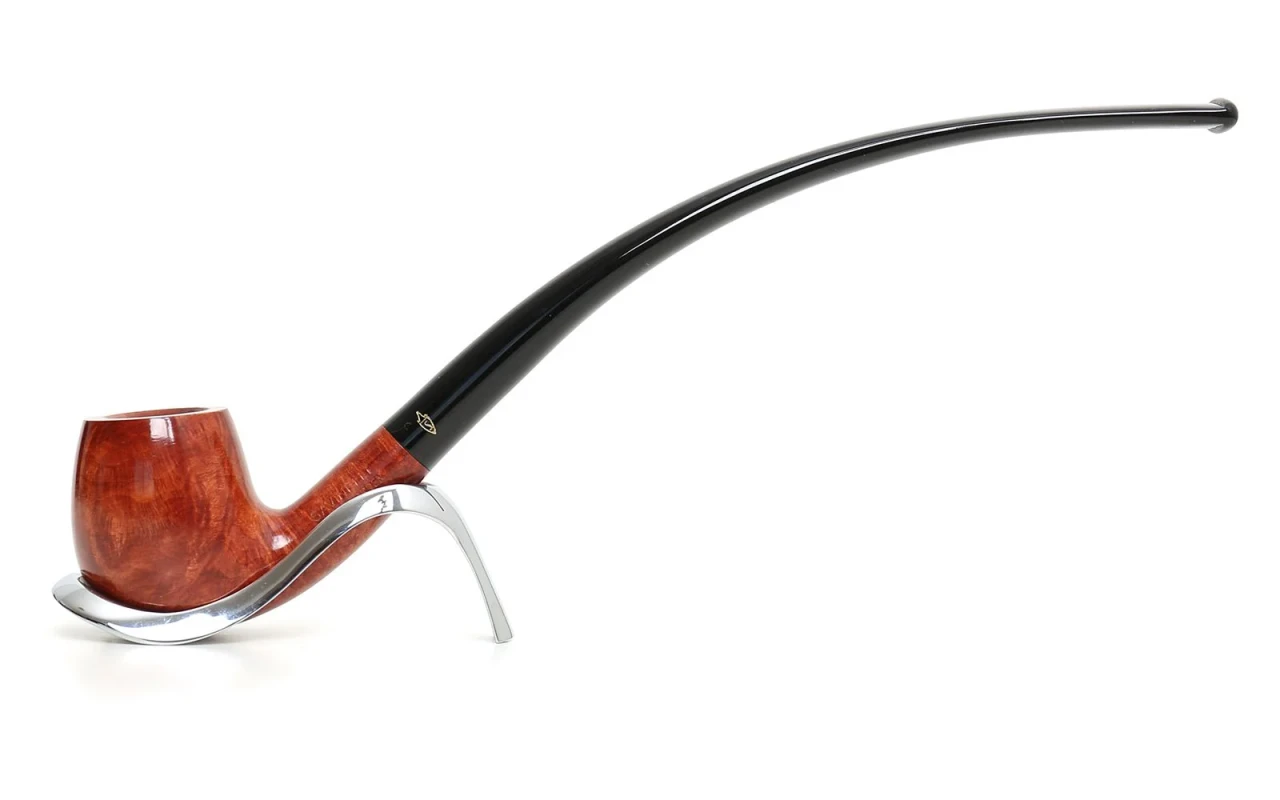
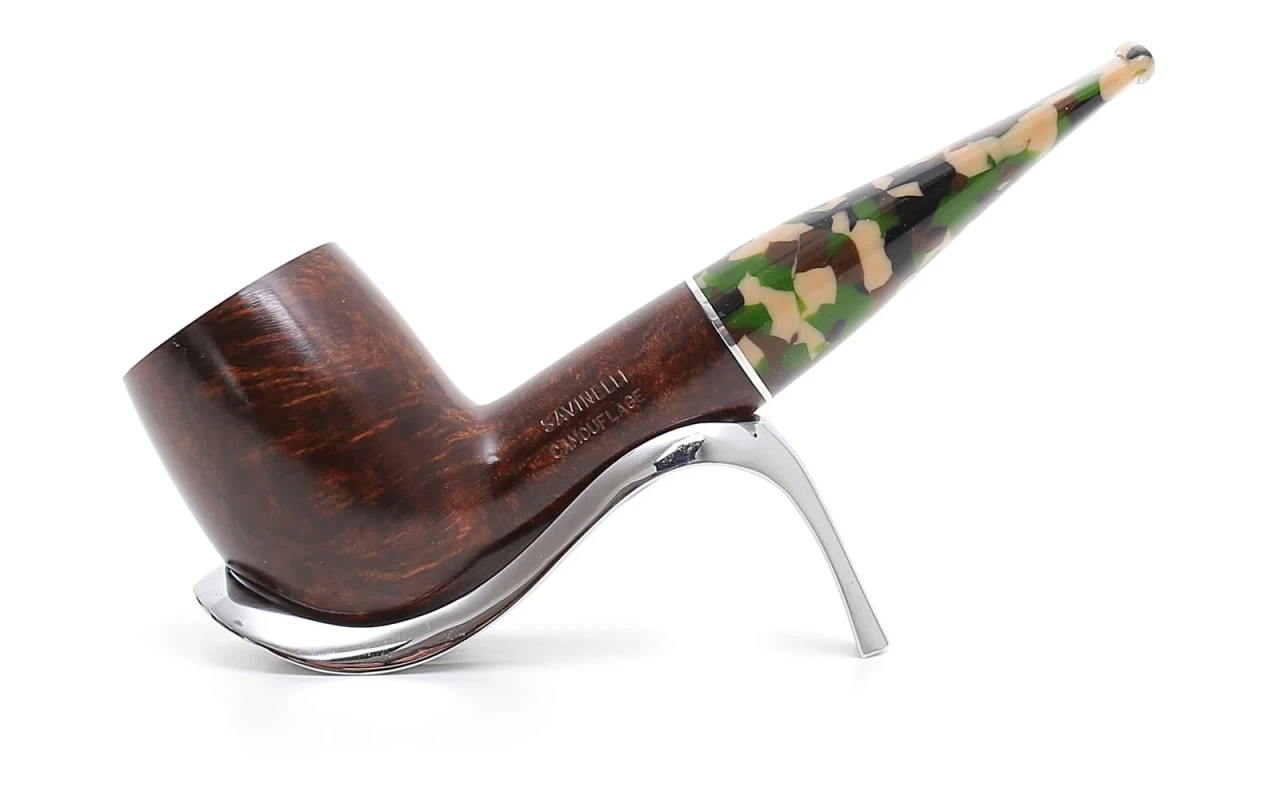
Pipe smoking is a practice that involves lighting and consuming tobacco inside a specially designed pipe. Pipes are traditional tools used for smoking pipe tobacco or shredded tobacco, offering a unique aromatic experience. Pipe smoking requires a certain skill in preparing the tobacco, proper lighting, and maintaining the pipe itself. Pipes can be made of various materials, such as wood, briar, or clay. This practice has a long history and continues to be appreciated by many enthusiasts for its ritualistic nature and the rich, complex taste it offers.
Pipe Smoking Maintenance
Maintaining smoking pipes is a fundamental process to ensure an optimal smoking experience and prolong the life of your pipe. Here are some important steps to follow:- Regular cleaning: remove tobacco and tar residues with a pipe cleaner and a pipe reamer.- Proper drying: allow the pipe to completely dry after each use to prevent mold formation.- Polishing: use specific oils or waxes to keep the pipe shiny and in good condition.- Smoke control: ensure that the pipe smoke is uniform and free of obstructions.By following these simple steps, you can fully enjoy your pipe for a long time.
Materials for smoking pipes
There are several materials used for making smoking pipes. The most common ones are:- **Wood**: among the most traditional and appreciated materials for crafting pipes. It offers good heat conductivity and allows for better tobacco maturation.- **Briar**: particularly resistant to heat and humidity, it is widely used for high-quality pipes.- **Clay**: a porous material that absorbs moisture, ensuring a cooler and drier smoke.- **Corn Cob**: corn cob pipes are lightweight and inexpensive, ideal for beginners.Each material offers unique characteristics that influence the taste and smoking experience of a pipe.
Choice of smoked pipe
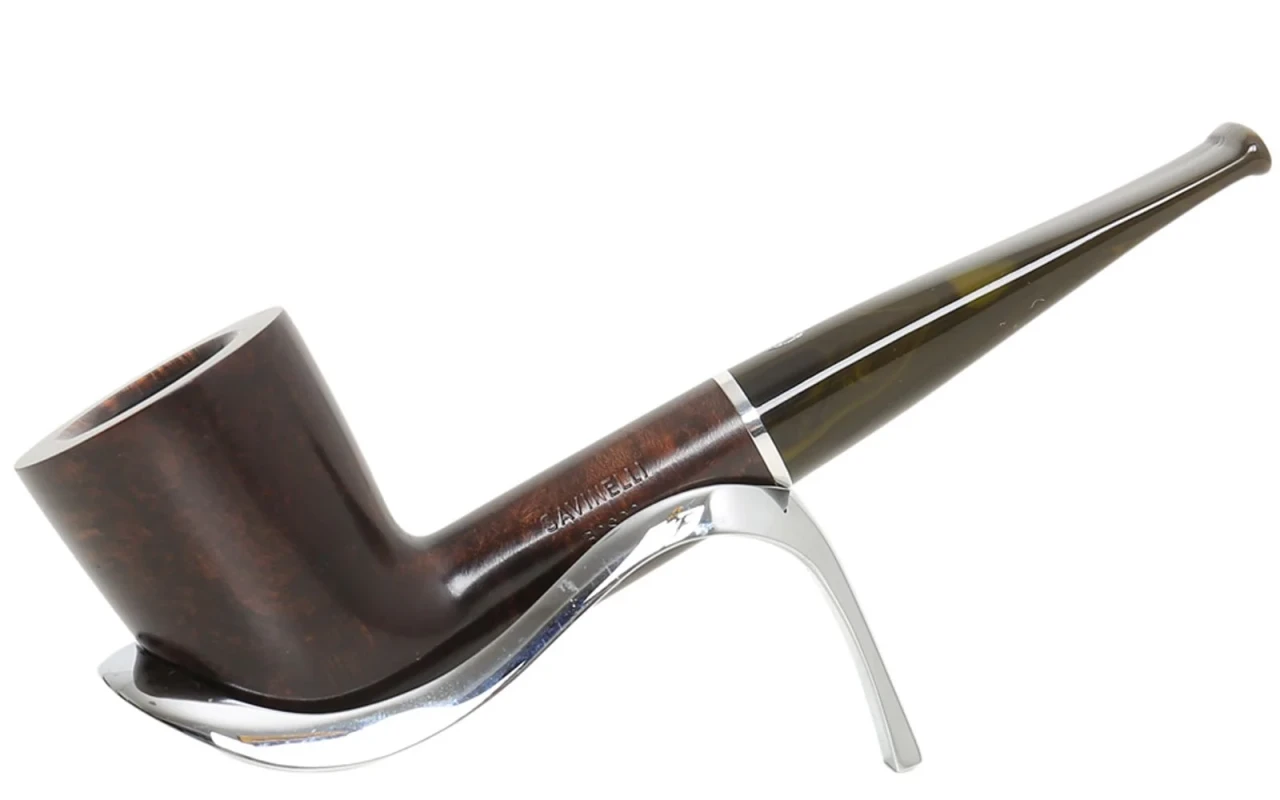
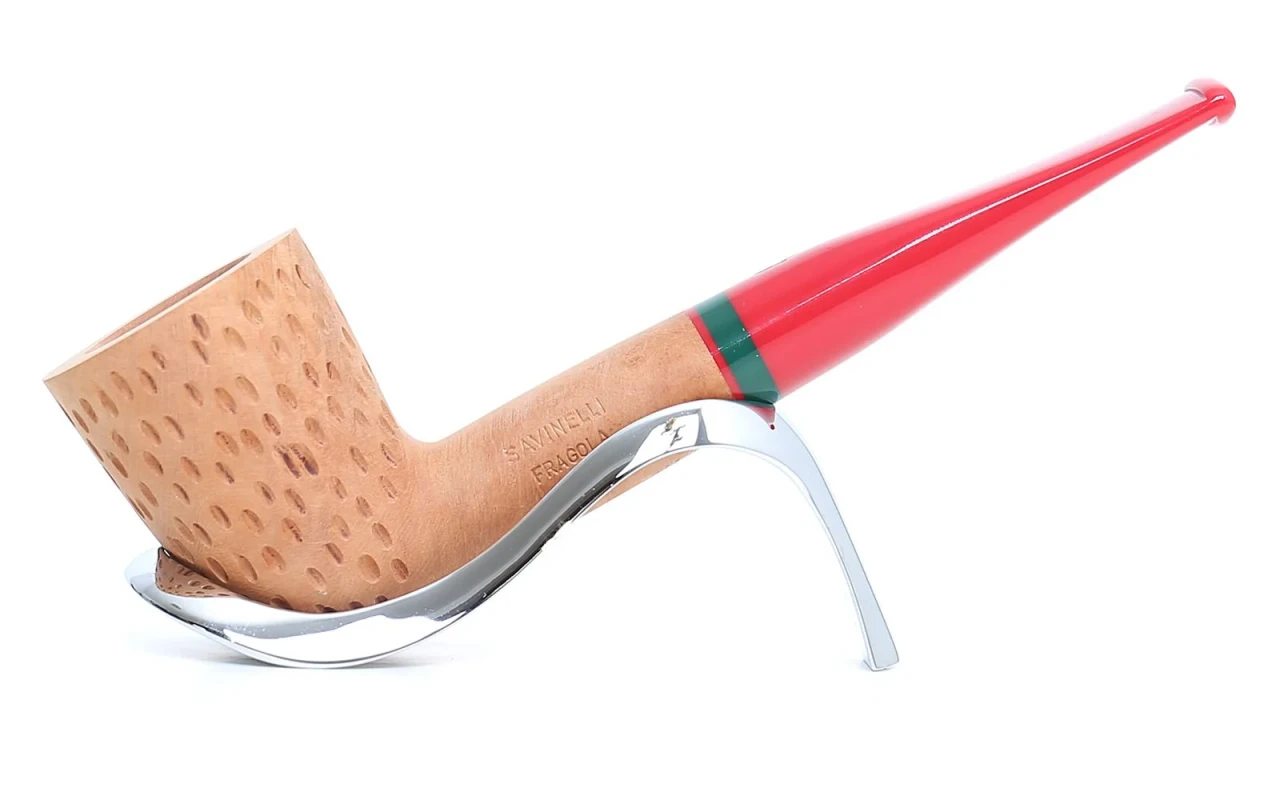
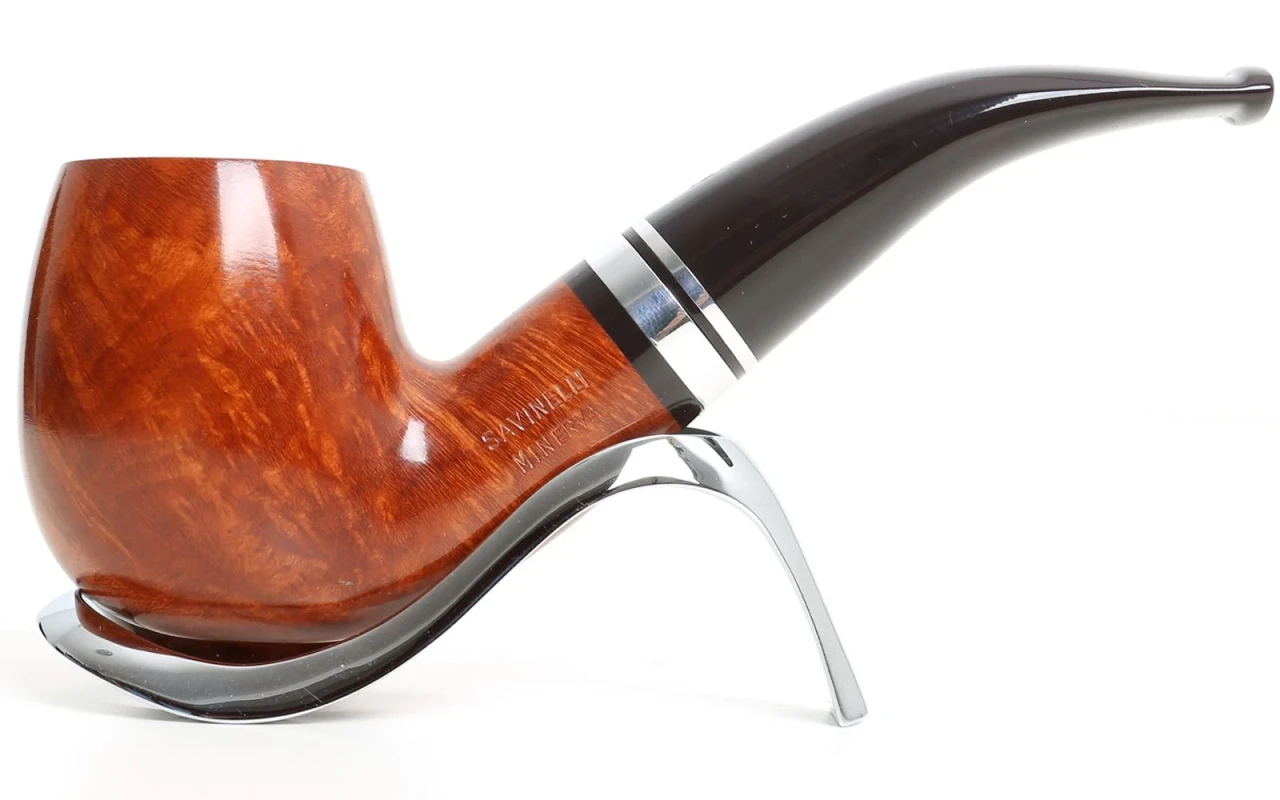
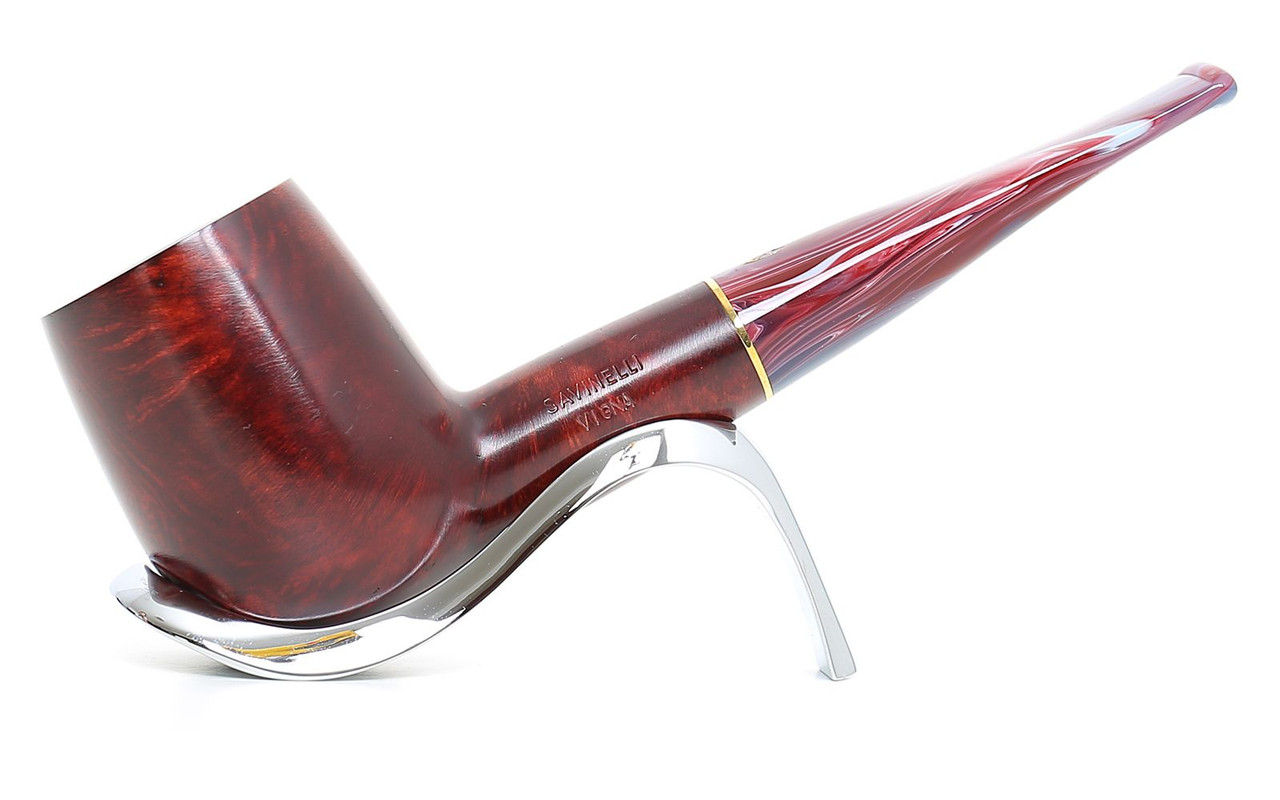
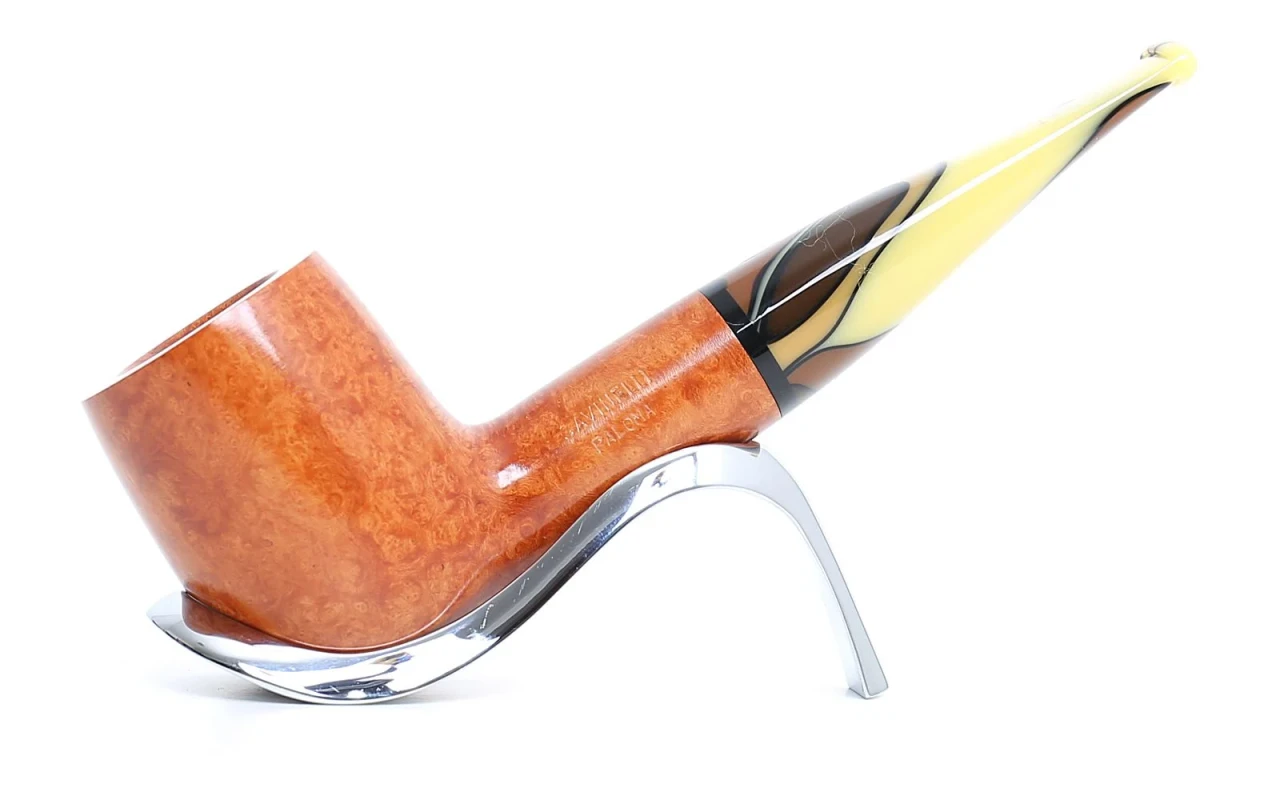
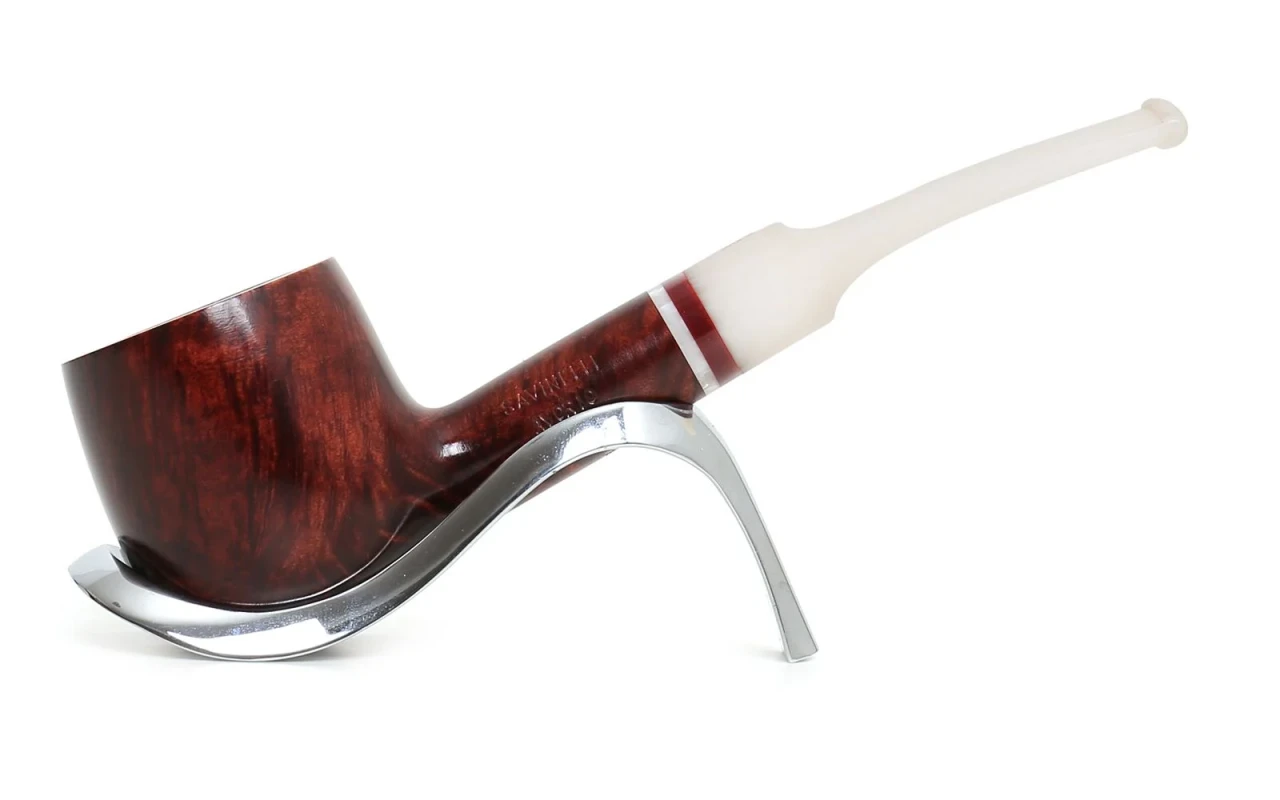
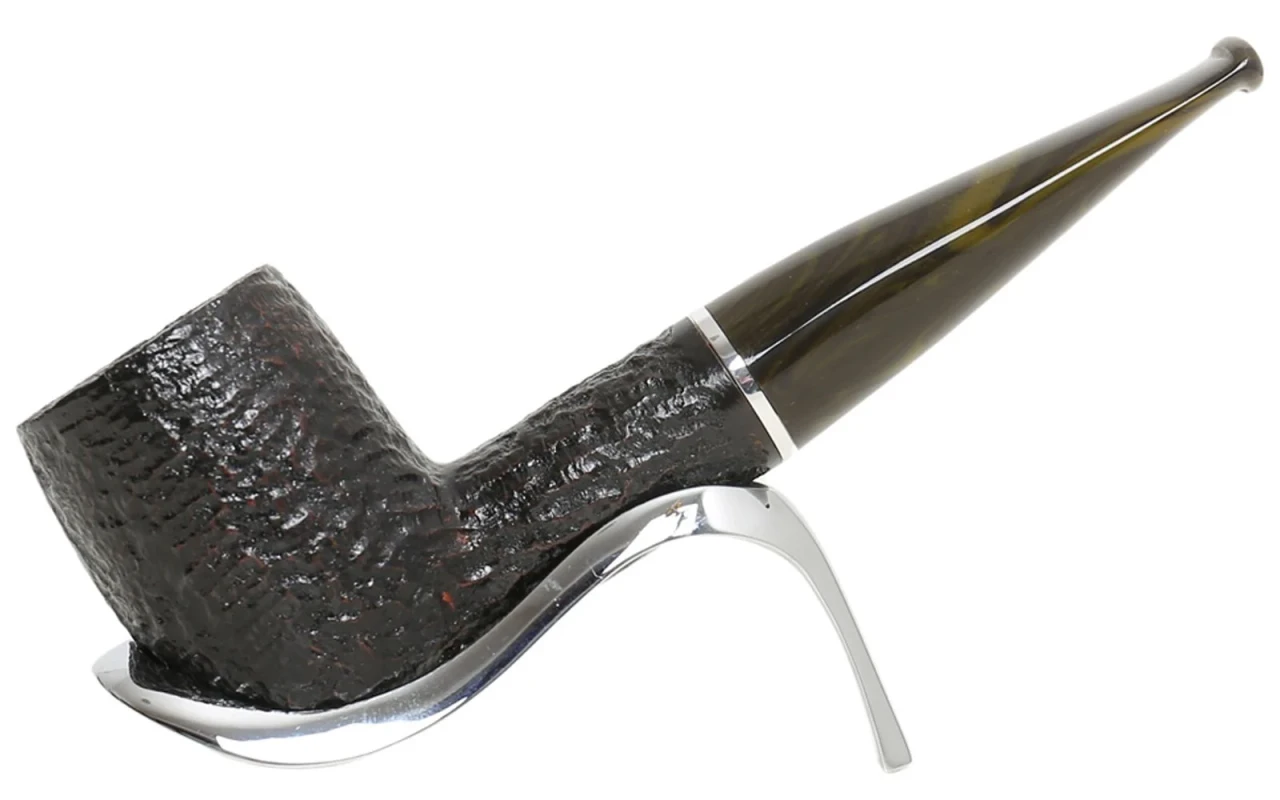
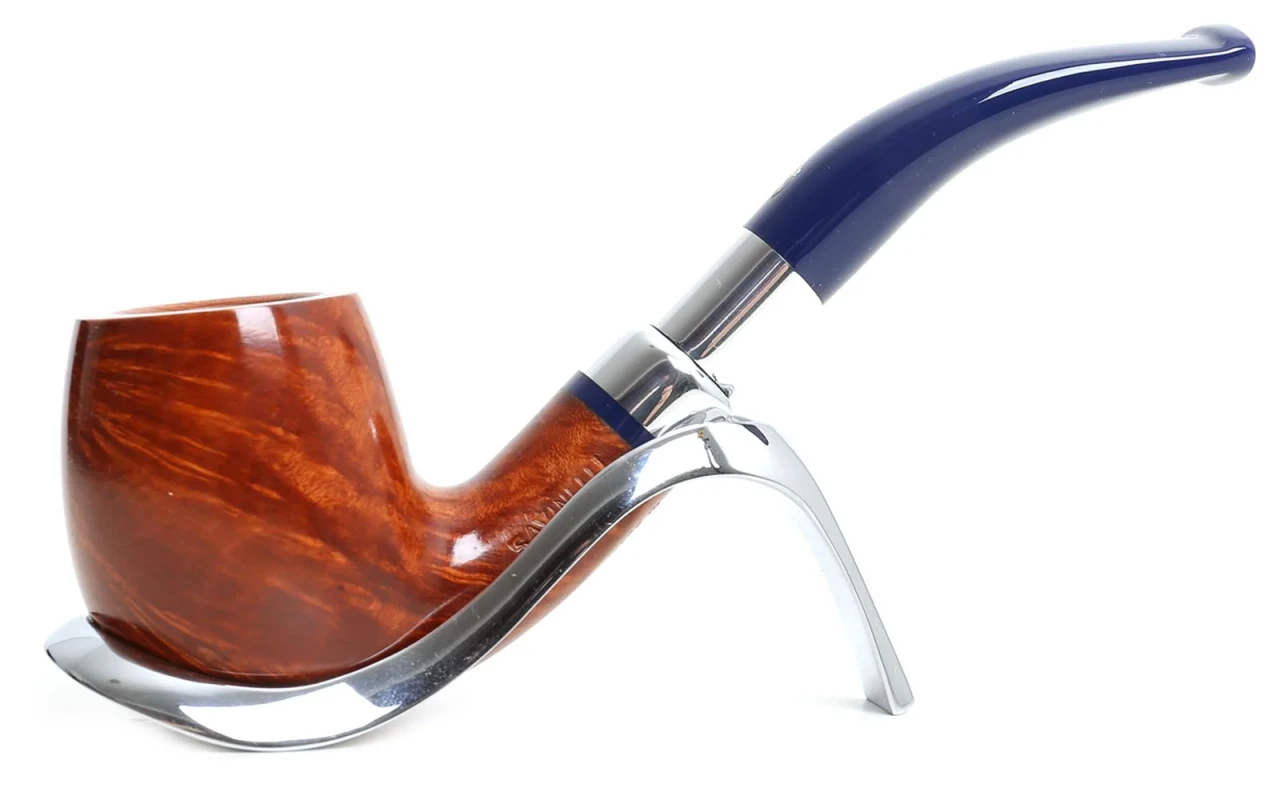
The choice of a smoked pipe is an excellent option for pipe enthusiasts looking for a quality smoking experience. Selecting the right pipe is crucial for fully enjoying the pipe tobacco smoke. It is important to consider various factors in choosing the perfect pipe, such as the material (wood, briar, corn cob, etc.), the shape of the bowl and mouthpiece, heat retention capacity, and craftsmanship. Opting for a quality pipe ensures a more enjoyable and satisfying smoke, enhancing the flavors and aromas of the tobacco.
'%3e%3cg id='Final-Copy-2_2_' transform='translate(1275.000000, 200.000000)'%3e%3cpath class='st0' d='M7.4,12.8h6.8l3.1-11.6H7.4C4.2,1.2,1.6,3.8,1.6,7S4.2,12.8,7.4,12.8z'/%3e%3c/g%3e%3c/g%3e%3c/g%3e%3cg id='final---dec.11-2020'%3e%3cg id='_x30_208-our-toggle' transform='translate(-1275.000000, -200.000000)'%3e%3cg id='Final-Copy-2' transform='translate(1275.000000, 200.000000)'%3e%3cpath class='st1' d='M22.6,0H7.4c-3.9,0-7,3.1-7,7s3.1,7,7,7h15.2c3.9,0,7-3.1,7-7S26.4,0,22.6,0z M1.6,7c0-3.2,2.6-5.8,5.8-5.8 h9.9l-3.1,11.6H7.4C4.2,12.8,1.6,10.2,1.6,7z'/%3e%3cpath id='x' class='st2' d='M24.6,4c0.2,0.2,0.2,0.6,0,0.8l0,0L22.5,7l2.2,2.2c0.2,0.2,0.2,0.6,0,0.8c-0.2,0.2-0.6,0.2-0.8,0 l0,0l-2.2-2.2L19.5,10c-0.2,0.2-0.6,0.2-0.8,0c-0.2-0.2-0.2-0.6,0-0.8l0,0L20.8,7l-2.2-2.2c-0.2-0.2-0.2-0.6,0-0.8 c0.2-0.2,0.6-0.2,0.8,0l0,0l2.2,2.2L23.8,4C24,3.8,24.4,3.8,24.6,4z'/%3e%3cpath id='y' class='st3' d='M12.7,4.1c0.2,0.2,0.3,0.6,0.1,0.8l0,0L8.6,9.8C8.5,9.9,8.4,10,8.3,10c-0.2,0.1-0.5,0.1-0.7-0.1l0,0 L5.4,7.7c-0.2-0.2-0.2-0.6,0-0.8c0.2-0.2,0.6-0.2,0.8,0l0,0L8,8.6l3.8-4.5C12,3.9,12.4,3.9,12.7,4.1z'/%3e%3c/g%3e%3c/g%3e%3c/g%3e%3c/g%3e%3c/svg%3e) Your Privacy Choices
Your Privacy Choices 


