 ES
ES FR
FR EN
EN IT
IT DE
DE
Shaping briar for Blowfish pipes
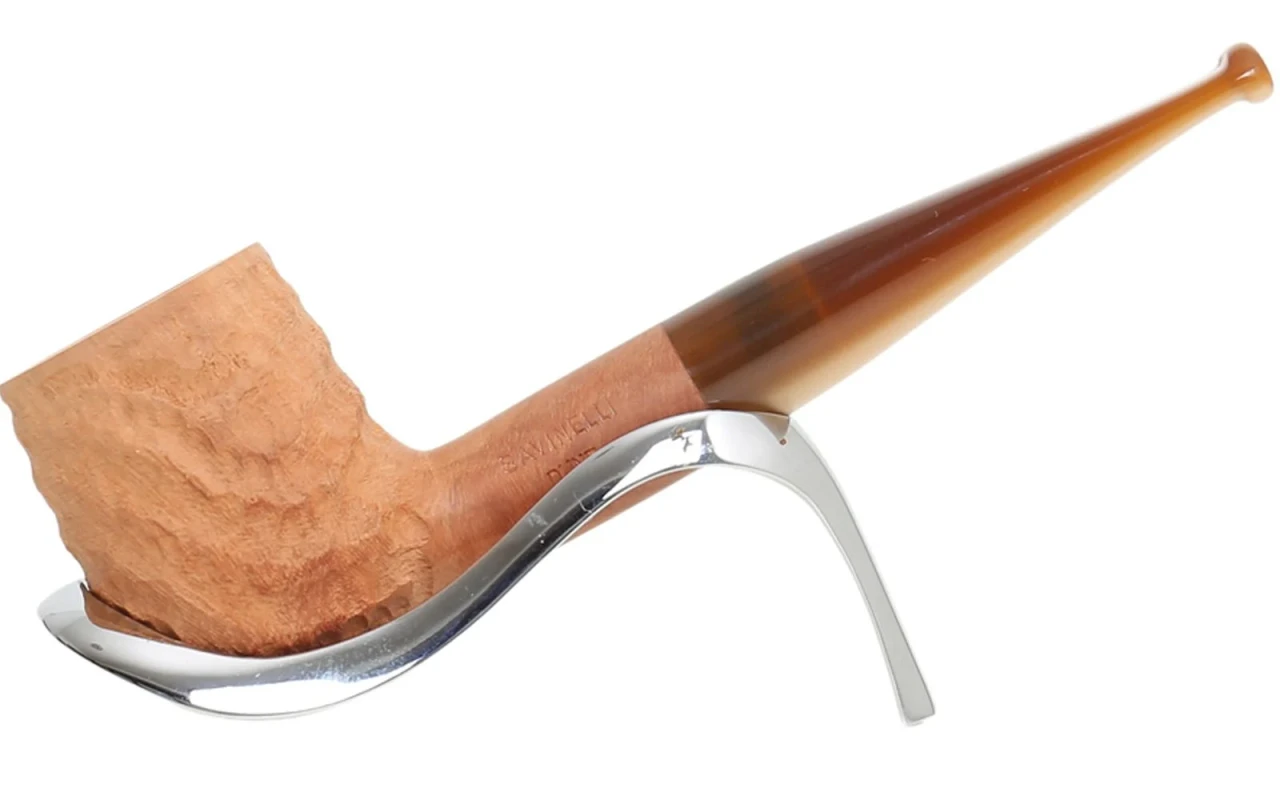
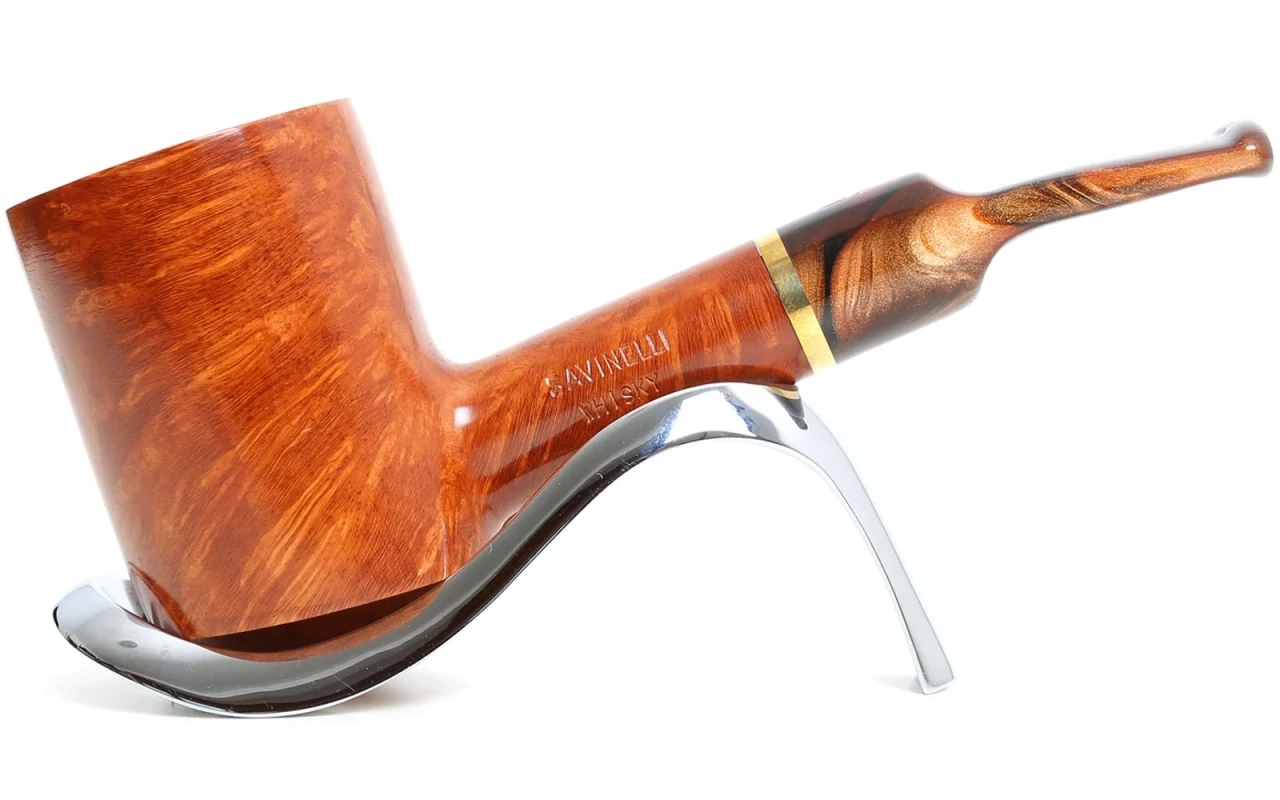
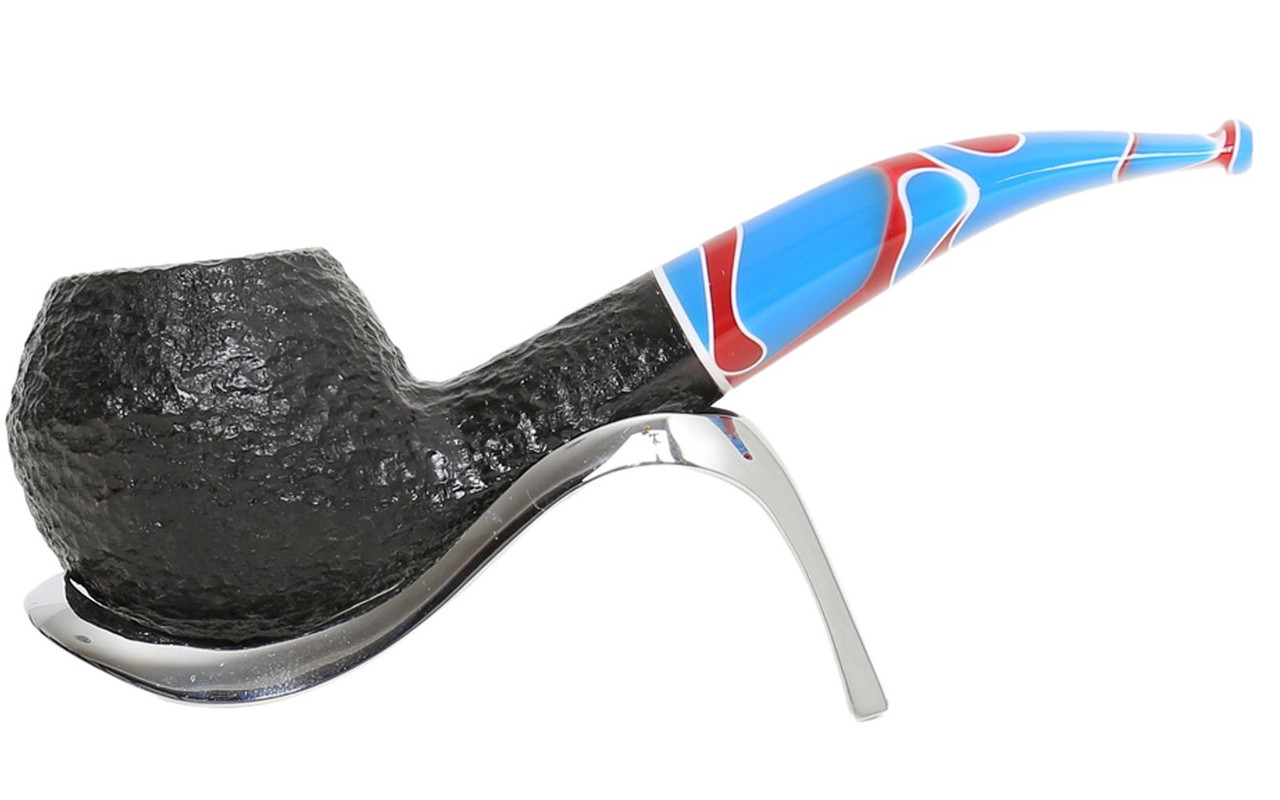
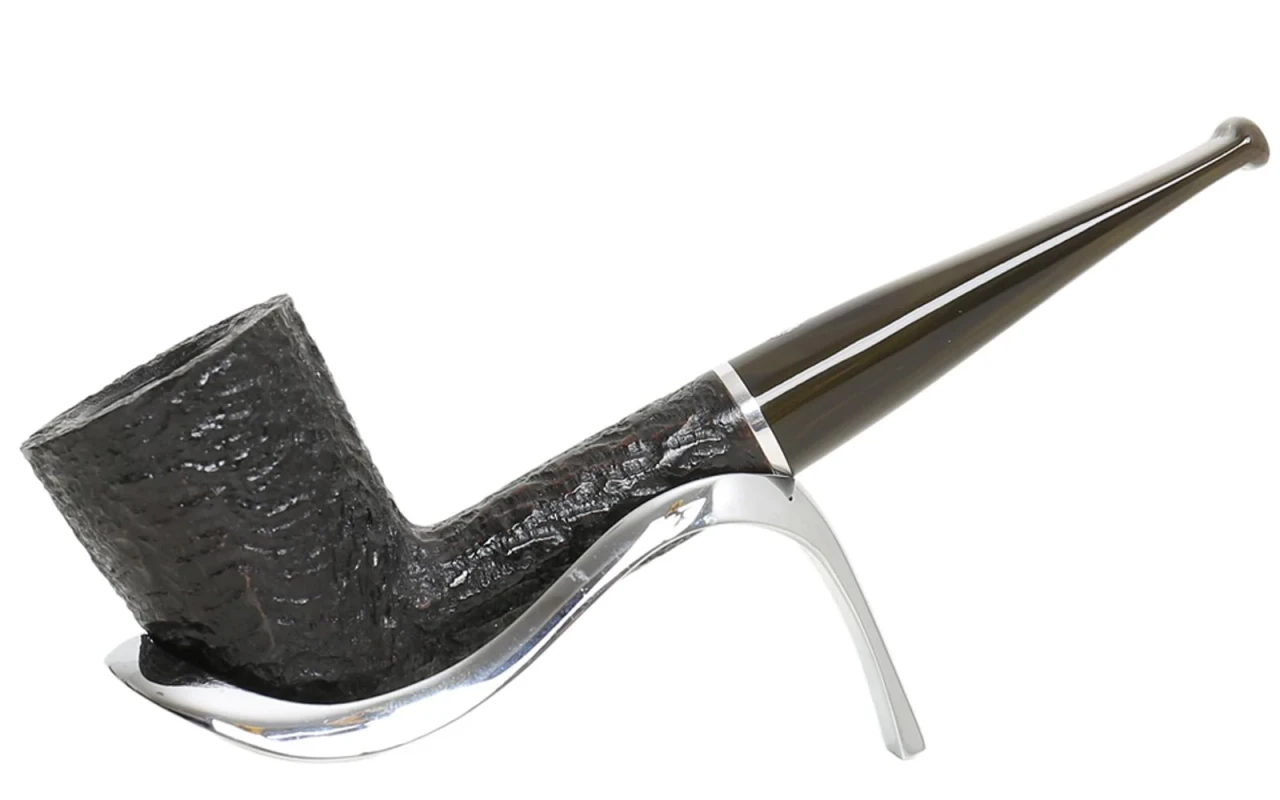
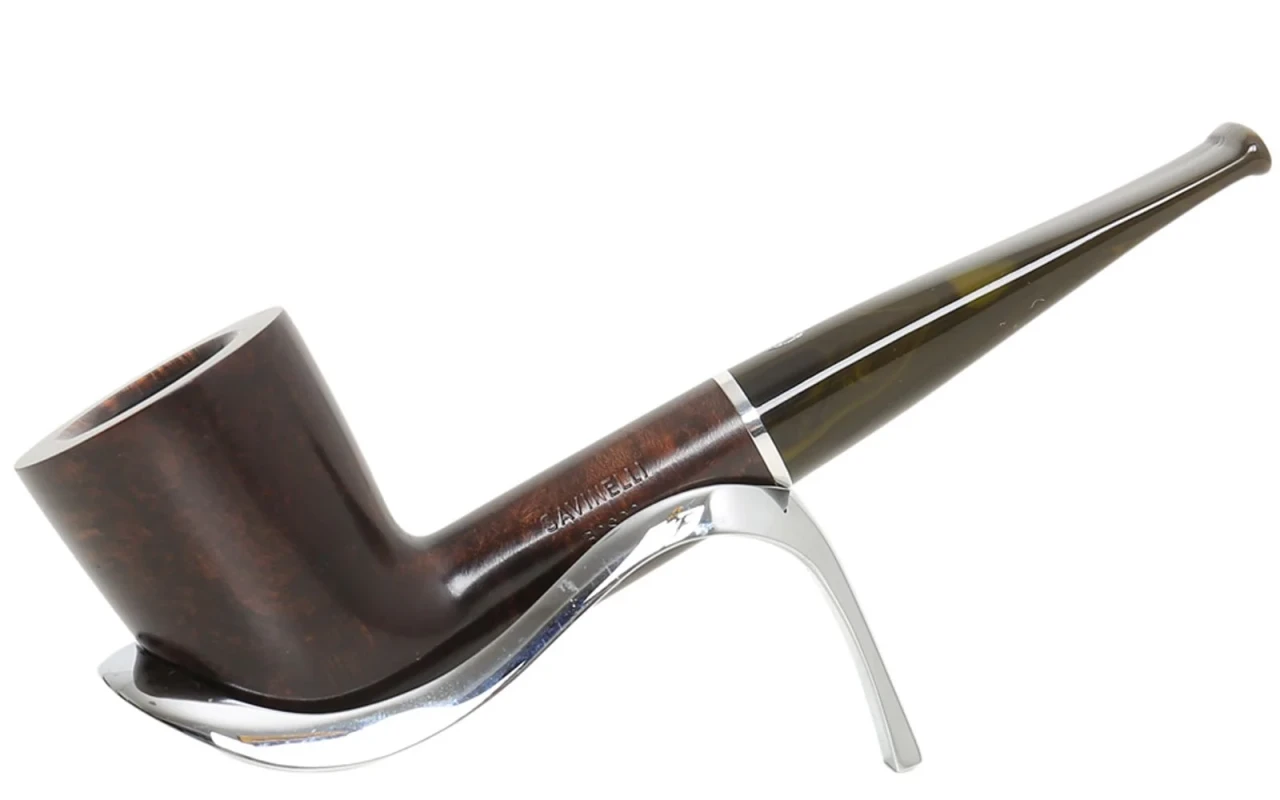
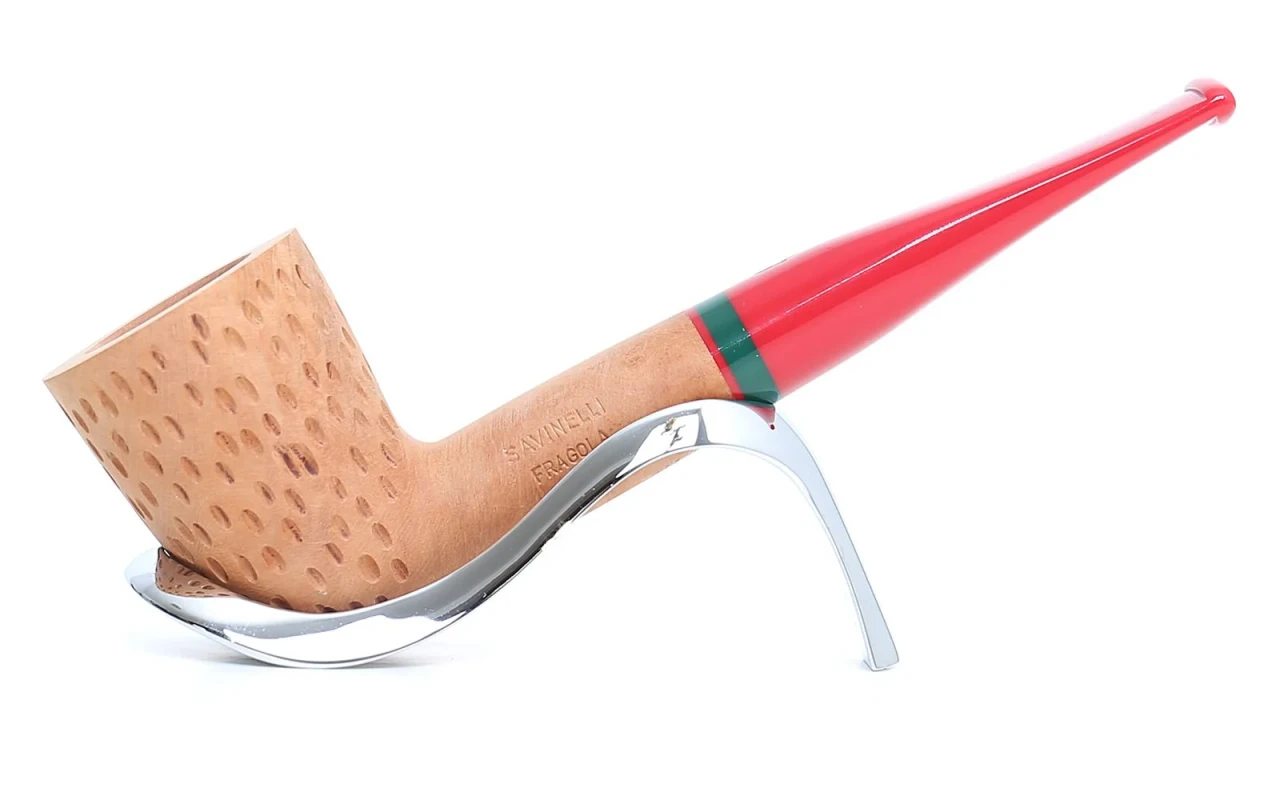
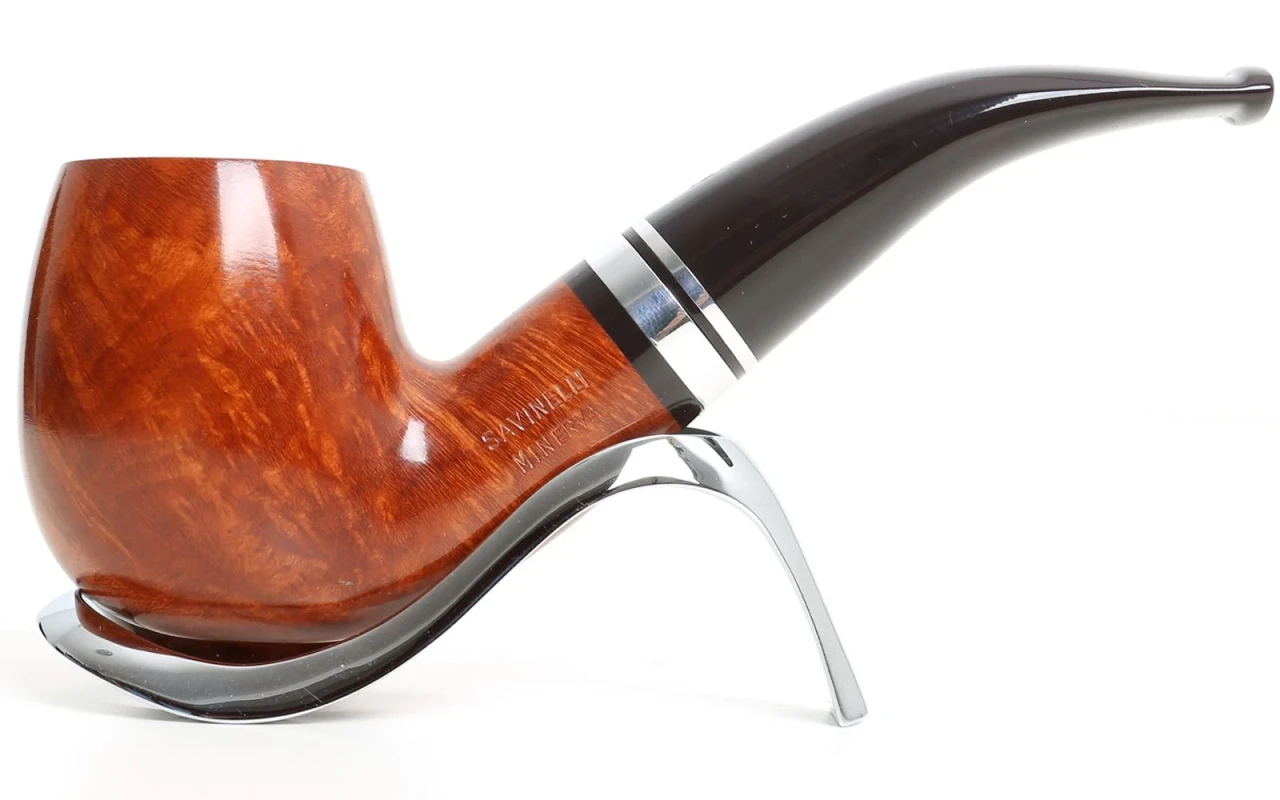
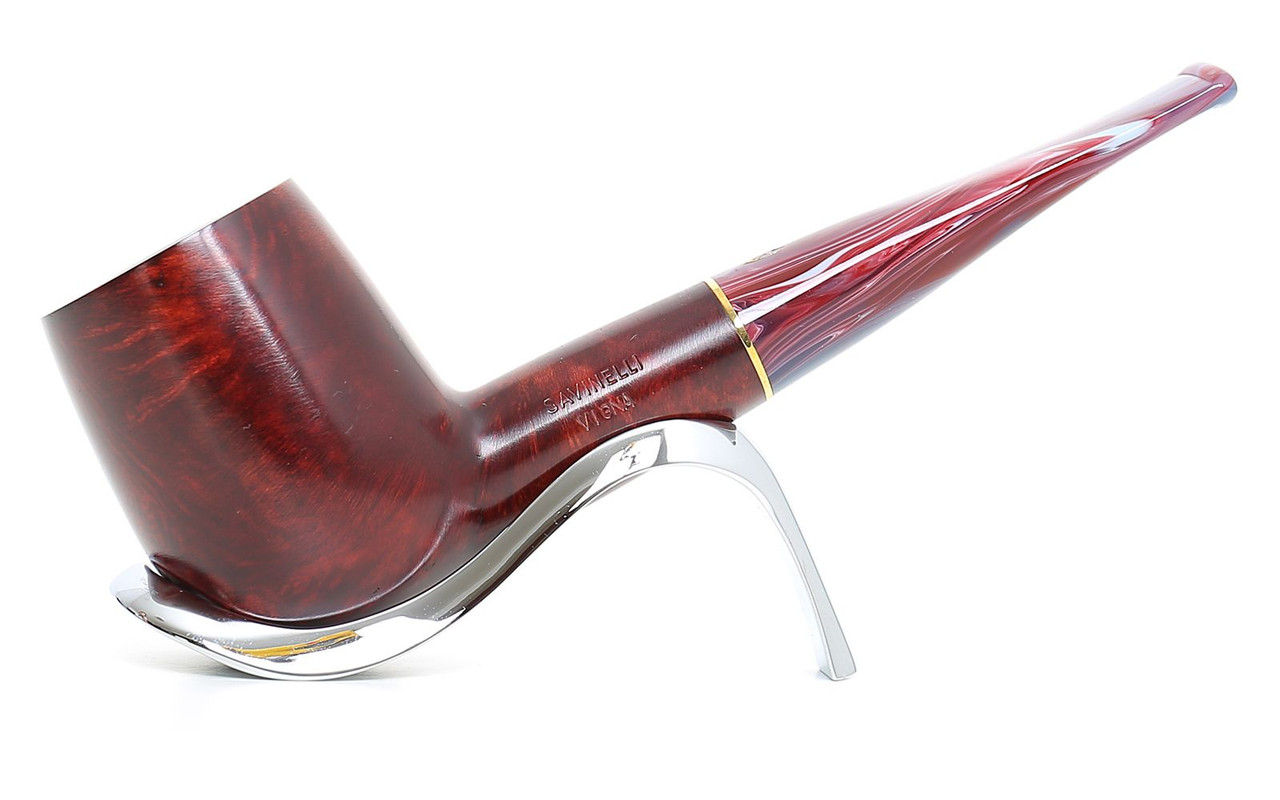
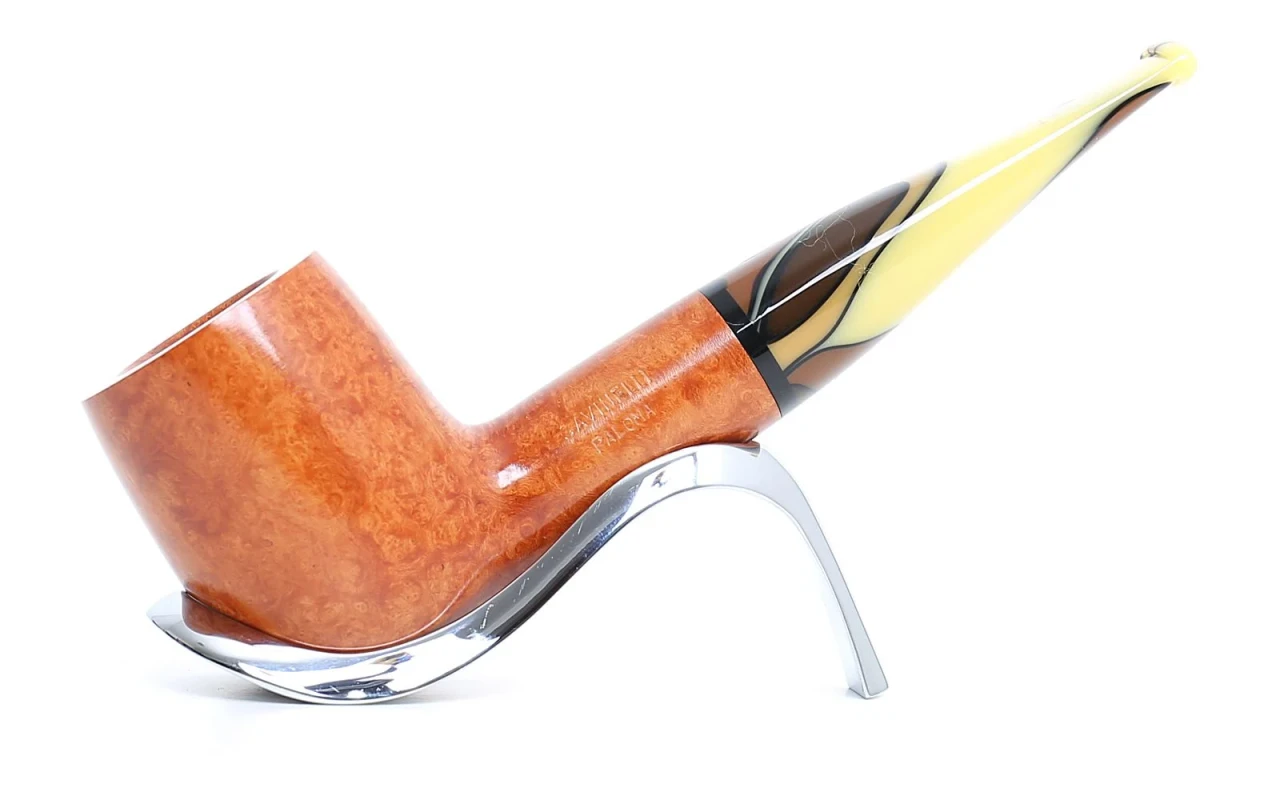
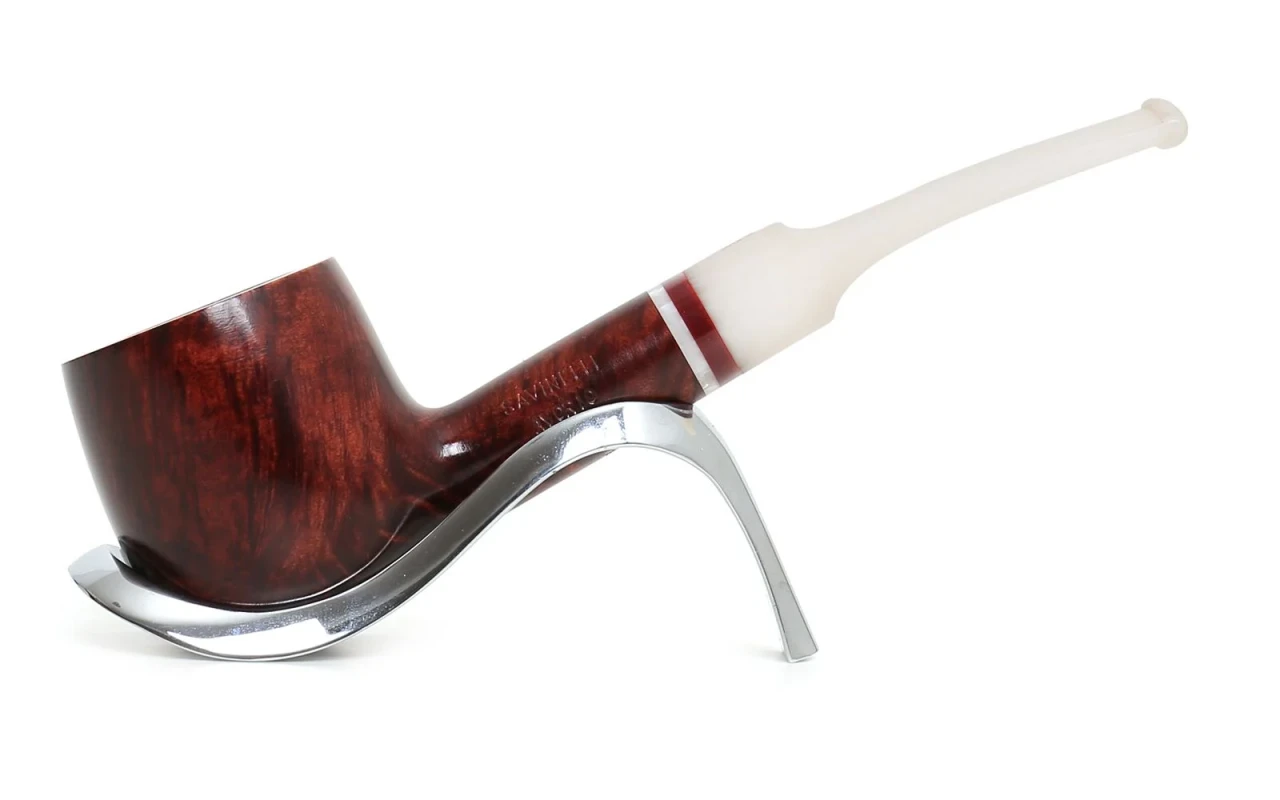
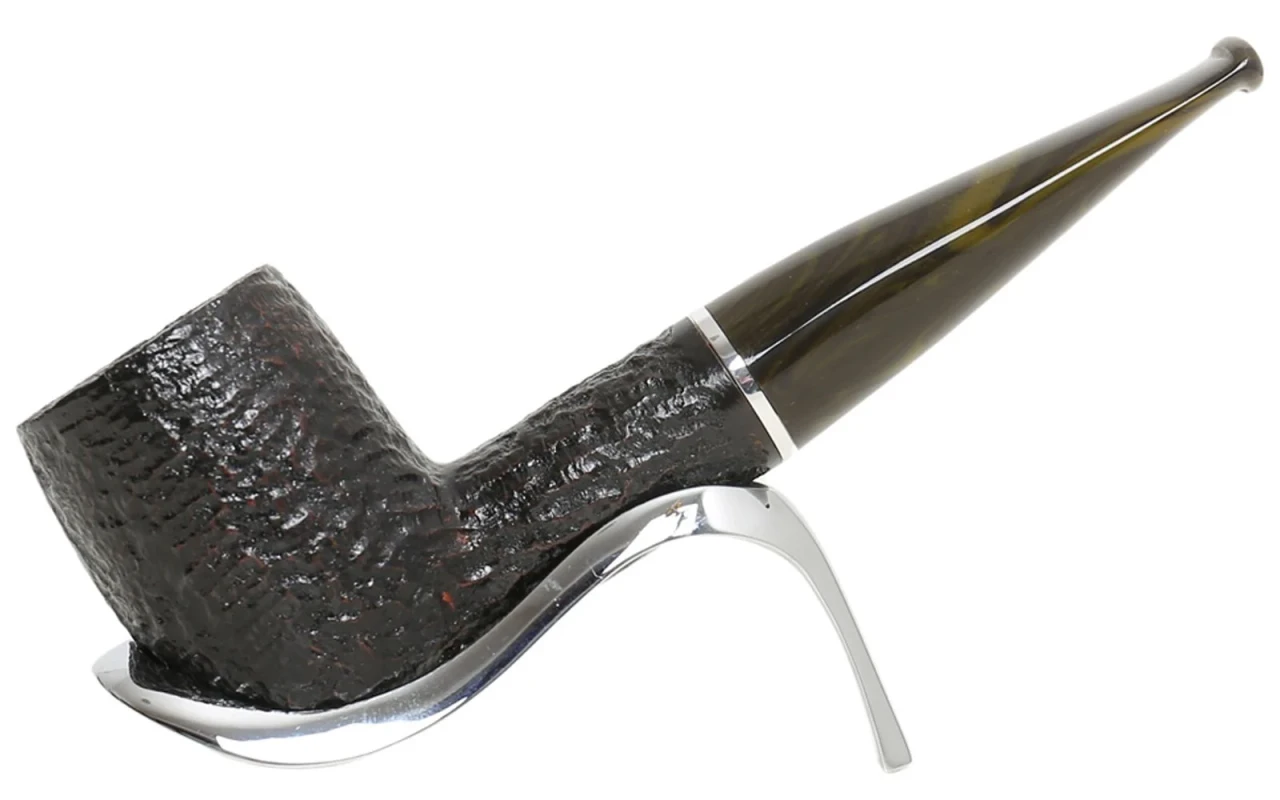
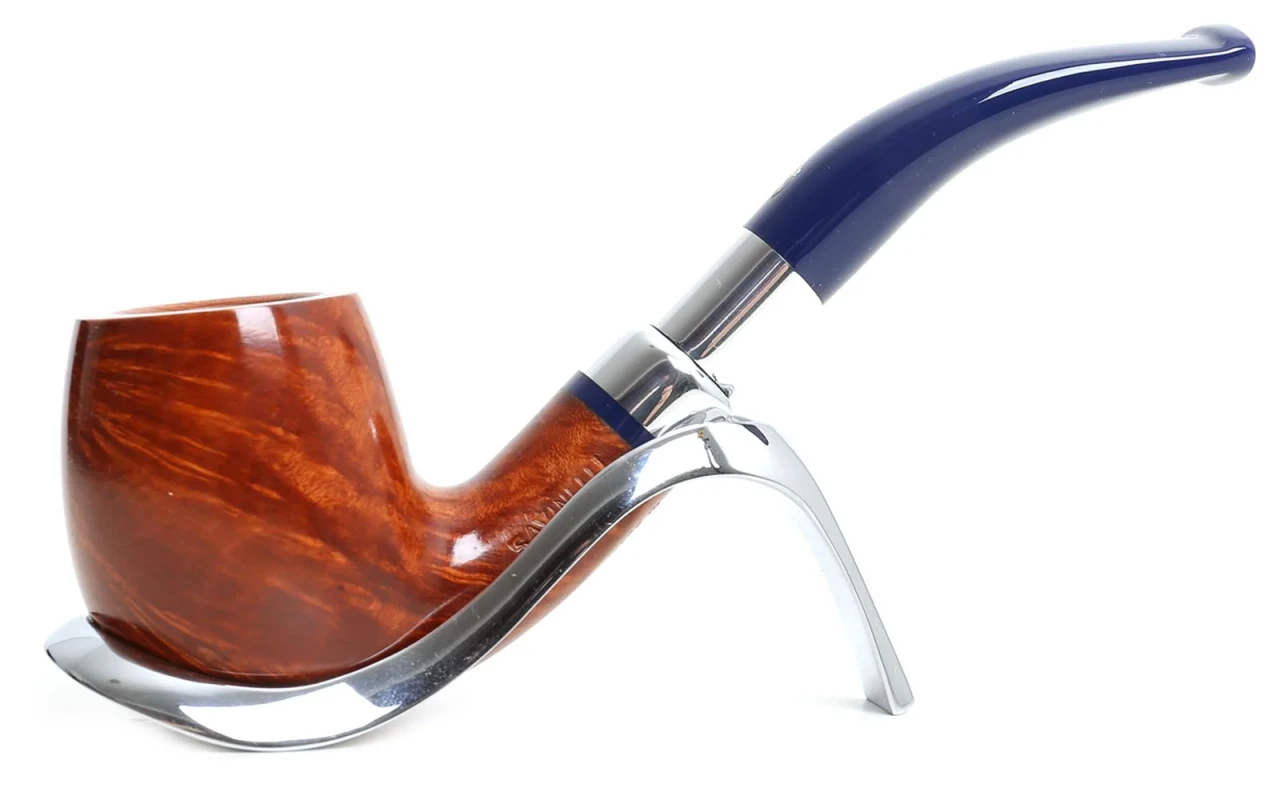
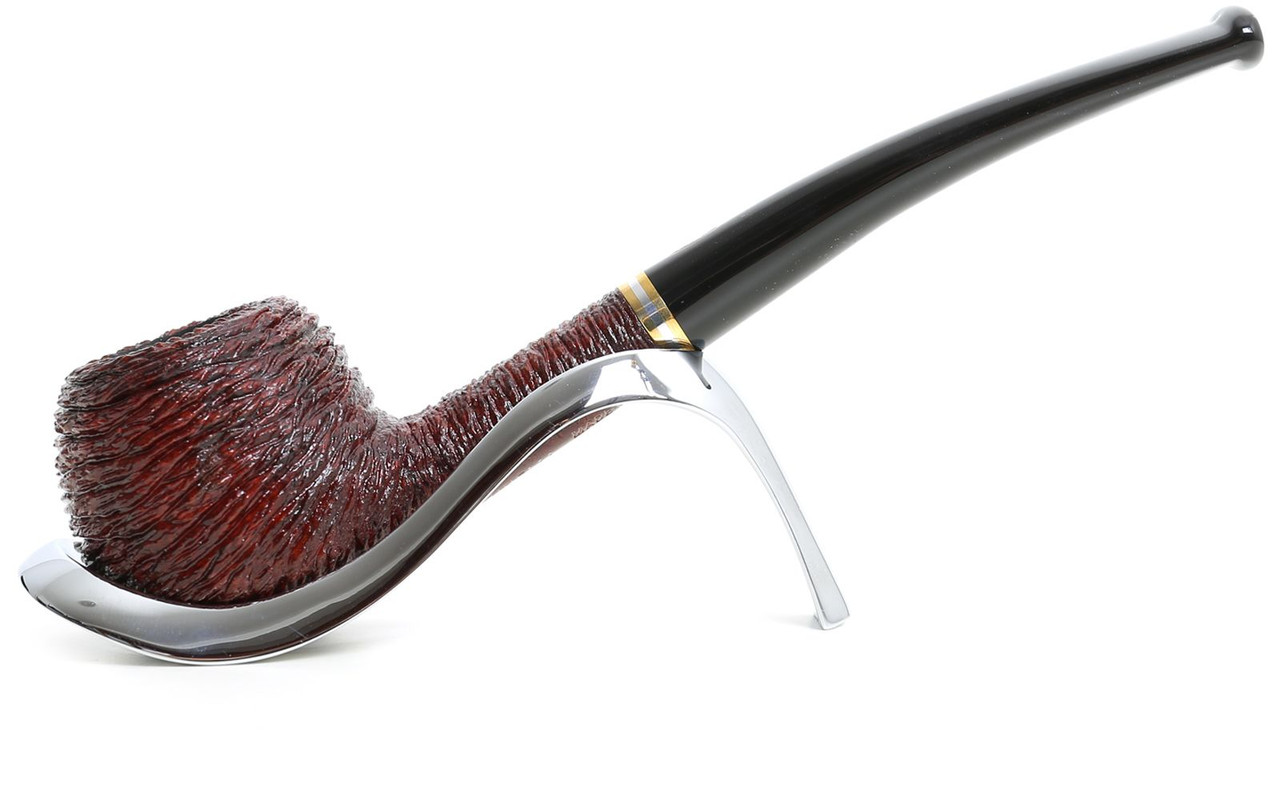
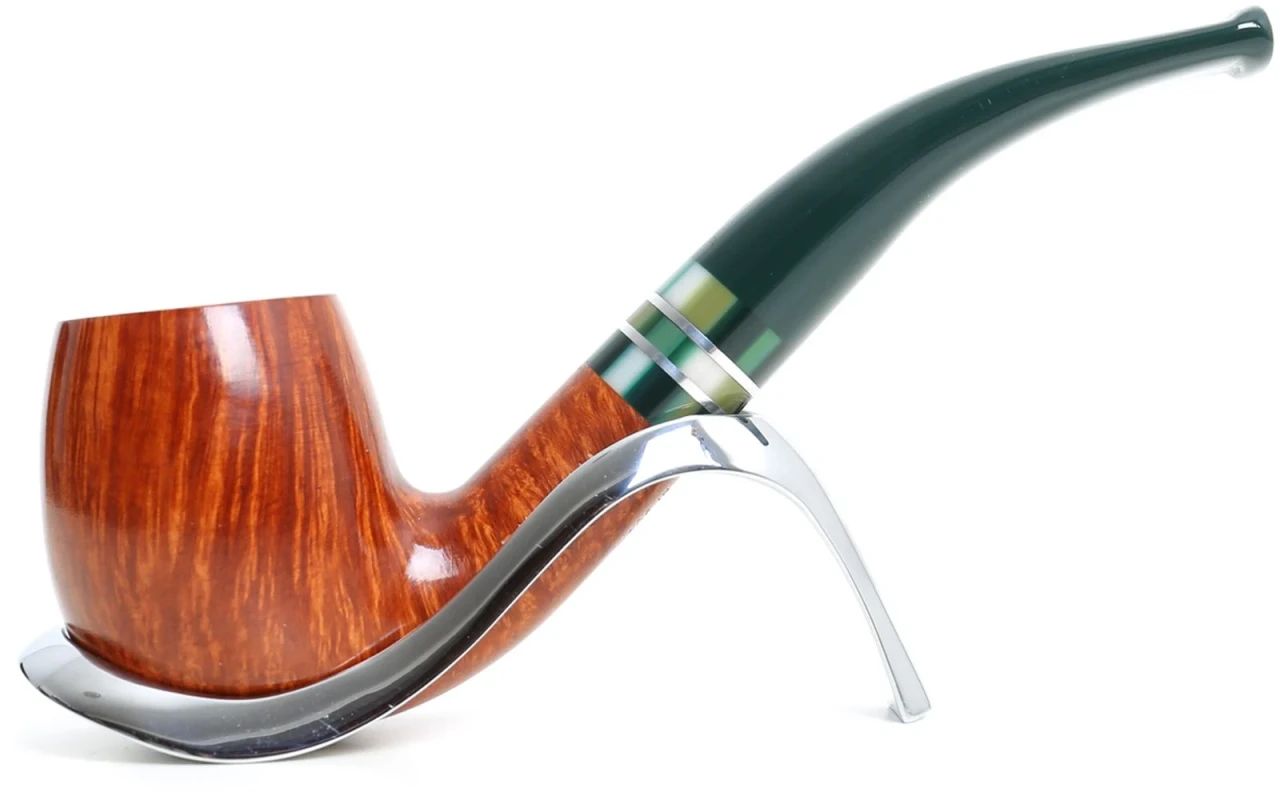
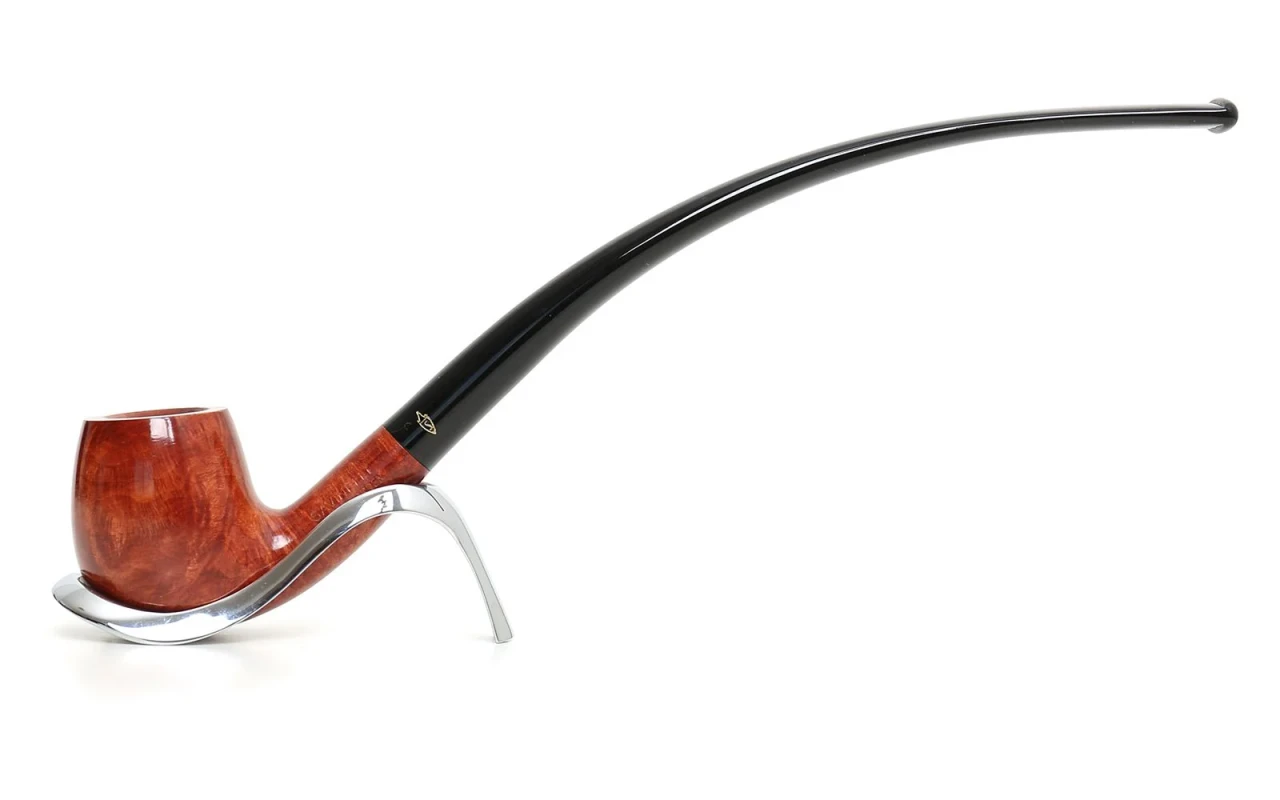
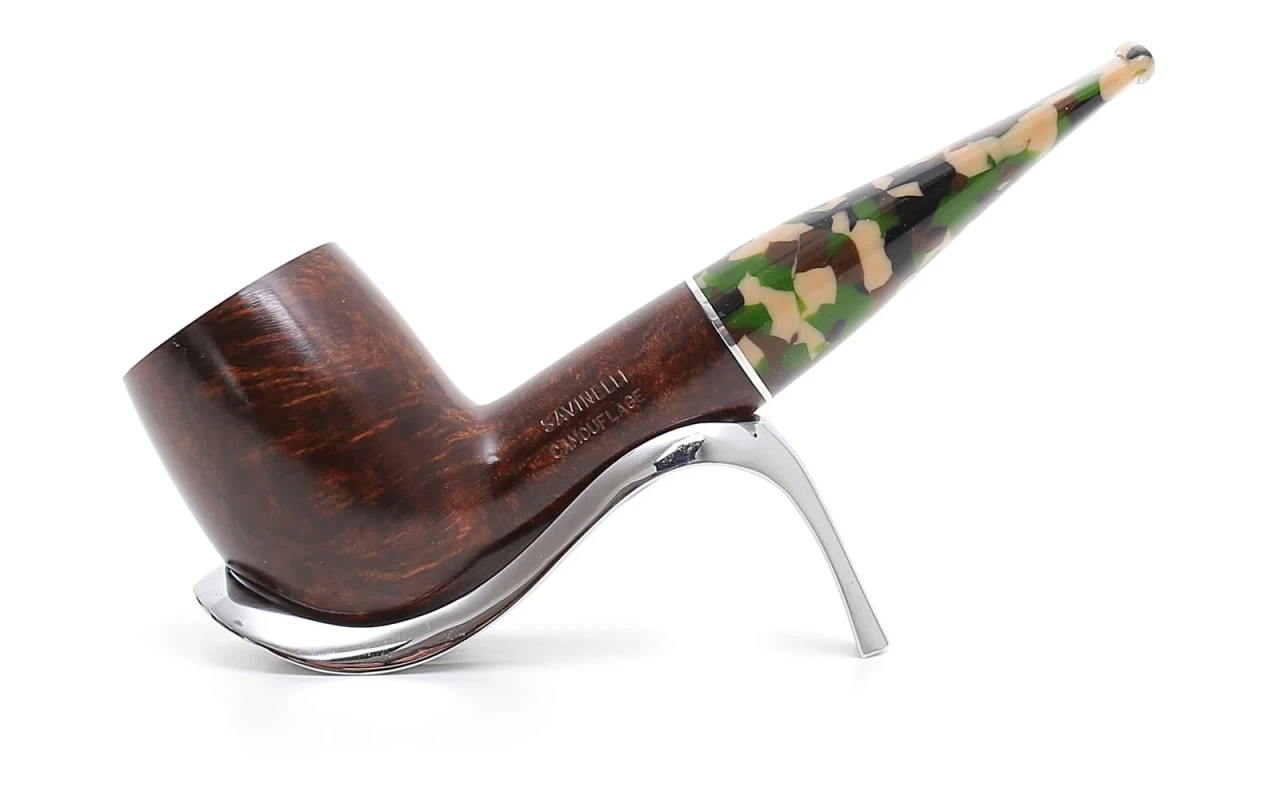
Shaping briar for Blowfish pipes
Shaping briar for Blowfish pipes is a craftsmanship process that requires skill and precision. The briar, often made of heath or other fine woods, is carefully worked to create the desired shape of the pipe. This process involves shaping the briar, creating the combustion chamber, and ensuring optimal airflow for an enjoyable smoke. Artisans shaping briar for Blowfish pipes must have a deep knowledge of various techniques and the tools required to achieve a high-quality end result.
Radica Pipe Modelling Technique
The technique of modelling pipes in briar is a craftsmanship process that requires precision and mastery. The briar is carefully shaped to create unique and customized forms, which influence both the aesthetics and the performance of the pipe. During the shaping process, the material is molded and polished to achieve a smooth and uniform surface. The modelling affects the pipe's ability to cool and dry the smoke optimally. The models vary depending on the shape of the stem, the combustion chamber, and the bowl, offering a wide range of options for pipe enthusiasts.
Creating Handcrafted Briar Pipes
Handcrafted briar pipes are highly prized objects in the pipe smoking world. Briar, being a hard and durable wood, is an ideal material for crafting high-quality pipes. Skilled artisans carefully select the best briar and work with precision and care to create unique and refined pipes. Thanks to the beauty and unique grain of briar, each handcrafted pipe is different and characterized by an exclusive design. Collectors and pipe enthusiasts greatly value these artisanal creations that combine craftsmanship and premium materials.
Briar wood processing for Blowfish pipes
The briar wood processing for Blowfish pipes is a craftsmanship process that requires great skill. The briar wood, sourced from the roots of trees like heather, is selected for its durability and beauty. To craft a Blowfish pipe, the pipemaker must precisely shape the briar wood, creating a form resembling a fish fin. Subsequently, intricate carvings and finishes are applied to enhance the wood's natural grain and imperfections. Finally, the pipe is smoothed and polished to achieve a high-quality final result with a unique design.
'%3e%3cg id='Final-Copy-2_2_' transform='translate(1275.000000, 200.000000)'%3e%3cpath class='st0' d='M7.4,12.8h6.8l3.1-11.6H7.4C4.2,1.2,1.6,3.8,1.6,7S4.2,12.8,7.4,12.8z'/%3e%3c/g%3e%3c/g%3e%3c/g%3e%3cg id='final---dec.11-2020'%3e%3cg id='_x30_208-our-toggle' transform='translate(-1275.000000, -200.000000)'%3e%3cg id='Final-Copy-2' transform='translate(1275.000000, 200.000000)'%3e%3cpath class='st1' d='M22.6,0H7.4c-3.9,0-7,3.1-7,7s3.1,7,7,7h15.2c3.9,0,7-3.1,7-7S26.4,0,22.6,0z M1.6,7c0-3.2,2.6-5.8,5.8-5.8 h9.9l-3.1,11.6H7.4C4.2,12.8,1.6,10.2,1.6,7z'/%3e%3cpath id='x' class='st2' d='M24.6,4c0.2,0.2,0.2,0.6,0,0.8l0,0L22.5,7l2.2,2.2c0.2,0.2,0.2,0.6,0,0.8c-0.2,0.2-0.6,0.2-0.8,0 l0,0l-2.2-2.2L19.5,10c-0.2,0.2-0.6,0.2-0.8,0c-0.2-0.2-0.2-0.6,0-0.8l0,0L20.8,7l-2.2-2.2c-0.2-0.2-0.2-0.6,0-0.8 c0.2-0.2,0.6-0.2,0.8,0l0,0l2.2,2.2L23.8,4C24,3.8,24.4,3.8,24.6,4z'/%3e%3cpath id='y' class='st3' d='M12.7,4.1c0.2,0.2,0.3,0.6,0.1,0.8l0,0L8.6,9.8C8.5,9.9,8.4,10,8.3,10c-0.2,0.1-0.5,0.1-0.7-0.1l0,0 L5.4,7.7c-0.2-0.2-0.2-0.6,0-0.8c0.2-0.2,0.6-0.2,0.8,0l0,0L8,8.6l3.8-4.5C12,3.9,12.4,3.9,12.7,4.1z'/%3e%3c/g%3e%3c/g%3e%3c/g%3e%3c/g%3e%3c/svg%3e) Your Privacy Choices
Your Privacy Choices 


