 ES
ES FR
FR EN
EN IT
IT DE
DE
Removing Tar and Nicotine Residues from Briar Pipes
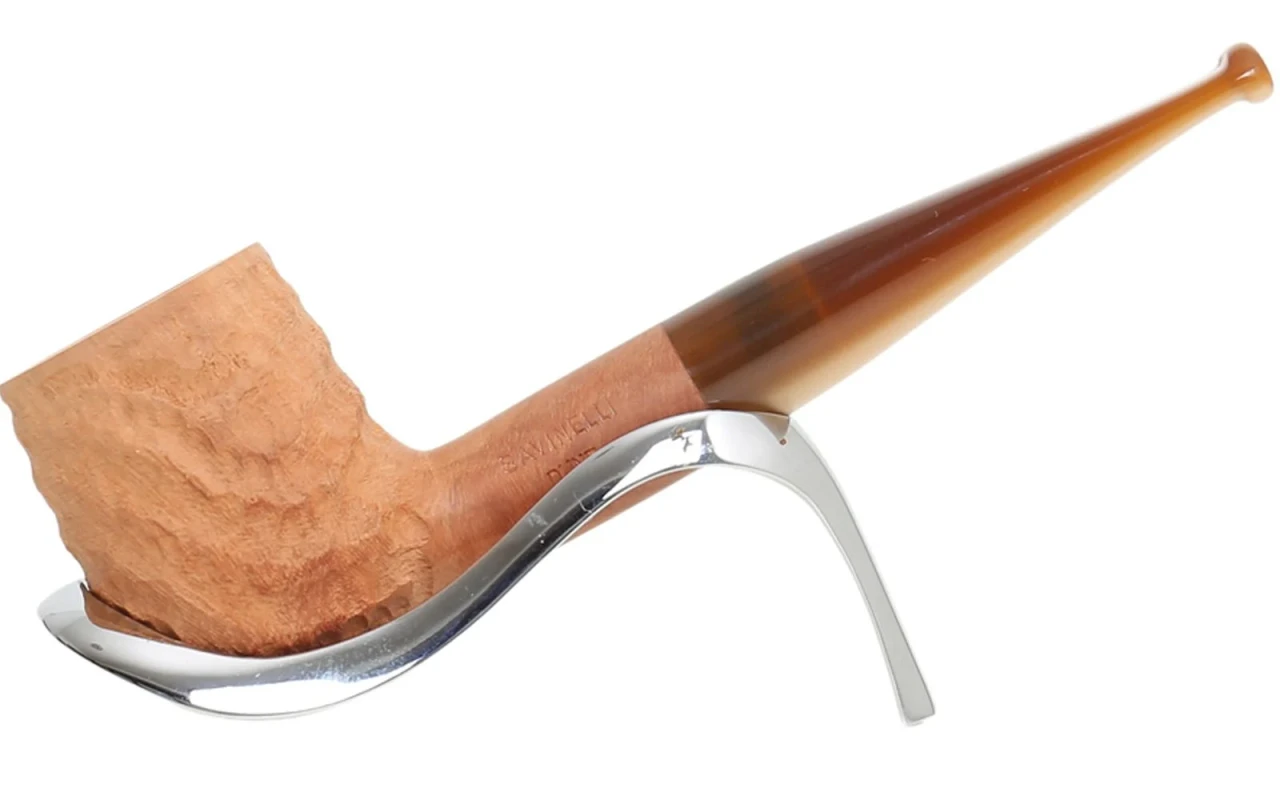
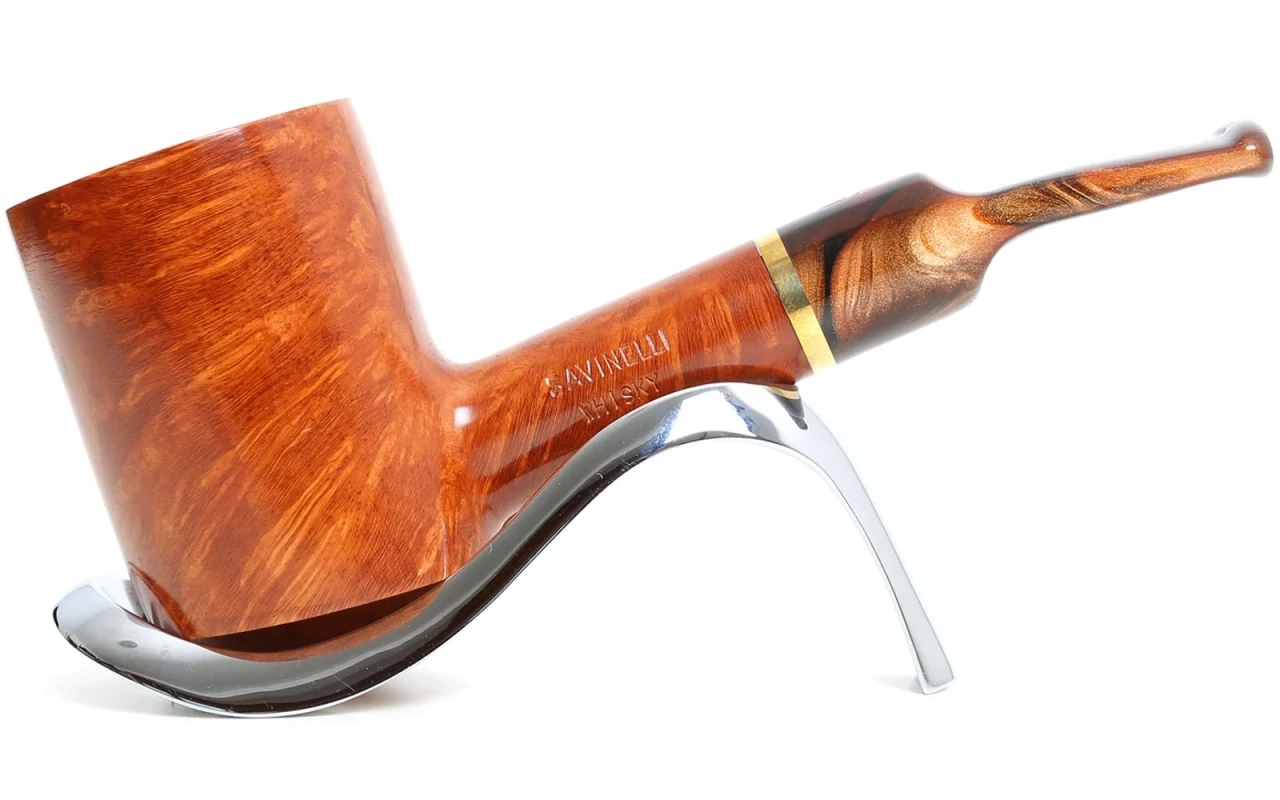
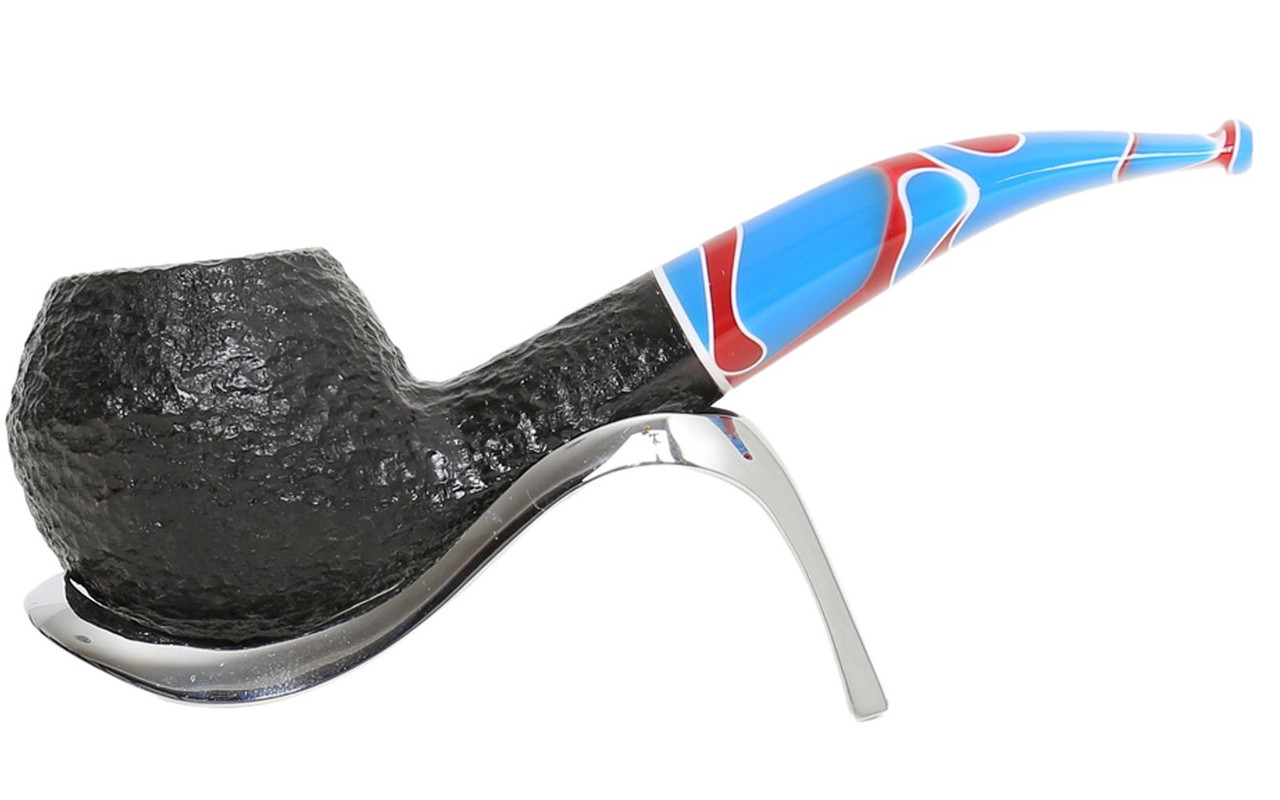
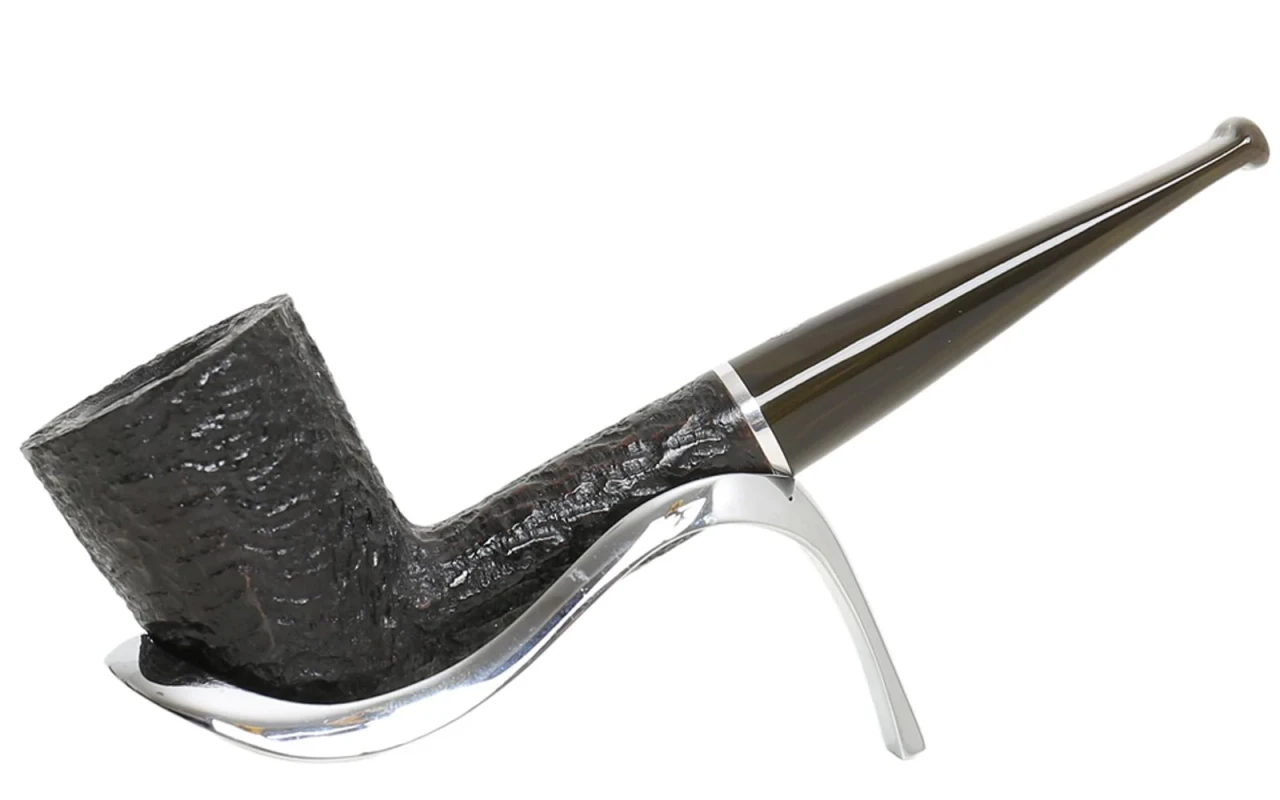
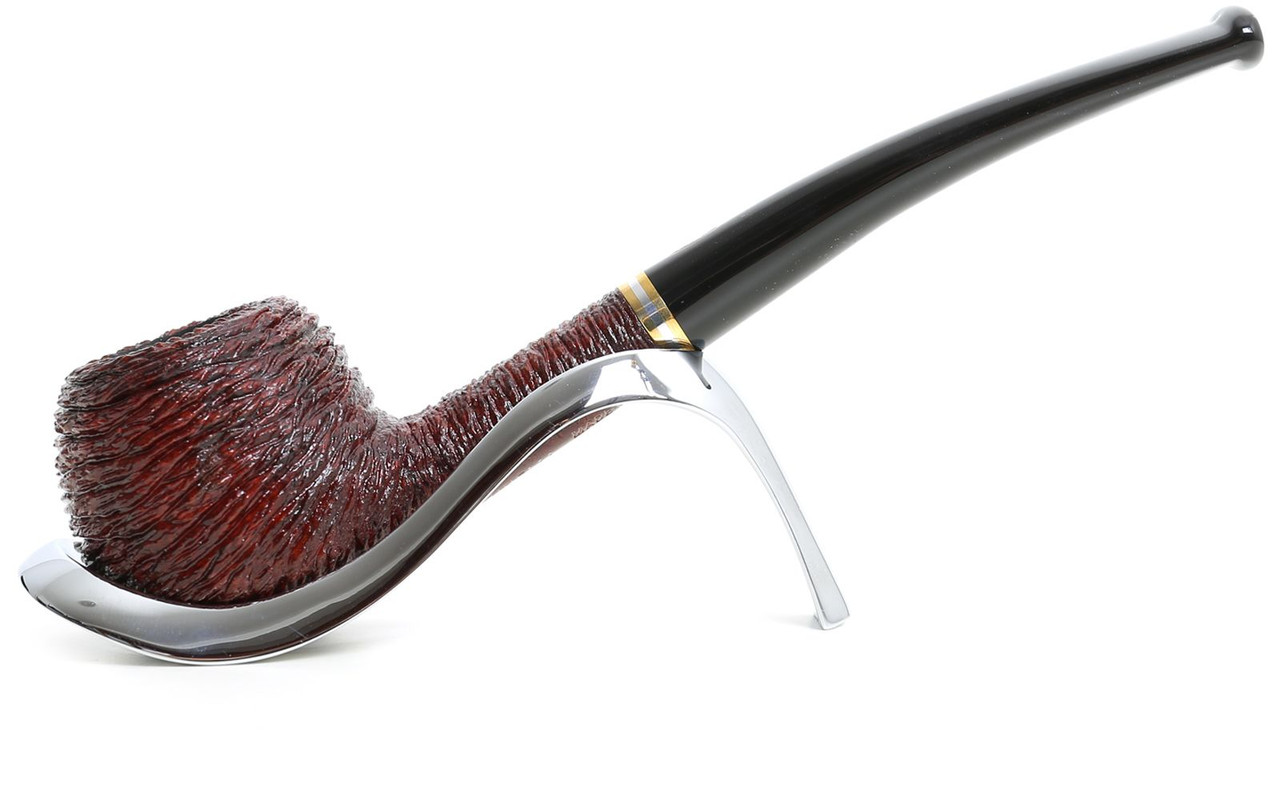
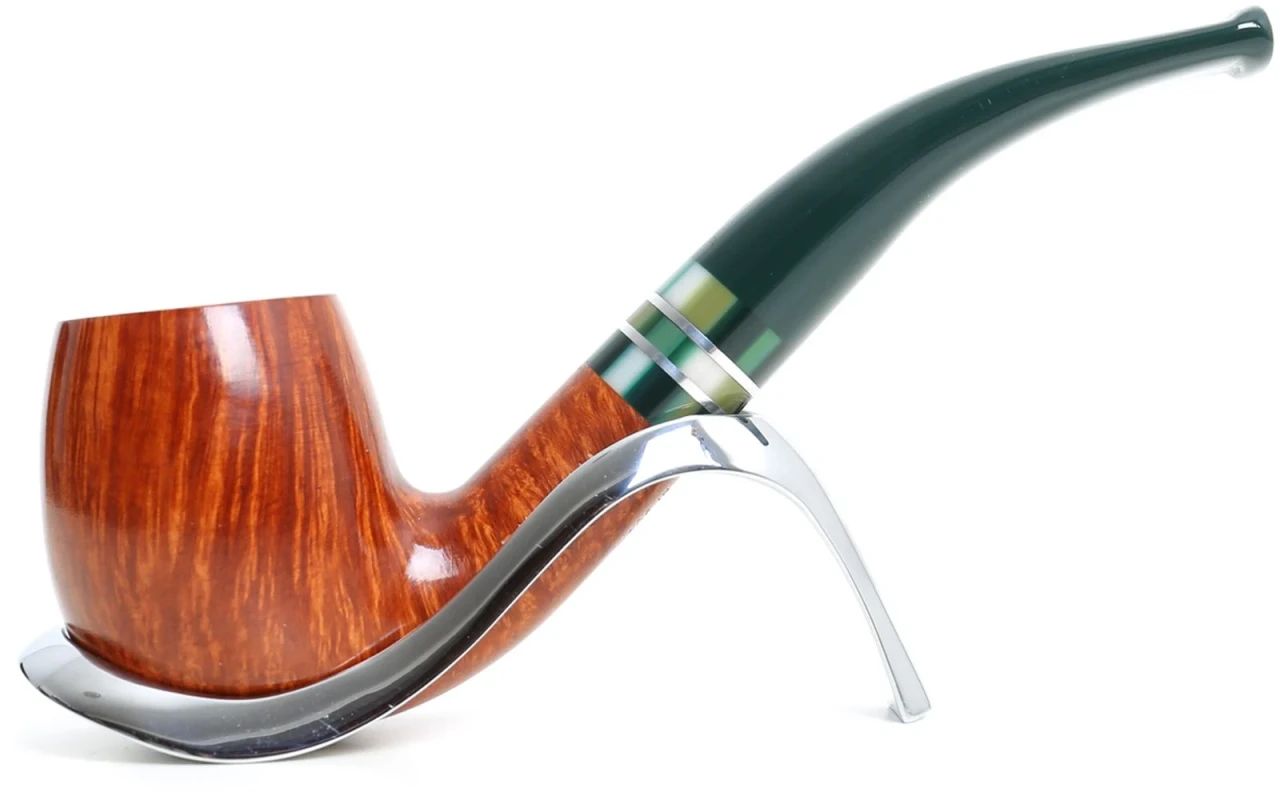
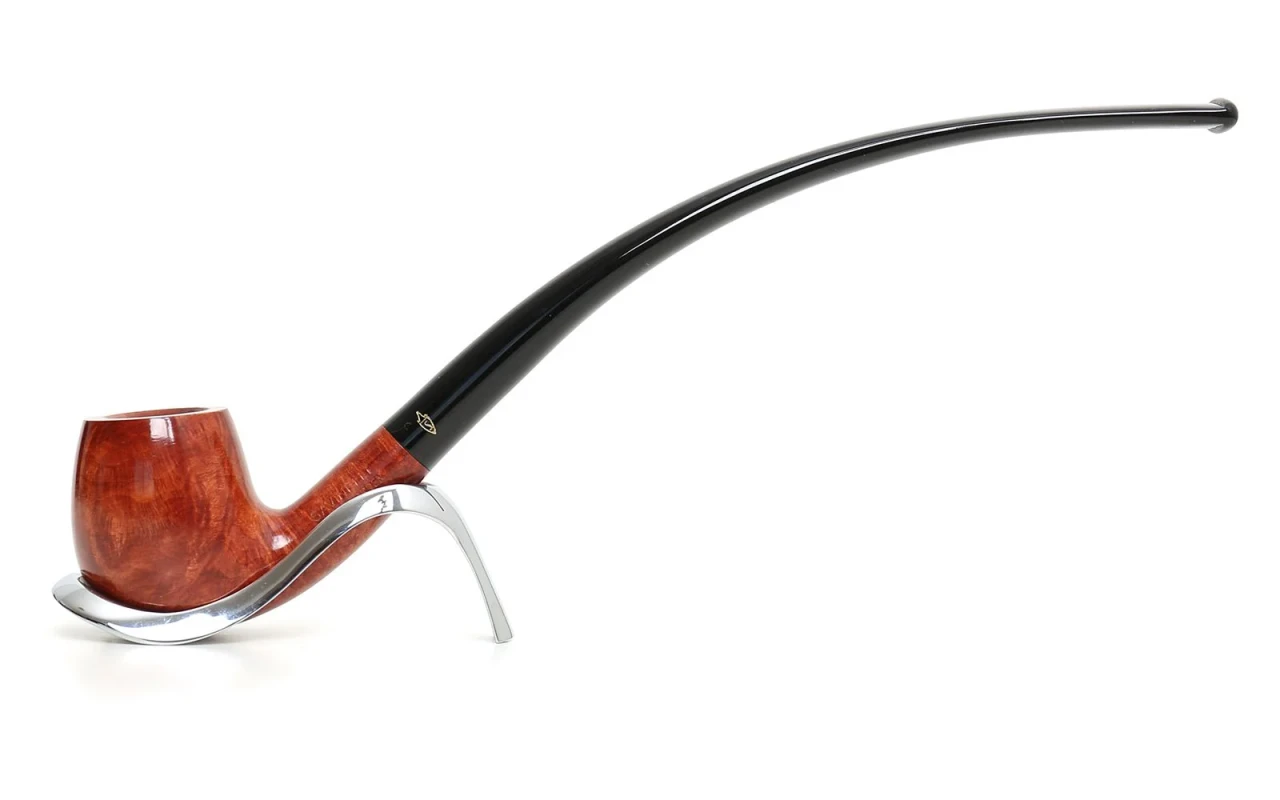
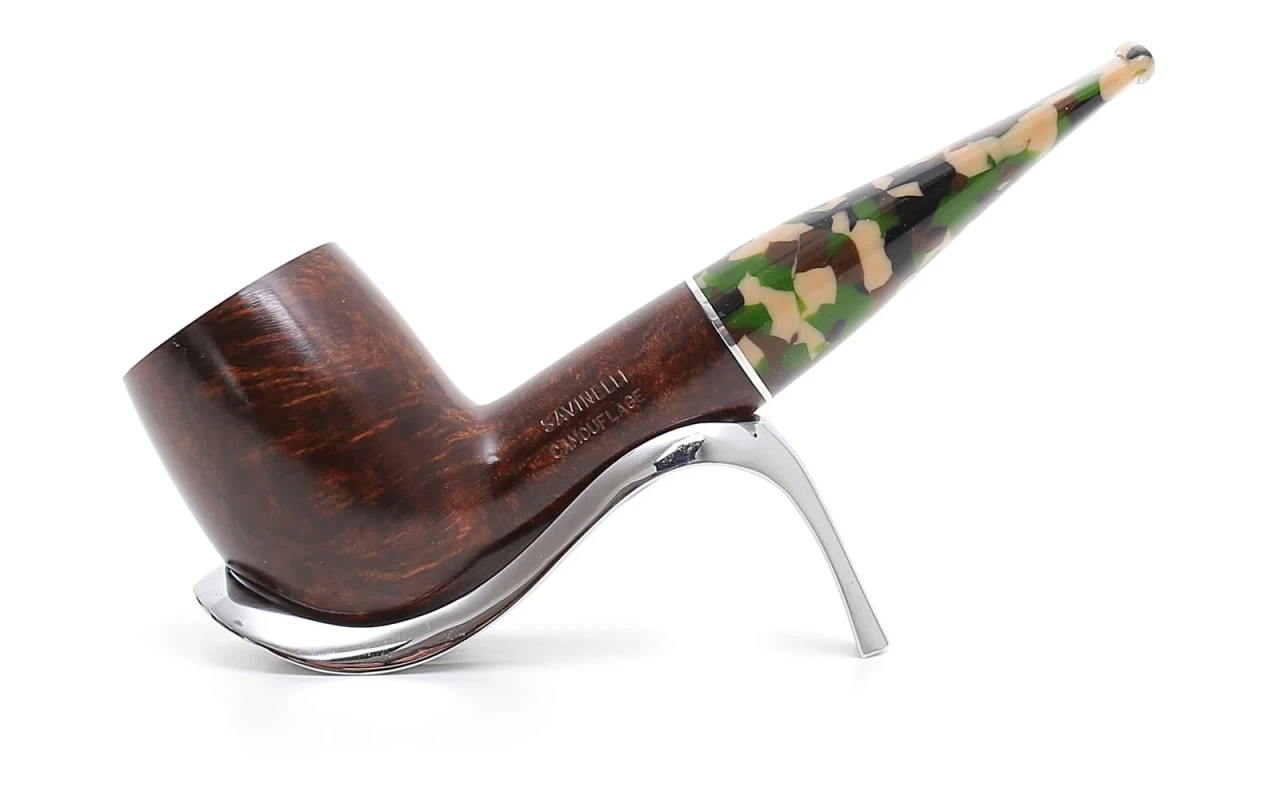
Removing Tar and Nicotine Residues from Briar Pipes
To remove tar and nicotine residues from briar pipes, it is advisable to follow these steps:1. Use a pipe cleaner specifically formulated to remove residues.2. Empty and clean the pipe thoroughly after each use to prevent excessive buildup.3. Use pipe brushes to remove stubborn residues.4. Dampen a cotton swab with isopropyl alcohol and gently swab the inside of the pipe.5. Allow the pipe to dry completely before reusing it.By following these simple tips, it will be possible to keep briar pipes clean and free from tar and nicotine residues.
best pipe smoking pipe cleaning
To ensure the best cleaning of smoking pipes, it is important to follow some fundamental steps:- Regularly use a pipe cleaner to remove tobacco and tar residues.- Clean the mouthpiece and the bowl with specific pipe cleaners, thus avoiding the accumulation of residues and bad odors.- Avoid overloading the pipe with tobacco to reduce residue buildup inside.- Occasionally, it is advisable to carry out a more thorough cleaning using denatured alcohol or specific pipe cleaners.- Finally, allow the pipe to dry thoroughly after cleaning to prevent moisture and mold.By carefully following these instructions, you can fully enjoy the experience of smoking a well-cleaned pipe.
How to Remove Tar from Pipes
To remove tar from pipes, you can follow these steps:1. Use a specific scraper to remove hardened tar inside the pipe.2. Boil water and gently pour it into the pipe to soften the remaining tar.3. Use pipe brushes or stiff brushes to thoroughly clean the inside of the pipe.4. If needed, you can also use a solution of hot water and vinegar to dissolve any remaining tar.5. Finally, rinse the pipe thoroughly with hot water and let it dry completely before using it again.By following these steps carefully, you can effectively remove tar from your pipes to ensure an optimal smoking experience.
Natural cleaners for pipe cleaning
Natural cleaners are ideal for cleaning pipes as they do not damage the material and do not leave toxic residues. To effectively clean a pipe, it is recommended to use white vinegar, baking soda, or isopropyl alcohol. The most common method involves disassembling the pipe and soaking the parts in the chosen solution for a few minutes, then rinsing thoroughly with warm water. Subsequently, it is important to dry the parts well to prevent mold formation. These natural cleaners ensure a deep and safe cleaning, preserving the quality of the pipe over time.
'%3e%3cg id='Final-Copy-2_2_' transform='translate(1275.000000, 200.000000)'%3e%3cpath class='st0' d='M7.4,12.8h6.8l3.1-11.6H7.4C4.2,1.2,1.6,3.8,1.6,7S4.2,12.8,7.4,12.8z'/%3e%3c/g%3e%3c/g%3e%3c/g%3e%3cg id='final---dec.11-2020'%3e%3cg id='_x30_208-our-toggle' transform='translate(-1275.000000, -200.000000)'%3e%3cg id='Final-Copy-2' transform='translate(1275.000000, 200.000000)'%3e%3cpath class='st1' d='M22.6,0H7.4c-3.9,0-7,3.1-7,7s3.1,7,7,7h15.2c3.9,0,7-3.1,7-7S26.4,0,22.6,0z M1.6,7c0-3.2,2.6-5.8,5.8-5.8 h9.9l-3.1,11.6H7.4C4.2,12.8,1.6,10.2,1.6,7z'/%3e%3cpath id='x' class='st2' d='M24.6,4c0.2,0.2,0.2,0.6,0,0.8l0,0L22.5,7l2.2,2.2c0.2,0.2,0.2,0.6,0,0.8c-0.2,0.2-0.6,0.2-0.8,0 l0,0l-2.2-2.2L19.5,10c-0.2,0.2-0.6,0.2-0.8,0c-0.2-0.2-0.2-0.6,0-0.8l0,0L20.8,7l-2.2-2.2c-0.2-0.2-0.2-0.6,0-0.8 c0.2-0.2,0.6-0.2,0.8,0l0,0l2.2,2.2L23.8,4C24,3.8,24.4,3.8,24.6,4z'/%3e%3cpath id='y' class='st3' d='M12.7,4.1c0.2,0.2,0.3,0.6,0.1,0.8l0,0L8.6,9.8C8.5,9.9,8.4,10,8.3,10c-0.2,0.1-0.5,0.1-0.7-0.1l0,0 L5.4,7.7c-0.2-0.2-0.2-0.6,0-0.8c0.2-0.2,0.6-0.2,0.8,0l0,0L8,8.6l3.8-4.5C12,3.9,12.4,3.9,12.7,4.1z'/%3e%3c/g%3e%3c/g%3e%3c/g%3e%3c/g%3e%3c/svg%3e) Your Privacy Choices
Your Privacy Choices 


