 ES
ES FR
FR EN
EN IT
IT DE
DE
Recommended materials for pipe sandblasting
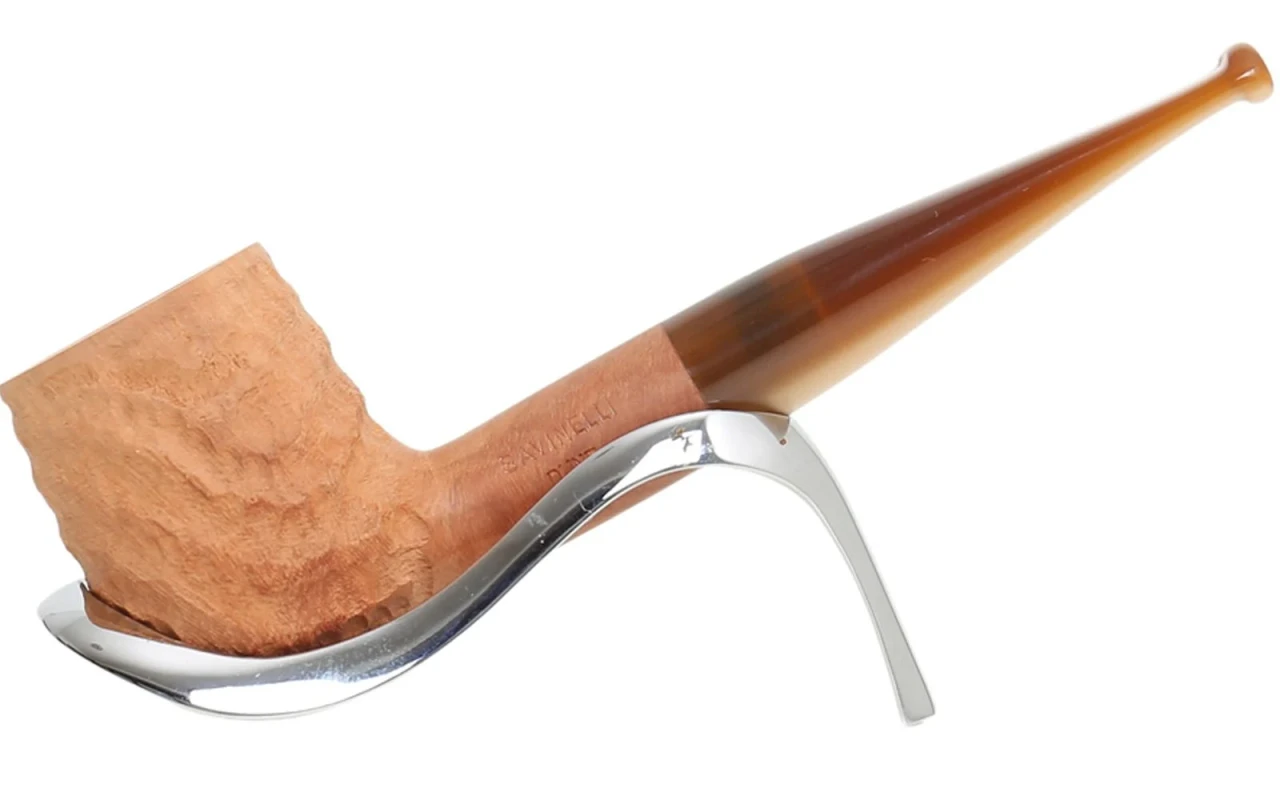

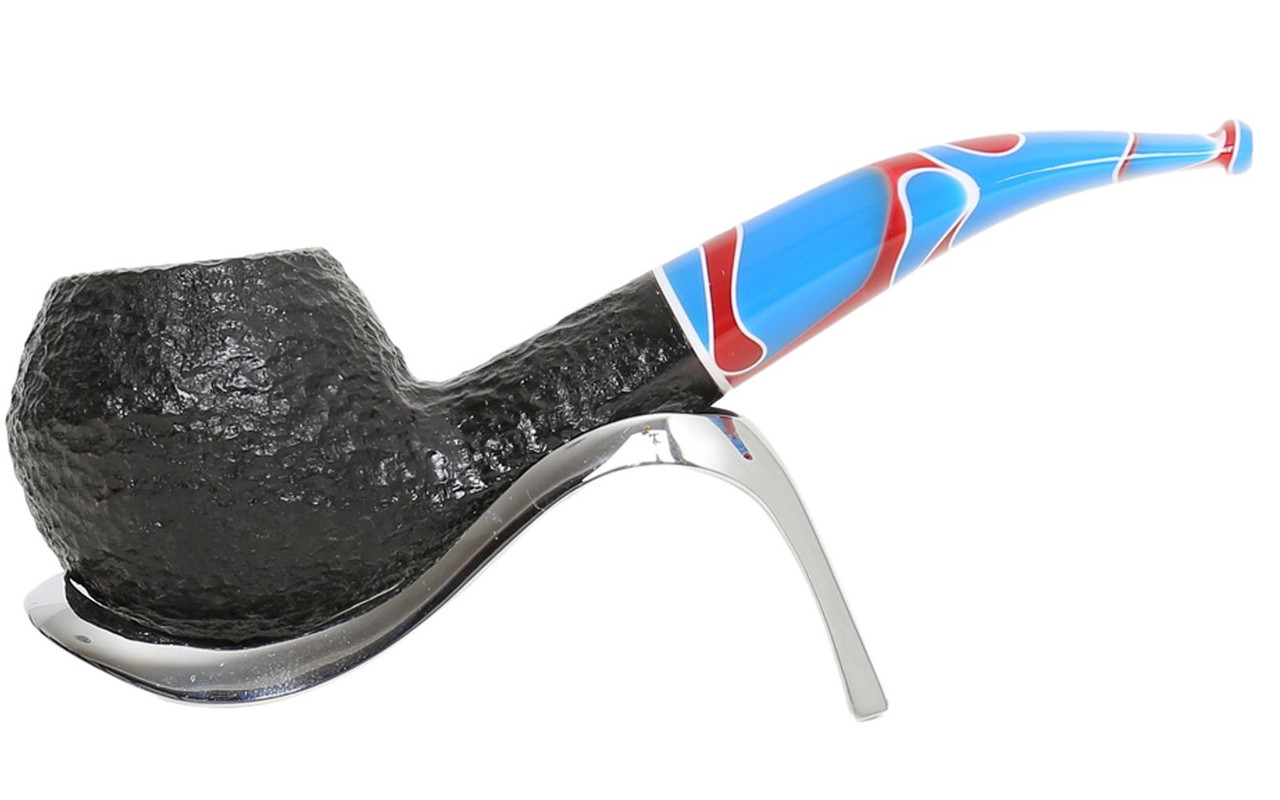
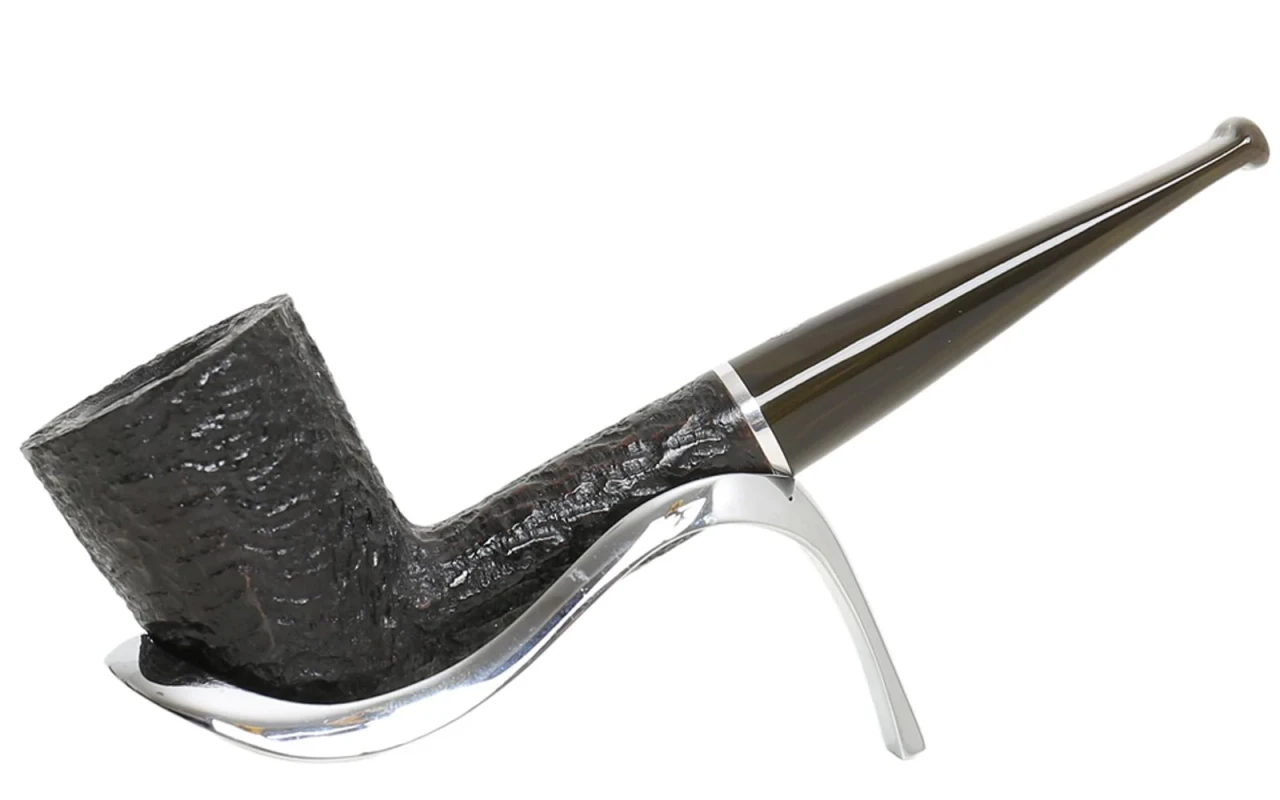
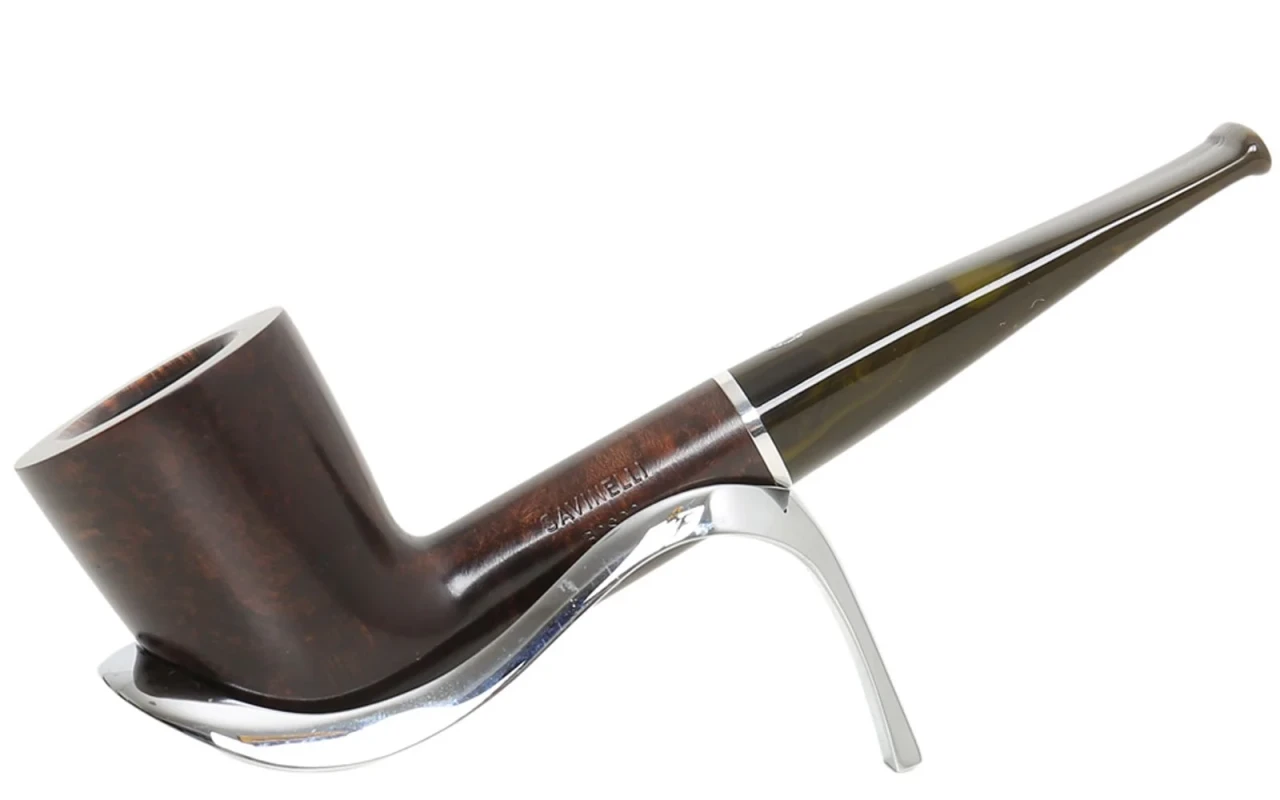




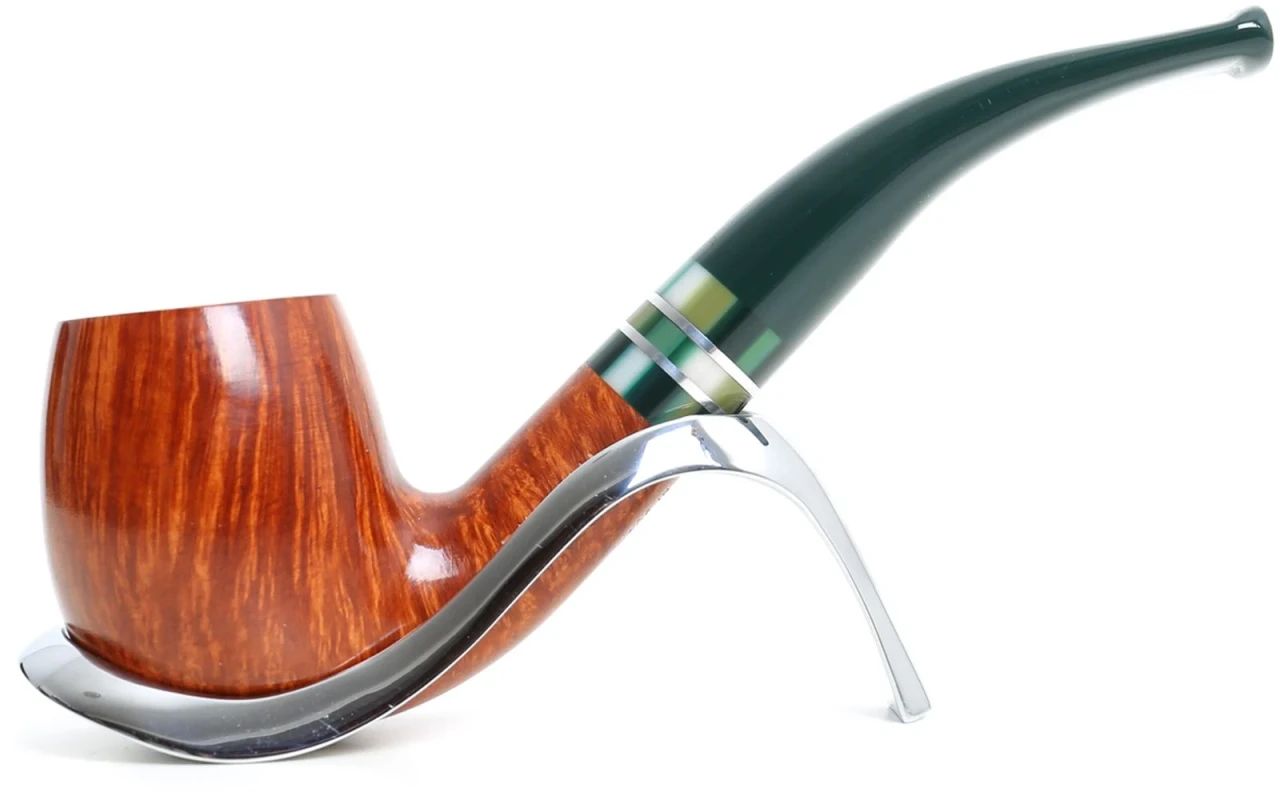


Recommended materials for pipe sandblasting
Sandblasting pipes is a finishing technique that gives a rustic and pleasant appearance. The recommended materials for pipe sandblasting include:- Fine sand or aluminum crystals: used to create a rough surface on the pipe.- Glass microspheres or baking soda: gentler options for a light sandblasting.- Air compressor: to spray the sandblasting material on the surface of the pipe.- Protective mask and gloves: essential for safety during the sandblasting process.- Finishing: clear varnishes, wax, or oil to protect and enhance the sandblasted pipe.It is important to carefully follow the instructions and take the necessary precautions during pipe sandblasting.
Sandblasting materials for pipes
Sandblasting pipes is a process that uses abrasive materials like sand to create a rough finish on the pipe's surface. The most commonly used materials for sandblasting pipes are silicon carbide grit, aluminum oxide, or garnet. These materials are chosen for their ability to effectively remove dirt and impurities from the pipe's surface, ensuring a uniform and durable finish. Sandblasting is a crucial step in pipe manufacturing as it helps enhance both the aesthetic appearance and longevity of the pipes.
Sandblasting techniques for pipes
Sandblasting of pipes is a technique used to clean and smooth the external surface of the pipe, removing any imperfections and reducing wood irregularities. This process involves the use of abrasive particles, such as sand or aluminum granules, which are shot onto the pipe's surface with compressed air. Sandblasting can be done manually or with specialized machinery, ensuring a uniform and professional result. This technique not only enhances the aesthetic appearance of the pipe but also contributes to better grip during use and promotes greater durability of the wood over time.
DIY Pipe Sandblasting
Sandblasting your pipe DIY is a delicate process that requires attention and precision. To correctly carry out sandblasting, make sure to follow these steps:1. Protect sensitive parts of the pipe, such as the stem, with tape.2. Use a sandblaster and abrasive suitable for wood, such as fine silica sand.3. Maintain an appropriate distance between the sandblaster and the pipe to avoid damage.4. Sand the surface evenly, avoiding excessive focus on a single area.5. After sandblasting, thoroughly clean the pipe to remove abrasive residues.By carefully following these instructions, you can sandblast your pipe safely and effectively.
'%3e%3cg id='Final-Copy-2_2_' transform='translate(1275.000000, 200.000000)'%3e%3cpath class='st0' d='M7.4,12.8h6.8l3.1-11.6H7.4C4.2,1.2,1.6,3.8,1.6,7S4.2,12.8,7.4,12.8z'/%3e%3c/g%3e%3c/g%3e%3c/g%3e%3cg id='final---dec.11-2020'%3e%3cg id='_x30_208-our-toggle' transform='translate(-1275.000000, -200.000000)'%3e%3cg id='Final-Copy-2' transform='translate(1275.000000, 200.000000)'%3e%3cpath class='st1' d='M22.6,0H7.4c-3.9,0-7,3.1-7,7s3.1,7,7,7h15.2c3.9,0,7-3.1,7-7S26.4,0,22.6,0z M1.6,7c0-3.2,2.6-5.8,5.8-5.8 h9.9l-3.1,11.6H7.4C4.2,12.8,1.6,10.2,1.6,7z'/%3e%3cpath id='x' class='st2' d='M24.6,4c0.2,0.2,0.2,0.6,0,0.8l0,0L22.5,7l2.2,2.2c0.2,0.2,0.2,0.6,0,0.8c-0.2,0.2-0.6,0.2-0.8,0 l0,0l-2.2-2.2L19.5,10c-0.2,0.2-0.6,0.2-0.8,0c-0.2-0.2-0.2-0.6,0-0.8l0,0L20.8,7l-2.2-2.2c-0.2-0.2-0.2-0.6,0-0.8 c0.2-0.2,0.6-0.2,0.8,0l0,0l2.2,2.2L23.8,4C24,3.8,24.4,3.8,24.6,4z'/%3e%3cpath id='y' class='st3' d='M12.7,4.1c0.2,0.2,0.3,0.6,0.1,0.8l0,0L8.6,9.8C8.5,9.9,8.4,10,8.3,10c-0.2,0.1-0.5,0.1-0.7-0.1l0,0 L5.4,7.7c-0.2-0.2-0.2-0.6,0-0.8c0.2-0.2,0.6-0.2,0.8,0l0,0L8,8.6l3.8-4.5C12,3.9,12.4,3.9,12.7,4.1z'/%3e%3c/g%3e%3c/g%3e%3c/g%3e%3c/g%3e%3c/svg%3e) Your Privacy Choices
Your Privacy Choices 


