 ES
ES FR
FR EN
EN IT
IT DE
DE
Recommended materials for making pipes
Recommended materials for making pipes
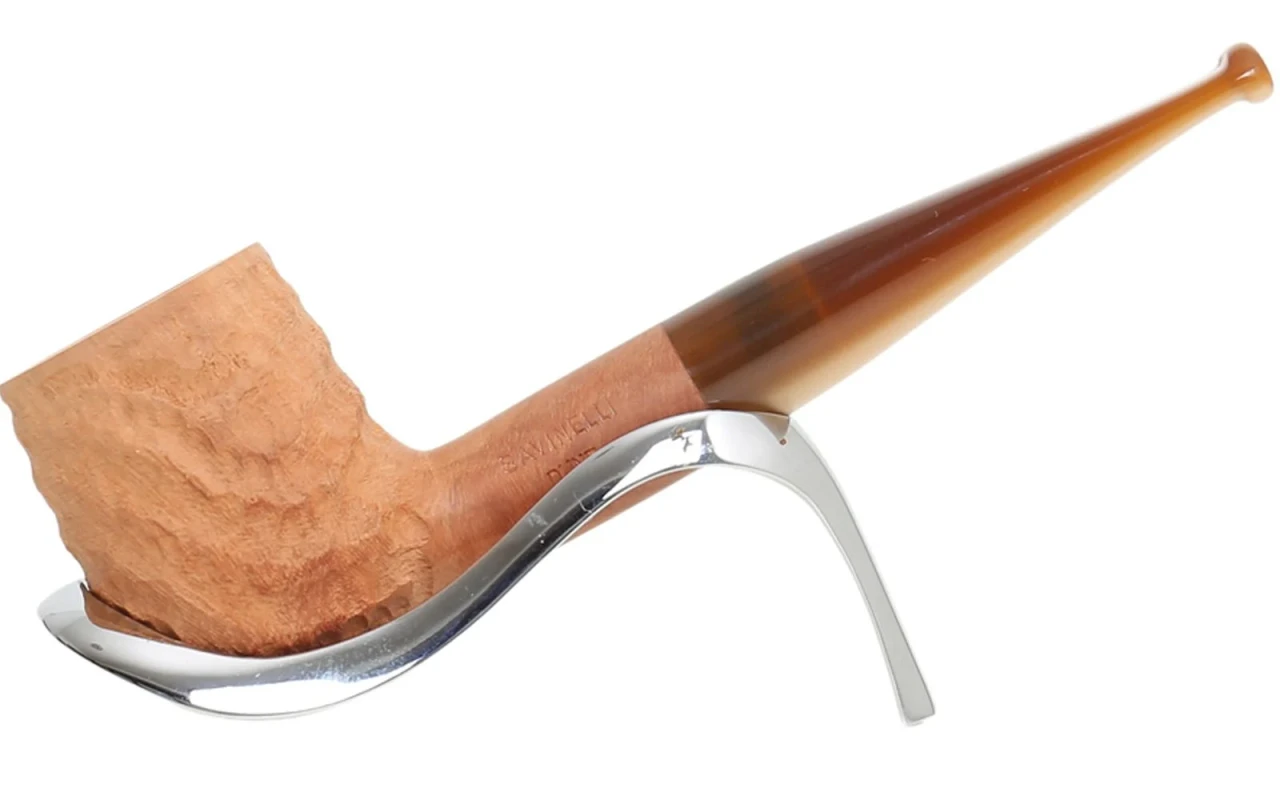
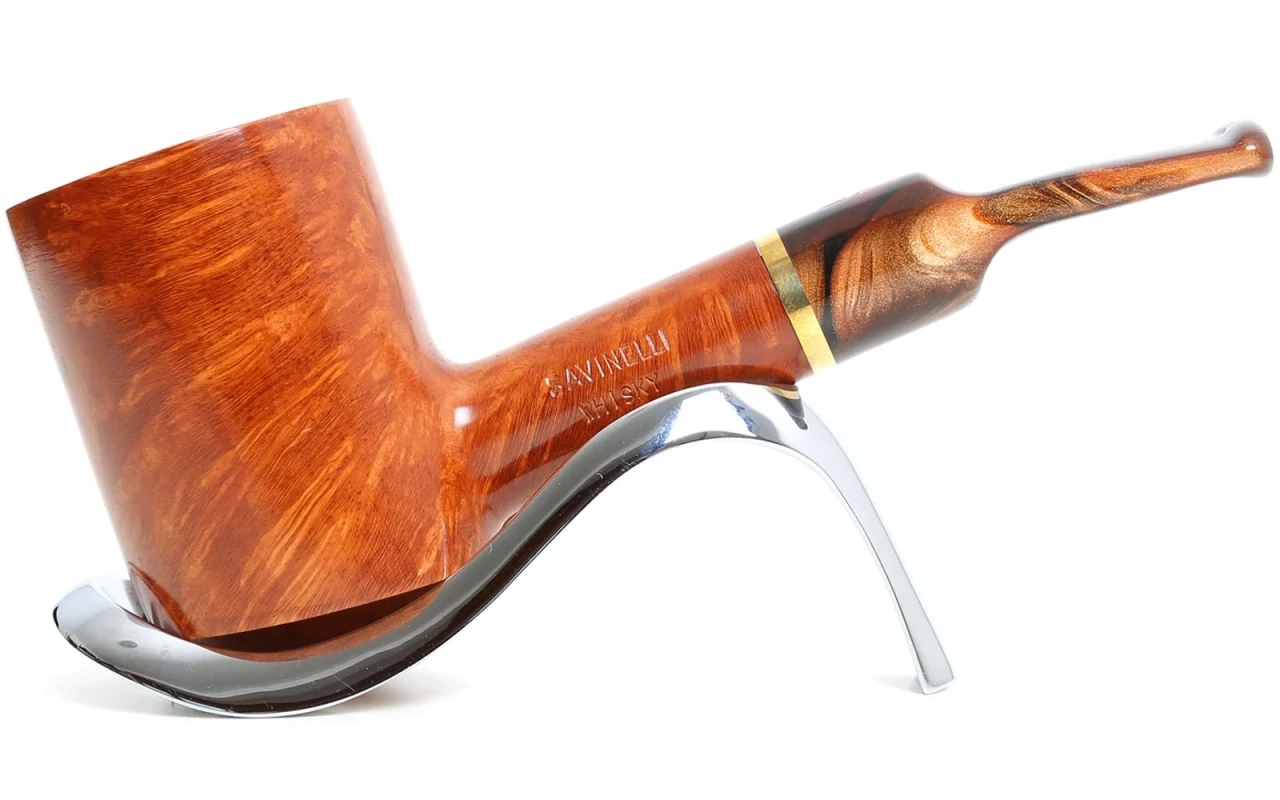
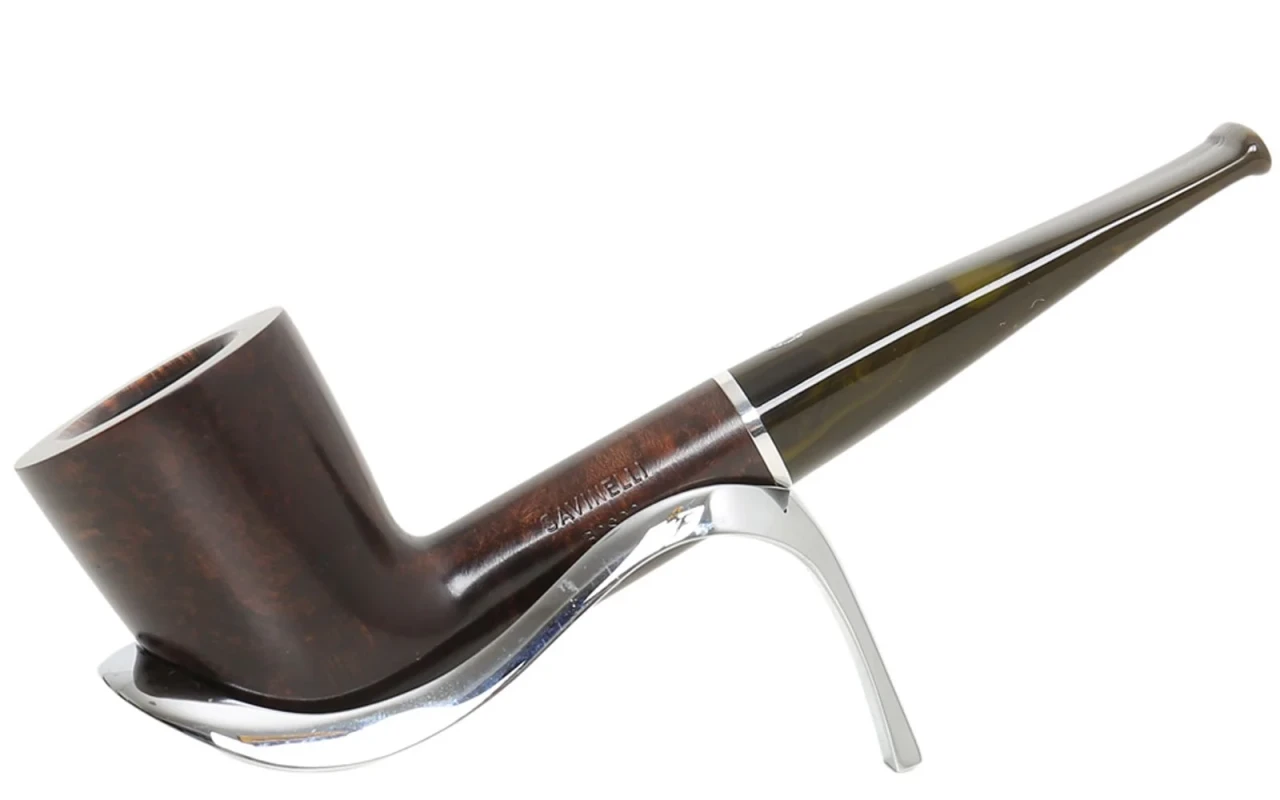
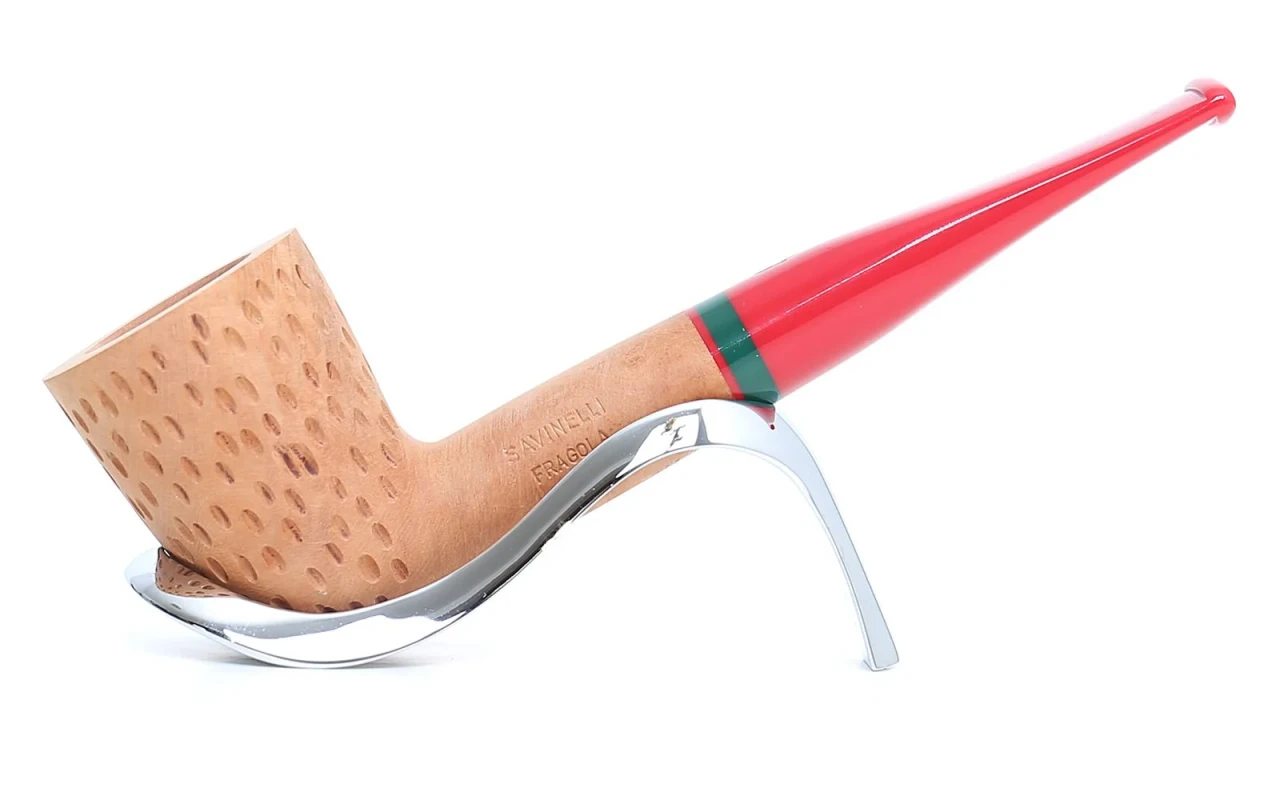
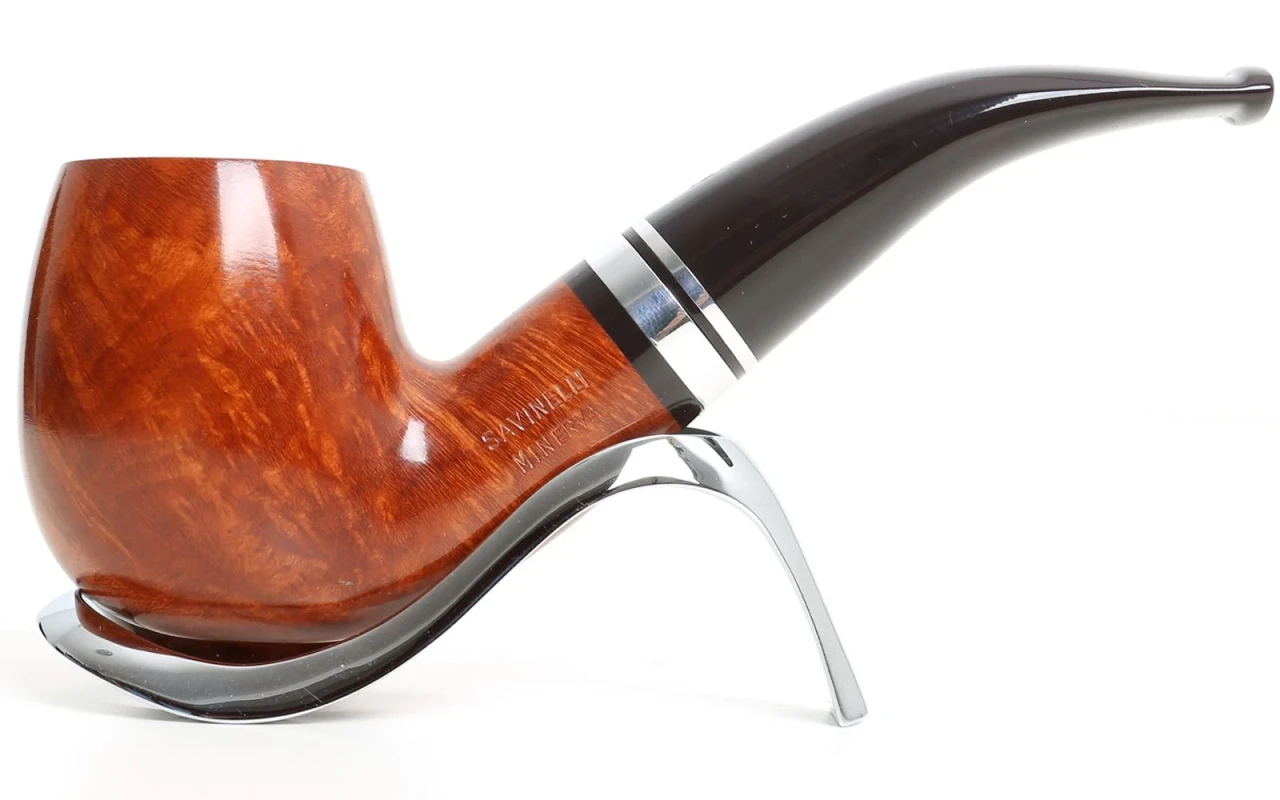
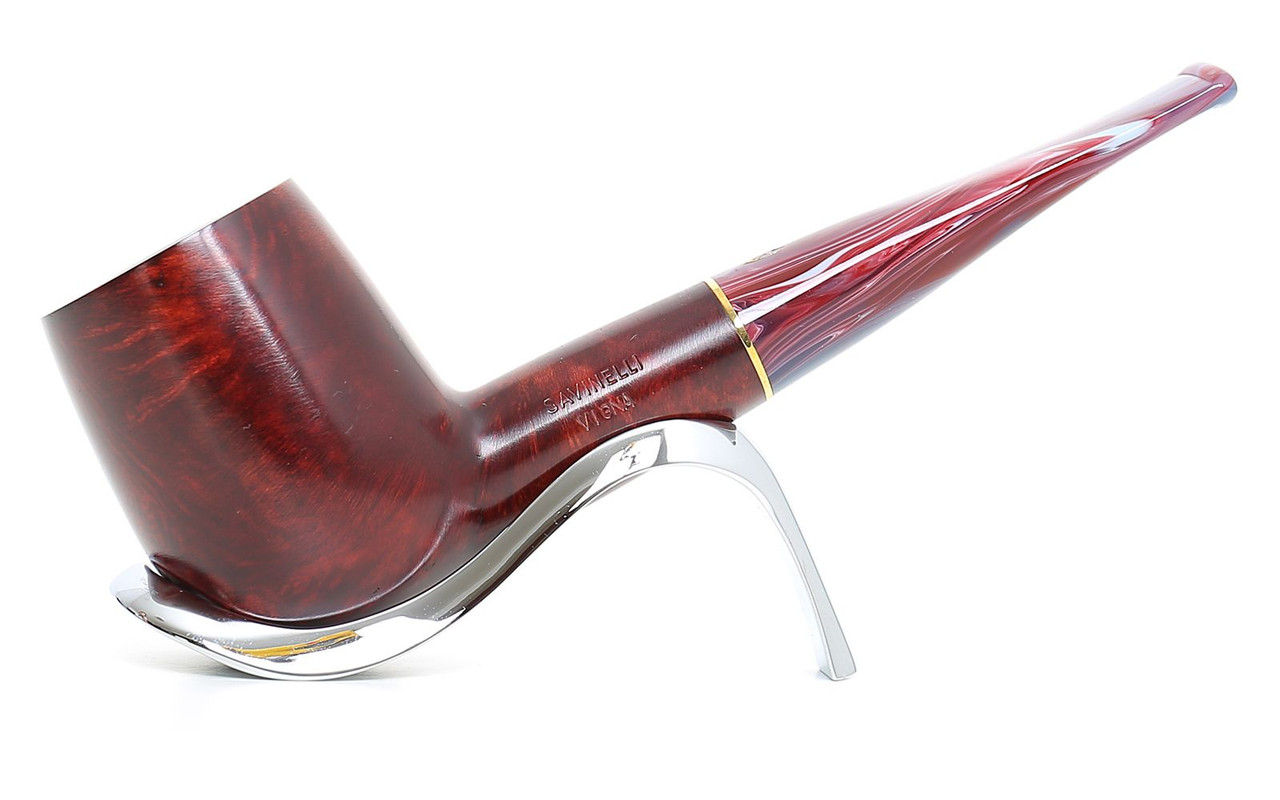
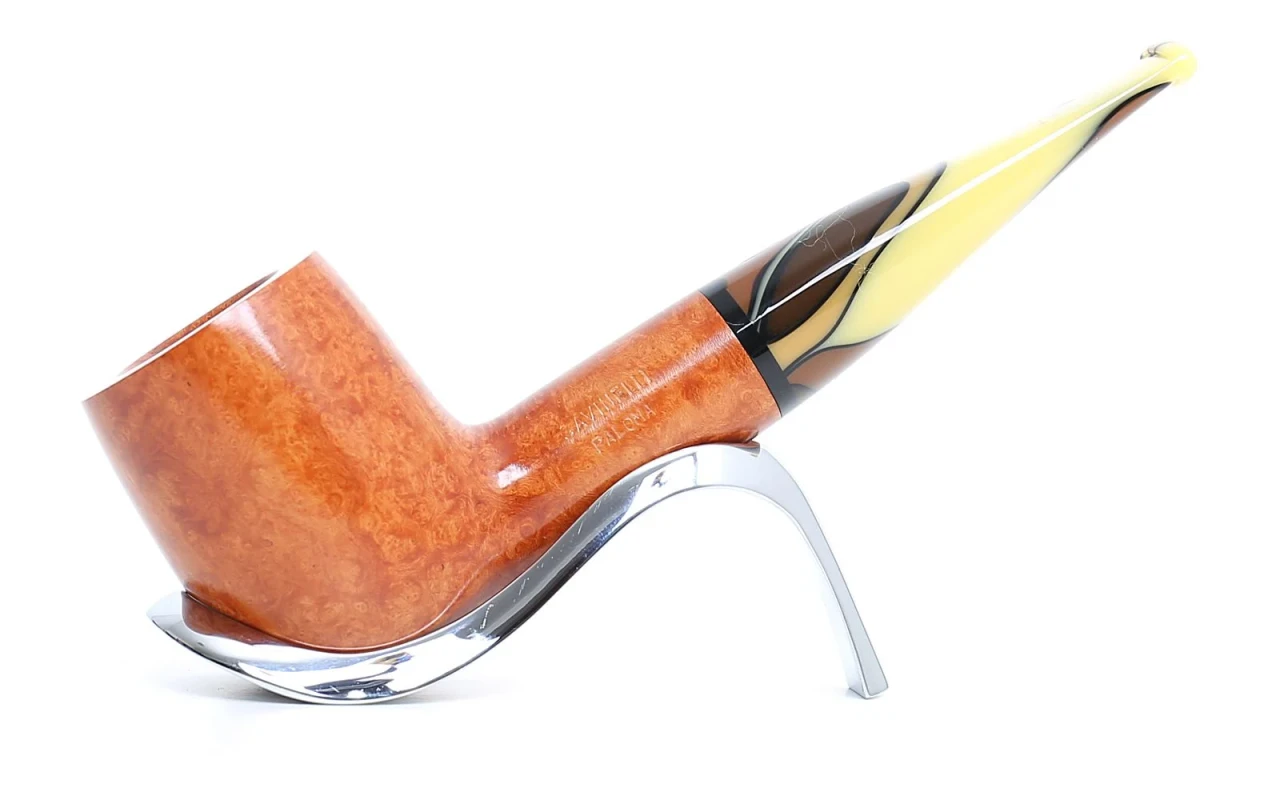
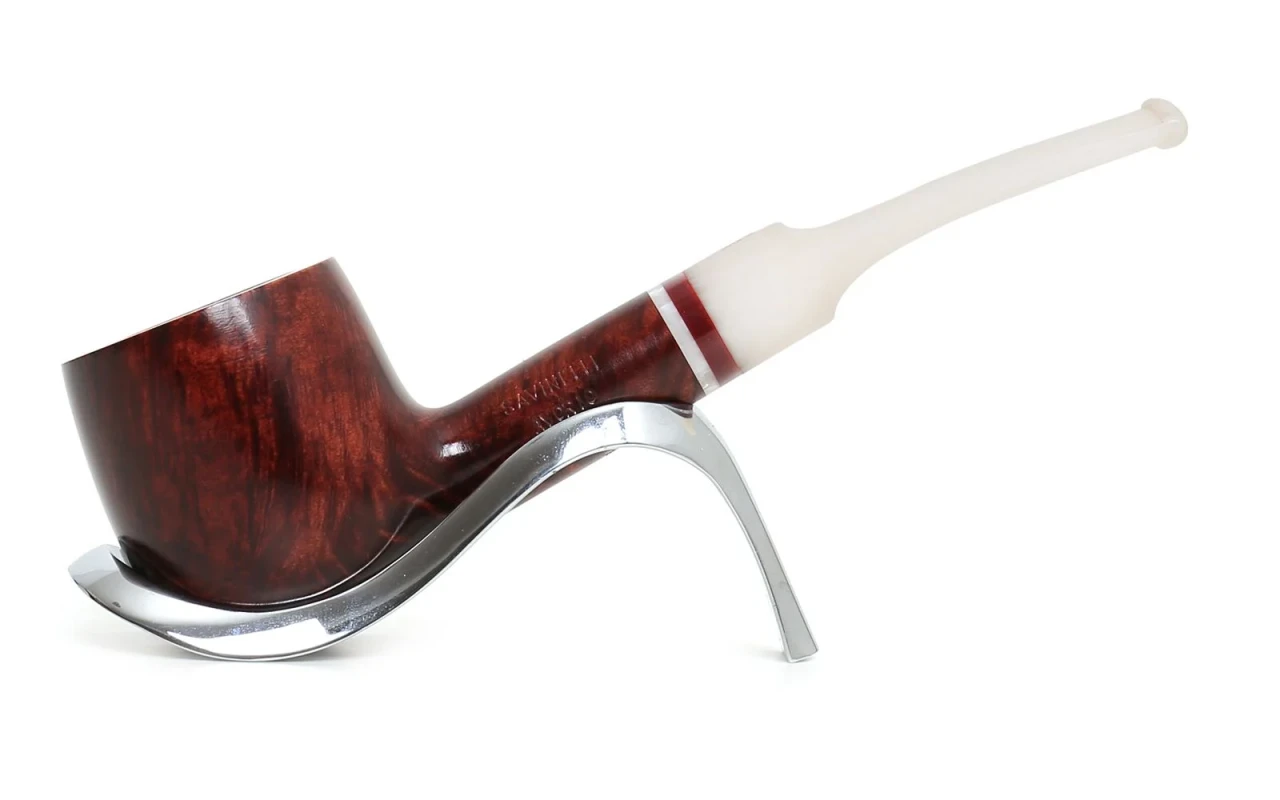
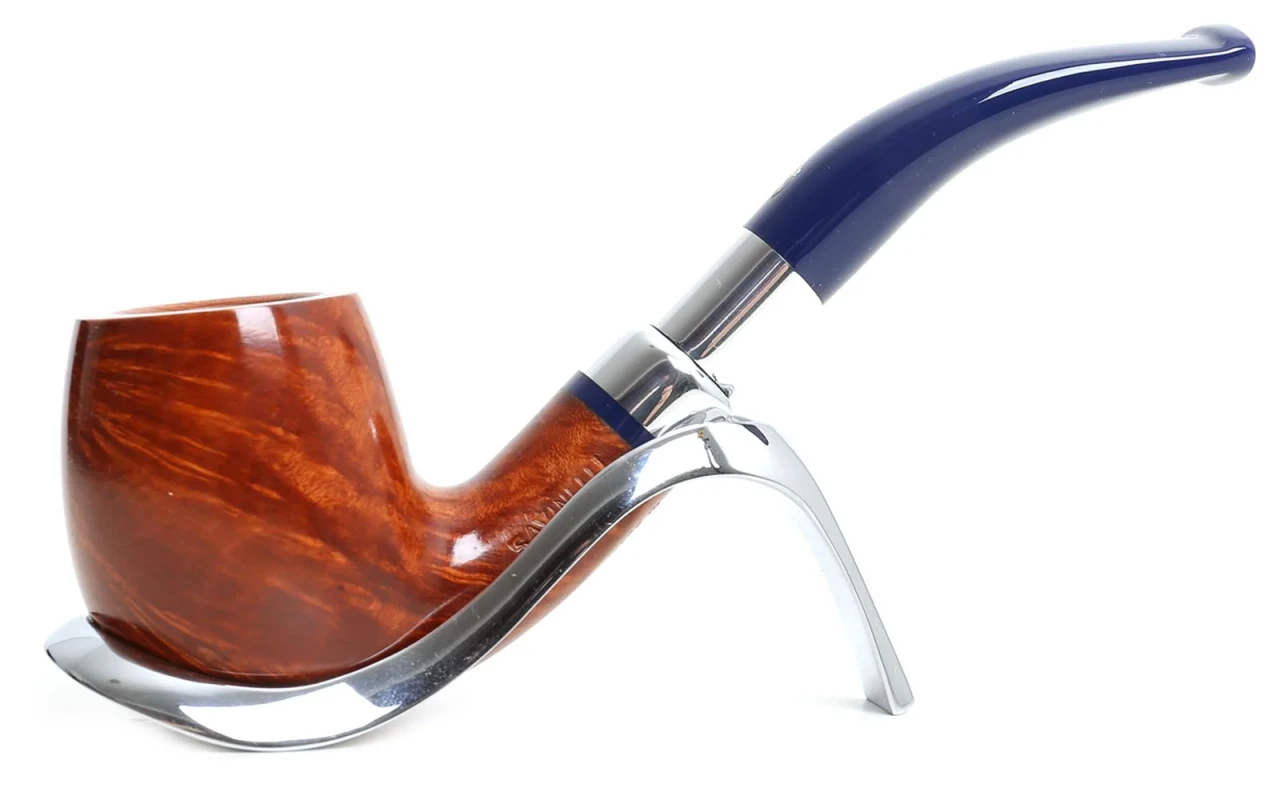
The making of pipes can be done using different materials, each with specific characteristics. Here are some recommended materials for crafting high-quality pipes:- Briar wood: a very resistant and lightweight wood, perfect for high-quality pipes.- Olive wood: a precious material that adds an elegant touch to the pipe.- Corn cob: lightweight and affordable, often used for travel pipes.- Meerschaum: a porous stone that absorbs smoke, ensuring a purer aroma.- Clay: a traditional material for pipes, offering a cool and neutral smoke.The choice of material depends on personal preferences and the smoking experience one desires to achieve.
Best woods for pipes
The most appreciated woods for crafting pipes are those of high quality that offer a combination of ideal features for smoking. Among the most renowned woods, we find:- Briar: a hard, resistant, and lightweight wood, with a fine grain that gives elegance to the pipe.- Heather root: a wood highly resistant to combustion, with characteristic veins that give a unique appearance.- Brier: among the most commonly used woods, it offers good heat resistance and the ability to absorb moisture.- Olive: a precious wood, with a warm color and unique veins, ideal for high-end pipes.The choice of wood depends on personal preferences and the smoker's experience.
Wood Pipe Carving Techniques
Carving wooden pipes is an ancient art that requires skill and precision. Wood pipe carving techniques vary depending on the type of wood used and the desired style. Master carvers use chisels and other specialized tools to delicately sculpt the wood, creating unique and detailed shapes. It is important to work carefully to ensure that the pipe's structure remains solid and durable. After carving, the pipe is smoothed to achieve a smooth and finely finished surface, ready for use. The choice of wood and the carver's expertise are essential in creating a high-quality pipe with an exclusive design.
Crafted Pipe Finishes
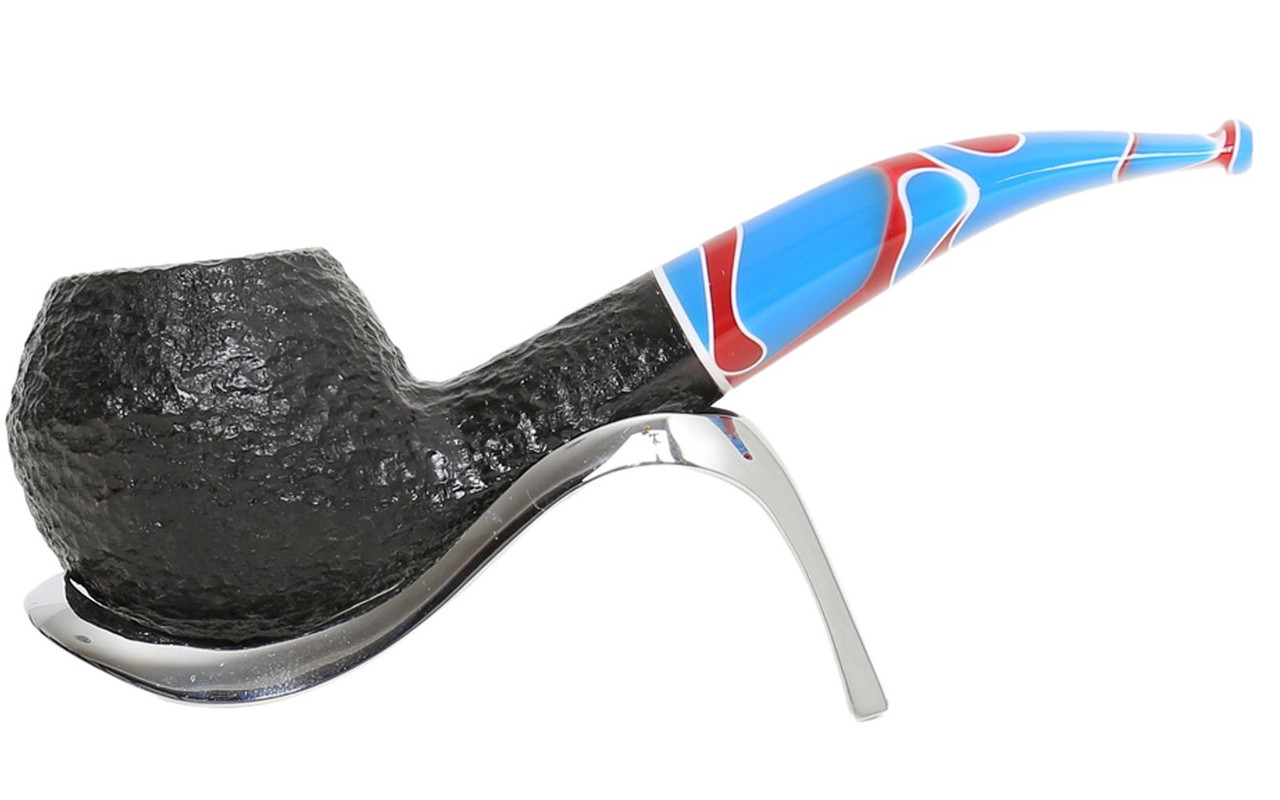
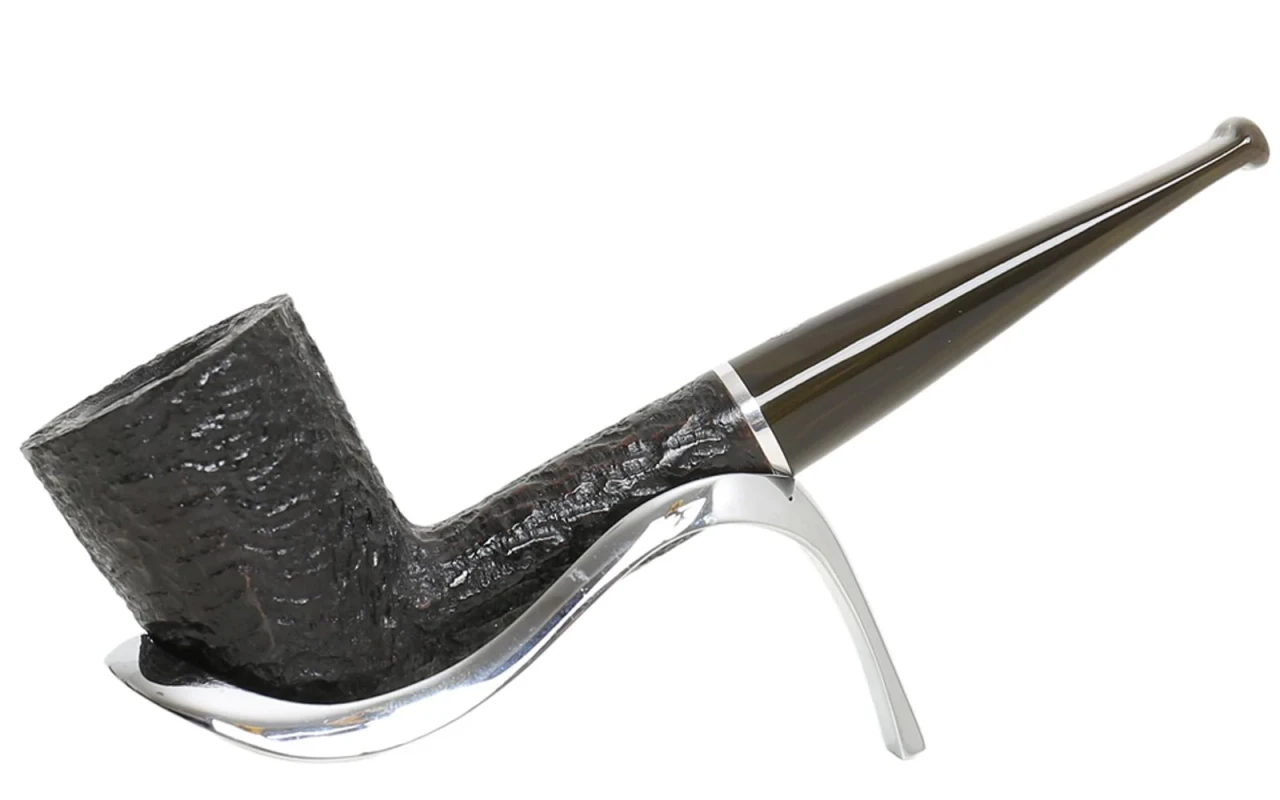
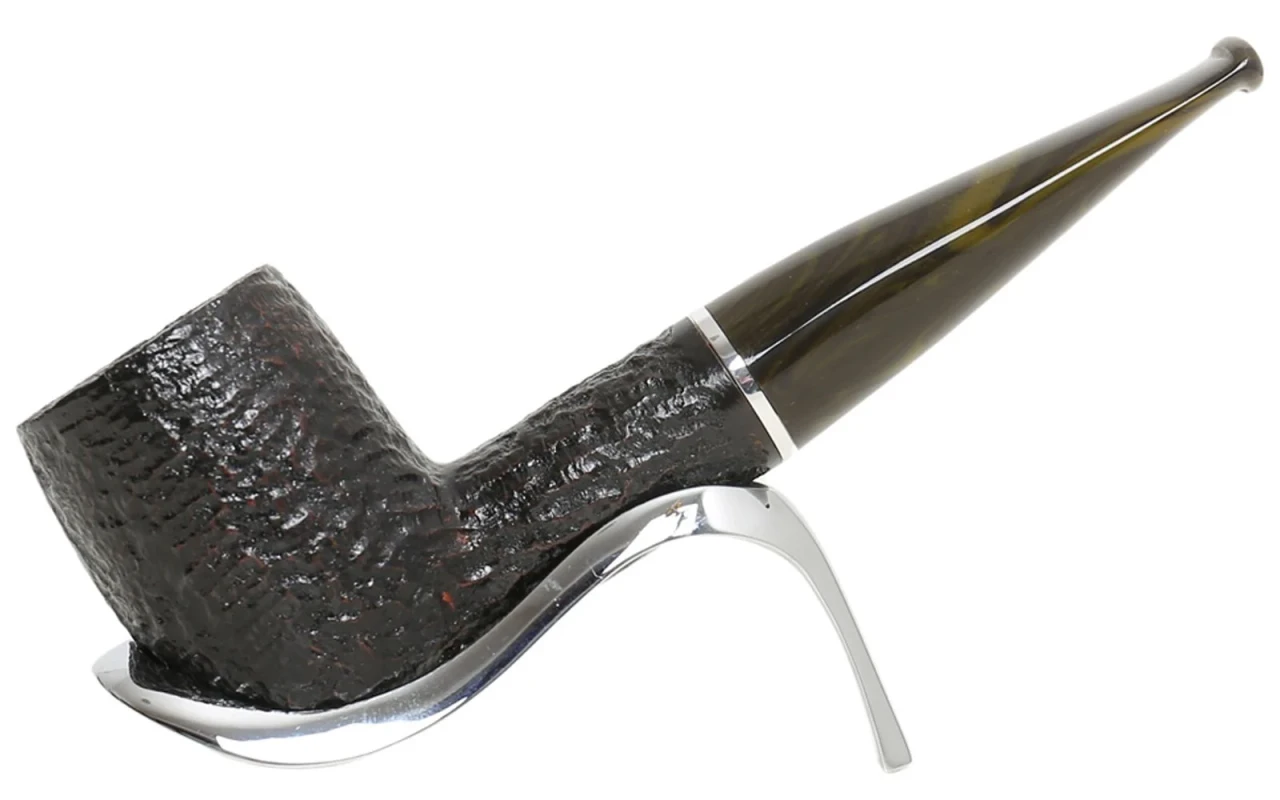
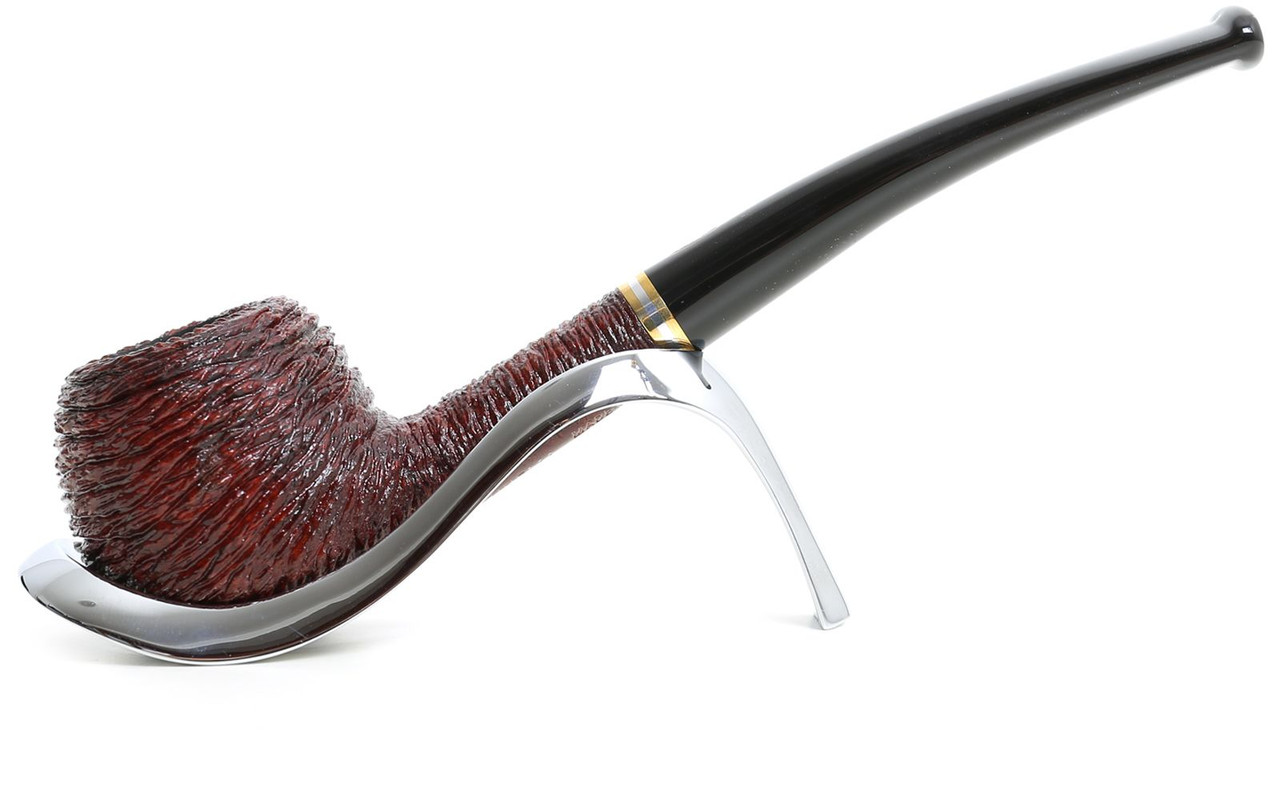
The finishes of artisan pipes are a fundamental element that contributes to the beauty and quality of the product. Experienced craftsmen use different techniques to achieve unique and refined finishes that enhance the wood or other materials used in the construction of pipes. Some examples of common finishes include:- Wax polishing: this technique allows achieving a shiny and protective finish.- Sandblasting: through the use of sand or abrasive materials, a rustic and textured finish is obtained.- Lacquering: by applying layers of transparent lacquer, the wood is protected and depth of color is added.- Staining: the application of colors or pigments can give the pipe a unique and personalized look.Crafted pipe finishes are an art that requires precision and mastery to create unique and high-quality pieces.
'%3e%3cg id='Final-Copy-2_2_' transform='translate(1275.000000, 200.000000)'%3e%3cpath class='st0' d='M7.4,12.8h6.8l3.1-11.6H7.4C4.2,1.2,1.6,3.8,1.6,7S4.2,12.8,7.4,12.8z'/%3e%3c/g%3e%3c/g%3e%3c/g%3e%3cg id='final---dec.11-2020'%3e%3cg id='_x30_208-our-toggle' transform='translate(-1275.000000, -200.000000)'%3e%3cg id='Final-Copy-2' transform='translate(1275.000000, 200.000000)'%3e%3cpath class='st1' d='M22.6,0H7.4c-3.9,0-7,3.1-7,7s3.1,7,7,7h15.2c3.9,0,7-3.1,7-7S26.4,0,22.6,0z M1.6,7c0-3.2,2.6-5.8,5.8-5.8 h9.9l-3.1,11.6H7.4C4.2,12.8,1.6,10.2,1.6,7z'/%3e%3cpath id='x' class='st2' d='M24.6,4c0.2,0.2,0.2,0.6,0,0.8l0,0L22.5,7l2.2,2.2c0.2,0.2,0.2,0.6,0,0.8c-0.2,0.2-0.6,0.2-0.8,0 l0,0l-2.2-2.2L19.5,10c-0.2,0.2-0.6,0.2-0.8,0c-0.2-0.2-0.2-0.6,0-0.8l0,0L20.8,7l-2.2-2.2c-0.2-0.2-0.2-0.6,0-0.8 c0.2-0.2,0.6-0.2,0.8,0l0,0l2.2,2.2L23.8,4C24,3.8,24.4,3.8,24.6,4z'/%3e%3cpath id='y' class='st3' d='M12.7,4.1c0.2,0.2,0.3,0.6,0.1,0.8l0,0L8.6,9.8C8.5,9.9,8.4,10,8.3,10c-0.2,0.1-0.5,0.1-0.7-0.1l0,0 L5.4,7.7c-0.2-0.2-0.2-0.6,0-0.8c0.2-0.2,0.6-0.2,0.8,0l0,0L8,8.6l3.8-4.5C12,3.9,12.4,3.9,12.7,4.1z'/%3e%3c/g%3e%3c/g%3e%3c/g%3e%3c/g%3e%3c/svg%3e) Your Privacy Choices
Your Privacy Choices 


