 ES
ES FR
FR EN
EN IT
IT DE
DE
Quality control evolution with pipe technology
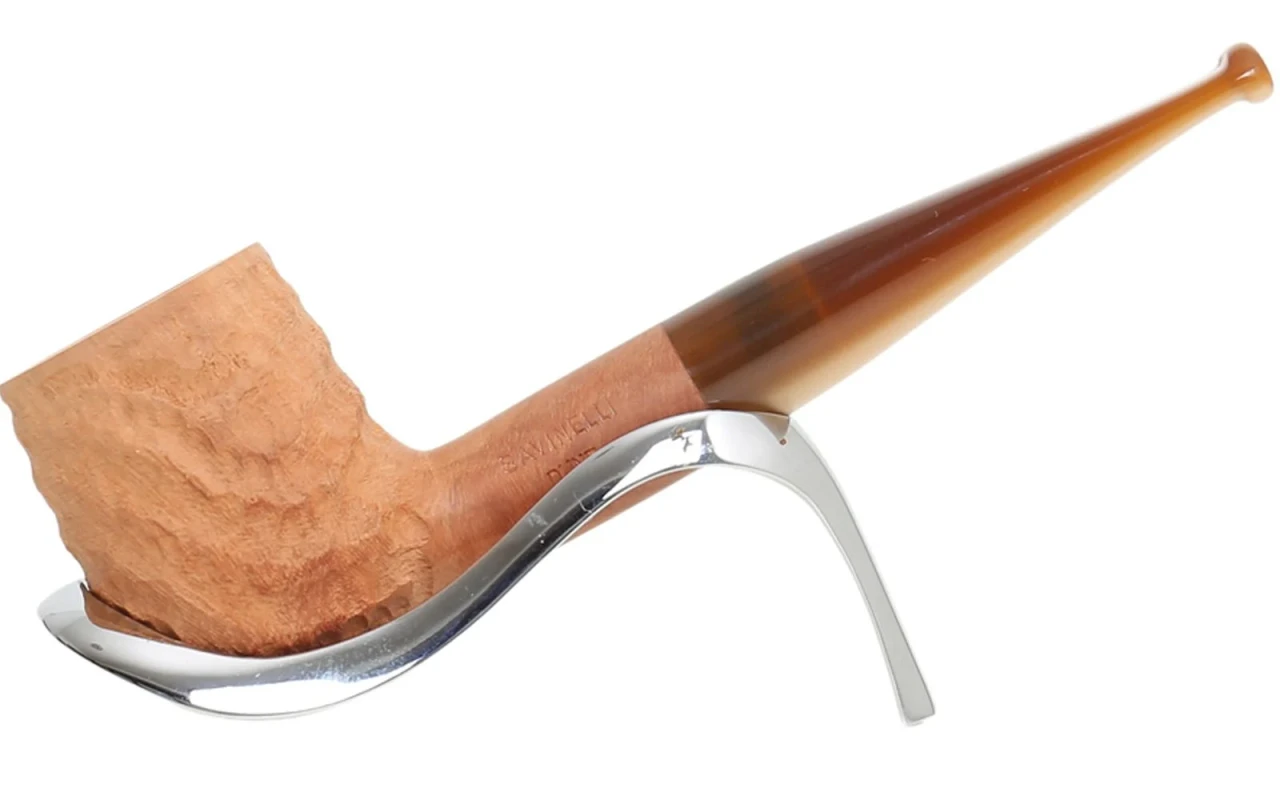
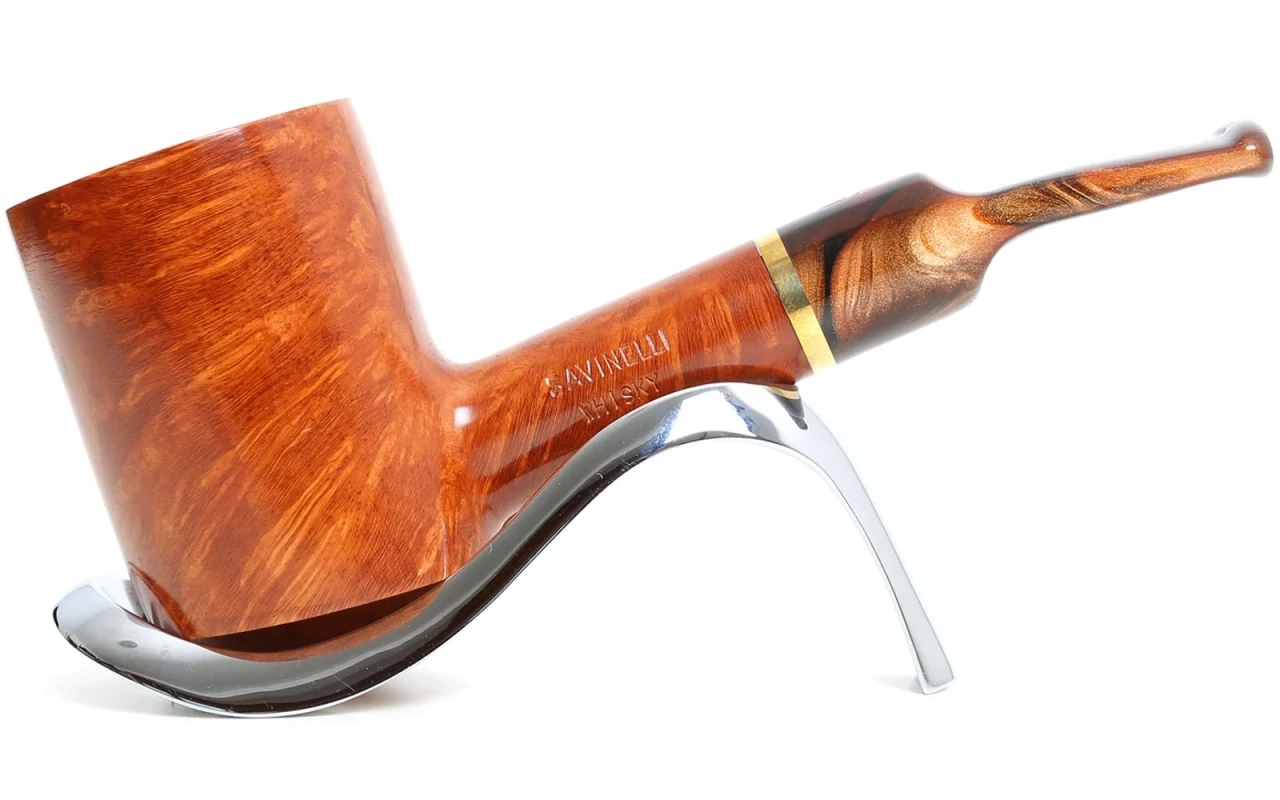
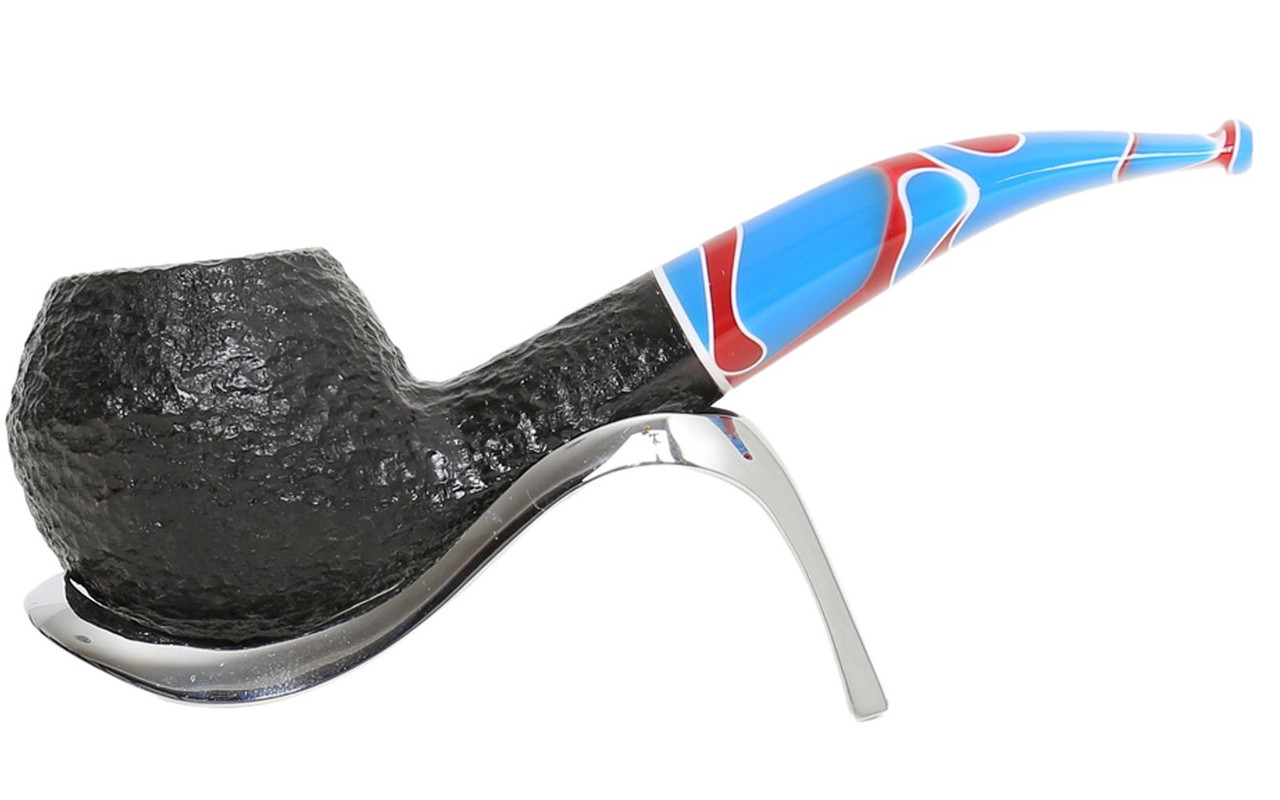
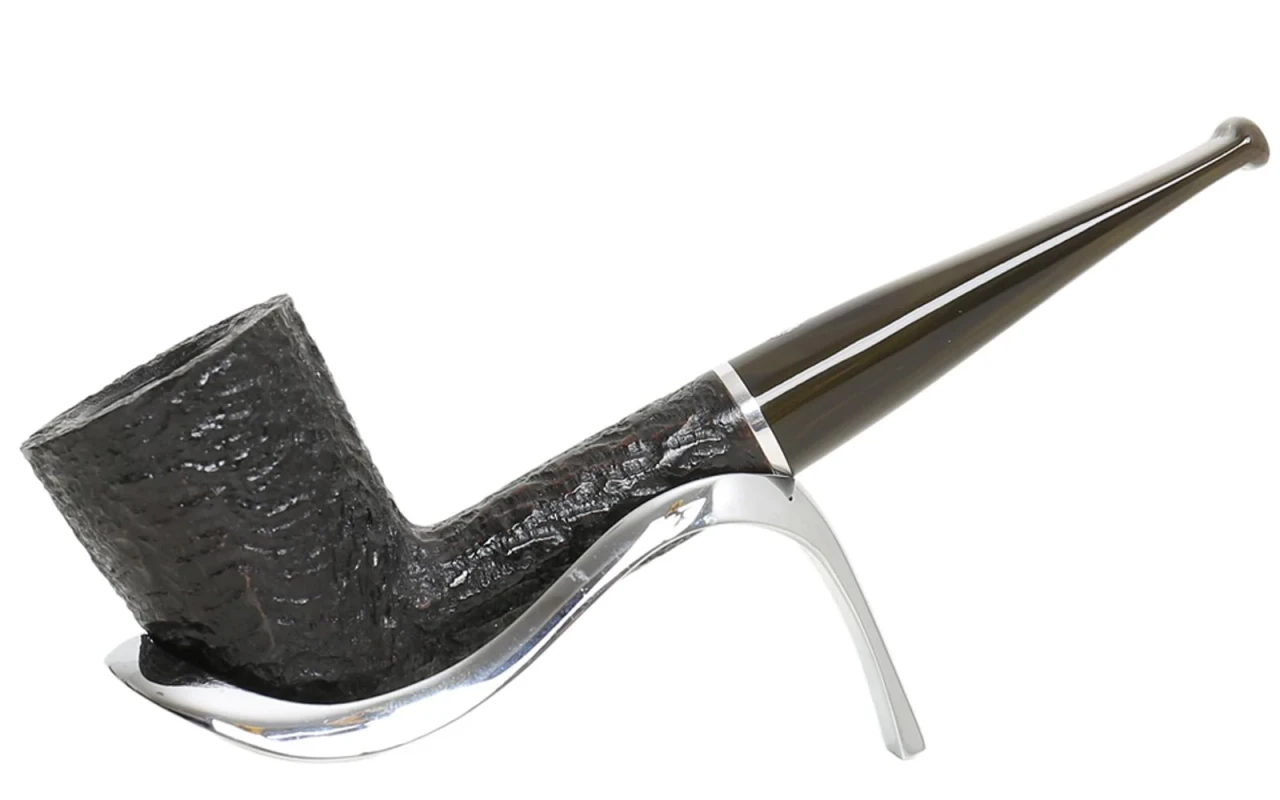
Quality control evolution with pipe technology
Quality control in the pipe industry has undergone significant evolution thanks to technology. Modern production and inspection techniques, supported by advanced tools such as computerized tomography, allow for increasingly higher quality standards. Pipe technology has also evolved to monitor and optimize manufacturing processes, minimizing defects and imperfections. Thanks to automated systems and the use of innovative materials, modern pipes offer superior performance and increased durability over time. This constant technological evolution has helped improve the overall quality of the final product.
Technological advancements in pipe quality control
Technological advancements in quality control of pipes are essential to ensure product compliance and reliability. Among the main innovations in this sector, the introduction of automated inspection systems with advanced technologies such as artificial vision and X-rays stands out. These systems allow for detecting surface and structural defects with higher precision and speed compared to traditional methodologies. Furthermore, the use of state-of-the-art sensors and data analysis software enables constant monitoring of the production process, optimizing quality and reducing the risks of defects or failures.
Innovations in pipe quality control
Innovations in pipe quality control are revolutionizing the industry. Thanks to advanced technology, pipes undergo rigorous inspections to ensure high standards. The quality control processes include non-destructive tests such as laser scanning to detect surface defects or computerized tomography to check the internal structure. Moreover, artificial vision systems are employed for detailed inspection and precise measurement of the products. These innovations ensure that pipes meet the highest quality requirements, ensuring optimal performance and maximum safety for users.
Advanced techniques for quality control of pipes
Quality control of pipes is essential to ensure optimal performance and durability over time. There are advanced techniques that allow verifying the quality of materials and the precision of the manufacturing process. Among the main methodologies used are:- Visual inspection to detect any surface defects.- Dimensional analysis using high-precision measuring tools.- Non-destructive tests such as radiography to detect internal defects.- Chemical analysis to verify the composition of materials.- Pressure and temperature resistance tests to evaluate performance under real conditions.These advanced techniques ensure that pipes meet the highest quality standards.
'%3e%3cg id='Final-Copy-2_2_' transform='translate(1275.000000, 200.000000)'%3e%3cpath class='st0' d='M7.4,12.8h6.8l3.1-11.6H7.4C4.2,1.2,1.6,3.8,1.6,7S4.2,12.8,7.4,12.8z'/%3e%3c/g%3e%3c/g%3e%3c/g%3e%3cg id='final---dec.11-2020'%3e%3cg id='_x30_208-our-toggle' transform='translate(-1275.000000, -200.000000)'%3e%3cg id='Final-Copy-2' transform='translate(1275.000000, 200.000000)'%3e%3cpath class='st1' d='M22.6,0H7.4c-3.9,0-7,3.1-7,7s3.1,7,7,7h15.2c3.9,0,7-3.1,7-7S26.4,0,22.6,0z M1.6,7c0-3.2,2.6-5.8,5.8-5.8 h9.9l-3.1,11.6H7.4C4.2,12.8,1.6,10.2,1.6,7z'/%3e%3cpath id='x' class='st2' d='M24.6,4c0.2,0.2,0.2,0.6,0,0.8l0,0L22.5,7l2.2,2.2c0.2,0.2,0.2,0.6,0,0.8c-0.2,0.2-0.6,0.2-0.8,0 l0,0l-2.2-2.2L19.5,10c-0.2,0.2-0.6,0.2-0.8,0c-0.2-0.2-0.2-0.6,0-0.8l0,0L20.8,7l-2.2-2.2c-0.2-0.2-0.2-0.6,0-0.8 c0.2-0.2,0.6-0.2,0.8,0l0,0l2.2,2.2L23.8,4C24,3.8,24.4,3.8,24.6,4z'/%3e%3cpath id='y' class='st3' d='M12.7,4.1c0.2,0.2,0.3,0.6,0.1,0.8l0,0L8.6,9.8C8.5,9.9,8.4,10,8.3,10c-0.2,0.1-0.5,0.1-0.7-0.1l0,0 L5.4,7.7c-0.2-0.2-0.2-0.6,0-0.8c0.2-0.2,0.6-0.2,0.8,0l0,0L8,8.6l3.8-4.5C12,3.9,12.4,3.9,12.7,4.1z'/%3e%3c/g%3e%3c/g%3e%3c/g%3e%3c/g%3e%3c/svg%3e) Your Privacy Choices
Your Privacy Choices 


