 ES
ES FR
FR EN
EN IT
IT DE
DE
Pros and Cons of Horn and Cutty Pipes

Pros and Cons of Horn and Cutty Pipes
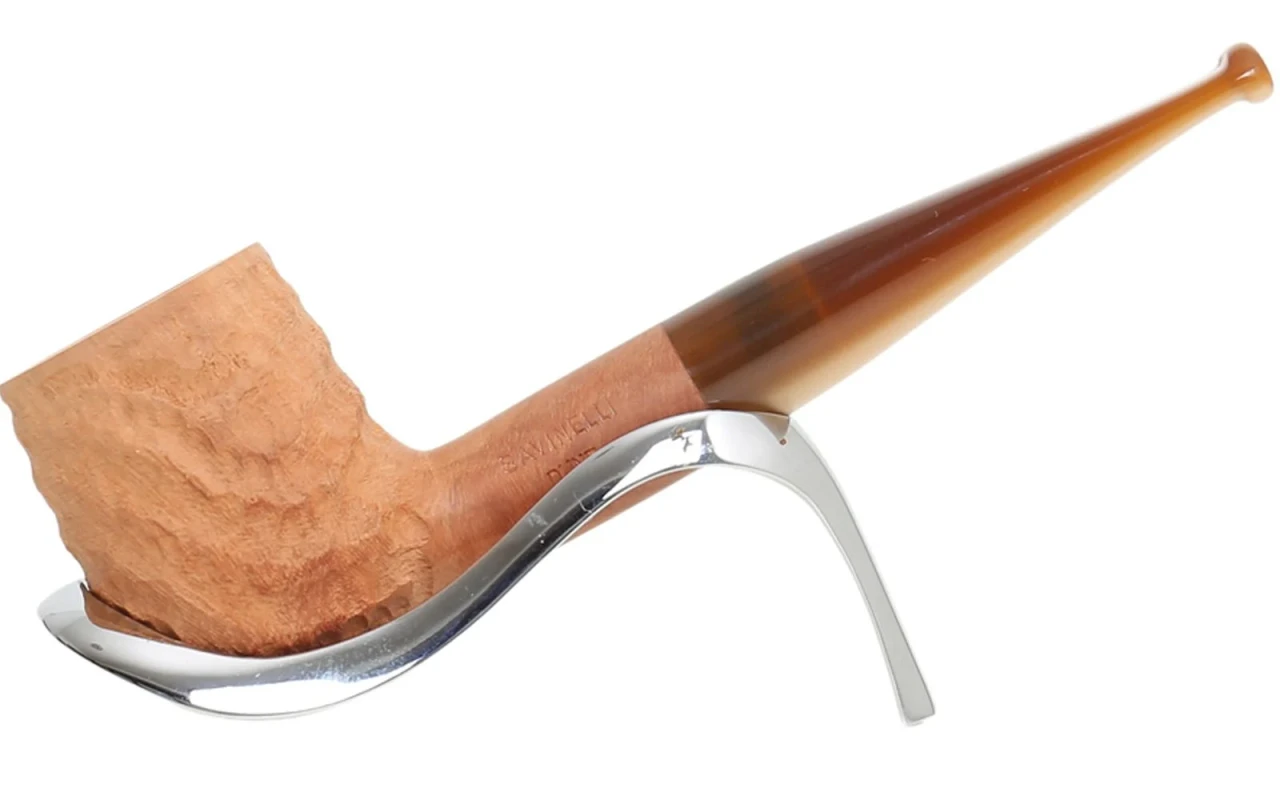
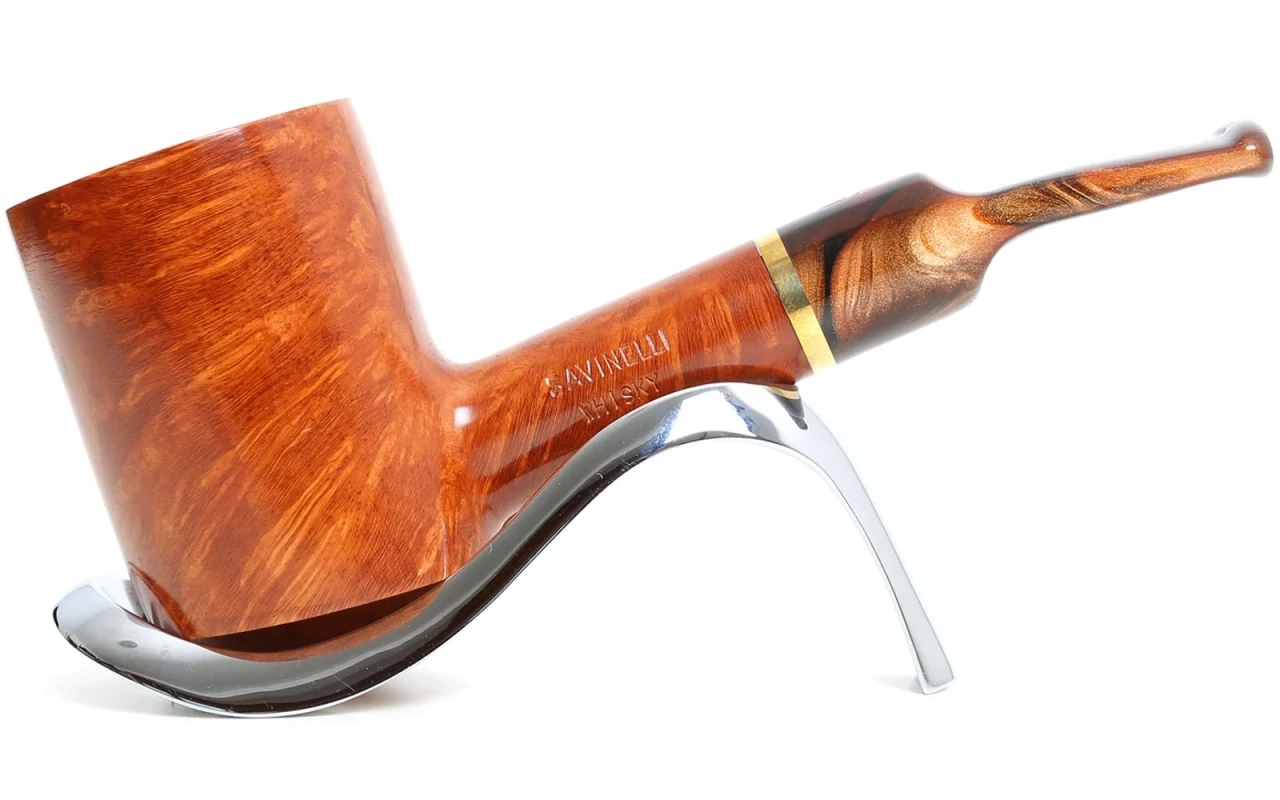
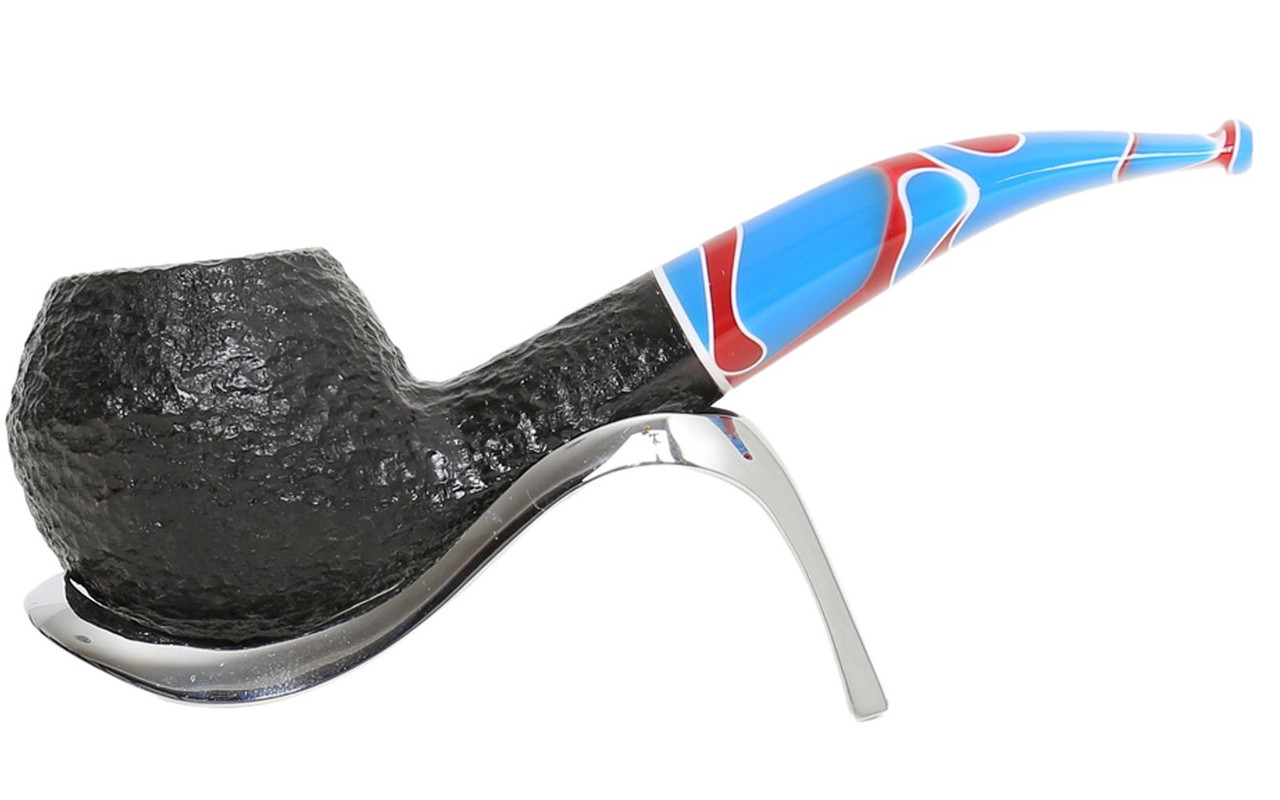
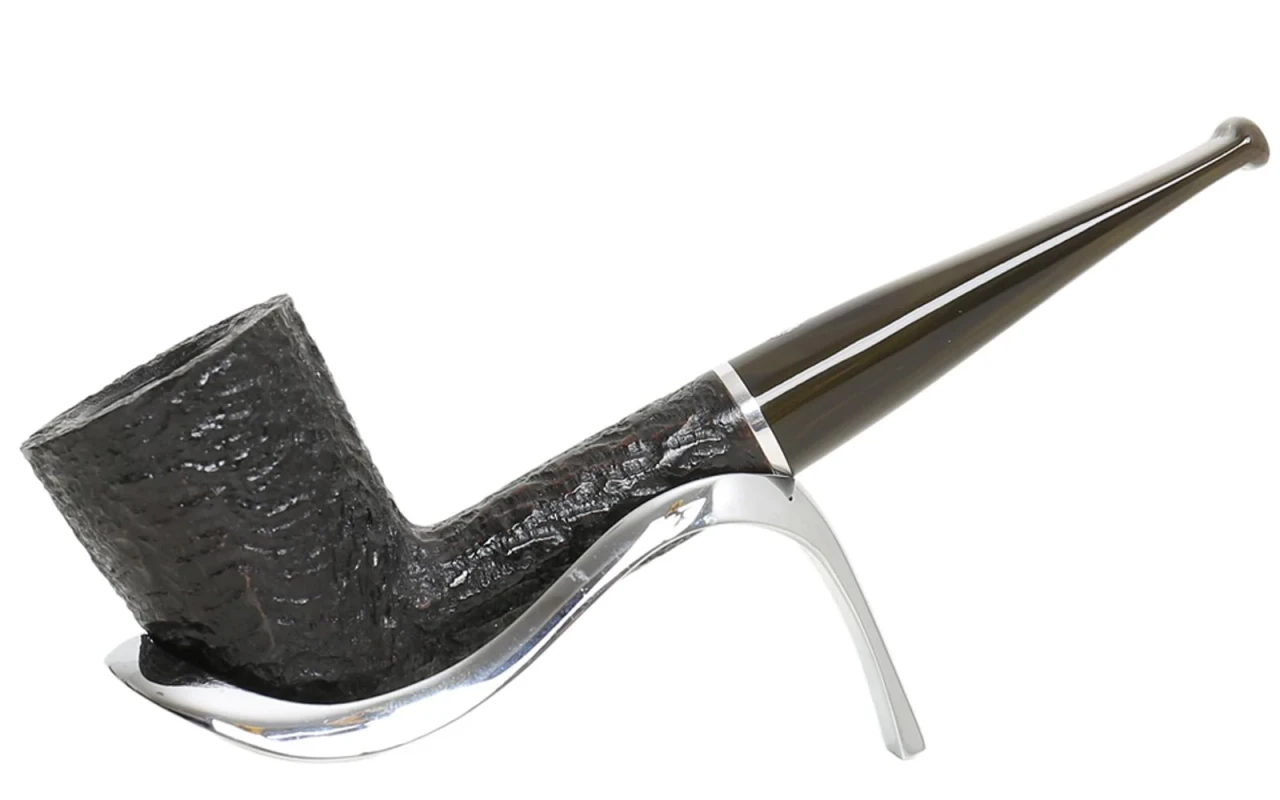
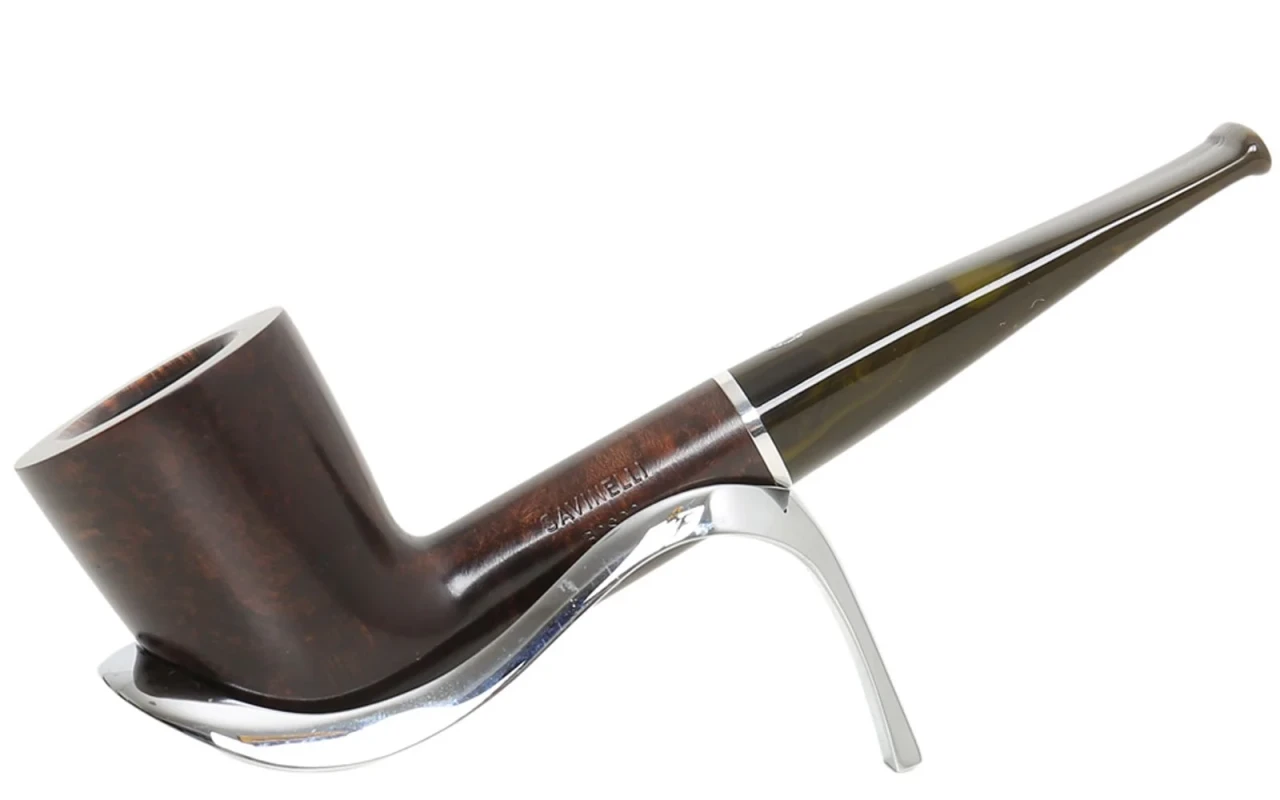
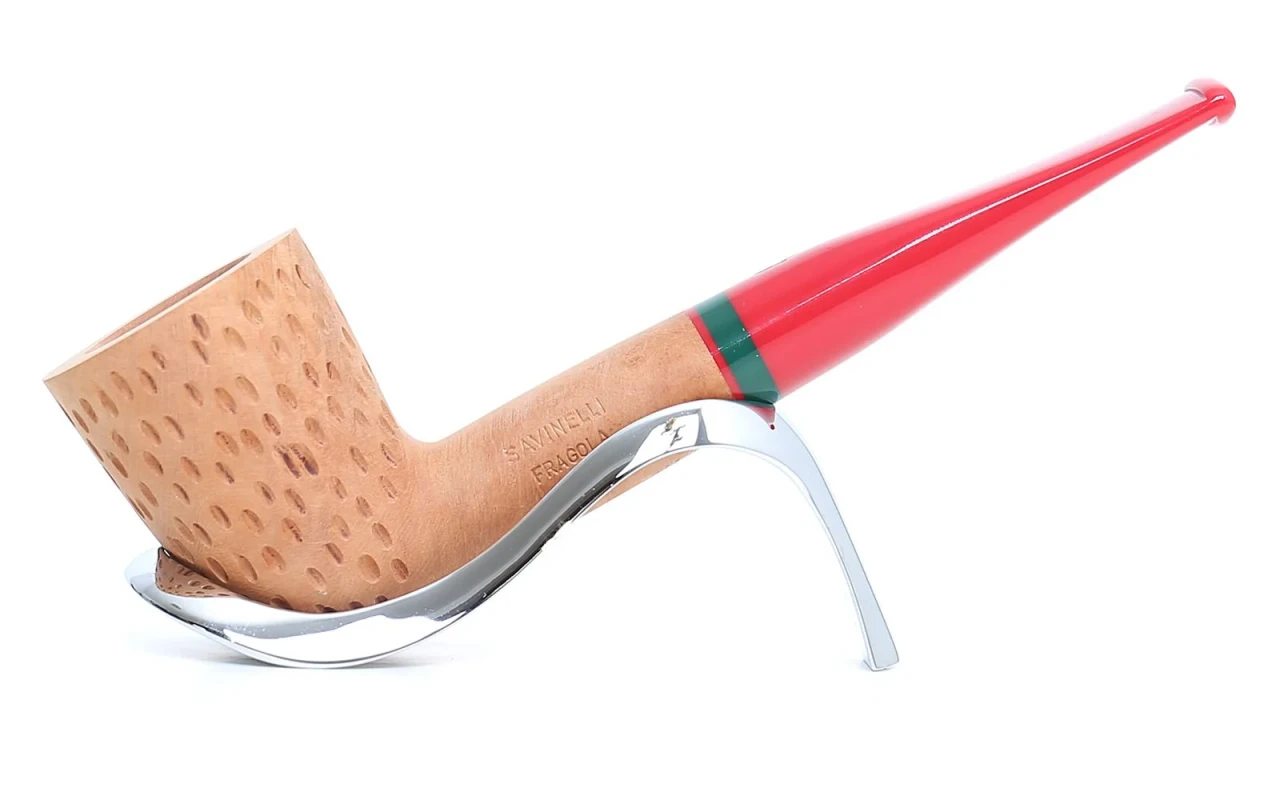
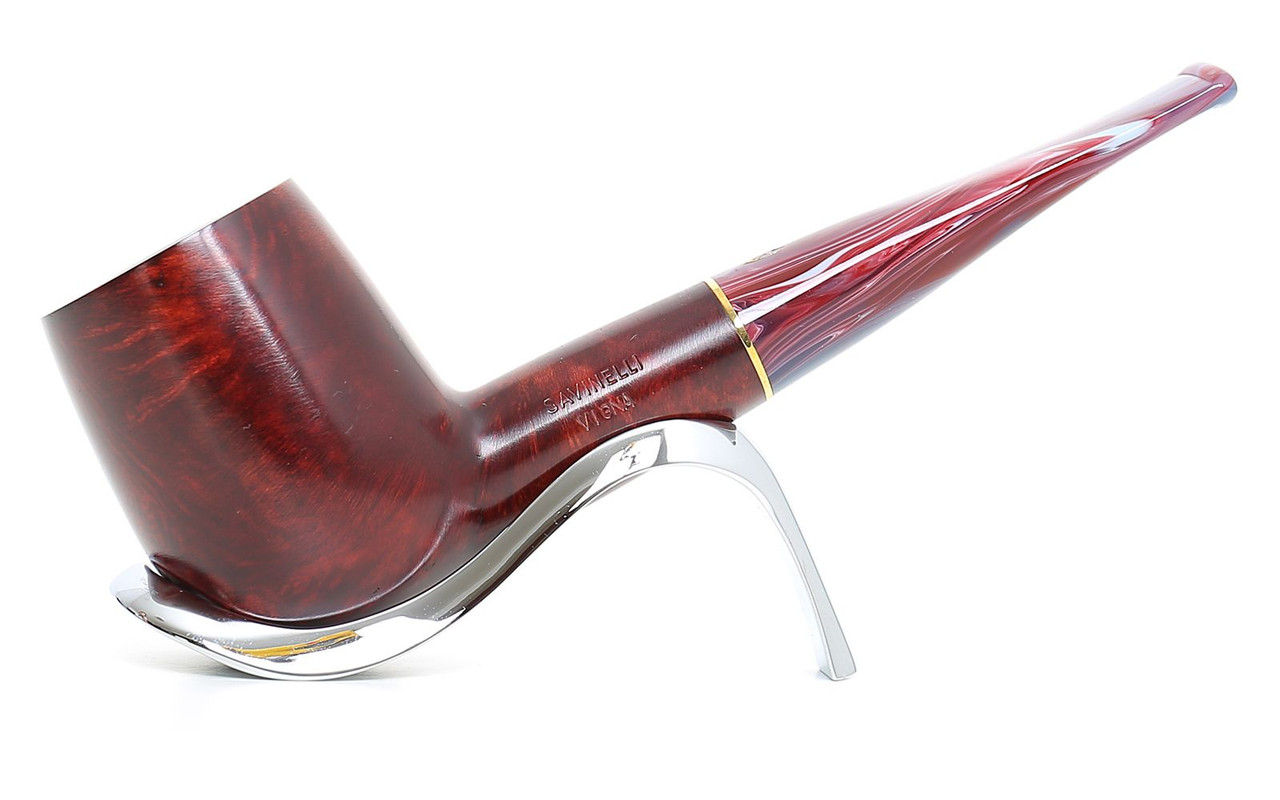
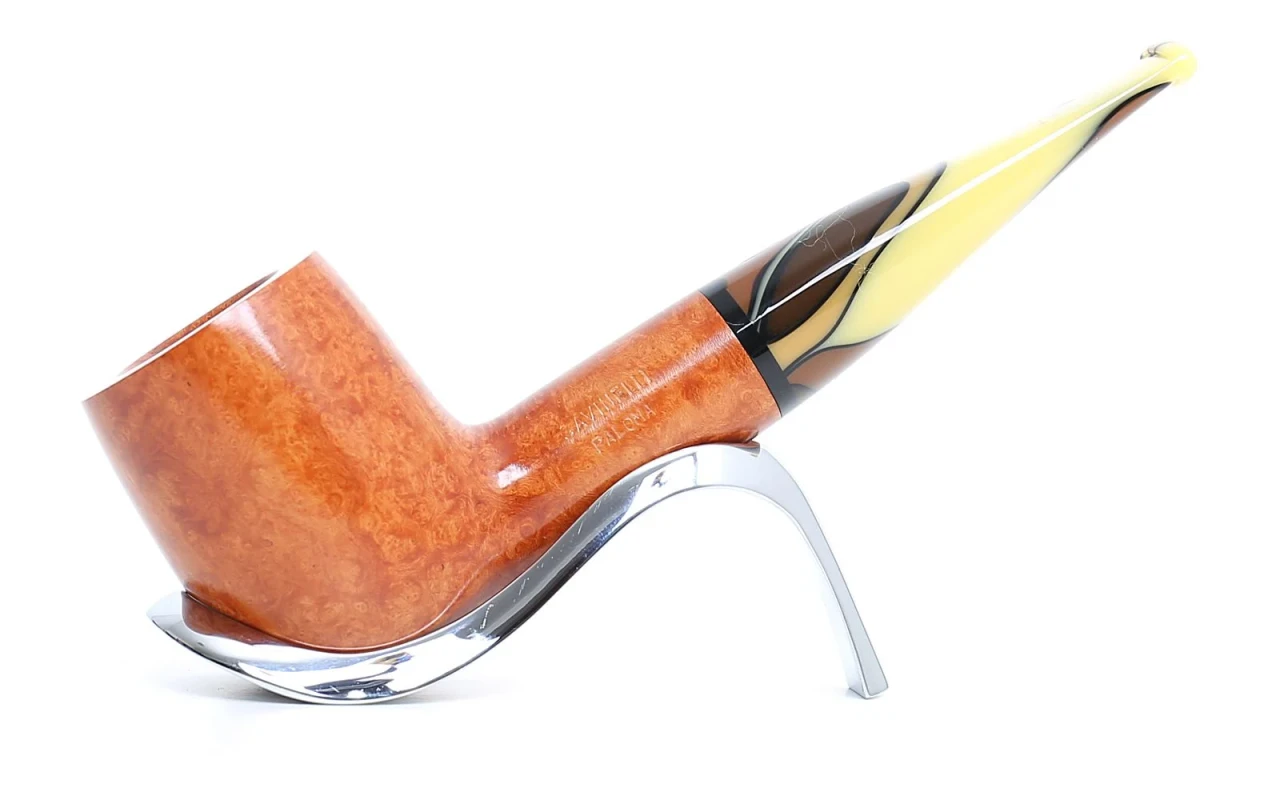
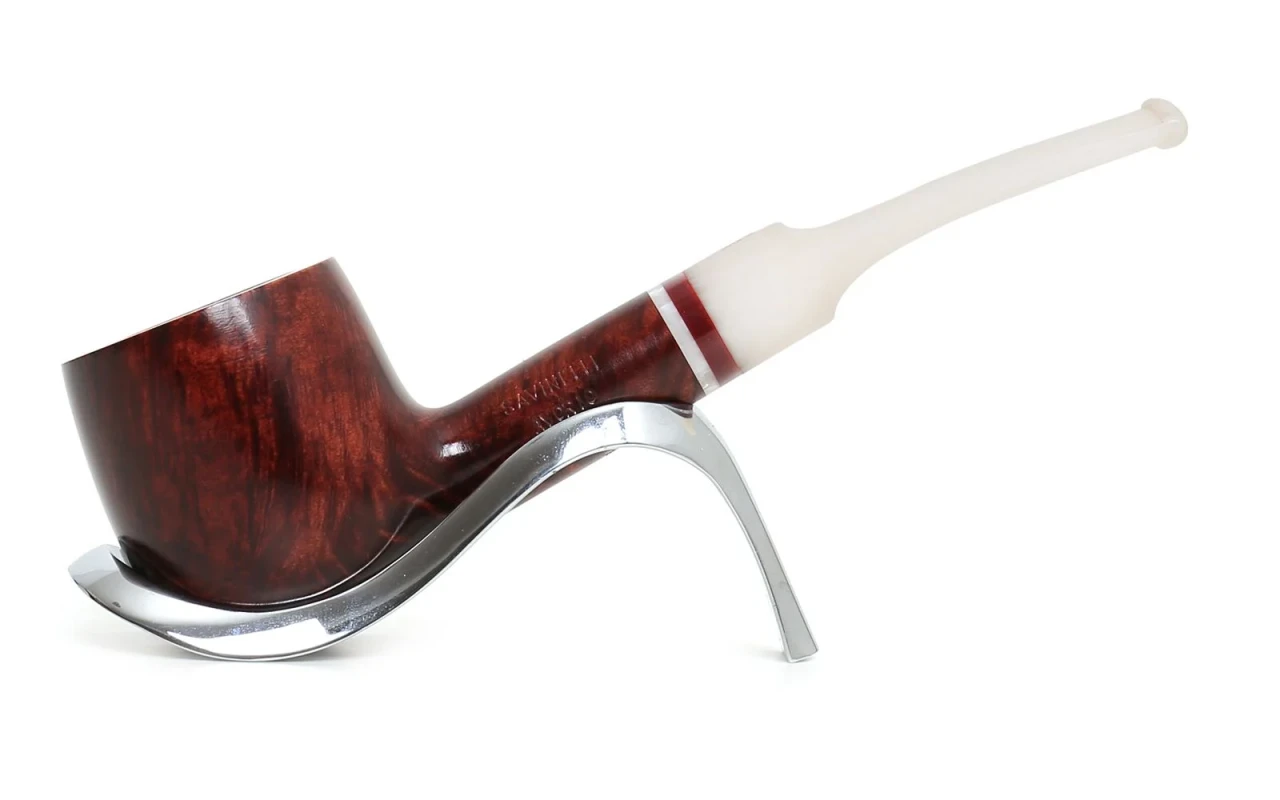
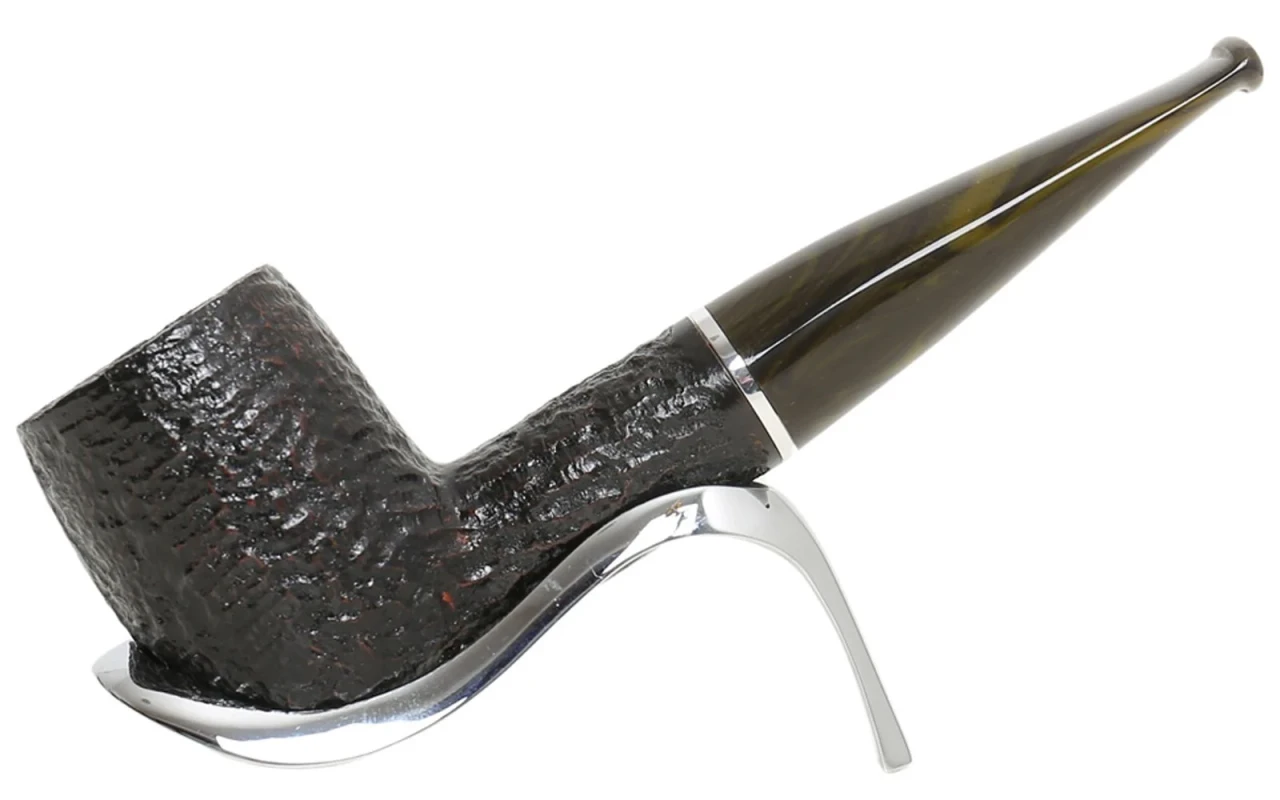
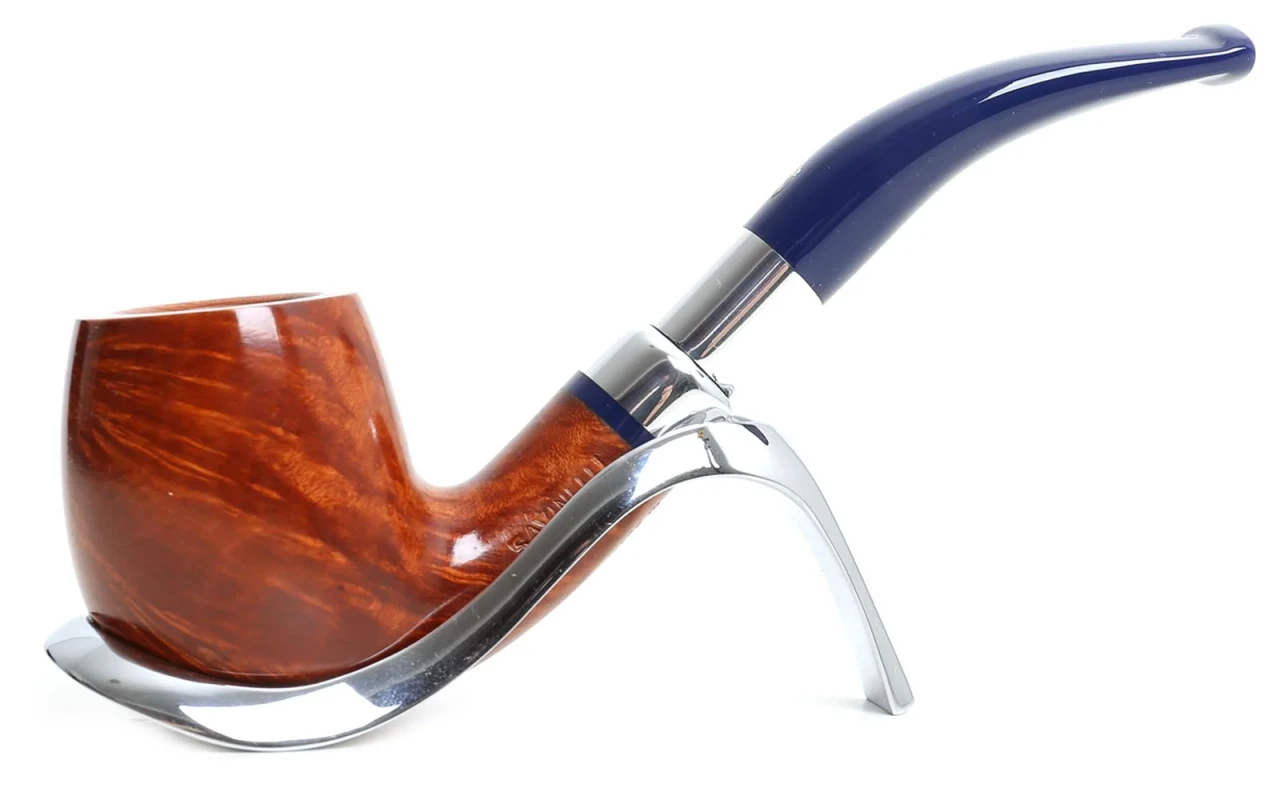
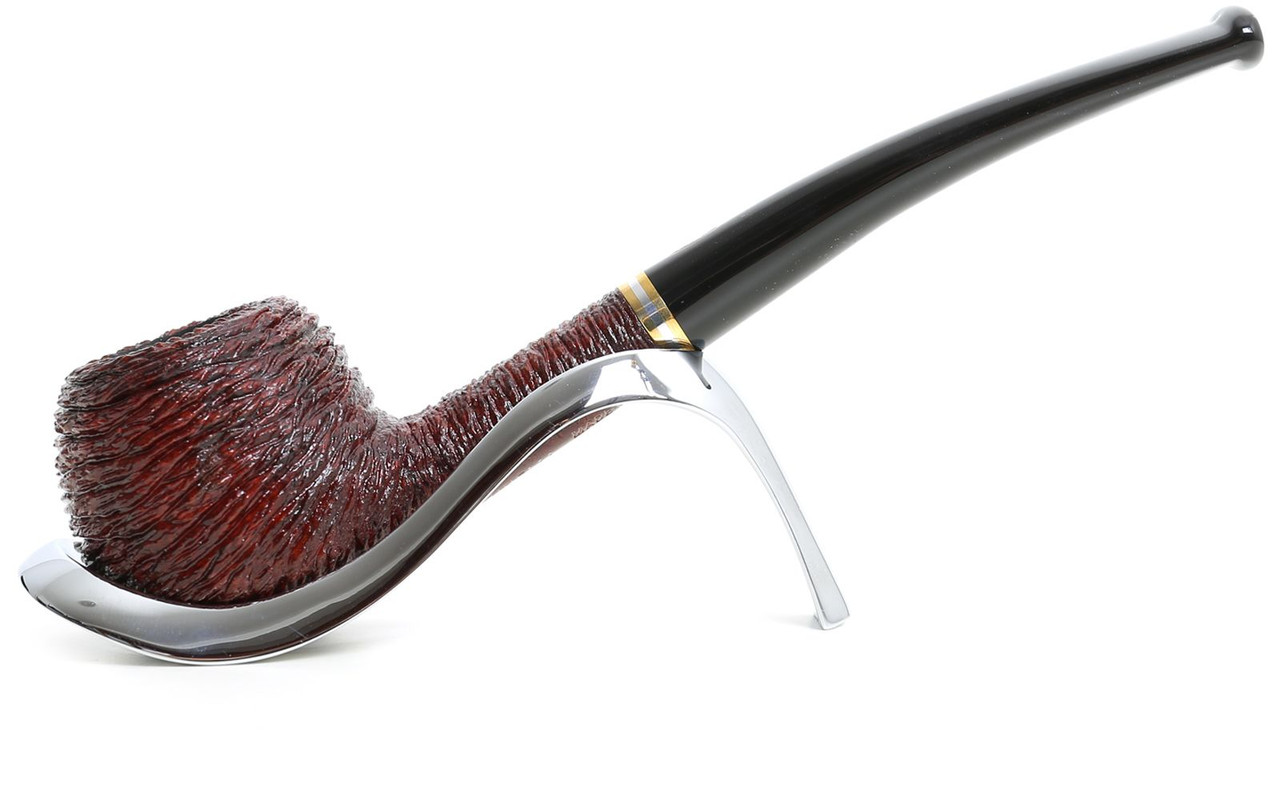
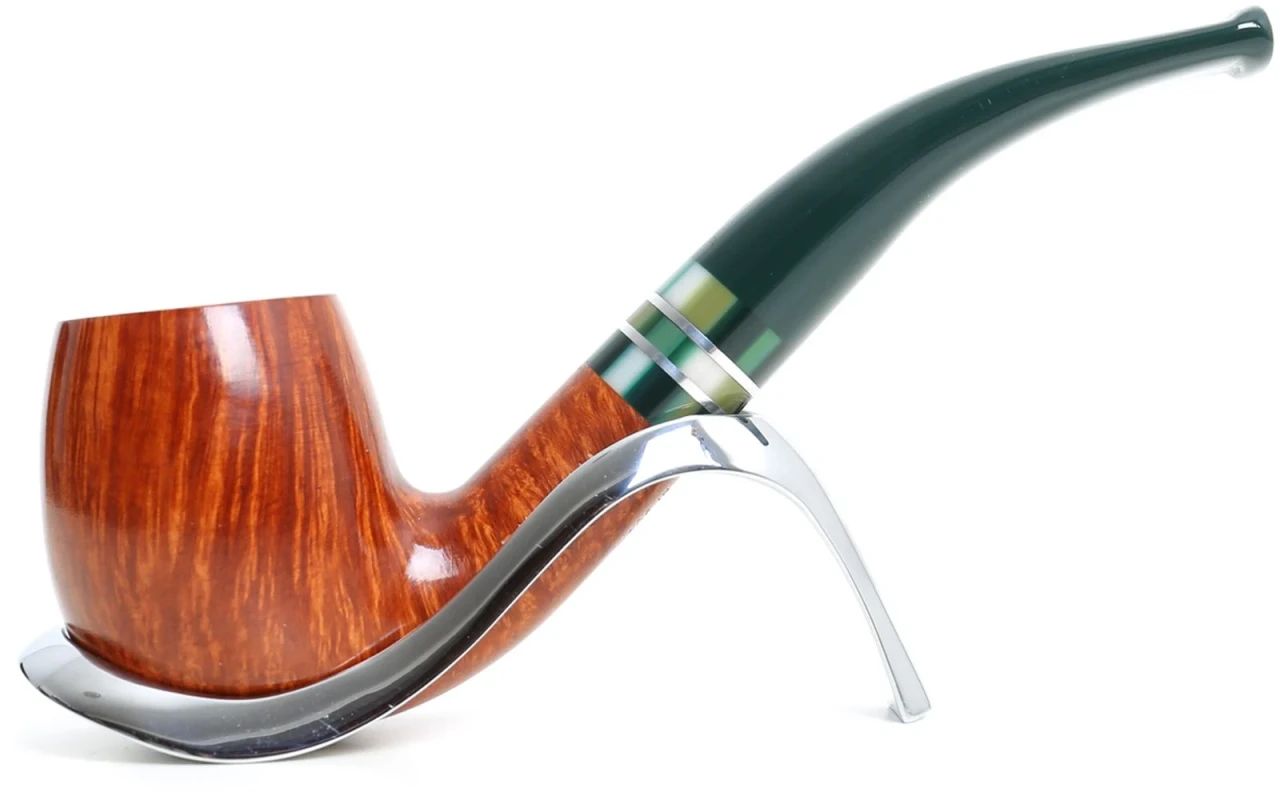
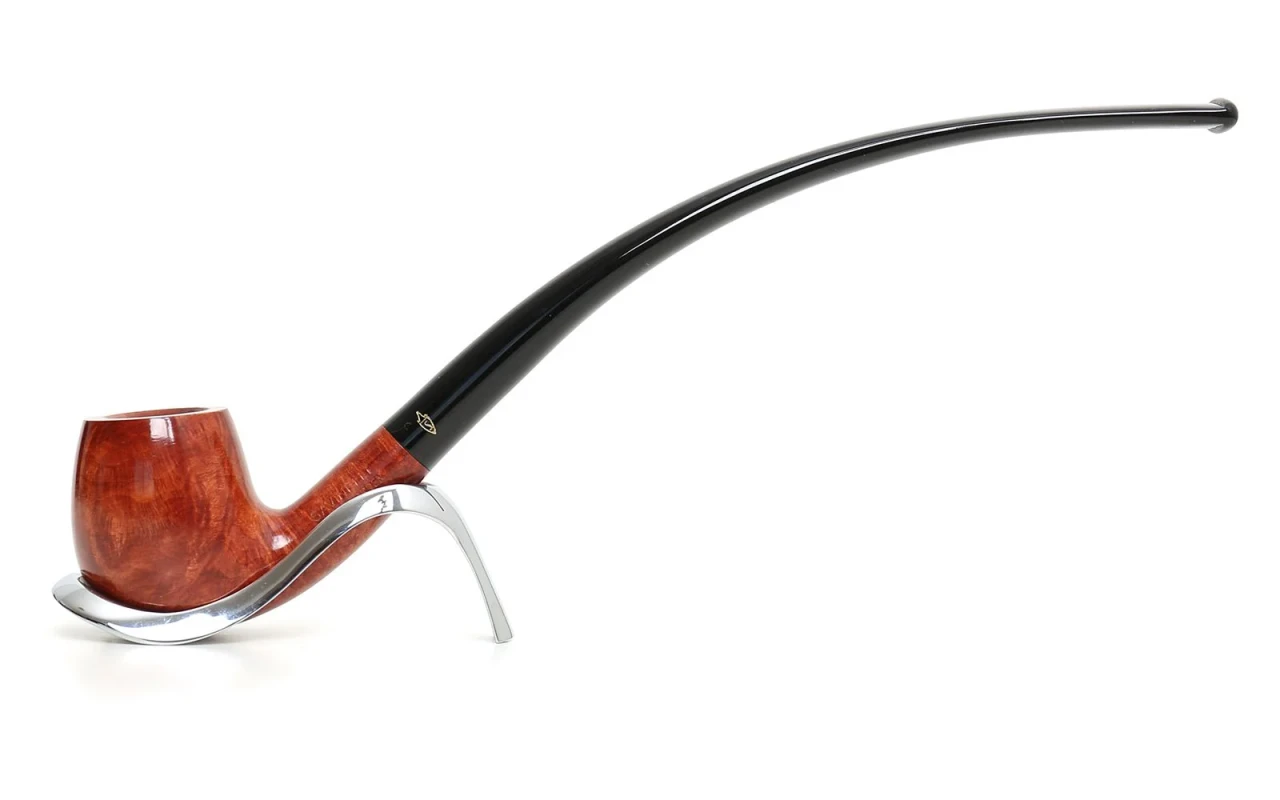
The Horn pipe and the Cutty pipe are two types of pipes highly appreciated by pipe smoking enthusiasts. The Horn pipe is characterized by its curved shape resembling a horn, while the Cutty pipe features a slender design with a long shank and a slightly tilted bowl.Pros of the Horn pipe:- Unique and appealing design- Comfortable to hold in the mouth- Provides a cool smokeCons of the Horn pipe:- Requires careful maintenance to preserve the curved shape- May not suit all personal tastesPros of the Cutty pipe:- Elegant and refined design- Easy to clean and maintain- Lightweight and comfortable to hold in the mouthCons of the Cutty pipe:- The slender shape may make it difficult to pack the tobacco- Less common compared to other types of pipes
PIPE PIPE SMOKING
Pipe smoking, also known as "pipe tobacco," is obtained by burning tobacco inside a specially designed pipe. The tobacco is loaded into the pipe chamber and lit with a flame. Subsequently, the produced smoke is drawn through the pipe stem. During the process, the smoke cools slightly before being inhaled, offering a smoother experience compared to direct cigarette smoking. Pipes are available in a variety of materials, such as wood, clay, or briar, and are appreciated by many for their ritualistic nature and the wide range of flavors and nuances that pipe tobacco can offer.
Best Smoking Pipes
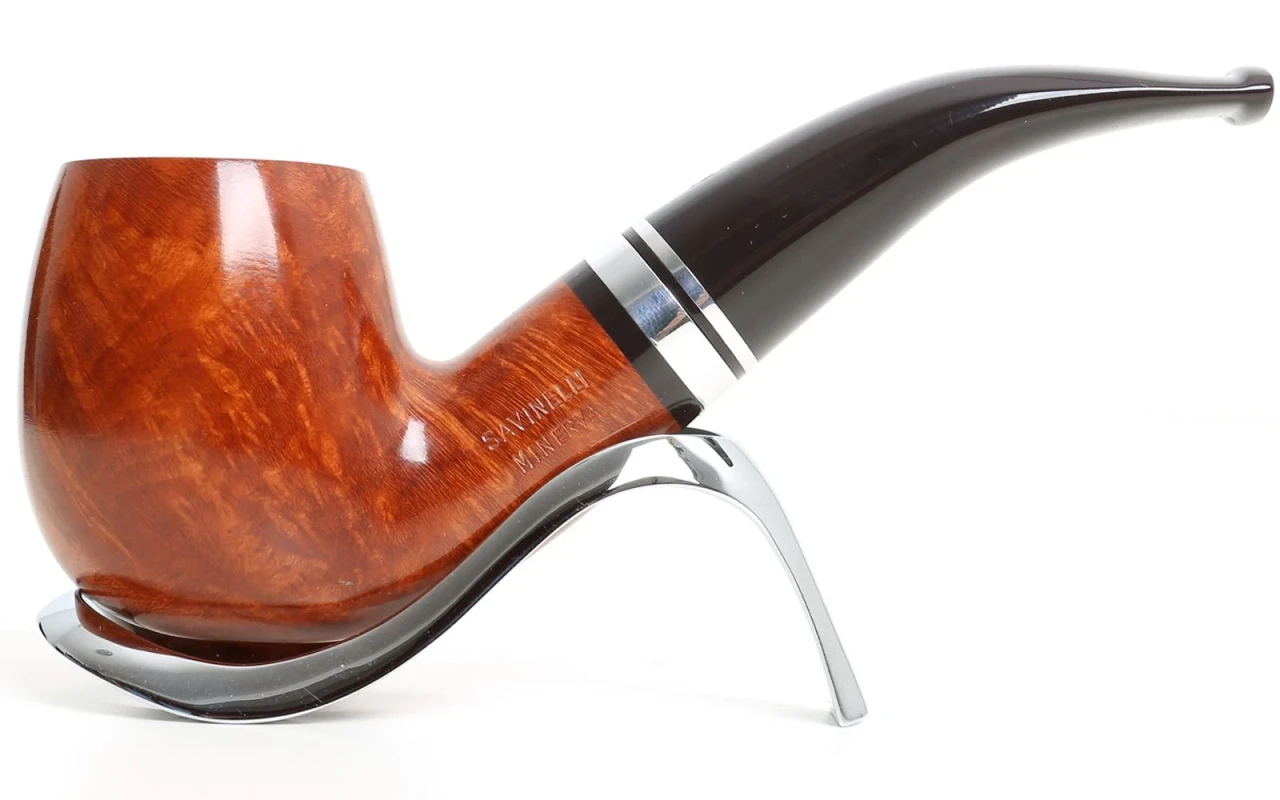
The best smoking pipes are made with high-quality materials such as briar wood, corn cob, or olive wood, ensuring an optimal smoke. Handcrafted pipes, often made by hand, offer superior performance and a unique aesthetic. It is important to consider the shape and size of the bowl, the material of the stem, and attention to details. Renowned brands in the smoking pipe industry include Peterson, Savinelli, Stanwell, and Dunhill. Choosing a quality pipe ensures a more enjoyable and satisfying smoking experience.
Guide to Pipe Maintenance
Pipe maintenance is essential to ensure an optimal smoking experience and extend the life of your instrument. Here are some practical tips:- After each use, empty the ash and gently clean the pipe bowl with a pipe cleaner.- Avoid overpacking the pipe with tobacco and burning it all the way down to prevent harmful residue from building up in the smoke.- Regularly clean the stem with a specific cleaner or warm water and soap.- Check and replace the pipe filter regularly if necessary.- Store your pipe in a dry place and protected from direct sunlight.By following these simple practices, you can fully enjoy your pipe for a long time.
Materials for smoking pipes
The most common materials used for the production of smoking pipes are wood, briar, clay, corn cob, and metal. Each material offers unique characteristics that influence the taste, durability, and aesthetics of the pipe. Wood is popular for its heat resistance and the ability to slowly absorb tobacco moisture, enhancing the flavor over time. Briar pipes are considered high quality and offer a wide variety of grains and colors. Clay pipes are appreciated for their ability to absorb tobacco oils and flavors, while corn cob pipes are lightweight and affordable. Metal pipes are durable and easy to clean.
'%3e%3cg id='Final-Copy-2_2_' transform='translate(1275.000000, 200.000000)'%3e%3cpath class='st0' d='M7.4,12.8h6.8l3.1-11.6H7.4C4.2,1.2,1.6,3.8,1.6,7S4.2,12.8,7.4,12.8z'/%3e%3c/g%3e%3c/g%3e%3c/g%3e%3cg id='final---dec.11-2020'%3e%3cg id='_x30_208-our-toggle' transform='translate(-1275.000000, -200.000000)'%3e%3cg id='Final-Copy-2' transform='translate(1275.000000, 200.000000)'%3e%3cpath class='st1' d='M22.6,0H7.4c-3.9,0-7,3.1-7,7s3.1,7,7,7h15.2c3.9,0,7-3.1,7-7S26.4,0,22.6,0z M1.6,7c0-3.2,2.6-5.8,5.8-5.8 h9.9l-3.1,11.6H7.4C4.2,12.8,1.6,10.2,1.6,7z'/%3e%3cpath id='x' class='st2' d='M24.6,4c0.2,0.2,0.2,0.6,0,0.8l0,0L22.5,7l2.2,2.2c0.2,0.2,0.2,0.6,0,0.8c-0.2,0.2-0.6,0.2-0.8,0 l0,0l-2.2-2.2L19.5,10c-0.2,0.2-0.6,0.2-0.8,0c-0.2-0.2-0.2-0.6,0-0.8l0,0L20.8,7l-2.2-2.2c-0.2-0.2-0.2-0.6,0-0.8 c0.2-0.2,0.6-0.2,0.8,0l0,0l2.2,2.2L23.8,4C24,3.8,24.4,3.8,24.6,4z'/%3e%3cpath id='y' class='st3' d='M12.7,4.1c0.2,0.2,0.3,0.6,0.1,0.8l0,0L8.6,9.8C8.5,9.9,8.4,10,8.3,10c-0.2,0.1-0.5,0.1-0.7-0.1l0,0 L5.4,7.7c-0.2-0.2-0.2-0.6,0-0.8c0.2-0.2,0.6-0.2,0.8,0l0,0L8,8.6l3.8-4.5C12,3.9,12.4,3.9,12.7,4.1z'/%3e%3c/g%3e%3c/g%3e%3c/g%3e%3c/g%3e%3c/svg%3e) Your Privacy Choices
Your Privacy Choices 


