 ES
ES FR
FR EN
EN IT
IT DE
DE
Production of unique and high-quality pipes
Production of unique and high-quality pipes
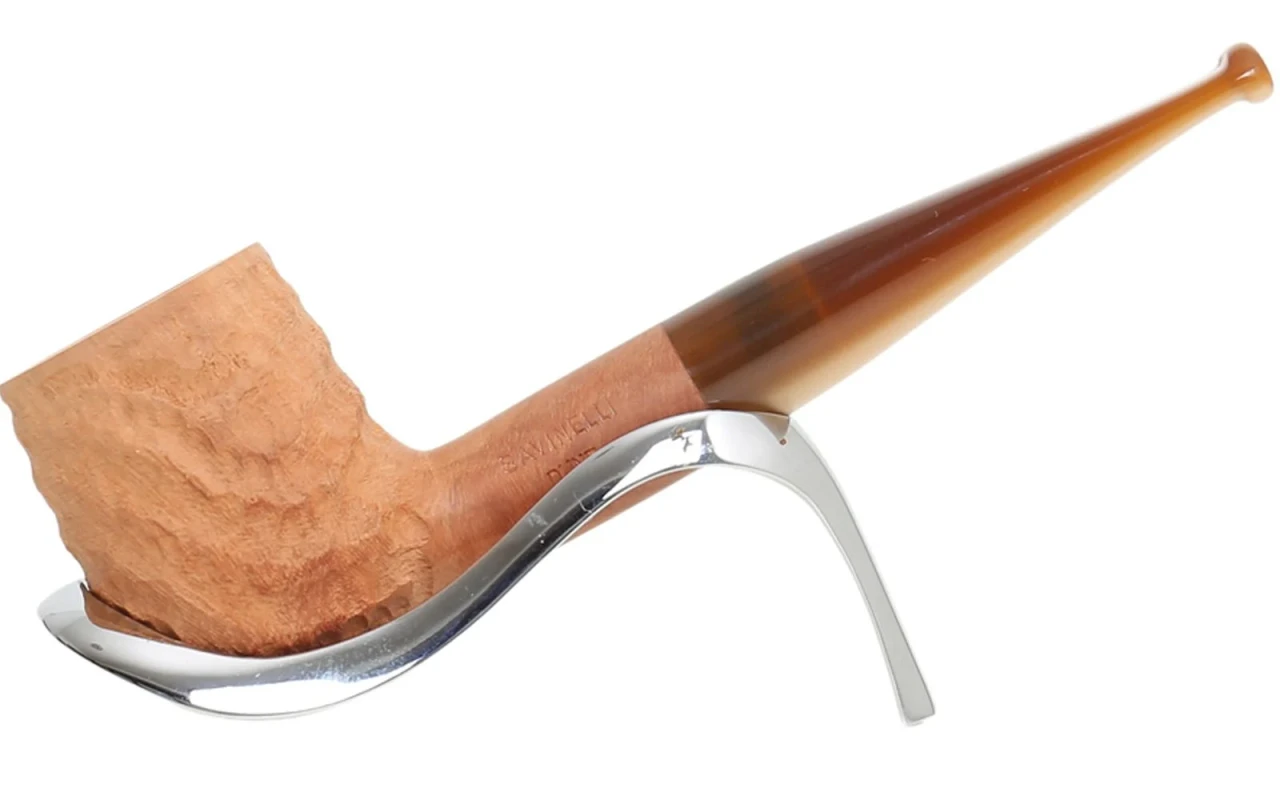
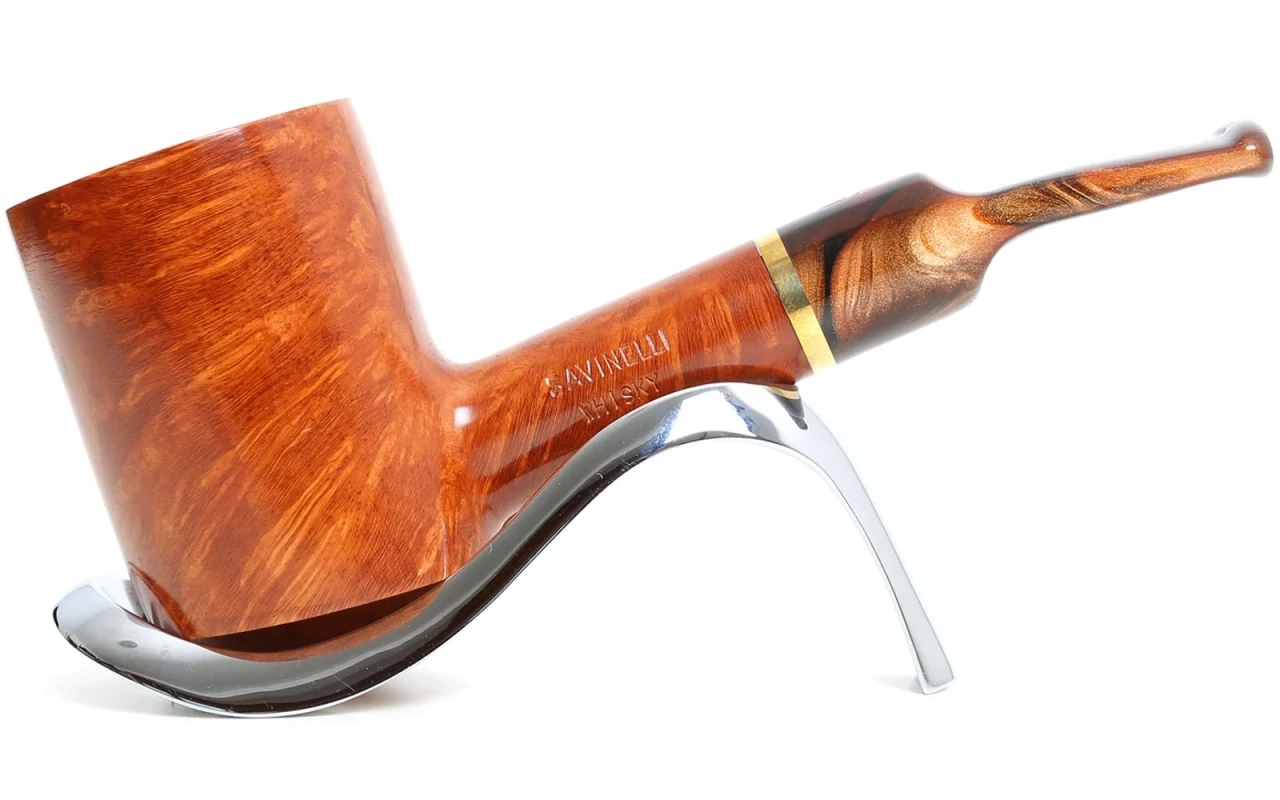
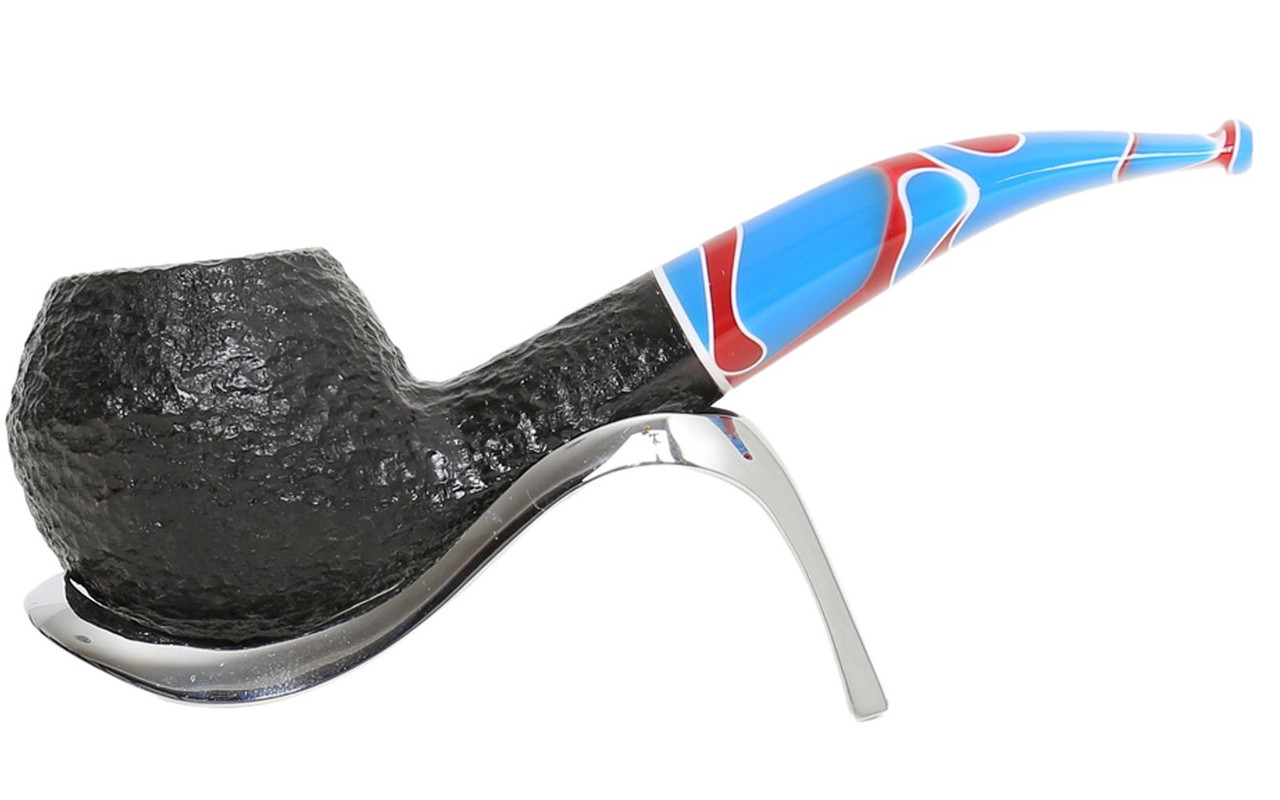
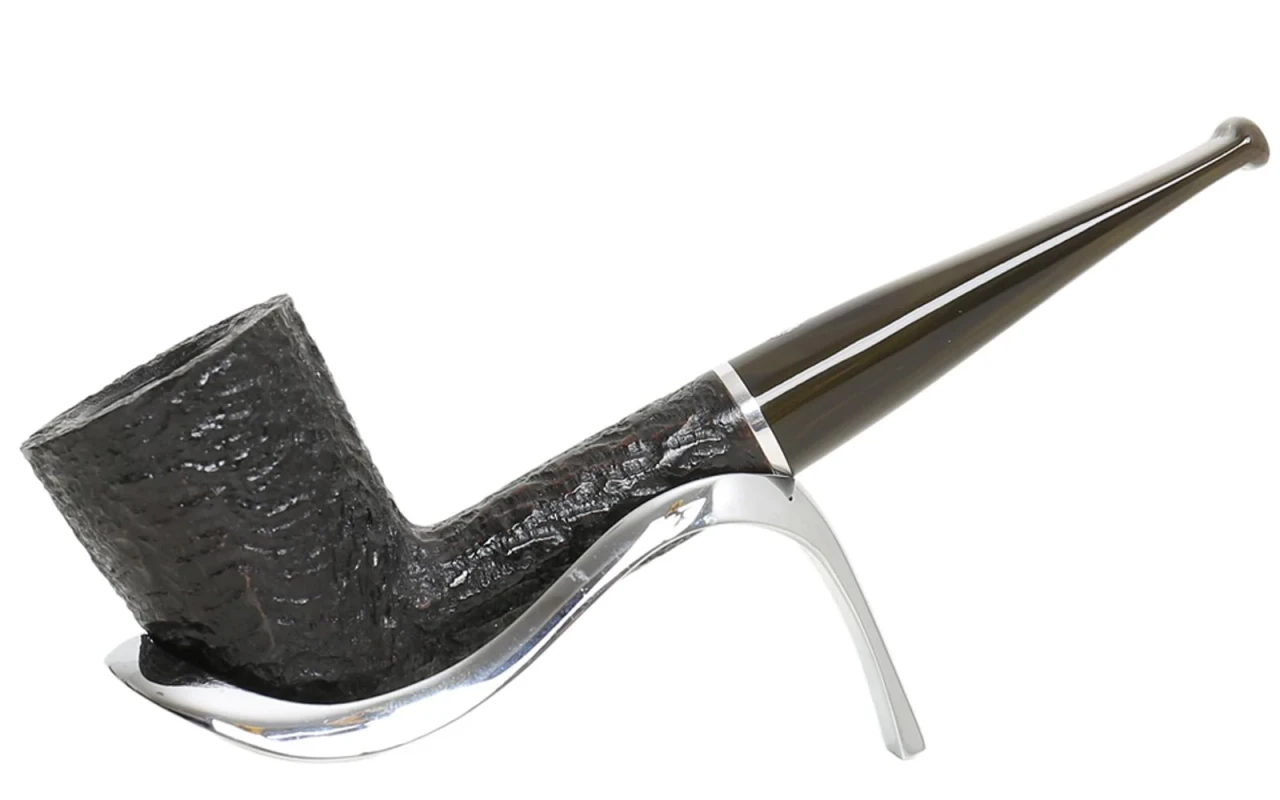
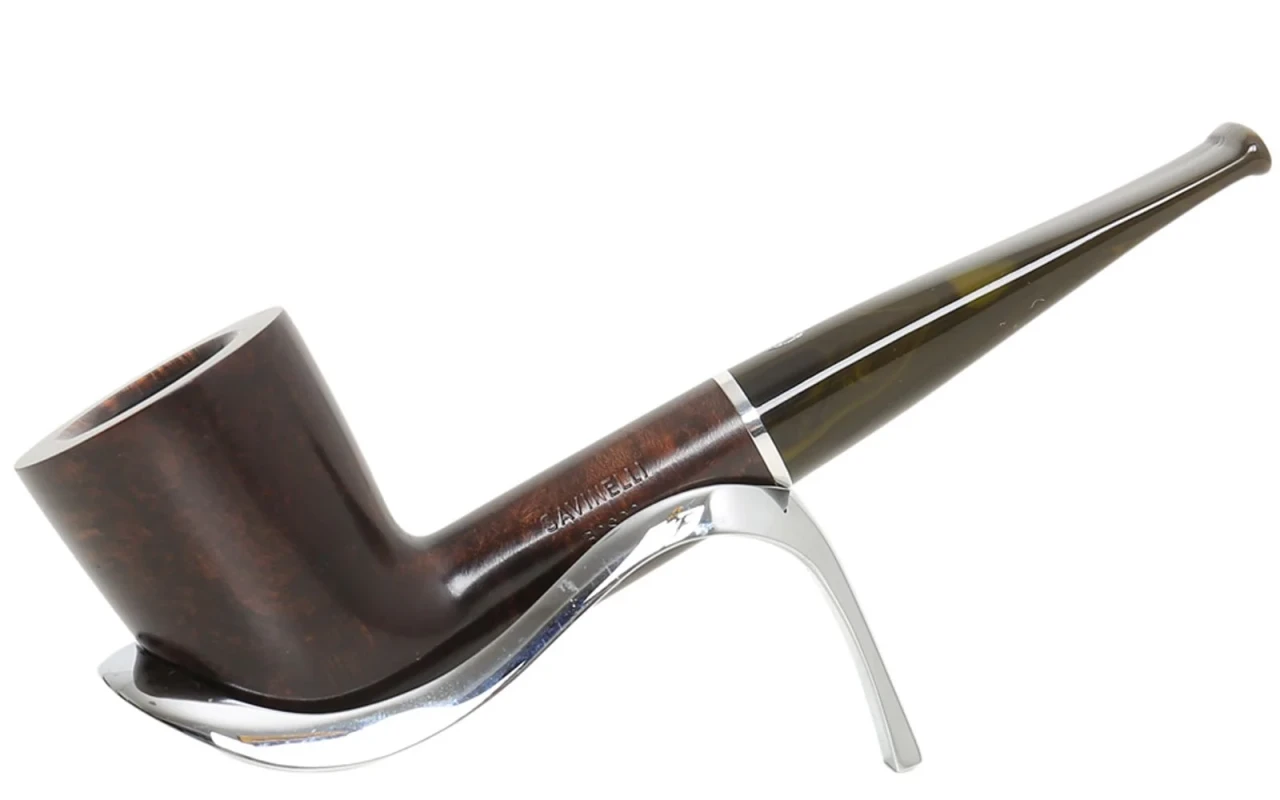
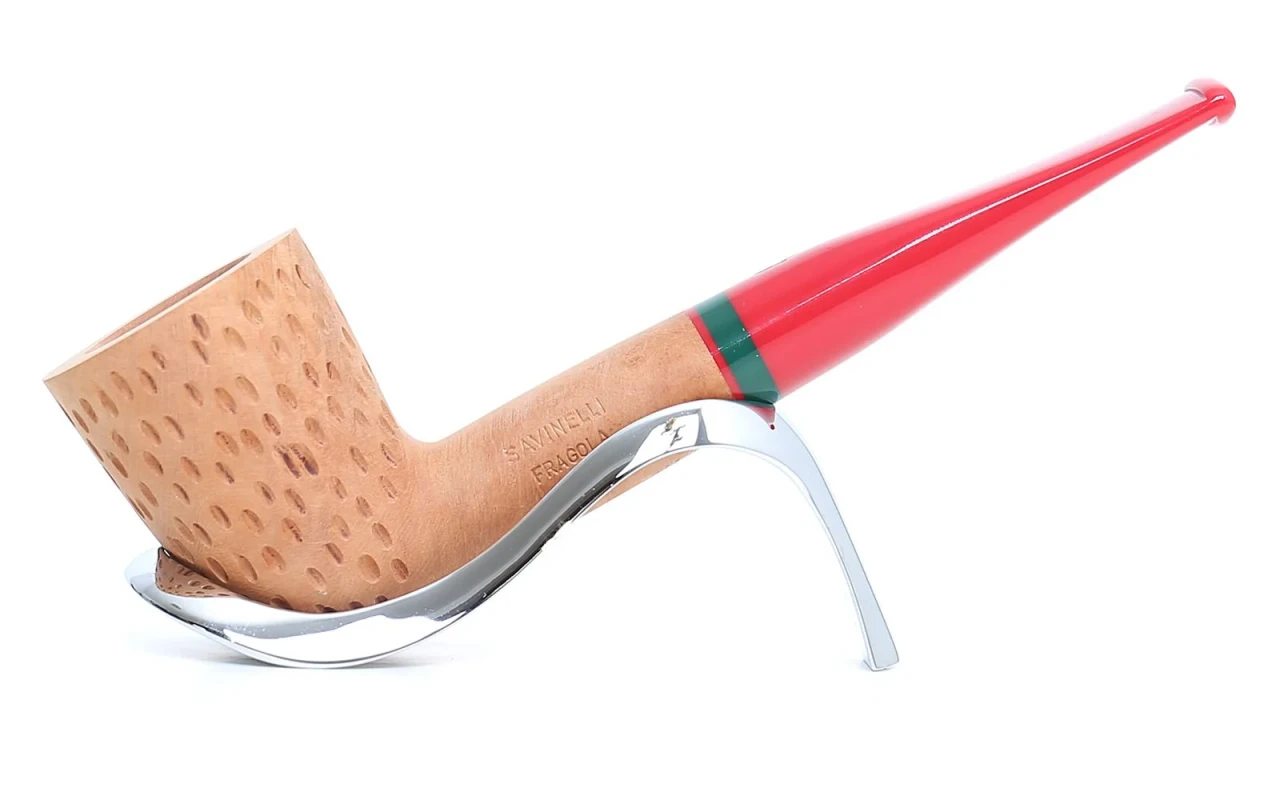
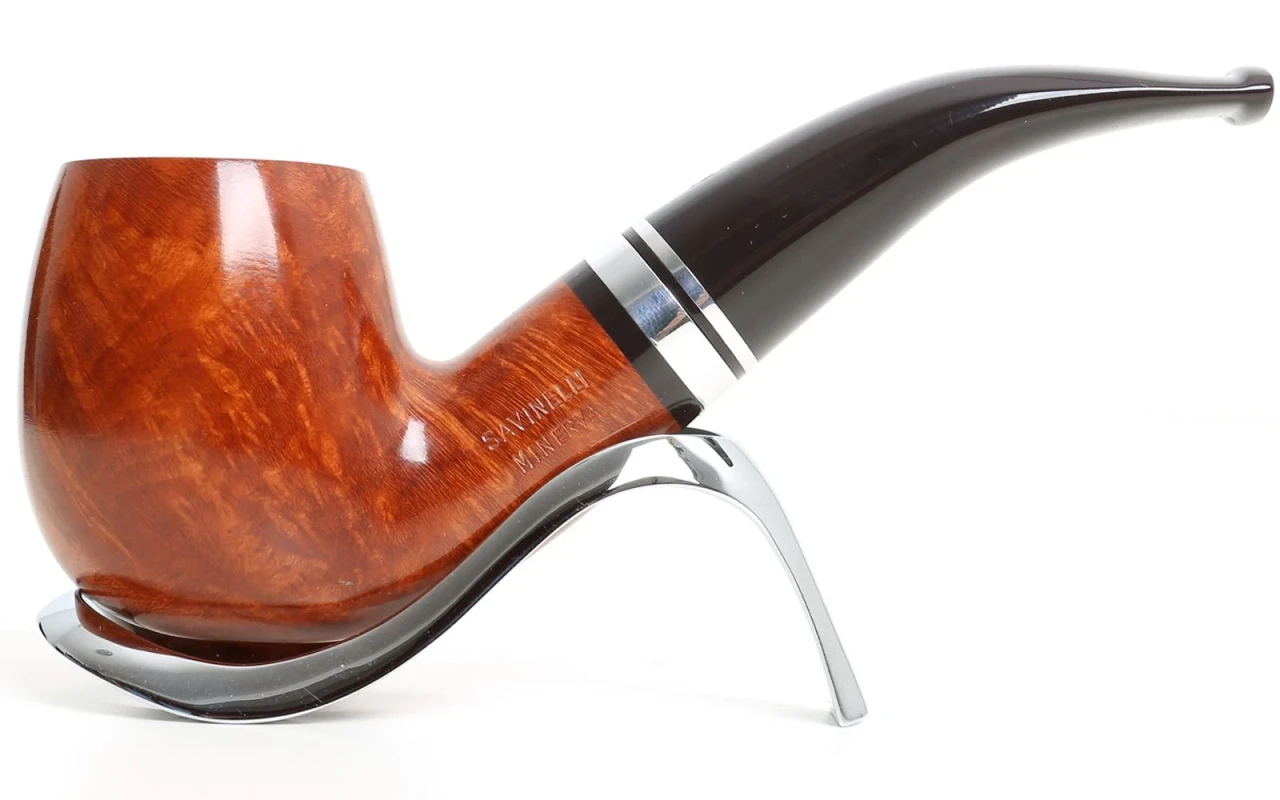
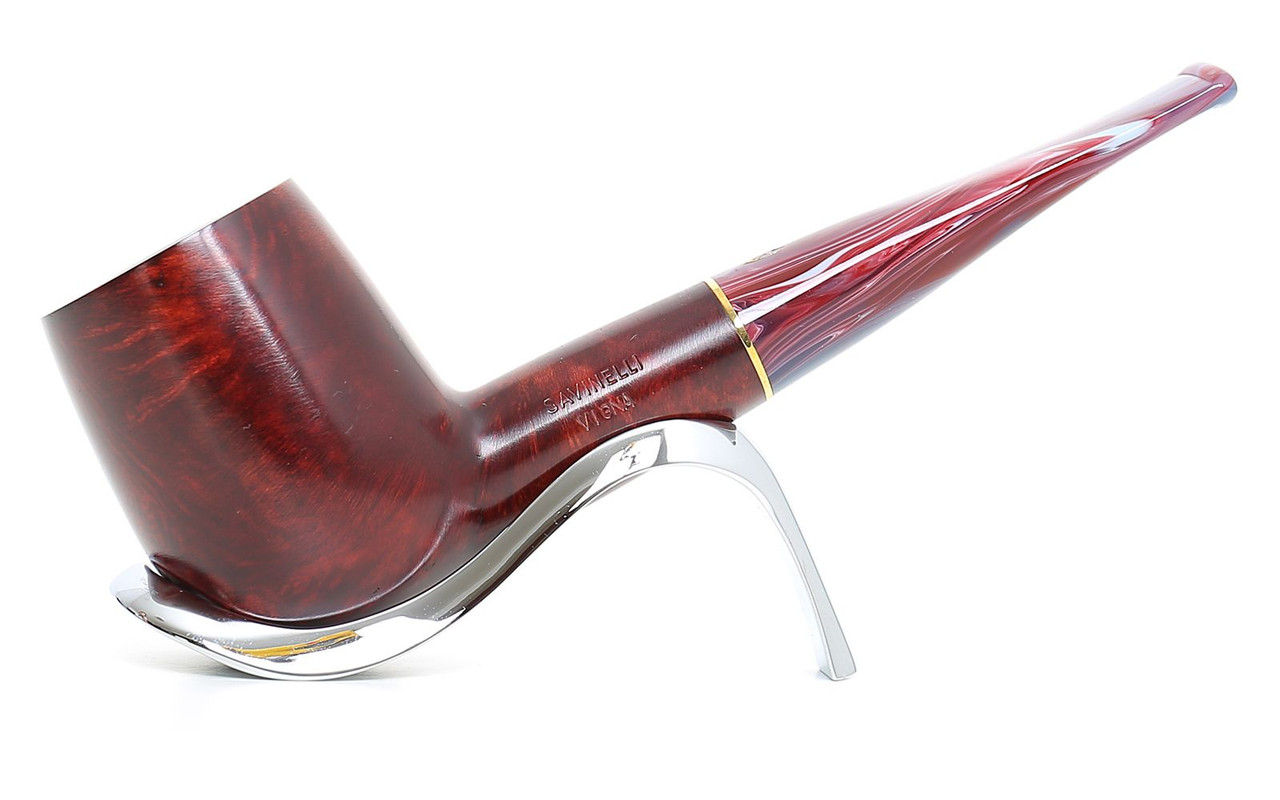
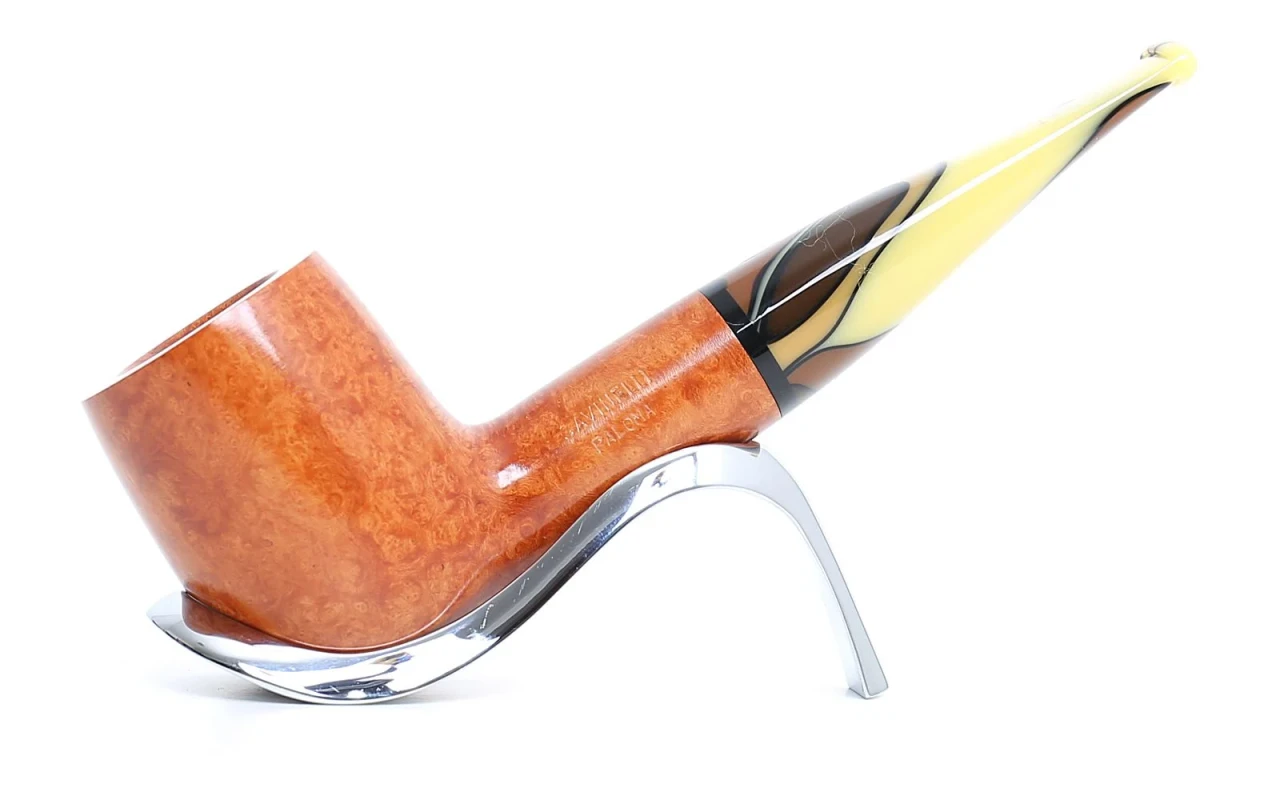
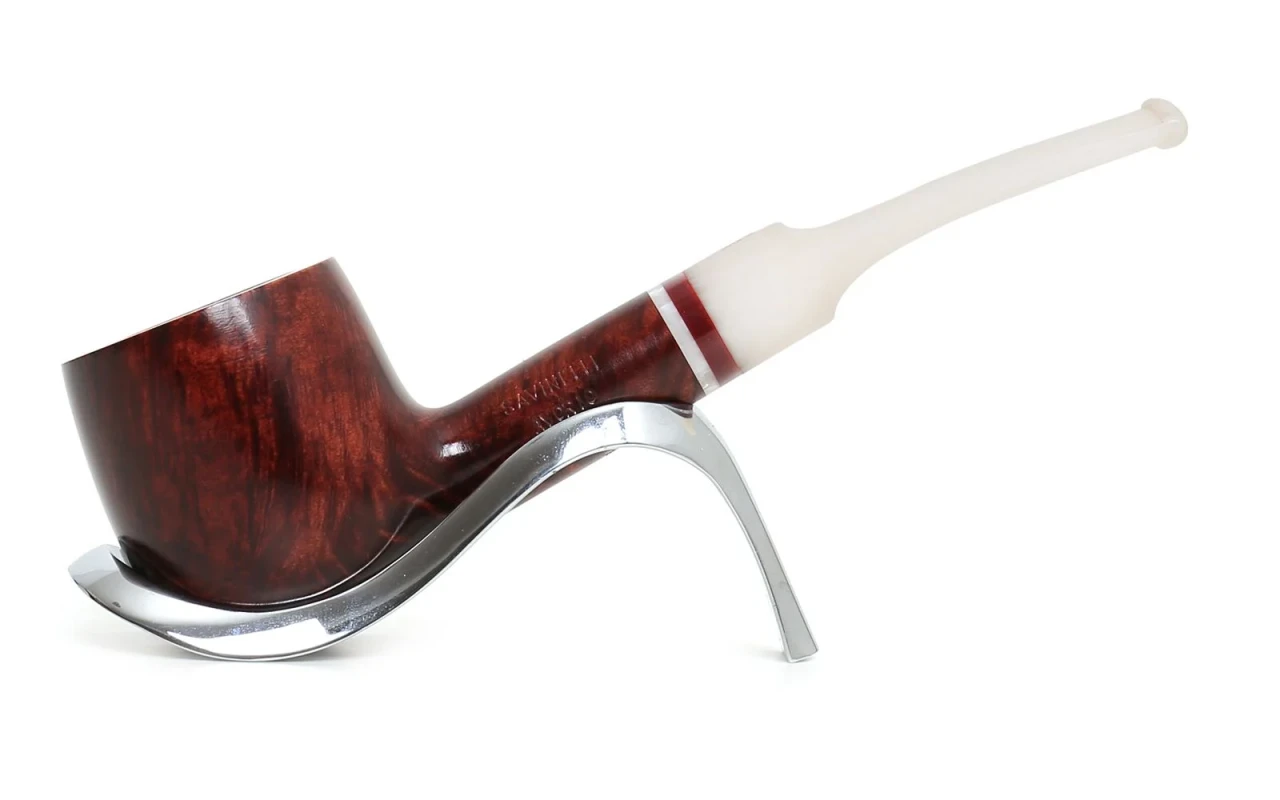
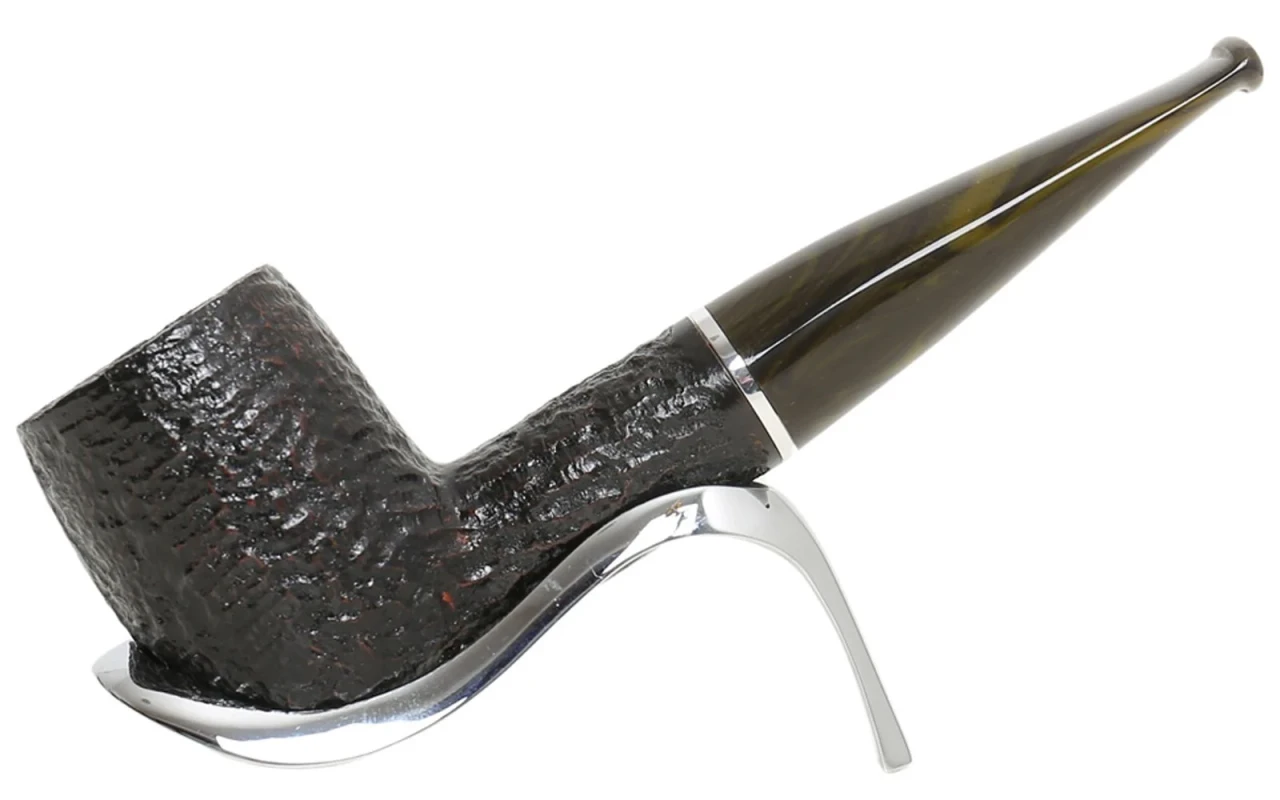
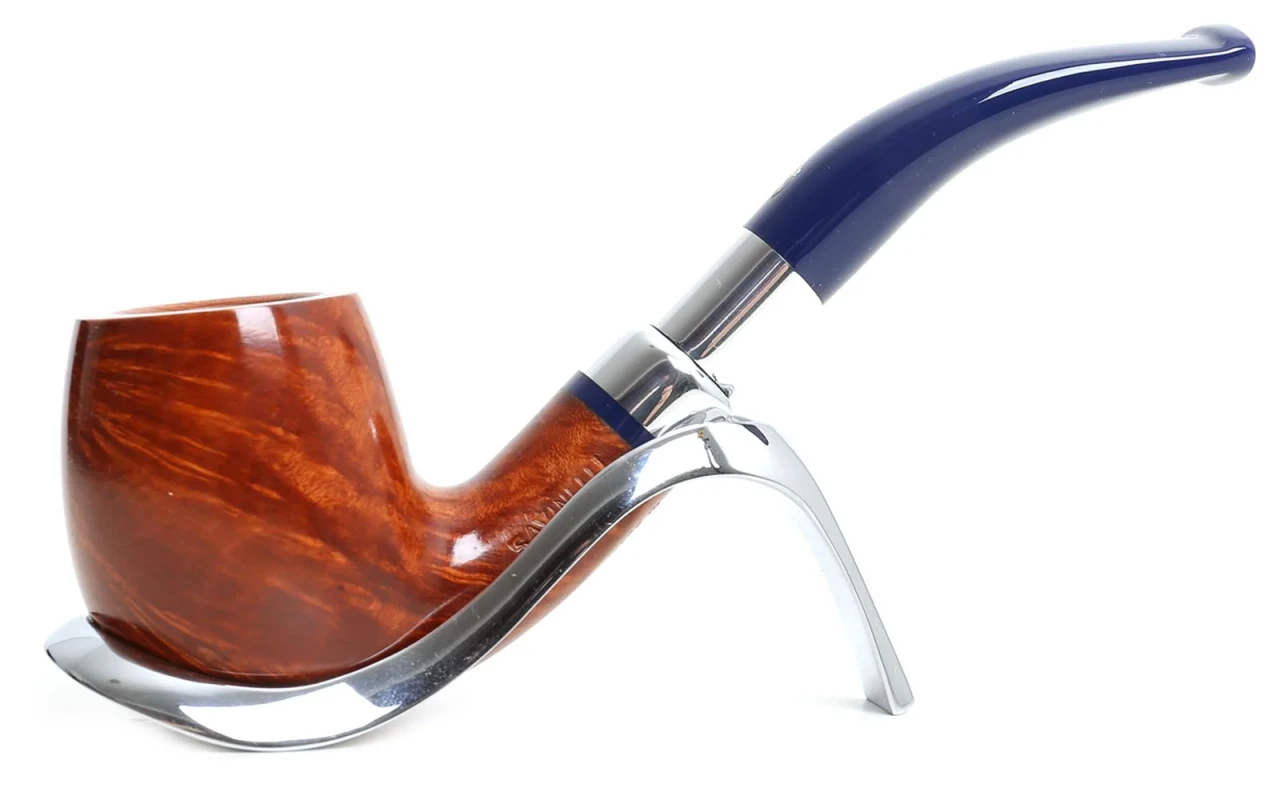
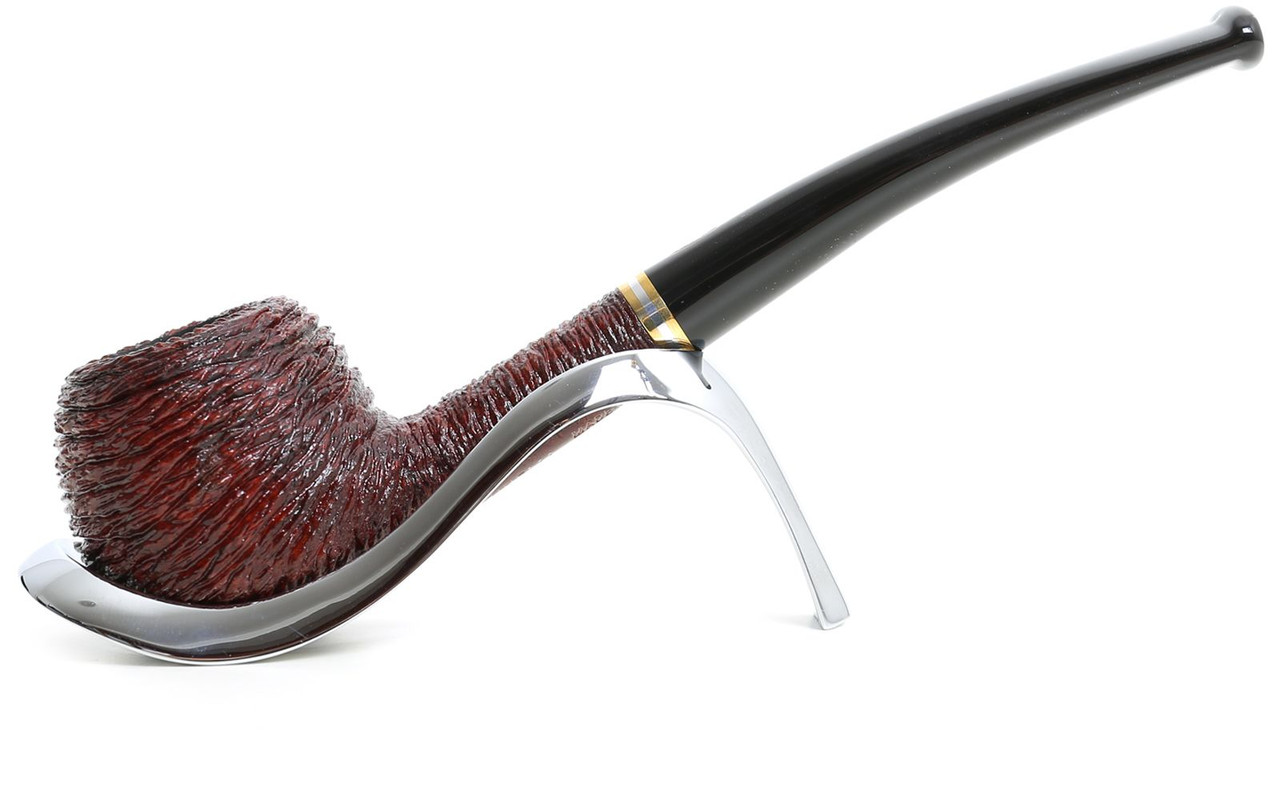
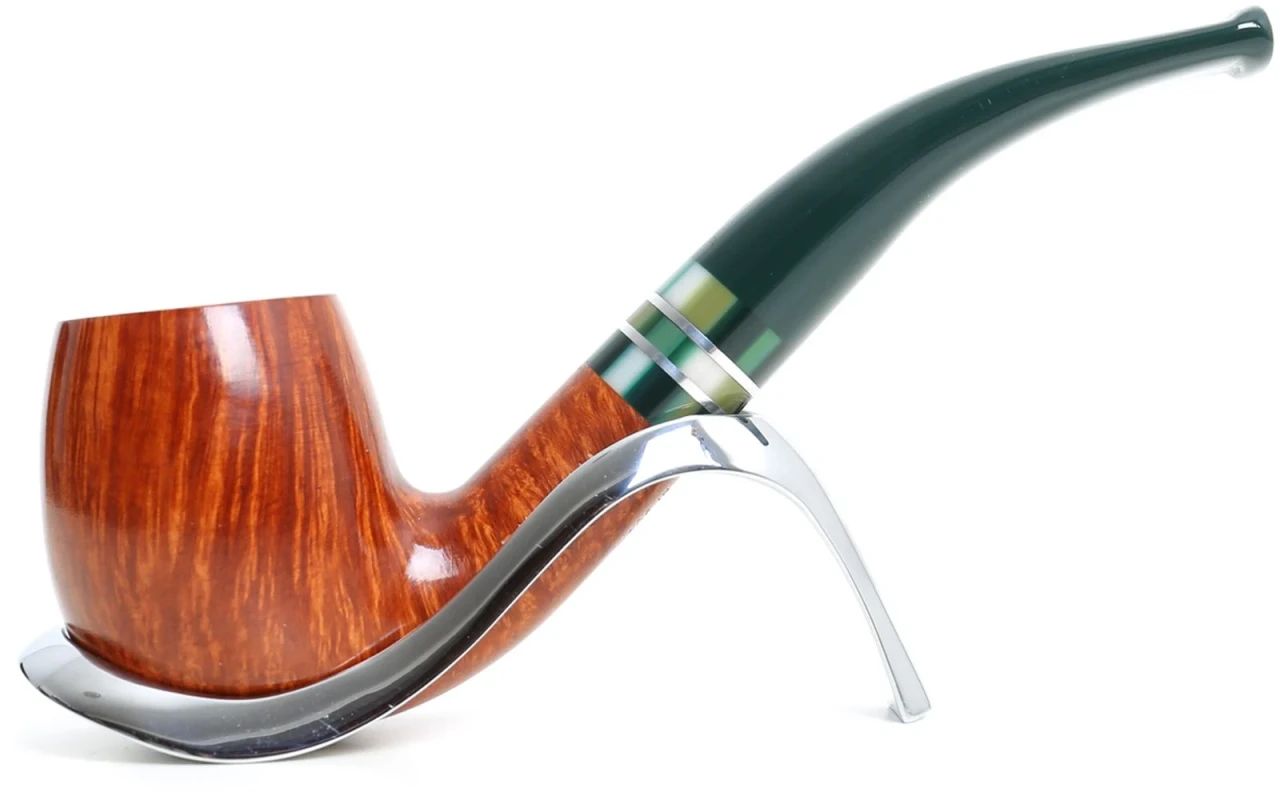
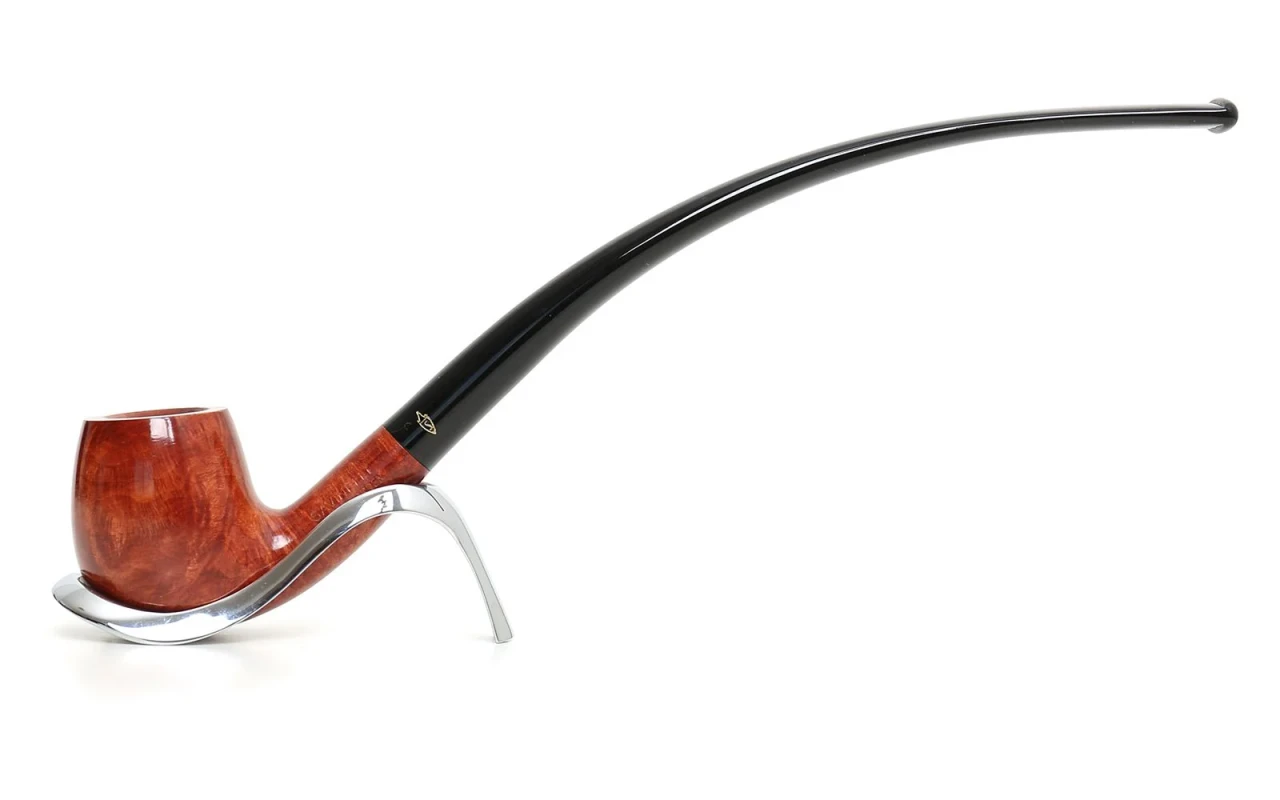
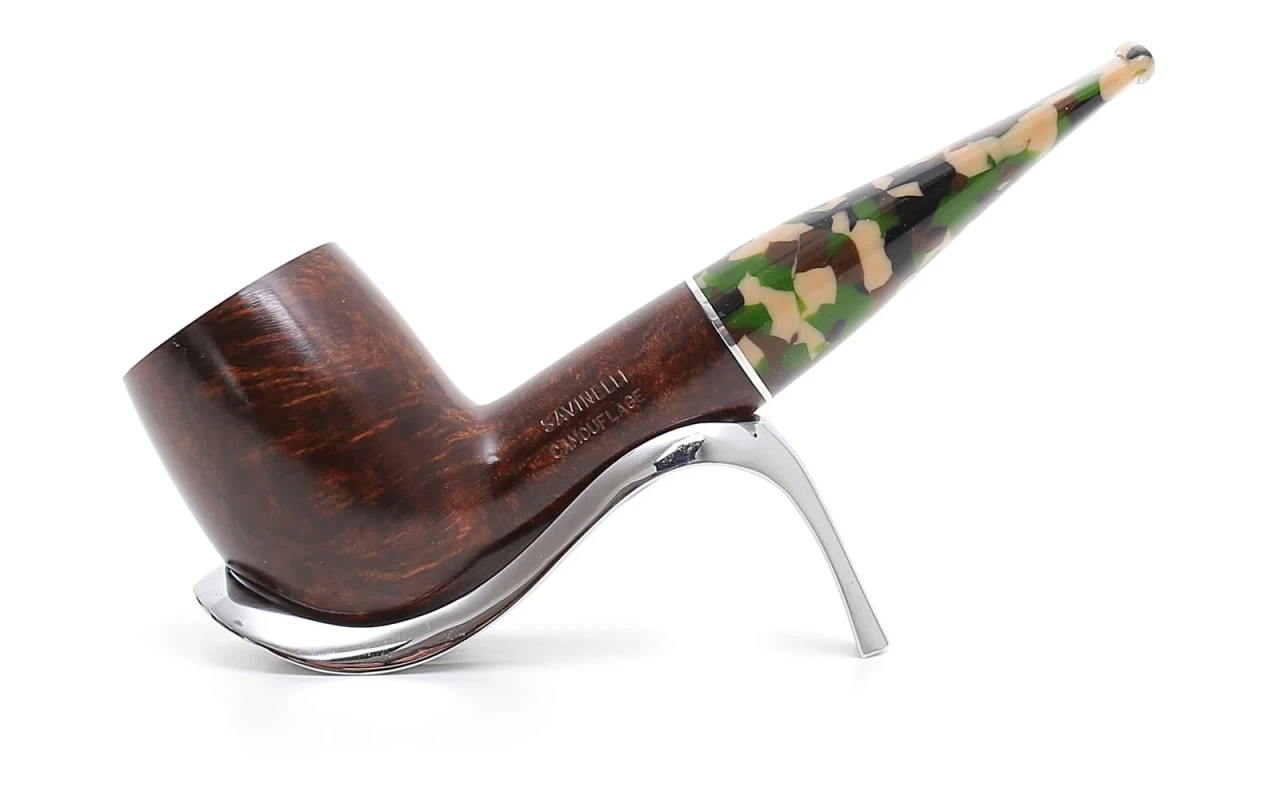
The production of unique and high-quality pipes requires craftsmanship skills and premium materials. Pipes are crafted using both traditional and innovative methods, ensuring exclusive design and meticulous workmanship. Master pipemakers select fine woods, such as briar or olive wood, to create distinctive and long-lasting pieces. Every detail, from the shape to the finish, is carefully crafted to provide a superior smoking experience. Artisanal pipes stand out for the quality of materials, the elegance of design, and the precision of craftsmanship, meeting the refined tastes of pipe smoking enthusiasts.
Italian Handcrafted Pipes
Italian handcrafted pipes are renowned for their quality and artisanal excellence. Crafted by skilled master pipemakers, these pipes are appreciated worldwide for their attention to detail, premium materials, and unique design. Italian handcrafted pipes range from classic models to more modern and innovative creations, catering to the preferences of every pipe smoker. Thanks to the long tradition and experience of Italian manufacturers, pipes from the Bel Paese are considered among the best in the world, ensuring a pleasurable smoking experience and an object of great aesthetic beauty.
Types of wood for pipes
There are several types of wood suitable for crafting smoking pipes. Among the most commonly used are:- Briar wood: known for its resistance and ability to absorb moisture without warping.- Olive wood: appreciated for its beauty and resistance to combustion.- Cherry wood: a soft yet durable wood, ideal for lightweight pipes with a sweet aroma.- Oak wood: sturdy and heat-resistant, suitable for larger pipes.- Walnut wood: hard and durable wood, highly valued for its unique grain patterns.The choice of wood depends on personal preferences and the intended use of the pipe.
Smoking pipe maintenance
Maintaining smoking pipes is essential to ensure a good smoking experience and preserve the quality of the instrument over time. Here are some useful tips:- Regular cleaning: remove tobacco and tar residues with specific scrapers and brushes.- Thorough drying: allow the pipe to dry completely after each use to prevent mold formation.- Tobacco rotation: alternate tobaccos to avoid overheating the pipe.- Mouthpiece inspection: check for any cracks or breaks that could compromise the smoke.- Proper storage: store the pipe in a suitable case or stand to prevent damage.By following these practices, you can keep your smoking pipe in excellent condition over time.
'%3e%3cg id='Final-Copy-2_2_' transform='translate(1275.000000, 200.000000)'%3e%3cpath class='st0' d='M7.4,12.8h6.8l3.1-11.6H7.4C4.2,1.2,1.6,3.8,1.6,7S4.2,12.8,7.4,12.8z'/%3e%3c/g%3e%3c/g%3e%3c/g%3e%3cg id='final---dec.11-2020'%3e%3cg id='_x30_208-our-toggle' transform='translate(-1275.000000, -200.000000)'%3e%3cg id='Final-Copy-2' transform='translate(1275.000000, 200.000000)'%3e%3cpath class='st1' d='M22.6,0H7.4c-3.9,0-7,3.1-7,7s3.1,7,7,7h15.2c3.9,0,7-3.1,7-7S26.4,0,22.6,0z M1.6,7c0-3.2,2.6-5.8,5.8-5.8 h9.9l-3.1,11.6H7.4C4.2,12.8,1.6,10.2,1.6,7z'/%3e%3cpath id='x' class='st2' d='M24.6,4c0.2,0.2,0.2,0.6,0,0.8l0,0L22.5,7l2.2,2.2c0.2,0.2,0.2,0.6,0,0.8c-0.2,0.2-0.6,0.2-0.8,0 l0,0l-2.2-2.2L19.5,10c-0.2,0.2-0.6,0.2-0.8,0c-0.2-0.2-0.2-0.6,0-0.8l0,0L20.8,7l-2.2-2.2c-0.2-0.2-0.2-0.6,0-0.8 c0.2-0.2,0.6-0.2,0.8,0l0,0l2.2,2.2L23.8,4C24,3.8,24.4,3.8,24.6,4z'/%3e%3cpath id='y' class='st3' d='M12.7,4.1c0.2,0.2,0.3,0.6,0.1,0.8l0,0L8.6,9.8C8.5,9.9,8.4,10,8.3,10c-0.2,0.1-0.5,0.1-0.7-0.1l0,0 L5.4,7.7c-0.2-0.2-0.2-0.6,0-0.8c0.2-0.2,0.6-0.2,0.8,0l0,0L8,8.6l3.8-4.5C12,3.9,12.4,3.9,12.7,4.1z'/%3e%3c/g%3e%3c/g%3e%3c/g%3e%3c/g%3e%3c/svg%3e) Your Privacy Choices
Your Privacy Choices 


