 ES
ES FR
FR EN
EN IT
IT DE
DE
Preventing pipe blockage by smoking slowly
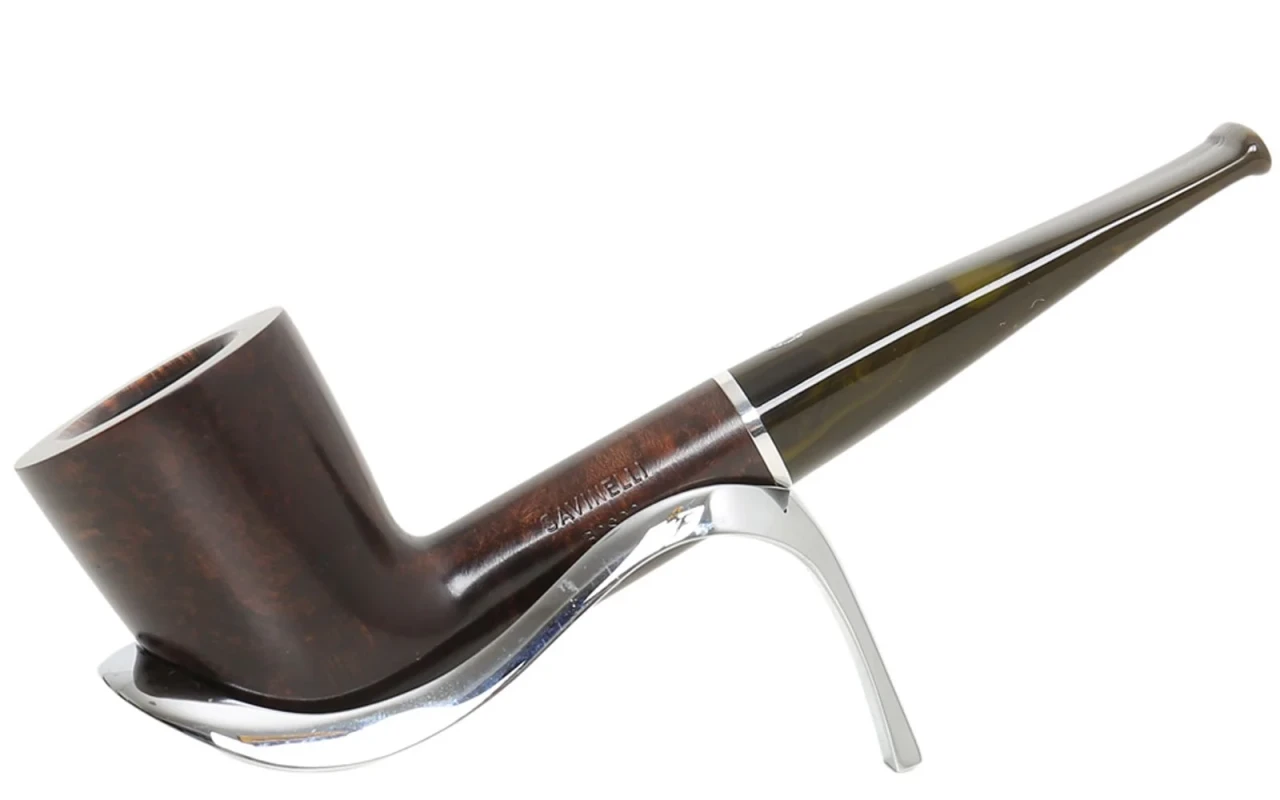
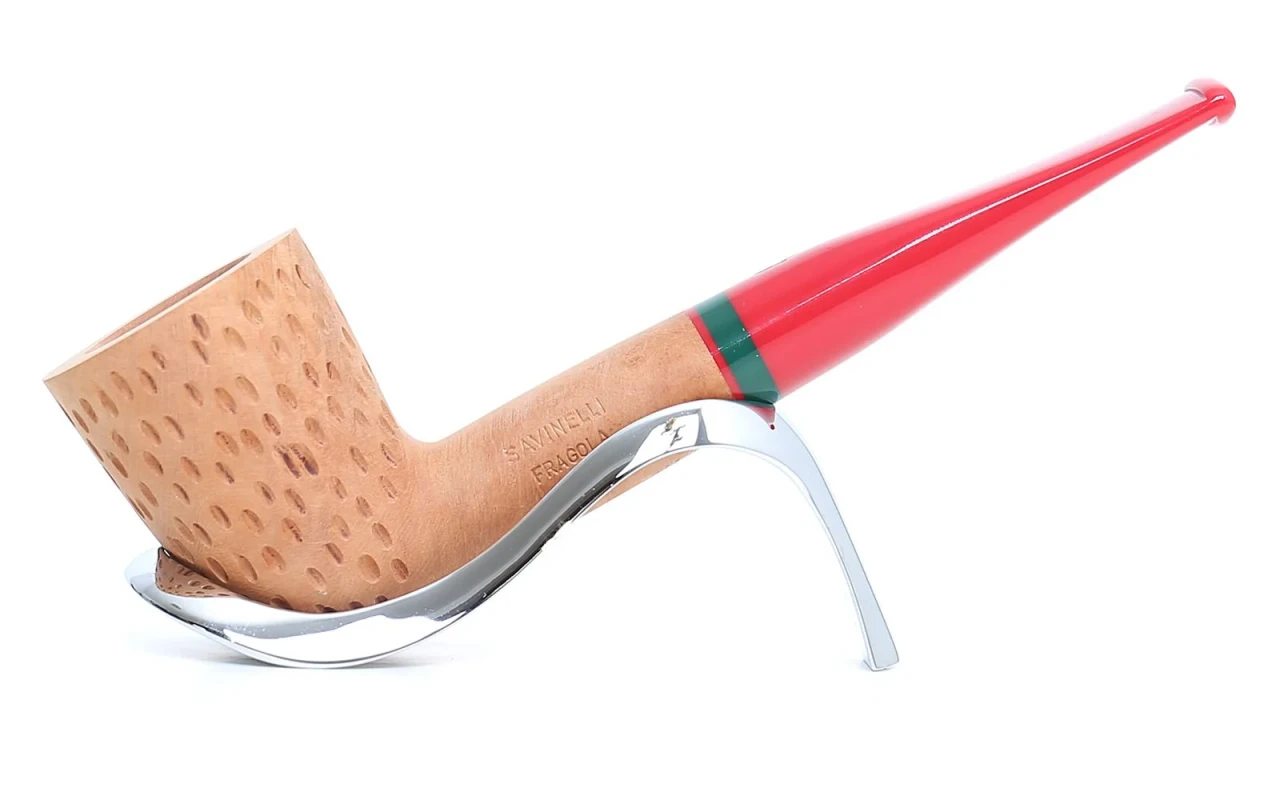
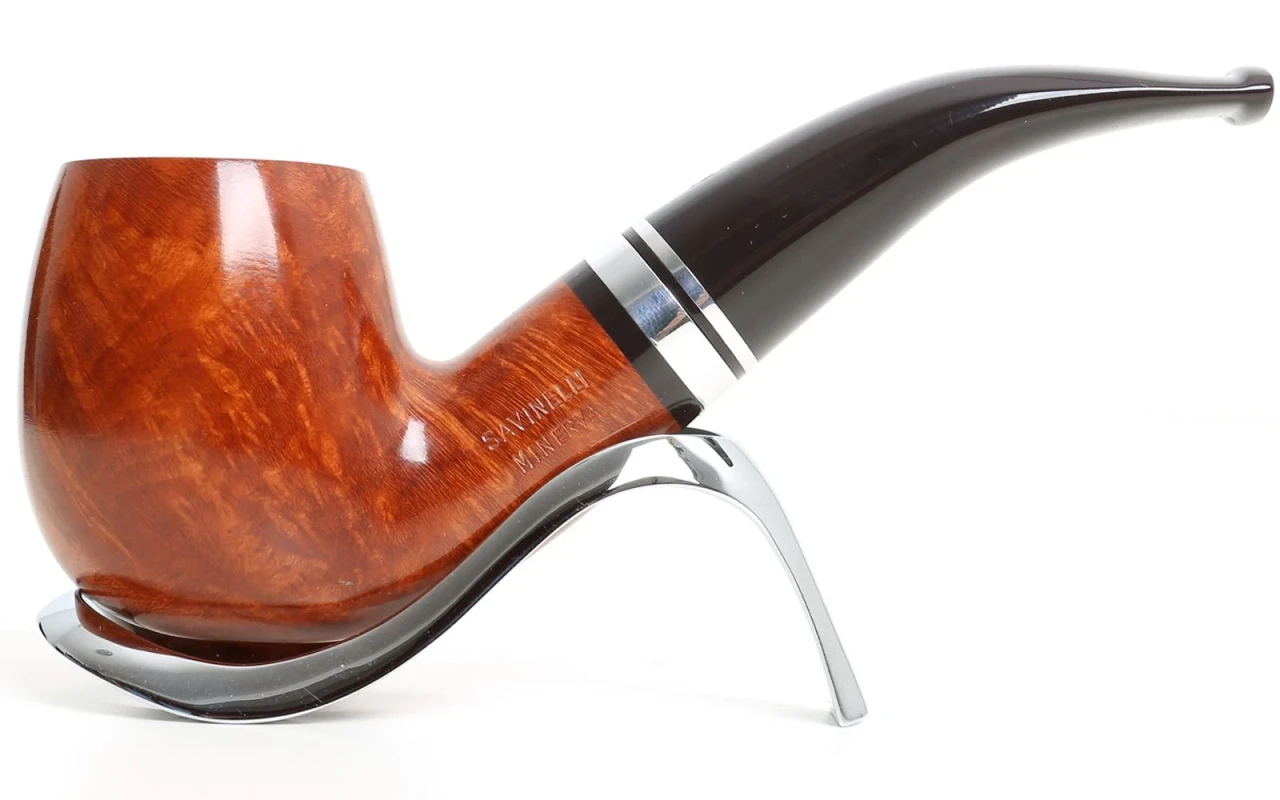
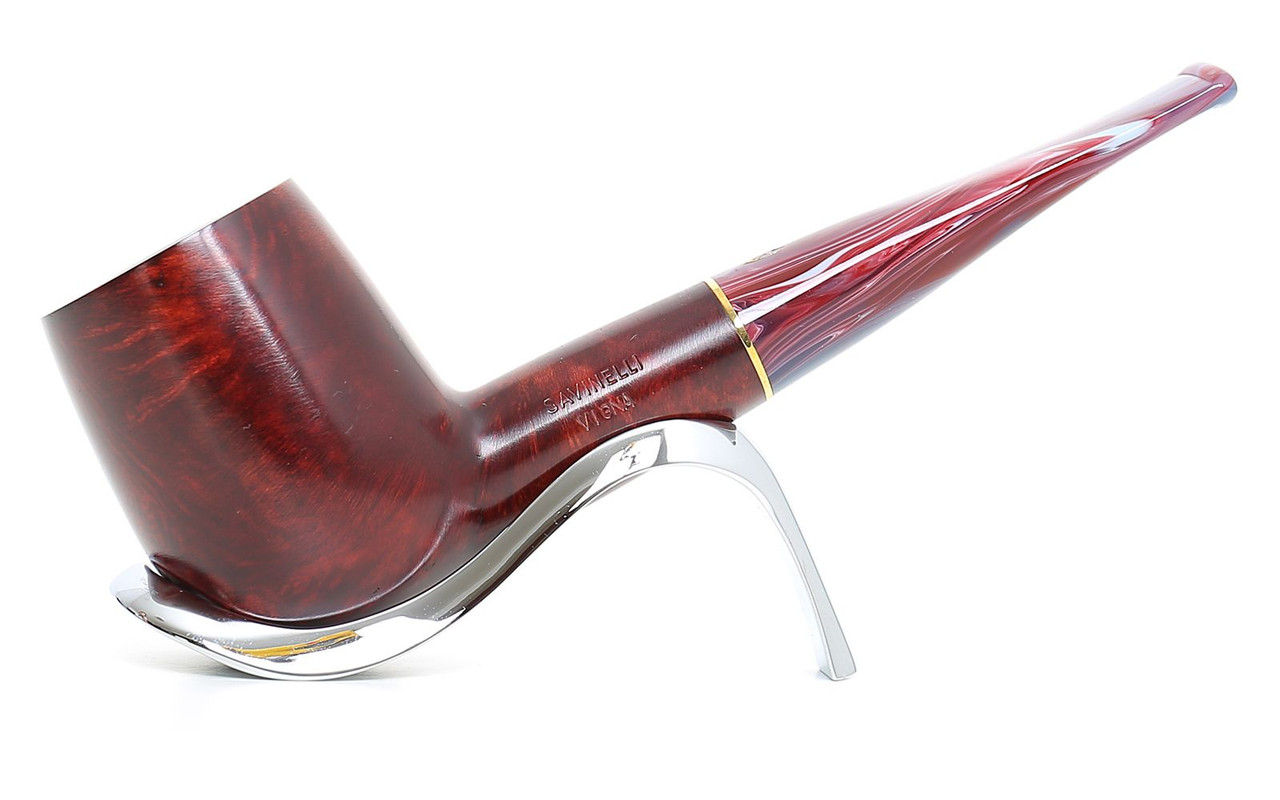
Preventing pipe blockage by smoking slowly
Smoking slowly is a recommended practice to prevent pipe blockage. This method allows the tobacco to burn more evenly, avoiding overheating and the formation of residues that can clog the pipe over time. Smoking too quickly can cause the tobacco to overheat, generating more moisture and residues that accumulate in the pipe. Moreover, smoking slowly allows one to fully appreciate the flavor and aroma of the tobacco, enhancing the overall pipe smoking experience. Following this method can help maintain your pipe in optimal condition and extend its lifespan over time.
Tips to avoid pipe blockages
To prevent blockages in pipes, it is important to follow some good practices:- Use high-quality, well-cut tobacco to reduce residue formation.- Regularly clean the pipe with a pipe cleaner to remove smoke and moisture residues.- Avoid blowing too hard into the pipe to prevent residue from settling at the bottom.- Do not overfill the pipe to allow for proper air circulation.- Avoid smoking too quickly to prevent overheating the pipe and creating condensation.- Lastly, allow the pipe to cool between sessions to avoid moisture and residue build-up.
Slow smoking techniques for pipes
Slow smoking techniques for pipes are essential to fully appreciate the tobacco and achieve a better smoking experience. Here are some useful strategies:- Carefully fill the pipe, using proper packing techniques.- Light the tobacco evenly and slowly, avoiding burning it too quickly.- Take small puffs and sip the smoke slowly.- Keep the pipe lit constantly, without blowing into it.- Keep the pipe clean for optimal combustion.- Use high-quality tobaccos suitable for slow smoking.- Relax and enjoy the moment without rushing.
Slow smoke pipe maintenance
Maintaining slow smoke pipes is essential to ensure a pleasant smoking experience and preserve the pipe's durability. Here are some useful tips:- Regularly clean the pipe with a pipe cleaner to remove tobacco residues and moisture.- Avoid overloading the pipe to prevent excessive wood overheating.- Carefully use the scraper to remove any tar build-up.- Allow the pipe to cool down completely before storing it.- Periodically check the filter condition and replace it if needed.- Store the pipe in a dry and well-ventilated environment.
'%3e%3cg id='Final-Copy-2_2_' transform='translate(1275.000000, 200.000000)'%3e%3cpath class='st0' d='M7.4,12.8h6.8l3.1-11.6H7.4C4.2,1.2,1.6,3.8,1.6,7S4.2,12.8,7.4,12.8z'/%3e%3c/g%3e%3c/g%3e%3c/g%3e%3cg id='final---dec.11-2020'%3e%3cg id='_x30_208-our-toggle' transform='translate(-1275.000000, -200.000000)'%3e%3cg id='Final-Copy-2' transform='translate(1275.000000, 200.000000)'%3e%3cpath class='st1' d='M22.6,0H7.4c-3.9,0-7,3.1-7,7s3.1,7,7,7h15.2c3.9,0,7-3.1,7-7S26.4,0,22.6,0z M1.6,7c0-3.2,2.6-5.8,5.8-5.8 h9.9l-3.1,11.6H7.4C4.2,12.8,1.6,10.2,1.6,7z'/%3e%3cpath id='x' class='st2' d='M24.6,4c0.2,0.2,0.2,0.6,0,0.8l0,0L22.5,7l2.2,2.2c0.2,0.2,0.2,0.6,0,0.8c-0.2,0.2-0.6,0.2-0.8,0 l0,0l-2.2-2.2L19.5,10c-0.2,0.2-0.6,0.2-0.8,0c-0.2-0.2-0.2-0.6,0-0.8l0,0L20.8,7l-2.2-2.2c-0.2-0.2-0.2-0.6,0-0.8 c0.2-0.2,0.6-0.2,0.8,0l0,0l2.2,2.2L23.8,4C24,3.8,24.4,3.8,24.6,4z'/%3e%3cpath id='y' class='st3' d='M12.7,4.1c0.2,0.2,0.3,0.6,0.1,0.8l0,0L8.6,9.8C8.5,9.9,8.4,10,8.3,10c-0.2,0.1-0.5,0.1-0.7-0.1l0,0 L5.4,7.7c-0.2-0.2-0.2-0.6,0-0.8c0.2-0.2,0.6-0.2,0.8,0l0,0L8,8.6l3.8-4.5C12,3.9,12.4,3.9,12.7,4.1z'/%3e%3c/g%3e%3c/g%3e%3c/g%3e%3c/g%3e%3c/svg%3e) Your Privacy Choices
Your Privacy Choices 


