 ES
ES FR
FR EN
EN IT
IT DE
DE
Preventing Cracks and Breaks in Pipes
Preventing Cracks and Breaks in Pipes
Preventing cracks and breaks in pipes is crucial to ensure their proper functioning and durability over time. Here are some useful tips:- Carry out regular inspections to identify any signs of wear or damage.- Maintain the correct pressure and temperature of the transported fluid.- Use high-quality materials that comply with regulations.- Avoid overloads and mechanical stress on the pipes.- Protect the pipes from corrosive or harmful agents.- Ensure that installation and maintenance are carried out by qualified personnel.By following these guidelines, it is possible to significantly reduce the risk of cracks and breaks in pipes.
How to Prevent Damage to Smoking Pipes
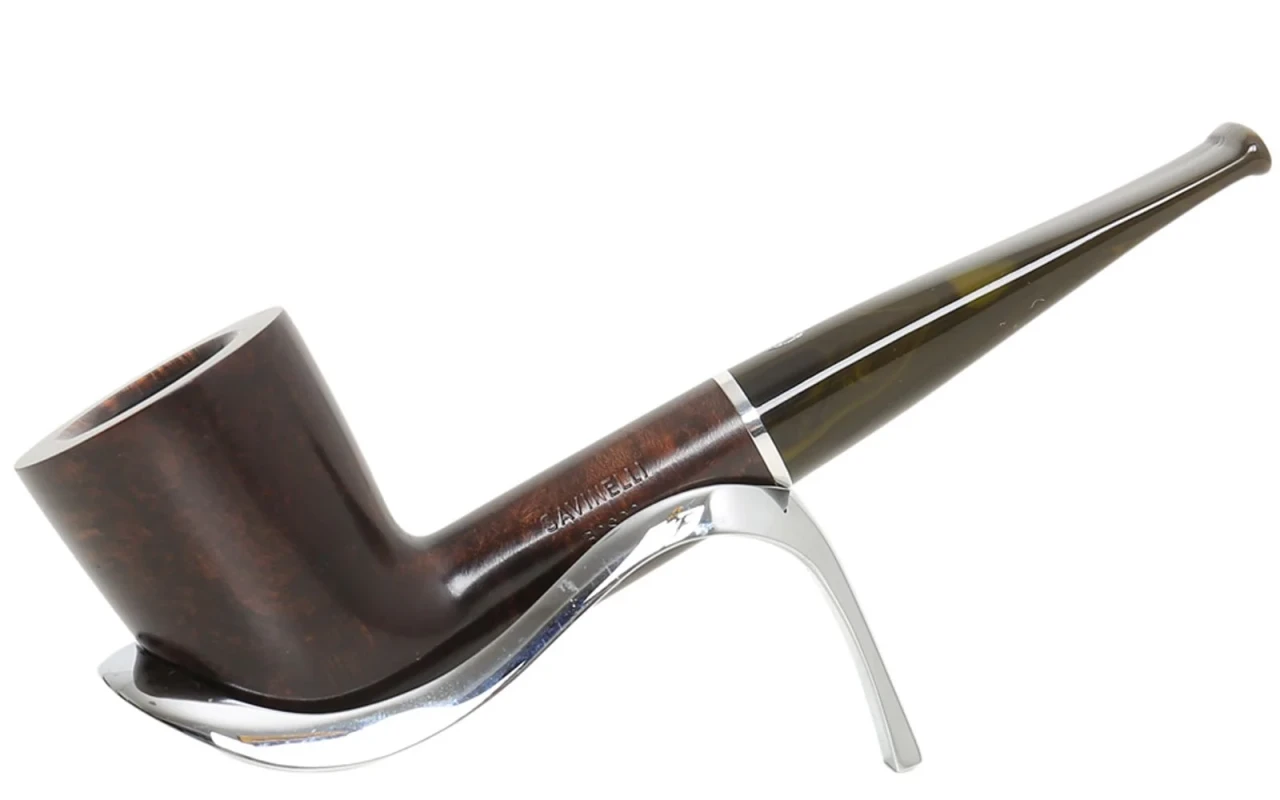
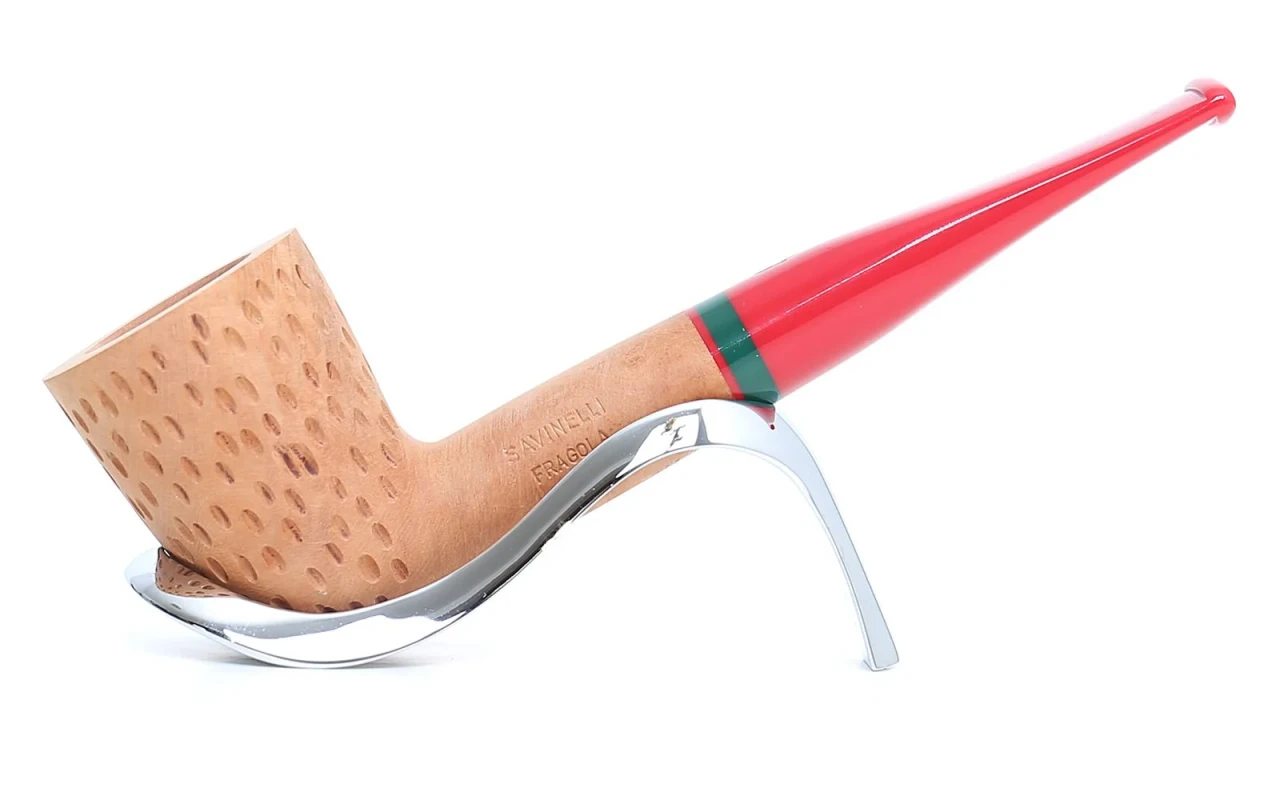
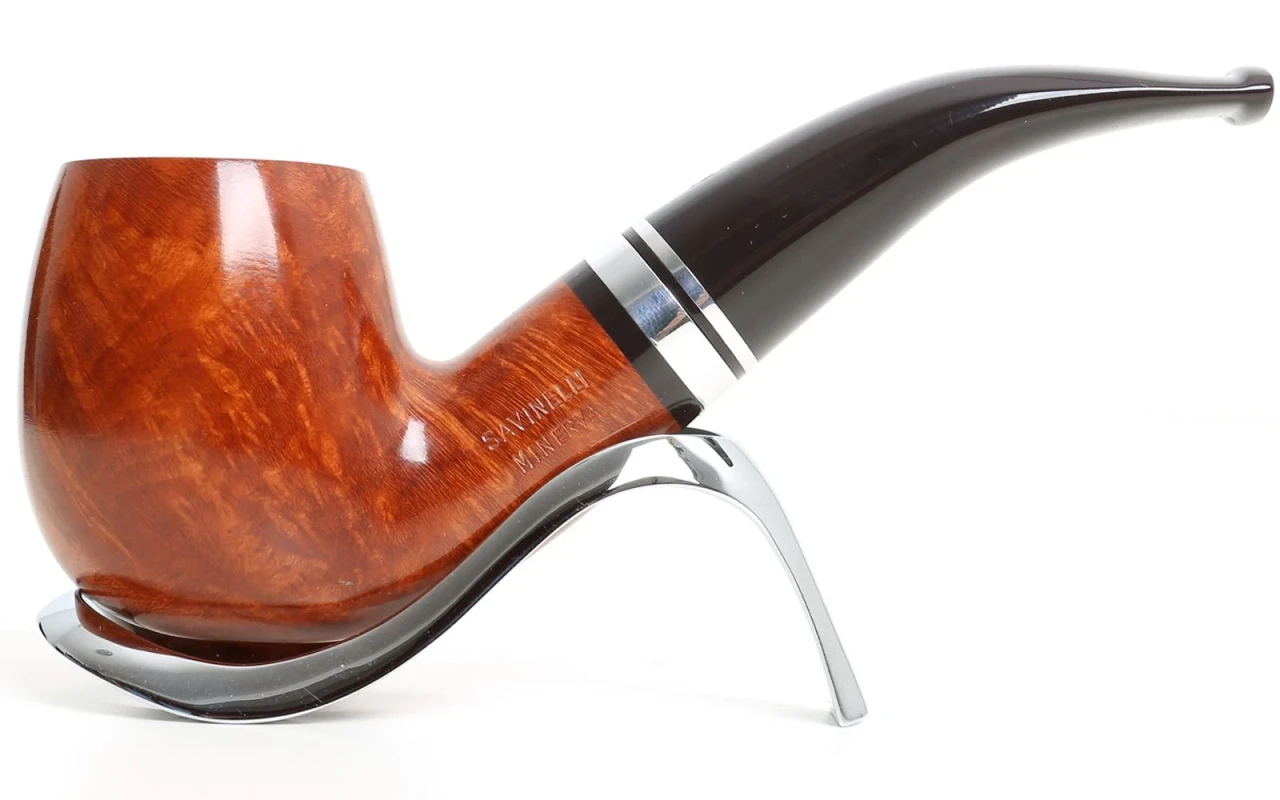
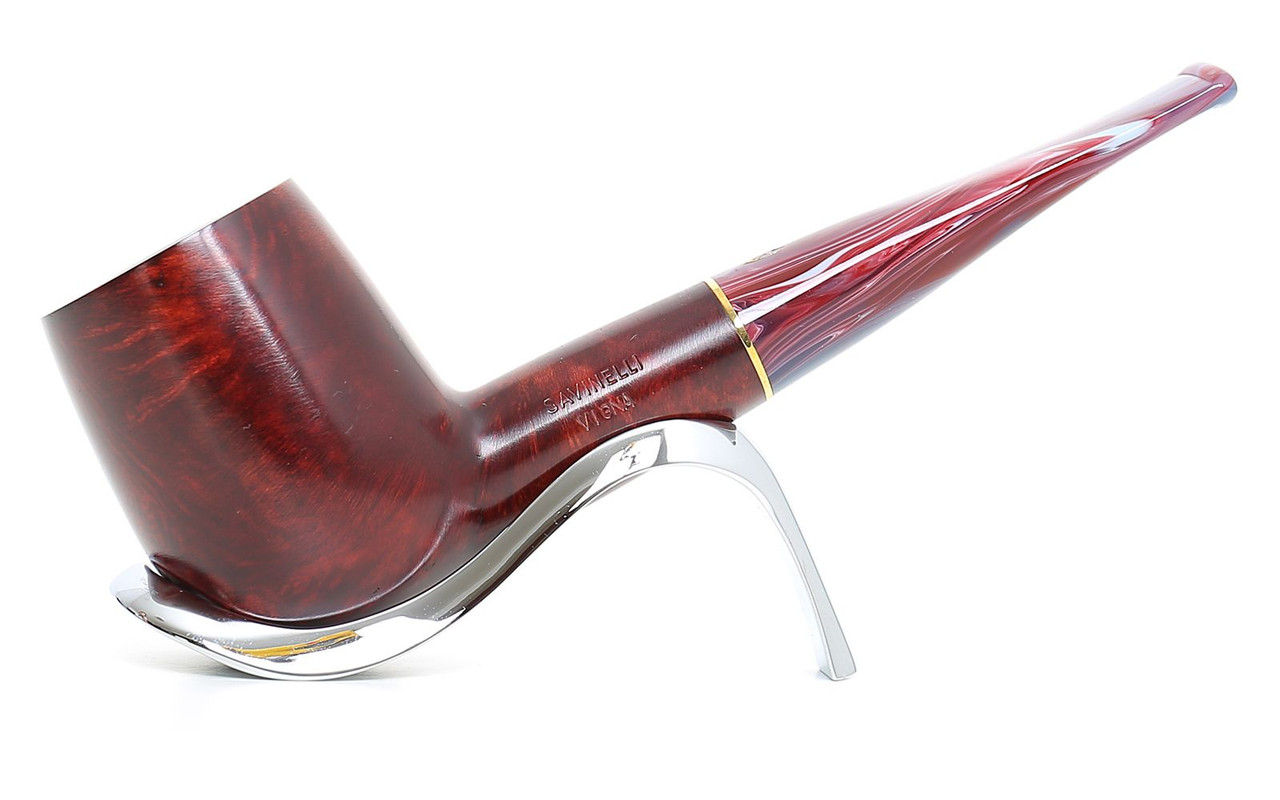
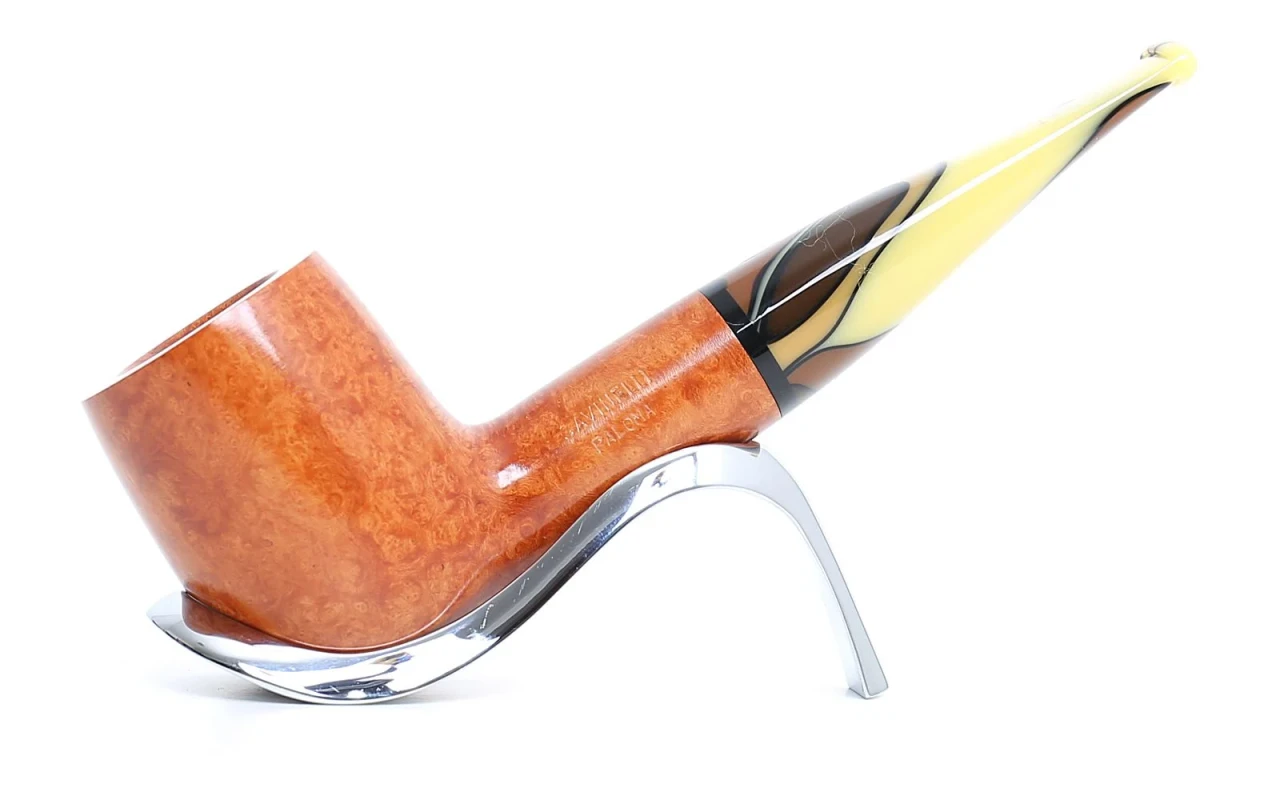
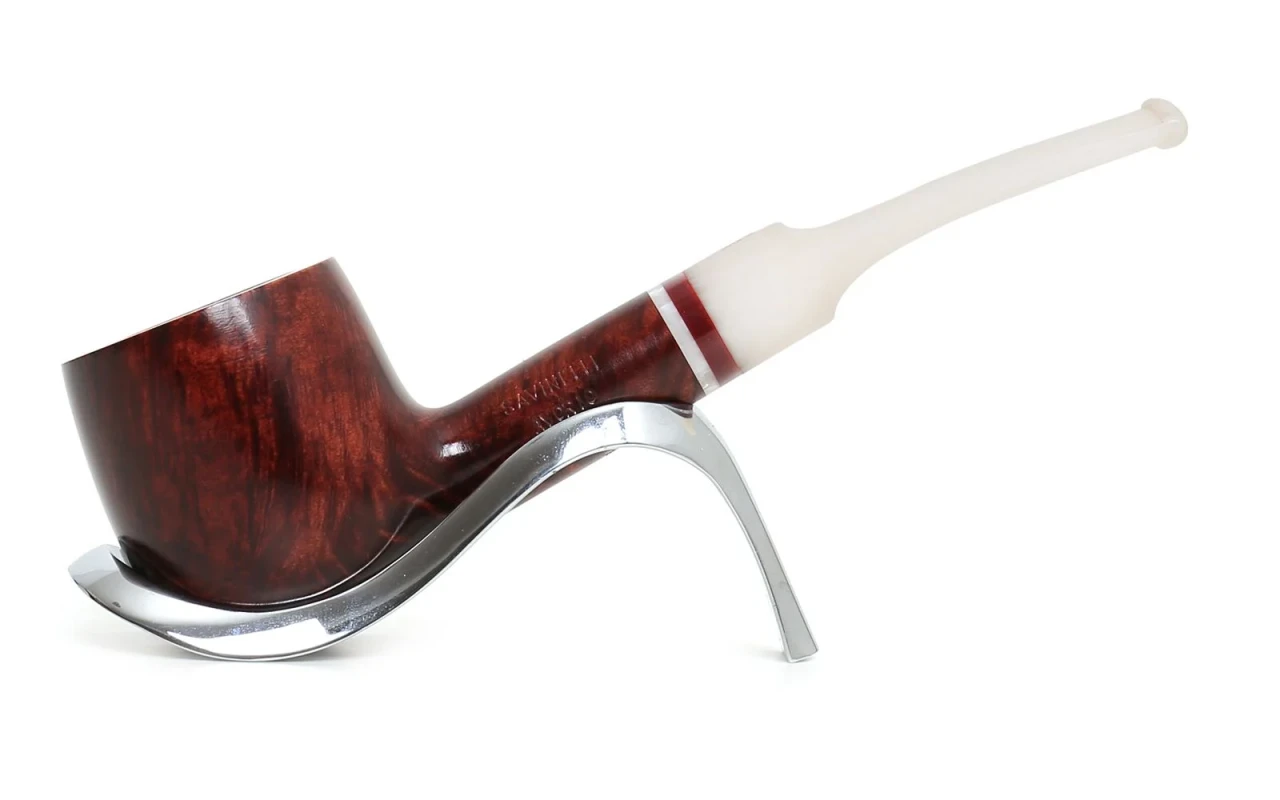
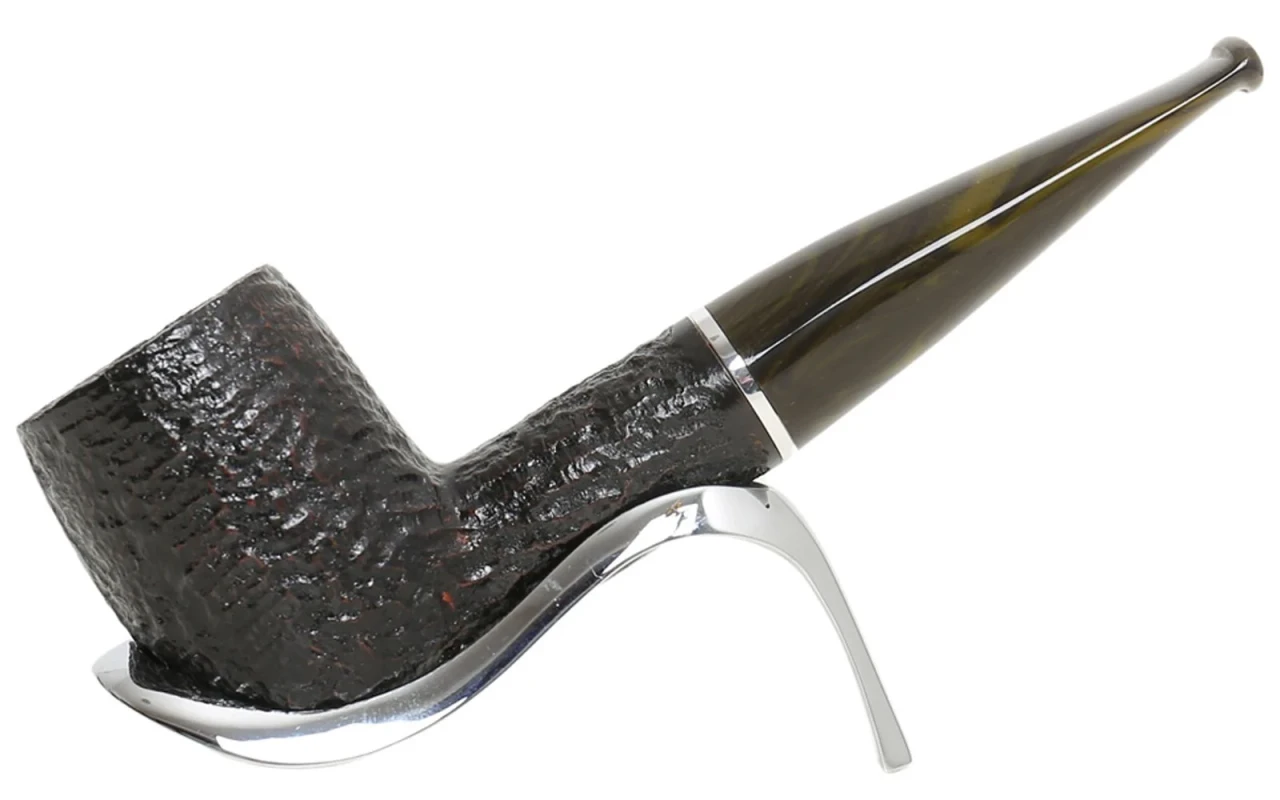
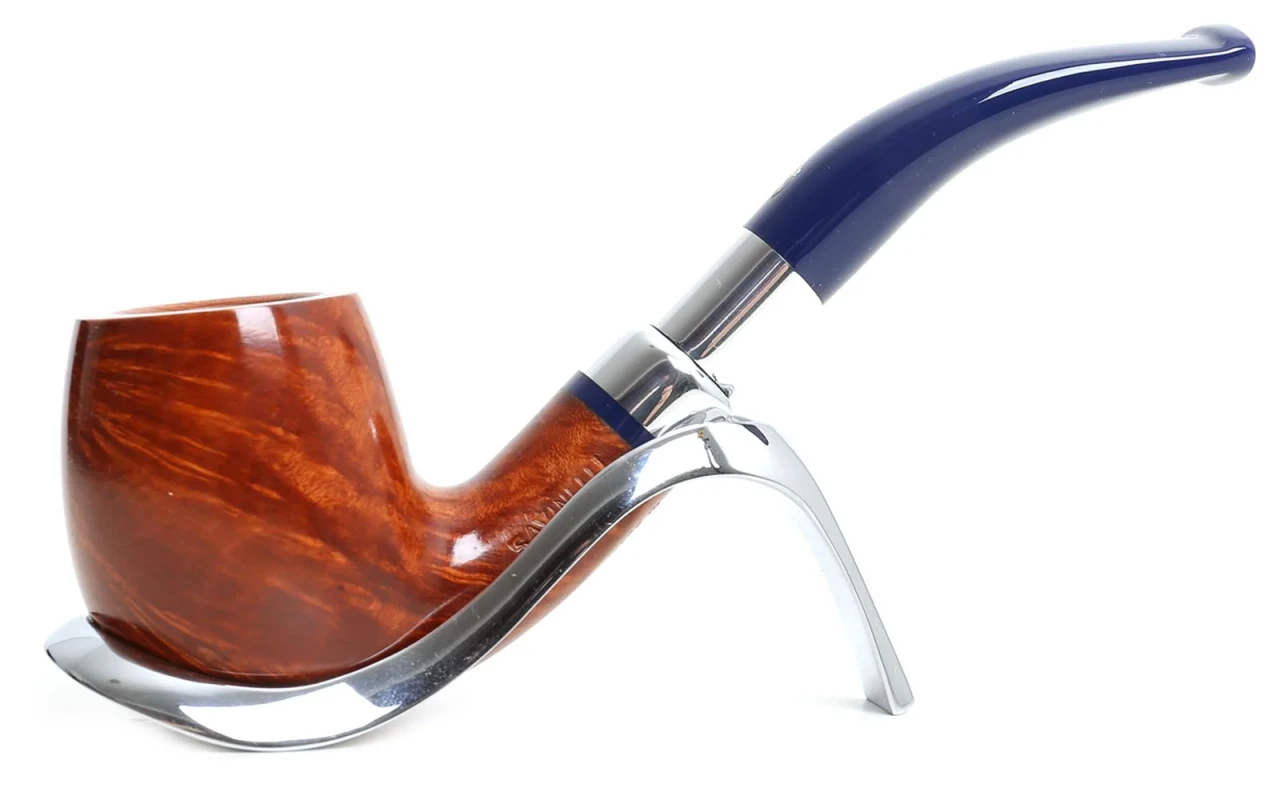
To prevent damage to smoking pipes, follow these best practices:- Regularly clean the pipe after each use to avoid buildup of tobacco residues and moisture.- Use specific tools such as scrapers and brushes to remove residues without damaging the surface of the pipe.- Avoid overheating the pipe excessively during tobacco combustion to avoid compromising the wood structure.- Store the pipe in a dry and well-ventilated environment to prevent mold and cracks due to humidity.- Handle the pipe with care and avoid falls that could cause breakage or cracks in the material.
Tips for protecting smoking pipes
To protect smoking pipes and keep them in optimal condition over time, here are some useful tips:- Use a mouthpiece to prevent damage to the pipe stem.- Regularly clean the pipe after each use to remove tobacco residue and moisture.- Avoid overheating the pipe excessively during smoking.- Store the pipe in a cool, dry place, away from heat sources and direct sunlight.- Use specific products for cleaning and maintaining pipes, avoiding the use of aggressive substances that could damage them.
Strategies to prevent damage to tobacco pipes
To prevent damage to tobacco pipes, it is advisable to follow some useful strategies:- Keep the pipe clean by regularly removing burnt tobacco residues and condensed smoke.- Avoid overheating the pipe during tobacco combustion to prevent damage to the wood or mouthpiece.- Use a dedicated pipe lighter instead of direct flames, which could harm the surface of the pipe.- Rotate the use of pipes to allow for the necessary cooling and drying period.- Store the pipes in a cool and dry environment, away from heat and moisture sources, preferably in a protective pipe case.
'%3e%3cg id='Final-Copy-2_2_' transform='translate(1275.000000, 200.000000)'%3e%3cpath class='st0' d='M7.4,12.8h6.8l3.1-11.6H7.4C4.2,1.2,1.6,3.8,1.6,7S4.2,12.8,7.4,12.8z'/%3e%3c/g%3e%3c/g%3e%3c/g%3e%3cg id='final---dec.11-2020'%3e%3cg id='_x30_208-our-toggle' transform='translate(-1275.000000, -200.000000)'%3e%3cg id='Final-Copy-2' transform='translate(1275.000000, 200.000000)'%3e%3cpath class='st1' d='M22.6,0H7.4c-3.9,0-7,3.1-7,7s3.1,7,7,7h15.2c3.9,0,7-3.1,7-7S26.4,0,22.6,0z M1.6,7c0-3.2,2.6-5.8,5.8-5.8 h9.9l-3.1,11.6H7.4C4.2,12.8,1.6,10.2,1.6,7z'/%3e%3cpath id='x' class='st2' d='M24.6,4c0.2,0.2,0.2,0.6,0,0.8l0,0L22.5,7l2.2,2.2c0.2,0.2,0.2,0.6,0,0.8c-0.2,0.2-0.6,0.2-0.8,0 l0,0l-2.2-2.2L19.5,10c-0.2,0.2-0.6,0.2-0.8,0c-0.2-0.2-0.2-0.6,0-0.8l0,0L20.8,7l-2.2-2.2c-0.2-0.2-0.2-0.6,0-0.8 c0.2-0.2,0.6-0.2,0.8,0l0,0l2.2,2.2L23.8,4C24,3.8,24.4,3.8,24.6,4z'/%3e%3cpath id='y' class='st3' d='M12.7,4.1c0.2,0.2,0.3,0.6,0.1,0.8l0,0L8.6,9.8C8.5,9.9,8.4,10,8.3,10c-0.2,0.1-0.5,0.1-0.7-0.1l0,0 L5.4,7.7c-0.2-0.2-0.2-0.6,0-0.8c0.2-0.2,0.6-0.2,0.8,0l0,0L8,8.6l3.8-4.5C12,3.9,12.4,3.9,12.7,4.1z'/%3e%3c/g%3e%3c/g%3e%3c/g%3e%3c/g%3e%3c/svg%3e) Your Privacy Choices
Your Privacy Choices 


