 ES
ES FR
FR EN
EN IT
IT DE
DE
Pipe performance based on material
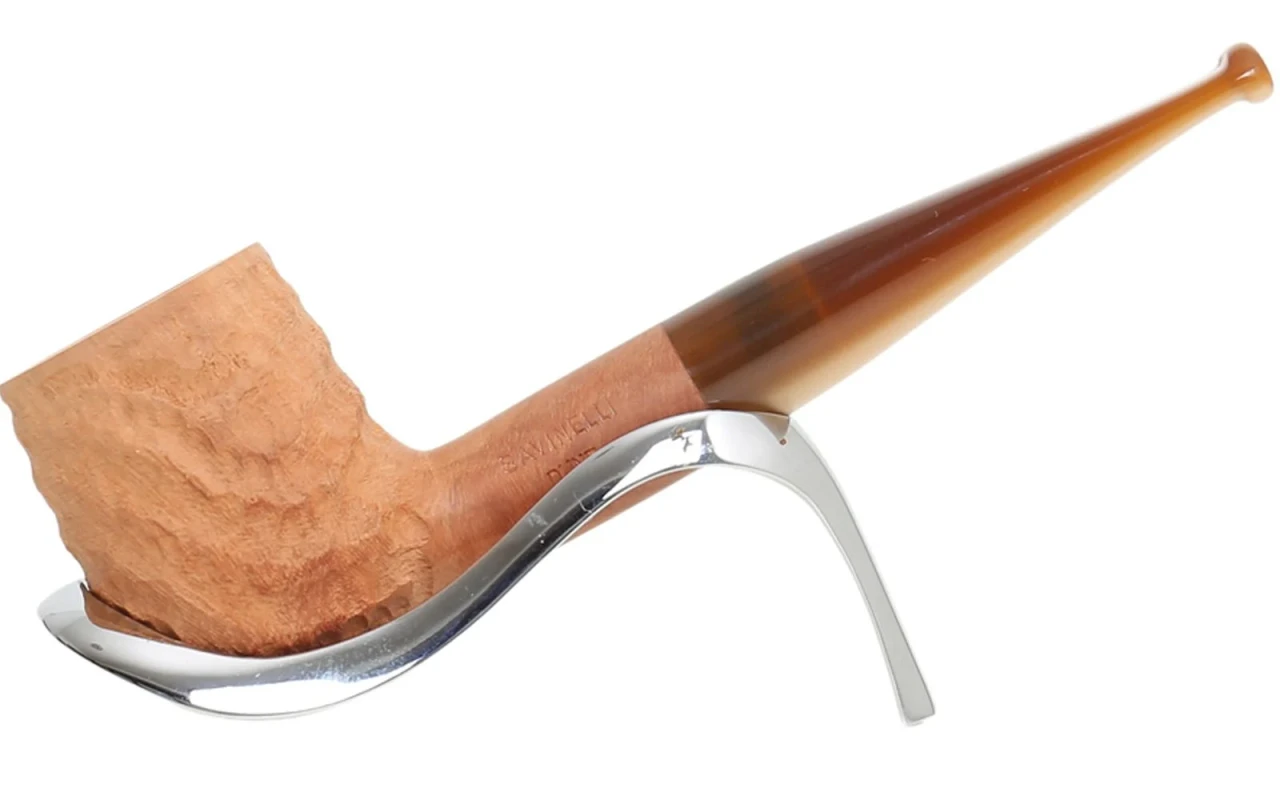
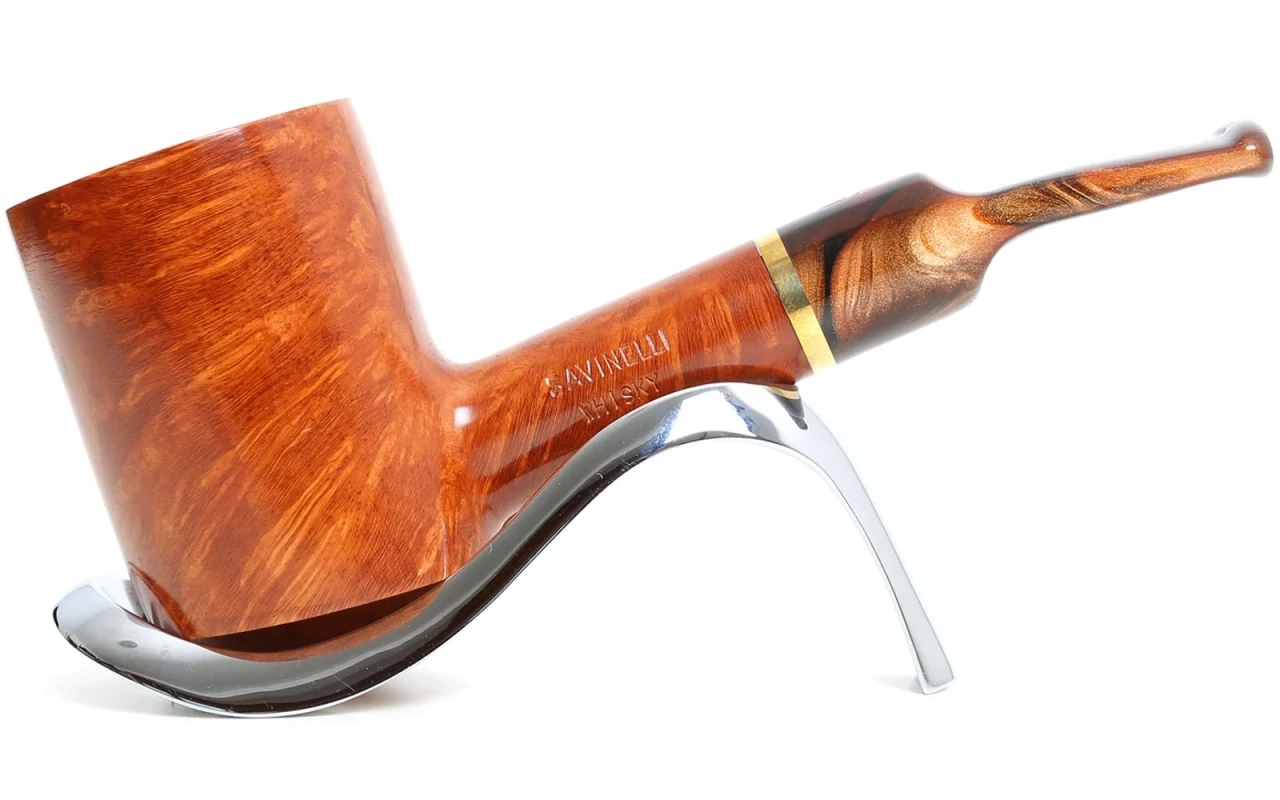
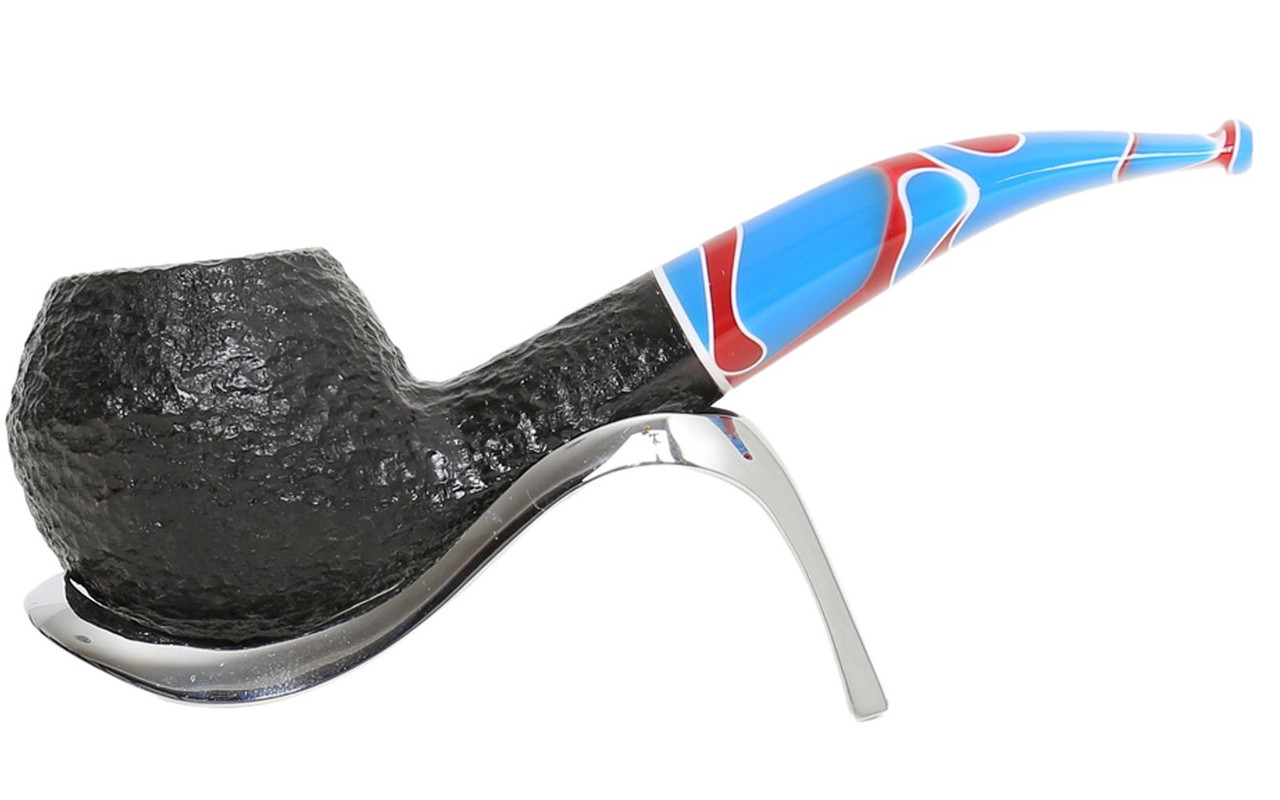
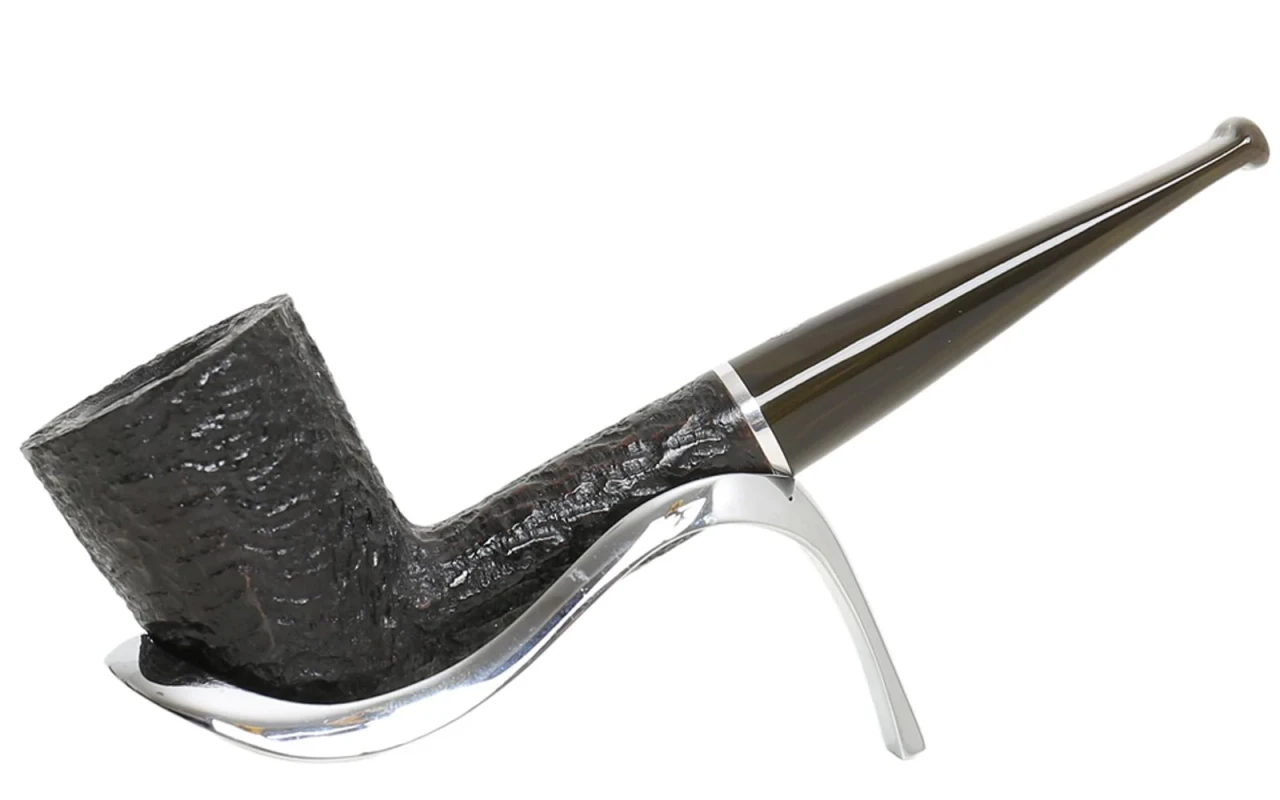
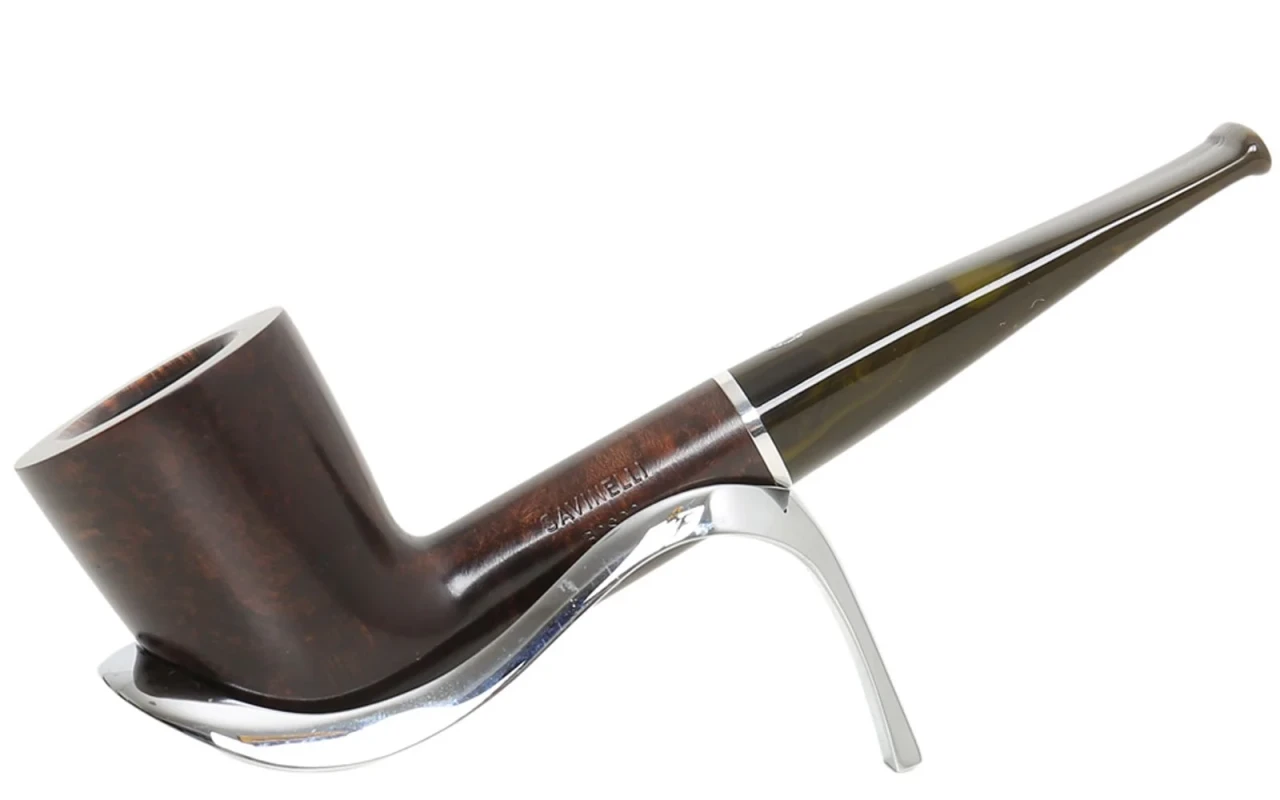
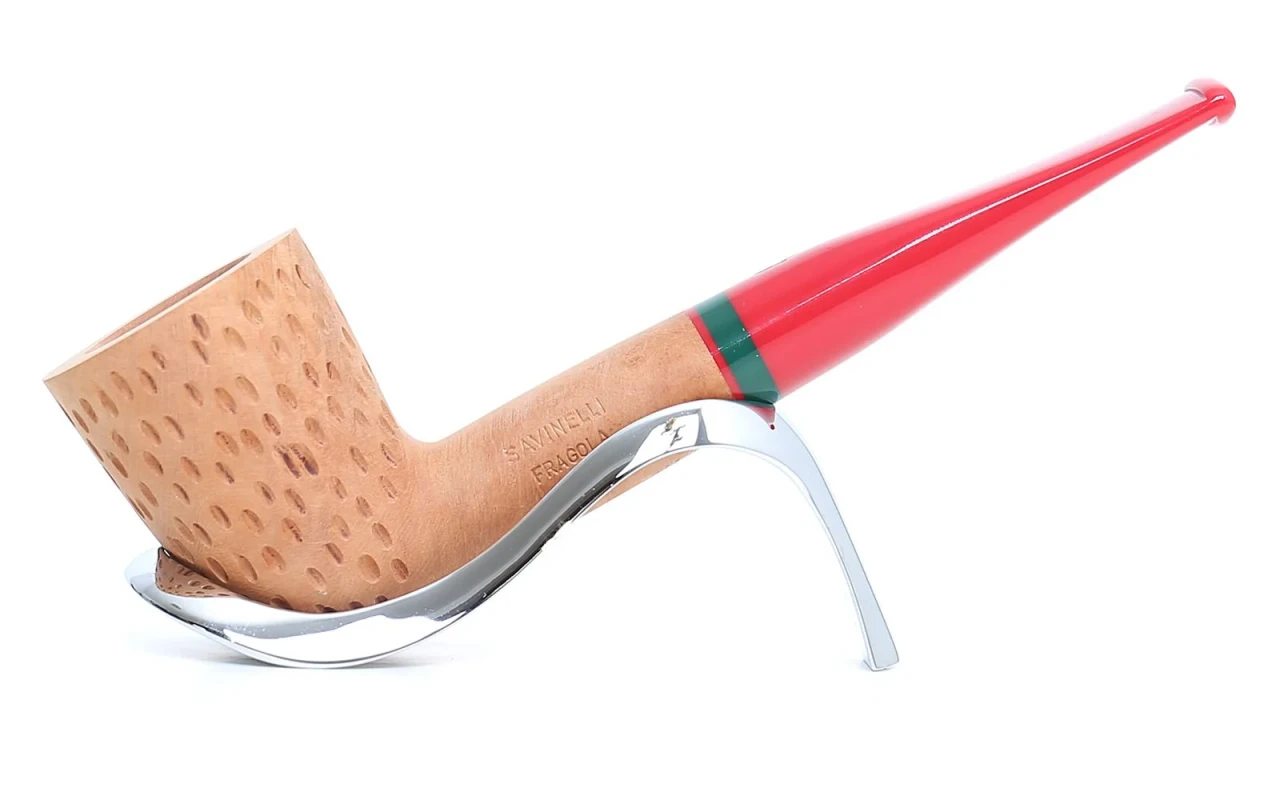
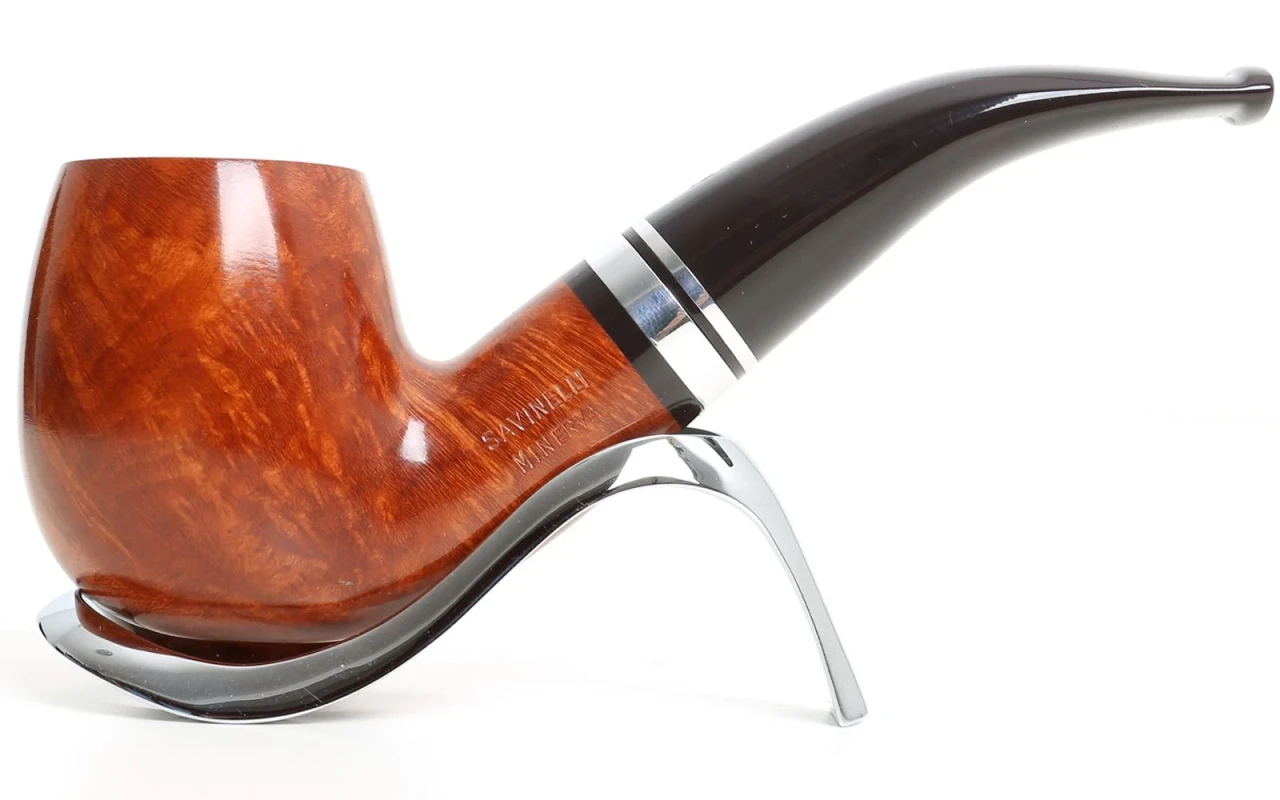
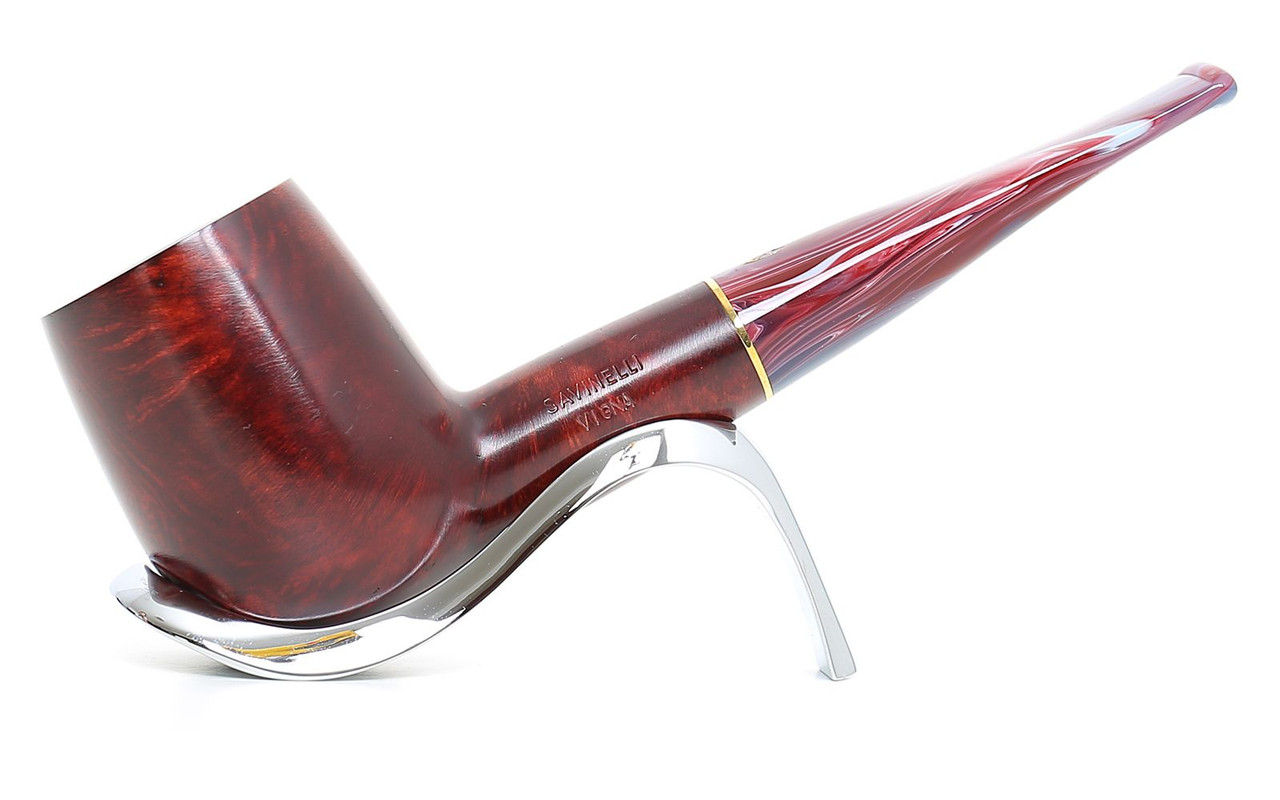
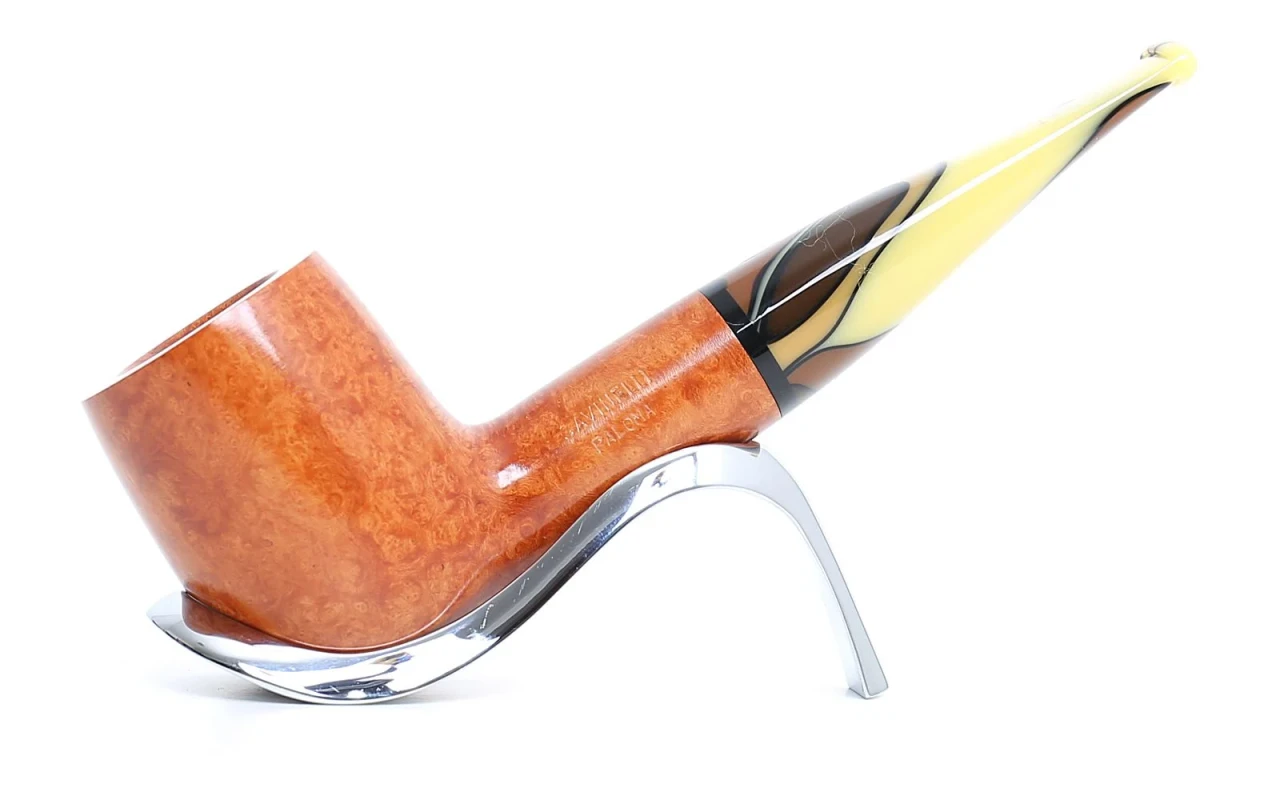
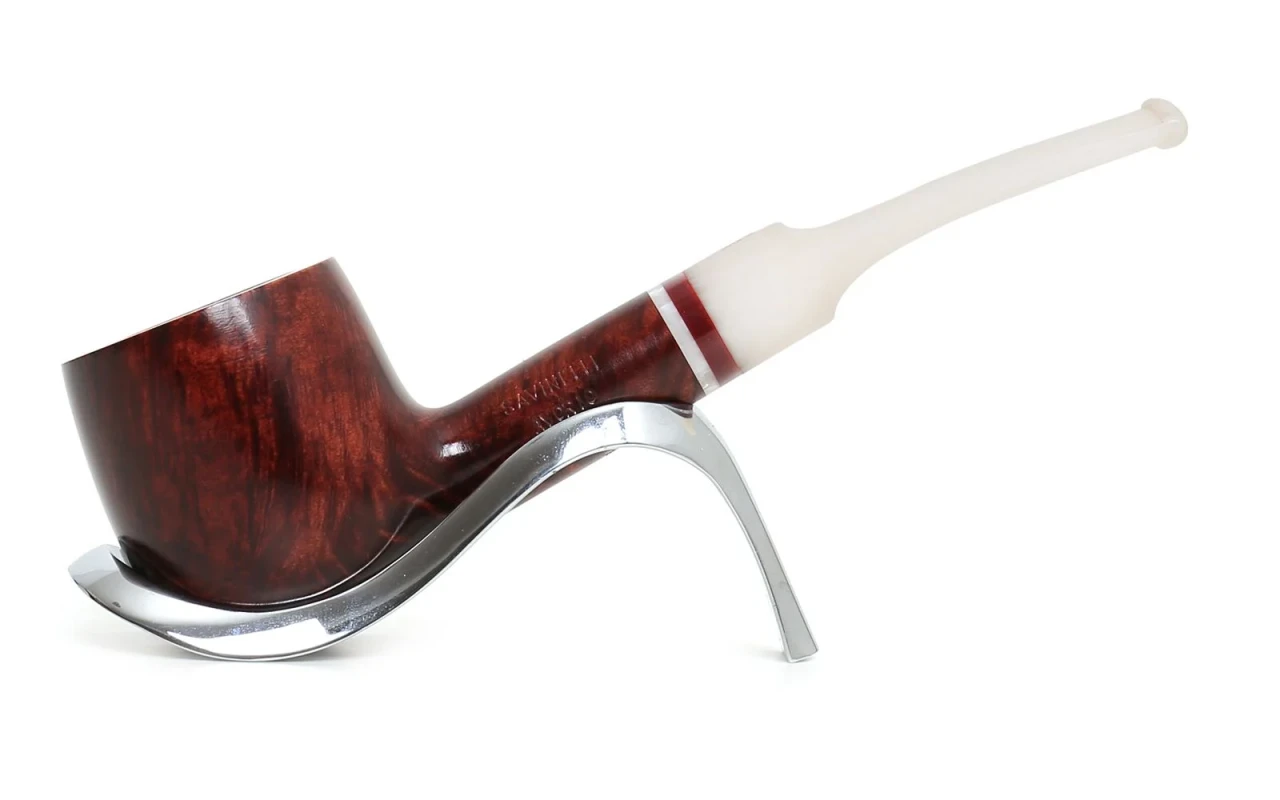
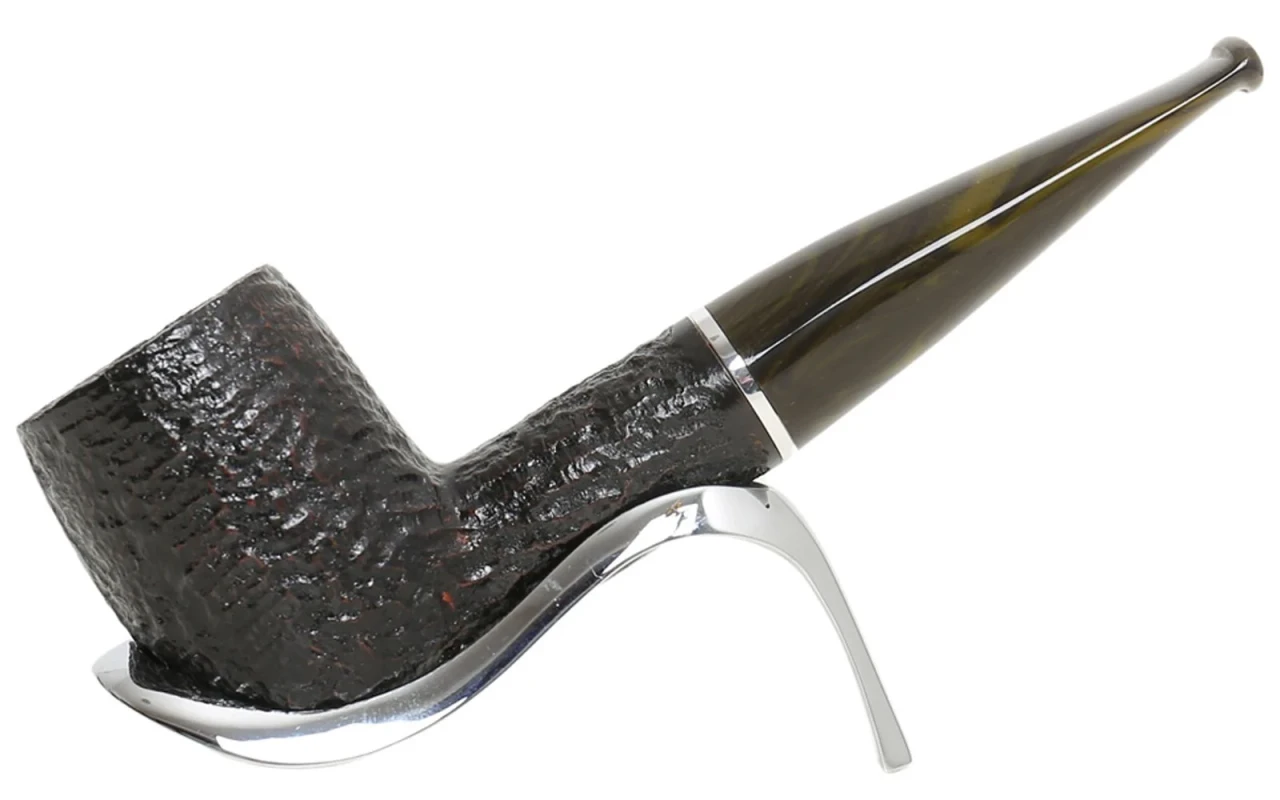
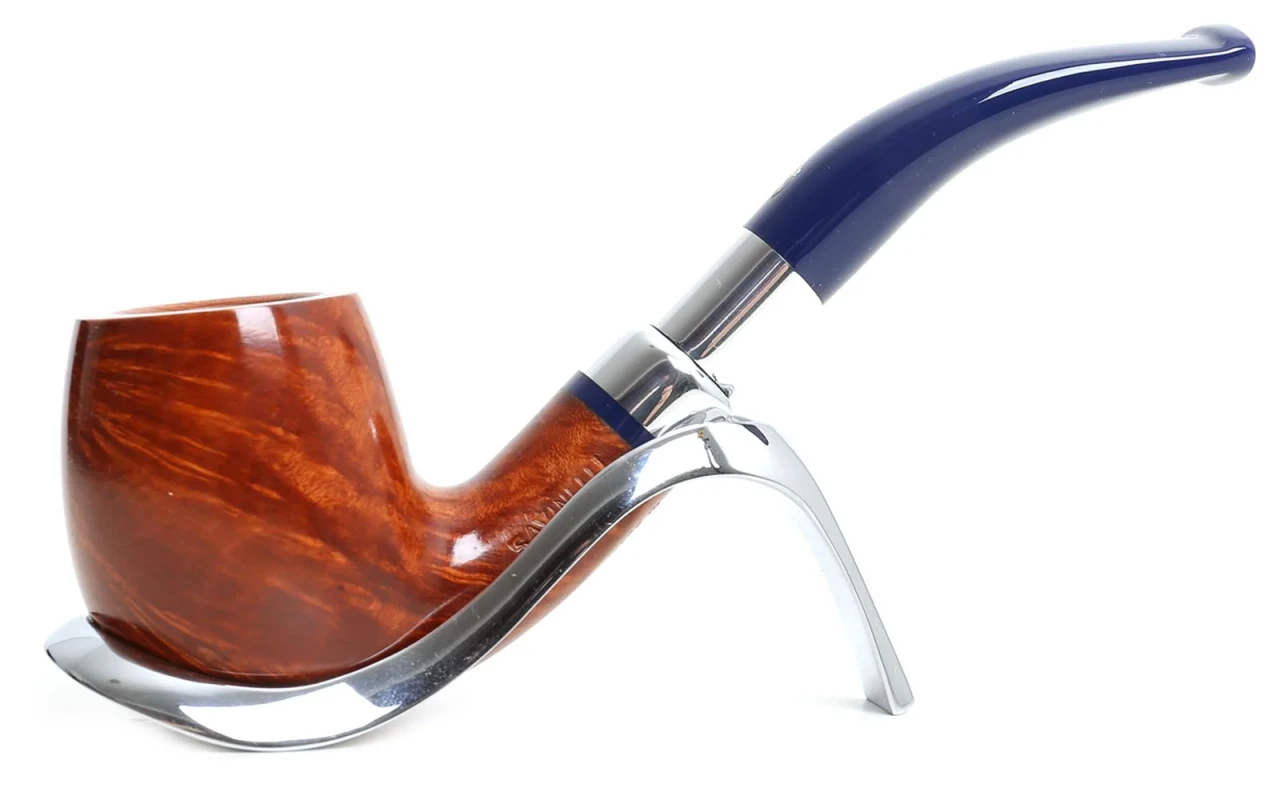
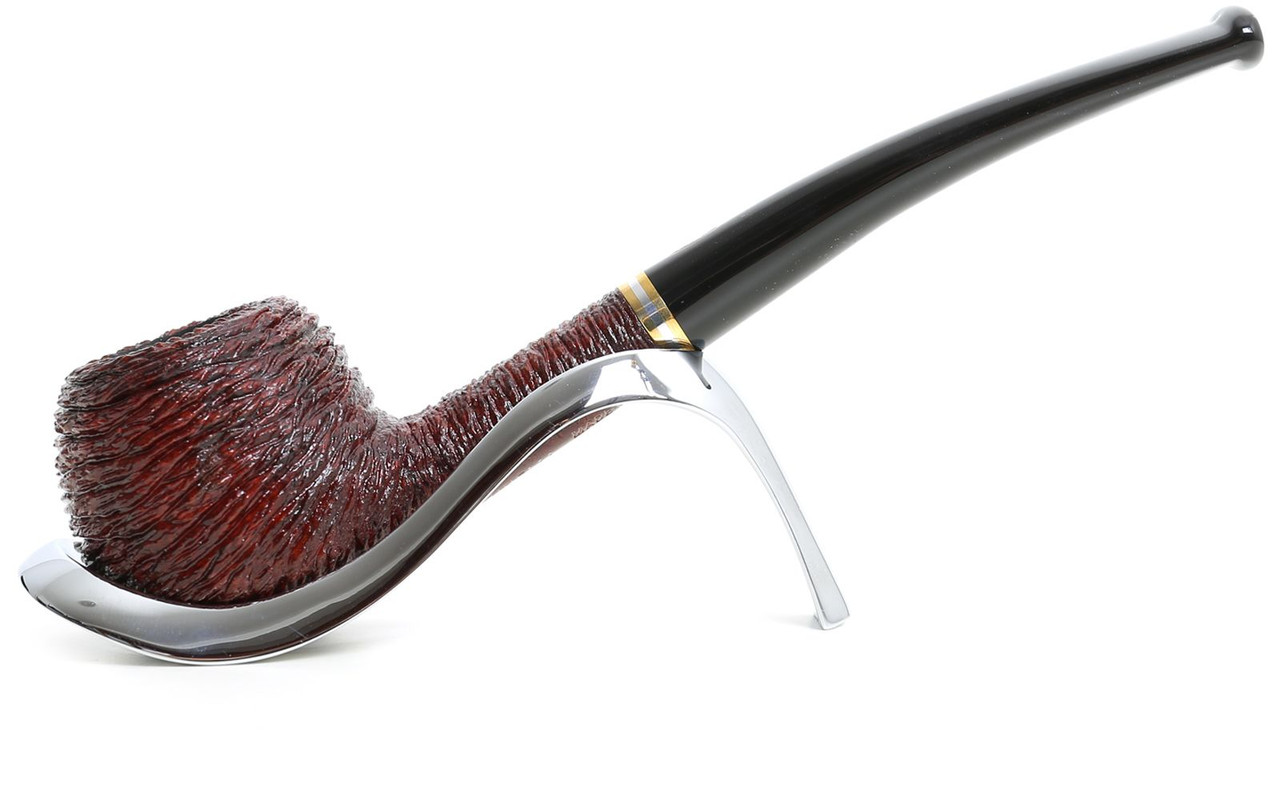
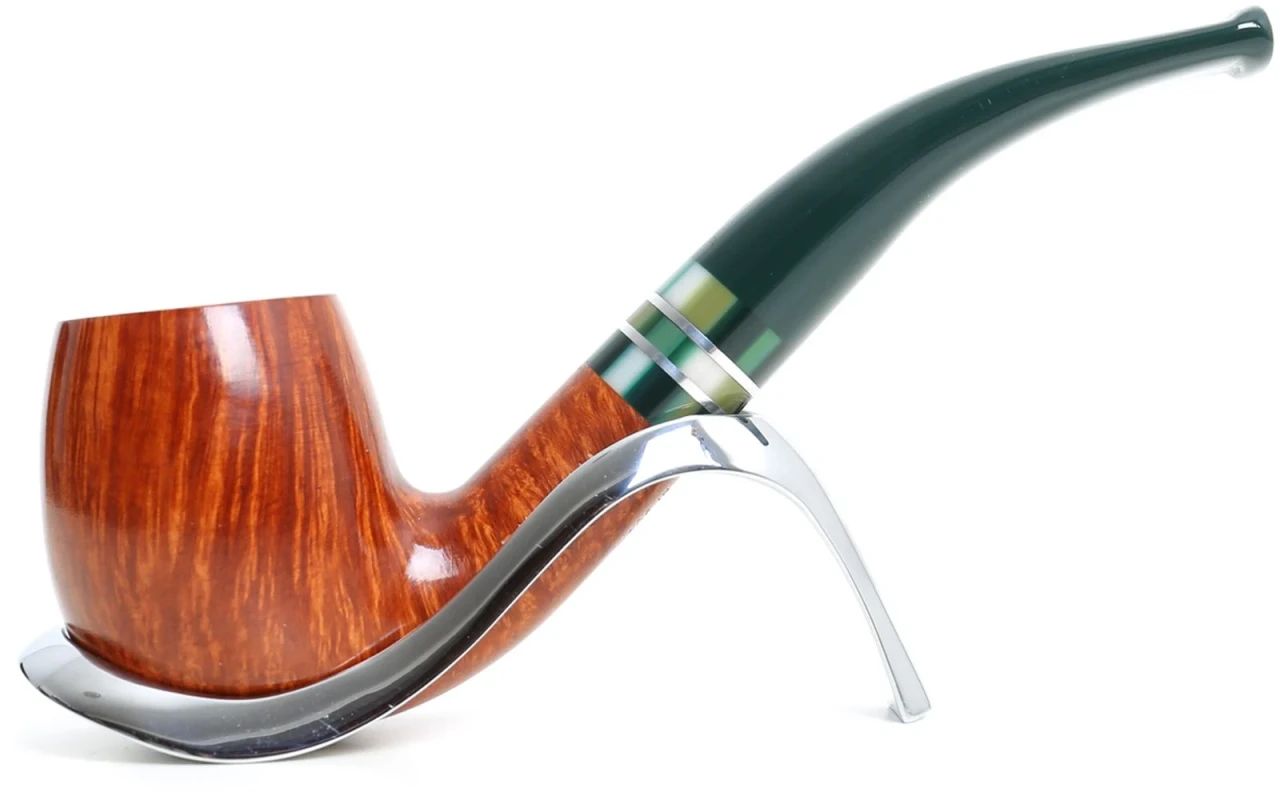
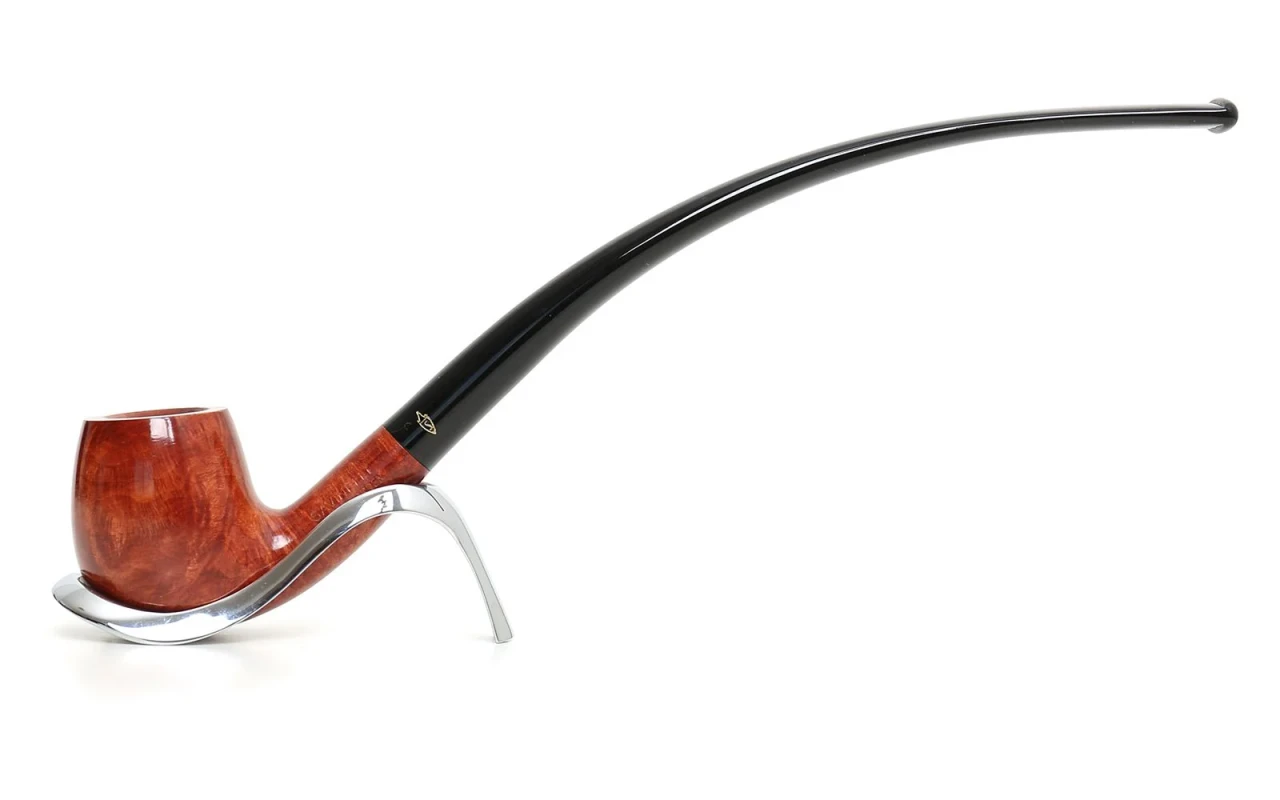
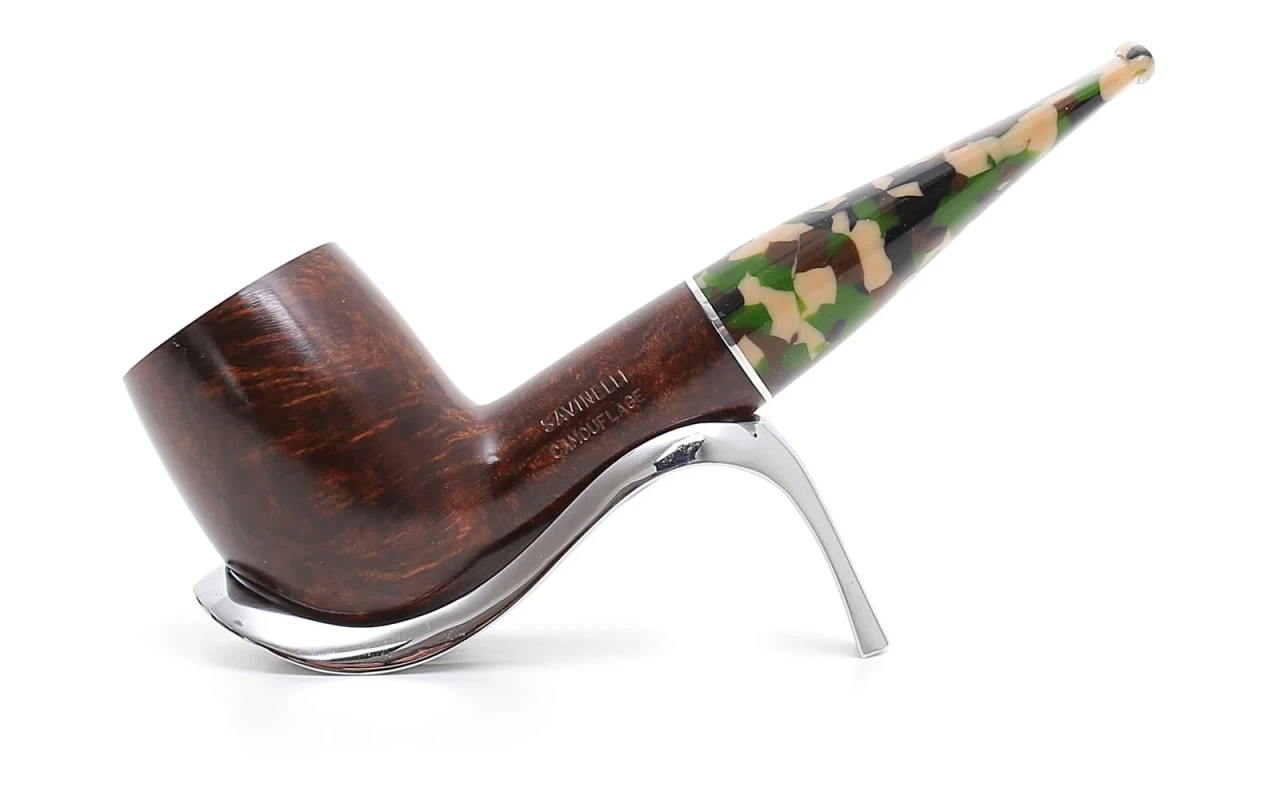
Pipe performance based on material
The performance of a pipe can vary depending on the material it is made of. Here is an overview of the characteristics of the most common materials:- **Briar pipe**: lightweight, durable, and with excellent thermal insulation properties, it offers a neutral taste.- **Briarwood pipe**: high-quality wood, lightweight, heat-resistant, with moisture absorption capacity.- **Corn cob pipe**: light and affordable, the corn cob pipe offers a neutral taste and a cool smoke.- **Clay pipe**: a porous material that absorbs moisture, ensuring a cool and clean smoke, but requiring special care.The choice of material will influence the weight, heat resistance, and burn resistance, as well as the flavor of the smoke.
Best Pipe Smoking Material
The best material for a smoking pipe is briar, wood sourced from Erica arborea, a Mediterranean plant. This wood is particularly suitable for its heat and combustion resistance, ensuring a cooler and drier smoke. Briar pipes are cherished by smokers for their ability to absorb tobacco moisture, enhancing the taste and quality of the smoke. Other common materials for pipes include corn and clay, each with different characteristics and performance. However, briar remains the preferred choice for true pipe enthusiasts.
Material Benefits of Tobacco Pipes
The material benefits of a tobacco pipe mainly depend on the construction material. Briar pipes offer excellent heat resistance and long-term durability. Corn cob pipes, lightweight and affordable, ensure good moisture absorption. Clay pipes, if well-maintained, preserve the tobacco flavor unchanged. Meerschaum pipes allow for quick drying and good flavor absorption. Lastly, metal pipes are very durable, easy to clean but may alter the tobacco taste. Choosing the most suitable material depends on personal preferences and smoking experience.
Best Pipe Materials for Enhanced Aroma
The best material for a pipe that guarantees optimal aroma is briar, a wood particularly suitable for this purpose. Briar is heat-resistant and does not alter the taste of tobacco, allowing the full appreciation of its aromatic nuances. This wood is also capable of absorbing excess moisture, helping to maintain the quality of the smoke consistently. Other common materials for pipes include corn cob and clay, but briar remains the preferred choice among enthusiasts for a superior aromatic smoking experience.
'%3e%3cg id='Final-Copy-2_2_' transform='translate(1275.000000, 200.000000)'%3e%3cpath class='st0' d='M7.4,12.8h6.8l3.1-11.6H7.4C4.2,1.2,1.6,3.8,1.6,7S4.2,12.8,7.4,12.8z'/%3e%3c/g%3e%3c/g%3e%3c/g%3e%3cg id='final---dec.11-2020'%3e%3cg id='_x30_208-our-toggle' transform='translate(-1275.000000, -200.000000)'%3e%3cg id='Final-Copy-2' transform='translate(1275.000000, 200.000000)'%3e%3cpath class='st1' d='M22.6,0H7.4c-3.9,0-7,3.1-7,7s3.1,7,7,7h15.2c3.9,0,7-3.1,7-7S26.4,0,22.6,0z M1.6,7c0-3.2,2.6-5.8,5.8-5.8 h9.9l-3.1,11.6H7.4C4.2,12.8,1.6,10.2,1.6,7z'/%3e%3cpath id='x' class='st2' d='M24.6,4c0.2,0.2,0.2,0.6,0,0.8l0,0L22.5,7l2.2,2.2c0.2,0.2,0.2,0.6,0,0.8c-0.2,0.2-0.6,0.2-0.8,0 l0,0l-2.2-2.2L19.5,10c-0.2,0.2-0.6,0.2-0.8,0c-0.2-0.2-0.2-0.6,0-0.8l0,0L20.8,7l-2.2-2.2c-0.2-0.2-0.2-0.6,0-0.8 c0.2-0.2,0.6-0.2,0.8,0l0,0l2.2,2.2L23.8,4C24,3.8,24.4,3.8,24.6,4z'/%3e%3cpath id='y' class='st3' d='M12.7,4.1c0.2,0.2,0.3,0.6,0.1,0.8l0,0L8.6,9.8C8.5,9.9,8.4,10,8.3,10c-0.2,0.1-0.5,0.1-0.7-0.1l0,0 L5.4,7.7c-0.2-0.2-0.2-0.6,0-0.8c0.2-0.2,0.6-0.2,0.8,0l0,0L8,8.6l3.8-4.5C12,3.9,12.4,3.9,12.7,4.1z'/%3e%3c/g%3e%3c/g%3e%3c/g%3e%3c/g%3e%3c/svg%3e) Your Privacy Choices
Your Privacy Choices 


