 ES
ES FR
FR EN
EN IT
IT DE
DE
Pipe Models and Cultural Traditions
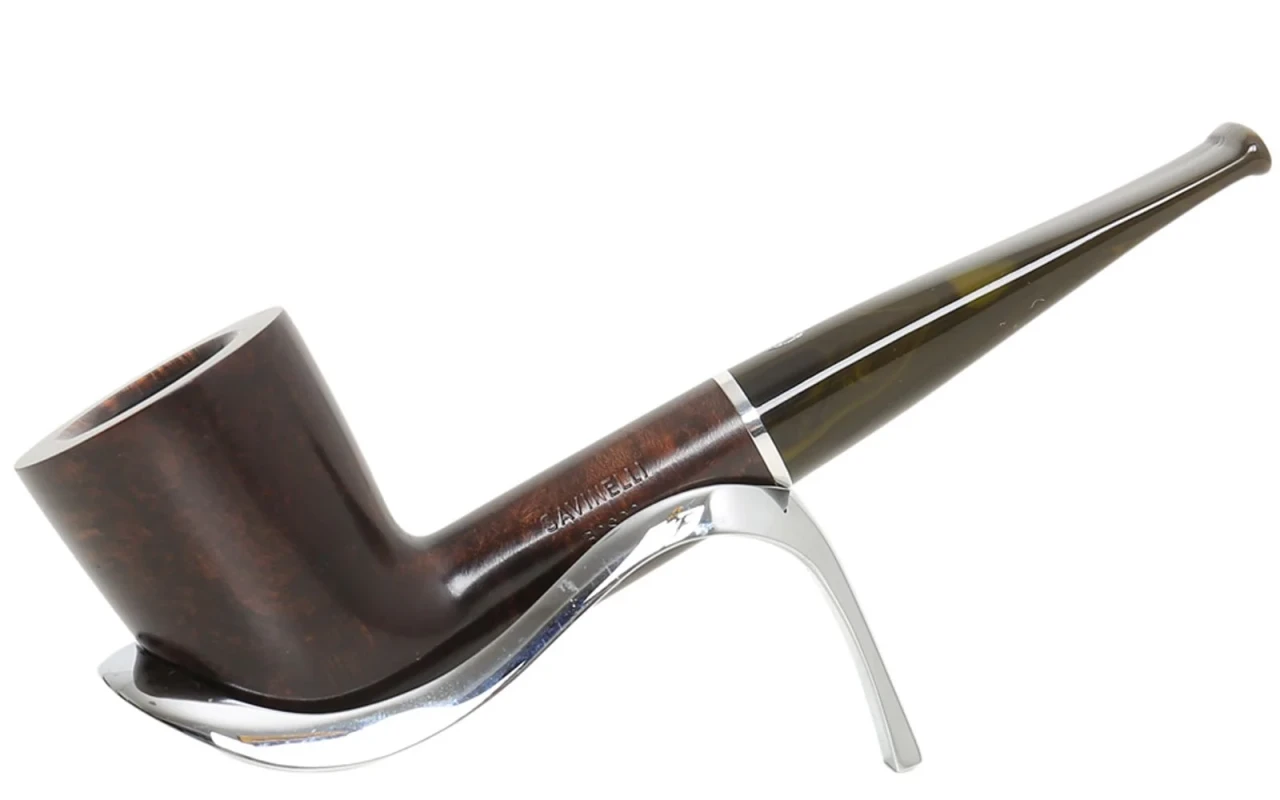
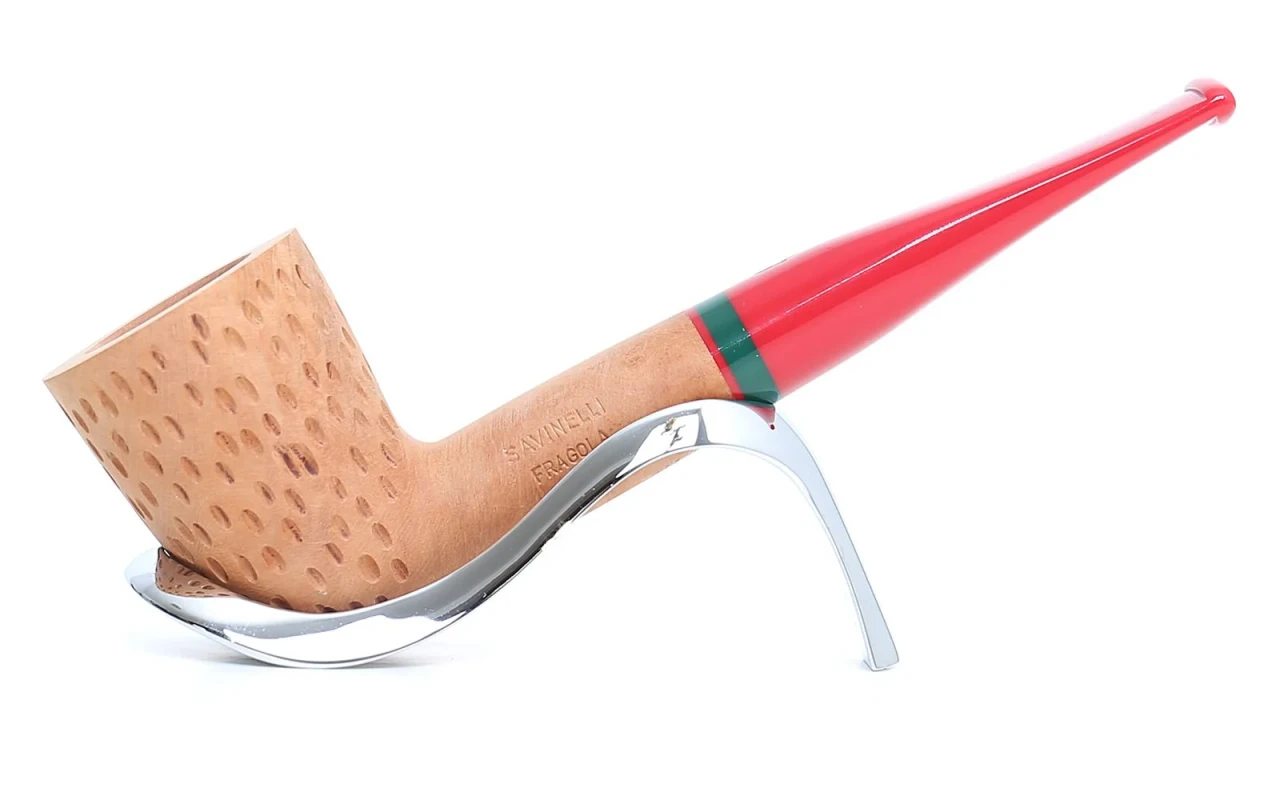
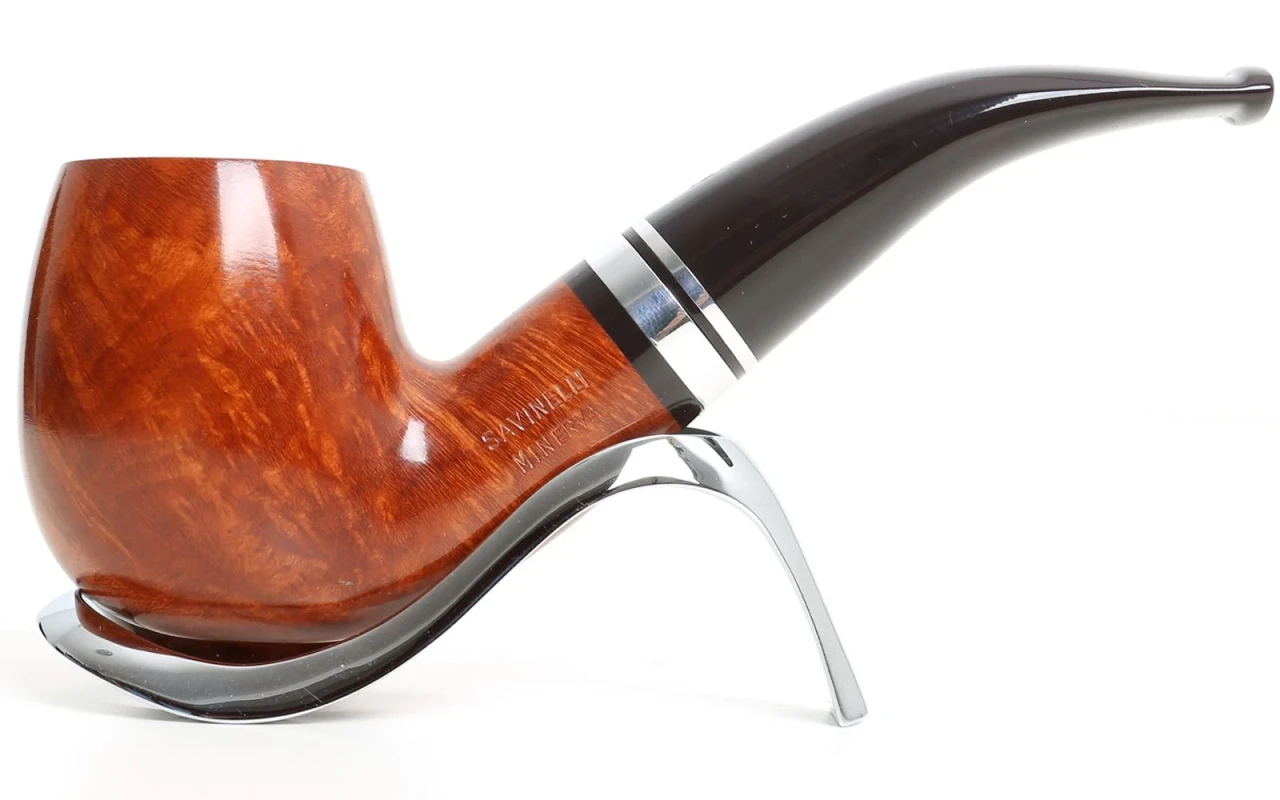
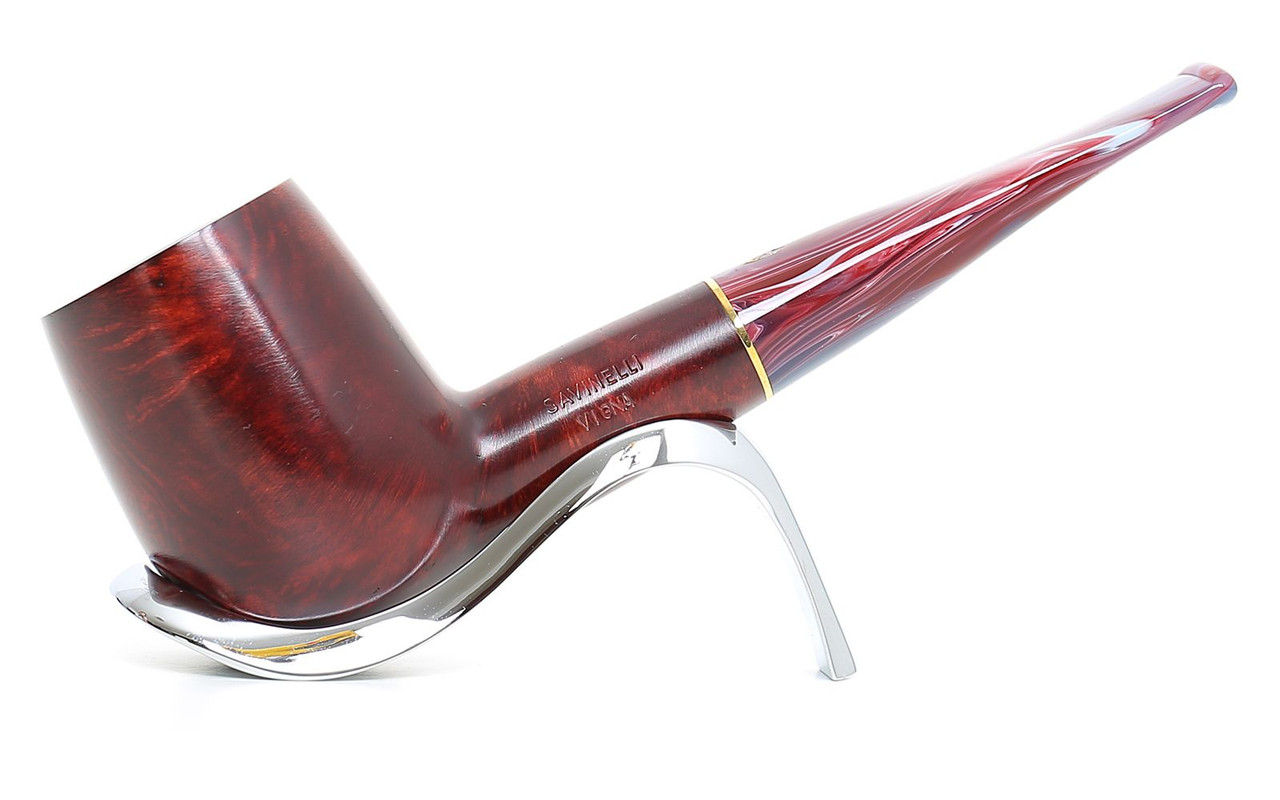
Pipe Models and Cultural Traditions
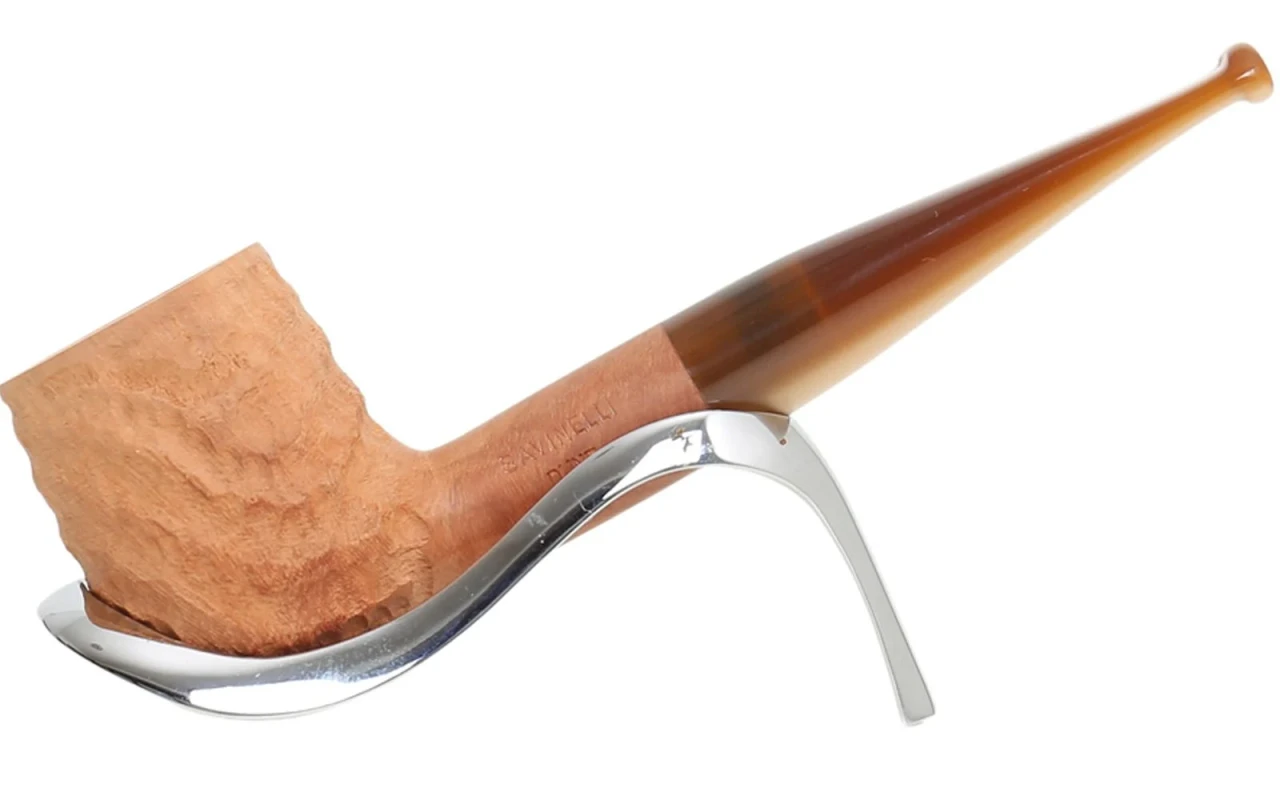
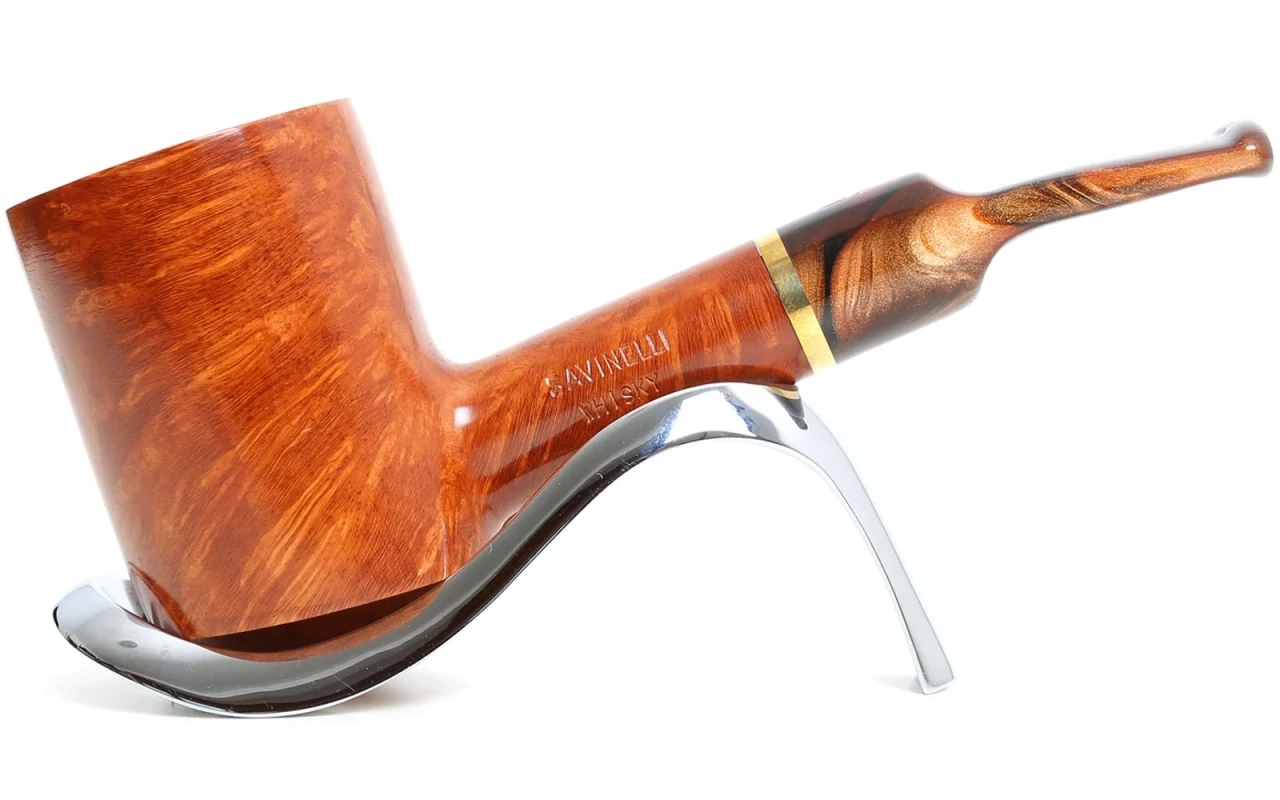
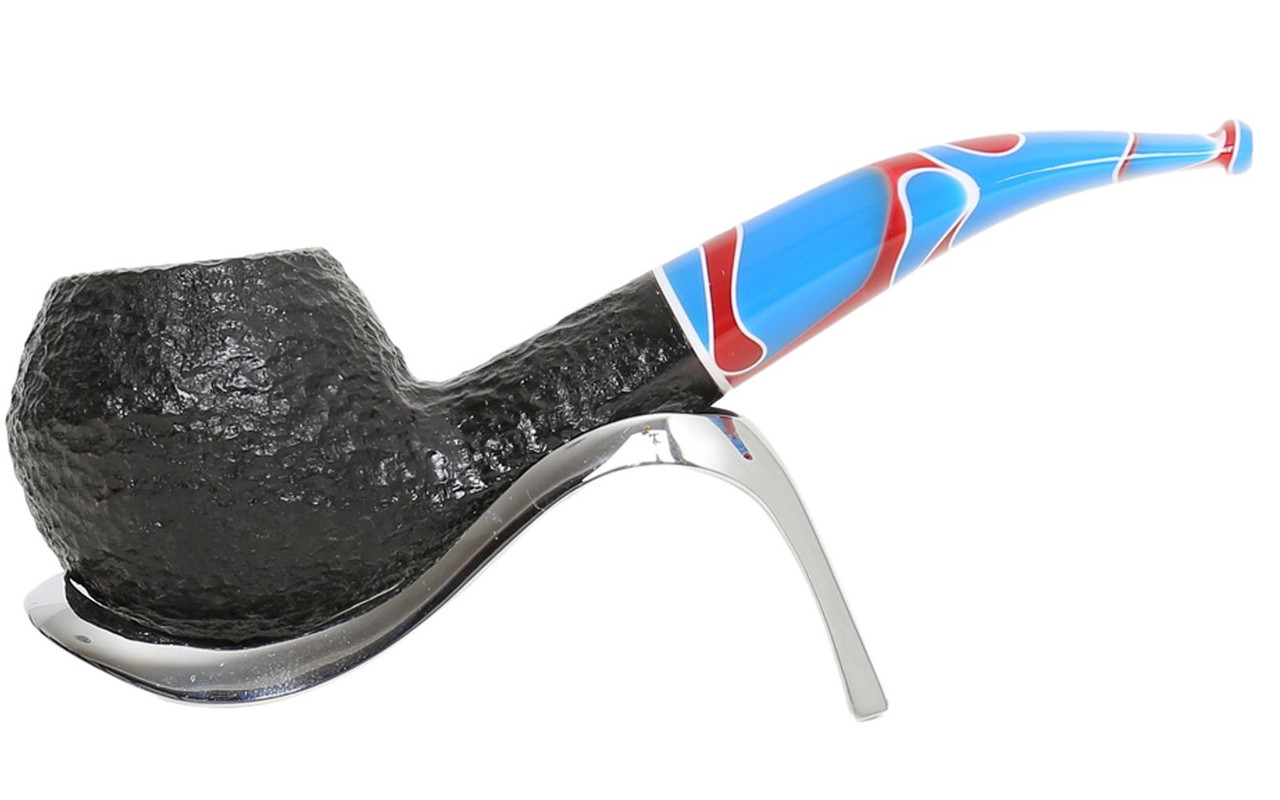
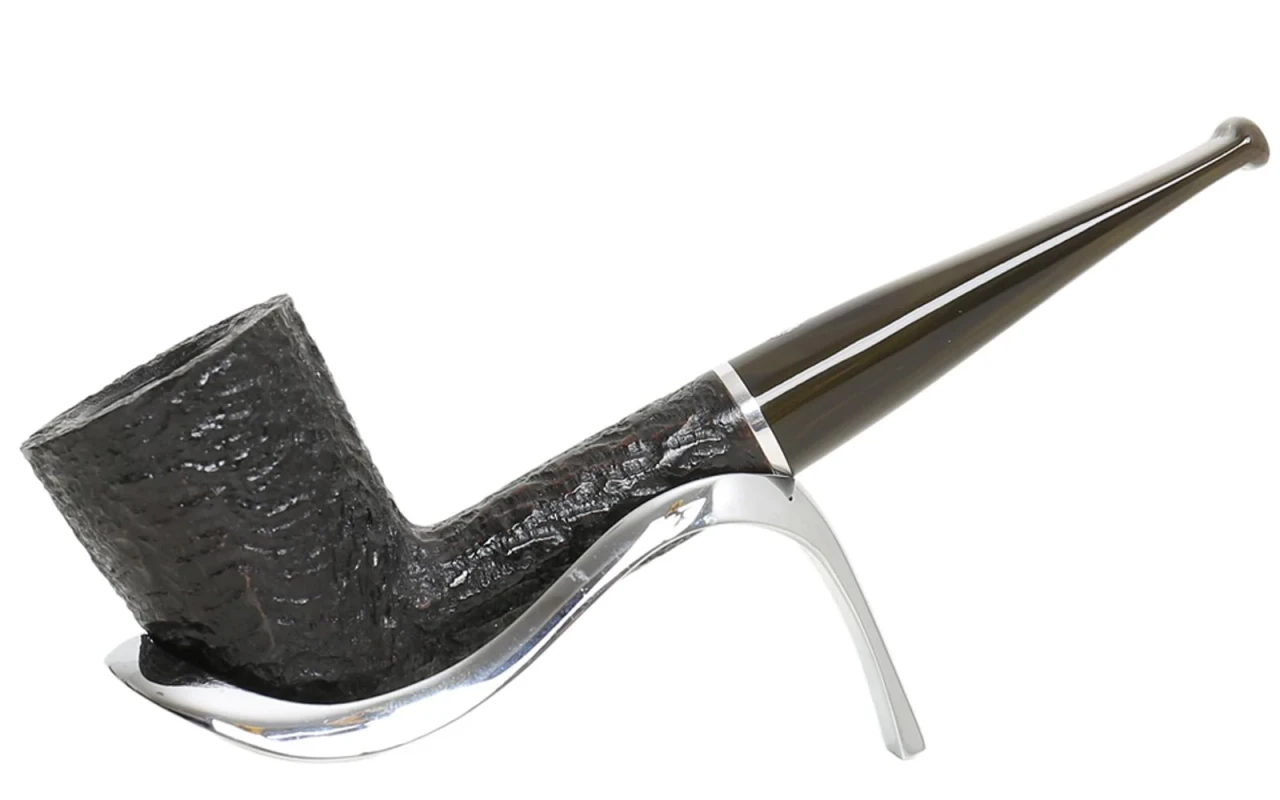
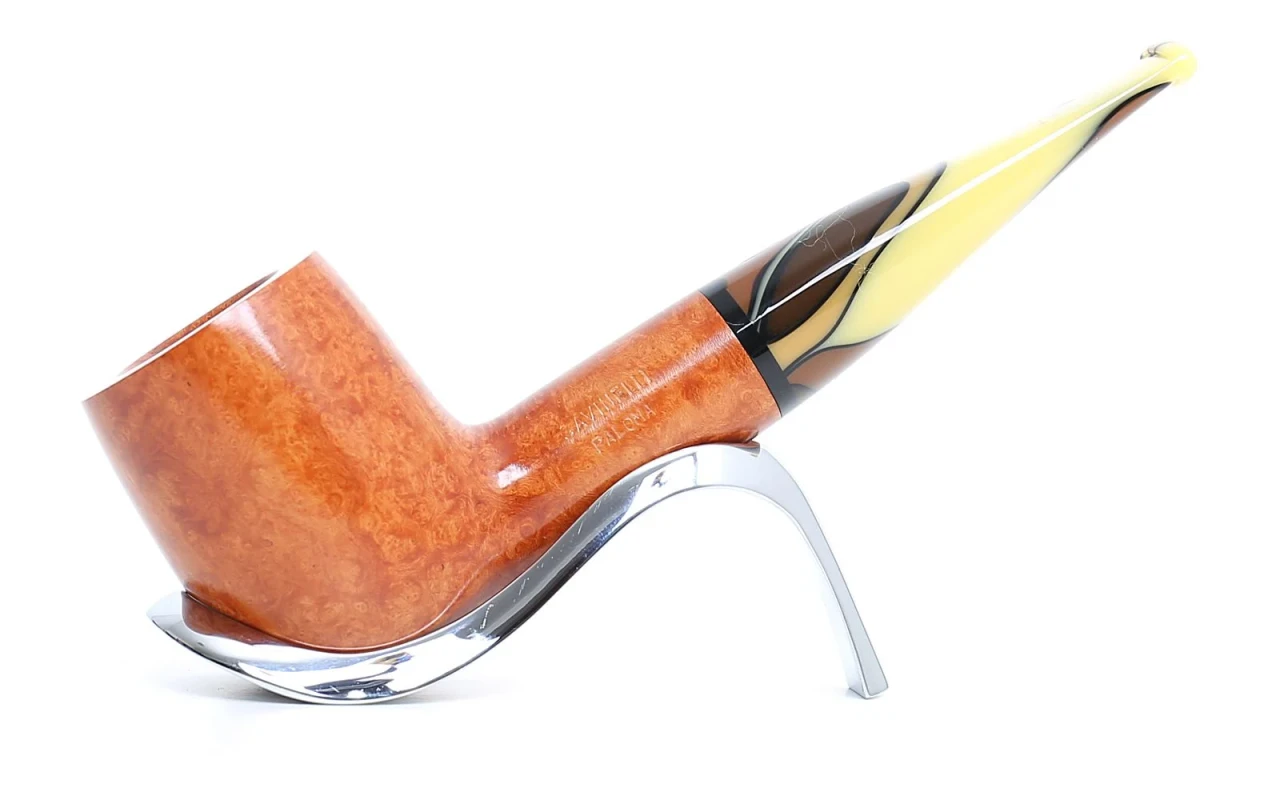
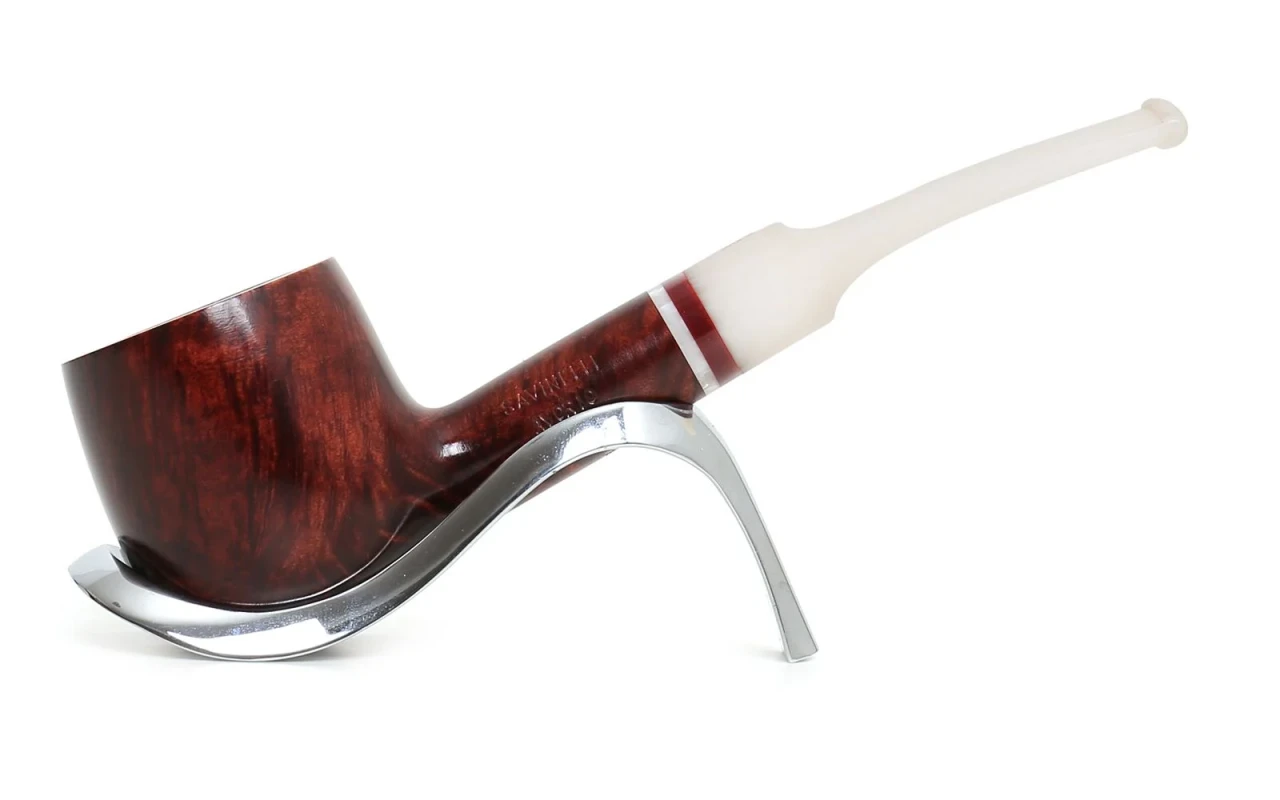
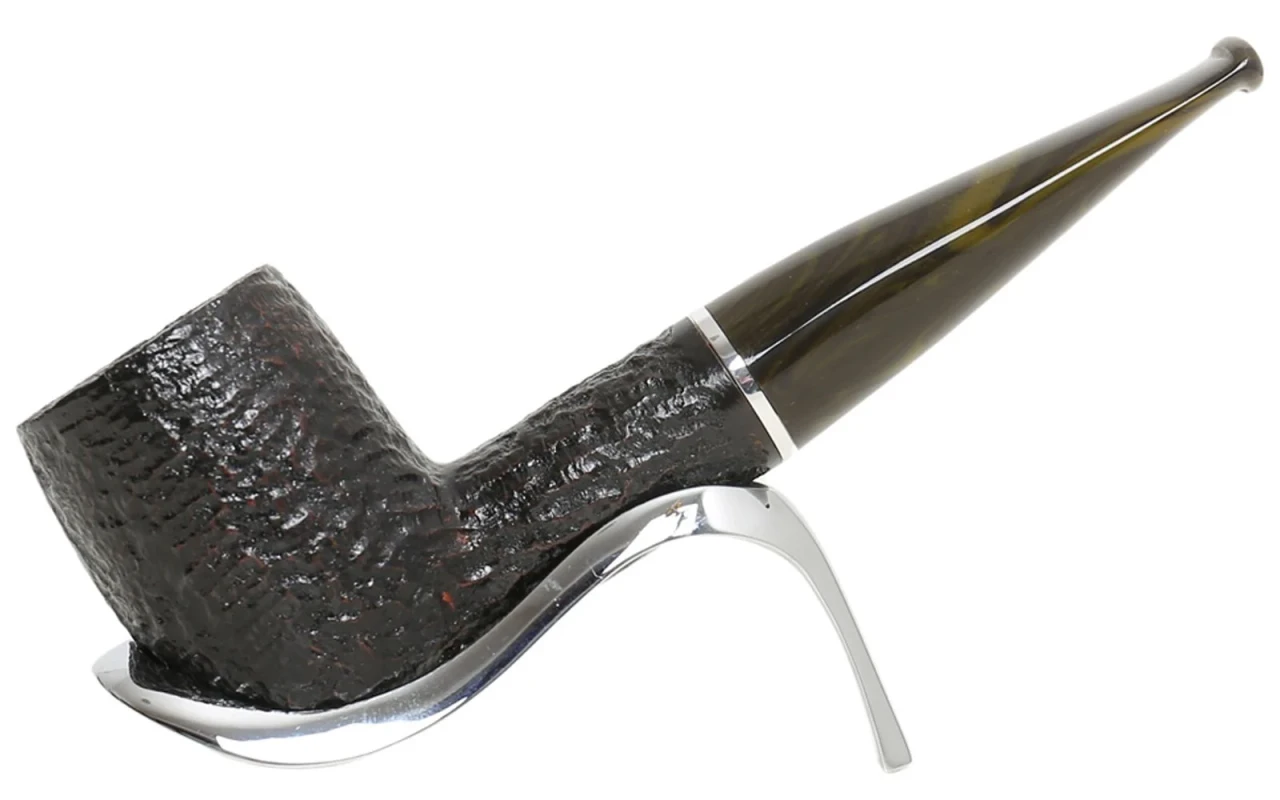
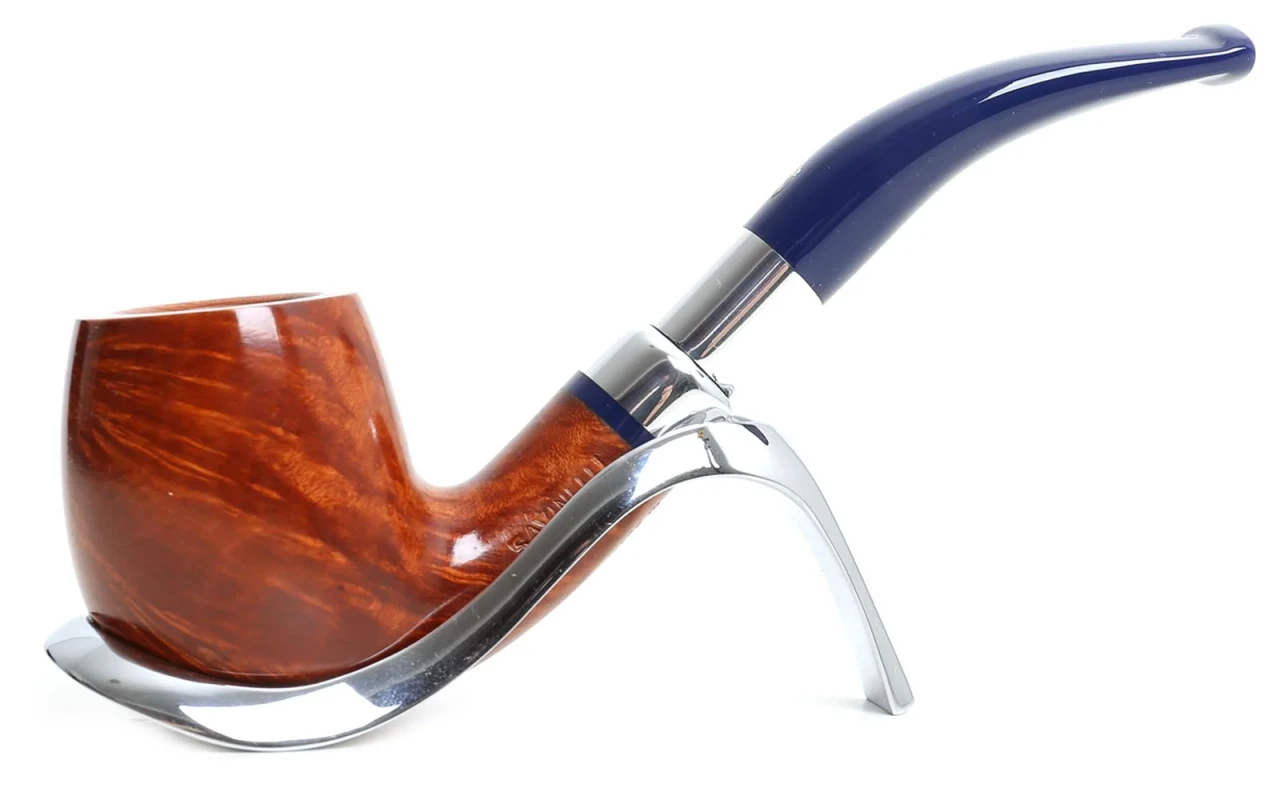
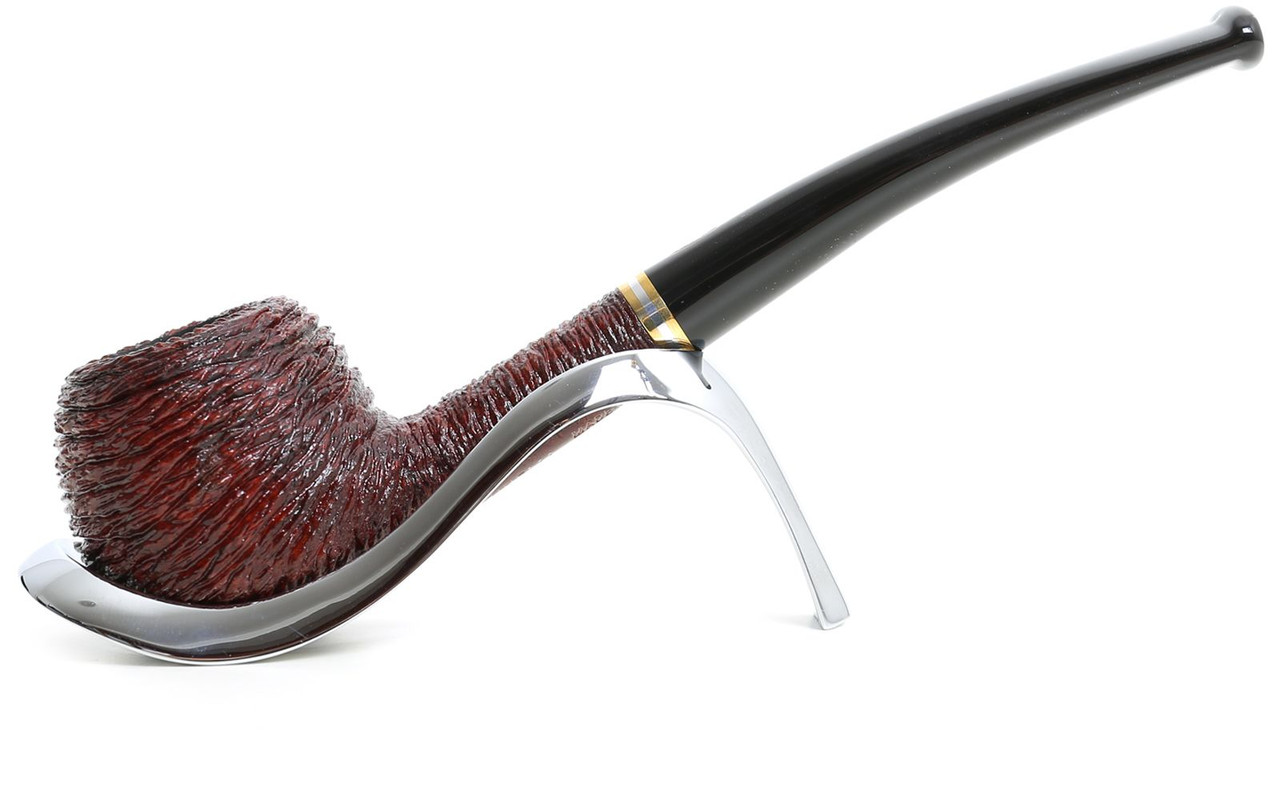
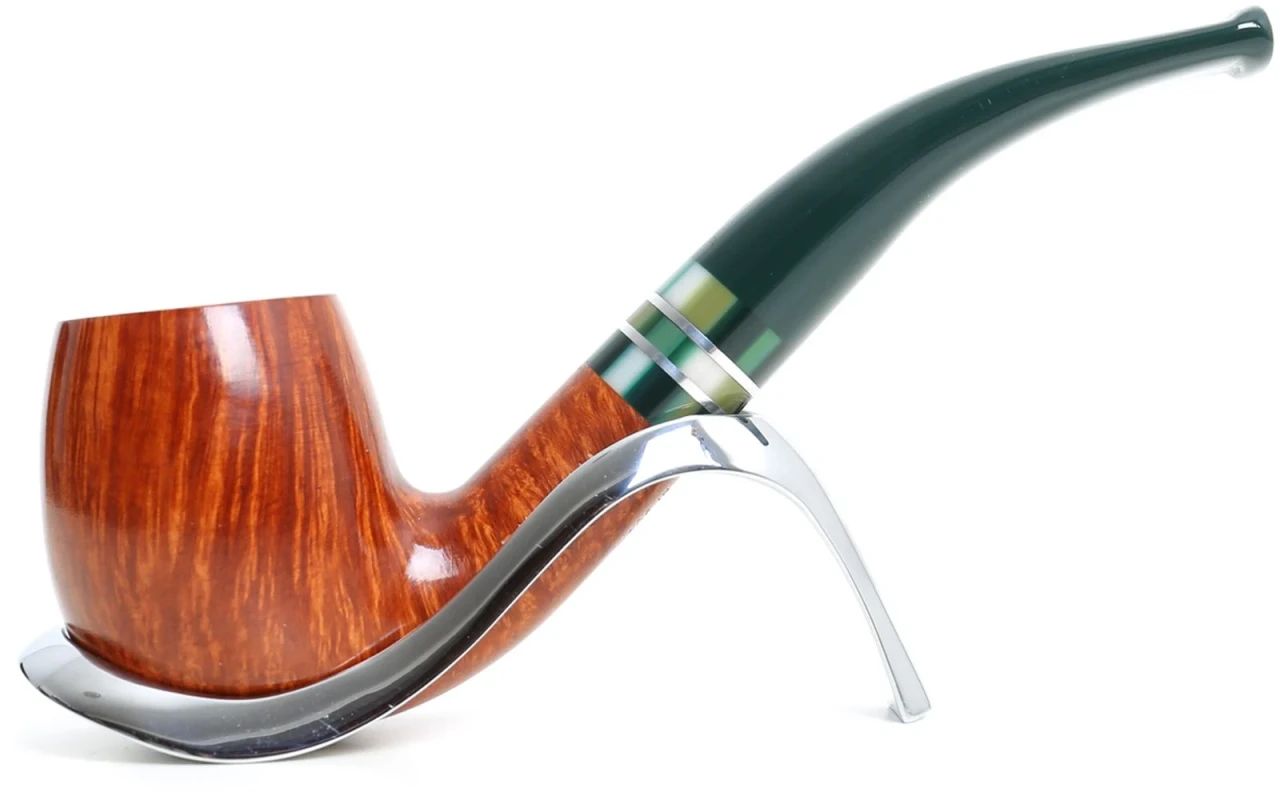
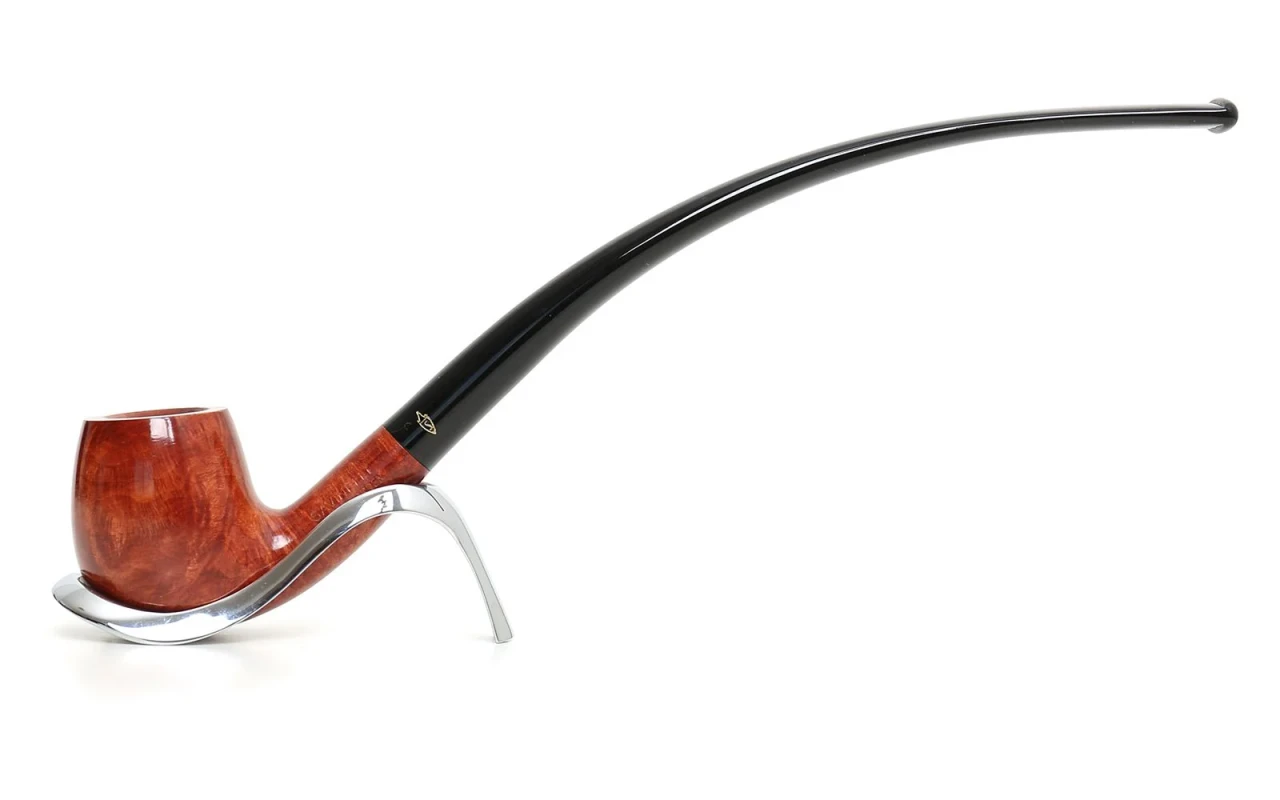
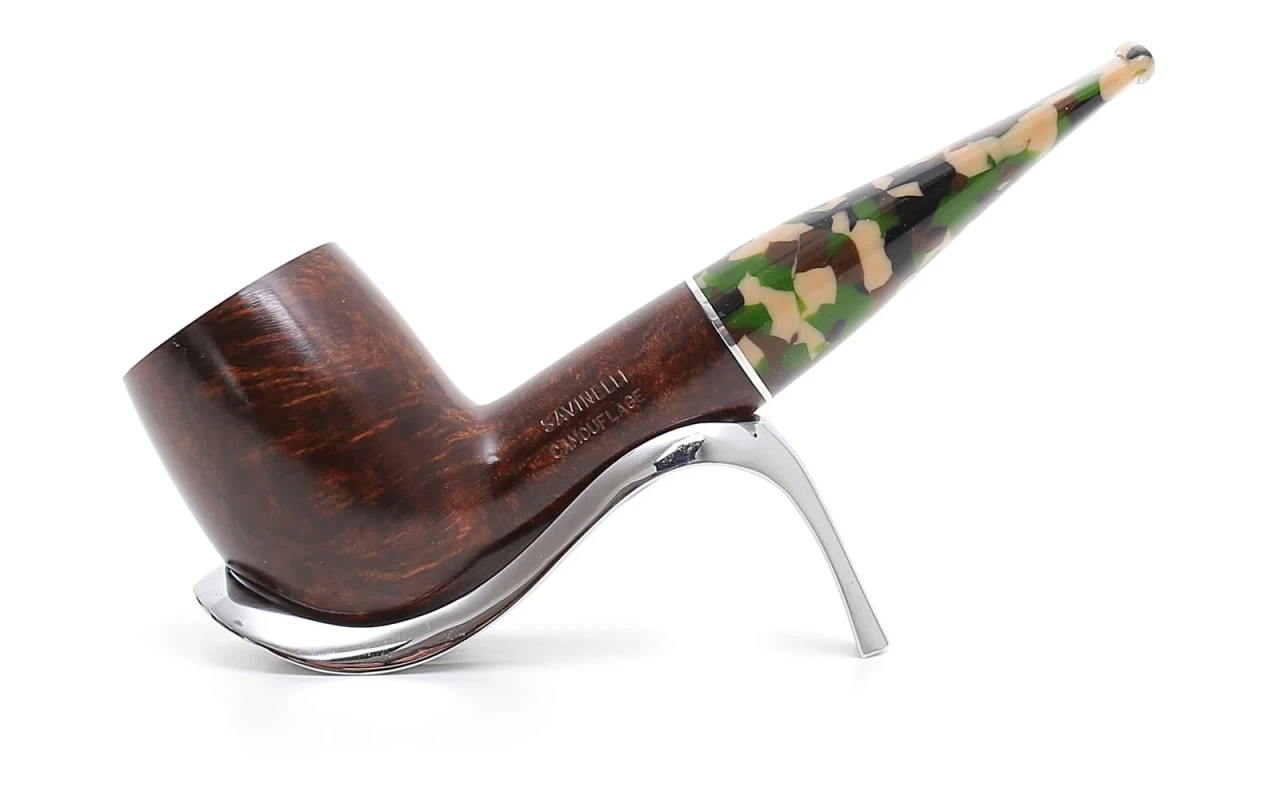
Pipes are objects with a long history and cultural tradition. There are various pipe models, each with unique characteristics that reflect the different cultural traditions in which they originated. Some examples include the smoking pipe, the water pipe, the tobacco pipe, and the herb pipe. Each model has its own peculiarities, ranging from the shape of the stem to the construction material. Cultural traditions related to pipes vary depending on the country of origin, with rituals and ceremonies often accompanying the use of these instruments.
Pipe Smokers' Materials
The most common materials used for the production of smoking pipes are wood, corn cob, and briar. These materials offer unique characteristics that influence the pipe smoking experience. Wood is popular for its durability and ability to absorb tobacco moisture. Corn cob, on the other hand, is lightweight and allows for a cool and sweet smoke. Briar is renowned for its beauty and heat resistance. Other materials used include clay, meerschaum, and briar. Each material has its own peculiarities that influence the taste, temperature, and maintenance of the pipe.
Pipe Manufacturing Techniques
Pipe manufacturing is an ancient art that requires skill and precision. Traditional techniques involve several stages:- Wood cutting: The choice of wood is fundamental for the quality of the pipe.- Drying: The wood must be dried to prevent cracks during processing.- Carving: Shaping the pipe through turning and carving.- Finishing: Sanding and polishing for a smooth and shiny surface.- Drilling: Creating the chamber and smoke passage.- Assembly: Inserting the mouthpiece and stem.- Final polishing: For an impeccable surface.These artisanal techniques ensure the production of high-quality pipes.
History of Pipe Smoking
Pipe smoking has a long history dating back centuries. Initially used by indigenous populations of the Americas, smoking pipes became popular in Europe in the 16th century. Over time, pipes have become symbols of elegance and sophistication, with various styles and materials used in their construction. Pipe smokers often appreciate the process of selecting tobacco, filling the pipe, and the ritual of lighting it. Today, smoking pipes continue to be cherished by many for their tradition, craftsmanship, and ritualistic aspects.
'%3e%3cg id='Final-Copy-2_2_' transform='translate(1275.000000, 200.000000)'%3e%3cpath class='st0' d='M7.4,12.8h6.8l3.1-11.6H7.4C4.2,1.2,1.6,3.8,1.6,7S4.2,12.8,7.4,12.8z'/%3e%3c/g%3e%3c/g%3e%3c/g%3e%3cg id='final---dec.11-2020'%3e%3cg id='_x30_208-our-toggle' transform='translate(-1275.000000, -200.000000)'%3e%3cg id='Final-Copy-2' transform='translate(1275.000000, 200.000000)'%3e%3cpath class='st1' d='M22.6,0H7.4c-3.9,0-7,3.1-7,7s3.1,7,7,7h15.2c3.9,0,7-3.1,7-7S26.4,0,22.6,0z M1.6,7c0-3.2,2.6-5.8,5.8-5.8 h9.9l-3.1,11.6H7.4C4.2,12.8,1.6,10.2,1.6,7z'/%3e%3cpath id='x' class='st2' d='M24.6,4c0.2,0.2,0.2,0.6,0,0.8l0,0L22.5,7l2.2,2.2c0.2,0.2,0.2,0.6,0,0.8c-0.2,0.2-0.6,0.2-0.8,0 l0,0l-2.2-2.2L19.5,10c-0.2,0.2-0.6,0.2-0.8,0c-0.2-0.2-0.2-0.6,0-0.8l0,0L20.8,7l-2.2-2.2c-0.2-0.2-0.2-0.6,0-0.8 c0.2-0.2,0.6-0.2,0.8,0l0,0l2.2,2.2L23.8,4C24,3.8,24.4,3.8,24.6,4z'/%3e%3cpath id='y' class='st3' d='M12.7,4.1c0.2,0.2,0.3,0.6,0.1,0.8l0,0L8.6,9.8C8.5,9.9,8.4,10,8.3,10c-0.2,0.1-0.5,0.1-0.7-0.1l0,0 L5.4,7.7c-0.2-0.2-0.2-0.6,0-0.8c0.2-0.2,0.6-0.2,0.8,0l0,0L8,8.6l3.8-4.5C12,3.9,12.4,3.9,12.7,4.1z'/%3e%3c/g%3e%3c/g%3e%3c/g%3e%3c/g%3e%3c/svg%3e) Your Privacy Choices
Your Privacy Choices 


