 FR
FR EN
EN IT
IT DE
DE
Pipe Materials: Which Ones to Choose
Pipe Materials: Which Ones to Choose
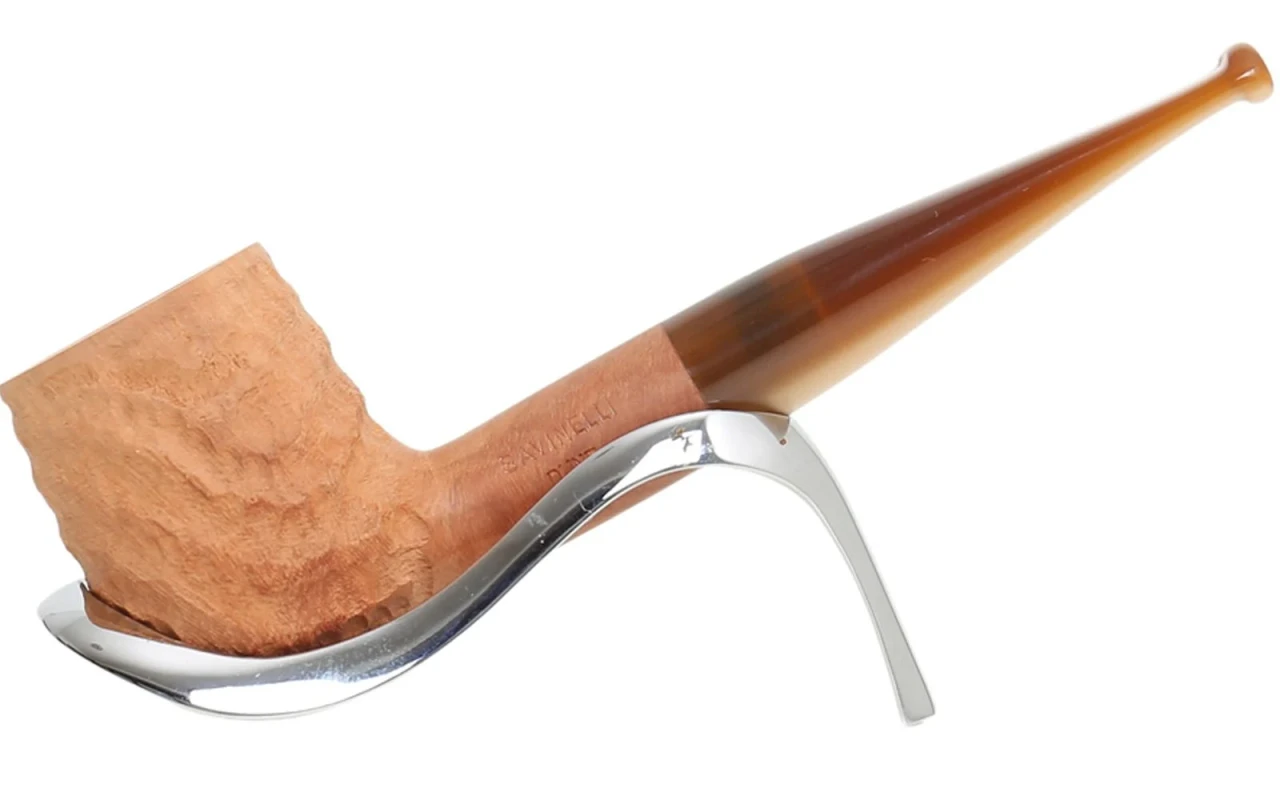
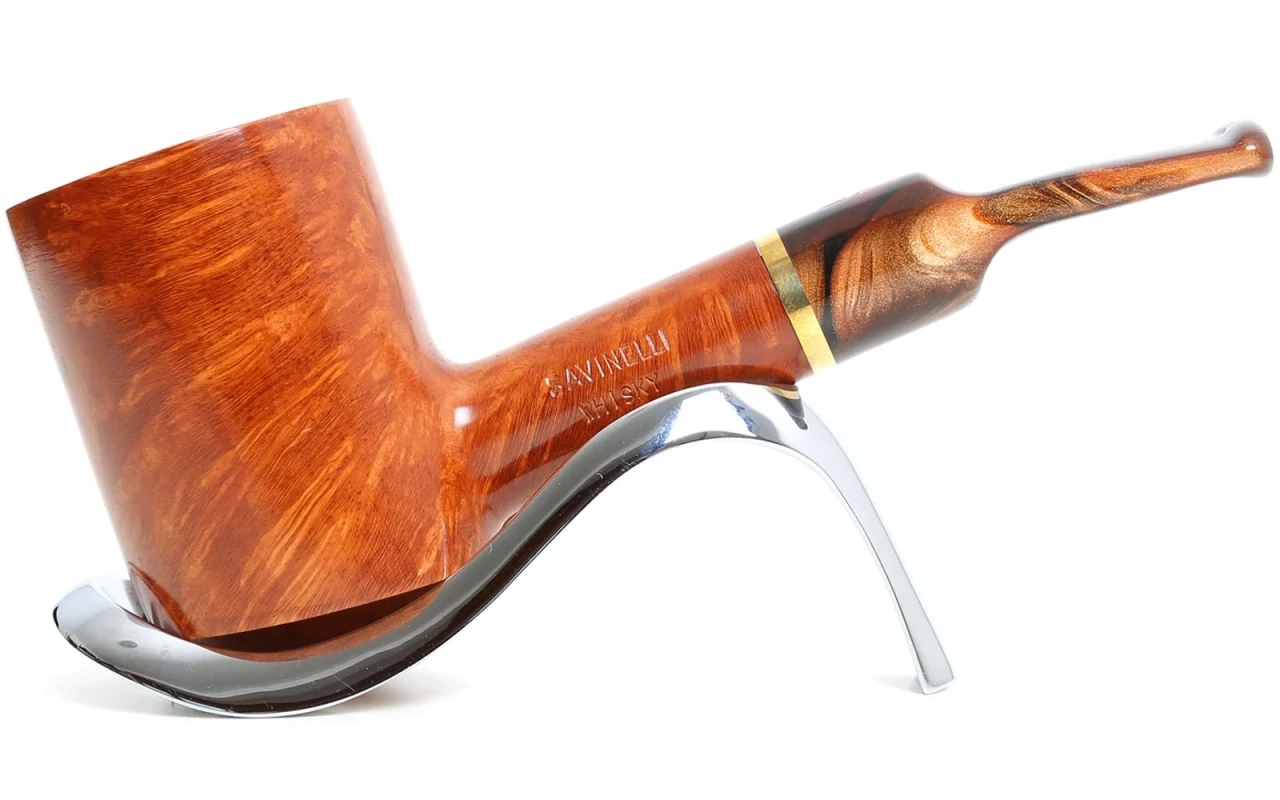
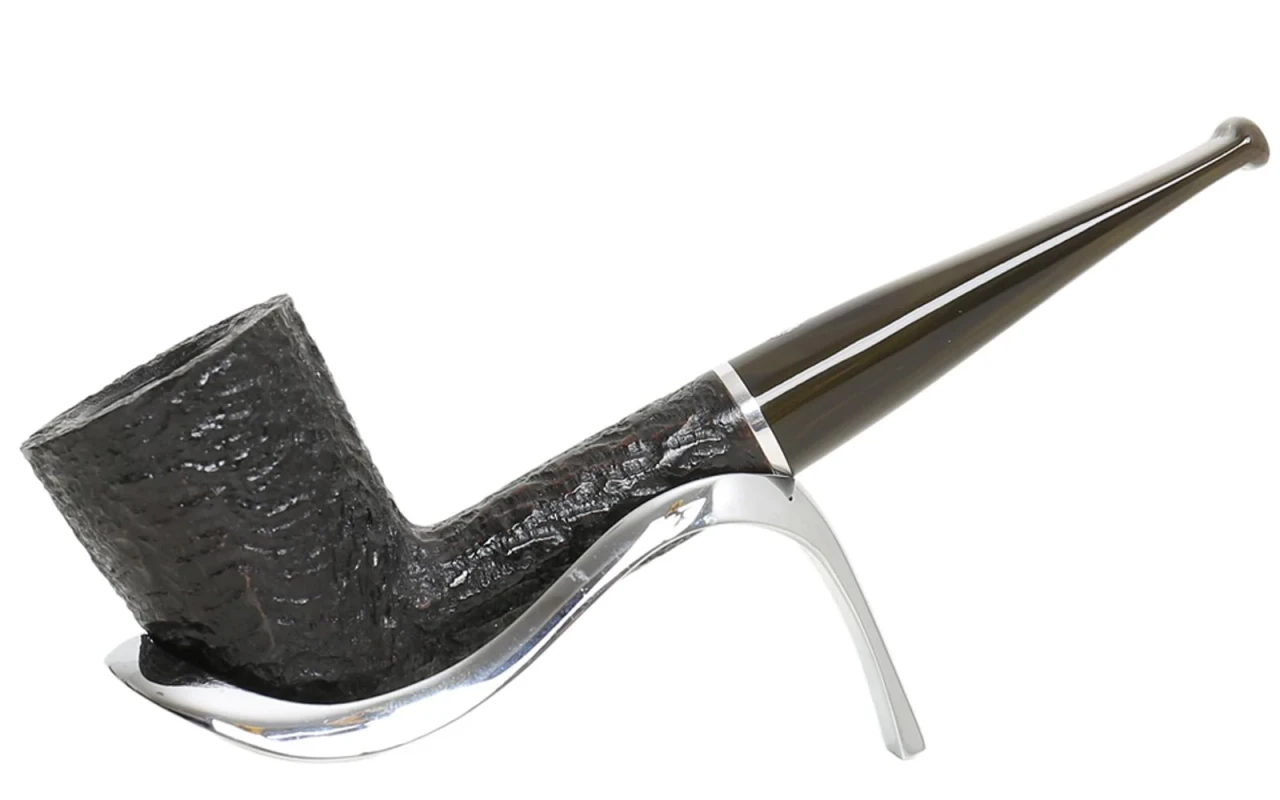
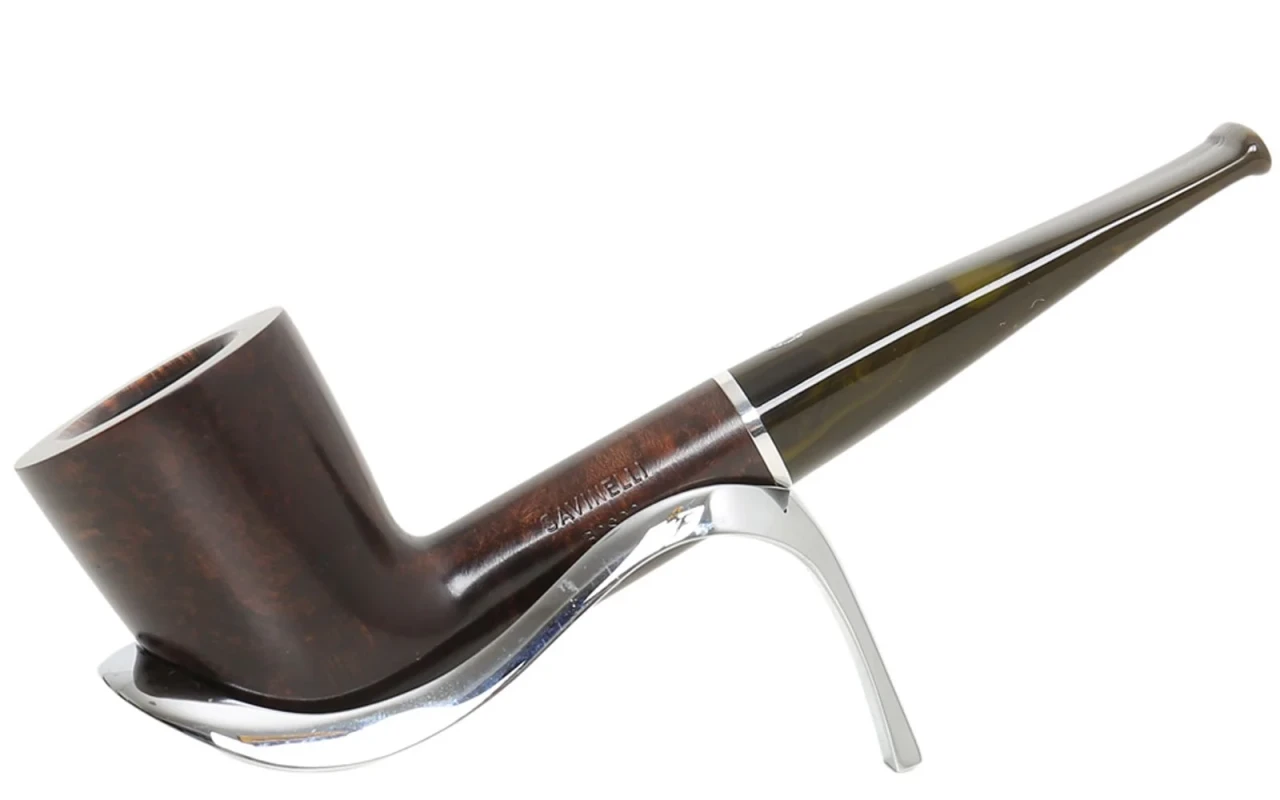
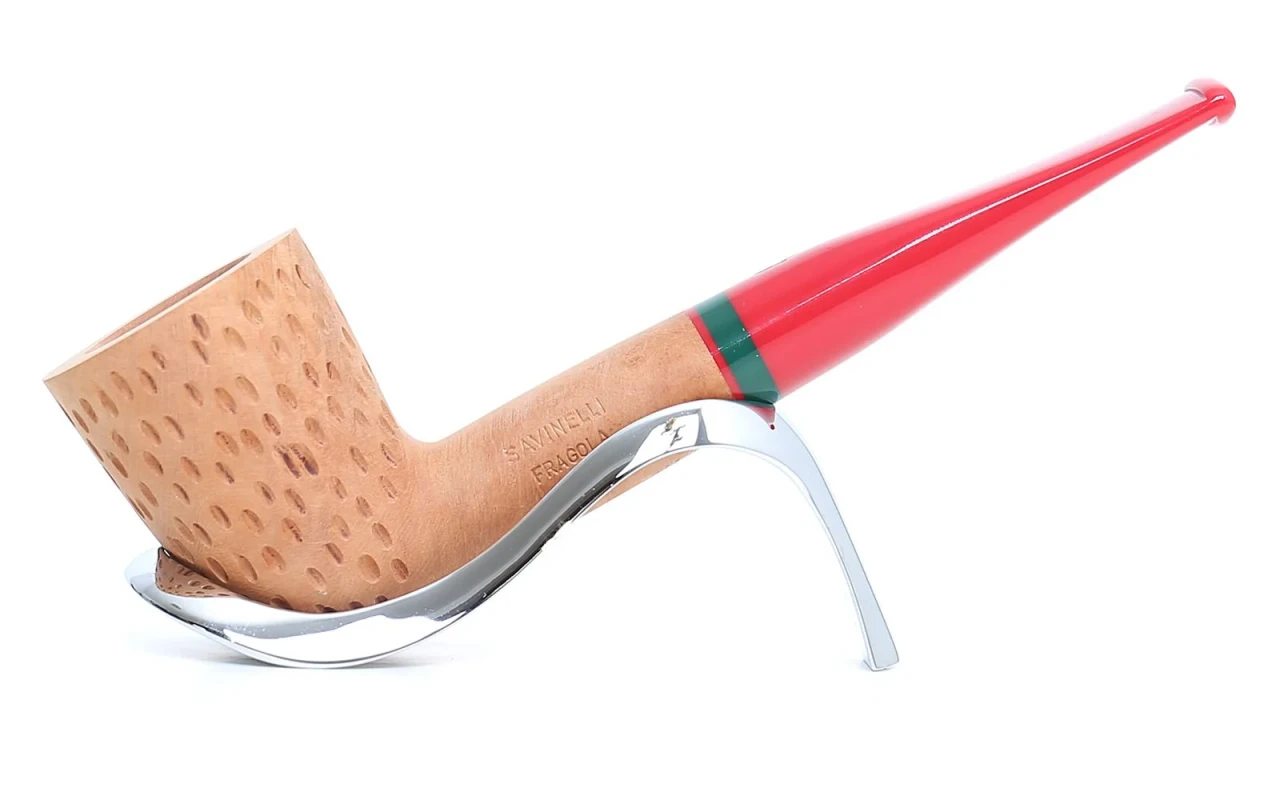
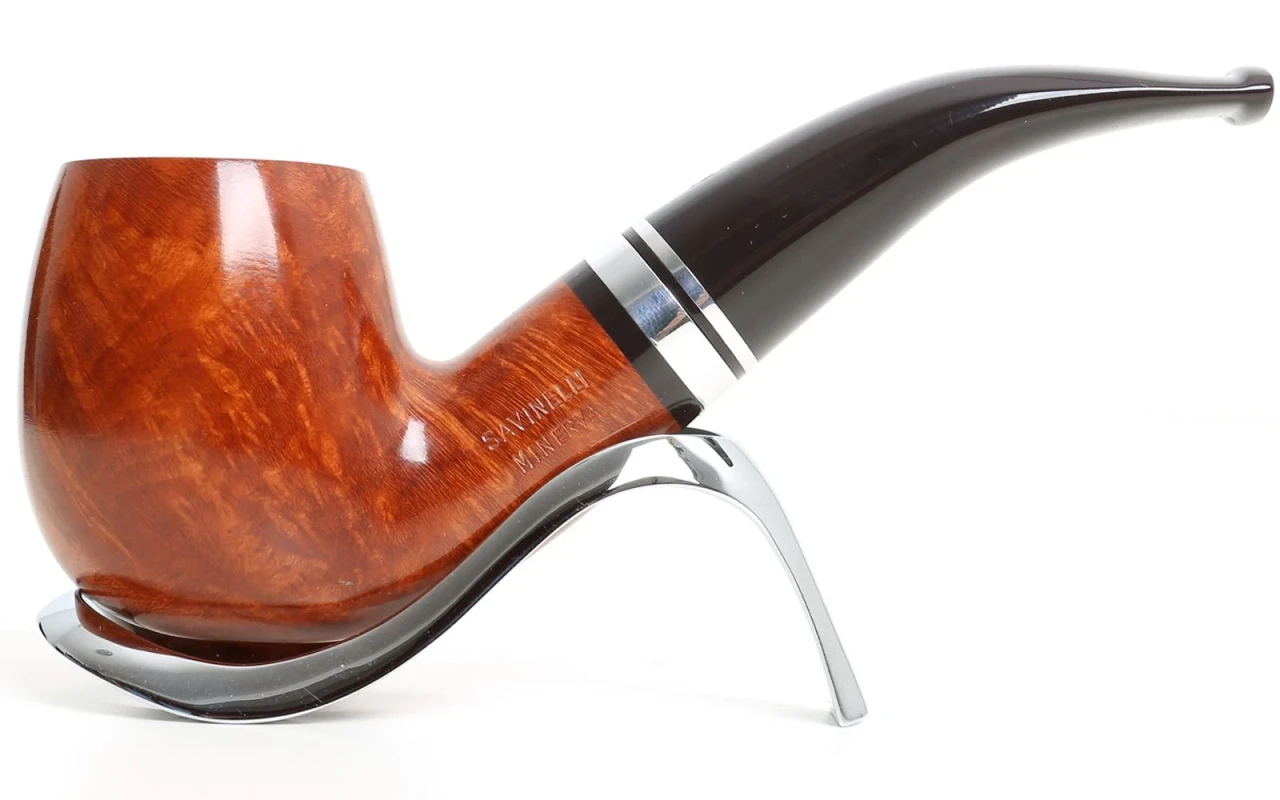
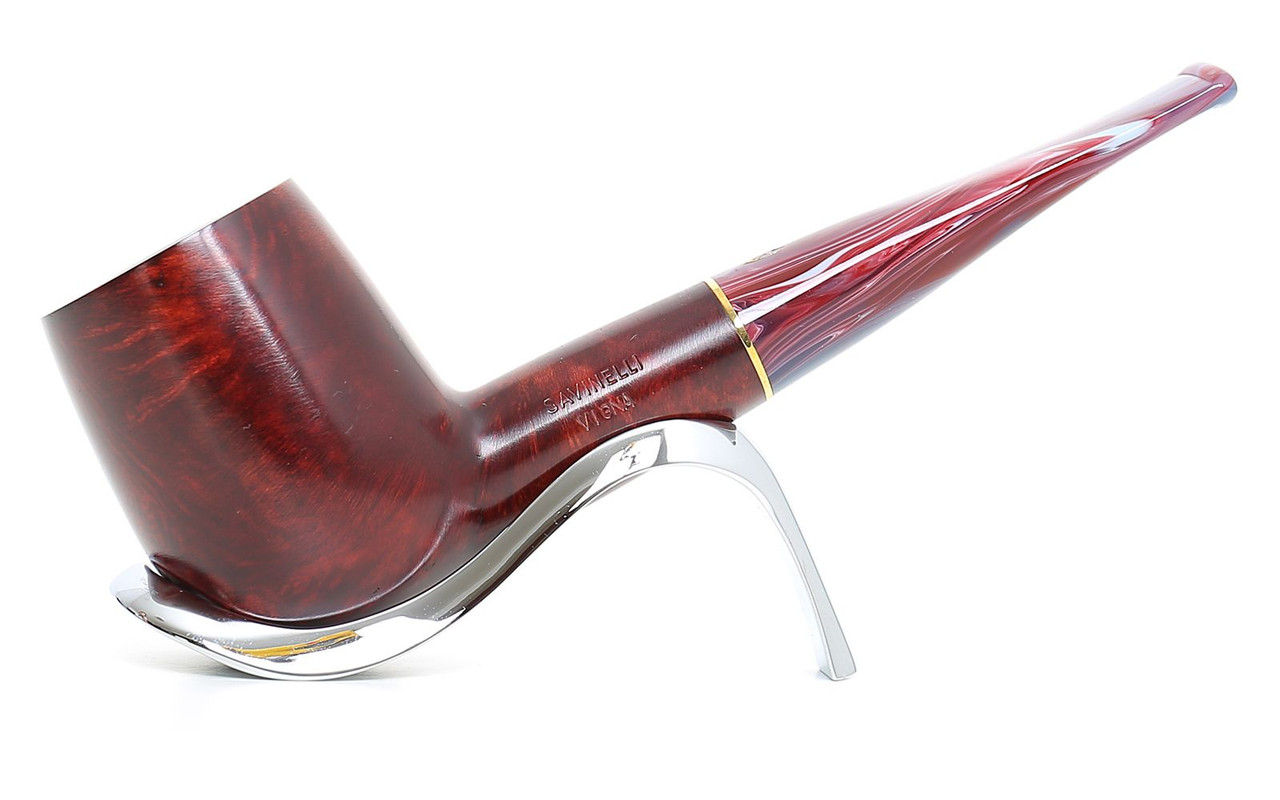
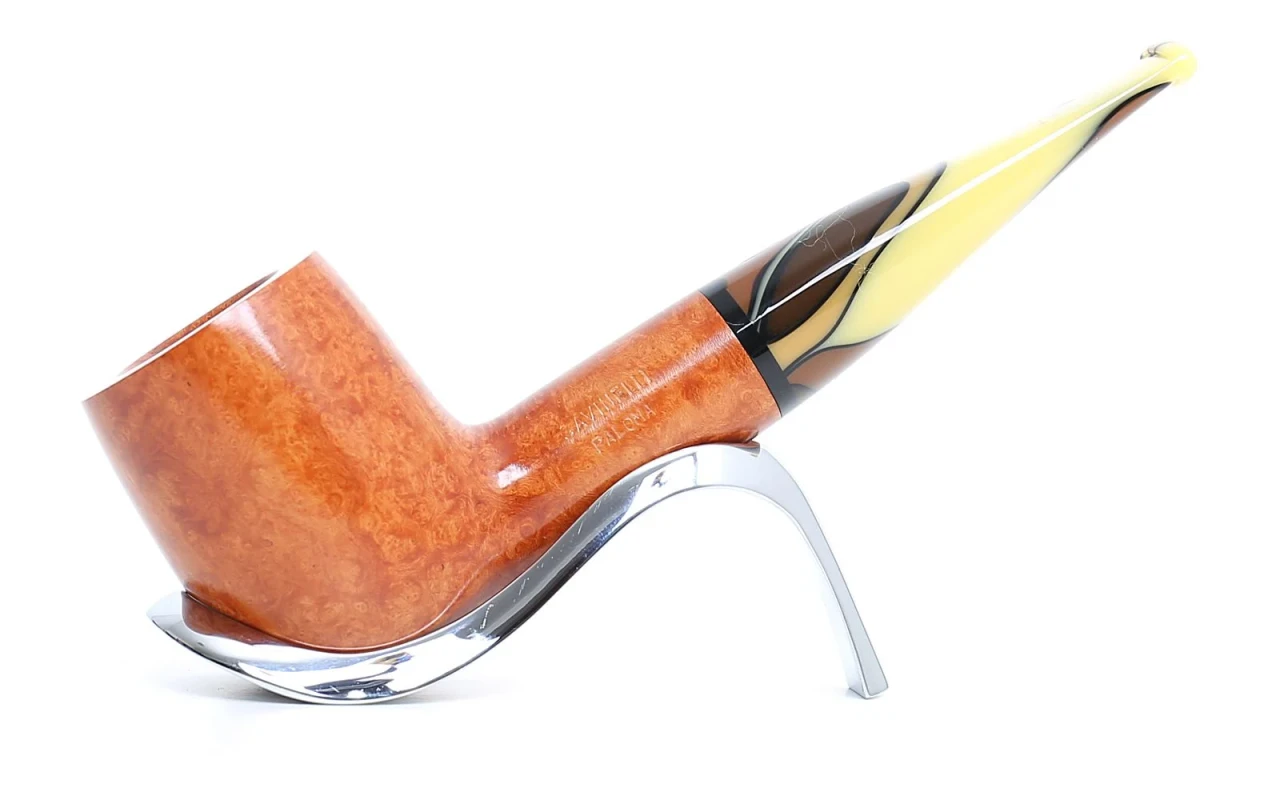
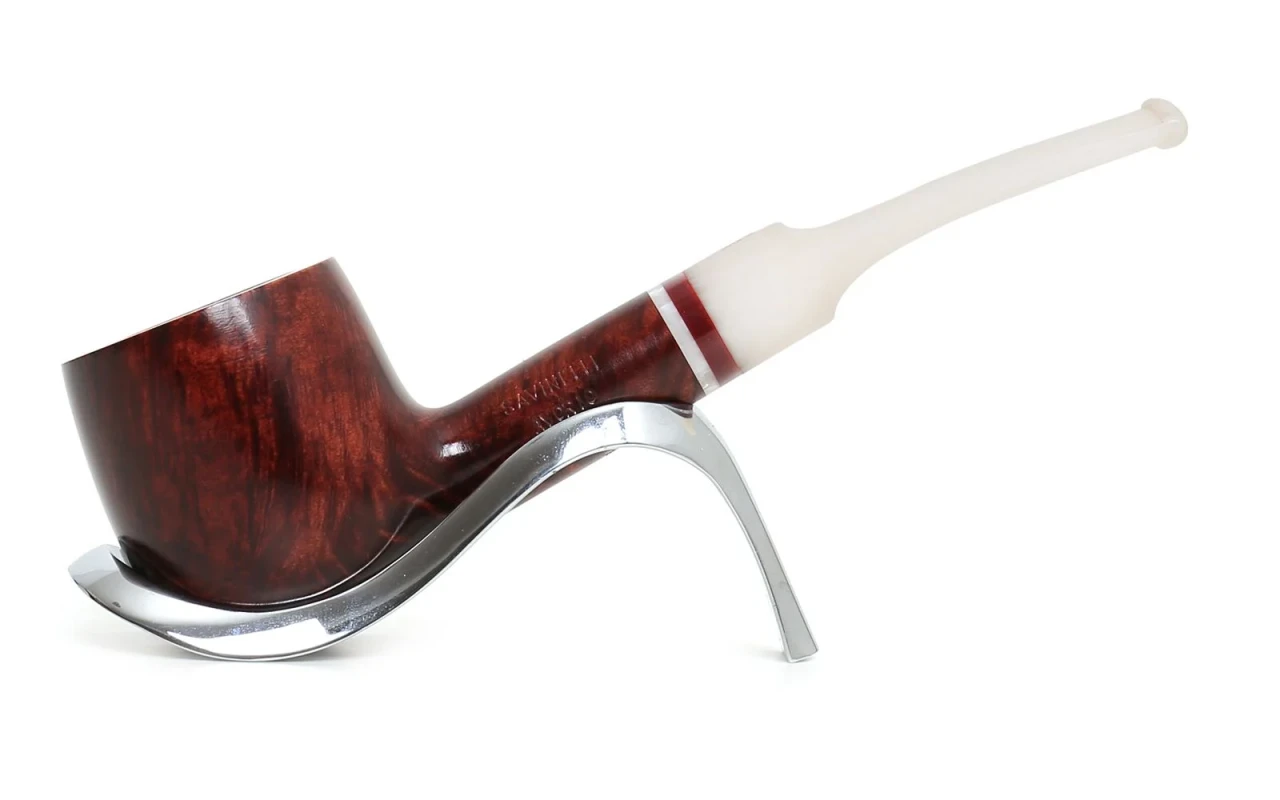
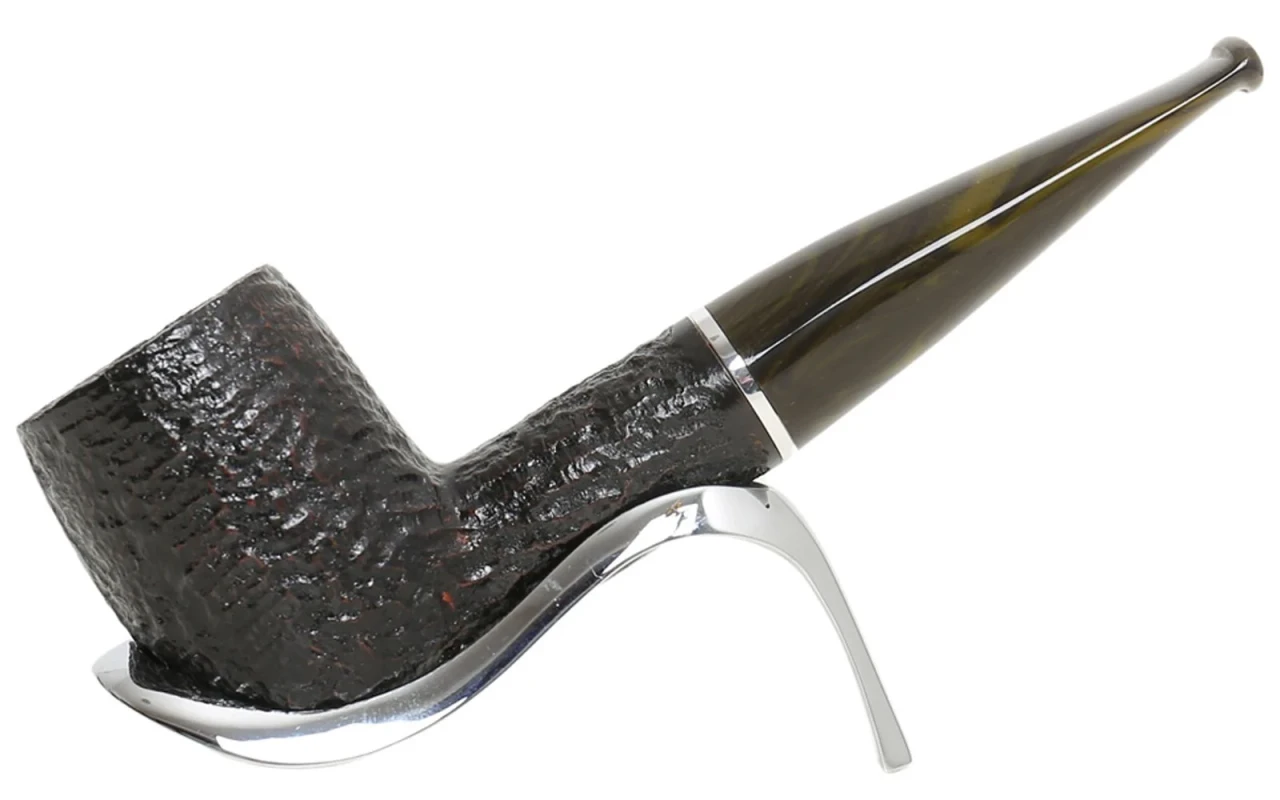
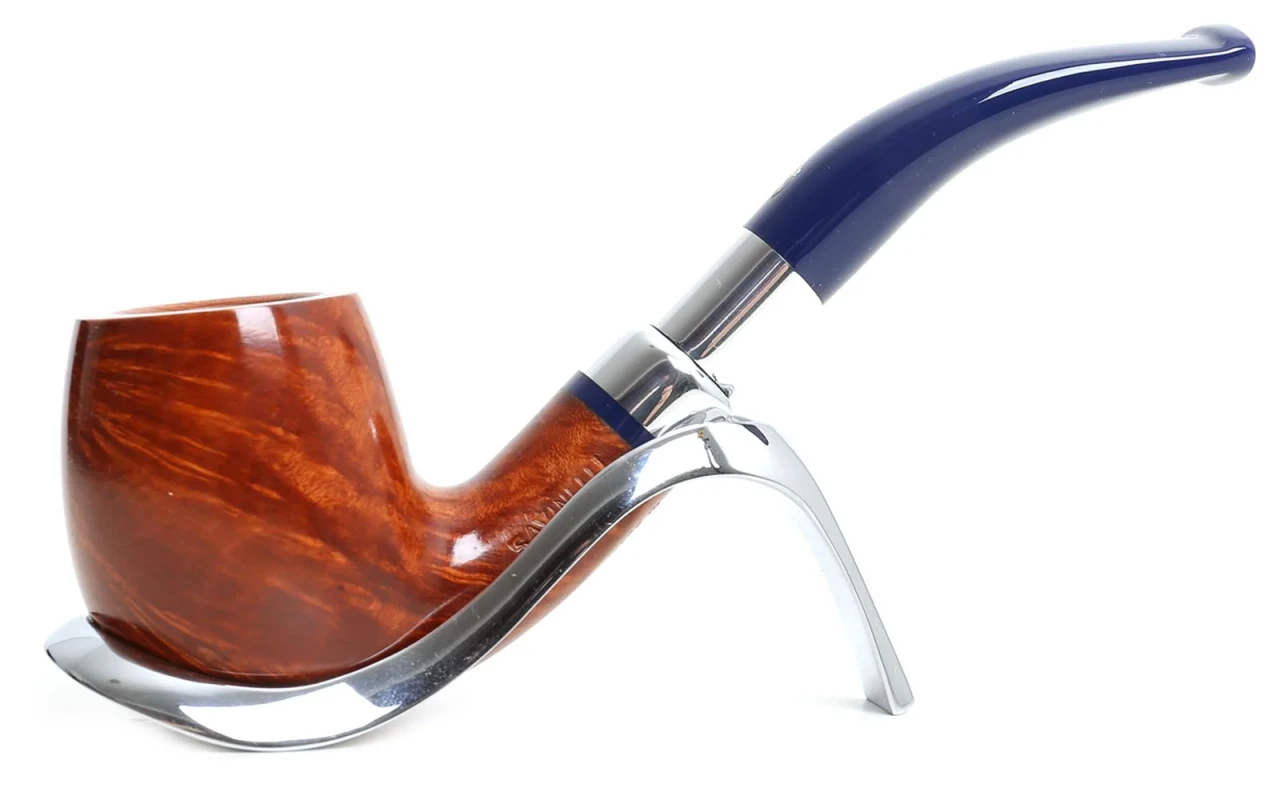
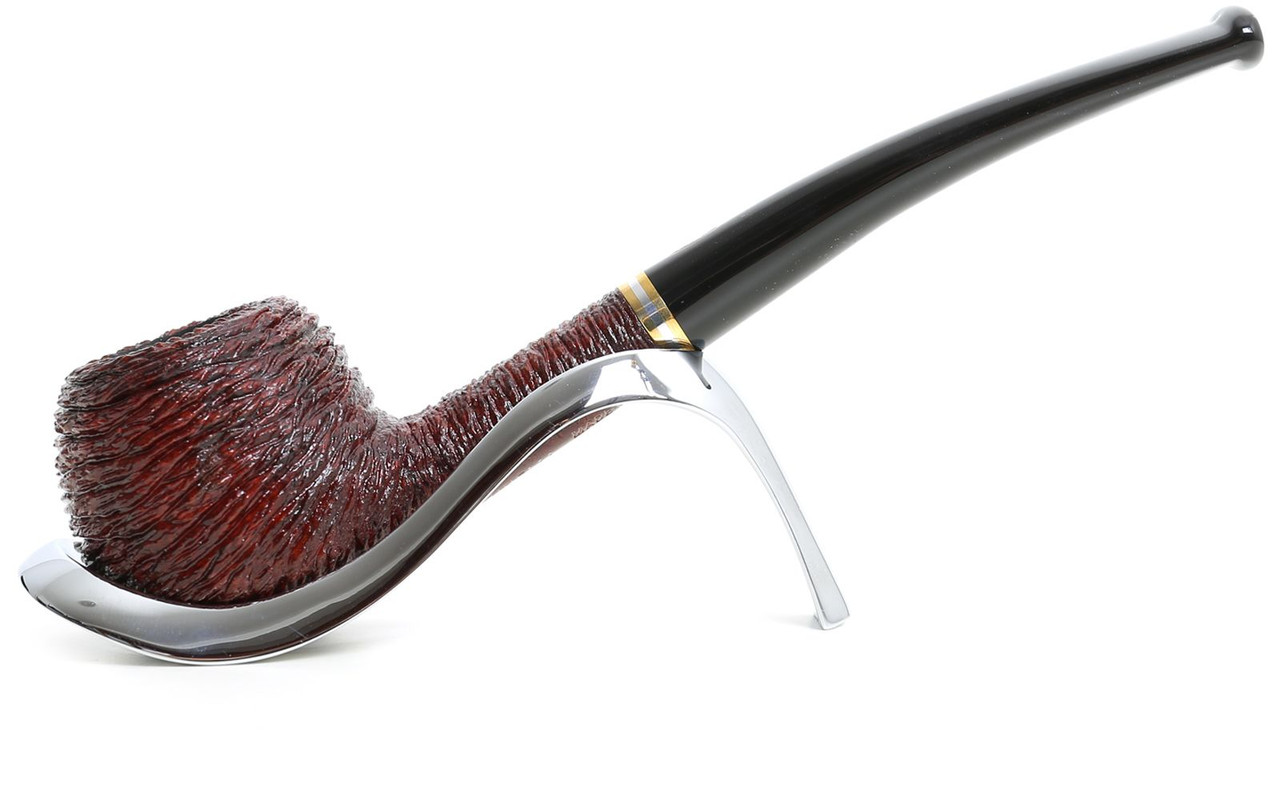
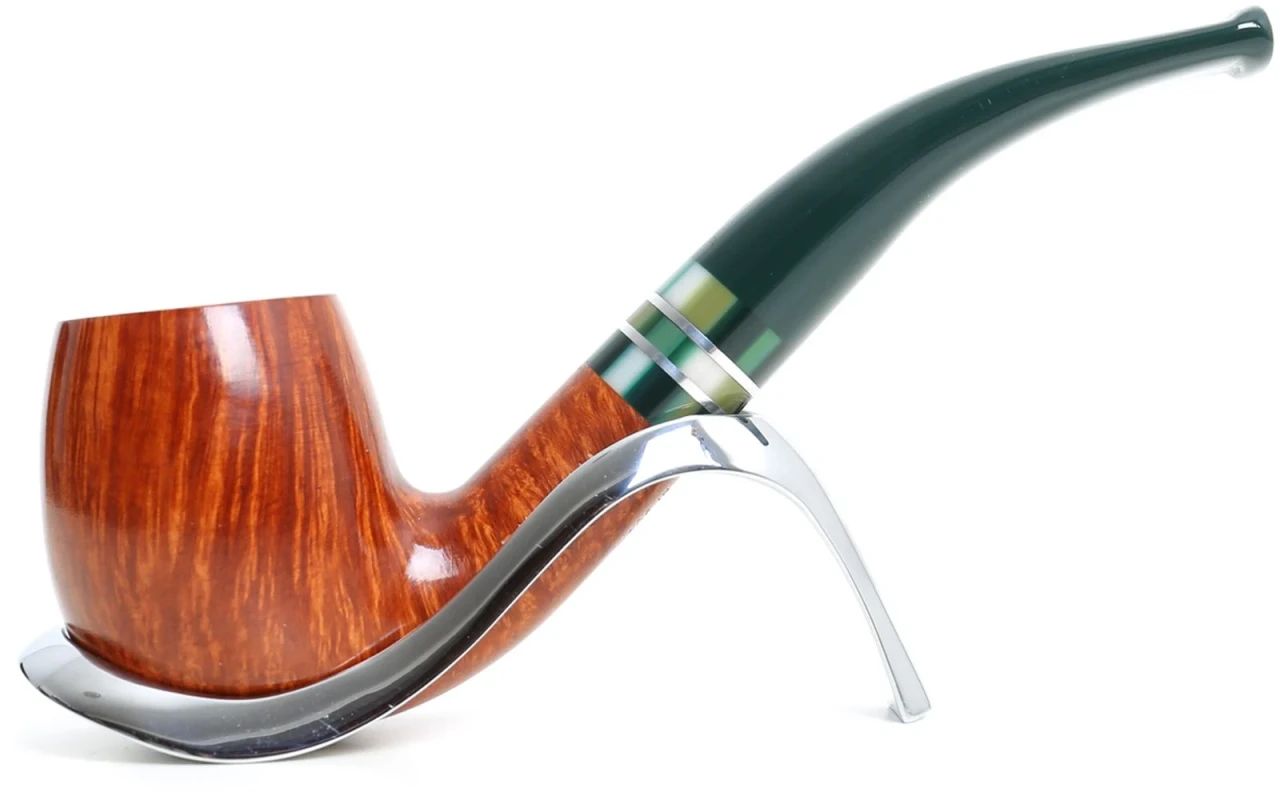
There are several materials used for crafting smoking pipes, each with specific characteristics:- **Wood**: provides good heat dissipation and a natural aroma during combustion.- **Clay**: highly porous and neutral, ideal for smokers who want to appreciate the pure taste of tobacco.- **Meerschaum**: a very porous stone that absorbs tobacco oils, ensuring a cool and dry smoke.- **Corn Cob**: lightweight and affordable, typically used for travel pipes.- **Metals**: such as brass or steel, often found in budget pipes but may alter the tobacco taste.- **Briar**: wood from the Erica arborea, highly heat and combustion resistant.The choice of material depends on each smoker's personal preferences.
Best materials for smoking pipes
The best materials for smoking pipes are:- Briar wood: lightweight and durable, it offers excellent heat absorption.- Morta wood: hard and heat-resistant, ensuring long-lasting durability.- Meerschaum: porous and lightweight material, absorbs moisture for a cooler smoke.- Clay: lightweight and porous, provides a neutral flavor ideal for fully enjoying the tobacco.- Bamboo: light and durable, often used for stems and decorative purposes.Choosing the right material for your pipe depends on personal preferences and smoking experience.
Traditional materials for pipes
Traditional pipes are mainly made from natural materials such as:- Briar root: wood derived from the Erica arborea tree, known for its excellent heat and combustion resistance.- Corn cob: corn cob is used to create affordable and lightweight pipes, particularly suitable for beginners.- Clay: clay pipes are valued for their ability to absorb moisture and provide a neutral taste to the smoke.- Meerschaum: a porous stone that develops a unique color over time with use, perfect for those seeking a personalized and distinctive pipe.These materials are selected for their specific qualities that impact the pipe smoking experience.
Modern materials for tobacco pipes
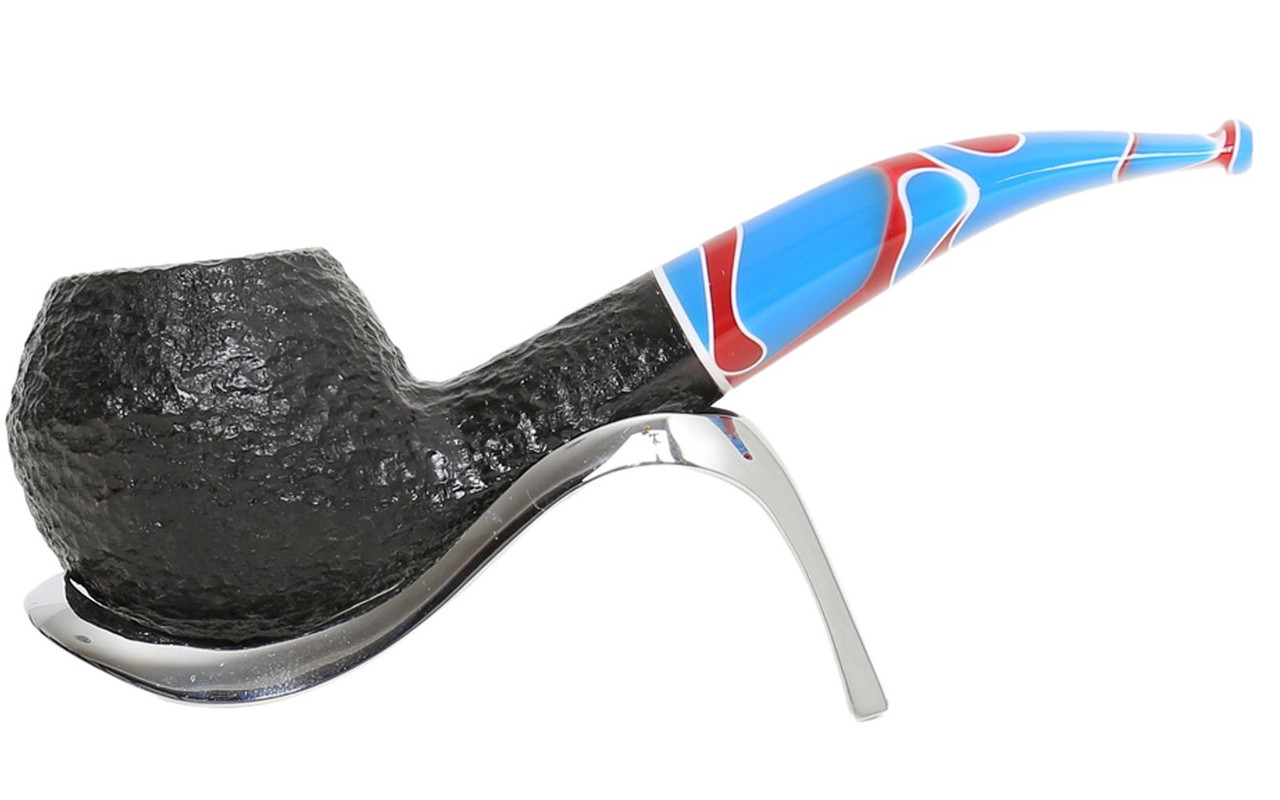
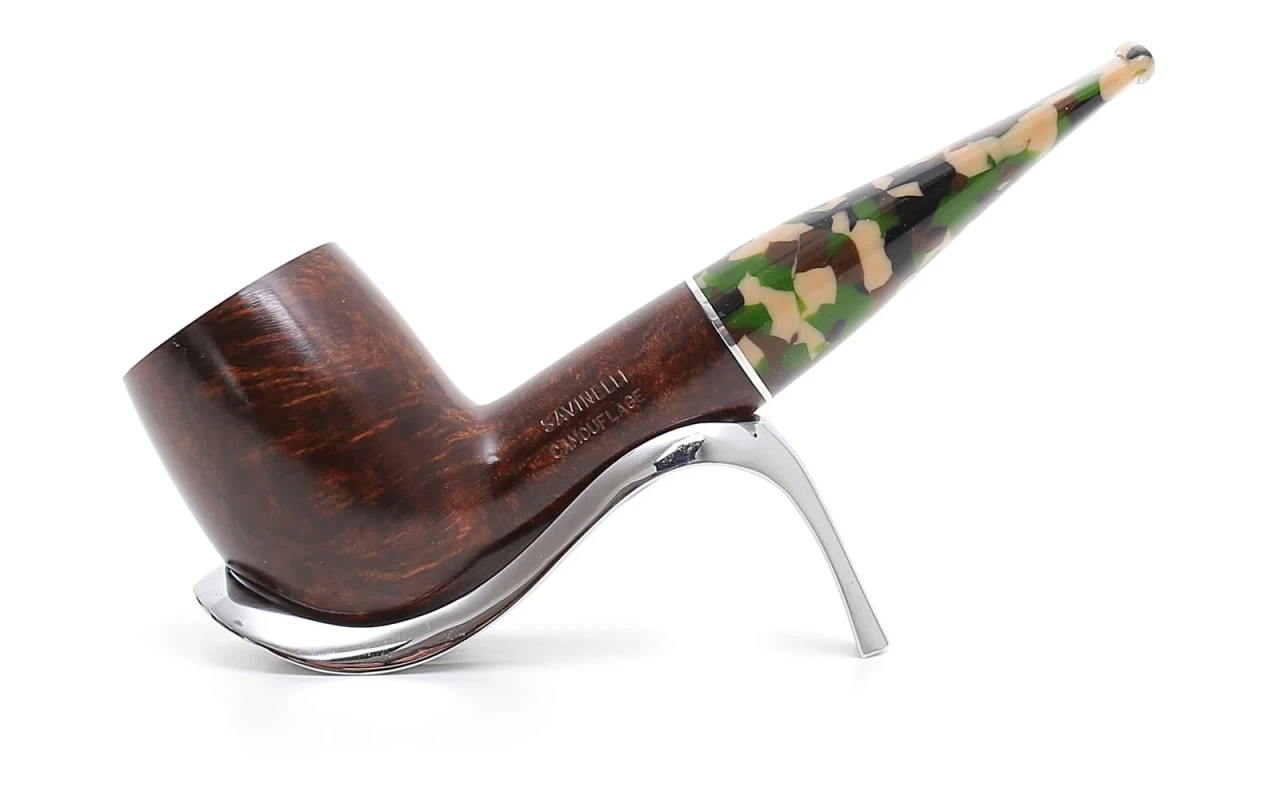
Modern materials for tobacco pipes include briar wood, corn cob, and acrylic or ebonite stems. These materials offer different characteristics and advantages for pipe enthusiasts. Briar wood is appreciated for its natural warmth and the flavor it imparts to pipe smoke. Corn cob is lightweight and heat-resistant, contributing to a cooler smoke. Acrylic stems are easy to clean and long-lasting, while ebonite stems offer a softer mouthfeel. The choice of material depends on personal preferences and the experience of smoking a pipe.
'%3e%3cg id='Final-Copy-2_2_' transform='translate(1275.000000, 200.000000)'%3e%3cpath class='st0' d='M7.4,12.8h6.8l3.1-11.6H7.4C4.2,1.2,1.6,3.8,1.6,7S4.2,12.8,7.4,12.8z'/%3e%3c/g%3e%3c/g%3e%3c/g%3e%3cg id='final---dec.11-2020'%3e%3cg id='_x30_208-our-toggle' transform='translate(-1275.000000, -200.000000)'%3e%3cg id='Final-Copy-2' transform='translate(1275.000000, 200.000000)'%3e%3cpath class='st1' d='M22.6,0H7.4c-3.9,0-7,3.1-7,7s3.1,7,7,7h15.2c3.9,0,7-3.1,7-7S26.4,0,22.6,0z M1.6,7c0-3.2,2.6-5.8,5.8-5.8 h9.9l-3.1,11.6H7.4C4.2,12.8,1.6,10.2,1.6,7z'/%3e%3cpath id='x' class='st2' d='M24.6,4c0.2,0.2,0.2,0.6,0,0.8l0,0L22.5,7l2.2,2.2c0.2,0.2,0.2,0.6,0,0.8c-0.2,0.2-0.6,0.2-0.8,0 l0,0l-2.2-2.2L19.5,10c-0.2,0.2-0.6,0.2-0.8,0c-0.2-0.2-0.2-0.6,0-0.8l0,0L20.8,7l-2.2-2.2c-0.2-0.2-0.2-0.6,0-0.8 c0.2-0.2,0.6-0.2,0.8,0l0,0l2.2,2.2L23.8,4C24,3.8,24.4,3.8,24.6,4z'/%3e%3cpath id='y' class='st3' d='M12.7,4.1c0.2,0.2,0.3,0.6,0.1,0.8l0,0L8.6,9.8C8.5,9.9,8.4,10,8.3,10c-0.2,0.1-0.5,0.1-0.7-0.1l0,0 L5.4,7.7c-0.2-0.2-0.2-0.6,0-0.8c0.2-0.2,0.6-0.2,0.8,0l0,0L8,8.6l3.8-4.5C12,3.9,12.4,3.9,12.7,4.1z'/%3e%3c/g%3e%3c/g%3e%3c/g%3e%3c/g%3e%3c/svg%3e) Your Privacy Choices
Your Privacy Choices 


