 ES
ES FR
FR EN
EN IT
IT DE
DE
Pipe materials and hand feel
Pipe materials and hand feel
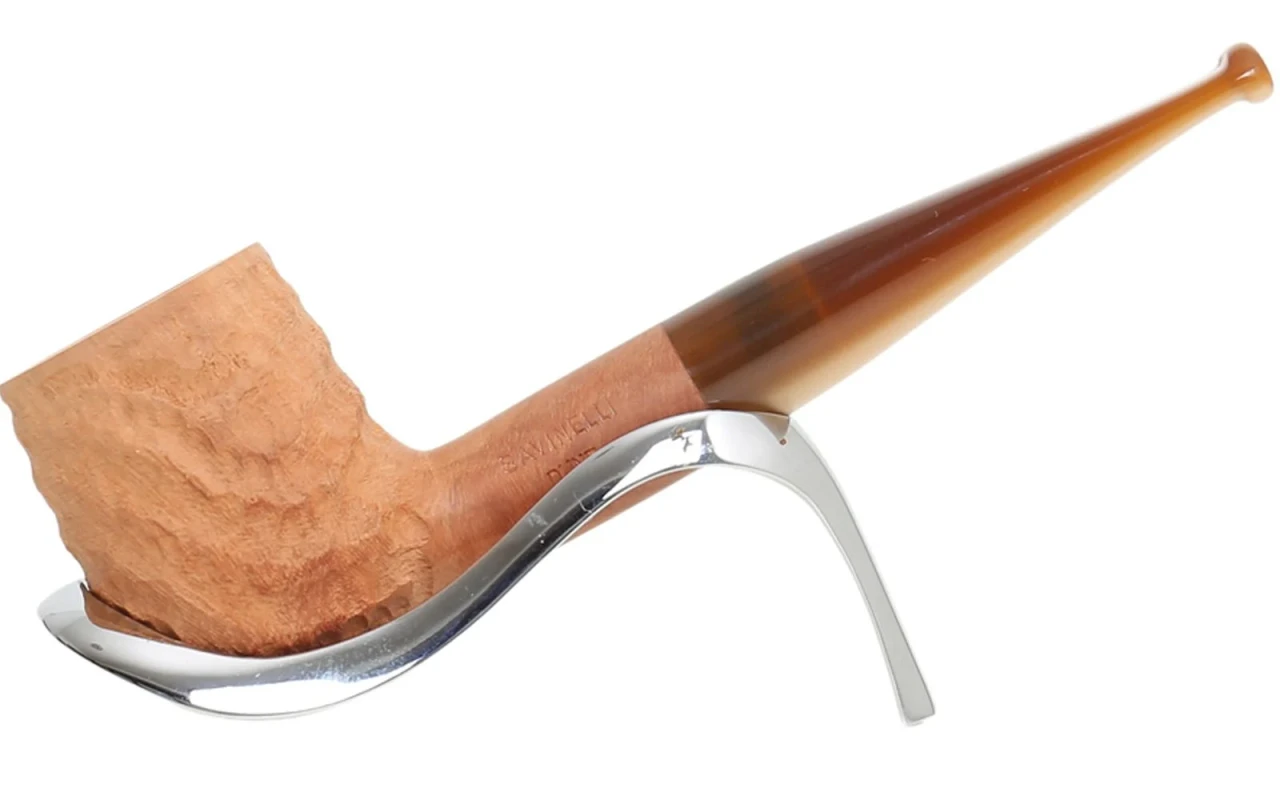
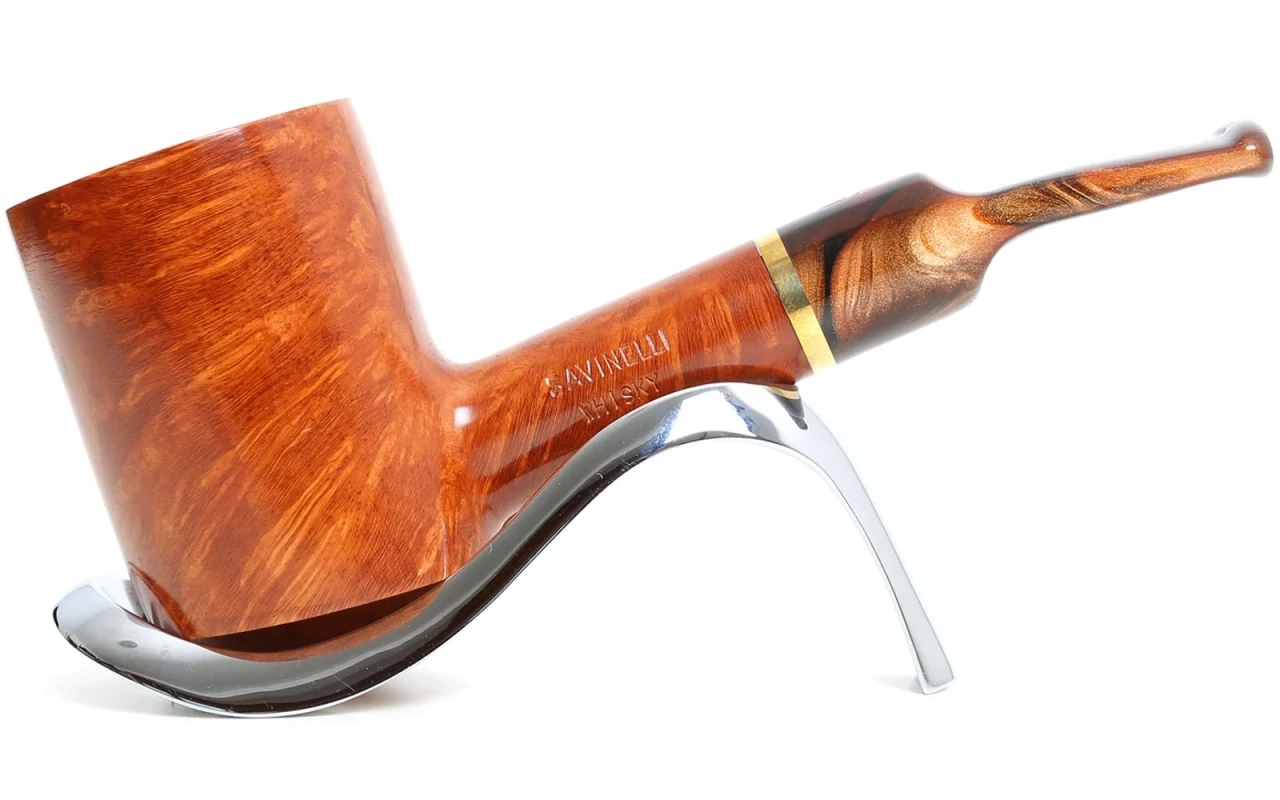
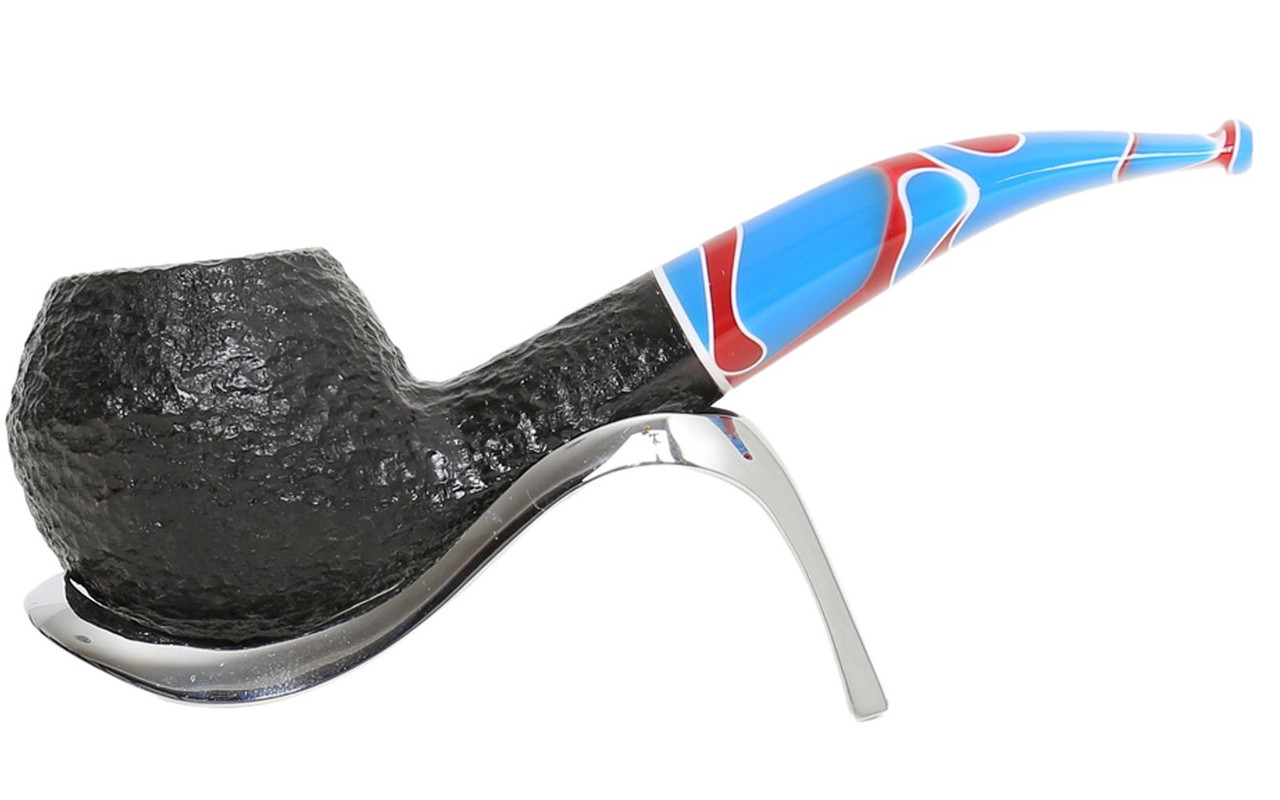
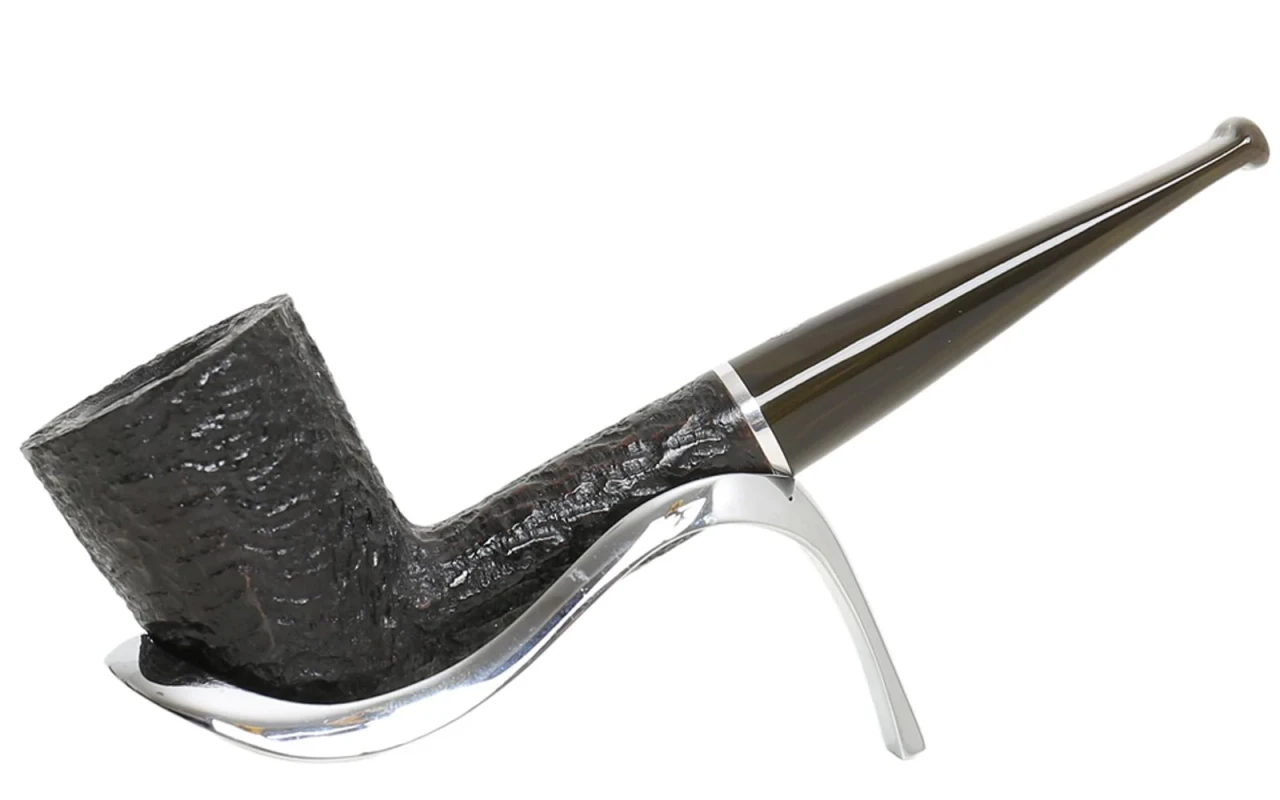
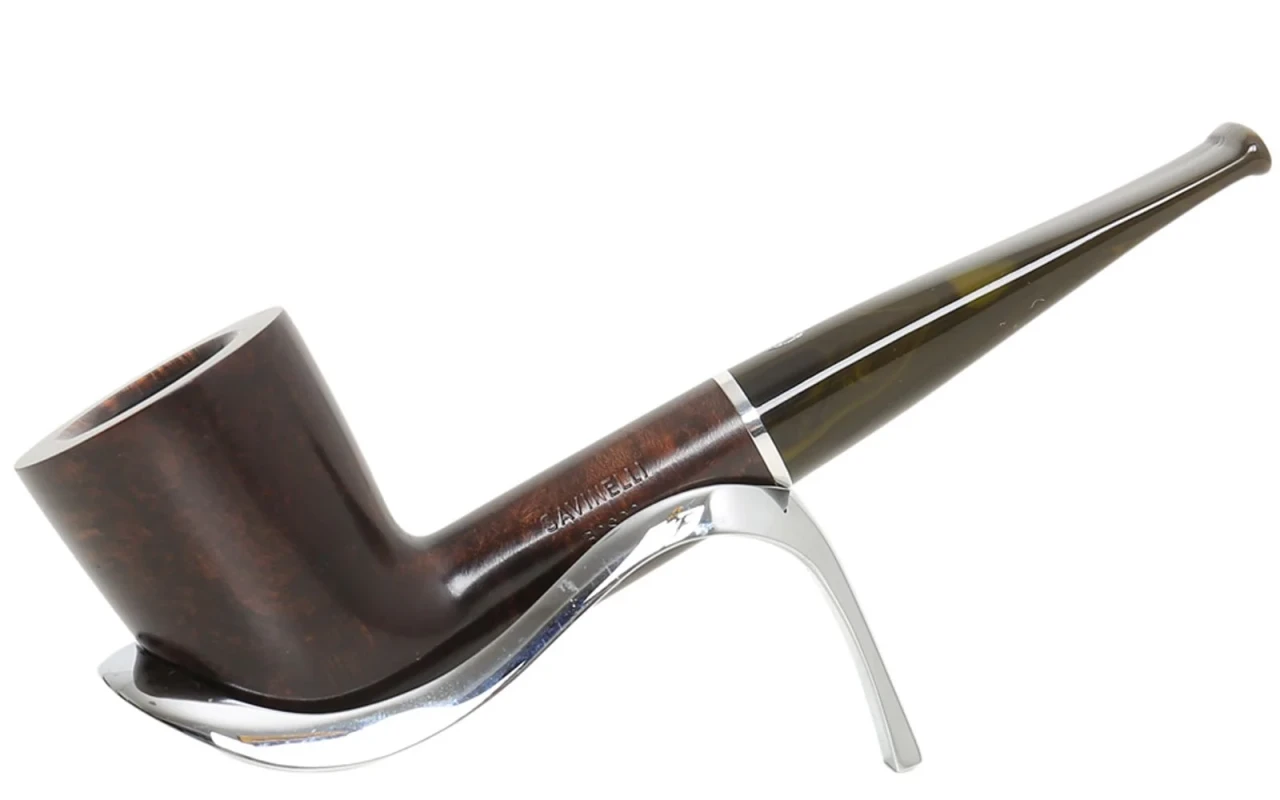
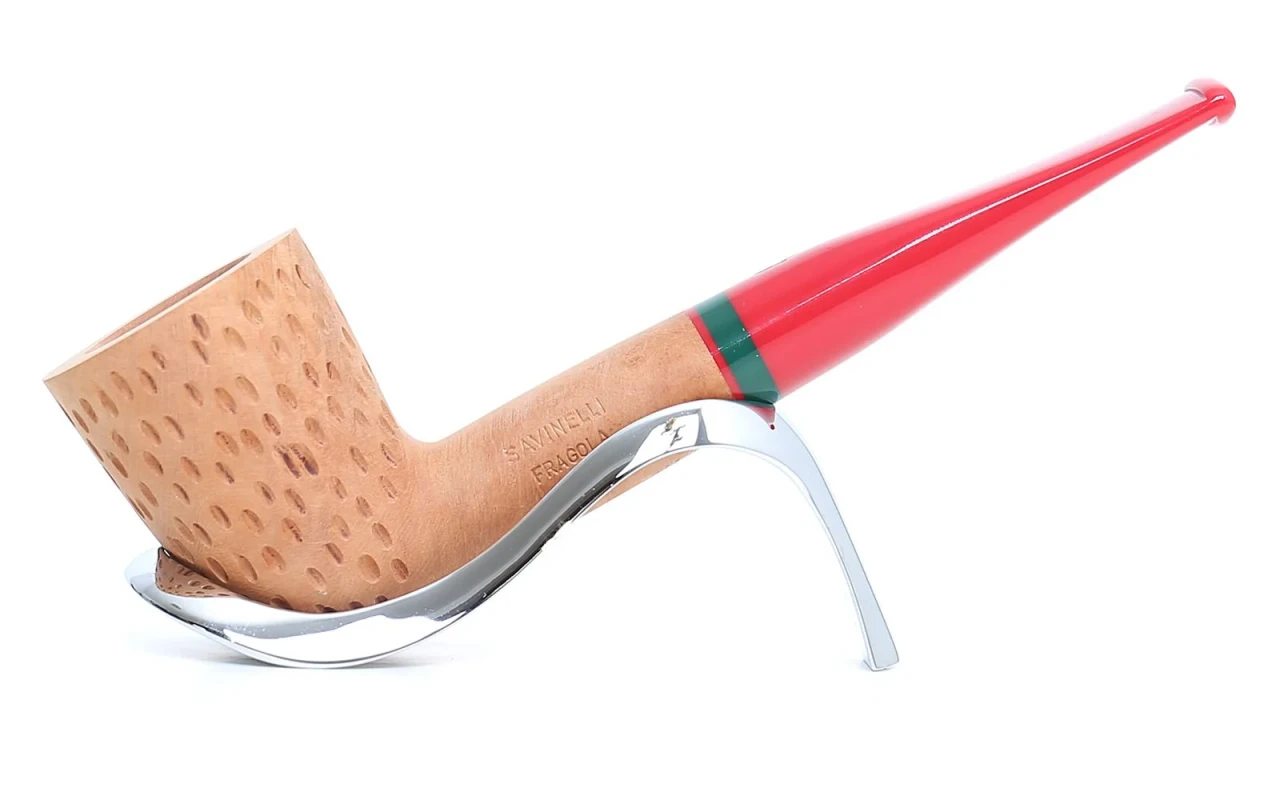
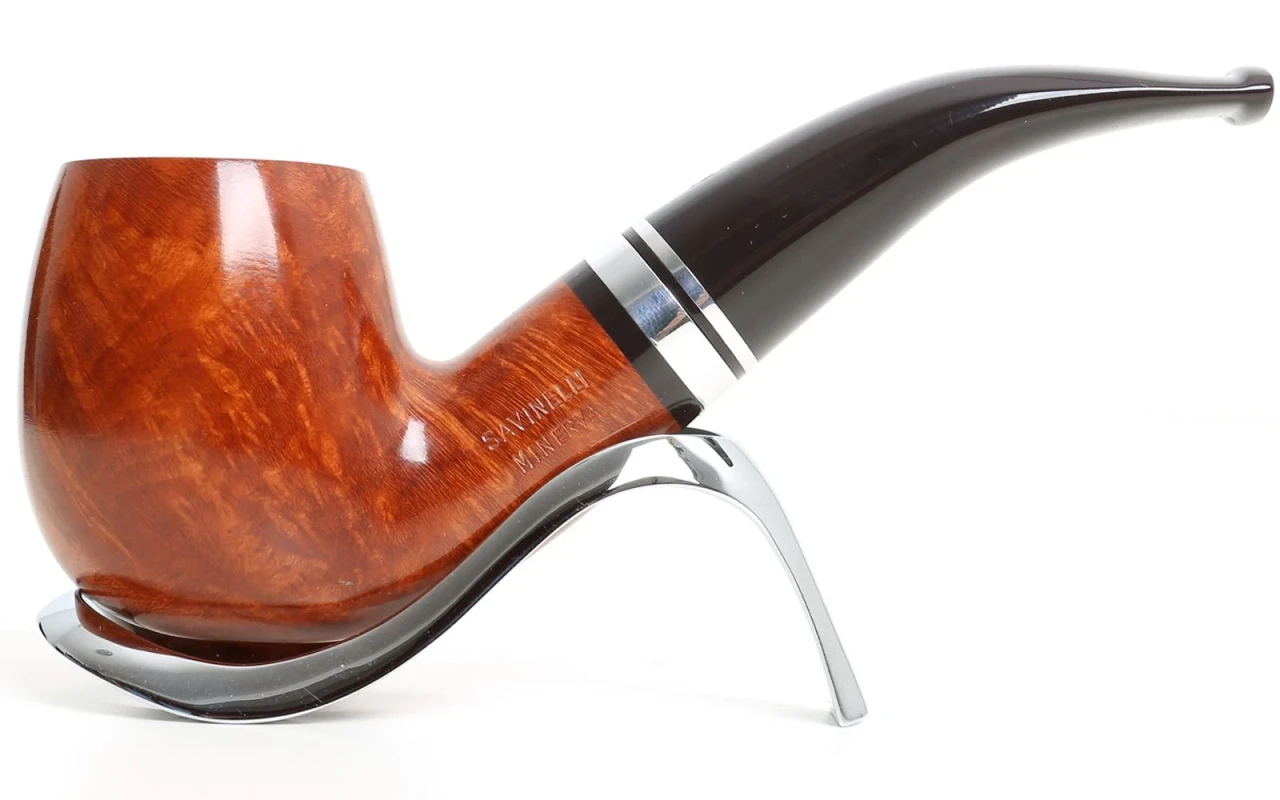
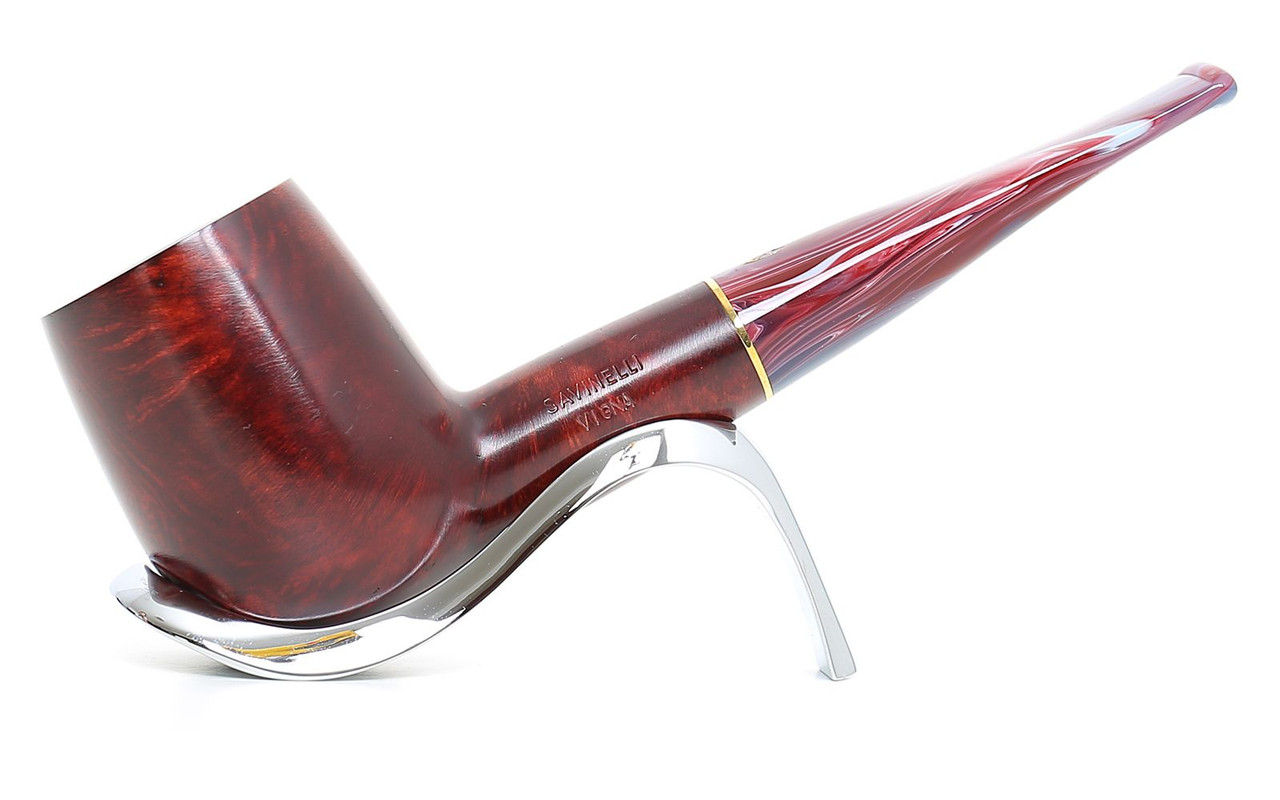
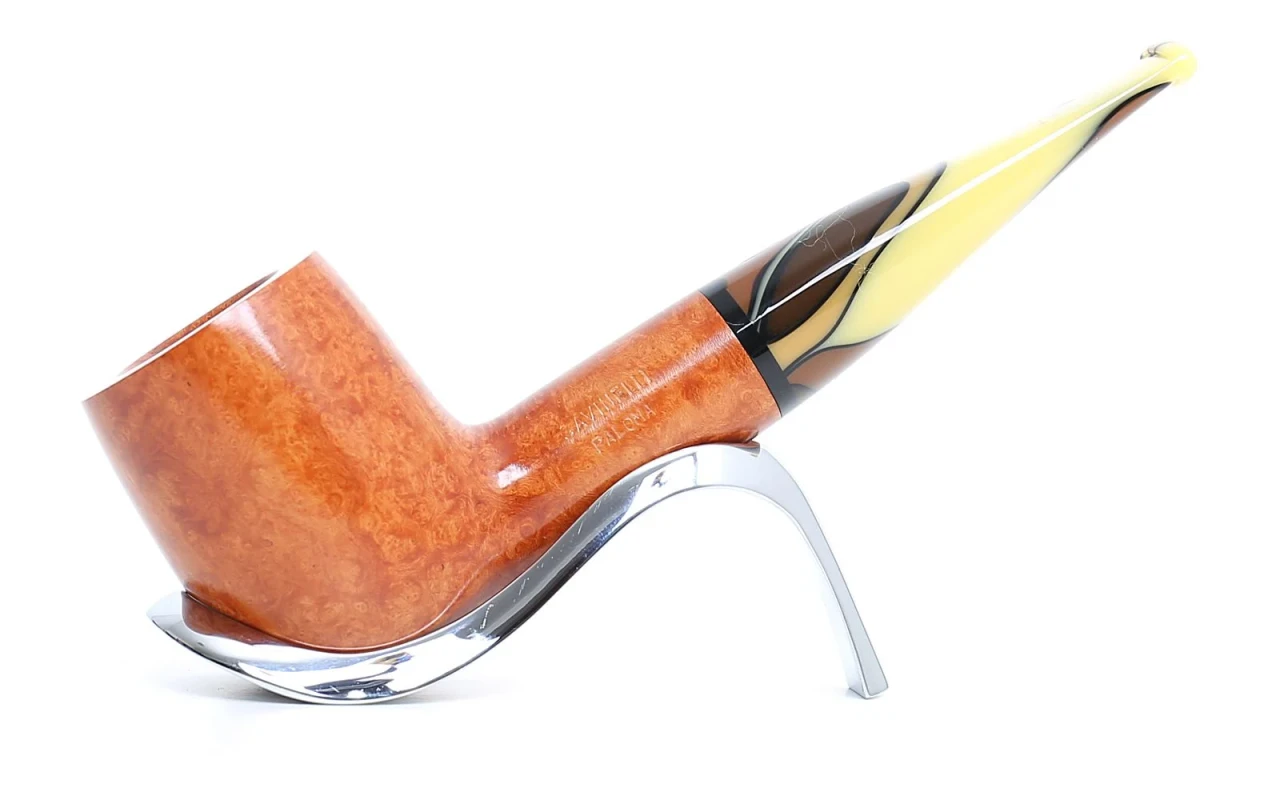
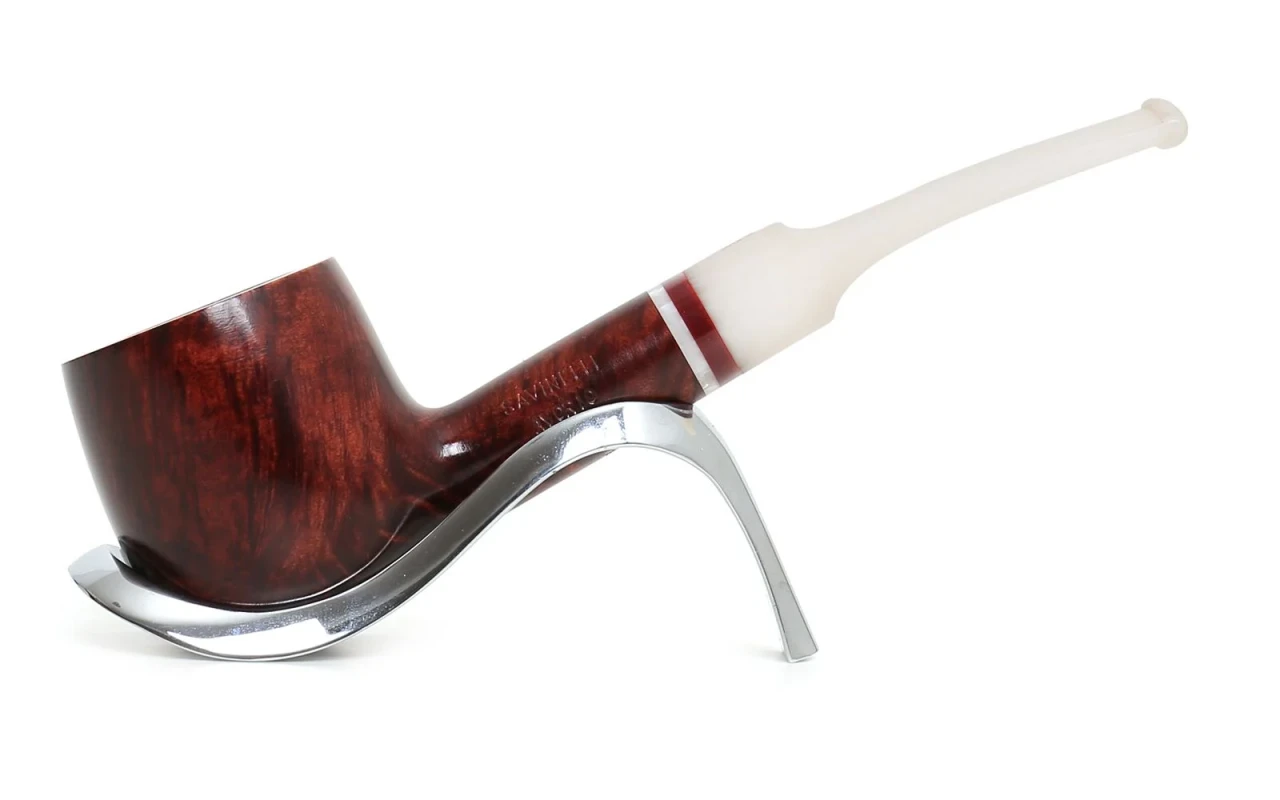
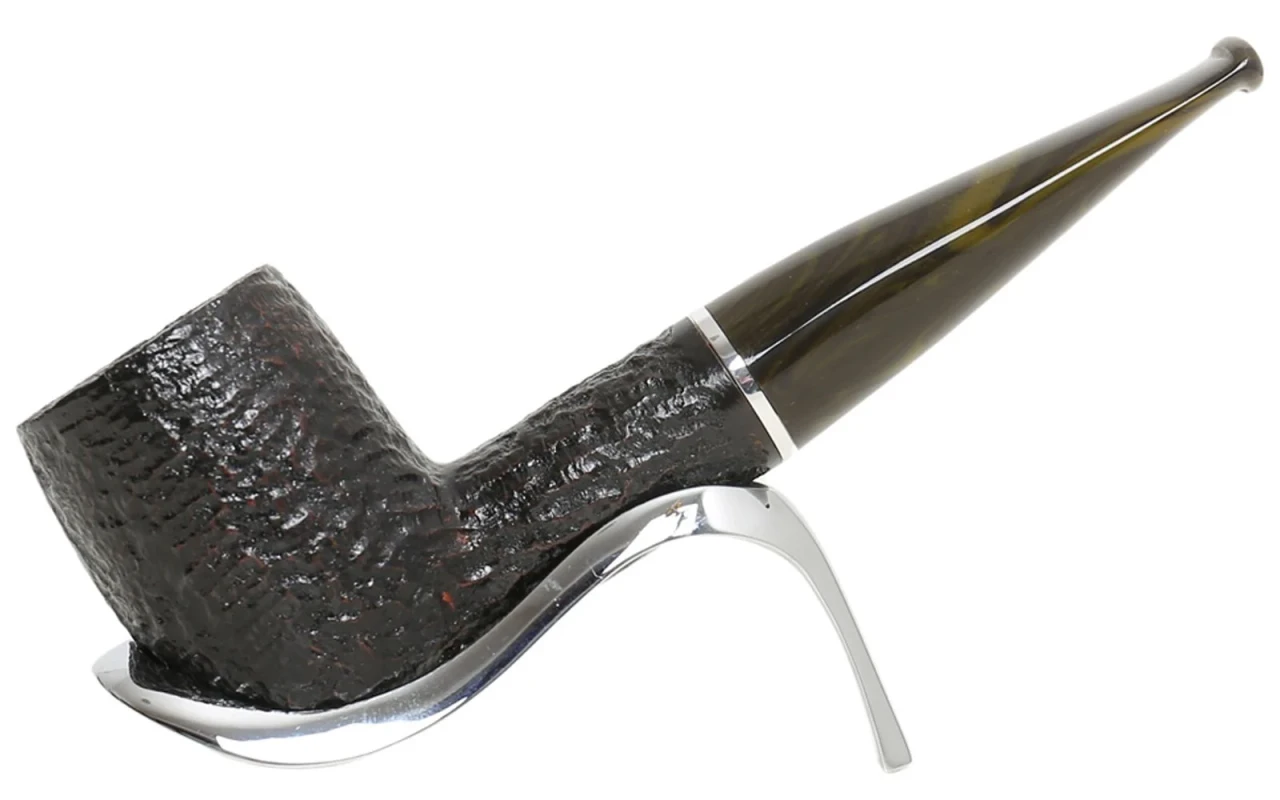
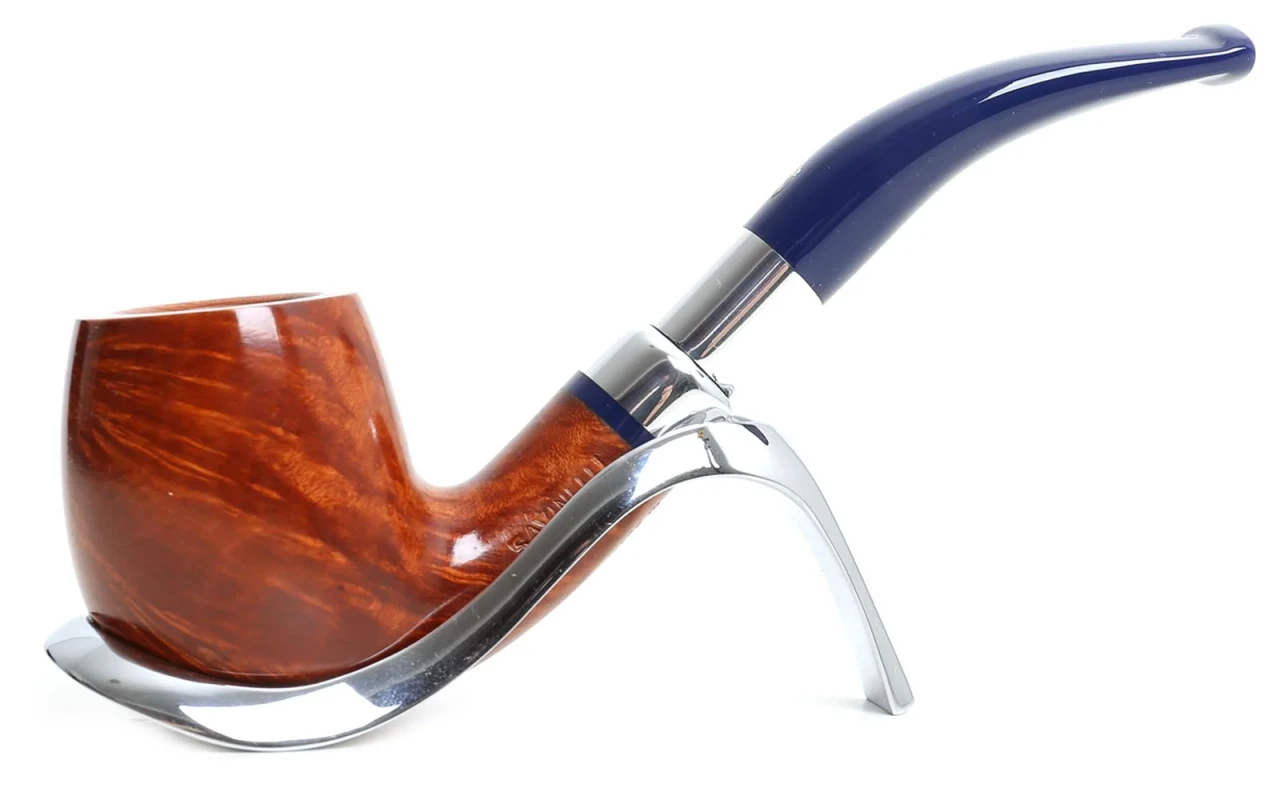
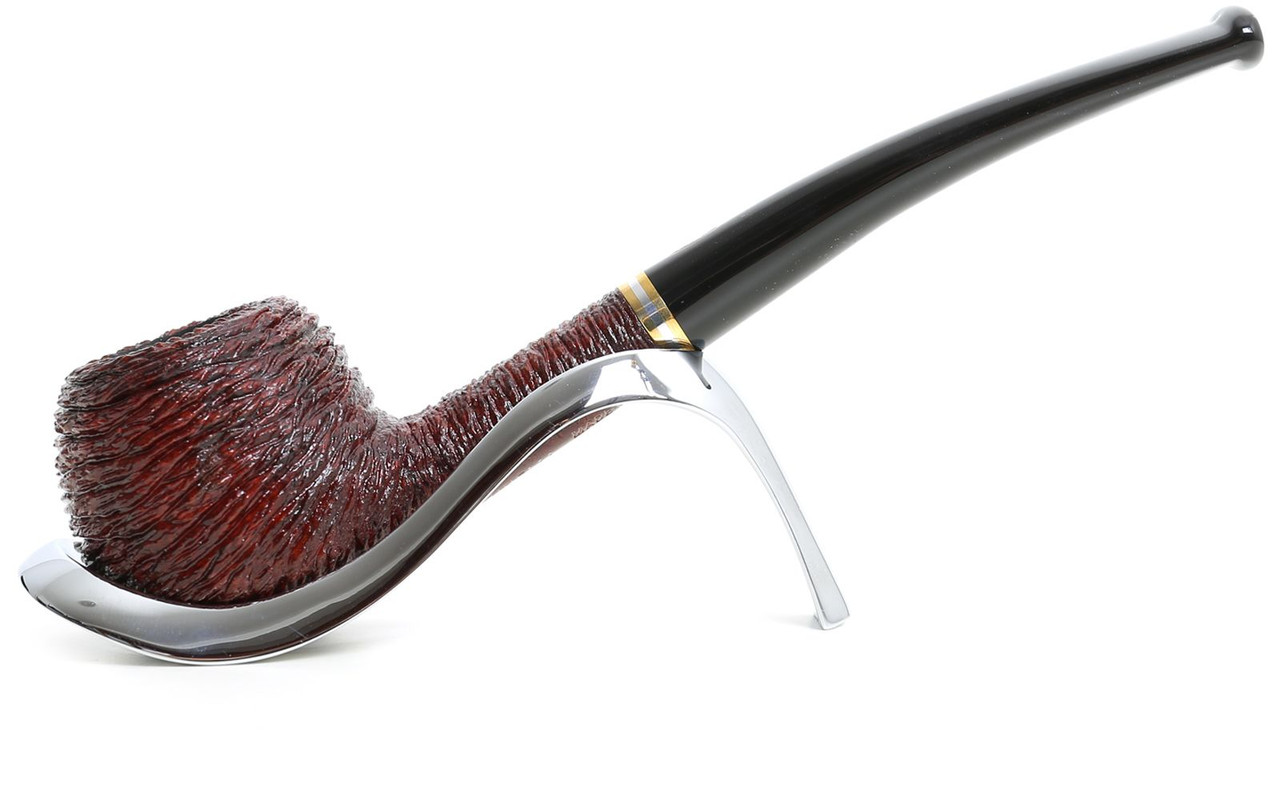
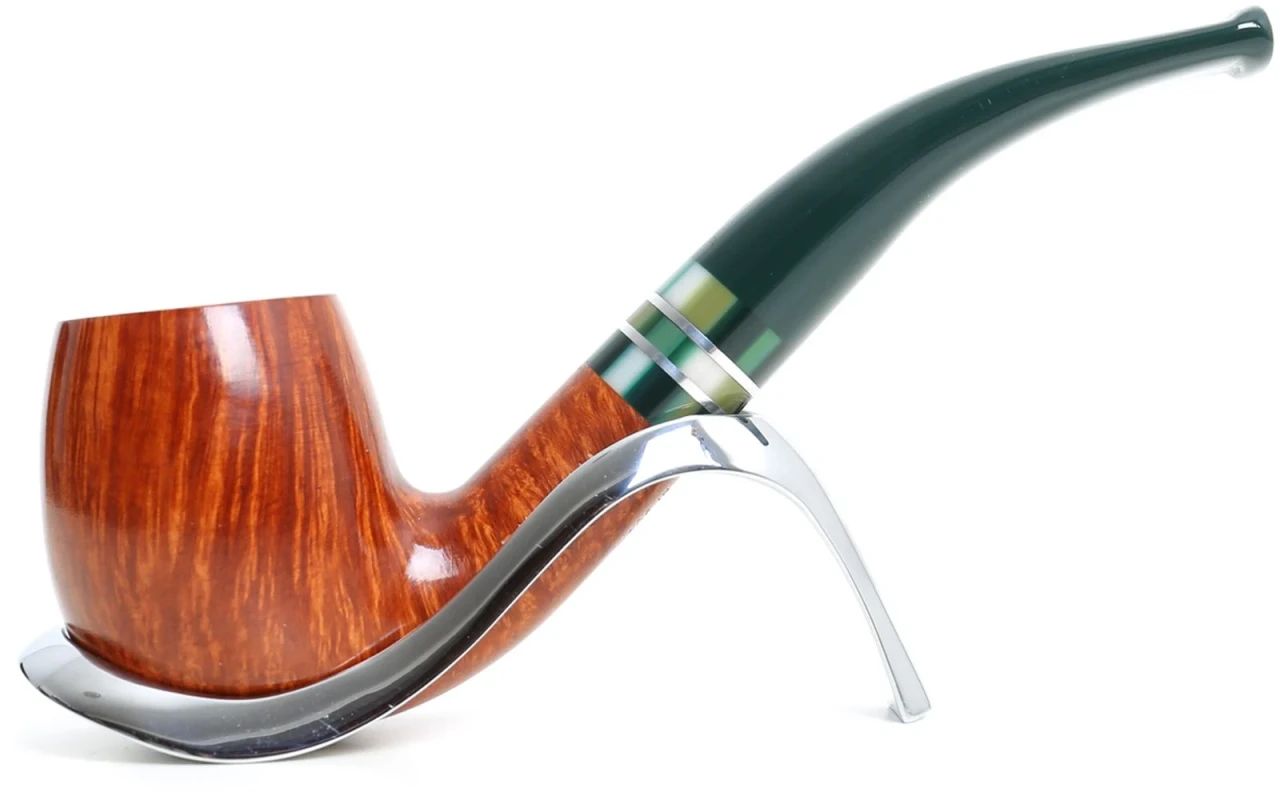
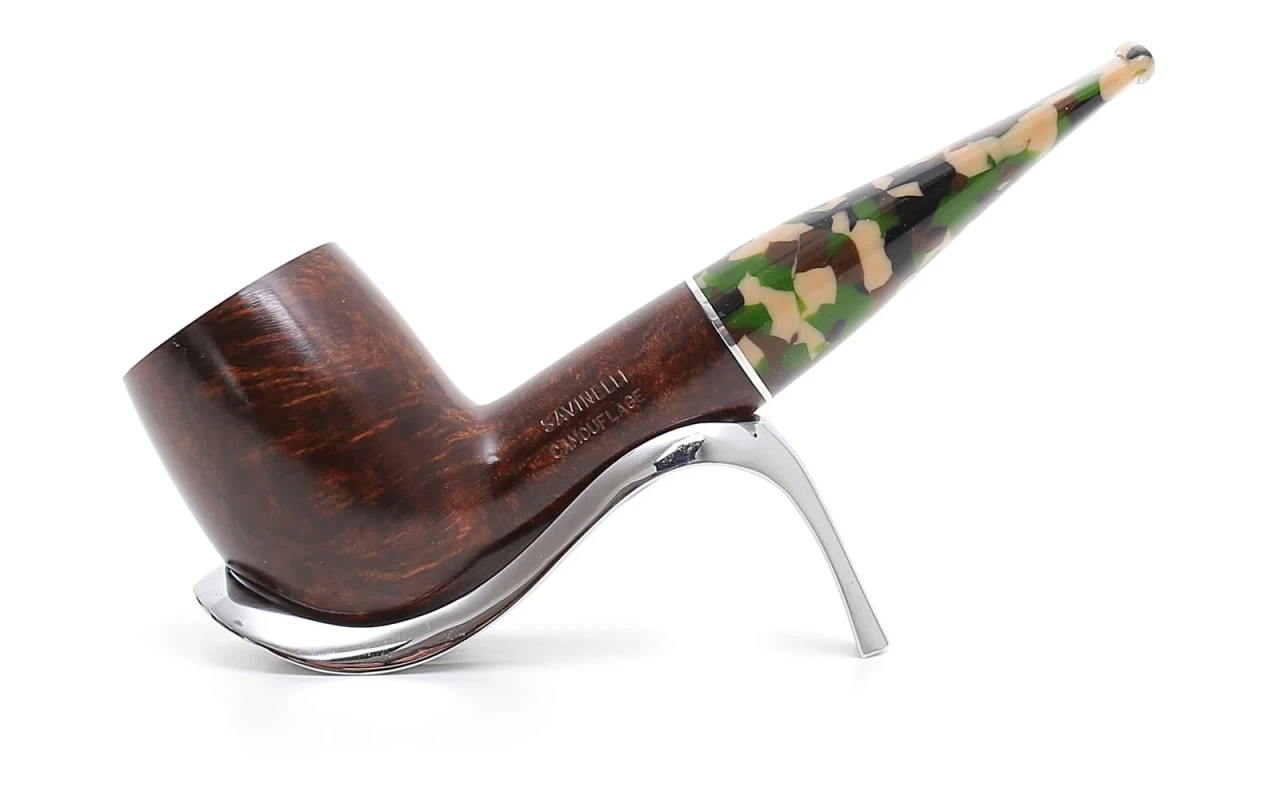
The material of the pipes significantly influences the hand feel. Pipes are mainly made of wood, briar, corn cob, clay, or metal. Wood is the most common material and offers various tactile sensations depending on the quality and finish. Briar pipes are appreciated for their elegance and lightness, while corn cob pipes are lightweight and affordable. Clay pipes are traditional and ensure a neutral smoke. Metal pipes are durable but conduct heat. The choice of material depends on personal preferences and the experience of smoking a pipe.
Types of wood for pipes
There are different types of wood used for making smoking pipes. Among the most common ones are:- Briar: a hard and durable wood, widely appreciated for its ability to absorb moisture.- Meerschaum: a very light and porous wood, ideal for dry smoking pipes.- Olive wood: characterized by unique veins, used for high-quality pipes.- Cherry wood: soft and easy to work with, often used for affordable pipes.- Walnut: a precious wood that imparts a unique aroma to the tobacco.The choice of wood depends on personal preferences and the intended use of the pipe.
Pipe Smokers' Design
The design of pipes for smokers is a fundamental element for pipe tobacco enthusiasts. Pipes are available in a wide range of shapes, materials, and styles, each with unique features that influence the smoking experience. Among the most important design factors are the shape of the pipe bowl, the length of the stem, the construction material, and the external finish. Design not only affects the pipe's aesthetics but also the smoke quality and ergonomics during use. Pipe enthusiasts often appreciate well-designed pipes that offer a balance between functionality, aesthetics, and comfort.
Pipe Tobacco Ergonomics
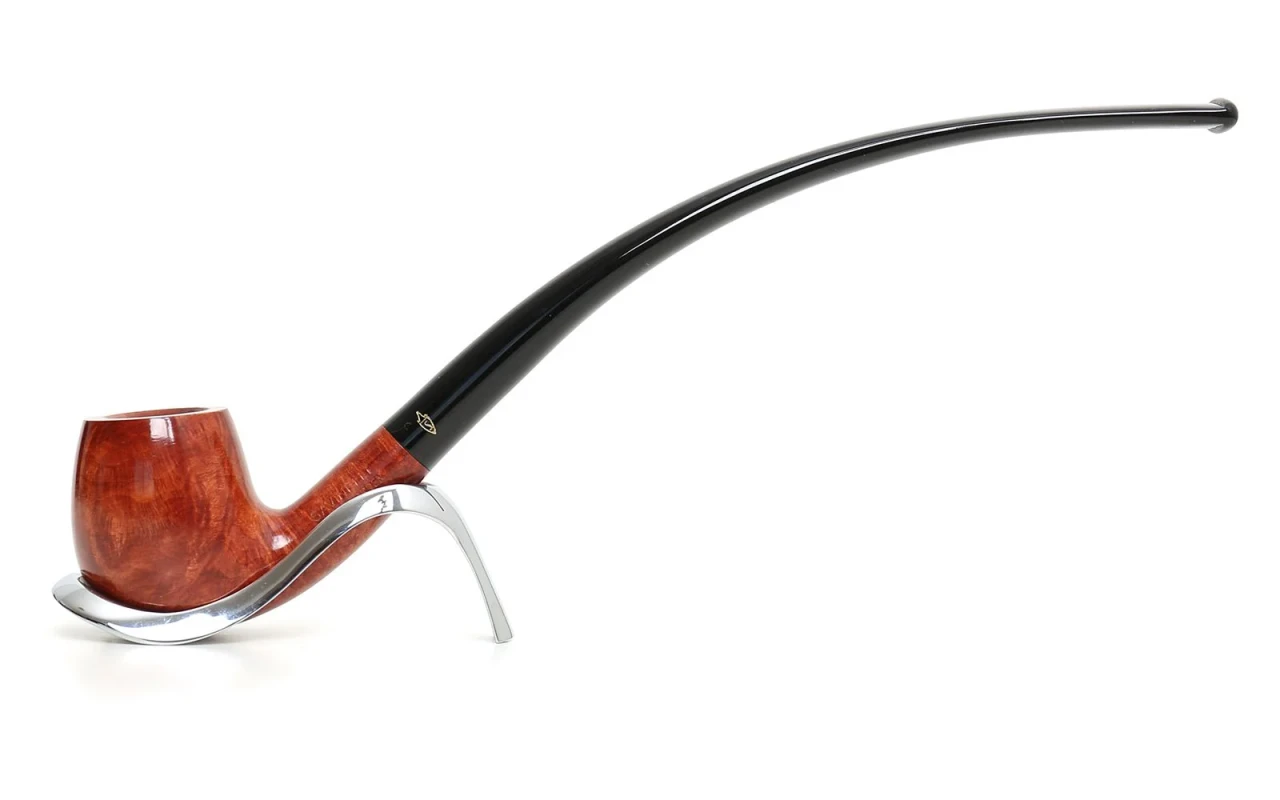
The ergonomics of tobacco pipes is a fundamental aspect to ensure a pleasant smoking experience. Well-designed pipes offer a comfortable and balanced grip, allowing for a correct distribution of weight during use. Furthermore, the shape and size of the combustion chamber influence the temperature and combustion of the tobacco, determining the taste and aroma of the smoke. The curvature of the stem is important to facilitate a smooth and effortless inhalation, while the overall length of the pipe can affect the freshness and dryness of the smoke. Paying attention to the ergonomics of the pipe contributes to a better smoking experience.
'%3e%3cg id='Final-Copy-2_2_' transform='translate(1275.000000, 200.000000)'%3e%3cpath class='st0' d='M7.4,12.8h6.8l3.1-11.6H7.4C4.2,1.2,1.6,3.8,1.6,7S4.2,12.8,7.4,12.8z'/%3e%3c/g%3e%3c/g%3e%3c/g%3e%3cg id='final---dec.11-2020'%3e%3cg id='_x30_208-our-toggle' transform='translate(-1275.000000, -200.000000)'%3e%3cg id='Final-Copy-2' transform='translate(1275.000000, 200.000000)'%3e%3cpath class='st1' d='M22.6,0H7.4c-3.9,0-7,3.1-7,7s3.1,7,7,7h15.2c3.9,0,7-3.1,7-7S26.4,0,22.6,0z M1.6,7c0-3.2,2.6-5.8,5.8-5.8 h9.9l-3.1,11.6H7.4C4.2,12.8,1.6,10.2,1.6,7z'/%3e%3cpath id='x' class='st2' d='M24.6,4c0.2,0.2,0.2,0.6,0,0.8l0,0L22.5,7l2.2,2.2c0.2,0.2,0.2,0.6,0,0.8c-0.2,0.2-0.6,0.2-0.8,0 l0,0l-2.2-2.2L19.5,10c-0.2,0.2-0.6,0.2-0.8,0c-0.2-0.2-0.2-0.6,0-0.8l0,0L20.8,7l-2.2-2.2c-0.2-0.2-0.2-0.6,0-0.8 c0.2-0.2,0.6-0.2,0.8,0l0,0l2.2,2.2L23.8,4C24,3.8,24.4,3.8,24.6,4z'/%3e%3cpath id='y' class='st3' d='M12.7,4.1c0.2,0.2,0.3,0.6,0.1,0.8l0,0L8.6,9.8C8.5,9.9,8.4,10,8.3,10c-0.2,0.1-0.5,0.1-0.7-0.1l0,0 L5.4,7.7c-0.2-0.2-0.2-0.6,0-0.8c0.2-0.2,0.6-0.2,0.8,0l0,0L8,8.6l3.8-4.5C12,3.9,12.4,3.9,12.7,4.1z'/%3e%3c/g%3e%3c/g%3e%3c/g%3e%3c/g%3e%3c/svg%3e) Your Privacy Choices
Your Privacy Choices 


