 ES
ES FR
FR EN
EN IT
IT DE
DE
Pipe filter operation for a light smoke
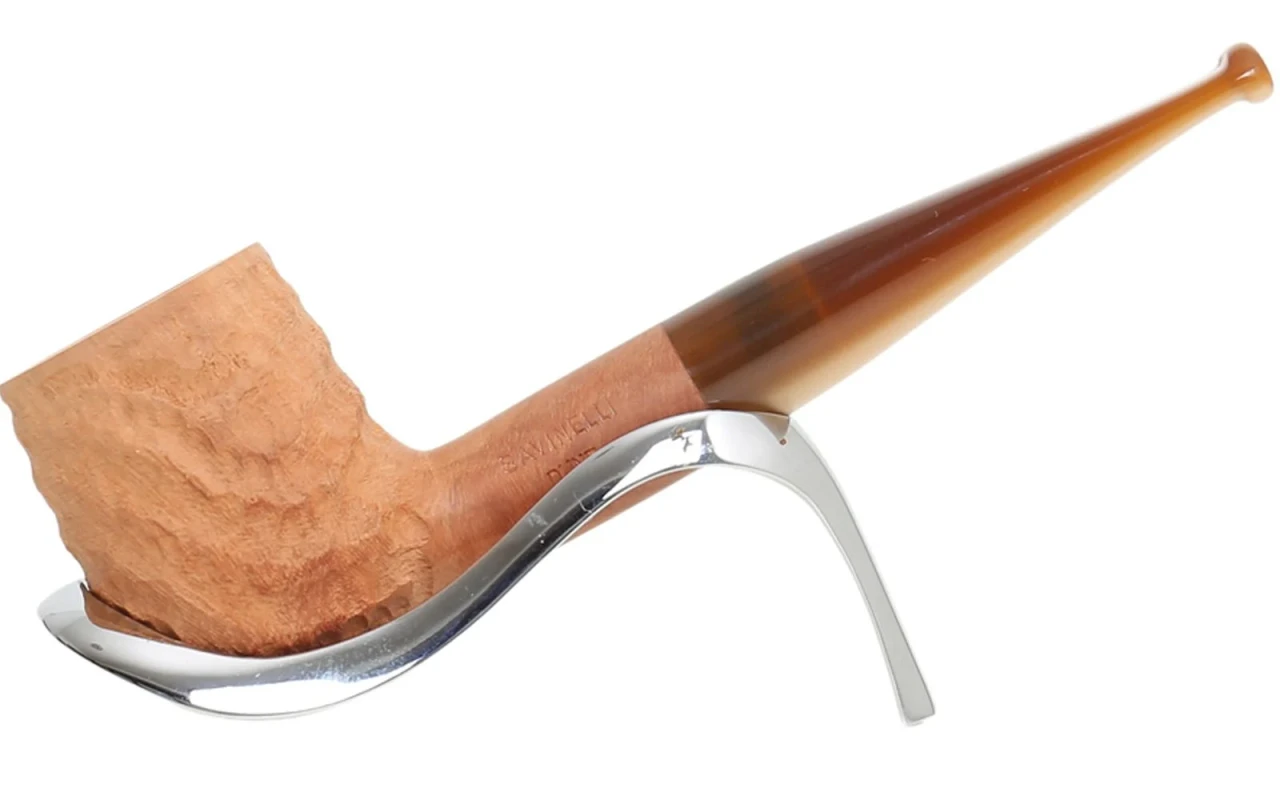

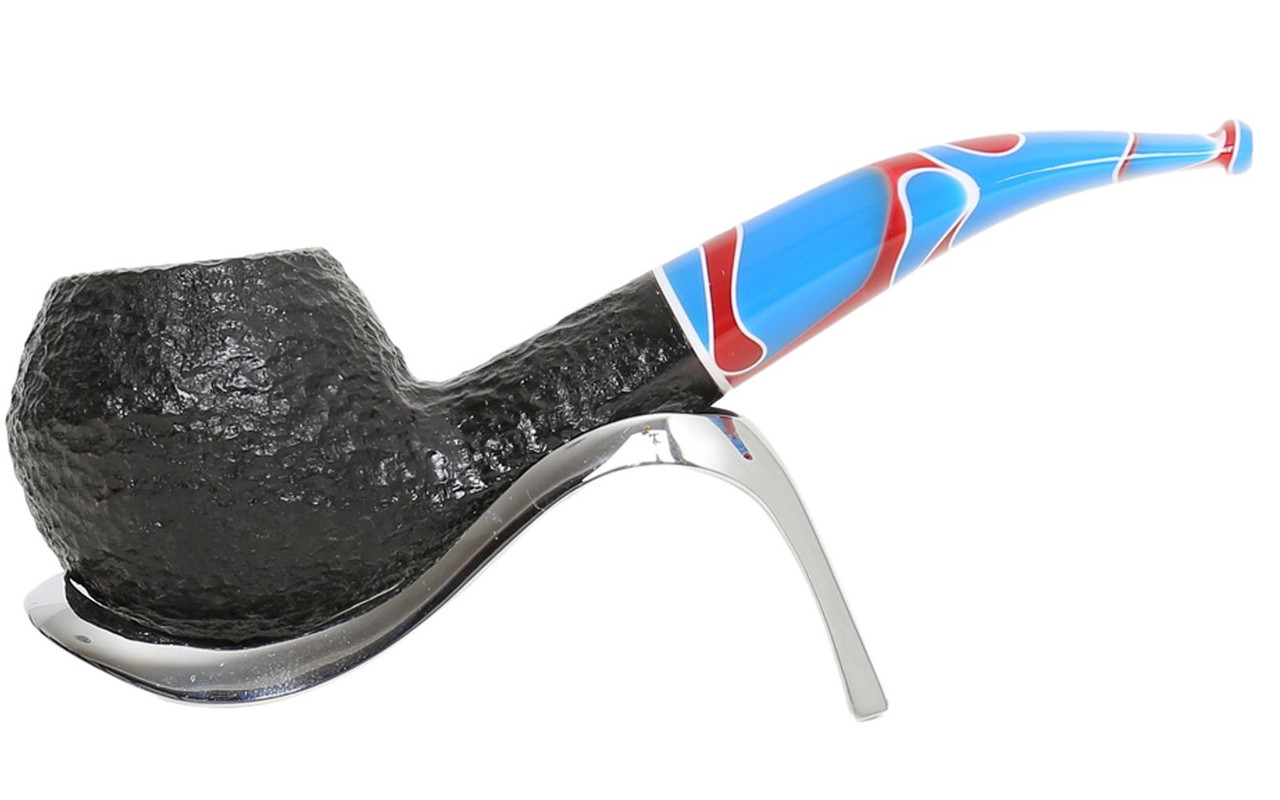
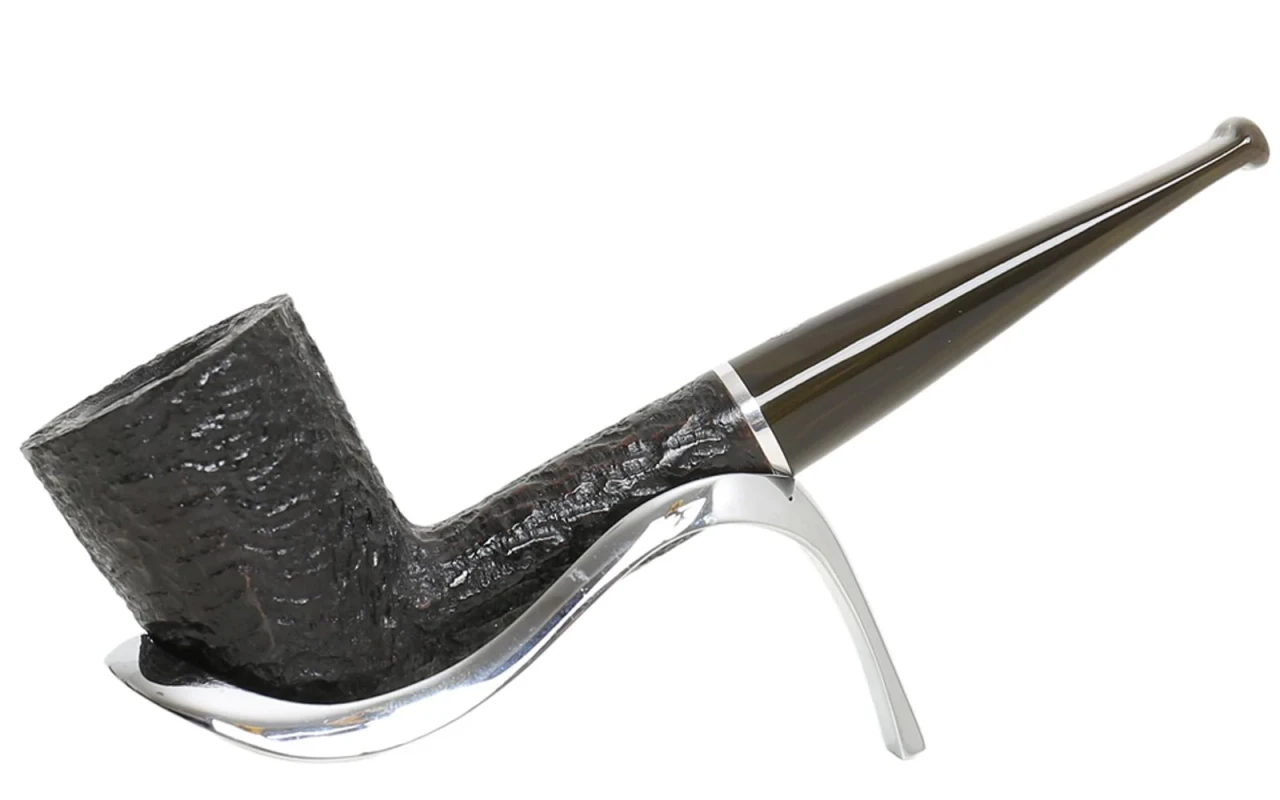
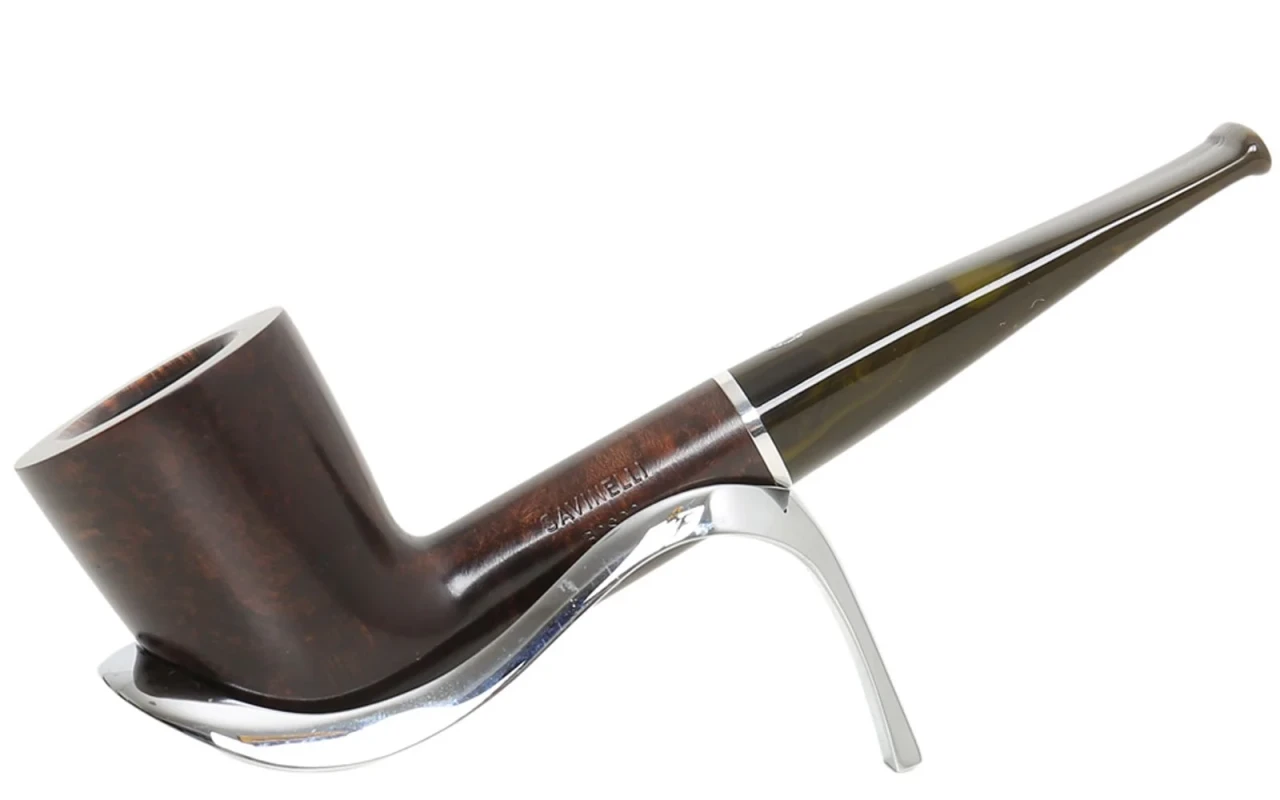
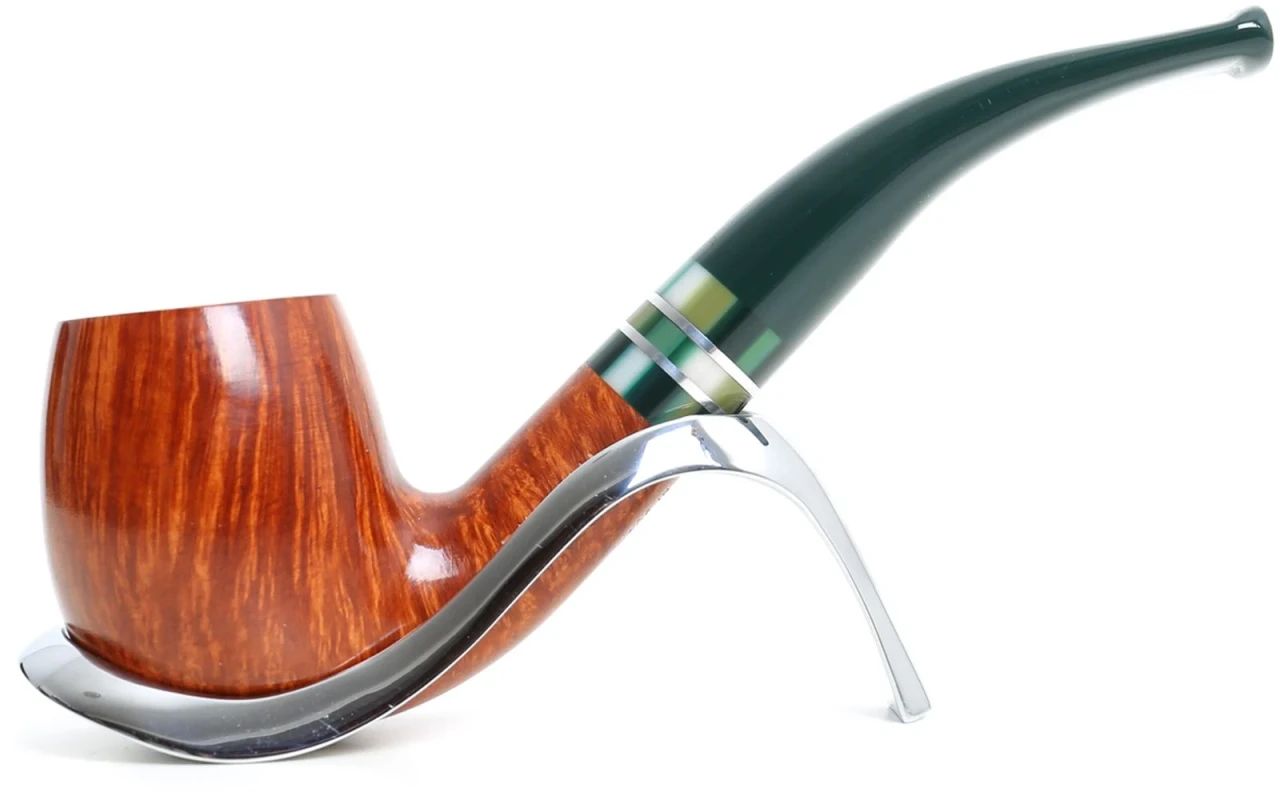
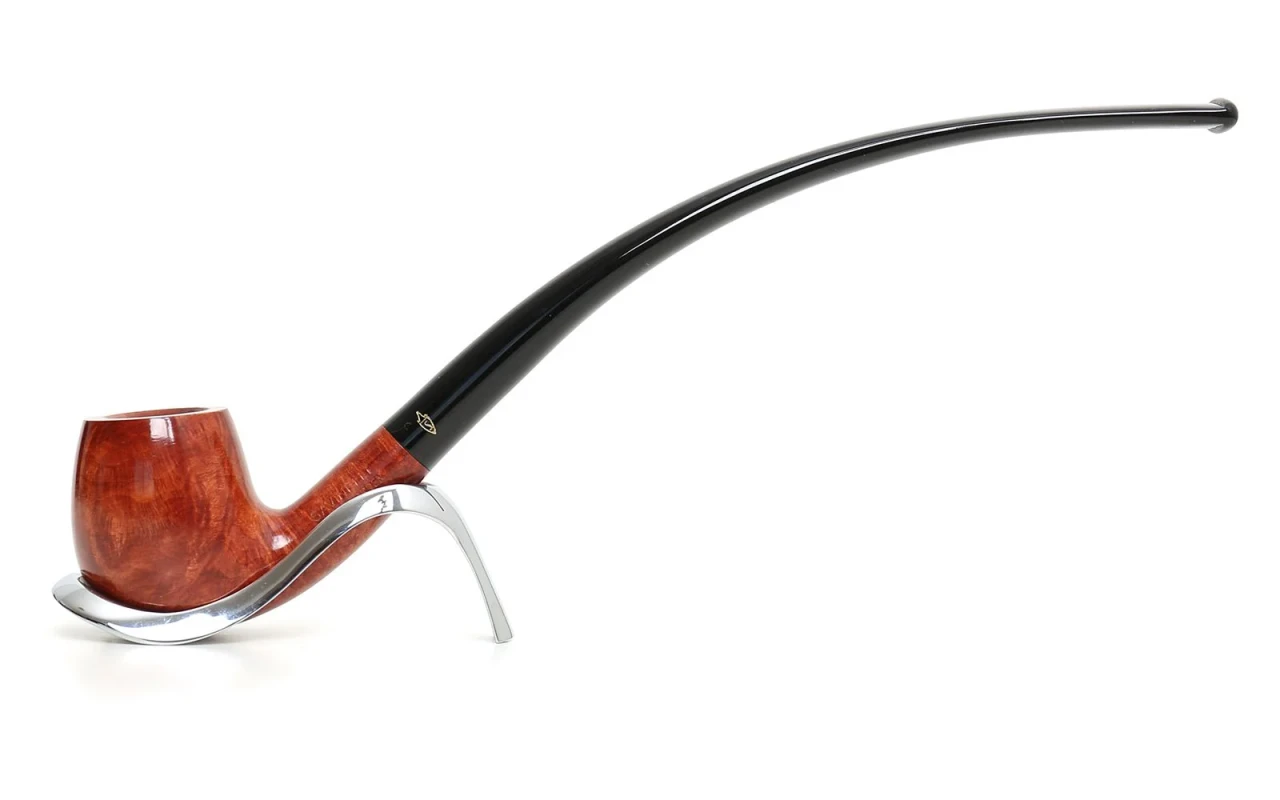

Pipe filter operation for a light smoke
The operation of a pipe filter aims to ensure a lighter and cleaner smoke. This device, usually made of porous materials such as activated charcoal or sponge, is designed to absorb excess moisture and trap impurities present in the pipe smoke. When the smoke passes through the filter, harmful substances are retained, allowing the smoker to enjoy a smoother smoke free of harmful residues. Additionally, the filter helps reduce condensation formation inside the pipe, enhancing the overall smoking experience.
How to Clean a Pipe Filter
To clean the pipe filter, follow these steps:1. Carefully remove the filter from the pipe.2. Gently shake to remove any tobacco and ash residues.3. Use a cotton swab or a pipe cleaner to clean the inside of the filter.4. If necessary, soak the filter in isopropyl alcohol for further cleaning.5. Rinse thoroughly with warm water and allow it to dry completely before reinserting it into the pipe.6. Make sure the filter is clean and free of residues before using it again to ensure an optimal smoking experience.
Best lightweight pipe filter
The best pipe filter for a light smoke is the one made of balsa wood. Crafted with balsa wood, this type of filter is lightweight and porous, allowing for excellent filtration without compromising the tobacco flavor. Balsa is a natural material that absorbs excess moisture and traps impurities, ensuring a smoother and cooler smoke. Additionally, being lightweight, it does not affect the overall weight of the pipe. Balsa filters are particularly appreciated by pipe enthusiasts for their effectiveness in reducing nicotine and tar presence without altering the original tobacco taste.
Pipe filter replacement
Replacing the pipe filter is an important practice to ensure an optimal and clean smoke. Here is how to proceed correctly:1. Empty the pipe and dismantle it carefully.2. Remove the old filter gently, avoiding damage to the pipe.3. Thoroughly clean the inside of the pipe with a pipe cleaner or a pipe brush.4. Insert the new filter into the dedicated slot, making sure it is well positioned.5. Reassemble the pipe carefully, ensuring all components are in their place.6. Finally, test the pipe to verify that everything has been done correctly.By following these steps, you can fully enjoy your pipe with a fresh and functioning filter.
'%3e%3cg id='Final-Copy-2_2_' transform='translate(1275.000000, 200.000000)'%3e%3cpath class='st0' d='M7.4,12.8h6.8l3.1-11.6H7.4C4.2,1.2,1.6,3.8,1.6,7S4.2,12.8,7.4,12.8z'/%3e%3c/g%3e%3c/g%3e%3c/g%3e%3cg id='final---dec.11-2020'%3e%3cg id='_x30_208-our-toggle' transform='translate(-1275.000000, -200.000000)'%3e%3cg id='Final-Copy-2' transform='translate(1275.000000, 200.000000)'%3e%3cpath class='st1' d='M22.6,0H7.4c-3.9,0-7,3.1-7,7s3.1,7,7,7h15.2c3.9,0,7-3.1,7-7S26.4,0,22.6,0z M1.6,7c0-3.2,2.6-5.8,5.8-5.8 h9.9l-3.1,11.6H7.4C4.2,12.8,1.6,10.2,1.6,7z'/%3e%3cpath id='x' class='st2' d='M24.6,4c0.2,0.2,0.2,0.6,0,0.8l0,0L22.5,7l2.2,2.2c0.2,0.2,0.2,0.6,0,0.8c-0.2,0.2-0.6,0.2-0.8,0 l0,0l-2.2-2.2L19.5,10c-0.2,0.2-0.6,0.2-0.8,0c-0.2-0.2-0.2-0.6,0-0.8l0,0L20.8,7l-2.2-2.2c-0.2-0.2-0.2-0.6,0-0.8 c0.2-0.2,0.6-0.2,0.8,0l0,0l2.2,2.2L23.8,4C24,3.8,24.4,3.8,24.6,4z'/%3e%3cpath id='y' class='st3' d='M12.7,4.1c0.2,0.2,0.3,0.6,0.1,0.8l0,0L8.6,9.8C8.5,9.9,8.4,10,8.3,10c-0.2,0.1-0.5,0.1-0.7-0.1l0,0 L5.4,7.7c-0.2-0.2-0.2-0.6,0-0.8c0.2-0.2,0.6-0.2,0.8,0l0,0L8,8.6l3.8-4.5C12,3.9,12.4,3.9,12.7,4.1z'/%3e%3c/g%3e%3c/g%3e%3c/g%3e%3c/g%3e%3c/svg%3e) Your Privacy Choices
Your Privacy Choices 


