 ES
ES FR
FR EN
EN IT
IT DE
DE
Pipe Chimney Material Design
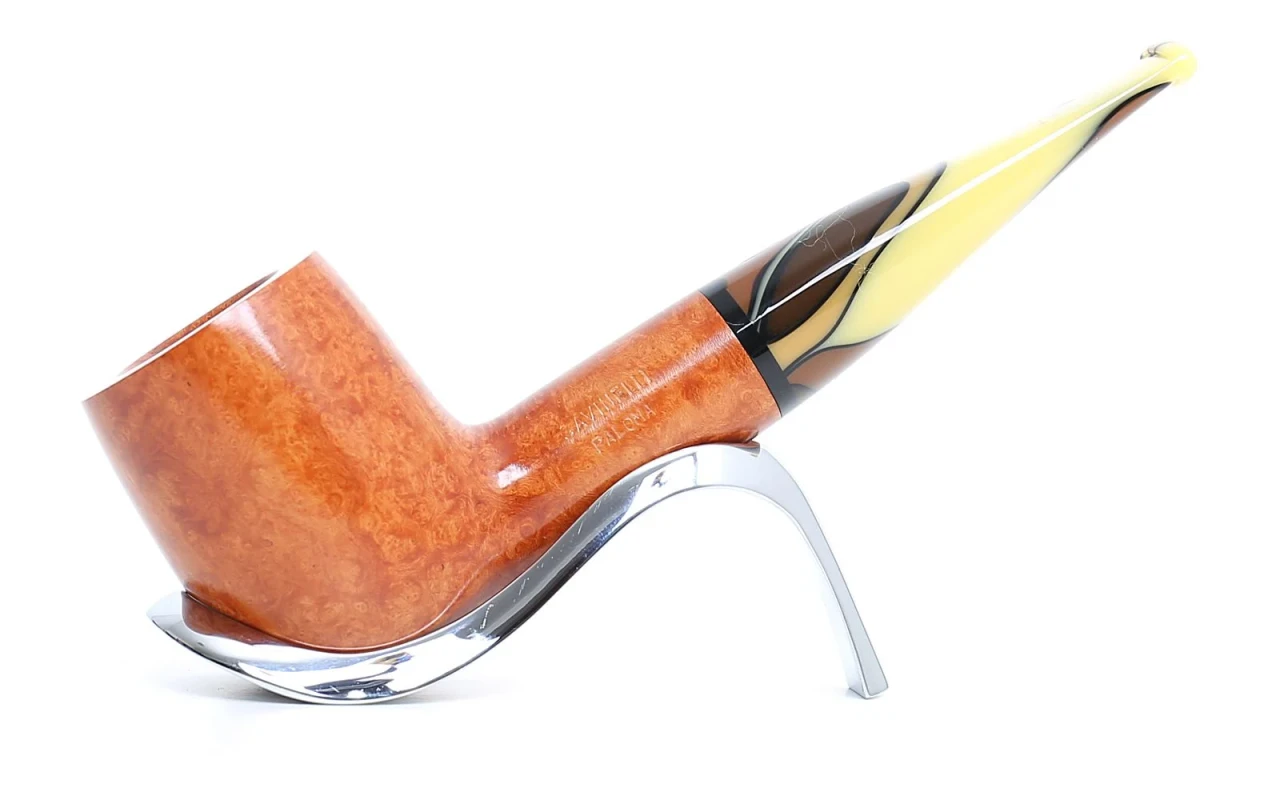
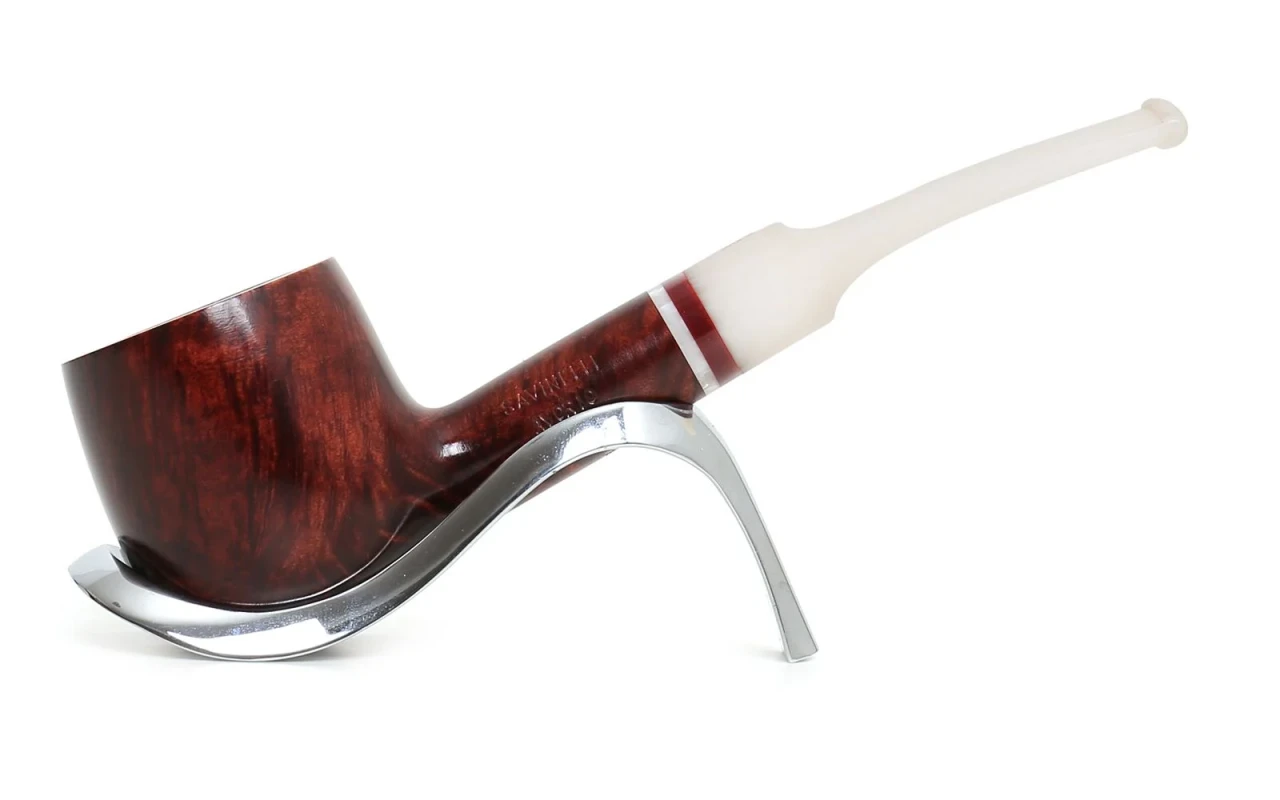
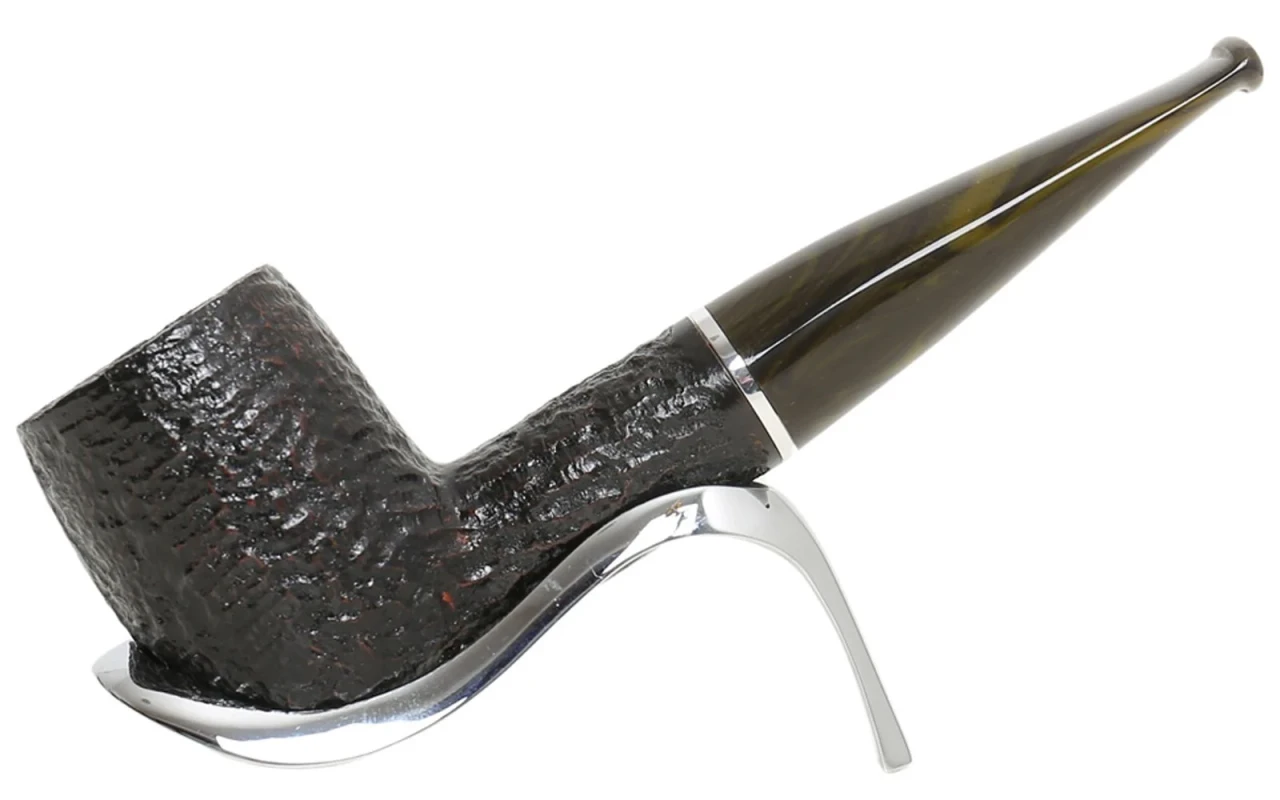
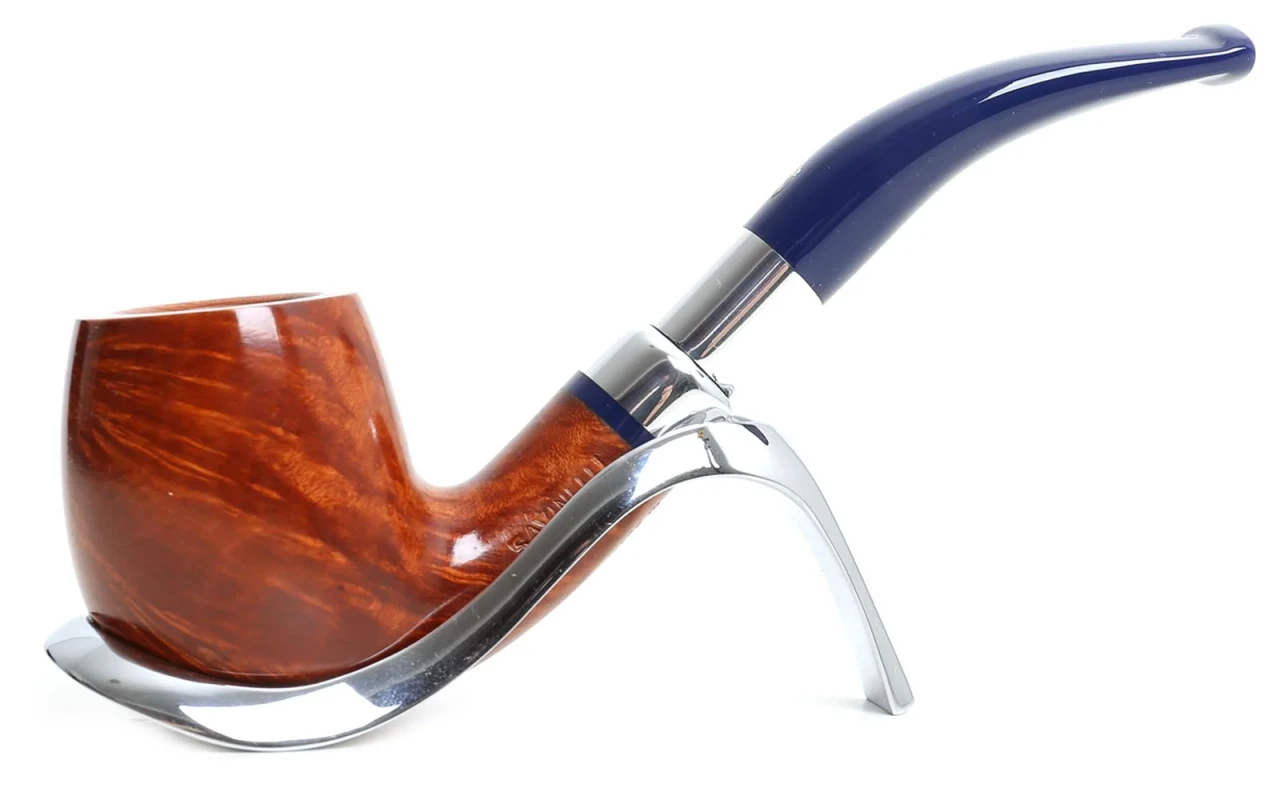
Pipe Chimney Material Design
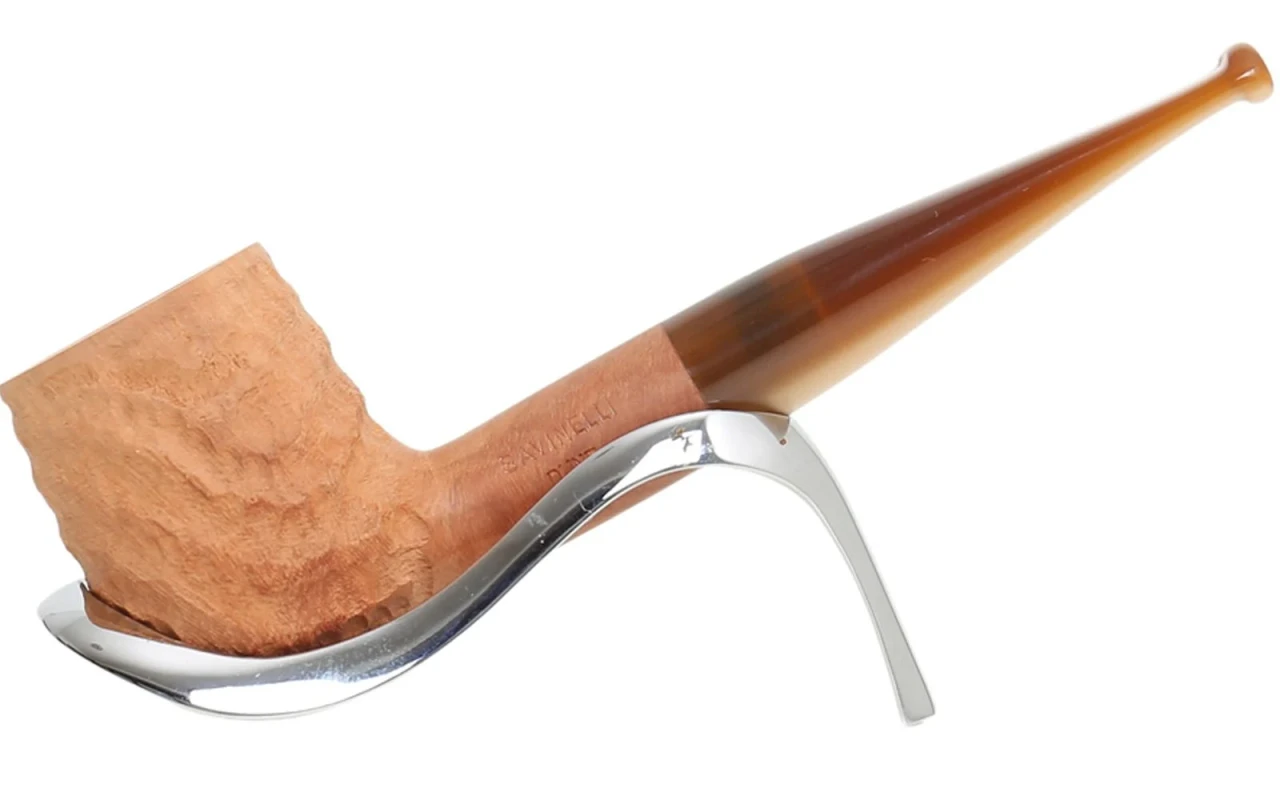
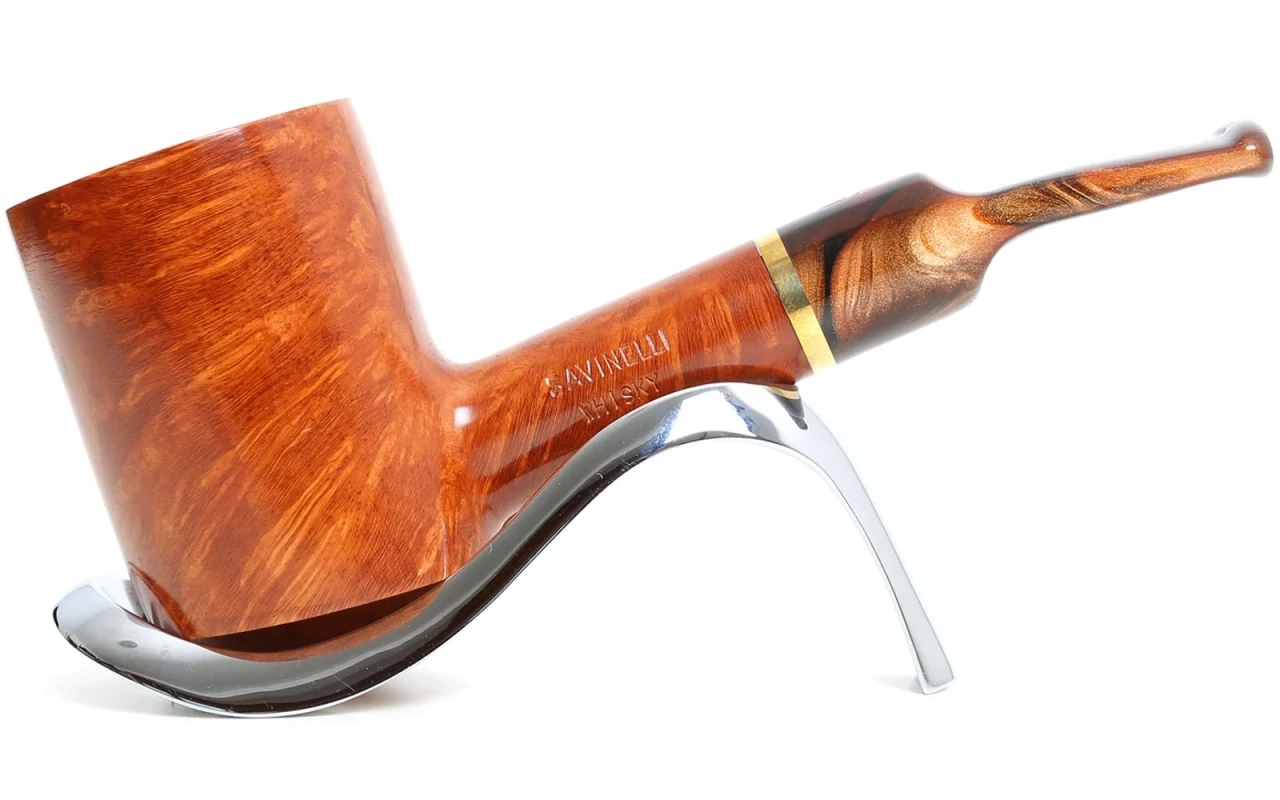
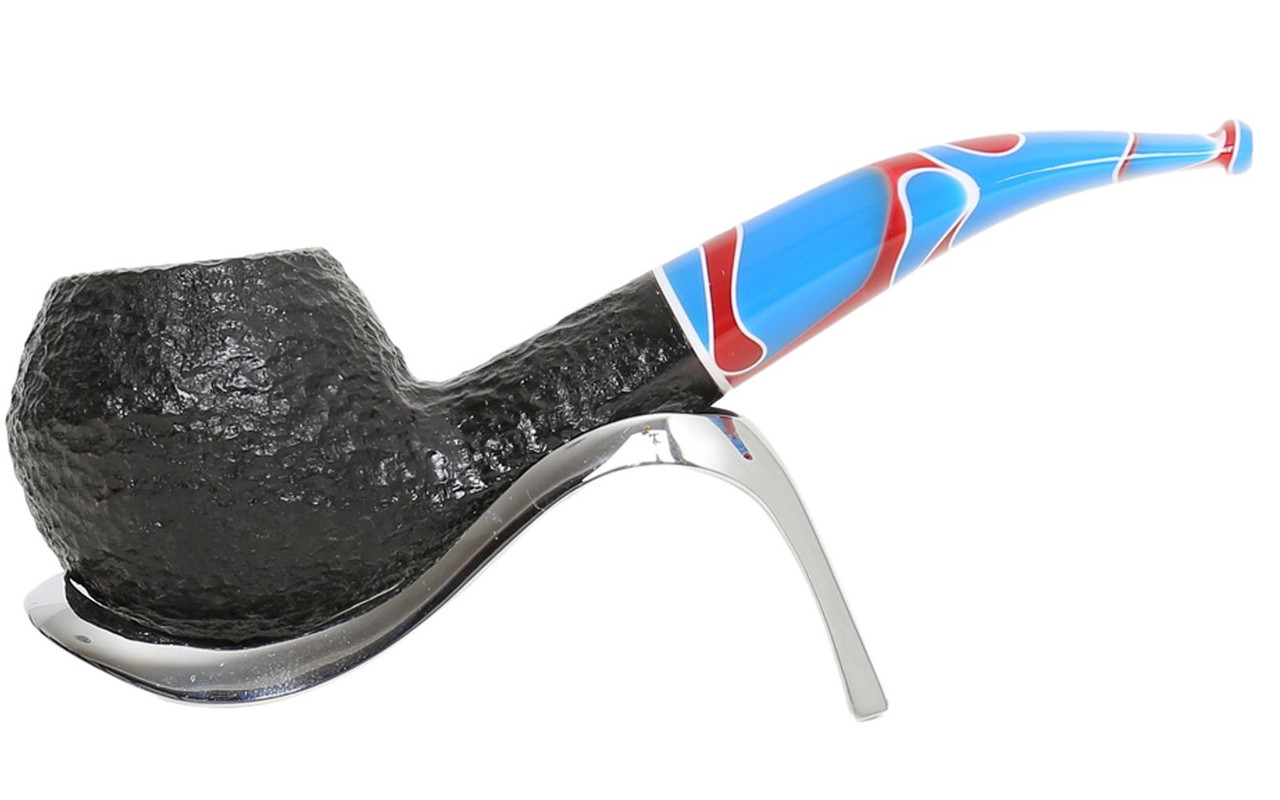
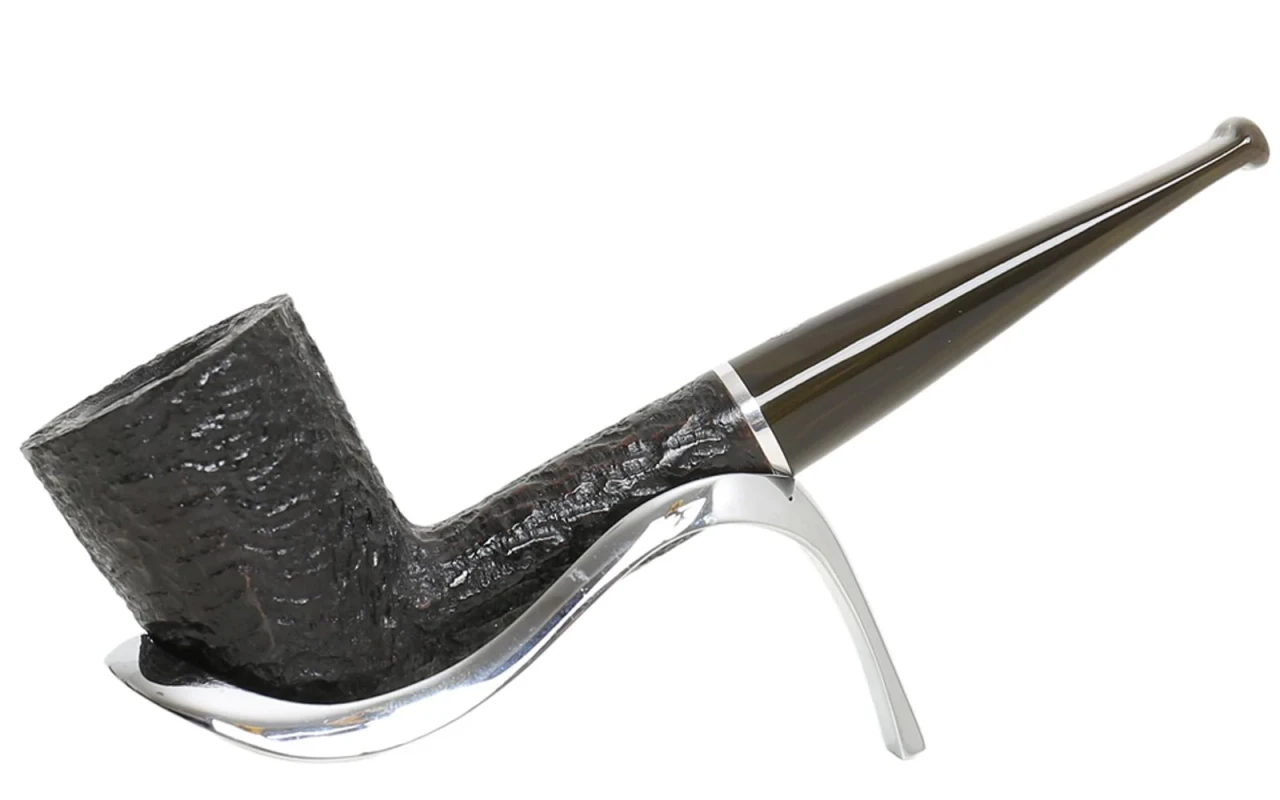
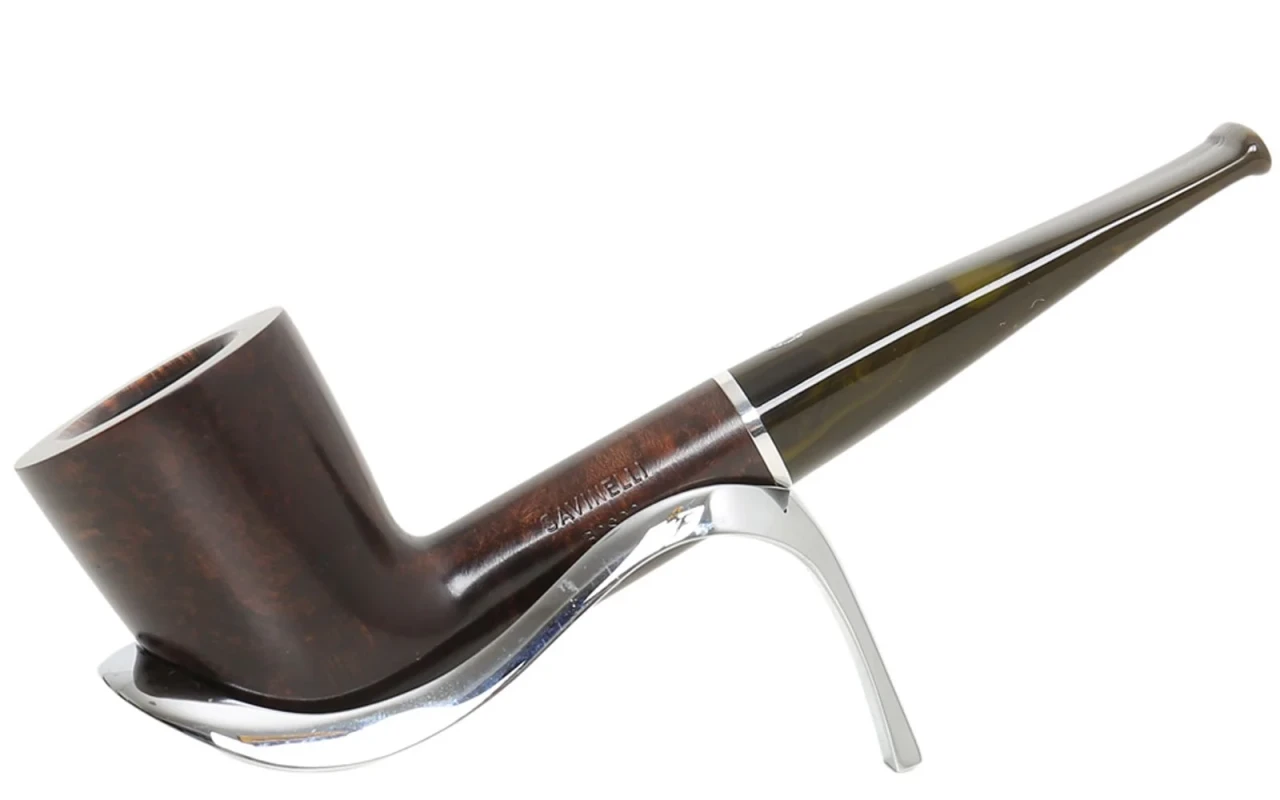
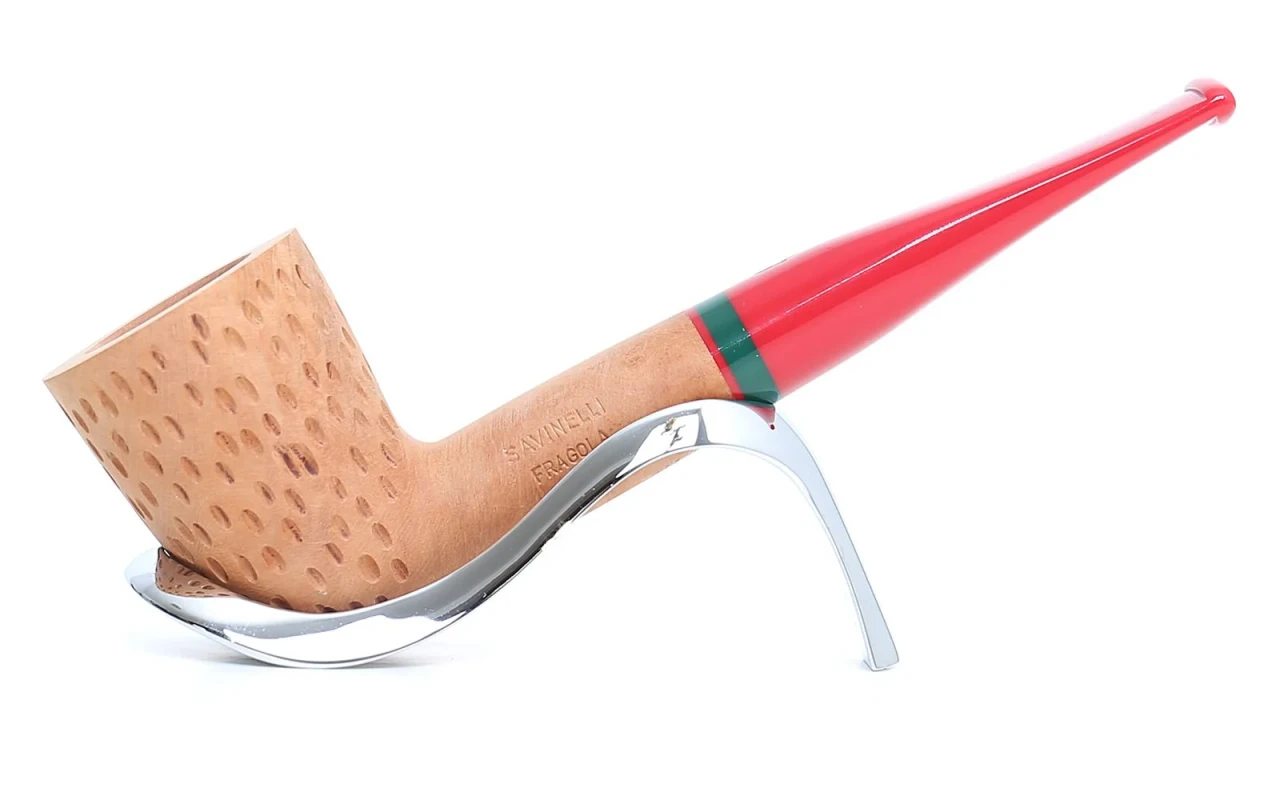
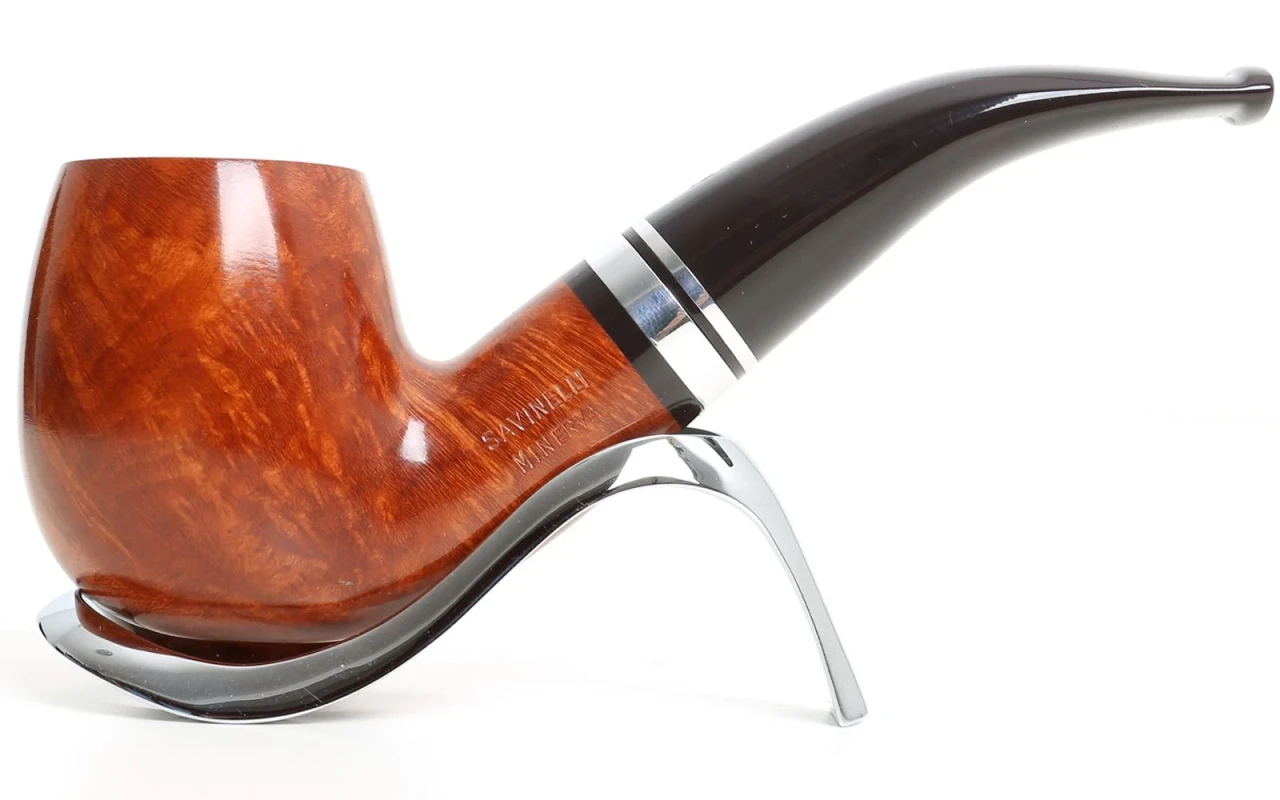
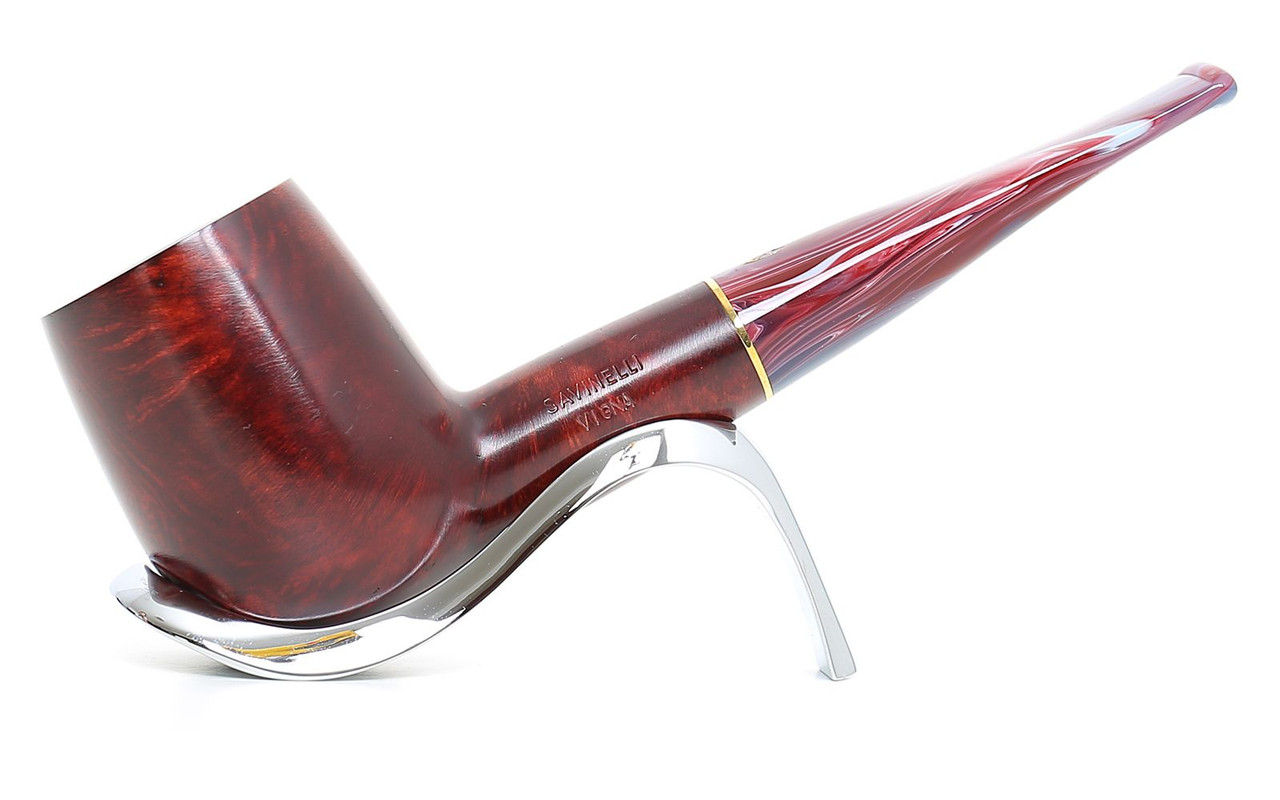
The design of materials for Chimney pipes is a fundamental element to ensure optimal performance and long-term durability. Chimney pipes are made with high-quality materials such as wood, briar, meerschaum, or other materials suitable for pipe crafting and smoking. The choice of material influences the tobacco flavor and the pipe's durability. It is important to consider that materials also affect the weight, handling, and aesthetics of the pipe. Therefore, opting for high-quality materials suitable for personal taste is essential to fully enjoy the experience of smoking a Chimney pipe.
Best Materials for Smoking Pipes
The most commonly used materials for crafting high-quality smoking pipes are:- Briar wood: a hard and durable wood that ensures good heat dissipation.- Meerschaum: a hard and porous stone that absorbs smoke condensate.- Morta: a porous stone that absorbs moisture and gives a unique flavor to the tobacco.- Corn cob: a lightweight and affordable option, often chosen for "corncob" pipes.- Clay: a traditional material that allows for good temperature regulation.- Briar: a specific wood used for the famous Peterson and Dunhill pipes.The choice of material affects both the smoking characteristics and the aesthetics of the pipe.
Pipe Features
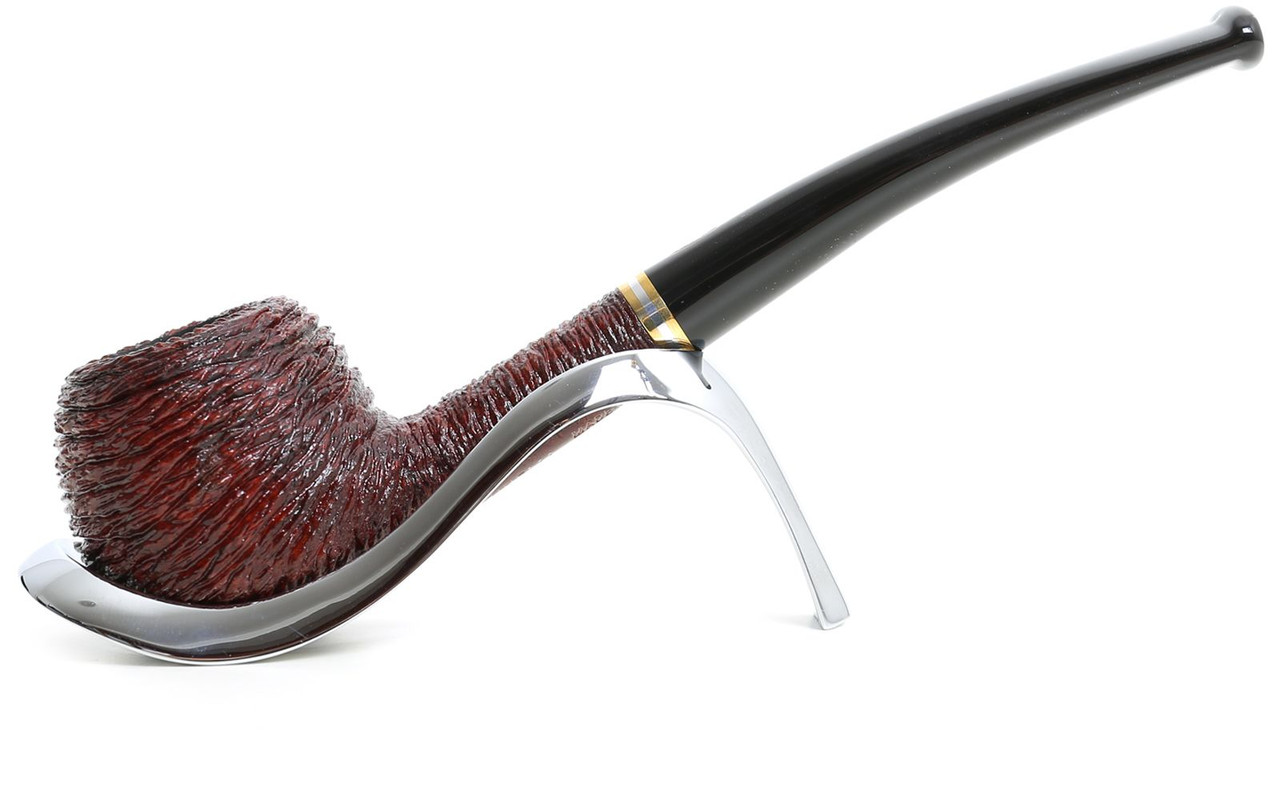
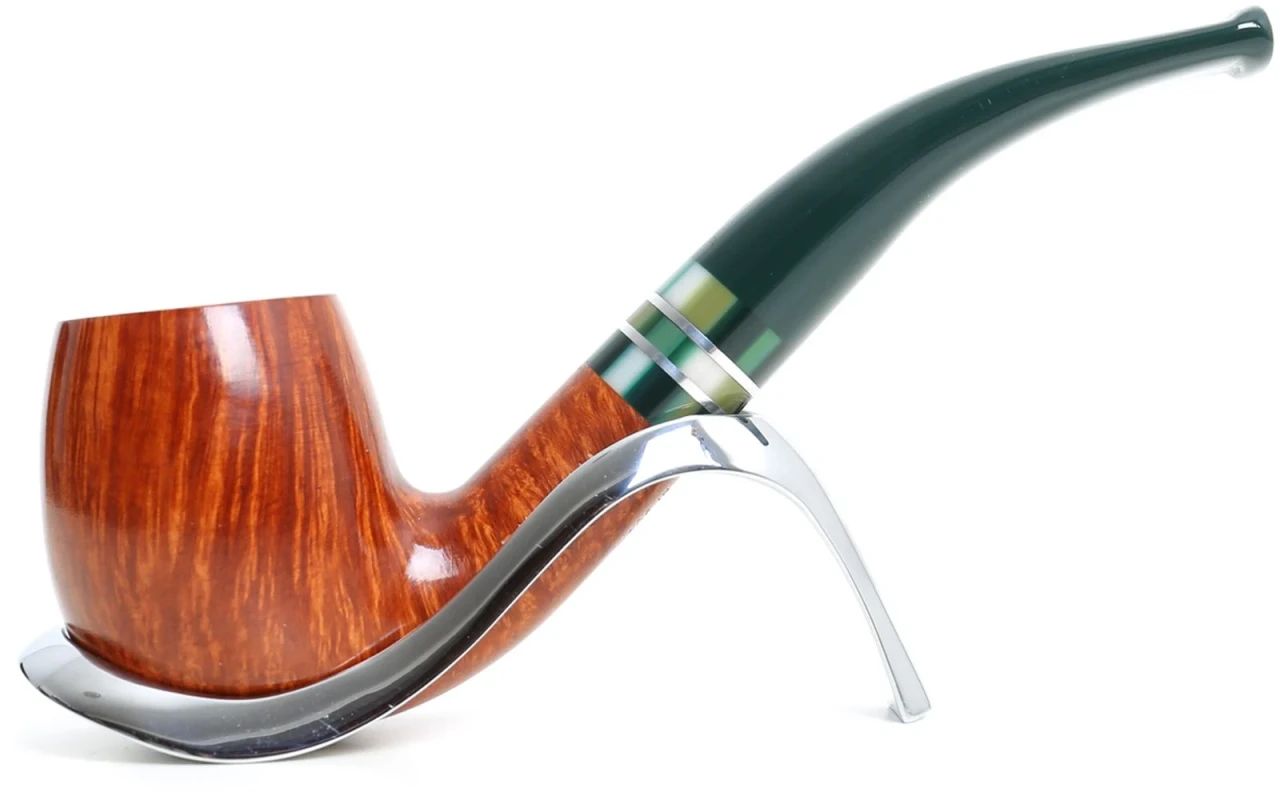
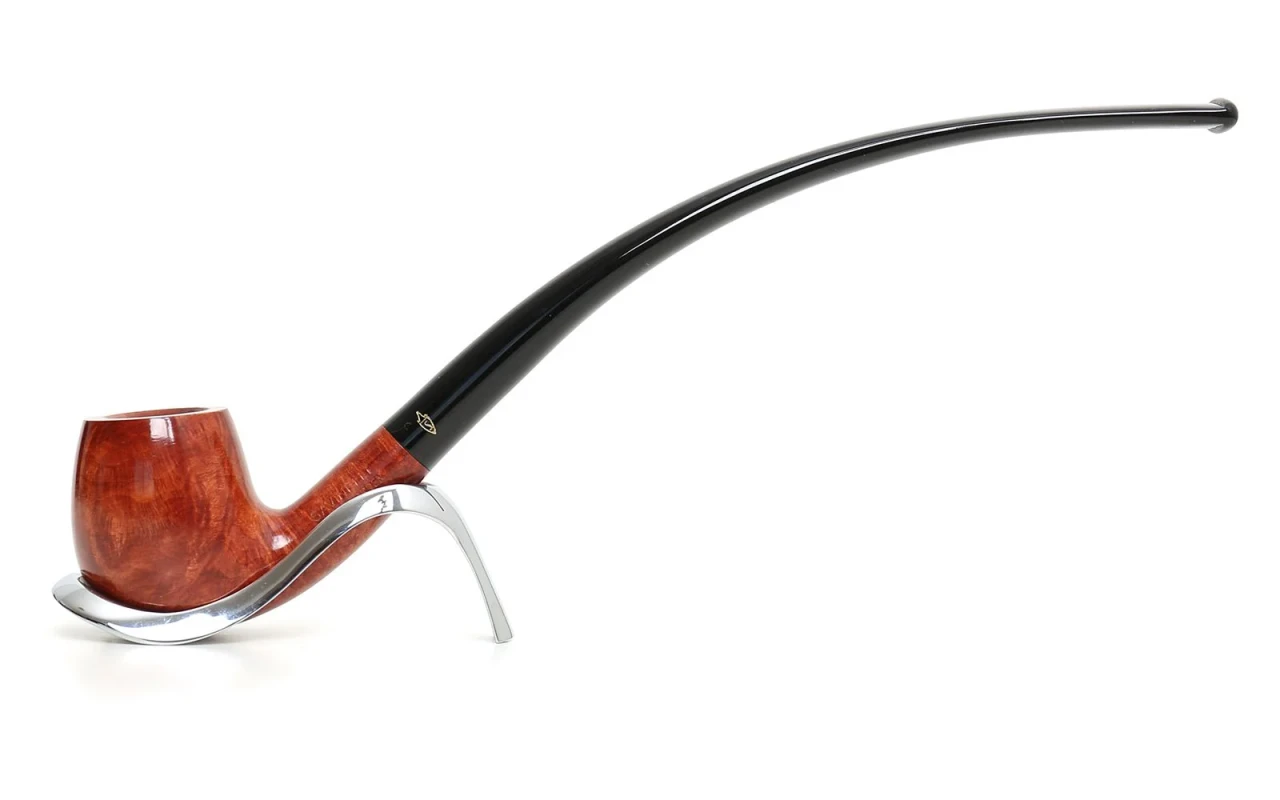
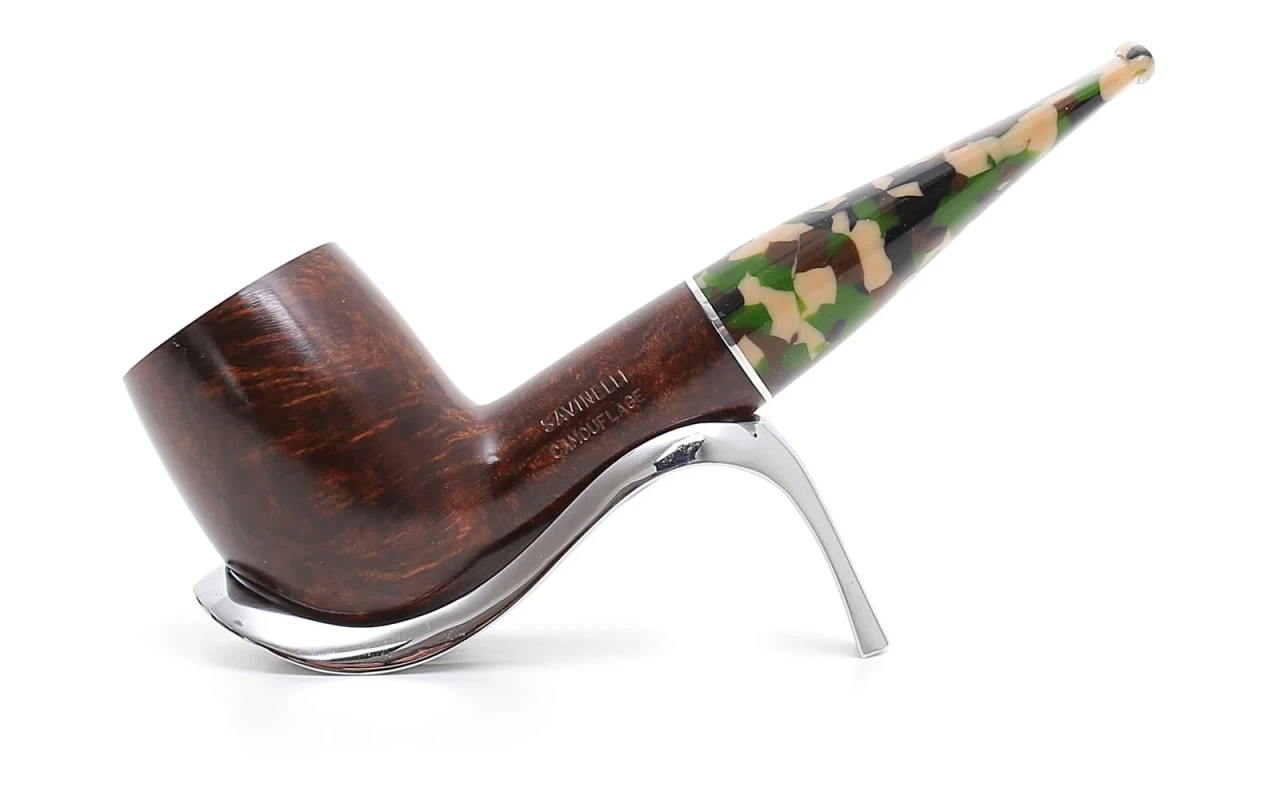
Pipe pipes are traditional tools used for smoking pipe tobacco. They have several features that distinguish them:- Materials: pipes can be made of briar, corn cob, clay, meerschaum, or other materials.- Shape: there are various pipe shapes, such as billiard, bent, apple, churchwarden, etc.- Finish: pipes can be smooth, rusticated, or sandblasted.- Stem: the stem can be made of acrylic, ebonite, or other materials.- Filter: some pipes are equipped with a filter to reduce moisture and cool the smoke.- Bowl: the chamber where the tobacco is lit can have different sizes and shapes to influence the smoking experience.
Guide to Pipe Smoking Design
The design of smoking pipes is a fundamental element for enthusiasts in the industry. To achieve a functional and aesthetically pleasing pipe, it is important to follow some guidelines. First and foremost, consider the shape and size of the pipe bowl, which influences the tobacco combustion. The length of the stem and the curvature of the mouthpiece are crucial for a comfortable smoking experience. The choice of materials, such as briar wood or corn cob, is crucial for the taste and warmth of the smoke. Lastly, details like engraving and finishing of the pipe add a touch of personality and style.
'%3e%3cg id='Final-Copy-2_2_' transform='translate(1275.000000, 200.000000)'%3e%3cpath class='st0' d='M7.4,12.8h6.8l3.1-11.6H7.4C4.2,1.2,1.6,3.8,1.6,7S4.2,12.8,7.4,12.8z'/%3e%3c/g%3e%3c/g%3e%3c/g%3e%3cg id='final---dec.11-2020'%3e%3cg id='_x30_208-our-toggle' transform='translate(-1275.000000, -200.000000)'%3e%3cg id='Final-Copy-2' transform='translate(1275.000000, 200.000000)'%3e%3cpath class='st1' d='M22.6,0H7.4c-3.9,0-7,3.1-7,7s3.1,7,7,7h15.2c3.9,0,7-3.1,7-7S26.4,0,22.6,0z M1.6,7c0-3.2,2.6-5.8,5.8-5.8 h9.9l-3.1,11.6H7.4C4.2,12.8,1.6,10.2,1.6,7z'/%3e%3cpath id='x' class='st2' d='M24.6,4c0.2,0.2,0.2,0.6,0,0.8l0,0L22.5,7l2.2,2.2c0.2,0.2,0.2,0.6,0,0.8c-0.2,0.2-0.6,0.2-0.8,0 l0,0l-2.2-2.2L19.5,10c-0.2,0.2-0.6,0.2-0.8,0c-0.2-0.2-0.2-0.6,0-0.8l0,0L20.8,7l-2.2-2.2c-0.2-0.2-0.2-0.6,0-0.8 c0.2-0.2,0.6-0.2,0.8,0l0,0l2.2,2.2L23.8,4C24,3.8,24.4,3.8,24.6,4z'/%3e%3cpath id='y' class='st3' d='M12.7,4.1c0.2,0.2,0.3,0.6,0.1,0.8l0,0L8.6,9.8C8.5,9.9,8.4,10,8.3,10c-0.2,0.1-0.5,0.1-0.7-0.1l0,0 L5.4,7.7c-0.2-0.2-0.2-0.6,0-0.8c0.2-0.2,0.6-0.2,0.8,0l0,0L8,8.6l3.8-4.5C12,3.9,12.4,3.9,12.7,4.1z'/%3e%3c/g%3e%3c/g%3e%3c/g%3e%3c/g%3e%3c/svg%3e) Your Privacy Choices
Your Privacy Choices 


