 ES
ES FR
FR EN
EN IT
IT DE
DE
Pipe acclimatization to temperature changes
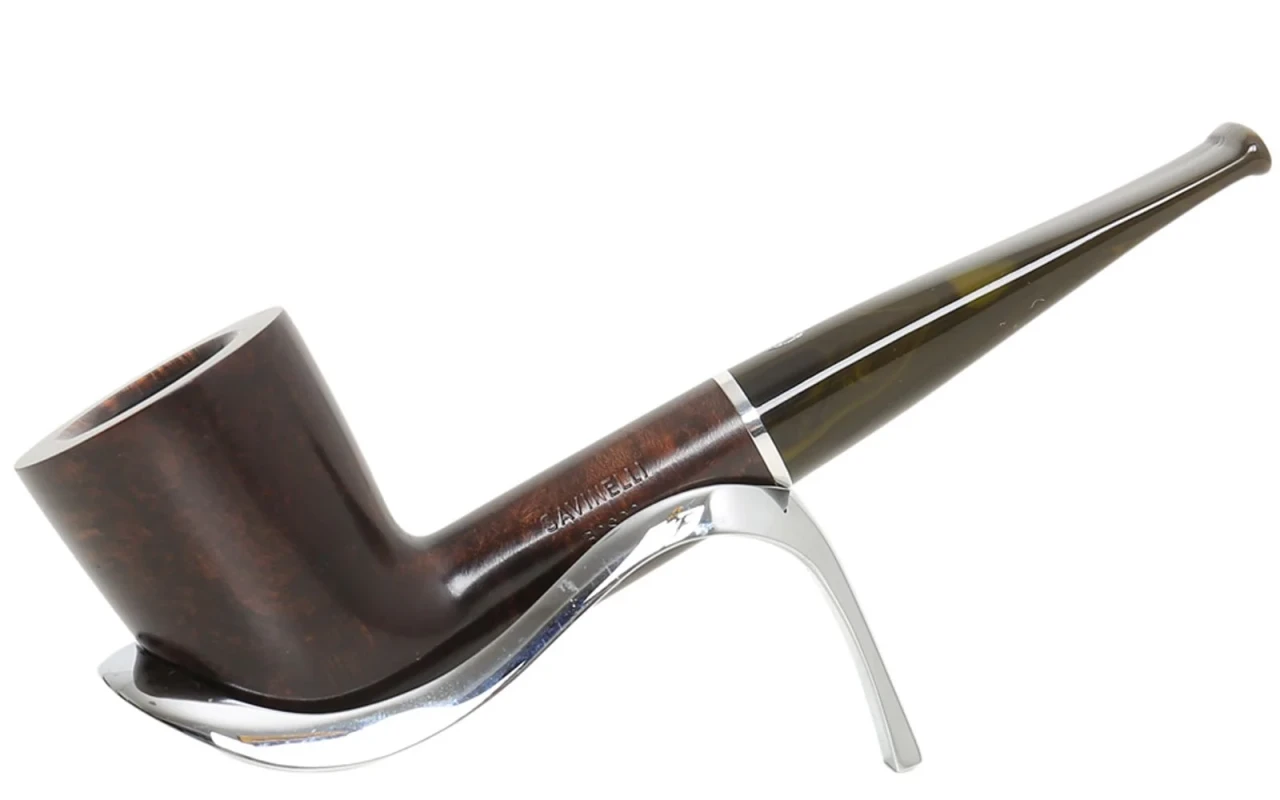
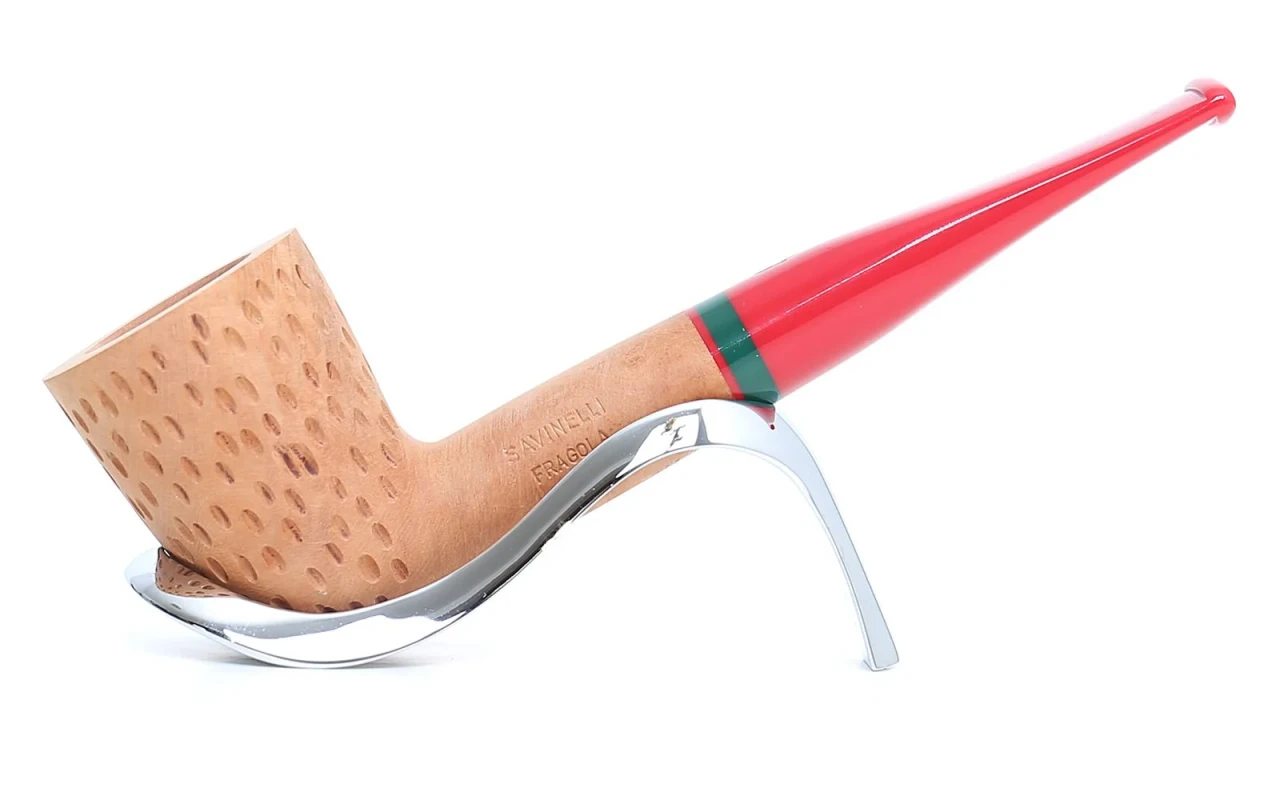
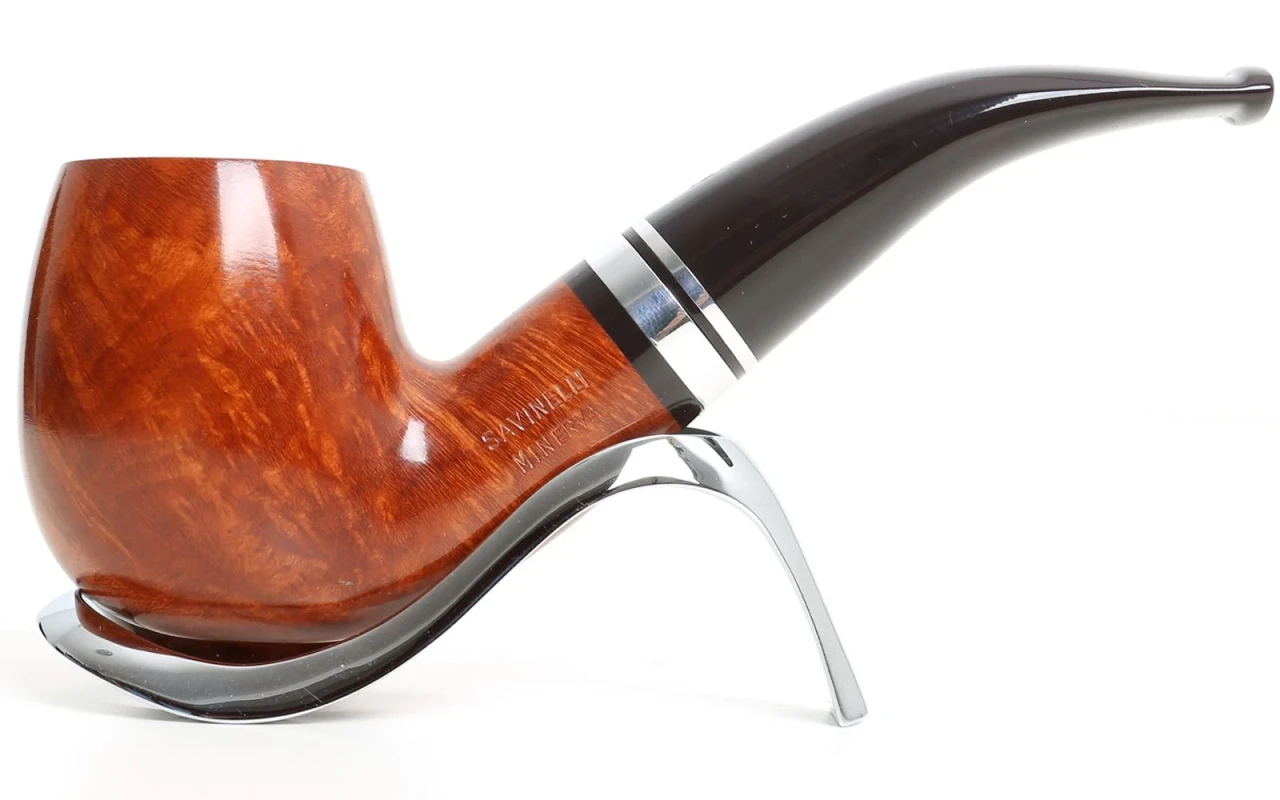
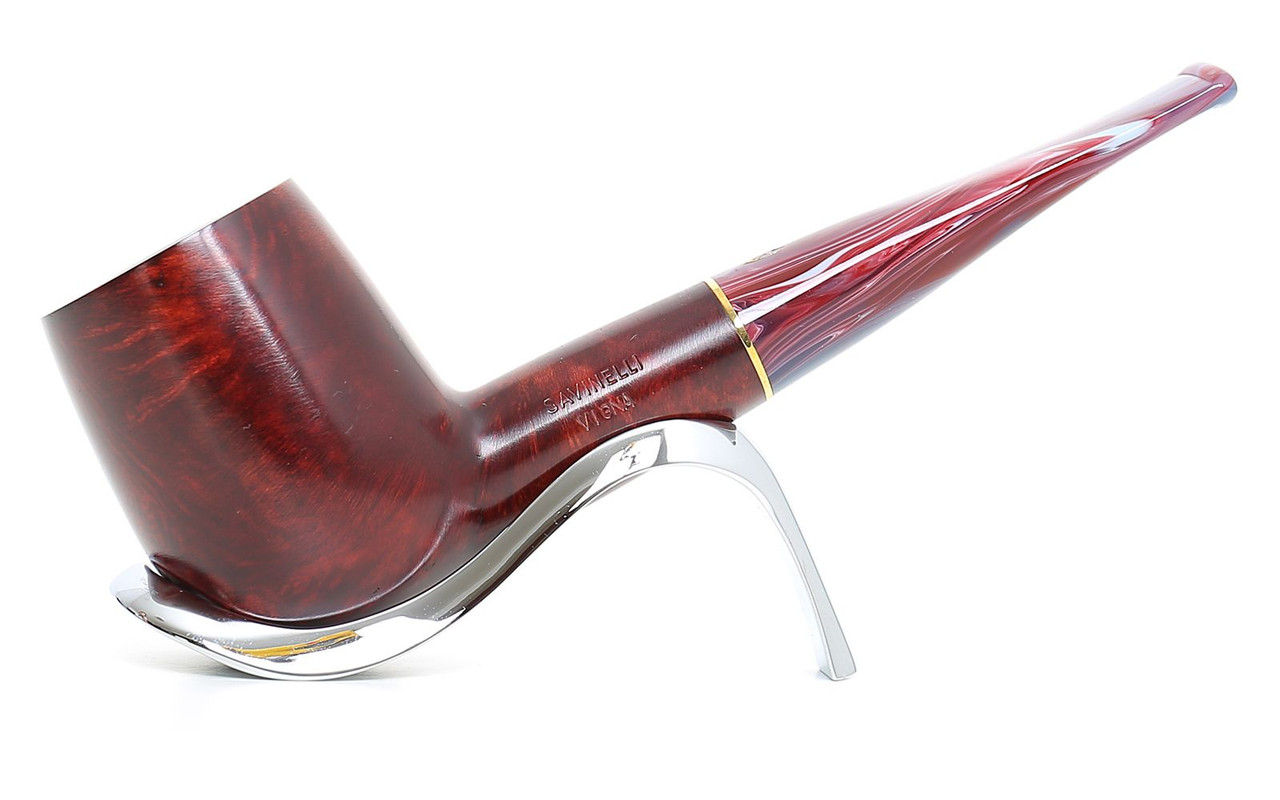
Pipe acclimatization to temperature changes
Acclimatizing the pipe to temperature variations is an important process to ensure optimal smoking and prolong the pipe's lifespan. Temperature changes can affect the pipe wood and compromise its quality if not managed correctly. Here are some useful tips for acclimatizing your pipe:- Maintain a constant relative humidity in the environment where you store the pipe.- Avoid sudden temperature swings.- Before lighting the pipe, let it rest for a few minutes at room temperature.- After smoking, thoroughly clean and dry the pipe to prevent damage from condensation.
Best outdoor smoking pipes
The best pipes for smoking outdoors are those characterized by durable materials and designs suitable for outdoor use. High-quality briar pipes are often preferred for their long-lasting durability and ability to withstand weather conditions. Pipes with detachable stems are convenient for transportation and cleaning, while those equipped with pipe covers are ideal for protecting the pipe during outdoor transport. Additionally, pipes with a wider bowl allow for fully enjoying the tobacco aroma even in outdoor spaces.
How to Store Pipes in a Warm Place
To optimally store pipes in a warm place, it is advisable to follow some simple practices:- Avoid temperature and humidity fluctuations that could damage the wood or material of the pipe.- Store the pipes in a cool and dry environment, away from direct heat sources such as radiators or stoves.- Use protective cases or bags to shield the pipes from external agents.- Thoroughly clean the pipes before storing them to prevent residue buildup that could compromise their quality over time.By following these guidelines, you can safely preserve your pipes and keep them in optimal condition for a long time.
Winter Maintenance for Pipes
Winter maintenance for pipes is essential to ensure proper functioning and longevity of these tools over time. Here are some useful tips for taking care of pipes during the cold season:- Keep the pipes clean and dry to prevent damage caused by cold and humidity.- Avoid temperature fluctuations and protect the pipes from sources of excessive heat.- Regularly check the condition of the pipes and replace any damaged parts.- Use specific products for cleaning and maintaining pipes, avoiding aggressive solvents that could damage them.- Store the pipes in a safe place protected from the elements during the winter months.
'%3e%3cg id='Final-Copy-2_2_' transform='translate(1275.000000, 200.000000)'%3e%3cpath class='st0' d='M7.4,12.8h6.8l3.1-11.6H7.4C4.2,1.2,1.6,3.8,1.6,7S4.2,12.8,7.4,12.8z'/%3e%3c/g%3e%3c/g%3e%3c/g%3e%3cg id='final---dec.11-2020'%3e%3cg id='_x30_208-our-toggle' transform='translate(-1275.000000, -200.000000)'%3e%3cg id='Final-Copy-2' transform='translate(1275.000000, 200.000000)'%3e%3cpath class='st1' d='M22.6,0H7.4c-3.9,0-7,3.1-7,7s3.1,7,7,7h15.2c3.9,0,7-3.1,7-7S26.4,0,22.6,0z M1.6,7c0-3.2,2.6-5.8,5.8-5.8 h9.9l-3.1,11.6H7.4C4.2,12.8,1.6,10.2,1.6,7z'/%3e%3cpath id='x' class='st2' d='M24.6,4c0.2,0.2,0.2,0.6,0,0.8l0,0L22.5,7l2.2,2.2c0.2,0.2,0.2,0.6,0,0.8c-0.2,0.2-0.6,0.2-0.8,0 l0,0l-2.2-2.2L19.5,10c-0.2,0.2-0.6,0.2-0.8,0c-0.2-0.2-0.2-0.6,0-0.8l0,0L20.8,7l-2.2-2.2c-0.2-0.2-0.2-0.6,0-0.8 c0.2-0.2,0.6-0.2,0.8,0l0,0l2.2,2.2L23.8,4C24,3.8,24.4,3.8,24.6,4z'/%3e%3cpath id='y' class='st3' d='M12.7,4.1c0.2,0.2,0.3,0.6,0.1,0.8l0,0L8.6,9.8C8.5,9.9,8.4,10,8.3,10c-0.2,0.1-0.5,0.1-0.7-0.1l0,0 L5.4,7.7c-0.2-0.2-0.2-0.6,0-0.8c0.2-0.2,0.6-0.2,0.8,0l0,0L8,8.6l3.8-4.5C12,3.9,12.4,3.9,12.7,4.1z'/%3e%3c/g%3e%3c/g%3e%3c/g%3e%3c/g%3e%3c/svg%3e) Your Privacy Choices
Your Privacy Choices 


