 ES
ES FR
FR EN
EN IT
IT DE
DE
Origins of the “Dublin” Pipe
Origins of the "Dublin" Pipe
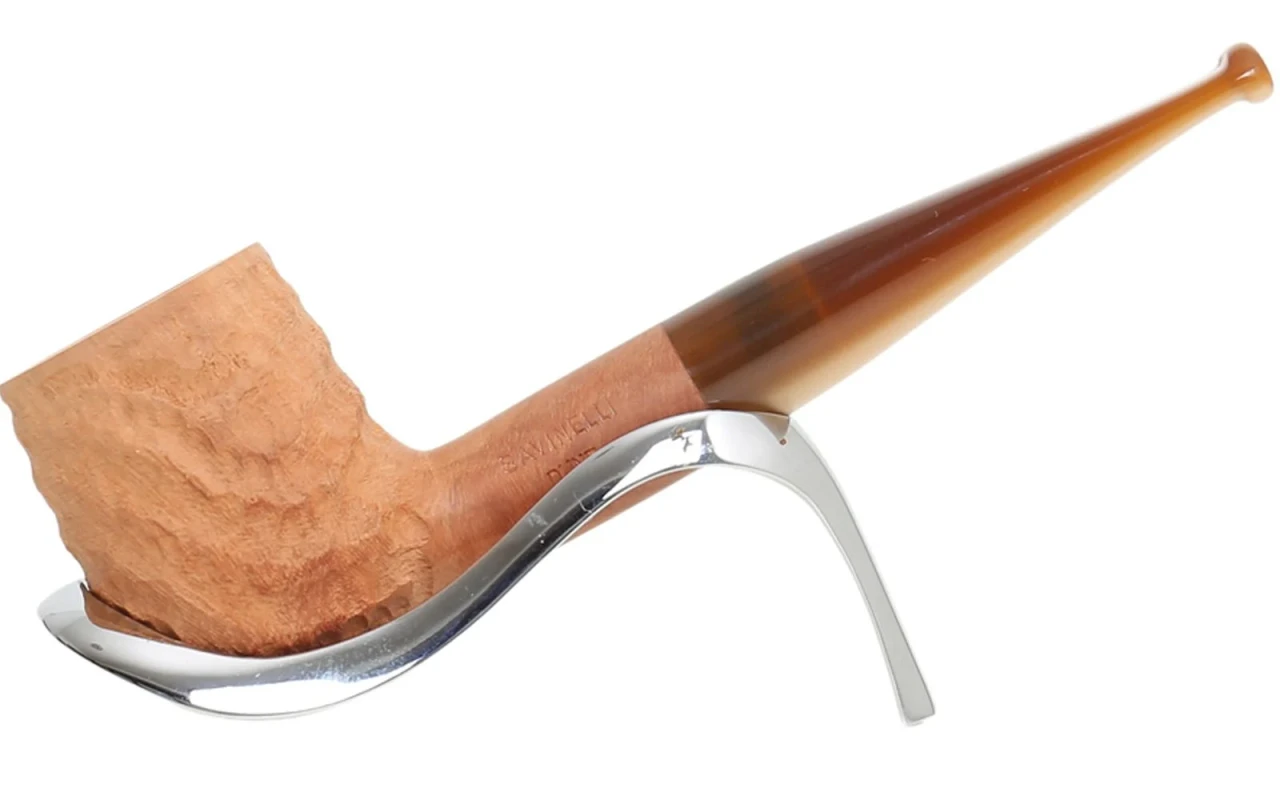
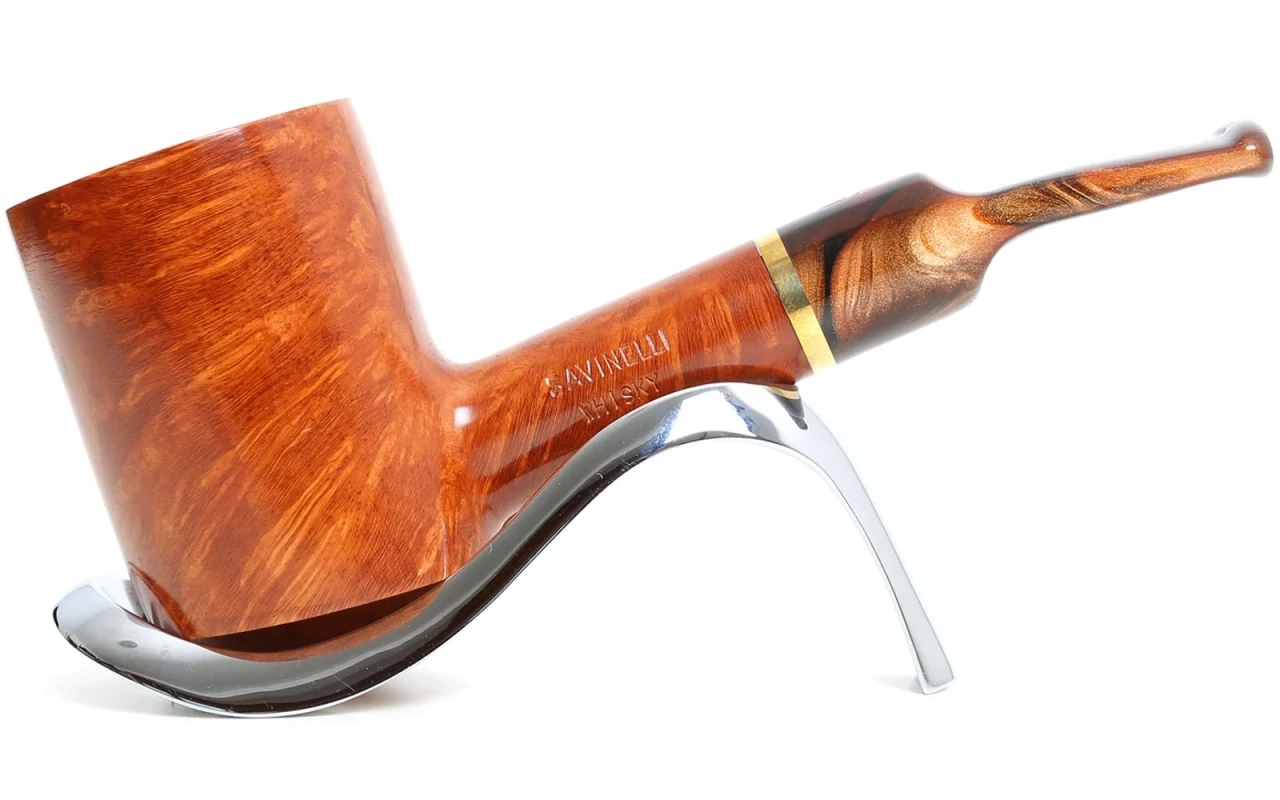
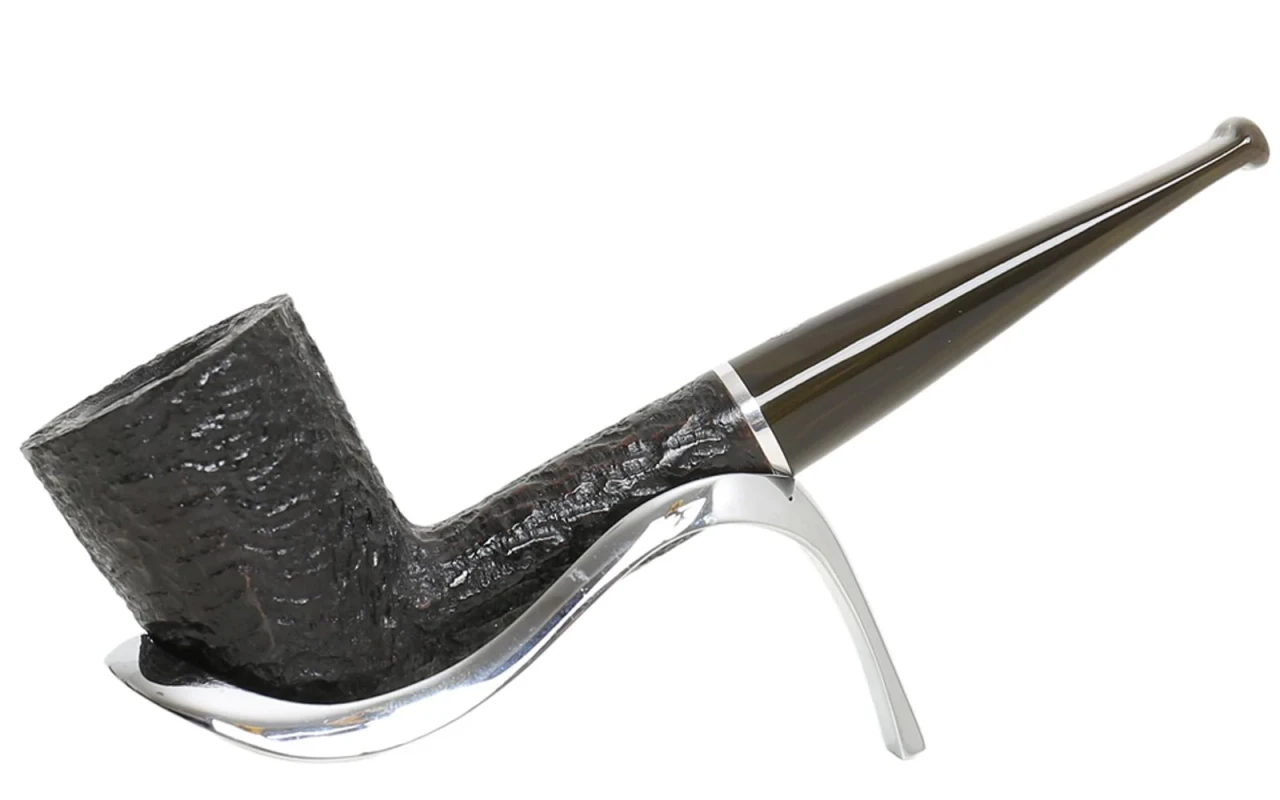
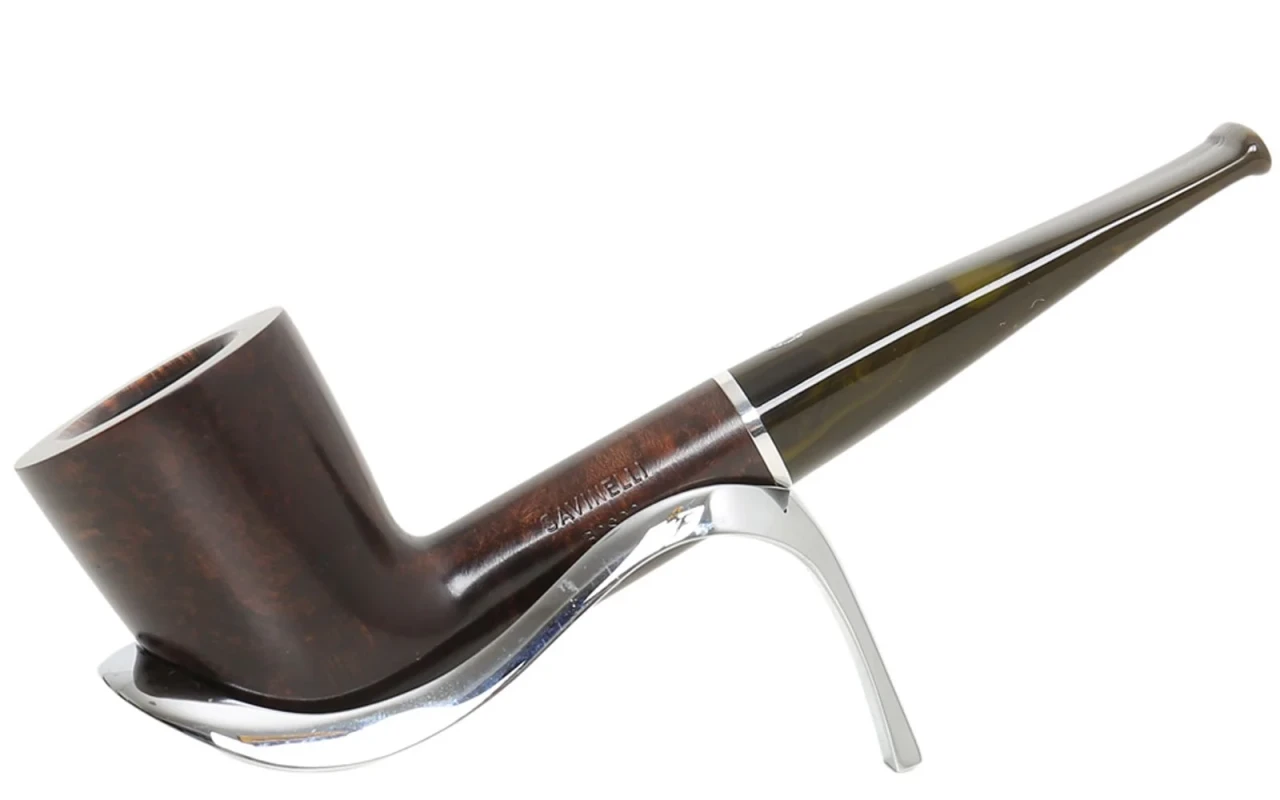
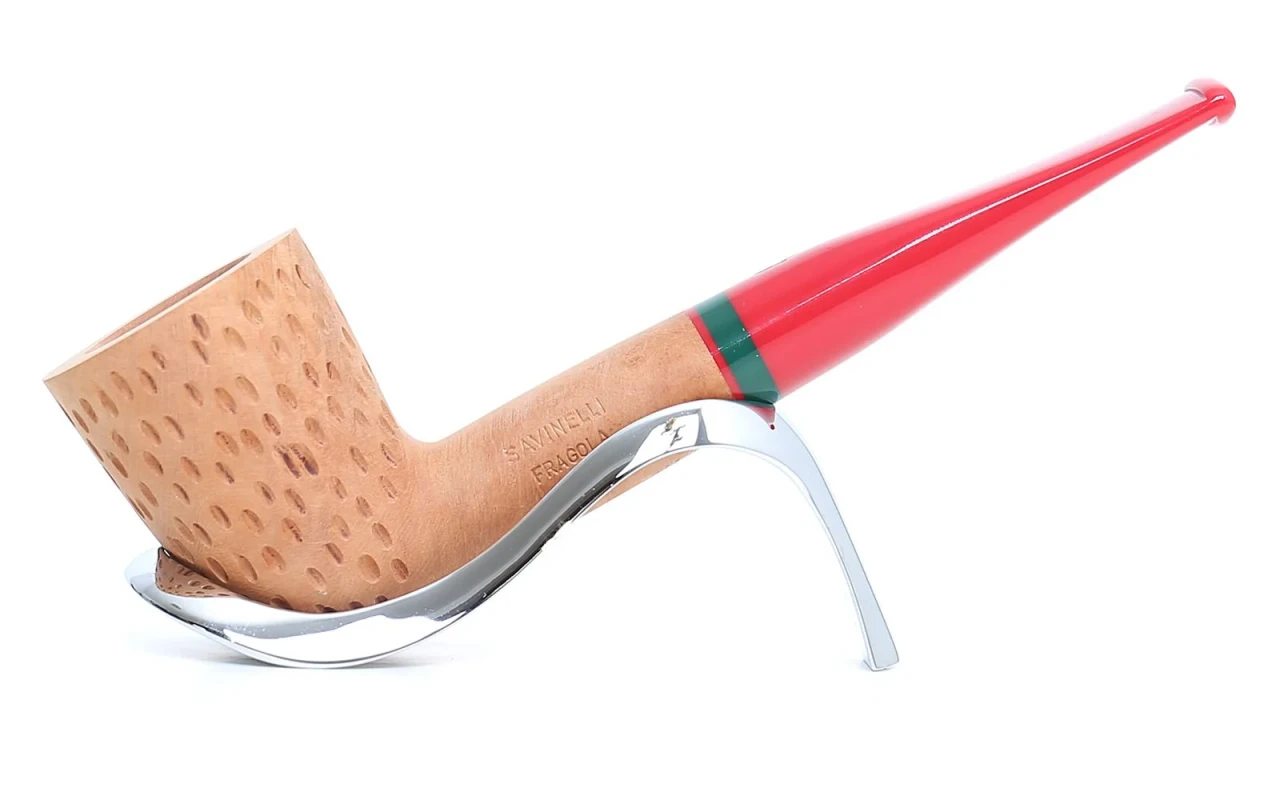
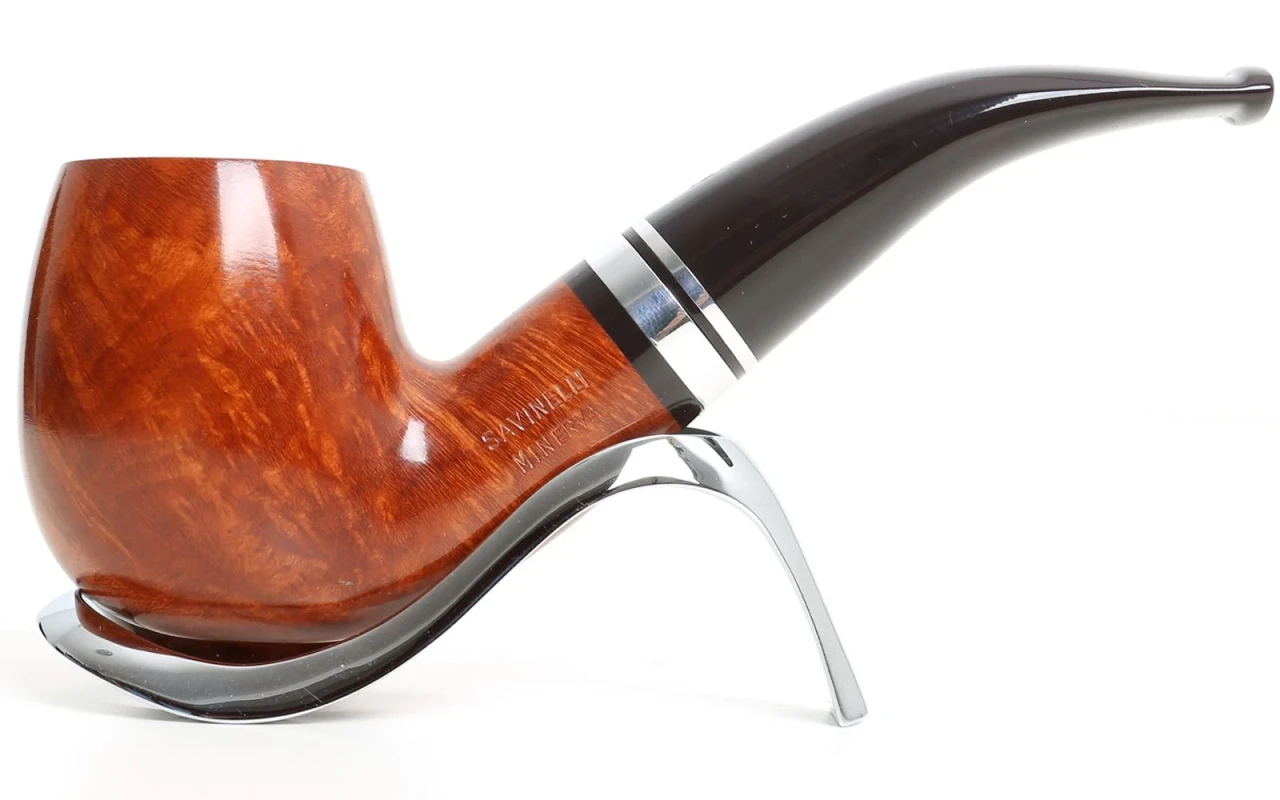
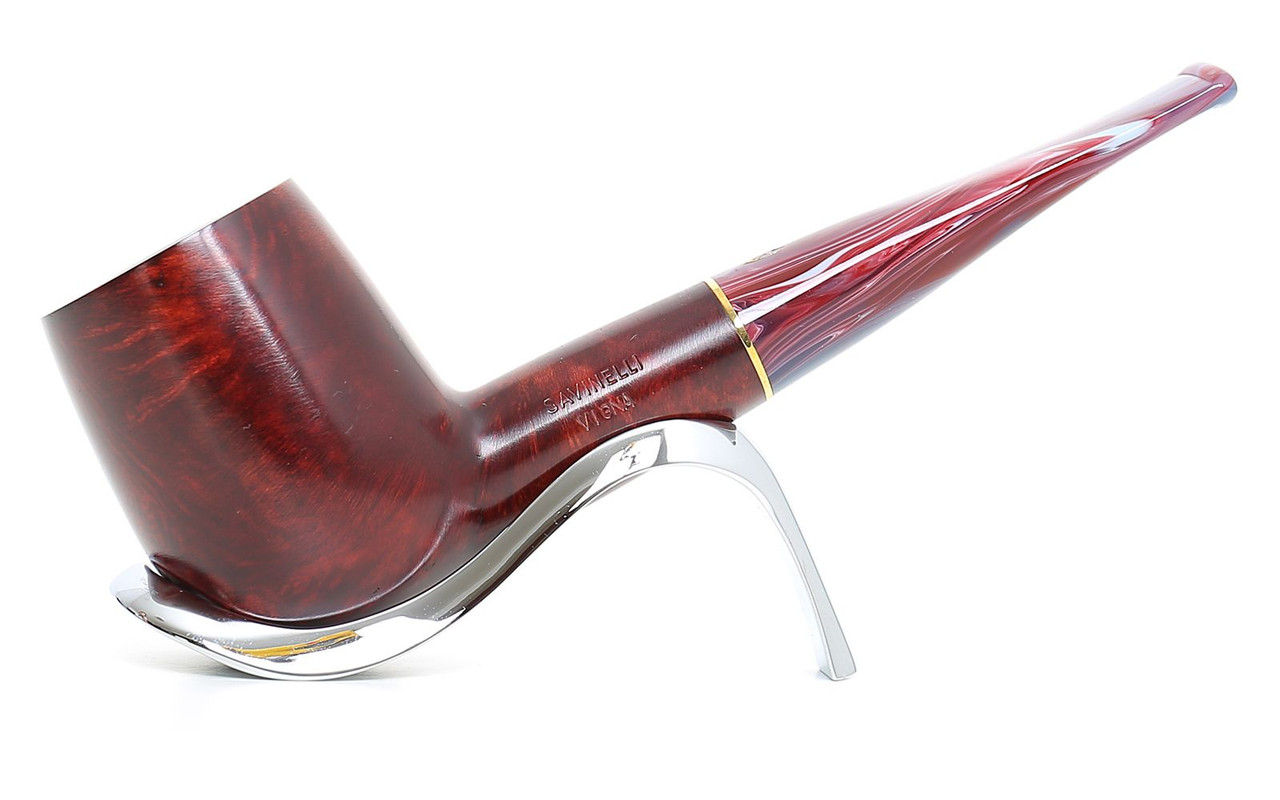
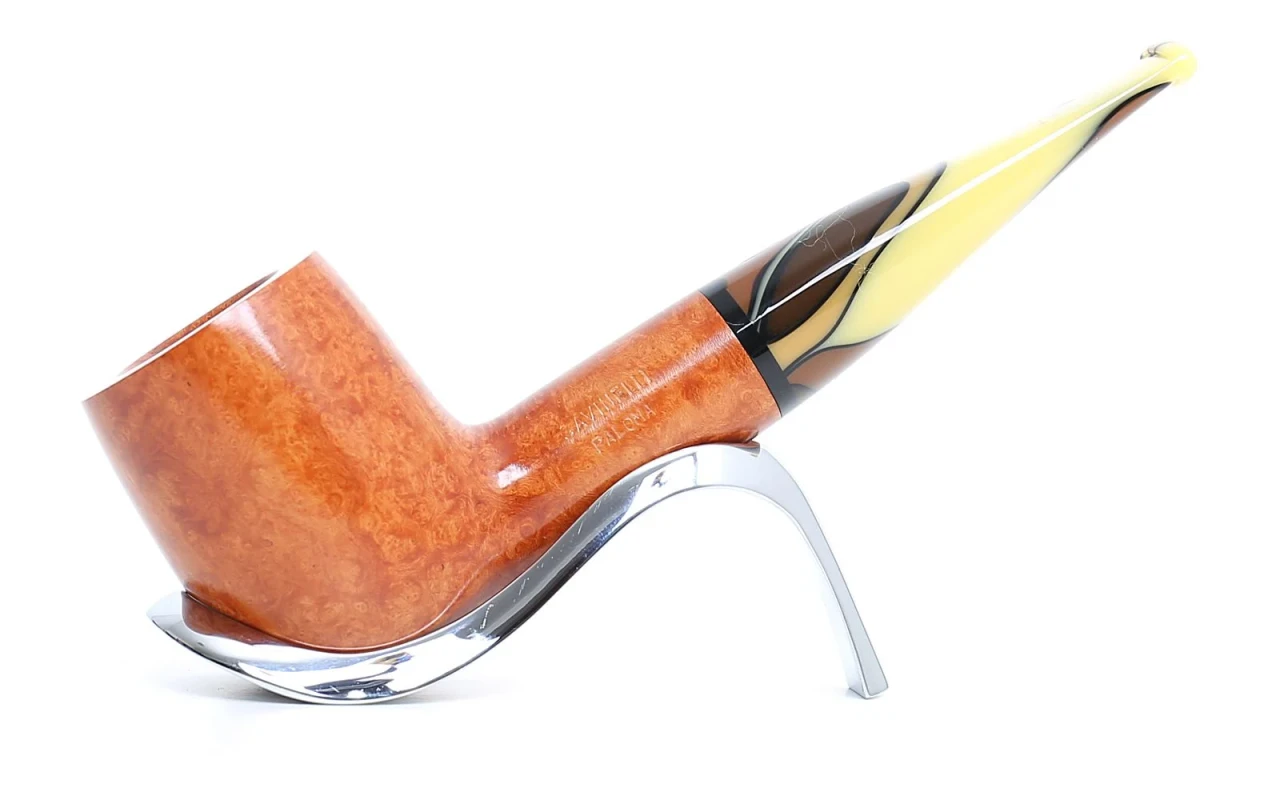
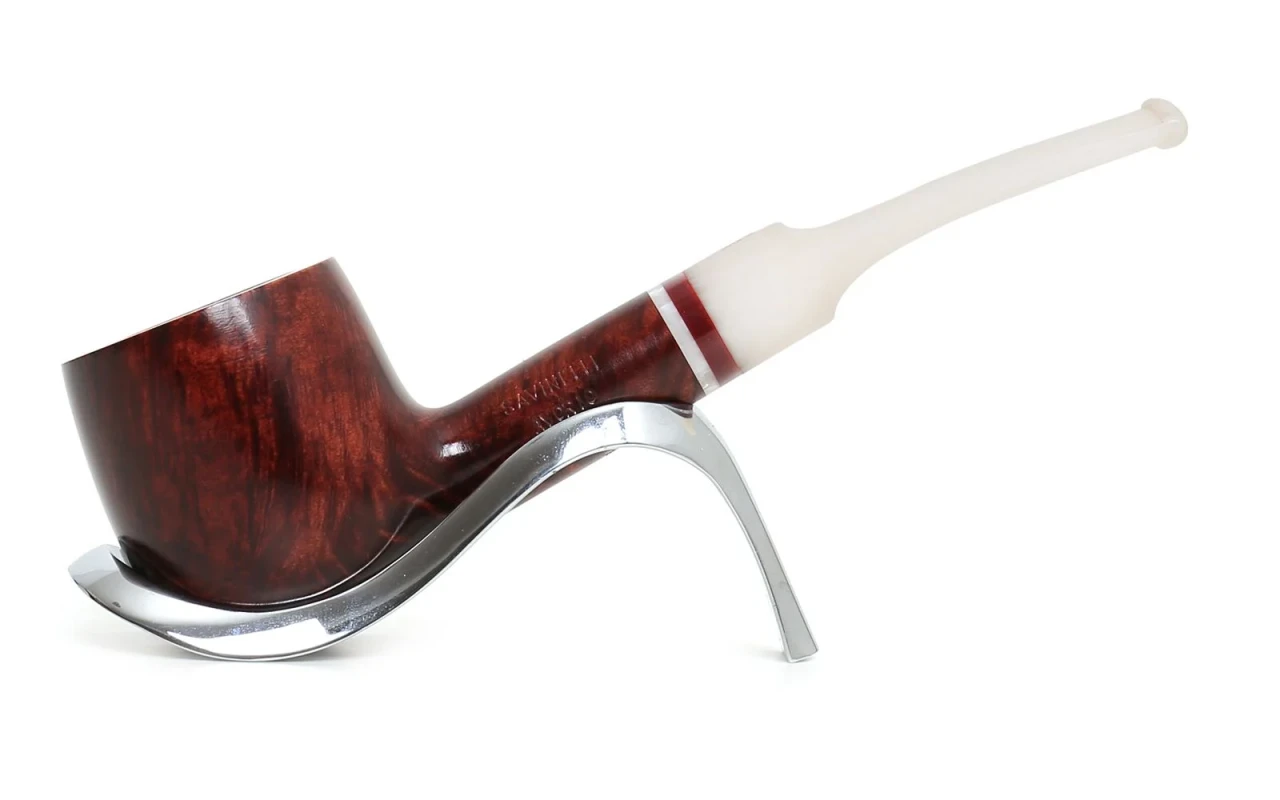
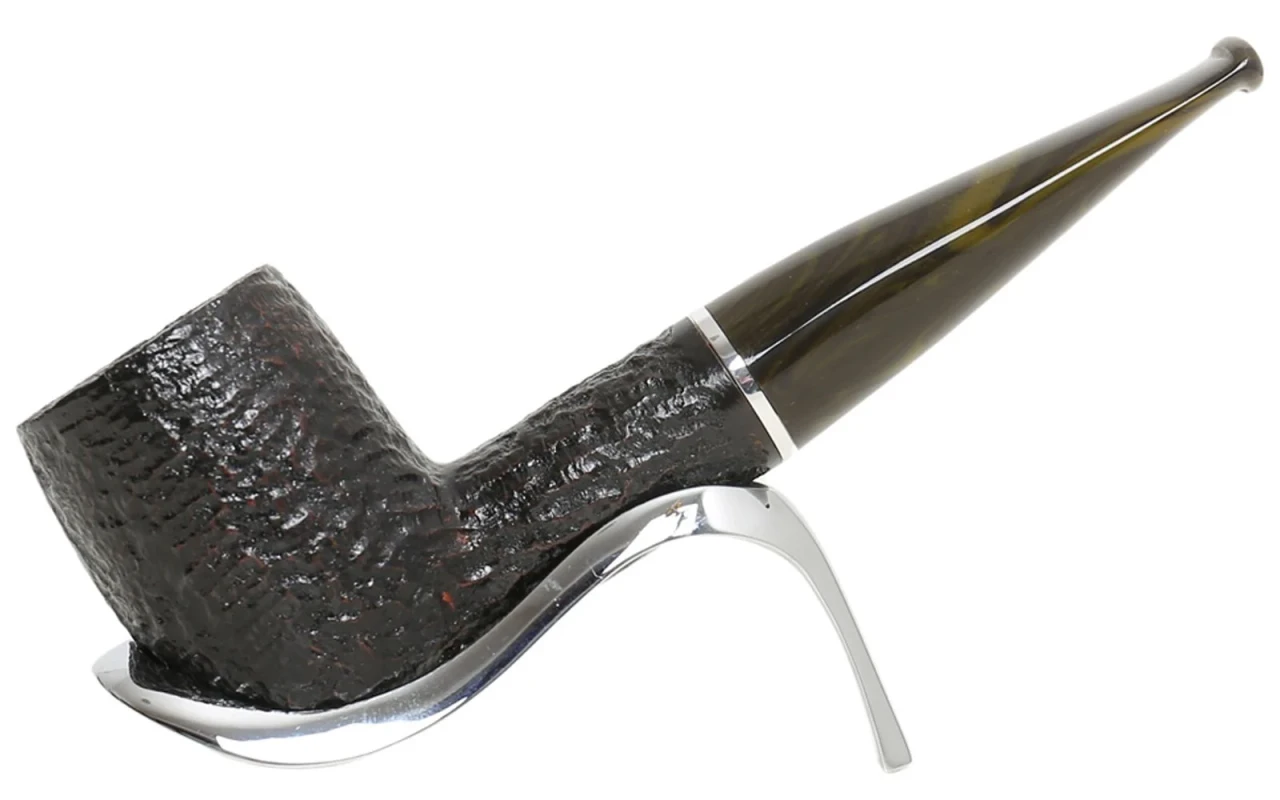
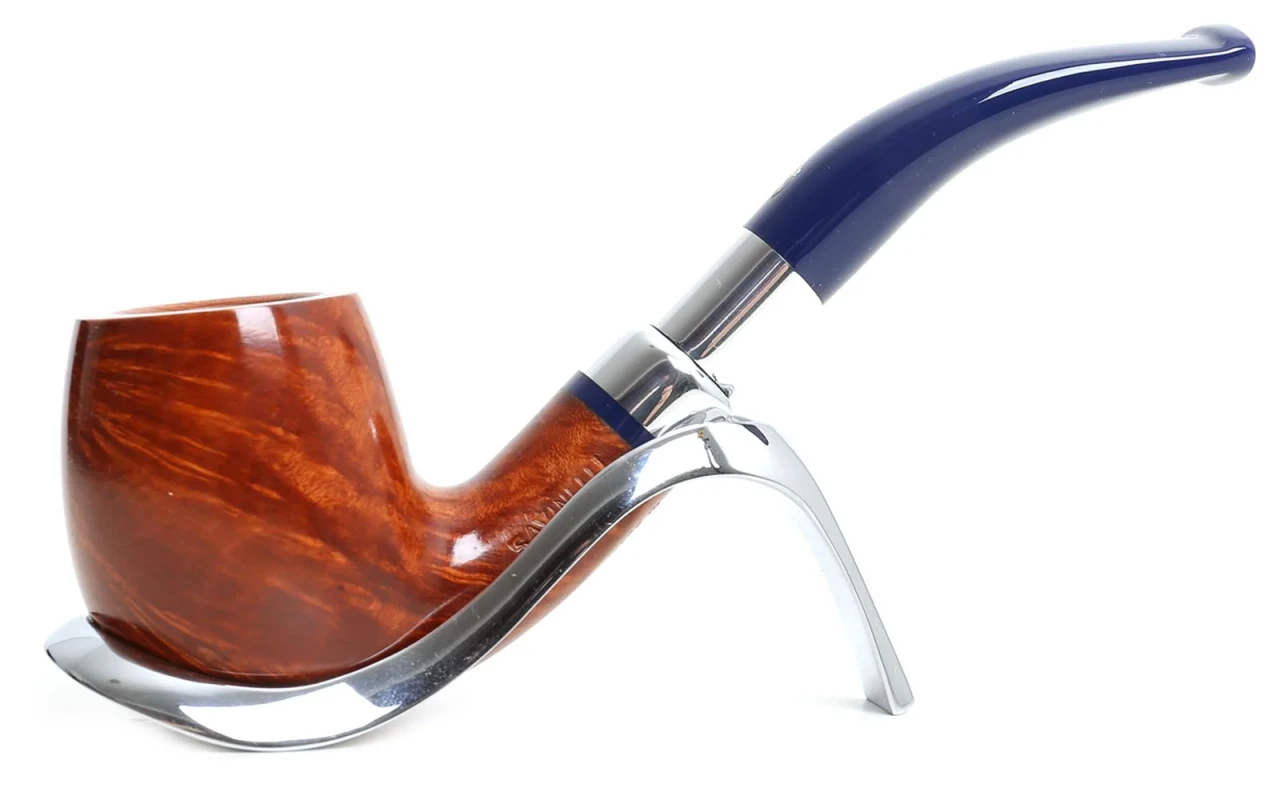
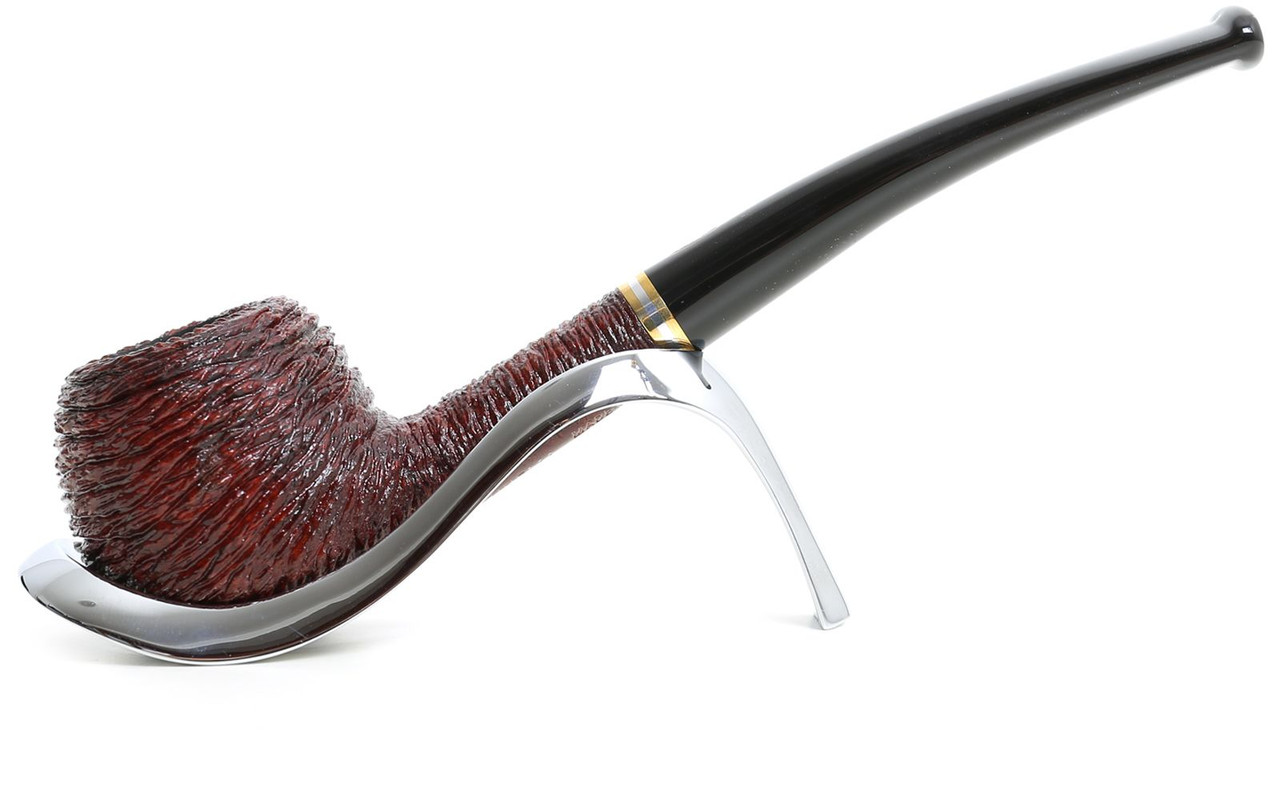
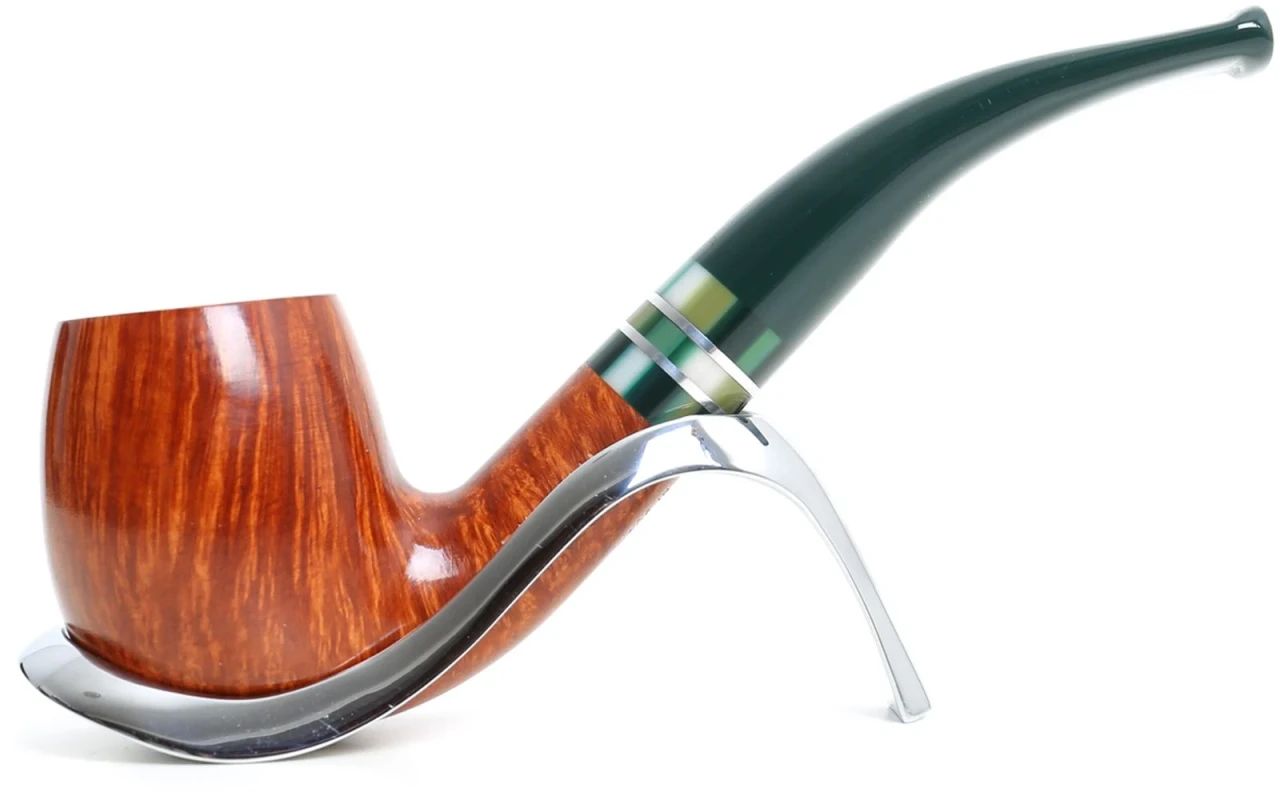
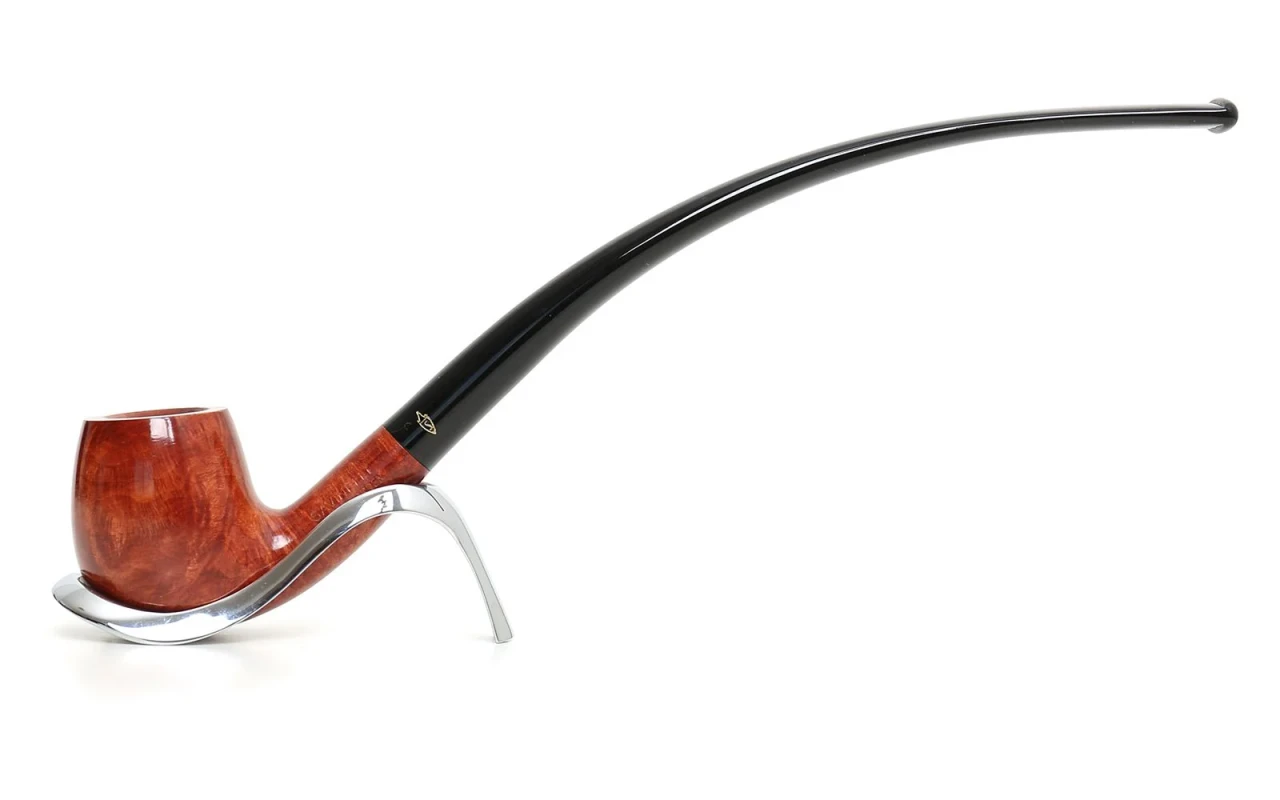
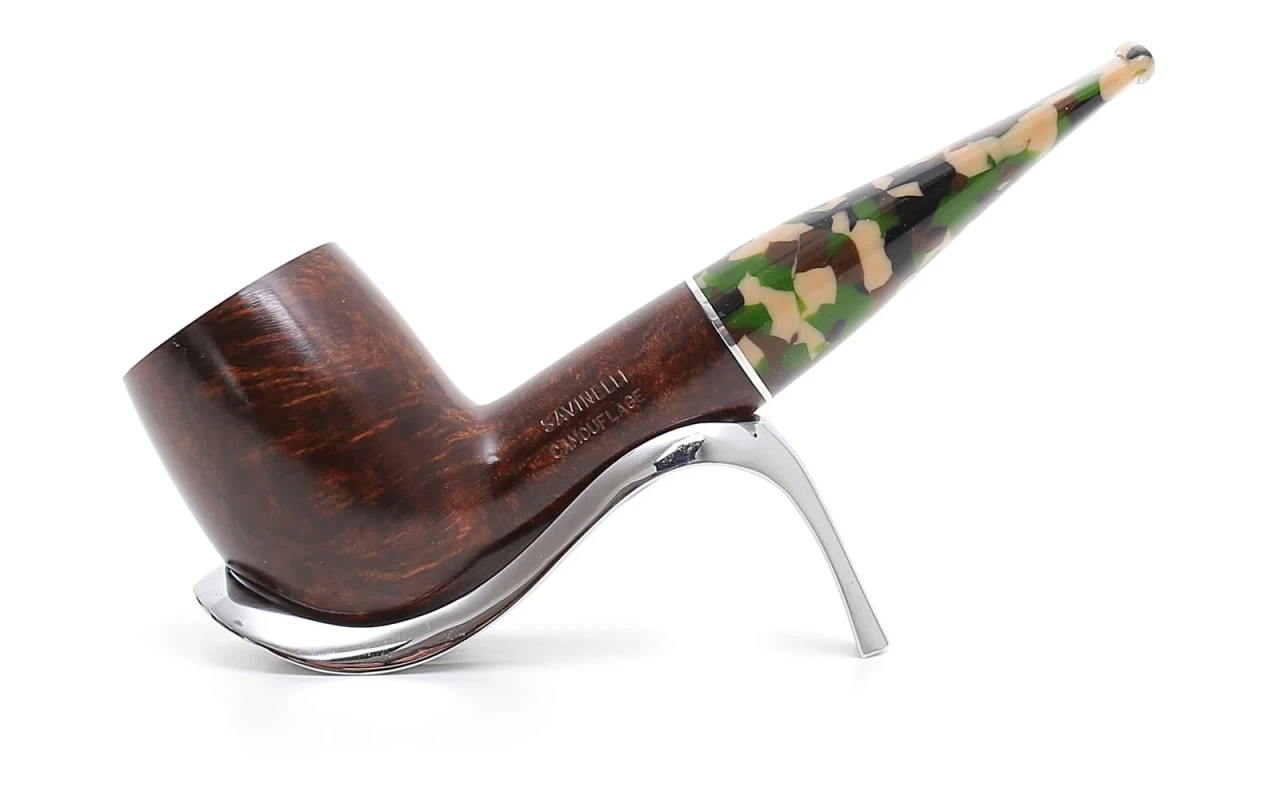
The "Dublin" pipe is a very popular model in the world of pipemaking. This type of pipe takes its name from the city of Dublin, in Ireland, where it was first created. The main characteristic of a "Dublin" pipe is its slender shape, with a slightly bent bowl and a wider top rim compared to the bottom. This design allows for the full enjoyment of the tobacco flavor during smoking. "Dublin" pipes are highly appreciated by smokers for their elegance and practicality, making them a refined choice for those who enjoy the smoking experience.
Features of the "Dublin" Pipe
The "Dublin" pipe is a very popular pipe model among pipe smoking enthusiasts. Its distinctive features include:- Slim shape with a slight curvature of the stem.- Deep and narrow bowl, ideal for slow and cool smoking.- Thin walls that allow for good heat dissipation.- Stem generally slightly turned upwards for a better grip.- Elegant and refined design, often handcrafted.The "Dublin" pipe is appreciated for its refined aesthetics and functional qualities that make it suitable for both novice and experienced pipe smokers.
History of smoking pipes
Smoking pipes have a long and fascinating history that dates back to ancient times. Initially used by Native American populations in North America, pipes were later adopted by various cultures around the world. Dating back thousands of years, the earliest pipes were made from natural materials such as stone, clay, or wood. Over the centuries, pipes have undergone various transformations, becoming true works of art thanks to the use of precious materials and craftsmanship. Today, smoking pipes are appreciated both for their functionality and for their aesthetic and historical value.
Materials for pipe construction
The materials used for pipe construction include:- Briar wood: light and durable, it is a common choice for smoking pipes.- Olive wood: appreciated for its unique beauty and natural colors.- Meerschaum: a porous stone that absorbs tobacco oils, ensuring a cooler smoke.- Clay: a traditional material for tobacco pipes, often handcrafted.- Corn cob: inexpensive and lightweight, it is commonly used for corn cob pipes.- Walnut wood: hard and durable, it provides a smooth surface for a pleasant touch.
'%3e%3cg id='Final-Copy-2_2_' transform='translate(1275.000000, 200.000000)'%3e%3cpath class='st0' d='M7.4,12.8h6.8l3.1-11.6H7.4C4.2,1.2,1.6,3.8,1.6,7S4.2,12.8,7.4,12.8z'/%3e%3c/g%3e%3c/g%3e%3c/g%3e%3cg id='final---dec.11-2020'%3e%3cg id='_x30_208-our-toggle' transform='translate(-1275.000000, -200.000000)'%3e%3cg id='Final-Copy-2' transform='translate(1275.000000, 200.000000)'%3e%3cpath class='st1' d='M22.6,0H7.4c-3.9,0-7,3.1-7,7s3.1,7,7,7h15.2c3.9,0,7-3.1,7-7S26.4,0,22.6,0z M1.6,7c0-3.2,2.6-5.8,5.8-5.8 h9.9l-3.1,11.6H7.4C4.2,12.8,1.6,10.2,1.6,7z'/%3e%3cpath id='x' class='st2' d='M24.6,4c0.2,0.2,0.2,0.6,0,0.8l0,0L22.5,7l2.2,2.2c0.2,0.2,0.2,0.6,0,0.8c-0.2,0.2-0.6,0.2-0.8,0 l0,0l-2.2-2.2L19.5,10c-0.2,0.2-0.6,0.2-0.8,0c-0.2-0.2-0.2-0.6,0-0.8l0,0L20.8,7l-2.2-2.2c-0.2-0.2-0.2-0.6,0-0.8 c0.2-0.2,0.6-0.2,0.8,0l0,0l2.2,2.2L23.8,4C24,3.8,24.4,3.8,24.6,4z'/%3e%3cpath id='y' class='st3' d='M12.7,4.1c0.2,0.2,0.3,0.6,0.1,0.8l0,0L8.6,9.8C8.5,9.9,8.4,10,8.3,10c-0.2,0.1-0.5,0.1-0.7-0.1l0,0 L5.4,7.7c-0.2-0.2-0.2-0.6,0-0.8c0.2-0.2,0.6-0.2,0.8,0l0,0L8,8.6l3.8-4.5C12,3.9,12.4,3.9,12.7,4.1z'/%3e%3c/g%3e%3c/g%3e%3c/g%3e%3c/g%3e%3c/svg%3e) Your Privacy Choices
Your Privacy Choices 


