 ES
ES FR
FR EN
EN IT
IT DE
DE
Origins of Collectible Pipes
Origins of Collectible Pipes
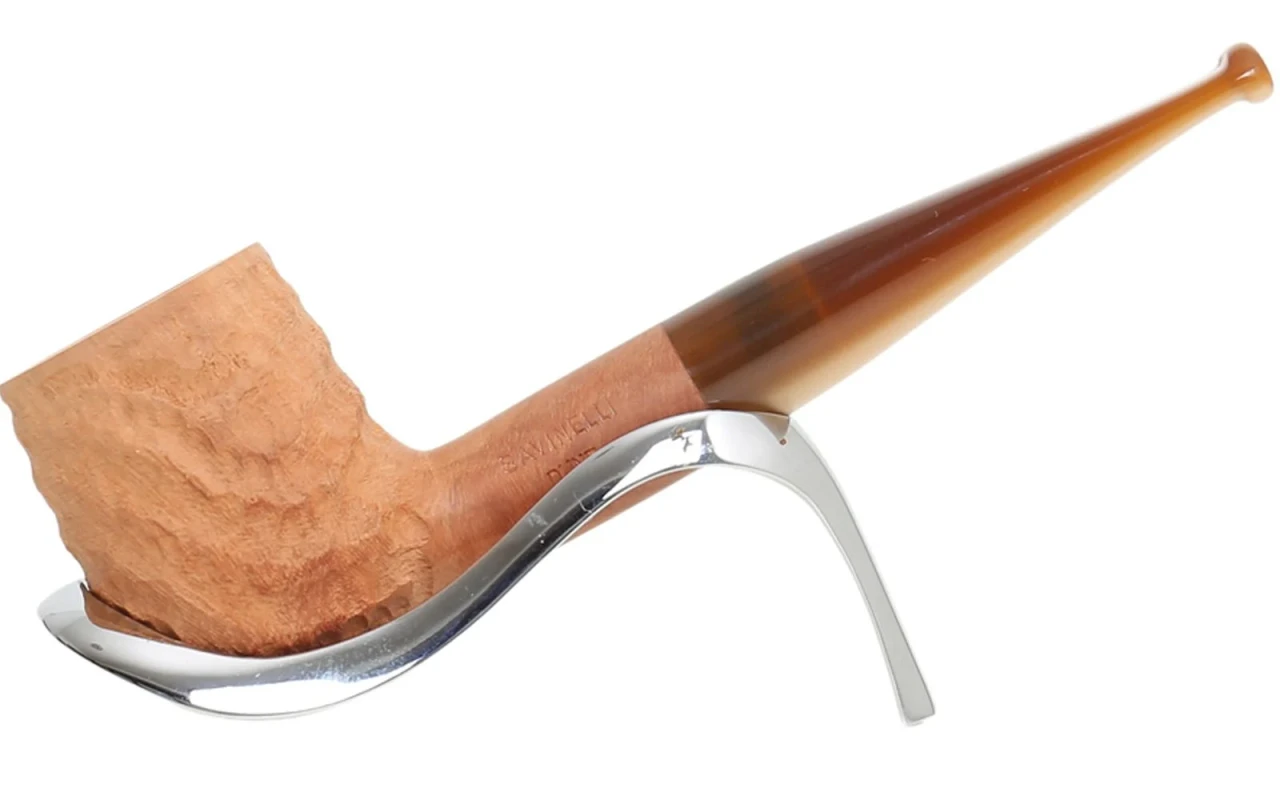
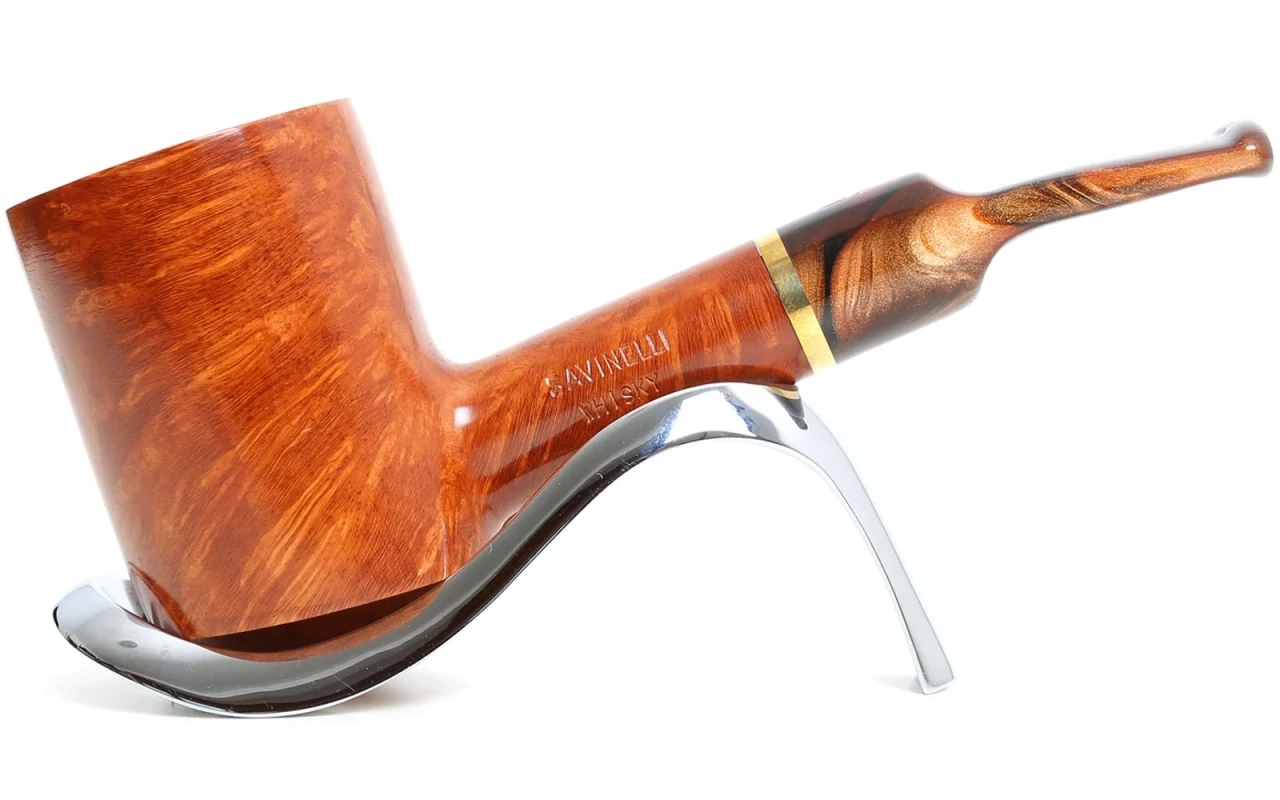
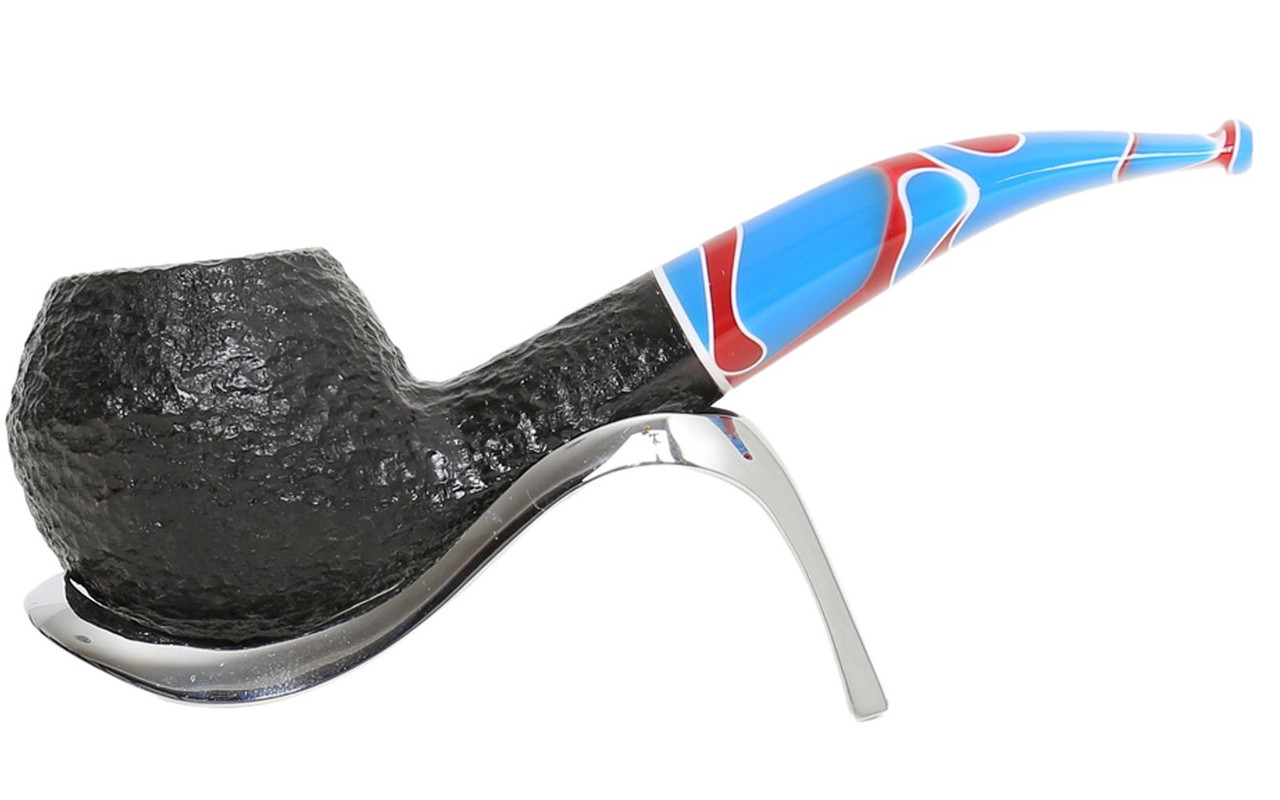
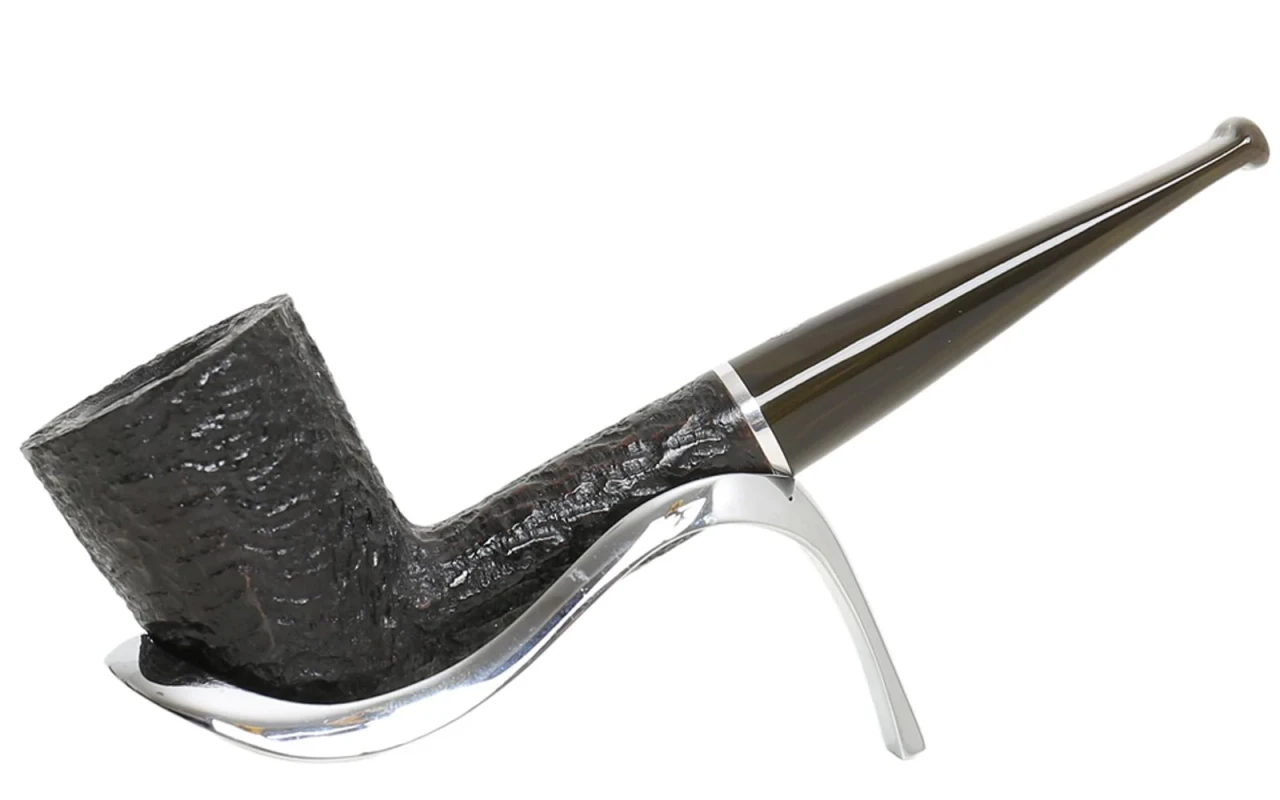
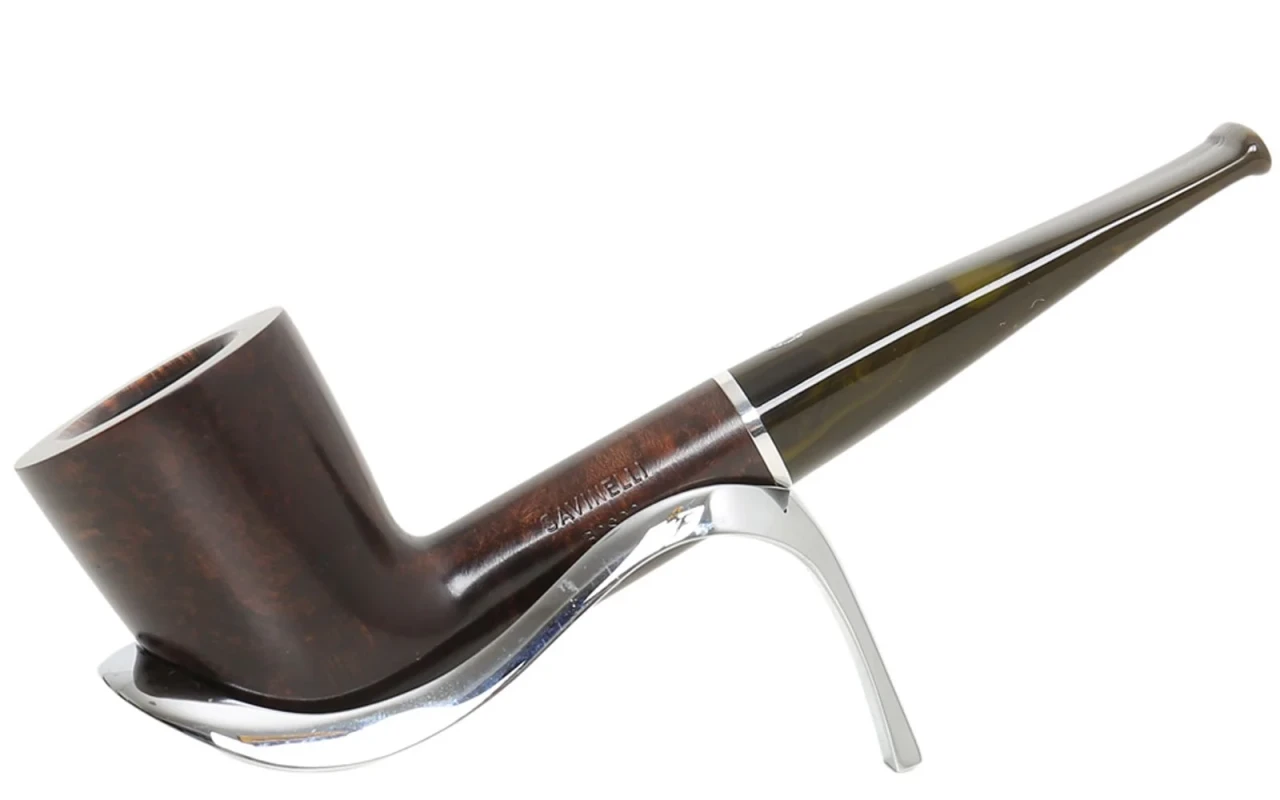
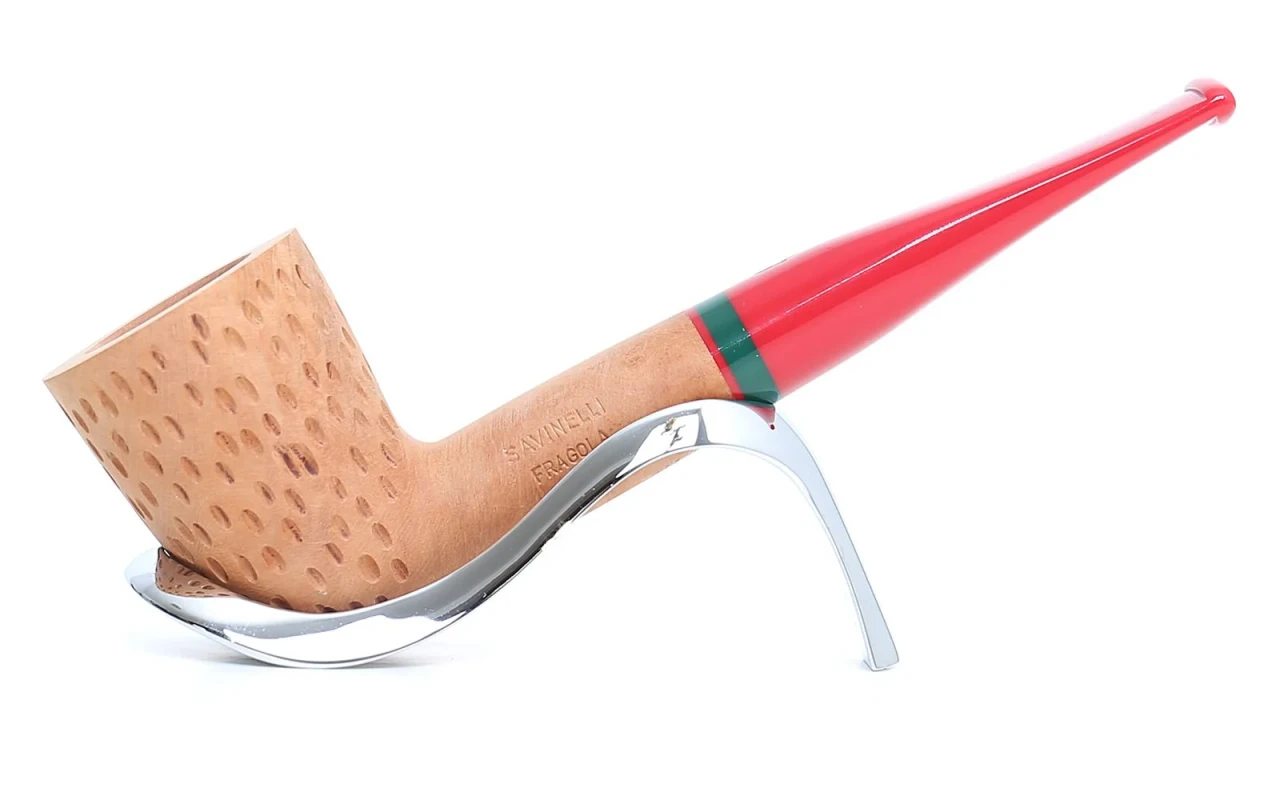
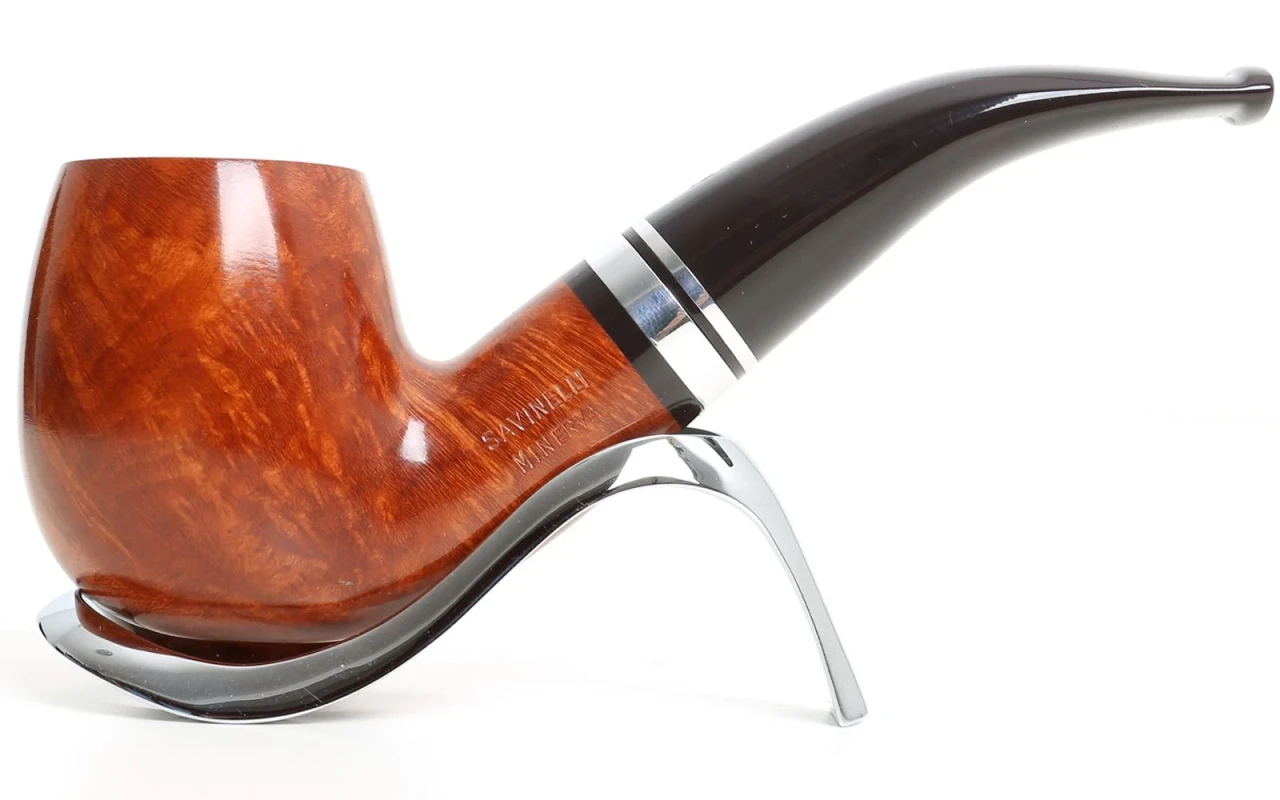
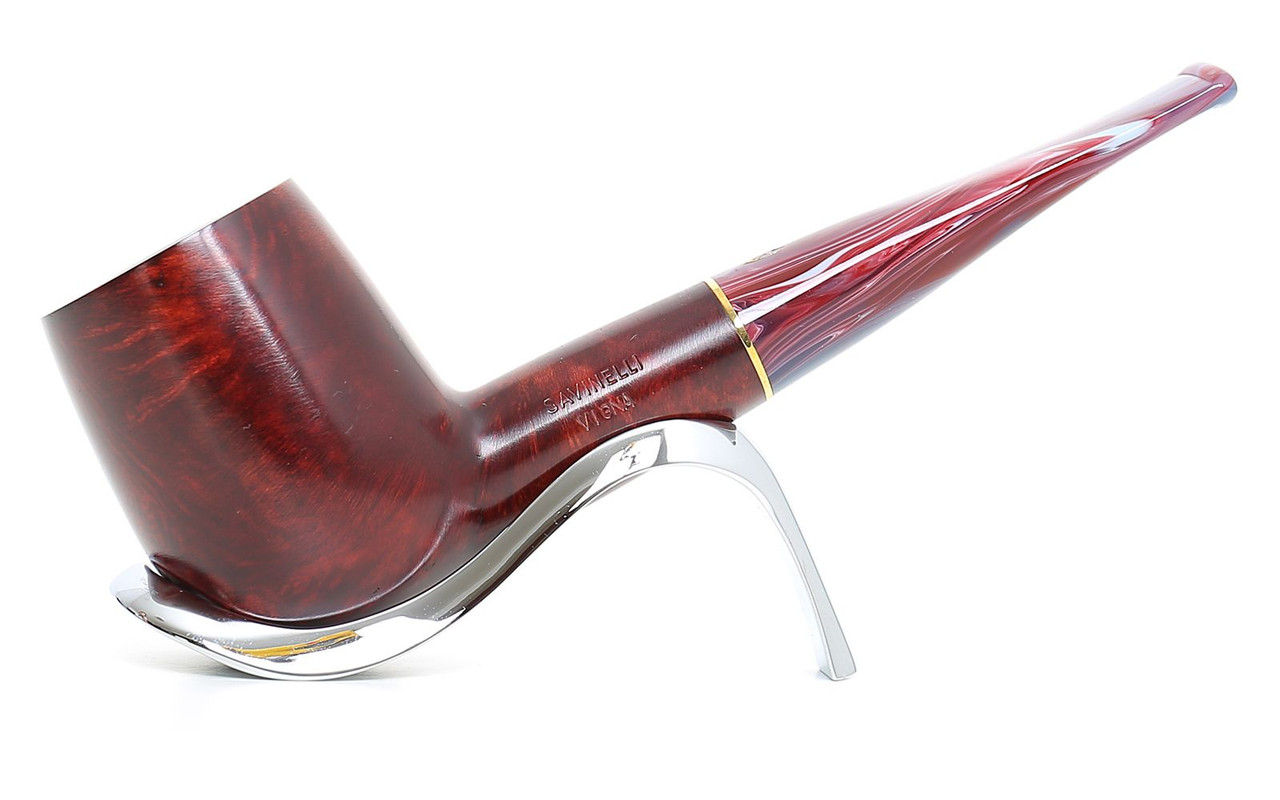
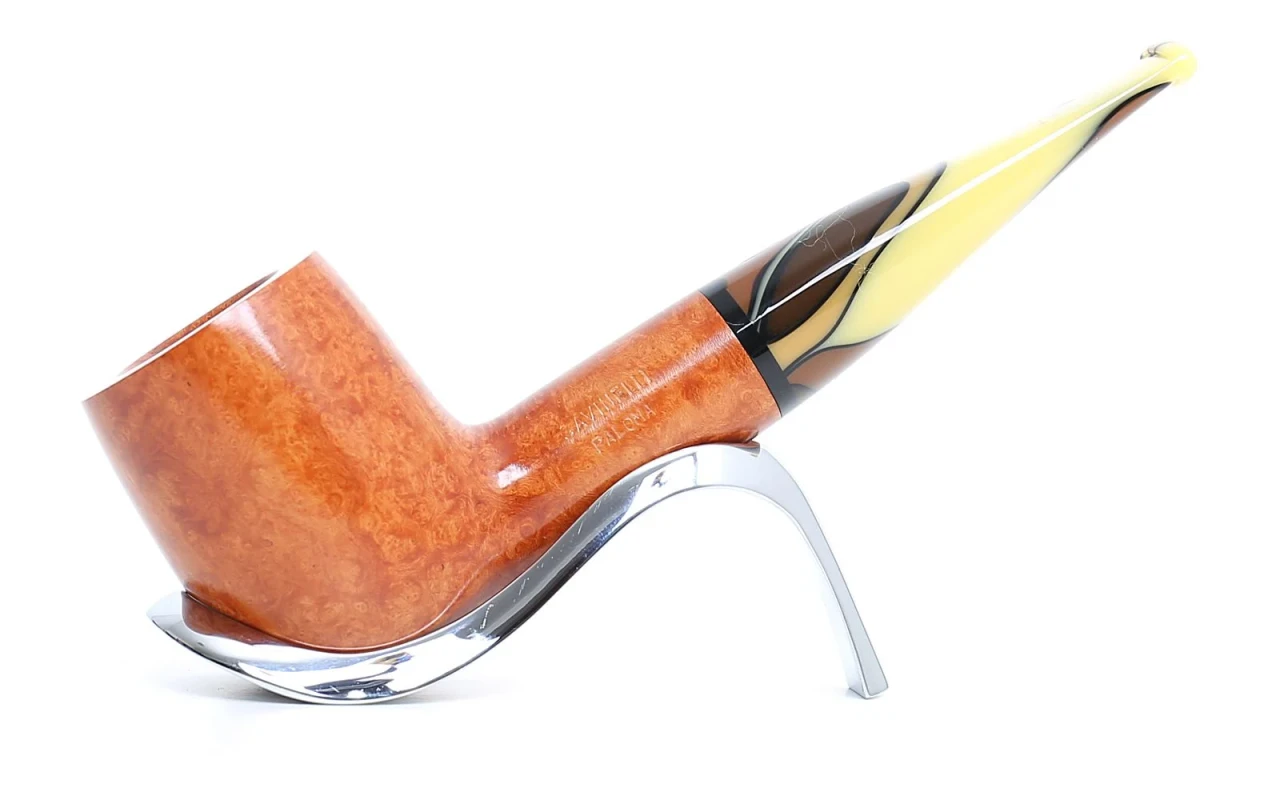
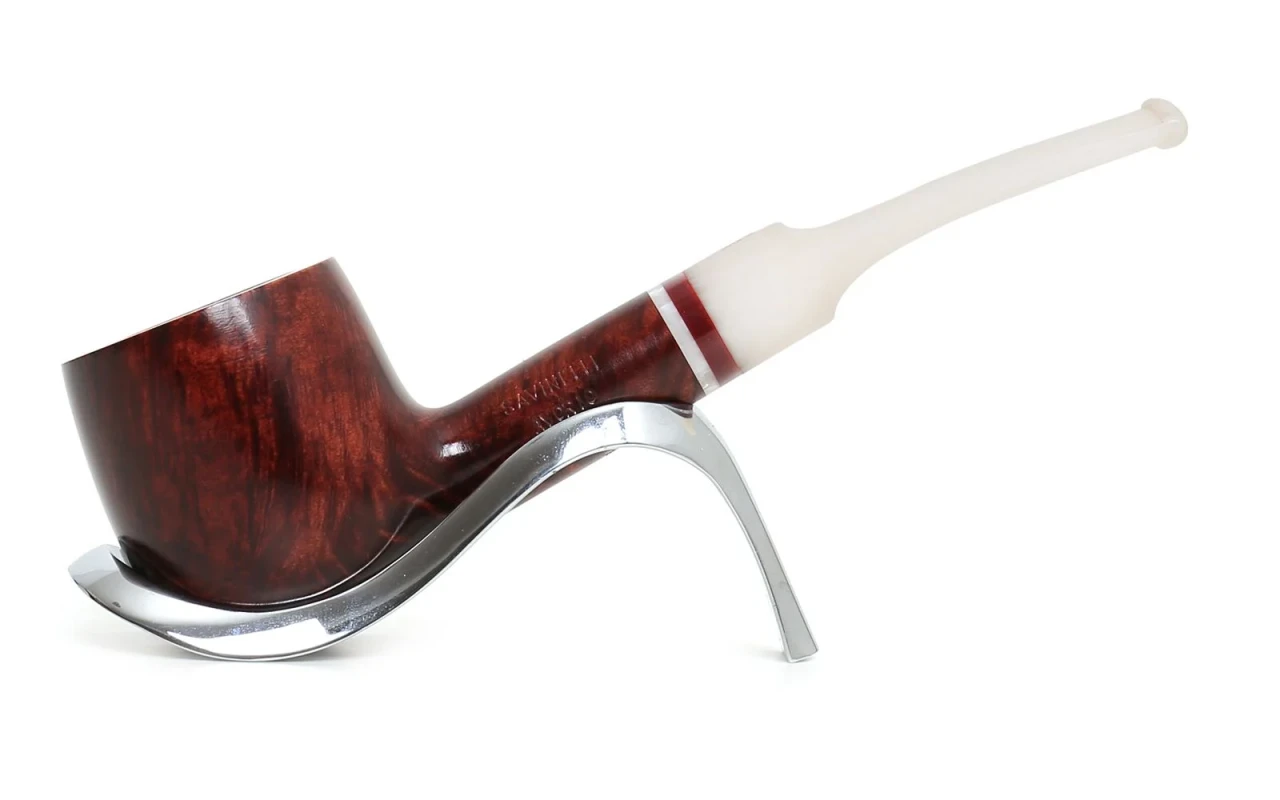
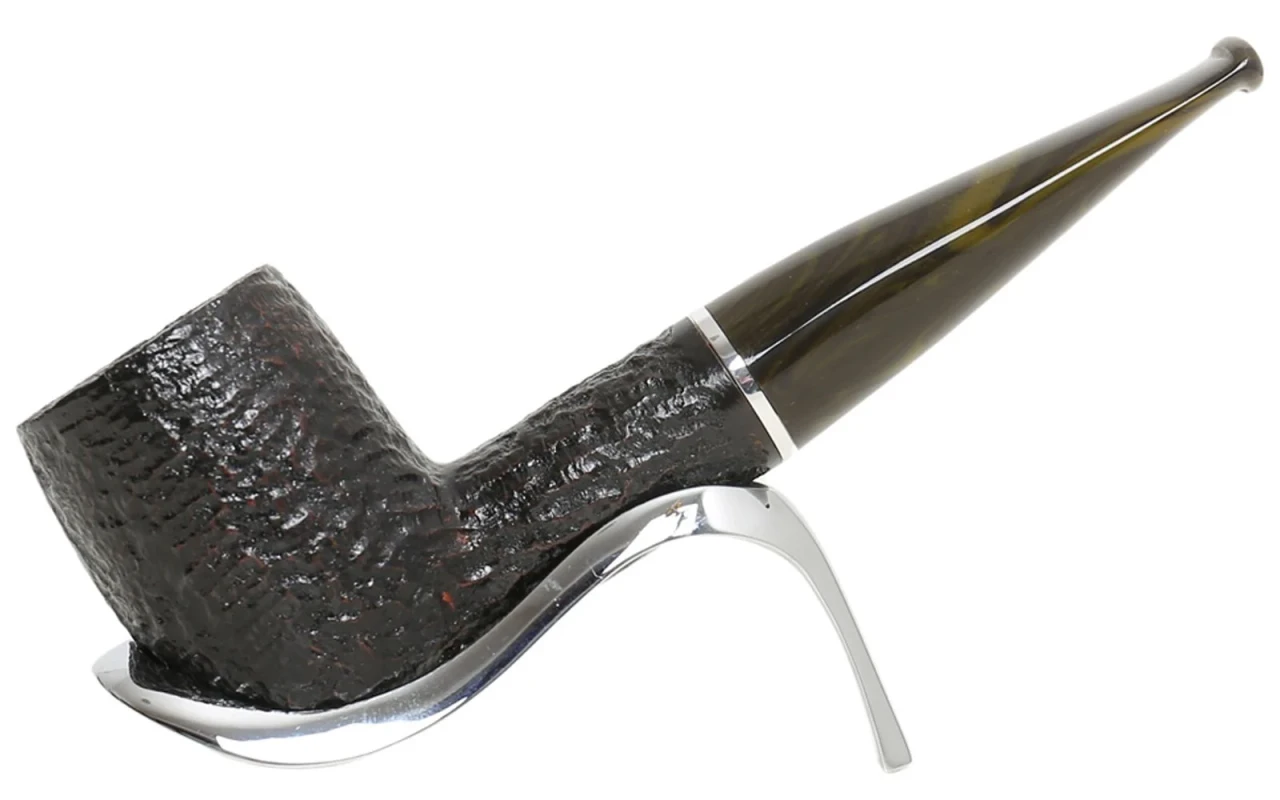
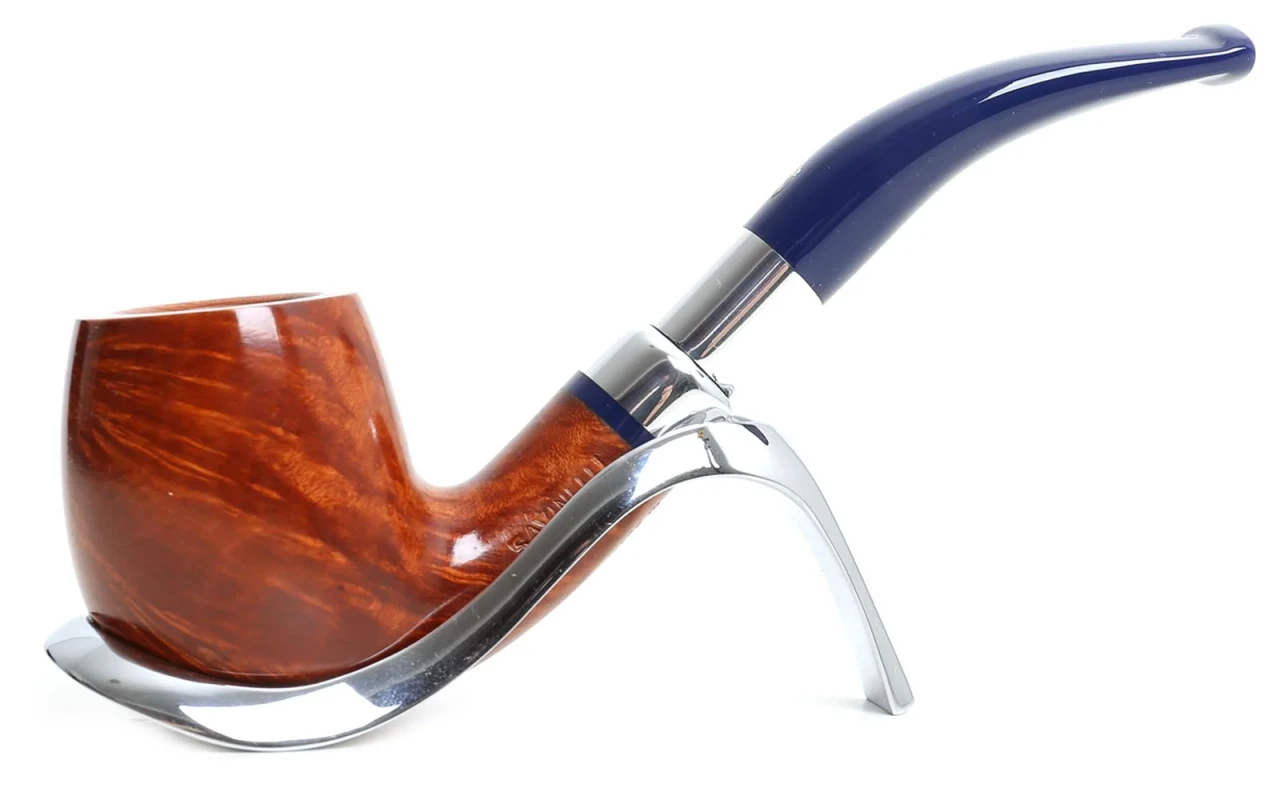
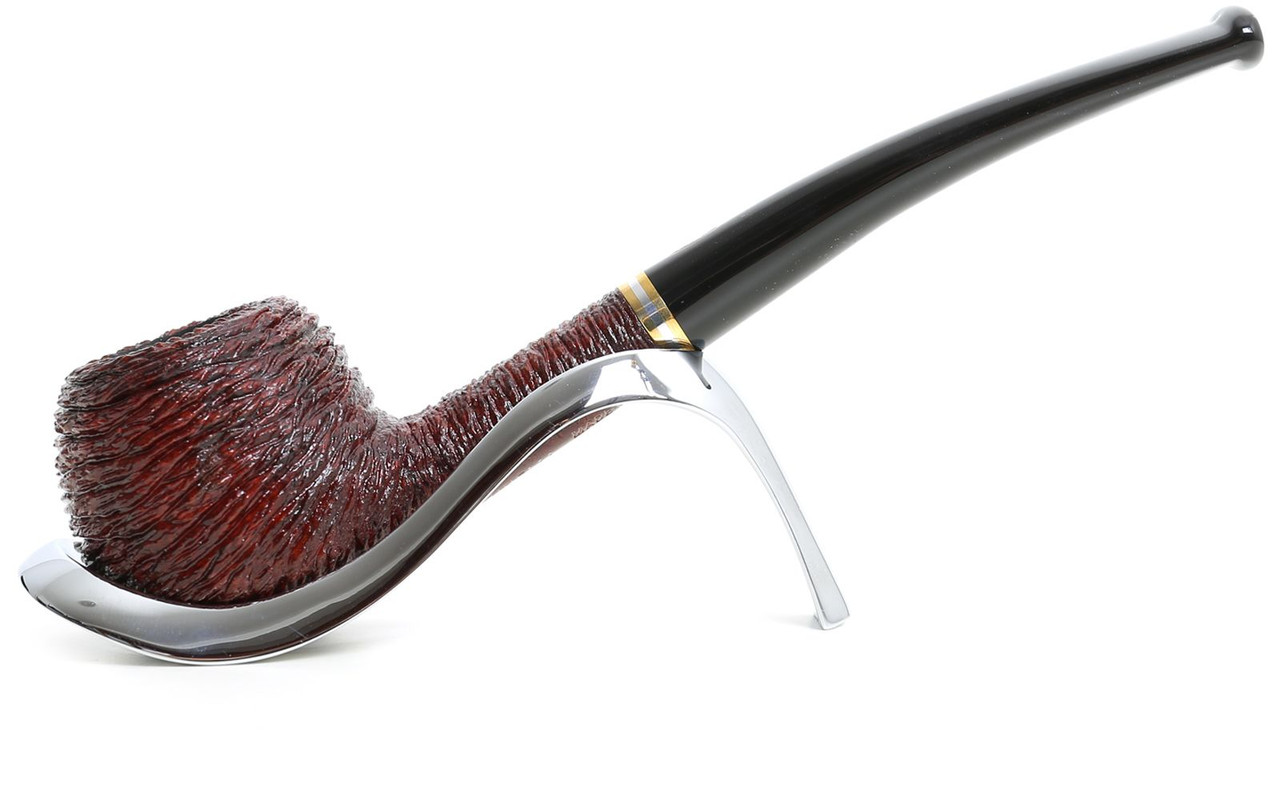
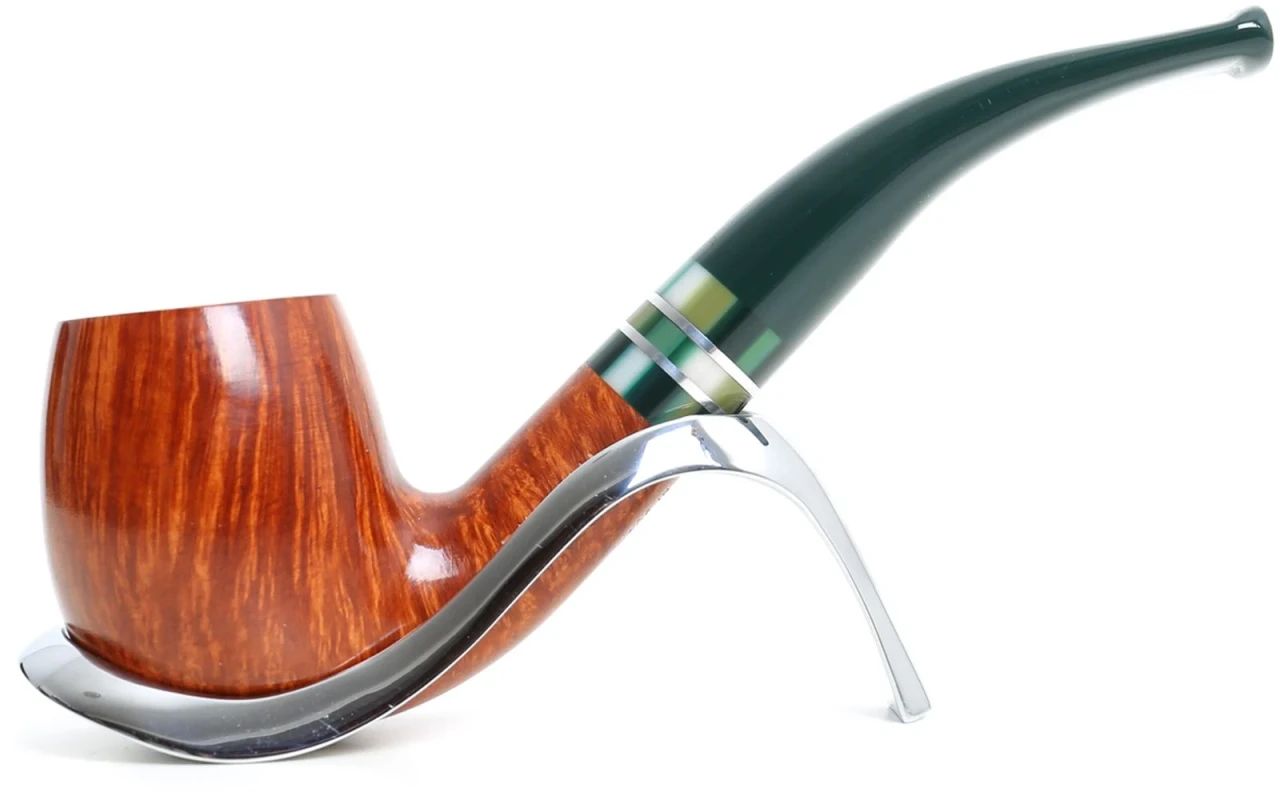
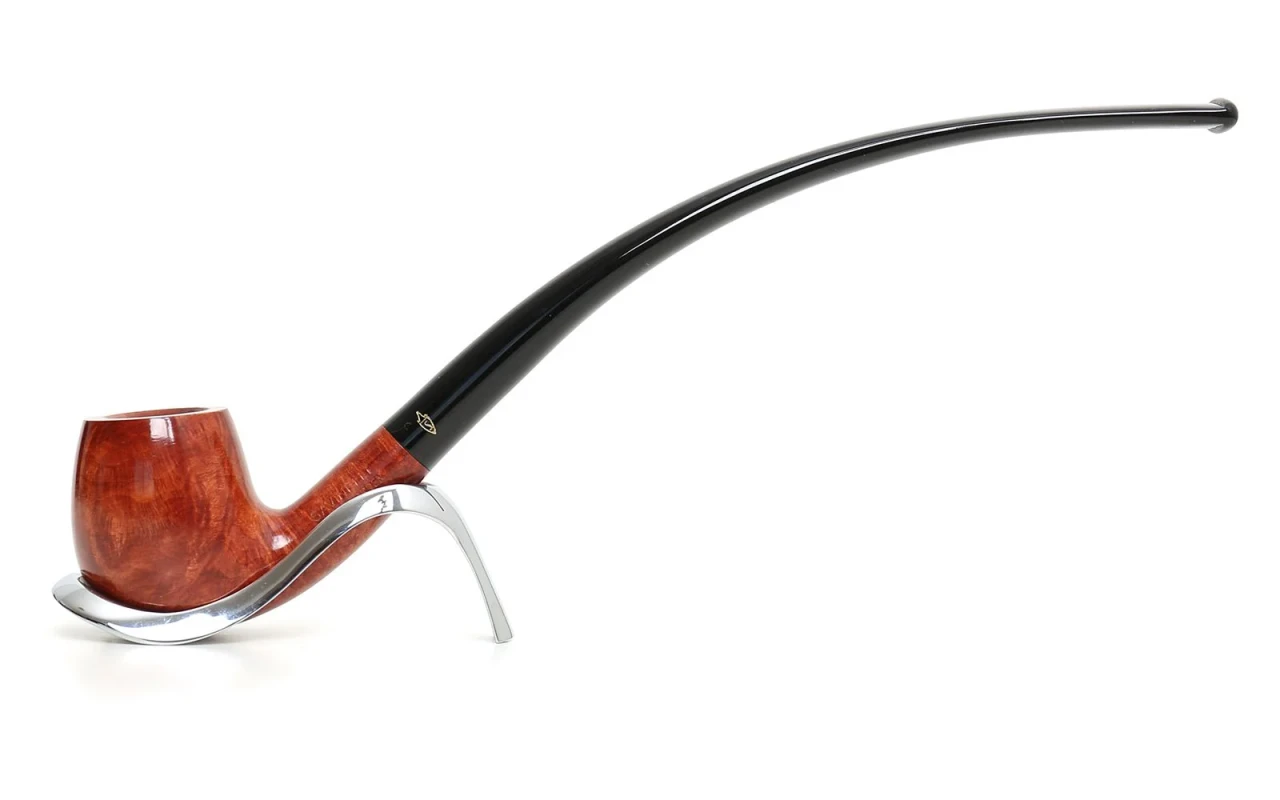
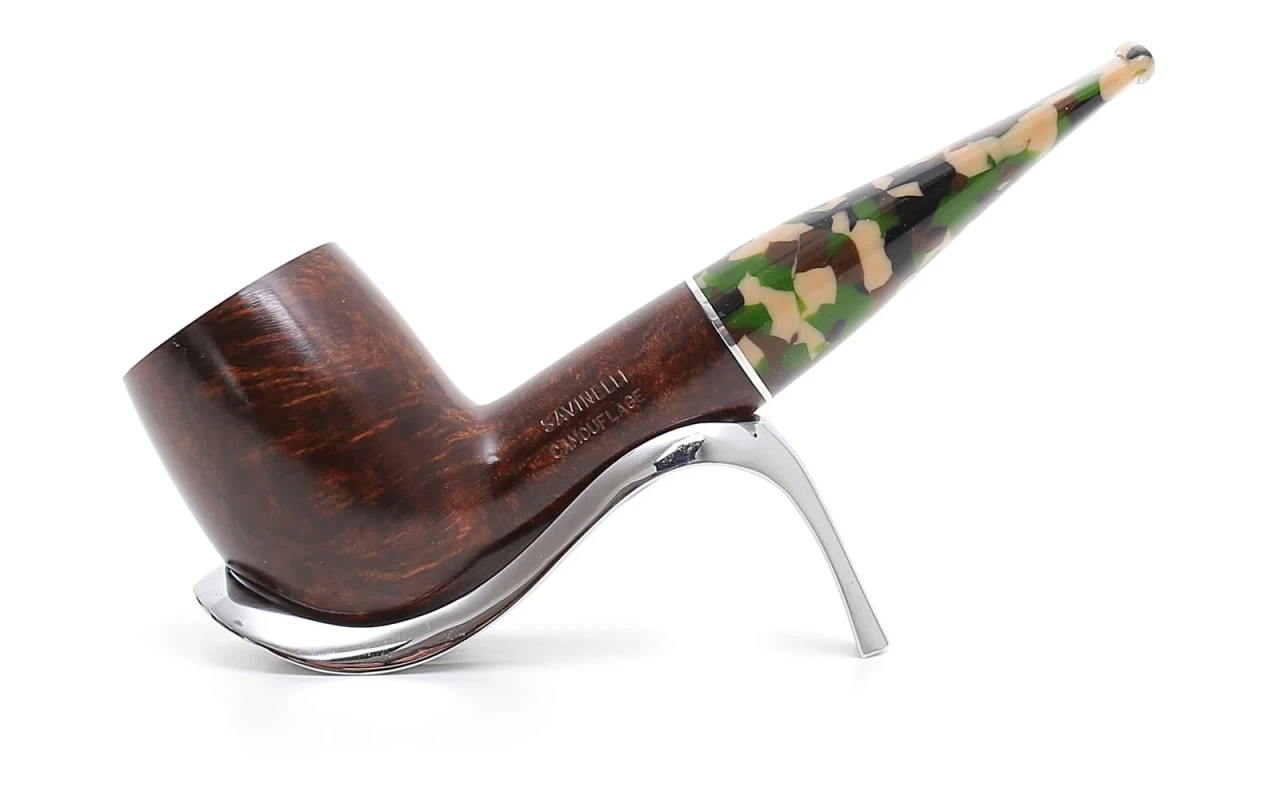
Collectible pipes have ancient origins, dating back several centuries. Initially used as tools for smoking tobacco, pipes soon became objects of value and interest for collectors and enthusiasts. The first collectible pipes were handcrafted using materials such as clay, wood, or briar. Over time, collectible pipes have taken on increasingly diverse shapes and styles, evolving into true works of art. Today, collectible pipes represent a historical and cultural testimony of the pipe smoking world, appreciated for both their design and historical value.
History of collectible pipes
Collectible pipes have a fascinating history that dates back several centuries. Initially used as tools for smoking tobacco, pipes have become objects of worship for many enthusiasts. The first collectible pipes date back to the 17th century in Europe, when they were made with precious materials such as ivory or amber. Over the centuries, collectible pipes have evolved into true works of art, with elaborate decorations and refined details. Today, collectible pipes are sought after for both their historical value and their aesthetic beauty, representing an important part of pipe smoking culture.
Materials for collectible pipes
The most common materials for collectible pipes are wood, briar root, clay, corn, and meerschaum. Wood is the traditional material for artisan pipes, offering various shades of color and grain patterns. Briar root is valued for its heat and flame resistance, as well as its ability to absorb smoke moisture. Clay pipes ensure a pure smoking experience, while corn pipes are lightweight and affordable. Meerschaum pipes are sought after for their ability to absorb nicotine and flavors, developing a unique patina over time.
Evaluation of collectible pipes
Collectible pipes are evaluated based on various factors, including the brand, material, craftsmanship, and condition. Pipes made by renowned artisans or coming from historic brands tend to have a higher value. Precious materials like briar or ivory can significantly increase the value of a collectible pipe. Craftsmanship and details such as inlays or special finishes are appreciated by collectors. Lastly, the condition is fundamental: pipes in perfect conditions are more valued. For an accurate evaluation, it is advisable to consult experts in the field or specialized stores in collectible pipes.
'%3e%3cg id='Final-Copy-2_2_' transform='translate(1275.000000, 200.000000)'%3e%3cpath class='st0' d='M7.4,12.8h6.8l3.1-11.6H7.4C4.2,1.2,1.6,3.8,1.6,7S4.2,12.8,7.4,12.8z'/%3e%3c/g%3e%3c/g%3e%3c/g%3e%3cg id='final---dec.11-2020'%3e%3cg id='_x30_208-our-toggle' transform='translate(-1275.000000, -200.000000)'%3e%3cg id='Final-Copy-2' transform='translate(1275.000000, 200.000000)'%3e%3cpath class='st1' d='M22.6,0H7.4c-3.9,0-7,3.1-7,7s3.1,7,7,7h15.2c3.9,0,7-3.1,7-7S26.4,0,22.6,0z M1.6,7c0-3.2,2.6-5.8,5.8-5.8 h9.9l-3.1,11.6H7.4C4.2,12.8,1.6,10.2,1.6,7z'/%3e%3cpath id='x' class='st2' d='M24.6,4c0.2,0.2,0.2,0.6,0,0.8l0,0L22.5,7l2.2,2.2c0.2,0.2,0.2,0.6,0,0.8c-0.2,0.2-0.6,0.2-0.8,0 l0,0l-2.2-2.2L19.5,10c-0.2,0.2-0.6,0.2-0.8,0c-0.2-0.2-0.2-0.6,0-0.8l0,0L20.8,7l-2.2-2.2c-0.2-0.2-0.2-0.6,0-0.8 c0.2-0.2,0.6-0.2,0.8,0l0,0l2.2,2.2L23.8,4C24,3.8,24.4,3.8,24.6,4z'/%3e%3cpath id='y' class='st3' d='M12.7,4.1c0.2,0.2,0.3,0.6,0.1,0.8l0,0L8.6,9.8C8.5,9.9,8.4,10,8.3,10c-0.2,0.1-0.5,0.1-0.7-0.1l0,0 L5.4,7.7c-0.2-0.2-0.2-0.6,0-0.8c0.2-0.2,0.6-0.2,0.8,0l0,0L8,8.6l3.8-4.5C12,3.9,12.4,3.9,12.7,4.1z'/%3e%3c/g%3e%3c/g%3e%3c/g%3e%3c/g%3e%3c/svg%3e) Your Privacy Choices
Your Privacy Choices 


