 EN
EN IT
IT DE
DE
Origins and Features of the “Chimney” Pipe
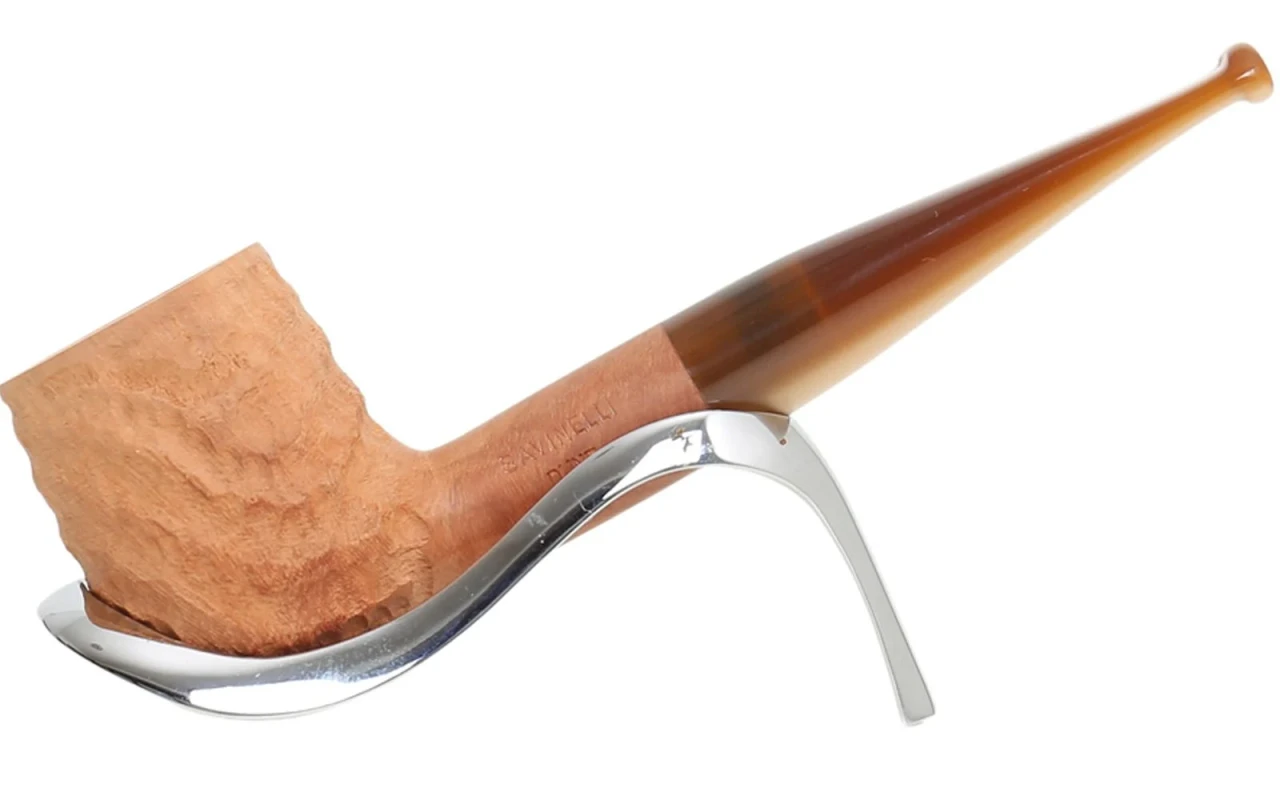
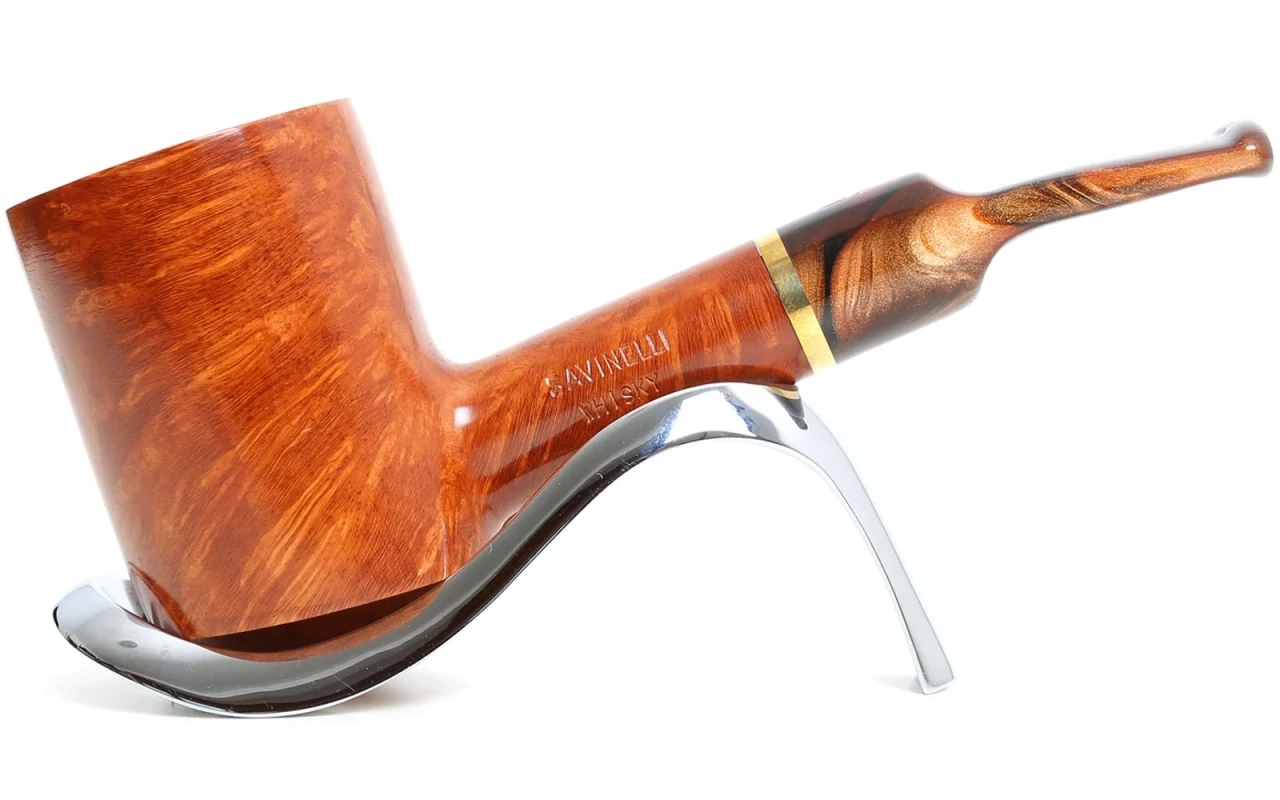
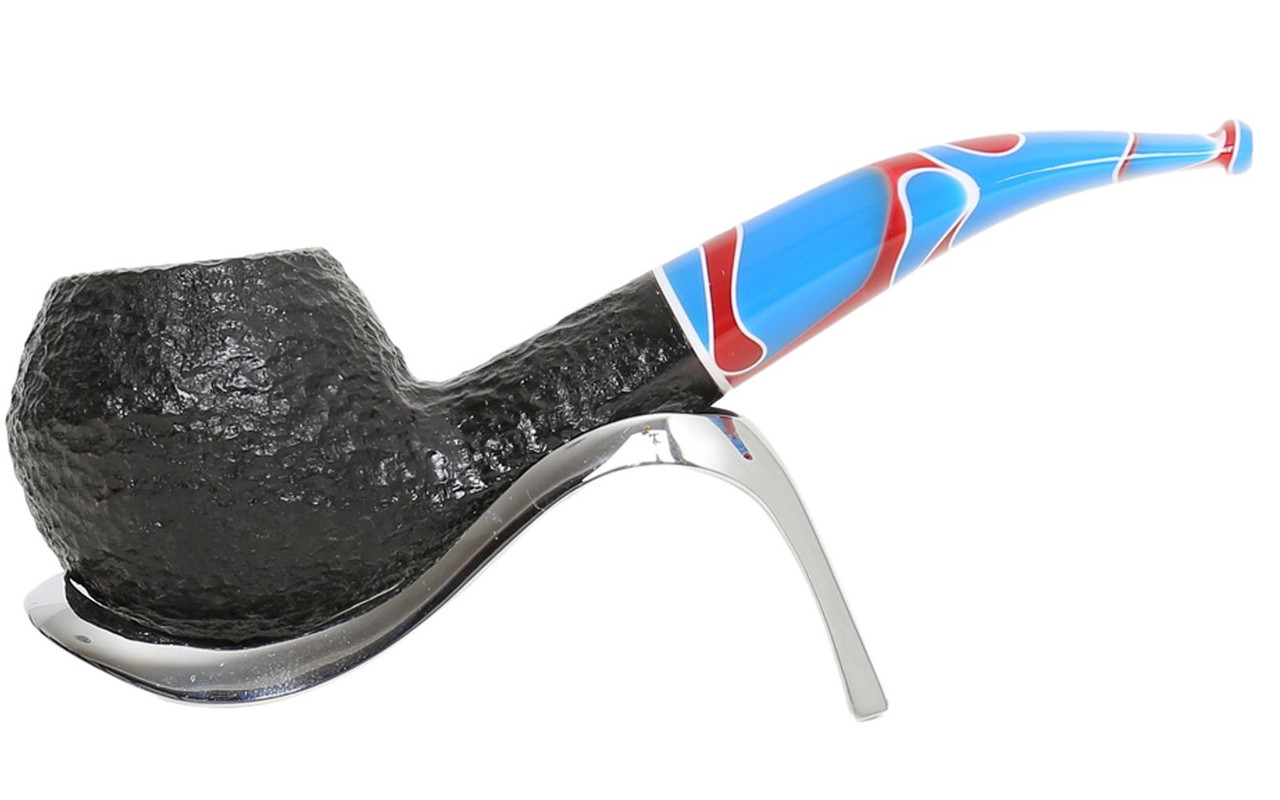
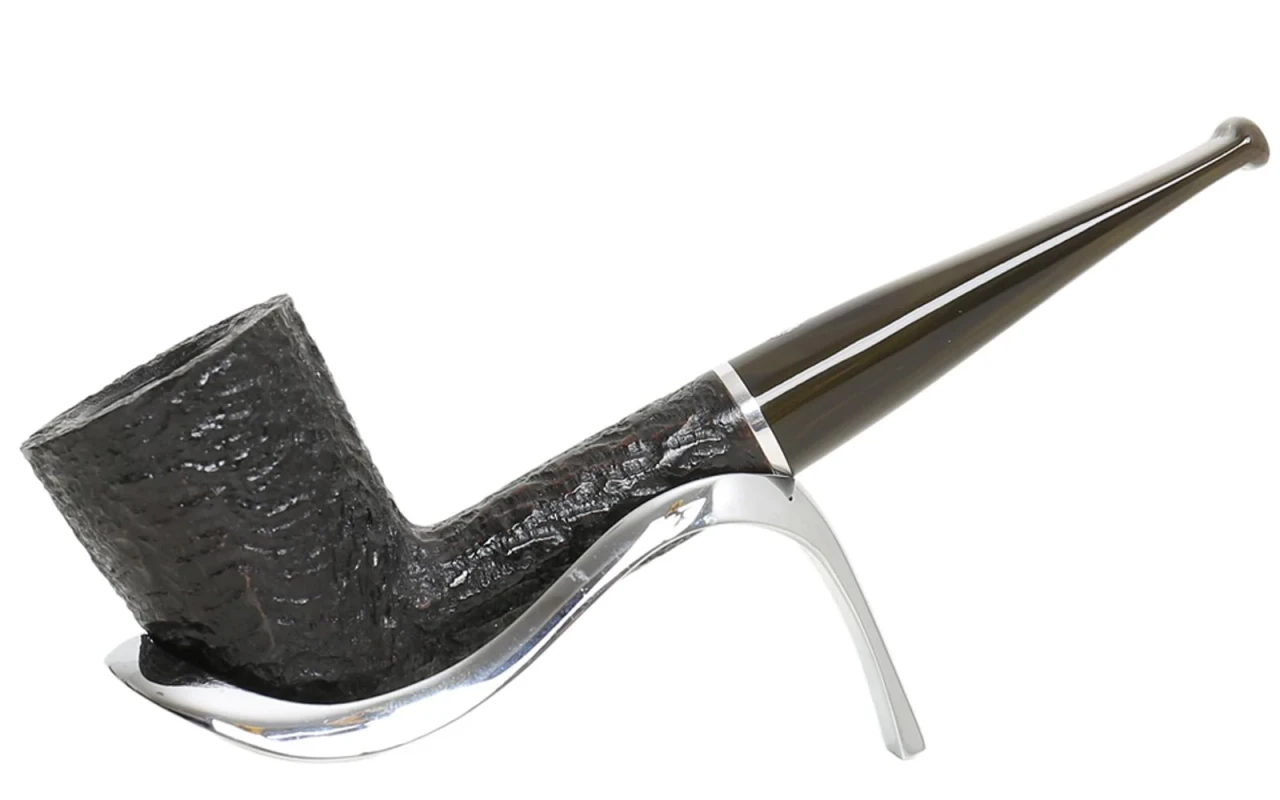
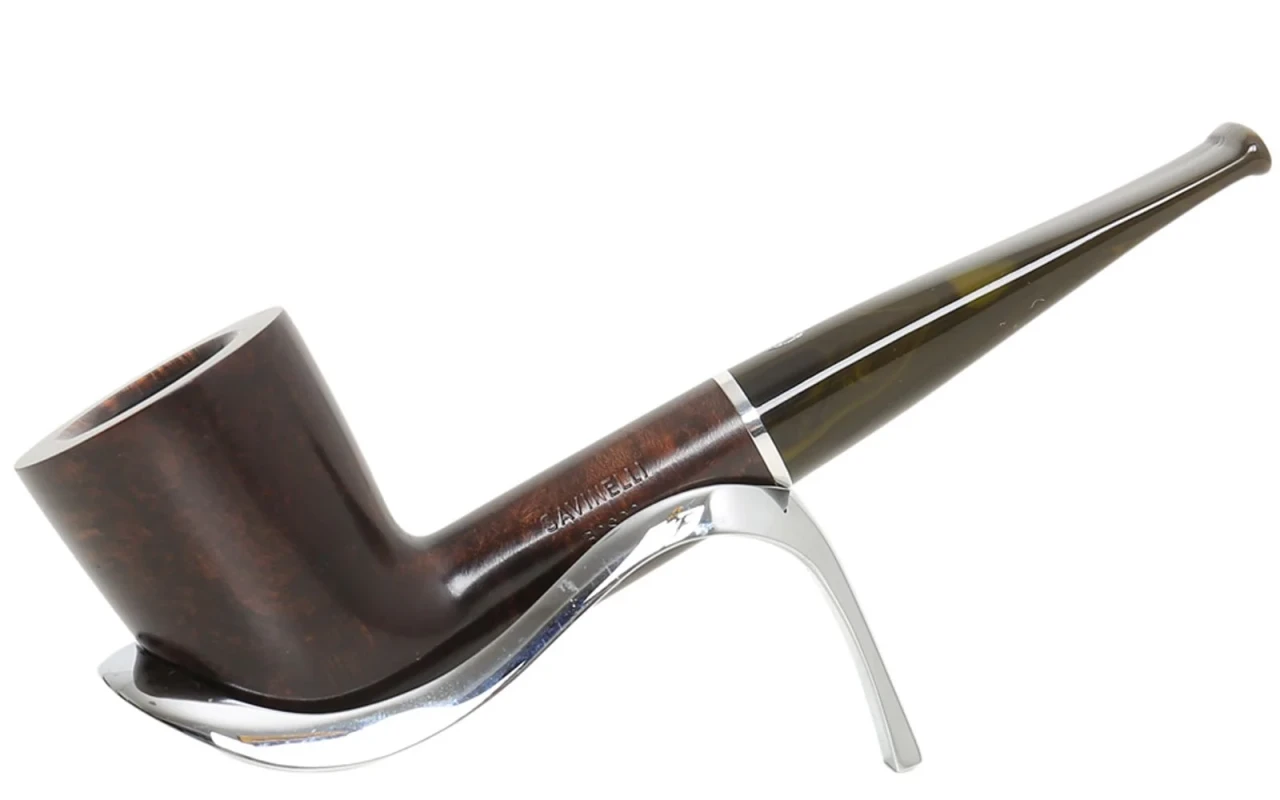
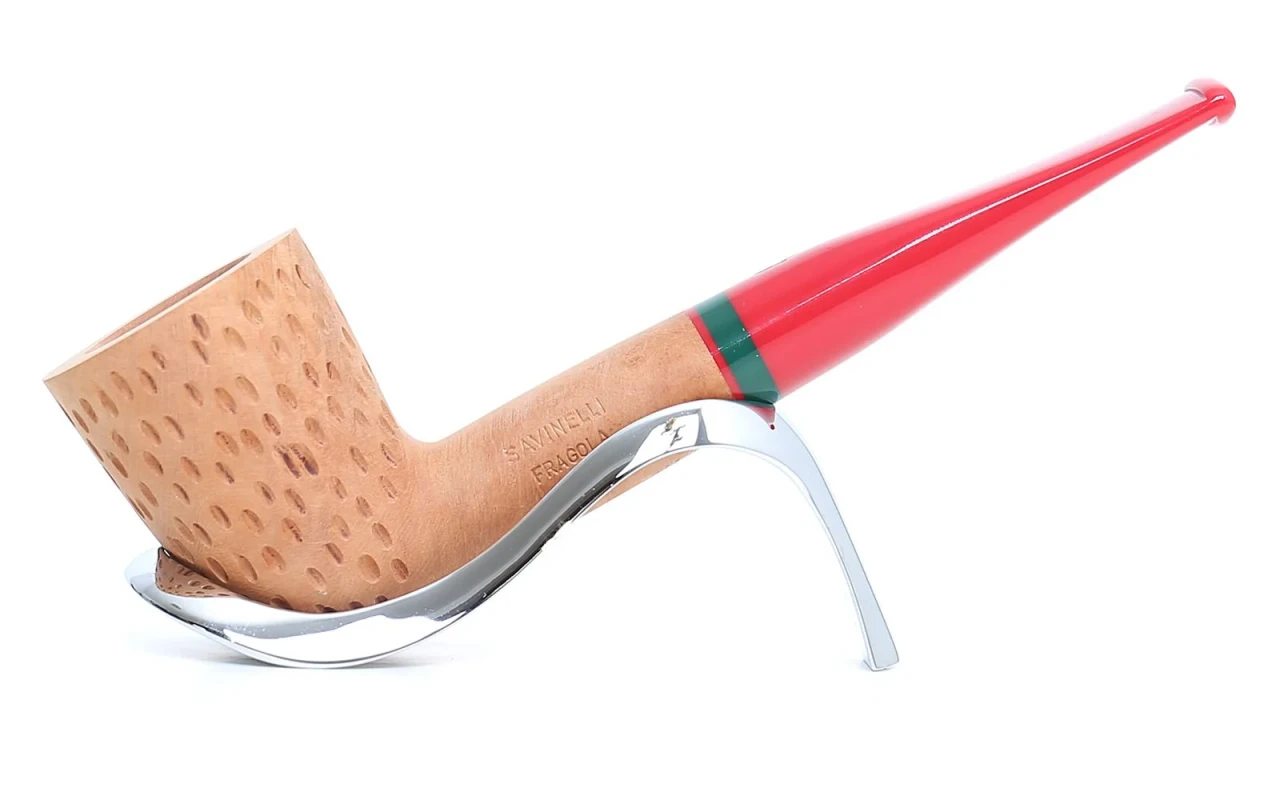
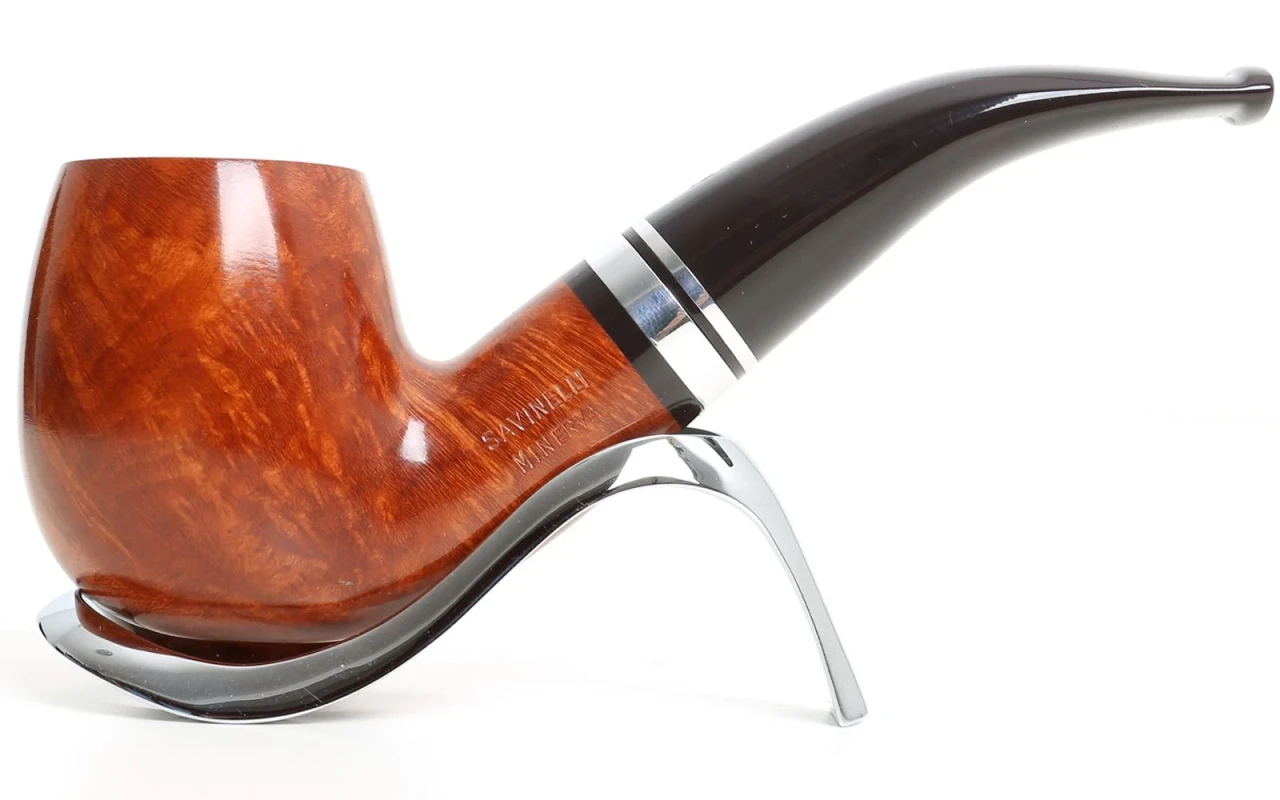
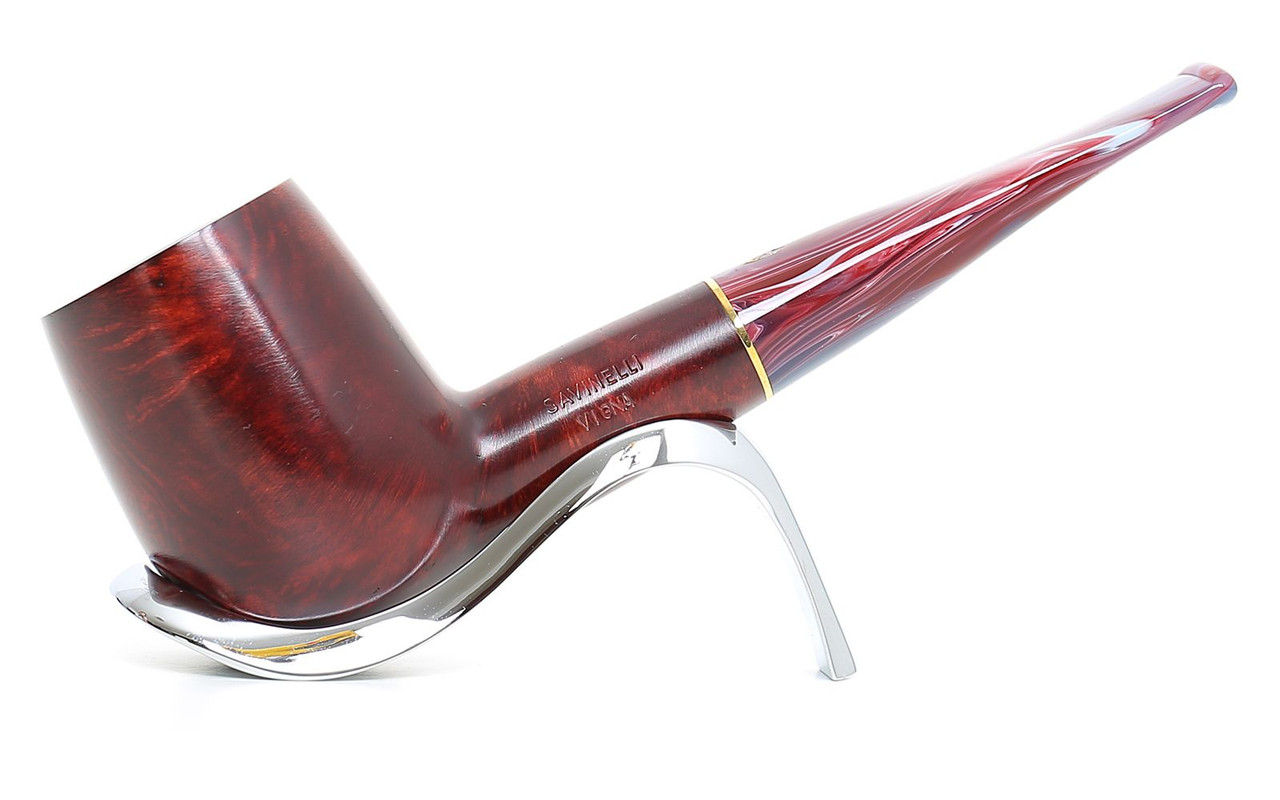
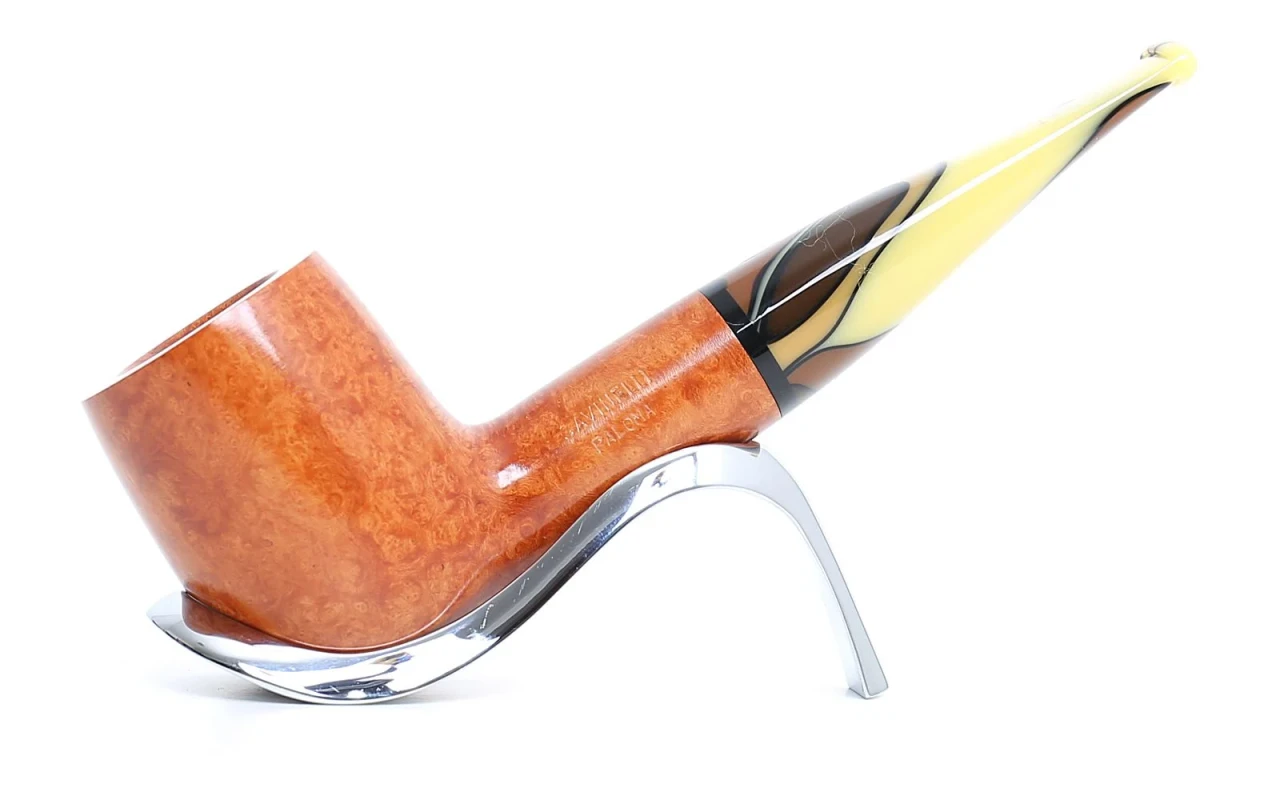
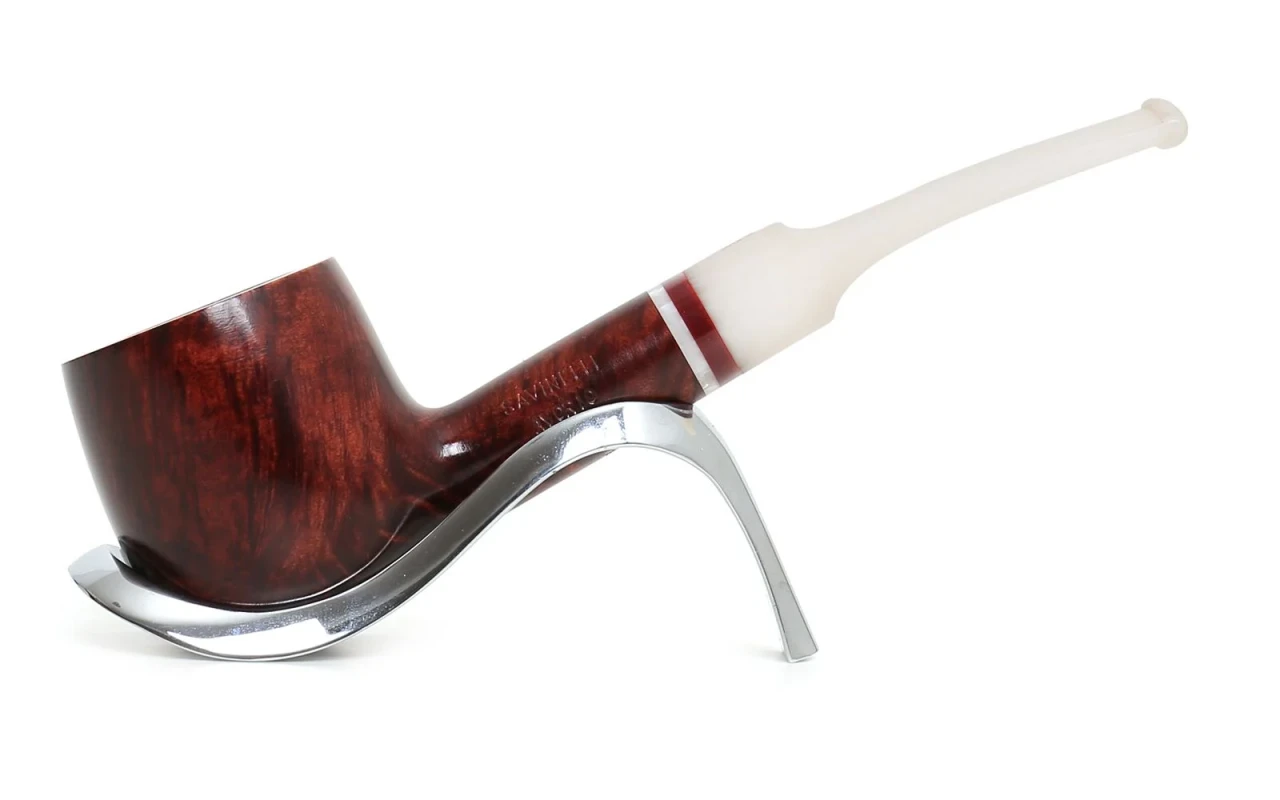
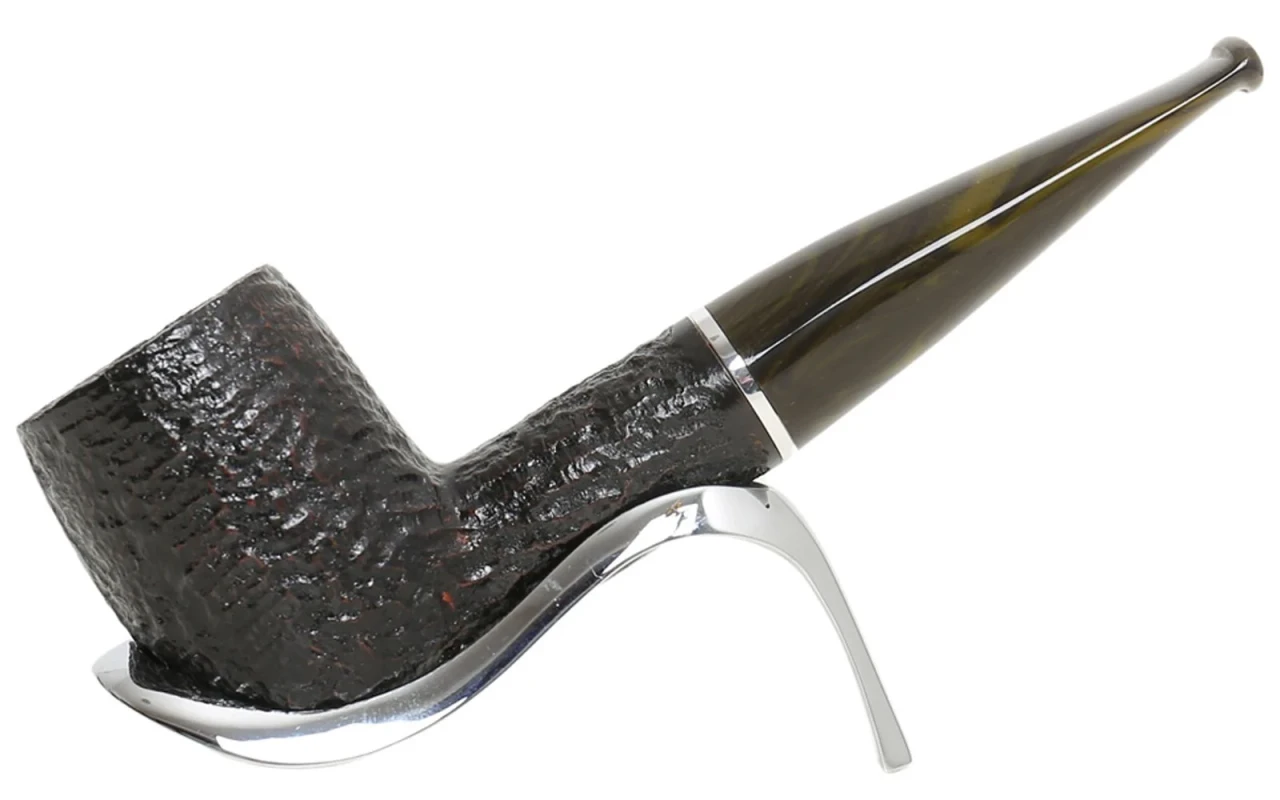
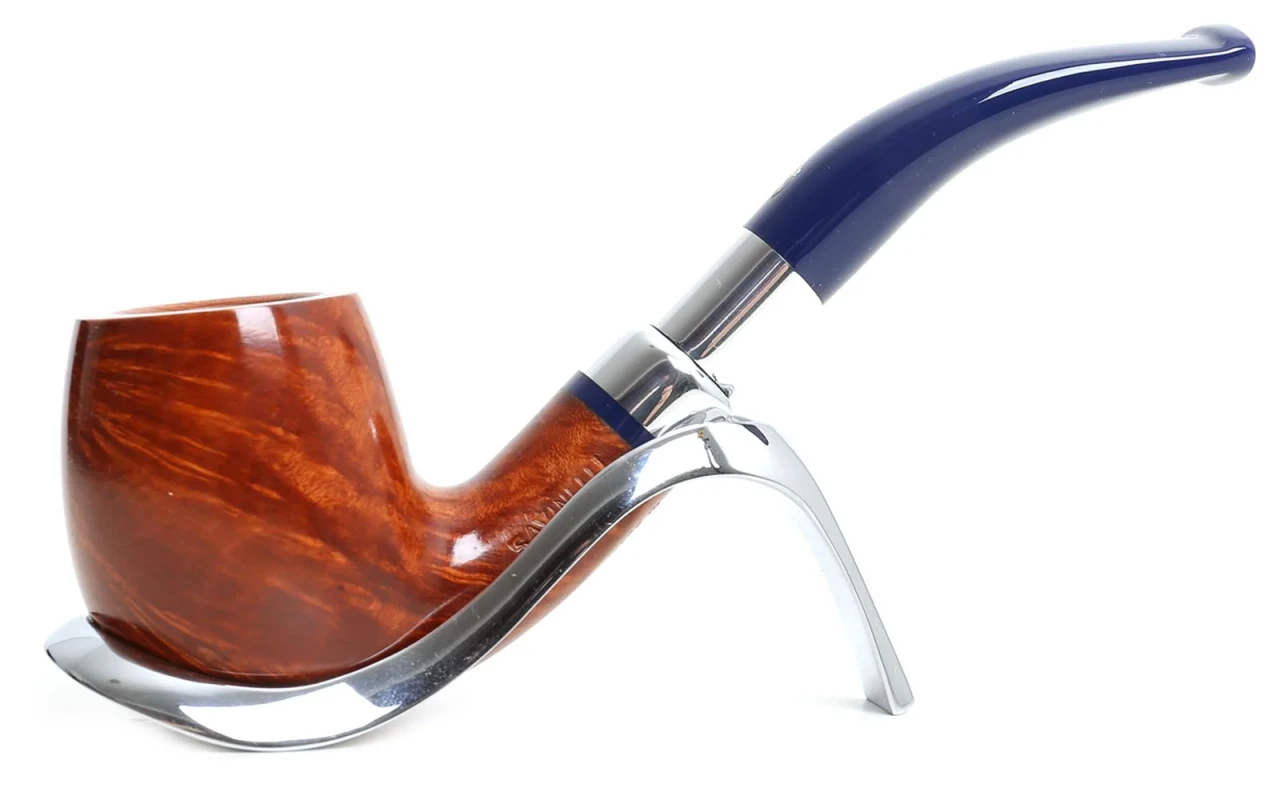
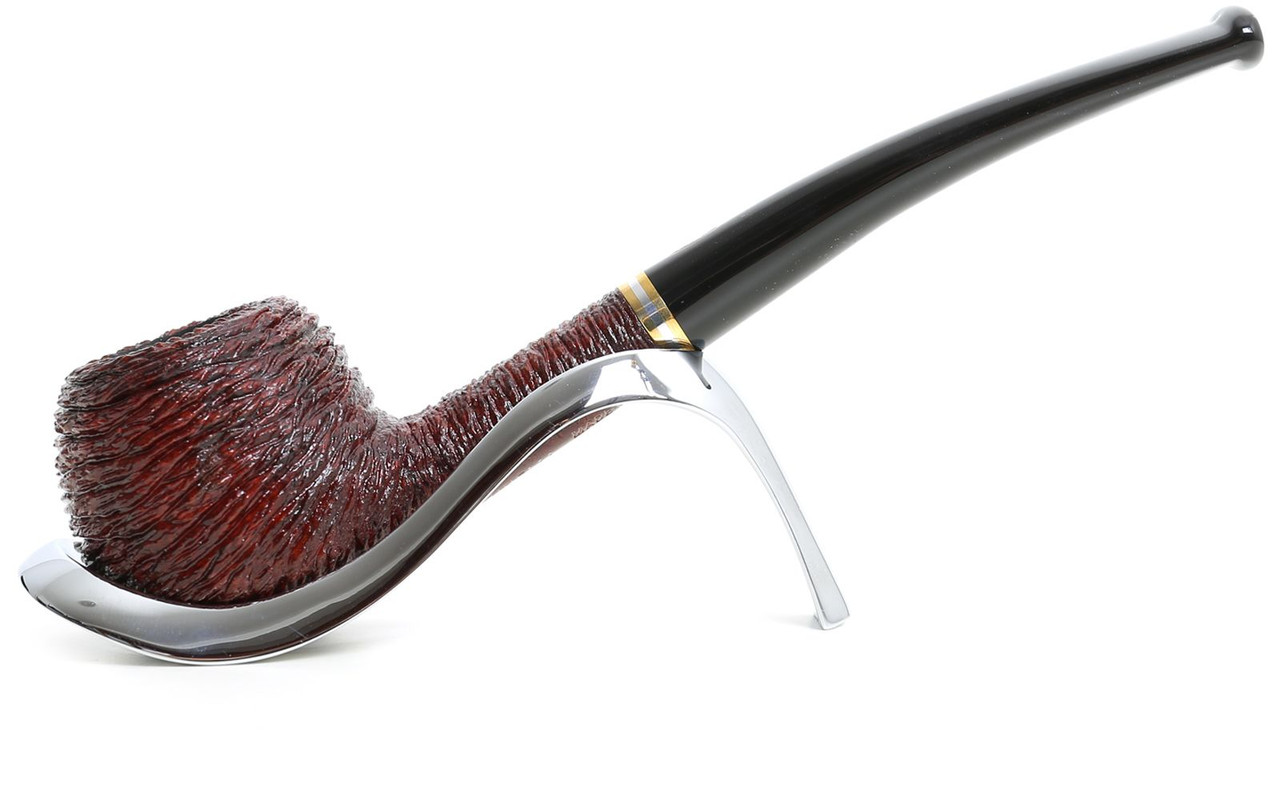
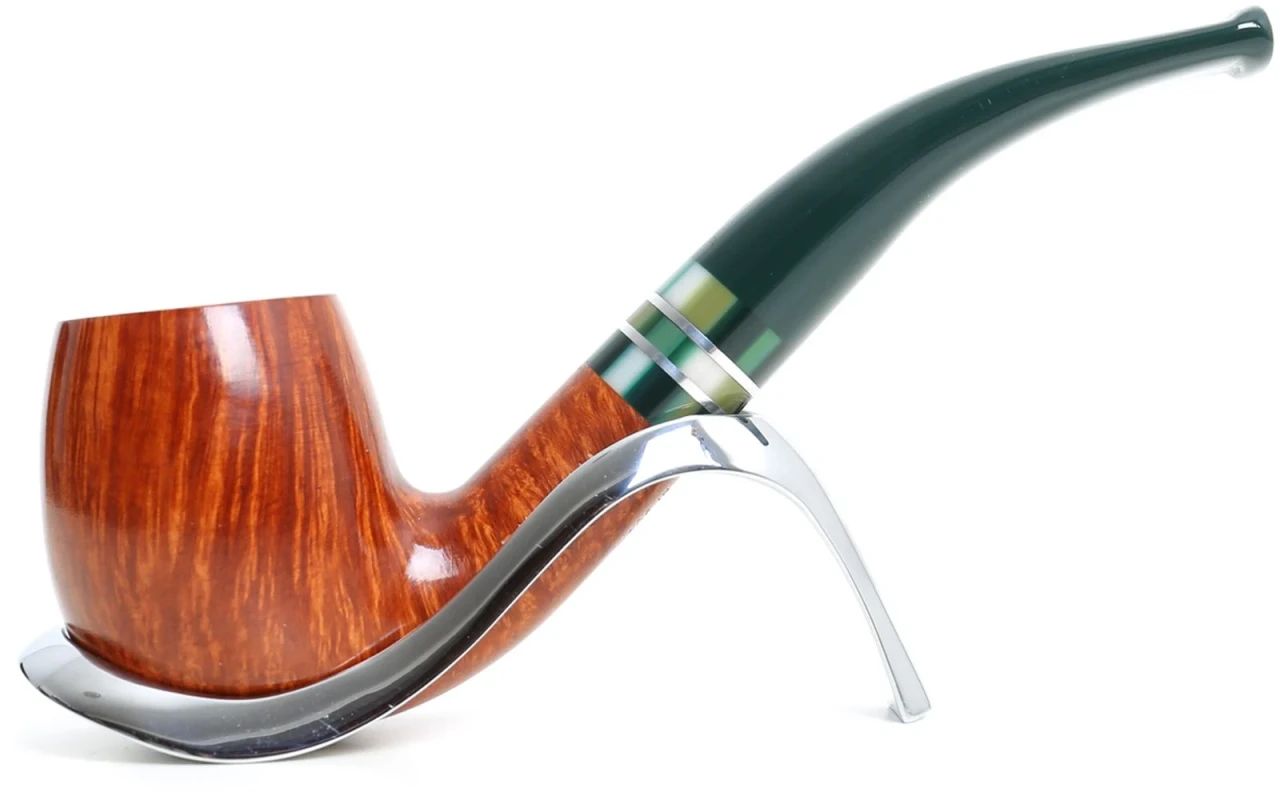
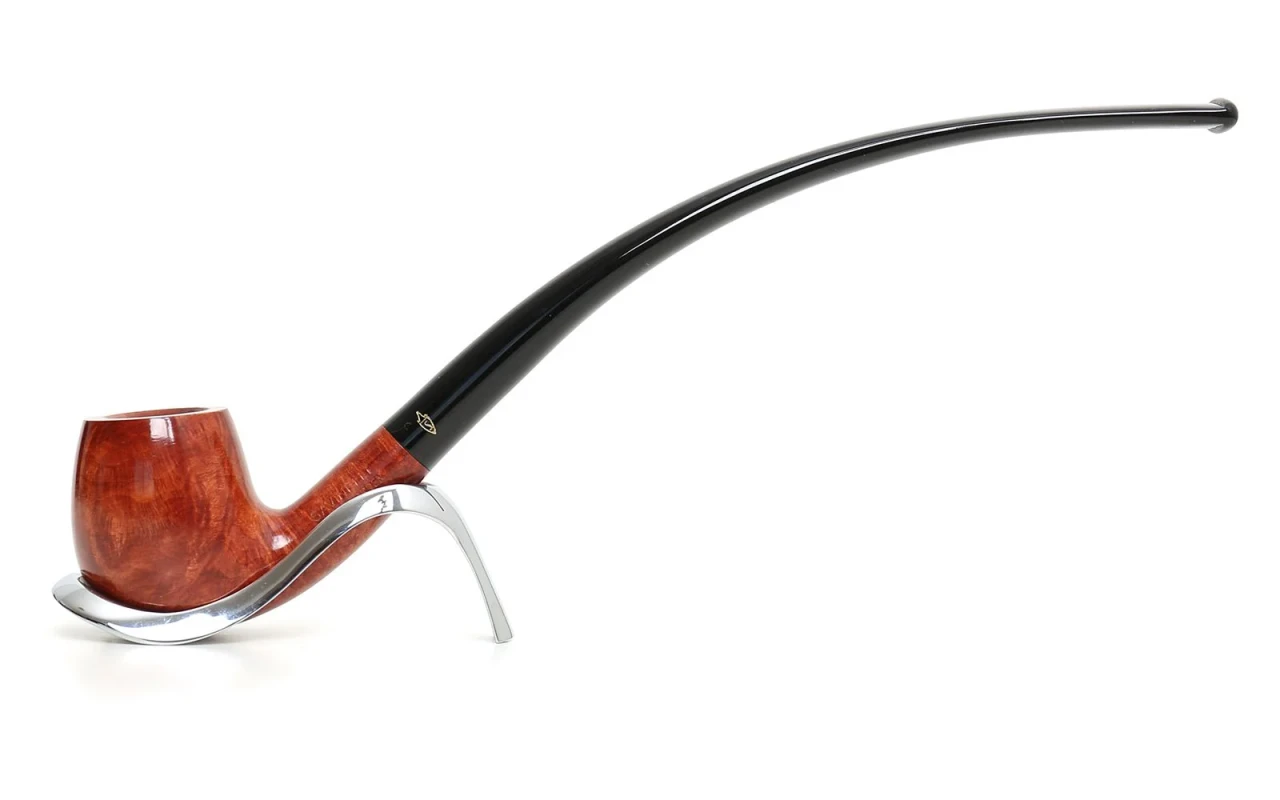

Origins and Features of the "Chimney" Pipe
The "Chimney" pipe is a traditional pipe model characterized by a tall and slender stem with a deep combustion chamber. This particular design allows for a cooler and drier smoke compared to other types of pipes. The origins of the "Chimney" pipe date back to the 19th century in England, where it became popular among pipe tobacco aficionados. The slender shape of the stem promotes optimal smoke cooling, allowing the smoker to fully appreciate the tobacco flavor. The "Chimney" pipe is still valued today for its elegance and the superior performance it offers during tobacco tasting.
PIPE CHIMNEY
A "pipe chimney" is an essential element in the world of pipes. It is a fundamental part of the pipe itself, through which the pipe smoke is channeled and exits. The pipe chimney plays a crucial role in ensuring proper air circulation and ensuring correct tobacco combustion. It is essential that the chimney is well-designed and made with quality materials to guarantee an optimal smoking experience. Furthermore, proper maintenance of the pipe chimney is crucial to preserve the performance and longevity of the pipe over time.
Types of Chimney Pipes
Chimney pipes are a particular type of smoking pipes characterized by a slender and elongated shape, with a thin stem and a wide combustion chamber. This design enhances a cooler and drier smoking experience compared to other pipes. Chimney pipes are appreciated by smokers for the aromatic yield of the tobaccos used and for the ability to keep the smoke cooler thanks to the long stem. There are different variants of Chimney pipes, including the "Dublin Chimney" and the "Billiard Chimney", each with specific features that influence the way tobacco is burned and smoke is drawn.
Chimney Pipe Maintenance
Maintaining your Chimney pipe is essential to ensure optimal performance and prolong its lifespan over time. Here are some useful tips:- Regular cleaning: remove pipe smoke and tobacco residues using a specific pipe cleaner.- Thorough drying: after cleaning, make sure the pipe is completely dry before using it again.- Checking conditions: periodically check the pipe's condition to identify any damage or wear.- Proper storage: store the pipe in a cool, dry place, preferably in a dedicated pipe rack.By following these simple practices, you can enjoy your Chimney pipe for a long time.
Materials for Chimney pipe
Materials for Chimney pipes are essential to ensure a good smoking experience. This type of pipe requires high-quality materials to achieve optimal performance. Typically, Chimney pipes are made with briar wood, a wood particularly suitable for pipe construction due to its heat resistance and ability to absorb smoke moisture. Furthermore, some models may feature metal inserts or other materials to enhance resistance and durability over time. It is important to choose high-quality materials to ensure a pleasant and long-lasting smoking experience.
'%3e%3cg id='Final-Copy-2_2_' transform='translate(1275.000000, 200.000000)'%3e%3cpath class='st0' d='M7.4,12.8h6.8l3.1-11.6H7.4C4.2,1.2,1.6,3.8,1.6,7S4.2,12.8,7.4,12.8z'/%3e%3c/g%3e%3c/g%3e%3c/g%3e%3cg id='final---dec.11-2020'%3e%3cg id='_x30_208-our-toggle' transform='translate(-1275.000000, -200.000000)'%3e%3cg id='Final-Copy-2' transform='translate(1275.000000, 200.000000)'%3e%3cpath class='st1' d='M22.6,0H7.4c-3.9,0-7,3.1-7,7s3.1,7,7,7h15.2c3.9,0,7-3.1,7-7S26.4,0,22.6,0z M1.6,7c0-3.2,2.6-5.8,5.8-5.8 h9.9l-3.1,11.6H7.4C4.2,12.8,1.6,10.2,1.6,7z'/%3e%3cpath id='x' class='st2' d='M24.6,4c0.2,0.2,0.2,0.6,0,0.8l0,0L22.5,7l2.2,2.2c0.2,0.2,0.2,0.6,0,0.8c-0.2,0.2-0.6,0.2-0.8,0 l0,0l-2.2-2.2L19.5,10c-0.2,0.2-0.6,0.2-0.8,0c-0.2-0.2-0.2-0.6,0-0.8l0,0L20.8,7l-2.2-2.2c-0.2-0.2-0.2-0.6,0-0.8 c0.2-0.2,0.6-0.2,0.8,0l0,0l2.2,2.2L23.8,4C24,3.8,24.4,3.8,24.6,4z'/%3e%3cpath id='y' class='st3' d='M12.7,4.1c0.2,0.2,0.3,0.6,0.1,0.8l0,0L8.6,9.8C8.5,9.9,8.4,10,8.3,10c-0.2,0.1-0.5,0.1-0.7-0.1l0,0 L5.4,7.7c-0.2-0.2-0.2-0.6,0-0.8c0.2-0.2,0.6-0.2,0.8,0l0,0L8,8.6l3.8-4.5C12,3.9,12.4,3.9,12.7,4.1z'/%3e%3c/g%3e%3c/g%3e%3c/g%3e%3c/g%3e%3c/svg%3e) Your Privacy Choices
Your Privacy Choices 


