 ES
ES FR
FR EN
EN IT
IT DE
DE
Origins and Evolution of Smoking Pipes
Origins and Evolution of Smoking Pipes
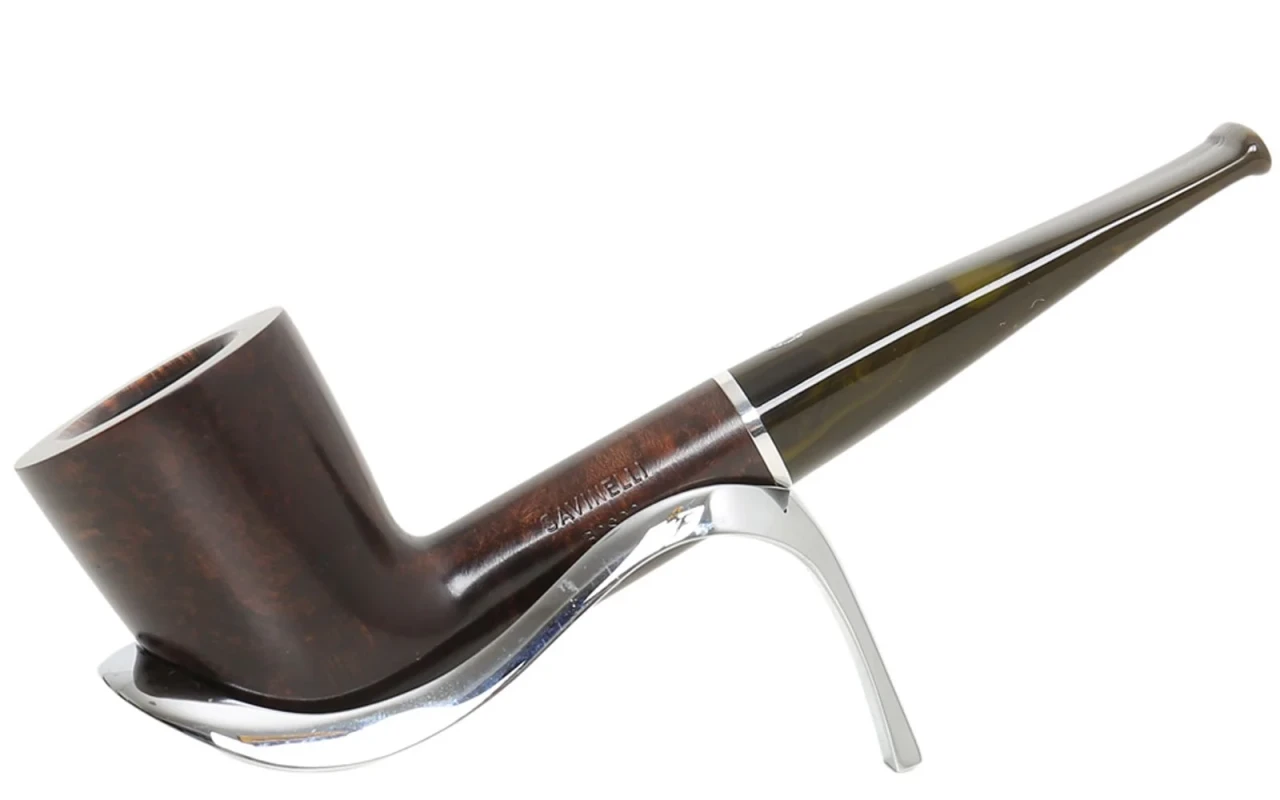
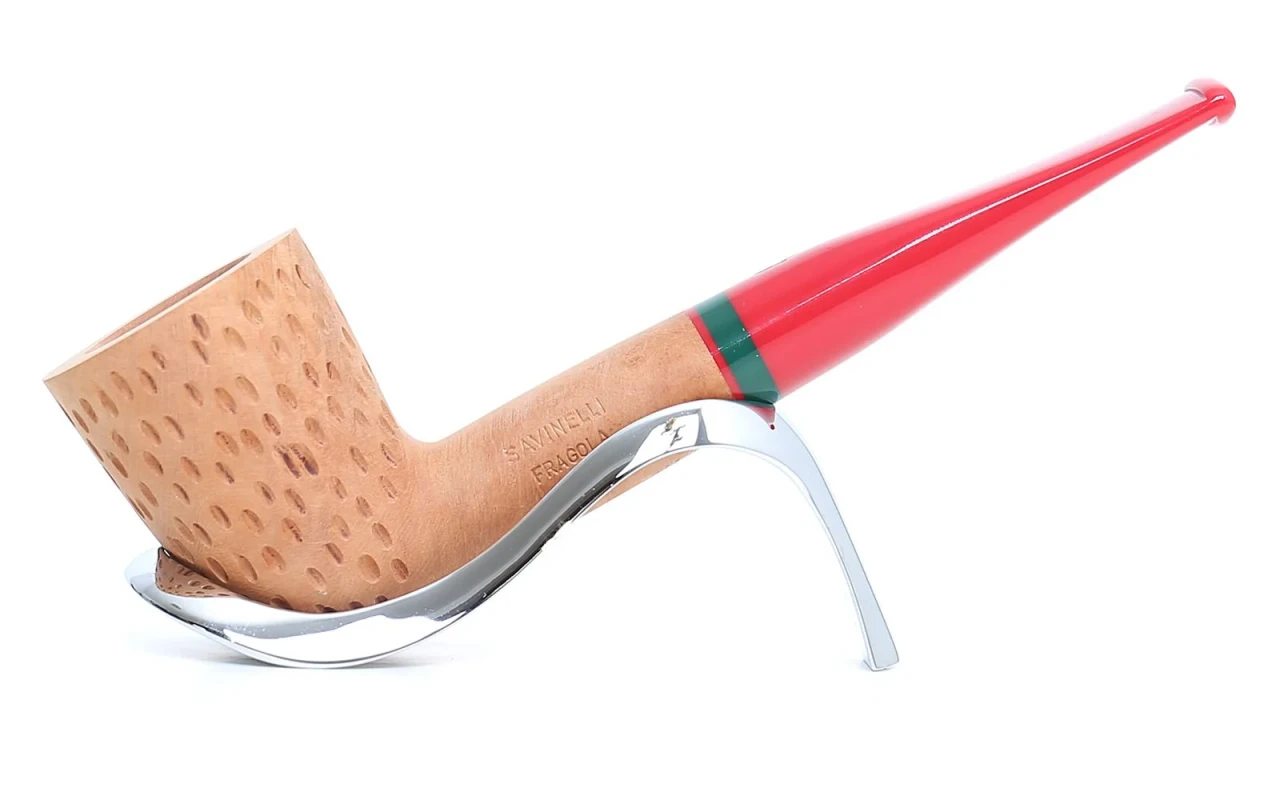
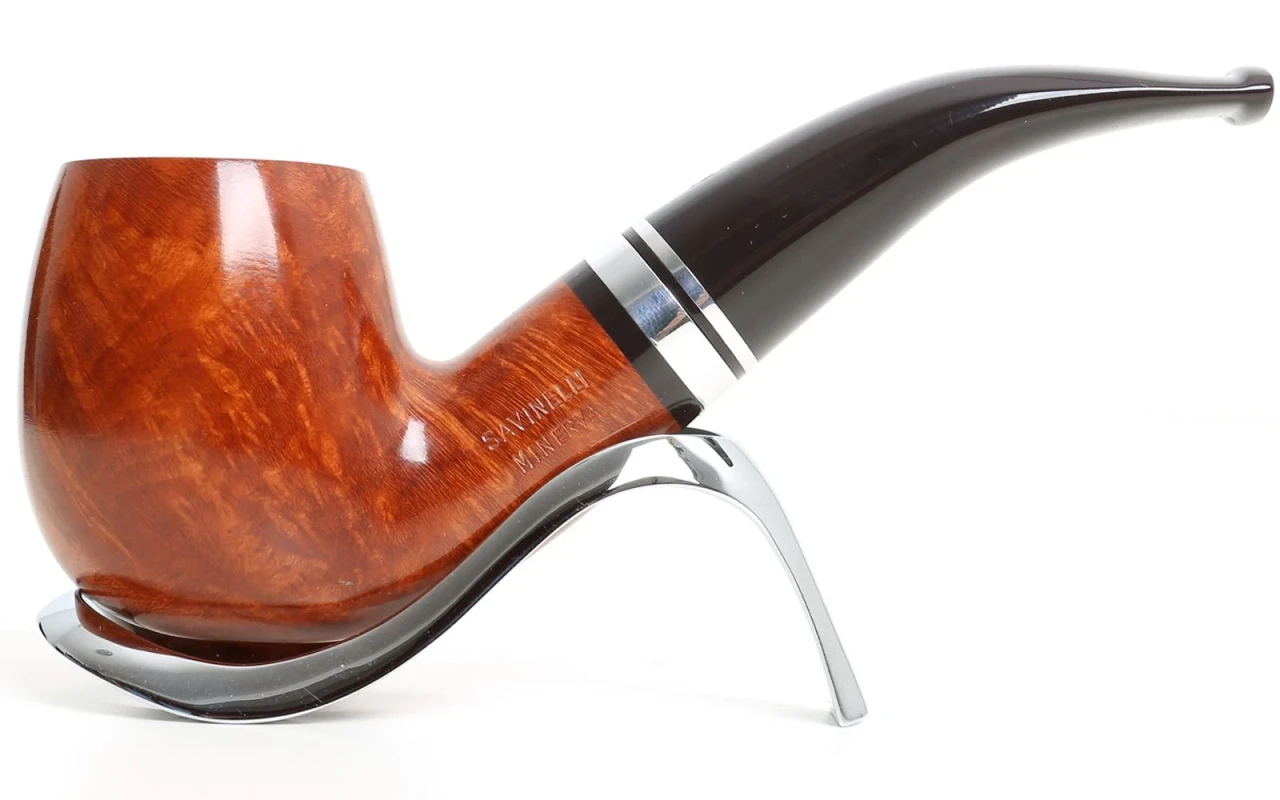
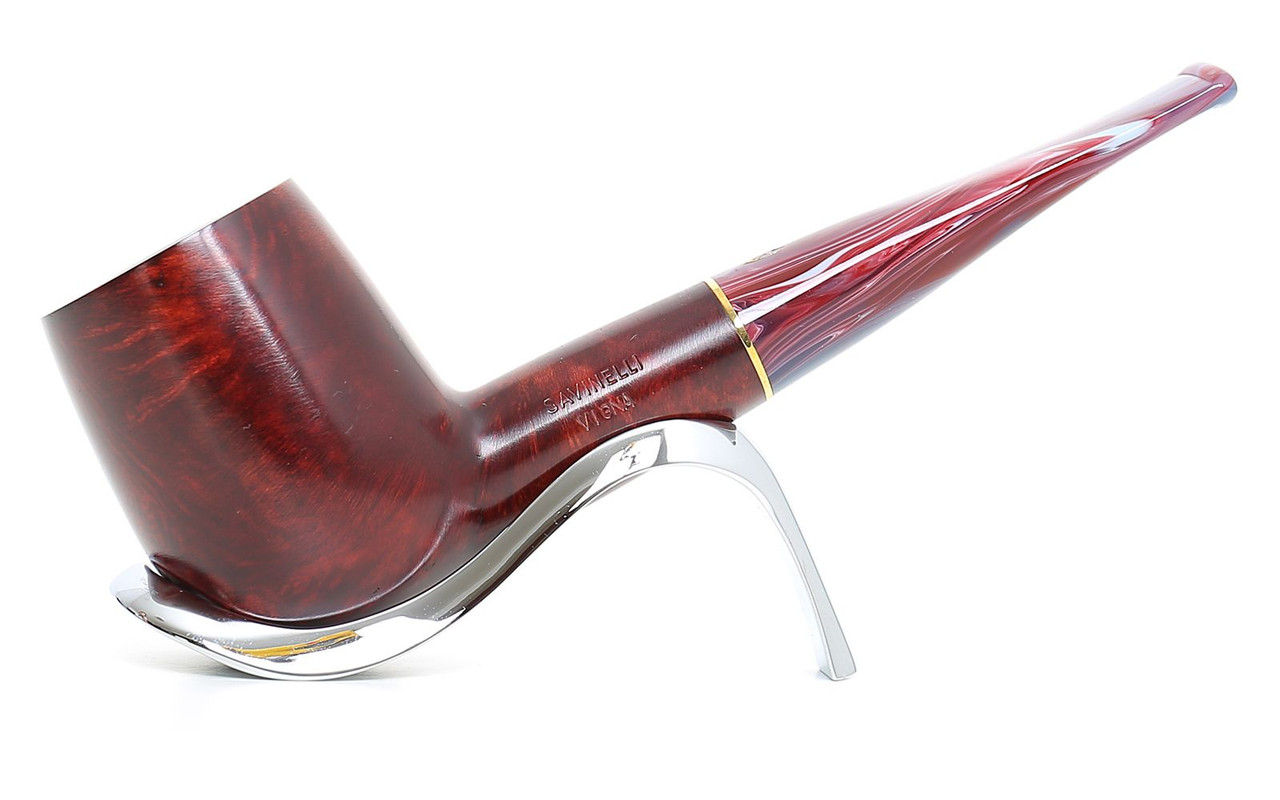
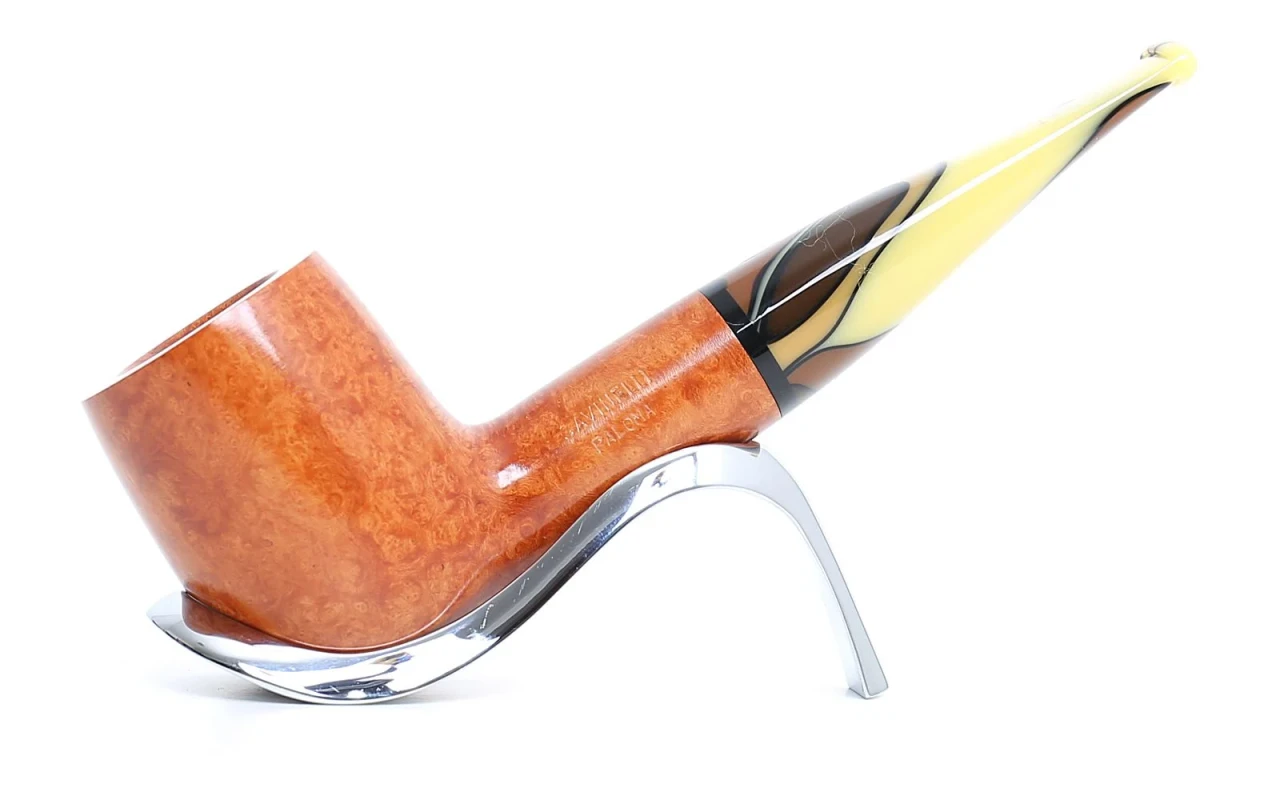
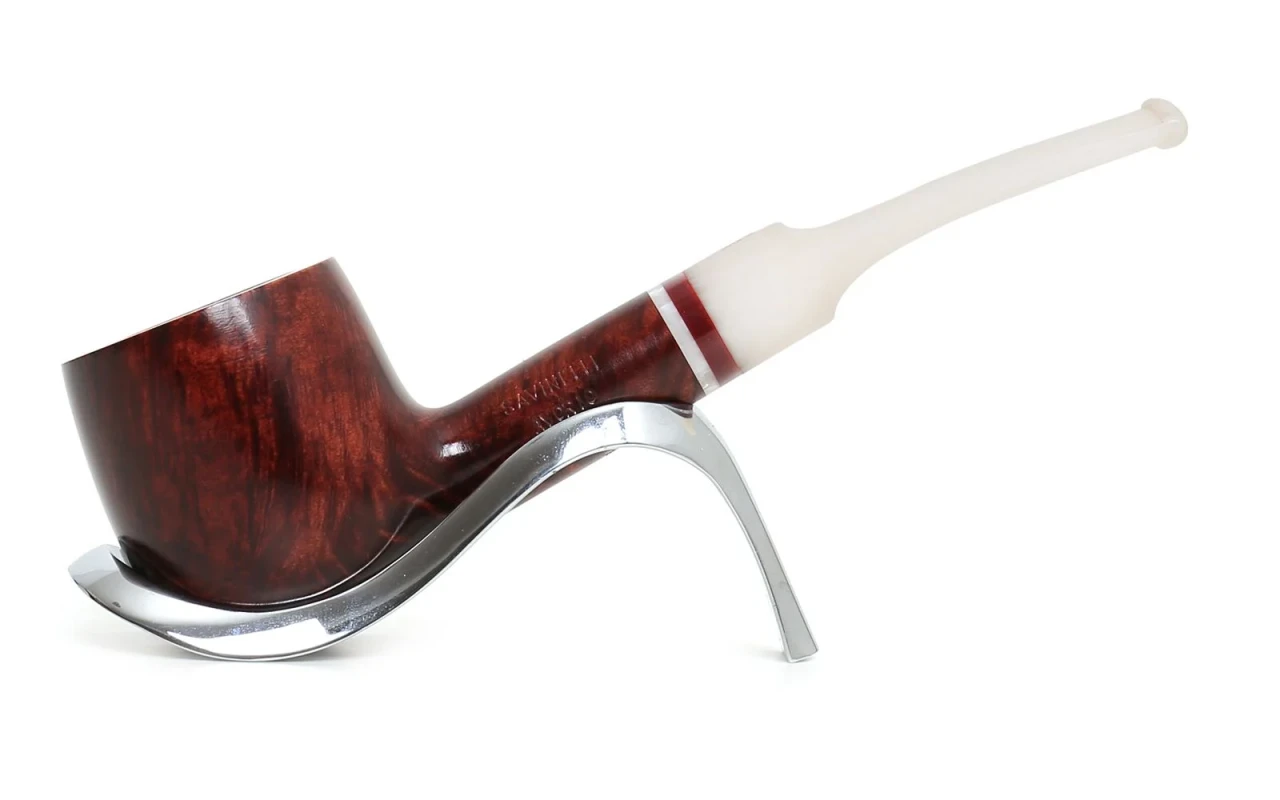
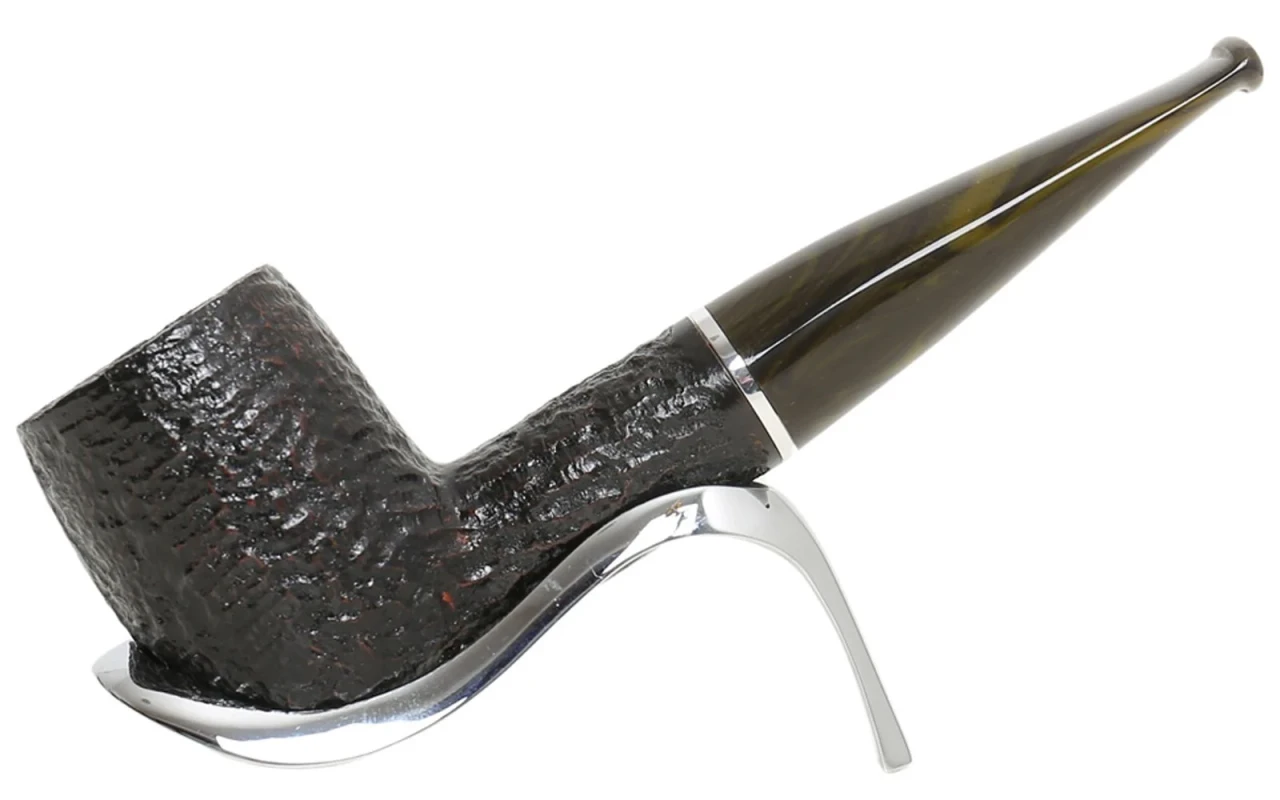
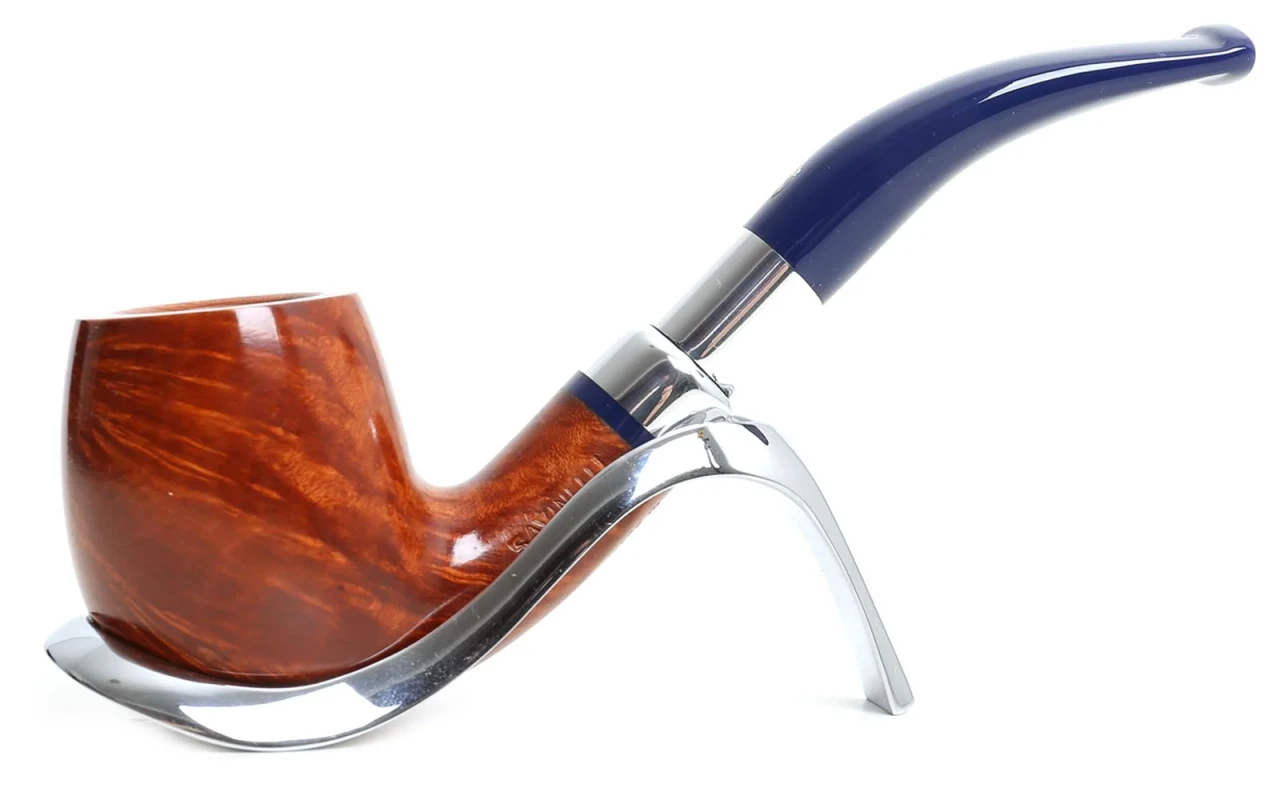
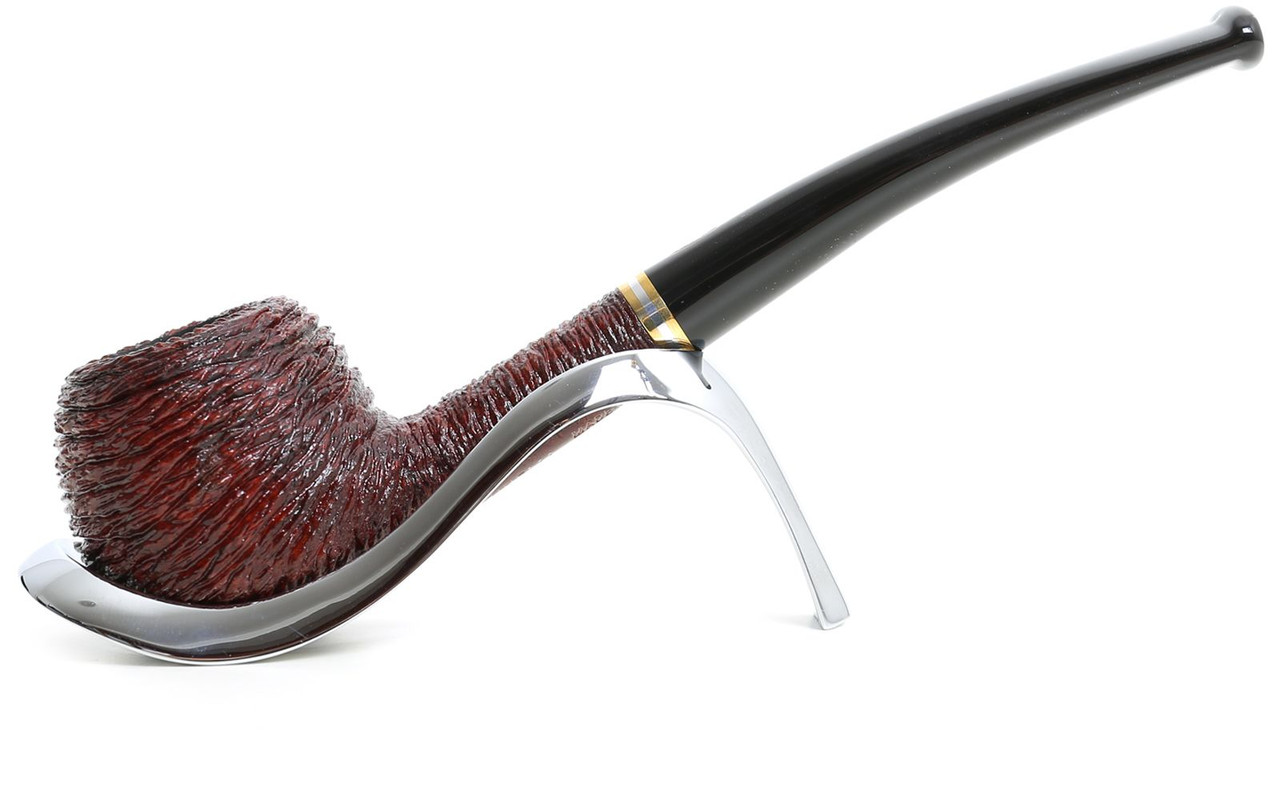
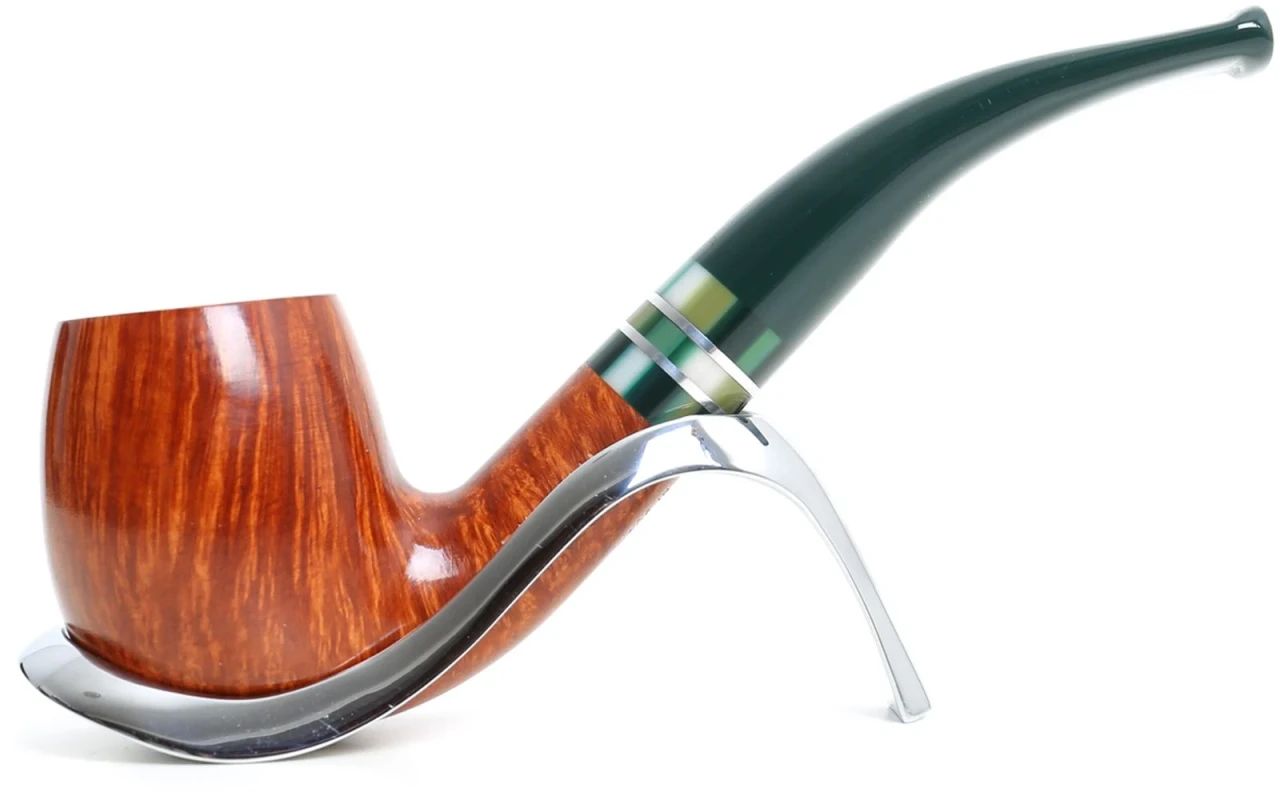
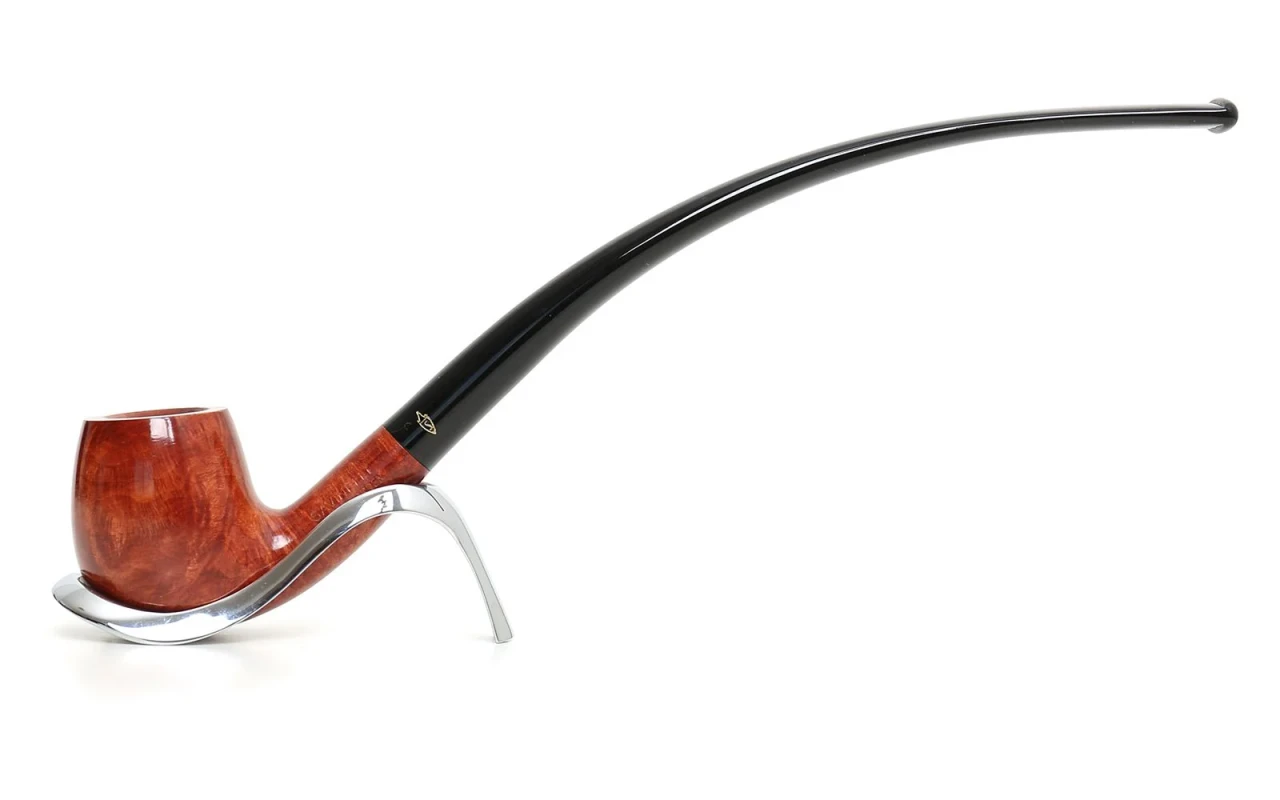
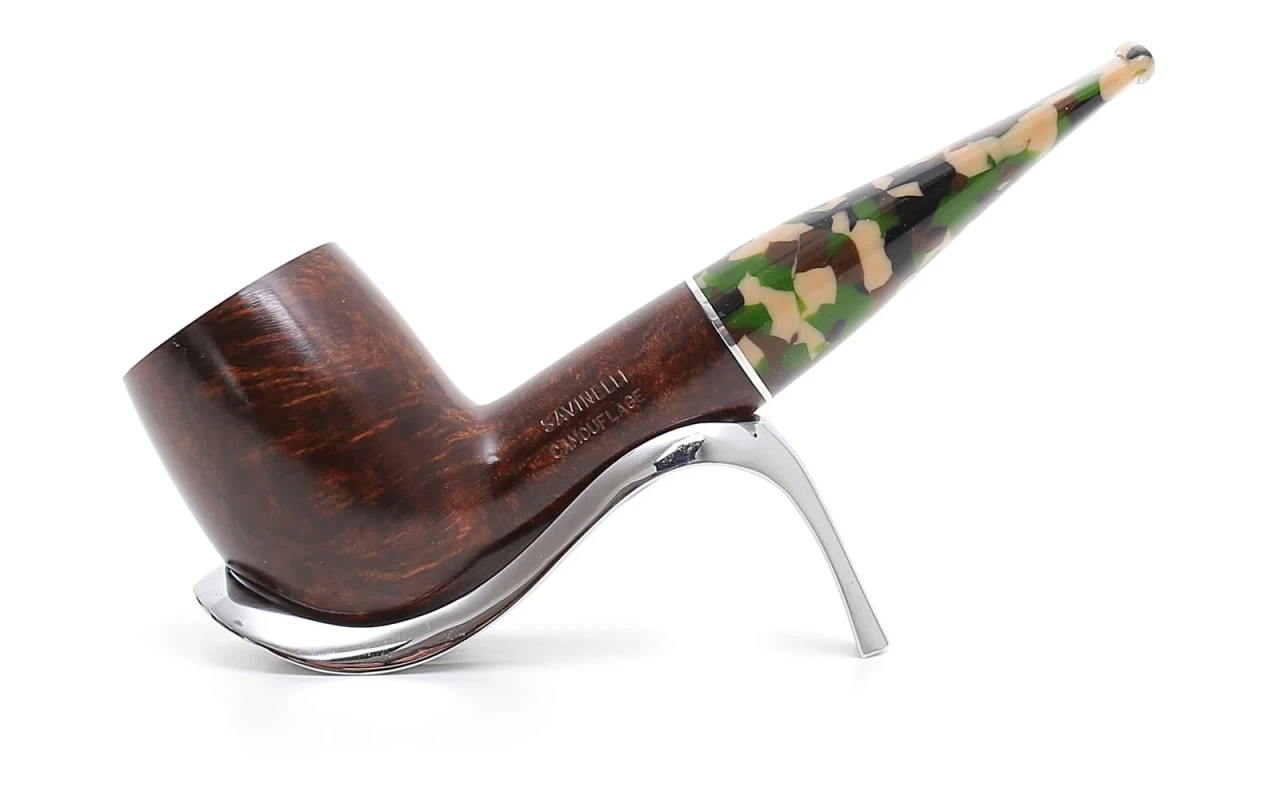
Smoking pipes have ancient origins and their evolution over the centuries is fascinating. The first pipes date back to pre-Columbian America, made of materials such as clay and stone. Subsequently, pipes spread to Europe in the 16th century, becoming true works of art crafted from wood, briar, silver, and other precious materials. Over time, the technology and design of pipes have advanced, giving rise to a wide variety of styles and models, such as water pipes and tobacco pipes. Today, smoking pipes continue to be appreciated by collectors and enthusiasts worldwide.
Pipe Smoking Materials
The materials used for smoking pipes can influence the overall smoking experience. The main materials are:- **Wood**: it offers a natural flavor and can mature over time.- **Clay**: porous and moisture-absorbing, ensuring a cool smoke.- **Meerschaum**: a porous stone that absorbs nicotine residues.- **Corn cob**: lightweight and affordable, often chosen for travel pipes.- **Metals**: such as brass or stainless steel, are durable but can alter the tobacco flavor.The choice of material depends on the smoker's personal preferences and intended use.
Tobacco Pipe Maintenance
Maintaining tobacco pipes is essential to ensure an excellent smoking experience and preserve the quality of the tobacco itself. Here are some useful tips for the proper maintenance of pipes:- Regular cleaning: empty the ash after each smoke and clean the pipe with a dedicated pipe cleaner.- Drying: allow the pipe to dry thoroughly after each use to prevent moisture buildup.- Rotation: use multiple pipes alternately to allow individual pipes to rest.- Blockage check: regularly check that the pipe is not clogged and, if necessary, clean it thoroughly.By following these simple precautions, you can fully enjoy your tobacco pipe for a long time.
Tobacco pipe design
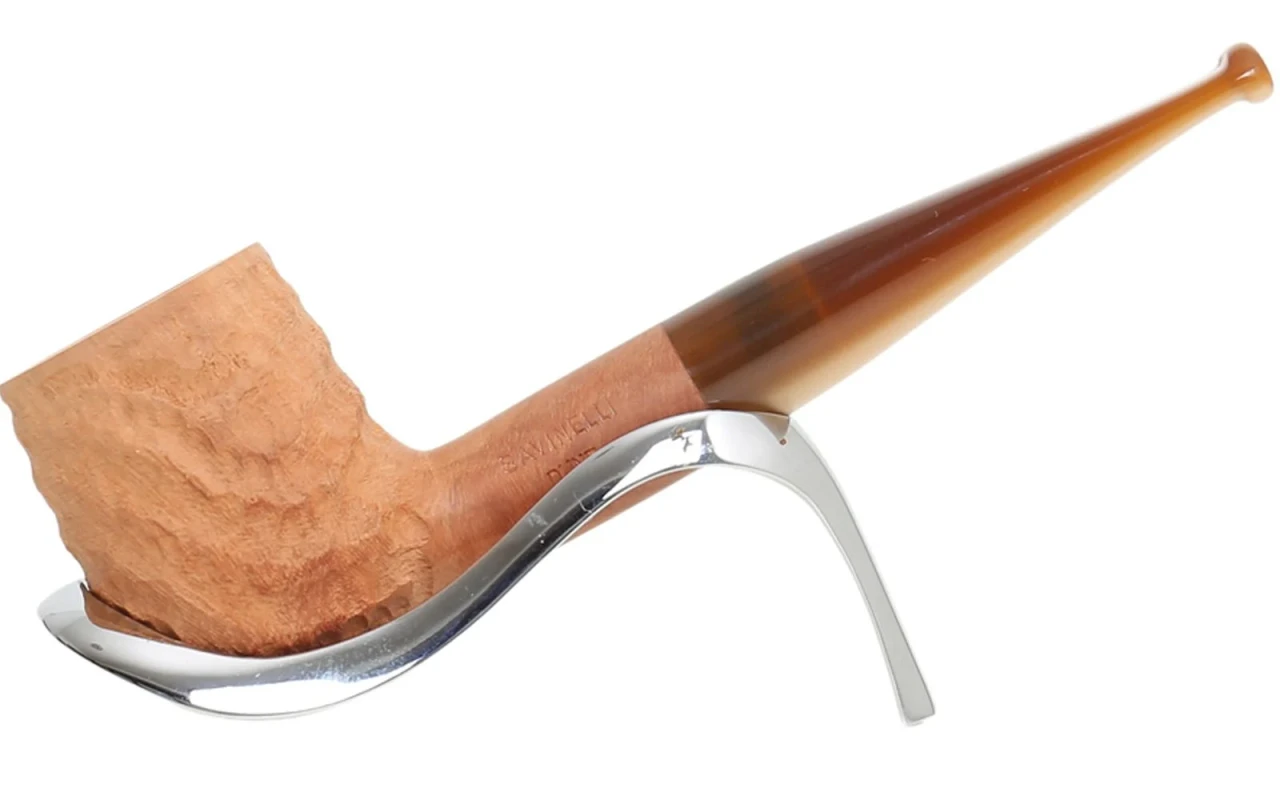
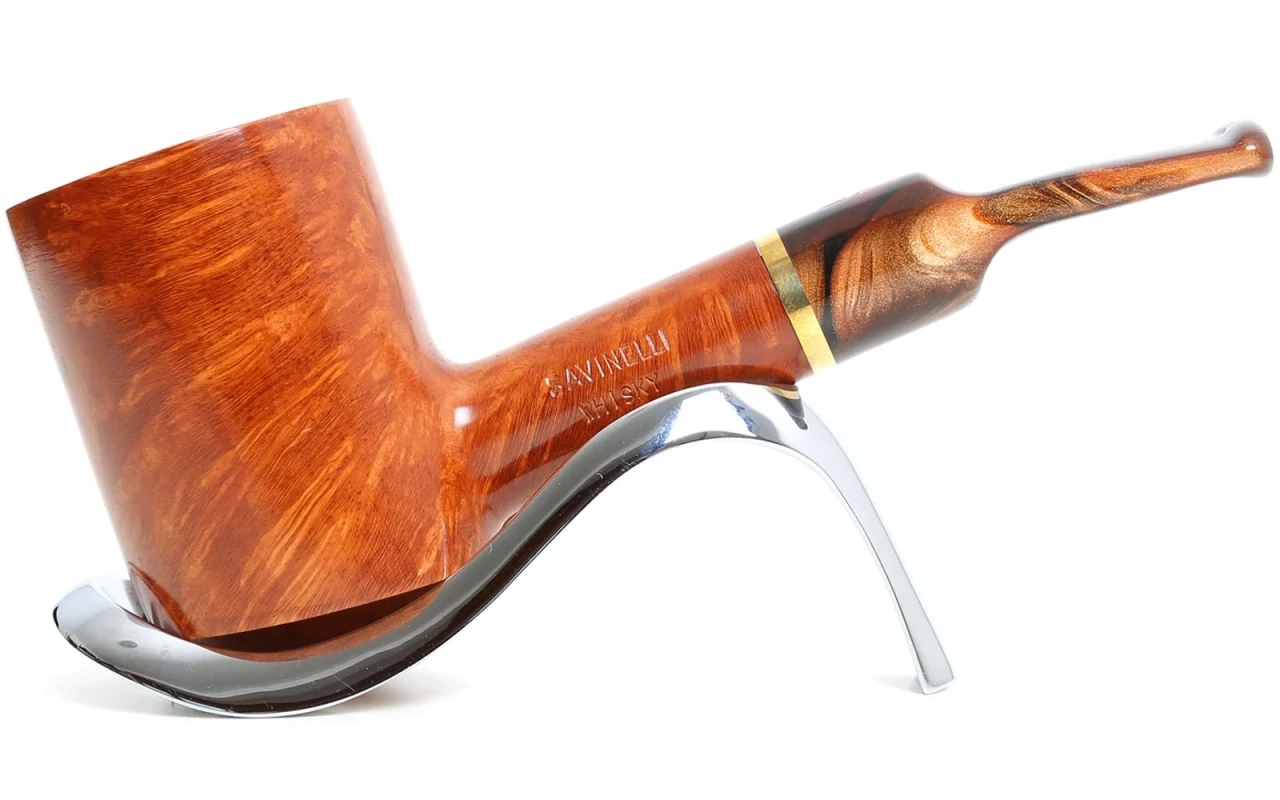
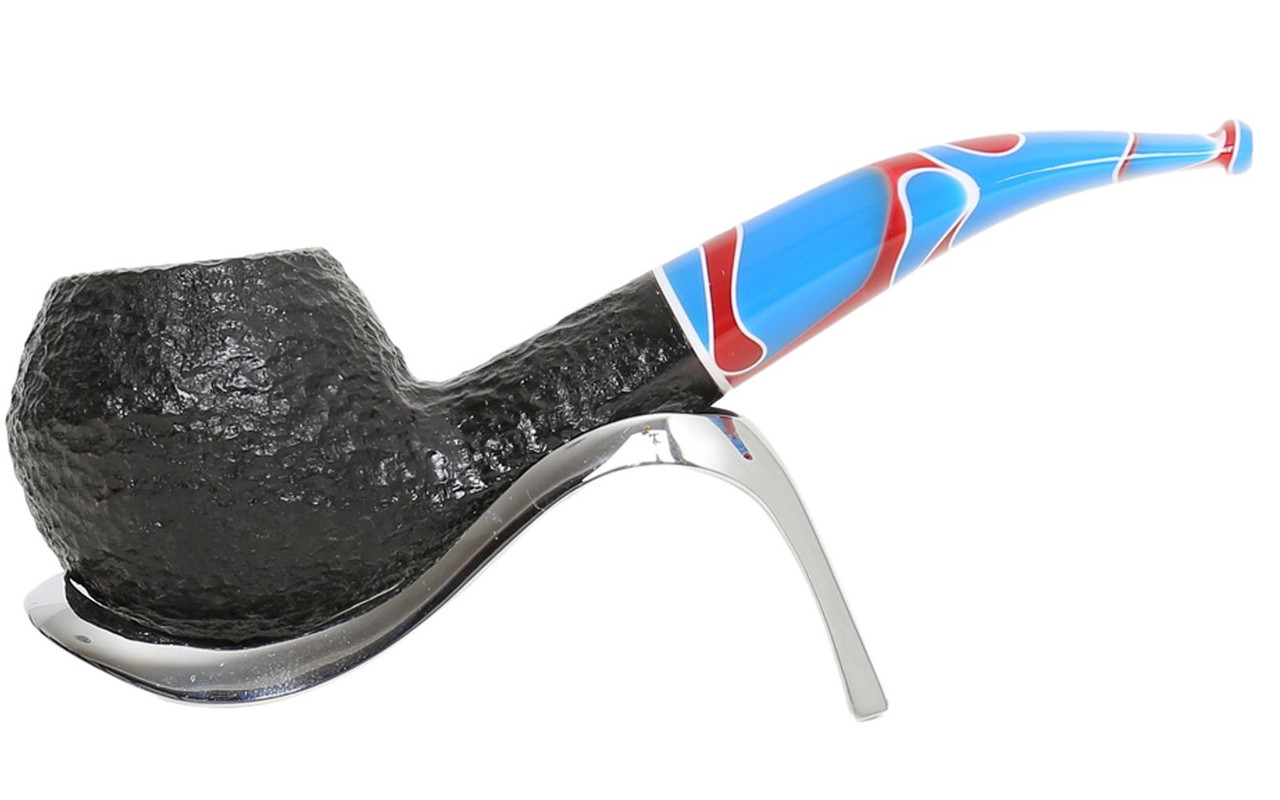
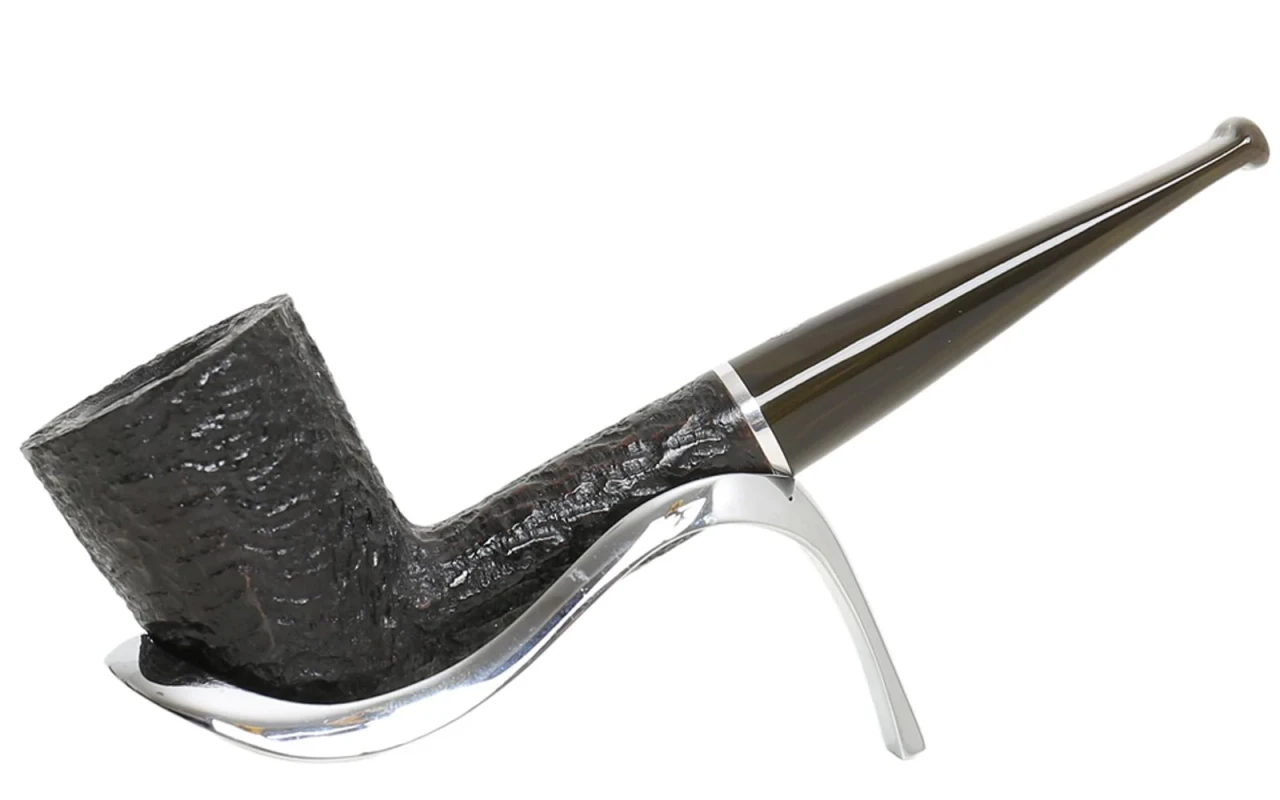
The design of tobacco pipes is a crucial aspect for enthusiasts. Pipes can come in various shapes and materials, such as briar, meerschaum, or metal. The design not only impacts the aesthetics but also the smoke quality and overall experience. Pipes can be classic, with simple and elegant lines, or more modern and creative. Some factors to consider in the design include the shape of the combustion chamber, the length of the stem, and the curvature of the mouthpiece. A good design can enhance the taste of the tobacco and provide an enjoyable smoking session.
'%3e%3cg id='Final-Copy-2_2_' transform='translate(1275.000000, 200.000000)'%3e%3cpath class='st0' d='M7.4,12.8h6.8l3.1-11.6H7.4C4.2,1.2,1.6,3.8,1.6,7S4.2,12.8,7.4,12.8z'/%3e%3c/g%3e%3c/g%3e%3c/g%3e%3cg id='final---dec.11-2020'%3e%3cg id='_x30_208-our-toggle' transform='translate(-1275.000000, -200.000000)'%3e%3cg id='Final-Copy-2' transform='translate(1275.000000, 200.000000)'%3e%3cpath class='st1' d='M22.6,0H7.4c-3.9,0-7,3.1-7,7s3.1,7,7,7h15.2c3.9,0,7-3.1,7-7S26.4,0,22.6,0z M1.6,7c0-3.2,2.6-5.8,5.8-5.8 h9.9l-3.1,11.6H7.4C4.2,12.8,1.6,10.2,1.6,7z'/%3e%3cpath id='x' class='st2' d='M24.6,4c0.2,0.2,0.2,0.6,0,0.8l0,0L22.5,7l2.2,2.2c0.2,0.2,0.2,0.6,0,0.8c-0.2,0.2-0.6,0.2-0.8,0 l0,0l-2.2-2.2L19.5,10c-0.2,0.2-0.6,0.2-0.8,0c-0.2-0.2-0.2-0.6,0-0.8l0,0L20.8,7l-2.2-2.2c-0.2-0.2-0.2-0.6,0-0.8 c0.2-0.2,0.6-0.2,0.8,0l0,0l2.2,2.2L23.8,4C24,3.8,24.4,3.8,24.6,4z'/%3e%3cpath id='y' class='st3' d='M12.7,4.1c0.2,0.2,0.3,0.6,0.1,0.8l0,0L8.6,9.8C8.5,9.9,8.4,10,8.3,10c-0.2,0.1-0.5,0.1-0.7-0.1l0,0 L5.4,7.7c-0.2-0.2-0.2-0.6,0-0.8c0.2-0.2,0.6-0.2,0.8,0l0,0L8,8.6l3.8-4.5C12,3.9,12.4,3.9,12.7,4.1z'/%3e%3c/g%3e%3c/g%3e%3c/g%3e%3c/g%3e%3c/svg%3e) Your Privacy Choices
Your Privacy Choices 


