 ES
ES FR
FR EN
EN IT
IT DE
DE
Origin of briar wood for pipes
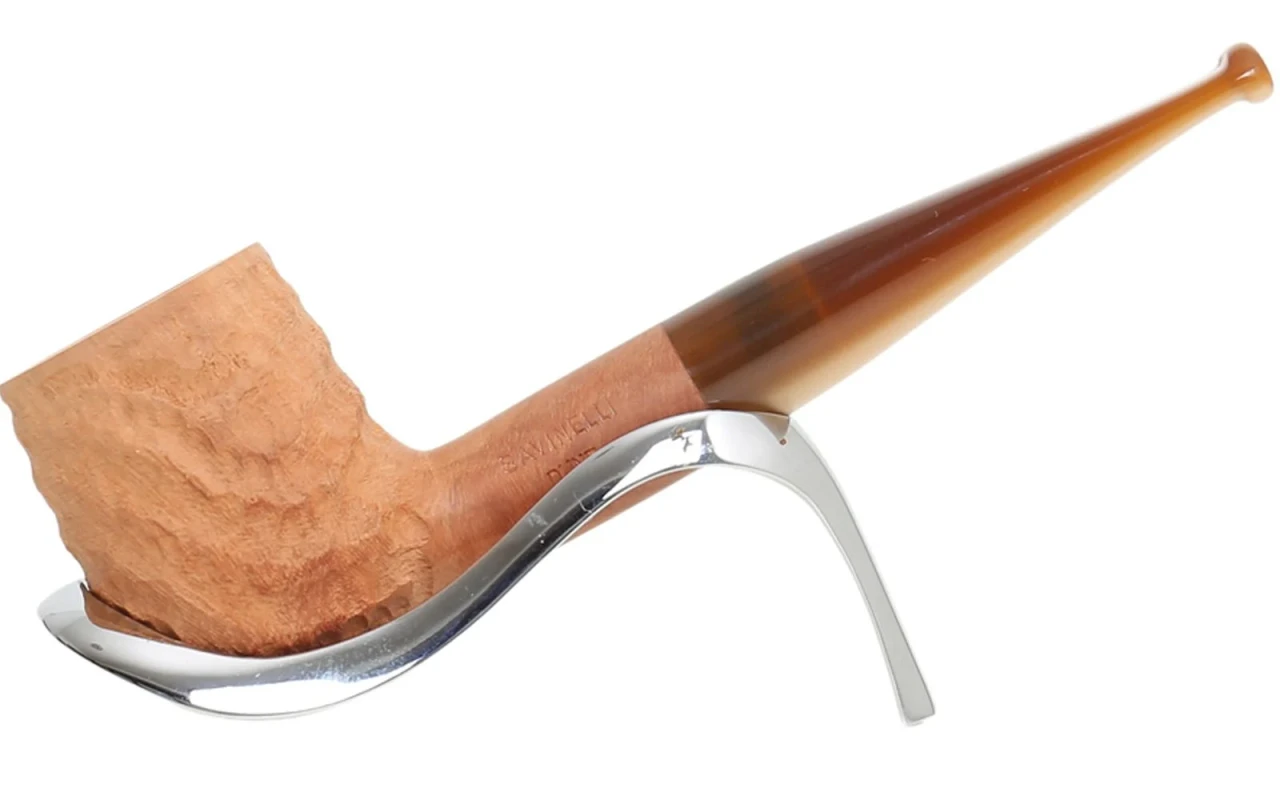
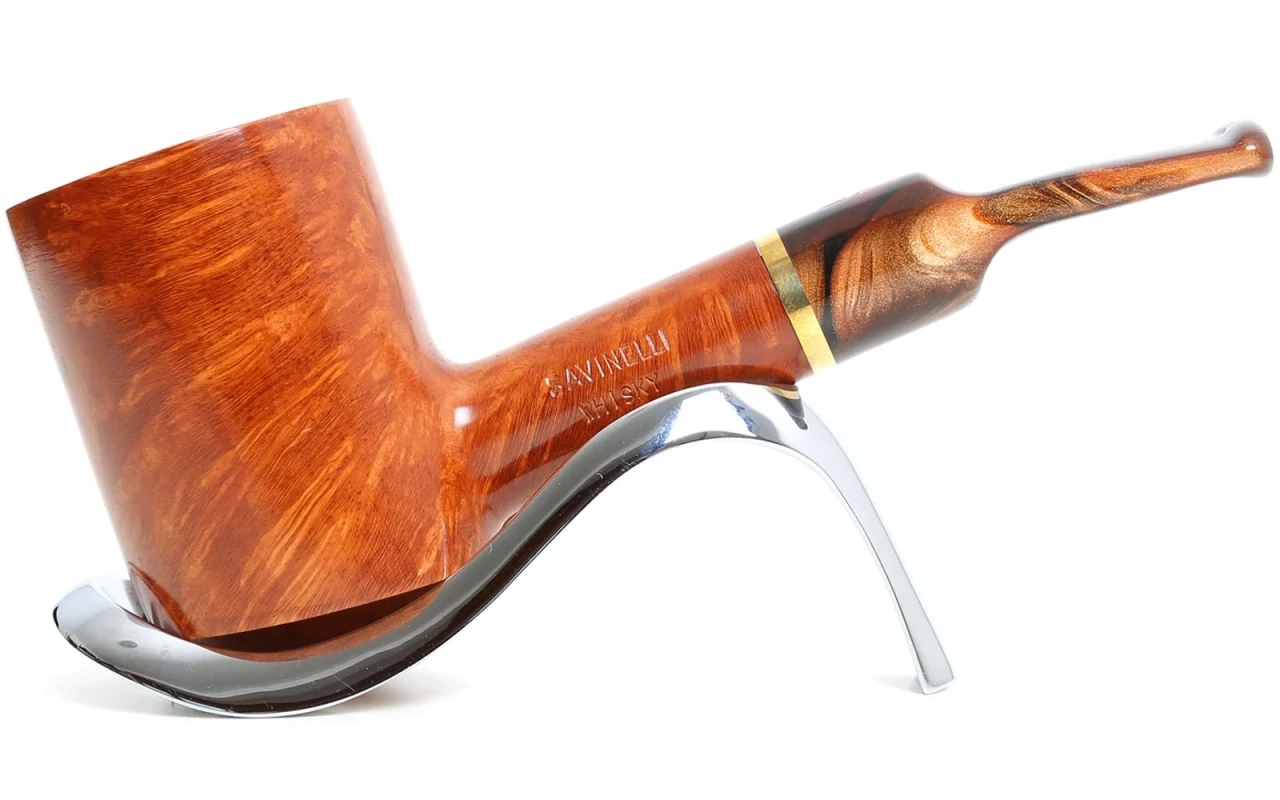
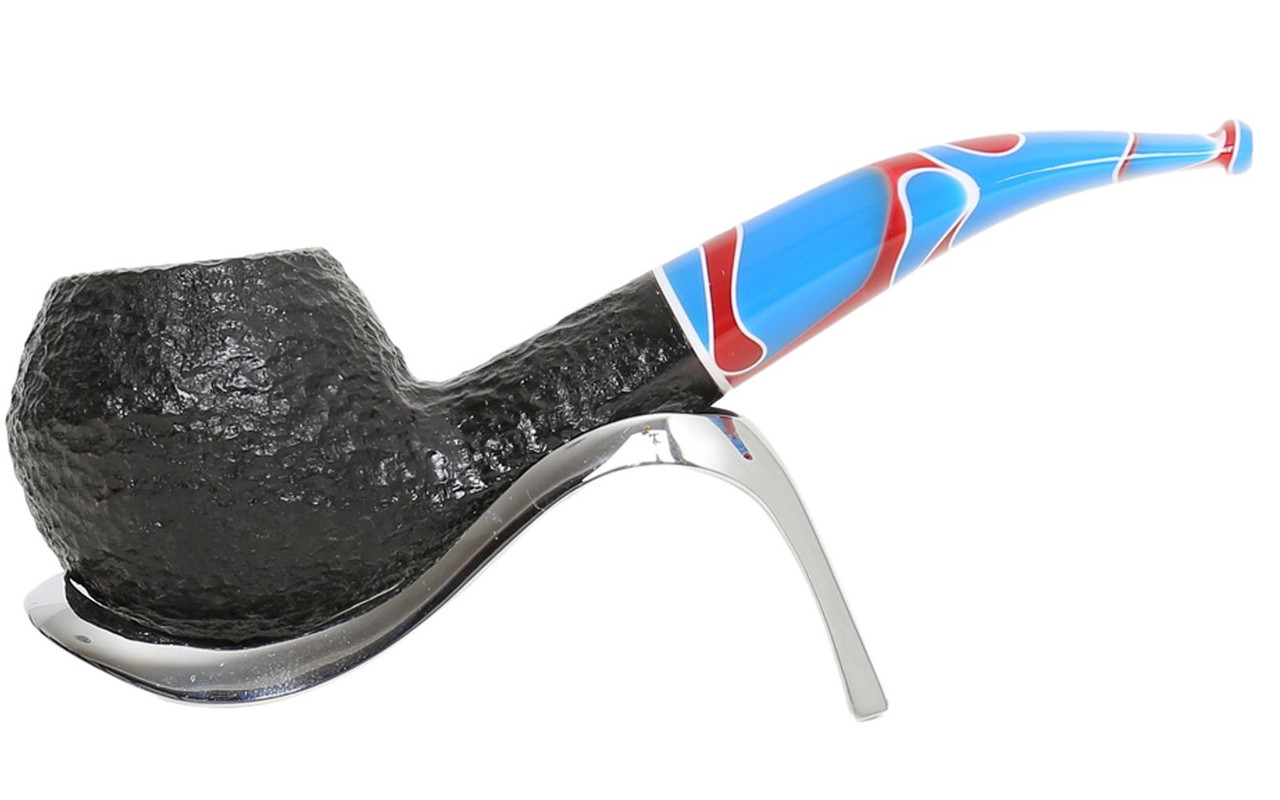
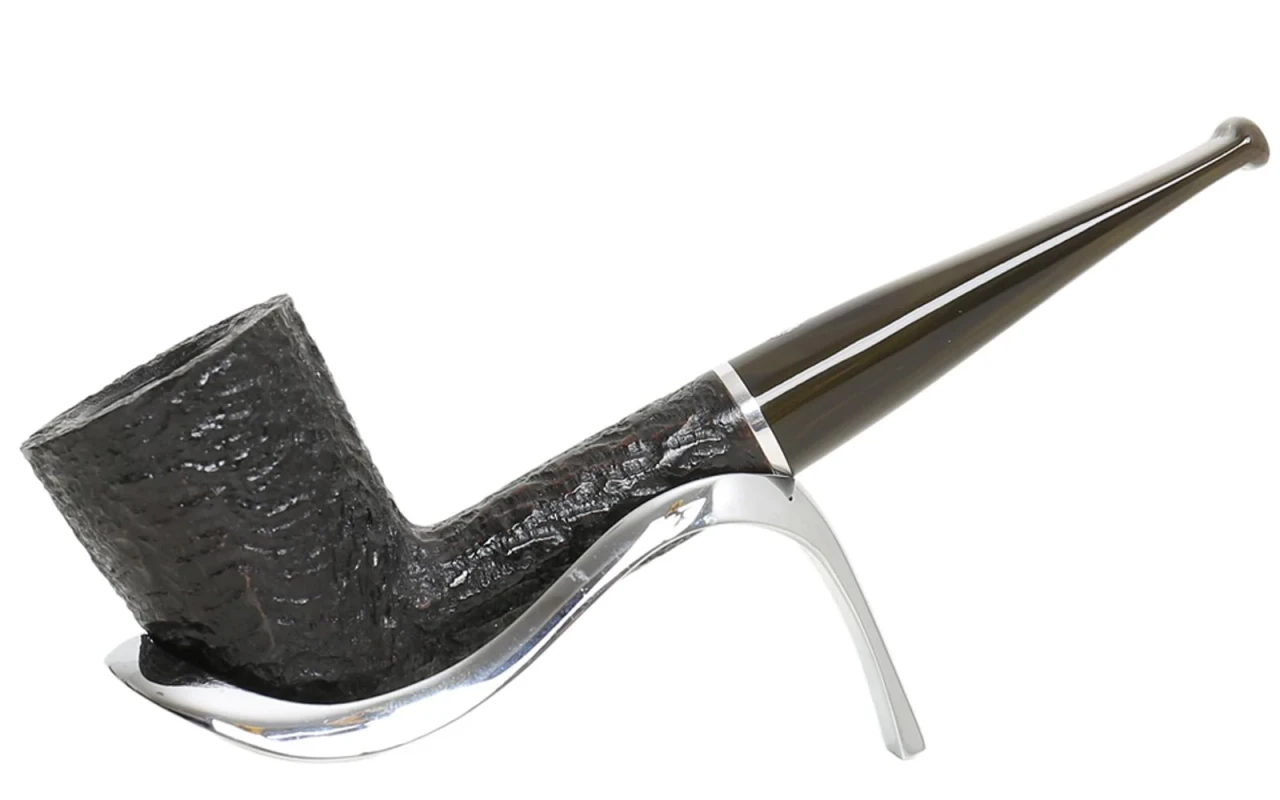
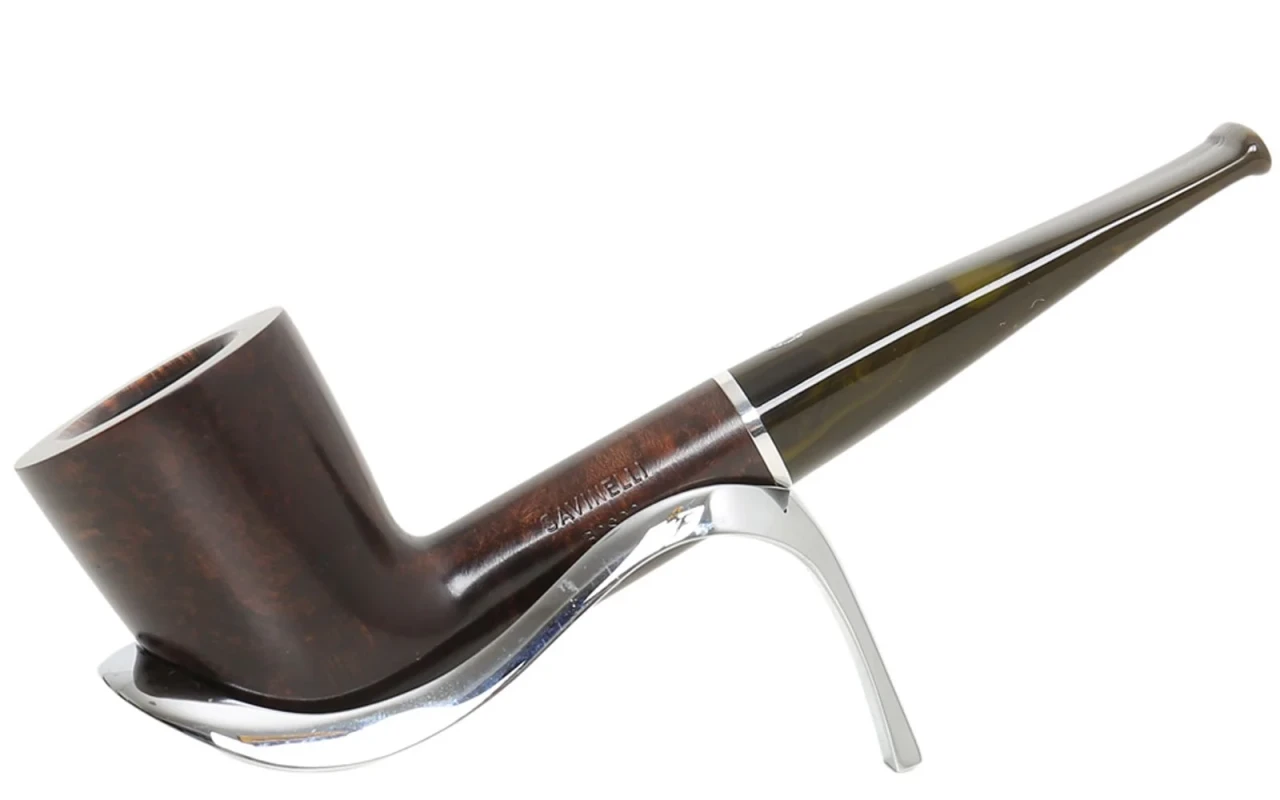
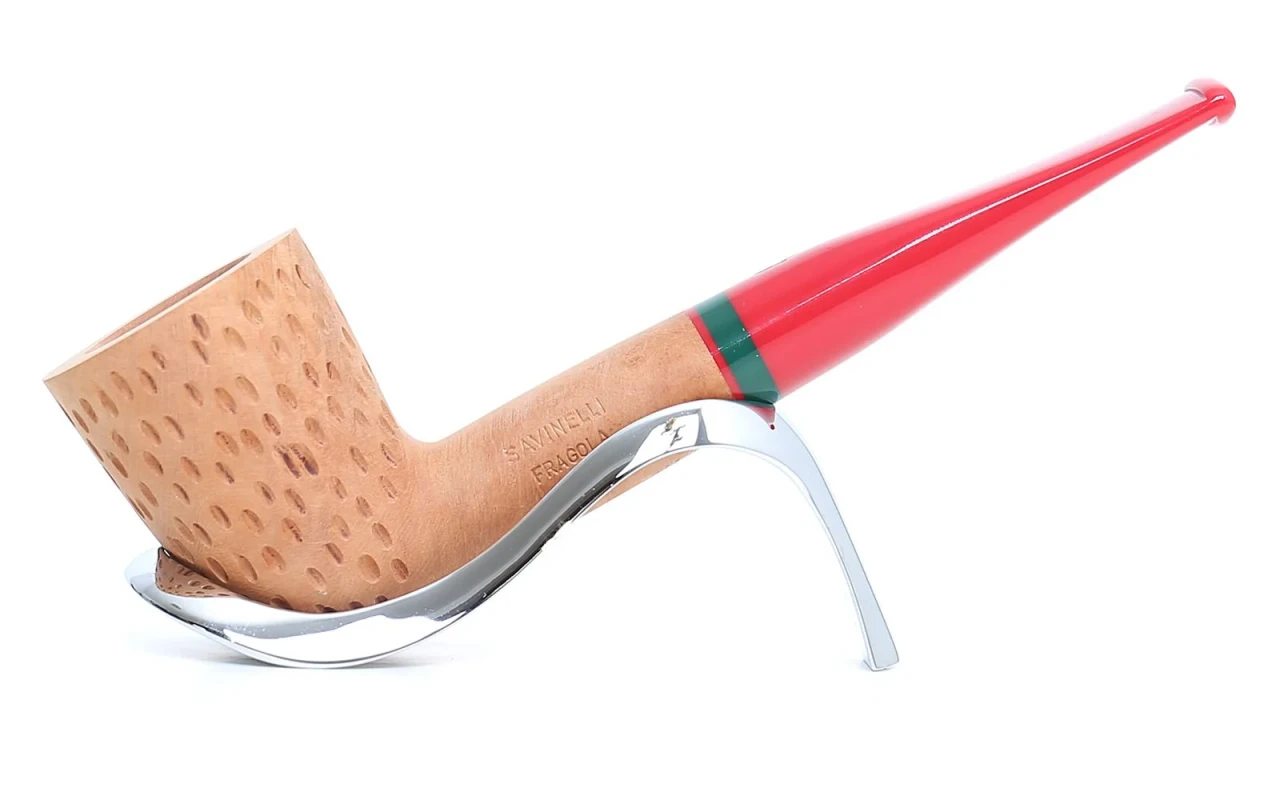
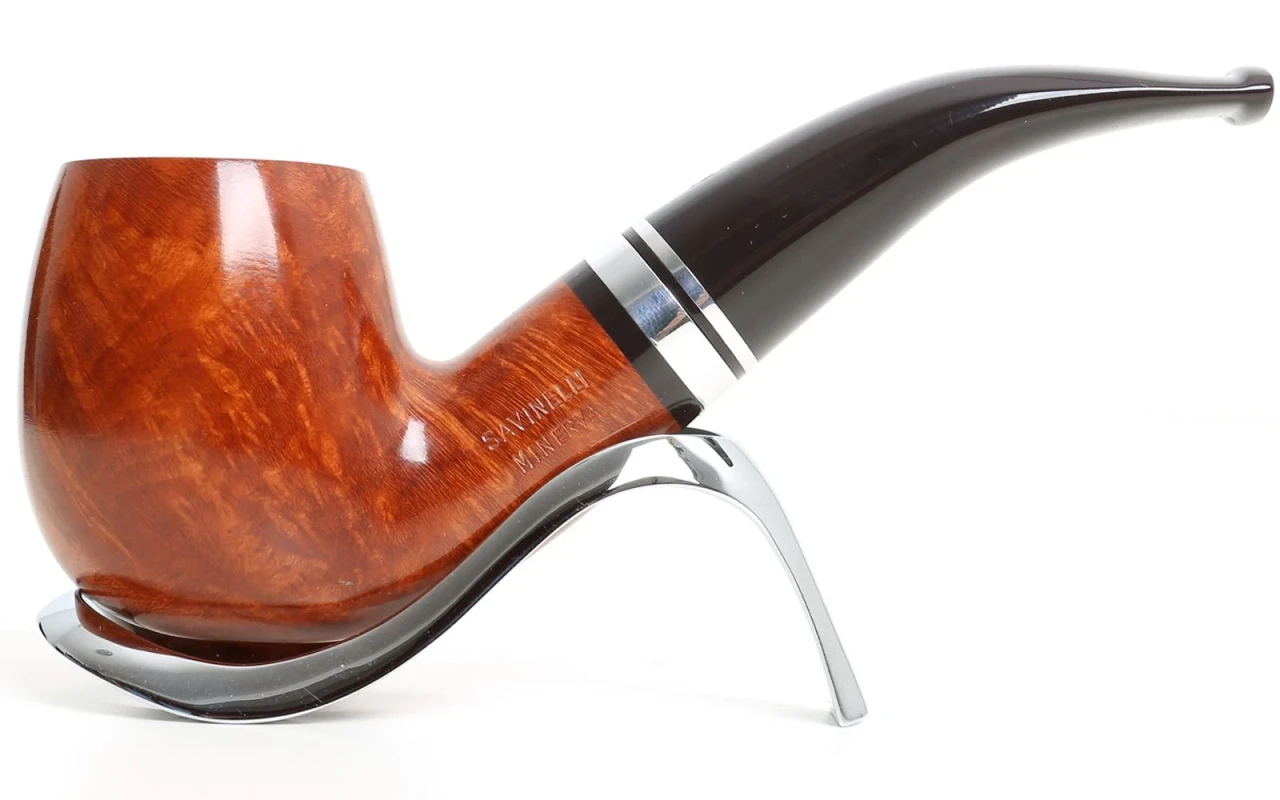
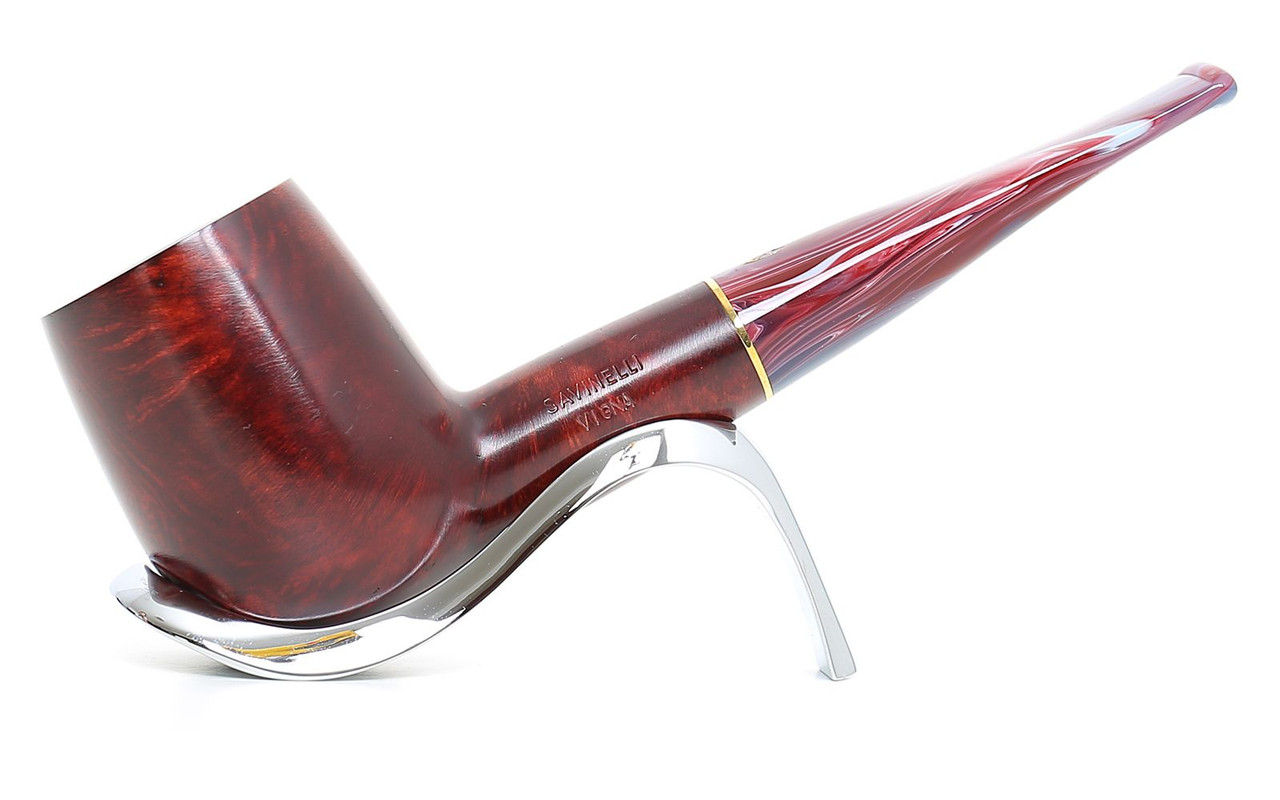
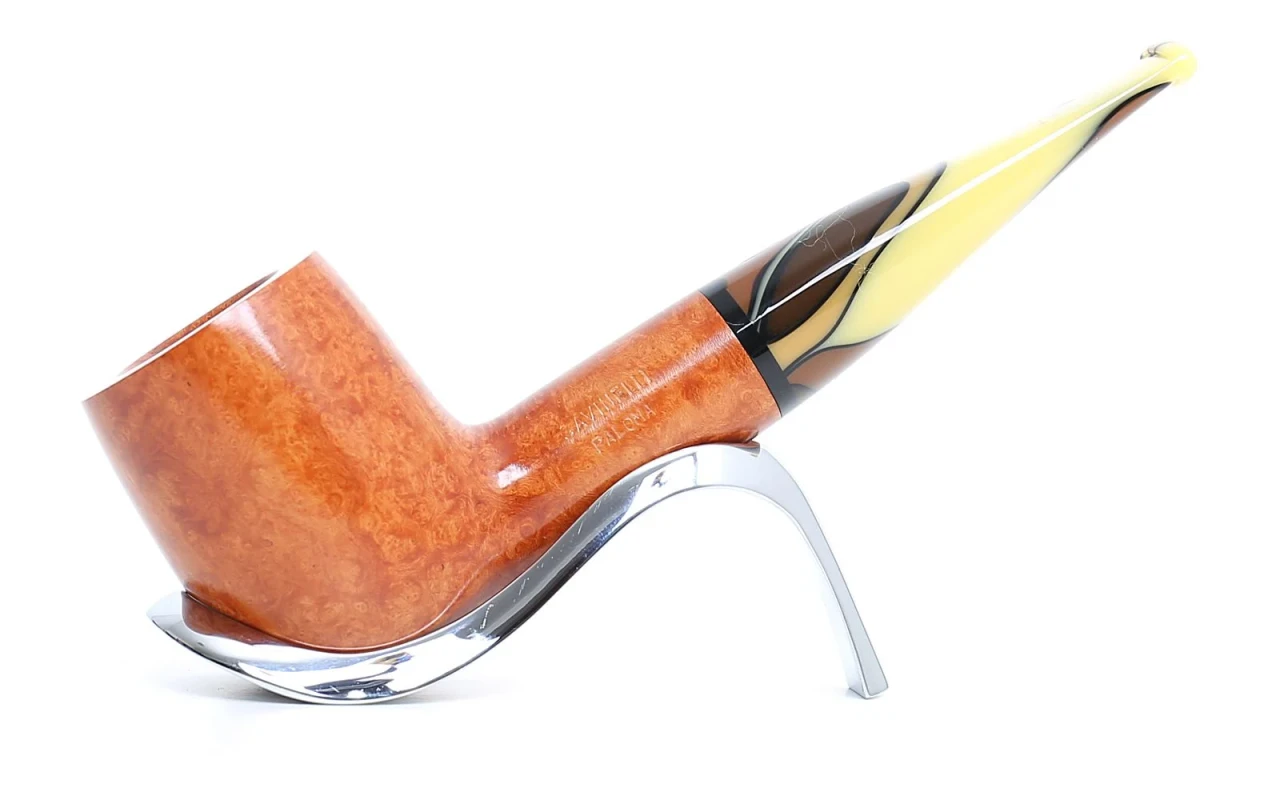
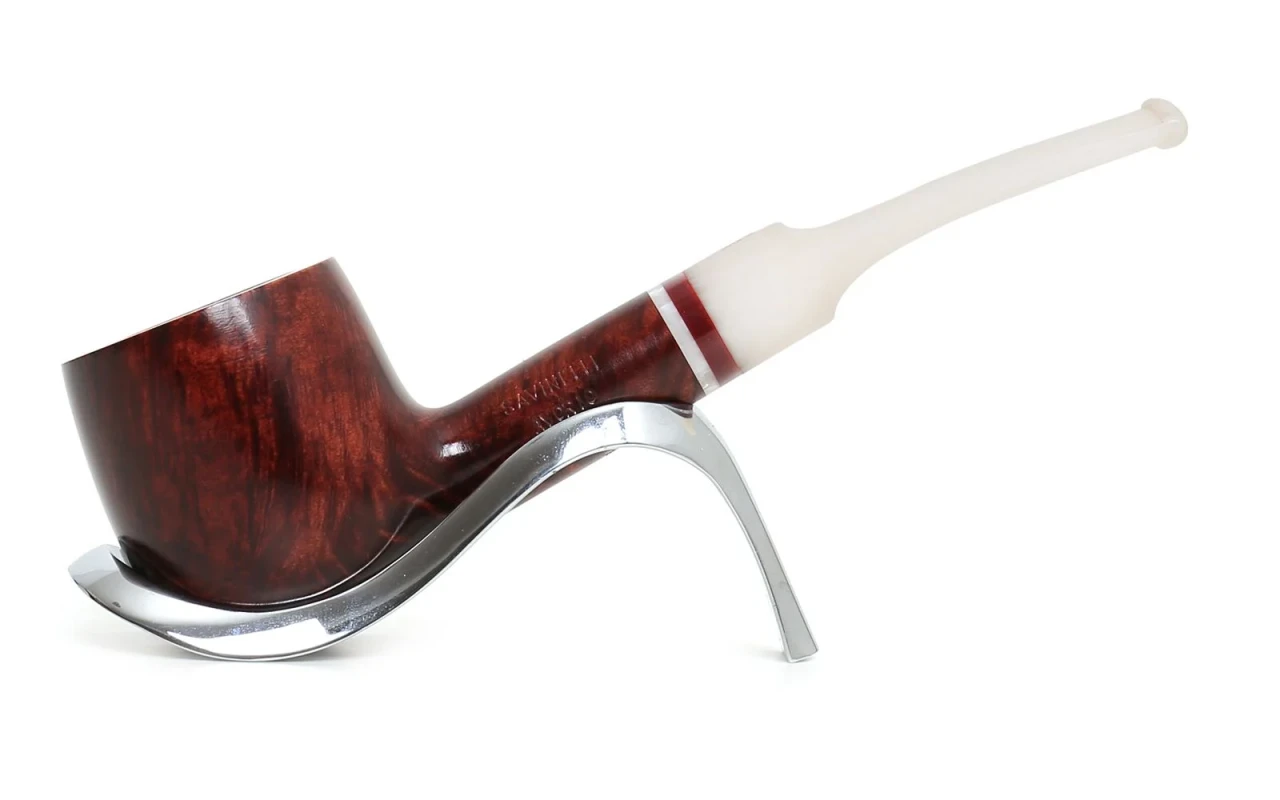
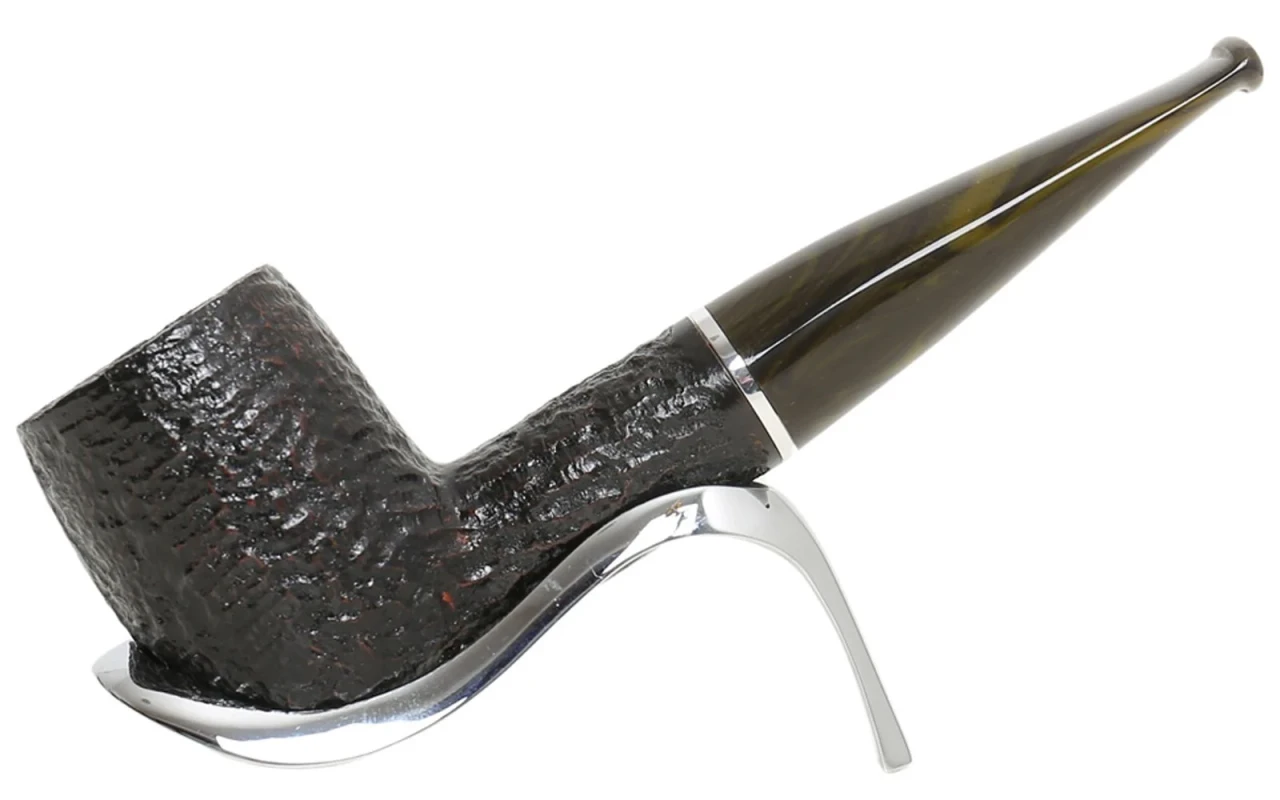
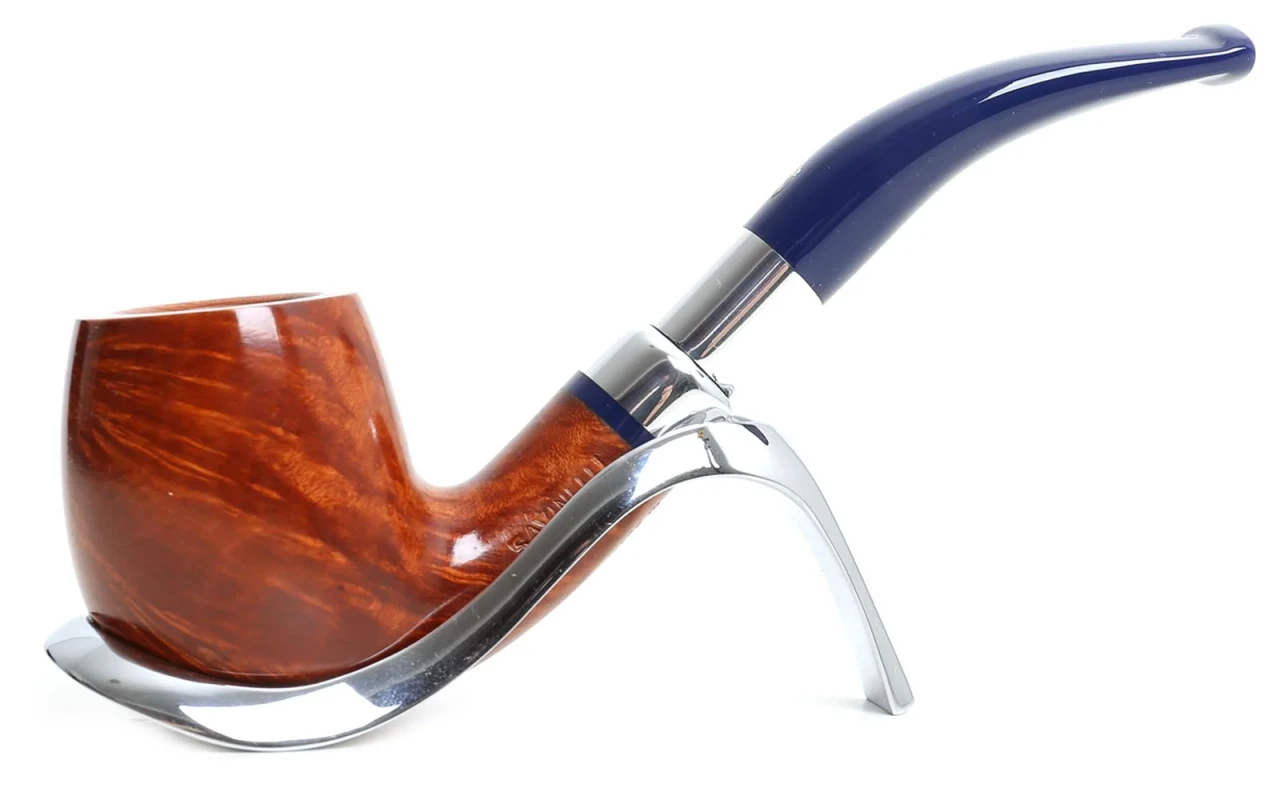
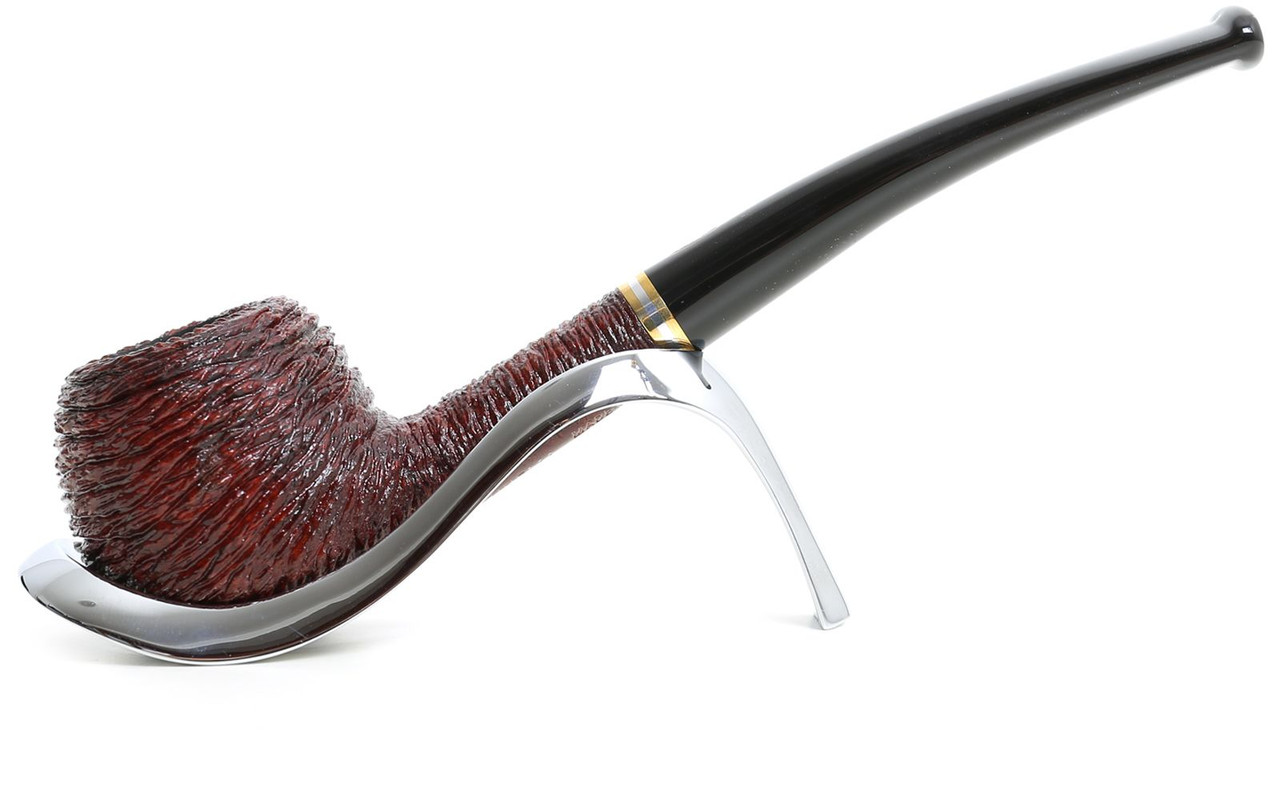
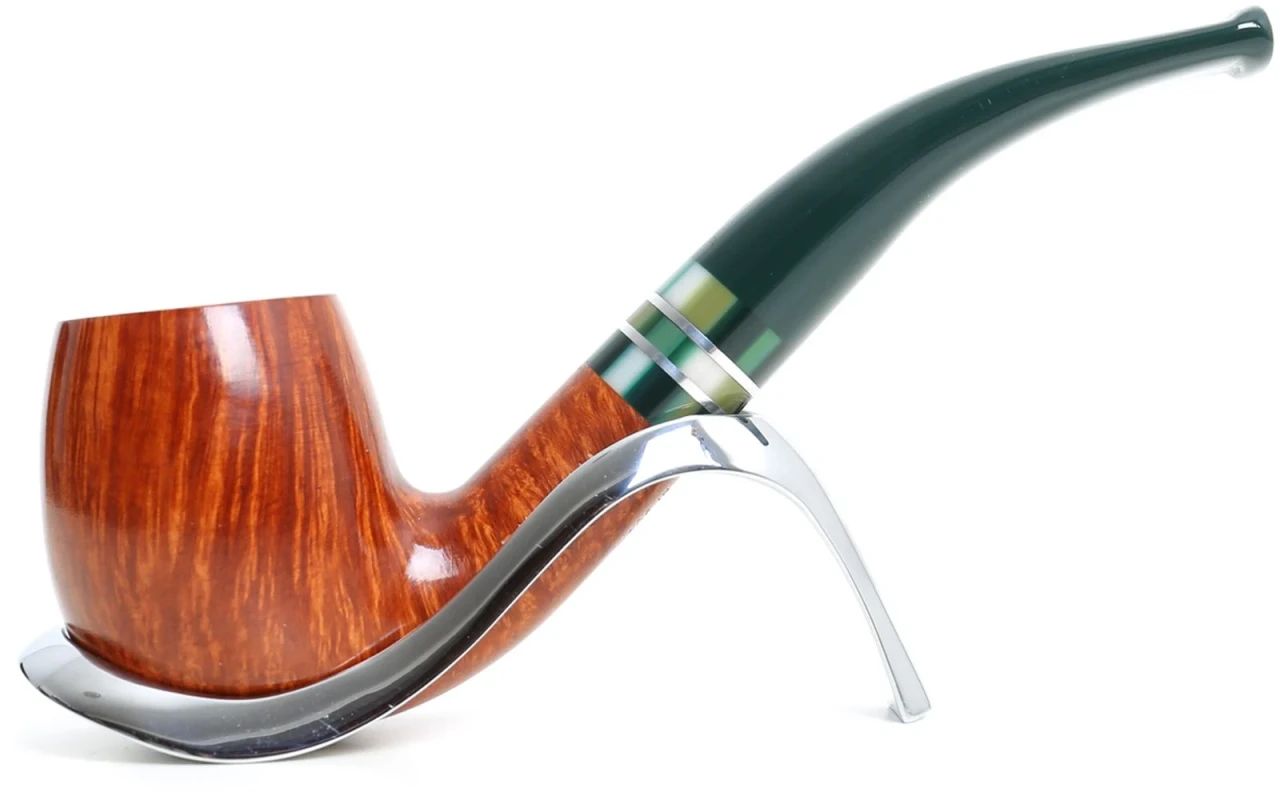
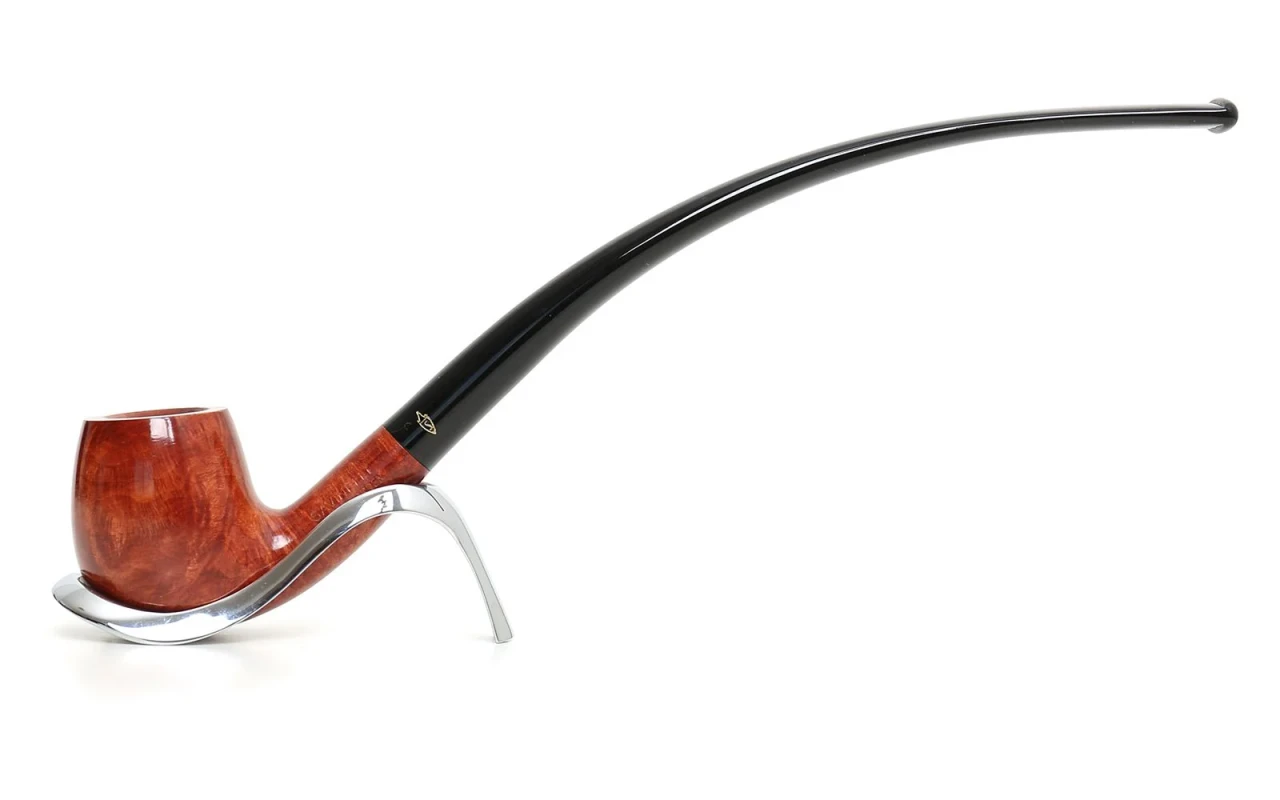

Origin of briar wood for pipes
The briar wood used for pipe production mainly comes from Erica arborea trees, commonly known as briar. This tree is characterized by a very dense and resistant root, perfect for pipe crafting. The roots are extracted, dried, and aged for several years before being used to make pipes. This process ensures solidity and the ability to absorb the necessary moisture for an optimal smoking experience. Briar pipes are highly valued by tobacco enthusiasts for their beauty, durability, and ability to enhance the flavor of the tobacco during smoking.
Best Woods for Smoking Pipes
The best woods for smoking pipes are those that offer an optimal combination of characteristics such as heat resistance, moisture absorption capacity, and the ability to transfer the tobacco flavor in a balanced way. Among the most appreciated woods are:- Briar: a hard wood, heat-resistant and capable of absorbing moisture without warping.- Mortaio: a very light and porous wood that allows for good pipe drying.- Cherrywood: wood with a fine grain that imparts a sweet flavor to the smoke.- Oak: a sturdy and resistant wood, ideal for larger pipes.The choice of wood also depends on the personal preferences of each smoker.
Artisanal crafting of pipes
The artisanal crafting of pipes is a process that requires skill and precision. Pipes are handmade by expert craftsmen who use quality materials such as briar root, oak root, olive root, or other precious woods. The process begins with the selection of the wood and its shaping to create the desired form. Subsequently, the pipe is smoothed, polished, and refined to ensure a high-quality end product. This attention to detail ensures that each artisanal pipe is a unique work of excellence in the world of pipe smoking enthusiasts.
Care and Maintenance of Smoking Pipes
Proper care and maintenance of smoking pipes are essential to ensure a pleasant smoking experience and preserve the quality of the tobacco. Here are some useful tips:- After each use, gently clean the pipe with a pipe cleaner to remove tobacco residues and oxidation.- Avoid overpacking the pipe and overheating it to prevent damage to its structure.- Use overly wet filters to avoid condensation formation inside the pipe.- Periodically check the condition of the stem and replace it if necessary.- Store the pipe in a cool and dry environment to preserve its quality over time.
'%3e%3cg id='Final-Copy-2_2_' transform='translate(1275.000000, 200.000000)'%3e%3cpath class='st0' d='M7.4,12.8h6.8l3.1-11.6H7.4C4.2,1.2,1.6,3.8,1.6,7S4.2,12.8,7.4,12.8z'/%3e%3c/g%3e%3c/g%3e%3c/g%3e%3cg id='final---dec.11-2020'%3e%3cg id='_x30_208-our-toggle' transform='translate(-1275.000000, -200.000000)'%3e%3cg id='Final-Copy-2' transform='translate(1275.000000, 200.000000)'%3e%3cpath class='st1' d='M22.6,0H7.4c-3.9,0-7,3.1-7,7s3.1,7,7,7h15.2c3.9,0,7-3.1,7-7S26.4,0,22.6,0z M1.6,7c0-3.2,2.6-5.8,5.8-5.8 h9.9l-3.1,11.6H7.4C4.2,12.8,1.6,10.2,1.6,7z'/%3e%3cpath id='x' class='st2' d='M24.6,4c0.2,0.2,0.2,0.6,0,0.8l0,0L22.5,7l2.2,2.2c0.2,0.2,0.2,0.6,0,0.8c-0.2,0.2-0.6,0.2-0.8,0 l0,0l-2.2-2.2L19.5,10c-0.2,0.2-0.6,0.2-0.8,0c-0.2-0.2-0.2-0.6,0-0.8l0,0L20.8,7l-2.2-2.2c-0.2-0.2-0.2-0.6,0-0.8 c0.2-0.2,0.6-0.2,0.8,0l0,0l2.2,2.2L23.8,4C24,3.8,24.4,3.8,24.6,4z'/%3e%3cpath id='y' class='st3' d='M12.7,4.1c0.2,0.2,0.3,0.6,0.1,0.8l0,0L8.6,9.8C8.5,9.9,8.4,10,8.3,10c-0.2,0.1-0.5,0.1-0.7-0.1l0,0 L5.4,7.7c-0.2-0.2-0.2-0.6,0-0.8c0.2-0.2,0.6-0.2,0.8,0l0,0L8,8.6l3.8-4.5C12,3.9,12.4,3.9,12.7,4.1z'/%3e%3c/g%3e%3c/g%3e%3c/g%3e%3c/g%3e%3c/svg%3e) Your Privacy Choices
Your Privacy Choices 


