 ES
ES FR
FR EN
EN IT
IT DE
DE
Oil finishing of briar pipes
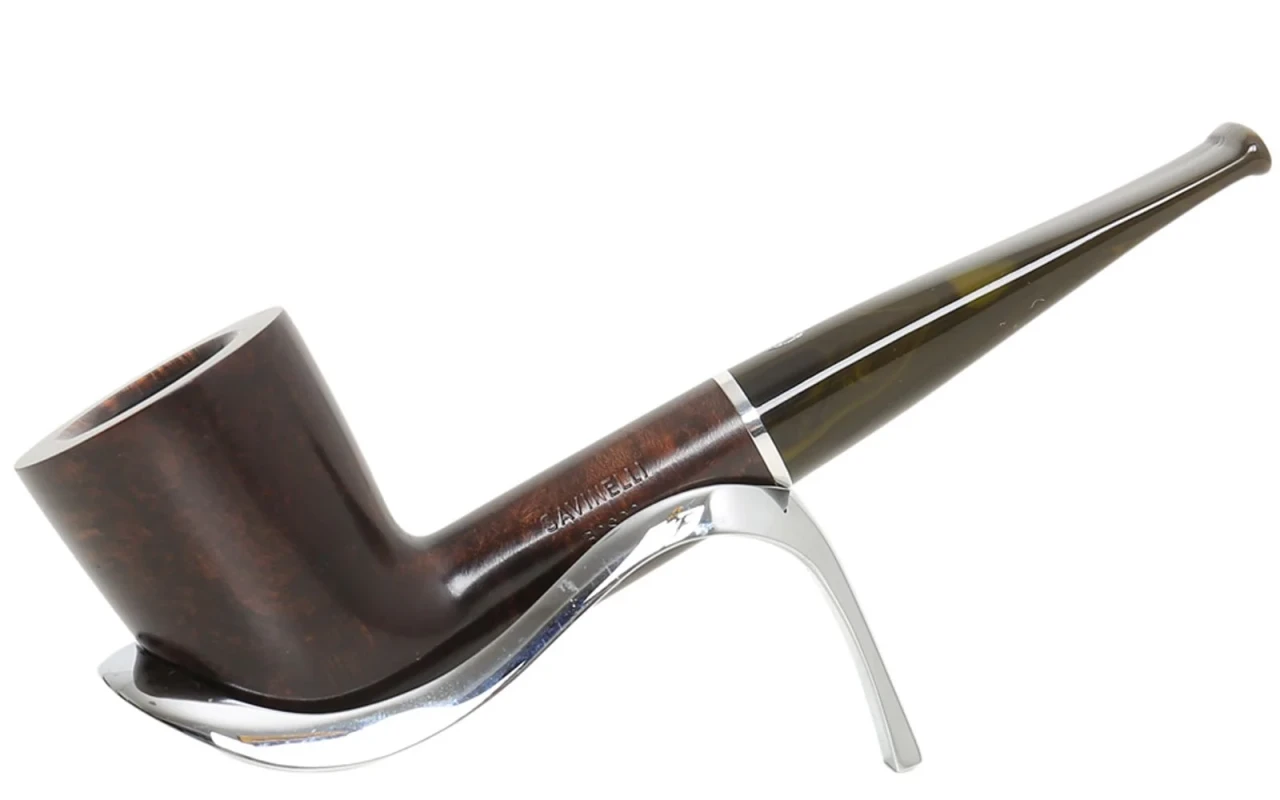
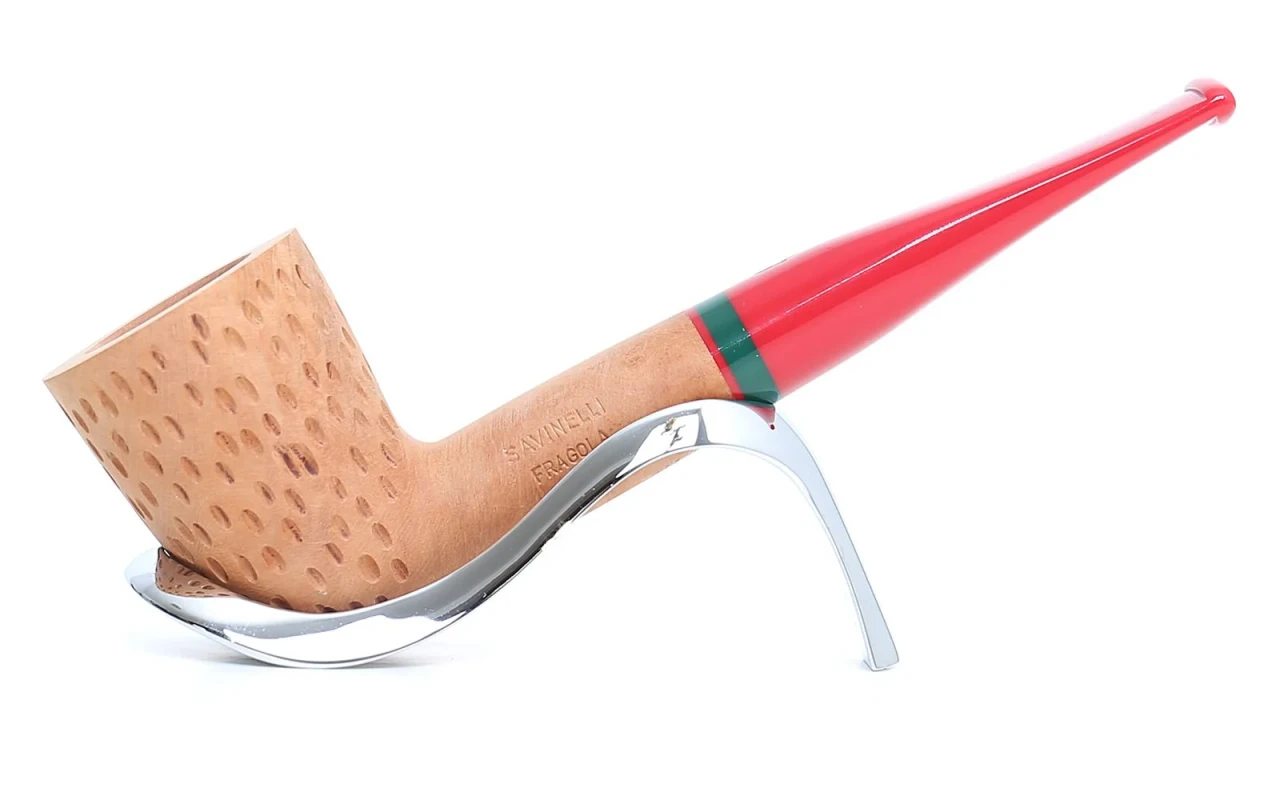
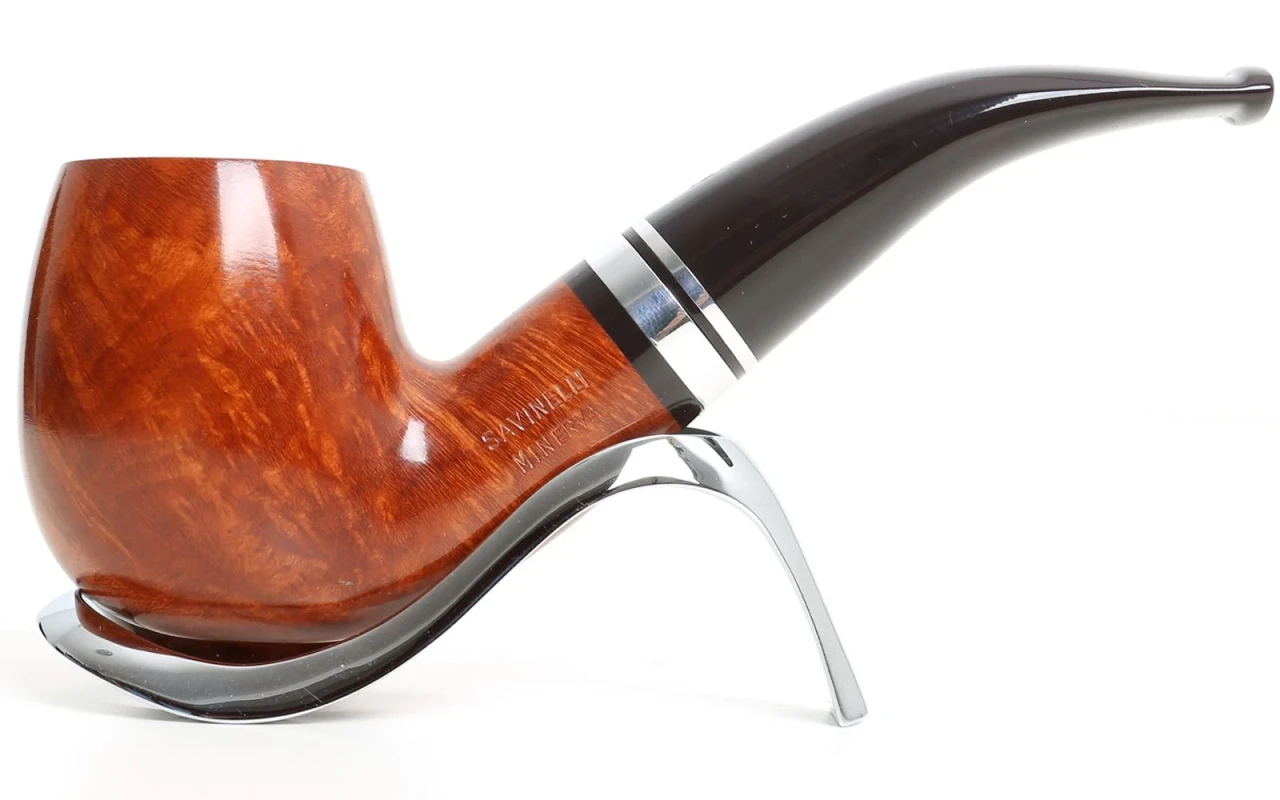
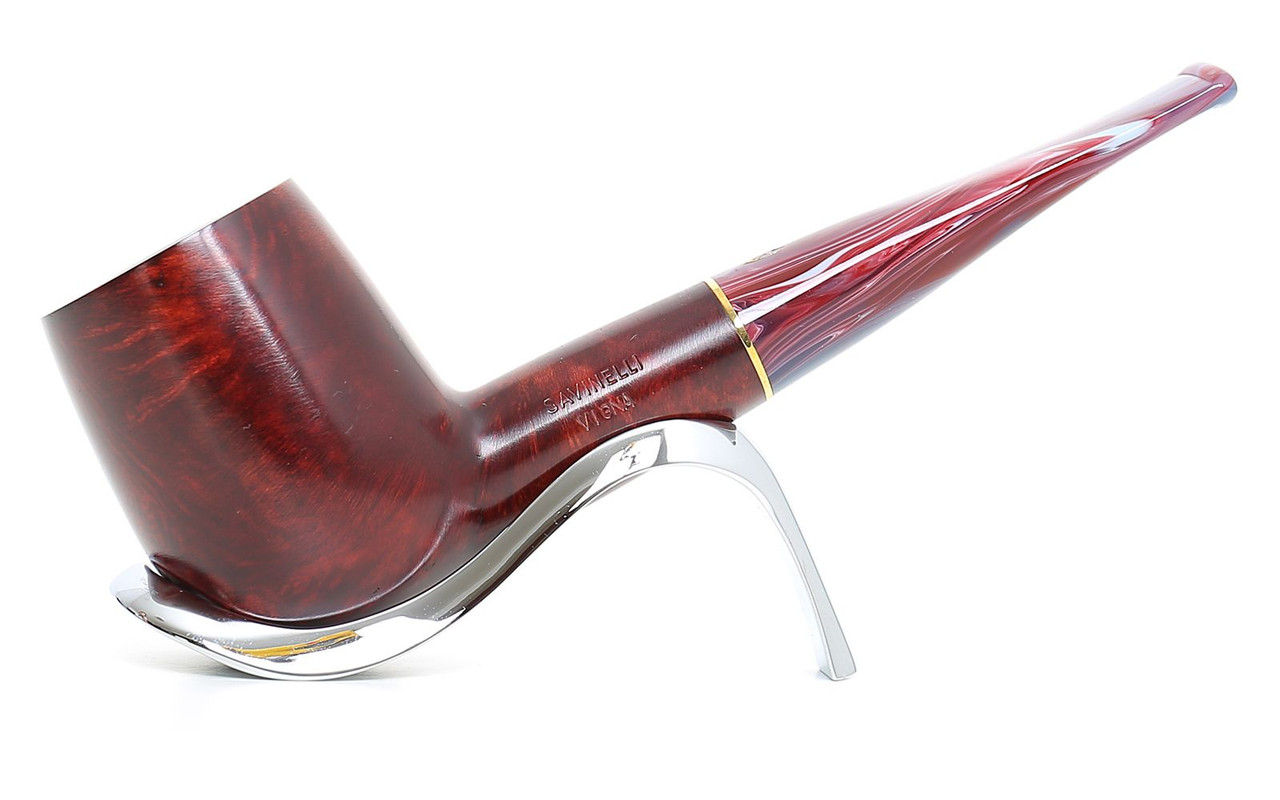
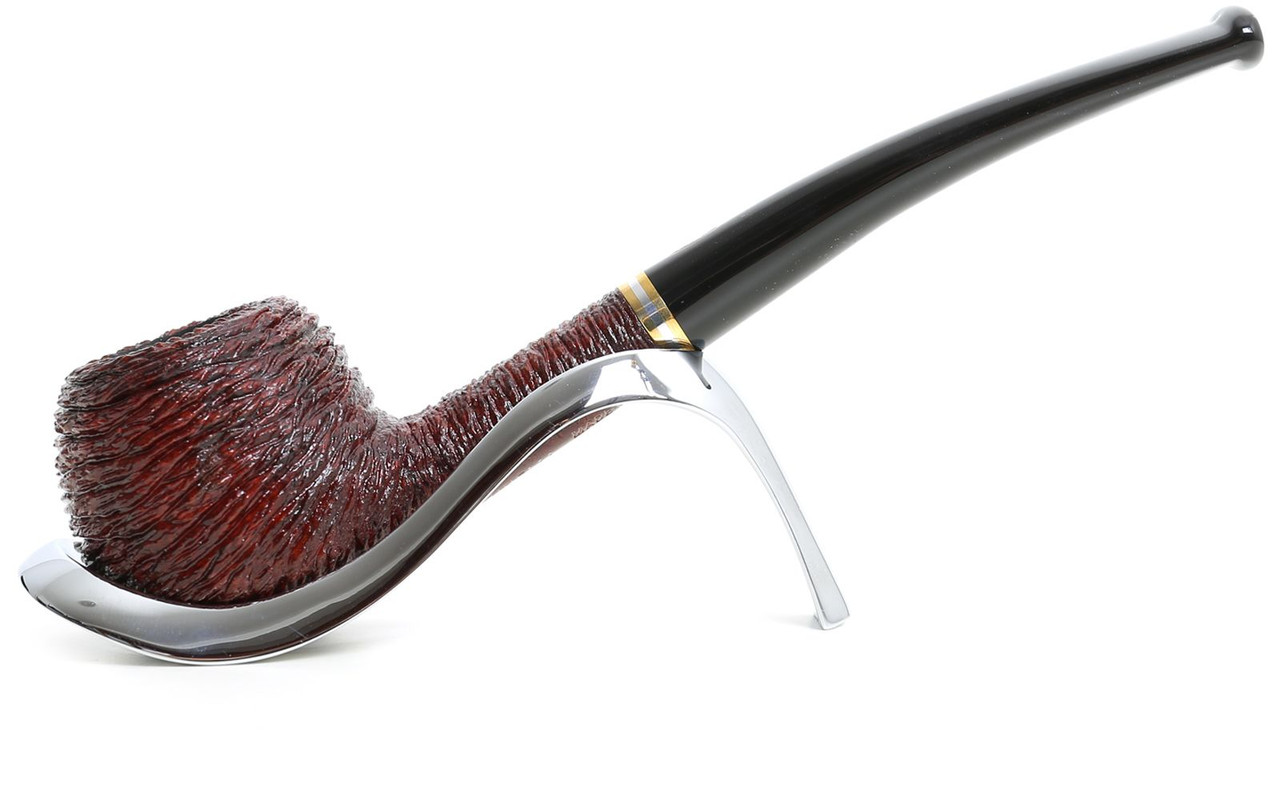
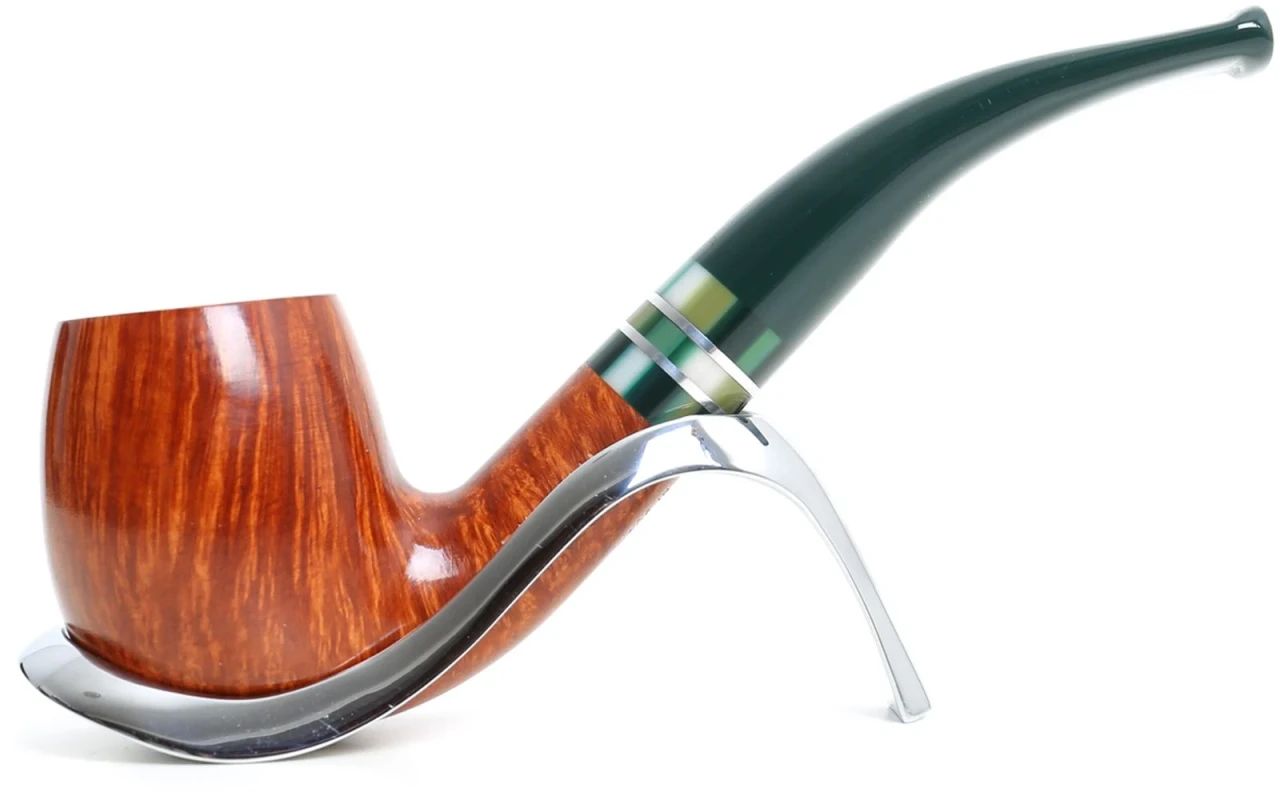
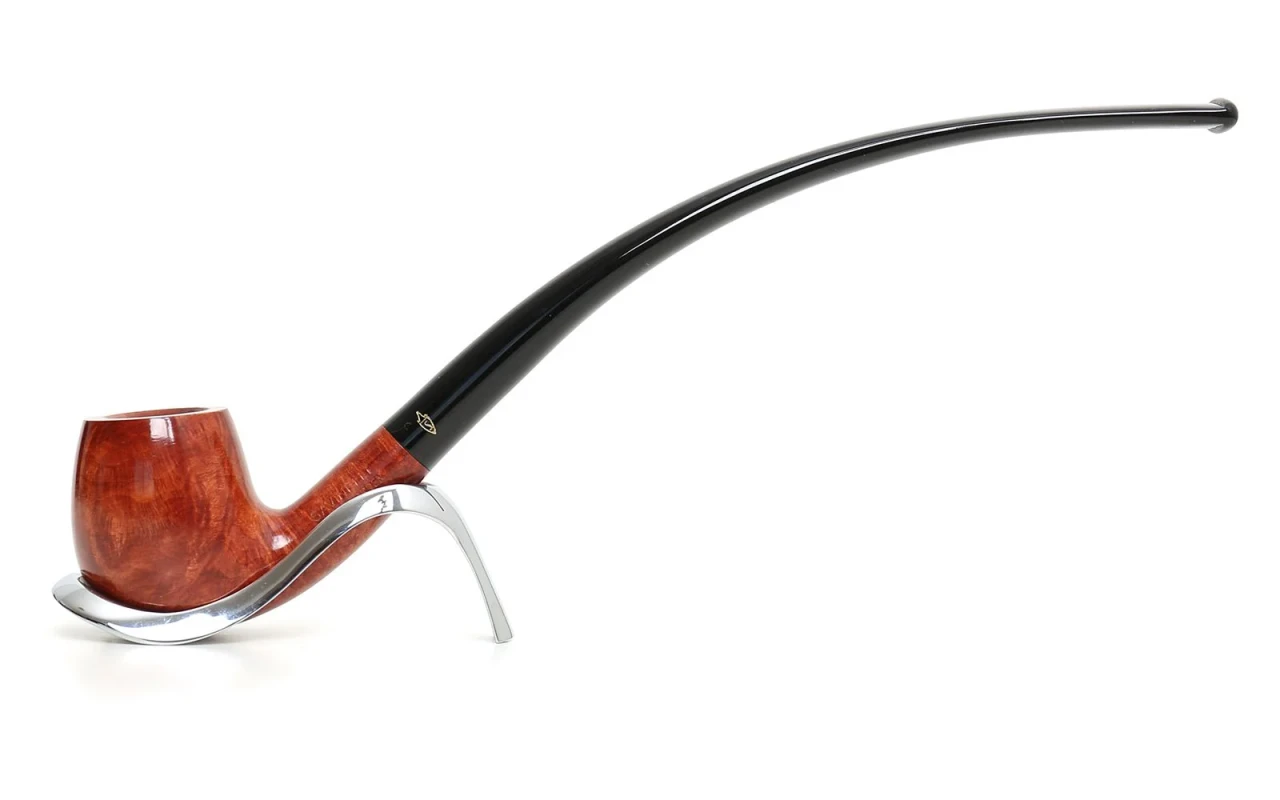
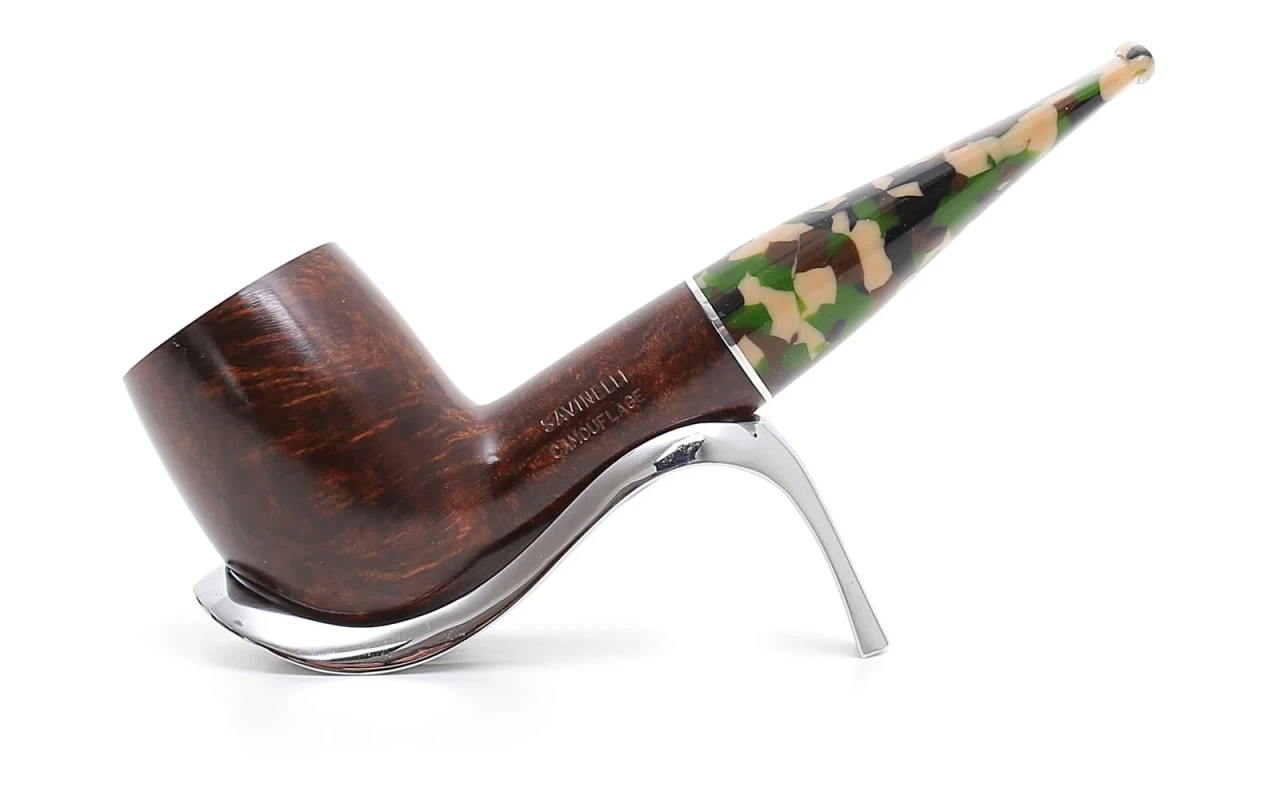
Oil finishing of briar pipes
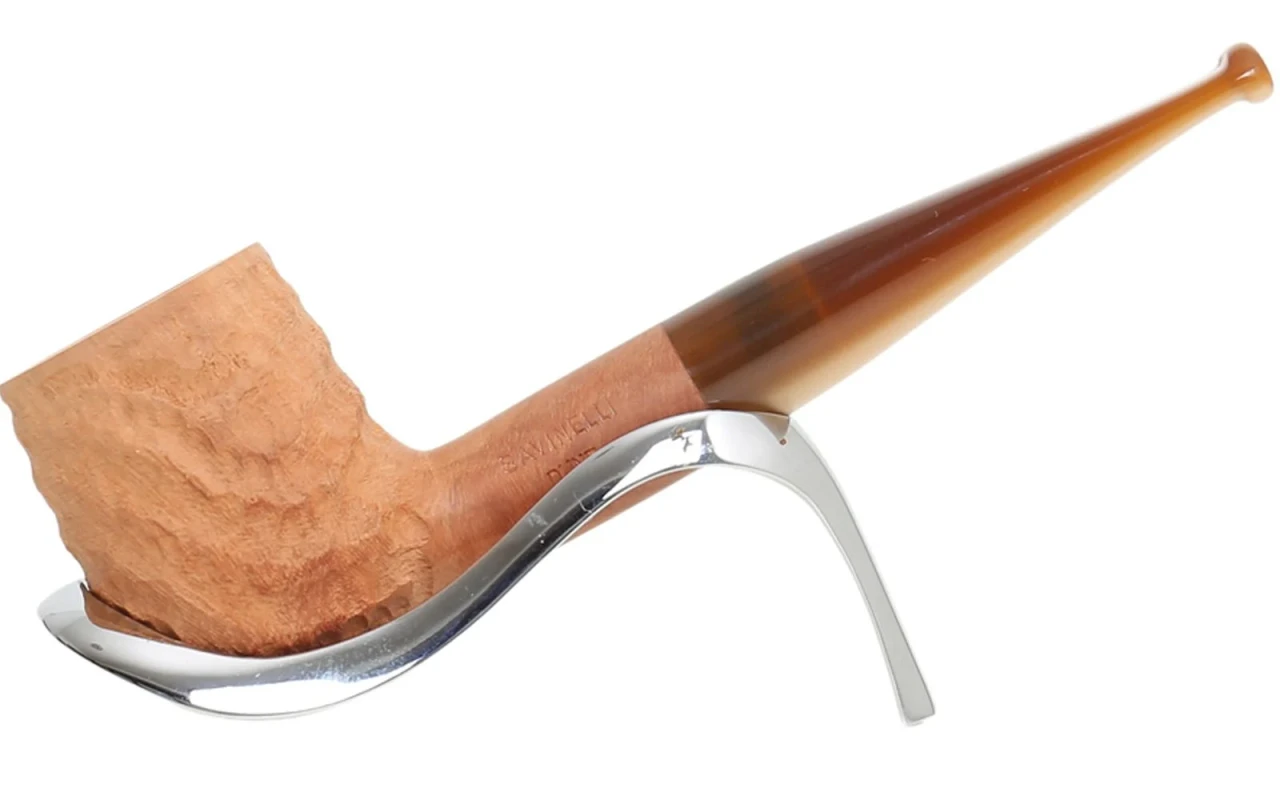
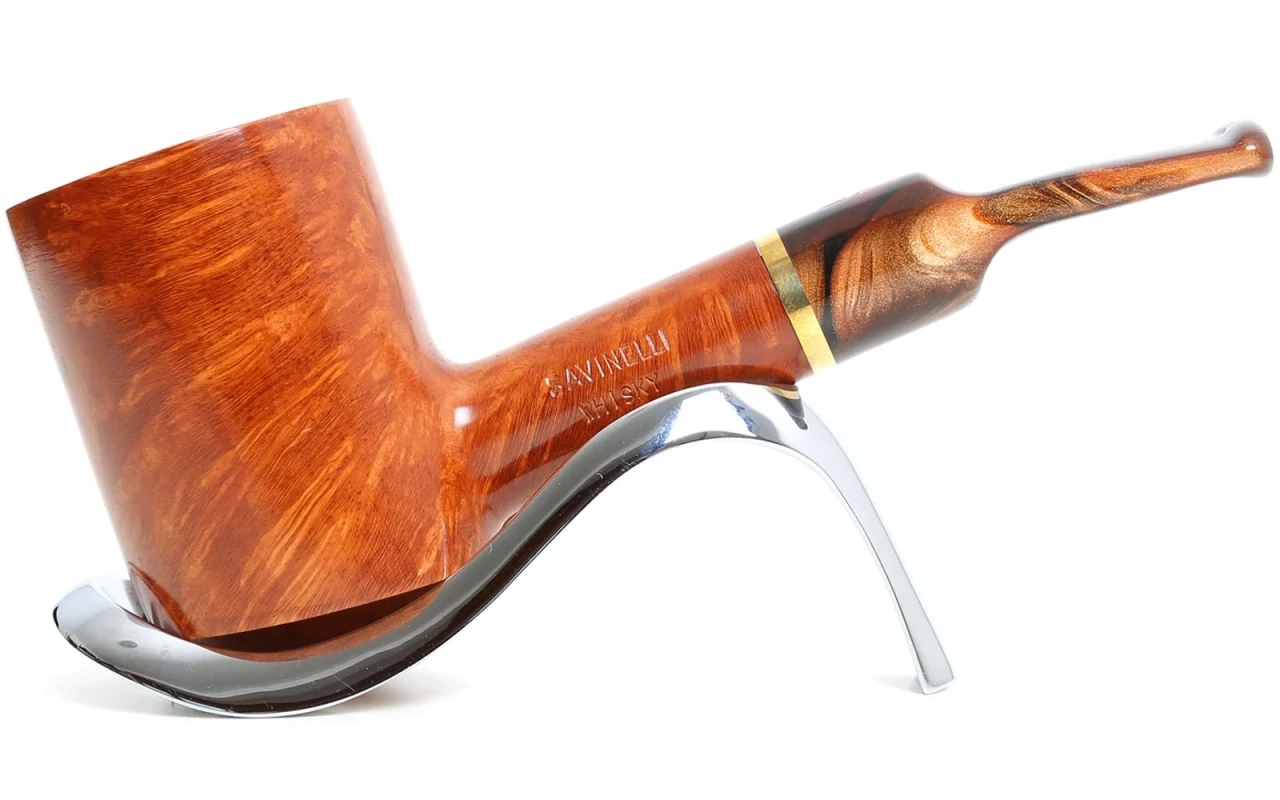
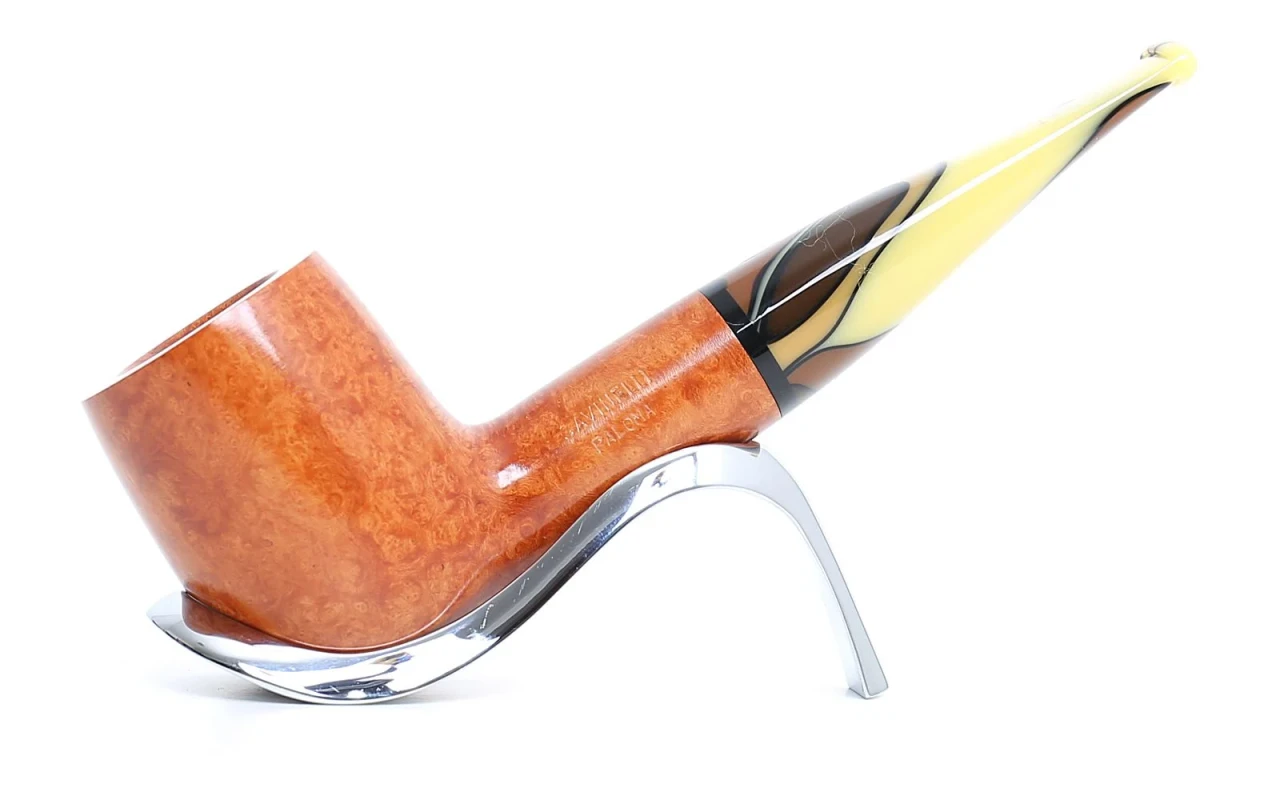
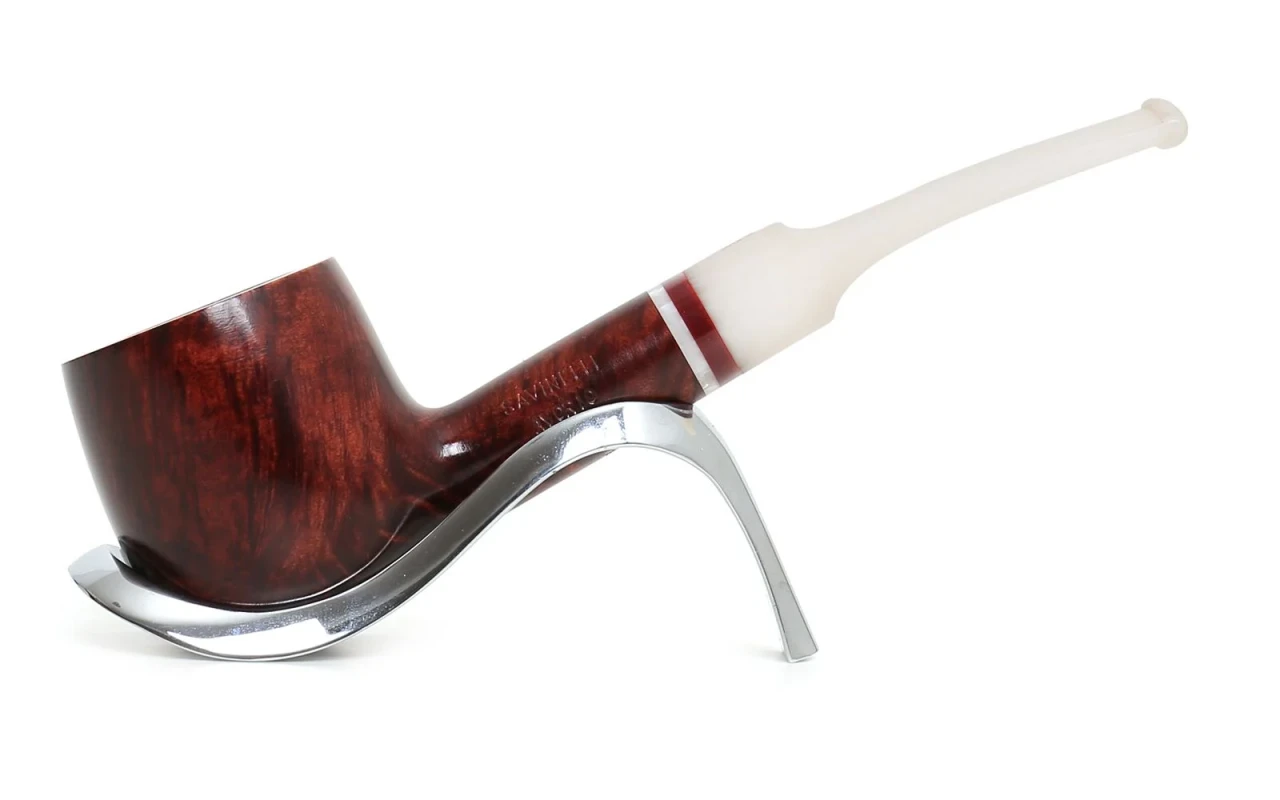
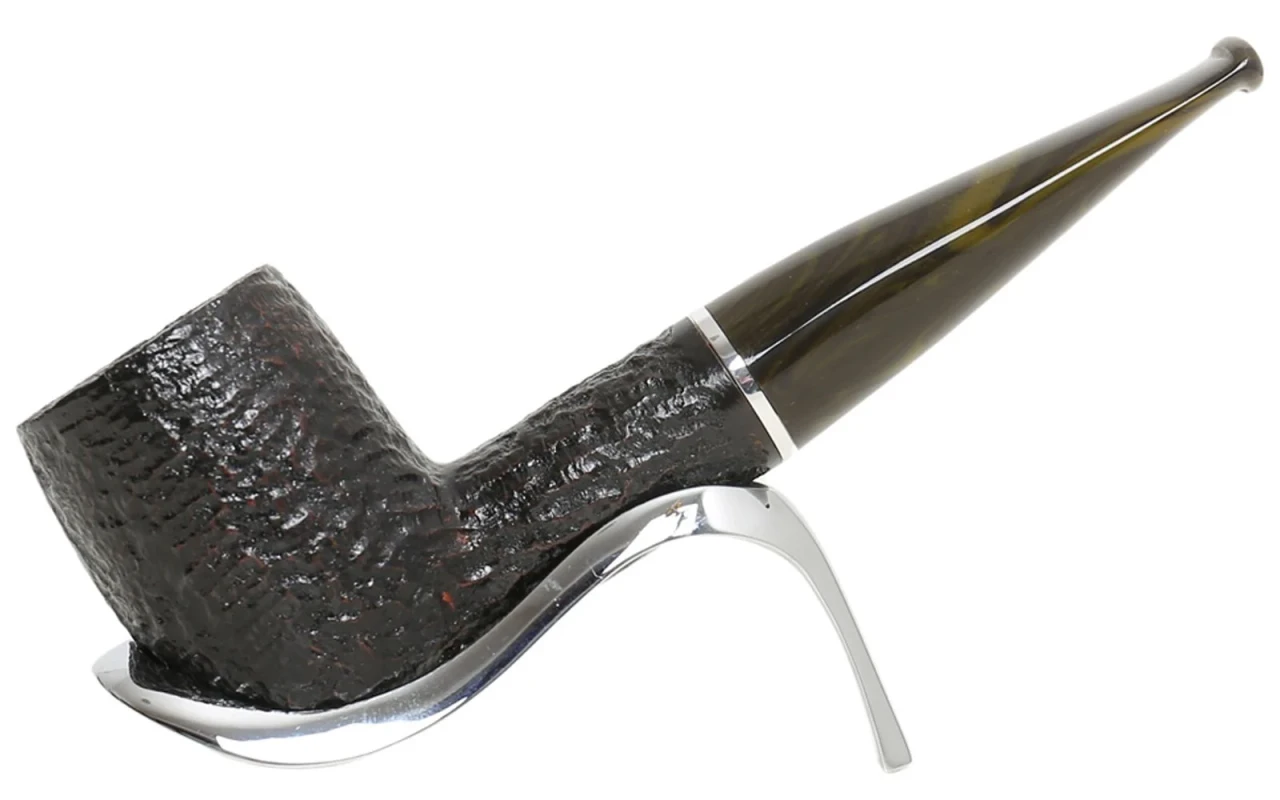
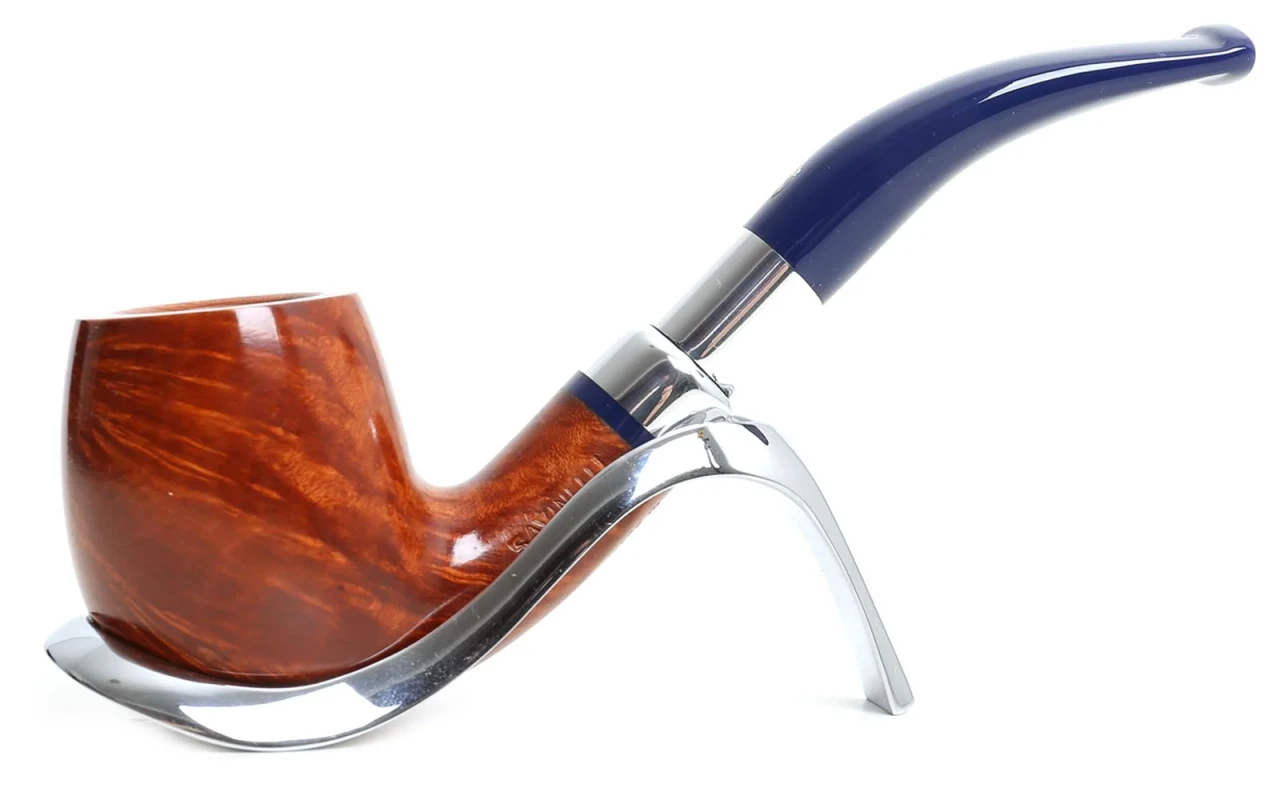
The oil finishing of briar pipes is a traditional and artisanal process used to protect and enhance the wood. The oil penetrates the surface of the briar, nourishing it and giving it a shiny and resistant patina. This technique highlights the wood's grain and details, giving the pipe a natural and warm look. Additionally, the oil helps prevent potential damage caused by moisture and heat during pipe use. It is important to apply the oil carefully and patiently, following the manufacturer's instructions to ensure a uniform and long-lasting finish over time.
Maintenance of Briar Pipes
Maintaining briar pipes is essential to ensure optimal performance over time. Here are some useful tips:- Regular cleaning: remove tobacco residues and moisture with a pipe cleaner and a pipe reamer.- Thorough drying: allow the pipe to dry completely after use to prevent mold formation.- Check the condition: periodically inspect the briar and the mouthpiece for any cracks or signs of wear.- Polishing: to maintain the beauty of the briar, it is advisable to polish the pipe with specific products.By following these simple practices, you can enjoy your briar pipe for a long time.
Pipe Smoking Pipe Polishing
Polishing smoking pipes is an essential process to maintain the beauty and longevity of these precious smoking instruments over time. To properly polish a smoking pipe, it is advisable to follow some fundamental steps:- Use soft and non-abrasive cloths to remove dirt and tobacco residues.- Gently apply specific pipe polishing agents to restore their original splendor.- Avoid using aggressive chemicals that could damage the wood or other materials of the pipe.- Finally, polish with circular movements to achieve uniform and shiny results.
Wood treatment for pipes
Wood treatment for pipes is a fundamental process to ensure the durability and quality of these instruments. First of all, the raw wood is sanded to remove any imperfections and then seasoned to stabilize the moisture. Subsequently, the wood is colored through the application of varnishes or natural oils that protect the wood and enhance its grain. Finally, the wood is polished to achieve a shiny and resistant finish. This treatment not only improves the aesthetics of the pipe, but also helps preserve its functional characteristics over time.
'%3e%3cg id='Final-Copy-2_2_' transform='translate(1275.000000, 200.000000)'%3e%3cpath class='st0' d='M7.4,12.8h6.8l3.1-11.6H7.4C4.2,1.2,1.6,3.8,1.6,7S4.2,12.8,7.4,12.8z'/%3e%3c/g%3e%3c/g%3e%3c/g%3e%3cg id='final---dec.11-2020'%3e%3cg id='_x30_208-our-toggle' transform='translate(-1275.000000, -200.000000)'%3e%3cg id='Final-Copy-2' transform='translate(1275.000000, 200.000000)'%3e%3cpath class='st1' d='M22.6,0H7.4c-3.9,0-7,3.1-7,7s3.1,7,7,7h15.2c3.9,0,7-3.1,7-7S26.4,0,22.6,0z M1.6,7c0-3.2,2.6-5.8,5.8-5.8 h9.9l-3.1,11.6H7.4C4.2,12.8,1.6,10.2,1.6,7z'/%3e%3cpath id='x' class='st2' d='M24.6,4c0.2,0.2,0.2,0.6,0,0.8l0,0L22.5,7l2.2,2.2c0.2,0.2,0.2,0.6,0,0.8c-0.2,0.2-0.6,0.2-0.8,0 l0,0l-2.2-2.2L19.5,10c-0.2,0.2-0.6,0.2-0.8,0c-0.2-0.2-0.2-0.6,0-0.8l0,0L20.8,7l-2.2-2.2c-0.2-0.2-0.2-0.6,0-0.8 c0.2-0.2,0.6-0.2,0.8,0l0,0l2.2,2.2L23.8,4C24,3.8,24.4,3.8,24.6,4z'/%3e%3cpath id='y' class='st3' d='M12.7,4.1c0.2,0.2,0.3,0.6,0.1,0.8l0,0L8.6,9.8C8.5,9.9,8.4,10,8.3,10c-0.2,0.1-0.5,0.1-0.7-0.1l0,0 L5.4,7.7c-0.2-0.2-0.2-0.6,0-0.8c0.2-0.2,0.6-0.2,0.8,0l0,0L8,8.6l3.8-4.5C12,3.9,12.4,3.9,12.7,4.1z'/%3e%3c/g%3e%3c/g%3e%3c/g%3e%3c/g%3e%3c/svg%3e) Your Privacy Choices
Your Privacy Choices 


